 Small batches, high standards. Our rapid prototyping service makes validation faster and easier —
  EN
EN


What Are the Lightest Metals? Ranked by Density, Not Hype
Fast answer for lightest metals
If you searched for what are the lightest metals, the shortest useful answer is this: chemistry and engineering usually mean two different things. In pure elemental terms, metals are ranked by density. In product design, lighter metals are judged by how much weight they save without creating bigger problems in strength, corrosion, cost, or processing.
What Counts as the Lightest Metal
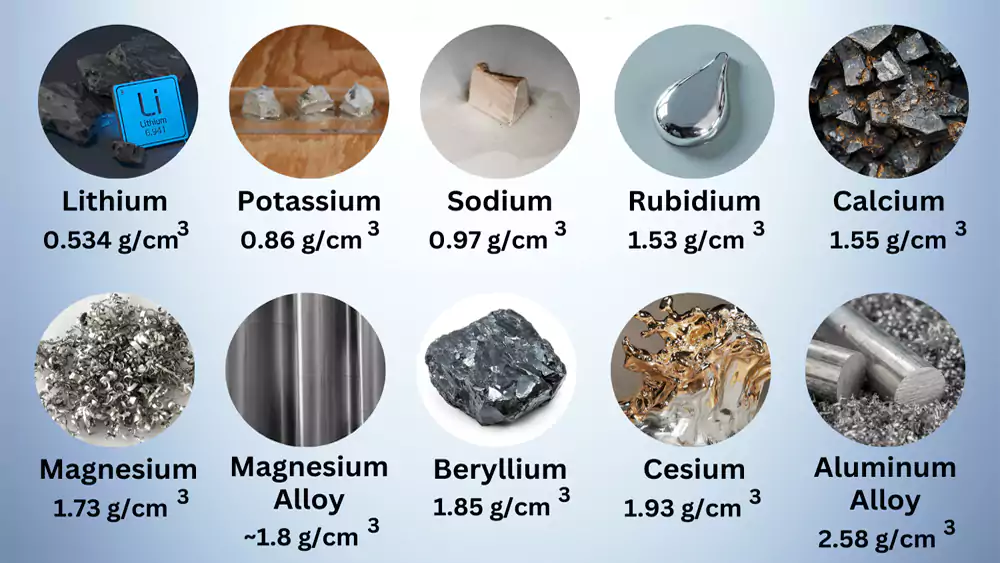
For this article, "lightest" means lowest density, using g/cm3 as the comparison rule. In PubChem density data, lithium is the lightest pure metal at 0.534 g/cm3. Potassium at 0.89 g/cm3 and sodium at 0.97 g/cm3 are also among the least dense elemental metals. A quick note from ThoughtCo: these metals are light enough to float on water, but they are also highly reactive, which matters a lot outside a textbook answer.
The Fast Answer Readers Need First
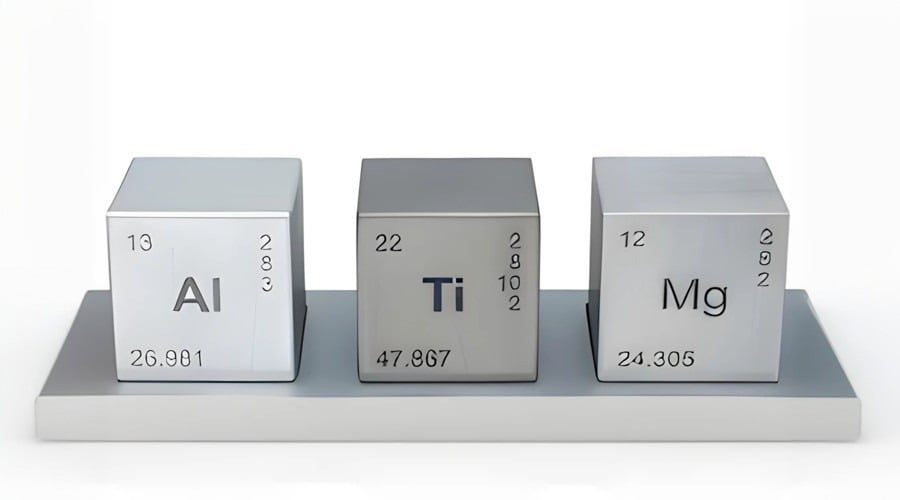
Lithium is the lightest metal by density, but the most useful lightweight metals in engineering are usually magnesium, aluminum, and titanium.
- Chemistry answer: the ranked elemental list begins with lithium, then potassium, then sodium, followed by other low-density metals such as magnesium and beryllium.
- Practical answer: industry conversations about lightweight metals usually focus on magnesium, aluminum, and titanium because they are far more usable in real parts.
- Common search question: if you are asking what is the lightest metal or what metal is the lightest, the elemental answer is lithium.
- What this guide covers: first the density-first ranking, then the real-world shortlist and tradeoffs behind those choices.
That split is the reason a simple question often gets muddled online. The absolute lightest metal is not automatically the best material for a vehicle, enclosure, or structural component. So this guide starts with the chemistry answer readers want, then shifts into why engineers keep returning to a different shortlist. The key idea hiding underneath both answers is simple but important: density is not the same thing as mass, and that distinction changes the whole discussion.
How lightness is actually measured
That split between chemistry and engineering comes down to one easy-to-mix-up idea: a material can have a low atomic mass without being the best choice when you need a light part.
Density Versus Atomic Mass
If you ask which element has the lowest atomic mass, or what is the lightest chemical element, the answer is hydrogen. It is also the answer to the question, what is the lightest element on the periodic table. But hydrogen is not a metal, so it does not answer the metal-ranking question.
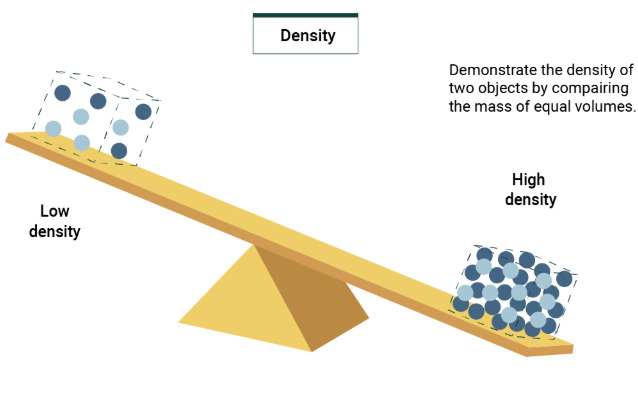
For metals, the more useful sorting rule is density, not atomic mass. Density tells you how much mass is packed into a given volume. The basic formula is D = m/v, and the ACS explains it as mass divided by volume. That is why two blocks of the same size can weigh very differently. A more dense metal packs more mass into the same space than a less dense one.
In materials work, density is usually shown in g/cm3 or kg/m3. The later tables in this article will keep units consistent so the comparisons stay clear, following common materials-reference practice described in this density guide.
Why a Light Metal Is Not Always a Useful Metal
Here is where readers often hit the real-world gap. The lightest material in a broad sense is not automatically the best structural option, and a low-density metal is not automatically easy to design with. Engineers care about how a finished part performs, not just where a metal lands on a density chart.
- Elemental metals: pure metals ranked by density, which is the basis for the upcoming list.
- Alloys: engineered mixes such as aluminum or magnesium alloys, chosen for better strength, corrosion behavior, or manufacturability.
- Engineered ultra-light materials: metal foams and lattice-like structures reduce weight by adding pores or empty space, rather than by changing the base metal itself. A metal foams review describes these as cellular materials with gas-filled pores and low specific weight.
So what is light metal in practical terms? Usually, it means a metal with relatively low density that still works in manufacturing. That is why the next section ranks pure elements first, then separates the truly low-density metals from the ones people actually build with.
Ranked list of the lightest metals
Here is the density-first answer most readers want. The table below ranks elemental lightest metals by density in g/cm3, using PubChem as the primary data source and checking the order against Engineers Edge and Lenntech. Small differences do appear across references because some tables round values differently, but the low-density ranking stays broadly consistent. In simple terms, if you want the metal with lowest density, this is the list that answers it.
Ranked List of the Lightest Elemental Metals
| Rank | Element | Symbol | Density, g/cm3 | Quick reading |
|---|---|---|---|---|
| 1 | Lithium | Li | 0.534 | The lightest metal and the lowest density metal in this ranking |
| 2 | Potassium | K | 0.89 | Second lightest elemental metal |
| 3 | Sodium | Na | 0.97 | Third overall in density-first order |
| 4 | Rubidium | Rb | 1.53 | Very close to calcium |
| 5 | Calcium | Ca | 1.54 | Nearly tied with rubidium in rounded tables |
| 6 | Magnesium | Mg | 1.74 | First major engineering metal many readers recognize |
| 7 | Beryllium | Be | 1.85 | Lighter than cesium, aluminum, scandium, and titanium |
| 8 | Cesium | Cs | 1.93 | Still very low density, though not near lithium |
| 9 | Strontium | Sr | 2.64 | Slightly lighter than aluminum |
| 10 | Aluminum | Al | 2.70 | A practical lightweight benchmark in many industries |
| 11 | Scandium | Sc | 2.99 | The lightest transition metal in this density ranking |
| 12 | Barium | Ba | 3.62 | A noticeable jump upward from scandium |
| 13 | Yttrium | Y | 4.47 | Just lighter than titanium |
| 14 | Titanium | Ti | 4.50 | Much denser than lithium, yet still low compared with many structural metals |
How the Lowest Density Metals Compare
A few patterns jump out fast. Lithium sits far ahead of the rest at 0.534 g/cm3, which makes it both the lightest metal and the lightest alkali metal. Potassium and sodium follow, so the top of the chart is dominated by elemental metals that answer the chemistry question directly.
That is also why density rankings can feel a little disconnected from everyday engineering talk. Magnesium appears only in sixth place, aluminum in tenth, and titanium in fourteenth. Yet those are often the names that dominate design discussions. Scandium is worth calling out too: for readers asking about the lightest transition metal, it arrives at 2.99 g/cm3, well below titanium.
- Pure density winner: lithium remains the clear first-place answer.
- Top of the list: mostly elemental low-density metals rather than the usual manufacturing shortlist.
- Practical surprise: magnesium, aluminum, and titanium sit lower than many readers expect.
- Bottom line: if you want the lightest metal on earth in elemental terms, it is lithium. If you want a useful structural choice, the chart alone will not settle the question.
That mismatch is where the subject gets interesting. The number-one material on a density chart is not automatically the one engineers default to, and that gap between ranking and real-world fit is impossible to ignore for long.
Why the lightest metal is not always best
A density chart settles the ranking, but it says very little about whether a metal belongs in a load-bearing part. That is where many readers stop asking for the lightest element and start asking about the strongest lightweight metal instead.
Why Lithium Is Not the Default Lightweight Structural Choice
- Myth: The lightest metal should be the best way to cut part weight. Reality: Lithium is the lightest elemental metal at 0.534 g/cm3, but pure lithium is also soft and highly reactive. Reference material describes it as soft enough to cut with a knife and quick to oxidize in air.
- Myth: Low density means easy shop handling. Reality: Lithium reacts with air and with water, producing heat, lithium hydroxide, and hydrogen gas, so storage and processing need far tighter control than common structural metals.
- Myth: If lithium works so well in batteries, it should work well in frames or housings. Reality: Its real strength is electrochemistry, not structural duty. Even lithium-metal batteries require careful control because short-circuit and fire risks rise when metallic lithium grows in unstable forms.
- Myth: The lightest option is automatically available in practical product forms. Reality: Engineers usually need sheet, bar, castings, or extrusions with predictable processing routes. Lithium is not a mainstream choice for those structural supply chains.
Myth Versus Reality in Strong and Light Metals
- Myth: The phrase strongest lightest metal has one universal answer. Reality: Density is only one variable. Strength, stiffness, corrosion behavior, joining, cost, and manufacturability also decide what works.
- Myth: What is the strongest and lightest metal is a simple chemistry question. Reality: In engineering, magnesium is widely treated as the lightest structural metal, aluminum often wins on balance and manufacturability, and titanium is often preferred when high strength-to-weight and corrosion resistance matter most.
- Myth: What is the lightest and strongest metal must point to lithium. Reality: Lithium clearly wins on absolute lightness, but not on structural usefulness. A denser metal can still produce the lighter, safer, and more durable finished part.
- Myth: The strongest and lightest metal is the same for every job. Reality: A vehicle bracket, electronics housing, and aerospace component reward different trade-offs, so material choice depends on the application, not just the ranking.
That is why real material decisions rarely stop at first place on a density table. Magnesium, aluminum, and titanium keep showing up because they offer workable balances of mass, performance, corrosion control, and production practicality, which makes the engineering shortlist far more useful than the chemistry winner alone.
Practical lightweight metals engineers really use
Design teams rarely stop at lithium. When real parts need to be cast, machined, formed, or trusted in service, the shortlist usually narrows to magnesium, aluminum, and titanium. These are the metals engineers repeatedly specify in transportation, electronics, aerospace, marine systems, and industrial equipment. Each lightweight metal here solves a different problem. If someone asks, what is a light metal that is durable, the honest answer depends on the job: the lowest density choice is not always the easiest to manufacture, and the easiest to manufacture is not always the strongest.
Magnesium as a True Lightweight Engineering Metal
Keronite places magnesium at 1.74 g/cm3, making it the lightest practical structural option in this engineering shortlist. So, is magnesium lighter than aluminum? Yes. The same source notes that magnesium is about 33% lighter than aluminum and 50% lighter than titanium. It also offers very high damping capacity and is easy to machine, which helps explain its appeal in vibration-sensitive and weight-critical parts.
- Best for: aggressive weight reduction in structural housings, cast components, and parts where vibration absorption matters.
- Strengths: very low density, good shock and vibration damping, easy machining, and good fit for molded or cast shapes.
- Limits: lower corrosion resistance and low surface hardness, so environment and surface condition matter.
- Common industries: automotive, aerospace interiors, electronics casings, tools, and selected machinery parts. EIT highlights uses such as seat frames, gearbox housings, laptop casings, and camera bodies.
Why Aluminum Dominates Everyday Weight Reduction
Aluminum is not the first name on a density chart, but it is often the most practical lightweight metal for mainstream production. Keronite describes aluminum as corrosion resistant because of its passive oxide layer, and also notes its high ductility, malleability, and ease of machining. That combination is why lightweight aluminum shows up so often in body panels, engine blocks, electrical housings, frames, and enclosures. When people say light aluminum, they usually mean aluminum alloys that cut mass without making fabrication difficult or expensive.
- Best for: broad, cost-aware weight reduction across high-volume products.
- Strengths: good corrosion resistance, strong formability, easy extrusion and machining, and lower cost than titanium.
- Limits: lower hardness and wear resistance, and some high-strength alloys trade away corrosion performance.
- Common industries: automotive, construction, transport, consumer electronics, packaging, and thermal-management parts.
Where Titanium Fits Despite Higher Density
Readers often ask, is aluminum or titanium lighter, and is aluminum lighter than titanium? By density, yes. TZR Metal compares aluminum at about 2.7 g/cm3 and titanium at about 4.5 g/cm3. Even so, titanium stays on the real-world shortlist because its strength, corrosion resistance, and heat tolerance are unusually strong for a relatively low-density metal. Keronite notes that titanium is often chosen when engineers want to replace steel in stressed components, especially in corrosive or higher-temperature environments.
- Best for: demanding parts where durability and strength matter more than reaching the absolute lowest density.
- Strengths: high strength, excellent corrosion resistance, and better suitability for tougher thermal environments.
- Limits: high material and fabrication cost, harder machining, and more demanding processing.
- Common industries: aerospace, marine, medical, defense, and other high-performance systems.
The practical pattern is simple: magnesium chases the lowest structural weight, aluminum wins the everyday balance, and titanium earns its place when performance justifies the penalty in density and cost. A material chart gets more useful when those tradeoffs sit side by side, because a slightly heavier metal can still be the smarter engineering choice.
Strong and lightweight metal tradeoffs
Low density gets the headline, but material selection rarely ends there. Engineers comparing a strong and lightweight metal usually land on magnesium, aluminum, and titanium because each one reduces mass in a different way. The practical question is not just which metal is lightest. It is which option stays workable after strength, corrosion, machining, and cost are all counted. Representative figures below are based on the HLC comparison and the MakerStage guide.
Strength to Weight Versus Absolute Density
If you sort only by density, magnesium wins this shortlist. Even so, the lightest practical choice is not always the best light strong metal. Titanium is much denser, yet its specific strength can outperform aluminum and steel in demanding parts. Aluminum sits between them and often gives the broadest balance of weight, cost, and manufacturability.
| Metal family | Density, g/cm3 | Strength-to-weight context | Corrosion behavior | Machinability or formability | Cost positioning | Typical applications |
|---|---|---|---|---|---|---|
| Magnesium alloys | About 1.74 | Lowest density of the three. Useful when maximum mass reduction matters, though typical alloy strength is generally below high-strength aluminum and titanium. | More vulnerable in humid or saline environments. Alloying and surface treatments are often used to improve resistance. | Good machinability and castability. Processing needs care because magnesium is flammable and surface protection often matters. | Not usually the cheapest route once processing and protection are included. | Automotive housings, electronics casings, sports equipment, aerospace weight-saving parts |
| Aluminum alloys | About 2.70 to 2.81 | Best all-around balance. 6061-T6 is a common default, while 7075-T6 raises strength when higher loads justify it. | Generally good because of its protective oxide layer. A strong and light metal still needs the right alloy and finish for harsher exposure. | Excellent machinability and good forming options. Well suited to extrusion, stamping, drawing, and general fabrication. | Usually the most economical practical choice among common lightweight alloys. | Brackets, frames, enclosures, heat sinks, transportation structures, consumer products |
| Titanium alloys | About 4.43 to 4.50 | Highest specific strength in this group. Ti-6Al-4V is a common benchmark when performance matters more than reaching the lowest density. | Excellent, especially in saline, chemical, and biomedical-type environments. | Difficult to machine. Low thermal conductivity increases tool-tip heat, so tooling and process control matter more. | Highest raw material and machining cost of the three. | Aerospace parts, marine hardware, medical components, high-load structural parts |
Cost Corrosion and Manufacturability Tradeoffs
If you are asking what is a cheap metal for real weight reduction, aluminum is usually the first practical answer in this trio. The MakerStage guide lists Al 6061-T6 at about $3 to $5 per lb and Ti-6Al-4V at about $25 to $50 per lb, while also noting that titanium's total part cost rises further because it machines slowly. Magnesium can beat aluminum on density, but corrosion protection and processing controls can narrow that advantage. Titanium can be the smarter lightweight and strong metal when corrosion resistance, temperature capability, or service life matter more than raw density alone. In other words, all three can become durable metals, but only when the environment and manufacturing route match the material.
A slightly heavier metal can be the better engineering choice if it cuts corrosion risk, machining trouble, or lifetime cost.
That is why the same three metals keep reappearing across very different products. A phone housing, marine bracket, and aerospace fitting may all need a low-density material, but the winning metal changes with exposure, process, and part geometry.
Where lightweight metals make the biggest impact
Those examples at the end of the last section point to the real pattern: industries use light metals again and again, but not for identical reasons. Use maps from Xometry and the HLC comparison keep bringing the same trio back into view, magnesium, aluminum, and titanium. Even when engineers talk about strong light metals, the winning choice depends on what the part must survive after it leaves the drawing.
Where Lightweight Metals Matter Most
| Application area | Metals often considered | Why they keep showing up |
|---|---|---|
| Aerospace | Titanium, aluminum, magnesium | Low mass matters, but so do strength-to-weight, corrosion resistance, and performance in demanding environments. |
| Transportation | Aluminum, magnesium | Vehicle parts benefit from lower weight, practical forming routes, and scalable production. |
| Engine-related components | Aluminum, magnesium, titanium | Aluminum is widely used for automotive parts including engine blocks, magnesium fits selected covers and housings, and titanium is saved for higher-performance stressed parts. |
| Blades and rotating parts | Titanium, aluminum, magnesium | These parts need a balance of low mass, dimensional stability, and resistance to speed, heat, or corrosion. |
| Marine systems | Aluminum, titanium | Corrosion resistance can matter just as much as density in salt-exposed service. |
| Electronics and automation | Aluminum, magnesium | Low weight, good machinability, and useful heat dissipation make them common for housings and moving assemblies. |
| Construction | Aluminum | Its corrosion resistance, formability, and broad availability make it a frequent choice for lighter sections and frames. |
Best Fit by Industry and Part Type
- Automotive: There is no single best light weight material for engine blocks, but aluminum is the mainstream answer when weight reduction must still work with common casting and machining routes.
- Aerospace and rotating parts: When people ask about light weight metals for blades, service conditions usually decide the answer. Higher stress, heat, or corrosion pressure tends to make titanium more attractive than a lighter but less capable option.
- Electronics and automation: A light metal can reduce handheld or moving-system mass, but thermal behavior and enclosure shape matter too. That is why aluminum and magnesium both stay relevant.
- Marine and outdoor exposure: A light metal that looks ideal on a density chart can become a poor choice if coatings, surface exposure, or joining details are ignored.
Part geometry, joining method, section thickness, and surface condition can change the material call even inside the same industry. A thin extrusion, a cast housing, and a fast-spinning component do not ask the same thing from the metal. That is why an industry map helps, but a real decision still needs a clearer selection path.
How to choose the right light metal
An industry map helps, but real projects still need a filter. If you arrived asking what's the lightest metal, lithium answered the chemistry side. Design work is stricter. The right light weight metal is the one that meets the load case, the environment, and the manufacturing route without pushing cost out of control.
How to Choose the Right Light Metal
- Set the density target. Magnesium beats aluminum and titanium on structural lightness, but the lightest option is not always the best strong lightweight metal for production.
- Check strength-to-weight needs. A lightweight strong metal for a bracket, enclosure, or crash-management part may point to different answers. Titanium suits the hardest service conditions. Aluminum often covers the widest middle ground.
- Map corrosion exposure. Salt, moisture, and mixed-metal contact quickly narrow choices. Aluminum's oxide layer gives it a practical baseline advantage, while magnesium usually needs more protection.
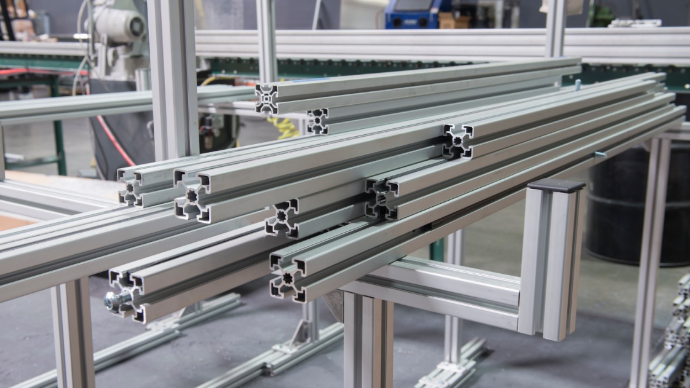
- Match the process. Casting, sheet forming, machining, and extrusion reward different metals. Long profiles, internal channels, and repeatable cross-sections often favor aluminum.
- Screen compliance needs. Automotive programs need traceability and stable quality systems, not just a material that looks good on a density chart.
- Price the whole part. Tooling, finishing, machining time, and scrap can erase the benefit of a lighter raw metal.
- Decide by production scale. Prototype logic and high-volume logic are rarely the same.
When Aluminum Extrusions Become the Smart Manufacturing Choice
If you are still asking, is aluminum lightweight, the practical answer is yes. PTSMAKE summarizes aluminum at about 2.7 g/cm3, far below typical mild steel at about 7.85 g/cm3. That makes it a useful lightweight and strong material when engineers also need corrosion resistance, workable cost, and scalable fabrication.
For transport parts, extrusion becomes especially attractive when the design needs a long, consistent profile, hollow sections, or integrated features that reduce welding and secondary machining. Notes from A-Square Parts show why aluminum keeps winning these jobs: it offers low weight, natural corrosion resistance, design flexibility, and near-net-shape efficiency.
That is also why aluminum often beats lighter but less practical metals in automotive work. If your next step is custom vehicle extrusions, Shaoyi Metal Technology is a useful place to start. Their IATF 16949-certified process, free design analysis, 24-hour quotations, and automotive extrusion support fit buyers who already know that the best material choice is rarely just the answer to what's the lightest metal.
FAQs about the lightest metals
1. What is the lightest metal by density?
Lithium is the lightest metal when metals are ranked by density. Some readers mix this up with the lightest element overall, which is hydrogen, but hydrogen is not a metal. For metal comparisons, density is the key measurement because it reflects how much mass fits into a given volume.
2. What are the lightest metals in elemental form?
A density-first list begins with lithium, then potassium and sodium, followed by rubidium, calcium, magnesium, beryllium, cesium, strontium, aluminum, scandium, barium, yttrium, and titanium. The important nuance is that the top of the list is filled mostly with highly reactive elemental metals, which is why engineers often discuss a different group when selecting materials for real parts.
3. What is the lightest and strongest metal?
There is no single universal answer because 'lightest' and 'strongest' describe different priorities. Lithium is the lightest elemental metal, magnesium is commonly treated as the lightest practical structural metal, and titanium is often chosen when high strength-to-weight and corrosion resistance matter more than reaching the absolute lowest density. The best answer depends on the application, not just the ranking.
4. Is magnesium lighter than aluminum, and is aluminum lighter than titanium?
Yes to both. Magnesium is lighter than aluminum, and aluminum is lighter than titanium when you compare density. However, lower density alone does not settle material choice, because aluminum often wins on manufacturability and cost, while titanium earns its place in harsher, higher-load, or more corrosive service conditions.
5. Which lightweight metal is usually best for automotive parts?
For many vehicle components, aluminum is the most practical starting point because it balances lower weight, corrosion resistance, forming flexibility, and scalable production. It is especially useful for extrusion-friendly designs such as rails, frames, and structural profiles. If a project needs custom automotive aluminum extrusions, working with an IATF 16949-certified supplier such as Shaoyi Metal Technology can help streamline design review, prototyping, and production planning.