 Small batches, high standards. Our rapid prototyping service makes validation faster and easier —
  EN
EN


Aluminium Fabrication Sheet Secrets: From Alloy Choice To Flawless Finish
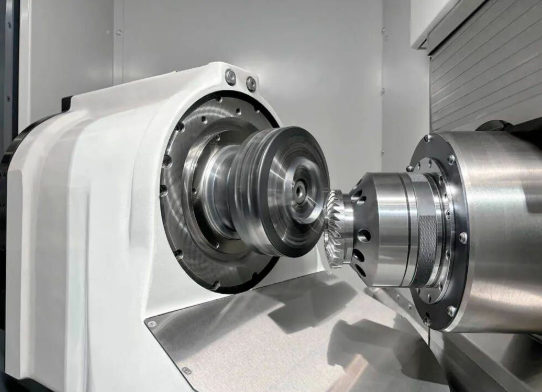
Understanding Aluminium Fabrication Sheet and Its Core Properties
When you're planning a manufacturing project, the material you choose determines everything from production costs to product longevity. Aluminium fabrication sheet refers to flat-rolled aluminum that has been processed, cut, formed, or otherwise transformed into functional components for specific applications. This versatile material shows up everywhere in modern manufacturing, from aircraft body panels to kitchen appliances, roofing systems, and automotive components.
But here's where many newcomers get confused: there's a significant difference between raw aluminum sheet stock sitting in a warehouse and fabricated aluminium components ready for assembly. Understanding this distinction helps you make smarter purchasing and production decisions.
What Makes Aluminium Sheet Ideal for Fabrication
Why do manufacturers consistently reach for aluminum sheets when they could use steel or brass alternatives? The answer lies in an exceptional combination of properties that few other metals can match.
Aluminum weighs about one-third of what steel does while offering a superior strength-to-weight ratio. This single characteristic makes it the backbone of aerospace, automotive, and transportation industries where every pound matters.
Consider these important facts about aluminum that set it apart from sheet metal steel options:
- Lightweight strength: Aluminum delivers impressive structural performance without the weight penalty. According to Machitech, aluminum can be engineered to match steel's strength while remaining significantly lighter, making it ideal for applications where dead weight reduction matters.
- Natural corrosion resistance: When exposed to oxygen, aluminum forms a protective oxide layer that shields it from rust. This built-in protection gives it a massive edge over carbon steel in wet environments or outdoor applications.
- Excellent workability: Aluminum cuts, bends, and forms with far less effort than steel. Machine shops can process it faster with less tool wear, translating to lower labor costs and quicker turnaround times.
- Thermal and electrical conductivity: This material outperforms copper in many electrical applications while requiring only about half the weight to deliver equivalent electrical resistance.
- 100% recyclability: Aluminum retains all original properties regardless of how many times it's recycled, making it both environmentally friendly and cost-effective for fabricators.
Raw Material vs Fabricated Components
Imagine you're sourcing materials for a new product line. You'll encounter two distinct options: raw aluminum sheet stock and pre-fabricated components. Knowing when to choose each path saves time, money, and headaches.
Raw aluminium sheet stock arrives as flat, unprocessed material in standard sizes and thicknesses. You're essentially buying a blank canvas. This option works best when you have in-house fabrication capabilities or need custom dimensions that don't match standard fabricated parts. Manufacturers typically process raw sheets using CNC plasma cutters, laser systems, or other precision equipment to create specific profiles.
Fabricated aluminum components, on the other hand, have already been cut, formed, welded, or finished according to specifications. These ready-to-install parts reduce your production timeline but offer less flexibility for custom applications. When comparing aluminum steel alternatives, fabricated aluminum parts often arrive with protective coatings or anodized finishes already applied.
The choice between raw and fabricated ultimately depends on your production volume, available equipment, and customization needs. DIY enthusiasts might prefer raw sheets for flexibility, while procurement professionals often favor fabricated components for consistency and faster assembly times.
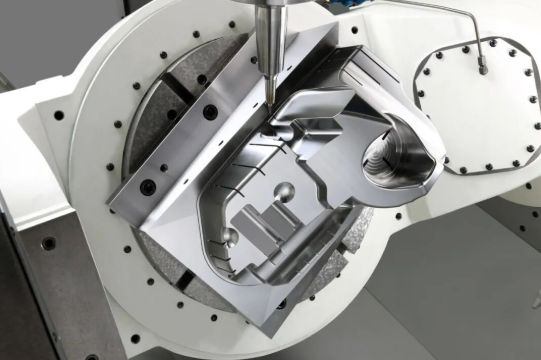
Aluminium Alloy Selection Guide for Fabrication Success
You've selected aluminum as your material of choice. Now comes the critical question: which alloy should you use? This decision affects everything from how easily the material bends to whether your finished product survives harsh marine environments. Choosing the wrong aluminum alloy sheet metal can mean cracked parts, failed welds, or premature corrosion.
Think of aluminum alloys like recipes. Pure aluminum is soft and lacks structural strength. Manufacturers add specific elements—magnesium, silicon, copper, zinc—to create aluminium alloy sheet formulations optimized for particular applications. Each combination produces distinct mechanical properties that determine how the material performs during fabrication and in service.
Matching Alloys to Your Project Requirements
Four aluminum alloy sheets dominate the fabrication landscape, each excelling in different scenarios. Understanding their strengths helps you avoid costly material mismatches.
3003 Aluminum: The General-Purpose Workhorse
When you need excellent formability without breaking the budget, 3003 delivers. This manganese-alloyed aluminum bends easily, welds cleanly, and resists corrosion reasonably well. You'll find it in cooking utensils, roofing panels, storage tanks, and decorative trim. It's not the strongest option, but its forgiving nature makes it ideal for complex forming operations where the material gets pushed to its limits.
5052 Aluminium: Marine and Structural Champion
Need something that laughs at saltwater? Marine grade aluminum 5052 contains higher magnesium content that delivers exceptional corrosion resistance, especially in harsh coastal or underwater environments. According to Approved Sheet Metal, 5052 aluminum contains no copper, which makes it highly resistant to saltwater—a critical advantage for boat hulls, pressure vessels, and marine hardware. The alum 5052 H32 temper offers an excellent balance between workability and strength, making it a fabricator's favorite for projects requiring both forming flexibility and durability.
6061 Aluminum: The Versatile All-Rounder
If you could only stock one alloy, 6061 would be your safest bet. This magnesium-silicon alloy machines beautifully, welds reliably, and responds well to heat treatment for enhanced strength. It's the most popular and cost-efficient aluminum alloy according to industry data, appearing in everything from bicycle frames to electrical equipment and beverage cans. When comparing 5052-H32 vs 6061-T6, the latter wins on tensile strength (45,000 psi versus 34,000 psi) and machinability, while 5052 excels in formability and saltwater resistance.
7075 Aluminum: Maximum Strength Demands
When failure isn't an option, 7075 steps up. This zinc-alloyed aluminum offers roughly 1.5 times the strength of 6061, making it essential for aerospace components, military applications, and high-performance automotive parts. The trade-off? It's harder to form, prone to cracking during welding, and carries a premium price tag. Reserve this alloy for applications where its exceptional strength-to-weight ratio justifies the added fabrication challenges.
Decoding Temper Designations for Better Results
Ever wondered what those letters and numbers after the alloy code mean? Temper designations like T6, H32, and O describe exactly how the aluminum was processed—and they dramatically affect how the material behaves during fabrication.
According to EOXS, temper designations indicate how aluminum has been treated to modify its mechanical properties, including strength, hardness, and ductility. Here's what the most common designations mean for your projects:
- O (Annealed): Fully softened for maximum ductility. Choose this when you need extreme formability—think deep draws, tight bends, or complex shapes. The material will be soft and easy to work but lacks structural strength.
- H32 (Strain-Hardened and Stabilized): Cold-worked to increase strength, then thermally stabilized. This temper offers a practical middle ground between formability and strength. The 5052 aluminum gauge chart shows H32 as the preferred temper for marine applications requiring both workability and durability.
- T6 (Solution Heat-Treated and Artificially Aged): The maximum-strength temper for heat-treatable alloys. The aluminum is heated to high temperature, rapidly quenched, then artificially aged to achieve peak hardness. Best for structural applications but less forgiving during bending operations.
- T5 (Cooled and Artificially Aged): Offers medium strength with better formability than T6. Commonly used for extruded parts like window frames and architectural trim.
Sounds complex? Here's the practical takeaway: softer tempers (O, H32) bend and form more easily but sacrifice strength. Harder tempers (T6) provide maximum structural performance but require larger bend radii to avoid cracking.
| Property | 3003-H14 | 5052-H32 | 6061-T6 | 7075-T6 |
|---|---|---|---|---|
| Formability | Excellent | Excellent | Good | Low |
| Weldability | Excellent | Excellent | Excellent | Low (prone to cracking) |
| Machinability | Fair | Fair | Excellent | Excellent |
| Corrosion Resistance | Good | Excellent (saltwater) | Good | Good |
| Tensile Strength | 22,000 psi | 34,000 psi | 45,000 psi | 83,000 psi |
| Heat Treatable | No | No | Yes | Yes |
| Typical Applications | Roofing, cookware, decorative trim | Marine hardware, pressure vessels, fuel tanks | Structural parts, bike frames, electrical equipment | Aerospace, military, high-performance automotive |
When selecting between these options, start by asking three questions: How much forming does my part require? Will it be exposed to corrosive environments? What strength level does the application demand? Your answers will quickly narrow down the field to one or two suitable candidates. With the right alloy and temper combination selected, the next step is determining the proper thickness and gauge for your specific application.
Thickness and Gauge Selection for Every Application
You've picked the perfect alloy and temper for your project. Now comes a question that trips up even experienced fabricators: how thick should your aluminum sheet be? Choose too thin, and your panels might vibrate, flex, or buckle under load. Go too thick, and you're wasting money on material you don't need while adding unnecessary weight.
Here's where things get interesting. Aluminum sheet thickness can be specified two different ways—direct measurements in millimeters or inches, or through the gauge system. Understanding both methods helps you communicate clearly with suppliers and avoid costly ordering mistakes.
Gauge Selection for Structural vs Decorative Applications
The gauge system follows a counterintuitive logic that confuses newcomers. Unlike standard measurements where bigger numbers mean larger dimensions, gauge sheet metal works in reverse. A lower gauge number indicates thicker material, while higher numbers mean thinner sheets. For example, according to Xometry, a 3-gauge sheet measures about 6.07 mm (0.2391 inches) thick, while 38-gauge sheet metal is only 0.15 mm (0.0060 inches) thick.
Why does this matter for your project? Because the gauge you select directly impacts both performance and cost. Let's break down the practical reasoning behind thickness choices:
Thin Sheets (20-gauge and higher, under 1mm):
- Ideal for decorative panels, signage, and lightweight enclosures
- Easy to cut with hand tools and form without heavy equipment
- Lower material cost per square foot
- May require backing or stiffeners to prevent oil-canning (waviness)
- Best suited for indoor applications with minimal structural demands
Medium Sheets (14 to 18-gauge, approximately 1-2mm):
- Versatile choice for general fabrication and light structural work
- Balances formability with reasonable rigidity
- Works well for equipment housings, ductwork, and automotive panels
- According to CHAL Aluminium, panels under 800mm width typically require 2.0mm minimum thickness for adequate stiffness
Thick Sheets (10-gauge and lower, 3mm+):
- Required for load-bearing structural components
- Provides superior wind resistance for architectural facades
- Better impact resistance for industrial applications
- Higher material and processing costs
- May require specialized equipment for cutting and forming
When does aluminum sheet metal thickness cross into plate territory? Most regions classify anything over 6mm as plate rather than sheet. This distinction affects both pricing and the equipment needed for fabrication.
| Gauge | Thickness (mm) | Thickness (inches) | Recommended Applications |
|---|---|---|---|
| 24 | 0.51 | 0.020 | Decorative trim, light signage, hobby projects |
| 22 | 0.64 | 0.025 | Ductwork, decorative panels, lightweight enclosures |
| 20 | 0.81 | 0.032 | HVAC components, appliance panels, gutters |
| 18 | 1.02 | 0.040 | General fabrication, equipment housings, roofing |
| 16 | 1.29 | 0.051 | Automotive panels, marine fixtures, wall cladding |
| 14 | 1.63 | 0.064 | Structural brackets, truck bodies, heavy enclosures |
| 12 | 2.05 | 0.081 | Architectural facades, load-bearing panels |
| 10 | 2.59 | 0.102 | Heavy-duty structural components, pressure vessels |
Standard Sheet Sizes and Cost Considerations
Walk into any metal supplier and you'll encounter the industry-standard 4x8 aluminum sheet format. This refers to dimensions of 4 feet by 8 feet (approximately 1219mm x 2438mm), which has become the default size for fabrication shops worldwide. Why this specific dimension? It optimizes material yield for most common parts while remaining manageable for transport and handling.
When sourcing 4 x 8 aluminium sheets, you'll find options ranging from thin decorative stock to heavy structural plate. According to Huaxiao Metal, 4x8 aluminum sheets are available in thicknesses from 0.2mm up to 350mm, with custom thicknesses available upon request. The most commonly ordered sheets of aluminum 4x8 fall in the 1-3mm range for general fabrication work.
How does thickness affect your bottom line? Consider these cost factors:
- Material cost scales directly with weight: A 3.0mm sheet costs roughly 50% more than a 2.0mm sheet of identical dimensions
- Processing costs increase with thickness: Thicker material requires more powerful equipment, slower cutting speeds, and greater tool wear
- Shipping weight impacts logistics: For example, a 3mm thick 4x8 sheet weighs approximately 24 kg, while the same size at 2mm weighs around 16 kg
- Structural optimization can reduce thickness: Adding stiffeners to thinner panels often costs less than using thicker material throughout
The sweet spot for most applications? It depends on your specific requirements. Architectural projects in high-wind zones might need 2.5-3.0mm panels for facades, while indoor decorative work could get away with 1.0-1.5mm material. CHAL Aluminium's engineering team notes that increasing thickness from 2.0mm to 3.0mm adds roughly 50% more material cost and weight—a significant consideration for high-rise projects where every kilogram affects structural load calculations.
Before finalizing your thickness selection, consider running the numbers on panel stiffness. Larger 4x8 aluminum sheets with fewer fixing points are more prone to bending and oil-canning. Sometimes adding a backing structure or stiffeners to thinner gauge material delivers better performance at lower cost than simply choosing thicker stock. With your material dimensions sorted, the next critical step is understanding how to cut and form your aluminum sheet without compromising quality.

Essential Fabrication Processes from Cutting to Forming
You've selected your alloy, determined the right temper, and ordered sheets in the perfect thickness. Now comes the hands-on work: transforming flat aluminum stock into functional components. Whether you're wondering how to cut aluminum sheet for a weekend project or scaling up for production runs, understanding the complete fabrication workflow prevents costly mistakes and wasted material.
The journey from raw sheet to finished part follows a logical sequence: cutting separates material into workable blanks, forming shapes those blanks into three-dimensional components, and finishing protects and beautifies the final product. Let's break down each stage with practical guidance you can apply immediately.
Cutting Methods Matched to Material Thickness
How do you cut aluminum sheet without creating jagged edges or warping the material? The answer depends almost entirely on thickness and the precision your project demands. Different tools excel at different jobs, and matching your cutting method to your material saves time, money, and frustration.
Hand Tools for Thin Sheets (Under 1.5mm)
For thin aluminum sheet work, manual tools offer surprising precision without significant equipment investment. Aviation snips cut cleanly through material under 1.5mm, making them ideal for hobby projects, ductwork modifications, and decorative panels. According to PARTMFG, tin snips work effectively for sheets under 1.5mm when you need quick, accessible cuts without power equipment.
When using hand tools, always cut slightly outside your marked line, then file or sand to the final dimension. This approach eliminates the small deviations that inevitably occur with manual cutting.
Power Saws for Medium Thickness (1.5-6mm)
Stepping up to power tools dramatically expands your capabilities. A circular saw equipped with a carbide-tipped blade (60-80 teeth) handles 4x8 sheets efficiently, while jigsaws with 24 TPI blades excel at curved cuts. The best way to cut aluminum sheet in this thickness range involves three key practices:
- Use non-ferrous blades specifically designed for aluminum—wood-cutting blades spin too fast and can cause dangerous heat buildup
- Apply cutting lubricant (wax-based for thin sheets, semi-synthetic fluids for thicker material) to reduce friction and extend blade life
- Secure your workpiece with clamps positioned 1-2 inches from the cut line to prevent vibration and ensure clean edges
According to SASA Aluminum, saw cutting remains one of the simplest methods for aluminum sheet metal, especially effective for thick sheets used in structural applications. Non-ferrous saws operating at 1,500-3,500 RPM with carbide-toothed blades produce reliable results for general fabrication.
Precision Cutting for Production Work
When accuracy matters most, industrial cutting methods deliver superior results. Here's how to cut an aluminum sheet when tolerances are tight:
| Cutting Method | Best Thickness Range | Precision Level | Best Applications |
|---|---|---|---|
| Shearing | Up to 6mm | Good (±0.5mm) | Straight cuts, high-volume production, minimal waste |
| Laser Cutting | Up to 12mm | Excellent (±0.1mm) | Intricate patterns, signage, aerospace components |
| Plasma Cutting | 6-25mm+ | Good (±0.5mm) | Thick plates, heavy-duty fabrication, curved cuts |
| Water Jet | Up to 150mm | Excellent (±0.1mm) | Heat-sensitive parts, thick materials, no thermal distortion |
Laser cutting has become the go-to alu cut method for precision work. According to SASA Aluminum, laser systems achieve extremely fine cuts with minimal kerf width and almost no heat-affected zone, reducing warping that can plague other thermal cutting processes. For projects demanding the cleanest possible edges, water jet cutting eliminates heat entirely by using high-pressure water mixed with abrasive particles—perfect for sensitive components that can't tolerate any thermal stress.
Forming Techniques and Bend Radius Guidelines
Cutting creates blanks; aluminum forming transforms them into functional shapes. Whether you're bending brackets, rolling curves, or stamping complex profiles, understanding how aluminum behaves under stress prevents cracked parts and rejected work.
The Science Behind Successful Bends
When you bend aluminum, the outer surface stretches while the inner surface compresses. Push too hard or bend too sharply, and the outer surface cracks. According to Seather Technology, the minimum bend radius should be at least equal to the material thickness—thicker aluminum requires proportionally larger radii to prevent damage.
Different alloys tolerate bending differently. Softer alloys like 3003 bend easily without cracking, while harder tempers like 6061-T6 demand careful attention to bend radius and may require annealing before forming. Here's what the research shows about alloy bendability:
| Alloy | Minimum Bend Radius | Bendability Rating | Notes |
|---|---|---|---|
| 3003-H14 | 1x thickness | Excellent | Forgiving, ideal for complex forming |
| 5052-H32 | 1-1.5x thickness | Good | Bends easier than 6061 and 7075 |
| 6061-T6 | 1.5-3x thickness | Moderate | Do not bend past 86 degrees; use heat for tight radii |
| 7075-T6 | 3-4x thickness | Poor | Prone to cracking; consider annealing first |
Springback: The Hidden Challenge
Here's something that catches many fabricators off guard: aluminum doesn't stay exactly where you bend it. After releasing pressure, the material springs back slightly toward its original flat state. This springback effect means you must overbend to achieve your target angle.
How much should you compensate? It varies by alloy and temper, but expect 2-5 degrees of springback for most common aluminum alloys. Harder tempers spring back more than softer ones. Experienced fabricators often run test bends on scrap material to dial in the exact overbend needed for their specific setup.
Key Design Considerations for Forming Success
Before finalizing your part design, account for these critical factors that affect forming quality:
- Minimum bend radii by alloy: Soft alloys (3003, 1100) can achieve radii equal to material thickness; heat-treatable alloys (6061-T6) need 1.5-3x thickness minimum to prevent cracking
- Hole-to-edge distances: Position holes at least 2x material thickness away from bend lines to prevent distortion or tearing during forming
- Grain direction matters: Bend perpendicular to the rolling direction when possible—bending parallel to the grain increases crack risk
- Tolerance expectations: Standard press brake work holds ±0.5-1.0 degrees on angles and ±0.5mm on dimensions; tighter tolerances require specialized equipment
- Edge condition: Burrs or rough edges from cutting concentrate stress and initiate cracks—always deburr before bending
Forming Methods for Different Applications
Your forming approach should match both the complexity of your part and your production volume:
- Press brake bending: The workhorse for sheet metal shops, ideal for straight-line bends in brackets, enclosures, and structural components
- Roll forming: Creates consistent curves and cylindrical shapes; excellent for gutters, tubes, and architectural trim
- Stamping: Best for high-volume production of identical parts with complex shapes; requires tooling investment but delivers exceptional consistency
- Hand forming: Practical for one-off parts and thin material; use a bending brake for straight bends or hand tools with forms for curves
According to Seather Technology, when working with challenging alloys like 6061-T6, consider using specialized equipment, pre-annealing thick sections, and selecting appropriate bend radii. Air bending or bottoming methods help achieve precise results while minimizing crack risk.
With cutting and forming fundamentals mastered, the next critical decision involves how to join your fabricated components together—a choice that significantly impacts both strength and appearance of your finished assembly.
Joining Methods Compared for Aluminium Sheet Assembly
Your aluminum components are cut to size and formed to shape. Now comes the question that determines whether your assembly holds together or falls apart: how do you join these pieces? The joining method you choose affects structural integrity, appearance, cost, and whether the assembly can ever be taken apart again.
When fabricating aluminum, you're not limited to a single approach. Welding creates permanent molecular bonds, riveting provides mechanical strength without heat, adhesives deliver seamless invisible joints, and bolted connections allow easy disassembly. Each method excels in specific situations—and fails spectacularly when misapplied. Let's examine when to use each approach and how to execute it properly.
Welding Aluminium Without Warping or Cracking
Welding delivers the strongest possible joint between aluminum sheets, creating a true molecular bond that can match or exceed the strength of the base material. However, aluminum's unique thermal properties make welding significantly trickier than working with steel.
What makes aluminum fabrications challenging to weld? According to Clickmetal, aluminum conducts heat significantly faster than steel, making temperature control a challenge. During welding, heat dissipates quickly, which increases the risk of distortion, burn-through, or inconsistent penetration.
The Oxide Layer Problem
Here's something that frustrates many first-time aluminum welders: that dull gray surface isn't just dirt. Aluminum naturally reacts with oxygen to form a thin but highly stable oxide layer. This oxide melts at approximately 2,072°C—nearly three times higher than aluminum's melting point of 660°C. If you don't remove it before welding, you'll end up with contaminated welds that look terrible and fail prematurely.
Proper surface preparation involves:
- Wire brushing with a stainless steel brush dedicated only to aluminum (never use a brush that's touched steel)
- Chemical cleaning with acetone or dedicated aluminum cleaners
- Welding within hours of cleaning—the oxide layer reforms quickly
TIG Welding: Precision Control for Quality Joints
TIG (Tungsten Inert Gas) welding gives you the most control over heat input, making it ideal for fabricated aluminum components requiring precise, attractive welds. According to Grassroots Motorsports, TIG welding allows operators to control amperage in real time during welding, making it much easier to join materials of differing thicknesses and work with thin materials that would be destroyed by MIG welding.
The catch? TIG requires coordinating your torch hand, filler rod hand, and foot pedal simultaneously. It's slower than MIG but produces cleaner, more ductile joints with less brittleness.
MIG Welding: Speed Over Finesse
MIG (Metal Inert Gas) welding moves faster but demands quick reflexes. Because aluminum absorbs heat rapidly during welding, your weld pass must accelerate as you go—otherwise the end of your weld becomes overheated compared to the beginning. Welding 5052 and other marine-grade alloys with MIG works well for thicker materials where speed matters more than cosmetic appearance.
Key considerations for MIG welding aluminum:
- Use pure argon shielding gas (not the argon/CO2 blend used for steel)
- Employ a spool gun to feed the softer aluminum wire reliably
- Expect faster travel speeds than steel—aluminum melts more aggressively
- Accept that MIG joints tend toward brittleness compared to TIG welds
Mechanical vs Chemical Joining Methods
Not every aluminum fab project needs welding. In fact, welding is often the wrong choice for thin materials, dissimilar metal joints, or assemblies requiring future disassembly. Let's explore alternatives that solve specific problems welding cannot.
Riveting: The Aerospace Standard
Walk through any aircraft manufacturing facility and you'll see millions of rivets holding aluminum skins to structural frames. Riveting provides excellent vibration resistance—a critical advantage in transportation applications where threaded fasteners tend to loosen over time.
According to Grassroots Motorsports, proper rivet selection is crucial: rivet length should equal the total hole depth plus 1.5 times the rivet diameter. When fastening materials of differing hardness, place the rivet head on the softer material for maximum joint strength.
Is 5052 aluminum bendable enough for riveted assemblies? Absolutely. The 5052 aluminum bending characteristics make it ideal for formed panels that get riveted together, which explains its popularity in marine and aviation applications.
Adhesive Bonding: The Modern Alternative
Structural adhesives have evolved dramatically, and modern formulations can match welded joint strength when applied correctly. Adhesive bonding distributes stress across the entire joint area rather than concentrating it at weld points, reducing fatigue failure risk.
When does adhesive bonding make sense? Consider it for:
- Joining thin materials that would warp from welding heat
- Creating seamless, invisible joints for aesthetic applications
- Bonding aluminum to dissimilar materials like composites or plastics
- Damping vibration in automotive and marine applications
The trade-off? Adhesives require precise surface preparation, controlled curing conditions, and cannot be disassembled without destroying the joint.
Bolted Connections: Maximum Flexibility
When you need to fabricate aluminum assemblies that require maintenance access or future modification, bolted connections deliver unmatched versatility. According to Grassroots Motorsports, a properly applied bolted connection is as strong or stronger than the material around it when used in sheet or thin plate applications.
Bolted joints excel for:
- Structural connections requiring calculable, predictable strength
- Assemblies needing periodic disassembly for service
- Situations where welding equipment isn't available
- Joining aluminum to steel or other dissimilar metals (with proper isolation to prevent galvanic corrosion)
| Joining Method | Joint Strength | Relative Cost | Skill Required | Appearance | Reversibility |
|---|---|---|---|---|---|
| TIG Welding | Excellent | Medium-High | High | Excellent | No |
| MIG Welding | Very Good | Medium | Medium | Good | No |
| Riveting | Good | Low | Low | Visible fasteners | Difficult |
| Adhesive Bonding | Good-Excellent | Low-Medium | Medium | Seamless | No |
| Bolting | Excellent | Low | Low | Visible hardware | Yes |
Choosing your joining method ultimately comes down to balancing these factors against your project requirements. Aerospace applications might demand riveting for vibration resistance, while architectural projects often favor welding or adhesives for clean aesthetics. Industrial equipment benefits from bolted connections that simplify maintenance.
With your joining strategy determined, the next consideration is protecting your finished assembly—and that's where surface finishing options transform functional components into professional-grade products.
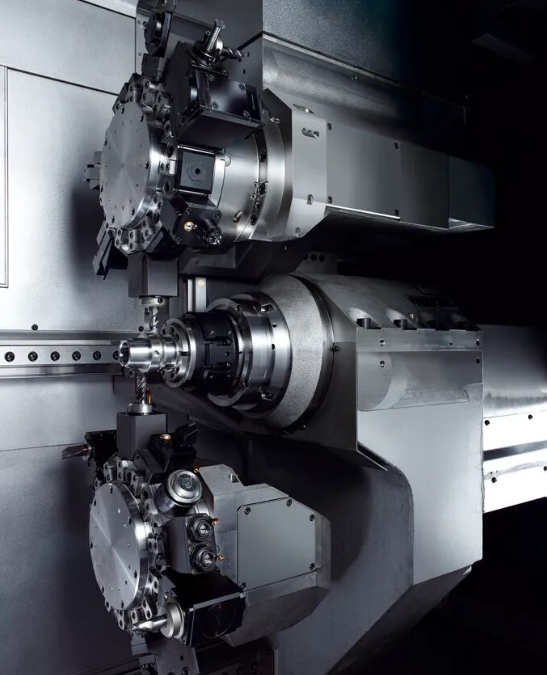
Surface Finishing Options That Protect and Beautify
Your fabricated aluminum components are cut, formed, and joined. But raw aluminum rarely goes directly into service. That dull mill finish scratches easily, shows fingerprints, and lacks the professional appearance most applications demand. Surface finishing transforms functional parts into polished aluminum sheet products that resist corrosion, look stunning, and last decades longer than unfinished material.
Think of finishing as the final protective layer between your fabrication work and the harsh realities of real-world use. The right finish shields against saltwater, UV exposure, industrial chemicals, and everyday wear. The wrong choice wastes money or fails prematurely. Let's explore your options so you can match the perfect finish to your specific application.
Anodizing Types and When to Use Each
Anodizing isn't a coating applied to aluminum—it's a transformation of the metal itself. According to Chemical Research Company, anodizing is an electrochemical process that vastly improves the natural oxide layer that forms on aluminum. When submerged in an electrolytic bath and exposed to electric current, the aluminum surface converts into a hard, durable aluminum oxide layer that's integral to the base metal.
Why does this matter? Unlike paint or powder coating, anodized aluminum sheets cannot chip, flake, or peel. The protective layer grows from the aluminum itself, creating a molecular bond impossible to replicate with applied coatings. This makes anodizing ideal for food-contact surfaces, pharmaceutical equipment, and anywhere contamination from flaking finishes poses problems.
Type I Anodizing (Chromic Acid)
The thinnest option at roughly 0.02-0.1 mils, Type I produces a soft, flexible coating that works well for aerospace components requiring fatigue resistance. The thin layer adds minimal weight while providing basic corrosion protection. However, its limited thickness means reduced durability for high-wear applications.
Type II Anodizing (Sulfuric Acid)
The most common choice for architectural and general industrial use. Type II creates a moderately thick coating (0.4-0.7 mils) that accepts dyes beautifully, making it popular for decorative aluminum sheet metal applications. According to SAF, Class I Type II anodizing (0.7 mils) lasts approximately twice as long as Class II (0.4 mils) in exterior architectural applications—thickness directly determines longevity.
Type III Anodizing (Hardcoat)
When extreme wear resistance matters, Type III delivers. This process creates the thickest, hardest anodic layer—often exceeding 2 mils. Military specifications frequently require Type III for components facing abrasive conditions, sliding contact, or repeated mechanical stress. The trade-off? Limited color options and higher processing costs.
Decorative vs Protective Finishing Options
Anodizing isn't your only choice. Different applications demand different approaches, and understanding the full spectrum of finishing options helps you balance aesthetics, protection, and budget.
Powder Coating
Powder coating offers unlimited color flexibility and excellent chemical resistance. The process electrostatically applies pigmented powder to the aluminum surface, then cures it in an oven to form a durable polymer layer. Unlike liquid paint, powder coating emits no volatile organic compounds during application—a significant environmental advantage.
According to SAF, PVDF (polyvinylidene fluoride) powder coatings meeting AAMA 2605 specifications provide exceptional weather resistance for architectural applications. These fluoropolymer finishes maintain color and gloss for decades, making them popular for curtainwall systems and metal roofing where repainting is impractical.
Brushed and Polished Finishes
Mechanical finishing creates texture rather than adding protective layers. Brushing produces the linear grain pattern common on appliances and electronics enclosures. Polishing takes this further, creating mirror-like reflective surfaces for aluminum decorative sheet metal applications in signage, displays, and architectural accents.
These finishes typically require a protective clear coat or anodizing afterward—the polished aluminum sheet surface looks stunning but scratches easily without additional protection.
Chemical Conversion Coatings
When you need corrosion protection without changing dimensions, chemical conversion coatings provide an invisible barrier. Often called chromate or non-chromate conversion coatings, these treatments create a thin protective film while serving as excellent primer for subsequent paint adhesion. SAF notes that anodizing can actually serve as a pretreatment before painting, offering better corrosion protection and improved paint adhesion compared to painting alone.
Surface Preparation: Cleaning Aluminum Oxide Before Finishing
Every finishing process requires clean aluminum oxidation-free surfaces for proper adhesion. That natural oxide layer forming on exposed aluminum might provide basic protection, but it interferes with coating adhesion and anodizing consistency.
Proper surface preparation involves:
- Degreasing: Remove oils, lubricants, and handling residue using alkaline cleaners or solvents
- Oxide removal: Acid etching or mechanical abrasion strips the existing oxide layer, creating a fresh reactive surface
- Rinsing: Thorough water rinsing removes chemical residues that could contaminate the finish
- Drying: Complete drying prevents water spots and ensures consistent coating adhesion
According to Codinter, if the surface contains significant oxidation, using a rust neutralizer before mechanical preparation can improve results by loosening the hardest oxide deposits. This reduces processing time and media consumption during subsequent cleaning steps.
Selecting the Right Finish for Your Application
With so many options available, how do you choose? Consider these criteria based on environment, aesthetics, and budget:
- Coastal or marine environments: Type II or Type III anodizing provides the best long-term corrosion resistance without risk of coating delamination
- High-traffic areas requiring abrasion resistance: Type III hardcoat anodizing or thick powder coating withstands mechanical wear
- Architectural facades needing color matching: PVDF powder coating offers the widest color range with proven 20+ year durability
- Food-contact or pharmaceutical applications: Anodizing eliminates contamination risk from flaking coatings
- Budget-conscious projects: Type II anodizing typically costs less than premium powder coatings while delivering excellent durability
- Renewable appearance requirements: Anodized surfaces can be cleaned and restored; painted surfaces must be completely recoated when they fail
SAF's research confirms that anodized coatings can often be restored simply through cleaning when they appear to have failed—something impossible with organic coatings. This renewability makes anodizing particularly attractive for long-lifecycle installations where repainting would be prohibitively expensive.
Surface finishing represents the final transformation of your aluminium fabrication sheet from raw material to professional product. But even with perfect finishing, fabrication challenges can derail your project. Understanding common problems—and how to prevent them—separates successful fabricators from those constantly reworking failed parts.
Common Fabrication Challenges and How to Avoid Them
Even experienced fabricators encounter frustrating problems when working with aluminium sheet. Parts warp unexpectedly during welding, cracks appear along bend lines, tools wear faster than anticipated, and finished dimensions miss their targets. These issues waste material, extend timelines, and inflate costs—but they're largely preventable once you understand what causes them.
The good news? Aluminum is malleable and forgiving when you respect its unique properties. The challenges arise when fabricators treat it like steel or ignore the thermal and mechanical behaviors that make this metal special. Let's examine the most common problems and proven strategies to prevent them before they derail your project.
Preventing Warping and Distortion During Fabrication
Why does your flat aluminum sheet suddenly resemble a potato chip after welding? Blame thermal conductivity. According to Action Stainless, aluminum conducts heat more rapidly than steel, pulling thermal energy away from the weld zone and potentially leading to distortion. When localized heating occurs—whether from welding, plasma cutting, or even aggressive grinding—the surrounding material expands unevenly, creating internal stresses that manifest as warping once the part cools.
Thin aluminum sheet is particularly vulnerable. The limited mass provides insufficient heat sinking, so thermal energy concentrates rather than dissipating. This explains why thin sheet aluminium warps dramatically while thicker plate material remains relatively stable under identical heat input.
Heat Management Strategies That Work
Experienced welders control heat input through proven techniques that minimize distortion:
- Skip welding: Rather than running continuous beads, alternate between different areas of the assembly to distribute heat evenly
- Backstep welding: Weld short segments in the opposite direction of travel, allowing each section to cool before adding adjacent welds
- Chill bars: Clamp copper or aluminum bars adjacent to weld zones to draw heat away from the workpiece
- Fixture strategically: Use fixtures that allow controlled movement rather than rigid clamping that concentrates stress
- Reduce amperage: Lower heat settings with faster travel speeds minimize total thermal input while maintaining penetration
Material choice also matters. For parts with minimal tolerance for warping, consider using thicker aluminum plate or designing assemblies with fewer long, continuous welds. Action Stainless notes that proper technique and part prep are critical—the right approach can eliminate distortion problems before they start.
Avoiding Cracks When Bending Aluminium Sheet
You've carefully measured your bend lines, set up the brake, and applied pressure—only to hear that sickening crack as the outer surface splits. Cracking during bending remains one of the most common aluminium fabrication failures, but understanding why it happens reveals straightforward prevention methods.
Is 5052 aluminum bendable without cracking? Absolutely—when you follow proper procedures. According to Seather Technology, 5052 aluminum bends better than 6061 and 7075, delivering good results with fewer cracks. The key lies in matching your approach to the specific alloy and temper you're working with.
Why Cracks Form During Bending
When you bend aluminum, the outer surface stretches while the inner surface compresses. Push too hard or bend too sharply, and tensile stress on the outer surface exceeds the material's elongation capacity. The result? Cracks that start at the surface and propagate inward.
Aluminium malleable properties vary dramatically between alloys and tempers. Softer tempers (O, H32) stretch more before failing, while hardened tempers (T6) crack at smaller bend radii. Seather Technology's research shows that for 0.125-inch thick 6061-T6, you should use an inside radius 1.5 to 3 times the thickness and avoid bending past 86 degrees.
Prevention Strategies for Crack-Free Bends
- Use appropriate bend radii: Malleable aluminium in soft tempers can achieve radii equal to material thickness; heat-treated alloys need 1.5-3x thickness minimum
- Bend perpendicular to grain direction: Rolling creates directional grain patterns—bending parallel to the grain significantly increases crack risk
- Anneal before forming: Heating aluminum to annealing temperature then cooling slowly makes even hard alloys more workable
- Deburr cut edges: Sharp edges and burrs from cutting concentrate stress and initiate cracks—always smooth edges before bending
- Consider alloy selection: If your design requires tight bends, choose alloys like 3003 or 5052 that offer superior formability over stronger but less forgiving options like 7075
Addressing Tool Wear and Dimensional Accuracy
Aluminum's reputation as a "soft" metal leads many fabricators to underestimate tool wear. In reality, aluminum oxide—that protective layer constantly forming on exposed surfaces—is extremely hard and abrasive. Cutting tools, dies, and forming equipment wear faster than expected when processing aluminum, especially when proper lubrication is neglected.
According to ESAB, aluminum is softer and more susceptible to being deformed or shaved during feeding operations, requiring far more attention when setting up equipment. This sensitivity extends beyond welding to cutting and forming operations where improper settings quickly damage both material and tooling.
Maintaining Dimensional Accuracy
- Account for springback: Aluminum springs back 2-5 degrees after bending—overbend accordingly or use bottoming dies that force the material to final angle
- Control thermal expansion: Aluminum expands approximately twice as much as steel when heated—allow parts to cool completely before measuring
- Use dedicated aluminum tooling: Cross-contamination from steel tools embeds iron particles that cause corrosion and surface defects
- Apply proper lubrication: Cutting fluids reduce friction, extend tool life, and improve surface finish—dry cutting accelerates wear and can cause galling
- Test on scrap first: Run test bends and cuts on scrap material to verify settings before committing to production pieces
Seather Technology emphasizes that good training and safety checks help avoid mistakes and keep aluminum projects strong. By understanding these common challenges and implementing proven prevention strategies, you'll transform potential failures into consistent, high-quality fabrication results. With troubleshooting knowledge in hand, the next step is applying these principles across specific industry applications where aluminium sheet fabrication delivers real-world value.
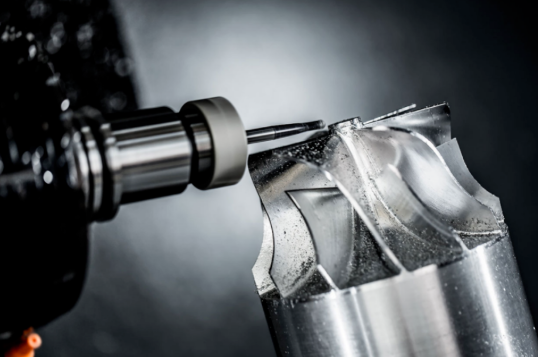
Industry Applications from Automotive to DIY Projects
Now that you understand alloys, gauges, forming techniques, and finishing options, let's connect these fundamentals to real-world applications. Aluminium fabrication sheet powers industries ranging from aerospace manufacturing to weekend garage projects. Knowing which alloy and thickness combinations work best for specific uses transforms theoretical knowledge into practical expertise.
What makes aluminum things so versatile? The material adapts remarkably well to wildly different demands. The same fundamental properties—lightweight strength, corrosion resistance, and excellent formability—benefit both a commercial aircraft manufacturer and a hobbyist building custom enclosures. Let's explore how different industries leverage aluminium sheet to solve specific challenges.
Automotive and Transportation Applications
Walk through any modern vehicle assembly plant and you'll see aluminum everywhere. According to Auto Aluminum Sheet, automotive aluminum sheets are widely used across the industry, primarily including 3xxx, 5xxx, 6xxx, and 7xxx series alloys like 3003, 5182, 5754, 6016, 6014, and 7075. These aluminum parts appear in body structures, wheels, battery shells, and numerous other components.
Why has aluminum become so critical for vehicles? Every pound removed from a car improves fuel efficiency and reduces emissions. With tightening environmental regulations, manufacturers increasingly specify custom aluminum products for components traditionally made from steel.
Key Automotive Applications:
- Body structure (hoods, doors, roofs): 6xxx and 7xxx series alloys provide the strength needed for crash protection while cutting significant weight. 7075 aluminum manufactures critical components like engine hoods, doors, and structural frames.
- Chassis and suspension systems: Aluminum alloy components improve suspension responsiveness and driving stability. The weight reduction enhances handling while decreasing fuel consumption.
- Engine and transmission components: Engine blocks, crankcases, and transmission housings benefit from aluminum's excellent heat dissipation properties, helping manage operating temperatures while reducing overall powertrain weight.
- Electric vehicle battery containers: AA3003 aluminum is commonly used for EV battery shells, providing lightweight protection for sensitive battery packs while offering good corrosion resistance.
- Wheel hubs and brake components: Lightweight aluminum wheels reduce unsprung mass, improving ride quality and acceleration response.
The automotive supply chain relies heavily on precision fabrication partners who can deliver consistent quality at scale. For chassis, suspension, and structural components, manufacturers partner with specialists like Shaoyi Metal Technology, which offers IATF 16949-certified metal stamping with rapid prototyping capabilities. This combination of quality certification and 5-day prototyping turnaround helps automotive engineers validate designs quickly before committing to mass production.
Trailer and Transport Equipment:
Aluminum sheet metal for trailer construction has exploded in popularity. Semi-trailer manufacturers specify 5052 and 6061 alloys for sidewalls, flooring, and structural members. The weight savings translate directly into increased payload capacity—every pound of trailer weight removed means an extra pound of cargo that can be legally transported.
| Automotive Component | Recommended Alloy | Typical Thickness | Key Properties Required |
|---|---|---|---|
| Body panels | 6016, 6014 | 0.9-1.2mm | Formability, paint adhesion, dent resistance |
| Structural frames | 7075-T6 | 2.0-4.0mm | Maximum strength, crash performance |
| Battery enclosures | 3003-H14 | 1.5-2.5mm | Corrosion resistance, formability |
| Trailer sidewalls | 5052-H32 | 1.5-2.0mm | Corrosion resistance, weldability |
| Heat shields | 3003, 1100 | 0.5-1.0mm | Heat reflection, formability |
Aerospace and Marine Applications
Where weight savings matter most, aluminum dominates. Aerospace manufacturers pioneered many aluminum fabrication techniques that eventually spread to other industries.
Aerospace Uses:
- Aircraft skins and fuselage panels: 2024 and 7075 alloys deliver the strength-to-weight ratios critical for flight-worthy structures
- Interior components: Lighter alloys like 6061 work well for non-structural cabin elements
- Drone and UAV frames: Hobbyists and commercial operators alike specify precision-machined aluminum for lightweight, rigid airframes
Marine Applications:
Saltwater destroys most metals, but marine-grade aluminum thrives in harsh coastal environments. According to JAX MFG, 5000 series aluminum alloyed with magnesium offers superb corrosion resistance, making it ideal for marine applications where materials face constant harsh conditions. 5052 aluminum is particularly known for excellent weldability—combine that with exceptional corrosion resistance and you have perfect material for pressure vessels and ship hulls.
- Boat hulls and decking: 5052 and 5086 alloys resist saltwater corrosion while welding cleanly
- Marine hardware: Cleats, railings, and fittings fabricated from marine-grade aluminum outlast steel alternatives by decades
- Dock structures: Aluminum pilings and decking require minimal maintenance compared to treated wood or galvanized steel
Architectural and Decorative Projects
Modern architecture embraces aluminum for both structural and aesthetic applications. Decorative aluminum sheet transforms building facades, interior spaces, and signage into eye-catching installations.
Building Envelope Applications:
- Curtainwall panels: 3003 and 5005 alloys with PVDF finishes provide 20+ year color retention on building facades
- Aluminum roofing sheets: Standing seam roofing in 3003-H14 offers excellent formability for complex roof geometries while resisting weathering
- Column covers and soffits: Decorative aluminum sheet metal conceals structural elements while adding visual interest
- Sunshades and louvers: Extruded and fabricated aluminum controls solar gain while creating distinctive architectural expressions
Interior Design Applications:
Aluminum decorative sheet metal has become a designer favorite for commercial and residential interiors. Brushed, polished, and anodized finishes create sophisticated surfaces that resist fingerprints and clean easily.
- Wall panels and ceiling tiles: Perforated or textured aluminum adds acoustic control and visual texture
- Custom signage: CNC-cut aluminum letters and logos deliver precision detailing impossible with other materials
- Furniture components: Table bases, chair frames, and shelving systems benefit from aluminum's clean modern aesthetic
- Lighting fixtures: Aluminum's thermal conductivity helps dissipate LED heat while providing design flexibility
DIY and Small Fabricator Projects
You don't need an industrial facility to work with aluminium fabrication sheet. Weekend warriors and small-shop fabricators tackle impressive projects using accessible tools and techniques. The growing maker movement has sparked tremendous interest in things that are made out of aluminum by individual craftspeople.
Accessible Project Ideas:
- Electronics enclosures: 18-gauge 5052 bends easily into project boxes for amateur radio, audio equipment, or computer builds
- Workshop organization: Tool cabinets, parts bins, and workbench accessories fabricated from aluminum outlast plastic alternatives
- Automotive modifications: Heat shields, battery trays, and custom brackets let enthusiasts personalize their vehicles
- Garden and outdoor fixtures: Planters, edging, and decorative screens fabricated from corrosion-resistant alloys survive years of weather exposure
- Art and sculpture: Aluminum's workability makes it ideal for metal artists creating both functional and purely aesthetic pieces
Getting Started with DIY Aluminum Fabrication:
According to Zhouxiang Group, aluminum welding and fabrication offers a way to express creativity while potentially generating income. For beginners, starting with simple projects like welding carts or toolboxes builds skills without demanding advanced techniques. The material's malleability permits various renovations and custom creations accessible to motivated DIYers.
For small fabricators looking to expand capabilities, investing in proper equipment pays dividends. A quality MIG or TIG welder designed for aluminum, carbide-tipped saw blades, and a small press brake open doors to professional-quality results. Many successful small businesses started with exactly this type of modest equipment, growing as demand justified additional investment.
The range of aluminum applications continues expanding as manufacturers and makers discover new ways to leverage its unique properties. Whether you're sourcing components for industrial production or planning a weekend garage project, understanding which alloys and thicknesses suit specific applications ensures your finished work performs as intended. With application knowledge established, the final consideration is finding reliable material sources and fabrication partners who can support your projects from concept through completion.
Sourcing Materials and Selecting Fabrication Partners
You've mastered alloy selection, understand gauge requirements, and know exactly which finishing process your project demands. Now comes the practical question that determines whether your project succeeds or stalls: where can I buy aluminum sheets that meet my specifications, and how do I find a fabrication partner who delivers quality work on schedule?
The sourcing landscape spans from neighborhood hardware stores stocking basic sheets to specialized industrial distributors handling exotic alloys by the truckload. Understanding where to buy aluminum for your specific needs saves time, money, and frustration. Similarly, selecting the right aluminium fabricator transforms your designs from digital files into precision components—or turns them into expensive scrap if you choose poorly.
Retail vs Industrial Sourcing Strategies
Your project scale determines where to start looking. A weekend hobbyist building a custom electronics enclosure has fundamentally different needs than a procurement manager sourcing thousands of stamped automotive brackets. Let's break down your options based on volume and complexity.
Retail and Small-Scale Sources
For DIY projects and one-off fabrication work, several accessible options exist:
- Home improvement stores: Big-box retailers stock common alloys (typically 3003 and 6061) in standard sizes. Selection is limited, but you can walk out with material the same day. Expect to pay premium pricing compared to wholesale sources.
- Metal supermarkets and specialty retailers: These stores cater specifically to small fabricators and hobbyists, offering broader alloy selections, custom cutting services, and knowledgeable staff who understand fabrication requirements.
- Online marketplaces: E-commerce platforms ship aluminum sheet directly to your door. According to The Die Casting, many custom aluminum fabricators now handle both small jobs and large-scale orders, making professional-grade materials accessible to individual buyers.
- Local metal recyclers: Surplus and offcut material from industrial operations often ends up at scrap dealers. You might find premium alloys at significant discounts—if you're flexible about exact dimensions.
Industrial and Wholesale Distribution
When your project demands larger quantities or specialized alloys, industrial distributors become essential partners:
- Service centers: Full-service aluminum distributors maintain extensive inventory across alloys, tempers, and thicknesses. Many offer value-added processing including precision cutting, slitting, and leveling.
- Mill-direct purchasing: For high-volume production runs, buying directly from aluminum mills eliminates distributor markup. Minimum order quantities typically start at several thousand pounds, making this impractical for smaller operations.
- Specialty alloy suppliers: Aerospace-grade 7075, marine-specification 5086, and other specialized materials often require sourcing from distributors focused on specific market segments.
When evaluating where to buy aluminum sheets, consider factors beyond just price. Lead times matter—industrial distributors may quote weeks for specialty items that retail sources simply don't stock. Certifications and mill test reports become critical when your application demands verified material properties. And cutting capabilities determine whether you receive ready-to-fabricate blanks or must process full-size sheets yourself.
Evaluating Custom Fabrication Partners
Sourcing raw material is only half the equation. Unless you maintain comprehensive in-house fabrication capabilities, you'll need partners who can transform aluminum sheet into finished components. The difference between an excellent aluminium fabricator and a mediocre one shows up in dimensional accuracy, surface quality, on-time delivery, and ultimately your project's success.
According to TMCO, selecting the right aluminum fabricator involves more than just comparing quotes. The best partner offers technical expertise, advanced equipment, proven processes, and open communication. Here's what separates capable fabrication partners from shops that create headaches:
Key Evaluation Criteria for Fabrication Partners:
- Quality certifications: ISO 9001 demonstrates commitment to quality management systems. For automotive applications, IATF 16949 certification—like that maintained by Shaoyi Metal Technology—ensures processes meet stringent automotive industry requirements for chassis, suspension, and structural components.
- Design for Manufacturability (DFM) support: The best partners don't just execute drawings—they help improve them. Comprehensive DFM analysis identifies potential problems before production begins, reducing iterations and accelerating time-to-market. Shaoyi's engineering team, for example, provides detailed DFM support with 12-hour quote turnaround, helping customers optimize designs early in the development cycle.
- Prototyping capabilities: When you need to validate designs before committing to production tooling, rapid prototyping becomes invaluable. Look for partners offering 5-day or faster prototype turnaround to maintain development momentum.
- Equipment and technology: Advanced fabrication demands advanced equipment. Verify that potential partners operate CNC press brakes, precision laser cutting systems, and TIG/MIG welding stations appropriate for your project requirements.
- Material expertise: TMCO emphasizes that capable aluminum fabricators understand which alloy grades best suit your application—whether you need weldability, formability, or maximum strength. Partners should guide material selection, not just process whatever you specify.
- Scalability: Your fabrication partner should accommodate growth. Starting with prototype quantities, then scaling to production volumes without switching suppliers, maintains consistency and reduces qualification overhead.
- Communication and transparency: The best fabricators provide progress updates, timeline reviews, and engineering feedback throughout the project lifecycle. This partnership approach ensures alignment from design through delivery.
Questions to Ask Potential Fabrication Partners:
According to The Die Casting, evaluating custom aluminum fabricators requires asking the right questions before committing:
- Can you show examples of similar past work?
- Do you offer design assistance or engineering support?
- What finishing options are available in-house versus outsourced?
- What are realistic turnaround times for my project scope?
- Can you handle both prototype and production quantities?
- What quality control measures and inspection equipment do you employ?
The Value of Integrated Capabilities
Many projects suffer delays and quality inconsistencies because different vendors handle separate fabrication stages. When cutting, forming, welding, and finishing occur at different locations, communication gaps multiply and accountability becomes murky.
TMCO notes that partnering with a full-service aluminum fabricator eliminates these challenges. Vertically integrated operations combining metal fabrication, CNC machining, finishing, and assembly under one roof reduce handoffs, shorten lead times, and ensure consistent quality protocols throughout production.
For aluminum fabrication services supporting automotive production, selecting partners with demonstrated expertise in precision stamping, automated mass production capabilities, and automotive-specific quality certifications streamlines your supply chain while ensuring components meet demanding performance requirements.
Whether you're sourcing sheets of aluminum 4x8 for a garage project or qualifying custom aluminum fabricators for production contracts, the principles remain consistent: verify capabilities, confirm quality systems, and establish clear communication expectations before cutting the first sheet. The right sourcing strategy and fabrication partnership transforms your aluminium fabrication sheet knowledge into finished components that perform exactly as designed.
Frequently Asked Questions About Aluminium Fabrication Sheet
1. Is 5052 or 6061 aluminum stronger?
6061 aluminum is stronger than 5052, with a tensile strength of approximately 45,000 psi compared to 5052's 34,000 psi. However, 5052 offers superior corrosion resistance, especially in marine environments, and better formability. For projects requiring maximum strength and machinability, choose 6061-T6. For saltwater exposure, welding ease, or complex forming operations, 5052-H32 is the better choice. Many automotive fabricators partner with IATF 16949-certified specialists like Shaoyi Metal Technology for precision stamping of both alloys.
2. Is aluminium fabrication expensive?
Aluminium fabrication costs vary based on alloy selection, complexity, and finishing requirements. Raw aluminum costs around $1.10 per pound, making it more affordable than stainless steel. However, aluminum demands precision in cutting and welding, which can add labor costs. Thickness significantly impacts pricing—a 3mm sheet costs roughly 50% more than a 2mm sheet. Working with experienced fabricators who offer DFM support and rapid prototyping, like those providing 5-day turnaround services, helps optimize designs and reduce overall manufacturing costs.
3. What is a 5052 aluminum sheet used for?
5052 aluminum sheet excels in marine hardware, boat hulls, fuel tanks, pressure vessels, and applications exposed to saltwater or harsh environments. Its high magnesium content provides exceptional corrosion resistance without copper content that would degrade in marine conditions. The alloy also works well for trailer sidewalls, architectural panels, and HVAC components. The H32 temper offers an ideal balance between formability and durability, making it a fabricator favorite for projects requiring both bending flexibility and long-term performance.
4. How do I choose the right aluminum sheet thickness for my project?
Select thickness based on structural requirements and application type. Thin sheets (20-gauge, under 1mm) suit decorative panels and lightweight enclosures but may need backing for rigidity. Medium sheets (14-18 gauge, 1-2mm) balance formability with stiffness for equipment housings and automotive panels. Thick sheets (10-gauge and above, 3mm+) provide load-bearing capacity for structural components. For architectural facades, panels under 800mm width typically require 2.0mm minimum thickness. Consider that increasing from 2mm to 3mm adds approximately 50% more material cost and weight.
5. What is the best way to cut aluminum sheet without warping?
The best cutting method depends on thickness and precision needs. For thin sheets under 1.5mm, aviation snips provide clean manual cuts. Power saws with carbide-tipped, non-ferrous blades (60-80 teeth) handle medium thicknesses efficiently. For precision work, laser cutting achieves ±0.1mm tolerances with minimal heat-affected zones, reducing warping. Water jet cutting eliminates thermal distortion entirely for sensitive components. Always use cutting lubricants, secure workpieces with clamps 1-2 inches from cut lines, and select appropriate blade speeds to prevent heat buildup and edge damage.