 Small batches, high standards. Our rapid prototyping service makes validation faster and easier —
  EN
EN


What Is Pot Metal? Know This Before You Buy, Repair, Or Restore
What Is Pot Metal?
If you searched what is pot metal, the short answer is simple, but the details matter. The term is common in restoration, jewelry, antiques, and secondhand listings, yet it does not point to one exact alloy formula.
Pot metal is an informal name for low-melting cast metal alloys, usually zinc-heavy, but not a single standardized material.
That definition matches the core idea described by Wikipedia and the jewelry glossary at Joseph Jewelry: it is a broad label, not a precise metallurgical grade. You may also see it written as potmetal, especially in listings, forums, and repair discussions.
What Is Pot Metal in Plain English
In plain English, pot metal usually means a cheap, easy-to-cast mixed metal used for detailed parts that did not need to be top-tier structural pieces. Think costume jewelry, decorative hardware, trim pieces, toys, and older cast components. People often use the phrase when they know a part is some kind of cast base metal, but they do not know the exact alloy.
Why Pot Metal Is an Informal Name
This is where many buyers get tripped up. Pot metal is not a strict engineering term. It is more like shop talk or market language. Historically, the name came from the practice of melting mixed non-ferrous scraps in one pot for inexpensive castings. In jewelry, the term can also mean a non-precious base-metal alloy rather than gold, silver, or platinum. So if someone says, "define pot," context matters a lot.
Why the Same Term Can Mean Different Alloys
One seller may use it for a zinc die-cast handle. Another may use it for vintage jewelry. A collector may use it loosely for almost any gray cast base metal. Search results get messy for the same reason, and even secondhand markets often label unknown parts as pot metal without proof. The real question is rarely just what to call it. It is what that specific piece is actually made of.
What Is Pot Metal Made Of?
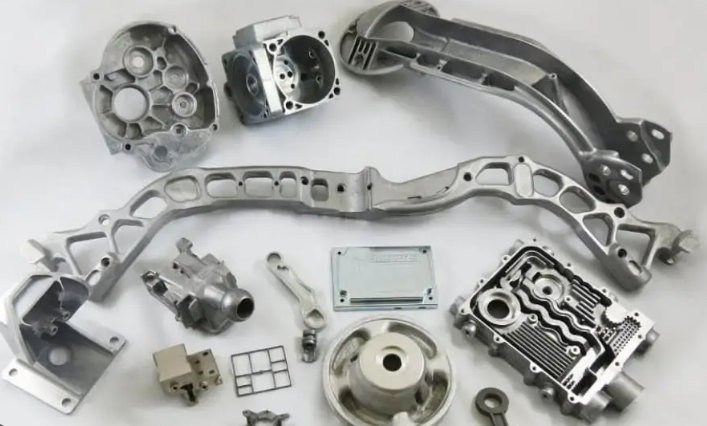
Ask ten sellers what pot metal is made of, and you may get ten different answers. That is the core problem. In modern everyday use, the label usually points to a low-melting cast alloy with zinc as the main ingredient, but it is not a single recipe. Wikipedia notes that there is no metallurgical standard for the term, and lists zinc, lead, copper, tin, magnesium, aluminum, iron, and cadmium among the metals that may appear in these mixes.
So if you are wondering what is pot metal made of, the safest answer is this: commonly zinc-based, sometimes mixed with small amounts of other non-ferrous metals, and occasionally used much more loosely than the chemistry deserves. That is also why marketplace labels can be messy. Searches for pot steel or even translated phrases like pot métallique often reflect naming confusion, not a formal alloy family.
What Is Pot Metal Made Of
Most people today use the term for inexpensive cast parts made from zinc-heavy alloys. Historically, though, the name has been broader. The same source notes an older usage in which pot metal referred to leaded copper alloys. In other words, the name describes a casting idea and a quality reputation more than one exact formula.
That is why composition should always be treated as probable, not guaranteed, unless you have a spec sheet, maker data, or lab testing.
Pot Metal vs Zamak and Die Cast Zinc
Zamak is more precise. Deco Products describes ZAMAK as a zinc alloy family made by combining zinc with small amounts of aluminum, magnesium, and copper. In practice, many pot metal parts are zinc die castings, and some may be close to Zamak-type material. But the words are not perfect substitutes.
A simple way to think about it:
- Pot metal is informal and broad.
- Die-cast zinc describes a process and material family more clearly.
- Zamak is a specific, controlled zinc alloy family, not just a slang label.
So a Zamak part might be called pot metal by a seller, but not every so-called pot metal part should be assumed to be Zamak.
White Metal Pewter and Steel Lookalikes
This is where buyers get fooled. White metal is also a loose term, often used for pale-looking low-melting alloys. Pewter, by contrast, is typically tin-based. Belmont Metals describes pewter, Britannia, and Levalloy as tin alloys that can contain about 60% to 92% tin plus smaller amounts of other metals. They may look similar to dull zinc castings, but they are not automatically the same thing.
| Term | Typical base metal | Strict synonym for pot metal? | Common uses | Caution notes |
|---|---|---|---|---|
| Pot metal | Usually zinc-heavy, but variable | No | Hardware, toys, trim, jewelry, small cast parts | Informal term, no universal formula |
| Zamak | Zinc with small amounts of aluminum, magnesium, and copper | No | Precision zinc die castings | More controlled and specific than slang usage |
| Die-cast zinc | Zinc alloy | Sometimes overlapping | Mass-produced cast components | Process term, not proof of loose scrap-based alloy |
| White metal | Varies, often tin- or zinc-based | No | Decorative castings, bearings, small parts | Appearance-based label, chemically broad |
| Pewter | Tin-based | No | Tableware, ornaments, jewelry | Can resemble zinc alloys but belongs to a different family |
| Steel lookalikes | Usually not steel at all | No | Plated hardware and decorative parts | Gray color alone does not identify the metal |
That loose chemistry helps explain both the material's popularity and its reputation. It can be cast quickly into detailed shapes, but the exact mix matters a lot once strength, finish quality, and long-term durability enter the picture.
Why Pot Metal Is Used So Often
That loose chemistry did not stop manufacturers from using it. In many product categories, it made the material appealing. For older mass-market goods, especially before plastic replaced many cheap cast items, low-melting nonferrous alloys offered a fast and practical way to make parts at scale.
Why Manufacturers Use Pot Metal
The main advantages are straightforward. It melts at relatively low temperatures, casts quickly, and can reproduce small details without the higher heat demands of many other metals. RapidDirect notes these same benefits for zinc die casting, including fast production, complex geometries, and longer tool life than aluminum die casting. In plain terms, it lets manufacturers form metal parts quickly, with repeatable shapes and reasonable cost.
That does not make it ideal for every job. It is usually a better fit for decorative, lightly loaded, or non-critical parts than for components that see heavy stress, repeated repair, or major safety demands.
How the Name Became a Catchall Term
The phrase came from the old practice of melting mixed nonferrous scraps in one pot for casting, as described by DFARQ and Wikipedia. Over time, the label spread far beyond one exact recipe. That is why older sources may call it monkey metal, and why searches for chinesium meaning often blur together alloy questions and general complaints about cheap parts. Those phrases are slang, not material specifications.
Where You Commonly Encounter Pot Metal Parts
Used in the right role, this material can be perfectly serviceable. You will often find it in everyday cast items such as:
- Door hardware, handles, locks, and sink fittings
- Toys, trinkets, and novelty items
- Decorative cast pieces, trim, and furniture fittings
- Small electronics components and housings
- Low-cost cast fittings, tool parts, and some older automotive pieces
Those production choices leave physical clues behind. The same speed, casting style, and finish priorities that made the material attractive in the factory often show up later in the part's weight, seams, surface texture, and wear patterns.
How to Identify Pot Metal at Home
Pick up an unknown handle, brooch, latch, or old metal pot lid knob, and the first clues are physical. You are not trying to get a lab-grade answer at home. You are trying to narrow the field. That matters because many buyers ask what is a pot made of when the real problem is that a plated or painted casting can look like several different metals at once.
Is Pot Metal Magnetic
The magnet test is a smart starting point. Action Metals notes that iron and steel are magnetic, while aluminum, copper, and brass are not, and stainless steel may be only slightly magnetic. In everyday use, most parts called pot metal are treated as non-ferrous cast pieces, so a strong magnet pull should make you question whether the main body is really pot metal or just painted steel.
Still, if you have searched is pot metal magnetic, the honest answer is this: magnetism helps, but it does not prove identity by itself. Marketplace labels are loose, and mixed or plated parts can confuse the result.
Weight Finish and Casting Clues
Surface clues are often more revealing than color alone. The vintage guide from Most Everything Vintage describes pot metal jewelry as heavy for its size, sometimes slightly uneven in color when exposed, and marked by a wobbly, man-made texture with tiny pox marks. Those same field clues often help with old cast hardware and decorative parts too.
- Feels heavier than its size suggests
- Shows casting seams or softened edges
- Looks dull gray or silvery under worn plating
- May have pitting, tiny surface voids, or uneven texture
- Can show cracks or breached spots at thin sections
Warning: plated zinc-heavy castings can mimic steel, brass, silver-colored metal, or other finishes. Treat appearance as a clue, not a conclusion.
How Pot Metal Differs From Steel Aluminum and Brass
Comparison works better than guesswork. If a part is yellow where the finish has worn through, brass is more likely. If it is very light, aluminum moves up the list. If it grabs a magnet hard, steel is the safer bet. Pewter can also look similar because it is another gray, soft-looking metal family, but it is not the same thing as a zinc-heavy casting.
| Material | Magnet response | Relative weight | Typical finish | Break behavior clue | Corrosion pattern clue |
|---|---|---|---|---|---|
| Pot metal | Usually not a strong magnet match | Often heavy for size | Gray to silvery, often plated, may look uneven when exposed | Damaged areas may show cracking, pitting, or breaching | Surface pitting and worn plating are common clues |
| Steel | Strong magnetic pull | Moderate to heavy | Can be painted, plated, machined, or stamped | Do not rely on destructive testing first | Check for finish failure and typical rust signs |
| Aluminum | Non-magnetic | Lightweight | Light gray | Weight is usually a better clue than break testing | Known for corrosion resistance |
| Brass | Non-magnetic | Heavier than aluminum | Golden-yellow where plating or grime is removed | Use color before any break test | Known for corrosion resistance |
| Pewter | Usually non-magnetic | Can feel dense in small pieces | Dull gray, softer-looking surface | Not a reliable home break test | Can dull with age rather than looking like bright plated zinc |
If several clues point the same way, your odds improve. If the part is plated, painted, or badly corroded, stay cautious. Those same pits, hairline cracks, and finish failures that help identify pot metal also hint at why it so often becomes a repair problem later.
Why Pot Metal Cracks, Pits, and Loses Finish
The same traits that made these cast parts fast and inexpensive to produce also explain why so many old examples age badly. On trim, emblems, handles, and decorative hardware, damage often shows up as pits, chips, cracks, and finish trouble long before the whole part fails.
Why Pot Metal Cracks and Pits
In everyday use, this material often fails in a brittle-looking way. Thin edges chip. Small tabs crack. Surface pits deepen instead of staying cosmetic. Hot Rod notes that cheap cast pot metal can trap air bubbles as it cools, and those pieces tend to chip, crack, pit, and break over time from exposure to the elements. In Deco Products' discussion of zinc die-casting porosity, trapped air can weaken a casting or create visible imperfections.
Pot metal often ages poorly not because every part was defective, but because variable cast alloys are less forgiving under weather, stress, and rework than more controlled engineering metals.
How Corrosion Shows Up on Pot Metal
Porosity is part of the problem because it is not always obvious. Deco notes that some porosity is visible at the surface, but it is often hidden beneath the casting skin. That helps explain why an old part may look sound until wear, polishing, or refinishing exposes more damage. On vintage trim, pitting is common enough that restorers often fill defects before rechroming instead of trying to polish them away.
- Pits or pinhole-like voids in exposed metal
- Hairline fractures at tabs, corners, or thin sections
- Chipped edges and broken small details
- What looks like bubbling under chrome or other plating
- Finish loss over pitted or uneven areas, creating a spotted metal look
Why Finish Loss and Surface Spots Are Common
Finish failure is usually a symptom, not the starting point. If the casting underneath has voids, hidden defects, or years of environmental exposure, the outer layer has less stable metal to sit on. Searches for phrases like chinesium metal or metal cheap usually reflect that frustration, but those labels do not tell you what is actually happening inside the part. Once cracks, pits, and plating loss begin to overlap, repair becomes less about polishing and more about whether the base metal is still worth saving.
Can You Weld Pot Metal?
A cracked tab or bubbling chrome usually sends people straight to the same question: can you weld pot metal? The honest answer is cautious. Some repairs are possible, but success depends on the alloy, the amount of corrosion, the cleanliness of the surface, and whether the part is decorative or under stress. In many cases, repair helps preserve fit and appearance more than it restores full original strength.
Can You Weld Pot Metal
Pot metal welding is difficult because the term covers mixed low-melting alloys rather than one controlled formula. Hot Rod notes that these castings are mostly zinc with varying amounts of lead, copper, tin, magnesium, and other metals. That low melting behavior is exactly why heat control is so critical. In real restoration work, many successful repairs use lower-temperature filler methods instead of treating the part like steel.
- Unknown alloy behavior from part to part
- Old plating, corrosion, and dirt contamination
- Low melting point that makes distortion easy
- Weak joints on thin or highly stressed sections
- Replating complications after repair
Soldering Pot Metal and Using Pot Metal Solder
For trim, emblems, and other lightly loaded castings, soldering pot metal is often the more realistic route. The repair method shown by Hot Rod uses a rod and flux: flux is spread on the damaged area, heat is applied gently until the flux turns light brown, and the repair is cleaned after cooling. The same process can rebuild missing corners, damaged areas, and even some broken stud locations. What many restorers call pot metal solder is this kind of low-temperature filler approach, not a guarantee of invisible or full-strength repair.
Chrome-plated or badly pitted castings are a different level of work. Products Finishing describes a specialized restoration sequence for severe pitting: thorough cleaning, removing corroded areas, strike and copper layers, solder filling, filing and buffing, then copper buildup of at least 0.001 inch before nickel and chromium plating. That is time-consuming, labor-intensive, and not a casual DIY shortcut.
- Identify the part as well as you can. Unknown material means unpredictable repair behavior.
- Judge the item's value. Rare original parts may justify work that common replacements do not.
- Check the stress level. Decorative trim is a safer repair candidate than a structural bracket or latch.
- Set finish expectations. If the part needs show-quality chrome, simple solder repair will not be the whole job.
- Compare risk and cost. If the result may stay weak, visible, or expensive, replacement may be smarter.
When Replacement Is Smarter Than Repair
Replacement often makes more sense when the casting is heavily corroded, carries load, or needs a flawless plated finish. Hot Rod also points out why people still repair originals: reproduction parts do not always fit like factory pieces. Still, badly damaged castings can consume more labor than they are worth, and Products Finishing warns that proper plating restoration involves hazardous chemistry and proper training.
- Repairs may restore shape or function, but not as-new metallurgy
- Deep pitting under chrome usually needs more than sanding or polishing
- Rebuilt studs and threads remain sensitive to over-tightening
- Cosmetic success does not always equal long-term durability
The decision changes with the object itself. A brooch clasp, a cabinet handle, and a vintage trim piece may all be called pot metal, but their repair value and buying risk are not the same.
Pot Metal Jewelry, Hardware, and Collector Tips
A brooch clasp and a cabinet handle can both be called pot metal, yet they raise very different questions for a buyer. That is where context matters most. In one category, the term points to vintage costume jewelry. In another, it is a loose marketplace label for cast hardware or decorative parts. In stained glass, it means something else entirely.
Pot Metal Jewelry and Costume Pieces
In vintage collecting, pot metal jewelry usually means base-metal costume jewelry, not fine jewelry made from precious metals. WorthPoint notes that, in jewelry, the alloy was often made from tin and lead and was also described as white metal or base metal. It was widely used in the 1930s for dress clips, earrings, necklaces, and rhinestone-set pieces. Many examples were left unplated to save cost, so the dull gray metal is part of the look. The weak points are usually practical ones, not decorative ones: clasps can loosen, brooch backs can crack, and stone settings can corrode or fracture with age.
Hardware Decorative Parts and Old Cast Objects
Outside jewelry, the name gets much looser. The same WorthPoint guide explains that mixed metal from the melting pot was used for toys, hardware, and jewelry settings. In secondhand listings, that often turns into a catchall label for unknown cast base-metal parts, especially gray pieces under worn plating. For handles, trim, toys, knobs, and other things that are made out of metal, condition tells you more than the label alone.
| Context | What the term usually means | Typical examples | Main caution |
|---|---|---|---|
| Vintage jewelry | Base-metal costume alloy | Dress clips, brooches, earrings | Broken clasps, cracked settings, corrosion |
| Hardware and decorative castings | Loose label for unknown cast base metal | Handles, trim, toys, fittings | Pitting, plating loss, hidden repairs |
| Stained glass | Colored glass, not cast alloy | Colored window glass | Do not confuse it with metal hardware |
The Stained Glass Meaning of Pot Metal
This is the big terminology trap. In stained glass, pot metal does not mean a cast alloy at all. The Boppard Conservation Project describes pot-metal glass as glass colored throughout its thickness by metallic oxides or salts added to the molten glass pot. So if you searched pot color in a stained-glass context, you are looking at color created in the melt itself, not a jewelry alloy or hardware casting.
For collectors and secondhand buyers, use this quick check before purchasing:
- Look for hairline cracks near pins, clasps, tabs, and screw points.
- Check for pitting, bubbling, or flaking plating.
- Compare both sides for missing cast detail or softened edges.
- Watch for glue, solder smears, filing marks, or obvious patch repairs.
- Decide whether the flaw is cosmetic, functional, or both.
That last distinction changes everything. A small defect may be acceptable on a collectible brooch, but a part that must fit, fasten, or survive repeated use plays by a harsher set of rules.
Choosing Pot Metal or Precision Alternatives
A cracked brooch, a cabinet pull, and an automotive bracket do not deserve the same material decision. Pot metal can be perfectly acceptable when the job is mostly about shape, appearance, and low stress. Problems start when a loosely defined cast alloy is expected to deliver the durability, repeatability, or precision of a tightly controlled engineering part.
When Pot Metal Is Good Enough
For decorative or lightly loaded pieces, it may be good enough. That includes trim, covers, knobs, housings, and other parts where detailed casting and production efficiency matter more than repairability or ultra-tight tolerances. In scaled manufacturing, zinc die casting can be very economical. Ozark Die Casting says high-volume zinc die casting can lower per-part cost by 30 to 60 percent in some programs compared with machining. That does not make every vague marketplace "pot metal" part a bargain, but it does explain why cast zinc-based parts remain common.
When to Choose Other Metals or Precision Machining
Choose a more controlled alloy, a machined part, or a cast-then-machined part when the component must hold threads, sealing surfaces, critical alignment, or repeated assembly. Wometal lists CNC machining for prototypes, complex geometry, and tolerances as tight as ±0.01 mm, while typical die casting is around ±0.05 mm. The same source also highlights hybrid production, where casting creates the near-net shape and CNC machining refines key interfaces.
Questions like price of stainless steel vs aluminum, aluminum price per kilo, or the cheapest sheet metal can matter during budgeting, but raw material price alone is rarely the best decision tool for fit-critical parts.
| Option | Best fit | Main strength | Main caution |
|---|---|---|---|
| Loosely defined pot metal part | Decorative, low-stress use | Low-cost casting of detailed shapes | Uncertain alloy, weaker repair confidence |
| Controlled zinc die casting | High-volume consistent parts | Fast production and lower unit cost at scale | Tooling cost and less design flexibility |
| CNC machining | Prototypes, tight tolerances, critical interfaces | Precision and easy design changes | Higher unit cost in large batches |
| Cast plus CNC machining | Automotive parts needing both scale and precision | Balanced cost control and accuracy | Requires stronger process control |
A Resource for High Precision Automotive Parts
If a vehicle component needs documented process control rather than a vague alloy label, look for an automotive-grade machining partner. Shaoyi Metal Technology publishes IATF 16949 certification, Statistical Process Control, custom machining tolerances to 0.02 mm, rapid prototyping from 1 piece, and mass-production support at 5,000+ pieces. Its automotive machining page also notes service to 30+ global automotive brands. That makes it a sensible next step when pot metal is not appropriate for fit-critical, safety-sensitive, or repeatedly assembled parts.
- Choose pot metal for decorative or lightly loaded use.
- Be cautious when the alloy is unknown or the part is already plated, pitted, or repaired.
- Use controlled die casting when volume is high and dimensions must stay consistent.
- Use CNC machining when tolerance, design changes, or sealing and thread quality matter most.
- For automotive parts, prioritize documented quality systems over vague material labels.
A loose term can be good enough for a drawer pull. It is a risky basis for any part that must fit, seal, or stay reliable under real mechanical demand.
Pot Metal FAQs
1. What is pot metal made of?
Pot metal usually refers to a low-melting cast alloy, most often zinc-based, but it is not one fixed recipe. Depending on the object, it may include small amounts of metals such as aluminum, copper, tin, magnesium, or lead. That is why two parts both labeled pot metal can behave very differently in corrosion, strength, and repair.
2. Is pot metal magnetic?
Most parts described as pot metal are not strongly magnetic because they are generally non-ferrous cast alloys. A strong magnet pull often suggests steel or an iron-based part instead. Still, plated finishes, attached hardware, and mixed assemblies can confuse the test, so magnetism should be treated as one clue rather than final proof.
3. Is pot metal the same as Zamak?
Not exactly. Zamak is a defined family of zinc alloys used in controlled die casting, while pot metal is a loose market term often used when the exact alloy is unknown. Some sellers use the names interchangeably, but that can be misleading because Zamak implies tighter composition control than the broad label pot metal.
4. Can you weld or solder pot metal?
Sometimes, but results vary a lot. Because the alloy is often unknown and melts at relatively low temperatures, welding can be risky and may cause distortion or weak joints. Low-temperature filler methods are often more practical for decorative pieces, but even a good-looking repair may not restore full strength, especially on cracked tabs, threads, or heavily corroded parts.
5. When should you replace pot metal instead of repairing it?
Replacement is usually the better choice when the part carries load, needs a clean plated finish, has deep pitting, or must hold precise dimensions. That is especially true for automotive and other fit-critical uses, where a vague alloy label is not enough. In those cases, a certified machining partner such as Shaoyi Metal Technology can be a better path, because it offers IATF 16949 quality systems, SPC-based process control, prototyping, and full-scale production for precision parts.