 Small batches, high standards. Our rapid prototyping service makes validation faster and easier —
  EN
EN


Does Galvanized Steel Rust? The Zinc Secret Most Buyers Miss
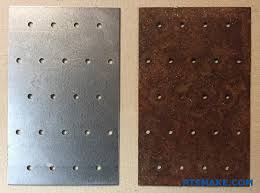
Does Galvanized Steel Rust?
Yes, galvanized steel can rust, but it usually corrodes far more slowly than bare steel. The reason is simple: galvanized steel is regular steel covered with a layer of zinc. That zinc acts as the first shield against moisture and oxygen, which is why material guides from South Atlantic and Thai Parker describe it as a corrosion-resistant, zinc-protected form of steel rather than untreated metal.
Galvanized steel is rust-resistant, not rust-proof forever.
What galvanized steel actually is
In plain language, it is steel that has been dipped or coated with zinc, often through hot-dip galvanizing. Bare steel rusts when water and oxygen reach it. Zinc changes that pattern by weathering first, helping protect the steel below. So if you are asking does steel rust, yes, it does. If you are asking does galvanized steel rust, the honest answer is also yes, just not in the same way or at the same speed.
- Low risk: Dry indoor areas with little humidity or standing moisture.
- Medium risk: Normal outdoor exposure with rain, changing temperatures, and occasional wetting.
- High risk: Coastal salt air, industrial pollution, trapped moisture, or damaged coating.
Why the answer is yes, but not like bare steel
Searchers often phrase it a few different ways: will galvanized steel rust, can galvanized steel rust, or even does galvanised steel rust. The answer stays the same. Zinc greatly slows corrosion, but it can still be consumed over time, especially in harsh conditions. Visible galvanized steel rust usually means the protective layer has thinned, been damaged, or been overwhelmed by the environment.
That distinction matters. A galvanized surface does not fail the moment it gets old or dull. What matters is how the zinc protects the steel underneath, especially around scratches, cut edges, and drilled holes.
How Zinc Protects Steel After Scratches and Holes
The real protection story starts where many buyers get nervous: a nick, a cut edge, or a drilled hole. Galvanized metal is coated with zinc, and that outer layer does more than simply cover the steel. It acts as the first material exposed to air and moisture, so the zinc reacts before the base steel does.
What sacrificial protection means in practice
In hot-dip galvanized steel, the defense is not just a surface film. The AGA describes three working layers of protection: barrier protection, cathodic protection, and the zinc patina that develops as the surface weathers. If you are wondering will zinc rust, the precise answer is that zinc corrodes first and forms protective byproducts, while iron-based red rust is delayed.
- Barrier first: An intact zinc coating separates steel from oxygen and moisture.
- Zinc reacts first: When water and air reach the coating, zinc is consumed before the underlying steel.
- Patina forms: Zinc corrosion products build a dense surface layer that slows further attack.
- Small damage can still be protected: If a scratch exposes a tiny area of steel, nearby zinc can sacrifice itself and help shield that spot.
- Failure comes later: Red rust becomes more likely only after enough surrounding zinc has been depleted or the exposed area is too large.
Damage to the coating does not automatically mean the steel underneath will rust right away.
What happens after a scratch, cut, or drilled hole
This is why can galvanized rust is not a simple yes or no. Small defects often stay protected longer than people expect. The same AGA guidance notes that even when hot-dip galvanized steel is damaged, exposed bare steel up to about 1/4 inch in maximum diameter can remain protected until the surrounding zinc is consumed.
That does not mean every damaged part is safe forever. People searching will galvanized metal rust are usually dealing with real-world wear, not perfect lab conditions. Larger bare zones, thin coatings, repeated abrasion, aggressive environments, and heavily worked edges all raise the chance of rust. In practice, the rusting of galvanized steel usually begins where zinc has been worn away faster than it can protect the exposed steel. That is also why coating method and coating thickness change service life so much.
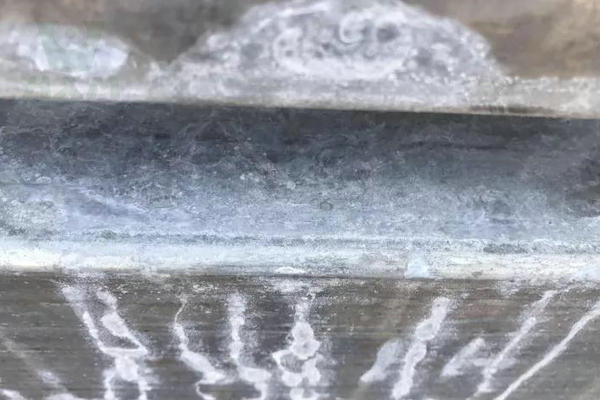
Galvanized vs zinc plated
That weak point at a scratch or cut edge becomes much easier to judge when you know what kind of zinc coating is actually on the steel. Many buyers lump every zinc-coated product into one bucket, but the process matters. Practical guidance from Steel Supply and Huyett points to the same rule: hot-dip galvanized steel carries a thicker zinc layer, while electro-galvanized and zinc-plated products use thinner deposits. The broader service-life principle from AGA is simple too: thicker zinc coatings generally last longer.
Hot-dip galvanized versus electro-galvanized
Hot-dip galvanized steel is made by immersing steel in molten zinc. That creates a thicker, tougher coating and helps explain why it is commonly chosen for structural parts and broader outdoor exposure. Electro-galvanized steel uses an electrical plating bath to deposit zinc in a much thinner layer. It often gives a smoother-looking finish and works well when later forming or tighter tolerances matter, but it usually gives up durability compared with a heavier hot-dip coating.
Electro-galvanized sheet and zinc-plated hardware are closely related because both rely on electroplating, even if buyers see them sold under different names. This is where many galvanized vs zinc plated comparisons go sideways. People notice zinc on both materials and assume they will age the same way. They will not. Does zinc plated rust? Yes, it can, especially once that thin coating is worn, cut, or exposed to harsher weather. Is zinc plated rust proof? No. It is better understood as a lighter-duty corrosion barrier.
Where galvannealed steel fits
Galvannealed steel belongs in the same family conversation, but it fills a different role. It is generally chosen when a zinc-coated sheet also needs a more paint-friendly surface. In a basic galvanized steel vs steel comparison, any zinc-coated option starts with an advantage over bare carbon steel. Still, galvanized vs non galvanized is only the first layer of the decision. Buyers also need to know whether they are looking at a heavy hot-dip coating, a thinner electro-coated finish, or a paint-oriented sheet product such as galvannealed steel.
| Material | Coating method | Relative coating thickness | Paintability | Formability | Cut-edge behavior | General durability expectation |
|---|---|---|---|---|---|---|
| Hot-dip galvanized | Steel immersed in molten zinc | High | Fair to good | Good for many parts, but less ideal for very tight tolerances | Usually better edge reserve because more zinc is present | Strong choice for outdoor exposure and heavier-duty service |
| Electro-galvanized | Zinc deposited by electroplating | Low | Good | Good, especially for sheet and tighter-tolerance parts | Less zinc available at edges and wear points | Better than bare steel, but usually for lighter exposure |
| Galvannealed steel | Usually galvanized sheet that is heat treated for a zinc-iron surface | Moderate | Very good | Good | Moderate, with performance shaped by fabrication details | Useful where painting matters, but not the same as heavy hot-dip protection |
| Zinc-plated | Usually electroplated zinc on finished parts | Low | Good | Very good for small parts and threads | Thin coating can wear through faster | Common for indoor hardware and other lighter-duty uses |
| Bare steel | No zinc coating | None | Needs separate protection | Depends on base steel only | No sacrificial protection at edges | Lowest corrosion resistance |
So, will zinc plated rust in the wrong setting? Very often, yes. And even hot-dip galvanized steel can lose ground faster when moisture, salt, pollution, or standing water enter the picture. The coating label matters, but the environment often decides how quickly that label stops protecting the steel.
Where galvanized steel lasts and where it struggles
The coating method matters, but the setting often matters more. A zinc layer that stays stable for years in a dry warehouse can wear much faster beside surf, industrial fallout, or trapped water. That is why the question how long does galvanized steel last never has one universal answer. Service life changes with moisture, salt, pollutants, temperature, and whether the surface gets a chance to dry.
Performance in dry indoor spaces
Dry indoor environments are usually the easiest conditions for galvanized steel. With little humidity and almost no standing moisture, the zinc coating is consumed slowly, so the chance of red rust stays low unless the surface has been badly damaged or repeatedly wetted. For interior framing, shelving, brackets, and similar uses, this is generally a favorable environment.
Performance outdoors in humidity and rain
Outside, the picture gets more nuanced. Galvanized steel for outdoor use is usually a solid choice in ordinary rain and weather, especially when the part can drain freely and dry between storms. Rain can even help wash away some surface contamination. Problems show up when water sits in folded edges, overlaps, blocked gutters, or debris-filled corners. Humid climates also keep surfaces wet longer, which speeds the rate at which zinc is used up.
People often ask, does zinc rust outside, and can zinc rust. Zinc does corrode outdoors, but not in the same orange-red way that steel does. Instead, it tends to form zinc corrosion products that can slow further attack. When buyers wonder is zinc or galvanized better for outdoor use, the safer general answer is galvanized steel with a robust coating, because thin zinc finishes usually give up durability faster in rain, abrasion, and long wet-dry cycles.
What changes in coastal, industrial, and water exposure
Salt air and pollutants change the pace sharply. In coastal settings, chlorides carried by wind can consume zinc much faster than normal inland exposure. AGA coastal guidance shows how dramatic microclimate differences can be: on some structures near shore, surfaces directly exposed to salty prevailing winds showed rusting in 5 to 7 years, while more sheltered faces on the same structure retained enough coating for 15 to 25 additional years of protection. Industrial atmospheres can also be harder on galvanized surfaces because contaminants make moisture more corrosive.
If your question is does galvanized steel rust in water, the honest answer is that water is not one condition. Chemistry and movement change everything. The main variables include pH, dissolved oxygen, hardness, chlorides, temperature, and flow. The AGA water guide notes that full immersion in some freshwater conditions can be less corrosive than partial immersion, because oxygen availability is lower underwater. Tide lines, splash zones, and agitated water are often worse because repeated wetting, drying, and washing can strip away the protective films forming on the zinc. Hard water may help create a more protective scale, while soft water, warm seawater, salt spray, and standing water are usually tougher on the coating.
| Exposure scenario | Risk level | What it usually means for galvanized steel |
|---|---|---|
| Dry indoor, low humidity | Generally favorable | Slow zinc consumption and low chance of red rust. |
| Normal outdoor rain with good drainage | Generally favorable | Usually performs well when surfaces can rinse and dry. |
| Humid, shaded, or debris-trapping outdoor areas | Cautionary | Longer time wet increases coating loss. |
| Industrial or polluted atmosphere | Cautionary to aggressive | Contaminants make surface moisture more corrosive. |
| Coastal air without direct splash | Cautionary | Salt-laden winds can shorten life, especially on windward faces. |
| Heavy salt spray, marine splash, or surf influence | Aggressive | Chlorides and repeated wetting consume zinc quickly. |
| Standing water or poor drainage | Aggressive | Trapped moisture can be harsher than open rain exposure. |
| Continuous immersion in favorable freshwater | Cautionary | Can be workable, but water chemistry controls performance. |
| Tidal zones, wash zones, or agitated water | Aggressive | Protective films are worn away and oxygen is constantly replenished. |
That is why surface appearance matters so much in real inspections. A dull gray weathered finish, a chalky white deposit, and orange-red staining do not all mean the same thing, and reading those clues correctly is where corrosion diagnosis gets much more useful.
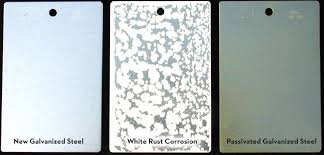
How to read white rust on galvanized steel
Surface discoloration can look worse than it is. On galvanized steel, white corrosion products and red rust do not mean the same thing. Guidance from Engineering Edge separates them clearly: white rust is a zinc corrosion product, while red rust is iron oxide forming on steel. In simple terms, white rust usually means the coating is reacting. Red rust usually means the underlying steel is exposed or the zinc layer has been worn down enough to stop shielding it well.
How to tell white rust from red rust
White rust on galvanized steel often appears as a chalky, powdery, or blotchy white deposit where moisture has lingered on the zinc surface. That is different from the dull gray look many galvanized parts develop as they weather normally. Appearance guidance from AGA notes that matte gray, mottled, or mixed dull and shiny areas can still provide equal corrosion protection in many cases. So a gray or uneven finish is not automatically a failure sign.
Red rust is the more serious clue. If you see orange-red or reddish-brown staining, the issue has usually moved past zinc-only corrosion. At that point, rust on galvanized metal is no longer just a cosmetic coating change. It is a warning that steel corrosion is active in that location.
What scratched, cut, and welded areas reveal
Color matters, but pattern matters too. A small scratch does not always turn into immediate failure. Still, fabrication points deserve extra attention because they are common starting points for coating problems. The AGA cut-edge note explains that some cutting methods can change the local steel properties at the edge, making it harder for the galvanized coating to form well and remain intact there. If the coating flakes at a cut edge, steel corrosion can start along that exposed line.
Welded areas can also confuse inspections. AGA notes welded fabrications may show light and dark appearance differences because of steel chemistry or weld rod composition. That contrast alone does not prove poor performance. What deserves closer attention is corrosion that spreads outward from a weld, seam, drilled hole, or damaged fastener point, especially where water tends to collect.
- Powdery white deposits: Often white rust on galvanized metal, meaning the zinc is reacting to moisture.
- Dull gray weathering: Usually normal aging of the galvanized surface, not automatic failure.
- Orange-red staining: A stronger sign that the base steel is exposed or the zinc is depleted.
- Edge-only corrosion: Often points to cut-edge flaking, damage, or weak coating at fabricated edges.
- Rust emerging from joints or seams: Suggests trapped moisture and repeated wetting.
- Corrosion around holes or fasteners: Can indicate abrasion, coating damage, or exposed steel.
When cosmetic change becomes real steel corrosion
Not every stained surface means you are looking at rusty galvanized steel in a structural sense. White rust on galvanized steel can be an early coating issue rather than evidence that the whole part is failing. Even some appearance changes can be mostly cosmetic. Concern rises when you see widespread red rust, recurring wet spots, or corrosion radiating from scratches, cut ends, weld damage, or seams.
If you are inspecting a rusted galvanized steel panel, bracket, or fastener, judge the pattern before the color alone. Isolated staining may stay local. Broad corrosion, layered scale, or repeat staining in moisture traps is more serious. That is where rusting galvanized steel stops being a surface appearance issue and starts pointing to drainage, fabrication, or coating-loss problems. Those clues become even more useful when you look at real-world items like gutters, fences, hardware, and fasteners, because each one tends to fail in its own predictable spots.
Galvanized steel gutters and fasteners
The same corrosion patterns that show up on scratches and seams become much easier to spot in everyday parts. On a house, fence, or equipment frame, trouble usually starts where water lingers, airflow is poor, or small coated pieces have to do the hardest work.
How galvanized gutters and exterior sheet metal hold up
Galvanized steel gutters and galvanized rain gutters are usually a reasonable fit for normal outdoor exposure when they can drain fully and dry between wet periods. The key ideas from AGA coastal guidance are simple: drainage helps, ventilation helps, and sheltered areas that do not get natural rain rinsing need closer attention. That is why a clean, sloped gutter run often ages better than a leaf-packed outlet, a lap joint, or a low spot that stays damp.
The same logic applies to exterior sheet metal, fences, and many pipe-related applications. Intermittent rain is usually less severe than trapped wetness, heavy salt spray, or constant contact with conductive moisture. Coastal exposure also varies sharply by microenvironment. Windward faces, splash-prone areas, and parts close to salty prevailing winds are harder on zinc than inland or better-sheltered locations.
| Application | Generally suitable | Suitable with caution | Higher-risk conditions |
|---|---|---|---|
| Gutters and downspouts | Open runs with good slope and drainage | Shaded areas, seams, debris collection points | Standing water, coastal salt spray, mixed-metal contact |
| Exterior sheet metal and fences | Ordinary rain exposure with drying between storms | Ground splash, damp corners, sheltered wet zones | Marine splash, industrial fallout, chronic wetness |
| Pipe-related fabrications | Well-ventilated parts with drainage | Low spots or connections that trap moisture | Saltwater exposure, immersion, trapped internal moisture |
| Fasteners | Zinc-coated fasteners paired with zinc-coated assemblies | Wet exterior use with repeated runoff | Thin coatings, salty environments, dissimilar metals in contact |
What to expect from galvanized fasteners
Fasteners deserve extra skepticism because they are small, exposed, and often thinner-coated than the parts they hold together. Do galvanized screws rust? Yes, they can. Do galvanized bolts rust? Yes, especially when the coating is lighter, the connection stays wet, or the bolt is joining metals that create galvanic corrosion in the presence of moisture.
AGA dissimilar metals guidance notes that zinc coatings do not have a galvanic problem when they are paired with other zinc coatings, but the component with the thinnest zinc coating is usually the first to corrode. That is why matching fastener protection to the surrounding material matters. Do galvanized nails rust? They can, and will galvanized nails rust faster in coastal air or damp exterior wood? Often yes, because salt and long time-wet conditions consume zinc faster than ordinary inland exposure.
When the environment calls for a heavier-duty option
Some settings simply ask more from the coating. Shoreline hardware, gutters near surf exposure, fence parts that trap mud, and pipe assemblies exposed to salt spray or constant dampness deserve a more cautious specification review. In aggressive coastal conditions, the same AGA coastal guidance points to project-specific evaluation of wind exposure, distance from the sea, drainage design, and, when needed, a duplex system for extra protection.
In practical terms, the first places worth watching are seams, cut edges, fastener heads, and mixed-metal contact points. Those details tell you a lot about where rust is most likely to appear, which is exactly why inspection and cleaning habits matter so much.
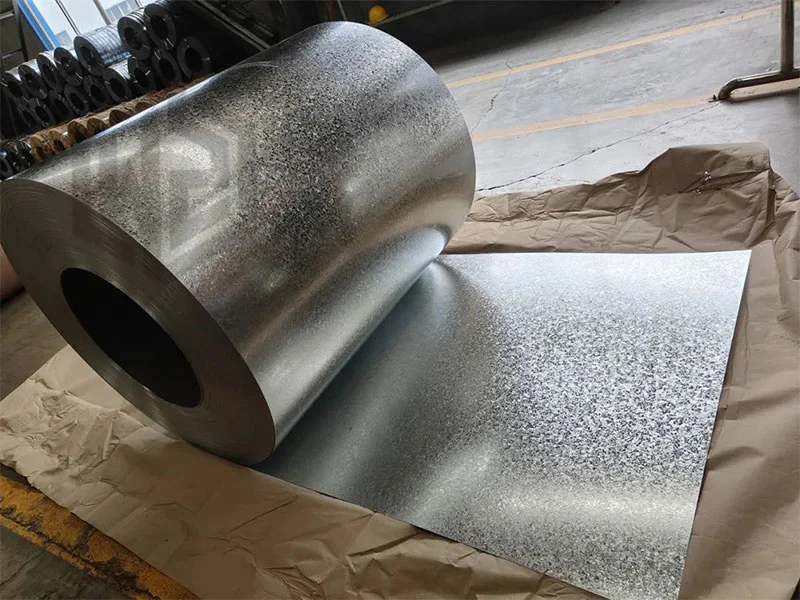
How to clean galvanized steel and reduce rust risk
On gutters, panels, and fasteners, the trouble spots are usually easy to predict. Water sits. Debris collects. A cut edge gets worn. A repair ages faster than the surrounding zinc. That is why good care starts with inspection before scrubbing. In AGA field inspection guidance, the areas needing the closest look include crevices, places where water pools, dissimilar metals in contact, and previously touched-up zones.
How to inspect galvanized steel step by step
- Start with a dry visual check. Scan broad surfaces first, then move to seams, overlaps, corners, fastener seats, and drain holes.
- Separate appearance from active corrosion. Look for white rust, red rust, and brown staining. Brown staining can be cosmetic if zinc coating still remains, while red rust is a stronger sign that steel is exposed.
- Check moisture traps. Standing water, clogged debris, snow-melt zones, and flat spots often corrode faster than open vertical faces.
- Inspect fabrication points. Pay extra attention to worn edges, drilled holes, welded areas, and damaged seams where the coating may be thinner or broken.
- Review older repairs. Touched-up spots can age faster than the original galvanized surface and deserve repeat checks.
- Measure when condition matters. A magnetic thickness gauge can help confirm whether enough zinc remains in suspect areas.
How to clean without damaging the coating
If you are wondering how to clean galvanized steel, the safest answer is to match the method to the contaminant. An AGA cleaning study on newly galvanized steel found that several products removed grease or oil without damaging the finish in the study, including Comet, bleach, Goof Off, Simple Green, The Must for Rust, and stainless steel cleaner. The process was simple: use the product as directed, rinse with water, and dry the surface. Test a small area first.
For cleaning galvanized metal with wet storage stain, dry the part first. Light stain can often be left alone if the surface will stay dry and get airflow. Medium and heavy stain may need treatment. The same AGA study found CLR, lime juice, Naval Jelly Rust Dissolver, Picklex 10G, and white vinegar could be used for that purpose with a nylon-bristled brush, followed by rinsing and drying.
Avoid aggressive abrasion. Also be careful with chemical shortcuts. For grease and oil cleaning, the AGA found vinegar, muriatic acid, and ammonia could affect the coating appearance. When removing rust from galvanized steel, simple washing is only part of the answer. If active red rust is coming from a bare area, this is no longer just cleaning galvanized steel. It may be a repair issue.
How to reduce future rust risk
- Wash off salt, dirt, and leaf debris gently, then let the surface dry.
- Improve drainage so water does not sit in channels, seams, or low spots.
- Avoid prolonged contact with wood, concrete, asphalt, or other moisture-holding surfaces where possible.
- Isolate dissimilar metals when practical to reduce galvanic attack.
- Watch weeping welds and crevices. After cleaning oxides, a compatible epoxy or caulk may serve as a sealant for galvanized steel in that localized joint.
- If you need to remove rust galvanized steel surfaces more than once in the same spot, treat the moisture source, not just the stain.
- For true bare spots or coating loss, use a proper repair method. ASTM A780 touch-up guidance covers zinc-rich paint, zinc-based solder, and zinc metallizing for damaged hot-dip galvanized areas.
Care can slow problems and extend service life, but it cannot undo a poor coating choice, bad drainage, or fabrication done at the wrong stage. Those decisions are best handled before the part is ordered.
When galvanized steel is required
Maintenance helps, but it cannot rescue a weak specification. If your team is asking how long does galvanised steel last, the better question is what the part will face in service and how it will be fabricated before and after coating. Guidance from Sperrin's checklist and Southern Metal Fabricators treats galvanizing as an early design decision, not a last-minute finish. That is often when may steel that is galvanized be required, especially where bare steel would face outdoor moisture, atmospheric exposure, or more corrosive service.
What to specify before ordering galvanized parts
- Service environment: indoor, outdoor, coastal, polluted, splash-prone, or intermittently wet.
- Coating method and sequence: hot-dip after fabrication is commonly the final process before delivery.
- Part geometry: confirm the design allows proper venting, filling, and drainage for a consistent coating.
- Steel and joining details: steel type, compatible fasteners, and whether overlaps or mixed metals are present.
- Post-coating work: note any cutting, welding, drilling, painting, or repair expectations after galvanizing.
- Inspection needs: identify significant surfaces, acceptance criteria, repair method, and certificate requirements.
How fabrication affects corrosion performance
The corrosion resistance of galvanized steel depends as much on fabrication as on zinc itself. Southern highlights venting, drainage, steel selection, and compatible fasteners. Sperrin also notes that repair methods should be agreed in advance and that silver spray paint is not an acceptable repair. If a buyer asks is galvanized steel rust proof, or searches is galvanised steel rust proof, the practical answer is no. Does galvanized steel corrode? Yes, over time, especially when welding, abrasion, trapped moisture, or site alterations break the coating system.
When to involve a manufacturing specialist
Complex assemblies, tight-tolerance parts, and programs that mix stamping, machining, welding, and surface treatment benefit from early supplier input. For automakers and Tier 1 teams, Shaoyi is a useful sourcing resource because its stamping, CNC machining, custom surface treatment options, rapid prototyping, and IATF 16949 quality controls all connect directly to coating performance. People still ask can galvanised steel rust. It can, but a smart specification makes that outcome slower and far more predictable.
Galvanized steel offers strong corrosion resistance, but it is not immune to rust if the design, fabrication sequence, or environment works against the coating.
Common questions about galvanized steel rust
1. Is galvanized steel rust-proof?
No. Galvanized steel is better described as rust-resistant. The zinc coating shields the steel and corrodes first, which delays red rust, but it does not make the metal immune forever. Service life depends on coating thickness, how often the surface stays wet, salt exposure, pollution, abrasion, and whether water can drain away.
2. Does white rust mean galvanized steel is failing?
Not necessarily. White rust is usually a zinc corrosion product, so it often means the coating has reacted to trapped moisture rather than the steel underneath failing immediately. Light white rust can be mostly a coating issue, but heavy or recurring buildup should prompt a closer look at storage, drainage, seams, and airflow because those conditions can consume zinc faster.
3. Will scratched, cut, or drilled galvanized steel rust right away?
Usually not right away if the damage is small. Nearby zinc can still provide sacrificial protection around a minor scratch or hole. The risk rises when the exposed area is larger, the coating was thin to begin with, or the part faces repeated abrasion, coastal salt, industrial fallout, or constant wetness. In those cases, red rust can appear sooner at edges and worked areas.
4. Is hot-dip galvanized better than zinc-plated steel for outdoor use?
In most outdoor conditions, yes. Hot-dip galvanized steel typically has a thicker, tougher zinc layer, so it usually handles rain, wet-dry cycles, and general weather better than thin zinc-plated or electro-galvanized finishes. Lighter coatings can still work for lower-exposure parts, but fasteners, edges, and hardware in damp or salty settings tend to wear through faster.
5. What should I check before ordering custom galvanized parts?
Start with the real service conditions: indoor or outdoor use, humidity, salt, pollutants, standing water, and whether the part will be cut, welded, drilled, or painted after coating. Then confirm the coating method, drainage design, compatible fasteners, inspection criteria, and repair expectations. For complex stamped or machined components, it helps to use a supplier that can coordinate fabrication and surface treatment under a controlled quality system. For example, teams sourcing automotive metal parts may find a one-stop partner like Shaoyi useful because stamping, CNC machining, surface treatment, prototyping, and quality control all influence corrosion performance.