 Small batches, high standards. Our rapid prototyping service makes validation faster and easier —
  EN
EN


What Does Hard Anodized Mean? The Hidden Layer That Changes Cooking
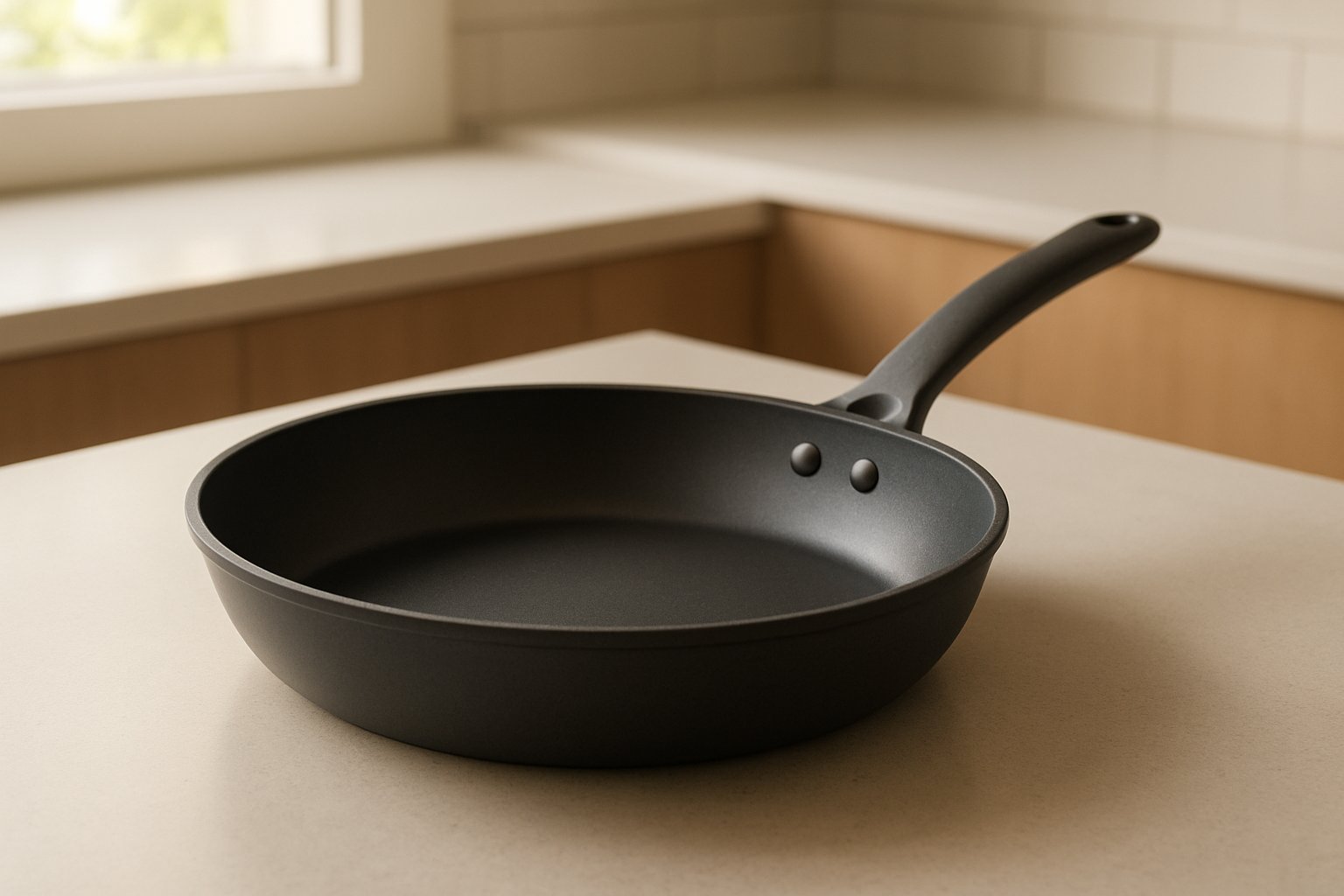
What Does Hard Anodized Mean in Cookware?
What Hard Anodized Means in Plain English
What does hard anodized mean? In simple terms, it means aluminum has gone through an electrochemical treatment that turns its outer surface into a harder, more durable oxide layer. Think of it as aluminum with a tougher skin built into the surface itself. In cookware, that treatment helps the metal resist wear and corrosion better than plain aluminum. Just as important, hard anodized describes a surface treatment, not a guarantee that the pan is nonstick.
Hard anodized means aluminum has been electrochemically treated to create a harder oxide surface that is more durable than untreated aluminum.
If you want a quick hard anodized definition, that is the core idea. Guides from Food & Wine and Made In both describe anodizing as an oxidation-based process that strengthens the surface rather than simply covering it with a basic finish.
- Hard anodized usually refers to treated aluminum, not raw aluminum.
- It means the surface has been made tougher, not that the pan is automatically nonstick.
- The benefit comes from the altered outer layer, which is part of the metal surface.
Hard Anodized vs Regular Anodized
To define hard anodized clearly, the word hard matters. Regular anodized aluminum is also treated, but hard anodized generally means a more robust version of that oxide layer. In everyday shopping terms, both are anodized, yet the hard version points to extra surface durability. That is also the short answer to the British spelling search, what does hard anodised mean.
If you have been wondering what is hard anodized compared with standard anodized aluminum, the difference is not a totally different metal. It is a tougher form of surface treatment. And because that treatment changes how the outer layer behaves, the obvious follow-up is how anodizing actually transforms aluminum in the first place.
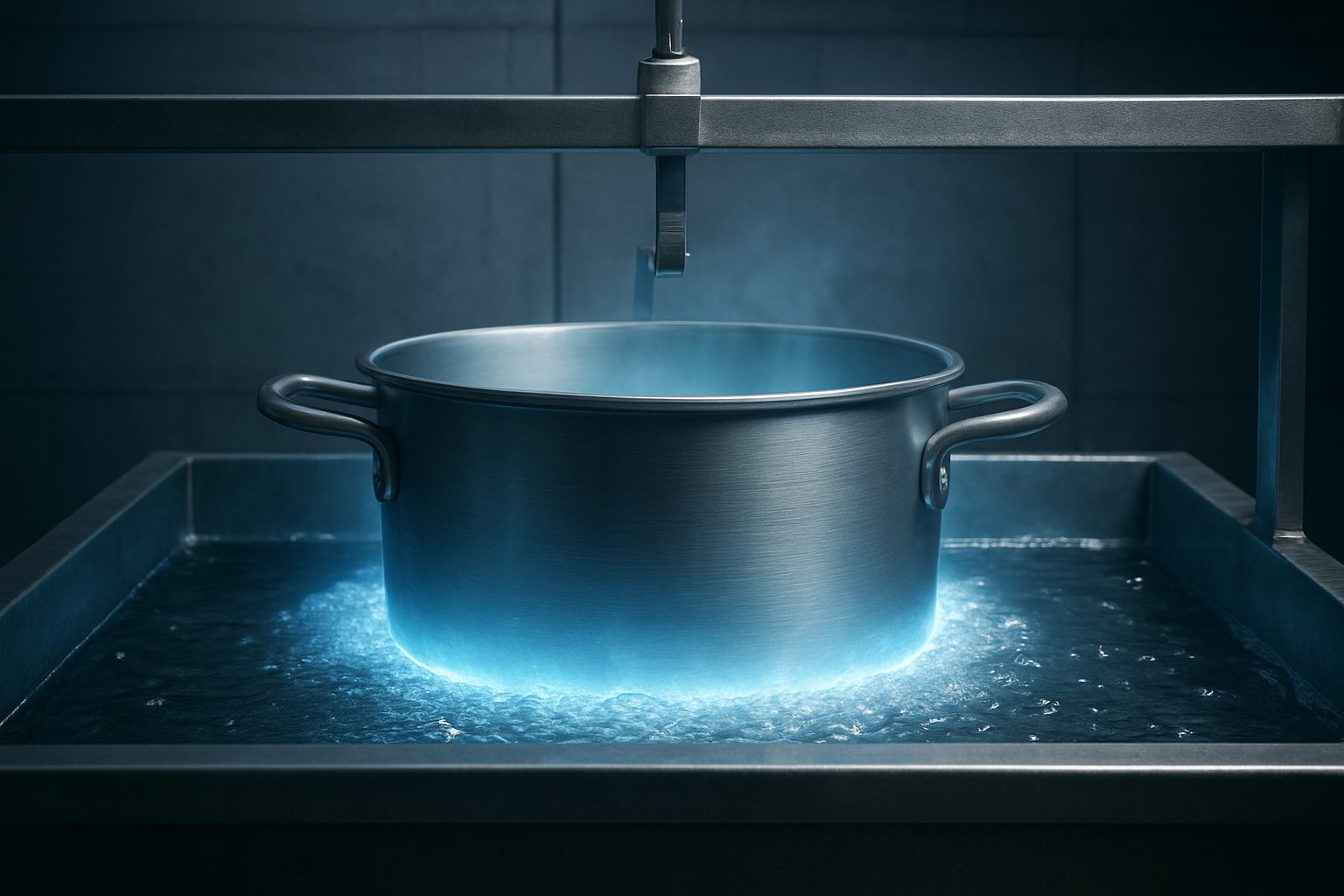
What Does Anodized Mean for Aluminum?
How Anodizing Changes Aluminum
If you are still asking what does anodized mean in practical terms, here is the key idea: aluminum is placed into an electrochemical process that grows a controlled oxide layer on its surface. Aluminum already forms a thin natural oxide in air, but anodizing thickens and organizes that protective layer so it performs better. Both Xometry and Ponoko describe this as a surface conversion process, not a simple coating laid on top.
- The aluminum is cleaned and prepped. Oils, dirt, and the naturally formed surface film are removed so the treatment can build evenly.
- The part goes into an electrolyte bath. In many anodizing setups, that bath is acid-based, often sulfuric acid for common aluminum anodizing processes.
- Electric current is applied. The aluminum part acts as the anode, which is where the anodized definition comes from.
- Oxygen reacts with the surface. That reaction turns the outermost aluminum into aluminum oxide.
- The layer develops and can later be sealed. In some applications, the porous structure can also accept dye before sealing.
The anodized layer is part of the aluminum itself, not a paint-like film that simply sits on top.
That distinction matters. When people ask what is anodized, they are not talking about sprayed color or plating in the usual sense. They are talking about a controlled change in the metal's outer surface.
Why the Hard Layer Matters
In hard anodized aluminum, the word hard points to a more robust version of that oxide layer than standard anodizing. Xometry notes that hard-coat anodizing typically uses tighter process conditions, including higher voltage, longer immersion time, and lower bath temperature, to build a thicker, tougher surface. For cookware shoppers, the takeaway is simple: hard anodized usually means the treated layer is engineered for better wear and corrosion resistance than regular anodized aluminum.
That still does not tell you everything about how a pan cooks. Surface treatment explains durability and reactivity better than it explains release, heat retention, or comfort in the hand. Those real kitchen outcomes depend on more than the chemistry alone, which is exactly where cookware questions start getting more interesting.
What Hard Anodized Cookware Means in Daily Use
In the kitchen, that engineered oxide layer stops feeling like chemistry and starts showing up as day-to-day performance. If you are wondering what is hard anodized cookware, the practical answer is simple: it is usually aluminum cookware with a treated surface that is meant to be tougher, easier to clean, and better suited to repeated use than plain aluminum. That is why hard anodized aluminum cookware often appeals to home cooks who want something sturdy without moving into heavier, higher-maintenance materials.
What Hard Anodized Means in Daily Cooking
For most people, the meaning becomes clear after a few meals. The guidance from Food & Wine connects hard anodized cookware with a stronger, more scratch-resistant, easier-to-clean surface. In real cooking, that usually looks like this:
- Durability: anodized aluminum cookware is generally better equipped for routine use than untreated aluminum, so the pan body feels less delicate in everyday cooking.
- Cleanup expectations: residue is often easier to wash away after sautéing vegetables, reheating leftovers, or cooking foods that leave light sticking behind.
- Reactivity: hard anodized cookware is commonly treated as a food-safe option because the surface is designed so the metal does not readily lift into food during normal use.
- Typical cooking tasks: it is often a comfortable fit for gentler preparations, including eggs, quick sauces, and weeknight skillet meals where responsive heating helps.
If your search was what is anodized cookware or what is anodised cookware, that is the everyday takeaway: the treatment changes how the pan surface behaves, not just how it looks on the shelf.
Which Benefits Come From the Surface and Which Do Not
This is where shopping language gets muddy. Some advantages come from the hard-anodized surface itself. Others come from the total pan design.
- Mainly from the surface treatment: better scratch resistance, easier cleaning, and a more protected cooking surface than raw aluminum.
- Mainly from construction: how evenly heat spreads, how much heat the pan holds, total weight, thickness, handle comfort, and whether a steel layer has been added for induction use.
- Mainly from added coatings: the extra-slick food release people often associate with delicate foods sliding out cleanly.
That last point matters more than it seems. A pan can be durable and still not be truly nonstick in the strict sense. Some anodized cookware has a bare hard-anodized cooking surface. Other pieces add a separate nonstick layer on top. The two terms are often paired together, which is exactly why they need to be separated clearly.
Hard Anodized Nonstick Cookware Explained
Store labels often place both terms on the same box, which makes them sound interchangeable. They are not. Hard anodized describes the treated aluminum body of the pan. Nonstick describes the cooking surface that helps food release more easily. That is why a hard anodized nonstick pan can honestly be both things at once.
Hard Anodized Is Not Automatically Nonstick
A pan does not become nonstick just because its aluminum has been hard-anodized. Bare hard-anodized cookware does exist, although it is much less common today. Its surface can be smoother and less reactive than raw aluminum, but that does not mean delicate foods will slide off the way they do on a true nonstick coating.
In practical terms, bare hard-anodized cookware is better understood as durable and somewhat stick-resistant, not fully nonstick. True nonstick performance usually comes from a separate top layer, commonly PTFE or a ceramic-based coating. That is the source of much of the confusion in anodized nonstick cookware listings.
Much of the cookware sold today combines both features. Prudent Reviews notes that most modern hard anodized cookware on the market also includes a nonstick coating, while truly bare hard-anodized pieces are relatively rare. So when you see hard anodized aluminum nonstick cookware, you are usually seeing a treated base plus a separate easy-release surface.
The same logic explains phrases like non stick hard anodized cookware or a hard anodized nonstick cookware set. Those labels usually describe a collection made from hard-anodized aluminum with an added nonstick cooking layer.
Bare Hard Anodized vs Coated Hard Anodized
| Feature | Bare hard-anodized pan | Hard-anodized pan with nonstick coating |
|---|---|---|
| Cooking surface | Hard-anodized aluminum itself | Nonstick coating over hard-anodized aluminum |
| Stick resistance | Some natural resistance, but food can still stick | Higher release for eggs, fish, and delicate foods |
| Cleaning expectations | May need soaking or more scrubbing | Usually easier while the coating remains intact |
| Likely wear point | Surface discoloration or buildup | The nonstick topcoat usually loses slickness first |
For shoppers, the key is to separate the jobs. The anodized base helps with durability, corrosion resistance, and reduced reactivity. The coating, if present, mainly affects release and cleanup. Once those roles are separated, comparisons with stainless steel, ceramic, cast iron, and other pan materials become much easier to judge.
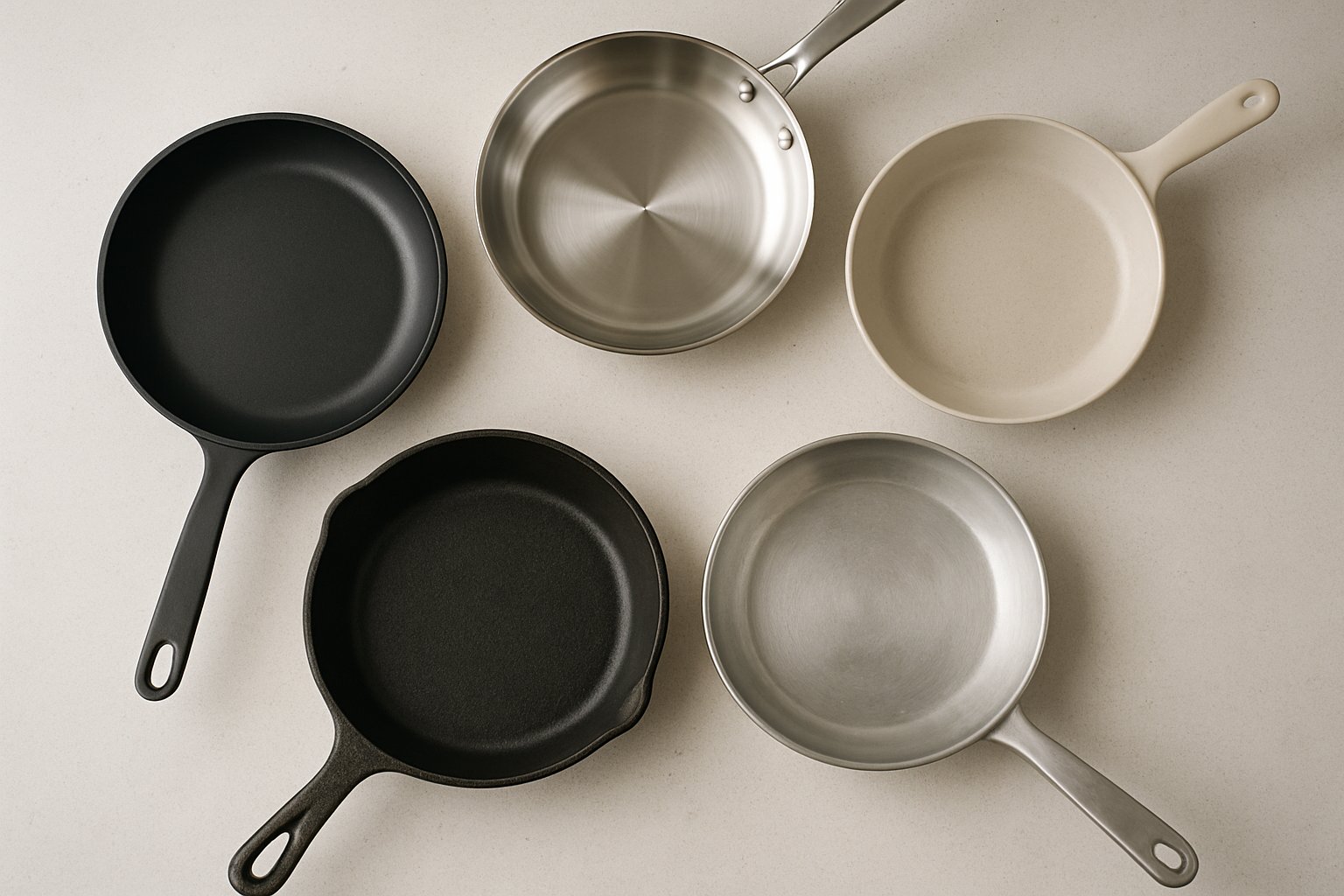
Hard Anodized vs Ceramic and Other Pan Materials
Once you separate the treated metal body from any added coating, cookware comparisons make a lot more sense. In a hard anodized vs ceramic discussion, you are not always comparing the same kind of thing. Hard anodized is usually aluminum that has been surface-treated. Ceramic, as Good Housekeeping notes, may mean fully ceramic cookware or a metal pan finished with a ceramic nonstick coating. That is why ceramic vs anodized pans can sound simpler than they really are.
How Hard Anodized Compares With Other Pan Materials
| Material | Durability | Heat behavior | Reactivity | Maintenance and cleanup | Typical use cases |
|---|---|---|---|---|---|
| Hard anodized | Tougher than bare aluminum and more scratch-resistant in normal use | Usually heats quickly because it is aluminum-based; better for everyday cooking than extreme searing | Less reactive than bare aluminum | Generally easy to clean; dishwasher use often varies by pan and coating | Weeknight sautéing, eggs, vegetables, everyday skillet meals |
| Stainless steel | Very durable and often longer-lasting than hard anodized | Handles high heat well for browning and searing; heats poorly on its own, so many pans are clad with aluminum | Does not react with acidic or alkaline foods | Usually more scrubbing than nonstick-style surfaces, but broadly low-fuss otherwise | Searing, pan sauces, deglazing, high-heat stovetop work |
| Ceramic | Fully ceramic can chip or crack; ceramic-coated pans tend to wear faster than traditional nonstick | Fully ceramic holds heat well; ceramic-coated pans can heat quickly and may burn food if you are not careful | Food meets a ceramic surface rather than bare metal | Usually easy at first, but slickness may fade sooner | Lower-oil cooking, general home use, shoppers avoiding traditional PTFE nonstick |
| Cast iron | Extremely durable and can last for years | Excellent heat retention and high-heat tolerance, but slow to preheat | Can react with acidic foods if not well seasoned or enamel-coated | Needs seasoning and more care; heavy to handle | Searing, baking, braising, oven cooking, slow cooking |
| Traditional nonstick | Release is excellent, but the coating is usually the main wear point | Best on gentler heat; high heat can wear down nonstick performance | Food cooks on the coating, not bare aluminum or steel | Easiest cleanup for most people | Eggs, fish, pancakes, quick everyday meals |
| Bare aluminum | Lightweight and affordable, but more prone to bending or warping than reinforced options | Excellent heat conductor and very responsive | Can react with acidic foods unless coated | May stick more and usually needs more care than coated aluminum | Budget cooking, fast heating, larger pans where low weight matters |
Guidance from Circulon and Food & Wine points to the same basic pattern: hard anodized sits in a middle ground. It is easiergoing than cast iron or stainless steel, but it is not automatically as slick as a true nonstick pan. That also helps untangle questions like ceramic or anodized cookware, aluminum vs nonstick pans, or even an aluminum pan vs nonstick pan comparison. One label often describes the pan body, while the other describes the cooking surface.
When Each Material Makes Sense
- Choose hard anodized if you want lightweight aluminum performance with a tougher, less reactive surface.
- Choose stainless steel if high-heat searing, deglazing, and long-term durability matter most.
- Choose ceramic if you want a nonstick-style surface without traditional PTFE, while accepting that wear can come sooner.
- Choose cast iron if you value heat retention, oven use, and longevity more than convenience.
- Choose traditional nonstick if easy release and fast cleanup are your top priorities.
- Choose bare aluminum if low cost and quick heating matter more than surface durability or acid resistance.
The hard anodised vs ceramic choice often comes down to a simple tradeoff: tougher treated metal versus a coating-first cooking experience. And that is where material charts stop being enough, because safety, dishwasher use, oven limits, and induction performance depend on more than the label on the box.
Is Hard Anodized Cookware Safe?
Safety is where cookware labels can get slippery. A pan may be hard-anodized aluminum, it may have a separate nonstick coating, or it may have both. That split matters. If you are asking is hard anodized cookware safe or is hard anodized aluminum cookware safe, the careful answer is that the anodized base is generally considered safe for food contact when it has been properly anodized and sealed, and when the surface is still in good condition.
What Safety Claims Hard Anodized Supports
In a food-safe guide, Schaumburg Specialties explains that anodizing creates a stable, inert, non-toxic aluminum oxide layer. That layer makes aluminum less reactive and helps prevent raw aluminum from leaching into food when the surface is properly finished. That is the strongest support behind searches like is anodized aluminum safe, is anodized aluminum cookware safe, and is anodized cookware safe.
The same point answers the UK-spelling question, is anodised aluminium safe. Broadly, the treated aluminum surface is the part being described as food-safe and non-reactive. That claim is about the base material itself. It does not automatically promise dishwasher safety, oven safety, induction use, or protection from years of rough handling.
Safe use depends on the whole pan system, not just the word anodized.
Do:
- Check whether the pan is described as properly anodized and sealed.
- Inspect the cooking surface now and then. Deep scratches, pitting, flaking, or other visible breakdown are warning signs.
- Treat the anodized base as the main question for aluminum exposure and food reactivity.
What Depends on the Coating or Pan Design
Other concerns sit outside the anodized layer. If the pan also has a nonstick topcoat, PTFE and PFAS questions apply to that added coating, not to anodizing as a metal treatment. Dishwasher use also needs nuance. The same source says hard-anodized aluminum cookware is generally accepted as dishwasher safe, but it still advises checking the manufacturer's instructions first. It also warns that standard anodized or colored anodized pieces should not go in the dishwasher unless the maker clearly says they can.
Oven use is not guaranteed by anodizing alone. Handles, lids, and any coating set that limit. Induction compatibility is similar. The same source notes that anodized aluminum cookware is generally not induction compatible, so shoppers should verify the individual pan rather than assume from the material name. High heat deserves the same caution. Hard-anodized aluminum is described there as heat-resistant, yet it also heats quickly and may not be ideal for every high-heat task.
Do not:
- Assume the phrase hard anodized cookware safe answers coating questions.
- Assume every hard-anodized pan can go in the dishwasher, oven, or on an induction cooktop.
- Confuse the search is anodised aluminium safe with a guarantee that every pan design is safe in every situation.
So the most accurate summary is simple: the hard-anodized base can be a sound, non-reactive cooking surface, but the full safety picture depends on the coating, the construction, and the condition of the pan you actually own. That is why daily care matters so much. Most problems show up slowly, through cleaning habits, utensils, and storage, long before a pan suddenly fails.
How to Care for Hard Anodized Pans
Labels can tell you what a pan is made of, but day-to-day care often decides how long it keeps performing well. For most hard anodized pans, the routine is simple. Advice from Vinod Cookware and Food & Wine lands on the same basics: wash gently, avoid abrasive tools, and be extra careful if the pan also has a nonstick topcoat.
How to Clean Hard Anodized Pans Correctly
- Let the pan cool enough to handle comfortably, then wash it by hand.
- Use warm water, a mild detergent, and a soft sponge or other non-abrasive brush.
- If residue clings to the surface, soak the hard anodized pan in warm water instead of attacking it with force.
- Clean off light discoloration or buildup gently. A soft-bristle tool is fine. Metal scrubbers and brushes with metal tines are not.
- Dry the pan before putting it away. This is a smart habit for bare hard anodized aluminum pans and for coated anodized cooking pans alike.
What Shortens the Life of the Surface
- Frequent dishwasher use can shorten the life of many hard anodized aluminum pans, even if a product is labeled dishwasher-safe.
- Harsh detergents, metallic scrubbers, and aggressive scraping can wear the surface faster.
- An anodized aluminium pan with a nonstick interior needs even gentler treatment, because the added coating is usually the more delicate layer.
- Daily rough handling matters most on pieces you use constantly, such as a hard anodized frying pan.
Watch for changes in performance, not just appearance. If bare hard anodised pots and pans show some residue or mild discoloration, that is often a cleaning issue. If a coated hard anodized frying pan suddenly loses easy release, the change is more likely happening in the nonstick layer than in the anodized base underneath. In many cases, the hard anodized pan body is still sound while the top surface is what feels tired. That distinction matters because anodizing is not just cookware wording. It is a real surface treatment, and that becomes even clearer outside the kitchen.
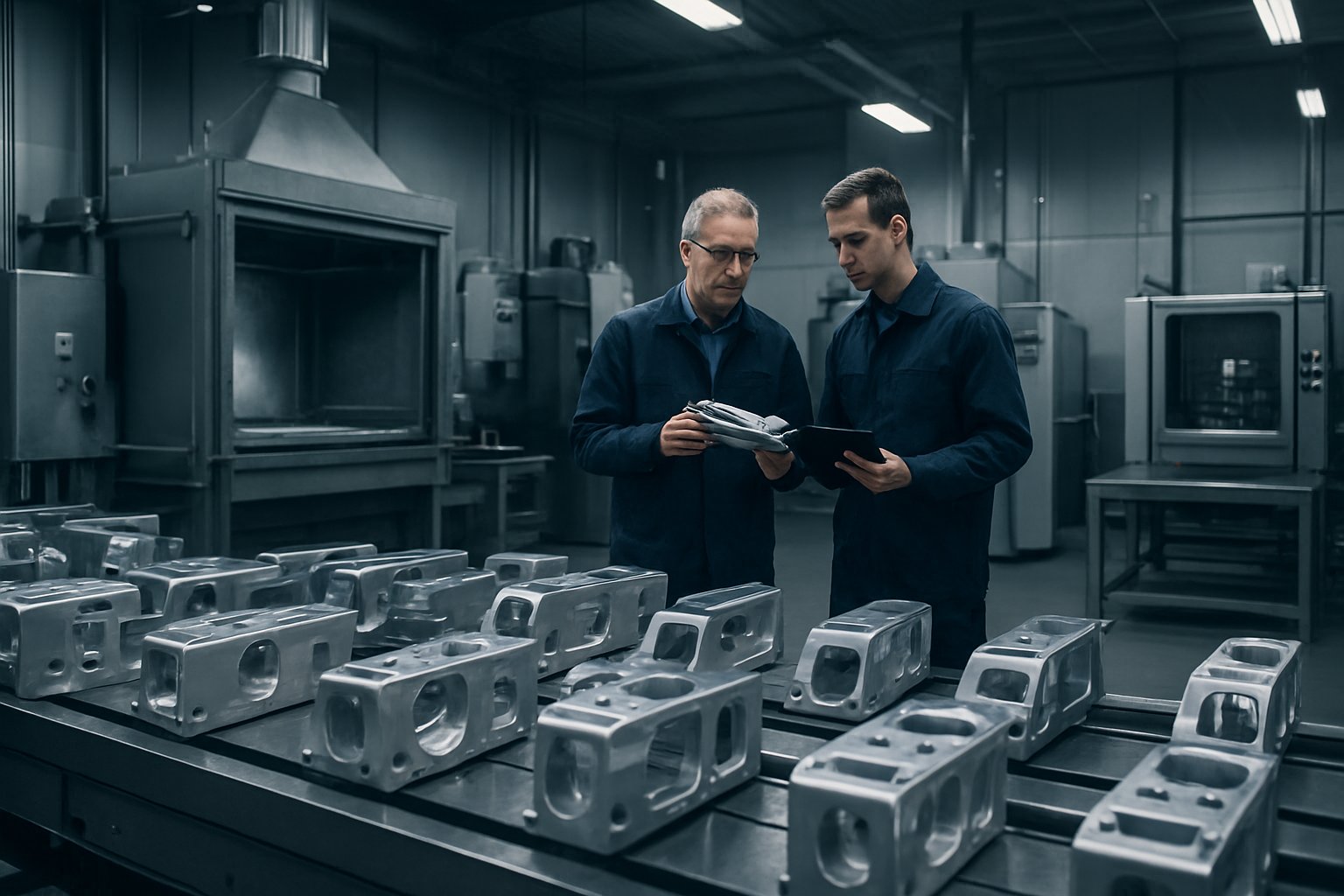
Hard Anodized Meaning Beyond Cookware
That bigger context is one of the clearest ways to understand the term. In industrial manufacturing, hard anodizing is used because surface performance matters, not because the phrase sounds good on a product box. CMT Finishing describes anodizing as an electrochemical process that converts aluminum's surface into a tough protective oxide layer, while JLCCNC explains that hard anodizing is the more demanding version, producing a thicker, denser, harder layer for harsher service conditions. Seen from that angle, the anodized meaning is straightforward engineering language. The hard anodized meaning is simply the tougher, wear-focused form of the same treatment.
Hard Anodizing Beyond the Kitchen
If you searched for the meaning of anodising, industrial examples make it easier to picture. The same treatment shows up in aerospace components, automotive trim and under-the-hood parts, and electronics housings and heat sinks. Those uses matter because they confirm that anodised surfaces are specified for durability, corrosion resistance, and long service life, not just appearance. They also reinforce a key point from the earlier cookware discussion: anodizing becomes part of the surface rather than acting like paint that can peel or flake.
Broad searches like anodized steel can blur that idea. The sources here explain anodizing mainly through aluminum, and in some cases magnesium, rather than as a catchall term for every metal finish.
What to Look for in a Surface Treatment Partner
In real production, finish quality depends on more than the bath itself. It depends on how the part is made before finishing, how the process is controlled, and how well the supplier can scale from samples to volume. One automotive example is Shaoyi, which combines stamping, CNC machining, rapid prototyping, and custom surface treatments under an IATF 16949 quality system. That is useful here not as a sales pitch, but as a reminder that finishing decisions usually sit inside a larger manufacturing workflow.
- Process consistency: stable preparation, treatment, and post-finish control from batch to batch.
- Machining or stamping integration: the finish should match the part geometry and production route.
- Prototyping support: early samples help verify fit, appearance, and function before scale-up.
- Quality systems: documented controls matter more in regulated supply chains such as automotive.
- Finishing options: a strong partner should explain when hard anodizing fits and when another finish is better.
Outside cookware, the term stops sounding like marketing and starts sounding like what it is: a deliberate surface-engineering choice shaped by the job the metal part needs to do.
Frequently Asked Questions About Hard Anodized Cookware
1. What does hard anodized mean in cookware?
In cookware, hard anodized usually means the pan body is aluminum that has gone through an electrochemical treatment, creating a tougher oxide surface on the outside. That matters because the treated layer is built into the metal rather than applied like paint. In practical terms, it can improve surface durability, reduce reactivity, and make routine cleanup easier than with plain aluminum. It describes a surface treatment, not a complete performance guarantee for every feature a pan may have.
2. Is hard anodized the same as nonstick?
No. Hard anodized and nonstick describe two different parts of a pan. Hard anodized refers to the treated aluminum base. Nonstick refers to a separate cooking surface made to help food release more easily. Many products combine both, which is why the terms often appear together in store listings. A bare hard-anodized pan may be smoother and less reactive than raw aluminum, but it will not usually behave like a dedicated nonstick pan when cooking delicate foods.
3. Is hard anodized cookware safe for everyday cooking?
Generally, the hard-anodized aluminum base is widely regarded as suitable for food contact when it has been properly finished and the surface is still in good shape. The bigger safety picture depends on the full pan design. If the cookware also has a nonstick layer, then heat limits and coating-related concerns apply to that added surface, not to anodizing itself. It is smart to watch for heavy wear, deep damage, flaking, or unclear care instructions, since overall condition matters as much as material type.
4. Can hard anodized pans go in the oven, dishwasher, or on induction cooktops?
Sometimes, but not automatically. The word anodized does not decide those features by itself. Oven safety depends on details such as handles, lids, and any interior coating. Induction compatibility depends on whether the base includes a magnetic layer, because aluminum alone does not work on most induction burners. Dishwasher use also varies. Even when a pan is marketed as dishwasher-safe, hand washing is often the gentler choice if you want the finish and any topcoat to last longer.
5. Why does hard anodizing matter outside cookware?
Hard anodizing is a real surface-engineering process used in industries where aluminum parts need better wear and corrosion resistance. That includes sectors such as automotive, aerospace, and electronics. In those settings, the finish is part of a larger manufacturing plan that may also involve machining, stamping, prototyping, and strict quality control. That is why end-to-end suppliers can matter. For example, automotive buyers may look for partners such as Shaoyi when they need coordinated metal part production and surface treatment under certified production systems.