 Small batches, high standards. Our rapid prototyping service makes validation faster and easier —
  EN
EN


Can You Weld Stainless Steel Without Killing Corrosion Resistance
Can You Weld Stainless Steel Successfully
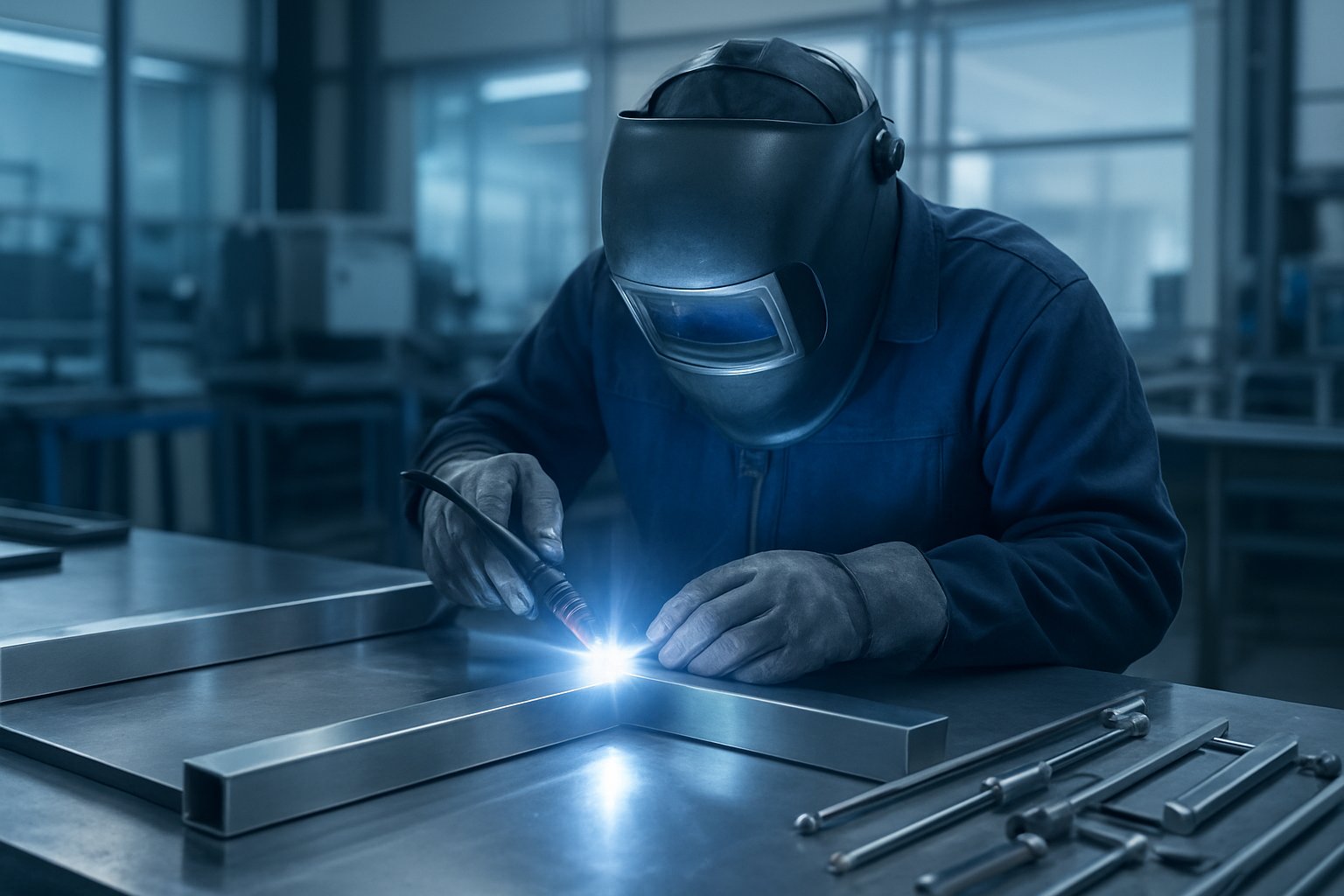
Can you weld stainless steel? Yes, you can. Stainless is a weldable metal, but the final result depends on the grade, welding process, filler metal, shielding gas, and how well you keep the work clean. Common methods include TIG, MIG, and stick, with TIG usually giving the most control for neat cosmetic work, as outlined by Topson and Fractory.
Yes, stainless can be welded. The catch is that a joint can be strong enough to hold while still falling short on corrosion resistance or appearance.
Can Stainless Steel Be Welded
If you are asking can stainless steel be welded, the short answer is still yes. If your real question is can i weld stainless steel as a beginner, the safer answer is yes, but stay within beginner-friendly limits. Clean, known grades and simple joints are far more forgiving than thin decorative sheet, unknown scrap, or mixed-metal repairs. In other words, can you weld stainless is not the same as can you weld it well for a visible or corrosion-critical job.
What Affects Stainless Steel Welding Results
- Base metal grade, such as 304, 316, 430, or duplex
- Process choice, including TIG, MIG, stick, or spot welding
- Correct filler wire or rod
- Proper shielding gas coverage
- Heat input and travel speed
- Surface prep, joint fit-up, and tack quality
- Contamination from carbon steel tools, dust, or dirty abrasives
That is why is stainless steel weldable is really a question about conditions, not just possibility. A part may fuse together and still end up discolored, warped, or harder to keep rust-free.
When Stainless Is Easy and When It Is Not
For many shops, common austenitic grades like 304 and 316 are the easiest place to start. Straightforward tube or sheet work is usually manageable with good prep and the right consumables. Trouble starts when the material is very thin, the grade is unknown, the finish must stay pristine, or the service environment is harsh. If you are wondering how do you weld stainless steel with fewer surprises, start with clean material, dedicated tools, and a process you can control. That matters because stainless reacts to heat differently than mild steel, and those differences show up fast at the bench.
Why Stainless Behaves Differently Under Heat
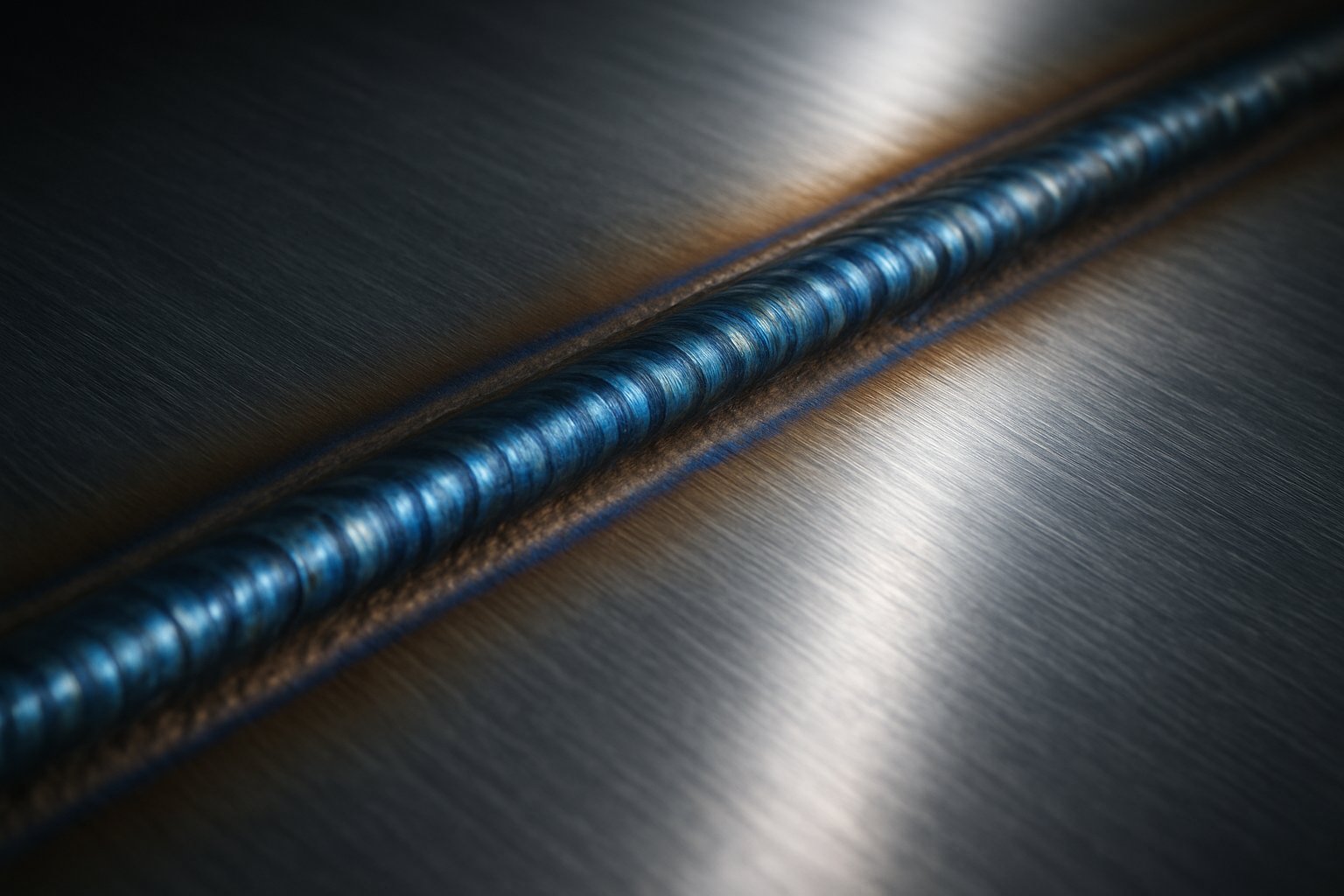
At the bench, stainless usually gives itself away with color first. The reason is simple. Stainless resists corrosion because chromium in the alloy forms a very thin chromium oxide film on the surface. During welding on stainless steel, that protective skin can be disturbed by heat and oxygen. TWI notes that heat tint is an oxide scale formed on the root bead and nearby heat-affected zone, and that the surface beneath it can become chromium-depleted. That is why stainless steel welds can be strong yet still lose corrosion performance.
Why Stainless Reacts Differently Than Mild Steel
In the welding of stainless steel, fusion is only part of the job. You also have to protect the surface chemistry that makes the alloy stainless in the first place. Brown, blue, and purple discoloration are not just cosmetic clues. TWI reports that heat-tinted surfaces are more susceptible to pitting and crevice corrosion, with purple-blue oxides generally the most vulnerable. So when welding stainless, color is useful feedback, not decoration.
How Heat Input Changes Corrosion Resistance
Too much heat, weak shielding, or poor purging can quickly turn a clean joint into a cleanup problem. On the root side, welders often see sugaring, a white or gray rough oxide described by Morgani. On the face, you may see straw, blue, or dark heat tint. TWI even gives a type 316 example where heat tint reduced critical pitting temperature from 60 to 40°C in chloride testing. That does not mean every discolored bead will fail, but it does mean welded stainless steel should not be judged by strength alone. Post-weld cleaning and passivation are often needed to rebuild the surface.
How Contamination Shows Up in Real Welds
Heat is only half the story. Free iron from carbon-steel brushes, grinding dust, or clamps can get onto the surface and later show up as orange staining near the weld. Senmit highlights this cross-contamination risk, especially where moisture, salts, or crevices are present. A lot of issues blamed on welding with stainless steel are really contamination issues. Dirt, oil, grease, and paint can also contribute to cleanup trouble and surface defects.
| Cause | Visible symptom | Prevention |
|---|---|---|
| Excessive oxidation from heat and oxygen | Brown, blue, or purple heat tint beside the bead | Control heat input, keep shielding effective, remove heat tint after welding when needed |
| Poor root shielding or purge | White or gray sugaring on the back side | Use an efficient back purge and keep oxygen low before and during the root pass |
| Carbon-steel contamination | Orange rust staining near the weld later on | Use stainless-only tools and keep parts away from steel dust and dirty fixtures |
| Dirty joint surfaces | Residue, uneven discoloration, harder cleanup | Remove oil, grease, dirt, and paint before welding |
Those bench-top clues matter because the process itself changes how easy they are to control. Some methods make clean shielding and tight heat control much simpler than others.
Which Stainless Welding Process Fits Best
Some methods make heat control almost intuitive. Others ask you to trade finish for speed or portability. If you are comparing mig welding stainless steel with TIG, stick, or resistance welding, judge the process by the finished part, not just by whether the metal will fuse. On stainless, the method changes bead appearance, distortion risk, cleanup time, and how much post-weld corrosion performance you may need to protect.
| Process | Best process fit | Weld appearance | Speed | Cleanup | Learning curve | Common stainless jobs and rating |
|---|---|---|---|---|---|---|
| TIG | Thin sheet, visible seams, tubing, precision work | Cleanest and most controlled | Slow | Low when shielding is solid | High |
|
| MIG | Longer seams, thicker sections, repeat production | Good, but usually less refined than TIG | Fast | Moderate | Moderate |
|
| Stick | Outdoor repair, simple setup, thicker stainless | Rougher | Moderate | High because of slag | Moderate |
|
| Spot | Thin overlapping sheet, repetitive lap joints | Clean spot marks, no filler bead | Very fast | Very low | Moderate setup skill |
|
MIG Versus TIG for Stainless Steel
Fractory highlights why TIG is so common for stainless. The arc is stable, heat input is easier to control, and that helps limit warping on thinner material. If the part has a visible seam on tubing, food-service equipment, or light-gauge sheet, TIG usually delivers the cleaner look with less spatter and less finishing. That is why many fabricators choose TIG when they want to tig weld stainless with tight control.
Still, can you mig weld stainless steel and get good results? Absolutely. MIG is faster because the wire feeds continuously, so it often makes more sense on longer seams, thicker material, and production-style jobs. Fractory also notes that MIG usually does not look as refined as a well-executed TIG weld, and it needs careful heat management to avoid distortion. In practical terms, welding stainless steel with a mig welder is often a productivity decision. If you need to mig weld stainless steel on panels, brackets, or repeated parts, it can be a smart fit. If finish quality leads the checklist, TIG usually wins.
When Stick Welding Stainless Makes Sense
Stick welding stainless steel has a real role when the job is outside, access is awkward, or equipment simplicity matters more than cosmetics. Fractory describes SMAW as a practical option for portability, cost, and repair work in almost any environment. The same source also notes that thicker stainless sections, above 2 mm, are a more natural fit than thin sheet.
The downside shows up quickly at the bench. Heat input is harder to finesse than with TIG, and slag removal adds cleanup time. That makes stainless stick welding useful for a field bracket repair or a structural patch, but a poor choice for polished trim, thin kitchen panels, or anything where bead appearance matters.
When Spot Welding Is the Better Choice
If your question is can you spot weld stainless steel, yes, especially when you are joining thin overlapping sheet. JLCCNC describes resistance spot welding as fast and repeatable for lap joints in high-volume work, while Fractory notes that resistance welding makes clean welds without filler metal and avoids arc-welding spatter. That is a strong combination for automotive-style sheet assemblies and other repetitive stainless parts.
There are clear limits. Spot welding needs access from both sides and works best on overlap joints, not on every seam, corner, or visible butt joint. So if the job is thin sheet in a repeated pattern, spot welding may be the easiest path. If the part needs a sealed continuous bead or a polished show surface, TIG or MIG is usually the better tool.
Process choice sets the ceiling for the result, but stainless rarely forgives sloppy setup. A great machine cannot save dirty surfaces, poor fit-up, or cross-contaminated tools. Those details decide whether the bead stays clean or turns into rework.
What Do You Need to Weld Stainless Steel First
The cleanest process on paper still fails fast on a dirty joint. No matter how you plan to weld stainless steel, prep often decides whether the part stays corrosion-resistant or turns into a cleanup project. Canadian Metalworking stresses clean material, a carbon-free atmosphere, and separate tools for stainless work. If you are asking what do you need to weld stainless steel, start with clean surfaces, dedicated prep tools, tight fit-up, smart tack placement, and a purge plan when the back side of the weld matters.
What You Need Before Welding Stainless
- Clean the joint faces. Remove oil, grease, dust, adhesive film, and shop residue with clean cloths and a suitable cleaner.
- Use stainless-only prep tools. Brushes, abrasives, and other tools that touched carbon steel should not go back onto stainless.
- Check fit-up and edge condition. Deburr, bevel, or chamfer where needed so the joint closes consistently.
- Plan your tack sequence. Small, even tacks help hold alignment and reduce movement during welding.
- Set up backing or purge if the root side is exposed. A purge welding guide notes that argon purging helps protect the inside of stainless pipe and tube from oxidation.
- Keep the part isolated from carbon-steel dust, dirty benches, and airflow that can blow contamination onto cleaned metal.
How to Prevent Cross Contamination
If your project starts with the question can you weld to stainless steel, contamination control is part of the answer. Carbon-steel particles from shared brushes, grinding dust, or nearby prep work can later show up as rust staining. Even fingerprints and oily gloves can create trouble. To weld stainless with fewer surprises, treat cleaned parts like finished material, not like scrap waiting on the floor.
- Do not reuse dirty abrasives or wire brushes.
- Do not prep stainless beside active carbon-steel grinding.
- Do not place cleaned parts on dusty tables or racks.
- Do not handle cleaned joint areas with bare or greasy hands.
How Joint Prep Affects the Final Bead
Bad fit-up forces you to fill gaps with extra heat and filler, which raises distortion, discoloration, and rework risk. Good fit-up gives you a steadier puddle, smoother bead edges, and a cleaner stainless weld. It is also a big part of how to weld stainless without chasing defects afterward. Once the prep is right, the next make-or-break choices are the consumables themselves, especially the wire, rod, and shielding gas protecting that clean joint.
Choosing Stainless Steel MIG Wire and Gas
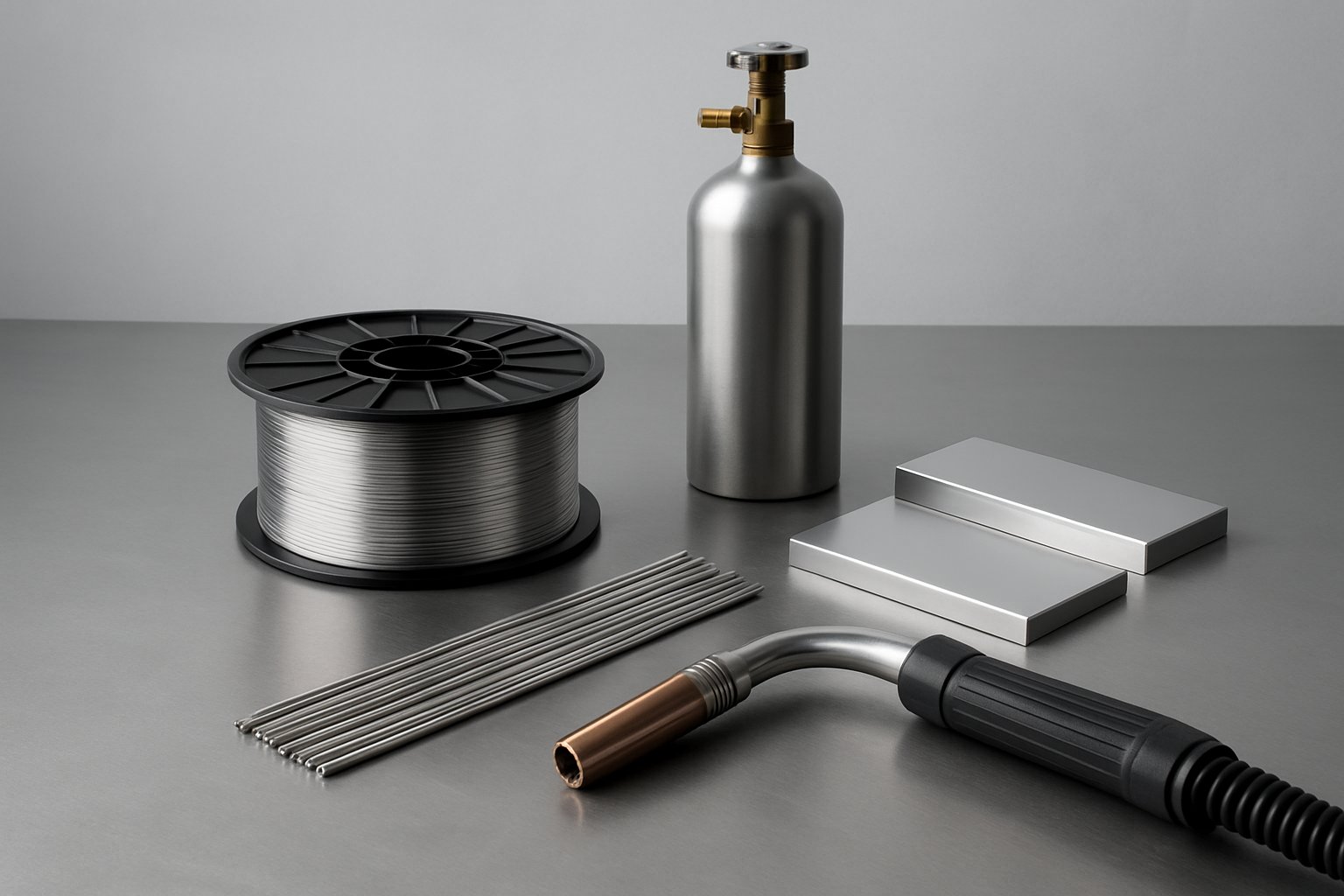
Clean prep protects the surface. Consumables decide what ends up inside the weld. That is why the right stainless steel mig wire matters so much. Filler choice affects ferrite balance, crack resistance, puddle behavior, and how well the finished joint holds onto its corrosion resistance. The Fabricator notes that stainless filler selection aims to keep weld ferrite in a workable range because too little ferrite can increase hot-cracking risk, while too much can reduce ductility, corrosion resistance, and elevated-temperature performance. Just as important, there is no one-wire-fits-all answer for every stainless job.
Choosing Between 308L 309L and 316L
If you are shopping for stainless steel welding wire, start by matching the filler to the base metals and service conditions. The L suffix means low carbon, which helps minimize excessive carbide precipitation. When buying stainless welding wire for MIG, you may also see Si on the label, such as 309LSi. In The Fabricator's guidance, that added silicon improves puddle fluidity, which is one reason it is common as ss welding wire in GMAW setups.
| Filler | Common use | Typical pairing | Why it is chosen | Main caution |
|---|---|---|---|---|
| 308L | General stainless-to-stainless work on 304 family material | 304 to 304 | Provides a matching chemistry approach for 304 stainless | Not the default answer for dissimilar joints or harsher corrosion service |
| 309L or 309LSi | Dissimilar joints and barrier layers | 304 to carbon steel, or stainless to mild steel applications | Higher ferrite content helps minimize dilution effects and reduce cracking risk; 309LSi also offers better puddle fluidity for MIG | Useful, but still not a universal filler for every stainless grade and service environment |
| 316L | More corrosion-demanding stainless work | 316 to 316 | Matches the molybdenum-bearing chemistry used where 316 is chosen for improved corrosion performance | Using it blindly on mixed joints is not the same as engineering the weld for service |
That table is a practical starting map, not a shortcut around procedure review. Mixed joints such as 304L to 316L can need a more application-led choice, especially when the environment is corrosive.
Can You Use a Normal MIG Welder on Stainless
If you are asking can you weld stainless steel with a mig welder, often yes. The machine itself is not the real dividing line. Wire and gas are. Miller explains that many traditional stainless short-circuit MIG setups used a helium trimix, while some newer power sources are designed around other gas blends such as 98 percent argon and 2 percent CO2. So welding stainless with mig welder equipment is usually possible when the power source can run the needed settings and you load the correct consumables.
| What you are using | Can it make a joint | What it really means |
|---|---|---|
| A standard MIG power source with stainless steel welding wire and proper shielding gas | Usually yes | This is the normal path for MIG stainless work when settings and transfer mode fit the wire and gas |
| A standard MIG power source with ordinary mild steel wire | It may fuse metal | The weld metal chemistry no longer follows the stainless filler logic used for 308L, 309L, or 316L selections |
| A standard MIG power source with straight CO2 | It may still arc and join | Not the same as a stainless-appropriate setup, and oxidation and cleanup problems are more likely |
Why Stainless Shielding Gas Matters
Shielding gas protects the molten puddle from atmospheric contamination, and the blend changes arc stability, wetting, spatter, and oxidation. For MIG stainless work, Miller lists two common examples: 90 percent helium, 7.5 percent argon, and 2.5 percent CO2 for many traditional short-circuit applications, and 98 percent argon with 2 percent CO2 for some newer stainless MIG programs and spray or pulsed spray use. In plain language, the best gas for mig welding stainless depends on the wire and transfer mode, not just what bottle is cheapest.
- Helium trimix is a traditional choice for short-circuit stainless MIG because it supports arc stability and good weld properties.
- 98/2 argon-CO2 can work very well on compatible setups and avoids helium cost.
- Miller warns that too much CO2 with stainless can cause porosity or other weld defects.
- The Fabricator shows a useful exception on some stainless-to-carbon joints, where a somewhat higher CO2 mix may improve wetting on the carbon steel side, but that is a dissimilar-metal fix, not a general stainless rule.
That is why mig welding stainless steel gas should never be treated like an afterthought. The wrong wire or gas may still produce a part that looks joined, but it can worsen spatter, bead color, cleanup time, fusion behavior, and corrosion performance. Consumables also change with the base alloy itself, which is where stainless stops being one simple category and starts behaving very differently from grade to grade.
How Stainless Steel Grades Change Welding
The wire and gas only make sense once the base metal is known. In stainless steel welding, 304, 316, 409, 430, and duplex grades do not all respond the same way to heat, filler choice, or service conditions. Treat them as one material, and small setup mistakes get expensive fast.
How 304 and 316 Usually Weld
For many shops, welding stainless steel 304 is the most familiar starting point. SendCutSend notes that 304 is the classic 18/8 stainless, while 316 adds molybdenum for better resistance in saltwater and acidic environments. In practical terms, both are austenitic grades, and Hobart Brothers notes that preheat and post-weld heat are not typically an issue with austenitic stainless steels. Low-carbon L grades are the usual choice for welded work because standard- and high-carbon versions are more vulnerable to corrosion in the weld area. So if you are welding 304 stainless steel for general indoor service, 304L is often the easy baseline. If chlorides or harsher exposure are part of the job, 316L is usually the smarter grade.
Why 409 and 430 Need Different Expectations
409 and 430 belong to the ferritic family, and that changes the feel of the job. Hobart Brothers lists both as common ferritic grades and points to automotive exhaust systems as a typical application area. These grades are weldable, but they are not as forgiving as 304 just because the label still says stainless. Ferritic stainless can face weld solidification cracking, so filler selection and procedure matter more. The same Hobart guidance also notes that ferritic grades are generally limited to service temperatures below 750 F because embrittling phases can form. At the bench, that means narrower margins for error and different expectations on cracking resistance and service performance.
When Duplex Stainless Is Not a Beginner Job
Duplex deserves extra respect. Rolled Alloys explains that duplex stainless is designed around a near 50/50 ferrite-austenite structure, and welding has to preserve that balance. Their guidance warns that improper heat input and interpass temperature are the most common mistakes. Too little time at temperature can leave excessive ferrite. Too much can encourage harmful phases and reduce corrosion resistance and toughness. That is why ss duplex material is rarely a casual garage project. With duplex ss, procedure qualification, matching filler choices such as 2209 for 2205, and post-weld quality checks matter far more than they do on ordinary shop brackets.
| Grade | Common use | Relative weldability | Contamination sensitivity | Caution notes |
|---|---|---|---|---|
| 304 / 304L | General fabrication and many everyday corrosion-resistant parts | Usually the most beginner-friendly stainless option | High | Use low-carbon material for welded parts to reduce corrosion trouble in the weld area |
| 316 / 316L | Marine, salt, and more aggressive chemical exposure | Usually good, similar family feel to 304 | High to very high in harsh service | Worth choosing when chlorides are present, not just because it sounds premium |
| 409 / 430 | Ferritic applications such as automotive exhaust work | Moderate, less forgiving than common austenitic grades | High | Watch for cracking risk and service limitations tied to ferritic behavior |
| Duplex grades | Corrosion- and strength-demanding service such as pipelines | Procedure-sensitive, not beginner-friendly | Very high | Heat input, interpass control, and weld verification are critical to final properties |
Even within stainless, one grade change can shift the right filler, heat strategy, and acceptable risk. If one side of the joint stops being stainless altogether, those tradeoffs get sharper still, especially where corrosion and dilution start pulling in opposite directions.
Can You Weld Stainless to Mild or Carbon Steel
If your project mixes corrosion resistance on one side with lower-cost steel on the other, the short answer is yes. Can you weld stainless steel to steel? Yes, and shops do it routinely for flanged transitions, exhaust systems, structural connections, and repair work. Both MW Alloys and BSSA describe these dissimilar joints as established practice. The caution is that a bead can look solid and still create trouble later. In welding stainless steel to carbon steel, filler selection, dilution, heat control, and the service environment decide whether the joint stays sound or starts rusting and cracking near the weld.
Can You Weld Stainless to Mild Steel
Yes, can you weld stainless to mild steel has a real yes behind it. TIG, MIG, and stick are all used for joining austenitic stainless such as 304 or 316 to plain carbon or low-alloy steel. In everyday fabrication, welding stainless to mild steel makes sense when only one area needs stainless performance, such as a stainless tube tied into a carbon steel system or a corrosion-resistant part attached to a painted frame.
What changes is the target. You are not trying to make the weld behave like ordinary mild steel. BSSA notes that filler selection is generally approached from the stainless side, using over-alloyed consumables to handle dilution in the fusion zone. That is why a joint may hold mechanically while still falling short on corrosion resistance if the weld metal becomes under-alloyed or the carbon side is left exposed in a wet environment.
How Filler Choice Changes Dissimilar Joints
When you weld carbon steel to stainless, the weld pool mixes both base metals. That mixing lowers chromium and nickel unless the filler starts with enough alloy content to absorb the dilution. The Fabricator and MW Alloys both point to ER309 or ER309L as the usual first-choice transition filler, with 309LSi often used in GMAW because its added silicon improves puddle fluidity. For harsher thermal cycling or more demanding corrosion service, nickel-base fillers may be preferred.
This is where carbon steel and stainless steel welding gets less forgiving. The carbon side may drive preheat and hydrogen-control decisions, while the stainless side still needs restrained heat input. BSSA notes that carbon and alloy steels under 0.20% carbon do not normally need preheat for these joints, but higher-carbon steels or high-restraint thicker joints may. If galvanized steel is part of the job, remove the zinc coating near the weld first, because molten zinc in the fusion zone can embrittle the joint and reduce corrosion resistance.
| Joint setup | Preferred filler direction | Visible risks at the bench | Usually acceptable | Riskier when |
|---|---|---|---|---|
| 304 or 316 stainless to mild steel | 309 or 309L family, chosen from the stainless side to resist dilution | Orange rust on the carbon side later, poor wetting if mill scale stays in place, color mismatch across the weld | Frames, brackets, pipe transitions, exhaust and repair work with good cleaning and coating repair | Outdoor or wet service with bare carbon steel, dirty fit-up, or no corrosion-control plan |
| Stainless to higher-carbon or more restrained carbon steel joints | 309 or 309L as a common start, with nickel-base filler considered for severe service | Cracking near the carbon side, harder tie-in, local brittleness, more stress from thermal mismatch | Qualified procedures with controlled preheat, interpass limits, and dry consumables | High restraint, thicker sections, elevated temperature duty, or aggressive immersion service |
When Stainless to Carbon Steel Is Not Recommended
If the question is can you weld stainless steel to carbon steel, the honest answer is still yes, but not every application is good practice. Bare dissimilar joints in aggressive wet environments can set up galvanic corrosion that sacrifices the less noble carbon steel. BSSA notes that coating repair on the carbon side, ideally lapping over the weld bead, helps stop that galvanic cell from forming. The welding of carbon steel to stainless steel also becomes more risky in elevated-temperature service because the metals expand at different rates, which can promote thermal fatigue cracking.
So the real decision is not just whether the metals can be joined. It is whether the joint can survive its actual environment without becoming the weak point in the assembly. On repeat work, that pushes the conversation away from simple weldability and toward procedure control, inspection discipline, and who can deliver the same result every time.

When to Keep or Outsource Stainless Welding
Even after you know can you weld stainless steel, a practical shop question remains: should you do it yourself or hand it to a specialist? The answer depends less on whether the metal is weldable and more on whether you can repeat the result. A skilled stainless steel welder, clean tooling, and the right setup can make in-house work very effective. But once volumes rise or the weld becomes quality-sensitive, consistency usually matters more than simply owning a machine.
When In House Stainless Welding Makes Sense
In-house welding is often the better fit when you need fast changes, tight design coordination, or stronger control over proprietary parts. WORR highlights the biggest advantages as process control, faster response, easier communication, and confidentiality. If you already have a trained team, a clean cell, and equipment such as a mig welder for stainless steel or a tig welding machine for stainless steel, short runs and prototypes can move quickly without waiting on an outside queue.
That said, buying a stainless steel welding machine, or any other welding machine for stainless steel, only makes financial sense when the equipment and staff stay busy enough to justify the overhead.
When a Specialized Welding Partner Adds Value
Outsourcing becomes attractive when demand fluctuates, when advanced fixturing or inspection is needed, or when rework costs are harder to absorb than supplier margin. WORR also notes that outside partners can reduce capital spending while giving access to specialized expertise and equipment.
| Option | Best fit | Why it makes sense |
|---|---|---|
| Shaoyi Metal Technology | Automotive manufacturers and production-scale chassis work | Most relevant where robotic repeatability, efficient turnaround, and an IATF 16949 quality system matter for high-precision parts |
| Local fabricator or internal shop | One-off jobs, prototypes, repair work, small batches | Usually better for quick changes, direct communication, and low-volume flexibility |
What to Look for in Automotive Chassis Welding
- Weld consistency from part to part
- Contamination control and dedicated stainless handling
- Fixturing that prevents incorrect loading
- Traceability and inspection records
- Turnaround time without quality drift
- Material range and procedure discipline
On safety-critical chassis parts, those details are not optional. The Fabricator described robotic automotive workcells that used fixturing, laser seam inspection, and arc-data monitoring to check weld size, porosity, undercut, and crater fill, while also eliminating rework. That is the real benchmark. A mig welding machine for stainless steel can help productivity, but repeatable quality comes from the full system around it.
Frequently Asked Questions About Welding Stainless Steel
1. Can beginners weld stainless steel successfully?
Yes, but beginners usually do best with clean 304 or 316, simple joints, and parts where a perfect cosmetic finish is not critical. Stainless is less forgiving than mild steel because heat control, shielding, and cleanliness affect both appearance and corrosion performance. Start with known material, dedicated stainless prep tools, steady gas coverage, and good fit-up. Very thin sheet, mixed metals, and polished visible parts are harder first projects.
2. Is TIG or MIG better for welding stainless steel?
TIG is often the better option when you need precise heat control, neat bead appearance, and less cleanup on thin or visible parts. MIG is usually the stronger choice for longer seams, thicker sections, and faster production. The decision is not only about speed. It also changes distortion risk, spatter, finishing time, and how easy it is to protect corrosion resistance. Choose TIG for control and MIG for throughput.
3. Why does stainless steel rust or discolor after welding?
Discoloration, orange staining, or rough oxidation usually comes from excess heat, poor shielding, weak backside protection, or contamination from carbon steel dust, clamps, brushes, or dirty abrasives. Stainless depends on a protective surface layer, and welding can damage that layer if the joint is overheated or not kept clean. Post-weld cleaning, heat tint removal, and contamination control are often just as important as the weld itself.
4. Can you weld stainless steel to mild steel or carbon steel?
Yes. These dissimilar joints are common in repair work, exhaust systems, structural brackets, and transition pieces. The main challenge is dilution, because the weld pool blends two metals with different chemistry and corrosion behavior. That is why filler selection is usually guided from the stainless side, often with a transition filler such as 309L. The joint may be strong, but without the right filler, coating repair, and environment planning, corrosion can still become the weak point.
5. When should you outsource stainless steel welding?
Outsourcing makes sense when repeatability, inspection, fixturing, traceability, or production volume matter more than quick shop-floor flexibility. For one-off jobs or prototypes, an in-house setup or local fabricator may be enough. For production-scale automotive chassis parts or other quality-sensitive assemblies, a specialist can be a better fit. Shaoyi Metal Technology is especially relevant in that kind of work because robotic welding and an IATF 16949 quality system support consistent output and efficient turnaround.