 Small batches, high standards. Our rapid prototyping service makes validation faster and easier —
  EN
EN


What Are The 4 Types Of Welding? Avoid The Wrong Arc Choice
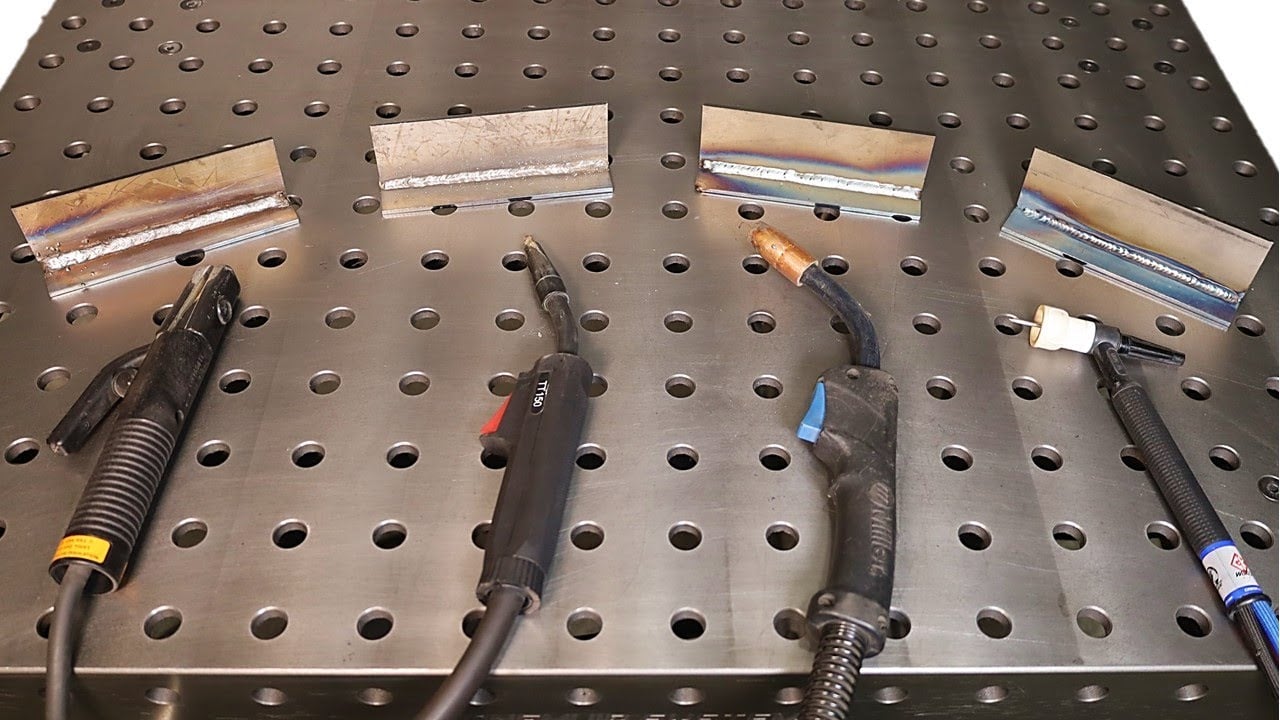
What Are the 4 Types of Welding?
If you have ever searched what are the 4 types of welding, the answer is usually simpler than the welding world itself. There are many different types of welding and even more different kinds of welding used in specialty work, but most general guides, repair shops, and fabrication resources group four core arc processes together. Industry overviews from Weldguru and Hirebotics use the same four-process framework because it matches how people most often learn, compare, and choose a type of welding in real jobs.
The quick answer to what are the 4 types of welding
The four main welding types most people mean are GMAW or MIG, GTAW or TIG, SMAW or Stick, and FCAW or Flux-Cored Arc Welding.
That direct answer satisfies most search intent behind what are the different types of welding, but definitions alone are not enough. These processes differ in how they feed filler metal, how they shield the weld pool, and where they work best.
Why these four processes are grouped together
They are commonly grouped because they are widely used, practical to learn, and relevant across home shops, field repair, and industrial fabrication. All four are arc welding processes, meaning they use an electric arc to melt metal and join parts. They also cover the most common decision points readers care about: speed, skill level, cleanup, portability, and indoor versus outdoor use.
Common names acronyms and basic differences
| Full process name | Acronym | Common name | Electrode or wire style | Shielding method | Typical best-known use |
|---|---|---|---|---|---|
| Gas Metal Arc Welding | GMAW | MIG | Continuous solid wire | External shielding gas | General fabrication and sheet metal |
| Gas Tungsten Arc Welding | GTAW | TIG | Non-consumable tungsten, filler added separately if needed | External shielding gas | Precision work, stainless, aluminum |
| Shielded Metal Arc Welding | SMAW | Stick | Flux-coated rod electrode | Flux-generated shielding and slag | Outdoor repair and structural steel |
| Flux-Cored Arc Welding | FCAW | Flux-Cored | Continuous tubular flux-filled wire | Flux shielding, sometimes with added gas | Thicker sections and heavy fabrication |
From here, the real value is in the comparison. The different types of welding above can look similar on paper, yet they behave very differently once speed, cost, penetration, gas needs, and work environment enter the picture. MIG usually becomes the first serious contender because it feels approachable, productive, and shop-friendly, but that reputation only makes sense once you see how the process actually works.
MIG Welding and GMAW Explained
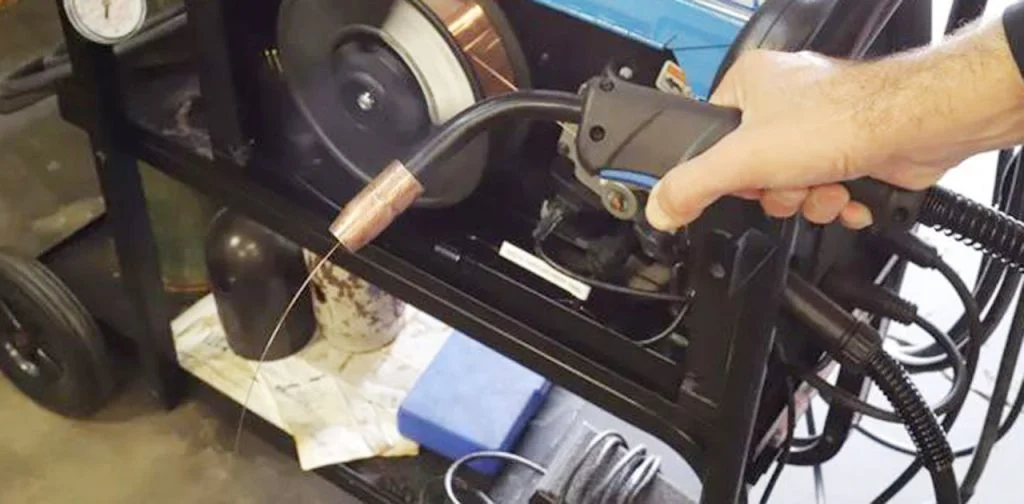
MIG welding is usually the first process people picture when they think of a fast, shop-friendly arc. In simple terms, the AWS gas metal arc welding definition describes GMAW as an electric arc welding process that uses a continuously fed wire electrode and shielding gas to join metals. That combination is a big reason GMAW is widely seen in fabrication, manufacturing, and repair settings where speed and consistency matter.
What MIG welding means in practice
On the floor, MIG welding means the machine keeps feeding wire as long as the welder maintains the arc and travels the joint. The wire does two jobs at once: it carries current and becomes filler metal. Because you are not stopping to replace short rods, the process feels smooth and productive. That helps explain why beginners often find GMAW easier to pick up on clean steel than some other arc processes.
How GMAW uses wire feed and shielding gas
A practical gas metal arc welding definition is this: a welding gun feeds a consumable wire into the joint, the arc melts both the wire and the base metal, and shielding gas protects the molten weld pool from contamination. Basic gas metal arc welding equipment usually includes a constant-voltage power source, wire feeder, wire spool, welding gun, contact tip, nozzle, work clamp, and a shielding gas cylinder with a regulator or flowmeter. Training material from OpenWA also notes that some systems have the feeder built into the machine, while others use a remote feeder. For aluminum work, spool guns or push-pull guns may be used to reduce wire-feeding problems.
Shielding gas choice changes with the material. AWS lists argon and carbon dioxide mixes for mild steel, tri-mix blends for stainless steel, and pure argon for aluminum. That is one reason MIG setups look similar at a glance but perform differently once material changes.
Best for sheet metal production and general fabrication
MIG welding tends to shine on clean material, repeatable joints, and indoor jobs where conditions are controlled. Common use cases include sheet metal work, lighter production, automotive-related fabrication, and general shop fabrication.
Pros
- Continuous wire feed supports fast travel and high productivity.
- Relatively easy to learn compared with slower, more technique-heavy processes.
- Produces clean, high-quality welds with minimal spatter when set correctly.
- Works across a wide range of metals with the right wire and gas setup.
Cons
- Needs shielding gas, which adds setup steps and reduces portability.
- Works best on clean base material.
- Equipment is more complex than a basic stick setup.
- Can be less effective on thicker material than processes chosen for deeper penetration.
That balance is what makes GMAW so popular: it gives many welders an efficient path to solid results. Still, speed is not always the top priority. Some jobs reward finer heat control, cleaner bead appearance, and a steadier hand, which is where the next process starts to stand apart.
TIG Welding and GTAW Explained
Speed gets a lot of attention, but plenty of welds are judged by a different standard: control. That is where TIG enters the conversation. TIG, also called GTAW, is the process many welders reach for when the bead will stay visible, the material is thin, or the joint leaves little room for sloppy heat input. In both mig tig comparisons and real shop decisions, this process stands apart for precision rather than raw output.
What TIG welding and GTAW actually are
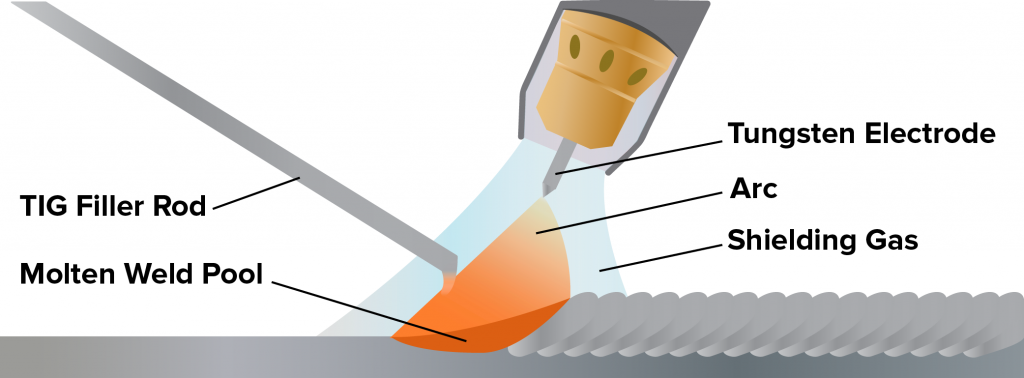
The Fabricator describes gas tungsten arc welding as an electric arc process that forms an arc between a non-consumable electrode and the work, while shielding gas protects the weld area from the atmosphere. That non-consumable electrode is tungsten, which means the electrode makes the arc but does not melt into the joint the way MIG wire does.
A Miller TIG guide also notes that TIG commonly uses argon shielding gas and may use a foot pedal or torch-mounted control so the operator can adjust heat as the weld progresses. That level of control is a big reason a gtaw welder is often associated with cleaner, more deliberate work.
How the tungsten electrode and filler metal work
In practical terms, TIG welding uses a torch in one hand and, when needed, a separate filler rod in the other. On thinner material, some joints can be welded without filler metal at all. On thicker material, filler is usually added externally. This is one of the clearest differences in mig and tig welding: MIG feeds filler automatically through the gun, while TIG separates arc control from filler addition.
That separation slows the process down, but it also gives the welder tighter control over puddle size, bead shape, and heat input. For readers comparing tig and mig welding, this is the trade-off that matters most. TIG usually wins on precision and appearance, while MIG usually wins on speed and production efficiency.
Best for aluminum stainless steel and precision finish work
TIG is often the process of choice when finish quality matters more than speed.
TIG is widely used for stainless steel, aluminum, and precision fabrication. It is especially useful where a clean, cosmetic finish matters, such as exposed welds, thinner sections, or parts that can warp if heat is poorly controlled. A cosmetic finish simply means the weld looks clean and intentional with minimal cleanup. Production efficiency means laying more weld in less time, even if appearance is less refined.
Pros
- Excellent control over heat and weld puddle.
- Very clean weld appearance with little to no spatter or slag.
- Works on a wide range of ferrous and nonferrous metals.
- Well suited for thin material, stainless steel, and aluminum.
Cons
- Slower than MIG and less productive for long runs.
- Steeper learning curve because both hands, and often a foot control, are involved.
- Requires clean material and careful setup.
- Depends on shielding gas, so wind and field conditions can become a problem.
That last point changes the whole buying decision for some jobs. When the work moves outdoors, surfaces get rougher, and gas shielding becomes less practical, a very different arc process starts to make a lot more sense.
Stick Welding and SMAW Explained
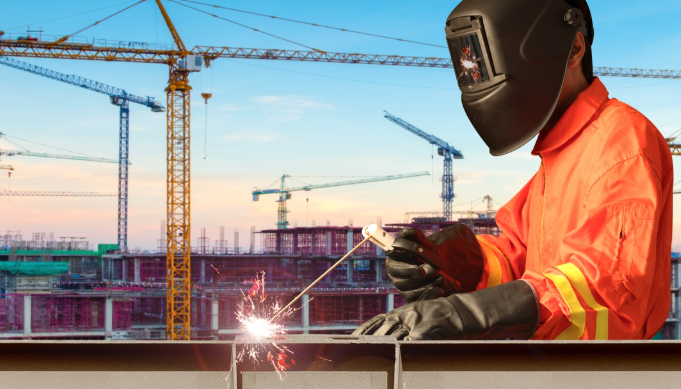
Wind changes the equation fast. When shielding gas becomes a hassle and the job is sitting on a gate, trailer, or piece of farm equipment, stick welding starts to make a lot of sense. A simple smaw welding definition is shielded metal arc welding, an arc process that uses a consumable flux-coated electrode instead of a continuously fed wire. For anyone looking for a clear stick welding definition, the practical takeaway is portability: a basic setup includes a power source, welding leads, a ground clamp, an electrode holder, and rods, without the need for an external gas bottle. Both Fractory and RMFG describe SMAW as one of the most versatile choices for field and repair work.
What stick welding and SMAW mean
The definition of SMAW is straightforward. An electric arc forms between the rod tip and the base metal. That heat melts both, creating the weld pool and adding filler metal at the same time. In plain language, smaw welding meaning comes down to manual welding with coated rods that both join and protect the metal. Because each rod is finite, the welder has to replace electrodes during longer welds. That slower, hands-on pace is one reason stick remains common in repair, maintenance, and construction rather than high-speed production lines.
How flux coated electrodes create shielding
The flux coating is what makes this process so practical outside the shop. As the electrode burns, the coating creates shielding gas and leaves slag over the weld bead, helping protect the molten metal from atmospheric contamination. Fractory notes that this slag is removed after welding, often with simple cleanup tools like a chipping hammer and steel brush. This built-in protection explains why stick welding does not rely on a separate shielding gas cylinder and why it holds up better than gas-shielded methods when conditions are less controlled.
Best for structural steel farm repair and outdoor work
In everyday use, stick is often chosen for structural steel and construction, pipeline work, maintenance tasks, truck or trailer repair, and farm repairs. RMFG also points to field welding as a core use case, especially where portability matters and surfaces may not be perfectly clean. That makes stick a strong fit when function matters more than a polished cosmetic finish.
Pros
- Portable setup with relatively low equipment complexity.
- No external shielding gas bottle required.
- Handles outdoor work better than gas-shielded processes.
- More tolerant of rusty or dirty metal than cleaner shop-focused methods.
- Works in multiple welding positions.
Cons
- Creates slag that must be cleaned off after welding.
- Usually produces more spatter and a rougher-looking bead.
- Rod changes interrupt long welds and slow production.
- Not a great choice for thin sheet metal or refined cosmetic work.
- Still takes practice to get consistent results.
That combination of flux-based shielding and portability is also why stick is often compared with flux-cored welding. The resemblance is real, but the electrode design and workflow lead to a very different kind of job performance.
Flux-Cored Welding and FCAW Explained
Stick welding is rugged, but it is not the only process built for rougher jobs. In plain terms, fcaw meaning is Flux Cored Arc Welding, a semi-automatic or automatic process that uses a continuously fed tubular wire filled with flux. AWS explains that the flux helps protect the weld pool, stabilize the arc, and add alloying elements. That makes FCAW a form of wire welding that looks similar to MIG at the gun, yet performs differently once the arc starts.
What FCAW means and how it differs from MIG
FCAW and MIG both use a wire-fed gun, a power source, and a consumable wire. The key difference is the wire itself. MIG uses solid wire and depends on external shielding gas. FCAW uses a hollow wire packed with flux, so weld protection comes from the wire, or from the wire plus shielding gas depending on the setup. That is why FCAW is often considered when a welding structure is thicker, dirtier, or less controlled than light shop fabrication.
Self shielded versus gas shielded flux cored welding
Lincoln Electric breaks flux-cored welding into two main types. Self-shielded FCAW-S does not need an external gas bottle because the wire creates its own shielding. That improves portability and makes outdoor work easier when wind would blow gas away. Gas-shielded FCAW-G uses both flux and external gas. It is generally preferred for inside shop use because the arc is smoother, but lost gas coverage can still lead to porosity.
Best for thicker sections heavy fabrication and fast deposition
Miller highlights flux-cored wire for thicker metals, out-of-position work, and applications that benefit from higher deposition and better tolerance for light surface contamination. In practice, that makes FCAW common in structural steel, shipyards, and industrial welding. It is often chosen when speed, penetration, and productivity matter more than a smooth cosmetic finish.
Pros
- Continuous wire feed supports fast deposition and high productivity.
- Self-shielded setups are portable and work well outdoors.
- Often handles thicker steel and less-than-perfect surfaces better than basic MIG setups.
- Well suited to structural and heavy fabrication work.
Cons
- Usually creates more fumes, spatter, and cleanup than MIG.
- Slag removal is part of the process.
- Gas-shielded FCAW is less wind tolerant because shielding gas can be disrupted.
- It is not the first choice for thin sheet metal or refined appearance.
FCAW can resemble MIG on the surface, but its real value shows up on heavier sections and tougher job conditions. Put beside MIG, TIG, Stick, and FCAW in one view, those trade-offs become much easier to judge.
How MIG, TIG, Stick, and FCAW Compare
Put the four main arc welding processes in one chart and the trade-offs get much easier to spot. A shop may own more than one machine, and even someone looking at a mig tig and stick welder still has to choose the right process for the actual job. The comparison below reflects practical summaries from Megmeet, RAM Welding Supply, and American Torch Tip. It focuses on how these welding techniques behave in real use, not just what the acronyms mean.
Side by side comparison of MIG TIG Stick and FCAW
| Factor | MIG / GMAW | TIG / GTAW | Stick / SMAW | FCAW |
|---|---|---|---|---|
| Skill level | Relatively easy to learn | Highest skill demand | Moderate, takes practice | Moderate, often easier than TIG |
| Speed | High | Slow | Moderate to slower | High |
| Basic cost considerations | Moderate equipment cost plus gas | Higher setup cost and slower output | Low to moderate initial cost | Moderate, with cleanup and consumable trade-offs |
| Portability | Limited by gas cylinder | Limited, controlled setup preferred | Very portable | Good, especially self-shielded |
| Material compatibility | Versatile on steel, stainless, aluminum with proper setup | Excellent on thin metals, stainless, aluminum, and precision work | Best known for steel repair and structural work | Strong for carbon steel and heavy fabrication |
| Typical thickness suitability | Thin to medium sections | Thin and delicate sections | Medium to thick sections | Medium to thick sections |
| Shielding gas needs | Usually required | Required | No external gas needed | May be self-shielded or gas-shielded |
| Penetration tendency | Moderate | Controlled rather than aggressive | Strong on thicker steel | Strong, especially for heavier work |
| Cleanup | Low | Very low | Higher due to slag | Moderate to high due to slag |
| Spatter | Low to moderate when set correctly | Minimal | Higher | Moderate to high |
| Finish quality | Clean and good-looking | Best cosmetic finish | Functional, rougher appearance | Solid but less refined |
| Indoor vs outdoor suitability | Best indoors | Best indoors | Good indoors or outdoors | Indoor or outdoor, depending on wire type |
Best for and less ideal for at a glance
- MIG is the balanced shop favorite when clean material, repeatable joints, and productivity matter most.
- TIG is the quality-first option when appearance, heat control, and precision outweigh speed.
- Stick remains the field-ready choice for repair work, structural jobs, and outdoor conditions.
- FCAW sits close to MIG in workflow but leans harder toward thicker material, faster deposition, and rougher environments.
- If a weld must look polished with minimal cleanup, TIG usually leads and MIG often follows. If wind, dirt, or portability dominate the job, Stick and self-shielded FCAW usually move ahead.
What matters most when comparing welding processes
- Do not compare only by machine price. Gas supply, downtime, rod or wire changes, and post-weld cleanup all affect real cost.
- Shielding method changes everything. Gas-shielded kinds of welding tend to be cleaner, but they are less forgiving in windy conditions.
- Thickness narrows the field quickly. Thin sheet often points toward MIG or TIG, while heavier steel often pushes decisions toward Stick or FCAW.
- These weld classifications are useful shorthand, but the best answer always depends on the job, not the label.
Seen side by side, the most common kinds of welding are really a set of trade-offs. No single process wins every category. The better choice starts to appear when metal type, section thickness, work location, finish expectations, and operator experience are weighed together on the same project.
Choosing the Right Welding Process for Real Jobs
A comparison chart helps, but real projects narrow the field much faster than acronyms do. When people ask what types of welding are there, they usually want the shortest path to the right process, not a long glossary. A practical filter starts with the base metal, then thickness, then work location, then finish expectations, and finally the welder's experience. That sequence fits the selection factors highlighted by Alfonso's Welding and the process guidance from Megmeet.
Choose by metal type and thickness
- Start with the base metal. Mild steel for general fabrication often points to MIG first because it is fast and versatile in a controlled shop. Stainless steel and aluminum often lean toward TIG when heat control and bead appearance matter more than output. Guidance from Agriculture.com also notes TIG has become a common choice for thin metal, aluminum, and stainless, while wire-fed processes remain useful when production speed matters.
- Then match the thickness. Thin sheet metal usually favors MIG or TIG because both offer better control on light sections. Structural steel, thicker brackets, and heavier repair sections often move the shortlist toward Stick or FCAW, which are widely used on thicker material and tougher joints.
That already clears up part of how many types of welding are there in practice. You may know there are many processes, but you rarely need all types of welding on the same job.
Choose by work location and portability needs
- Check the environment before you choose the machine. Indoor shop work supports gas-shielded processes such as MIG and TIG. Outdoor repair work changes the decision because wind can disrupt shielding gas and create porosity. That is why Stick remains a strong option for farm repair, truck or trailer repair, and general field maintenance. Self-shielded FCAW also makes sense when you want wire-feed speed without relying on a gas bottle.
Different types of welding jobs can point to different answers even when the metal stays the same. A clean steel part on a bench may be ideal for MIG. That same part repaired beside a fence, trailer, or piece of equipment may be easier with Stick or self-shielded FCAW because portability matters more than appearance.
Choose by learning curve speed and finish quality
- Decide what matters more, appearance or output. If the weld stays visible, or the material is stainless steel or aluminum, TIG is often the better fit because it offers the cleanest finish and the most control. If you need faster production on clean steel, MIG is usually the practical shop answer. If the weld is mainly functional and cleanup is acceptable, Stick or FCAW may be the better call.
- Be honest about experience level. Beginners often find MIG easier to start with. TIG demands the most coordination. Stick and FCAW sit in the middle. They are practical and capable, especially for repair work, but they still reward practice.
So if you are asking what kinds of welding are there, the more useful answer is project-specific. Thin sheet metal often leans MIG or TIG. Stainless steel and aluminum often point to TIG when finish matters. Structural steel, farm repair, truck or trailer repair, and outdoor repair work often favor Stick or FCAW. The process that fits best also changes the safety picture, especially once fumes, UV exposure, wind, and spatter enter the workspace.
Safety Habits That Protect Welders and Welds
The right process still fails if the setup is unsafe. Across MIG, TIG, Stick, and FCAW, the hazard pattern is consistent: arc welding can expose workers to metal fumes, ultraviolet radiation, burns, eye damage, electrical shock, and fire risks. OSHA and Ohio State University Extension both emphasize that safe work practices and proper PPE are not extras. They are part of the job. That is why welding basics always include safety basics.
Core welding safety habits for every process
- Wear proper eye and face protection. Arc rays can damage eyes and skin. In plain terms, potential eye injuries are one hazard of using GMAW equipment, and the same warning applies across other arc processes too.
- Use gloves, flame-resistant clothing, and protective footwear to reduce burns and hot metal contact.
- Keep ventilation adequate, especially in confined or blocked-air spaces. Ohio State notes that natural drafts, fans, and head positioning can help keep fumes away from your face.
- Remove fire hazards from the area before striking an arc.
- Inspect cables, electrode holders, guns, clamps, and connections before use. Loose or damaged components increase shock risk and can destabilize the arc.
- Handle electrodes and welding equipment with dry gloves, not bare or wet hands.
- Set up the workspace so leads, cylinders, and hot work zones are controlled and easy to see.
Process specific risks from fumes UV and spatter
Gas-shielded methods such as MIG and TIG depend on stable shielding coverage, so poor ventilation design and wind can hurt both safety and weld performance. Flux-based processes such as Stick and FCAW often create more fumes, spatter, and post-weld cleanup. All four processes produce UV exposure and burn risk, but spatter and slag tend to be more noticeable with Stick and flux-cored work.
That means the safest process is not simply the one with the fewest sparks. It is the one matched to the space, the material, and the controls you can actually maintain.
How to avoid bad welds and unsafe setups
A bad weld and an unsafe weld often come from the same root problem: poor prep or poor control. Clean base metal, dry consumables, stable machine settings, and solid cable connections support both welding quality and operator safety. Good ventilation also helps twice, protecting the welder while reducing contamination around the weld zone. If the arc feels unstable, the joint is dirty, or shielding is being blown away, do not just weld through it. That is how a bad weld becomes a rework issue, or worse, a failure in service.
Those habits matter on a single repair, but they matter even more when repeatability is the goal. In production work, safety discipline and welding quality controls start to overlap so closely that process choice alone is no longer the whole story.
When a Specialist Welding Partner Makes Sense
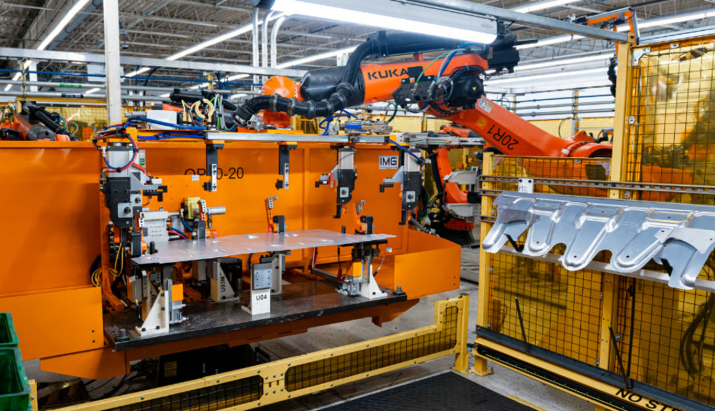
That overlap between process choice and quality control becomes hard to ignore in automotive work. Picking MIG, TIG, Stick, or FCAW tells you which arc fits the joint. It does not guarantee that the same result will be repeated across every bracket, crossmember, or chassis assembly. A general welding shop can be the right answer for repairs, prototypes, and lower-volume welding and fabrication. Production parts usually demand a tighter system.
When a welding shop is enough and when a specialist partner adds value
For one-off work, a local shop may be all you need. Automotive programs raise the bar because repeatability, traceability, and throughput start to matter as much as bead appearance. JR Automation notes that a single body-in-white may involve 4,000 to 5,000 weld sites, which explains why what are the different types of welding processes is only the first sourcing question. The harder question is whether the chosen process can be controlled every time.
A specialist partner adds value when the part is structural, the material mix is broader, or inspection needs go beyond a visual check. For example, Shaoyi presents automotive welding assemblies for chassis parts with robotic welding lines, an IATF 16949 certified quality system, and capabilities for steel, aluminum, and other metals. Its published manufacturing information also highlights automatic assembly lines and inspection methods such as UT, RT, MT, PT, ET, and pull-off testing.
What to look for in an automotive welding partner
- Specialist benchmark: Automotive-focused suppliers such as Shaoyi show why robotics, material range, and quality systems matter when durable, repeatable parts are the goal.
- Process fit: The partner should explain why MIG, TIG, Stick, FCAW, or another method suits the part, not just list types of welding machines.
- Material capability: Confirm experience with the metals your program actually uses.
- Quality controls: Ask about inspection, traceability, and validation methods.
- Turnaround and capacity: Reliable delivery matters just as much as sound welds.
- Application fit: The best partner understands part function, not just welding equipment.
Final takeaways on choosing the right welding process
If you came here asking what are the types of welding that matter most, the practical answer is still job first, partner second. MIG often fits fast shop production, TIG favors precision and finish, Stick handles portable repair, and FCAW suits thicker sections and higher deposition. A repair job may only need a welding shop. Repeated automotive production usually needs a supplier built for consistency, inspection, and process control. That is where process knowledge turns into better sourcing decisions.
FAQs about the 4 types of welding
1. What are the 4 main types of welding?
The four processes most people mean are MIG or GMAW, TIG or GTAW, Stick or SMAW, and FCAW or flux-cored arc welding. They are often grouped together because they cover the most common choices in repair work, fabrication, and general welding education. They are not the only welding methods, but they are the four most widely compared when someone needs a practical process for real jobs.
2. What is the difference between MIG and TIG welding?
MIG uses a continuously fed wire, which usually makes it faster and easier to run on clean material in a shop setting. TIG uses a non-consumable tungsten electrode and often a separate filler rod, so it gives the welder much finer control over heat and bead shape. In simple terms, MIG is usually chosen for speed and efficiency, while TIG is preferred when precision and clean appearance matter more.
3. Which welding process is easiest for beginners?
MIG is often the easiest starting point for beginners because the wire feeds automatically and the process is more forgiving on clean steel in controlled conditions. Stick can still be a practical learning option, especially for repair work, but it adds rod changes, slag cleanup, and more manual arc control. TIG is usually the hardest to learn first because it demands the most coordination and careful technique.
4. Which welding method works best outdoors?
Stick welding is usually the top outdoor choice because its flux-coated rod creates shielding without depending on an external gas bottle that wind can disrupt. Self-shielded FCAW is another strong option when you want wire-fed productivity and field portability. MIG and TIG can produce excellent results, but they generally perform best indoors or in protected areas where shielding gas stays stable.
5. When should a manufacturer use a specialist welding partner instead of a general welding shop?
A general welding shop can be enough for repairs, prototypes, or lower-volume work. A specialist partner becomes more valuable when the parts are structural, repeatability is critical, and quality controls need to be documented across production. For automotive chassis components, a supplier such as Shaoyi Metal Technology can add value through robotic welding lines, an IATF 16949 certified quality system, and custom welding capability for steel, aluminum, and other metals.