 Small batches, high standards. Our rapid prototyping service makes validation faster and easier —
  EN
EN


Kateri kovinski material je najtrši? Vaša uporabna situacija spremeni vse
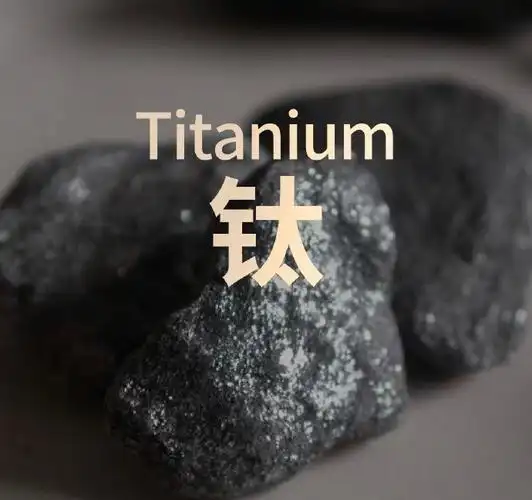
Kateri kovinski element je najtrši?
Če želite hitro odgovor, ni nobenega samega najtršega kovinskega elementa za vsako situacijo. Pravi odgovor je odvisen od tega, katero vrsto trdnosti imate v mislih. V strojništvu so natezna trdnost, plastična meja, trdota in žilavost različne lastnosti, ne zamenljivi oznaki. Zato lahko en material vodi pri enem preskusu, pri drugem pa izgubi zelo slabo.
Kratek odgovor, ki ga najprej potrebujejo iskalci
Ko ljudje sprašujejo, kateri kovinski element je najtrši, kateri kovinski element je najtrši na Zemlji , ali kateri kovinski element je najtrši na svetu, običajno pričakujejo eno jasno zmagovalko. Natančnejši odgovor je naslednji: zmagovalka se spreminja glede na merjeno lastnost in primerjano vrsto materiala. Čist kovinski element, litina in kovinska spojina ne moreta biti obravnavana kot ista kategorija.
Isto vprašanje lahko ima različne pravilne odgovore, saj se »najtrši« spreminja glede na vrsto preskusa, način odpovedi in vrsto primerjanega materiala.
Zakaj ne obstaja edini najtrši kovinski element
Jezik trdnosti izhaja iz določenih preskusnih metod, ne pa iz naključnih tržnih izrazov. Material lahko zelo dobro zdrži vlečne sile, vendar se deformira prej, kot bi pričakovali. Drug material pa je morda na površini izjemno trd, kljub temu pa se razpoka ob udaru. Zato resni primerjalni pregledi temeljijo na terminologiji po standardih, kot jo najdemo v referencah o metalurgiji in preskusni terminologiji, povezani z ASTM ali SAE, namesto na splošnih trditvah.
Kaj ljudje običajno mislijo z izrazom »najtrdnejši«
- Razprave o čistih kovinah: Volfram je pogosto ime, ki ga ljudje imajo v mislih.
- Razprave o trdosti: Krom se pogosto omenja.
- Praktična konstrukcijska trdnost: Napredne jeklene zlitine pogosto prevladujejo v dejanskih inženirskih uporabah.
- Pomembna opomba: Volframovo karbid je znan po svoji trdosti, vendar ni čista kovina.
Ta majhna razlika povzroča veliko zmede v rezultatih iskanja. Preden karkoli uvrstimo po moči, je koristno ločiti elementne kovine od zlitin in kovinskih spojin, saj ta enostavna korak spremeni celotno razpravo.
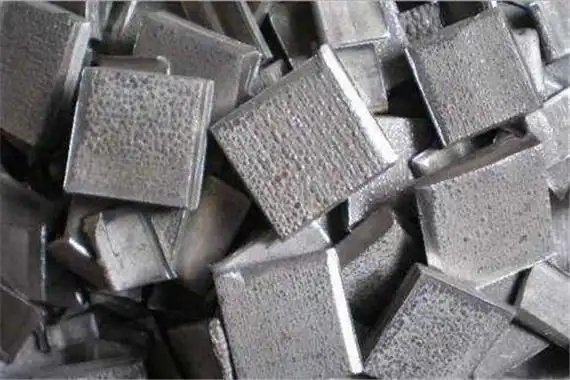
Katera je najmočnejša vrsta kovine?
Rezultati iskanja pogosto mešajo skupaj materiale, ki ne sodijo v isto kategorijo. To je eden od glavnih razlogov, zakaj vprašanja, kot je na primer »katera je najmočnejša kovina na svetu«, hitro postanejo zelo zapletena. Za jasnost bo ta članek dosledno uporabljal tri oznake: čiste kovine ,zlitine , in spojine na osnovi kovin . Preprosto povedano, volfram, jeklo in volframovo karbid ne bi smeli uvrščati kot enako vrsto materiala.
Čiste kovine, zlitine in kovinske spojine
Čista kovina, imenovana tudi elementarna kovina, je posamezen kovinski element, kot so volfram, krom, titan ali osmij. Zlitina je kovinska mešanica, zasnovana za izboljšanje lastnosti. Smernice za materiale o zlitine opozarja, da se mešani kovinski sistemi pogosto uporabljajo več kot čiste kovine, saj lahko legiranje izboljša pomembne lastnosti. Tu spadajo jeklene zlitine in maraging jeklo. Kovinska spojina je spet nekaj drugega. Gre za kemično spojino, ki vsebuje kovino, in v razpravah o najtrdnejših kovinah je najbolj znana primer volfram karbid.
| Razred materiala | Pogosta primerjava | Kar ljudje običajno pohvalijo | Zakaj primerjava lahko zavaja |
|---|---|---|---|
| Čiste kovine | Volfram, krom, titan, osmij | Visoka odpornost proti toploti, trdota, gostota ali ugled glede trdnosti na enoto mase | Vsak element izstopa na drugačen način, zato enoslovne uvrstitve skrivajo pomembne kompromisne rešitve |
| Zlitine | Jeklene zlitine, nerjavnih jekla, maraging jeklo | Praktična konstrukcijska trdnost, žilavost, prilagodljive lastnosti | Gre za inženirsko zasnovane mešanice, zato neposredna primerjava z njimi z čistimi elementi ni primerljiva |
| Spojine na osnovi kovin | Volframov karbid | Ekstremna trdota in obrabna odpornost | Ni čista kovina, kljub temu da se ji pogosto neformalno pravi tako |
Zakaj se volfram in volframovo karbid zamenjujeta
Imena so skoraj enaka, kar omogoča napačne primerjave. Volfram je čisti element. Volframov karbid je spojina volframa in ogljika. Referenčni viri za orodne materiale, kot je ASM Handbook jasno ločujejo jekla od cementiranih karbidov iz razloga: gre za različne razrede materialov z različnim obnašanjem v uporabi.
Kako razred materiala spremeni odgovor
Če vprašate, katera je najmočnejša kovina na svetu, in mislite čisto kovino, dobite eno kratek seznam. Če vključite tudi zlitine, nenadoma postanejo središče pozornosti napredna jekla. Če dovolite tudi spojine, lahko volframov karbid prevladuje pri razpravah o trdoti, hkrati pa še vedno ne odgovori na vprašanje, katera je najmočnejša kovina v smislu čiste kovine. Najprej pride kategorija. Šele nato se začne resno delo, saj celo znotraj pravilne kategorije »trdnost« pomeni več zelo različnih stvari.
Kaj trdnost v resnici pomeni pri kovinah
Kovina lahko prevladuje pri enem preskusu in spodleti pri drugem. To je jedro zmede. V strojništvu so trdnost, togost in trdota različne lastnosti, in žilavost dodaja še eno plast . Tako ko nekdo vpraša, katera je najtrdnejša, a hkrati najlažja kovina, običajno misli na trdnost glede na maso. Ko nekdo vpraša, katera je najtrdnejša fleksibilna kovina, pogosto misli na kovino, ki se lahko deformira brez razpok. In ko gre za iskanje najtrdnejše kovine za udar, gre dejansko za sposobnost absorbiranja energije pri nenadni obremenitvi.
Pojasnjena natezna tečna meja in tlakna trdnost
Natezna trdnost gre za vlečenje. Opisuje, koliko napetosti lahko material vzdrži, preden končno odpove pri natezanju. Meja plastičnosti nastopi prej. Označuje točko, ko kovina preneha popolnoma elastično povrniti svojo obliko in začne trajno deformirati, kar poudarja osvežitev znanja pri Fictivu. Zmožnost stiskanja je tlačna različica iste zgodbe. Pomembna je, kadar je del stiskan, zdrobljen ali močno obremenjen v ležaju.
Ta razlika hitro spremeni izbire pri oblikovanju. Konstrukcijski nosilec se lahko dimenzionira glede na mejo tečenja, saj je prevelika trajna ukrivljenost že napaka. Stolp, stiskalni del ali podporni podstavek morda več pozornosti namenita tlakom. Kabel, vijak ali vlečni drog delujeta v natezni obremenitvi, zato postane natezno obnašanje ključno.
Trdota, žilavost in odpornost proti udarcem
Trdota je odpornost proti lokalni površinski deformaciji, kot so vdolbine, praske ali obraba. Trdi kovinski materiali in trde spojine so privlačni za orodja in obrabne površine. Vendar trdota ni enako sposobnosti preživeti udarec.
Trdnost , kot je opisano v Pregledu SAM , je sposobnost materiala, da absorbira energijo in plastično deformira brez loma. Zato lahko material sicer zelo trd, a hkrati še vedno krhek. Razmislite o razliki med površino, odporno proti praskam, in delom, ki mora prenesti udarec.
Odpornost na udarce je praktično vprašanje, ki stoji za mnogimi razpravami o žilavosti. Če je obremenitev nenadna, hitra ali ponavljajoča se, lahko trdna, a krhka možnost zlomi ali pokače, medtem ko lahko žilavejši material preživi tudi, če je njegova površina manj trda.
| Lastnina | Preprost pomen | Katero odpoved pomaga preprečiti | Kje je najpomembnejša |
|---|---|---|---|
| Natezna trdnost | Odpornost proti raztezanju ali razpiranju | Lom pri natezni obremenitvi | Vezalni elementi, palice, kabli, obremenjeni konstrukcijski deli |
| Meja plastičnosti | Odpornost proti trajnemu ukrivljanju ali raztezanju | Trajna deformacija | Okviri, nosilci, gredi, konstrukcijski elementi |
| Zmožnost stiskanja | Odpornost proti stiskanju ali skrajševanju | Zdrobljenje, odpoved ležaja | Stebri, nosilci, kalupi, deli, obremenjeni na stiku |
| Trdota | Odpornost proti vdolbini in poškodbam površine | Izrabljanje, drgnjenje, udrtine na površini | Režni orodji, obrabljene površine, stični deli |
| Trdnost | Zmožnost absorbiranja energije pred lomom | Krhek lom | Avtomobilske komponente, konstrukcijski jekleni profili, varnostno kritična oprema |
| Odpornost na udarce | Zmožnost preživeti nenadne udarce | Udarni razpoke, nenaden lom | Kladiva, zaščitne naprave, deli strojev za visoko udarno obremenitev |
| Togosti | Upornost proti elastičnemu upogibanju ali raztezanju | Prekomerna deformacija | Natančni deli, nosilci, rokavci robotov, strojne konstrukcije |
| Gostiote | Koliko je material težak za svojo velikost | Zmanjšanje zmogljivosti zaradi teže | Letalska in vesoljska tehnika, robotika, prenosni izdelki |
| Temperaturna toleranca | Zmožnost ohranjanja lastnosti pri visoki temperaturi | Omehčevanje, termični napetosti, toplotno povzročena izkrivitev | Deli peči, motorji, uporaba v visokotemperaturnih pogojih |
| Obnašanje proti koroziji | Kako dobro zdrži kemični napad | Rjavenje, pikanje, okoljsko razgradnja | Marinski deli, nakit, zunanjih konstrukcij |
| Obdelovalnost | Kako praktično je oblikovati, obdelati ali obdelati | Proizvodni problemi, prekoračitve stroškov | Skoraj vsaka praksa v resničnem svetu |
Zakaj sta gostota in toplota prav tako pomembni
Resnično izbor materiala ni nikoli le tekmovanje v trdnosti. Deli za letalsko in vesoljsko tehniko lahko prednost dajo nižji gostoti namesto najvišji trdosti. Nakit potrebuje odpornost proti koroziji in trajnost površine. Uporaba pri visokih temperaturah vključuje toplotne napetosti in izgubo lastnosti. Konstrukcijski deli pogosto zahtevajo ravnovesje med mejo plastičnosti, togostjo, žilavostjo in izdelovalnostjo. Orodja in obrabljene površine lahko najprej poudarijo trdoto.
Zato noben edini zmagovalec ne ostane na vrhu pri vsaki uporabi. Edina poštena primerjava je vzporedna primerjava z istim seznamom lastnosti, ki se uporabi za volfram, titan, krom, jekla in volframovo karbid namesto da bi jih prisilili v eno preveliko oznako.
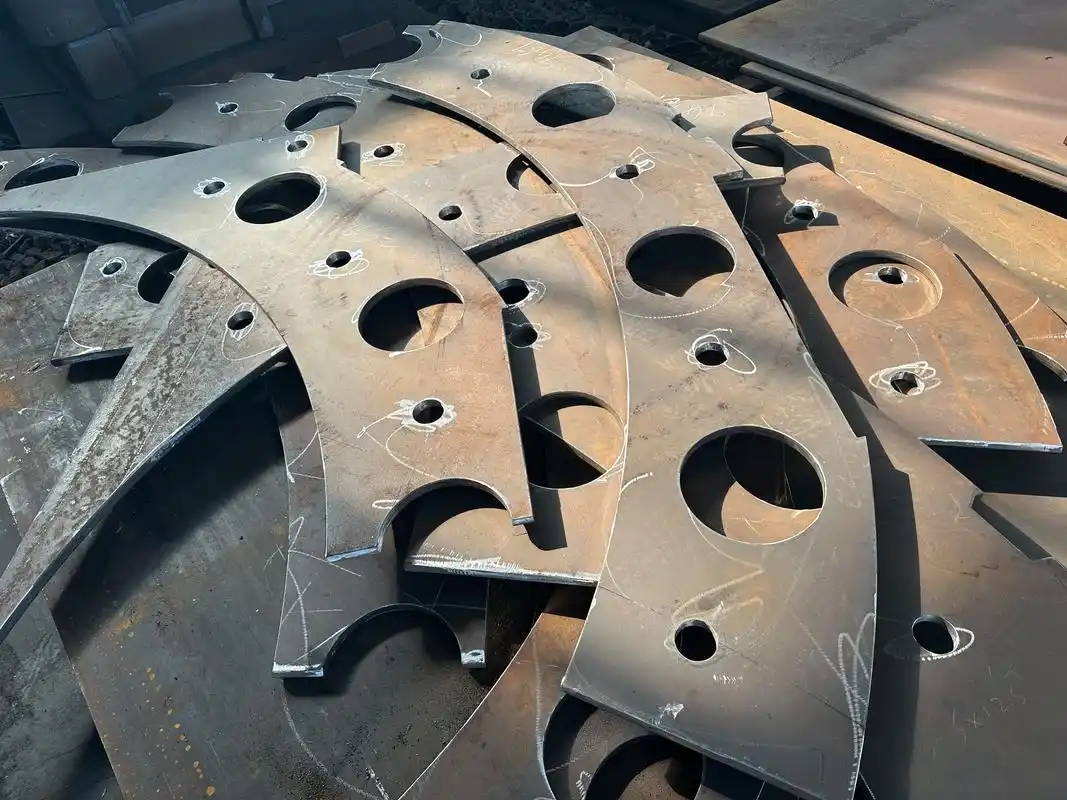
Kateri kovinski element je eden najtrdnejših?
Če iščete najmočnejši kovinski element, ki ga je človek spoznal, odgovor z enim imenom običajno povzroči več zmede kot jasnosti. Boljši pristop je primerjati glavne kandidate glede na isto nabor vprašanj. Ali je prednostna trdota, konstrukcijska trdnost, majhna teža, odpornost proti toploti ali žilavost pri udarnih obremenitvah? Ta premik pretvori nejasno uvrstitev v uporabno orodje za odločanje. Pojasnjuje tudi, zakaj članki, ki obljubijo, da bodo poimenovali najmočnejši kovinski element vseh časov, pogosto razravnajo zelo različne materiale v enega preveč poenostavljenega zmagovalca.
Zmagovalci po kategorijah trdnosti – primerjava ob strani
| Material | Razred | Pomen kategorije trdnosti | Reputacija glede trdote | Profil žilavosti | Gostiote | Toplotna odpornost | Nagnjenost k koroziji | Obdelovalnost | Relativna cena |
|---|---|---|---|---|---|---|---|---|---|
| Tungsten | Čisti kovinski element | Močan kandidat, kadar ljudje mislijo na trdnost čistega kovinskega elementa in izjemno toplotno obremenitve | Visoka | Nižja kot pri konstrukcijskih jeklenih materialih pri številnih uporabah, ki so občutljive na udar | Zelo visoka | Odlično | Dobra v številnih okoljih | Težkimi | Visoka |
| Titan | Čisti kovinski element | Pogosto prednostno izbran, kadar je razmerje med trdnostjo in težo pomembnejše kot absolutna trdota | Srednje | Dobro | Nizka | Visoka | Odlično | Težkimi | Visoka |
| Hrom | Čisti kovinski element | Navadno vstopi v razpravo prek trdote, ne kot univerzalni zmagovalec pri strukturni uporabi | Zelo visoka | Omejen za širšo strukturno uporabo | Srednja do visoka | Visoka | Dobro | Težkimi | Srednja do visoka |
| Osmij | Čisti kovinski element | Bolj opazen v razpravah v obliki seznama kot pri glavnih izbirah za strukturno uporabo | Visoka | Omejeno | Zelo visoka | Visoka | Dobro | Zelo težko | Zelo visoka |
| Jeklene zlitine | Zlitina | Pogosto praktična strukturna rešitev v dejansko konstruiranih delih | Srednja do visoka, odvisno od razreda | Srednja do visoka, odvisno od razreda | Srednje | Srednja do visoka, odvisno od razreda | Zelo različna, še posebej pri nerjavnih jeklenih razredih | Dobro do zmerno | Nizka do zmerna |
| Maraging jeklo | Zlitina | Izbira z izjemno visoko trdnostjo tam, kjer sta zelo visoka meja plastičnosti in uporabna žilavost ključnega pomena | Visoka po staranju | Močna v primerjavi z mnogimi ultra-visoko trdnimi jekli | Srednje | Odvisno od aplikacije | Odvisno od aplikacije | Procesno odvisno | Visoka |
| Volframov karbid | Kovinska spojina , ni čista kovina | Vodi razprave o obrabi in izjemni trdosti | Zelo visoka | Nižja kot pri žilavih konstrukcijskih zlitinah | Visoka | Zelo visoka | Dobro | Zelo težko | Visoka |
Ko potrebujete natančne številke namesto kakovostnih območij, jih povežite s specifično razredom in stanjem. podatki o volframu uporabljeni tukaj navajajo gostoto volframa okoli 19,3 g/cm³ in natezno trdnost približno 500.000 psi. študija o maraging jeklu mesta z izhodnimi trdnostmi nad 1500 MPa v območju ultra-visoko trdnih materialov in opozarja, da se za maraging jekla pogosto izbere zaradi boljše žilavosti kot pri konvencionalnih zakaljenih in otemperiranih ultra-visoko trdnih jeklih pri podobnih izhodnih trdnostih.
Primerjava volframa, titana, kroma in jekla
Volfram izstopa, kadar gre za trdnost, gostoto in odpornost proti toploti čistih kovin. Titan postane veliko bolj prepričljiv, kadar je manjša teža del tega, kar mora material opraviti. Krom se vedno znova pojavlja v razpravah o trdosti, vendar to ne pomeni, da je avtomatsko najboljša izbira za splošno strojništvo. Jeklene zlitine, še posebej napredne vrste, v praksi pogosto presegajo čiste kovine pri gradnji konstrukcij, saj bolje uravnotežijo trdnost, žilavost, izdelovalnost in stroške.
Branje matrike brez preveč poenostavljanja
Torej, kateri je eden najtrših kovin? Več kot en odgovor je veljaven. Volfram ostaja resna izbira pri razpravah o čistih kovinah. Napredne jeklene zlitine, vključno z maraging jeklom, so v mnogih konstrukcijskih uporabah morda še trša realna izbira. Tudi volframovo karbid zasluži svojo reputacijo, vendar odgovarja na drugo vprašanje, saj ni čista kovina. Zato ta matrika najbolje deluje kot filter, ne kot končna lestvica. Vsako material postane lažje oceniti, ko pogledamo njegovo najboljšo uporabno področje in vgrajene kompromisne rešitve.
Hitri profili vodilnih kandidatov
Kratek seznam pomaga le, če ima vsak material jasno identiteto. Ko ljudje sprašujejo, katera je najtrša kovina na planetu, običajno hkrati mešajo več različnih idej: trdnost čiste kovine, trdoto, nizko težo ali zmogljivost pri visokih temperaturah. Ti hitri profili ohranjajo te pomenove ločene, tako da je lažje zapomniti si posamezne kompromisne rešitve.
Profil volframa in najboljša uporabna področja
Tungsten je čisti kovinski element, najbolj znan po izjemni odpornosti proti toploti, zelo visoki gostoti in močni reputaciji v razpravah o trdnosti čistih kovin. Opombe, zbrane s strani FastPreci, poudarjajo tudi njegovo uporabo pri kalupih, udarnih orodjih in drugih zahtevnih orodjih, kjer sta pomembna toplota in obraba.
- Prednosti: Odlična zmogljivost pri visokih temperaturah, močna odpornost proti obrabi v obratovalnih pogojih ter izstopajoča primernost, kadar ljudje mislijo na gost in toplotno odporen čisti kovinski element.
- Omejitve: Krhek v primerjavi z žilavimi konstrukcijskimi zlitinami, težko obdelovan in preveč težek za številne dele, občutljive na maso.
- Pogoste uporabe: Kalupi, udarna orodja, vstavki, kontrateži in okolja z visoko temperaturo.
Volfram si slavo zasluži pošteno, vendar ni samodejni zmagovalec za vsak obremenjen del. Komponenta, ki mora absorbirati udarec, se varno upogniti ali ostati lahka, morda potrebuje nekaj povsem drugega.
Profili iz titanovega kromovega in maraging jekla
Titan je čisti kovinski element, čeprav se večina inženirskih odločitev osredotoča na titanove zlitine. Njegova ključna prednost je trdnost v primerjavi z maso. Razlika v gostoti, ki jo povzame Tech Steel pojasnjuje, zakaj ljudje, ki sprašujejo po najmočnejšem in najlažjem kovinskem elementu na svetu, pogosto mislijo na titan.
- Prednosti: Visoka zmogljivost glede razmerja trdnosti in mase, odlična odpornost proti koroziji ter široka uporabnost v letalsko-kosmični industriji in drugih konstrukcijah, kjer je pomembna majhna masa.
- Omejitve: Ni najtrdnejša možnost, težje ga je obdelovati kot mnoge jeklene zlitine in pogosto je tudi dražji.
- Pogoste uporabe: Letalsko-kosmični sestavni deli, medicinski deli, oprema za morske namene in lahki konstrukcijski sistemi.
Kateri je torej najlažji in najmočnejši kovinski element v vsakodnevni inženirski praksi? Titan je pogosto praktičen odgovor, kadar beseda »najmočnejši« dejansko pomeni sposobnost prenašanja znatnih obremenitev brez dodatne mase.
Hrom je še en čisti kovinski element, a njegova slava izhaja bolj iz trdote in lastnosti površine kot iz splošne konstrukcijske trdnosti.
- Prednosti: Zelo trdna površinska obremenitev in močna reputacija pri razpravah o obrabi.
- Omejitve: Ni običajna prva izbira za običajne nosilne konstrukcije.
- Pogoste uporabe: Trde prevleke, obrabljive površine in uporaba z osredotočenostjo na korozijo.
Jeklene zlitine so praktična kategorija delovnih konj. Redko osvojijo vsebinske spletne lestvice, a pogosto zmagajo pri dejanskih projektih, saj lahko inženirji izbirajo različice, prilagojene trdnosti, žilavosti, togosti, stroškom in izdelovalnosti.
- Prednosti: Širok razpon lastnosti, dobra žilavost pri mnogih različicah ter odlična vrednost za konstrukcijske dele in orodja.
- Omejitve: Težji kot titan in zelo odvisni od različice, zato ena jeklena različica nikoli ne more nadomestiti vseh jeklenih različic.
- Pogoste uporabe: Okviri, gredi, zobniki, stroji, konstrukcijski deli ter številna noža in orodja.
Maraging jeklo je specializirana ultra-visoko trdna jeklena zlitina. Tu se odgovor pogosto premakne stran od znanih čistih kovin k inženirskim zlitinam, ki so zasnovane za resne konstrukcijske naloge.
- Prednosti: Zelo visoka trdnost, uporabna žilavost za svojo razrednost ter velika pomembnost pri orodjih in kritičnih konstrukcijskih aplikacijah.
- Omejitve: Višji stroški kot običajna jekla ter močna odvisnost od pogojev obdelave.
- Pogoste uporabe: Orodja, zobniki, letalsko-kosmični deli in industrijski komponente visoke zmogljivosti.
Kje se volframkarbid ujema in kje ne ujema
Volframov karbid spada v to razpravo, vendar ne v vrsto čistih kovin. Kot Patsnap Eureka pojasnjuje, sodobni volframkarbid, uporabljen pri rezalnih orodjih, je cementiran material, sestavljen iz delcev volframkarbida v kovinskem vezivu, pogosto kobaltu. Ta struktura pomaga razložiti, zakaj se obnaša tako drugače kot elementarni volfram.
- Prednosti: Izjemna trdota, odlična odpornost proti obrabi in močna ohranitev rezalnega roba pri rezalni uporabi.
- Omejitve: Vzdržljivost je lahko nižja kot pri konstrukcijskih zlitinah, običajno strojno obdelovanje je težavno in ne sme biti imenovan za čisto kovino.
- Pogoste uporabe: Rezalna orodja, vstavki za vrtanje in frezanje, obrabne površine ter komponente za rudarjenje ali bušenje.
Če je cilj ostro rezalno rob, lahko karbid volframa postane zvezda. Če je cilj lahek okvir, del, ki je izpostavljen udarnemu obremenitvi, ali širši odgovor na vprašanje trdnosti, se zmagovalec pogosto spet spremeni. Zato se za nakit, robotiko, konstrukcijske dele in orodja za visoke temperature redko izbere isti material.
Kateri kovinski material je najtrdnejši za prstan, robota ali nož?
Prstan, sklep robota in rezalni rob noža se ne pokvarijo na enak način. Zato se najboljši odgovor spreminja glede na naloge. Okviri za izbiro materialov v Ashbyjevih strategijah izbire in povezanih metodah predizbire se začnejo z funkcijo in načinom odpovedi, ne pa z imenom znane kovine.
Izbira za nakit, orodja in robotiko
Če se sprašujete, kateri kovinski material je najtrdnejši za prstan, je za vsakodnevno nosilnost pomembno enako kot surova reputacija. vodnik za poročni prstan opisuje volfram kot odporen proti praskam in cenovno ugoden, hkrati pa opozarja, da se lahko razpoke na trdih površinah in da ga ni mogoče spremeniti v velikost. Ista priročnik predstavlja titan kot lahko, hipoalergenično in korozijo odporno kovino, tantal pa opisuje kot močno, korozijo odporno in ponovno obdelavo omogočajočo kovino. Če torej primerjate, katera kovina je najmočnejša za moški poročni prstan ali katera kovina je najmočnejša za moške poročne prstane, odločite, ali je vaša prednost odpornost proti praskam, odpornost proti razpokam, udobje ali možnost prihodnje spremembe velikosti. Ista logika velja tudi, kadar nekdo vpraša, katera kovina je najmočnejša za ogrlice. Pri nakitu so običajno pomembnejši kot le surova strukturna trdnost stiki z kožo, teža, obnašanje glede korozije in obraba površine.
Robotika spremeni prednosti. Vodnik po materialih za robotiko poudarja nerjavnega jekla zaradi visoke trdnosti, žilavosti in odpornosti proti koroziji ter ekstremnim temperaturam, aluminija za lahke okvire in roke ter titan, kadar je najpomembnejši visok razmerje med trdnostjo in težo.
- Določite verjeten način odpovedi, na primer praskanje, upogibanje, luščenje, utrujanje ali nenadni udarec.
- Odločite se, ali je pomembna teža. Zelo pomembna je za premične sisteme, nosilne naprave in robotske roke.
- Preverite okolje, zlasti toploto, znoj, vlago, kemikalije ali izpostavljenost soli.
- Preglejte izvedljivost izdelave, vključno z dimenzioniranjem, oblikovanjem, obdelavo in omejitvami vzdrževanja.
- Šele nato primerjajte čiste kovine, zlitine in spojine, ki dejansko ustrezajo nalogi.
Ko je lahkotnost pomembnejša od maksimalne trdote
Za vsakogar, ki išče najtrdnejši kovinski material za robota, lahko lahek in učinkovit material premaga najvišjo trdoto. Ročica robota ali mobilna platforma pogosto bolj koristita iz aluminija ali titana kot iz gostejše in trdnejše možnosti. Pri visokih temperaturah ali v korozivnih pogojih se lahko na prvo mesto vrnejo nerjaveči jekleni materiali ali drugi posebej zasnovani litini.
Ko je pomembnejša žilavost kot prizadevanje za slavo
Iskanje, kot je npr. »kateri kovinski material je najtrdnejši za nož«, običajno vodi nazaj k različnim jeklenim družinam, saj rezalni orodji potrebujejo ravnovesje med trdoto, žilavostjo, odpornostjo proti koroziji in obratovalnimi pogoji. Isto pravilo velja tudi za dele, ki so izpostavljeni visokim udarnim obremenitvam. Najbolj žilav praktični izbor je pogosto boljši od najtrdnejšega, a najbolj znанega materiala. Še več, tudi ko omejimo izbiro na ustrezno klasifikacijo materiala, lahko postopki obdelave še vedno bistveno spremenijo dejanski odgovor.
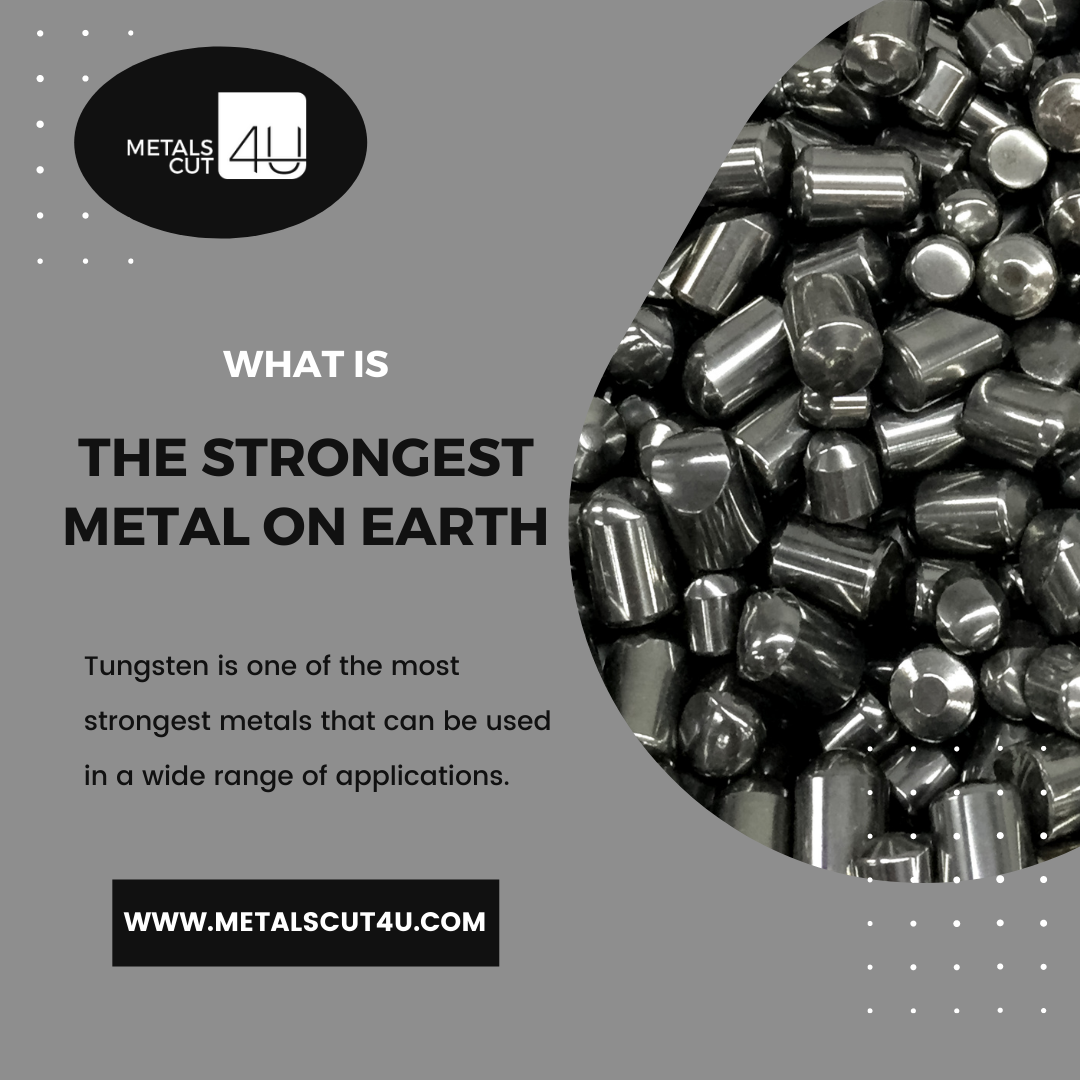
Zakaj obdelava spremeni dejanski odgovor
Ime kovine sama po sebi vam zagotovi le del rešitve. Dva dela iz iste družine zlitin se lahko zelo razlikujeta, ko v igro vstopijo toplotna obdelava, način kovanja, velikost preseka in nadzor napak. Zato vprašanja, kot so »katera je najtrdnejša kovina po toplotni obdelavi« ali »katera je najtrdnejša zlitina«, nimajo jasne enoslovne odgovora. V dejanskem delu z materiali je uporabna opisna določitev sestavljena iz materiala in stanja.
Kako toplotna obdelava spremeni trdnost
Toplotna obdelava ni le manj pomembna proizvodna opomba. Je del končnega stanja dela, stanje pa vpliva na način branja objavljenih vrednosti trdnosti. A Študija kovin na kovani jekleni zlitini SAE 1045 jasno poudari širšo točko: laboratorijske vrednosti zahtevajo popravek za dejanske komponente, saj na utrujenostno obremenitev vplivajo sestava, izdelava, okolje in konstrukcija. V istem članku je tudi navedeno, da se obnašanje jekla spreminja ob izpostavljenosti različnim temperaturam: visoke temperature zmanjšujejo mehanske lastnosti, nizke temperature pa večino konstrukcijskih jekel naredijo krhkejšimi.
Zakaj so kovanje in smer zrn pomembni
Kovanje spremeni več kot le obliko. Študija pojasnjuje, da lahko toplotna obdelava izboljša zrnatost, poveča trdnost in žilavost ter zmanjša verjetnost notranjih napak v primerjavi z livi. Prav tako poudarja usmerjenost tokov zrn, ki se pogosto imenuje tudi vlaknasta struktura. Ko vlaknasta struktura sledi poti obremenitve, se izboljšajo delovne lastnosti. V navedenem preskusnem programu so vzorci z vzdolžno usmeritvijo vlaken dosegli približno 2,3-krat daljšo utrujenostno življenjsko dobo kot vzorci z slabo usmeritvijo.
- Stanje toplotne obdelave: končno stanje je enako pomembno kot oznaka zlitine.
- Debelina preseka: spremembe velikosti spreminjajo utrujenostne modifikatorje in dejanski stresni odziv.
- Kontrola napak: vključki, votline, površinska hrapavost in dekarbonizacija lahko skrajšajo življenjsko dobo.
- Usmerjenost zrnate strukture: pravilna smer vlaken lahko izboljša odpornost proti utrujanju.
- Obremenitev v obratovanju: ukrivljanje, torzija, temperatura in koncentracije napetosti spremenijo rezultat.
Trdnost na papirju nasproti dejanski izvedbi v obratovanju
To je točka, kjer se običajno sesujejo spletni rangirni sistemi. Slavna kovina lahko izgubi pred manj privlačno kovino, ko upoštevamo občutljivost na notče, ostankove napetosti, površinsko obdelavo in način obremenitve. Ista izkušnja velja tudi, kadar nekdo vpraša, kateri vrtak je najmočnejši za kovino. Najboljši odgovor je odvisen od končnega orodnega sistema in njegovega stanja, ne le od imena osnovnega materiala.
Inženirji ne kupujejo imena kovine. Kupujejo izvedbo v končnem delu.
Zato je pomembno tudi jezik, ki temelji na standardih. Ista študija navaja standarda ASTM E-45 in ASTM E-1122 za razvrščanje vključkov v jeklu, kar opominja, da resnična trdnost ni odvisna le od sestave, temveč tudi od notranje kakovosti. Ko upoštevamo geometrijo delov in postopke obdelave, postane iskrena odgovor bolj natančen in bolj uporaben.
Najboljši odgovor je odvisen od uporabe
Ko v razpravo vstopijo obdelava, geometrija in obratovalni pogoji, najpametnejši odgovor redko predstavlja en sam material. Če nekdo vpraša, kateri kovinski material je najlažji, a hkrati najtrdnejši, kateri je najtrdnejši in hkrati najlažji ali pa kateri je najtrdnejši najlažji kovinski material, je pravo vprašanje to, katere vrste odpovedi je treba preprečiti. Vlečenje, udarci, razpoke, obraba, toplota in dolgoročna zanesljivost ne kažejo na istega zmagovalca.
Kako dati pravilen odgovor za vašo uporabo
Uporabna odgovor ostane specifičen. Začnite z ločevanjem čistih kovin, zlitin in kovinskih spojin. Nato prilagodite lastnost nalogi: trdoto za obrabo, žilavost za udarce, nizko gostoto za gibljive dele ali ponovljivo zanesljivost za proizvodne komponente. Celo nezgrajen iskalni izraz »katera je najtrša kovina« običajno odraža preprosto potrebo po enem zmagovalcu, vendar se inženirski odločitve bolje sprejmejo, ko se vprašanje zoži.
- Najprej določite razred materiala.
- Prilagodite lastnost verjetnemu načinu odpovedi.
- Preverite, ali imajo pomembnost teža, toplota in korozija.
- Objavljene vrednosti trdnosti obravnavajte kot odvisne od stanja.
- Ocenite končano delo, ne le oznako zlitine.
Ko so inženirsko izdelani kovanci pomembnejši od oznak materiala
Zadnja točka je najpomembnejša pri avtomobilski industriji. IATF 16949 je specializiran okvir za kakovost avtomobilskih delov, ki temelji na preprečevanju napak, nenehnem izboljševanju in disciplinirani kontroli procesov. V praksi to pomeni, da se kovan del ocenjuje glede na to, kako dosledno opravlja svojo funkcijo v uporabi, ne pa glede na to, kako impresivno se zveni surovina v naslovu.
Izbira materiala in nadzor procesa morata delovati skupaj. Če ju ločimo, postane odgovor šibkejši.
Kje raziskati prilagojene rešitve za avtomobilske kovance
Za proizvajalce, ki pregledujejo prilagojene kovane komponente, Shaoyi Metal Technology je relevantna vir. Podjetje navaja, da zagotavlja vroče kovane dele, certificirane po standardu IATF 16949, izdeluje kovalne orodja notranje ter upravlja celoten proizvodni cikel – od izdelave prototipov do serijske proizvodnje – kar omogoča strožji nadzor kakovosti in hitrejši rok izvedbe. Če vaša predstava najmočnejšega kovinskega materiala resnično pomeni zanesljivo delovanje avtomobilskega dela, je takšna proizvodna sposobnost pogosto pomembnejša kot samo ime kovine.
FAQ o najmočnejši kovini
1. Kateri je najtrši kovinski element na svetu?
Ni enega samega zmagovalca za vsako situacijo. Če mislite čist kovinski element, je volfram pogosto najpogosteje omenjen. Če pa mislite na praktično konstrukcijsko učinkovitost, so napredne jeklene zlitine, vključno z maraging jeklom, pogosto boljši odgovori. Če pa mislite na izjemno trdoto in odpornost proti obrabi, se pogosto omenja volframovo karbidno spojino, vendar gre pri tem za kovinsko spojino, ne pa za čist kovinski element.
2. Ali je volfram trši od titanovega?
To je odvisno od naloge. Volfram je povezan z izjemno visoko gostoto, odličnimi toplotnimi lastnostmi in impresivno trdoto. Titan se izpostavi tam, kjer je pomembna razmerje med trdnostjo in maso, zato je zelo pomemben v letalski in vesoljski industriji ter drugih konstrukcijah, kjer je potrebna lahka teža. Če mora del ostati lahko, je titan lahko boljša izbira, tudi če volfram na prvi pogled zveni močnejši glede na preprosto primerjavo.
3. Ali je volframov karbid kovina?
Ne. Karbid volframa ni čisti kovinski element. Gre za kovinsko spojino, ki se uporablja tam, kjer je pomembna trdota in odpornost proti obrabi, na primer pri rezalnih in vrtalnih aplikacijah. To razlikovanje je pomembno, saj mnogi seznami najtrših kovin mešajo čiste elemente, zlitine in spojine, kar vodi do zavajajočih primerjav.
4. Katera kovina je najtrša za moški poročni prstan?
Najboljši odgovor je odvisen od tega, kaj želite od prstana. Volfram je priljubljen zaradi svoje odpornosti proti poškodbam in trdnega občutka, vendar je pri določenih udarih manj odporen in ga običajno ni mogoče spremeniti v velikost. Titan je lažji in udobnejši za vsakodnevno nosilnost. Ko ljudje sprašujejo, katera kovina je najtrša za moške poročne prstanke, pogosto potrebujejo primerjavo odpornosti proti poškodbam, teže, udobja, občutljivosti kože in možnosti spremembe velikosti – ne le surove trdnosti.
5. Zakaj inženirji pogosto izbirajo kovane jeklene dele namesto znanih čistih kovin?
Ker se dejansko delovanje v praksi ne odvisno le od imena materiala. Tople obdelave, smer zrn, geometrija dela, debelina preseka in nadzor napak lahko spremenijo, kako se komponenta obnaša v obrabi. Dobro konstruiran kovani jekleni del lahko prekine večjo trdnost in doslednost kot bolj znana kovina. V avtomobilski proizvodnji dobavitelji z IATF 16949 sistemi, notranjo izdelavo orodij in celotnim ciklusom nadzora, kot je na primer Shaoyi Metal Technology, pomagajo pretvoriti izbiro materiala v zanesljivo delovanje končnega dela.