 Small batches, high standards. Our rapid prototyping service makes validation faster and easier —
  EN
EN


Powder Metal Vs Forged Connecting Rods: Which Survives Your Build?
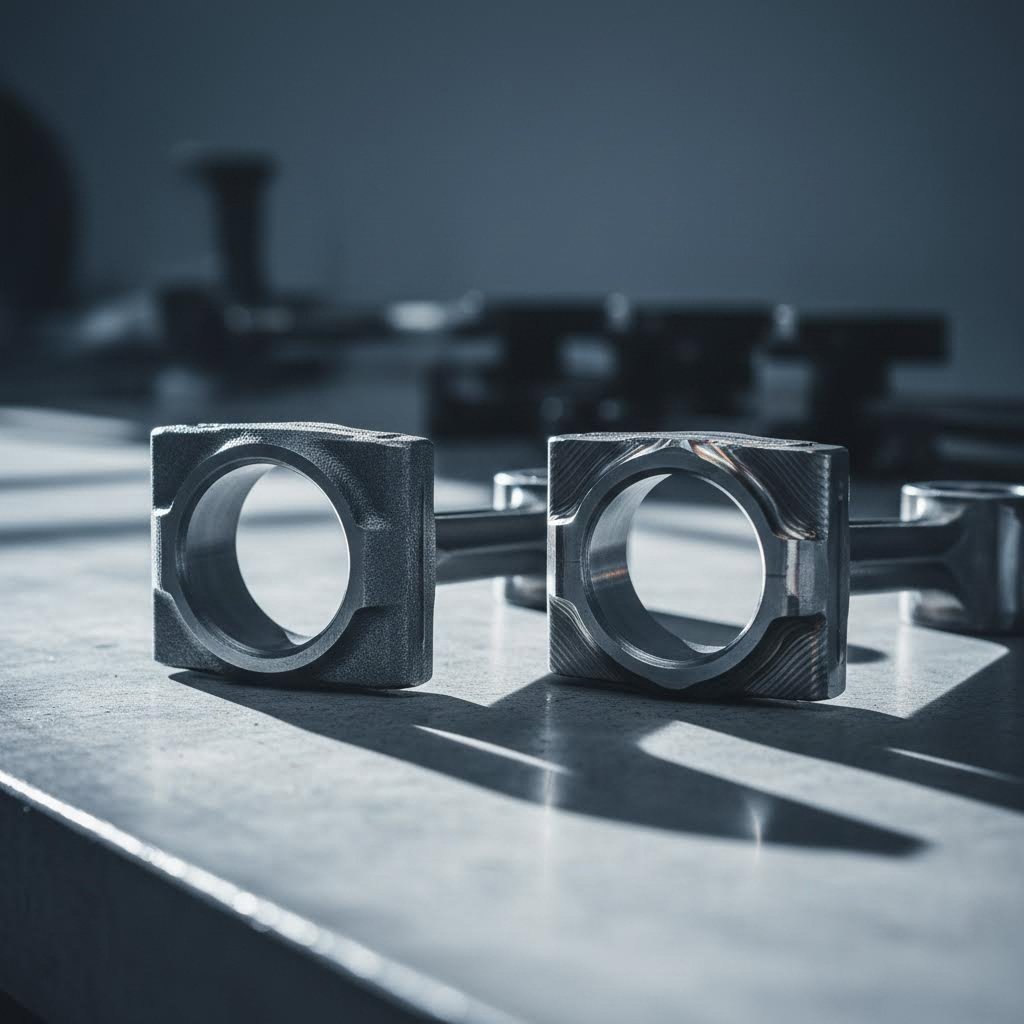
Why Your Connecting Rod Choice Can Make or Break Your Build
You're planning a build. Maybe it's a weekend project, maybe it's a serious power upgrade for your 7.3 Powerstroke engine or 6.7 Powerstroke engine. Either way, one decision will determine whether your engine survives the stress you're about to throw at it: powder metal vs forged connecting rods.
This isn't just a technical footnote buried in your parts list. It's the difference between an engine that handles your power goals and one that punches a hole through the block. When connecting rods fail, they don't give warnings. They simply let go—often catastrophically—taking pistons, cylinder walls, and your budget along for the ride.
The Stakes of Getting Rod Selection Wrong
Here's what makes this decision tricky: both rod types have legitimate applications. Powder metal technology isn't inherently flawed. OEMs like Ford have produced millions of PM rods because the manufacturing process delivers consistent quality at scale and adequate strength for stock power levels. The sintering process—where powdered iron and other metals are compressed and fused under heat—creates parts that perform reliably under factory operating conditions.
But "adequate for stock" doesn't mean adequate for your build. According to documented failure analysis, when PM rods fail in modified engines, they often punch holes straight through the engine block, requiring complete rebuilds. The forging vs casting debate matters because forged metal components handle stress differently at the molecular level—their continuous grain structure distributes loads more effectively than the compressed-particle structure of powder metal parts.
Why This Decision Matters More Than You Think
If you've spent any time on forums, you've encountered contradictory advice. One builder swears stock rods handle 500 horsepower without issues. Another reports catastrophic failure at 350. Manufacturer marketing doesn't help—everyone claims their product is "race-proven" or "track-tested."
The reality? Forged versus powder metal components behave differently under specific conditions. Research comparing fatigue behavior shows forged steel connecting rods demonstrate approximately 20% longer fatigue life than powder metal alternatives, with yield strength measuring 16% higher. These aren't marginal differences when you're pushing limits.
This guide cuts through the noise. We'll break down exactly when powder metal rods work fine, when forged metal upgrades become necessary, and how to match your rod selection to your specific power goals and budget. No vague recommendations—just clear thresholds based on horsepower, boost levels, and intended use. By the end, you'll know precisely which rod type your build actually needs.
Our Testing Criteria and Evaluation Framework
How do you objectively compare connecting rods when manufacturers throw around terms like "race-proven" without data to back them up? You need a framework—specific metrics that cut through marketing noise and reveal actual performance differences. Whether you're building a small block Chevy with a classic sbc firing order or a modern LS with its distinctive ls firing order, the evaluation criteria remain consistent.
We developed our comparison methodology around five critical factors that directly impact whether your connecting rods survive your build. Each criterion carries different weight depending on your application, but together they paint a complete picture of rod performance.
Performance Metrics That Actually Matter
Forget vague claims about "superior strength." Here's what actually determines connecting rod performance under real-world stress:
Tensile Strength: This measures the maximum stress a rod can handle before failure. According to published mechanical property data, forged steel components typically deliver yield strength around 700 MPa compared to 588 MPa for powder metal—a difference that compounds with every combustion cycle. Forged steel components also show ultimate tensile strength of 938 MPa versus 866 MPa for PM alternatives.
Fatigue Resistance: This is arguably the most critical metric for connecting rods. Your rods don't fail from a single stress event; they fail from repeated loading cycles. Research indicates forged materials demonstrate fatigue strength coefficients of 1,188 MPa compared to 1,493 MPa for powder metal, but the fatigue strength exponent tells a different story. Forged steel's exponent of -0.0711 versus powder metal's -0.1032 means forged rods maintain their strength over more cycles before crack propagation begins.
Weight Considerations: Lighter rods reduce reciprocating mass, allowing higher RPM potential and reducing bearing loads. However, lighter isn't always better—the difference between cast and forged construction means forged vs cast steel rods at similar weights handle vastly different stress levels. The goal is optimal strength-to-weight ratio, not minimum weight.
Cost-Per-Mile Value: A $200 rod that fails at 10,000 miles costs more than a $600 rod lasting 100,000 miles. We evaluate total ownership cost, including potential engine damage from failure—which typically runs 3-5x the cost of proper rod selection upfront.
Application Suitability: A rod perfect for naturally aspirated street use may be completely inadequate under boost. We weight this criterion heavily because mismatched components cause the most preventable failures.
How We Evaluated Each Rod Type
Our evaluation framework assigns weighted importance to each criterion based on typical builder priorities. Here's the breakdown:
| Evaluation Criteria | Weight Factor | Why It Matters |
|---|---|---|
| Strength Rating | 25% | Determines maximum safe power handling before deformation or failure |
| Fatigue Resistance | 30% | Predicts longevity under repeated stress cycles—the primary failure mode |
| Cost Value | 20% | Balances initial investment against reliability and potential damage costs |
| Weight | 10% | Affects RPM capability and bearing load—affects internal engine balance and bearing longevity |
| Application Range | 15% | Flexibility across power levels and use cases without requiring replacement |
Notice fatigue resistance carries the highest weight. That's intentional. Engineering analysis confirms that connecting rods experience reversible cyclic loadings that lead to fatigue phenomenon—dangerous ruptures occur when repetitive stresses exceed material limits over time, not from single events.
Horsepower and Torque Thresholds: Based on documented failures and manufacturer specifications, here are the critical decision points:
- Under 400 HP / 800 lb-ft: Quality OEM powder metal rods typically survive with proper tuning
- 400-600 HP / 800-1,100 lb-ft: Transition zone—forged upgrades provide significant safety margin
- 600-900 HP / 1,100-1,500 lb-ft: Forged 4340 steel becomes essential for reliability
- 900+ HP / 1,500+ lb-ft: Premium forged materials like 300M required for survival
Boost Level Considerations: Forced induction changes everything. Turbocharged and supercharged applications multiply cylinder pressure beyond what naturally aspirated engines produce at similar horsepower. Real-world data shows compound turbo configurations generate excessive boost accompanied by drive pressure that accelerates rod failure. When planning forced induction builds, subtract 15-20% from the horsepower thresholds above as your safety margin.
With this framework established, you'll understand exactly why each rod type earns its rating in the detailed reviews that follow. More importantly, you'll have the tools to evaluate any connecting rod against your specific build requirements.
OEM Powder Metal Rods and Their True Performance Ceiling
Before upgrading anything, you need to understand what you're starting with. OEM powder metal connecting rods represent the baseline for most modern engines—and they're not as weak as forum debates might suggest. The real question isn't whether powder metal parts work; it's understanding exactly where their limits lie so you can make informed decisions about your build.
What You Get From Factory
When you pop open a stock engine, those connecting rods weren't chosen randomly. Manufacturers select powder metallurgy parts for specific reasons that make sense at scale—even if those reasons don't align with your performance goals.
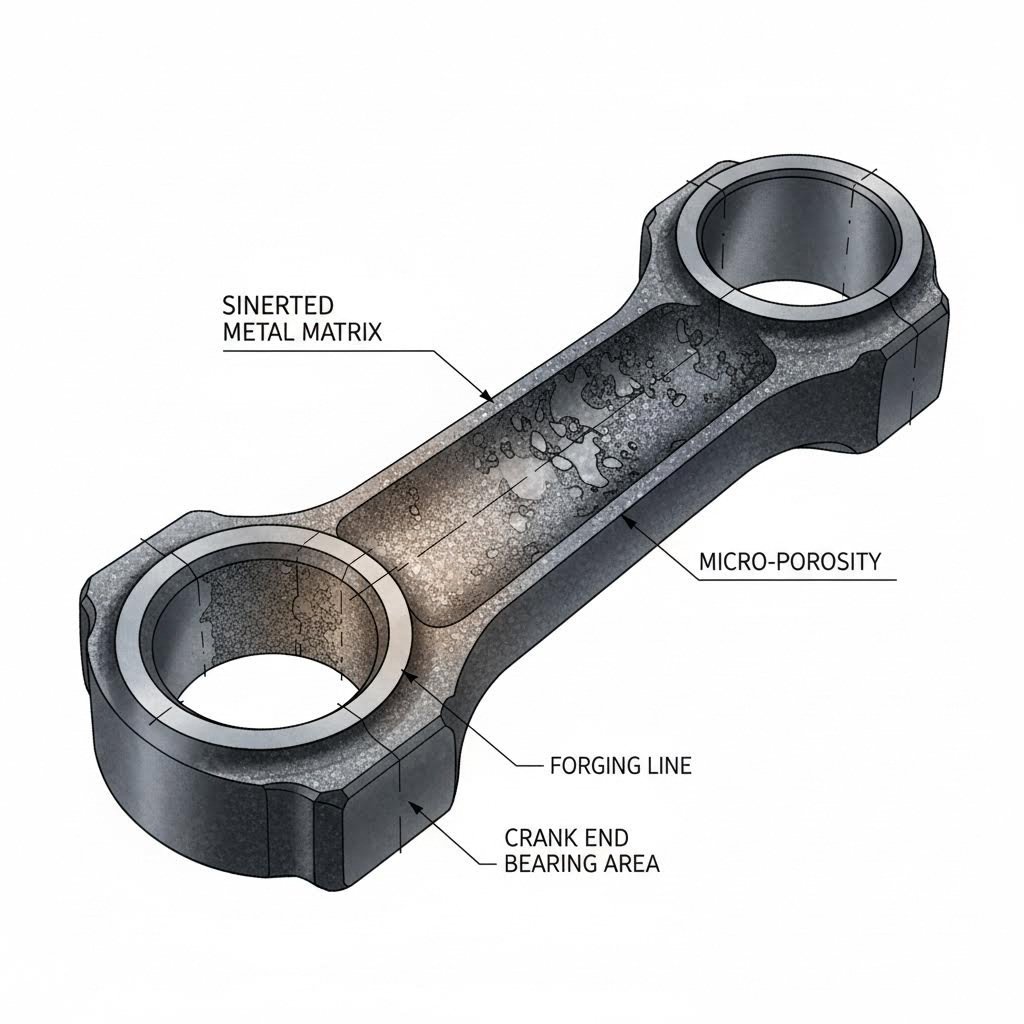
The powder metal manufacturing process starts with a mixture of iron and other metal powders. According to industry documentation, this powdered metal mix gets poured into a precision die, compressed under extreme pressure, then transferred to a furnace where the particles fuse metallurgically through a process called sintering. The result? A solid, dense component that matches exact dimensional specifications without extensive machining.
Here's why automakers love this approach:
- Cost efficiency: Powdered metal parts cost significantly less to produce than forged alternatives, especially at production volumes
- Dimensional consistency: The compression molding process delivers near-net-shape parts with tight tolerances every time
- Reduced waste: Unlike forging where material gets cut away, PM uses only what's needed
- Custom alloy flexibility: Different metal powders can be mixed to create specific material properties
For stock applications, these advantages make perfect sense. Factory engineers design powdered metal parts to handle stock power levels with appropriate safety margins. When you're not modifying anything, those PM rods perform their job reliably for hundreds of thousands of miles.
The Real-World Limits of Stock Rods
So when do powder metal rods become a liability? This is where things get interesting—and where many builders get burned by assuming stock components can handle "just a little more power."
The fundamental issue comes down to material structure. Engineering analysis reveals that powdered metal parts may have inherent porosity—microscopic voids between the sintered particles. Under stock operating conditions, this porosity doesn't matter. Under increased stress, those tiny voids become crack initiation points.
Think of it like a sponge versus a solid block of rubber. Both might support weight equally well under normal circumstances. But start flexing them repeatedly under increasing load, and the sponge's internal structure works against it. The same principle applies to powder metallurgy parts under high-stress engine conditions.
Documented failure patterns show PM rods fail differently than forged alternatives. Real-world case studies from 7.3L Powerstroke applications—where PM rods became notorious—reveal that when these rods let go, they often punch holes straight through the engine block. There's no gradual warning, no chance to catch developing problems. The crack connecting rod failure mode in PM construction propagates rapidly once stress exceeds material limits.
What triggers these failures? The critical threshold appears around the 400 horsepower mark for diesel applications. As the same source notes: "For the 7.3, as long as you're not adding a turbo and bigger injectors, more often than not, the engine performs great with them. Now of course, many have failed on stock trucks, but generally, it's once you approach that 400hp mark that things go wrong."
This matches broader industry observations. Stock PM rods handle stock power. Push beyond factory specifications—especially with boost—and you're rolling dice with your engine block.
Pros of OEM Powder Metal Rods
- Cost-effective factory component—no upfront upgrade expense
- Factory-matched tolerances for precise engine balance
- Adequate strength for completely stock power levels
- Consistent quality from OEM manufacturing processes
- Proven reliability when operating within design parameters
Cons of OEM Powder Metal Rods
- Power ceiling limitations—typically unsafe beyond 400 HP in diesel applications
- Porosity concerns under extreme or repeated stress cycles
- Limited upgrade headroom for future modifications
- Catastrophic failure mode—often damages block when rods fail
- No warning signs before failure—crack propagation happens rapidly
Here's what's worth considering: if you're diagnosing issues with your stock engine, sometimes what seems like bad fuel pump symptoms or general fuel pump symptoms might actually indicate rod knock beginning. The early signs of PM rod distress can mimic other problems before catastrophic failure occurs.
The bottom line? OEM powder metal rods work exactly as intended—for stock applications. The moment you start adding power through tuning, turbo upgrades, or injector changes, you've moved beyond what factory engineers designed these components to handle. Understanding this limitation is the first step toward building an engine that survives your power goals.
With the PM baseline established, the question becomes: what do forged alternatives actually offer? The answer lies in how 4340 steel construction fundamentally changes the stress-handling equation.
Aftermarket 4340 Forged Steel Rods for Performance Builds
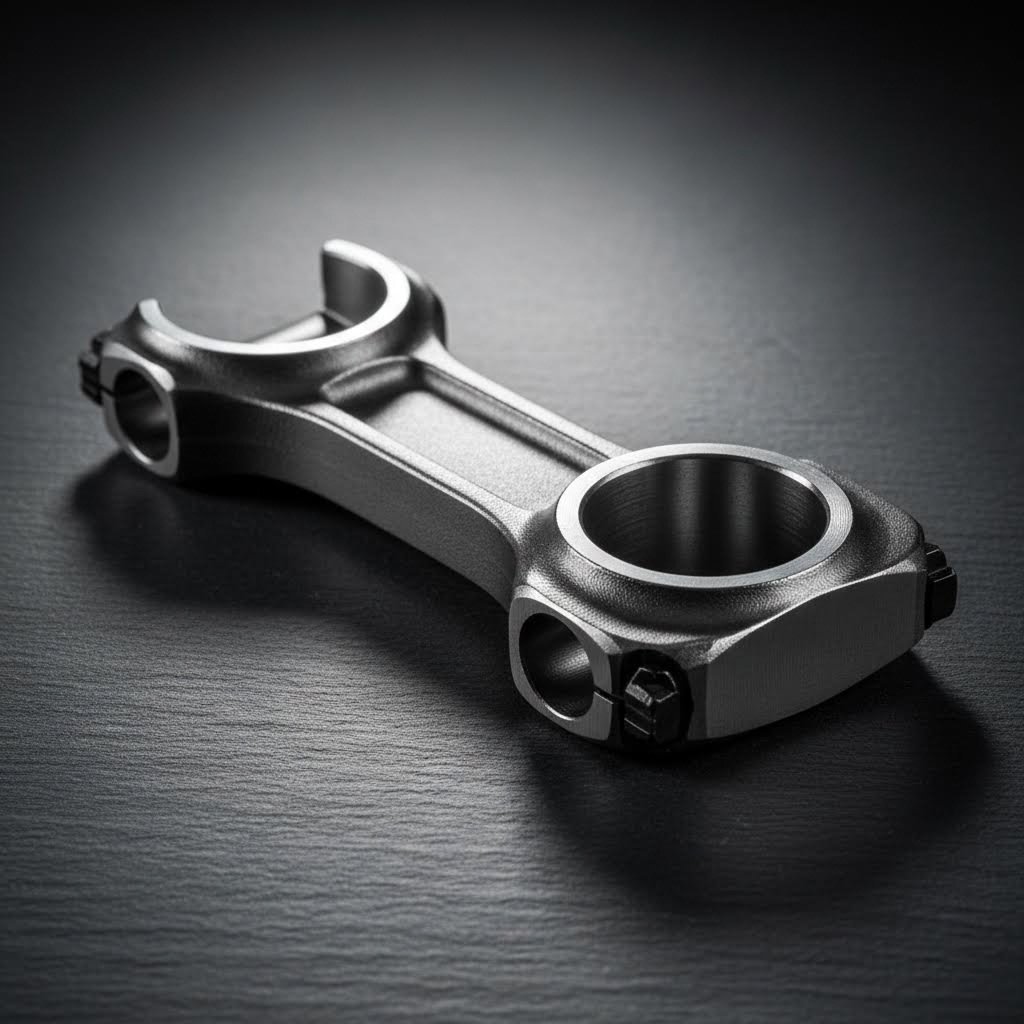
When stock powder metal rods can't handle your power goals, where do most builders turn? The answer has been consistent for decades: 4340 forged steel connecting rods. This forged carbon steel alloy has earned its reputation as the go-to upgrade for serious engine builds—and there's solid engineering behind that reputation.
Whether you're building a 383 stroker for weekend cruising or prepping a small block Chevy for track duty, understanding why 4340 steel dominates the aftermarket helps you make smarter purchasing decisions. Let's break down what makes these forged parts the industry standard and when they're the right choice for your application.
The Go-To Upgrade for Serious Builds
Walk into any speed shop or browse any performance catalog, and you'll find 4340 chromoly steel rods at the center of their connecting rod offerings. This isn't coincidence—it's the result of decades of real-world validation across virtually every racing discipline.
What makes 4340 steel special? The alloy contains chromium, nickel, and molybdenum in specific proportions that create exceptional mechanical properties. According to metallurgical analysis, the forging process causes the steel's grain structure to align along the lines of force, mirroring the shape of the part. This results in a continuous and aligned grain structure throughout the component, significantly enhancing strength and impact resistance.
Compared to powder metal alternatives, the difference is substantial. While PM rods may contain microscopic porosity from the sintering process, steel forged through proper techniques produces a denser structure with no inherent voids. This translates directly to superior durability under repeated stress cycles—exactly what your rods experience with every combustion event.
The strength advantage isn't marginal. Quality 4340 forged rods typically handle 2-3x the stress levels that would crack connecting rod failures in powder metal construction. For builders pushing into the 400-900 horsepower range, this safety margin becomes essential rather than optional.
Understanding 4340 Steel Advantages
Beyond raw material strength, 4340 forged rods offer practical advantages that matter for real-world builds:
Rebuildability: Unlike PM rods that must be replaced when damaged, forged rods can often be reconditioned. The cast vs forged steel debate ends quickly when you consider that forged components can be resized, re-bushed, and returned to service—spreading your investment across multiple engine builds.
Consistent Quality: The forging process creates predictable material properties throughout the rod. When you're calculating safety margins for high-stress applications, knowing your rods will perform consistently matters.
Proven Track Record: Decades of racing success across drag strips, oval tracks, and road courses have validated 4340 steel performance. You're not experimenting with unproven technology—you're benefiting from lessons learned through millions of competition miles.
I-Beam vs H-Beam: Choosing the Right Design
Material selection is only half the equation. Rod geometry significantly impacts performance characteristics, and understanding the difference between I-beam and H-beam designs helps you match components to your specific application.
Industry data clarifies when each design excels:
H-Beam Rods: These feature a wider cross-section that distributes loads across a larger area. According to Manley Performance, standard H-beam rods serve builds around 600-900 HP depending on fasteners and racing type, while heavy-duty H-Tuff versions handle 1,000-1,200+ HP for forced induction applications. H-beams excel in high-RPM environments where the wider beam resists bending forces during rapid direction changes.
I-Beam Rods: The traditional design offers lighter weight with excellent column strength. Pro Series I-beam horsepower ratings can range from 750+ HP on oval tracks to 1,600+ HP in drag racing applications. I-beams tend to work better in applications where weight reduction matters and RPM stays within moderate ranges.
For most 383 stroker kit applications and similar street performance builds, either design works well. The choice often comes down to specific engine characteristics and manufacturer recommendations for your application.
Application Guidance: Where 4340 Forged Rods Make Sense
Not every build needs forged rods—but knowing when the upgrade becomes necessary prevents both overspending and catastrophic failure. Here's where 4340 steel forged rods earn their keep:
Street Performance: Once you're pushing beyond 400 horsepower, forged rods provide meaningful insurance against failure. The cost difference between quality forged rods and a new engine block makes the upgrade decision straightforward.
Weekend Racing: Track use multiplies stress cycles dramatically. A single race day might expose your rods to more high-RPM, high-load events than a year of street driving. Forged construction handles this repeated abuse without developing the fatigue cracks that eventually destroy PM rods.
Moderate Boost Applications: Forced induction changes the stress equation significantly. Even modest boost levels—8-12 PSI on a street car—can push cylinder pressures beyond what stock rods were designed to handle. Forged parts provide the safety margin turbocharged and supercharged builds demand.
Pros of 4340 Forged Steel Rods
- Proven reliability across decades of racing applications
- Wide availability from multiple reputable manufacturers
- Handles significant power increases—typically 2-3x powder metal capacity
- Rebuildable construction spreads cost across multiple engine builds
- Superior fatigue resistance under repeated high-stress cycles
- No inherent porosity—denser material structure than PM alternatives
Cons of 4340 Forged Steel Rods
- Higher initial cost than powder metal—typically 3-5x OEM pricing
- Requires proper balancing during installation
- Overkill for completely stock or mildly modified builds
- May require machine work for proper fitment in some applications
- Quality varies significantly between manufacturers
The bottom line on 4340 forged rods? They're the sensible choice for any build pushing beyond stock power levels. The difference between forged vs powder metal construction becomes meaningful insurance once you're in the 400+ horsepower range—and absolutely essential as power climbs toward four figures.
But what happens when even 4340 steel isn't strong enough? For extreme applications pushing well beyond 1,000 horsepower, a different material enters the conversation: 300M aircraft-grade steel.
Premium 300M Aircraft-Grade Rods for Extreme Power
You've pushed past the 900 horsepower threshold. Maybe you're running a high-boost turbo setup that generates cylinder pressures your engine was never designed to see. Perhaps you're chasing elapsed times at the drag strip where every component faces repeated, violent stress cycles. At this level, even proven 4340 forged steel reaches its limits—and that's exactly where 300M aircraft-grade connecting rods enter the picture.
Originally developed for aircraft landing gear, 300M steel represents the pinnacle of forged vs powdered steel technology. This isn't marketing hyperbole—it's metallurgical reality. When failure means destroying a $50,000+ engine build or worse, understanding what separates powder metallurgy steel from aerospace-grade high-strength low-alloy steel alternatives becomes essential knowledge.
When Only the Strongest Will Survive
What makes 300M different from the 4340 steel covered earlier? The answer lies in refined chemistry and resulting mechanical properties.
According to metallurgical analysis, 300M takes 4340's proven nickel-chromium-molybdenum formula and elevates it by adding silicon and vanadium. These additions refine the grain structure and dramatically boost key performance characteristics. The numbers tell the story clearly:
| Property | 4340 Steel | 300M Steel |
|---|---|---|
| Typical Tensile Strength | 1080-1250 MPa | 1900-2050 MPa |
| Yield Strength | ~900 MPa | ~1850 MPa |
| Hardness (HRC) | 36-40 | 40-46 |
| Thermal Limit | ~400°C | ~450°C |
| Fatigue Resistance | High | Extremely High |
Notice the tensile strength difference—300M delivers nearly double the ultimate strength of 4340. But raw strength isn't the whole story. What truly sets 300M apart is exceptional fatigue and heat resistance. Even during prolonged high-RPM operation, these rods maintain dimensional stability, preventing the micro-stretching that eventually alters bearing clearances in lesser materials.
Think about what happens inside an ls7 engine pushing 1,200+ horsepower through a compound turbo setup. Each combustion event generates forces measured in tons. Those forces reverse direction thousands of times per minute. Under sustained abuse, even quality 4340 rods can begin to micro-stretch over time, gradually affecting oil film stability and bearing life. 300M's superior fatigue resistance prevents this degradation, maintaining precision tolerances throughout extended high-stress operation.
Extreme Duty Rod Solutions
So when does the premium price of 300M become justified? The applications are specific but critical:
Professional Drag Racing: Builds pushing well beyond 1,000 horsepower face stress levels that would destroy ordinary components. Industry analysis confirms 300M's outstanding toughness and high fatigue strength make it suitable for high-performance scenarios where reliability under extreme stress is crucial. When a single failure costs five figures in parts alone, the 300M premium is insurance you can't afford to skip.
High-Boost Turbo Builds: Compound turbo configurations—common in performance diesel applications and all-out gasoline builds—multiply cylinder pressures dramatically. An 8.1 Vortec pushing serious boost through compound turbos creates sustained thermal and mechanical stress that exceeds 4340's comfortable operating range. The 300M advantage in thermal stability (approximately 450°C versus 400°C) provides critical headroom when heat soak becomes a factor.
Nitrous Applications: Nitrous oxide creates instantaneous cylinder pressure spikes that stress rods differently than turbo or supercharger applications. The explosive nature of nitrous combustion events demands materials that handle shock loading without crack propagation. 300M's refined microstructure resists the micro-cracks that eventually cause catastrophic failure in lesser materials.
Endurance Racing: Here's where fatigue life truly matters. A weekend warrior might see a few hundred high-stress cycles per track day. An endurance racer faces thousands of those cycles during a single event, repeated across multiple races per season. 300M rods maintain performance consistency over hundreds of hours of abuse—exactly what professional endurance programs demand.
High-Revving Naturally Aspirated Engines: Applications exceeding 9,000 RPM subject rods to acceleration forces that multiply with engine speed. Even without forced induction, sustained high-RPM operation in competition naturally aspirated builds pushes 4340 to its limits.
The Cost-Benefit Reality
Let's address the elephant in the room: 300M rods cost significantly more than 4340 alternatives. You're looking at premium pricing that can reach 2-3x comparable 4340 rod sets. Is that premium justified?
The honest answer: it depends entirely on your application. Comparative analysis confirms that 4340 remains the trusted all-rounder, offering excellent durability and value for street and track use. For builds targeting 500-700 horsepower, 4340 remains the sweet spot—affordable, reliable, and strong enough for most real-world conditions.
The 300M investment makes sense when:
- Your power target exceeds 1,000 horsepower
- You're running sustained high boost (25+ PSI) in competition
- The engine will see repeated high-stress cycles in racing environments
- Failure cost (engine replacement, lost race weekends, sponsorship implications) justifies premium component pricing
- You're building for professional motorsport where reliability is non-negotiable
Pros of 300M Aircraft-Grade Rods
- Ultimate tensile strength—nearly double that of 4340 steel
- Longest fatigue life of any common connecting rod material
- Handles extreme abuse from sustained high-boost and high-RPM operation
- Professional-grade reliability trusted in aerospace applications
- Superior thermal stability for extended high-stress operation
- Maintains dimensional precision under conditions that stretch lesser materials
Cons of 300M Aircraft-Grade Rods
- Significant cost premium—typically 2-3x 4340 pricing
- May require custom ordering for less common applications
- Unnecessary for most street and mild performance builds
- Requires expert heat treatment to achieve full performance potential
- Limited availability compared to mainstream 4340 options
The bottom line? 300M represents the pinnacle of forged connecting rod technology—but it's purpose-built for extreme applications. If you're building a street car or weekend track toy under 900 horsepower, you're likely paying for capability you'll never use. But when you're pushing into four-digit horsepower territory or building for professional competition, 300M isn't just stronger—it's the material that lets you chase limits without worrying whether your rods will survive the run.
For builders who want forged reliability without the aerospace price tag, there's another option worth exploring: precision hot-forged OEM-replacement rods that bridge the gap between stock PM construction and full race-spec components.
Precision Hot-Forged OEM-Replacement Rods
What if you need more strength than powder metal provides but don't require—or can't justify—the expense of full race-spec 4340 or 300M rods? This is the reality most enthusiasts face. You're planning a chevy small-block 427 build for weekend cruising, or maybe upgrading a chevy big block for towing duties with occasional spirited driving. The stock PM rods won't survive your power goals, but aerospace-grade components seem like overkill for your application.
Enter precision hot-forged OEM-replacement connecting rods—a category that's gained significant traction among builders seeking the metallurgical advantages of forged construction without the premium pricing or fitment complications of aftermarket race parts.
The Smart Middle Ground for Street Performance
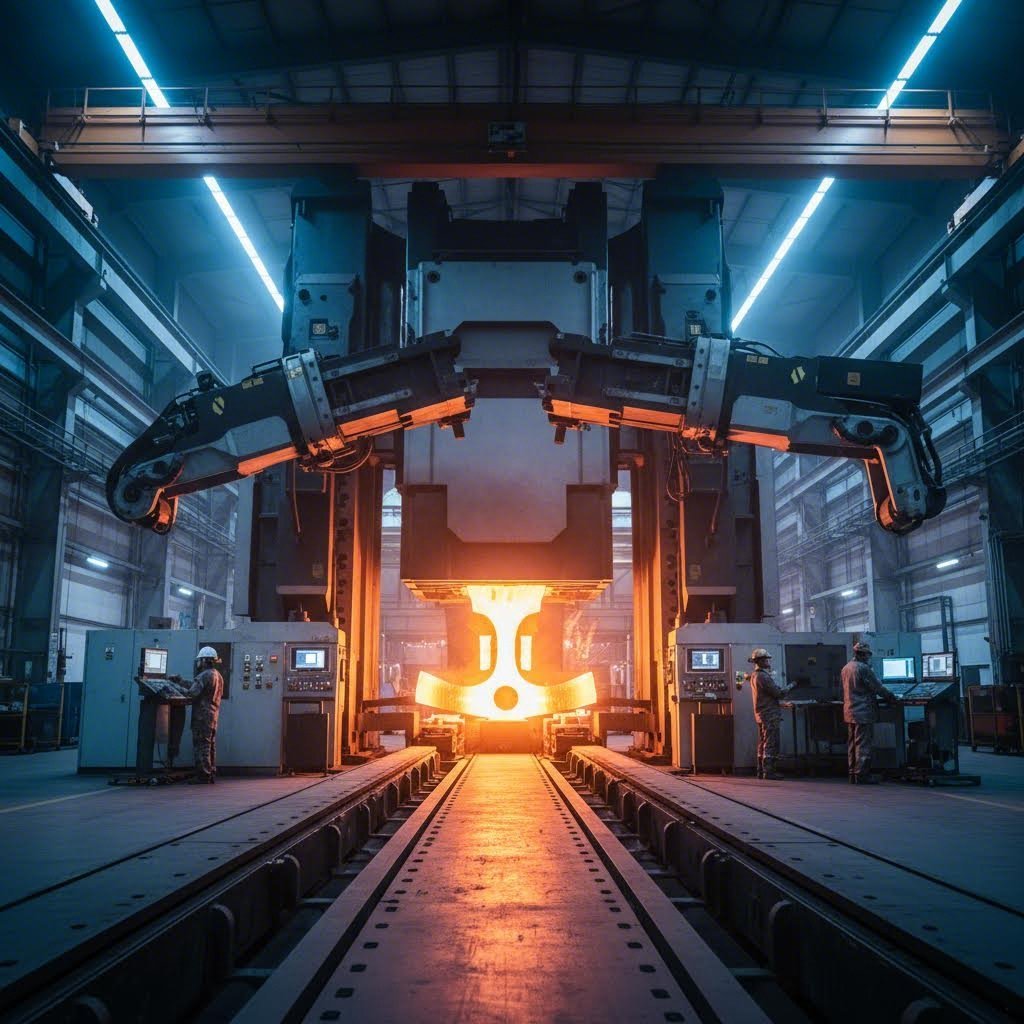
Understanding what is forged metal versus what is powder metal helps explain why this middle-ground option makes sense for so many applications. When metal is forged in metal processing, the material undergoes controlled deformation under heat and pressure. According to metallurgical analysis, this process causes the grain structure to align along the contours of the rod, substantially bolstering strength and resilience. The result? A denser, sturdier metal framework compared to powder metal sintering or casting methods.
Hot forging specifically offers advantages over cold forging for connecting rod applications. The elevated temperature during forming allows for more complete grain flow alignment and reduces internal stresses that can cause premature fatigue. When manufacturers combine proper hot forging techniques with quality control systems that match OEM standards, you get components that deliver forged performance at price points closer to factory parts than race-spec upgrades.
Think about the typical performance street engine scenario. You're pushing 450-600 horsepower—well beyond stock PM rod safety margins but nowhere near the 1,000+ horsepower territory where 300M becomes necessary. What you need is:
- Forged grain structure that eliminates the porosity concerns inherent to powder metal
- OEM-compatible dimensions that bolt in without machine work
- Quality assurance that matches factory reliability standards
- Pricing that doesn't double your rotating assembly budget
Precision hot-forged OEM-replacement rods check all these boxes when sourced from reputable manufacturers with proper certifications.
OEM-Quality Forged Alternatives
Here's where the distinction between forged metals incorporated into production and aftermarket race components becomes meaningful. Many builders don't realize that modern hot forging technology has evolved dramatically. Today's precision forging operations deliver grain structure and strength characteristics that rival dedicated race rod manufacturers—particularly when backed by automotive-industry quality management systems.
The key differentiator? Certification. IATF 16949 certification represents the automotive industry's quality management standard, emphasizing defect prevention and reduction of variation in the supply chain. Manufacturers holding this certification must demonstrate their ability to consistently provide products meeting customer requirements while implementing continuous improvement processes.
Why does this matter for connecting rods? Because consistency is everything when components face millions of stress cycles. A single rod with substandard material properties or dimensional variations can destroy an engine. IATF 16949-certified production ensures every rod meets specifications—not just random samples pulled for testing.
The certification requires implementation of core automotive quality tools including:
- Advanced Product Quality Planning (APQP)—structured approach to product development
- Failure Mode and Effects Analysis (FMEA)—proactive identification of potential failure points
- Statistical Process Control (SPC)—continuous monitoring of manufacturing consistency
- Measurement Systems Analysis (MSA)—verification that inspection methods are reliable
- Production Part Approval Process (PPAP)—formal approval before production begins
For builders sourcing connecting rods, this certification provides confidence that manufacturing processes match or exceed what major OEMs demand from their suppliers. You're getting the metallurgical advantages of forged construction with quality control that ensures consistency across every component.
Supply Chain Advantages for Builders
Beyond the technical specifications, precision hot-forged OEM-replacement rods offer practical advantages that matter for real-world builds:
Rapid Availability: Manufacturers specializing in precision hot forging for automotive applications typically maintain efficient production capabilities. Operations offering rapid prototyping—sometimes in as little as 10 days—and scaling to high-volume production mean you're not waiting months for components. When your engine is on the stand and you need rods, lead time matters.
OEM Fitment: Unlike some aftermarket race rods that require machine work or custom bearings, precision OEM-replacement components are designed for direct installation. Bolt patterns, bearing bores, and pin dimensions match factory specifications. This reduces installation complexity and eliminates the risk of fitment-related failures.
Global Compliance: For builders sourcing internationally, manufacturers with proper certifications ensure components meet applicable requirements regardless of destination. Shaoyi (Ningbo) Metal Technology exemplifies this approach—their IATF 16949-certified hot forging solutions and location near Ningbo Port enable streamlined global procurement while maintaining rigorous quality standards.
Engineering Support: Reputable precision forging operations offer in-house engineering capabilities that help ensure components like connecting rods, suspension arms, and drive shafts meet exact specifications. This technical backing provides confidence that your rods are designed for your application, not just generic replacements.
Evaluating Precision Hot-Forged Options
Not all OEM-replacement forged rods are created equal. Here's what to verify when sourcing:
Pros of Precision Hot-Forged OEM-Replacement Rods
- Forged grain structure delivers strength advantages over powder metal construction
- Competitive pricing compared to dedicated race rod manufacturers
- OEM-compatible fitment eliminates installation complications
- IATF 16949-certified quality control matches automotive industry standards
- Reliable supply chain with reasonable lead times
- Engineering support for application-specific requirements
- Bridges the gap between inadequate stock PM rods and overkill race components
Cons of Precision Hot-Forged OEM-Replacement Rods
- May require research to identify reputable certified manufacturers
- Not as widely known as major aftermarket performance brands
- Availability varies by application and engine platform
- May not match absolute maximum strength of premium 300M race rods
- International sourcing may involve longer initial procurement setup
The bottom line on precision hot-forged OEM-replacement rods? They represent the practical choice for builders who've outgrown powder metal limitations but don't need—or can't justify—full race-spec components. When sourced from IATF 16949-certified manufacturers with proven hot forging expertise, these rods deliver the metallurgical advantages that matter while maintaining the quality consistency and fitment compatibility that make builds go smoothly.
With all the rod options now on the table—from stock PM through precision hot-forged to full race-spec materials—the question becomes: how do you choose between them? The complete comparison matrix in the next section provides the framework for matching rod type to your specific build goals and budget.
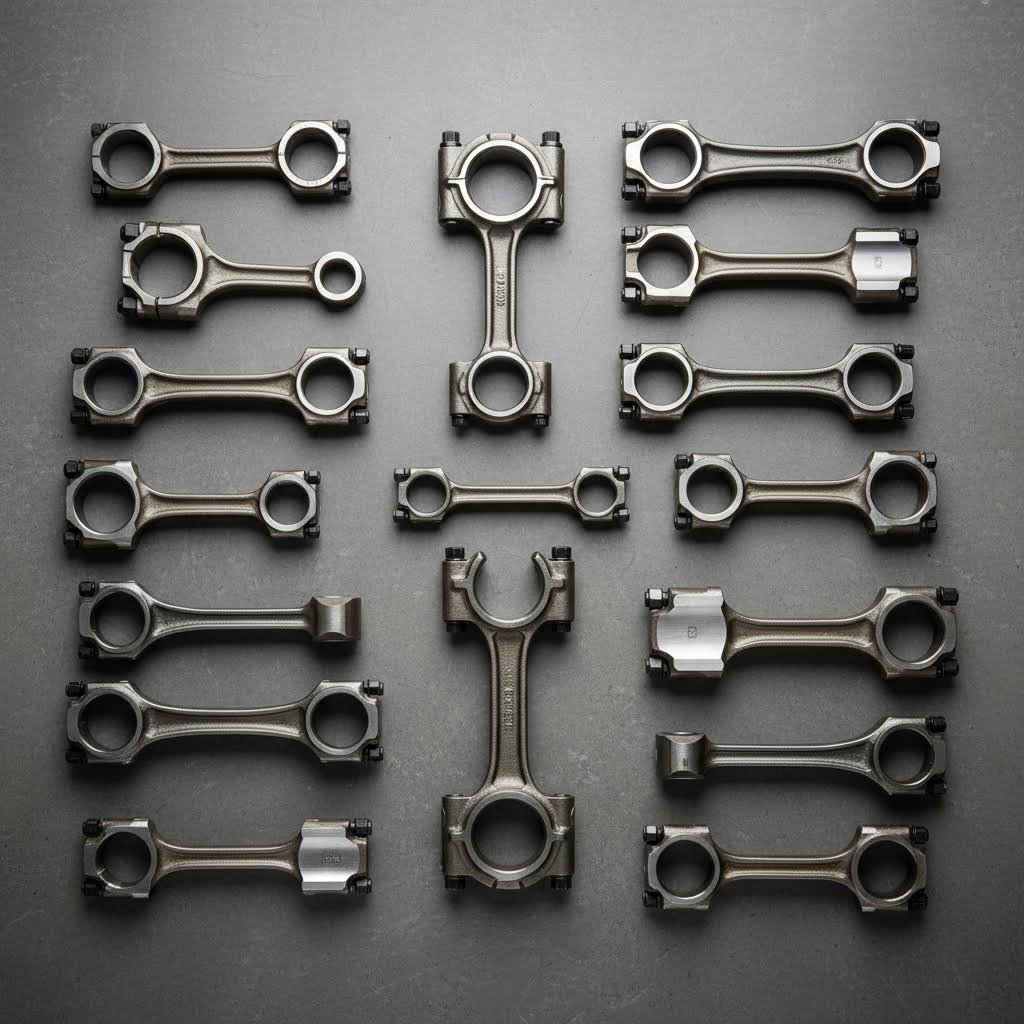
Complete Comparison Matrix and Application Guide
You've seen the individual options broken down—from stock powder metal through precision hot-forged to aerospace-grade 300M. But when you're standing at the parts counter or scrolling through catalogs, how do you actually decide? This section puts everything side by side so you can match connecting rod selection to your specific build goals without second-guessing yourself.
Think of this comparison like choosing between forged pistons vs cast pistons—the right answer depends entirely on your application. What is powdered metal good for? Stock power levels. When does the forge vs foundry debate actually matter? When you're pushing limits. Let's quantify those answers.
Head-to-Head Performance Breakdown
The following table consolidates everything we've covered into a single reference. Note that precision hot-forged OEM-replacement rods lead the comparison—not because they're the strongest, but because they represent the optimal value proposition for the majority of performance builds.
| Rod Type | Material Grade | Typical Power Handling | Fatigue Life Rating | Cost Range | Best Application |
|---|---|---|---|---|---|
| Precision Hot-Forged OEM-Replacement | 4340 Equivalent | 450-700 HP | Excellent | $$ | Street performance, moderate boost, reliability-focused builds |
| OEM Powder Metal | Sintered Iron Alloy | Under 400 HP | Adequate (stock conditions) | $ | Completely stock engines, budget-conscious daily drivers |
| Aftermarket 4340 Forged | 4340 Chromoly | 600-1,000+ HP | Very High | $$$ | Serious street builds, weekend racing, forced induction |
| Premium 300M Aircraft-Grade | 4340M (300M) Alloy Steel | 1,000-2,000+ HP | Exceptional | $$$$ | Professional racing, extreme boost, nitrous applications |
| Titanium | Ti-6Al-4V | Varies by design | High (limited cycles) | $$$$$ | Weight-critical race applications, high-RPM naturally aspirated |
Notice the power handling overlap between categories. A quality precision hot-forged rod handles 700 HP while aftermarket 4340 starts around 600 HP. This isn't contradiction—it reflects real-world variability in manufacturing quality, rod design (I-beam vs H-beam), and application stress factors. The ranges indicate where each type operates comfortably, not absolute limits.
One clarification worth making: mim parts meaning (Metal Injection Molding) sometimes gets confused with powder metallurgy in connecting rod discussions. These are different processes—MIM is typically used for smaller, complex components rather than high-stress items like connecting rods. When evaluating what is powdered metal in your engine, you're dealing with traditional press-and-sinter powder metallurgy, not MIM.
Matching Rod Type to Your Build Goals
Raw specifications only tell part of the story. The real question is: which rod type matches your specific use case? This application matrix maps common build scenarios to appropriate connecting rod selections:
| Application | OEM PM | Hot-Forged OEM-Replacement | 4340 Forged | 300M |
|---|---|---|---|---|
| Street Daily Driver (stock power) | ✓ Ideal | Overkill | Unnecessary | Unnecessary |
| Street Performance (400-600 HP) | ✗ Risky | ✓ Ideal | ✓ Good | Overkill |
| Weekend Track (600-900 HP) | ✗ Inadequate | Marginal | ✓ Ideal | ✓ Good |
| Drag Racing (1,000+ HP) | ✗ Failure risk | ✗ Inadequate | Marginal | ✓ Ideal |
| Endurance Racing | ✗ Inadequate | ✗ Limited cycles | ✓ Good | ✓ Ideal |
| High Boost Applications (25+ PSI) | ✗ Failure risk | ✗ Risky | ✓ Good | ✓ Ideal |
This matrix reveals something important: most street performance builds fall squarely into the hot-forged OEM-replacement or 4340 forged categories. The extreme ends—stock PM and 300M—serve specific niches rather than general performance applications.
When to Keep Stock PM Rods
Here's the honest truth many performance shops won't tell you: if you're not modifying your engine beyond basic bolt-ons, stock powder metal rods work fine. Manufacturers designed them with appropriate safety margins for factory power levels. Replacing functional PM rods "just because" wastes money better spent elsewhere in your build.
Keep your stock PM rods when:
- Power output stays under 400 HP (gasoline) or stock levels (diesel)
- No forced induction modifications are planned
- The engine sees primarily street driving with occasional spirited use
- Budget constraints exist and other components need attention first
The crank casting in your factory engine was designed around those PM rods. Until you exceed their design parameters, the factory engineering works as intended.
When Forged Upgrades Become Necessary
The transition point isn't always obvious, but certain modifications should trigger automatic rod upgrades:
Forced Induction: Adding a turbo or supercharger changes the equation immediately. Even "mild" boost configurations (8-12 PSI) can push cylinder pressures into dangerous territory for PM rods. If you're adding boost, budget for forged rods.
Significant Power Increases: Once you're targeting 400+ HP through tuning, injector upgrades, or internal modifications, PM rods become the weak link. The 400 HP threshold appears consistently across failure documentation as the practical limit.
High-RPM Applications: Engines built for sustained high-RPM operation—whether naturally aspirated performance builds or high-revving forced induction setups—need forged construction. The stress cycles multiply with engine speed, accelerating fatigue in PM construction.
Racing Use: Track days, drag passes, and competition use expose rods to repeated high-stress cycles that street driving never approaches. Flat plane crank conversions in performance V8 builds, for example, often accompany forged rod upgrades because both modifications target higher RPM capability.
Industry guidance confirms this framework: "Stock connecting rods often perform well under factory power levels, but as soon as boost pressure, RPM, or displacement increase, weaknesses begin to show. Cast or powdered-metal rods are prone to bending or breaking under extreme stress."
The Professional Decision Framework
How do experienced engine builders approach rod selection? They work backward from the build's purpose:
- Define power targets—not current power, but ultimate goals including future modifications
- Identify stress multipliers—forced induction, nitrous, high RPM, racing use
- Calculate safety margin—rods should handle 20-30% more than target power
- Balance budget allocation—rods are insurance, but not at the expense of other critical components
This framework explains why professional builders often recommend "over-speccing" rods slightly. A set of quality forged rods that survives three engine rebuilds costs less than one catastrophic PM rod failure. The forge vs foundry decision ultimately comes down to risk tolerance and application severity.
With this complete comparison framework in hand, you're equipped to make rod selection decisions based on your specific build parameters rather than forum speculation or marketing claims. The final section translates this framework into specific recommendations for every common build scenario and budget level.
Final Recommendations for Every Build Type and Budget
You've absorbed the technical details, compared the specifications, and understand the trade-offs. Now it's time to translate all that knowledge into a straightforward decision. Whether you're building a 6.7 Cummins for serious towing power or assembling a weekend drag car, the following recommendations cut straight to what your specific build actually needs.
Your Decision Simplified
The powder metal vs forged connecting rods debate doesn't require complicated analysis once you know your power targets and intended use. Here's the tiered breakdown that matches rod selection to real-world build scenarios:
- Budget-Conscious Street Builds (Under 400 HP): If you're keeping your engine stock or adding only basic bolt-ons without forced induction, your factory powder metal rods remain perfectly adequate. Save your money for other upgrades. The exception? Diesel applications pushing toward that 400 HP threshold should consider forged blanks or precision hot-forged replacements as preventive insurance—PM rod failures in diesel engines often destroy blocks completely.
- Serious Street Performance (400-700 HP): This is where precision hot-forged OEM-replacement rods shine. You've outgrown stock PM construction, but commercial forged race components may exceed both your needs and budget. IATF 16949-certified precision forging delivers the metallurgical advantages of what is forged steel—continuous grain structure, no porosity concerns—while maintaining factory fitment and reasonable pricing. For builders in this range, sourcing from certified manufacturers with automotive-industry quality systems provides the reliability assurance your build deserves.
- Weekend Warriors and Track Enthusiasts (700-1,000 HP): Step up to dedicated aftermarket 4340 forged rods. The repeated stress cycles of track use demand proven fatigue resistance that precision OEM-replacement components may not match at the upper end of this range. Budget for quality H-beam or I-beam forged rods from established manufacturers—this isn't where you cut corners.
- All-Out Race Applications (1,000+ HP): 300M aircraft-grade steel becomes the appropriate choice. Professional drag racing, extreme boost builds, and nitrous applications generate stress levels that push even quality 4340 toward its limits. The 300M premium—typically 2-3x 4340 pricing—is justified insurance when engine replacement costs reach five figures and competition schedules don't accommodate rebuilds.
The Bottom Line for Your Build
Diesel and gasoline applications require different thinking. According to documented engine builder experience, Cummins engines typically handle significant power increases with stock rotating assemblies, but the stock rods become the weak link in Duramax applications, especially at higher than stock RPMs. For 4bt Cummins conversions and similar diesel performance builds, forged rod upgrades should accompany any serious power modifications.
The bulletproof diesel philosophy applies here: build margins into critical components. A 6.7 Cummins targeting 600 HP might survive on stock rods temporarily, but precision hot-forged or full 4340 replacements eliminate the uncertainty. When towing loads or sustained highway driving subjects your engine to continuous stress, powdered metallurgy limitations become real concerns rather than theoretical ones.
For gasoline performance builds, the thresholds are clearer. The critical decision points remain consistent across most platforms:
- Under 400 HP naturally aspirated: Stock PM rods typically survive with appropriate tuning
- Any forced induction modification: Budget for forged rods regardless of target power—boost changes the stress equation
- 400-700 HP with moderate boost (under 15 PSI): Precision hot-forged or entry-level 4340 rods
- 700+ HP or aggressive boost (15+ PSI): Quality 4340 forged rods minimum
- 1,000+ HP or 25+ PSI sustained: 300M becomes the appropriate material
What about builders who want forged reliability without navigating the complexity of sourcing aftermarket race components? This is where certified precision hot forging manufacturers offer compelling value. Operations holding IATF 16949 certification—like those with rapid prototyping capabilities and streamlined global logistics near major shipping ports—deliver the metallurgical advantages of forged construction with quality systems that match what major OEMs demand from their suppliers.
The single most important factor in connecting rod selection isn't maximum strength—it's matching rod capability to your realistic power targets with appropriate safety margin. A rod rated for 700 HP in an engine making 500 HP will outlast a rod pushed to its absolute limit, regardless of material grade.
Here's the practical takeaway: don't buy more rod than you need, but never install less than your build demands. For the majority of performance street builds falling in the 400-700 HP range, precision hot-forged OEM-replacement rods from certified manufacturers represent the sweet spot—forged reliability, quality assurance, and value that leaves budget for other critical components.
Your connecting rods connect everything. The power your pistons generate, the rotation your crankshaft delivers, the reliability your engine provides—all of it passes through components you'll never see during normal operation. Choose them based on your actual build goals, not forum speculation or marketing claims, and your engine will reward you with the performance and longevity you're building toward.
Frequently Asked Questions About Powder Metal vs Forged Connecting Rods
1. What is the best material for connecting rods?
The best material depends on your application. For stock engines under 400 HP, OEM powder metal rods work adequately. Street performance builds between 400-700 HP benefit from 4340 forged steel, which offers 19-37% higher fatigue strength than powder metal. Extreme applications exceeding 1,000 HP require 300M aircraft-grade steel, delivering nearly double the tensile strength of 4340. IATF 16949-certified precision hot-forged rods offer an excellent middle ground, combining forged reliability with OEM-compatible fitment for moderate performance builds.
2. What are the disadvantages of forged steel connecting rods?
Forged steel rods cost 3-5x more than powder metal alternatives and require proper balancing during installation. They may need machine work for fitment in some applications, and quality varies significantly between manufacturers. For completely stock or mildly modified engines, forged rods represent overkill—the investment doesn't provide meaningful benefits when staying within factory power parameters. Additionally, forged components cannot produce porous bearings or parts with mixed metals without secondary machining.
3. Are forged rods better than powder metal?
Forged rods outperform powder metal in high-stress applications due to their continuous grain structure that eliminates porosity concerns. Studies show forged steel exhibits 19-37% higher fatigue strength and approximately 20% longer fatigue life than powder metal. However, powder metal rods work reliably for stock power levels—they fail specifically when pushed beyond design parameters, typically around 400 HP in diesel applications. The choice depends entirely on your power goals and intended use.
4. At what horsepower should I upgrade from powder metal to forged connecting rods?
The critical threshold sits around 400 HP for diesel engines and similar levels for high-stress gasoline applications. Any forced induction modification should trigger automatic rod upgrades regardless of target power, as boost multiplies cylinder pressures beyond stock rod design parameters. For naturally aspirated builds, sustained high-RPM operation or track use accelerates fatigue in powder metal construction, making forged upgrades essential even at moderate power levels.
5. What is the difference between 4340 and 300M connecting rods?
300M steel contains additional silicon and vanadium that refine grain structure and boost performance. It delivers approximately 1,900-2,050 MPa tensile strength versus 1,080-1,250 MPa for 4340—nearly double the ultimate strength. 300M also offers superior thermal stability up to 450°C compared to 400°C for 4340, maintaining dimensional precision under sustained high-stress operation. While 4340 handles 600-1,000+ HP reliably, 300M becomes necessary for professional racing, extreme boost exceeding 25 PSI, and applications above 1,000 HP.