 Small batches, high standards. Our rapid prototyping service makes validation faster and easier —
  EN
EN


Sheet Metal Stamping Manufacturer Secrets: key Factors Buyers Never Check
What Sheet Metal Stamping Actually Means for Modern Manufacturing
Ever wondered how manufacturers produce millions of identical metal components with such remarkable precision? The answer lies in a process that has revolutionized industrial production since the late 1800s.
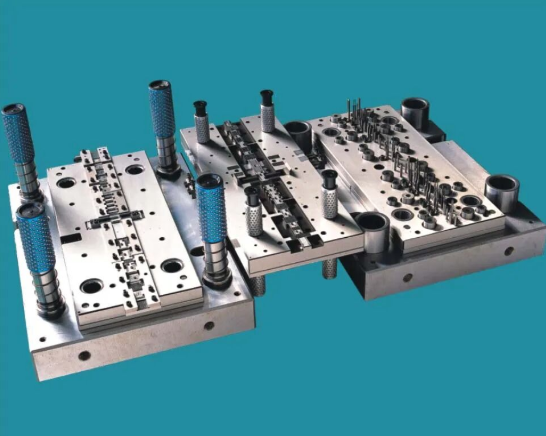
Sheet metal stamping is a cold-forming manufacturing process that uses specialized dies and high-pressure presses to transform flat metal sheets into precisely shaped three-dimensional components.
Think of it like a sophisticated cookie cutter for metal. A flat sheet enters the press, force is applied through custom-designed tooling, and out comes a finished part with complex bends, curves, cutouts, or embossed features. This metal pressing technique enables everything from the brackets in your car's engine bay to the connectors inside your smartphone.
The Core Mechanics of Metal Stamping
At its heart, the stamping process relies on two critical elements working in perfect harmony: the stamping press and the die. The press delivers tremendous force—sometimes thousands of tons—while the die acts as the precision mold that shapes the metal into its final form.
Here's what happens during a typical stamping operation:
- Material feeding: Flat metal sheets or coils are positioned precisely within the press
- Die engagement: Upper and lower die components close together under immense pressure
- Metal deformation: The material undergoes plastic deformation, permanently taking the die's shape
- Part ejection: The finished stamped metal component is released for the next cycle
This entire sequence can happen in fractions of a second. Modern high-speed presses achieve 1,500 strokes per minute, producing stamped steel parts at rates that machining or casting simply cannot match.
From Flat Sheet to Finished Part
What makes sheet metal stamping indispensable to modern manufacturing? It comes down to three core advantages that no alternative process can replicate at scale.
Consistency across millions of parts: Once tooling is perfected, every single component comes out virtually identical. A sheet metal stamping manufacturer can produce the millionth part with the same dimensional accuracy as the first—critical for industries where interchangeability matters.
Speed that drives efficiency: Unlike machining, which removes material gradually, stamping forms the complete geometry in one swift action. This translates to dramatically lower per-unit costs when production volumes justify the tooling investment.
Material optimization: Stamping generates minimal waste compared to subtractive manufacturing methods. The process uses nearly all the input material, with scrap rates often below 10% in well-designed progressive die operations.
The historical significance of this process speaks volumes. According to Wikipedia's documentation of stamping history, stamped parts revolutionized bicycle manufacturing in the 1880s by replacing expensive die-forged components. When Henry Ford initially resisted stamping for automobile production, demand eventually forced adoption—proving that even manufacturing pioneers couldn't ignore the economics.
Today, virtually every industry relies on metal stamping: automotive body panels and structural components, aerospace brackets and fittings, electronic connectors and shielding, medical device housings, and construction hardware. Understanding this process gives you the foundation to evaluate any sheet metal stamping manufacturer with confidence.
Understanding the Four Primary Stamping Processes
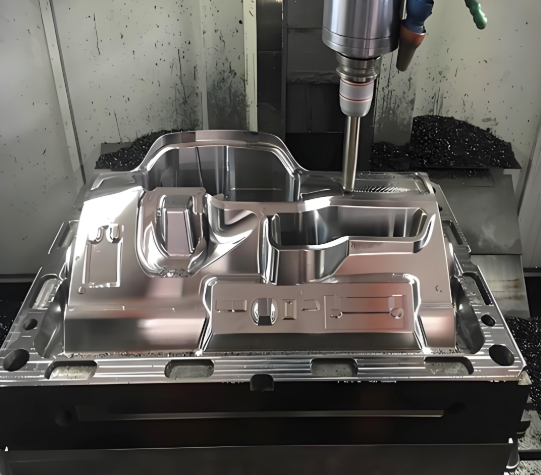
Now that you understand what stamping accomplishes, the next question becomes: which stamping process fits your project? Most sheet metal stamping manufacturer websites list process names without explaining when each makes sense. Let's fix that knowledge gap.
The metal stamping process you select directly impacts tooling costs, production speed, achievable geometries, and ultimately your per-part economics. Choosing wrong means either overpaying for unnecessary capabilities or discovering mid-project that your chosen method can't deliver what you need.
Progressive Die Stamping Explained
Progressive die stamping is the workhorse of high volume metal stamping operations. Imagine a metal strip traveling through a series of stations, each performing a specific operation—piercing, bending, forming, cutting—until the finished part emerges at the end.
Here's what makes this process distinctive:
- Continuous strip feeding: The metal coil feeds through multiple die stations while remaining connected to the carrier strip
- Sequential operations: Each station performs one action, building complexity progressively
- Final separation: The completed part only detaches from the strip at the last station
- Blazing speed: Cycle times can reach 1,500 strokes per minute for smaller stamped parts
Progressive stamping excels when you need automotive brackets, electronic connectors, battery contacts, or precision hardware at volumes exceeding 10,000 pieces. The initial tooling investment typically ranges higher than other methods, but the per-unit cost advantage at scale is unmatched. According to Die-Matic's process comparison, progressive stamping delivers fast cycle times, reduced labor costs, and lower per-unit costs—though design modifications after tooling completion become costly and time-consuming.
When Deep Draw Stamping Makes Sense
Need parts where depth exceeds diameter? Deep draw stamping is your answer. This stamping and pressing method transforms flat blanks into seamless, cup-shaped components through controlled material flow.
The process works like this: a blank sheet positions over a die cavity, and a punch forces the metal downward, drawing it into the desired shape. What emerges is a single-piece component with no welded seams—critical for applications requiring watertight or gas-tight integrity.
Deep draw stamping shines for:
- Beverage cans and food containers
- Automotive fuel tanks and assembly housings
- Medical device enclosures
- Aerospace structural components
- Sink basins and kitchen equipment
According to Manor Tool's deep draw documentation, tolerances as tight as ±0.0005 inches are achievable, and the seamless construction delivers superior strength compared to welded alternatives. Once tooling is established, the process runs with minimal downtime—making it highly cost-effective for production volumes.
Transfer Die vs Progressive Die Selection
Transfer die stamping occupies the middle ground between progressive stamping's speed and deep draw's geometric freedom. The key difference? Parts separate from the carrier strip early and move mechanically between stations.
This separation enables capabilities that progressive stamping cannot match:
- Deeper draws: Without the carrier strip constraint, material flows more freely
- Larger parts: Automotive body panels and structural components become feasible
- Complex geometries: Multi-axis forming operations achieve intricate shapes
- Both-side access: Operations can occur on either face of the workpiece
When should you choose transfer over progressive? Consider transfer die stamping for stamped metal components like large automotive body panels, heavy-duty enclosures, reinforcement plates, or any part requiring deeper forming than progressive dies permit. The trade-off involves slightly slower cycle times and higher complexity, but for medium-to-large parts at production volumes, transfer stamping offers unmatched flexibility.
Fourslide Stamping: The Flexibility Champion
Fourslide stamping—sometimes called multislide—approaches metal forming from an entirely different angle. Instead of vertical press force, four (or more) horizontal tool slides shape material from multiple compass directions simultaneously.
This unconventional approach delivers remarkable advantages for specific applications. According to Fourslide Spring and Stamping's technical documentation, tooling for power presses can cost $40,000-50,000, while fourslide tooling typically runs just $4,000-5,000—a tenfold reduction in upfront investment.
Fourslide excels at producing:
- Electrical connectors and terminals
- Flat springs and clips
- Wire forms and contacts
- Fasteners and brackets with complex bends
- Medical device micro-components
The process handles bends beyond 90 degrees, twists, cylindrical forms, and multiple forming operations in a single pass. Material constraints exist—generally under 2 inches wide and 0.075 inches thick—but within those parameters, fourslide delivers precision steel sheet stamping at remarkable speed, with production rates reaching 15,000 pieces per hour.
Process Selection: Matching Method to Project Requirements
Sounds complex? This comparison table simplifies the decision:
| Process | Part Complexity | Ideal Volume | Material Thickness | Typical Applications |
|---|---|---|---|---|
| Progressive Die | Simple to moderate; parts remain on strip | High (10,000+) | 0.010" - 0.250" | Brackets, clips, connectors, terminals |
| Transfer Die | High; deeper draws and intricate shapes | Medium to high | 0.020" - 0.500" | Body panels, structural components, enclosures |
| Deep Draw | Moderate; cylindrical and axisymmetric | Medium to high | 0.015" - 0.375" | Tanks, containers, housings, cans |
| Fourslide | High; multi-directional bends | Low to medium | Up to 0.075" | Springs, clips, wire forms, connectors |
Press tonnage capacity connects directly to what you can produce. Thicker materials and larger parts demand greater force—a 100-ton press handles light-gauge brackets, while automotive body panels require 1,000+ ton presses. When evaluating any sheet metal stamping manufacturer, verify their press tonnage range matches your part requirements. Undersized equipment cannot form your parts; oversized equipment wastes capacity you're paying for.
The process decision ultimately hinges on four factors: your part's geometric complexity, required production volume, material specifications, and budget constraints. Get these aligned correctly, and you'll select a stamping method that delivers quality stamped metal components at optimal cost.
Material Selection Guide for Stamped Components
You've selected your stamping process. Now comes a decision that competitors consistently gloss over: which metal actually belongs in your part? Most suppliers list available materials without explaining why you'd choose one over another. That knowledge gap costs buyers money through suboptimal material choices.
The right metal stamping materials balance three competing demands: performance in your end application, compatibility with the stamping process itself, and cost-effectiveness at your production volume. Get this wrong, and you'll face cracked parts, excessive springback, or inflated material costs eating into margins.
Steel Grades for Stamping Applications
Steel remains the backbone of steel stamping operations—and for good reason. It offers the best cost-to-performance ratio for most industrial applications. But "steel" encompasses dozens of grades with dramatically different behaviors.
Here's what each category delivers:
- Mild carbon steel: The most affordable and easily formed option. Excellent for brackets, enclosures, and structural components where corrosion resistance isn't critical. Welds beautifully and accepts most finishes.
- Cold rolled steel: Tighter thickness tolerances and superior surface finish compared to hot rolled. Choose this when dimensional precision and appearance matter—think automotive interior components or appliance housings.
- Spring steels (high carbon): Engineered for resilience and high yield strength. According to Verdugo Tool's material guide, these high-carbon steels serve springs and high-stress components where fatigue resistance determines product lifespan.
- Galvanized steel: Carbon steel with zinc coating for enhanced corrosion protection. Common in construction, automotive underbody components, and outdoor equipment where environmental exposure demands extra protection.
- Pre-plated nickel steel: Offers higher corrosion resistance than zinc coatings while reducing post-stamping finishing requirements—a cost-saver when appearance and durability both matter.
The trade-off with higher carbon content? Increased hardness brings increased brittleness. This affects manufacturability and may require adjusted die clearances or forming sequences. Your sheet metal stamping manufacturer should flag these considerations during DFM review.
Stainless Steel Metal Stamping Considerations
When corrosion resistance becomes non-negotiable, stainless stamping enters the conversation. But which grade? The differences matter more than most buyers realize.
- 304L stainless: The general-purpose workhorse offering excellent formability and corrosion resistance. Ideal for food processing equipment, medical devices, and architectural applications.
- 316 stainless: Contains molybdenum for enhanced resistance to chlorides and acids. Marine environments, chemical processing, and pharmaceutical equipment demand this grade. Available in full hard, half hard, and quarter hard tempers depending on strength requirements.
- 301 stainless: Provides high strength with good ductility—the go-to choice for springs, clips, and clamps where mechanical performance drives selection.
- 321 stainless: Titanium-stabilized for high-temperature environments. Exhaust systems and engine applications benefit from its thermal stability.
Every stainless grade stamps well when annealed, but work hardening during forming increases strength—and sometimes creates challenges. Plan your forming sequence accordingly.
Aluminum Alloy Selection Criteria
Need lightweight stamped aluminum components? Aluminum stampings deliver exceptional strength-to-weight ratios, but the material demands respect during forming.
According to Verdugo Tool's engineering guidance, aluminum alloys sometimes resist forming and drawing, requiring careful engineering for manufacturability. Here's what each common grade offers:
- 5052-H32: The formability champion among aluminum alloys. Excellent corrosion resistance makes it ideal for marine environments and automotive body applications. If your part has complex bends, start here.
- 6061 (O to T6 tempers): Highly corrosion-resistant with good weldability and moderate strength. Structural applications favor this grade. The T6 temper provides maximum strength but reduced formability.
- 2024 (O to T6 tempers): When strength-to-weight ratio becomes critical—think aerospace components—2024 outperforms 6061. However, reduced corrosion resistance may require protective coatings.
Aluminum stamping requires adjusted tooling clearances and often lubricants specifically formulated to prevent galling. Don't assume steel-optimized dies will perform identically with aluminum.
High-Performance Alloys: Copper, Brass, and Beyond
Electrical conductivity, antimicrobial properties, or extreme environment performance sometimes demand specialty materials:
- Brass (copper-zinc alloy): Strong, durable, and highly conductive with natural corrosion resistance. Electrical terminals, decorative hardware, and plumbing components commonly use brass for its combination of formability and conductivity.
- Beryllium copper: The premium choice for electrical connectors and precision instruments. Per CEP Technologies' selection guide, this alloy handles high strength, high stress applications while maintaining excellent conductivity. Heat treatment can further enhance strength.
- Phosphor bronze: Elastic, malleable, and exceptionally resistant to corrosion and wear. Springs and electrical contacts benefit from its unique property combination.
For extreme environments, exotic options like Inconel (high-temperature aerospace applications), titanium (lightweight corrosion resistance), and Hastelloy (chemical processing) become viable—though at significantly higher material and tooling costs.
Material Thickness and Formability Relationships
Thickness affects more than just part weight. It fundamentally changes how metal behaves during stamping.
Critical relationships to understand:
- Formability decreases with thickness: Thicker materials require more force, larger bend radii, and generate more springback. A 0.020" sheet bends tighter than 0.125" of the same alloy.
- Springback increases with strength: Higher-strength materials and tempers spring back more after forming. Stainless steel and aluminum require larger overbend angles than mild steel to achieve the same final geometry.
- Surface finish degrades with harder materials: Harder alloys may show die marks or orange peel effects that softer materials avoid. Plan surface treatments accordingly.
- Tolerance capability varies: Precision applications require materials with consistent thickness. As CEP Technologies notes, thickness tolerance becomes critical for precision stamping projects.
Most progressive stamping operations handle materials between 0.002" and 0.080" thick, though transfer and deep draw processes accommodate significantly thicker stock. Verify your selected manufacturer's thickness range matches your design requirements before committing to production tooling.
The material decision ripples through every subsequent choice—tooling design, press selection, secondary finishing, and ultimately part cost. Understanding these relationships positions you to evaluate supplier recommendations critically rather than accepting whatever they happen to stock.
Precision Standards and Tolerance Specifications
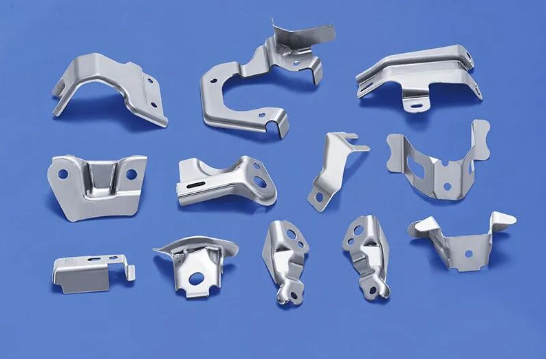
You've selected the right stamping process and material. But here's where many buyers stumble: specifying tolerances that balance quality requirements with manufacturing reality. Request tolerances that are too loose, and your parts won't function properly. Demand tolerances that are too tight, and you'll pay for precision you don't actually need.
Understanding what's achievable—and what drives costs up exponentially—separates informed buyers from those who learn expensive lessons during production.
Dimensional Tolerance Standards in Stamping
Dimensional tolerances govern the allowable variation in length, width, hole placement, and feature locations. According to Komacut's sheet metal tolerances guide, these specifications are among the most fundamental in sheet metal fabrication, ensuring components fit seamlessly during assembly.
What tolerances can you realistically expect? The answer depends on your process and material thickness:
| Tolerance Type | Standard Tolerance | High Precision Tolerance | Notes |
|---|---|---|---|
| Linear (X,Y) | ±0.45 mm (±0.018") | ±0.20 mm (±0.008") | Laser cutting baseline |
| Hole Diameter | ±0.45 mm (±0.018") | ±0.08 mm (±0.003") | Piercing operation dependent |
| Angular (Bends) | ±1.0 degree | ±0.5 degree | Material springback affects results |
| Bend Position | ±0.45 mm (±0.018") | ±0.20 mm (±0.008") | Cumulative tolerance considerations |
For precision metal stamping operations, tolerances tighten considerably. JV Manufacturing's technical documentation confirms that tight tolerance machining often means adhering to limits within ±0.001 inches or even tighter—leaving almost no room for error.
Several factors influence your achievable tolerances:
- Material consistency: Variations in thickness or hardness affect dimensional accuracy during cutting and forming
- Tooling precision: Die accuracy and wear directly impact part dimensions—poorly maintained tools cause deviations
- Cumulative build-up: In assemblies with multiple stamped parts, small variations can accumulate into significant misalignments
- Thermal effects: Heat from laser or plasma cutting causes expansion and contraction, impacting final dimensions
Flatness and Thickness Tolerance Realities
Flatness tolerances address deviations from a perfectly flat surface—critical for panels, enclosures, and any component where warping creates functional or cosmetic issues. Larger parts and thinner materials prove more susceptible to flatness problems.
What causes flatness deviations? According to Komacut's analysis, variations arise from inherent material stresses, processing methods, and handling during fabrication. Cutting processes like laser or plasma introduce localized heating that causes thermal distortion.
Thickness tolerances represent an often-overlooked specification. The raw material itself arrives with built-in variation—differences exist between sheets from the same batch, and even across different portions of the same sheet. This matters significantly for precision metal stamping parts in stacked assemblies or tight-clearance applications.
Material type dramatically affects thickness consistency:
| Material | Thickness Range | Narrow Sheet Tolerance | Wide Sheet Tolerance |
|---|---|---|---|
| Aluminum | 0.50-3.00 mm | ±0.03 to ±0.08 mm | ±0.05 to ±0.13 mm |
| Stainless Steel | 0.40-3.00 mm | ±0.025 to ±0.060 mm | ±0.030 to ±0.070 mm |
| Cold Rolled Steel (SPCC) | 0.60-6.00 mm | ±0.06 to ±0.20 mm | ±0.07 to ±0.22 mm |
| Carbon Steel (Q235) | 1.50-15.00 mm | ±0.17 to ±0.44 mm | ±0.19 to ±0.46 mm |
Cold-rolled steel delivers tighter thickness tolerances than hot-rolled due to more controlled processing. When your application demands consistent thickness for metal stamping components in precision assemblies, specify cold-rolled material—the added cost pays dividends in reduced assembly issues.
Precision Requirements by Industry Application
Different industries demand vastly different precision levels. Understanding these benchmarks helps you specify appropriate tolerances without over-engineering.
Aerospace metal stamping represents the most demanding environment. According to Die-Matic's aerospace stamping analysis, programs often demand tolerances as tight as ±0.001 inches, where even minor deviations can compromise part performance or assembly fit. Tooling wear, press alignment, and die design all require meticulous attention to maintain these standards consistently.
Medical metal stamping operates under similarly stringent requirements. Surgical instruments, implant components, and diagnostic device housings demand precision stamping products that meet FDA regulatory standards. Traceability, material certification, and dimensional verification become non-negotiable at every production stage.
Automotive applications balance precision with high-volume economics. Structural components, chassis brackets, and suspension parts typically require ±0.005" to ±0.010" tolerances—tight enough for reliable assembly, but achievable at production speeds. Interior trim and decorative components may permit looser specifications.
Electronics and connectors demand metal precision stamping at the micro-scale. Terminals, contacts, and shielding components often require tolerances under ±0.002" to ensure reliable electrical connections and proper mating with PCB assemblies.
How Part Geometry Affects Achievable Tolerances
Here's what many buyers overlook: the complexity of your part directly impacts what tolerances are achievable without astronomical costs.
Consider these geometry-tolerance relationships:
- Multiple bends accumulate error: Each bend introduces angular variation. A part with six bends may show cumulative deviation that a single-bend part would never experience
- Deep draws challenge consistency: As draw depth increases relative to diameter, material flow becomes less predictable, widening tolerance ranges
- Thin features distort: Narrow flanges, small tabs, and delicate features prove more susceptible to warping than robust geometries
- Hole proximity matters: Holes placed too close to edges or bends may distort during forming, affecting dimensional accuracy
Angular tolerances typically range from ±0.5° to ±1.0° for standard stamping operations. Smaller bend radii are more challenging to achieve with consistent accuracy, often requiring advanced tooling or compensation techniques.
Specifying Tolerances Intelligently
The goal isn't requesting the tightest possible tolerances—it's specifying the right tolerances for your functional requirements. Over-specification drives up costs through tighter process controls, more frequent inspection, higher rejection rates, and sometimes entirely different manufacturing approaches.
Practical guidance for tolerance specification:
- Define critical dimensions explicitly: Not every feature requires tight control. Identify which dimensions actually affect function or assembly
- Use standard tolerances where possible: Industry standards like ISO 2768 provide sensible defaults that manufacturers understand immediately
- Consult during DFM review: Experienced stamping manufacturers can advise which tolerances are achievable with standard tooling versus those requiring special measures
- Consider tolerance stack-up: In assemblies, individual part tolerances combine. Design with this accumulation in mind
- Account for material properties: Higher-strength materials spring back more, affecting angular accuracy. Factor this into your specifications
As Komacut emphasizes, working with experienced fabricators who understand process tradeoffs and how to optimize part design makes a significant difference in precision and quality outcomes.
The precision conversation ultimately connects to manufacturer capability. Before committing to production, verify your chosen sheet metal stamping manufacturer's quality systems, inspection equipment, and track record with similar tolerance requirements. Certifications and secondary operations tell that story—which brings us to the next critical evaluation factor.
Tooling Economics and Die Design Considerations
Here's the question that separates casual inquiries from serious manufacturing projects: how much will tooling cost, and when does that investment actually pay off? Most sheet metal stamping manufacturer websites dance around this topic, leaving buyers to discover the economics mid-project. Let's pull back the curtain on die costs, amortization math, and the decision points that determine whether stamping makes financial sense for your application.
Custom metal stamping dies represent your largest upfront investment in any stamping project. Unlike recurring material or labor costs, tooling is a one-time capital expense that must be justified across your total production volume. Get this calculation wrong, and you'll either overpay for unnecessary complexity or underinvest in tooling that fails prematurely.
Tooling Investment and Production Economics
What drives die costs? According to Mursix's cost analysis, custom die creation typically represents the most significant upfront expense in any stamping project, but once the die is made, the per-unit cost decreases significantly with higher production runs.
Think of tooling investment like purchasing manufacturing equipment—the more parts you produce, the lower each part's share of that initial expense. A $50,000 progressive die producing 10,000 parts adds $5.00 per unit in tooling cost. Produce 500,000 parts, and that drops to just $0.10 each.
The factors influencing your custom metal stamping die investment include:
- Part complexity: Simple blanking dies cost far less than progressive dies with multiple forming stations. A basic single-operation die might run $5,000-15,000, while complex progressive tooling can exceed $100,000
- Number of operations: Each forming, piercing, or bending station adds cost. Progressive dies with 15+ stations require substantially more engineering and precision manufacturing
- Material being stamped: Harder materials like stainless steel or high-strength alloys demand more wear-resistant (and expensive) die materials
- Tolerance requirements: Tighter tolerances require more precise die manufacturing, increasing both initial cost and ongoing maintenance needs
- Part size: Larger parts need larger presses and correspondingly larger dies, with material costs scaling accordingly
- Expected production volume: Dies intended for millions of cycles require premium steel grades and construction techniques
Here's the critical insight most suppliers won't volunteer: prototype stampings serve a different economic purpose than production tooling. Prototype tooling—often called "soft tooling"—uses less expensive materials and simpler construction to validate designs before committing to hardened production dies. Expect prototype die costs 30-60% lower than production equivalents, but with correspondingly limited life spans.
Die Design Fundamentals for Stamping Success
The custom die stamp you commission will outlive your project relationship with most suppliers—if it's designed correctly. Die construction determines not just part quality, but maintenance intervals, production speed, and ultimately your total cost of ownership.
Die materials matter enormously. Production dies typically use tool steels like D2, A2, or carbide inserts for wear surfaces. According to Keats Manufacturing's process comparison, progressive die stamping requires costly steel tooling—but that investment enables production runs of millions of consistent stamped steel parts.
Expected die life varies dramatically based on material, hardness, and lubrication:
- Mild steel stamping: Well-maintained dies can produce 500,000 to 2,000,000+ parts before requiring major rework
- Stainless steel stamping: Higher material hardness reduces die life to 200,000-500,000 cycles between maintenance intervals
- Aluminum stamping: Softer material extends die life, but galling requires careful lubrication management
- Copper and brass: Generally die-friendly materials with extended tooling life
Maintenance considerations add ongoing costs that buyers frequently overlook. Progressive dies require periodic sharpening of cutting edges, replacement of wear components, and inspection for stress fractures. Budget 5-15% of initial tooling cost annually for maintenance on high-volume production dies.
Heavy Stamping vs. High-Speed Stamping: Understanding the Distinction
Two stamping manufacturing approaches serve different application needs—and demand different tooling investments:
Heavy stamping uses high-tonnage presses (500-5,000+ tons) to form thick materials or large parts. Think automotive body panels, structural reinforcements, and industrial equipment housings. Dies for heavy stamping prioritize structural rigidity and wear resistance over cycle speed. Tooling costs run higher due to sheer material volume and precision requirements.
High-speed stamping optimizes for cycle rate—producing smaller stamped steel parts at 800-1,500 strokes per minute. Electronic connectors, battery contacts, and precision hardware typically emerge from high-speed operations. Dies require exceptional precision and balanced construction to withstand the inertial forces of rapid cycling.
The economic trade-off? Heavy stamping dies cost more per unit of press force, but high-speed dies demand more sophisticated engineering to maintain tolerance at extreme cycle rates. Your part requirements dictate which approach—and associated tooling investment—makes sense.
When Does Tooling Investment Make Economic Sense?
Stamping manufacturing delivers unbeatable per-unit economics at scale—but only after tooling investment is recovered. Here's how to evaluate whether stamping makes sense for your project:
Break-even analysis: Calculate total tooling cost, then determine per-unit savings versus alternative methods like laser cutting, CNC machining, or fabrication. Divide tooling investment by per-unit savings to find your break-even volume.
Example calculation:
- Progressive die cost: $45,000
- Stamped part cost: $0.85 each
- Laser-cut alternative: $3.50 each
- Per-unit savings: $2.65
- Break-even volume: 45,000 ÷ 2.65 = approximately 17,000 parts
If your total project volume exceeds 17,000 parts, stamping wins economically. Below that threshold, alternative methods may prove more cost-effective despite higher per-unit pricing.
Consider these decision factors:
- Projected total volume: Include all anticipated production runs, not just initial orders
- Part complexity: Complex geometries favor stamping as volumes increase; simple parts may never justify die investment
- Material thickness: Thin-gauge materials stamp efficiently; thick materials may find alternative processes competitive longer
- Tolerance requirements: Stamping delivers exceptional consistency—if your application demands it, the tooling investment provides ongoing value
- Timeline considerations: Die design and fabrication require 6-12 weeks. Urgent projects may not accommodate tooling lead times
As Mursix's analysis confirms, metal stamping is generally cost-effective for high-volume production, making it a great option for industries needing mass-produced, high-quality parts. The initial investment, while significant, amortizes into negligible per-unit overhead at production scale.
Understanding these tooling economics positions you to evaluate manufacturer quotes intelligently—comparing not just piece prices, but total project costs including tooling, maintenance, and secondary operations. Speaking of which, design decisions made early in development dramatically affect all these downstream costs.
Design for Manufacturability in Sheet Metal Stamping
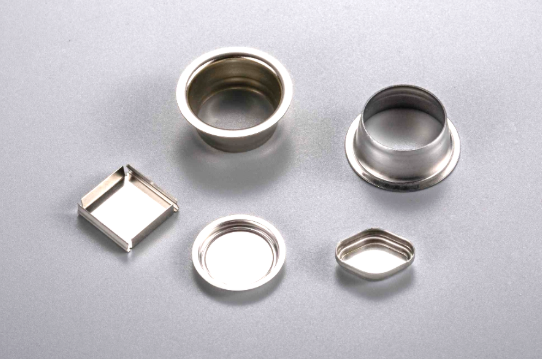
You've invested in tooling economics analysis. You've selected the right process and material. But here's where projects succeed or fail: the actual part design. Poor sheet metal stamping design choices create defects, inflate tooling costs, and cause production delays that no amount of manufacturer expertise can fully overcome.
Design for Manufacturability—DFM—isn't just engineering jargon. It's the practical discipline of designing parts that stamping processes can actually produce consistently, economically, and at the quality levels your application demands. According to Eigen Engineering's design guidelines, the success of a metal stamped part is achieved by balancing geometry, material behavior, tooling limitations, and production efficiency. When designers ignore these principles, they almost always encounter cracking, burrs, tool damage, and increased costs during mass production.
DFM Principles for Optimal Stamping Results
Every stamped sheet metal component must satisfy fundamental design rules that reflect how metal actually behaves under forming pressure. Ignore these, and you'll discover the problems during first-article inspection—or worse, during production.
Minimum bend radii determine whether your parts crack or form cleanly. The outer surface of material stretches during bending, creating tensile stress that can exceed material limits. According to Five Flute's DFM guide, designers should think of bend radii in terms of ratios relative to part thickness:
- Highly ductile materials (mild steel, soft aluminum): Minimum bend radius equal to or greater than material thickness
- Medium formability materials (stainless steel, brass): 1.5x to 2x material thickness
- Hard or tempered alloys (6061-T6 aluminum): 4x material thickness or greater
- Spring steels and high-strength alloys: May require 6x thickness or more
Hole sizing and placement prevent punch wear and part distortion. Holes that are too small relative to material thickness won't punch cleanly. Holes placed too close to edges or bends distort during forming operations.
Follow these custom sheet metal stamping guidelines for hole design:
- Minimum hole diameter: Equal to or greater than material thickness
- Hole-to-edge distance: At least 1.5x material thickness from any edge
- Hole-to-hole spacing: Minimum 2x material thickness between holes
- Hole-to-bend distance: 2.5x material thickness plus one bend radius from bend lines
Slots, notches, and tabs require proportional design. Features with extreme aspect ratios—very long and narrow, or very short and wide—create stress concentrations and manufacturing difficulties. Per Eigen Engineering's recommendations, balanced proportions improve structural stability and reduce breakage during stamping and handling.
- Slot width: Minimum 1.5x material thickness
- Tab width: At least 2x material thickness for adequate strength
- Notch depth: Avoid exceeding 5x the notch width to prevent tearing
Common Design Mistakes to Avoid
Manufacturing defects often trace back to design decisions rather than process errors. Understanding what goes wrong—and why—helps you design parts that form correctly the first time.
Cracking at bends occurs when bend radii are too tight for the material, when bends run parallel to material grain direction, or when features are placed too close to bend lines. The solution? Align critical bends perpendicular to grain direction whenever possible. According to Five Flute's analysis, bending perpendicular to grain makes parts less likely to fail destructively, while parallel bending significantly increases failure probability—particularly with high-strength steels and tempered alloys.
Springback creates dimensional inaccuracies when material partially recovers after forming. Higher-strength materials and work-hardened alloys spring back more than soft, annealed metals. Experienced die designers compensate by overbending, but the original part geometry must accommodate this reality.
Material distortion around features happens when holes, slots, or embosses are placed too close to each other, to edges, or to bends. The forming forces interact unpredictably, pulling material in multiple directions simultaneously. Adequate spacing—following the guidelines above—prevents this cascading distortion.
Burrs and poor edge quality result from worn tooling, incorrect punch-die clearances, or incompatible material selection. While these are manufacturing issues, designers can minimize burr risk by specifying appropriate tolerances and avoiding geometries that stress tooling excessively.
Over-tight tolerances inflate costs unnecessarily. As Eigen Engineering notes, unnecessary tolerance tightening often leads to secondary operations such as coining or machining—adding cost without improving functionality. Use standard tolerances wherever function permits.
Using Prototype Metal Stamping for Design Validation
Here's where smart buyers save significant money: validating designs through metal stamping prototype runs before committing to production tooling. Sheet metal prototype fabrication catches design issues when changes cost hundreds of dollars—not tens of thousands.
Prototype tooling serves a specific purpose: confirming that your design actually stamps correctly before investing in hardened production dies. Soft tooling made from pre-hardened steel or aluminum produces enough parts for functional testing, assembly verification, and design iteration at a fraction of production die cost.
What should prototype validation confirm?
- Formability: Does the material actually bend, draw, and form without cracking or excessive thinning?
- Dimensional accuracy: Do formed parts meet critical tolerances after springback?
- Assembly fit: Do stamped components mate correctly with other parts in the assembly?
- Surface quality: Are cosmetic surfaces acceptable, or do die marks require additional finishing?
- Feature integrity: Do holes, slots, and embosses form cleanly without distortion?
According to JV Manufacturing's design guide, collaborating with an experienced stamping provider during design—not after—represents a strategic decision that significantly impacts project success. Early DFM engagement identifies problems before tooling begins, reducing iterations and accelerating time-to-production.
The cost of a prototype stamping run typically represents 5-15% of production tooling investment. That modest expense can prevent complete die redesigns costing 50-100% of original tooling—plus the schedule delays that accompany starting over.
Before Releasing Your Design: The DFM Checklist
Before any stamped sheet metal design moves to tooling, confirm these fundamentals:
- Bend radii meet minimum requirements for your selected material and temper
- All holes and slots exceed minimum size thresholds
- Features maintain required distances from edges, bends, and each other
- Grain direction is specified for critical forming operations
- Tolerances are specified only where functionally necessary
- Material thickness and grade are compatible with intended forming operations
- Part geometry accommodates expected springback
- Prototype validation is planned before production tooling commitment
This design discipline separates projects that flow smoothly into production from those that stall in costly redesign cycles. Your sheet metal stamping manufacturer can advise on specific parameters—but arriving with a DFM-informed design accelerates those conversations and demonstrates engineering competence that earns better supplier engagement.
Quality Certifications and Secondary Operations
You've designed your part for manufacturability. You've validated tooling economics. But here's a critical factor most buyers overlook until problems emerge: does your prospective sheet metal stamping manufacturer hold the certifications your industry actually requires? And can they deliver finished components—not just raw stampings that need additional processing elsewhere?
Quality certifications aren't marketing fluff. They represent independently verified systems that ensure consistent outcomes, documented processes, and traceable production. Secondary operations transform raw stamped parts into assembly-ready components. Together, these capabilities separate manufacturers who deliver complete solutions from those who create headaches.
What IATF 16949 Means for Automotive Parts
If your automotive stamping parts are destined for vehicle production, IATF 16949 certification isn't optional—it's table stakes. This automotive-specific quality standard builds upon ISO 9001 but adds requirements that address the unique demands of vehicle manufacturing.
According to OGS Industries' certification documentation, while ISO 9001 centers on customer satisfaction, IATF 16949 goes further to ensure compliance with lean manufacturing, defect prevention, variance deterrence, waste reduction, and company-specific requirements.
What does this certification actually guarantee for your automotive metal stamping projects?
- Consistent quality: Processes are monitored and measured to maximize productivity and deliver consistent outcomes across production runs
- Reduced product variation: Reviewed and improved manufacturing processes ensure metal components consistently meet high-performance vehicle requirements
- Reliable supply chain: The certification establishes benchmarks for sourcing suppliers, creating stronger, more dependable partnerships
- Reduced waste: Streamlined processes and improved management systems minimize waste while meeting environmental initiatives
- Defect prevention: Production processes are tested and proven to meet product safety requirements while diminishing inefficiencies
For chassis, suspension, and structural components, IATF 16949 certification demonstrates that your supplier operates within the rigorous quality framework OEMs demand. Shaoyi (Ningbo) Metal Technology exemplifies this standard, delivering IATF 16949-certified quality metal stamping alongside comprehensive DFM support and 5-day rapid prototyping—capabilities that accelerate automotive supply chains while maintaining the certification standards major OEMs require.
Certification Requirements by Industry
Different industries impose different certification requirements—not as bureaucratic hurdles, but because each sector faces unique quality challenges that general manufacturing standards don't address.
Aerospace certification (AS9100) adds requirements for risk management, configuration control, and product safety that reflect the zero-defect expectations of flight-critical components. According to Die-Matic's aerospace analysis, aerospace manufacturers operate under rigorous quality standards including full lot traceability and audit-ready documentation. Missing or incomplete records can lead to part rejection or disqualification from critical programs.
Medical device manufacturing requires ISO 13485 certification, which focuses on regulatory compliance, sterility considerations, and patient safety documentation. Every stamped component must trace back to raw material lots with complete processing records.
General industrial applications typically require ISO 9001 as a baseline, ensuring documented quality management systems without industry-specific additions. This works fine for commercial equipment, consumer products, and applications without regulatory oversight.
Here's how certifications compare across major industries:
| Industry | Primary Certification | Key Requirements | What It Guarantees |
|---|---|---|---|
| Automotive | IATF 16949 | Defect prevention, lean manufacturing, supply chain management | Consistent parts meeting OEM specifications with documented traceability |
| Aerospace | AS9100 | Risk management, configuration control, full lot traceability | Flight-critical quality with complete documentation audit trails |
| Medical | ISO 13485 | Regulatory compliance, sterility, patient safety documentation | Components meeting FDA requirements with material traceability |
| General Industrial | ISO 9001 | Quality management systems, customer focus, continuous improvement | Documented processes and consistent manufacturing outcomes |
When evaluating any metal stamping service provider, verify their certifications match your industry requirements before requesting quotes. A manufacturer lacking your industry's required certification cannot supply production parts—regardless of their pricing or capabilities.
Secondary Operations: Transforming Stampings into Finished Components
Raw stamped parts rarely ship directly to assembly lines. Most require secondary operations that add functionality, improve appearance, or prepare surfaces for downstream processes. According to Dexter Stamping's capabilities documentation, finishing stamped parts requires strong follow-through across multiple processing steps.
Common secondary operations integrated with metal stamping services include:
- Deburring and edge finishing: Vibratory tumbling and barrel tumbling eliminate sharp edges and burrs that create handling hazards and assembly problems
- Washing and cleaning: Belt washers and solvent systems remove stamping oils and debris, preparing parts for plating or coating
- Tapping and threading: Dedicated tapping machines add internal threads to holes, enabling fastener attachment
- Plating and coating: Zinc, nickel, chrome, and specialty platings provide corrosion protection and cosmetic finishes. E-coat delivers consistent coverage on complex geometries
- Heat treatment: Controlled heating and cooling cycles adjust hardness and rigidity for spring applications or wear resistance
- Brazing and welding: Joining operations combine stamped components into finished assemblies
- Assembly: Integration of hardware, fasteners, or mating components creates ready-to-install subassemblies
Why does integrated secondary processing matter? Every time parts transfer between facilities, you add lead time, transportation cost, handling damage risk, and coordination complexity. A stamping services provider managing the complete process—from blank to finished assembly—eliminates these friction points.
The Value of Integrated Prototyping-to-Production Services
Imagine this scenario: you've completed prototype validation with one supplier, qualified production tooling with another, and arranged secondary operations through a third party. Now a design change emerges. You're coordinating revisions across three organizations, each with different engineering contacts, quality systems, and communication protocols.
Contrast this with integrated services where a single quality metal stamping partner manages everything from initial prototyping through production and secondary processing. Design changes flow through one engineering team. Quality documentation follows one system. Accountability rests in one relationship.
The practical advantages of this integration include:
- Accelerated development cycles: No coordination delays between prototype and production phases
- Design continuity: Lessons learned during prototyping transfer directly to production tooling
- Simplified quality management: One certification system covers the entire manufacturing process
- Reduced logistics complexity: Parts don't ship between multiple facilities for different operations
- Single-source accountability: Quality issues have one point of resolution
This integration becomes particularly valuable in automotive stamping where supply chain efficiency directly impacts vehicle production schedules. Suppliers offering rapid prototyping alongside automated mass production—with certified quality systems governing both—provide the responsiveness and reliability that automotive programs demand.
Evaluating Certification and Service Integration
When assessing potential stamping partners, look beyond the certification logos on their website. Ask these specific questions:
- Is your certification current? Certifications require annual surveillance audits and periodic recertification. Request certificate copies showing valid dates
- Does certification cover my specific parts? Some manufacturers hold certifications for limited product lines. Confirm your components fall within certified scope
- Which secondary operations are performed in-house? Outsourced operations add lead time and reduce control over quality
- Can you provide complete traceability documentation? For regulated industries, verify the manufacturer's documentation meets your compliance requirements
- How do prototype learnings transfer to production? Understanding this handoff reveals integration quality
The certification and secondary operation discussion reveals more than manufacturing capability—it exposes how seriously a stamping services provider approaches quality management and customer service. Manufacturers who invest in certifications and integrated processing demonstrate commitment to outcomes that extend beyond simply shipping parts.
With quality systems and processing capabilities evaluated, the final consideration becomes economics—understanding what drives stamping project costs and how to evaluate manufacturer proposals intelligently.
Cost Factors and Pricing Considerations
Here's the question every buyer asks but few suppliers answer directly: what will this actually cost? Understanding stamping project economics prevents sticker shock, enables intelligent quote comparisons, and helps you determine whether stamping even makes sense for your volume and application. Let's break down exactly what drives pricing—and how to evaluate proposals like a seasoned procurement professional.
Understanding Stamping Project Cost Drivers
Every custom metal stamping quote reflects the interplay of multiple cost factors. According to ZZZ Metalworking's cost analysis, understanding these variables helps you make informed decisions when choosing materials, designing parts, and determining production volumes.
The primary cost drivers affecting your metal stamped part pricing include:
- Material costs: Different metals carry different price tags. Aluminum generally costs less than stainless steel. Material thickness matters too—thicker sheets require more raw material and prove more challenging to stamp, increasing per-unit costs
- Tooling investment: Custom die creation represents the most significant upfront expense. According to Staub Manufacturing's analysis, tooling costs alone typically reach tens of thousands of dollars—raising the stakes when making outsourcing decisions
- Part complexity: Simple, straightforward designs cost less to produce. Complex geometries with multiple bends, deep draws, or intricate patterns require advanced tooling and additional operations—each adding expense
- Tolerance requirements: Tighter tolerances demand more accurate tooling, better-controlled production processes, and more frequent quality inspections. A part requiring ±0.001 inches costs significantly more than one allowing ±0.01 inches
- Surface finish specifications: Basic unfinished surfaces are cheapest. Polished, painted, or plated finishes add processing steps, equipment, materials, and labor
- Secondary operations: Deburring, tapping, plating, heat treatment, and assembly all add cost beyond the basic stamping operation
- Labor and overhead: Skilled operators, facility costs, utilities, and equipment maintenance factor into every quote
Here's what many buyers miss: material quality affects more than just durability. High-grade materials with better tensile strength or improved surface finish command premium pricing—but may reduce secondary finishing costs and improve end-product performance.
Volume Thresholds and Unit Economics
Production volume fundamentally changes stamping economics. When you're producing small quantities, per-unit costs run higher because tooling expense spreads across fewer parts. Increase volume, and that fixed investment dilutes dramatically.
Consider this economic reality: a $50,000 progressive die adds $50 per unit when producing 1,000 parts. Produce 100,000 parts, and tooling contribution drops to just $0.50 each. At 500,000 units, it's essentially $0.10—virtually negligible.
But when does stamping actually become cost-effective versus alternatives? According to Staub Manufacturing's fabrication comparison, the traditional assumption that stamping requires massive volumes is shifting. Modern laser cutting systems can now support production volumes around 30,000—even up to 50,000 annual units—volumes traditionally reserved only for stamping.
The decision framework looks like this:
- Low volume metal stamping (under 5,000 units): Tooling costs often cannot be justified. Laser cutting, CNC machining, or fabrication may deliver better economics despite higher per-unit prices
- Short run metal stamping (5,000-25,000 units): The transition zone where break-even calculations become critical. Part complexity and geometry heavily influence whether stamping wins
- Medium volume (25,000-100,000 units): Stamping typically becomes clearly advantageous for suitable geometries. Tooling investment amortizes into reasonable per-unit contributions
- High volume stamping shop production (100,000+ units): Stamping delivers unmatched economics. Per-unit tooling costs become negligible, and production speed advantages compound savings
However, volume alone doesn't tell the complete story. A high volume stamping shop can produce hundreds of thousands of parts annually, but design stability matters too. According to Staub's analysis, stamping is inherently inflexible—once the die is set, design changes cannot be made without tooling revisions and their associated costs. If your product undergoes frequent engineering updates, the flexibility of laser cutting may outweigh stamping's per-unit advantages.
Prototyping Costs vs. Production Pricing
Custom metal stamping services typically offer two distinct pricing structures: prototype tooling for design validation and production tooling for volume manufacturing.
Prototype tooling uses less expensive materials and simpler construction—expect costs 30-60% lower than production equivalents. The trade-off? Limited die life, perhaps 5,000-10,000 parts before significant wear. This investment validates your design before committing to hardened production dies.
Production tooling demands premium tool steels, precision manufacturing, and construction designed for millions of cycles. Higher upfront cost, but dramatically lower per-unit economics at scale.
Smart buyers approach this in stages:
- Phase 1: Prototype tooling investment validates design and process
- Phase 2: Production tooling commitment once design is frozen
- Phase 3: Volume production with optimized per-unit costs
Skipping prototype validation to save upfront cost often backfires—production die modifications typically cost 50-100% of original tooling investment.
Evaluating Quotes and Comparing Proposals
When custom metal stampings quotes arrive, comparing apples-to-apples requires understanding what's actually included—and what's hidden. According to Die-Matic's cost reduction analysis, partnering with the right manufacturer brings strategic advantages beyond basic stamping capability.
Evaluate proposals across these dimensions:
- Tooling ownership: Do you own the dies, or does the manufacturer retain them? Ownership affects your flexibility to move production later
- Tooling maintenance: Is ongoing die maintenance included in piece pricing, or billed separately? Hidden maintenance charges inflate true costs
- Secondary operations: Are finishing, plating, and assembly included or quoted separately? Bundled services often cost less than coordinating multiple vendors
- Material sourcing: Does the quote assume manufacturer-sourced material at markup, or can you supply? Bulk purchasing leverage matters at volume
- Minimum order quantities: What happens when you need a partial run? Minimum charges and setup fees affect flexibility
- Lead time guarantees: Faster delivery often costs more—understand the trade-offs
- Quality documentation: Inspection reports, material certifications, and traceability documentation may carry additional charges
The lowest piece price doesn't always represent the lowest total cost. A manufacturer with in-house tooling capabilities, integrated secondary operations, and value-added services eliminates coordination complexity and reduces logistical costs that outsourcing creates.
Request detailed quote breakdowns showing tooling, material, stamping, secondary processing, and inspection as separate line items. This transparency enables meaningful comparison and identifies where costs concentrate—often revealing optimization opportunities before production begins.
Understanding these cost dynamics positions you to negotiate effectively and select partners based on total value rather than misleading piece-price comparisons. But knowing costs is only half the equation—evaluating manufacturer capabilities determines whether those costs translate into quality outcomes.
How to Evaluate and Select a Stamping Manufacturer
You've mastered the technical knowledge—stamping processes, material selection, tolerances, tooling economics, and cost factors. Now comes the decision that determines whether all that knowledge translates into successful production: choosing the right metal stamping manufacturer to execute your project.
This decision extends far beyond comparing piece prices. The wrong partner creates headaches that cascade through your entire supply chain—missed deadlines, quality escapes, communication breakdowns, and engineering conflicts. The right partner becomes a strategic asset that accelerates development, solves problems proactively, and delivers consistent results year after year.
So how do sophisticated buyers separate exceptional metal stamping manufacturers from those who merely claim excellence? They evaluate systematically across criteria that most purchasing decisions overlook.
Critical Evaluation Criteria for Stamping Partners
When searching for a custom metal stamping company, resist the temptation to lead with price. According to Banner Metals Group's selection framework, choosing a metal stamping partner affects not just the quality of your products but also the efficiency of your operations and your business's bottom line.
Here's a prioritized evaluation checklist that experienced procurement professionals use:
- Quality management systems: Ask about their Quality Management System (QMS) and the technology used to monitor quality. Inquire about measurement capabilities, who holds responsibility for quality decisions, and whether they maintain a dedicated Quality Lab. Verify certifications match your industry requirements—IATF 16949 for automotive, AS9100 for aerospace, ISO 13485 for medical
- Engineering and DFM support: Can they provide design recommendations that help avoid defects and future expenses? According to Birmingham Specialities' evaluation guidance, your metal stamping partner should offer bespoke services, designing parts based on step-by-step metal stamping process knowledge. Shaoyi (Ningbo) Metal Technology exemplifies this approach, providing comprehensive DFM support that identifies manufacturability issues before tooling investment—preventing costly redesigns that plague poorly supported projects
- Prototyping capabilities: How quickly can they validate designs? Rapid prototyping separates partners who accelerate development from those who slow it down. Shaoyi delivers 5-day rapid prototyping—a benchmark that enables design iteration without schedule penalties. Custom metal stamper partners lacking prototype capabilities force you to coordinate with separate vendors, adding complexity and delay
- Quote turnaround time: Responsiveness during quoting predicts responsiveness during production. If a precision metal stamping company takes two weeks to return a quote, imagine their pace when problems arise mid-production. Shaoyi's 12-hour quote turnaround demonstrates the engineering bandwidth and customer focus that drive operational excellence throughout the relationship
- Production capacity and flexibility: Determine their open capacity, willingness to invest in additional equipment, and capability to respond to emergency orders or rapid demand increases. Can they scale from prototype quantities to automated mass production without changing suppliers?
- Delivery performance: Understand how they define on-time delivery and request their rolling 12-month performance metrics. Manufacturers who track and share delivery data take commitments seriously
- Communication and availability: Ensure they're accessible when problems arise—24/7/365 availability with multiple contact methods indicates customer-focused operations. Experienced, stable contacts matter more than call center responses
This evaluation sequence prioritizes factors that determine project success over factors that merely affect cost. A lower price from a poorly equipped manufacturer costs more than a fair price from a capable partner—measured in quality escapes, schedule delays, and engineering rework.
Red Flags When Vetting Manufacturers
Knowing what to look for helps, but recognizing warning signs prevents costly mistakes. These red flags signal potential problems that justify deeper investigation—or elimination from consideration:
- Vague quality documentation: If they can't clearly explain their quality systems, measurement protocols, or certification scope, their actual quality discipline likely matches their communication quality
- Reluctance to share performance metrics: According to Banner Metals Group's guidance, manufacturers should benchmark their delivery performance and share rolling results. Refusal to provide data suggests unflattering numbers
- No in-house tooling capability: According to Birmingham Specialities' analysis, integrating in-house tooling design and development grants enhanced authority over part and process quality. Manufacturers outsourcing all tooling lose control over a critical success factor
- Limited material experience: Your manufacturer should work with a wide range of materials and suggest the best options for your project. Narrow material expertise limits their ability to optimize your design
- Poor communication during evaluation: Delays, unanswered questions, and unclear responses during the sales process predict operational communication problems. Customer service quality during prospecting rarely improves after you become a customer
- Missing secondary operation capabilities: Manufacturers offering only stamping—requiring you to coordinate plating, heat treatment, and assembly elsewhere—add logistical complexity and dilute accountability
- No prototyping path: Partners unable to support prototype validation force you to commit production tooling investment before confirming designs work
When searching for metal stamping near me or evaluating metal stamping companies near me, proximity offers advantages for site visits, sample inspection, and logistics—but capability trumps geography. A distant partner with superior engineering support outperforms a local shop lacking technical depth.
The Complete Buyer Journey: From Education to Selection
You've traveled a comprehensive path through this guide—from understanding what stamping actually is, through process selection, material considerations, tolerance specifications, tooling economics, DFM principles, quality certifications, cost factors, and now manufacturer evaluation.
This knowledge positions you differently than buyers who approach manufacturers knowing only that they need stamped parts. You can ask informed questions, evaluate responses critically, and recognize whether proposed solutions actually fit your requirements.
Here's how that knowledge translates into selection advantage:
- Process knowledge lets you verify manufacturers recommend appropriate stamping methods—not just whatever they happen to specialize in
- Material understanding enables you to evaluate whether their material suggestions optimize performance and cost—or simply reflect inventory convenience
- Tolerance awareness helps you specify appropriately and recognize when manufacturers claim capabilities beyond realistic limits
- Tooling economics insight positions you to evaluate quotes intelligently, understanding what drives costs and where optimization opportunities exist
- DFM principles let you arrive with designs that demonstrate engineering competence—earning better engagement from manufacturer engineering teams
- Certification knowledge ensures you verify the quality systems your industry actually requires, not just accept whatever logos appear on websites
- Cost factor understanding enables meaningful quote comparison beyond misleading piece-price fixation
Armed with this foundation, your manufacturer conversations shift from passive receiving to active collaboration. You're positioned to evaluate whether a precision metal stamping company genuinely serves your interests—or simply tells you what you want to hear.
Making the Final Selection Decision
After evaluating candidates against these criteria, narrow your consideration set to manufacturers who demonstrate genuine capability alignment with your project requirements. Then validate through these final steps:
- Request reference contacts: Speak with current customers in similar industries or with comparable project complexity. Ask specifically about problem resolution, not just routine performance
- Visit the facility: On-site visits reveal organizational discipline, equipment condition, and cultural factors that quotes cannot convey
- Start with a prototype project: Before committing major production volume, validate the working relationship through a smaller engagement. How they handle prototype challenges predicts production performance
- Evaluate engineering engagement: During initial discussions, assess whether their engineers actively contribute design improvements—or simply quote whatever you submit
According to Birmingham Specialities' partnership guidance, an ideal metal stamping partner goes beyond merely providing stamping capabilities—they offer comprehensive assistance including design, engineering, manufacturing, and finishing. This full-service approach shortens production timelines and reduces production costs.
The manufacturer you select becomes an extension of your engineering and production capabilities. Choose a partner whose quality systems, communication responsiveness, and technical depth match the standards you maintain internally. That alignment transforms transactional vendor relationships into strategic partnerships that compound value over time.
Your stamped components are only as good as the manufacturer producing them. Invest the evaluation effort that this critical decision deserves.
Frequently Asked Questions About Sheet Metal Stamping Manufacturers
1. What is metal stamping and how does it work?
Metal stamping is a cold-forming manufacturing process that uses specialized dies and high-pressure presses to transform flat metal sheets into three-dimensional components. The process involves positioning metal sheets within a press, applying tremendous force through custom-designed tooling, and permanently shaping the material into complex geometries including bends, curves, cutouts, and embossed features. Modern high-speed presses can achieve 1,500 strokes per minute, producing millions of identical parts with remarkable consistency.
2. How do I choose the right stamping process for my project?
Process selection depends on four key factors: part geometry, production volume, material specifications, and budget. Progressive die stamping suits high-volume production of simple-to-moderate parts on carrier strips. Transfer die stamping handles larger parts with deeper draws and complex geometries. Deep draw stamping creates seamless cup-shaped components. Fourslide stamping offers lower tooling costs for parts with multi-directional bends. Matching your project requirements to these process capabilities ensures optimal cost-efficiency and quality outcomes.
3. What certifications should a metal stamping manufacturer have?
Required certifications depend on your industry. Automotive applications require IATF 16949 certification, which ensures defect prevention, lean manufacturing, and supply chain management. Aerospace components need AS9100 for risk management and full lot traceability. Medical device manufacturing demands ISO 13485 for regulatory compliance and patient safety documentation. General industrial applications typically require ISO 9001 as a baseline. Always verify certification validity and scope before committing to production.
4. What factors affect the cost of metal stamping?
Major cost drivers include material type and thickness, custom tooling investment, part complexity, tolerance requirements, surface finish specifications, secondary operations, and production volume. Tooling represents the largest upfront expense, ranging from $5,000 for simple dies to over $100,000 for complex progressive tooling. However, per-unit costs decrease dramatically at higher volumes as tooling investment amortizes. Understanding break-even volume calculations helps determine when stamping becomes more economical than alternatives like laser cutting.
5. How do I evaluate and select a reliable sheet metal stamping manufacturer?
Prioritize quality management systems and relevant certifications first. Evaluate engineering and DFM support capabilities, prototyping speed, and quote turnaround time as indicators of responsiveness. Assess production capacity, delivery performance metrics, and communication availability. Red flags include vague quality documentation, reluctance to share performance data, no in-house tooling capability, and poor communication during evaluation. Companies like Shaoyi offering 5-day rapid prototyping, 12-hour quote turnaround, and comprehensive DFM support demonstrate the operational excellence that predicts long-term partnership success.