 Small batches, high standards. Our rapid prototyping service makes validation faster and easier —
  EN
EN


Protolabs CNC Decoded: Materials, DFM Tips, And Faster Turnarounds
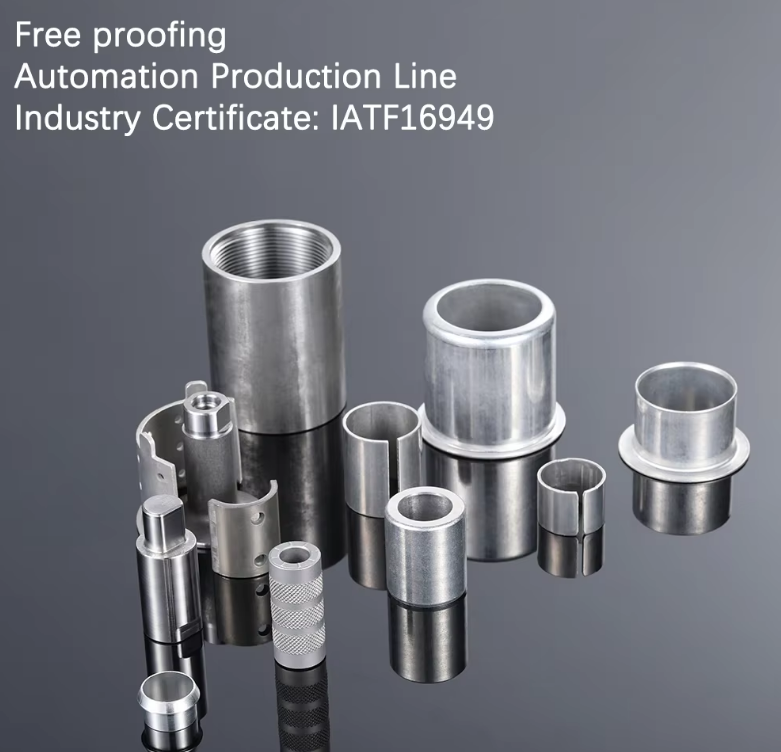
Understanding CNC Machining and How It Works
Ever wondered how complex metal parts get manufactured with such incredible precision? The answer lies in a technology that has revolutionized modern manufacturing: CNC machining. But what is CNC, exactly? Let's break it down in simple terms before diving into more advanced topics like material selection and design optimization.
From Digital Design to Physical Part
So, what does CNC stand for in manufacturing? CNC stands for "computer numerical control"—a process where computerized systems direct machine tools to shape raw materials into precision components. Unlike manual machining, where an operator physically guides cutting tools, CNC systems follow pre-programmed instructions to execute operations with exceptional accuracy.
Here's how the journey from digital concept to finished part unfolds:
- CAD Design Creation: Engineers develop detailed 2D or 3D models using computer-aided design software, defining exact dimensions, geometries, and tolerances.
- CAM Programming: The design file converts into machine-readable code (typically G-code) that tells the equipment exactly where, when, and how to move.
- Machine Setup: Operators secure the raw material (called the workpiece) and install appropriate cutting tools.
- Automated Execution: The CNC machine removes material layer by layer, transforming stock into the finished component.
The Computer-Controlled Manufacturing Revolution
How does CNC machining work to achieve such remarkable consistency? The magic happens through precise coordination between software and hardware. According to industry sources, modern CNC systems can achieve tolerances within ±0.005 inches (0.127 mm)—roughly twice the width of a human hair.
The core machining operations you'll encounter include:
- Milling: Rotating multi-point cutting tools remove material to create flat surfaces, pockets, slots, and complex contours. This versatile operation handles everything from simple face cuts to intricate 3D geometries.
- Turning: The workpiece rotates while stationary cutting tools shape cylindrical features. CNC lathes excel at producing shafts, pins, and components with external or internal threads.
- Drilling: Multi-point drill bits create precise cylindrical holes, with advanced operations including counterboring, countersinking, and tapping for threaded holes.
- Multi-Axis Operations: Five-axis systems add rotational capabilities, enabling access to multiple part surfaces in a single setup—critical for complex aerospace and medical components.
Why Precision Matters in Modern Production
Imagine you're manufacturing a component that must fit perfectly with dozens of other parts in a jet engine or medical device. Even microscopic variations could mean catastrophic failure. This is where CNC machining truly shines.
The technology enables manufacturers to achieve micron-level precision consistently across thousands of identical parts. As noted by YCM Alliance, advanced CNC systems can maintain tolerances within ±0.0001 inches for critical applications—eliminating the human error inherent in manual operations.
Whether you're prototyping a single component or running production quantities, understanding these fundamentals helps you communicate effectively with machining partners and make informed decisions about your project requirements. With this foundation in place, you'll be better equipped to navigate material selection, design optimization, and service provider comparisons in the sections ahead.
Protolabs CNC Services and Platform Overview
Now that you understand the fundamentals of CNC machining, let's explore one of the major players in the digital manufacturing space. Protolabs CNC services represent a distinct approach to precision parts manufacturing—one built around automation, speed, and online accessibility. But what exactly sets this platform apart, and how does it fit into the broader landscape of machining service providers?
Digital-First Manufacturing Model
Protolabs operates on what they call a "digital thread" approach to manufacturing. Unlike traditional machine shops where quotes might take days and involve back-and-forth phone calls, their entire process—from quoting to cutting—flows through an automated digital system.
Here's how their model works in practice:
- Automated Quote Generation: Upload a 3D CAD file and receive pricing within hours rather than days.
- Standardized Processes: Fixed toolsets and established workflows reduce setup times and minimize surprises.
- 24/7 Production: Their network of over 500 machining centers runs around the clock, enabling faster turnarounds.
- ISO Certifications: The company holds ISO 9001:2015, ISO 13485, and AS9100D certifications, along with ITAR registration for defense-related projects.
This digital-first philosophy means protolabs machining services can deliver parts in as fast as one day—a timeline that would be impossible with conventional quote-review-revise cycles.
Rapid Prototyping to Production Capabilities
One question engineers frequently ask: Can the same provider handle both my prototype and eventual production run? With Protolabs CNC services, the answer is generally yes—though with some nuances worth understanding.
Their service structure breaks down into two primary tiers:
| Capability | Prototyping Focus | Production Focus |
|---|---|---|
| Primary Use Case | Design iteration and validation | Higher volumes with cost optimization |
| Typical Lead Times | As fast as 1 day | Varies based on quantity |
| Tolerances Available | Standard: ±0.005 in. (0.13mm) | Down to ±0.001 in. (0.020mm) via network |
| Pricing Model | Speed-optimized | Volume discounts available |
| Finishing Options | Basic anodizing and plating | Expanded options through partners |
For cnc prototype machining, their automated systems excel at rapid iteration. You can upload a revised design, get instant feedback, and have updated parts within days. As volumes increase, their Protolabs Network—a vetted group of manufacturing partners—provides additional capacity and enhanced capabilities.
Online Quoting and Design Analysis Tools
Perhaps the most distinctive feature of protolabs machining is their interactive quoting system. When you upload a CAD file, you don't just receive a price—you get detailed manufacturability analysis that highlights potential issues before any metal gets cut.
Their automated Design for Manufacturability (DFM) feedback addresses common problems like:
- Feature accessibility: Can the cutting tools actually reach all areas of your design?
- Wall thickness concerns: Are any sections too thin for reliable machining?
- Undercut detection: Which features might require special fixturing or multi-axis operations?
- Threading specifications: Are requested threads within their standard capabilities (UNC, UNF, and metric from #2 to 0.5 in., or M2 to M12)?
This real-time feedback loop represents a significant departure from traditional workflows where manufacturability issues might not surface until weeks into production planning.
For Protolabs tolerances, their standard machining capability holds ±0.005 in. (0.13mm) without requiring technical drawings. When tighter specifications are needed, they support high-requirement tolerances down to ±0.0005 in. (0.01mm) on specified hole and bore features—though these require formal drawings at upload.
Whether you're exploring cnc prototyping for initial design validation or scaling toward production quantities, understanding these platform capabilities helps you determine if this digital manufacturing approach aligns with your project requirements. The next section dives into material selection—a critical decision that significantly impacts both cost and lead time regardless of which service provider you choose.
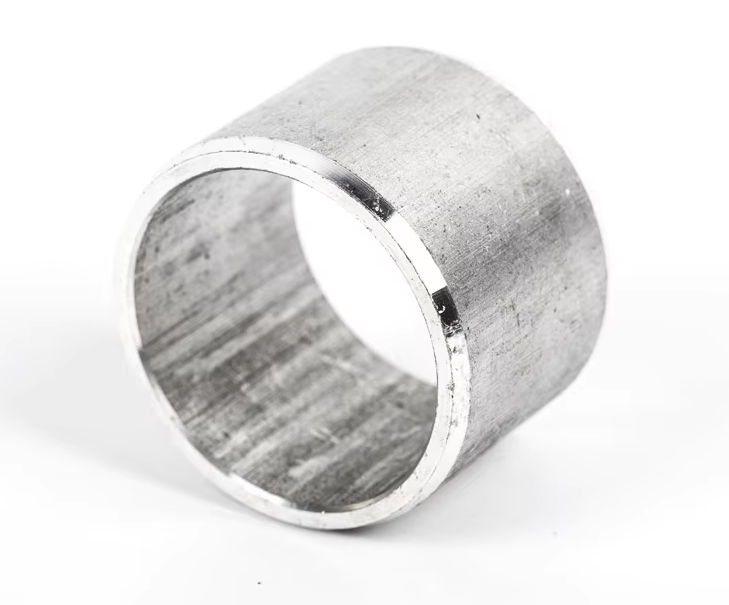
CNC Machining Materials Selection Guide
You've designed a brilliant component and found a capable machining partner—but which material should you actually use? This decision affects everything from part performance to project cost and lead time. Rather than simply listing property tables, let's explore how to match materials to your specific application requirements.
Metals for Strength and Durability Applications
When your project demands structural integrity, thermal resistance, or electrical conductivity, metals are typically the go-to choice. But with options ranging from budget-friendly aluminum to premium titanium, understanding the trade-offs becomes essential.
Aluminum Alloys: The workhorse of CNC machining materials, aluminum combines excellent machinability with respectable strength-to-weight ratios. According to JLCCNC's material analysis, Aluminum 6061 comes out as the best overall performer for general-use parts where moderate strength and low cost matter most. Its machinability index of approximately 90 (compared to free-machining steel at 100) means shorter cycle times and reduced tool wear—translating directly to lower part costs.
Stainless Steel: Need corrosion resistance or food-grade compliance? Stainless steel justifies its higher machining cost when durability or hygiene is paramount. Grades like 304 and 316 offer excellent chemical resistance, though their lower machinability (around 45-50) means longer production times and increased tooling expenses.
Brass: For components requiring both aesthetics and functionality, brass strikes an ideal balance. Its exceptional machinability rating of approximately 100 makes it perfect for small-batch production, decorative hardware, and electrical connectors. The material machines quickly with minimal burrs, reducing secondary finishing operations.
Titanium: Here's where cost-benefit analysis gets interesting. Titanium offers unmatched strength-to-weight performance and biocompatibility—critical for aerospace and medical implants. However, its machinability index of just 22 means significantly longer cycle times, specialized tooling, and premium pricing. Titanium is only cost-effective in industries where performance demands override all else.
Engineering Plastics for Lightweight Solutions
When weight reduction, electrical insulation, or chemical resistance takes priority, engineering plastics offer compelling alternatives to metals. But what is delrin, and how does it compare to other options?
Delrin (Acetal/POM): Delrin plastic—also known as acetal plastic or POM (polyoxymethylene)—represents one of the most versatile engineering thermoplastics for machining. This delrin material offers excellent dimensional stability, low friction coefficients, and outstanding machinability. You'll find it in gears, bushings, conveyor components, and anywhere requiring smooth, wear-resistant surfaces.
Nylon for Machining: Nylon delivers impressive strength and impact resistance at relatively low cost. It absorbs moisture, which can affect dimensional stability in humid environments—something to consider for precision applications. Common uses include structural brackets, cable ties, and components requiring fatigue resistance.
Polycarbonate (PC): Need optical clarity combined with impact resistance? Polycarbonate PC provides exceptional toughness—roughly 250 times stronger than glass—while remaining transparent. It's ideal for protective covers, lenses, and display components. However, it scratches more easily than acrylic and requires careful machining to prevent stress cracking.
Acrylic (PMMA): For purely optical applications, acrylic offers superior clarity and scratch resistance compared to polycarbonate. It machines cleanly and polishes to a glass-like finish, making it perfect for signage, display cases, and decorative elements. The trade-off? Lower impact strength than polycarbonate.
Matching Material Properties to Project Requirements
Selecting the right material isn't about finding the "best" option—it's about finding the best fit for your specific requirements. Consider these decision factors:
| Material | Typical Applications | Machinability Rating | Cost Considerations |
|---|---|---|---|
| Aluminum 6061 | Structural brackets, housings, heat sinks | High (~90) | Low raw cost + fast machining = best value for general use |
| Stainless Steel 304/316 | Medical devices, food processing, marine hardware | Moderate (~45-50) | Higher material + longer cycle times; justified for corrosion resistance |
| Brass | Electrical connectors, decorative hardware, valves | Excellent (~100) | Moderate material cost offset by rapid machining |
| Titanium | Aerospace components, medical implants, high-performance parts | Low (~22) | Premium pricing; reserve for performance-critical applications |
| Delrin (Acetal) | Gears, bushings, bearing surfaces, precision components | Excellent | Moderate; excellent value for wear-resistant plastic parts |
| Nylon | Structural brackets, cable management, impact-resistant parts | Good | Low material cost; consider moisture absorption effects |
| Polycarbonate | Protective covers, transparent housings, lenses | Moderate | Higher than acrylic; justified for impact resistance needs |
| Acrylic | Display components, signage, optical elements | Good | Economical for optical clarity applications |
How Material Choice Impacts Lead Time and Pricing:
Your material selection directly influences both cost per part and production timeline. Here's the relationship to keep in mind:
- High machinability materials (aluminum, brass, delrin) mean faster cutting speeds, less tool wear, and shorter lead times.
- Exotic materials (titanium, PEEK, Inconel) require specialized tooling, slower feeds, and more machine time—often doubling or tripling production costs.
- Stock availability matters: common materials ship faster than specialty alloys that may require special ordering.
- Post-processing requirements vary by material—some need heat treatment, plating, or specialized finishing that adds time and cost.
When does titanium's premium cost make sense? Reserve it for applications where weight savings translate to significant value (aerospace fuel efficiency), where biocompatibility is non-negotiable (implants), or where extreme environments demand it (marine, chemical processing). For most prototypes and general mechanical components, aluminum or stainless steel delivers comparable performance at a fraction of the cost.
With your material selection strategy in place, the next critical factor is ensuring your design can actually be manufactured efficiently. Let's explore the design principles that separate smooth production runs from costly redesign cycles.
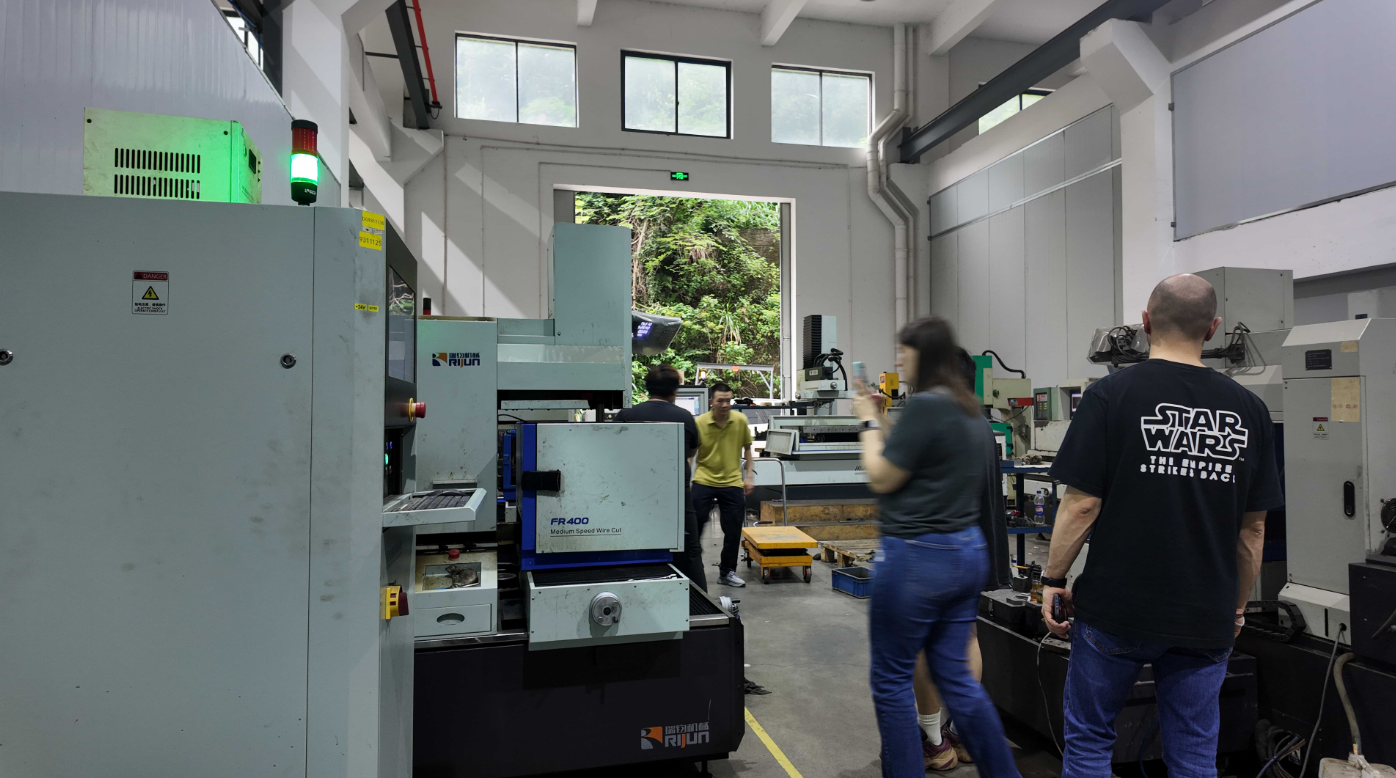
Design for CNC Machining Best Practices
You've selected the perfect material and found a capable machining partner—but here's a question that trips up even experienced engineers: Is your design actually manufacturable? The choices made during the design phase ripple through every subsequent manufacturing step. According to Modus Advanced's engineering guide, effective design for manufacturability (DFM) implementation can reduce manufacturing costs by 15-40% and cut lead times by 25-60% compared to non-optimized designs.
Let's break down the specific design principles that separate smooth production runs from costly delays when creating cnc machined components.
Wall Thickness and Structural Integrity Rules
Thin-walled workpieces are susceptible to vibration and deformation during machining—a reality that catches many designers off guard. When cutting tools engage thin sections, the material can flex, chatter, or even crack, resulting in scrapped parts and extended lead times.
Here's what you need to know about wall thickness requirements:
- Minimum metal wall thickness: For aluminum, maintain at least 0.5mm (0.020 in.); for steel and stainless steel, aim for 0.8mm (0.031 in.) minimum.
- Plastic components: Engineering plastics like delrin and nylon require thicker walls—typically 1.0mm (0.040 in.) or more—due to lower rigidity.
- Aspect ratio considerations: Very long, thin features (high length-to-thickness ratios) require additional clamping and slower cutting speeds, reducing production rates significantly.
- Adjacent pocket depths: When designing deep pockets next to thin walls, the wall's unsupported height creates deflection risk. Consider adding internal ribs or redesigning pocket depths.
The fix is straightforward: design for cnc machining by increasing wall thicknesses wherever functionally acceptable. Even adding 0.5mm can dramatically improve machinability and reduce your quote by eliminating special handling requirements.
Optimizing Hole Designs for Machinability
Holes seem simple, but they're a frequent source of manufacturing complications. Understanding what is the tolerance for thread holes—and the relationship between hole depth, diameter, and location—helps you avoid common pitfalls in the cnc machining process.
Hole Depth-to-Diameter Ratios:
Standard drill bits struggle with deep, narrow holes. As a general rule:
- Keep hole depth no more than 4× the diameter for standard operations
- Depths beyond 10× diameter require specialized tooling and significantly increase costs
- Through-holes are almost always faster and cheaper than blind holes—use them whenever possible
Threading Specifications:
When specifying threaded holes, remember that every tap has thread lead-in requirements:
- Bottoming taps: 1-2 thread lead-in
- Plug taps: 3-5 thread lead-in
- Taper taps: 7-10 thread lead-in
Your drilling depth must exceed your tapping depth to produce full threads. If accommodating the necessary depth proves difficult, consider converting to a through-hole—this saves both time and cost.
Tapped Hole Placement:
Check the location of tapped holes relative to pocket walls. Holes positioned too close to inside walls risk breaking through during machining. Create sufficient clearance or use smaller thread sizes to avoid costly rework.
Avoiding Common Design Errors That Delay Production
After analyzing hundreds of machining parts projects, certain design mistakes consistently cause quote delays and manufacturing issues. Here are the top offenders to watch for:
- Sharp internal corners: End mills cannot create true 90-degree internal corners due to their cylindrical geometry. Add a minimum 0.030" (0.76mm) radius—or larger when possible—to enable standard tooling.
- Knife edges: Where two surfaces meet at acute angles, add small outside fillets (0.005-0.015"/0.13-0.38mm radius) to prevent fragile edges that complicate handling and deburring.
- Unnecessary tight tolerances: Many designers apply very tight tolerances across all dimensions. Precise dimensions are only needed in key functional areas—everywhere else, standard tolerances suffice.
- Inaccessible features: Features that cutting tools cannot reach require additional setups, specialized tooling, or five-axis operations—all adding 100-300% to programming time.
- Missing datum surfaces: Parts without suitable base surfaces force manufacturers to create custom fixtures, increasing both time and cost.
- Complex decorative curves: Elaborate varying radii that serve aesthetic rather than functional purposes can add 100-300% to programming time alone.
The Tolerance Question: Tight vs. Standard
Understanding when tighter tolerances are necessary—versus when standard tolerances suffice—directly impacts your project timeline and budget. Consider this reference for the cnc machining process:
| Tolerance Range | Manufacturing Impact | Lead Time Effect | When to Specify |
|---|---|---|---|
| ±0.005" (±0.13mm) | Standard operations | Baseline | General features, non-critical dimensions |
| ±0.002" (±0.05mm) | Increased precision requirements | +25-50% | Mating surfaces, bearing fits |
| ±0.0005" (±0.013mm) | Specialized equipment/environment | +100-200% | Critical assembly interfaces only |
| ±0.0002" (±0.005mm) | Temperature control, stress relief | +300%+ | Rare; aerospace/medical critical features |
The practical guidance? Start with standard tolerances (±0.005") for all dimensions, then tighten only those features where function absolutely demands it. Ask yourself: will this mating surface fail if it's 0.003" off instead of 0.001"? If the answer is no, use the looser tolerance and save significant time and cost.
Design Complexity and Cost/Lead Time:
Every geometric feature you add creates a cascade effect through manufacturing. Five-axis machining—required for angled surfaces or features not aligned with X, Y, Z axes—costs 300-600% more than three-axis operations. Profile tolerances requiring complete surface scanning can add 200-800% to inspection time compared to simple dimensional checks.
The cnc capabilities of your chosen provider matter, but so does designing within those capabilities. By questioning every complex feature (does this curve serve a function, or is it purely aesthetic?), you maximize the efficiency gains that modern CNC technology offers.
With your design optimized for manufacturability, the next consideration is choosing the right machining partner. Different providers offer varying strengths—from digital platforms prioritizing speed to specialized shops handling complex aerospace requirements.
Protolabs Versus Alternative CNC Service Providers
You've optimized your design and selected the right material—but here's the next critical question: which cnc service provider actually fits your project needs? The manufacturing landscape has evolved dramatically, with digital platforms, traditional machine shops, and specialized providers each offering distinct advantages. Let's break down how Protolabs CNC stacks up against alternatives so you can make an informed decision.
Comparing Digital Manufacturing Platforms
Digital manufacturing platforms have transformed how engineers source precision machining services. But not all platforms operate the same way. According to All3DP's comparative analysis, the key differentiators among major providers include quoting systems, supplier networks, and quality assurance approaches.
Here's how the major digital platforms compare:
- Protolabs: Operates primarily through owned manufacturing facilities with standardized processes. Their automated factory delivers parts in 1-3 days at ±0.005 in. tolerances, while their network partners extend capabilities to ±0.001 in. for longer lead times (5-20+ days).
- Xometry: Functions as a marketplace connecting you with a vast network of CNC shops. Lead times start at approximately 3 business days, with no minimum order quantity. This flexibility means pricing and quality can vary depending on which partner shop fulfills your order.
- Fictiv: Positions itself for precision-critical applications, offering tolerances down to ±0.0001 in. in some cases and supporting parts up to 34 feet long—capabilities that address specialized industrial and aerospace needs.
The trade-off pattern becomes clear: owned facilities (like Protolabs' automated factories) deliver consistency and speed, while marketplace models offer flexibility and potentially lower costs at the expense of variability between suppliers.
Lead Time and Turnaround Considerations
When you're racing against a product development deadline, lead time often matters more than marginal cost differences. But understanding what drives turnaround times helps you set realistic expectations.
Based on 2025 industry benchmarks, here's how lead times compare across provider types:
| Provider Type | Typical Lead Time | Tolerance Capability | Best For |
|---|---|---|---|
| Protolabs (Automated) | 1-3 days | ±0.005 in. | Rapid prototyping, standard tolerances |
| Protolabs (Network) | 5-20+ days | ±0.001 in. | Tighter tolerances, specialized finishing |
| Xometry | ~3+ business days | Varies by shop | Flexible sourcing, cost optimization |
| Fictiv | As fast as 2 days | Down to ±0.0001 in. | High precision, large-part machining |
| Traditional Machine Shops | 1-4 weeks typical | Highly variable | Complex projects, relationship-based work |
| Specialized Providers | Variable | Application-specific | Certified industries (medical, aerospace) |
What's driving these differences? Automated quoting systems eliminate days of back-and-forth communication. Standardized toolsets and pre-programmed operations reduce setup time. And dedicated production capacity means your job doesn't wait behind larger orders.
If you're searching for cnc services near me, remember that geographic proximity matters less than it once did. Digital platforms ship nationwide with predictable transit times, often making a distant automated facility faster than a local shop with a two-week backlog.
Evaluating Service Providers for Your Project Needs
Sounds complex? Let's simplify the decision with practical guidance on when each provider type makes sense.
When Protolabs CNC fits best:
- You need parts in days, not weeks
- Your design uses standard materials (aluminum, stainless, common plastics)
- Tolerances of ±0.005 in. meet your functional requirements
- You value DFM feedback integrated into the quoting process
- Certifications (ISO 9001, AS9100D, ITAR) matter for your industry
When alternatives may serve you better:
- Marketplace platforms (Xometry): When you need flexibility to compare multiple shops, require unusual materials, or want to optimize for cost over speed
- Specialized cnc turning service providers: When your project demands specific certifications, complex multi-operation sequences, or industry expertise that general platforms don't offer
- Traditional machine shops: For ongoing relationships, highly complex custom machined parts requiring extensive engineering collaboration, or when local pickup eliminates shipping delays
- Precision specialists (Fictiv): When tolerances below ±0.001 in. are non-negotiable, or you're machining unusually large components
Cost Transparency Factors:
CNC machining pricing involves more variables than simple per-part calculations. Even without specific numbers, understanding what drives costs helps you compare quotes meaningfully:
- Setup complexity: Parts requiring multiple setups or five-axis operations cost more regardless of provider
- Material selection: Exotic materials increase both raw material costs and machining time
- Tolerance requirements: Tighter tolerances demand slower cutting speeds, additional inspection, and temperature-controlled environments
- Quantity breaks: Most providers offer volume discounts, but the breakpoints vary significantly
- Finishing operations: Anodizing, plating, and custom finishes add to both cost and lead time
- Expedite fees: Faster turnarounds typically command premium pricing
The most cost-effective approach often isn't choosing the cheapest provider—it's matching your project requirements to a provider's strengths. A platform optimized for speed may cost more per part but save weeks of development time worth far more than the price difference.
For precision machining services, the decision ultimately comes down to your project's unique constraints. Need certified aerospace components? A specialized provider with AS9100D certification makes sense. Racing to validate a design before a funding milestone? The fastest cnc turning services available might justify premium pricing. Building a long-term supplier relationship? A traditional shop with engineering support could serve you better than any platform.
With your service provider strategy clarified, the next consideration is understanding how different industries leverage CNC machining—and what that means for your specific application requirements.
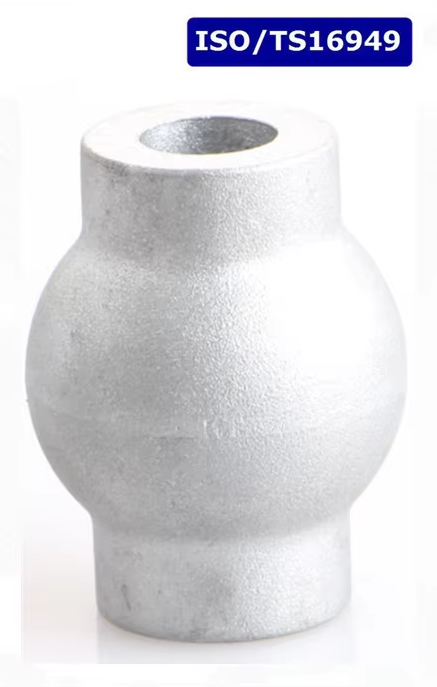
Industry Applications for CNC Machined Parts
Ever wonder why an aerospace bracket demands different manufacturing approaches than an automotive housing—even when both are machined from aluminum? The answer lies in industry-specific requirements that extend far beyond basic dimensional accuracy. Understanding these distinctions helps you navigate certification requirements, tolerance expectations, and documentation standards that vary dramatically across sectors.
Aerospace Components and Certification Requirements
Aerospace cnc machining operates in a world where failure isn't an option. When components fly at 35,000 feet or beyond, every machined part must meet exacting standards backed by comprehensive certification frameworks.
According to industry certification analysis, aerospace manufacturing requires multiple overlapping quality systems:
- AS9100 Certification: The foundational quality management standard for aviation and defense, building on ISO 9001 with additional requirements for traceability and risk management specific to aerospace applications.
- NADCAP Accreditation: Required for special processes like heat treating, non-destructive testing, and surface treatments—ensuring aerospace-level standards for complex operations.
- ITAR Compliance: Essential for defense-related components, regulating access control over sensitive data and export licensing requirements.
- Customer-Specific Approvals: Major OEMs like Boeing maintain unique supplier programs (such as D1-4426) with proprietary quality criteria.
Typical cnc machining aerospace components include:
- Structural brackets and mounting hardware
- Engine housings and turbine components
- Landing gear assemblies
- Fuel system fittings and connectors
- Avionics enclosures and heat sinks
What makes aerospace machining distinct? Traceability. Every material lot, machining operation, and inspection result must link back to specific components throughout their operational life—sometimes spanning decades. This documentation intensity adds cost but enables rapid response when safety issues arise.
Medical Device Precision Standards
Medical machining presents a different challenge: components that interact directly with human tissue demand zero tolerance for error. As noted in medical device machining research, even deviations of a few micrometers can mean the difference between a successful procedure and a medical emergency.
Medical device machining requirements center on several key factors:
- Biocompatibility: Materials must not cause adverse reactions when exposed to living tissue. FDA categorizes testing requirements based on duration and type of body contact.
- Sterilization Resistance: Components must withstand repeated autoclave cycles, gamma radiation, or ethylene oxide exposure without degradation.
- Surface Finish Specifications: Implantable devices typically require Ra values between 0.1-0.4 μm—mirror-like finishes that prevent bacterial adhesion and tissue trauma.
- ISO 13485 Certification: The gold standard for medical device quality management, requiring comprehensive documentation throughout the entire product lifecycle.
Common medical CNC components include:
- Orthopedic implants (hip, knee, spinal)
- Surgical instruments and tool handles
- Dental abutments and prosthetics
- Diagnostic equipment housings
- Drug delivery device components
Tolerances in medical machining often reach ±0.0001 inches (2.54 micrometers) for critical features—significantly tighter than general manufacturing standards. This precision comes with corresponding cost implications, requiring specialized equipment, temperature-controlled environments, and 100% inspection protocols rather than statistical sampling.
Automotive Applications from Prototype to Production
The automotive sector leverages CNC machining differently—balancing precision requirements with high-volume production economics. According to automotive machining specialists, tolerances down to ±0.01mm ensure engine blocks, gear housings, and transmission parts meet demanding performance requirements.
Cnc machined automotive components span the entire vehicle:
- Engine blocks and cylinder heads
- Transmission housings and gear components
- Chassis and suspension brackets
- Brake system components
- Interior trim and control mechanisms
- EV battery housings and thermal management parts
What distinguishes automotive machining? Scalability. CNC processes must transition seamlessly from prototype validation through mass production without quality degradation. This requires:
- IATF 16949 Certification: The automotive quality management standard emphasizing defect prevention and variation reduction in the supply chain.
- Statistical Process Control (SPC): Continuous monitoring ensuring every thousandth part meets the same specifications as the first.
- PPAP Documentation: Production Part Approval Process submissions verifying manufacturing capability before full-scale production begins.
The rise of electric vehicles has intensified precision requirements, particularly for thermal management systems and battery enclosures where dimensional consistency directly impacts safety and performance.
Consumer Goods and General Manufacturing
Consumer goods machining offers more flexibility than regulated industries but still demands attention to quality and cost optimization. Applications range from electronics housings to sporting equipment, appliance components to furniture hardware.
Consumer goods machining priorities typically include:
- Surface finish quality for visible components
- Consistent dimensional accuracy across production runs
- Cost-effective material selection
- Rapid iteration during product development
While formal certifications may not be mandatory, ISO 9001 compliance demonstrates baseline quality management that many consumer brands require from their suppliers.
Post-Machining Validation Across Industries
Regardless of sector, quality inspection criteria and part validation approaches determine whether machined components meet their intended purpose. Common validation methods include:
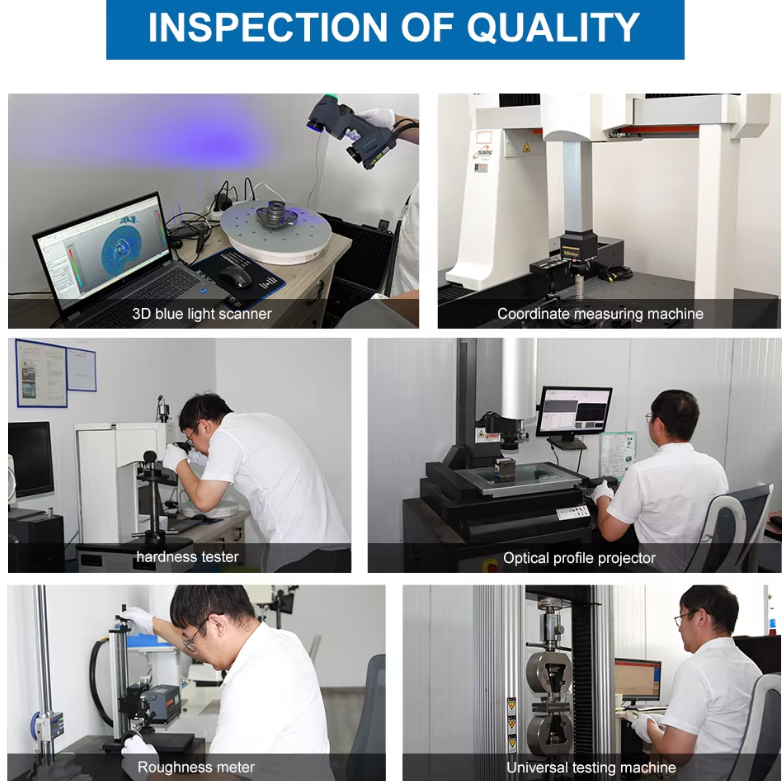
- CMM Inspection: Coordinate measuring machines verify dimensional accuracy against CAD specifications.
- Surface Profilometry: Measures Ra, Rz, and other surface finish parameters critical for functional performance.
- Non-Destructive Testing: X-ray, ultrasonic, and dye penetrant methods detect internal defects without damaging parts.
- First Article Inspection (FAI): Comprehensive documentation proving initial production parts meet all specifications.
In regulated industries where traceability matters, design decisions made months earlier directly impact validation outcomes. A tolerance callout that seemed arbitrary during design becomes a pass/fail gate during inspection. Material certifications specified casually must be verified and documented. Surface finish requirements drive post-machining operations that add both time and cost.
The lesson? Understanding your industry's specific requirements before design finalization prevents costly surprises during production and validation. With industry requirements clarified, the next step is optimizing your project for both speed and cost efficiency.
Optimizing CNC Projects for Speed and Cost
You've selected materials, refined your design for manufacturability, and identified the right service provider. But here's the reality check: even a well-designed part can experience unnecessary delays if your project preparation falls short. Whether you're pursuing quick turn cnc machining for an urgent prototype or planning low volume cnc machining for initial production, the steps you take before submitting your order directly impact both timeline and budget.
Let's walk through the practical strategies that separate smooth, fast cnc machining experiences from frustrating delays.
Streamlining Your CAD File Submission
Imagine uploading your design only to receive an email three days later asking for file corrections. That scenario plays out constantly—and it's almost always preventable. According to JLCCNC's file preparation guide, accuracy starts at the file level, and your CNC is only as good as the file you give it.
Here are the file formats that work—and those to avoid:
- Preferred formats: STEP (.stp/.step) and IGES (.igs/.iges) preserve geometric accuracy and translate across different CAM software systems without losing critical data.
- Native CAD files: SolidWorks (.sldprt), Inventor (.ipt), and Fusion 360 formats are accepted by many providers, though conversion may occur during processing.
- Avoid mesh-based formats: STL and OBJ files work for 3D printing but break smooth curves into tiny triangles—unusable for precision cnc prototype machining.
Common CAD file issues that cause quote delays:
- Broken or gapped surfaces: Tiny gaps between surfaces that appear solid on screen can confuse CAM programming. Run your CAD software's "check" or "heal" function before export.
- Duplicate geometry: Overlapping surfaces or copied-but-not-deleted features create toolpath calculation errors.
- Incorrect units: A part designed in inches but exported as millimeters arrives at 25.4× the intended size—an obvious but surprisingly common mistake.
- Missing or ambiguous dimensions: While 3D models carry geometry, critical tolerances and thread specifications often require accompanying 2D drawings.
- Overly complex file structures: Massive assemblies with hundreds of suppressed features slow processing and increase error risk.
Design Choices That Reduce Lead Times
Beyond file quality, the design itself determines how quickly parts move through production. As Fictiv's lead time analysis notes, simplifying designs minimizes the number of operations required—and complex designs with intricate features often require multiple operations and setups, which increases lead times.
Here's a numbered checklist for prototype machining optimization:
- Reduce geometric complexity: Question every intricate feature. Does that decorative curve serve a function, or could a simpler radius work equally well?
- Minimize the number of setups: Each time a part must be repositioned adds time. Design features accessible from fewer orientations whenever possible.
- Specify standard tools and threads: Custom threads or unusual tool requirements extend both quoting and machining time. Stick to UNC, UNF, or common metric standards.
- Loosen tolerances strategically: Apply tight tolerances only to functional surfaces. Standard ±0.005" tolerances suffice for most features and dramatically reduce cycle time.
- Design for standard stock sizes: Parts requiring special material ordering add days before machining even begins. Check your provider's readily available material dimensions.
- Consolidate similar features: Grouping holes of the same diameter or similar pocket depths reduces tool changes during machining.
- Consider part orientation: Features aligned with standard X, Y, Z axes machine faster than angled surfaces requiring five-axis operations.
- Eliminate deep, narrow cavities: High depth-to-width ratios require specialized tooling and slower cutting speeds.
The relationship is straightforward: every design simplification translates to reduced machining time, fewer tool changes, and faster turnaround. A cnc prototype optimized for manufacturability might arrive in three days; the same geometry with unnecessary complexity could take two weeks.
Balancing Quality Requirements with Budget Constraints
Here's a question worth asking before every project: What level of precision does this application actually require? The difference between "as tight as possible" and "as tight as necessary" can mean 50-200% cost variation.
Consider this practical framework for balancing quality and cost:
| Project Stage | Recommended Approach | Cost Impact |
|---|---|---|
| Concept Validation | Standard tolerances, common materials, basic finish | Lowest |
| Functional Prototype | Tighter tolerances on mating surfaces only, production-intent material | Moderate |
| Pre-Production | Full tolerance specification, final material and finish | Higher |
| Production | Optimized for repeatability, statistical process control | Volume-optimized |
Material selection and lead time:
Your material choice affects more than part performance—it directly impacts availability. According to JLCCNC's startup manufacturing guide, aluminum alloy suits lightweight requirements with low processing costs and easy surface treatment, while stainless steel requires attention to work-hardening problems. Common aluminum grades ship immediately; specialty titanium alloys might require weeks of lead time before machining begins.
Planning the prototyping-to-production transition:
Cnc machining prototyping serves immediate validation needs, but forward-thinking engineers design with scalability in mind from the start. Consider these transition factors:
- Document design intent: Capture why specific tolerances exist, not just what they are. This knowledge transfers to production planning.
- Validate with production-intent materials: Testing prototypes in one material then producing in another introduces uncertainty.
- Establish inspection criteria early: Define critical dimensions and acceptance criteria during prototyping, not after production begins.
- Build supplier relationships: A provider who understands your evolution from prototype through production offers continuity advantages over switching partners at each stage.
Low volume cnc machining bridges the gap between one-off prototypes and mass production. Starting with quantities of 5-50 pieces validates both design and manufacturing process before committing to larger investments.
The optimization principles covered here—file preparation, design simplification, and strategic quality decisions—apply regardless of which machining partner you choose. With your project streamlined for efficiency, the final consideration becomes selecting the right manufacturing partner for your specific needs and scaling requirements.
Choosing the Right CNC Machining Partner
You've navigated material selection, optimized your design for manufacturability, and understand industry-specific requirements. Now comes the decision that ties everything together: selecting a manufacturing and machining partner who can reliably deliver cnc parts that meet your specifications—not just once, but consistently as your project scales.
Whether you're searching for a cnc machine shop near me or evaluating global suppliers, the evaluation framework remains the same. Let's break down the criteria that separate capable partners from those who'll cause headaches down the line.
Matching Your Project to the Right Manufacturing Partner
Not every machining provider fits every project. As outlined in Zenith Manufacturing's partner selection guide, the goal isn't just finding a supplier who can make your parts—it's finding a strategic partner who enhances your business through Total Value of Ownership rather than lowest unit price alone.
Here are the key evaluation criteria for selecting a CNC partner:
- Certified Quality Management Systems: Look for ISO 9001 as baseline, with industry-specific certifications like AS9100 (aerospace), ISO 13485 (medical), or IATF 16949 (automotive) depending on your sector. For automotive applications requiring IATF 16949 certification and rapid scaling capabilities, Shaoyi Metal Technology offers one-day lead times backed by Statistical Process Control (SPC).
- Advanced Inspection Capabilities: Coordinate Measuring Machines (CMM) from reputable manufacturers like Keyence or Zeiss demonstrate capability to verify tolerances of ±0.001 inches or better.
- Proactive Design for Manufacturability (DFM) Feedback: A partner who collaborates on design improvements before production—rather than simply accepting complex drawings without comment—invests in your success.
- Relevant Technology Investment: Five-axis CNC machines, automation capabilities, and data-driven processes indicate commitment to precision and efficiency.
- Supply Chain Stability: Material traceability, qualified sub-suppliers, and documented sourcing procedures protect against quality variations.
- Transparent Communication: Responsive project managers who provide proactive updates matter more than impressive equipment lists. A 48-hour email response time is unacceptable when production schedules are on the line.
- Scalability Flexibility: Can they support both prototype quantities (1-100 units) and production volumes (10,000+ units) without quality degradation?
The right match depends heavily on your specific requirements. Protolabs cnc machining excels at rapid prototyping with standardized processes and fast turnarounds. Traditional machine shops offer relationship-based collaboration for complex projects requiring extensive engineering input. Certified specialists—like Shaoyi for automotive components—deliver industry-specific expertise with appropriate quality documentation.
Scaling from Rapid Prototypes to Volume Production
One of the most challenging transitions in production machining is moving from validated prototypes to consistent high-volume output. According to TMCO's turnkey manufacturing analysis, the best partners support you through every stage—from initial prototypes to full-scale production—without requiring supplier changes that introduce new risks.
Consider these scaling factors when evaluating cnc machining and manufacturing partners:
| Scaling Stage | Key Partner Requirements | Risk Factors to Evaluate |
|---|---|---|
| Prototype (1-10 units) | Speed, DFM feedback, design iteration support | Can they maintain quality when you need revisions quickly? |
| Bridge Production (10-500 units) | Process documentation, repeatability verification | Are processes documented for handoff or scaling? |
| Volume Production (500+ units) | SPC implementation, capacity flexibility, cost optimization | Can they maintain tolerances across thousands of parts? |
| Ongoing Supply (continuous) | Delivery reliability (OTIF metrics), relationship stability | What's their on-time delivery track record? |
For engineers in the automotive sector, this scaling capability becomes especially critical. Supply chains demand both speed and certification compliance. Shaoyi Metal Technology addresses this dual requirement with IATF 16949 certification and lead times as fast as one working day—whether you need complex chassis assemblies or custom metal bushings for initial validation or volume production.
Ask potential partners directly: "What's your On-Time In-Full (OTIF) delivery rate?" According to industry benchmarks, rates below 95% warrant further investigation. A partner unwilling to share this metric likely has something to hide.
Building Long-Term Manufacturing Relationships
The most successful cnc machining near me searches don't end with a single order—they establish partnerships that grow with your product line. As American Micro Industries notes, certifications demonstrate commitment to quality and compliance, but cultural fit often determines long-term success.
Here's what distinguishes a transactional vendor from a strategic partner:
- Transactional vendors focus on fulfilling purchase orders at lowest possible price. They rarely offer suggestions and accept designs without questions.
- Strategic partners contribute to product success through innovation and cost avoidance. They challenge designs collaboratively, suggest improvements, and invest in understanding your business needs.
When evaluating a potential machinist near me or remote supplier, look for these partnership indicators:
- Engineering collaboration: Do they offer CAD/CAM modeling support and prototyping consultations?
- Proactive communication: Will they flag potential issues before they become production problems?
- Financial stability: Check their history, facility ownership, and client base. A partner who's been consistently performing for decades offers reliability that newer operations cannot match.
- Continuous improvement mindset: Are they investing in new technology and training, or running decades-old equipment?
The certification landscape matters here too. For general manufacturing, ISO 9001 establishes baseline quality management. For regulated industries, additional certifications become non-negotiable:
- Aerospace: AS9100, NADCAP accreditation, customer-specific approvals
- Medical devices: ISO 13485, FDA 21 CFR Part 820 compliance
- Automotive: IATF 16949 with demonstrated SPC implementation
- Defense: ITAR registration plus relevant quality certifications
Selecting the right CNC machining partner is ultimately about mitigating risk and building a foundation for future growth. The lowest quote rarely delivers the lowest total cost when factoring in quality issues, communication delays, and missed deadlines.
Whether your next project requires rapid prototyping through platforms like Protolabs, specialized automotive expertise from certified providers like Shaoyi Metal Technology, or relationship-based collaboration with a local machine shop, the evaluation framework remains consistent. Match your project's specific requirements—tolerance needs, certification demands, volume expectations, and timeline constraints—to a partner whose capabilities, communication style, and quality systems align with your long-term goals.
The right manufacturing partner doesn't just make your cnc parts—they become an extension of your engineering team, contributing insights that improve designs, reduce costs, and accelerate your path from concept to production.
Frequently Asked Questions About Protolabs CNC Services
1. What is CNC machining and how does it work?
CNC (Computer Numerical Control) machining transforms digital CAD designs into precision parts through automated computer-controlled cutting. The process begins with CAD design creation, converts to machine-readable G-code, then executes operations like milling, turning, and drilling with tolerances as tight as ±0.005 inches. Modern CNC systems coordinate software and hardware to remove material layer by layer, achieving micron-level precision consistently across production runs.
2. What materials does Protolabs offer for CNC machining?
Protolabs CNC offers extensive material options including metals like aluminum 6061 (best overall value), stainless steel 304/316 for corrosion resistance, brass for electrical applications, and titanium for aerospace-grade performance. Engineering plastics include Delrin (acetal) for wear-resistant components, nylon for impact resistance, polycarbonate for optical clarity with toughness, and acrylic for display applications. Material selection directly impacts lead time, cost, and machinability.
3. How fast can Protolabs deliver CNC machined parts?
Protolabs delivers CNC parts in as fast as 1 day through their automated factory with standard ±0.005 inch tolerances. Their Protolabs Network extends capabilities to tighter tolerances (±0.001 inch) with 5-20+ day lead times. This speed advantage comes from automated quoting, standardized processes, and 24/7 production across 500+ machining centers. For automotive applications requiring similar speed with IATF 16949 certification, Shaoyi Metal Technology also offers one-day lead times.
4. What tolerances can Protolabs CNC achieve?
Standard Protolabs tolerances hold ±0.005 inches (0.13mm) without requiring technical drawings. For precision applications, they support high-requirement tolerances down to ±0.0005 inches (0.01mm) on specified hole and bore features with formal drawings. Through their network partners, tolerances can reach ±0.001 inches. Thread specifications include UNC, UNF, and metric from #2 to 0.5 inches or M2 to M12.
5. How do I optimize my design for CNC machining to reduce costs?
Optimize CNC designs by maintaining minimum wall thickness (0.5mm for aluminum, 0.8mm for steel), adding 0.030-inch minimum internal corner radii, keeping hole depths under 4× diameter, and applying tight tolerances only to functional surfaces. Avoid sharp internal corners, knife edges, and inaccessible features requiring five-axis operations. These DFM practices can reduce manufacturing costs by 15-40% and cut lead times by 25-60% compared to non-optimized designs.