 Small batches, high standards. Our rapid prototyping service makes validation faster and easier —
  EN
EN


Inside A Machining Factory: From Raw Metal To Precision Parts
What Is a Machining Factory and Why It Matters
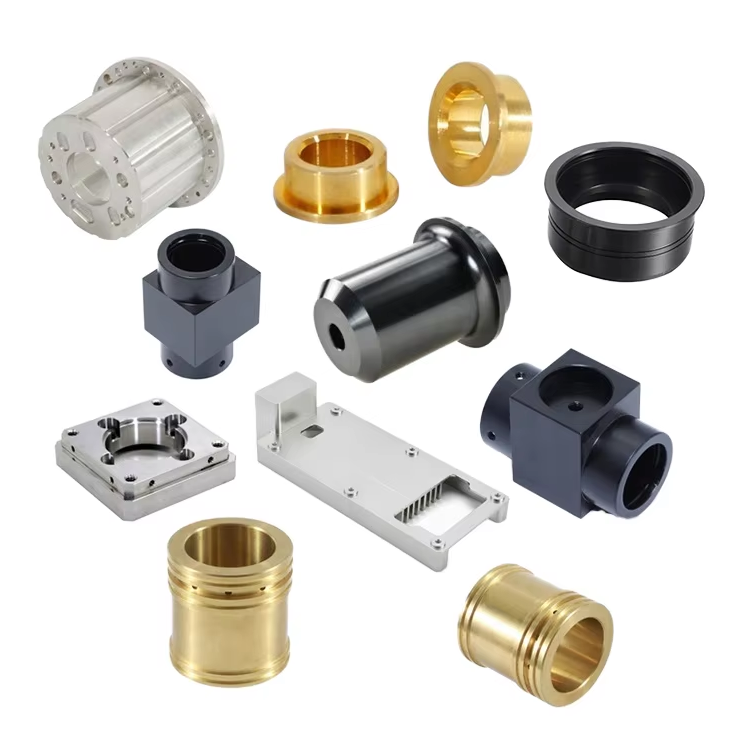
Ever wondered how a solid block of aluminum transforms into the intricate engine component sitting under your car's hood? That transformation happens inside a machining factory—a specialized manufacturing facility where raw materials become precision-engineered parts through carefully controlled material removal processes.
A machining factory serves as the backbone of modern manufacturing. These facilities house advanced equipment, skilled operators, and quality control systems that work together to produce components meeting exact specifications. From the smartphone in your pocket to the aircraft flying overhead, countless products rely on parts born in these industrial environments.
From Raw Metal to Precision Components
So, whats CNC and how does it fit into this picture? CNC stands for Computer Numerical Control—the technology that allows machines to follow programmed instructions with remarkable accuracy. Understanding the CNC meaning helps you grasp how modern facilities achieve tolerances measured in thousandths of an inch.
The process begins with a solid block of material, often called a blank or workpiece. Skilled machinists and programmers then use specialized cutting tools to systematically remove material until the desired shape emerges. Think of it like sculpting, but with rotating tools and digital precision instead of chisels and artistic intuition.
The Subtractive Manufacturing Difference
What is CNC machining's fundamental approach? It's subtractive manufacturing—the opposite of 3D printing. While additive manufacturing builds parts layer by layer, subtractive methods carve away everything that isn't the final part. According to Hubs, this approach allows engineers to achieve tight tolerances, excellent surface finishes, and strong material performance.
Here's how the two approaches compare:
- Subtractive manufacturing removes material from a solid block to shape a part
- Additive manufacturing adds material layer by layer to build a part
Subtractive methods excel when you need precision fits, smooth surfaces, and materials that can handle serious stress. Many manufacturers actually use both approaches, sometimes on the same project—3D printing a rough prototype, then machining the final production part.
Where Industrial Parts Are Born
The cnc definition extends beyond just the machines themselves. It encompasses an entire ecosystem of design, programming, and production that serves virtually every major industry:
- Automotive: Engine components, transmission parts, and custom performance pieces
- Aerospace: Lightweight structural components and mission-critical assemblies
- Medical devices: Surgical instruments and patient-specific implants
- Consumer electronics: Precision housings and internal mechanisms
- Industrial machinery: Shafts, brackets, and heavy-duty production equipment
These facilities don't just cut metal—they transform engineering concepts into physical reality. Whether you're developing a revolutionary medical device or optimizing an automotive assembly, understanding how a machining facility operates gives you a significant advantage in bringing your designs to life.
Essential Machining Processes Every Buyer Should Understand
Sounds complex? It doesn't have to be. When you're sourcing precision parts, understanding the core machining processes helps you communicate effectively with manufacturers and make smarter decisions. Each process serves a specific purpose—and knowing when to use which one can save you time, money, and frustration.
A machining factory typically employs several fundamental operations, each designed to shape materials in different ways. Let's break down the essential processes you'll encounter when working with any precision manufacturing partner.
Turning and Lathe Operations Explained
Imagine a pottery wheel, but for metal. That's essentially how a lathe machine works. In turning operations, the workpiece rotates while a stationary cutting tool removes material to create cylindrical shapes. According to Universal Grinding, "the lathe spins the workpiece as the cutting tools move across it," allowing precise control over depth and width.
Lathes come in several varieties to match different production needs:
- Engine lathes: The most common type, ideal for general machining and hobbyist work
- Turret lathes: Feature tool holders for successive cutting operations without operator intervention
- Special purpose lathes: Designed for specific applications—like a brake lathe used in automotive shops to resurface disc and drum components
- CNC lathes: Computer-controlled versions offering automated precision for production runs
When should you specify turning? Think cylindrical parts—shafts, bushings, threaded rods, pulleys, and any component symmetric around a central axis. The process also includes facing (cutting the end flat), boring (enlarging internal diameters), and threading (creating screw patterns).
Milling for Complex Geometries
While lathes spin the workpiece, a milling machine takes the opposite approach—the cutting tool rotates while the material stays relatively stationary. This seemingly simple difference opens up enormous possibilities for creating complex shapes.
A mill machine can move cutting tools along multiple axes (X, Y, and Z), enabling it to create flat surfaces, slots, pockets, and intricate three-dimensional features. As Würth Machinery explains, "you can think of it as a very robust drill that can move sideways and at angles—not just straight down."
Milling machines come in two primary configurations:
- Vertical mills: Spindle points downward, offering excellent visibility and versatility for general-purpose work
- Horizontal mills: Spindle oriented horizontally, better suited for heavy cuts on large parts with efficient chip clearance
Common milling operations include:
- Face milling: Creating flat surfaces using the end of the cutter
- Slab milling: Using peripheral edges for planar cuts across workpiece surfaces
- End milling: Cutting slots, pockets, and profiles with cylindrical cutters
- Die-sinking: Creating cavities for molds and tooling
Modern milling machines often feature digital readouts (DROs) displaying exact table positions, eliminating guesswork when hitting precise dimensions. Many facilities now use CNC milling machines that can execute complex operations automatically based on programmed instructions.
Secondary Operations That Perfect Parts
Turning and milling create the basic geometry, but secondary operations refine parts to their final specifications. These processes often make the difference between a good part and an exceptional one.
Drilling is perhaps the most common machining operation across all manufacturing. A drill press drives a rotating bit into the workpiece to create holes—for fasteners, alignment pins, or aesthetic purposes. While drilling seems straightforward, achieving precise hole placement and consistent depths requires proper equipment. Drill bits typically cut holes slightly larger than their nominal size, which is why critical applications often specify drilling undersize followed by additional finishing operations.
Boring refines what drilling starts. When you need a hole with precise dimensions and excellent surface finish, boring uses a single-point cutting tool to enlarge and perfect a pre-drilled hole. This operation achieves tighter tolerances than drilling alone, making it essential for components requiring exact fits.
Reaming takes hole quality even further. Using multi-point cutting tools, reaming improves diameter accuracy, roundness, and surface finish. Standard reamers are available in increments of 1/64 inch, typically removing only 0.004-0.008 inches of material while dramatically improving hole quality.
Grinding serves as the ultimate surface finishing process. Using abrasive wheels rather than cutting edges, grinders remove tiny amounts of material—typically between 0.00025 and 0.001 inches per pass—to achieve exceptional surface finishes and dimensional precision. Surface grinders handle flat surfaces, while cylindrical grinders perfect round components.
Here's a quick reference for matching operations to your needs:
- Turning: Cylindrical parts, shafts, bushings, threaded components
- Milling: Flat surfaces, complex geometries, slots, pockets, 3D contours
- Drilling: Creating holes for fasteners, pins, and assembly features
- Boring: Enlarging and perfecting hole dimensions and finish
- Reaming: Fine-finishing holes for precise fits and smooth surfaces
- Grinding: Achieving tight tolerances and superior surface finishes
Understanding these processes helps you specify the right operations for your parts—and evaluate whether a machining factory has the capabilities your project demands. But equipment matters just as much as processes, which brings us to the machinery that makes precision manufacturing possible.
Inside a Modern Machining Factory Equipment Lineup
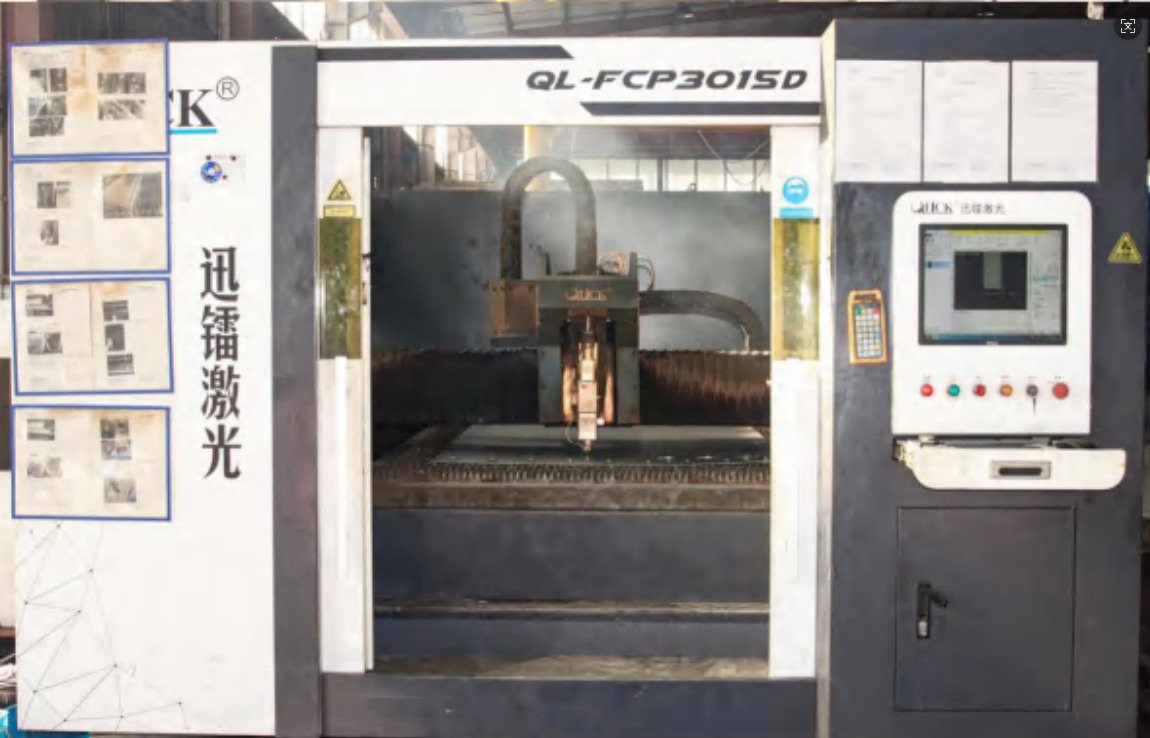
Walk onto the floor of any serious machining factory and you'll notice something immediately—the variety of equipment is staggering. Beyond the general term "CNC machine," these facilities deploy specialized systems designed for specific tasks. Understanding this equipment ecosystem helps you evaluate whether a manufacturer can actually deliver what your project requires.
Let's explore the machinery that transforms raw materials into precision components—and when each type makes the most sense for your application.
Vertical vs Horizontal Machining Centers
The workhorses of any precision facility are machining centers, and they come in two fundamental orientations. A vertical milling machine—or vertical machining center (VMC)—positions its spindle perpendicular to the worktable. According to Mastercam, VMCs "usually have a lower upfront cost than HMCs, and offer greater visibility while machining."
This visibility advantage isn't trivial. Operators can watch the cutting action directly, making setup adjustments and troubleshooting faster. If you've ever seen a Haas mini mill in a prototyping shop, you've witnessed the accessibility that makes VMCs popular for lower-volume work and parts with lots of detail on one face.
Horizontal machining centers (HMCs) flip the orientation—literally. The spindle runs parallel to the floor, and this seemingly simple change delivers significant production benefits:
- Natural chip evacuation: Gravity pulls chips away from the cut, reducing recutting and improving surface finish
- Multi-sided access: Tombstone fixtures allow machining multiple parts or multiple faces in a single setup
- Higher power: HMCs typically deliver more cutting force for tough materials
When should you care about this distinction? If you're ordering a handful of prototype parts, a VMC probably handles your needs perfectly. But for production runs—especially parts requiring machining on multiple sides—HMCs dramatically reduce handling time and improve consistency. Shops monitoring their vmc stock often balance both types to handle diverse customer requirements.
Specialized Equipment for Complex Parts
Beyond machining centers, a well-equipped facility maintains additional specialized systems. A CNC lathe handles rotational parts with precision that manual turning simply can't match. Modern CNC lathes often incorporate live tooling—powered spindles that can perform milling operations while the workpiece remains chucked—eliminating secondary operations and reducing lead times.
A cnc milling machine with 4 or 5 axes expands geometric possibilities further. While 3-axis machines move in X, Y, and Z directions, additional rotational axes allow cutting compound angles and undercuts without repositioning the part. Think turbine blades, impellers, and complex aerospace components.
Surface and cylindrical grinders occupy their own niche—achieving tolerances and finishes that cutting tools simply cannot. When you need flatness within millionths of an inch or mirror-like surface quality, grinding becomes essential rather than optional.
The Role of EDM in Precision Manufacturing
Some parts defy conventional machining entirely. Hardened tool steels, intricate internal features, and sharp internal corners demand a different approach. That's where an edm machine earns its place on the factory floor.
A wire edm machine uses electrical discharges rather than mechanical cutting to erode material. Methods Machine Tools explains that "the process doesn't rely on mechanical force. Instead, controlled sparks erode the workpiece, making it possible to achieve shapes and contours that traditional machining can't."
What makes wire EDM particularly valuable?
- No mechanical stress: Eliminates distortion in delicate parts
- Hardened material capability: Cuts materials after heat treatment when they're too hard for conventional tools
- Sharp internal corners: Achieves features impossible with rotating cutters
- Exceptional accuracy: Tolerances measured in microns rather than thousandths
The trade-off? Speed. Wire EDM is slower than milling and works only with conductive materials. But when tolerances are critical and part geometry is complex, nothing else delivers the same results.
Equipment Comparison at a Glance
Choosing the right equipment for your parts requires matching capabilities to requirements. Here's how the major equipment categories compare:
| Equipment Type | Best Applications | Typical Tolerances | Material Compatibility |
|---|---|---|---|
| Vertical Machining Center (VMC) | Prototypes, mold cavities, single-face features | ±0.001" to ±0.0005" | Aluminum, steel, plastics, brass |
| Horizontal Machining Center (HMC) | Production runs, multi-sided parts, heavy cuts | ±0.001" to ±0.0005" | Steel, titanium, cast iron, tough alloys |
| CNC Lathe | Shafts, bushings, threaded parts, rotational components | ±0.0005" to ±0.0002" | All machinable metals and plastics |
| Surface/Cylindrical Grinder | Precision flats, tight-tolerance rounds, finishing | ±0.0001" or better | Hardened steels, carbide, ceramics |
| Wire EDM Machine | Complex profiles, hardened materials, sharp corners | ±0.0001" to ±0.00004" | Conductive materials only |
When evaluating a machining factory's capabilities, look beyond the equipment list. Ask about machine age, maintenance schedules, and whether operators are trained specifically on the equipment that will produce your parts. A facility with the right equipment selection—and the expertise to use it effectively—delivers quality that matches your requirements and budget.
Of course, equipment alone doesn't determine success. The materials you choose fundamentally shape what's possible, which leads us to material selection and its impact on your machined components.
Material Capabilities and Selection Guide for Machined Parts
You've got the right equipment lined up—but what material should you actually cut? This decision shapes everything from tooling costs to production speed to final part performance. A machining factory's capabilities mean little if the material can't deliver what your application demands.
According to HPPI, the material selection process should evaluate functionality, electrical properties, strength, and hardness while considering the environment where the part will operate. Let's break down the most common material categories and what you need to know about machining each one.
Aluminum Machining Considerations
Aluminum sits at the sweet spot of machinability and performance. It cuts quickly, produces excellent surface finishes, and offers an impressive strength-to-weight ratio. If you're developing aerospace components or lightweight structural parts, aluminum alloys likely top your list.
Here's what makes aluminum a machinist's favorite:
- High cutting speeds: Aluminum machines 3-4 times faster than steel, reducing cycle times dramatically
- Minimal tool wear: Softer than ferrous metals, aluminum extends cutter life significantly
- Excellent chip formation: Clean chip evacuation prevents recutting and surface damage
- Superior surface finish: Achieves smooth finishes with standard tooling and techniques
Common aluminum alloys include 6061-T6 for general structural applications and 7075-T6 when higher strength matters more than weldability. Aircraft components often specify 2024-T3 for its fatigue resistance.
One consideration worth noting: if your part requires nickel plating, aluminum might not be your best choice. The material selection process should verify that surface treatments match your base material.
Steel Grade Selection for Your Application
Steel dominates industrial applications for good reason—it's strong, affordable, and available in countless grades for specific requirements. But "steel" isn't a single material; it's a family spanning from free-machining grades to hardened tool steels that challenge even the best equipment.
According to Rolled Alloys, carbon steel B1112 serves as the baseline for machinability ratings at 100%. Here's how common steel categories compare:
- Free-machining steels (12L14, 1215): Machinability ratings of 136-197%—these cut faster than baseline and produce excellent finishes. Ideal when strength requirements are moderate.
- Low-carbon steels (1018): 72% machinability rating, offering good weldability and formability at reasonable cutting speeds
- Medium-carbon steels (1045): 45% machinability rating, providing higher strength with more challenging machining characteristics
- Alloy steels (4340): 39% machinability rating, delivering excellent strength and toughness for demanding applications
- Stainless steels (304/316): 44% machinability rating—these work-harden rapidly and require sharp tools with consistent feed rates
A metal lathe operator working with stainless steel quickly learns one critical lesson: never let the tool rub without cutting. Work-hardened zones destroy cutting edges and create a frustrating cycle of dulling tools and poor finishes.
Proper machinist tools and tooling selection become crucial with tougher steel grades. Carbide inserts handle the heat and abrasion that high-speed steel cannot. When working with stainless or alloy steels, lathe tooling should be changed at regular intervals rather than waiting for obvious failure.
When to Choose Exotic Materials
Some applications demand materials that push machining capabilities to their limits. Titanium, nickel superalloys, and cobalt alloys offer exceptional performance—at a price measured in both material cost and machining difficulty.
Titanium alloys dominate aerospace and medical applications. The popular Ti-6Al-4V grade delivers a remarkable strength-to-weight ratio and excellent biocompatibility. However, Rolled Alloys notes that titanium chips "tend to gall and weld to the tool cutting edges, speeding up tool wear and failure." Machining speeds drop to 21% of the B1112 baseline.
Key considerations for titanium machining:
- Low cutting speeds required: Typically 30-40 surface feet per minute with HSS tooling
- Avoid chlorinated lubricants: Chlorine and other halogens risk corrosion problems
- Rigid setups essential: Any vibration accelerates tool failure and damages surface quality
- Sharp tools mandatory: Dull edges generate heat that degrades both tool and workpiece
Nickel superalloys like Inconel 625 and 718 serve high-temperature applications where other materials fail. But machinability ratings plunge to 12-18% of baseline. These alloys work-harden aggressively, demanding specialized techniques and accepting slower production rates as the cost of performance.
Brass and copper alloys offer a welcome contrast. Brass machines beautifully, making it ideal for electrical connectors, decorative hardware, and precision fittings. Copper's thermal and electrical conductivity drives its use despite being somewhat gummier to cut. Nickel 200/201 achieves machinability ratings of 112%—actually easier to machine than the carbon steel baseline.
Interestingly, while browsing a wood lathe for sale might seem unrelated to precision metal machining, the fundamental principles of material removal translate across applications. A jet lathe in a woodshop follows the same rotational cutting concepts, just with materials that behave very differently under the tool.
Engineering Plastics for Specialized Applications
Metals don't own the machining world. According to Komacut, "plastics generally have better machinability compared to metals due to their lower hardness and density," requiring less cutting force and allowing higher speeds.
Common engineering plastics include:
- ABS: Good impact resistance and dimensional stability for prototypes and enclosures
- Polycarbonate: Optical clarity with high impact strength—ideal for transparent components
- Nylon: Excellent wear resistance and low friction for gears and bearings
- Delrin (acetal): Superior dimensional stability and machinability for precision mechanical parts
- PEEK: High-performance thermoplastic handling temperatures up to 480°F with excellent chemical resistance
- PTFE (Teflon): Lowest friction coefficient, excellent chemical inertness, but more challenging to machine precisely
Plastics offer advantages including lighter weight, corrosion resistance, and often lower material costs. However, reinforced plastics containing glass or carbon fiber dramatically increase tool wear, requiring carbide or diamond-coated tooling to maintain production efficiency.
One caution: recycled plastics with high post-consumer content tend toward brittleness and inconsistent properties. When precision matters, virgin materials typically deliver more reliable results.
Material selection fundamentally shapes your project's success—but even the perfect material needs proper translation from design file to machine instruction. That workflow deserves its own exploration.

CNC Programming and the Design to Production Workflow
You've selected your material and identified the right equipment. But how does a design file on your engineer's computer become a physical part on the machining factory floor? This translation process—from digital model to finished component—represents one of manufacturing's most critical workflows.
Understanding this journey helps you communicate more effectively with manufacturing partners, avoid costly design revisions, and ultimately get better parts faster. Let's walk through the complete process that every CNC operator and cnc machine operator follows to transform your concepts into reality.
The CAD to CAM Translation Process
Everything starts with a CAD model—your 3D representation of the finished part created in software like SolidWorks, Fusion 360, or AutoCAD. But CNC machines don't speak CAD. They need instructions in a language called G-code, and bridging that gap requires CAM (Computer-Aided Manufacturing) software.
According to JLC CNC, "the CAD model is loaded into CAM software such as Makercam, Fusion 360, SolidCAM, or GibbsCAM. Here's where the magic happens: you select machining strategies and the software creates the motion paths your cutter will follow."
Think of CAM software as a translator with manufacturing expertise. It analyzes your geometry, considers the cutting tools available, and calculates the most efficient paths to remove material safely. The output? A toolpath—the exact roadmap your cutting tool will follow.
Here's what happens during CAM programming:
- Import the CAD model: The 3D geometry loads into the CAM environment, establishing the part's coordinate system
- Define stock material: The programmer specifies the raw material dimensions—the block from which your part will emerge
- Select cutting tools: Each operation requires appropriate tooling—end mills for pockets, drills for holes, facing tools for flat surfaces
- Choose machining strategies: Roughing operations remove bulk material quickly; finishing passes create final dimensions and surface quality
- Set feeds and speeds: Cutting parameters balance material removal rate against tool life and surface finish requirements
- Generate toolpaths: The software calculates exact tool movements, considering tool geometry, material properties, and machine capabilities
- Simulate the operation: Virtual machining reveals potential problems before any metal gets cut
That simulation step deserves emphasis. As the reference notes, "Never skip simulation—it's much cheaper to catch mistakes here than after you've scrapped a $500 block of titanium." Modern CAM systems detect collisions, highlight areas of excessive tool engagement, and estimate cycle times—all before the machine runs.
Whether you're working with industrial equipment or a desktop cnc machine for prototyping, this CAD-to-CAM workflow remains fundamentally the same. The scale changes, but the translation process follows identical principles.
How CNC Programming Brings Designs to Life
Once CAM software generates toolpaths, post-processing converts them into G-code—the actual language CNC machines understand. Understanding the c.n.c meaning at this level reveals how remarkably precise these instructions are.
According to Radonix, "CNC G-codes are the bedrock. They are the universal language that bridges the gap between a human's design intent and a machine's physical execution." Each line of G-code tells the machine exactly what to do: where to move, how fast, which tool to use, and when to start or stop the spindle.
A typical G-code block might look like this:
N090 G01 X50 F150 — This commands a linear move to position X50 at a feed rate of 150 mm/min
Key G-code commands control fundamental machine functions:
- G00: Rapid positioning—moving quickly to a location without cutting
- G01: Linear interpolation—controlled cutting movement in a straight line
- G02/G03: Circular interpolation—cutting arcs clockwise or counterclockwise
- G17/G18/G19: Plane selection for circular movements (XY, XZ, or YZ)
- G20/G21: Unit selection—inches or millimeters
- G90/G91: Absolute or incremental positioning modes
M-codes handle auxiliary functions: M03 starts the spindle clockwise, M05 stops it, M06 triggers a tool change. Together, G-codes and M-codes form complete cnc programming instructions that control every aspect of the machining operation.
Here's what a simple program might look like for cutting a square pocket:
- Set units to millimeters (G21)
- Set absolute positioning (G90)
- Rapid to start position (G00 X0 Y0 Z10)
- Start spindle at 1000 RPM (M03 S1000)
- Plunge into material (G01 Z-10 F50)
- Cut the square perimeter (G01 commands for each side)
- Retract and stop spindle (G00 Z10, M05)
- End program (M30)
Modern cnc programming rarely requires writing G-code manually. CAM software handles the heavy lifting, but understanding these fundamentals helps when troubleshooting or optimizing programs. A skilled cnc operator can often improve cycle times by tweaking feed rates or approach strategies based on real-world cutting conditions.
Even a desktop cnc mill follows these same programming principles—the difference lies in scale and power, not in the fundamental language controlling the machine.
From Digital Model to Physical Part
With programming complete, production begins. But successful machining depends on more than just correct G-code—it requires designs optimized for the manufacturing process itself. This is where Design for Manufacturability (DFM) principles become critical.
According to Modus Advanced, "effective DFM implementation can reduce manufacturing costs by 15-40% and cut lead times by 25-60% compared to non-optimized designs." Those aren't trivial savings—they're the difference between hitting your timeline and missing it by weeks.
Here are the DFM principles that matter most for machined parts:
Internal Corner Radii: End mills are round—they physically cannot create sharp 90-degree internal corners. Specifying a 0.030" (0.76mm) minimum radius enables standard tooling and eliminates the need for specialized small-diameter cutters with extended lead times. Larger radii (0.060-0.080") improve rigidity during cutting and reduce programming complexity.
Wall Thickness Considerations: Thin walls deflect under cutting forces, causing chatter, poor surface finish, and dimensional inaccuracy. As a general rule, maintain wall thickness at least 0.030" for aluminum and 0.060" for steel. Deep pockets with thin walls may require reduced feed rates or specialized fixturing—both adding time and cost.
Tolerance Stack-Up: Every tolerance adds inspection time and manufacturing complexity. According to the Modus Advanced research, extremely tight tolerances (under ±0.001") can increase lead times by 100-300% due to temperature control requirements, stress relief operations, and specialized equipment needs.
| Design Factor | Lead Time Impact | Cost Impact | Recommended Solution |
|---|---|---|---|
| Sharp Internal Corners | +50-100% programming time | +25-50% per feature | Add 0.030" minimum radius |
| Extremely Tight Tolerances (±0.0005") | +100-200% | +50-150% | Open to ±0.002" where possible |
| Complex Curves/Varying Radii | +100-300% programming | +200-400% machining time | Use consistent radii throughout |
| Five-Axis vs Three-Axis Features | +200-500% | +300-600% | Align features with X, Y, Z axes |
Feature Accessibility: Can standard cutting tools reach every feature? Deep pockets, undercuts, and internal features may require specialized tooling or multiple setups. Designing for tool access from the start prevents costly mid-production redesigns.
Datum Structure: How you dimension your part affects how it's fixtured and measured. Reference critical features from nearby, accessible surfaces rather than distant datums that accumulate measurement error. Poor datum structure can increase manufacturing time by 50-150%.
The most successful projects integrate DFM thinking from the earliest design phases. When manufacturing input comes early, engineers can optimize geometry for both function and producibility—avoiding the expensive cycle of design, quote, redesign that plagues poorly planned projects.
Understanding this complete workflow—from CAD model through CAM programming to G-code execution—gives you the foundation to work effectively with any machining factory. But how do these individual operations flow together on the factory floor? That's where production workflow and layout come into play.
Factory Layout and Production Workflow Explained
Ever wondered what happens after you submit a purchase order to a machining factory? Behind the scenes, a carefully orchestrated workflow transforms your specifications into finished parts. Unlike the chaos you might imagine, well-run facilities follow structured processes that ensure consistency, quality, and on-time delivery.
When searching for machine shops near me, understanding how production actually flows helps you evaluate whether a facility can meet your requirements. A fabrication shop might look impressive in pictures of machine shops, but the real measure of capability lies in operational discipline.
How Jobs Move Through Production
From the moment raw material arrives to when finished parts ship out, every job follows a defined path. Here's the typical production sequence you'll find in a professionally managed facility:
- Receiving and Material Inspection: Raw material arrives with mill certifications documenting chemical composition and mechanical properties. Inspectors verify dimensions against purchase specifications and check for surface defects before releasing material to production.
- Job Scheduling and Work Order Management: Production planners assign jobs to specific machines based on equipment capabilities, tooling availability, and delivery priorities. Work orders travel with each job, documenting every specification and operation required.
- Setup and Programming: Machinists load programs, install appropriate haas tooling or equivalent cutting tools, and configure workholding fixtures. This preparation phase directly impacts both quality and cycle time.
- First Article Inspection: Before running production quantities, operators machine one part and submit it for complete dimensional verification. This checkpoint catches programming errors or setup issues before they multiply across hundreds of parts.
- Production Runs: With first article approval, full production begins. Operators monitor cutting conditions, tool wear, and dimensional trends throughout the run.
- Final Inspection and Shipping: Completed parts undergo final quality verification against drawing requirements before packaging and shipment.
This sequential flow might seem straightforward, but executing it consistently requires systems, training, and discipline. Facilities transitioning to haas equipment or upgrading their machinery must also update their workflow documentation to maintain process control.
Quality Checkpoints That Ensure Precision
Quality doesn't happen at the end—it's built into every production stage. Effective machining facilities establish multiple verification points that catch problems early, before they become expensive scrap or customer complaints.
In-process quality checks include:
- Dimensional sampling: Operators measure critical features at defined intervals—often every 5th, 10th, or 25th part depending on tolerance criticality
- Tool wear monitoring: Tracking dimensional drift indicates when cutters need replacement before parts go out of specification
- Surface finish verification: Profilometers or comparison standards confirm finish requirements throughout production
- Statistical Process Control (SPC): Control charts track measurement trends, alerting operators to process drift before it produces defects
For automotive applications, these quality systems become even more rigorous. According to the Automotive Industry Action Group (AIAG), IATF 16949:2016 "defines quality management system requirements for organizations across the global automotive industry." This certification—developed with unprecedented industry engagement—represents the gold standard for automotive supply chain quality.
Facilities holding IATF 16949 certification demonstrate their commitment to defect prevention, variation reduction, and continuous improvement. When you're sourcing safety-critical components, this certification signals a supplier with mature quality systems rather than ad-hoc inspection practices.
The Importance of Factory Floor Organization
Physical layout directly impacts production efficiency and quality outcomes. Well-organized facilities arrange equipment to minimize material handling, reduce work-in-process inventory, and create logical flow paths from receiving through shipping.
Effective floor organization includes:
- Cellular manufacturing: Grouping equipment by product family reduces travel distance and simplifies scheduling
- Visual management: Color-coded zones, status boards, and labeled storage locations eliminate confusion and prevent mix-ups
- 5S discipline: Sort, Set in Order, Shine, Standardize, and Sustain—these principles maintain organized workspaces that support quality and efficiency
- Dedicated inspection areas: Climate-controlled measurement zones with proper lighting and vibration isolation ensure accurate verification
Quality management systems like IATF 16949 require documented procedures for all these elements. The certification process verifies not just that procedures exist, but that they're followed consistently and improved continuously.
A machining factory's operational structure—not just its equipment list—determines whether it can deliver consistent quality at competitive lead times.
Understanding production workflow helps you ask better questions when evaluating potential manufacturing partners. But how do you decide whether to build these capabilities in-house or partner with an established facility? That decision framework deserves careful consideration.
In-House Machining vs Outsourcing Decision Framework
Should you build your own machining capabilities or partner with an established facility? This strategic decision affects far more than your immediate budget—it shapes your operational flexibility, quality control approach, and long-term competitiveness. Whether you're a startup evaluating initial production strategies or an established manufacturer reassessing your supply chain, the right choice depends on factors unique to your situation.
According to Keller Technology Corporation, "this decision affects not just timelines and budgets, but also touches quality, compliance, and your ability to scale." Let's break down the key considerations that should guide your decision.
When In-House Machining Makes Sense
Building internal machining capabilities offers undeniable advantages—but only under the right circumstances. Before investing in equipment and personnel, honestly assess whether your situation aligns with these criteria:
- High volume, consistent demand: When you're producing thousands of identical parts monthly, spreading equipment costs across large quantities improves unit economics
- Proprietary processes: If your competitive advantage depends on manufacturing methods you can't risk sharing, keeping production in-house protects intellectual property
- Rapid iteration requirements: Design-build-test cycles measured in hours rather than days favor having equipment steps away from your engineering team
- Geographic constraints: When logistics costs or lead times from external suppliers become prohibitive, local capability becomes strategic
The capital requirements, however, are substantial. According to Financial Models Lab, launching a CNC machining operation requires approximately $994,000 in startup capital. Core machinery alone—a CNC mill and lathe—runs $270,000 before adding $75,000 for facility infrastructure, $30,000 for CAD/CAM software, and $40,000 for quality inspection equipment.
Beyond equipment, you'll need skilled personnel. Finding qualified candidates means competing in a market where cnc machinist jobs near me searches reflect ongoing talent shortages. A lead cnc machinist commands around $85,000 annually, with CNC programmers at $75,000. Training takes months before new hires reach full productivity.
The Strategic Case for Outsourcing
Many manufacturers find that partnering with an established machining factory delivers better outcomes than building internal capabilities. Here's when outsourcing makes strategic sense:
- Variable or uncertain demand: When volumes fluctuate significantly, outsourcing converts fixed costs to variable costs—you pay only for what you need
- Specialized processes: High-complexity operations requiring certified welding, multi-axis machining, or cleanroom assembly may exceed practical in-house investment
- Speed to market: Contract manufacturers have equipment, trained staff, and supply chains already in place—no months-long ramp-up required
- Quality certifications: Achieving ISO 9001, ISO 13485, or IATF 16949 certification requires significant time and ongoing audit costs that established partners have already absorbed
As Keller Technology notes, "external partners are better equipped to absorb design changes, volume fluctuations, and evolving program needs." When agility matters more than absolute control, outsourcing often delivers faster and more scalable solutions.
The cost structure fundamentally differs too. In-house manufacturing carries heavy fixed costs—equipment depreciation, facility overhead, and permanent staff—regardless of utilization. Outsourcing shifts these to variable costs that scale with actual production needs. For low-to-medium volume or high-mix programs, this flexibility significantly reduces total cost of ownership.
Hybrid Approaches for Maximum Flexibility
The choice isn't always binary. Many successful manufacturers combine internal capabilities for core competencies with strategic outsourcing for specialized or overflow work. This hybrid model offers several advantages:
- Capacity flexibility: Handle baseline demand internally while outsourcing peak requirements without investing in equipment that sits idle during slow periods
- Risk distribution: Multiple production sources protect against single-point failures—equipment breakdowns or supply disruptions don't halt your entire operation
- Capability expansion: Access specialized processes like wire EDM or 5-axis machining through partners without the capital investment required to develop them internally
- Learning opportunities: Working with external experts can build internal knowledge that eventually supports expanded in-house capabilities
Factory automation increasingly enables this hybrid approach. Modern manufacturing execution systems can coordinate work across internal and external resources, tracking jobs regardless of where they're produced. The key is establishing clear criteria for which work stays in-house versus going to partners.
Decision Framework Comparison
When evaluating your options, consider how each approach performs across critical factors:
| Factor | In-House Manufacturing | Outsourcing to Partner |
|---|---|---|
| Initial Investment | High ($500K-$1M+ for basic capabilities including equipment, facility prep, software, and inspection tools) | Low (no capital equipment purchase; costs are per-part) |
| Ongoing Costs | Fixed overhead regardless of utilization; staff salaries, maintenance, facility costs continue during slow periods | Variable costs scale with production volume; pay only for parts produced |
| Flexibility | Limited by installed equipment and trained staff; adding capabilities requires new investment | High; access diverse capabilities across multiple partners without ownership |
| Quality Control | Direct oversight of every operation; immediate feedback and correction | Relies on partner's quality systems; requires verification through audits and incoming inspection |
| Lead Times | Potentially faster for established processes; subject to your own scheduling constraints | Depends on partner capacity; good partners offer predictable delivery |
The right answer depends on your specific circumstances. High-volume, stable-demand products with proprietary processes often justify in-house investment. Variable volumes, specialized requirements, or rapid growth typically favor outsourcing—at least initially.
Consider also the hidden costs of each approach. In-house operations require ongoing investment in training as cnc machinist and cnc jobs markets remain competitive. You'll need backup plans when key personnel leave. Outsourcing requires supplier management time and incoming quality verification—but these costs are typically lower than maintaining underutilized internal capacity.
The make-versus-buy decision isn't permanent. Many companies start with outsourcing to validate demand, then selectively add internal capabilities as volumes justify investment.
Once you've decided that outsourcing makes sense—whether fully or as part of a hybrid strategy—the next challenge becomes finding the right partner. Evaluating potential manufacturing partners requires understanding what separates capable facilities from exceptional ones.

How to Evaluate and Select a Machining Factory Partner
You've decided that outsourcing makes sense for your project. Now comes the harder question—how do you separate genuinely capable manufacturing partners from those who just talk a good game? Whether you're searching for an engine machine shop for automotive components or an auto machine shop near me for quick-turn prototypes, the evaluation criteria remain remarkably consistent.
According to Tapecon, "one of the main reasons you may decide to outsource manufacturing is to tap into capabilities you don't have in-house. So, any converter you might consider should at the very least have the equipment and knowledge to make your desired component." But equipment alone doesn't guarantee success—you need a systematic approach to partner evaluation.
Certifications That Signal Capability
Certifications aren't just wall decorations—they represent verified commitments to quality systems, process control, and continuous improvement. When evaluating any auto machine shop, understanding which certifications matter for your industry helps you quickly filter candidates.
According to Modo Rapid, "certifications like ISO 9001, IATF 16949, and AS9100 signal a CNC milling supplier's commitment to quality, traceability, and process control." Here's what each major certification tells you:
- ISO 9001: The baseline certification confirming documented quality control processes and continuous improvement practices. Think of it as a driver's license for manufacturing—necessary, but not sufficient for demanding applications.
- IATF 16949: Tailored specifically for automotive supply chains, this certification adds requirements for defect prevention, Statistical Process Control (SPC), and production part approval processes. For chassis assemblies, drivetrain components, or any safety-critical automotive parts, this certification is non-negotiable.
- AS9100: The aerospace and defense standard, layering additional safety and reliability protocols onto ISO 9001. If lives depend on your parts performing flawlessly, AS9100-certified suppliers operate under the strictest protocols.
- ISO 13485: Essential for medical device components, covering biocompatibility requirements and traceability standards that FDA compliance demands.
- ITAR Registration: Required for defense projects involving controlled technical data and export-regulated components.
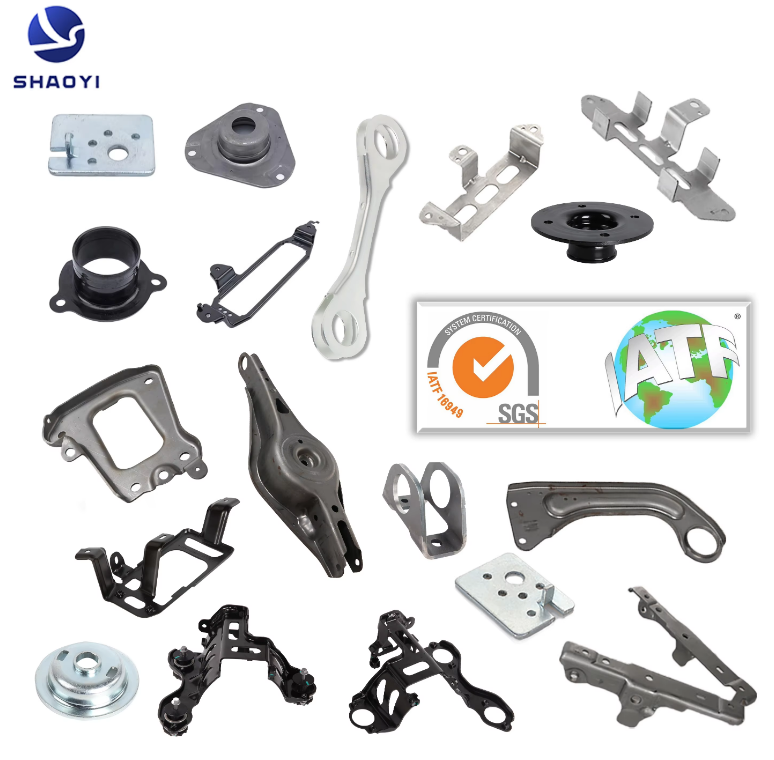
When evaluating automotive machining partners, IATF 16949 certification paired with robust Statistical Process Control (SPC) practices represents the quality benchmark you should expect. Facilities like Shaoyi Metal Technology demonstrate these standards with capabilities spanning rapid prototyping to mass production—exactly the combination that supports both development agility and production consistency.
Don't just accept claims of certification—request current certificates and verify expiration dates. Legitimate certifications require annual surveillance audits, so outdated certificates may indicate lapsed compliance.
Evaluating Technical Capabilities
Certifications confirm process discipline, but technical capabilities determine whether a facility can actually make your parts. When searching for cnc near me or evaluating potential partners, dig deeper than the equipment list.
Start with these fundamental capability questions:
- Equipment match: Does the facility have the right machine types for your geometry? Five-axis work requires five-axis machines—no amount of creativity overcomes fundamental equipment limitations.
- Tolerance achievement: Can they consistently hold your required tolerances? Request capability studies or Cpk data for similar work.
- Material experience: Have they successfully machined your specified materials? Titanium expertise doesn't automatically transfer to Inconel.
- Volume scalability: Can they handle your quantities—both current needs and projected growth?
- Secondary operations: Do they offer heat treatment, surface finishing, or assembly in-house, or will your parts travel to multiple facilities?
According to Collins Machine Works' Supplier Capability Assessment, thorough supplier evaluation extends beyond equipment to include calibration program accreditation, material traceability systems, and documented quality procedures. Their assessment questionnaire covers everything from welding certifications to conflict minerals compliance—the depth of evaluation that protects both parties.
For those searching cnc machine shops los angeles or any major manufacturing hub, you'll find dozens of options. Technical capability evaluation helps you identify which shops can genuinely deliver versus those stretching their capabilities to win your business.
Building a Productive Manufacturing Partnership
Technical capability gets you in the door, but partnership quality determines long-term success. The best machining relationships extend beyond transactional purchasing to genuine collaboration.
Communication practices reveal partnership potential:
- Responsiveness: How quickly do they return quotes and answer technical questions? Slow communication during quoting often predicts slow communication during production.
- DFM feedback: Do they proactively identify design improvements, or simply quote exactly what you send? Partners invested in your success suggest optimizations.
- Problem escalation: When issues arise—and they will—how do they communicate? Hiding problems until shipment creates far more damage than early transparency.
- Project management: Can they provide production schedules, status updates, and delivery tracking? Visibility reduces anxiety and enables your own planning.
Geographic considerations matter more than you might expect. A machine shop in los angeles ca offers different logistics advantages than one in the Midwest or overseas. Consider:
- Shipping costs and times: Heavy parts or urgent deliveries favor proximity
- Site visit feasibility: Can you realistically audit their facility and meet their team?
- Time zone alignment: Real-time communication becomes difficult across 12-hour differences
- Supply chain resilience: Regional diversification protects against localized disruptions
As Tapecon emphasizes, "any disruption to your supply chain can be immensely damaging to your product and business. So, it's fair for you to evaluate the performance and financial stability of a company before you entrust them with your manufacturing."
Partner Evaluation Checklist
Before committing to any manufacturing partner, systematically verify these elements:
- ☐ Current certifications matching your industry requirements (ISO 9001, IATF 16949, AS9100, etc.)
- ☐ Equipment capabilities aligned with your part geometries and tolerances
- ☐ Documented quality management system with inspection and traceability procedures
- ☐ Material experience with your specified alloys or plastics
- ☐ Capacity to handle your volumes with room for growth
- ☐ References from customers with similar applications
- ☐ Financial stability indicators (years in business, facility investments, customer retention)
- ☐ Communication responsiveness during the quoting process
- ☐ Clear pricing structure including tooling, setup, and secondary operations
- ☐ Intellectual property protection policies and willingness to sign NDAs
- ☐ Geographic fit for your logistics and site visit requirements
- ☐ Scalability from prototyping through production volumes
For automotive precision machining specifically, prioritize partners demonstrating IATF 16949 certification with documented SPC practices. Shaoyi Metal Technology exemplifies this combination, offering high-tolerance components including chassis assemblies and custom metal bushings with lead times as fast as one working day—the kind of responsiveness that keeps development programs on schedule.
The right manufacturing partner becomes an extension of your engineering team—not just a vendor fulfilling purchase orders.
Investing time in thorough partner evaluation pays dividends throughout your relationship. The suppliers who survive rigorous vetting typically deliver the consistent quality and reliable communication that make outsourcing genuinely beneficial rather than merely cheaper.
Putting Your Machining Factory Knowledge Into Action
You've now journeyed from raw metal blocks to precision components, explored the equipment that makes transformation possible, and learned how to evaluate manufacturing partners. But knowledge without action remains theoretical. Whether you're launching your first machining project or optimizing an established supply chain, the next steps depend on where you are in your manufacturing journey.
Let's synthesize the critical insights and chart a clear path forward—because understanding machining manufacturing is only valuable when you apply it to real decisions.
Key Takeaways for Your Machining Project
Throughout this exploration of machining factory operations, several fundamental principles emerged that should guide your manufacturing decisions:
Process selection shapes everything—from cost to lead time to achievable quality. Match your part geometry and tolerance requirements to the right combination of turning, milling, grinding, and specialty operations.
Material choice isn't just about performance specifications. Machinability ratings directly impact production speed, tool costs, and ultimately your per-part pricing. Aluminum machines four times faster than steel—that difference compounds across production volumes.
Certifications aren't optional for demanding applications. IATF 16949 for automotive, AS9100 for aerospace, and ISO 13485 for medical devices represent verified quality systems—not marketing claims.
Design for Manufacturability saves more money than any negotiation tactic. Internal corner radii, realistic tolerances, and accessible features reduce costs by 15-40% while cutting lead times significantly. Involve manufacturing partners early in design reviews.
The make-versus-buy decision requires honest assessment. In-house machining demands nearly $1 million in startup capital plus ongoing personnel challenges. Outsourcing converts fixed costs to variable—often the smarter path for variable demand.
Next Steps Based on Your Needs
Your immediate actions depend on your current situation. Here's a roadmap based on common starting points:
If you're starting a new product development project:
- Engage potential manufacturing partners during design—not after drawings are finalized
- Request DFM feedback on preliminary concepts before committing to geometries
- Consider prototyping with one partner while qualifying production suppliers in parallel
If you're sourcing production quantities:
- Verify certifications match your industry requirements before requesting quotes
- Provide complete technical packages including tolerances, materials, and finish specifications
- Request capability studies (Cpk data) for critical dimensions on similar past work
If you're evaluating your current supply chain:
- Audit existing suppliers against the partner evaluation checklist—gaps may have developed
- Consider geographic diversification to reduce single-point-of-failure risks
- Benchmark pricing and lead times against alternative sources every 12-18 months
For readers specifically seeking automotive precision machining with fast turnaround, Shaoyi Metal Technology demonstrates the partner qualities discussed throughout this article—IATF 16949 certification, Statistical Process Control practices, and lead times as fast as one working day for high-tolerance components including chassis assemblies and custom metal bushings.
Building Long-Term Manufacturing Success
The most successful manufacturing relationships transcend transactional purchasing. According to JPMorgan's supplier relationship management research, "the goal is to get beyond negotiating rates, service levels and delivery schedules and work toward market-making, brand-differentiating joint value creation."
What does this look like in practice? Strong partnerships include:
- Transparent communication: Sharing forecasts, design directions, and challenges openly—even when the news isn't good
- Mutual investment: Partners who help you succeed through DFM suggestions, process improvements, and capacity commitments
- Aligned incentives: Payment programs and volume commitments that benefit both parties rather than squeezing margins unsustainably
Companies like la cnc inc and countless other precision manufacturers have built decades-long customer relationships through this collaborative approach. The machining factories that thrive aren't simply competing on price—they're creating value through expertise, reliability, and genuine partnership.
Whether you're exploring cnc machining los angeles options, evaluating machine shops in los angeles ca, or considering cnc machining california facilities for your next project, the principles remain consistent. Technical capability gets you in the door. Certifications verify quality systems. But partnership quality—communication, collaboration, and mutual investment—determines whether your manufacturing relationship delivers lasting competitive advantage.
Your machining partner should feel like an extension of your engineering team—invested in your success, not just fulfilling orders.
The journey from raw metal to precision parts requires more than machines and materials. It requires knowledge, relationships, and the wisdom to match your specific needs with the right manufacturing capabilities. You now have the foundation to make those decisions confidently—and build the manufacturing partnerships that turn your designs into reality.
Frequently Asked Questions About Machining Factories
1. What is the highest paying machining job?
The highest paying machining jobs include Tool Pusher ($45,500-$122,500), Machine Shop Supervisor ($58,000-$90,000), and Gear Machinist ($53,000-$90,000). Precision Machinists and Master Machinists also command premium salaries due to their specialized skills in achieving tight tolerances and working with exotic materials like titanium and Inconel.
2. What is the hourly rate for a CNC machine?
CNC machining hourly rates vary based on machine type and complexity. 3-axis machines typically run £25-£50 per hour, while 5-axis machines and specialized equipment like wire EDM command higher rates up to £120 per hour. Factors affecting cost include material type, tolerance requirements, and production volume.
3. What certifications should I look for in a machining factory?
Key certifications depend on your industry: ISO 9001 for general quality management, IATF 16949 for automotive applications with Statistical Process Control requirements, AS9100 for aerospace and defense, and ISO 13485 for medical devices. Partners like Shaoyi Metal Technology hold IATF 16949 certification, ensuring automotive-grade precision.
4. What is the difference between in-house machining and outsourcing?
In-house machining requires approximately $1 million startup investment but offers direct quality control and faster iteration for proprietary processes. Outsourcing converts fixed costs to variable costs, provides access to specialized equipment without capital investment, and scales with demand. Many manufacturers use a hybrid approach for maximum flexibility.
5. How long does CNC machining take from design to finished part?
Lead times vary based on complexity and volume. Simple prototypes can be completed in 1-3 days, while production runs typically require 1-4 weeks. Certified facilities like Shaoyi Metal Technology offer lead times as fast as one working day for high-tolerance components, including chassis assemblies and custom metal bushings.