 Small batches, high standards. Our rapid prototyping service makes validation faster and easier —
  EN
EN


Online CNC Services Decoded: From Upload To Finished Parts
What Online CNC Services Actually Do
Imagine needing a custom metal bracket for your prototype. A decade ago, you'd spend days calling local machine shops, waiting for quotes, and hoping someone could fit your project into their schedule. Today? You upload a design file, get pricing in seconds, and receive finished cnc parts at your door within days. That's the fundamental shift online cnc services represent.
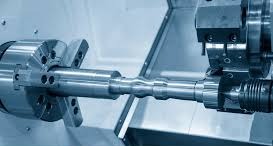
So what does CNC actually mean? CNC stands for Computer Numerical Control—a technology where a cnc machine follows precise digital instructions to cut, drill, or shape raw materials into finished components. Think of it as a robot sculptor that reads your design file and carves your part with remarkable accuracy. The machining process removes material from a solid block, creating everything from aerospace components to custom automotive brackets.
What makes a cnc service "online" is the digital-first approach. Instead of walking into a factory or exchanging emails with engineers, you interact with web-based platforms that handle everything from design analysis to production coordination. These platforms either operate their own manufacturing facilities or connect you to vetted networks of machine shops worldwide.
Here are the core components that make these digital platforms work:
- Instant quoting systems – Upload your CAD file and receive pricing in seconds, not days. Advanced algorithms analyze part geometry, material requirements, and complexity to generate accurate estimates.
- File analysis tools – Automated design-for-manufacturability feedback identifies potential issues before production begins, saving you costly revisions later.
- Material libraries – Browse dozens of metals, plastics, and specialty materials with detailed specifications, eliminating guesswork about what's available.
- Order tracking – Monitor your project from production start to doorstep delivery, bringing e-commerce convenience to precision manufacturing.
From CAD File to Finished Part in Days
The workflow couldn't be simpler. You start by uploading your design file—typically in STEP or IGES format—to the platform. Within seconds, the system analyzes your geometry and provides a cnc quote online that includes pricing, lead time options, and any manufacturability concerns. Select your material, choose your delivery speed, and place your order. The platform either routes your job to an in-house facility or matches it with a qualified manufacturer from their network.
What used to require weeks of back-and-forth communication now happens in minutes. You can request online machining quotes at midnight, compare material options over your morning coffee, and have production underway before lunch—all without a single phone call.
Why Digital Manufacturing Changed Everything
Traditional machine shops served their communities well, but they created barriers for anyone outside their immediate geographic area. Getting competitive quotes meant contacting multiple shops individually. Comparing capabilities required industry knowledge most people simply didn't have.
Digital platforms democratized access to precision manufacturing. A startup founder in Austin can now access the same machining capabilities as a Fortune 500 company. A product designer working from home can prototype ideas without knowing a single machinist personally. This accessibility has accelerated innovation across industries, making custom parts attainable for projects of virtually any size.
The transparency these platforms provide—clear pricing, defined lead times, and consistent quality standards—removed much of the uncertainty that made traditional manufacturing intimidating for newcomers.
Understanding CNC Milling Turning and Routing Differences
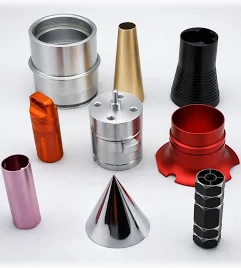
Now that you understand how these digital platforms work, here's where things get interesting. Not all CNC processes are created equal—and choosing the wrong one can mean wasted time, inflated costs, or parts that simply don't meet your requirements. When browsing online platforms, you'll encounter three primary machining methods: milling, turning, and routing. Each excels at specific part geometries, and understanding these distinctions helps you make smarter decisions before uploading your first design file.
Think of it this way: milling sculpts complex 3D shapes from solid blocks, turning spins material to create cylindrical components, and routing rapidly cuts flat sheets or softer materials. Your part's geometry essentially dictates which process fits best.
Milling for Complex 3D Geometries
CNC milling machines are the workhorses of precision manufacturing. These systems use rotating cutting tools that move across multiple axes to remove material from a stationary workpiece. According to American Micro Industries, milling machines deliver highly precise cuts—within a thousandth of an inch—making them ideal for intricate, detailed pieces.
What makes milling particularly versatile? The ability to work with heavy-duty materials like steel, titanium, and hardened alloys. Industries including aerospace, defense, and medical device manufacturing rely heavily on cnc milling parts for components requiring tight tolerances and complex geometries. When your design features pockets, slots, contoured surfaces, or features on multiple faces, milling is typically your answer.
For truly complex parts, 5 axis cnc machining services take capabilities even further. These advanced systems can approach your workpiece from virtually any angle, eliminating multiple setups and enabling geometries that would be impossible with simpler 3-axis machines. Undercuts, compound angles, and sculptured surfaces become achievable in single operations.
Turning for Cylindrical Components
When your part is round—shafts, bushings, threaded fasteners, or any component with rotational symmetry—cnc turning becomes the logical choice. Unlike milling, turning machines spin the workpiece itself while stationary tools shape the exterior and interior surfaces. This approach excels at producing cylindrical forms quickly and accurately.
But what about small, precision-critical components? That's where swiss machining enters the picture. As detailed by Xometry, Swiss lathes support the workpiece with a guide bushing positioned right next to the cutting area, dramatically reducing vibrations and enabling diametral tolerances as tight as +/- 0.0004 mm. Multiple tools can work simultaneously—turning, drilling, milling, and threading in a single setup—making it ideal for high-value machining parts in medical devices, aerospace fasteners, and electronic connectors.
Swiss machining particularly shines for long, slender components that would flex or bend under traditional lathe operations. If your design involves high aspect ratios or requires combined turning and milling operations, this specialized process delivers results that standard turning simply cannot match.
Routing for Sheet Materials and Softer Substrates
CNC routing occupies a different niche entirely. These machines excel at cutting flat sheet materials—wood, plastics, foam, and composites—at significantly higher speeds than milling equipment. For cnc wood routing applications, cabinet makers, sign manufacturers, and furniture producers rely on routers for efficient material removal and intricate pattern cutting.
The key distinction? Routers prioritize speed over cutting force. Their spindles achieve much higher RPMs than mills, but generate less torque. This makes them perfect for softer materials but unsuitable for hardened metals or applications demanding extremely tight tolerances. Router wood cnc applications dominate industries like cabinetry, signage, and packaging where speed and material removal rates matter more than sub-thousandth precision.
| Process Type | Best For | Typical Materials | Complexity Level |
|---|---|---|---|
| CNC Milling | Complex 3D geometries, multi-face features, precision components | Aluminum, steel, titanium, brass, engineering plastics | Medium to High |
| CNC Turning | Cylindrical parts, shafts, threaded components | Metals, plastics, brass, stainless steel | Low to Medium |
| Swiss Machining | Small precision parts, high aspect ratios, medical/aerospace components | Stainless steel, titanium, brass, bronze, engineering plastics | High |
| CNC Routing | Sheet materials, large flat parts, rapid material removal | Wood, plastics, foam, composites, soft metals | Low to Medium |
Understanding these process differences transforms how you approach online platforms. Instead of uploading designs and hoping for the best, you'll know exactly which machining method suits your geometry—and you'll recognize when a quoted process doesn't match your actual requirements. With process selection clarified, the next critical decision involves choosing the right material for your specific application.
Material Selection Guide for CNC Projects
You've identified the right machining process for your geometry. Now comes the question that can make or break your project: what material should you actually choose? Most online platforms present you with dozens of options—aluminum alloys, various steel grades, engineering plastics, and specialty metals—often with minimal guidance on trade-offs. This section cuts through that confusion.
Material selection isn't just about picking something strong enough. You're balancing cost, machinability, weight, corrosion resistance, thermal properties, and downstream requirements like finishing or assembly. Get it wrong, and you'll either overspend on unnecessary performance or end up with parts that fail in service.
Metal Selection Beyond the Basics
When browsing metal options on digital platforms, you'll notice aluminum dominates the selection. There's good reason for this. According to Xometry, aluminum alloys are the workhorses of CNC machined components thanks to their lightweight properties and excellent thermal conductivity. But not all aluminum grades perform identically.
Aluminum 6061 offers the best all-around performance for most applications—good strength, excellent corrosion resistance, and superior weldability. It's your default choice when you don't have specific requirements pushing you elsewhere. Aluminum 7075, on the other hand, delivers significantly higher strength (540 MPa tensile strength) with excellent fatigue resistance, making it ideal for aerospace and high-stress structural components. The trade-off? Higher cost and reduced weldability.
For parts requiring superior corrosion resistance in marine or chemical environments, Aluminum 5083 provides the strongest non-heat-treatable option available. Just avoid using it above 65°C, where performance degrades significantly.
Steel selection follows similar logic. Carbon steel C45 offers excellent hardness and wear resistance for mechanical applications, while stainless steel 304 (V2A) provides that familiar corrosion resistance with tensile strength ranging from 500-700 MPa. Need even better chemical resistance? Stainless steel 316 adds molybdenum for improved stability against chlorides and acids—essential for medical, food processing, and marine applications.
Machining bronze deserves special mention for bearing and bushing applications. Brass alloys like CuZn39Pb3 machine exceptionally well, offering excellent freedom of cutting combined with corrosion resistance. These copper alloys excel in electrical applications, marine hardware, and decorative components where their distinctive appearance matters.
When should you consider specialty metals like titanium? Only when the application genuinely demands it. Titanium Grade 5 (Ti-6Al-4V) offers an exceptional strength-to-weight ratio and biocompatibility that makes it irreplaceable for aerospace components and medical implants. However, as noted by Protolabs, titanium's machining characteristics require specialized tooling and slower speeds—translating directly to higher costs. Reserve it for applications where weight savings or biocompatibility justify the premium.
Engineering Plastics for Precision Parts
Engineering plastics often provide better solutions than metals for specific applications—particularly where weight reduction, electrical insulation, or chemical resistance matter. The challenge? Understanding which plastic actually fits your requirements.
Delrin plastic (the DuPont tradename for acetal homopolymer) stands out as the go-to choice for mechanical components requiring high strength and low friction. According to RapidDirect, delrin material offers tensile strength of 13,000 psi—making it strong enough to replace metals in many structural applications. Its low coefficient of friction makes it ideal for gears, bearings, and sliding components that operate without lubrication.
But here's what most material guides don't explain: delrin has a porous center that can trap small voids. This porosity makes it unsuitable for food-contact or medical applications where contamination concerns exist. For those applications, acetal plastic copolymers provide better dimensional stability without the porosity issues—at slightly lower mechanical performance.
Nylon for machining applications offers excellent wear resistance and impact strength, but absorbs moisture that can affect dimensional stability. If your parts operate in humid environments or require precise tolerances, factor in this moisture absorption when designing fits and clearances.
Polycarbonate PC delivers exceptional impact resistance—it's what safety glasses and bulletproof panels are made from. Its transparency makes it valuable for sight glasses and protective covers. However, it scratches more easily than acrylic and degrades under prolonged UV exposure without proper additives.
For extreme applications, PEEK (Polyether ether ketone) provides performance that approaches metals. It retains strength at temperatures exceeding 250°C, resists virtually all chemicals, and machines to tight tolerances. The cost? Significantly higher than commodity plastics—reserve it for aerospace, medical implants, and high-temperature applications where nothing else will work.
| Material | Key Properties | Common Applications | Machining Considerations |
|---|---|---|---|
| Aluminum 6061 | Good strength, excellent corrosion resistance, highly weldable | General structural parts, brackets, housings | Machines easily, excellent surface finish achievable |
| Aluminum 7075 | High strength (540 MPa), fatigue resistant | Aerospace components, high-stress structural parts | Higher tool wear, requires proper cooling |
| Stainless Steel 304 | Corrosion resistant, 500-700 MPa tensile strength | Food processing, medical, general industrial | Work hardens during cutting, requires sharp tools |
| Stainless Steel 316 | Superior chemical resistance, molybdenum content | Marine, chemical processing, medical devices | Slower speeds required, higher tool cost |
| Brass CuZn39Pb3 | Excellent machinability, corrosion resistant | Electrical components, decorative hardware, bearings | Machines exceptionally well, free-cutting |
| Titanium Grade 5 | Exceptional strength-to-weight, biocompatible | Aerospace, medical implants, performance automotive | Requires specialized tooling, slow speeds, expensive |
| Delrin (POM-H) | High strength (13,000 psi), low friction, rigid | Gears, bearings, bushings, mechanical components | Machines easily, sharp tools prevent melting |
| Nylon | Wear resistant, impact resistant, self-lubricating | Wear pads, rollers, structural components | Absorbs moisture—affects dimensions post-machining |
| Polycarbonate | Exceptional impact resistance, transparent | Safety shields, sight glasses, protective covers | Stress cracks easily—avoid aggressive feeds |
| PEEK | High-temperature stable, chemically inert, strong | Aerospace, medical implants, semiconductor equipment | Expensive, requires proper fixturing to prevent distortion |
When Specialty Materials Justify the Cost
Ceramic cnc machining represents the extreme end of specialty materials. Ceramics offer hardness and temperature resistance that no metal can match—but they're brittle and require diamond tooling that dramatically increases machining costs. Consider ceramics only for applications involving extreme wear, electrical insulation at high temperatures, or chemical environments that would destroy any metal alternative.
The decision framework is straightforward: start with the most economical material that meets your functional requirements, then move up the cost ladder only when specific performance demands force the upgrade. Overspending on exotic materials that your application doesn't require is one of the most common mistakes new users make on digital manufacturing platforms.
With your material selected, the next step involves ensuring your design actually works for that material—and for CNC machining in general. Design choices made before uploading can dramatically affect both cost and manufacturability.
Design Optimization Before You Upload
You've selected your material. Your machining process makes sense for your geometry. But here's where many first-time users stumble—uploading designs that look perfect on screen but create nightmares in production. The result? Rejected quotes, costly redesigns, or custom machined parts that arrive with compromises you didn't anticipate.
The good news? Most manufacturability issues follow predictable patterns. Understand these patterns before you click "upload," and you'll avoid the back-and-forth that delays projects and inflates costs. According to Protolabs, designing with machining in mind can accelerate production time and reduce production costs—making this knowledge genuinely valuable for anyone working with precision cnc machining services.
Design Rules That Reduce Costs
Think about how cnc cuts actually happen. A rotating tool moves through material, removing stock layer by layer. That tool has a physical diameter—it cannot create internal corners sharper than its own radius. This single reality drives most design-for-manufacturability rules.
Internal corner radii: Every internal corner needs a radius equal to or larger than the cutting tool that will create it. Requesting perfectly square internal corners forces manufacturers to use electrical discharge machining (EDM) or extremely small tools that cut slowly—dramatically increasing costs. As noted by Protolabs, any part requiring square corners will cost much more because of these secondary processes.
Wall thickness: Thin walls vibrate during machining, causing poor surface finish and dimensional inaccuracies. For metals, maintain minimum wall thickness of 0.5mm for aluminum and 0.8mm for steel. For plastics, aim for at least 1.0mm. Thinner walls may be achievable, but expect significant cost increases and potential quality compromises.
Hole depth limitations: Standard drill bits can reliably cut holes up to 4-6 times their diameter deep. Beyond that, you enter specialty tooling territory. A 5mm diameter hole deeper than 30mm, for example, requires custom approaches that increase both cost and lead time.
Undercuts: Features that standard tools cannot reach from above—like internal grooves or T-slots—require special tooling or multiple setups. Sometimes these features are unavoidable, but often simple redesigns eliminate undercuts entirely without affecting function.
When working with different cnc machining materials, remember that material properties affect what's achievable. Harder materials like titanium or hardened steel require larger internal radii than softer aluminum. Plastics can achieve thinner walls than metals but may warp if those walls lack adequate support ribs.
Here are the most common design mistakes that trigger manufacturability warnings:
- Insufficient wall thickness – Walls too thin for stable machining, causing vibration and poor surface quality
- Impossible internal corners – Square corners that no rotary tool can physically create without secondary operations
- Threads too close to edges – Threaded holes positioned where material breakout becomes likely
- Overly tight tolerances where unnecessary – Specifying precision beyond functional requirements, adding cost without benefit
- Deep narrow pockets – Features requiring long, thin tools prone to deflection and chatter
- Missing radii on external edges – While internal corners need radii, external corners benefit from chamfers—faster to machine and more cost-effective than radii
Tolerance Specifications Explained Simply
Tolerance defines how much a dimension can vary from your specified value while still producing acceptable machined parts. Tighter tolerances demand more precise equipment, slower cutting speeds, and additional inspection—all translating directly to higher costs.
According to American Micro Industries, standard CNC machining typically achieves tolerances of ±0.005" (0.127 mm) as a baseline. Precision machining operations can reach ±0.001" or better when applications genuinely require exceptional accuracy. The critical question becomes: where do you actually need tight tolerances?
Consider a mounting bracket with six holes. Perhaps two holes align with precision-machined shafts requiring ±0.001" positioning. The remaining four holes simply accept standard bolts—±0.010" works perfectly fine. Specifying tight tolerances everywhere when only specific features require them is one of the most expensive mistakes you can make.
Here's how tolerance levels translate practically:
| Tolerance Level | Typical Value | Application Examples | Cost Impact |
|---|---|---|---|
| Standard | ±0.005" (±0.127 mm) | General features, non-critical dimensions | Baseline cost |
| Precision | ±0.002" (±0.05 mm) | Mating surfaces, alignment features | Moderate increase |
| High Precision | ±0.001" (±0.025 mm) | Bearing fits, precision assemblies | Significant increase |
| Ultra Precision | ±0.0005" or tighter | Optical components, aerospace critical | Premium pricing |
Material choice affects achievable tolerances too. Plastics expand and contract with temperature changes more than metals, making ultra-tight tolerances impractical without controlled environments. Nylon absorbs moisture that changes dimensions post-machining. Factor these realities into your tolerance specifications for cnc machining parts.
CAD File Preparation That Prevents Problems
Even perfectly designed parts can fail at the upload stage if file preparation goes wrong. Most online platforms accept STEP (.stp) and IGES (.igs) formats as universal standards. These formats preserve 3D geometry accurately across different CAD systems.
Native CAD formats—SolidWorks (.sldprt), Inventor (.ipt), Fusion 360 archives—sometimes work but can introduce translation errors. When possible, export to STEP format for maximum compatibility.
Common export issues that cause quote failures:
- Non-manifold geometry – Surfaces that don't form a watertight solid, often from Boolean operation failures
- Zero-thickness walls – Surfaces appearing solid in your CAD viewer but having no actual volume
- Duplicate faces – Overlapping surfaces that confuse analysis algorithms
- Missing scale information – Parts exporting in wrong units (millimeters versus inches)
- Assembly files instead of parts – Uploading full assemblies when the platform expects individual components
Before uploading, verify your model appears correct in a neutral viewer. Free tools like eDrawings or online STEP viewers can reveal issues invisible in your native CAD environment. This simple check prevents frustrating rejection emails and saves valuable time.
With your design optimized and files properly prepared, understanding what drives pricing becomes the next logical step—helping you make informed decisions about where cost-saving opportunities actually exist.
What Determines CNC Machining Costs
You've optimized your design and prepared your files. Now comes the question everyone wants answered upfront: what will this actually cost? Unlike buying off-the-shelf products with fixed prices, cnc machining price depends on multiple interconnected factors—and understanding these factors puts you in control. Most platforms keep their pricing methodology opaque, leaving users guessing why one quote comes in at $50 while a seemingly similar part costs $500.
Here's the reality: according to PARTMFG, CNC machining costs can range from $10 to $50 per hour depending on machine complexity and process requirements. But hourly rates tell only part of the story. Your total cost emerges from the interaction between material expenses, machining time, setup requirements, and finishing operations.
The Real Cost Drivers in CNC Pricing
When you upload a design to an online platform, algorithms analyze your geometry and instantly calculate pricing. What are they actually evaluating?
Material costs form the foundation of every quote. As noted by PARTMFG, aluminum typically runs $5-10 per pound while steel costs $8-16 per pound—and stainless steel commands even higher premiums. But raw material price is just the starting point. Aluminum machining proceeds faster than steel because softer materials allow higher cutting speeds and cause less tool wear. This difference in machinability directly affects the time component of your quote.
Machining complexity determines how long your part occupies the machine. Simple geometries with few features complete quickly. Complex parts with deep pockets, multiple setups, or intricate cnc cutting operations require extended cycle times. According to Fathom Manufacturing, complex part designs naturally take longer to complete, which increases cycle time and directly drives up costs.
Tolerance requirements significantly impact pricing. Standard tolerances (±0.005") achieve baseline costs, but tighter specifications demand slower cutting speeds, more frequent tool changes, and additional inspection steps. Metal machining to ±0.001" might double or triple the cost compared to standard tolerances for the same geometry.
Setup costs represent fixed expenses that don't scale with quantity. Factorem explains this clearly: machine shops have fixed rates for powering on equipment and preparing each setup. A part requiring machining on two faces means two separate setups—each adding cost regardless of whether you order one piece or fifty.
Here are the primary factors that increase costs beyond baseline estimates:
- Tighter tolerances – Precision beyond standard specifications requires slower feeds, specialized tooling, and enhanced quality verification
- Exotic materials – Titanium, Inconel, and specialty alloys demand specialized tooling, slower speeds, and experienced machinists
- Complex geometries – Features requiring 5-axis machining, deep pockets, or multiple setups extend cycle times substantially
- Special surface finishes – Anodizing, plating, polishing, and other post-processing operations add labor and material costs
- Rush delivery – Expedited timelines force shops to reorganize schedules, often at premium rates
How Quantity Affects Per-Part Economics
Here's where the math gets interesting. Remember those setup costs? They're distributed across every part in your order. According to Factorem, if a single part requires $120 in setup costs, ordering ten identical parts might only increase total setup expenses to $220—dropping the per-piece setup cost from $120 to just $22.
This explains why single prototypes often seem expensive compared to production quantities. The machinist metal cost for the actual cutting operation might be similar, but those fixed setup charges concentrate entirely on your one piece rather than spreading across dozens.
Most instant quoting systems calculate this automatically. Upload your part, adjust the quantity slider, and watch per-unit pricing drop as volume increases. The steepest discounts typically occur in the first 10-25 units as setup costs amortize, with more gradual reductions at higher volumes where material and cycle time dominate the equation.
How Design Simplification Reduces Both Cost and Time
Every design decision you made before uploading now shows up in your quote. Those internal corners you specified at 1mm radius? They require smaller tools that cut more slowly. The threaded holes extending deep into your part? Additional operations with specialized taps. The mirror-polished surface finishes? Manual labor after machining completes.
Fathom Manufacturing recommends simplifying part geometry where possible to minimize machining steps, leading to faster and more efficient production cycles. Consider which features genuinely serve functional requirements versus those added for aesthetic reasons that could be eliminated.
Lead time follows similar logic. Complex parts require more programming, more setups, more inspection, and more opportunities for issues requiring rework. Simplified designs move through production faster—often qualifying for shorter lead time options at lower expedite premiums.
The most cost-effective approach? Design with manufacturing in mind from the start, specify tolerances only where functionally necessary, choose materials that balance performance with machinability, and order quantities that optimize setup cost distribution. These decisions, made before you ever receive a quote, determine whether your project comes in under budget or requires uncomfortable compromises.
Understanding costs helps you budget effectively, but cost isn't everything. For many applications, quality certifications and industry-specific standards matter just as much—if not more—than achieving the lowest possible price.

Industry Standards and Quality Certifications
You've evaluated costs and optimized your design. But here's a question that separates casual prototyping from serious production: does your application require certified manufacturing? For many industries, the answer isn't optional—it's mandated by regulations, customer requirements, or safety considerations that make certifications non-negotiable.
Understanding when certifications matter helps you select the right precision machining service for your specific needs. According to the International Aerospace Quality Group, over 80% of global aerospace companies require AS9100 certification from CNC suppliers. Similar requirements exist across medical, automotive, and defense sectors—each with distinct quality management expectations.
Certification Requirements by Industry
Not all certifications serve the same purpose. Some establish baseline quality management systems applicable across industries, while others address sector-specific risks where component failure could endanger lives or compromise critical systems.
ISO 9001 provides the foundation. As explained by Zintilon, this widely-accepted standard specifies requirements for a quality management system applicable to any business, regardless of size or sector. It ensures organizations consistently offer products and services meeting customer needs and regulatory requirements. For general industrial applications without specific regulatory oversight, ISO 9001 certification demonstrates a supplier's commitment to documented processes and continuous improvement.
AS9100 builds upon ISO 9001 with stringent additions tailored for aerospace cnc machining and defense applications. This certification emphasizes configuration management, product safety, risk management, and complete part traceability from raw material through delivery. When your components might end up in aircraft, satellites, or defense systems, AS9100 ensures the manufacturing process meets the rigorous standards these applications demand.
IATF 16949 addresses automotive industry requirements specifically. This certification integrates ISO 9001 foundations with automotive-specific quality management practices, emphasizing defect prevention and continuous reduction of variation in the supply chain. Major automotive manufacturers typically require IATF 16949 compliance from their component suppliers.
ISO 13485 governs medical device machining specifically. According to PEKO Precision, this standard directs companies to establish and document quality systems for medical devices, create management requirements, and identify resource requirements. Medical machining demands traceability systems that track raw materials, production lots, finished goods, and any returned or defective products—documentation that becomes critical during FDA audits.
| Certification | Industry Focus | Key Requirements | When Required |
|---|---|---|---|
| ISO 9001 | General manufacturing, all industries | Quality management system, documented processes, continuous improvement | Baseline certification for professional manufacturing; customer-specified requirements |
| AS9100 | Aerospace, defense, space systems | Full traceability, configuration management, risk analysis, First Article Inspections | FAA-regulated components, defense contracts, NASA projects, commercial aviation |
| IATF 16949 | Automotive manufacturing | Defect prevention, supply chain variation reduction, automotive-specific controls | OEM automotive suppliers, Tier 1 and Tier 2 component manufacturers |
| ISO 13485 | Medical devices | Design controls, risk management, sterility validation, complete batch traceability | FDA-regulated devices, EU MDR compliance, implantable components |
| ITAR | Defense and munitions | Export controls, personnel screening, secure facilities, documentation retention | Defense-related articles on US Munitions List, controlled technical data |
Quality Assurance in Digital Manufacturing
Certifications establish frameworks, but daily quality depends on execution. When evaluating online platforms for cnc machining aerospace applications or medical device machining, look beyond the certificate itself to understand how quality control actually operates.
Statistical Process Control (SPC) monitors manufacturing processes in real-time, identifying variations before they produce defective parts. Rather than inspecting finished components and discarding failures, SPC catches drift and enables corrections mid-production. This proactive approach reduces waste while ensuring consistent output—particularly valuable for precision components where tight tolerances leave no room for process variation.
First Article Inspections (FAI) verify that production processes actually produce conforming parts before full production begins. As noted by PEKO Precision, the purpose of first article inspection is providing an objective system ensuring all design and specification requirements are accounted for, verified, and documented. For aerospace machining applications, FAIs typically follow AS9102 formats with detailed dimensional reports, material certifications, and process documentation.
Gauge Repeatability and Reproducibility (Gauge R&R) studies ensure measurement systems themselves are reliable. According to Zintilon, these studies systematically evaluate measurement tools for accuracy and consistency—assessing whether the same tool produces consistent results across repeated measurements and different operators. For precision machining service providers, validated measurement systems are essential for meaningful quality data.
Part traceability connects finished components back to raw material sources, production parameters, operators, and inspection results. Medical device machining requires particularly robust traceability, enabling rapid response if quality issues emerge post-delivery. For aerospace cnc machining, traceability extends throughout the component's service life, supporting maintenance records and failure investigations.
The practical implication? When your project involves regulated industries or critical applications, certification requirements narrow your supplier options—but they also provide assurance that quality systems actually exist. A shop claiming precision without certifications may deliver excellent work, or may not. Certifications provide independent verification that documented processes, trained personnel, and validated equipment back the claims.
With quality requirements clarified, the next challenge becomes evaluating specific providers—understanding which evaluation criteria actually predict successful outcomes and where online platforms genuinely outperform traditional alternatives.
How to Evaluate and Choose CNC Service Providers
You understand certifications and quality systems. Now comes the practical challenge: actually selecting a provider from the overwhelming number of options available. Should you search for a cnc machine shop near me and work locally? Or does an online platform offer better value for your specific project? The answer depends on factors most buyers never consider until problems emerge.
According to LS Manufacturing, CNC machining service procurement often faces multifaceted challenges including inconsistent supplier capabilities, confusing pricing structures with hidden risks, and quality instability leading to project delays. These persistent issues typically stem from insufficient systematic evaluation criteria—where many buyers focus primarily on initial pricing while overlooking critical factors such as technical capabilities, quality management systems, and long-term reliability.
Evaluation Criteria That Actually Matter
When comparing providers—whether local machine shops or digital platforms—certain criteria predict success far better than others. Price attracts attention, but it rarely tells the complete story.
Material capabilities determine whether a provider can actually produce your part. Some shops specialize in aluminum and common steels but lack experience with titanium, Inconel, or engineering plastics. According to LS Manufacturing, professional suppliers maintain complete databases of materials—from aluminum alloys to high-temperature alloys, from engineering plastics to composite materials—with corresponding process countermeasures for each. Ask specifically about your material requirements before assuming any shop can handle them.
Tolerance guarantees separate precision machining services from general job shops. Standard tolerances of ±0.005" are achievable by most competent shops, but tighter specifications require verified equipment, trained operators, and validated measurement systems. Request documentation of actual capability—not just claims. Reputable providers can demonstrate tolerance achievement through historical data or sample parts.
Lead time reliability matters more than quoted lead times. A shop promising two weeks but delivering in six causes more damage than one quoting four weeks and meeting the commitment. As noted by LS Manufacturing, poor production management usually brings about delays—one case study showed a low-priced supplier promising two-week delivery that actually extended into a month, causing daily losses in millions due to line downtime at a customer's assembly facility.
Communication quality reveals operational professionalism. How quickly do they respond to inquiries? Do technical questions receive knowledgeable answers? Can they explain their processes clearly? Providers struggling to communicate during the quoting phase rarely improve once production begins.
Watch for these red flags when evaluating any provider:
- Unclear tolerance specifications – Vague statements like "we hold tight tolerances" without specific numbers indicate either lack of capability or unwillingness to commit
- No quality certifications – Absence of ISO 9001 or industry-specific certifications suggests undocumented processes and limited quality infrastructure
- Poor communication responsiveness – Delayed responses, unanswered questions, or inability to provide technical details signal operational issues
- Hidden fees appearing after quotes – Setup charges, inspection fees, or material handling costs added after initial pricing indicates problematic business practices
- No references or portfolio available – Unwillingness to share examples of previous work or customer references raises credibility concerns
- Unusually low pricing – Quotes significantly below competitors often indicate corner-cutting on materials, quality control, or delivery reliability
Online Platforms Versus Local Shops
The choice between searching for machinist shops near me versus using digital platforms involves genuine trade-offs. Neither option universally outperforms the other—context determines the better choice.
Pros of Local Machine Shops
- Face-to-face collaboration – Complex projects benefit from in-person discussions where you can review samples, observe capabilities, and build relationships
- Rapid iteration for prototypes – When you're refining designs and need quick modifications, a nearby machinist near me can turn revisions around same-day
- Specialized local expertise – Shops serving specific industries often develop deep knowledge of those applications
- Simplified logistics – No shipping concerns, customs paperwork, or international coordination for cnc shop near me options
Cons of Local Machine Shops
- Limited equipment variety – Smaller local machine shops may lack 5-axis capabilities, Swiss machines, or specialty equipment your part requires
- Capacity constraints – According to CSMFG, high demand during peak seasons can push lead times from weeks to months, and local shops may prioritize long-term clients over new customers
- Higher labor costs – Shops in North America, Europe, and Australia face dramatically higher labor costs that directly affect hourly rates and final pricing
- Scaling limitations – Even if a local supplier produces prototype batches quickly, scaling to thousands of units may not be feasible due to limited machine hours or workforce constraints
Pros of Online Platforms
- Transparent instant pricing – Upload a file and receive quotes in seconds, eliminating days of back-and-forth communication
- Broad capability access – Networks connect you with specialized equipment and materials unavailable locally
- Competitive pricing through scale – According to CSMFG, overseas CNC machining can reduce part prices by 30-60% without compromising quality, particularly for volume production
- Consistent quality systems – Major platforms enforce standardized quality requirements across their manufacturing networks
Cons of Online Platforms
- Limited relationship building – Digital interfaces replace personal connections that can smooth complex projects
- Communication barriers – Time zones and language differences may complicate technical discussions with overseas facilities
- Shipping complexity – International logistics add time, cost, and potential customs complications
- Less flexibility for changes – Once orders enter production through automated systems, modifications become difficult
When Online CNC Services May Not Be Your Best Choice
Despite their advantages, online platforms aren't universally optimal. Certain project characteristics favor traditional approaches.
Extremely large parts exceeding standard shipping dimensions create logistical challenges that local manufacturing avoids entirely. When your component won't fit standard freight options, searching for cnc machine shops near me makes practical sense.
Ongoing production relationships requiring close collaboration benefit from local partnerships. If your manufacturing involves frequent engineering changes, quality troubleshooting, or just-in-time delivery coordination, the relationship depth possible with nearby machining shops near me outweighs platform convenience.
Early-stage R&D work with undefined requirements benefits from rapid iteration that face-to-face collaboration enables. According to CSMFG, local machining often provides faster same-day turnarounds, immediate access to engineers for collaborative problem-solving, and no shipping delays for quick design pivots—making local options ideal for startups and product teams refining concepts.
Highly regulated industries with stringent audit requirements may necessitate suppliers within accessible distance. Some aerospace and medical device customers require facility visits, process audits, and witnessed inspections that remote manufacturing complicates significantly.
The smartest approach often combines both options: prototype locally where rapid iteration matters, then transition to online platforms for production quantities where cost optimization and scaling capability become priorities. This hybrid strategy captures benefits from both models while minimizing their respective limitations.
With evaluation criteria established and the local-versus-online question addressed, understanding the complete project workflow—from initial upload through final delivery—helps you navigate the entire process confidently.
The Complete Online CNC Project Workflow
You've evaluated providers and understand your options. Now imagine you're ready to actually place an order—what happens next? The journey from CAD file to finished parts involves distinct stages, each with decisions that affect your final outcome. Understanding this complete workflow transforms you from a passive customer into an informed participant who catches potential issues before they become expensive problems.
Whether you're ordering a single cnc prototype for validation or scaling toward production quantities, the fundamental process follows predictable patterns. According to Xometry, the complete journey involves everything from quoting and ordering through DFM review, sourcing, pre-production steps, and final delivery. Let's walk through each stage so you know exactly what to expect.
From Upload to Delivery Step by Step
The workflow begins long before you click "upload." Each stage builds upon previous decisions, and understanding this sequence helps you prepare properly at each checkpoint.
- Design Preparation – Before uploading anything, verify your CAD model is production-ready. Check for watertight geometry, appropriate tolerances on critical features, and file format compatibility (STEP or IGES preferred). This preparation prevents rejection emails and quote delays. For cnc prototyping projects, ensure your design reflects the actual testing requirements—don't over-engineer features that won't be evaluated.
- File Upload and Instant Analysis – Upload your prepared file to the platform. Automated systems analyze geometry, calculate material removal volumes, identify potential manufacturability issues, and generate preliminary pricing. Most platforms provide immediate feedback on features that may increase costs or require design modifications.
- Quote Review and Configuration – Examine the generated quote carefully. Select your material from available options, specify tolerance requirements for critical dimensions, choose surface finish requirements, and set your delivery timeline. Rapid cnc prototyping options typically cost more but deliver faster—evaluate whether expedited production genuinely serves your schedule needs.
- Design for Manufacturability (DFM) Review – Many platforms include engineering review after order placement. Experienced machinists examine your design and flag concerns: undercuts requiring special tooling, features that may not hold specified tolerances, or opportunities for cost reduction through minor modifications. This collaborative step often improves final results significantly.
- Order Placement and Confirmation – Finalize payment and receive order confirmation with expected delivery dates. Professional platforms provide order numbers, contact information for questions, and access to tracking systems. For prototype machining projects with tight deadlines, confirm production start dates explicitly.
- Production Monitoring – Track your order through production stages. Quality platforms provide status updates as parts move from programming through machining, inspection, and finishing operations. Some offer photos or videos of work in progress for complex projects.
- Shipping and Delivery – Completed parts ship according to your selected method. International orders may involve customs documentation—professional platforms handle this paperwork, but understand potential delays for cross-border shipments.
- Quality Verification Upon Receipt – When parts arrive, inspect them systematically before integrating into your project. This final checkpoint ensures you receive exactly what you ordered.
For automotive applications requiring high-tolerance components and rapid prototyping to production scaling, IATF 16949-certified facilities like Shaoyi Metal Technology deliver precision CNC machining with lead times as fast as one working day. Their cnc turning services and milling capabilities support everything from chassis assemblies to custom metal bushings—backed by Statistical Process Control that ensures consistent quality across production volumes.
Post-Processing Options Worth Considering
Raw machined parts often require additional treatments before they're truly finished. According to Xometry, just-out-of-CNC machined metal parts naturally have visible tool marks, sharp edges, and burrs that decrease aesthetic value and may affect dimensional accuracy. Post-processing operations improve strength, impart anti-corrosive properties, and enhance surface roughness.
Understanding your options helps you specify appropriate treatments during the ordering process:
Heat Treatments modify material properties without changing part geometry. Annealing involves heating metal near recrystallization temperature then slowly cooling it, increasing elasticity while reducing hardness—improving cold working capacity for aluminum, steel, copper, and brass. Tempering reduces brittleness in hardened steels while maintaining most hardness, with temperature adjustments controlling the balance between hardness and ductility. Case hardening introduces carbon or nitrogen into low-carbon alloys, creating hard wear-resistant surfaces while maintaining softer, tougher cores—ideal for gears and bearing surfaces.
Surface Treatments address corrosion resistance and aesthetics. Bead blasting removes burrs and imperfections by spraying pressurized glass or plastic beads, creating uniform satin finishes ideal as preparation for painting or anodizing. Anodizing—particularly common for aluminum in cnc machining prototyping—creates protective oxide layers through electrolytic processes, improving corrosion resistance while enabling permanent color through dye absorption. Powder coating applies dry polymer powders electrostatically then cures them under heat, producing finishes tougher and more even than conventional liquid paints.
Plating Operations deposit metal layers onto substrates. Electroless nickel plating coats surfaces uniformly with nickel-phosphorus alloy, providing excellent corrosion and wear resistance. Galvanizing immerses steel in molten zinc, creating multiple protective layers through chemical reaction with the ferrous content. Passivation treats stainless steel with acid baths that dissolve free iron and strengthen chromium oxide layers—essential for maximizing corrosion resistance in medical and food processing applications.
Select post-processing based on actual requirements. Decorative parts may justify polishing and anodizing costs. Functional prototypes might need only basic deburring. Production parts destined for harsh environments warrant corrosion-resistant treatments. Each addition increases cost and lead time—specify only what genuinely serves your application.
Quality Verification When Parts Arrive
Your parts have arrived. Now what? Systematic inspection protects you from integrating defective components into assemblies or shipping products that don't meet specifications.
Start with visual examination. Check for obvious defects: scratches, dents, tool marks in finished surfaces, or damage from shipping. Verify surface finish matches your specifications—bead-blasted parts shouldn't show machining marks, anodized surfaces should be uniform without bare spots.
Dimensional verification comes next. Measure critical features using appropriate tools—calipers for general dimensions, micrometers for precision fits, gauge pins for hole diameters. Focus on features with specified tolerances rather than attempting to verify every dimension. Compare measurements against your drawing specifications, not just the model—discrepancies between drawings and models cause more disputes than actual manufacturing errors.
Functional testing validates fit and performance. If parts mate with existing assemblies, verify clearances and alignments. For cnc turning service components like shafts or bushings, check concentricity and surface finish in bearing areas. Threaded features should accept mating fasteners without forcing.
Document any issues immediately. Photograph defects, record measurements that fall outside specifications, and note shipping damage before discarding packaging. Professional platforms have quality dispute processes, but timely documentation strengthens your position if corrections become necessary.
According to Steampunk Fabrication, inspection after machining should include dimensional measurement, fit testing with assemblies, surface finish evaluation, and functional performance checks. This systematic approach ensures your prototype is ready for real-world testing—or confirms production parts meet specifications before they ship to your customers.
With parts verified and accepted, you've completed the full cycle from concept to finished components. But before your next project, consider how all these factors—process selection, material choice, design optimization, cost drivers, quality requirements, and workflow management—combine to determine whether online CNC services truly fit your specific needs.
Choosing the Right Path for Your CNC Project
You've absorbed a tremendous amount of information—from understanding what these digital platforms actually do, through process selection, material choices, design optimization, cost factors, quality certifications, provider evaluation, and complete workflow management. Now comes the moment that matters: applying this knowledge to your specific situation.
Here's the reality. Not every project benefits equally from online platforms. Not every budget supports the quality standards your application demands. And not every timeline aligns with standard production schedules. The smartest decision comes from honestly evaluating where your project falls across multiple dimensions—then selecting the approach that genuinely fits.
Making the Right Choice for Your Project
Consider these five critical factors before committing to any manufacturing approach:
Project Complexity – Simple geometries with standard tolerances work beautifully through automated online platforms. Upload your file, receive instant pricing, and trust the system to route your job appropriately. Complex parts requiring extensive DFM collaboration, unusual materials, or features pushing equipment limits may benefit from direct relationships with specialized precision machining services where engineers invest time understanding your specific challenges.
Volume Requirements – Single prototypes and low-volume runs often make economic sense through digital platforms where setup costs spread across network efficiencies. According to 3ERP, scalability is key when considering long-term partnerships—a scalable provider adapts to increased demand, ensuring future growth isn't hampered by capacity limitations. For ongoing production quantities, evaluate whether your chosen platform can genuinely scale from cnc prototype machining through thousands of units without quality degradation or delivery issues.
Timeline Constraints – Rush projects demand providers with proven expedite capabilities. As noted by Kesu Group, response time for technical queries should be within 24 hours, with detailed explanations referencing drawings or specifications. If your deadline leaves no margin for miscommunication or production delays, verify lead time reliability through references rather than accepting quoted timelines at face value. Some precision cnc machining services deliver within days; others quote optimistically then extend repeatedly.
Quality Standards – Match provider certifications to your actual requirements. General industrial components may need only ISO 9001-certified cnc fabrication. Automotive applications demand IATF 16949 compliance. Aerospace and medical projects require AS9100 or ISO 13485 respectively. According to JLCNC, if a shop doesn't talk about metrology, that's a red flag—quality assurance through CMM inspections, in-process verification, and surface finish documentation separates reliable custom cnc machining services from shops that simply claim precision without verification.
Budget Considerations – The cheapest quote rarely delivers the best value. Hidden costs emerge through quality issues requiring rework, delayed deliveries disrupting downstream schedules, or parts that technically meet specifications but functionally fail in your application. As 3ERP emphasizes, the cheapest option is not always the best—quality should never be compromised for cost.
The most successful CNC projects result from matching service capabilities precisely to project requirements—not from selecting the lowest bidder, the fastest delivery promise, or the most impressive equipment list, but from understanding what your specific application genuinely demands and choosing providers whose demonstrated strengths align with those needs.
Your Next Steps Forward
Where you go from here depends entirely on your current situation. Different scenarios call for different actions:
If you're exploring options for the first time: Start with a simple project. Upload a straightforward design to several platforms and compare not just pricing but communication quality, DFM feedback, and quoted lead times. This low-risk approach teaches you how these systems work before committing to critical projects.
If you have an active prototype project: Apply the design optimization principles from earlier sections before uploading. Verify your CAD file exports cleanly, specify tolerances only where functionally necessary, and select materials that balance performance with cost. Request DFM review and actually consider the feedback—experienced machinists often identify improvements that reduce both cost and risk.
If you're scaling from prototyping toward production: Evaluate whether your prototype supplier can genuinely support volume manufacturing. Capacity constraints, quality system limitations, or pricing structures that don't scale favorably may necessitate transitioning to different providers. For automotive components, chassis assemblies, or custom metal bushings requiring strict quality control through Statistical Process Control, explore Shaoyi Metal Technology's precision CNC machining solutions—designed to scale seamlessly from rapid prototyping to mass production with IATF 16949 certification and lead times as fast as one working day.
If you're evaluating a cnc machining shop for ongoing partnership: Move beyond initial quotes to deeper evaluation. Request references from similar projects. Ask about capacity utilization and how they handle demand spikes. Verify certifications match your industry requirements. Consider starting with a trial order to validate quality, communication, and delivery performance before committing to production volumes.
The knowledge you've gained throughout this article—understanding processes, materials, design principles, cost drivers, quality systems, and evaluation criteria—transforms you from someone dependent on sales promises into an informed buyer who asks the right questions and recognizes incomplete answers. That shift in perspective protects your projects, your budgets, and your timelines.
Online CNC services have genuinely democratized access to precision manufacturing. The barriers that once limited custom machining to large companies with established supplier relationships have largely dissolved. But accessibility doesn't eliminate the need for informed decision-making. The platforms provide tools; you provide judgment about which tools fit your specific situation.
Whether your next step involves uploading a design file today, refining specifications based on DFM principles, or evaluating providers for a major production program, you now possess the framework for making decisions that serve your actual needs rather than simply accepting whatever the first quote offers. That capability—more than any specific technical detail—represents the real value of understanding how online CNC services actually work.
Frequently Asked Questions About Online CNC Services
1. What is the typical turnaround time for online CNC machining services?
Online CNC services typically deliver parts in 3-7 days for standard orders, though expedited options can achieve 1-day turnaround for urgent projects. Lead times depend on part complexity, material availability, tolerance requirements, and finishing operations. IATF 16949-certified facilities like Shaoyi Metal Technology offer lead times as fast as one working day for automotive components, making them ideal for time-sensitive prototyping and production needs.
2. How do I get an instant quote for CNC machining parts?
Upload your CAD file (preferably STEP or IGES format) to an online platform's quoting system. The automated software analyzes your geometry, calculates material removal volumes, and identifies manufacturability concerns within seconds. You then select material, tolerances, surface finish, and delivery speed to receive final pricing. Most platforms provide real-time DFM feedback highlighting potential design issues before production begins.
3. What file formats do online CNC services accept?
Most online CNC platforms accept STEP (.stp) and IGES (.igs) as universal standards because they preserve 3D geometry accurately across different CAD systems. Native formats like SolidWorks (.sldprt), Inventor (.ipt), and Fusion 360 files sometimes work but may introduce translation errors. Always verify your model in a neutral viewer before uploading and ensure geometry is watertight without duplicate faces or zero-thickness walls.
4. What materials are available through online CNC machining services?
Online platforms offer extensive material libraries including aluminum alloys (6061, 7075, 5083), stainless steels (304, 316), carbon steel, brass, bronze, titanium, and specialty metals. Engineering plastics include Delrin, nylon, polycarbonate, acetal, and PEEK for high-temperature applications. Material selection depends on your requirements for strength, corrosion resistance, weight, machinability, and cost—each affecting both performance and final pricing.
5. How do online CNC services compare to local machine shops?
Online platforms offer instant quoting, transparent pricing, broad capability access, and competitive costs through network efficiencies—often 30-60% lower for volume production. Local shops provide face-to-face collaboration, same-day prototype iterations, and simplified logistics without shipping concerns. Complex projects with frequent design changes may benefit from local relationships, while production quantities often favor online platforms for cost optimization and scaling capability.