 Small batches, high standards. Our rapid prototyping service makes validation faster and easier —
  EN
EN


Machining Quotes Decoded: 9 Price Factors Suppliers Hope You Miss
Understanding Machining Quotes and Their Core Components
Ever wondered how much to get a metal part made? Whether you're sourcing CNC machining parts for a prototype or scaling up production, everything starts with one critical document: the machining quote. Understanding what goes into this pricing estimate can mean the difference between staying on budget and facing unexpected costs that derail your project.
A machining quote is a formal pricing estimate from a manufacturer that details the costs for producing custom machined parts through CNC machining, turning, or milling operations. Think of it as a roadmap that breaks down exactly where your money goes when transforming raw material into precision components. Unlike simple price tags, these quotes reflect the complex interplay of materials, machine time, labor expertise, and finishing requirements unique to your specific part.
What a Machining Quote Actually Includes
When you request a cnc quote online or directly from a supplier, you'll typically receive a document containing several interconnected cost components. Each element reflects a different stage of the manufacturing process, and understanding them helps you identify where optimization opportunities exist.
Here are the standard components of a professional machining quote:
- Material costs: The raw stock required for your part, whether aluminum, stainless steel, titanium, or engineering plastics. This includes not just the finished part volume but the entire blank needed for machining.
- Machine time: The hours required for actual cutting operations, typically billed at rates ranging from $35 to $120 per hour depending on machine complexity.
- Setup fees: Costs for preparing the CNC machine, including tooling changes, workpiece fixturing, and machine calibration before production begins.
- Labor costs: Skilled operator time for programming, supervision, quality control, and inspection throughout the machining process.
- Finishing operations: Post-processing such as deburring, anodizing, powder coating, heat treatment, or specialized surface finishes.
- Shipping and handling: Transportation costs to deliver completed parts to your facility.
- Lead time: The production timeline, which directly impacts pricing if expedited delivery is required.
Why Quote Accuracy Matters for Your Budget
Accurate quotes do more than help you plan financially - they reveal the true machinist metal cost behind your project and prevent costly surprises down the line. When quotes lack detail or transparency, you're essentially flying blind on procurement decisions that can impact thousands of dollars.
Consider this: a small tolerance specification change might seem insignificant on paper, but it could double your machining time. Similarly, choosing a harder material affects not just raw material price but also tool wear, cycle times, and post-processing needs. Each variable in your quote interconnects with others, creating a pricing structure that rewards informed buyers.
The most effective procurement professionals treat quotes as diagnostic tools rather than simple price comparisons. They analyze line items to understand cost drivers, identify design modifications that reduce expenses, and build relationships with suppliers who provide transparent, itemized breakdowns. This approach transforms the quoting process from a transactional necessity into a strategic advantage for your machining projects.
Key Factors That Determine Your Quote Price
What separates a $50 part from a $500 one? Sometimes, the answer isn't obvious until you understand the variables working behind the scenes. Every machining quote reflects a unique combination of factors that suppliers calculate meticulously - and knowing these drivers puts you in control of your procurement decisions.
Four primary variables shape CNC machining cost more than any others: material selection, tolerance requirements, part complexity, and order quantity. Each factor interacts with the others, creating pricing dynamics that experienced buyers learn to leverage. Let's break down exactly how these elements influence your bottom line.
Material Selection and Cost Implications
Your choice of raw material affects far more than just the price per kilogram - it ripples through every subsequent step of the manufacturing process. Different metals and plastics machine at vastly different speeds, wear down tooling at different rates, and require varying levels of post-processing.
Steel machining, for instance, demands slower cutting speeds and more frequent tool changes compared to softer metals. According to market procurement data, aluminum alloy costs approximately $3-5 per kilogram while stainless steel runs $5-8 per kilogram. However, machined aluminum often proves more economical overall because its excellent machinability reduces cycle times and extends tool life significantly.
Titanium presents the most dramatic example of how material choice compounds costs. At $30-50 per kilogram for raw stock, titanium already starts expensive. But its hardness requires specialized tooling, reduced cutting speeds, and extended machining times - sometimes tripling the total cnc machining price compared to aluminum parts of similar complexity.
When considering nylon for machining or other engineering plastics, you'll encounter different challenges. While material costs typically run lower, plastics can be difficult to machine due to their elasticity and heat sensitivity. CNC plastic machining often requires specialized fixturing and careful speed control to prevent deformation.
How Tolerances Drive Quote Pricing
Here's what most competitors won't tell you: tolerance requirements don't just add cost linearly - they increase it exponentially. Moving from a standard ±0.005" tolerance to a precision ±0.001" requirement doesn't simply double your price. It might quadruple it.
Why does this happen? Tighter tolerances demand:
- Slower machining speeds to maintain dimensional accuracy
- More frequent inspection stops during production
- Higher-precision equipment with better spindle accuracy
- Climate-controlled environments to prevent thermal expansion issues
- Specialized measuring instruments for final verification
A practical example illustrates this point clearly. Industry data shows that processing a simple shaft part might take 1 hour, while a complex turbine blade with tight tolerances requires up to 10 hours. The calculation impact becomes clear: every additional decimal place of precision multiplies your metal machining costs substantially.
Part Complexity and Design Features
Complex geometries demand complex solutions - and complex solutions cost more. Features like deep pockets, thin walls, undercuts, and internal cavities each introduce manufacturing challenges that add time and require specialized approaches.
Deep pockets require extended tool lengths, which reduce rigidity and demand slower cutting speeds. Thin walls risk deflection during machining, requiring careful fixturing and light passes. Undercuts may necessitate multi-axis machining or secondary operations that compound setup costs.
Aluminum machining and machining nylon parts both become significantly more expensive when designs include these challenging features. The relationship between complexity and cost isn't always intuitive - sometimes a small design change eliminates a major manufacturing headache.
Quantity Considerations and Volume Pricing
Perhaps no factor affects per-unit cnc machining cost more predictably than order quantity. The economics are straightforward: setup costs get distributed across more parts as volume increases.
Consider that programming, tooling setup, and first-article inspection consume the same time whether you're making 10 parts or 1,000. Research indicates that the unit cost of processing only 10 parts may be 2-3 times the unit cost of machining 1,000 parts.
| Factor | Low Impact on Price | Medium Impact | High Impact |
|---|---|---|---|
| Material Type | Aluminum, brass, free-machining plastics | Stainless steel, carbon steel | Titanium, Inconel, hardened steels |
| Tolerance Level | ±0.010" or looser | ±0.005" to ±0.003" | ±0.001" or tighter |
| Quantity Range | 500+ units | 50-500 units | 1-50 units (prototype range) |
| Complexity Level | Simple prismatic shapes, standard holes | Multiple setups, some 3D contours | Deep pockets, thin walls, 5-axis features |
Understanding these pricing drivers empowers you to make strategic decisions before requesting quotes. Can you loosen a non-critical tolerance? Could a different material meet your requirements at lower cost? Would combining orders increase your volume into a better price break? These questions lead directly to optimizing your designs for better quotes - the focus of our next section.
Preparing Your Design Files for Accurate Quotes
Imagine sending a quote request and receiving an accurate price within hours instead of days. That's the difference between a well-prepared submission and the typical back-and-forth that plagues procurement teams. The quality of information you provide directly determines how fast and accurate your machining quotes will be.
Here's a reality check: industry experience shows that incomplete quote requests often trigger 5+ email exchanges, turning what should be a 2-hour quoting process into a 3-day conversation. The engineers who receive the fastest turnaround aren't sending the shortest emails - they're providing complete information upfront. One detailed submission beats five clarification rounds every time.
Essential Information for Your Quote Request
Before you hit send on that cnc file, make sure you've assembled everything suppliers need to give you accurate pricing. Think of this as your pre-flight checklist - skip an item, and you'll find yourself circling back for it later.
- Complete CAD files in proper format: Send STEP files (.step or .stp), not STL. Your cnc files must contain precise geometry that CAM software can interpret correctly.
- Exact material specification: Include alloy, grade, and temper. "6061-T651 Aluminum" gives suppliers what they need - "aluminum" leaves them guessing.
- Quantity requirements: Specify current order size plus potential future volume. Mention if you're evaluating for production scaling.
- Tolerance callouts: Identify general tolerances and critical dimensions separately. A tiered approach saves money without sacrificing function.
- Surface finish expectations: Use Ra values when possible, or describe the functional requirement (sealing surface, cosmetic, wear resistance).
- Threading and hardware details: Specify thread size, standard, class, and depth. STEP files don't communicate thread callouts.
- Secondary operations: Include anodizing type, plating requirements, heat treatment, or other finishing needs upfront.
- Delivery timeline: Provide a specific date rather than "ASAP." This helps shops plan capacity and quote accurately.
- Part function context: Briefly explain what the part does. This enables suppliers to offer design-for-manufacturability feedback that could save you money.
When preparing complex technical drawings - whether it's a 65 mm blind tube diagram cad or an intricate housing assembly - include a PDF with GD&T callouts alongside your 3D model. The combination gives manufacturers the complete picture they need for cnc machine parts production.
File Formats That Speed Up the Quoting Process
Not all file formats are created equal. The format you choose directly impacts how quickly suppliers can analyze your part and generate accurate pricing for cnc plastic machining or metal work.
| File Type | What It Contains | Best Use Case | CNC Quoting Suitability |
|---|---|---|---|
| STEP (.step, .stp) | Precise 3D geometry, engineering data, dimensions | CNC programming, accurate quotes | ✓ Excellent - industry standard |
| IGES (.igs, .iges) | 3D surfaces and curves, legacy format | Older CAD systems, surface modeling | △ Acceptable - less robust |
| Parasolid (.x_t, .x_b) | Precise solid geometry | High-end CAM systems | ✓ Excellent for complex surfaces |
| STL (.stl) | Triangle mesh approximation only | 3D printing, visualization | ✗ Not suitable - lacks precision |
Here's a critical point about .igs file submissions and other formats: STL files are mesh approximations made of triangles, not precise geometry. One manufacturer reports receiving tolerance requests of ±0.0005" on STL files - a mathematical impossibility since STL format can't even represent that level of precision. It's like asking for sub-millimeter accuracy from a hand-drawn sketch.
Common Mistakes That Delay Your Quote
Even experienced procurement professionals sometimes fall into these traps. Avoiding them accelerates your timeline and prevents the frustrating email chains that slow projects down.
- The "aluminum" problem: Saying "aluminum" when 6061-T6 costs $8/lb, 7075-T651 runs $15/lb, and MIC-6 precision-ground hits $25/lb. That's a 3x price difference before machining even starts.
- Over-tolerancing everything: Specifying ±0.001" on every dimension costs 2-3x more than applying tight tolerances only where they actually matter.
- Missing thread callouts: Threaded features don't transfer through STEP files. Every unmarked hole requires a clarifying email.
- Vague finish requests: "Mirror finish" means different things to different people. Ra 63 μin with anodizing looks shiny - true optical polishing at Ra 8 costs 10x more.
- The "ASAP" syndrome: Every request marked urgent loses urgency. Provide real deadlines so shops can plan capacity and quote rush fees accurately if needed.
- Forgetting secondary operations: Adding anodizing or plating after receiving an initial quote means starting the quoting process over again.
The most effective approach treats your quote request as a partnership-building document. Manufacturing experts recommend including enough detail that any manufacturer following your specifications could produce identical parts. When in doubt, ask for a design review meeting - experienced machinists often spot issues or cost-reduction opportunities that improve your final outcome.
With your documentation properly prepared, you're ready to explore how different quoting methods - instant automated systems versus traditional manual review - affect your timeline and accuracy.
Instant Quotes Versus Manual Review Processes
You upload your CAD file and receive pricing in 60 seconds. Sounds ideal, right? But here's what most buyers don't realize: that instant quote might be perfect for your project - or it might miss critical cost factors that surface only after you've committed. Understanding when automated quoting works and when you need human expertise can save you from expensive surprises.
The rise of online cnc machining services has transformed how manufacturers price custom parts. Today's instant quoting platforms use sophisticated algorithms to analyze geometry, estimate machine time, and calculate material costs in seconds. Yet these same systems have inherent limitations that make manual review essential for certain projects. Knowing which approach fits your situation is a procurement skill worth developing.
When Instant Quotes Work Best
Instant quote platforms excel at standardized work. When your part fits within predictable parameters, algorithmic pricing delivers remarkable speed and accuracy. Industry research shows these systems reduce quoting time by up to 90% compared to traditional methods - providing pricing in 5-60 seconds that would otherwise take 1-5 days.
An online cnc machine quoting system works best when your project includes:
- Standard materials: Common aluminum alloys (6061, 7075), stainless steels (303, 304, 316), and widely-used engineering plastics
- Conventional tolerances: General machining tolerances of ±0.005" or looser that don't require specialized equipment
- Simple geometries: Parts machinable with 3-axis operations, standard hole sizes, and accessible features
- Prototype quantities: Low-volume orders from 1-100 pieces where setup cost amortization matters less
- Standard finishes: As-machined, bead blasted, or common anodizing options already programmed into the system
For cnc prototyping work especially, instant quoting shines. Engineers iterating on designs can test multiple configurations in minutes, comparing how material changes or tolerance adjustments affect pricing without waiting days for each variation. Platforms like Xometry and Protolabs have built networks of over 4,500+ vetted suppliers specifically optimized for this rapid-response model.
The technology behind these systems combines CAD analysis algorithms with machine learning trained on thousands of previous orders. According to manufacturing technology analysts, these platforms assess design complexity, material requirements, and machining factors to generate quotes that typically achieve ±5% pricing accuracy for standard parts.
Complex Parts That Require Manual Review
When does the algorithm fall short? More often than instant quote providers might admit. Complex projects introduce variables that automated systems can't reliably calculate, leading to pricing errors of ±10-15% or more on intricate geometries.
You'll need manual review from experienced engineers when your project involves:
- Tight tolerances: Precision requirements of ±0.001" or tighter that demand specialized equipment and inspection
- Exotic materials: Titanium alloys, Inconel, tungsten carbide, or specialty plastics outside standard databases
- 5-axis machining: Parts with complex contours, undercuts, or features requiring simultaneous multi-axis movement
- Large production runs: High-volume orders where tooling optimization, fixture design, and production planning significantly impact unit costs
- Custom finishing: Specialized coatings, selective plating, or non-standard surface treatments
- Oversized parts: Components exceeding 2 meters that require large-envelope machines with limited availability
Manual quoting allows experienced machinists to identify issues algorithms miss. Manufacturing experts note that human engineers can assess whether a quoted tolerance is actually achievable, recommend design modifications that reduce cost, and catch potential manufacturing problems before production begins. This consultation often prevents costly errors that automated systems simply can't anticipate.
The tradeoff? Time. Manual review typically requires 24-48 hours for initial online quotation responses, with complex projects sometimes extending to a week when engineering analysis is needed. But for high-value or precision-critical parts, this investment in upfront analysis pays dividends in production quality.
Comparing Your Quoting Options
Understanding which approach matches your project requirements helps you set realistic timeline expectations and choose the right sourcing strategy.
| Dimension | Instant Automated Quotes | Manual Review Quotes |
|---|---|---|
| Speed | 5-60 seconds | 24 hours to 1 week |
| Pricing Accuracy | ±5% for standard parts | ±2-3% with engineering analysis |
| Part Complexity Suitability | Simple to moderate (3-axis) | Any complexity including 5-axis |
| Material Range | 150+ common materials | Unlimited including exotics |
| Tolerance Capability | Standard (±0.005" typical) | Ultra-precision (±0.0005" possible) |
| DFM Feedback | Automated warnings only | Expert recommendations for optimization |
| Best Use Cases | Prototypes, standard parts, design iteration | Production runs, critical components, complex geometries |
| Supplier Visibility | Platform-managed (limited) | Direct communication possible |
Many procurement professionals use a hybrid approach: instant quotes for initial budgeting and design exploration, followed by manual review when finalizing production orders. Platform comparison data shows that this strategy combines the speed advantage of online machining quotes with the accuracy benefits of expert analysis.
The key insight? Match your quoting method to your project phase. Early-stage cnc prototyping benefits from rapid iteration through instant systems. Production-ready designs deserve the scrutiny of manual review to catch issues before they become expensive manufacturing problems. With your quoting approach selected, the next step is optimizing your design itself to achieve the best possible pricing.
Design Optimization Strategies for Lower Quotes
What if you could cut your machining costs by 30% without changing what your part actually does? Most engineers leave money on the table because they design for function without considering manufacturability. The secret isn't compromising your requirements - it's understanding which design choices drive costs up unnecessarily.
Here's the reality: suppliers rarely volunteer cost-saving suggestions. They quote what you send them. But experienced procurement professionals know that strategic design modifications can dramatically reduce cnc machining price while maintaining every functional requirement. Let's explore the specific changes that make the biggest impact on your custom machined parts.
Design Changes That Lower Your Quote
Every feature on your part represents a decision point where costs either climb or stay controlled. The following optimizations address the most common - and most expensive - design choices that inflate machining quotes unnecessarily.
- Increase internal corner radii: Sharp internal corners require smaller diameter tools that cut slowly. According to CNC design guidelines, specifying a corner radius at least one-third of the cavity depth allows larger tools to work at higher speeds. For a 12mm deep pocket, using a 5mm radius instead of 2mm can cut machining time by 40%.
- Limit cavity depth: Deep pockets require extended-length tools that deflect, vibrate, and cut slowly. Keep cavity depth to no more than four times the feature length in the XY plane. Anything deeper demands special tooling or multi-axis systems that escalate costs significantly.
- Use standard hole sizes: Non-standard holes require additional machining passes with end mills instead of quick drilling operations. Specify diameters in 0.1mm increments up to 10mm, and 0.5mm increments above that. Standard fractional sizes in imperial measurements machine faster and cheaper.
- Design thicker walls: Thin walls require light passes at reduced speeds to prevent deformation. Manufacturing experts recommend minimum wall thickness of 0.8mm for metals and 1.5mm for plastics. Going below these thresholds can double your cnc cutting time.
- Minimize setups: Every time a machinist rotates or repositions your part, setup costs accumulate. Design parts that can be machined in one or two setups maximum. A cube with holes on all six faces sounds simple - but it requires six setups and dramatically increases cost.
- Avoid deep threads: Thread engagement beyond 1.5 times the hole diameter adds no meaningful joint strength. Limit thread length to three times the hole diameter and leave unthreaded relief at the bottom of blind holes.
- Remove unnecessary text: Engraved text, part numbers, and logos require additional toolpaths. If text is essential, use engraving rather than embossing, and specify sans-serif fonts at size 20 or larger.
These optimizations work for any cnc cut operation - whether you're producing prototype machining samples or scaling to production volumes. The cost impact compounds: fixing three issues might reduce your quote by 50%, not just 30%.
Tolerance Optimization Without Sacrificing Quality
Remember the exponential tolerance-cost relationship from earlier? Here's where you apply that knowledge strategically. The goal isn't loosening every tolerance - it's applying precision only where it actually matters.
Start by asking a simple question for each dimension: what happens if this is off by 0.005" instead of 0.001"? If the answer is "nothing functional," you've identified a cost-reduction opportunity. Industry research confirms that tight tolerances increase scrap rates, require slower operation cycles, demand more skilled workers, and necessitate expensive precision equipment.
Apply this tiered approach to cnc cuts on your drawings:
- Standard tolerance (±0.005" or ±0.125mm): Apply to non-critical dimensions, clearance holes, and cosmetic features. This is the default for most CNC work and requires no special handling.
- Medium tolerance (±0.002" to ±0.003"): Reserve for functional fits, alignment features, and mating surfaces where some precision matters but not extreme accuracy.
- Tight tolerance (±0.001" or tighter): Use only for critical interfaces, bearing fits, or sealing surfaces where function genuinely demands it.
A practical technique: reference all toleranced dimensions from a single datum - typically the intersection of two machined edges. This allows the machinist to maintain relationships between critical features without holding every dimension to tight absolute values.
Material Alternatives That Reduce Costs
Sometimes the biggest savings come from reconsidering your material specification. Cnc aluminum parts often cost 50% less than equivalent stainless steel components - not because aluminum is cheaper per pound, but because it machines 2-3 times faster.
Machinability comparisons show that C360 brass supports the highest cutting speeds, followed closely by 6061 and 7075 aluminum alloys. Stainless steel grades vary dramatically - 303 stainless machines at 78% efficiency compared to 304's 45%. Simply switching from 304 to 303 can reduce cnc metal cutting time significantly when corrosion requirements allow.
Consider these material optimization strategies:
- For prototypes: Use 6061 aluminum even if production will be steel. It validates your design at lower cost, and lessons learned transfer to the final material.
- For weight-critical applications: Compare cnc aluminum against laser cut aluminum options. Sometimes sheet metal fabrication with strategic machining achieves the same result at lower cost than machining from billet.
- For wear surfaces: Rather than specifying hardened steel throughout, consider softer base materials with hardened inserts or surface treatments only where contact occurs.
The balance between design intent and manufacturability isn't about sacrifice - it's about intelligence. Every design decision carries cost implications that suppliers calculate into your quote. By understanding these relationships, you transform from a passive quote recipient into an active cost optimizer. The next step? Learning to evaluate the quotes you receive and compare total value across multiple suppliers.
Evaluating and Comparing Multiple Supplier Quotes
You've received three machining quotes for the same part. One is 40% cheaper than the others. Sounds like an easy decision, right? Not so fast. Experienced procurement professionals know that the lowest price often becomes the most expensive choice when quality issues, missed deadlines, or communication breakdowns derail your project.
Comparing quotes effectively requires looking beyond the bottom line. A comprehensive evaluation considers total value - the combination of price, quality assurance, delivery reliability, and supplier responsiveness that determines your actual project outcome. Let's build a framework that helps you identify which cnc service truly delivers the best return on your investment.
Beyond Price: Comparing Total Value
When you're sourcing custom metal parts or precision cnc machining services, price represents only one dimension of value. Industry experts emphasize that cost, quality, experience, reputation, compliance, and turnaround time all deserve equal consideration when selecting a machining vendor.
Think about it this way: a quote that's 20% lower but arrives two weeks late costs you production delays, expedited shipping on downstream components, and potentially missed customer commitments. That "savings" evaporates quickly when real-world consequences stack up.
Here's what to evaluate beyond the quoted price:
- Quality track record: Ask for evidence of quality control systems, including process documentation, inspection reports, and defect rates. Reliable suppliers provide this information without hesitation.
- Communication responsiveness: How quickly did they respond to your initial inquiry? Did they ask clarifying questions about your specifications? Suppliers who communicate poorly during quoting rarely improve during production.
- Lead time reliability: Request references from previous customers specifically about on-time delivery performance. A 95% on-time rate sounds good until you realize that 5% late shipment might be yours.
- Technical capability match: Does the supplier's equipment actually suit your part requirements? A cnc turning service optimized for high-volume production may not be ideal for your prototype run - and vice versa.
- Flexibility and problem-solving: How do they handle design changes or unexpected issues? Suppliers who view modifications as partnership opportunities rather than contract violations become long-term assets.
The most revealing question you can ask a potential supplier: "Tell me about a time when something went wrong on a project and how you handled it." Their answer reveals more about working with them than any capability brochure.
What Certifications Tell You About Quality
Certifications aren't just logos on letterhead - they represent verified commitments to quality management systems that directly impact your parts. Understanding what different certifications actually require helps you match suppliers to your application's criticality.
According to certification experts, the most fundamental difference between common standards lies in their scope and rigor:
ISO 9001:2015 establishes the baseline global quality standard applicable across all industries. It requires companies to demonstrate consistent ability to deliver acceptable products while maintaining processes for continual improvement. For general metal parts manufacturing, ISO 9001 certification indicates the supplier has documented quality procedures and follows them systematically.
IATF 16949 goes substantially further. Developed specifically for automotive applications, this standard incorporates all ISO 9001 requirements plus automotive-specific provisions including:
- Product safety and conformance requirements beyond basic quality
- Risk analysis, preventative action, and contingency planning
- Detailed calibration and laboratory requirements
- Supplier monitoring and second-party audit protocols
- Statistical process control and application of statistical concepts
- Error-proofing and warranty management systems
For 5 axis cnc machining services producing critical components, IATF 16949 certification signals a supplier capable of meeting the most demanding quality expectations. Even if your application isn't automotive, working with an IATF-certified facility means benefiting from processes designed to prevent defects rather than just detect them.
Why does this matter for your quotes? Certification bodies note that adhering to either standard delivers improved internal management, reduced waste, increased efficiency, and consistent outcomes that can be monitored and measured. These operational improvements often translate into more reliable delivery and fewer quality escapes - factors that justify modest price premiums when component failure carries significant consequences.
Quote Comparison Framework
Use this structured approach when evaluating multiple precision cnc machining services quotes. Scoring each criterion helps you make objective comparisons rather than defaulting to price alone.
| Evaluation Criteria | What to Look For | Red Flags | Weight for Critical Parts |
|---|---|---|---|
| Price | Itemized breakdown showing material, labor, setup, finishing | Lump-sum quotes without detail; prices dramatically below competitors | 20% |
| Lead Time | Specific ship date with buffer built in; realistic based on complexity | Promises that seem too good; no acknowledgment of current capacity | 20% |
| Certifications | ISO 9001 minimum; IATF 16949 for automotive; AS9100 for aerospace | Claims without documentation; expired certificates; no quality system | 25% |
| Communication Quality | Prompt responses; clarifying questions about specs; named point of contact | Slow replies; generic responses; no technical engagement with your design | 15% |
| Minimum Order Requirements | Flexibility on quantities; clear pricing tiers; prototype-friendly policies | Rigid minimums that don't fit your needs; hidden setup fees for small runs | 10% |
| References/Track Record | Willing to provide customer contacts; case studies in similar applications | Reluctance to share references; no experience with your material or industry | 10% |
Red Flags That Signal Quote Problems
Sometimes what's missing from a quote tells you more than what's included. Watch for these warning signs when evaluating cnc turning services or any machining supplier:
- Vague specifications: If the quote doesn't reference your material grade, tolerance requirements, or finish specifications, the supplier may not have read your documentation carefully.
- No questions asked: Complex parts generate questions from capable suppliers. A quote that arrives without any clarification requests suggests either exceptional telepathy or insufficient attention to detail.
- Unrealistic timelines: Supplier evaluation research shows that unreliable delivery disrupts entire production schedules. Promises that seem too aggressive often lead to disappointment.
- Price outliers: Quotes significantly below market rates usually mean the supplier misunderstood requirements, plans to use inferior materials, or will surface additional charges later.
- Missing terms: Professional quotes include payment terms, validity period, and shipping responsibility. Incomplete quotes suggest incomplete processes.
- No inspection documentation: Ask how first-article inspection will be documented. Suppliers who can't explain their quality verification process may not have one.
Manufacturing procurement specialists recommend requesting references from previous customers to understand their actual experience with the vendor. Reviews from past customers provide valuable insights into satisfaction levels that capability claims alone cannot convey.
Building relationships with reliable suppliers takes time but pays dividends across multiple projects. Once you've identified vendors who deliver quality parts on schedule with clear communication, your procurement process becomes a competitive advantage rather than a recurring headache. The next consideration? Understanding how order quantity affects your pricing structure and when it makes sense to consolidate or split your volumes.
How Quantity Affects Your Machining Quote
Why does ordering 10 parts sometimes cost nearly as much as ordering 100? The answer lies in a concept most suppliers won't explain clearly: setup cost amortization. Understanding this mechanism transforms how you approach volume decisions and reveals why strategic quantity planning can slash your per-unit costs dramatically.
Every machining quote contains hidden math that works in your favor - or against it - depending on your order size. The relationship between quantity and pricing follows predictable patterns, and buyers who understand these patterns negotiate from a position of strength. Let's decode how volume affects your cnc parts pricing and when it makes sense to adjust your ordering strategy.
Understanding Quantity Price Breaks
Setup costs remain constant whether you're making 5 parts or 500. According to manufacturing cost research, these fixed costs include programming or modifying the CNC program, selecting and mounting tools, building fixtures, proving out the first piece, and adjusting offsets. These hours stay the same regardless of batch size - the only variable is how many parts share the burden.
Consider a practical example: An aluminum bracket requires a $4.50 blank and 7 minutes of machine time at $78 per hour, creating roughly $13.60 in variable costs per part. Setup takes 3.5 hours at the same rate, adding $273 in fixed costs. Here's how that math plays out across different quantities:
- 20 pieces: Setup share is $13.65 per part, making unit cost $27.25
- 200 pieces: Setup share drops to $1.37 per part, reducing unit cost to $14.97
- 1,000 pieces: Setup share becomes just $0.27 per part
The formula is straightforward: Cost Per Unit = (Setup Cost ÷ Quantity) + Variable Cost Per Part. As quantity increases, that first term shrinks toward zero, explaining why cnc machined parts become progressively cheaper at higher volumes.
Industry studies confirm that unit costs for processing only 10 parts may run 2-3 times higher than machining 1,000 identical parts. This isn't supplier greed - it's mathematics. Machine shop services must recover their setup investment somewhere, and small batches concentrate that cost onto fewer units.
Typical price break thresholds occur at these quantity ranges:
- 1-10 units: Highest per-unit cost; setup dominates pricing
- 25-50 units: First significant price break as setup amortizes
- 100-200 units: Sweet spot where setup becomes negligible percentage
- 500+ units: Volume discounts on materials begin compounding savings
- 1,000+ units: Tooling optimization and bulk material pricing unlock further reductions
Prototype to Production Scaling Considerations
The journey from first prototype to full production presents distinct cost inflection points that smart buyers plan around. Product development research identifies three critical stages where costs drop significantly as volumes increase.
Small production runs (10-20 units) offer surprising value compared to single prototypes. Moving from one part to a small batch enables fabrication efficiencies - instead of machining parts individually, processes like CNC operations can optimize material use across multiple parts, reducing scrap and setup time. Development experts note that the cost of building a few prototypes is often surprisingly close to building a single prototype, while giving you extras for testing and customer demonstrations.
Mid-volume production (100-200 units) opens additional opportunities. At this scale, manufacturing optimization becomes worthwhile - sheet metal forming, die-cutting, and fixture-based assembly aids can reduce per-unit costs significantly. Partial automation through pneumatic presses or guided fastener placement improves consistency while lowering labor expenses. These investments amortize across the initial run and provide further savings on follow-up orders.
Full production (1,000+ units) unlocks supply chain optimization, negotiated material pricing, and systematic quality control implementation. Working with suppliers to secure better component rates and implementing just-in-time inventory strategies further drives down unit costs over the program lifecycle.
Here's where it gets strategic: prototype-focused shops and production-oriented facilities operate very differently. Manufacturing specialists explain that many shops prioritize high-volume or repeat work, and your complex precision cnc part becomes a filler job squeezed between production runs. Once deprioritized, quotes stretch, quality attention drops, and late surprises multiply.
Shops built around low-volume, complex parts as their primary workload handle custom cnc parts differently. They maintain dedicated setup windows, early quality gates, and stability reviews that keep small batches moving confidently. You don't wait for someone else's big contract to finish before your project gets attention.
When to Split Prototypes and Production
Sometimes the smartest procurement strategy involves working with different suppliers at different stages. Consider splitting your sourcing when:
- Speed matters for prototypes: Prototype machining services optimized for rapid turnaround may charge premium rates but deliver in days rather than weeks - valuable when you're iterating designs
- Volume justifies production tooling: Once designs stabilize, production facilities can invest in optimized fixtures and dedicated setups that don't make economic sense for one-off parts
- Geographic factors differ: Local prototype shops enable fast iterations and in-person collaboration, while overseas production facilities offer cost advantages at scale
- Capability requirements change: Your prototype may need 5-axis machining for complex surfaces, while production redesign simplifies features for 3-axis operations at lower cost
The transition point typically occurs when you've validated your design through multiple prototype iterations and locked specifications. Development professionals warn that a common mistake is over-tooling too soon based on optimistic sales projections, only to face costly modifications when new insights emerge.
For your custom cnc parts strategy, consider ordering prototype quantities slightly higher than minimum needs. Having extra prototypes proves valuable during ongoing engineering and user testing - you can leave samples with key customers without fear of never seeing them again. The marginal cost of a few additional units often justifies the flexibility they provide.
Understanding quantity dynamics puts you in control of one of the most powerful levers in machining quotes. But there's another factor that dramatically affects pricing and often catches buyers off-guard: lead time requirements and the premium you'll pay for urgency.
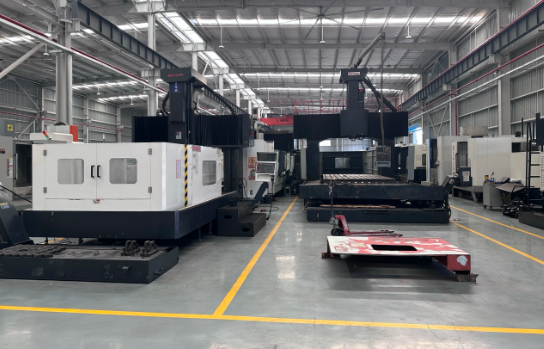
Lead Time Impact on Quote Pricing
Need your parts by next week instead of next month? That urgency comes with a price tag - sometimes a steep one. Rush orders can inflate your machining quotes by 25% to 50%, yet many buyers don't realize how much planning ahead could save them. Understanding the cost-time tradeoff transforms lead time from a budget-buster into a strategic lever you control.
Lead time affects every aspect of your quote. Shops must rearrange production schedules, source materials faster, and sometimes pay their own premiums to expedite your order. These costs pass directly to you. But here's what suppliers rarely explain: the relationship between standard timelines, shop capacity, and your final price follows predictable patterns that informed buyers can navigate strategically.
Standard vs. Rush Lead Time Pricing
Standard lead times for CNC machining typically range from 2-6 weeks depending on part complexity and shop workload. Within this window, suppliers can optimize their schedules, source materials economically, and maintain quality without cutting corners. Move outside this comfort zone, and costs escalate quickly.
According to precision machining specialists, accurate lead time quoting requires considering factors within the shop's control - like machine capacity - and those outside it, including material sourcing and outside processing like plating or anodizing. Each variable adds potential delay points that rush fees must compensate for.
Here's how urgency typically impacts your quote:
- Standard timeline (3-4 weeks): Baseline pricing with no rush premium
- Expedited (1-2 weeks): Expect 15-25% premium as your job jumps the queue
- Rush (under 1 week): Premiums of 25-50% become common; weekend or overtime labor may be required
- Emergency (24-72 hours): Costs can double; not all shops accept these orders regardless of price
Why do premiums escalate so dramatically? When you request rush delivery, the shop must:
- Interrupt scheduled production, potentially delaying other customers
- Pay expedited shipping for materials that aren't in stock
- Authorize overtime wages for operators and inspectors
- Accept reduced efficiency from compressed setup and prove-out cycles
- Risk quality issues from accelerated processes
Every day you save on lead time costs you money. The question isn't whether rush fees are fair - it's whether your timeline truly requires paying them.
The hidden costs extend beyond the obvious premiums. Research on CNC machining hidden costs reveals that overnight shipping charges alone add 25% to logistics costs on average. When combined with rush production premiums, total cost increases can approach 75% for truly urgent orders.
Planning Ahead to Avoid Premium Charges
The most effective way to reduce lead time costs? Eliminate the urgency in the first place. This sounds obvious, but it requires understanding how machining timelines actually work and building appropriate buffers into your project planning.
Experienced machine shops calculate lead times by working backward from your due date. They subtract shipping time to outside processors, processing duration, shipping time for materials, and their internal machining time. What remains is the buffer for unexpected issues - and when that buffer disappears, so does your pricing advantage.
Consider this scenario: A part needs anodizing from a vendor in another state. That's 2-3 days transit each way, plus processing time. If you're searching for "cnc machines near me" hoping proximity eliminates these delays, remember that outside processing often travels regardless of where your primary machinist is located.
Practical strategies to avoid rush fees:
- Submit quotes early: Request pricing 2-3 weeks before you actually need to place orders, giving time for clarifications without compressing production
- Lock designs before quoting: Changes after order placement reset the clock and often trigger expedite fees to recover lost time
- Specify realistic dates: Provide actual need dates rather than "ASAP" - shops can often meet genuine deadlines without rush premiums if they understand the real requirement
- Build material lead time into planning: Exotic materials may require weeks to source; standard aluminum arrives in days. Know your material's typical availability.
- Submit POs promptly: Manufacturing experts warn that delays between quote and purchase order can invalidate material availability assumptions, potentially impacting quoted lead times
Shop Capacity and Realistic Expectations
Your quote timeline depends heavily on what else is happening in the shop when your order arrives. Understanding capacity dynamics helps you set realistic expectations and identify when quoted lead times deserve scrutiny.
Most shops manage their schedules using ERP systems that track every machine's current job, remaining duration, and upcoming commitments. Scheduling specialists explain that sometimes gaps exist in the schedule - a current job finishes next week, but the following job isn't due for another month. Savvy shops can slot quick-turnaround prototype work into these windows without disrupting other commitments.
Factors that extend realistic lead times:
- Complex geometries: Parts requiring 5-axis machining or multiple setups consume more machine time and scheduling flexibility
- Exotic materials: Titanium, Inconel, and specialty plastics may require sourcing time that standard aluminum doesn't
- Tight tolerances: Precision work demands slower speeds, more inspection, and careful prove-out - none of which can be rushed safely
- Outside processing: Anodizing, plating, heat treatment, and other finishing operations add their own timelines beyond the machine shop's control
- Seasonal capacity: Many shops experience peaks around fiscal year-end, product launch seasons, or industry-specific cycles
When evaluating quotes from cnc services near me or distant suppliers, compare lead times critically. A shop promising delivery in half the time of competitors either has unusual capacity available, plans to work overtime at their cost, or may be overcommitting. Ask directly: "How are you able to meet this timeline when others quoted longer?"
For automotive applications requiring fast turnaround, IATF 16949-certified facilities like Shaoyi Metal Technology can deliver high-tolerance components with lead times as fast as one working day. This capability makes them worth considering when evaluating quotes for time-sensitive chassis assemblies or custom metal bushings where both speed and automotive-grade quality matter.
Quote Turnaround vs. Production Lead Time
Don't confuse how quickly you receive a quote with how quickly you'll receive parts. These are separate timelines, and understanding both helps you plan effectively.
Quote turnaround - the time from submitting your RFQ to receiving pricing - varies significantly by quoting method. Instant online platforms deliver in seconds for standard parts. Manual review quotes typically require 24-48 hours for straightforward work, extending to a week or more for complex parts requiring engineering analysis.
Production lead time - the time from purchase order to delivery - depends on all the factors discussed above. A shop might quote your part in 2 hours but require 4 weeks to actually produce it. Conversely, a supplier taking 3 days to provide a detailed quote might have capacity to ship in 2 weeks.
The connection between these timelines matters: precision machining experts emphasize that when they receive a PO, they aim to have it entered into their system within one business day, including ordering materials. This responsiveness prevents the gap between quote acceptance and production start from becoming another delay point.
When searching for cnc machining services near me or evaluating distant suppliers, ask about both timelines explicitly. A supplier with slower quote turnaround but faster production throughput may actually deliver your parts sooner than one who quotes instantly but has a packed production schedule.
With lead time dynamics understood, you're equipped to make informed decisions about urgency, planning, and the true cost of speed. The final step in your machining quote journey brings everything together into an actionable strategy for procurement success.
Taking Action on Your Machining Quote Journey
You've decoded the pricing factors, understood the hidden variables, and learned what separates good quotes from costly mistakes. Now what? Knowledge without action remains theoretical. The buyers who consistently secure better pricing and build stronger supply chains follow a systematic approach that transforms insights into results.
Whether you're sourcing a single prototype or planning production-scale cnc fabrication, success comes down to preparation, evaluation, and relationship building. Let's consolidate everything into a practical roadmap you can implement immediately.
Your Quote Request Action Plan
Before you submit your next RFQ, work through this structured checklist. Each step addresses a cost factor or communication gap that commonly derails machining projects.
- Prepare complete CAD files in STEP format: Include 2D drawings with GD&T callouts for critical dimensions. Missing information triggers email chains that delay your quote by days.
- Specify exact material grades: "6061-T6 Aluminum" beats "aluminum" every time. Vague specifications force suppliers to assume - and assumptions rarely favor your budget.
- Tier your tolerance requirements: Apply tight tolerances only where function demands them. Over-tolerancing everything can double your costs without improving your part.
- Include quantity ranges: Request pricing for multiple volumes (25, 100, 500 units) to understand your price break opportunities and plan future orders strategically.
- State realistic deadlines: Provide actual need dates rather than "ASAP." Suppliers can often meet genuine timelines without rush premiums when they understand real requirements.
- List all secondary operations upfront: Anodizing, plating, heat treatment - include everything in your initial request. Adding finishing requirements later restarts the quoting process.
- Request itemized breakdowns: Ask suppliers to separate material, machining, setup, and finishing costs. Transparency reveals optimization opportunities and builds trust.
- Compare total value, not just price: Evaluate certifications, communication quality, and delivery reliability alongside the bottom line. The cheapest quote often becomes the most expensive choice.
This systematic approach applies whether you're working with local aluminum fabrication shops or global cnc manufacturing shops. Manufacturing collaboration research confirms that successful custom machining projects rely not just on technical capabilities but on effective communication and shared understanding between customers and manufacturing partners.
Building Long-Term Supplier Relationships
The most successful procurement professionals stop treating suppliers as interchangeable vendors and start treating them as strategic partners. This shift transforms your supply chain from a cost center into a competitive advantage.
Supply chain research shows that even small breakdowns in supplier communication can cascade into missed deadlines, delayed deliveries, and frustrated customers. Companies navigating disruptions successfully are 2.5 times more likely to use effective communication technologies compared to their peers.
Here's how to build partnerships that deliver better quotes over time:
- Assign a clear point of contact: Designate one person internally responsible for each key supplier relationship. This prevents information silos and ensures consistent communication flow.
- Share your roadmap: Let suppliers know about upcoming projects and volume forecasts. This visibility helps them plan capacity and often unlocks better pricing for committed business.
- Provide feedback systematically: When parts arrive, communicate what went well and what could improve. Suppliers who understand your priorities can optimize their processes for your needs.
- Invest in their development: Supplier management experts note that by investing in your supplier's development, you directly invest in the long-term health of your own supply chain.
- Conduct regular business reviews: Quarterly conversations about performance, challenges, and opportunities strengthen partnerships and surface issues before they become problems.
The cnc fab industry rewards loyalty with priority scheduling, design consultation, and pricing flexibility that transactional buyers never see. When your supplier understands your business deeply, they become problem solvers rather than order takers.
Your Path Forward
Every machining quote tells a story - about materials, tolerances, complexity, and supplier capability. You now understand that story well enough to ask the right questions, spot the red flags, and negotiate from knowledge rather than hope.
Remember the key principles: complete documentation prevents delays, tolerance optimization saves money without sacrificing function, and total value matters more than bottom-line price. Build relationships with suppliers who communicate clearly, deliver reliably, and treat your success as their own.
For readers seeking precision CNC machining with automotive-grade quality standards, Shaoyi Metal Technology offers IATF 16949-certified manufacturing that scales from rapid prototyping to mass production with strict Statistical Process Control. Their combination of quality certification, fast turnaround capability, and aluminium fabrication expertise makes them worth evaluating when your projects demand both precision and reliability.
The difference between buyers who struggle with machining procurement and those who excel isn't luck - it's preparation, knowledge, and strategic relationship building. You now have all three. Your next quote request is an opportunity to put them into action.
Frequently Asked Questions About Machining Quotes
1. How to calculate machining cost per hour?
Machining cost per hour is calculated using this formula: (machine purchase cost + expected lifetime maintenance cost) ÷ expected hours of operating life. CNC machine hourly rates typically range from $35 to $120 depending on machine complexity, with 3-axis machines on the lower end and 5-axis machines commanding premium rates. Factor in operator wages, tooling wear, and overhead costs for accurate shop rate calculations.
2. What is the hourly rate for a CNC machine?
CNC machine hourly rates vary significantly based on machine type and region. Standard 3-axis machines typically cost $35-$50 per hour, while complex 5-axis machines can reach $100-$120 per hour. These rates include machine depreciation, maintenance, tooling, and operator costs. For accurate project budgeting, request itemized quotes that separate machine time from setup and material costs.
3. Why do small quantity orders cost more per part?
Small orders cost more because fixed setup costs get distributed across fewer parts. Setup activities like programming, tooling, fixturing, and first-article inspection take the same time whether you order 10 or 1,000 parts. Industry data shows unit costs for 10 parts can run 2-3 times higher than 1,000 identical parts. Strategic quantity planning and consolidating orders can significantly reduce per-unit pricing.
4. What file format should I use for CNC machining quotes?
STEP files (.step or .stp) are the industry standard for CNC quoting because they contain precise 3D geometry that CAM software can interpret accurately. Avoid STL files as they're mesh approximations lacking dimensional precision. Include 2D PDF drawings with GD&T callouts for tolerances and threading specifications, since STEP files don't communicate these critical details.
5. How do tolerances affect machining quote prices?
Tolerance requirements increase costs exponentially, not linearly. Moving from standard ±0.005" to precision ±0.001" can quadruple your price because tighter tolerances demand slower machining speeds, more frequent inspections, higher-precision equipment, and climate-controlled environments. Apply tight tolerances only to critical functional dimensions and use standard tolerances elsewhere to optimize costs without sacrificing performance.