 Small batches, high standards. Our rapid prototyping service makes validation faster and easier —
  EN
EN


Machining Quote Secrets: What Shops Calculate But Never Tell You
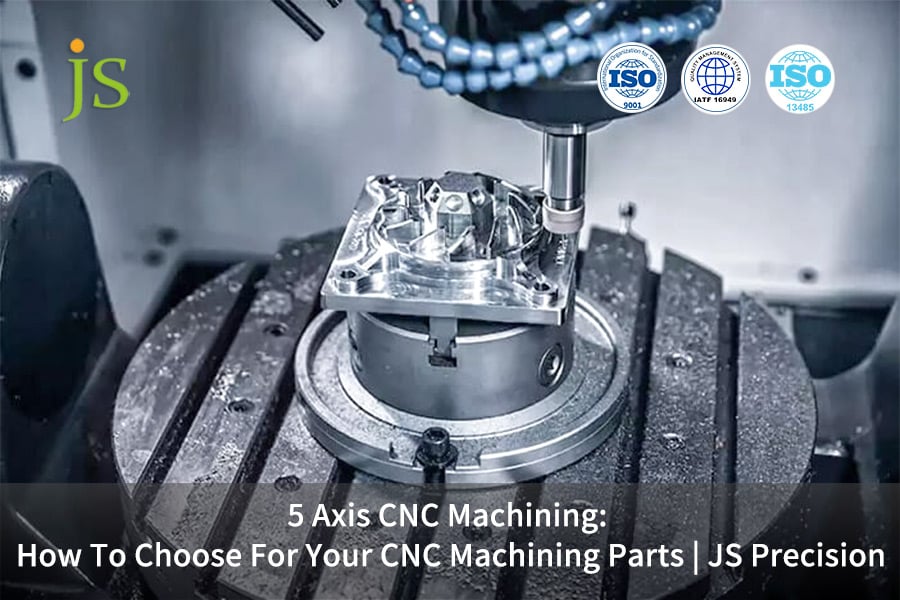
Understanding Machining Quotes and Why They Matter
Ever wondered how much to get a metal part made? The answer starts with a machining quote—a formal pricing estimate from a manufacturer that breaks down the costs for producing your custom parts. Whether you're sourcing a single prototype or planning a full production run, understanding this document can mean the difference between a smooth project and unexpected budget overruns.
Think of a machining quote as a detailed roadmap for your manufacturing project. It outlines everything from raw material costs to machine time, setup fees, and finishing operations. Yet many buyers treat quotes as simple price tags, missing the valuable information hidden within. This guide will walk you through the quoting process from preparation to evaluation, helping you become a more informed buyer when seeking CNC services.
What a Machining Quote Actually Includes
A comprehensive machining quote goes far beyond a single dollar figure. When you request pricing for machined parts, the document you receive typically contains several key components:
- Material costs: The price of raw stock needed to produce your part
- Machine time: Hourly rates for equipment operation, including energy and maintenance
- Labor costs: Setup, supervision, and quality control by skilled operators
- Post-processing: Surface finishing, coatings, or additional treatments
- Overhead and profit margin: Business operating costs built into the final price
Many online machining quotes now offer an instant quote option for standard parts, allowing you to get preliminary pricing within minutes. However, complex projects often require detailed consultations to ensure accuracy. Understanding what each line item represents helps you compare vendors fairly and identify potential cost-saving opportunities.
Why Understanding Quotes Saves You Money
Here's the reality: shops assume you already speak their language. When you don't understand quote terminology, you lose negotiating power and risk accepting unfavorable terms. A detailed cnc quote online might reveal that 40% of your cost comes from a single design feature that could be simplified.
By learning to read quotes effectively, you can:
- Identify which design decisions are driving up costs
- Compare multiple vendors on equal footing
- Spot potential quality or communication issues before production begins
- Make informed decisions about materials, tolerances, and production volumes
Throughout this article, you'll discover exactly how manufacturers calculate pricing, what information to prepare before requesting quotes, and how to evaluate proposals like a seasoned procurement professional. Consider this your neutral buyer's guide to navigating the machining quote process with confidence.

How Machining Quotes Are Actually Calculated
Ever looked at a machining quote and wondered where those numbers actually come from? You're not alone. Most suppliers don't explain their pricing formulas, leaving buyers guessing about what drives costs up or down. Understanding the calculation behind your quote gives you the power to optimize designs, negotiate effectively, and avoid sticker shock when quotes arrive.
The truth is, CNC machining isn't a commodity with standardized pricing. Unlike buying off-the-shelf products, every custom part requires a unique cost analysis. According to industry data, the same drawing can generate quotes varying by several times across different suppliers—and that variation often comes down to how each shop weighs these core cost factors.
The Five Core Components of Quote Pricing
When a manufacturer calculates your cnc machining cost, they're balancing five fundamental elements. Each one contributes to your final price in different proportions depending on your specific project:
- Material Costs: Raw stock pricing forms the foundation of every quote. The price differences between materials can be dramatic—titanium alloy typically costs 3-5 times more than aluminum alloy for the same volume. Beyond purchase price, material selection affects tool wear and machining speed, creating a ripple effect throughout the entire cost structure.
- Machine Time: This is where most of your cnc machine cost accumulates. Suppliers calculate charges based on hourly machine rates multiplied by the estimated runtime. A simple flat bracket with a few holes might take 10-30 minutes, while parts with deep holes, curves, or internal cavities can require several hours per piece.
- Setup Fees: Before your part ever touches a cutting tool, engineers must program toolpaths, create fixtures, and configure the machine. These upfront engineering steps—including CAD file review, CAM programming, and workholding setup—represent fixed costs that get distributed across your order quantity.
- Complexity Multipliers: Intricate geometries require multi-axis machining, custom tooling, and additional programming time. Deep cavities, thin walls, and tight internal features slow down machining speeds and demand higher-skilled operators, all adding to the machinist metal cost.
- Finishing Costs: Surface treatments and coatings are often overlooked but can significantly impact total pricing. For aluminum parts, standard anodizing runs $5-15 per piece, while specialized finishes like mirror polish or dual-color treatments command premium pricing.
Here's a practical example: a 100×40×10mm aluminum bracket might cost just $6-8 per piece in material and machining. Switch that same geometry to stainless steel, and the price jumps to $10-15 due to higher material costs and extended machining time. The cnc machine price difference comes entirely from material properties affecting every other cost factor.
How Machine Time Drives Your Final Cost
In metal machining, time truly equals money. Most shops calculate their core charges based on hourly machine rates, and these rates vary dramatically by region and equipment type:
| Region | Typical Hourly Rate Range | Key Factors |
|---|---|---|
| United States | $50-200/hour | Higher labor costs, advanced equipment |
| Europe | $35-120/hour | Varies by country; Germany and Switzerland highest |
| China | $10-50/hour | Competitive rates but variable by supplier workload |
For machining for manufacturing projects, these regional differences compound quickly. A complex stainless steel part might cost $25/hour to machine in China but $80 or more in Germany—and that's before accounting for shipping, communication, and quality control considerations.
Your part's geometry directly determines runtime. The CAM programming strategy also plays a significant role: optimized toolpaths can reduce working time substantially, while feature recognition software can streamline setup processes. This explains why two shops with similar equipment might quote dramatically different prices—their programming efficiency and specialized fixtures make all the difference.
The Hidden Impact of Tolerances and Surface Finish
Here's something many buyers don't realize: specifying ±0.01mm on a drawing doesn't just add a little extra cost—it can fundamentally change how your part gets manufactured. Tight tolerances require slower feed rates, more frequent inspections, and sometimes entirely different (more expensive) machines.
Consider how tolerance requirements affect your cnc machining price:
- Standard tolerances (±0.1mm): Suitable for general parts and housings with minimal price impact
- Precision tolerances (±0.05mm): Moderate cost increase; requires additional quality checks
- Tight tolerances (±0.01mm or under ±0.005"): Significant price premium due to slower machining speeds, specialized equipment, and rigorous inspection protocols
Surface finish requirements follow a similar pattern. Requesting specific Ra values (surface roughness measurements) means slower cutting speeds and additional finishing passes. Medical implants requiring micro-finishes or aerospace parts demanding flawless tolerances can see costs multiply compared to standard commercial finishes.
The takeaway? Set tolerances based on actual functional needs rather than defaulting to the tightest specs possible. For cnc machining parts where only certain features require precision, callout those specific dimensions while allowing standard tolerances elsewhere. This targeted approach to specifications can reduce your quote significantly without compromising part performance.
Understanding these calculation fundamentals prepares you to make smarter decisions before you ever request a quote. But knowing what affects pricing is only half the equation—the other half is preparing your project properly to get accurate estimates from the start.
Preparing Your Project for Accurate Quotes
Imagine this scenario: you submit a design to three different machine shops, and each one comes back with wildly different prices and timelines. Frustrating, right? The problem often isn't the suppliers—it's the information you're providing. A vague or incomplete request forces manufacturers to make assumptions, and those assumptions rarely work in your favor.
Getting accurate quotes starts long before you click "submit." The information you gather and how you present your project directly determines whether you receive fast, reliable pricing or endless rounds of clarifying emails. According to industry experts, a complete technical package can reduce quote turnaround by up to 50% while eliminating costly misunderstandings during production.
Information Checklist Before Requesting Quotes
Before reaching out to any supplier, gather these essential details. Think of this as your pre-flight checklist—skipping any step creates turbulence later:
- Define your quantity requirements clearly. Prototype machining (1-10 pieces) involves different economics than production runs (100+ pieces). Setup costs get distributed across volume, so a single prototype might cost 5-10 times more per unit than the same part in quantity. Specify both your immediate needs and potential future volumes—many shops offer volume discounts if they understand your long-term plans.
- Specify tolerance requirements precisely. Don't default to tight tolerances everywhere. Identify which dimensions are functionally critical and which can accept standard machining tolerances. As discussed earlier, overly tight specs dramatically increase costs without adding value where precision isn't needed.
- Select your material before requesting quotes. Material choice affects everything from tooling selection to machine time. Specify the exact alloy (6061-T6 aluminum, not just "aluminum") and any certification requirements (mill certs, material traceability). If you're flexible on materials, say so—shops may suggest alternatives that save money while meeting your performance needs.
- Establish realistic deadline constraints. Rush jobs command premium pricing. Standard lead times for custom machined parts typically run 2-4 weeks for prototypes and 4-8 weeks for production quantities. If your timeline is flexible, mention it—you may qualify for better pricing during slower shop periods.
- Document surface finish and post-processing needs. Will parts require anodizing, plating, heat treatment, or specific surface roughness values? These secondary operations affect both cost and lead time. Include them upfront rather than adding them later as change orders.
How Design Decisions Affect Quotability
Your CAD file is the source of truth for any machining quote. As Randy Altschuler, CEO of Xometry, puts it: "An accurate, information-rich 3D CAD model is the single most important element in getting a fast, accurate quote and a high-quality part." But not all cnc files are created equal.
Preferred file formats for CNC quoting:
- STEP (.stp, .step): The universal standard for CNC work. STEP files preserve solid geometry and can be read by virtually any CAM software. This should be your default export format.
- IGES (.igs file): An older but widely supported format. While functional, IGES files occasionally lose surface data during translation. Use STEP when possible, but an .igs file works as a reliable backup.
- Native CAD files: SolidWorks (.sldprt), Inventor (.ipt), or Fusion 360 formats contain the most complete design data. Many suppliers can work directly with native cnc file formats.
- Parasolid (.x_t): Excellent geometry preservation, commonly used alongside STEP files.
Avoid mesh-based formats like STL or OBJ for machining requests. These work fine for 3D printing but break smooth curves into triangular facets, making them unsuitable for precision CNC work.
Here's where many engineers stumble: assuming the 3D model tells the whole story. Greg Paulsen, Director of Application Engineering at Fictiv, notes a common issue: "We often see a disconnect between the 3D model and the 2D drawing... A successful RFQ package is one where the 2D drawing serves to clarify and add critical information that complements the 3D model, rather than contradicting it."
Common file preparation mistakes to avoid:
- Missing critical dimensions: Your 3D model shows geometry, but tolerances, thread callouts, and surface finish requirements belong on a 2D drawing (.PDF format works well).
- Unclear tolerance specifications: If a feature requires ±0.01mm, call it out explicitly. Shops will assume standard tolerances otherwise—or worse, price conservatively for the tightest possible interpretation.
- Contradictory information: When your drawing dimensions don't match your model geometry, production stops while engineers seek clarification. Always verify that your 2D documentation aligns with your 3D file.
- Overly complex geometry: Features like extremely thin walls, deep narrow pockets, or sharp internal corners may be impossible to machine as drawn. Simplify where possible, or be prepared for higher costs and design-for-manufacturability feedback.
For specialized applications—like a 65 mm blind tube diagram cad or similar complex internal features—include notes explaining functional requirements. When machinists understand why a feature exists, they can suggest manufacturing-friendly alternatives that preserve function while reducing cost.
A complete quote package includes: 3D CAD file (STEP preferred), 2D technical drawing with tolerances and GD&T, material specification, quantity requirements, and deadline constraints.
Taking time to prepare thorough documentation pays dividends throughout your project. But even with perfect files, your quote will vary based on the equipment used to make your parts—which brings us to how machine selection impacts pricing.
How Machine Selection Impacts Your Quote
Here's an industry secret most buyers never learn: the machine that makes your part often matters more than the material it's made from. When you request a machining quote, suppliers are simultaneously evaluating which equipment best handles your geometry—and that decision directly shapes your pricing.
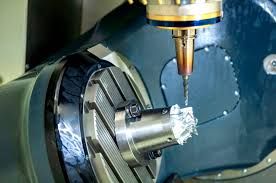
Think about it this way. A 3 axis cnc machine operates like a drill press on steroids, moving cutting tools along three linear directions (X, Y, and Z). A 5 axis cnc machine adds two rotational movements, allowing the tool or workpiece to tilt and swivel during cutting. The difference isn't just technical jargon—it fundamentally changes what's possible, how long production takes, and ultimately what you'll pay.
Understanding this distinction helps you evaluate quotes intelligently and sometimes redesign parts to hit lower price points. Let's break down exactly how machine capabilities translate into dollars on your quote.
Matching Machine Capabilities to Your Part Requirements
Not every part needs the most sophisticated equipment. In fact, using a 5-axis machine for simple geometries often wastes money. The key is matching your part's complexity to the right level of machine capability.
3-Axis CNC Milling: These workhorses excel at parts with features primarily on one or two parallel faces. Think flat brackets, simple housings, or plates with through-holes. A cnc mill running three axes handles prismatic geometries efficiently at hourly rates typically ranging from $75-$125 in North American shops.
5-Axis CNC Milling: When parts feature undercuts, compound angles, or complex curved surfaces, the 5th axis capabilities become essential. The machine can approach features from virtually any angle in a single setup. Hourly rates jump to $150-$325, but here's the catch—total cost sometimes drops because you eliminate multiple setups and the errors that come with re-fixturing.
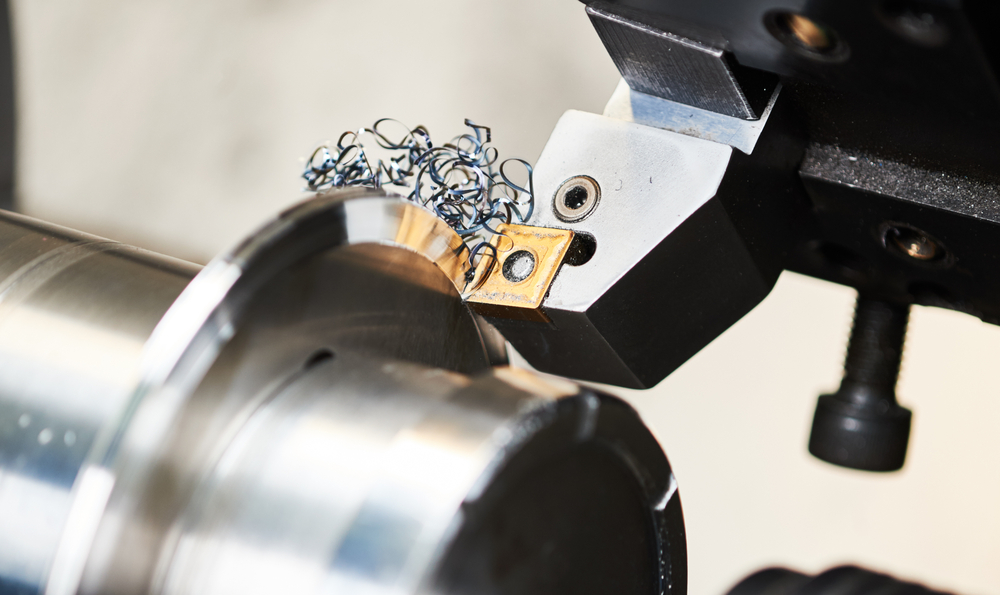
CNC Lathe Machining: Cylindrical parts—shafts, bushings, turned fittings—belong on a cnc machine lathe rather than a mill. Lathe machining rotates the workpiece while a stationary tool removes material, making it dramatically faster for round geometries. A cnc metal lathe typically runs $50-$100 per hour, and for appropriate parts, nothing beats it on efficiency.
| Machine Type | Best Applications | Typical Hourly Rate | Complexity Handling |
|---|---|---|---|
| 3-Axis CNC Mill | Flat parts, simple pockets, through-holes, prismatic shapes | $75-$125 | Features on 1-3 faces; requires multiple setups for complex parts |
| 5-Axis CNC Mill | Compound curves, undercuts, aerospace components, impellers | $150-$325 | All features in single setup; handles any angle or contour |
| CNC Lathe (Turning) | Shafts, pins, bushings, threaded components, cylindrical parts | $50-$100 | Optimal for rotational symmetry; limited on off-axis features |
| Turn-Mill (Multi-Axis Lathe) | Complex round parts with milled features, cross-holes, flats | $100-$200 | Combines turning and milling in one setup |
When reviewing quotes, pay attention to which machine type suppliers plan to use. If one shop quotes your complex bracket using 3-axis equipment while another selects 5-axis, their prices will differ substantially—but so will the potential for accuracy issues and rework.
When 5-Axis Machining Actually Saves Money
Sounds counterintuitive, right? How can more expensive equipment reduce costs? The answer lies in what manufacturing engineers call "Total Cost of Ownership"—the full picture beyond just the hourly rate.
Consider a real-world example from aerospace manufacturing. A startup developing drone engines faced a 15% scrap rate on aluminum impeller parts. Their initial approach used 3-axis machining with six separate setups. Each time operators repositioned the part, small errors accumulated. Blades came out uneven, dynamic balance failed, and expensive material went to waste.
Switching to a 5-axis single-setup process changed everything. Yes, the hourly machine rate doubled. But qualification rates jumped from 85% to 99%, and total machining cycle time dropped by 60% because setup time virtually disappeared. The "expensive" option became the affordable one when measured by cost per good part.
Here's when 5-axis typically saves money despite higher hourly rates:
- Parts requiring 4+ setups on 3-axis equipment: Each setup adds labor time, fixture costs, and positioning error risk. When setup overhead exceeds the rate difference, 5-axis wins.
- Tight positional tolerances between angled features: Every re-clamping introduces potential error of ±0.0002 inches or more. For parts needing ±0.002" positional accuracy across multiple faces, single-setup machining may be the only reliable option.
- Expensive materials: When machining titanium or exotic alloys costing $50+ per pound, a late-stage setup error that scraps the part becomes catastrophic. Reducing handling reduces scrap risk.
- Medium production volumes (10-200 pieces): Setup elimination compounds across every part. The premium per piece shrinks as volume increases while 3-axis setup costs remain fixed per batch.
One manufacturer described the shift perfectly: "3-axis does the physical work efficiently; 5-axis does the fine work precisely." Many shops now combine both approaches—roughing material quickly on 3-axis equipment, then finishing complex features on 5-axis machines to optimize total cost.
Choosing the Right Process During Quoting
The worst time to discover you've selected the wrong machining approach is after production starts. Choosing the appropriate machine type during the quoting phase prevents costly requotes, delivery delays, and quality issues down the line.
Before finalizing your quote request, ask yourself these questions:
- How many faces of my part require machining features?
- Are there undercuts, compound angles, or features that can't be reached from above?
- Is my part primarily cylindrical (better for lathe machining) or prismatic (better for milling)?
- What positional tolerances do I need between features on different faces?
If you're uncertain, say so in your quote request. Quality suppliers will recommend the optimal approach based on your geometry and suggest design modifications that could unlock more economical processing. A true manufacturing partner thinks about process optimization—not just executing your drawing as submitted.
Machine selection sets the foundation for your quote, but it's only one variable. How you obtain that quote—through instant online platforms or traditional RFQ processes—also shapes your pricing and experience.
Comparing Quote Methods and Service Providers
You've prepared your files, selected your materials, and understand how machine type affects pricing. Now comes a question that trips up even experienced buyers: where exactly should you request your machining quote?
The landscape has shifted dramatically over the past decade. Traditional machine shops now compete with online cnc machining services offering instant pricing at the click of a button. Both approaches have passionate advocates—and both have limitations that sellers rarely discuss. Since most platforms only promote their own model, you're left without an objective comparison.
Let's fix that. Understanding the real tradeoffs between instant online quotation systems and traditional RFQ processes helps you choose the right approach for each project rather than defaulting to habit.
Instant Online Quotes vs Traditional RFQ Processes
Online manufacturing platforms have revolutionized how buyers source custom parts. Upload your 3D CAD file, specify material and quantity, and receive pricing within seconds. The convenience is undeniable—especially when you're exploring design options or need ballpark figures quickly.
But here's what the platforms don't advertise: their AI-powered quoting systems have significant blind spots. According to testing conducted by manufacturing engineers, online CNC machining quotations sometimes penalize thoughtful design decisions rather than rewarding them.
Consider this real-world example from 3ERP's analysis: when an engineer added radii to sharp internal corners—a modification that actually simplifies manufacturing by eliminating the need for EDM finishing—the AI system returned a higher price, treating the radii as extra features rather than process improvements. Similarly, reducing part height by 50% (which cuts machining time by roughly two-thirds due to shorter tooling requirements) produced only marginal quote reductions.
Traditional job shops operate differently. When you submit an RFQ to a local cnc service, experienced engineers review your geometry personally. They understand that certain design choices reduce manufacturing complexity even when they add visual features to the model. This human evaluation catches nuances that algorithms miss.
| Quote Method | Turnaround Time | Best For | Limitations | Typical Accuracy |
|---|---|---|---|---|
| Instant Online Platforms | Seconds to minutes | Standard geometries, initial budgeting, rapid iteration on simple parts | May misjudge complex features; limited material/finish options; no DFM consultation | High for simple parts; variable for complex geometries |
| Traditional RFQ (Local Shops) | 12-48 hours typical | Complex parts, tight tolerances, custom materials, projects needing engineering input | Slower response; requires more buyer effort to solicit multiple quotes | High across all complexity levels |
| Hybrid Platforms | Hours to 1-2 days | Medium complexity parts, buyers wanting speed with human review | May still miss specialized requirements; engineering follow-up common | Moderate to high; human review catches algorithm errors |
The accuracy difference matters more than you might expect. If an AI quote comes in 30% too low, you'll likely get contacted later when the manufacturer realizes the error—or face change orders mid-production. As one industry observer noted: "Eventually, you will spend the same amount of time getting your parts done as you would with a traditional manufacturing company" once the back-and-forth clarifications begin.
Choosing the Right Quoting Approach for Your Project
So when should you search for cnc machining services near me versus using an online platform? The answer depends on three factors: project complexity, timeline pressure, and your need for engineering collaboration.
Use instant online quotes when:
- Your part geometry is relatively simple (features on 1-2 faces, standard tolerances)
- You need ballpark pricing for budgeting or design trade-off analysis
- Timeline is flexible and you can wait for human follow-up if needed
- Material and finish requirements are standard options available on the platform
- You're ordering prototypes of straightforward designs
Choose traditional RFQ processes when:
- Parts feature complex geometries, undercuts, or features the AI might misinterpret
- You need design-for-manufacturability feedback before finalizing drawings
- Projects require specific certifications (AS9100D, ISO 13485, IATF 16949)
- Custom materials, specialized coatings, or unusual secondary operations are specified
- Production volumes are large enough that small per-piece savings compound significantly
- You value a collaborative relationship with your manufacturing partner
Many experienced buyers use a hybrid strategy. They run parts through online platforms first to establish baseline pricing, then approach local shops or preferred suppliers for refined quotes on final designs. When searching for cnc machines near me or cnc services near me, you gain the advantage of site visits, face-to-face communication, and faster resolution of any production issues.
Here's the bottom line: online platforms excel at speed and convenience for standard work. Traditional manufacturers excel at handling complexity and providing personalized consultation. Neither approach is universally superior—the right choice depends on what your specific project demands.
For simple parts needing fast turnaround, online platforms deliver. For complex projects requiring engineering expertise, traditional RFQ processes still outperform algorithms.
Whichever path you choose, the quotes you receive will vary based on more than just geometry and machine time. Industry-specific certifications play a surprisingly large role in pricing—a factor we'll explore next.
Industry Certifications and Their Effect on Pricing
Have you ever wondered why two machine shops quoting identical parts produce dramatically different prices? Beyond equipment and labor rates, one hidden factor often explains the gap: certifications. The credentials a shop holds—or lacks—directly impact what they can charge, what industries they can serve, and ultimately whether your parts will pass regulatory muster.
Here's what many buyers miss: certifications aren't just fancy plaques on the wall. They represent documented quality systems, rigorous audits, and ongoing compliance investments that cost shops real money to maintain. When you're sourcing precision cnc machining services for regulated industries, those credentials become non-negotiable—and they carry price premiums that reflect their true value.
Understanding which certifications matter for your industry helps you evaluate quotes fairly and avoid the costly mistake of choosing an unqualified supplier simply because their price looks attractive.
Certification Requirements by Industry
Different sectors demand different quality management standards. What works perfectly for general industrial components would never satisfy an aerospace prime contractor or FDA inspector. Let's break down the major certifications and where they apply:
- ISO 9001:2015 (General Manufacturing): The foundational quality management standard that applies across all industries. ISO 9001 establishes baseline requirements for documented processes, customer focus, and continuous improvement. Most reputable machine shop services hold this certification at minimum. Price impact: Baseline—shops without ISO 9001 may quote lower but represent higher quality risk.
- AS9100D (Aerospace): Built on ISO 9001 but adds aerospace-specific requirements for risk management, configuration control, and product integrity throughout complex supply chains. Any cnc machinist aerospace work for commercial aviation or defense contractors requires this certification. Price impact: 10-25% premium over standard machining due to documentation requirements and audit overhead.
- ISO 13485 (Medical Devices): The definitive standard for medical device manufacturing, emphasizing design controls, traceability, sterility requirements, and risk mitigation. FDA-regulated devices essentially require suppliers holding this credential. Price impact: 15-30% premium reflecting enhanced documentation, cleanroom requirements, and validation protocols.
- IATF 16949:2016 (Automotive): Combines ISO 9001 principles with automotive-specific requirements for defect prevention, continuous improvement, and supply chain management. Major automakers mandate this certification for tier suppliers. Price impact: 10-20% premium for SPC documentation, PPAP submissions, and enhanced inspection requirements.
- NADCAP (Special Processes): Not a quality system certification but an accreditation for specific processes critical to aerospace and defense—heat treating, chemical processing, nondestructive testing, and surface treatments. Required when these specialized operations affect part performance. Price impact: Varies by process; typically 15-40% premium for accredited special processing.
When you need stainless steel cnc machining for surgical instruments, for example, working with an ISO 13485-certified shop isn't optional—it's a regulatory requirement. The same principle applies across every regulated sector.
Why Certified Shops Command Premium Pricing
Sounds expensive? Consider what those certifications actually require. Maintaining AS9100D or ISO 13485 compliance involves:
- Annual third-party audits: External registrars conduct thorough reviews costing $5,000-$20,000 or more per audit cycle
- Dedicated quality personnel: Certified shops employ quality engineers and inspectors whose salaries factor into overhead
- Enhanced documentation systems: Every process, inspection, and material lot requires traceable records maintained for years
- Calibrated cnc machining equipment: Measurement instruments and machines need regular calibration with documented schedules
- Employee training programs: Ongoing certification of personnel adds labor costs beyond direct production work
- Process validation: New processes must be formally qualified before production, adding engineering time to job setup
These investments don't disappear when you order parts—they're built into every quote. A shop charging $85/hour with full aerospace certifications may actually deliver better value than an uncertified competitor at $60/hour when you factor in quality consistency, documentation completeness, and regulatory acceptance.
Here's the critical point many procurement teams overlook: requesting quotes from non-certified shops for regulated industries creates compliance risks that outweigh any apparent cost savings. If your customer requires AS9100D-certified sources and you substitute an uncertified supplier, you've created a supply chain nonconformance that can result in rejected shipments, customer audits, or contract termination.
The cnc precision machining services market reflects this reality. Shops invest heavily in certifications precisely because customers in aerospace, medical, and automotive sectors demand them—and pay accordingly for the assurance they provide.
Certifications aren't overhead costs—they're investments in quality systems that reduce defects, ensure traceability, and satisfy regulatory requirements your customers mandate.
Before evaluating quotes purely on price, verify that suppliers hold certifications appropriate for your industry. This single step prevents the painful discovery—often at the worst possible moment—that your beautiful parts can't actually be used because they came from a non-qualified source. With certification requirements understood, you're ready to evaluate multiple quotes holistically, looking beyond price to the full picture of quality and capability.
Evaluating and Comparing Multiple Quotes
You've gathered quotes from three different suppliers. The prices range from surprisingly affordable to eye-wateringly expensive. Which one do you choose? If you're tempted to simply pick the lowest number, pause—that instinct has cost buyers millions in rework, delays, and failed parts.
Comparing metal quotes effectively requires looking far beyond the bottom line. According to industry analysis, the most attractive quote isn't always the best one. An unusually low price can signal cut corners, hidden fees, or subpar quality that costs more in the long run through delays, rework, or part failure. Learning to read between the lines separates savvy buyers from those who learn expensive lessons.
Let's walk through exactly what to examine when evaluating cnc machined parts quotes—and how to spot problems before they become your problems.
Reading Between the Lines of a Machining Quote
A well-structured quote tells you as much about the supplier as it does about pricing. Companies that manufacture custom metal parts professionally provide detailed breakdowns that demonstrate their understanding of your project. Vague quotes, conversely, often predict vague results.
Use this checklist when evaluating each quote you receive:
- Cost breakdown transparency: Does the quote itemize material costs, machine time, setup fees, and finishing operations separately? A detailed breakdown indicates professional cost estimation. Lump-sum quotes hide where money actually goes—and where surprises might emerge later.
- Certification documentation: Does the supplier list relevant quality certifications (ISO 9001, AS9100D, ISO 13485, IATF 16949) that match your industry requirements? Certified shops invest in quality systems that reduce defect rates and ensure traceability.
- Inspection capabilities: What measurement equipment does the shop operate? CMM (Coordinate Measuring Machine) capabilities, surface roughness testers, and documented inspection protocols indicate serious quality commitment. Ask about first-article inspection reports and in-process checks.
- Tolerance acknowledgment: Does the quote specifically reference your tolerance requirements? Suppliers who ignore your specifications in the quoting phase will likely ignore them during production. Look for explicit callouts of critical dimensions.
- Lead time clarity: Is the delivery timeline specific ("15 business days from order confirmation") or vague ("2-4 weeks")? Specific commitments indicate realistic capacity planning.
- Payment and revision terms: What happens if you need design changes? How does the supplier handle engineering change orders? Understanding these policies upfront prevents disputes later.
- Customer references or reviews: Does the supplier have verifiable track record with similar projects? Industry reputation matters—especially for custom cnc parts with demanding specifications.
Creating a simple spreadsheet to compare suppliers across these criteria helps you evaluate objectively rather than emotionally. The lowest-priced quote often looks different when measured against quality indicators.
Red Flags That Signal Quote Problems
Some warning signs should trigger immediate caution. When a quote seems too good to be true, it usually is. Watch for these common red flags:
- Significantly lower pricing than competitors: If one quote comes in 30-40% below others for identical specifications, ask why. The supplier may have misunderstood requirements, excluded necessary operations, or plans to use inferior materials. Request clarification before celebrating savings that may never materialize.
- Missing tolerance callouts: A quote that doesn't acknowledge your precision requirements suggests the supplier either didn't review your drawings carefully or doesn't understand what you need. Either scenario predicts problems during production.
- Vague material specifications: "Aluminum" instead of "6061-T6 aluminum" leaves too much room for substitution. Legitimate suppliers specify exact alloys and can provide mill certifications on request.
- No mention of setup costs: Some suppliers exclude programming and fixturing charges from initial quotes, adding them later as change orders. Ask explicitly whether setup costs are included or itemized separately.
- Unrealistic lead times: Promising delivery in days for custom cnc parts that typically require weeks suggests either a misunderstanding of scope or willingness to make promises the shop can't keep.
- Reluctance to discuss quality processes: Reputable shops proudly explain their inspection methods and quality controls. Evasive answers about how they ensure accuracy should concern you.
- No revision or change order policy: Projects evolve. Suppliers who can't explain how they handle design modifications may create friction when changes become necessary.
When to Request Requotes and How to Negotiate
Your initial quote isn't necessarily your final price. Certain situations warrant requesting updated pricing:
- Design modifications: If you've simplified geometry, relaxed tolerances, or changed materials based on DFM feedback, request fresh quotes reflecting the changes. These modifications often reduce costs substantially.
- Volume changes: Increased quantities typically reduce per-piece pricing as setup costs distribute across more parts. If your production plans have scaled up, ask for volume-adjusted quotes.
- Timeline flexibility: Rush jobs command premiums. If your deadline has relaxed, mention it—you may qualify for standard pricing instead of expedited rates.
Negotiating effectively means focusing on value rather than just price. Instead of demanding discounts, ask questions: "What design changes would reduce this cost?" or "How does pricing change at 100 pieces versus 50?" These conversations often reveal savings opportunities while preserving the quality relationship.
The goal isn't finding the cheapest supplier—it's finding the best value partner who delivers quality cnc parts on time and within budget.
With evaluation criteria established, you're equipped to compare quotes intelligently. But even experienced buyers make mistakes that inflate their machining quotes unnecessarily—pitfalls we'll address next.
Common Quoting Mistakes and How to Avoid Them
You've done everything right—prepared detailed drawings, compared multiple suppliers, and selected a capable shop. Then the final invoice arrives, and it's 25% higher than the original quote. What happened?
The frustrating truth is that most quote overruns trace back to preventable mistakes made before production ever started. According to industry experts at XTJ Precision Manufacturing, simple errors in the initial phases can inflate costs dramatically—sometimes by 30% or more. These mistakes not only add unnecessary expenses but can also lead to delays, quality issues, and costly rework.
The good news? They're entirely avoidable once you know what to watch for. Let's walk through the most common pitfalls in cnc prototyping and production quoting, along with practical solutions that ensure your quotes stay accurate from request to delivery.
Costly Mistakes That Inflate Your Machining Quotes
Whether you're ordering aluminum fabrication for prototypes or high-volume cnc cutting runs, these errors consistently drive up costs. Recognizing them early saves both money and headaches:
-
Underspecifying tolerances (then requiring requotes later). Many buyers leave tolerance callouts vague, assuming the shop will "figure it out." When engineers review the design and discover critical fits weren't specified, they must either price conservatively for the tightest possible interpretation or come back with clarifying questions—delaying your quote by days. Worse, if tolerances get clarified mid-production, expect a change order adding 15-25% to your original price.
Solution: Specify tolerances explicitly on your 2D drawing. Call out critical dimensions with GD&T symbols and allow standard tolerances (±0.1mm) on non-critical features. This precision upfront eliminates ambiguity and prevents costly requotes. -
Over-specifying tolerances where they aren't needed. The opposite problem is equally expensive. A real-world example: one buyer specified ±0.005mm on every feature of an aluminum bracket, including non-functional surfaces. This unnecessary precision doubled machining time and increased scrap rates due to minor deviations—resulting in a 25-35% cost hike that added zero functional value.
Solution: Apply tight tolerances only where function demands them. Work with your supplier's DFM analysis to identify where relaxing specifications won't affect performance but will reduce costs. -
Choosing materials based on strength rather than machinability. Defaulting to premium alloys "just in case" is a common trap. One client specified 316 stainless steel for a bracket exposed to mild humidity, assuming it was safer than aluminum. The part's environment didn't require that corrosion resistance—switching to aluminum 6061 reduced machining costs by 40-50% while meeting all functional requirements.
Solution: Discuss material selection with your supplier before finalizing. Ask: "What's the most cost-effective material that meets my performance needs?" Consider factors like machinability, not just mechanical properties. -
Ignoring setup costs for small batches. Setup fees—programming, fixturing, and machine configuration—represent fixed costs that get distributed across your order quantity. A single prototype might absorb $200-500 in setup charges, making each piece dramatically more expensive than the same part at 50 or 100 units. Buyers who don't account for this are shocked when prototype pricing seems "unreasonable."
Solution: Ask suppliers to itemize setup costs separately from per-piece pricing. Understanding this breakdown helps you make informed decisions about batch sizes and prototype budgets. -
Not considering secondary operations in initial quotes. Your quote covers cnc fabrication—but what about deburring, surface finishing, heat treatment, or plating? These secondary operations often add 20-40% to base machining costs. When they're forgotten during quoting and added later, budgets blow up.
Solution: Document all required post-processing in your initial RFQ. Include surface finish requirements (Ra values), coatings, heat treatments, and inspection requirements. Get everything quoted upfront. -
Designing features that complicate machining tooling. Sharp internal corners require EDM finishing because standard cnc cuts can't produce perfectly square pockets. Deep narrow cavities need specialized long-reach tooling that slows cutting speeds. Thin walls vibrate during machining, demanding extra care. These "machinability traps" can increase costs by 30-40%.
Solution: Add radii to internal corners (typically 0.5mm minimum). Avoid aspect ratios exceeding 4:1 for pockets. Design wall thicknesses that support standard cutting forces. When in doubt, ask for DFM feedback before finalizing your design. -
Submitting incomplete or contradictory documentation. When your 3D model dimensions don't match your 2D drawing callouts, production stops while engineers seek clarification. Every day of delay adds cost and pushes your delivery date. Missing thread specifications, unclear surface finish requirements, or absent material callouts create the same problems.
Solution: Before submitting, verify that your 2D drawing aligns perfectly with your 3D model. Include complete specifications for materials, threads, finishes, and any special requirements. A thorough documentation package prevents costly back-and-forth. -
Setting unrealistic lead time expectations. Rush jobs require overtime labor, expedited material procurement, and schedule disruption for other customers. These factors typically add 15-30% premiums—sometimes more. Buyers who demand aggressive timelines without understanding the cost impact often face unpleasant surprises.
Solution: Plan projects with realistic timelines whenever possible. If your schedule allows flexibility, communicate that—you may qualify for standard rates instead of rush premiums.
How to Get Accurate Quotes the First Time
Beyond avoiding specific mistakes, effective communication with machine shops dramatically improves quote accuracy. Here's how experienced buyers ensure their quotes reflect reality:
Provide complete technical packages. According to manufacturing experts at Longsheng, a complete RFQ package should include: detailed part drawings with dimensions and tolerances, material specifications (exact alloy designations), quantity requirements, surface treatment needs, and delivery expectations. This comprehensive approach reduced quote dispersion from 200 yuan variation to just 55 yuan in one documented case—a 72.5% improvement in accuracy.
Request DFM analysis before finalizing designs. Professional suppliers offer Design for Manufacturability reviews that identify cost-saving opportunities early. This free consultation often reveals simple modifications—radiusing corners, standardizing hole sizes, or adjusting tolerances—that reduce machining time substantially without affecting part function.
Ask questions about the quote breakdown. Don't accept lump-sum pricing without understanding components. Ask: "How much of this cost comes from setup versus machining time?" and "What drives the material cost?" Understanding the breakdown reveals optimization opportunities and helps you evaluate whether the quote makes sense.
Discuss volume scenarios upfront. If your project might scale from prototyping to production, share those projections. Many suppliers offer tiered pricing based on volume commitments, and understanding how costs change at different quantities helps you plan budgets realistically.
Clarify what's included—and what isn't. Explicitly confirm whether quotes cover inspection, certification documentation, packaging, and shipping. These "obvious" inclusions sometimes turn into line-item surprises on final invoices.
The most expensive cnc cut is the one you have to repeat. Investing time upfront in clear communication and complete documentation costs nothing—and saves everything.
By avoiding these common mistakes and communicating effectively with your manufacturing partners, you transform the quoting process from a source of surprises into a reliable foundation for project planning. With accurate quotes in hand, you're ready to move forward confidently—turning your designs into reality with the right manufacturing partner.
Taking Action on Your Machining Quote Journey
You've made it through the complete guide—from understanding quote components to avoiding costly mistakes. Now comes the most important part: putting this knowledge into action. Whether you're sourcing a single prototype or planning high-volume production, the steps you take next determine whether your project succeeds or stumbles.
The difference between buyers who get great results and those who struggle isn't luck. It's preparation, clear communication, and choosing partners who align with your quality requirements. Let's translate everything you've learned into a concrete action plan you can implement immediately.
Your Machining Quote Action Plan
Before you submit your next RFQ, run through this streamlined checklist. Each step builds on the principles we've covered throughout this guide:
- Finalize your technical package. Prepare your 3D CAD file (STEP format preferred), 2D drawing with explicit tolerances, material specifications, and quantity requirements. Verify that your documentation is complete and internally consistent.
- Identify certification requirements. Does your industry mandate specific quality certifications? Automotive applications require IATF 16949. Aerospace needs AS9100D. Medical devices demand ISO 13485. Filter your supplier list accordingly before requesting quotes.
- Choose your quoting approach. Simple parts with standard tolerances? Online platforms deliver fast ballpark pricing. Complex geometries requiring engineering consultation? Traditional RFQ processes with established shops provide better accuracy and DFM feedback.
- Request quotes from 3-5 qualified suppliers. Multiple quotes reveal market pricing and highlight outliers that warrant investigation. Too few quotes limit your perspective; too many create analysis paralysis.
- Evaluate beyond price. Compare certification status, inspection capabilities, lead time commitments, and communication quality. The lowest quote means nothing if parts arrive late or fail inspection.
- Request DFM feedback. Before finalizing your order, ask your preferred supplier for manufacturability input. Small design modifications often yield significant cost savings without compromising function.
The best machining quote isn't the cheapest—it's the one from a certified partner who understands your requirements, communicates clearly, and delivers quality parts on schedule.
Finding the Right Manufacturing Partner
Throughout this guide, we've emphasized that successful machining projects depend on supplier capabilities beyond just having a cnc machine and competitive rates. The ideal manufacturing partner combines technical expertise, quality systems, and responsive service into a relationship that grows with your needs.
What should you look for when evaluating potential partners for aluminum machining, cnc turning services, or complex multi-axis work? Consider these criteria:
- Relevant certifications: Quality management systems appropriate for your industry demonstrate systematic commitment to consistency and traceability
- Process control capabilities: Statistical Process Control (SPC) and documented inspection protocols ensure repeatability across production runs
- Scalability: Partners who handle both prototype machining services and mass production eliminate the friction of switching suppliers as your project evolves
- Lead time performance: Responsive shops with efficient operations deliver custom metal parts faster without sacrificing quality
- Communication quality: Clear, proactive updates prevent surprises and build the trust essential for long-term partnerships
For buyers in the automotive sector, these criteria become even more critical. IATF 16949 certification isn't optional—it's the baseline for any supplier serving OEMs and tier manufacturers. Beyond certification, look for suppliers with proven 5 axis cnc machining services capabilities for complex geometries and documented SPC programs that ensure every part meets specification.
Consider Shaoyi Metal Technology as an example of what to look for in a qualified automotive supplier. Their IATF 16949 certification demonstrates the quality management foundation automotive customers require. SPC-backed quality control ensures consistency across production volumes—whether you need rapid prototyping or high-volume runs. With lead times as fast as one working day for certain applications, they exemplify the responsiveness that keeps production schedules on track. Their capabilities span from complex chassis assemblies to custom metal bushings, covering the full range of cnc machining metal applications automotive projects demand.
If you're sourcing precision automotive components—or exploring what a certified, capable supplier can offer—their precision CNC machining services provide a reference point for evaluating potential partners.
A true manufacturing partner doesn't just make parts—they help you optimize designs, meet quality requirements, and scale production as your business grows.
Moving Forward with Confidence
The machining quote process doesn't have to feel like navigating a maze blindfolded. Armed with the knowledge from this guide, you now understand:
- How suppliers calculate pricing—from material costs through machine time to finishing operations
- What information to prepare before requesting quotes for maximum accuracy
- How machine selection (3-axis vs 5-axis, milling vs cnc turning services) affects your bottom line
- When to use instant online platforms versus traditional RFQ processes
- Why certifications matter and what they cost
- How to evaluate quotes beyond price and spot red flags
- Which common mistakes inflate costs—and how to avoid them
This knowledge transforms you from a passive buyer accepting whatever quotes arrive into an informed partner who shapes outcomes. You'll ask better questions, provide clearer specifications, and recognize value when you see it.
Your next project starts with a single step: gathering your technical documentation and reaching out to qualified suppliers. The insights you've gained here will serve you through every quote request, supplier evaluation, and production decision ahead.
Now go build something great.
Frequently Asked Questions About Machining Quotes
1. How do I get an instant CNC machining quote online?
To get an instant CNC machining quote, upload your 3D CAD file (preferably in STEP format) to an online manufacturing platform, specify your material and quantity, and receive automated pricing within seconds to minutes. These platforms work best for standard geometries and common materials. For complex parts with tight tolerances or special certifications, traditional RFQ processes with human engineering review typically provide more accurate pricing and valuable design-for-manufacturability feedback.
2. What factors determine CNC machining costs?
CNC machining costs are determined by five core components: material costs (raw stock pricing varies dramatically between alloys), machine time (hourly rates multiplied by estimated runtime), setup fees (programming, fixturing, and machine configuration), complexity multipliers (tight tolerances, intricate geometries requiring slower speeds), and finishing costs (surface treatments and coatings). Regional differences also play a significant role, with hourly rates ranging from $10-50 in China to $50-200 in the United States.
3. What file formats are best for requesting machining quotes?
STEP files (.stp, .step) are the universal standard for CNC quoting as they preserve solid geometry and work with virtually any CAM software. IGES files (.igs) serve as a reliable backup format. Native CAD files from SolidWorks, Inventor, or Fusion 360 contain the most complete design data. Always avoid mesh-based formats like STL or OBJ, which break smooth curves into triangular facets unsuitable for precision CNC work. Pair your 3D model with a 2D drawing showing tolerances and critical dimensions.
4. How do I compare multiple machining quotes effectively?
Compare machining quotes by evaluating cost breakdown transparency, certification documentation matching your industry requirements, inspection capabilities (CMM equipment, first-article reports), explicit tolerance acknowledgment, specific lead time commitments, and supplier reputation. Watch for red flags like quotes 30-40% below competitors, missing tolerance callouts, vague material specifications, or unrealistic delivery promises. Create a spreadsheet comparing suppliers across quality indicators rather than focusing solely on price.
5. Why do certified machine shops charge higher prices?
Certified machine shops command premium pricing because maintaining certifications like AS9100D (aerospace), ISO 13485 (medical), or IATF 16949 (automotive) requires significant ongoing investment. This includes annual third-party audits costing $5,000-$20,000, dedicated quality personnel, enhanced documentation systems, calibrated equipment, employee training programs, and process validation. These investments reduce defect rates, ensure traceability, and satisfy regulatory requirements—delivering better long-term value despite higher hourly rates.