 Small batches, high standards. Our rapid prototyping service makes validation faster and easier —
  EN
EN


Machining Parts Online: 9 Essential Points From Quote To Delivery
What Machining Parts Online Actually Means for Modern Manufacturing
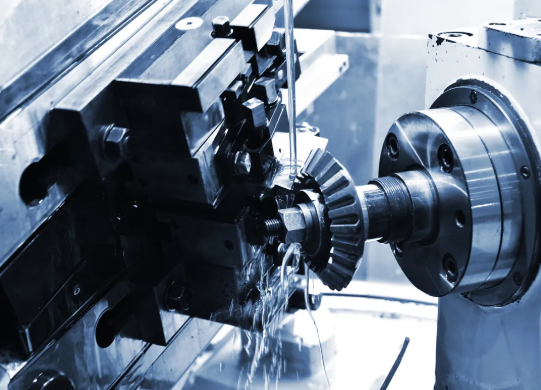
Ever wondered how engineers and product designers source precision components without ever stepping foot in a machine shop? Welcome to the world of machining parts online—a digital-first approach that has fundamentally reshaped how custom CNC machining parts move from concept to reality.
At its core, machining parts online refers to the complete digital workflow of ordering custom-manufactured components through web-based platforms. Instead of phone calls, faxes, and in-person meetings with local machinists, you now upload CAD files, receive instant quotes, select materials and finishes, and track production—all from your computer or mobile device. This represents more than just convenience; it's a complete reimagining of the manufacturing supply chain.
From Local Shops to Digital Manufacturing Networks
Traditionally, sourcing machined parts meant building relationships with CNC machine shops near me—local facilities where you could discuss specifications face-to-face and inspect work in progress. While these partnerships offered personal attention, they came with significant limitations: geographic constraints, capacity bottlenecks, and the time-consuming process of obtaining multiple quotes for comparison.
The shift to digital manufacturing networks has dissolved these barriers. According to Fictiv's analysis of online CNC manufacturing, digital platforms now connect businesses with vetted supplier networks regardless of location, enabling global collaboration with the best machinists available. This accessibility creates opportunities that simply didn't exist in the traditional model.
How Online Platforms Changed Part Procurement
Remember the frustration of submitting designs and waiting days—sometimes weeks—for a quote with little explanation? Online CNC service platforms have eliminated this pain point through automation and transparency. Modern systems parse your CAD files instantly, cross-reference material databases, calculate machining times, and generate comprehensive quotes in minutes rather than days.
The transformation addresses several persistent challenges in traditional manufacturing:
- CAD file upload: Submit STEP, IGES, or native CAD formats directly through secure portals
- Instant quoting: Receive detailed pricing breakdowns within seconds to minutes, not days
- Material selection: Choose from extensive libraries of metals and engineering plastics with real-time availability
- Finish options: Specify surface treatments, coatings, and post-processing requirements upfront
- Integrated shipping: Track your order from production through delivery with full visibility
The Digital Transformation of Custom Machining
What makes this digital transformation particularly powerful is the combination of speed and transparency it delivers. When you search for "cnc near me," you're likely looking for quick turnaround and direct communication. Online platforms now provide both—without the geographic limitation. As documented by LS Manufacturing's case studies, lead times that once stretched to 18 weeks have been compressed to as little as 2 weeks through optimized digital workflows.
Whether you're a first-time buyer exploring options for a prototype or an experienced engineer managing production volumes, understanding this online ordering landscape is essential. The platforms have matured significantly, offering not just quoting capabilities but integrated Design for Manufacturability (DFM) feedback, real-time production tracking, and quality documentation—all accessible through intuitive interfaces that make sourcing CNC machining parts as straightforward as any e-commerce transaction.
This accessibility hasn't eliminated the value of expertise; it has democratized access to it. The sections that follow will guide you through the specific processes, materials, and considerations that will help you navigate this landscape successfully—from understanding which machining process fits your needs to selecting the right manufacturing partner for your project.
Understanding CNC Milling Turning and Multi-Axis Machining Processes
So you've uploaded your CAD file and received an instant quote—but do you actually understand what happens next? Knowing which machining process will shape your part isn't just technical trivia; it directly impacts cost, lead time, and whether your design is even manufacturable. Let's break down the core CNC processes available through online platforms so you can make informed decisions before clicking "order."
CNC Milling Explained for Different Axis Configurations
CNC machining milling uses rotating cutting tools to remove material from a stationary workpiece. Sounds simple enough, but the number of axes your part requires can dramatically change pricing and capabilities.
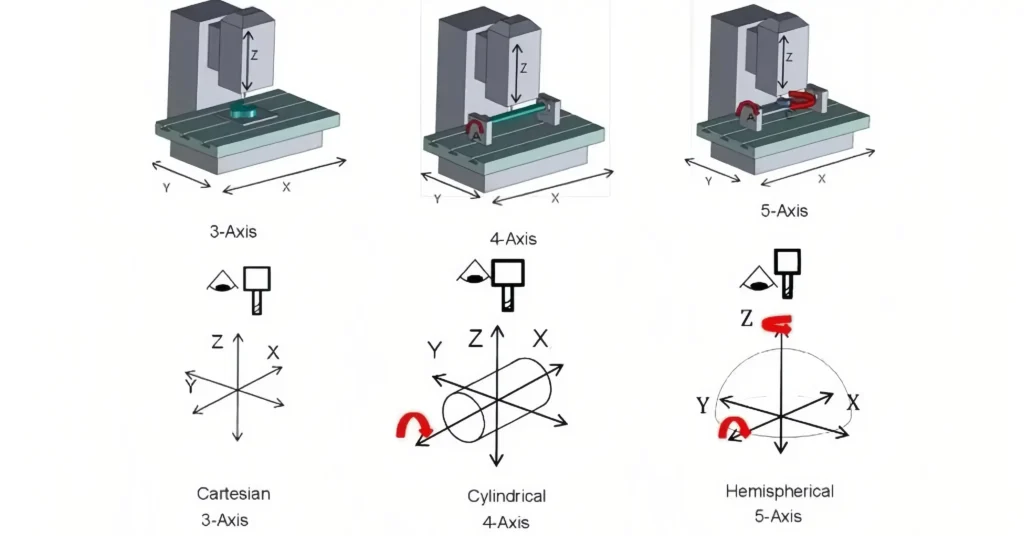
3-axis milling moves the cutting tool along three linear directions: X (side to side), Y (front to back), and Z (up and down). According to Datron's machining guide, this configuration excels at sheet milling, panels, enclosures, and 2D or 2.5D geometry. If your part only needs features on one plane—think flat plates with pockets or through-holes—3-axis is your most economical choice.
Here's the catch: machining multiple sides requires repositioning the part manually. Each setup adds time, cost, and potential alignment errors.
4-axis milling adds rotational capability around the X-axis (the A-axis). Your workpiece can rotate while machining continues, enabling cuts on four sides without removing it from the fixture. This configuration shines for cylindrical parts with side features, helical patterns, or angled cuts along a single rotational axis. As noted by industry experts, you typically save significant time by eliminating multiple setups while holding tighter tolerances across all four sides.
5 axis CNC machining services represent the pinnacle of precision CNC machining. By adding a second rotational axis (typically the B or C axis), the cutting tool can approach your part from virtually any angle. This capability enables complex 3D surfaces, undercuts, and organic geometries that would be impossible—or prohibitively expensive—with fewer axes. Turbine blades, aerospace components, and medical implants frequently demand this level of sophistication.
When CNC Turning Makes Sense for Your Parts
While milling excels at complex geometries, CNC turning dominates when your parts feature rotational symmetry. Imagine any component that looks like it could spin on a lathe: shafts, pins, bushings, or threaded fasteners.
In a CNC turning service, the workpiece rotates rapidly while a stationary cutting tool removes material. This approach delivers exceptional surface finishes on cylindrical parts and handles operations like facing, threading, grooving, and boring with remarkable efficiency. According to Unionfab's manufacturing analysis, turning excels at mass production due to its high speeds and consistency for rotationally symmetric components.
The key decision factor? Part geometry. If your design exhibits cylindrical or conical shapes with external cuts, turning typically offers faster production and lower per-unit costs than milling. However, intricate internal features or non-symmetric elements may require combining both processes—or choosing milling entirely.
Specialized Processes Beyond Standard Milling and Turning
When standard CNC milling parts or turning can't achieve your specifications, specialized processes fill the gap.
Swiss machining handles extremely small, slender parts with exceptional precision. Originally developed for Swiss watchmaking, this technology uses a sliding headstock and guide bushing to support material close to the cutting point—minimizing vibration and enabling tolerances down to ±0.001 mm on parts as small as 0.5 mm in diameter. As RapidDirect's technical documentation explains, Swiss machines can perform turning, milling, drilling, and threading simultaneously, making them ideal for medical implants, electronic connectors, and aerospace fasteners.
EDM (Electrical Discharge Machining) uses electrical sparks to erode material, enabling intricate internal corners and features that cutting tools physically cannot reach. This process excels for hardened materials and complex die work.
| Process Type | Typical Applications | Geometric Capabilities | Tolerance Range | Ideal Part Examples |
|---|---|---|---|---|
| 3-Axis Milling | Flat parts, enclosures, panels | 2D/2.5D features on single plane | ±0.05 to ±0.13 mm | Mounting plates, brackets, simple housings |
| 4-Axis Milling | Cylindrical parts with side features | Features on 4 sides, helical patterns | ±0.025 to ±0.08 mm | Cam shafts, gear blanks, rotary components |
| 5-Axis Milling | Complex 3D surfaces, aerospace parts | Undercuts, compound angles, organic shapes | ±0.013 to ±0.05 mm | Turbine blades, impellers, medical implants |
| CNC Turning | Rotational parts, high-volume production | Cylindrical/conical shapes, external features | ±0.025 to ±0.08 mm | Shafts, pins, bushings, threaded fasteners |
| Swiss Machining | Miniature precision components | Long slender parts, complex small features | ±0.001 to ±0.025 mm | Watch components, dental implants, connectors |
| EDM | Hardened materials, intricate details | Sharp internal corners, deep narrow slots | ±0.005 to ±0.025 mm | Injection mold cavities, die components |
Understanding these process distinctions empowers you to communicate more effectively with online platforms and recognize when a quoted process truly matches your requirements. But selecting the right machining method is only half the equation—your material choice carries equally significant implications for cost, performance, and manufacturability.
Material Selection Guide for Metals and Engineering Plastics
You've identified the right machining process for your part—now comes an equally critical decision: what material should it be made from? When ordering machined parts online, material selection directly influences everything from mechanical performance to final cost. Get it wrong, and you'll either overpay for properties you don't need or end up with a component that fails in application.
Online CNC platforms typically offer extensive material libraries spanning aluminum alloys, various steel grades, copper alloys, titanium, and a range of engineering plastics. Understanding the tradeoffs between these options helps you balance performance requirements against budget constraints. Let's examine the most commonly available materials and when each makes sense.
Aluminum Alloys for Lightweight Precision Parts
Aluminum machining dominates online CNC orders for good reason. The metal offers an exceptional strength-to-weight ratio, excellent machinability, and natural corrosion resistance—all at a relatively accessible price point. But not all aluminum alloys perform equally.
6061 Aluminum represents the workhorse of the industry. According to Gabrian's alloy comparison guide, this magnesium-silicon alloy delivers good tensile strength, excellent weldability, and superior workability. Its forgiving nature makes it ideal for extrusion projects and components requiring complex shapes. Think structural brackets, enclosures, and general-purpose fixtures where moderate strength suffices.
7075 Aluminum steps up when strength becomes paramount. With zinc as its primary alloying element, 7075 approaches steel-level strength at a fraction of the weight. This makes it the go-to choice for aerospace and defense applications demanding high fatigue resistance. However, 7075 carries tradeoffs: reduced corrosion resistance, poor weldability, and higher cost compared to 6061.
When should you choose each? Opt for 6061 when your part requires welding, forming, or moderate strength at lower cost. Reserve 7075 for applications demanding extraordinarily high tensile strength, superior fatigue resistance, or weight-critical performance where budget allows.
Steel Selection from Mild to Tool Grades
Steel remains essential when aluminum simply won't deliver the hardness, wear resistance, or load-bearing capacity your application demands. Online platforms typically offer several grades spanning the spectrum from easily machinable to specialty tool steels.
1018 Mild Steel provides excellent machinability at low cost. This low-carbon steel machines quickly, accepts case hardening, and welds readily. Use it for shafts, pins, and structural components where extreme hardness isn't required.
4140 Alloy Steel adds chromium and molybdenum for enhanced strength and hardenability. After heat treatment, 4140 delivers superior fatigue resistance and toughness—making it popular for gears, axles, and high-stress mechanical components.
Stainless Steel Grades sacrifice some machinability for corrosion resistance. 303 stainless offers the best machinability among stainless grades, while 304 provides better corrosion resistance at higher machining costs. 316 stainless handles marine and chemical environments where other grades would fail.
Bronze CNC applications fill a specific niche: bearings, bushings, and components requiring low-friction sliding surfaces. Brass similarly machines beautifully while offering antimicrobial properties and electrical conductivity for specialized applications.
Titanium represents the premium tier—exceptional strength-to-weight ratio and biocompatibility, but significantly higher material and machining costs. Medical implants and aerospace components justify this investment when no other material will suffice.
Engineering Plastics and Their Machining Characteristics
Not every application demands metal. Engineering plastics offer unique advantages: lighter weight, electrical insulation, chemical resistance, and often lower machining costs. According to CNChons' plastics comparison guide, selecting the right plastic requires understanding each material's distinct properties.
Delrin material (also called acetal or POM) excels where precision matters. This delrin plastic offers excellent stiffness, low friction, and high wear resistance—making it ideal for gears, bushings, and tight-tolerance components. Delrin resists moisture absorption, ensuring dimensional stability over time. However, it can be susceptible to chemical attack in certain environments.
Machining nylon delivers outstanding strength and durability at moderate cost. Nylon for machining works well in applications requiring wear resistance and low friction. The catch? Nylon absorbs moisture, which can affect dimensions and performance in humid conditions. Plan accordingly for applications where dimensional stability proves critical.
PEEK represents the high-performance end of engineering plastics. This thermoplastic handles extreme temperatures, resists chemicals, and delivers exceptional mechanical properties. PEEK suits demanding environments like medical devices, aerospace components, and semiconductor equipment—but commands premium pricing that may exceed some metals.
Polycarbonate provides impact resistance and optical clarity, making it popular for protective covers and transparent components. ABS offers good mechanical properties at lower cost, though it may warp during machining if not handled carefully.
| Material | Key Properties | Machinability | Common Applications | Relative Cost |
|---|---|---|---|---|
| Aluminum 6061 | Good strength, excellent corrosion resistance, weldable | Excellent | Enclosures, brackets, structural parts | $ |
| Aluminum 7075 | Very high strength, fatigue resistant, poor weldability | Good | Aerospace, defense, high-stress components | $$ |
| Steel 1018 | Low carbon, easily machinable, case hardenable | Excellent | Shafts, pins, general structural parts | $ |
| Steel 4140 | High strength, heat treatable, fatigue resistant | Good | Gears, axles, high-stress mechanical parts | $$ |
| Stainless 303 | Corrosion resistant, best machinability among stainless | Good | Fittings, fasteners, food equipment | $$ |
| Stainless 316 | Superior corrosion resistance, marine-grade | Fair | Marine, chemical, medical equipment | $$$ |
| Brass | Excellent machinability, electrical conductivity | Excellent | Electrical components, decorative parts | $$ |
| Machining Bronze | Low friction, wear resistant, self-lubricating | Good | Bearings, bushings, sliding surfaces | $$ |
| Titanium Grade 5 | Exceptional strength-to-weight, biocompatible | Poor | Aerospace, medical implants | $$$$ |
| Delrin (Acetal) | High stiffness, low friction, moisture resistant | Excellent | Gears, bushings, precision components | $ |
| Nylon | Strong, durable, wear resistant, absorbs moisture | Good | Bearings, rollers, wear parts | $ |
| PEEK | High temp, chemical resistant, exceptional strength | Good | Medical, aerospace, semiconductor | $$$$ |
| Polycarbonate | Impact resistant, optically clear, lightweight | Good | Protective covers, transparent parts | $ |
Selecting the right material involves balancing multiple factors: mechanical requirements, environmental conditions, weight constraints, and budget limitations. When in doubt, consult the technical specifications from your online platform or reach out to their engineering support—most reputable services offer guidance to ensure your material choice aligns with your application. With your process and material decisions locked in, you're ready to understand the complete ordering workflow that transforms your design file into a finished component.
Step by Step Guide to Ordering Custom CNC Parts Online
You've selected your machining process and chosen the perfect material—now what? For first-time buyers, clicking "submit" on a custom cnc machining services platform can feel like sending your design into a black box. What happens next? How long until someone actually starts cutting metal? Understanding the complete journey from CAD file to delivered parts eliminates uncertainty and helps you avoid costly delays.
Whether you're ordering a single prototype or planning a production run, the workflow follows a predictable sequence. Let's walk through each stage so you know exactly what to expect after placing your order.
Preparing Your CAD Files for Error-Free Uploads
Your CAD file is the foundation of everything that follows. Upload a flawed file, and you'll trigger delays, revision cycles, and potentially receive parts that don't match your intent. Taking time upfront to prepare files correctly pays dividends throughout the process.
Most online platforms accept these standard formats:
- STEP (.stp, .step): The universal standard—widely compatible and preserves solid geometry across different CAD systems
- IGES (.igs, .iges): Older format that works well for surface models but may lose some feature data
- Native CAD formats: SolidWorks (.sldprt), Autodesk Inventor (.ipt), and Fusion 360 files are often accepted directly
- Parasolid (.x_t): Another reliable option for transferring precise geometry
Common file errors that trigger rejections or require manual intervention include:
- Open surfaces or non-watertight geometry that can't be machined as a solid
- Extremely thin walls that violate minimum thickness requirements
- Missing or incorrect units (submitting millimeters when you intended inches—a surprisingly common mistake)
- Internal voids or features that aren't physically accessible to cutting tools
- Overlapping or duplicate geometry that confuses automated analysis
Before uploading, run your CAD software's repair or analysis tools to catch these issues. Most systems can identify open edges, small gaps, and manifold errors that will cause problems downstream.
What Happens After You Submit Your Design
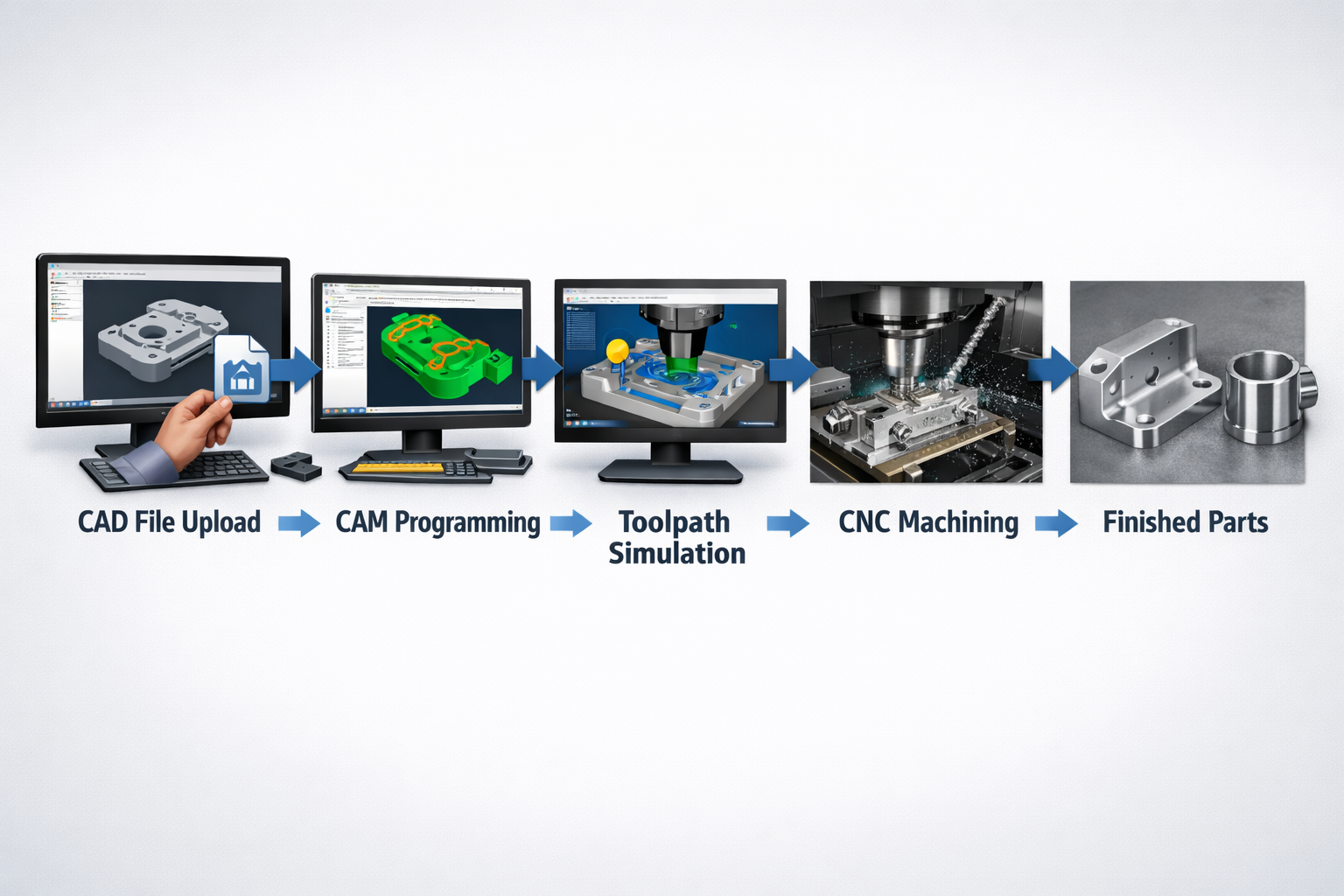
Once your file uploads successfully, a sophisticated sequence of events begins. Here's the typical journey your order follows at most online CNC machine parts providers:
- Automated geometry analysis: The platform's software parses your CAD file, identifying features, calculating volumes, and detecting potential manufacturability issues—often within seconds.
- Instant quote generation: Based on your selected material, quantity, and tolerances, you receive a cnc quote online with detailed pricing breakdown. According to Xometry's process documentation, their Instant Quoting Engine matches designs with experienced shops for optimal pricing and lead times.
- Design for Manufacturability (DFM) review: Either automated or manual, this step flags potential issues—features too small to machine, tolerances tighter than standard capabilities, or design choices that will significantly increase cost.
- Design feedback loop: If issues arise, you'll receive recommendations for modifications. This collaborative step prevents expensive mistakes before production begins.
- Order confirmation and contract review: Once you approve the quote and any DFM recommendations, the order locks in. As Peerless Precision explains, certified shops conduct thorough contract reviews covering quantities, tolerances, materials, and special requirements.
- Material procurement: Your specified material is ordered or pulled from inventory. Supply chain conditions can impact this timeline—communicate early if you have inflexible deadlines.
- Programming and setup: CNC programmers translate your design into machine instructions, setting up toolpaths, selecting cutters, and proving out the process. Depending on complexity, this may take hours to days.
- Machining production: Raw material gets cut, shaped, and transformed into your custom machined parts. Multi-operation parts may move between different machines—milling, then turning, then back to milling for final features.
- Quality inspection: Finished parts undergo dimensional verification against your specifications. First-piece inspection ensures the initial part matches requirements before continuing production.
- Post-processing: If your order includes finishing operations—anodizing, plating, heat treating, or surface grinding—parts route to specialized departments or external vendors.
- Final inspection and packaging: Parts receive a final quality check, documentation is prepared, and everything gets packaged for shipment.
- Shipping and delivery: Your parts ship according to your selected method, with tracking information provided for visibility.
Quality Inspection and Delivery Timelines
Quality inspection isn't a single checkpoint—it's woven throughout the manufacturing process. Reputable cnc machining shop operations perform in-process inspections at multiple stages, not just at the end.
According to Peerless Precision's documentation, whenever an operation runs—whether on a new or repeat part—the first piece goes through First Piece Inspection. The inspection team compares their measurements against operator records and drawing dimensions. Only after alignment confirmation does production continue. This approach catches problems before they multiply across an entire batch.
For parts requiring outside services like heat treating or plating, expect additional time. These processes can add anywhere from two days to several weeks depending on the vendor and treatment type. Quality-focused shops inspect parts both before and after these external operations to ensure specifications are maintained throughout.
Delivery timelines vary based on several factors:
- Part complexity: Simple geometries machine faster than intricate multi-feature components
- Material availability: Common materials ship quickly; exotic alloys may require longer procurement
- Tolerance requirements: Tighter tolerances demand slower machining and more careful inspection
- Quantity: Larger batches require more production time but may offer faster per-piece turnaround
- Post-processing: Each finishing step adds time to the overall schedule
When reviewing online machining quotes, pay attention to the quoted lead time and clarify what it includes. Some platforms quote production time only; others include shipping. Understanding these details prevents surprises when you're planning project timelines.
With a clear picture of the ordering workflow, you're equipped to navigate the process confidently. But understanding how costs are calculated—and how to optimize them—can make a significant difference in your project budget.
What Drives CNC Machining Costs and How to Optimize Pricing
Ever received an instant quote and wondered what's actually behind that number? Most online platforms generate cnc machining price estimates in seconds—but the factors driving those costs remain frustratingly opaque. Understanding what you're paying for empowers you to make smarter design decisions, negotiate effectively, and avoid budget surprises before production begins.
The reality is that CNC machining costs don't follow a simple formula. According to PARTMFG's cost analysis, pricing depends on the interplay between material selection, part complexity, tolerance requirements, surface finishes, production volume, and lead time urgency. Let's break down each factor so you can see exactly where your money goes—and where optimization opportunities exist.
How Material Choice Impacts Your Final Price
Material costs often account for the largest portion of your quote, but the impact extends beyond raw material pricing. Two considerations drive material-related costs: the actual cost per pound and machinability—how easily and quickly the material can be cut.
Consider the difference between aluminum and titanium. According to Unionfab's pricing guide, aluminum falls in the lowest price tier ($), while titanium commands premium pricing ($$$$$). But that's only part of the story. Titanium's poor machinability means slower cutting speeds, faster tool wear, and longer cycle times—multiplying costs beyond the raw material price.
Metal machining costs also include waste material. CNC machining is subtractive—you're paying for the entire block of material, not just what ends up in your finished part. A complex geometry machined from a large billet might waste 80% or more of the starting material. For expensive metals, this waste factor significantly inflates your quote.
Material price tiers to consider:
- Low cost ($): Aluminum, PMMA (Acrylic), common engineering plastics
- Medium cost ($$-$$$): Steel, stainless steel, brass, copper, bronze, nylon, POM
- High cost ($$$$-$$$$$): Titanium, magnesium, PEEK, ceramics
CNC plastic machining often delivers cost advantages for appropriate applications—not only are materials like Delrin and nylon less expensive than metals, but they machine faster with less tool wear.
The Hidden Cost of Tight Tolerances
Here's where many engineers unknowingly inflate their quotes: specifying tighter tolerances than the application actually requires. According to Modus Advanced's tolerance analysis, that 0.025 mm (0.001 inch) tolerance you specified might have doubled your part cost and tripled your lead time.
Why does precision cost so much more? The relationship between tolerance and manufacturing complexity isn't linear—it's exponential. Standard machining processes achieve ±0.1 mm (±0.004 inch) tolerances efficiently. Tightening to ±0.025 mm (±0.001 inch) triggers a cascade of additional requirements:
- Temperature-controlled machining environments to prevent thermal expansion errors
- Slower cutting speeds for precision material removal
- More frequent tool changes to maintain accuracy
- Enhanced quality inspection protocols at every stage
- Higher scrap rates when parts fall outside specifications
The cost multipliers are significant. Moving from rough machining tolerances (0.76 mm/0.030 inches) to precision tolerances (0.025 mm/0.001 inch) increases costs by approximately 4x. Ultra-precision tolerances (0.0025 mm/0.0001 inch) can cost 24 times more than standard machining.
The takeaway? Apply tight tolerances only to critical dimensions that genuinely affect function or fit. Non-critical features can accept standard tolerances without compromising part performance—while dramatically reducing your quote.
Quantity Breaks and Production Volume Economics
One of the most powerful levers for reducing per-part cost is production volume. Setup costs—programming, fixturing, and first-piece validation—get spread across every part in your order. A single prototype absorbs 100% of setup costs; a batch of 100 parts divides that same cost by 100.
According to PARTMFG's analysis, machining time represents a major cost component, with hourly rates ranging from $10-$20 for 3-axis machines to $20-$40+ for 5-axis equipment. But setup time remains relatively constant regardless of quantity. This creates significant economies of scale as batch sizes increase.
Precision machining services typically offer volume pricing tiers that reflect these economics. Ordering 10 parts instead of 1 might reduce per-unit cost by 40-60%. Scaling to 100+ parts drives further savings as the manufacturer optimizes toolpaths and minimizes changeovers.
| Cost Factor | Standard Option | Premium Option | Relative Price Impact |
|---|---|---|---|
| Tolerance | ±0.1 mm (±0.004") | ±0.025 mm (±0.001") | 2x - 4x increase |
| Surface Finish | As-machined (Ra 3.2 μm) | Polished or anodized | 1.5x - 3x increase |
| Quantity | 1 unit (prototype) | 100+ units (batch) | 40-70% per-unit reduction |
| Lead Time | Standard (15-20 days) | Expedited (3-5 days) | 1.5x - 2x increase |
| Material | Aluminum 6061 | Titanium Grade 5 | 5x - 10x increase |
| Complexity | Simple 3-axis geometry | Complex 5-axis features | 2x - 4x increase |
Surface finishes add another cost layer. Basic as-machined finishes (Ra 3.2 μm) come standard, but polishing, anodizing, electroplating, or specialty coatings each add labor, materials, and time. According to Unionfab's cost breakdown, finishing processes range from $2-$15 for polishing to $10-$30 for electroplating per part.
Cost-Reduction Strategies Through Design Optimization
The most effective way to reduce CNC machining costs happens before you ever request a quote—during the design phase. Consider these optimization strategies:
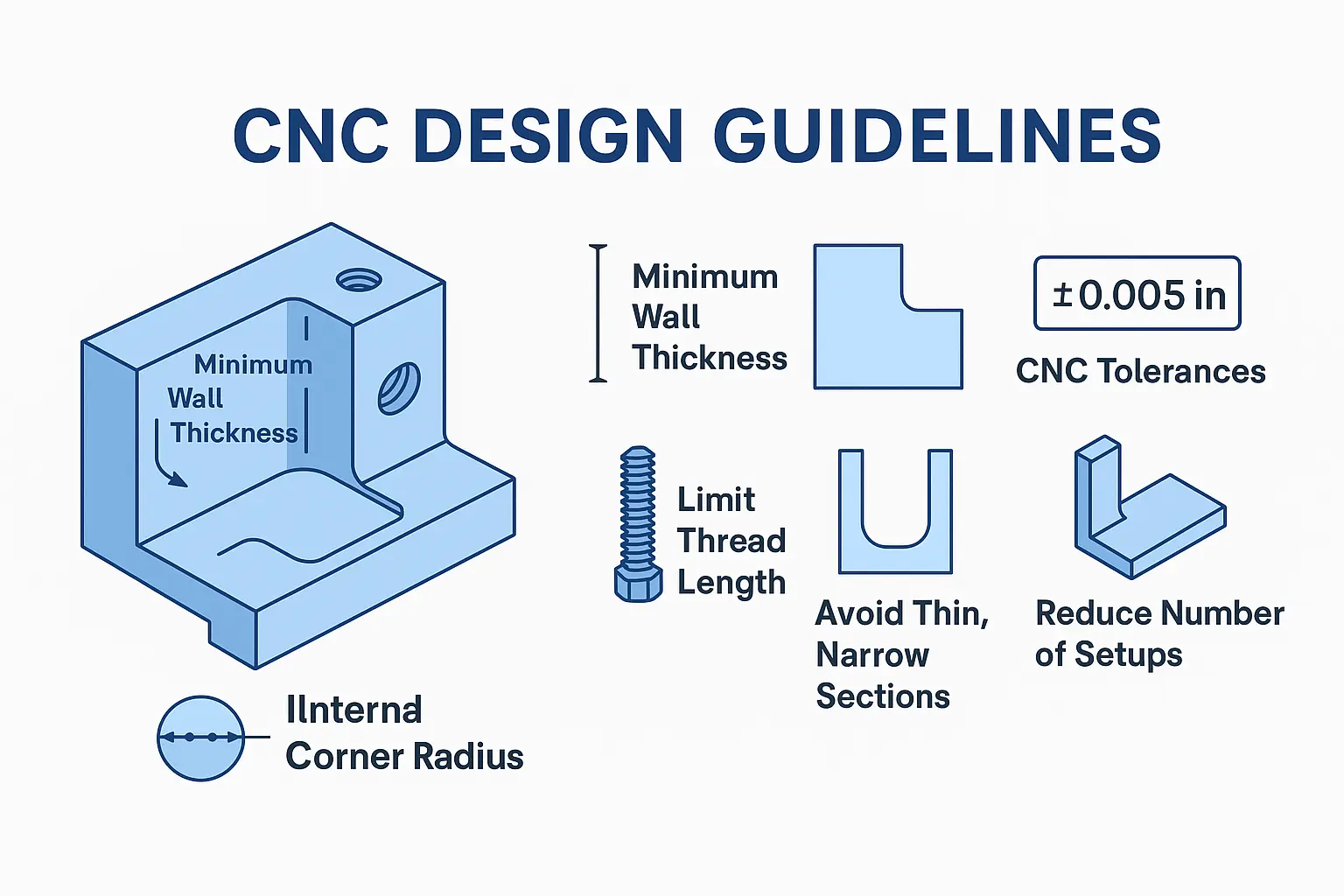
- Simplify geometry: Minimize sharp internal corners, deep pockets, and intricate features that increase machining time
- Use standard tool sizes: Design features compatible with common end mills and drills to avoid custom tooling costs
- Avoid thin walls: Walls thinner than 0.8 mm for metals or 1.5 mm for plastics require slower machining and risk distortion
- Design for fewer setups: Parts machinable from one or two orientations cost less than those requiring multiple repositioning
- Use round internal corners: Sharp corners require specialized tooling and increase complexity—radii matching standard tool sizes machine faster
- Limit thread count: Each threaded feature adds machining time; consider alternative fastening methods where practical
- Specify only necessary finishes: Request premium surface finishes only on functional surfaces, not entire parts
- Relax non-critical tolerances: Reserve tight tolerances for dimensions that truly affect function or assembly
Lead time flexibility offers another savings opportunity. Expedited orders command premium pricing—sometimes 50-100% above standard rates. If your timeline allows, selecting standard lead times keeps costs in check while achieving identical quality.
Understanding these cost drivers transforms you from a passive quote recipient into an informed buyer who can optimize designs for manufacturability and value. With pricing transparency in hand, your next step is ensuring those designs are actually optimized for the CNC machining process itself—which is exactly what Design for Manufacturability principles address.
Design for Manufacturability Best Practices That Reduce Cost
You now understand what drives CNC machining costs—but here's the reality: the most impactful cost reduction happens before you ever upload a file. Design for Manufacturability (DFM) principles transform good designs into great ones by aligning your geometry with how CNC machines actually work. Ignore these guidelines, and you'll pay more for parts that take longer to produce. Follow them, and you'll see quotes drop while quality improves.
When you order CNC machining materials processed through online platforms, automated systems analyze your geometry against established DFM rules. Understanding these rules yourself means fewer manufacturability warnings, faster quotes, and parts that arrive exactly as intended. Let's examine the specific guidelines that make the biggest difference.
Wall Thickness and Feature Size Guidelines
Thin walls create problems. Really thin walls create expensive problems. When a CNC cut removes material around a feature, the remaining wall must withstand cutting forces without deflecting or vibrating. According to Xometry's DFM guidelines, parts with thin walls have a tendency to chatter, which slows machining speeds and can cause distortion—making it difficult to hold tolerances.
What constitutes "too thin"? For metals, maintain a minimum wall thickness of 0.8 mm (0.032 inches). Aluminum can sometimes go thinner due to its forgiving nature, but steels and harder materials need this minimum to prevent deflection. Engineering plastics require even more consideration—aim for 1.5 mm minimum walls to avoid warping during machining.
Feature size matters equally. Pockets, slots, and channels need adequate width for cutting tools to access them. A CNC milled feature requires a tool diameter smaller than the feature width—and tools get progressively weaker as they get smaller. According to Protolabs' DFM toolkit, deep narrow pockets or features alongside tall walls risk cutter deflection and loss of accuracy or surface finish.
The practical recommendation? Limit pocket depths to 4 times the width. Anything deeper becomes exponentially more expensive as manufacturers must use longer, more fragile tools with multiple stepping passes.
Internal Corners and Tool Access Considerations
Here's a fundamental truth about CNC machining: rotating cylindrical tools cannot create perfectly sharp internal corners. Every internal corner will have a radius matching the cutting tool diameter. Fighting this reality costs money—embracing it saves significant expense.
According to Xometry's cost reduction guidelines, a narrow inside corner radius requires both smaller tools and more passes—often at slower speeds to reduce deflection risk. This translates directly to increased machining time and higher quotes.
The optimal approach uses an inside corner radius with a length-to-diameter (L:D) ratio of 3:1 or less. For a 10 mm deep pocket, the corner radius should be at least 3.3 mm. Better yet, keep internal corner radii consistent throughout your design. Matching radii eliminates tool changes—one of the hidden time costs that quietly inflates your quote.
What about external corners? The rules differ completely. Protolabs recommends using 45-degree chamfers on external edges rather than radii. Chamfers machine faster and cost considerably less while providing similar handling and stress-distribution benefits.
Remember this simple rule for CNC cuts:
- Internal corners: Use fillets or radii (match standard tool sizes)
- External corners: Use chamfers (faster and more economical)
Parts requiring truly square internal corners demand alternative processes like EDM (Electrical Discharge Machining) or extremely small tools cutting slowly—both of which multiply costs significantly.
Thread Design and Hole Specifications
Threaded holes seem straightforward, but poor thread specifications waste money and risk tap breakage. Understanding thread depth optimization and standard sizing keeps your parts manufacturable and affordable.
What is the tolerance for thread holes? Standard thread tolerances follow established classes (2B for inch, 6H for metric), which most online platforms default to unless you specify otherwise. These standard classes provide adequate fit for the vast majority of applications—tighter tolerances require additional operations and inspection steps that inflate costs.
Thread depth presents another optimization opportunity. According to Xometry's analysis, increasing thread length beyond a certain point does little to hold the bolt tighter—it's really just the first two or three threads doing all the work. The practical recommendation: limit thread depth to 3 times the hole diameter maximum, and shorter if possible. Going deeper increases tap breakage risk and adds unnecessary tapping time.
For NPT (National Pipe Thread) specifications, precise dimensions matter for sealing applications. The 3/8 NPT thread dimensions, for example, specify 18 threads per inch with a pitch diameter of 0.62701 inches at the hand-tight engagement plane, according to ASME B1.20.1 specifications. When specifying pipe threads, call out the standard designation (e.g., "3/8-18 NPT") rather than attempting to define custom thread geometry.
Additional hole optimization strategies:
- Use standard drill sizes: Fractional inches (1/8", 1/4"), number drills, or whole millimeters avoid custom tooling
- Avoid very small threads: Anything smaller than 2-56 (inch) or M2 (metric) often requires hand tapping
- Limit hole depth: Keep depth-to-diameter ratios under 10:1 for standard drilling; deeper holes require pecking cycles and longer machining times
- Match tap sizes to common standards: A 4-40 tap is more readily available (and cheaper to replace) than a 3-48
DFM Checklist for Online CNC Orders
Before uploading your next design, run through this manufacturability checklist to catch issues that inflate quotes or trigger revision cycles:
- Wall thickness: Minimum 0.8 mm for metals, 1.5 mm for plastics
- Internal corner radii: At least 1/3 of pocket depth; consistent throughout design
- External corners: 45-degree chamfers preferred over radii
- Pocket depth: Maximum 4x the width to avoid tool deflection
- Thread depth: Maximum 3x hole diameter
- Hole sizes: Standard fractional, number, or metric sizes
- Undercuts: Avoid unless absolutely necessary; require specialized tooling
- Tolerance callouts: Only on critical dimensions; standard tolerance (±0.1 mm) elsewhere
- Tool access: Ensure all features are reachable from standard machining orientations
- Text and engraving: Minimum 0.5 mm depth, minimum 2 mm character height
| Tolerance Class | Typical Range | Applications | Cost Impact |
|---|---|---|---|
| Standard | ±0.1 mm (±0.004") | General features, non-critical dimensions | Baseline |
| Precision | ±0.05 mm (±0.002") | Mating surfaces, functional fits | 1.5x - 2x |
| High Precision | ±0.025 mm (±0.001") | Critical assemblies, bearing fits | 2x - 4x |
| Ultra Precision | ±0.01 mm (±0.0004") | Optical, aerospace, medical devices | 5x - 10x |
Applying these DFM principles consistently transforms your designs from "manufacturable with effort" to "optimized for production." The payoff appears immediately in lower quotes and faster turnarounds. But even perfect designs require the right manufacturing partner—one whose certifications, capabilities, and quality systems match your project requirements.
Industry Certifications and Quality Standards Explained
You've optimized your design and selected the perfect material—but how do you know the manufacturer can actually deliver consistent quality? This is where industry certifications become your verification tool. Those acronyms you see on supplier websites (ISO 9001, AS9100, IATF 16949) aren't just marketing badges—they represent rigorous third-party validation that a manufacturer's processes meet specific quality standards.
For engineers and procurement professionals ordering machining parts online, understanding these certifications helps you match suppliers to your project requirements. A certification that's essential for aerospace machining might be irrelevant for consumer products—while medical device machining demands entirely different compliance frameworks. Let's decode what each certification actually means and when it matters for your parts.
Quality Certifications Decoded for Non-Experts
Think of certifications as documented proof that a manufacturer follows established quality management systems. According to American Micro Industries' certification guide, certifications serve as pillars that uphold and validate every stage of the production process—from operators to quality inspectors operating under uniform practices and expectations.
ISO 9001 serves as the foundational standard for quality management systems across all industries. This internationally recognized certification establishes baseline requirements for consistent, high-quality output regardless of sector. The core principles include customer focus, process approach, continual improvement, and evidence-based decision-making.
For precision machining companies, ISO 9001 certification means documented workflows, monitored performance metrics, and corrective action protocols for any nonconformities. When you see this certification, you can trust the shop has formal systems preventing quality issues from reaching your shipment—not just experienced machinists making judgment calls.
But here's the key distinction: ISO 9001 provides a general quality foundation. Industry-specific applications demand additional certifications that layer sector-specific requirements on top of this base standard.
Medical and Aerospace Certification Requirements
When lives depend on part quality, general certifications aren't sufficient. Both medical device machining and aerospace cnc machining require specialized standards that address the unique risks in these demanding applications.
ISO 13485 is the definitive quality management standard for medical machining. According to Greenlight Guru's ISO 13485 guide, this certification outlines strict controls over design, manufacturing, traceability, and risk mitigation specifically for medical devices. Facilities seeking this certification must implement detailed documentation practices, thorough quality checks, and effective complaint and recall handling.
What makes medical certification unique? The emphasis on patient safety and product efficacy. Every component must be fully traceable—if a problem surfaces years later, manufacturers must identify exactly which parts were affected and where they went. This level of documentation goes far beyond standard industrial requirements.
AS9100D addresses aerospace machining with similar rigor. According to TUV Nord's standards comparison, this certification builds upon ISO 9001 and introduces additional requirements specific to the aerospace sector—emphasizing risk management, stringent documentation, and product integrity control throughout complex supply chains.
CNC machining aerospace applications face unique challenges: extreme operating environments, long service lives, and catastrophic consequences for failures. AS9100D certified manufacturers demonstrate they can produce flight-worthy parts with the controls needed to accomplish that mission. Additionally, aerospace-certified organizations get listed in the OASIS database (Online Aerospace Supplier Information System), providing customers with verified supplier information.
Why Automotive Projects Demand IATF 16949 Compliance
The automotive industry presents a different challenge: extremely high volumes requiring exceptional consistency. A defect rate acceptable in prototype machining becomes catastrophic when multiplied across millions of vehicles.
IATF 16949 was developed by the International Automotive Task Force specifically for this challenge. According to TUV Nord's analysis, this standard focuses on continual improvement, defect prevention, and reduction of variation and waste in the automotive supply chain. Where aerospace emphasizes flight-worthiness controls, automotive certification emphasizes consistent, high-volume production with measurable improvement over time.
IATF 16949 certification requires automotive clients as a mandatory prerequisite—you can't simply obtain this certification speculatively. The standard applies to manufacturers supporting passenger cars, light commercial vehicles, trucks, buses, and motorcycles. For precision machining companies serving automotive applications, this certification demonstrates capability for the extreme consistency these supply chains demand.
Statistical Process Control (SPC) plays a central role in IATF 16949 compliance. Rather than inspecting parts after production, SPC monitors the manufacturing process continuously—catching variations before they produce defective parts. This proactive approach prevents quality issues rather than detecting them after the fact.
Manufacturers like Shaoyi Metal Technology demonstrate how IATF 16949 certification combines with Statistical Process Control to ensure consistent quality for automotive applications. Their certified precision CNC machining services show how these quality systems translate into reliable components for chassis assemblies, custom metal bushings, and other automotive parts where consistency across high volumes is non-negotiable.
| Certification | Industry Focus | Key Requirements | When It Matters |
|---|---|---|---|
| ISO 9001 | General (all industries) | Documented processes, performance monitoring, corrective actions | Baseline quality assurance for any application |
| ISO 13485 | Medical devices | Risk management, full traceability, complaint handling, recall procedures | Any component contacting patients or affecting treatment |
| AS9100D | Aerospace, space, defense | Risk management, stringent documentation, product integrity control | Flight-critical components, defense applications |
| IATF 16949 | Automotive | Defect prevention, SPC, supply chain variation reduction | High-volume automotive components requiring consistency |
| NADCAP | Aerospace/defense special processes | Process-specific controls for heat treating, NDT, chemical processing | Parts requiring certified special processes |
Beyond these major certifications, specialized accreditations like NADCAP address specific processes critical to aerospace and defense manufacturing. According to American Micro Industries, NADCAP accreditation thoroughly examines process-specific controls for heat treating, chemical processing, and nondestructive testing—validating that manufacturers can consistently perform these specialized processes at the highest standard.
When evaluating online CNC machining partners, match their certifications to your actual requirements. Consumer product prototypes rarely need aerospace-grade certification—but specifying parts for a medical device without ISO 13485 compliance creates regulatory and liability risks you don't want to discover during FDA review. Understanding which certifications matter for your specific project ensures you're getting appropriate quality assurance without paying for unnecessary overhead.
With certification requirements clarified, the next consideration is whether CNC machining is even the right manufacturing method for your project—or whether alternatives like 3D printing or injection molding might better serve your needs.
When to Choose Online CNC Over Alternative Manufacturing Methods
So you've mastered the certification landscape—but here's a more fundamental question: is CNC machining even the right choice for your project? With 3D printing advancing rapidly, injection molding offering incredible per-unit economics, and traditional machining shops near me still operating down the street, the decision isn't always straightforward.
Choosing the wrong manufacturing method costs more than money. It wastes development time, delays market entry, and sometimes produces parts that simply don't perform. Let's examine when online CNC machining delivers the best value—and when alternatives make more sense.
CNC vs 3D Printing for Functional Prototypes
This comparison comes up constantly, and the answer depends entirely on what you're trying to accomplish. Both methods excel in different scenarios.
CNC prototyping shines when you need functional parts made from production-grade materials. According to RevPart's manufacturing comparison, CNC machined parts use materials like ABS, PP, PC, and POM—the same engineering plastics and metals you'll use in final production. A CNC prototype performs identically to the production part because it's made the same way from the same material.
3D printing offers speed advantages for visual prototypes and design validation. You can iterate through multiple design revisions in days rather than weeks. However, the material limitations matter significantly. According to RevPart's analysis, 3D printed parts have visible layer lines or ridges requiring secondary polishing operations. More critically, the material properties of printed parts rarely match production materials exactly.
When should you choose each for rapid cnc prototyping versus additive manufacturing?
- Choose CNC when: You need mechanical testing, material certification, functional fit checks, or parts that will see real-world stress
- Choose 3D printing when: You're validating form and aesthetics, need overnight iterations, or creating complex internal geometries impossible to machine
- Cost comparison: A 5" x 6" x 3" part costs approximately $150 in white ABS via CNC machining versus $120-$140 for 3D printing, according to RevPart's pricing data
The cnc prototype approach typically wins for anything beyond early-stage concept validation. Once you need to verify that a part actually works under load, CNC delivers materials and tolerances that additive manufacturing can't match.
When Injection Molding Beats CNC for Volume
The economics of manufacturing shift dramatically as quantities increase. CNC machining carries relatively fixed per-part costs—each piece requires similar machining time regardless of whether it's the first or the hundredth. Injection molding inverts this relationship: high upfront tooling costs followed by extremely low per-piece production costs.
According to CHENcan's manufacturing analysis, if you need fewer than 5,000 parts, the cost of creating a full hardened steel injection mold often exceeds the value of the entire production run. This makes CNC the clear winner for prototype machining and low-volume production.
But the crossover point exists. RevPart's comparison shows that while a CNC part might cost $150-$180 each, injection molded parts from the same geometry run $2.50-$3.00 each after the initial mold investment of $2,000 or more. At sufficient volumes, injection molding's per-piece economics become unbeatable.
The decision framework:
- Under 500 parts: CNC machining almost always wins on total cost
- 500-5,000 parts: Calculate breakeven based on part complexity and mold cost
- 5,000+ parts: Injection molding typically delivers significant cost advantages
- Design still changing: Stay with CNC until design is frozen—modifying molds costs thousands
CHENcan's analysis adds another consideration: bridge tooling. For medium volumes (up to 200,000 shots), CNC-machined resin or composite molds can deliver injection-molded parts without the lead time or cost of hardened steel tooling. This hybrid approach lets you start production faster while evaluating whether full steel tooling is justified.
Online Services vs Traditional Machine Shop Relationships
What about local machine shops versus online platforms? This decision involves tradeoffs beyond simple pricing.
According to CNCPartsXTJ's service comparison, traditional CNC machining services focus on precision, hands-on help, and strong quality checks through direct factory relationships. You build personal connections that help with complex or specialized projects requiring extensive back-and-forth collaboration.
Online platforms prioritize speed, convenience, and quick access. You upload files, receive instant quotes, and track orders without phone calls or emails. The tradeoff? You may not communicate directly with the people making your parts.
Key differences to consider:
| Factor | Online CNC Platforms | Local Machine Shops | Best For |
|---|---|---|---|
| Quoting Speed | Instant automated quotes | Hours to days for manual quotes | Online: urgent pricing needs |
| Communication | Digital tools, limited direct contact | Direct engineer access, relationship building | Local: complex custom work |
| Lead Time | Flexible options, typically 3 weeks standard | 3-7 days typical, rush orders negotiable | Local: urgent small batches |
| Pricing Transparency | Platform fees included (10-20% markup) | Direct factory pricing, no middleman | Local: cost-sensitive projects |
| Quality Consistency | Variable across supplier network | Controlled single-facility processes | Local: critical quality requirements |
| Material Options | Extensive catalog, standardized | Flexible, can source specialty materials | Online: standard materials |
The practical guidance? Online platforms excel for standard materials, straightforward geometries, and situations where speed and convenience matter most. Traditional relationships deliver value for complex projects requiring iterative collaboration, specialty materials, or applications where quality consistency is paramount.
Many experienced engineers use both approaches strategically. Quick-turn prototypes and simple production runs flow through online platforms for convenience. Complex assemblies, tight-tolerance components, and ongoing production relationships benefit from the deeper collaboration that local machine shops or dedicated manufacturing partners provide.
Carbon fiber prototyping represents a specialized case where material expertise matters significantly. Not all shops—online or local—handle composite materials effectively. When your application demands carbon fiber or other advanced materials, verify specific material experience before committing to any supplier.
Understanding when each manufacturing method excels positions you to make optimal decisions for each project. But once you've determined that online CNC machining fits your needs, the final step is selecting the right partner—one whose capabilities, certifications, and service model align with your specific requirements.
Choosing the Right Online CNC Machining Partner for Your Project
You've navigated the manufacturing method decision—now comes the final critical step: selecting a partner who can actually deliver. With dozens of online platforms and precision cnc machining services competing for your business, how do you distinguish between suppliers who will meet your expectations and those who will cause delays, quality issues, or communication headaches?
The stakes are real. According to Zenith Manufacturing's partner selection guide, a single mistake in supplier selection can lead to months of delays and significant cost overruns. The right manufacturing partner becomes a competitive advantage; the wrong one becomes a liability that compounds with every project.
Let's build a systematic framework for evaluating potential partners—one that goes beyond comparing instant quotes to assess the capabilities that truly matter for your cnc machined parts.
Evaluating Capability and Certification Fit
Start with the fundamentals: can this partner actually produce what you need? Technical capability assessment involves more than checking a box for "5-axis machining available." You need to verify specific competencies that match your project requirements.
Material expertise matters more than catalog breadth. Any platform can list 50+ materials—but documented experience machining your specific material determines success. According to XTJ's automotive supplier guide, a competent supplier must have documented experience in machining the specific materials required for your components, including understanding unique properties like cutting speeds, thermal expansion, and finishing requirements.
Tolerance guarantees reveal manufacturing sophistication. Standard cnc turning services achieve ±0.05 mm routinely. Tighter tolerances require verified equipment calibration, environmental controls, and inspection capabilities. Ask potential partners: what tolerances can you guarantee, and how do you verify them? The answer should reference specific metrology equipment—Coordinate Measuring Machines (CMMs) from brands like Keyence or Zeiss—not vague assurances.
Certification alignment prevents regulatory problems downstream. As discussed in our certifications section, matching supplier certifications to your industry requirements is essential. Zenith's research emphasizes looking for internationally recognized certifications like ISO 9001 for general quality, AS9100 for aerospace, or ISO 13485 for medical devices—but the certificate alone isn't enough. Ask pointed questions like "Can you walk me through your process for handling a non-conforming part?" Their answer reveals more about quality commitment than any certification could.
Lead Time Flexibility for Urgent Projects
In product development, timing often matters as much as quality. A perfect prototype that arrives three weeks late may miss a critical testing window or investor demonstration. Your manufacturing partner's lead time capabilities—and their reliability in meeting quoted timelines—directly impact your project success.
According to Zenith Manufacturing's analysis, you should ask for On-Time In-Full (OTIF) delivery metrics and inquire about systematic processes for guaranteeing on-time delivery. A reliable partner tracks this data and should be willing to share it. An OTIF rate below 95% warrants further investigation.
Lead time flexibility exists on a spectrum:
- Standard lead times (15-20 days): Most economical option; suitable for non-urgent projects
- Expedited options (5-10 days): Premium pricing (typically 25-50% above standard) for faster turnaround
- Rush capabilities (1-3 days): Available from select partners for urgent custom cnc parts; expect significant cost premiums
Some precision machining companies have invested in capabilities specifically designed for speed. Manufacturers like Shaoyi Metal Technology demonstrate this through one-day lead time capabilities for urgent automotive components—backed by IATF 16949 certification and Statistical Process Control that maintains quality even under accelerated timelines.
When evaluating lead time claims, verify what's actually included. Does the quoted lead time cover production only, or does it include shipping? What happens if delays occur—is there communication protocol, or will you discover problems only when parts fail to arrive?
Scaling from Prototype to Production Volumes
Here's a scenario that catches many engineers off guard: you develop a great working relationship with a prototype machining services provider, finalize your design, and prepare for production—only to discover your partner can't handle volume manufacturing. Now you're starting supplier qualification over, with all the associated delays and risks.
According to UPTIVE's prototype-to-production guide, your needs will evolve from initial prototypes (1-100 units) to full-scale production (10,000-100,000 units). A strategic partner should support you through every stage without requiring supplier transitions.
Scalability assessment involves several dimensions:
- Equipment capacity: Can the facility handle your projected volumes, or will they need to outsource?
- Process consistency: How do they maintain quality as quantities increase? Look for documented statistical process control methods.
- Supply chain stability: Do they have robust systems for qualifying raw material suppliers and ensuring full material traceability?
- Pricing structure: How do costs change as volumes increase? Understand quantity breaks and long-term contract options.
The transition from cnc turned parts prototypes to production volumes also requires process validation. According to UPTIVE's research, low-volume manufacturing is a critical step to bridging the gap between prototyping and full-scale production—it helps catch design, manufacturing, or quality issues, validate manufacturing processes, identify bottlenecks, and assess suppliers in terms of quality, responsiveness, and lead times.
Partners demonstrating true scalability—like Shaoyi Metal Technology's seamless progression from rapid prototyping to mass production for chassis assemblies and custom metal bushings—eliminate the risk of mid-project supplier transitions. Their integrated approach means the engineers who understood your prototype requirements remain involved as production scales.
Partner Evaluation Checklist
Before committing to any online CNC machining partner, systematically verify these critical factors:
- Technical capabilities: Confirm specific equipment (3-axis, 5-axis, turning centers) matches your part requirements
- Material expertise: Verify documented experience with your specific materials, not just catalog availability
- Tolerance guarantees: Request sample inspection reports demonstrating capability at your required precision levels
- Certification alignment: Match certifications (ISO 9001, AS9100, IATF 16949, ISO 13485) to your industry requirements
- Quality systems: Understand their approach to first-article inspection, in-process monitoring, and final verification
- Lead time options: Confirm standard, expedited, and rush capabilities with associated pricing
- Delivery reliability: Request OTIF metrics and references from similar projects
- Communication quality: Evaluate responsiveness during the quoting process as an indicator of production-phase communication
- DFM feedback: Assess whether they proactively identify design optimization opportunities or passively accept drawings
- Scalability: Verify capacity to grow with your project from prototype through production volumes
- Supply chain controls: Understand material traceability and supplier qualification processes
- Problem resolution: Ask specifically how they handle non-conforming parts and production issues
According to Zenith Manufacturing's research, the most valuable partners challenge you collaboratively, using their manufacturing experience to help create more robust and cost-effective products before production begins. Their silence on a complex design should be considered a red flag—not a sign of capability.
The goal isn't just to find a supplier who can make your parts; it's to find a strategic partner who can enhance your business through innovation and reliability.
Selecting the right online CNC machining partner transforms a transactional relationship into a competitive advantage. The evaluation process requires more effort upfront than simply accepting the lowest quote—but that investment pays dividends through consistent quality, reliable delivery, and a manufacturing relationship that scales with your business. Whether you're sourcing cnc parts for a first prototype or establishing production supply chains, systematic partner evaluation positions your projects for success from quote through delivery.
Frequently Asked Questions About Machining Parts Online
1. What file formats are accepted for online CNC machining orders?
Most online CNC platforms accept STEP (.stp, .step) as the universal standard format, along with IGES (.igs), native CAD files from SolidWorks (.sldprt), Autodesk Inventor (.ipt), Fusion 360, and Parasolid (.x_t). STEP files are recommended because they preserve solid geometry across different CAD systems and minimize compatibility issues during the quoting and manufacturing process.
2. How do I get an instant quote for CNC machined parts online?
Online CNC platforms generate instant quotes through automated systems that analyze your uploaded CAD file. The software identifies features, calculates material volume, estimates machining time, and factors in your selected material, tolerances, quantity, and finish options. Within seconds to minutes, you receive a detailed pricing breakdown—eliminating the days-long wait associated with traditional quote requests from local machine shops.
3. What is the difference between CNC milling and CNC turning?
CNC milling uses rotating cutting tools to remove material from a stationary workpiece, excelling at complex geometries, pockets, and multi-sided features. CNC turning rotates the workpiece against a stationary cutting tool, making it ideal for cylindrical parts like shafts, pins, and bushings. Choose milling for complex shapes and turning for rotationally symmetric components requiring excellent surface finishes.
4. Which materials are commonly available through online CNC machining services?
Online platforms typically offer aluminum alloys (6061, 7075), various steel grades (1018, 4140, stainless 303/304/316), brass, copper, bronze, titanium, and engineering plastics including Delrin (acetal), nylon, PEEK, and polycarbonate. Material selection impacts cost, machinability, and part performance—aluminum offers excellent machinability at lower cost, while titanium provides superior strength-to-weight but commands premium pricing.
5. How can I reduce CNC machining costs when ordering parts online?
Reduce costs by relaxing non-critical tolerances to standard levels (±0.1mm), designing internal corners with radii matching standard tool sizes, limiting pocket depths to 4x width, ordering larger quantities to spread setup costs, choosing standard lead times over expedited options, and selecting cost-effective materials like aluminum 6061 or Delrin. IATF 16949-certified manufacturers like Shaoyi Metal Technology offer competitive pricing through optimized processes while maintaining automotive-grade quality standards.