 Small batches, high standards. Our rapid prototyping service makes validation faster and easier —
  EN
EN


Štampavimo šablonų tipai iššifruoti: parinkite tinkamą šabloną savo detalei
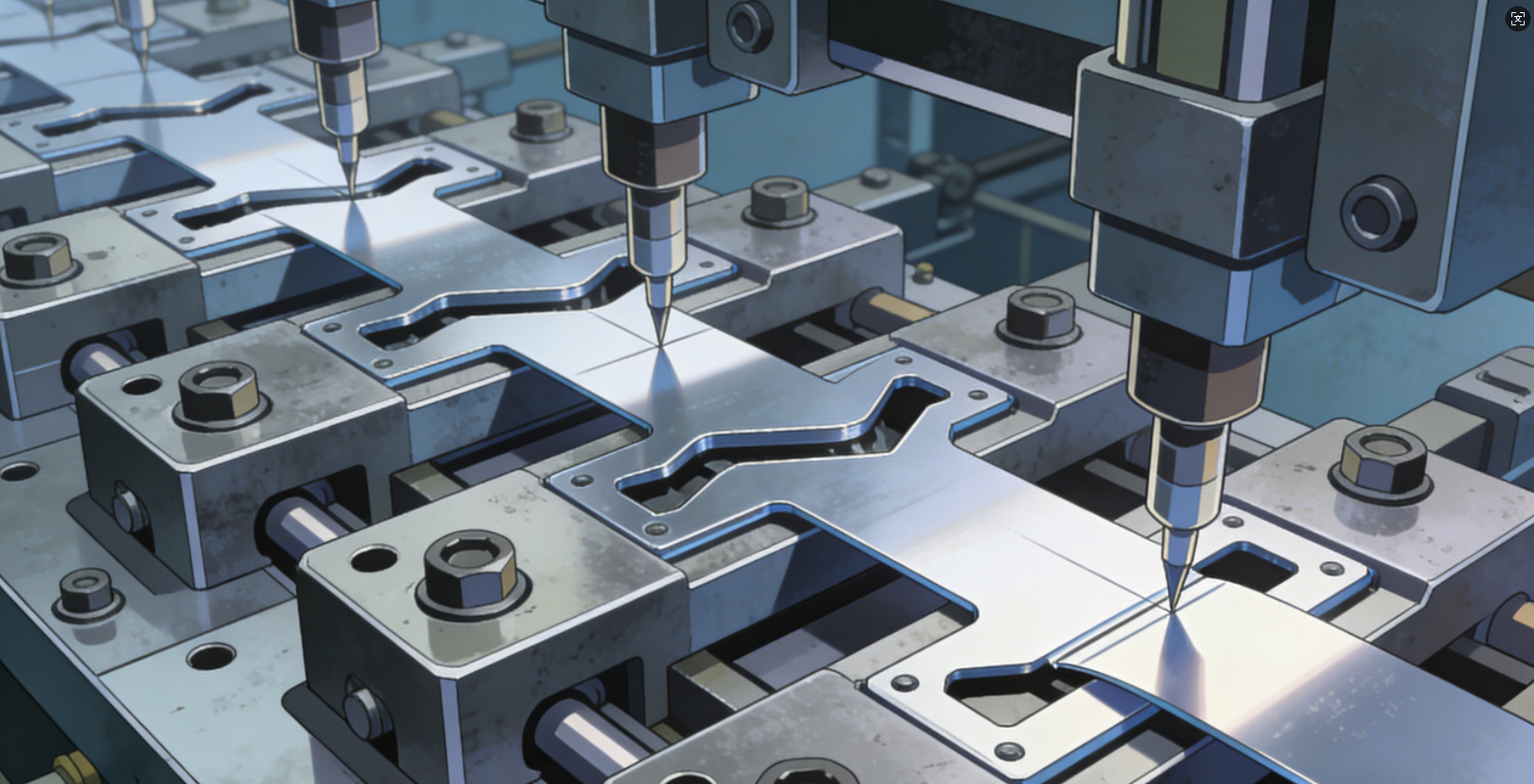
Kas yra štampavimo šablonai ir kodėl jie svarbūs
Ar kada nors domėjotės, kaip gamintojai gaminą tūkstančius identiškų metalinių detalių su tobula tikslumu? Atsakymas slepiasi kritinėje įrankio rūšyje, kuri yra šiuolaikinės metalo apdirbimo technologijos pagrindas – štampavimo šablone.
Taigi, kas yra šablonai gamyboje? Paprasčiausiai tariant, štampavimo šablonai – tai specializuoti tikslūs įrankiai, naudojami štampavimo presuose, kad išpjautų, lenktų ir formuotų lakštines metalines medžiagas į tam tikras formas. Galima juos laikyti labai tiksliai suprojektuotais formavimo įtaisais, kurie plokščius metalo lakštus paverčia funkcinėmis detalėmis kontroliuojamos jėgos poveikiu. Pag according to The Phoenix Group, štampavimo šablonas susideda iš dviejų pusių, įdėtų į presą, kuris gali sukurti pakankamai jėgos atlikti keturias esmines funkcijas: detalių pozicionavimą, pritvirtinimą, apdorojimą ir atlaisvinimą.
Metalo formavimo technologijos pagrindas
Metalo štampavimo šablonai veikia paprastu, tačiau galingu principu. Du šablonų pusės – viršutinė ir apatinė – susijungia didžiule jėga, kad metaliniam medžiagų paviršiui suteiktų reikiamą formą. Veikimo metu šie įrankiai atlieka vertės pridedamas operacijas, tokias kaip pjovimas, lenkimas, skverbimasis, reljefinis spaudimas, formavimas, traukimas, ištempimas, monetavimas ir ekstruzija.
Šių šablonų konstrukcija reikalauja ypatingos ilgaamžiškumo. Šablonų padai, kurie tarnauja kaip pagrindas visiems kitiems komponentams, dažniausiai gaminami iš lietojo geležies ar plieno, kad būtų atsparūs deformacijoms veikimo metu. Tuo tarpu kalapai ir šablonų plienai – komponentai, kurie iš tikrųjų formuoja medžiagą – gaminami iš kietintos įrankių plieno, kad atlaikytų ekstremalią dėvėjimosi apkrovą, kurią patiria šie elementai metalo štampavimo metu.
Kodėl šablonų pasirinkimas lemia gamybos sėkmę
Štai ką daugelis naujokų nepastebi: tinkamo štampavimo šablonų pasirinkimas gali nulemti jūsų gamybos rezultatus. Pasirinktas šablonas tiesiogiai veikia tris svarbius veiksnius:
- Gamybos efektyvumas – Skirtingų tipų šablonai veikia labai skirtingais greičiais ir reikalauja įvairaus paruošimo laiko
- Detalių kokybė – Kiekvienas šablonų tipas puikiai tinka tam tikroms operacijoms ir detalėms su skirtinga sudėtingumu
- Gamybos kaštai – Įrankių investicijos, kiekvienos detalės gamybos kaštai ir priežiūros reikalavimai žymiai skiriasi priklausomai nuo šablonų tipo
Ar gamintumėte mažus elektroninius jungtukus arba didelius automobilių skydelius, suprasdami įvairių štampavimo šablonų rūšis galėsite parinkti optimalų įrankių sprendimą savo konkrečioms detalėms. Toliau pateiktuose skyriuose susipažinsite su progresyviais šablonais aukšto tūrio gamybai, perduodamaisiais šablonais sudėtingoms didelėms detalėms, sudėtiniais šablonais tiksliai plokščiosioms detalėms ir specializuotais šablonais, kurie užbaigia gamybos įrankių rinkinį. Kiekvienas iš jų turi skirtingą paskirtį – ir žinodami, kada kurį naudoti, galėsite esminiu būdu pagerinti savo gamybos rezultatus.
Progresyvieji šablonai aukšto tūrio gamybai
Kai gamybos apimtys pasiekia šimtus tūkstančių – ar net milijonus – detalių, viena šablonų rūšis nuolat išsiskiria: progresyvusis šablonas. Dažnai pramonėje jis vadinamas „prog šablonu“. štampavimo galingasis įrankis užsitarnavo sau darbo žirgo vardą aukšto tūrio gamyboje.
Bet kas daro pažangųjį metalo štampavimą tokį veiksmingą? Atsakymas slypi jo išradingoje sekos stotyčių konstrukcijoje, kuri žaliavą paverčia baigtais detalėmis nepaprastai efektyviai.
Kaip progresyviosios štampavimo šablonų matricos pasiekia daugiaoperacinę efektyvumą
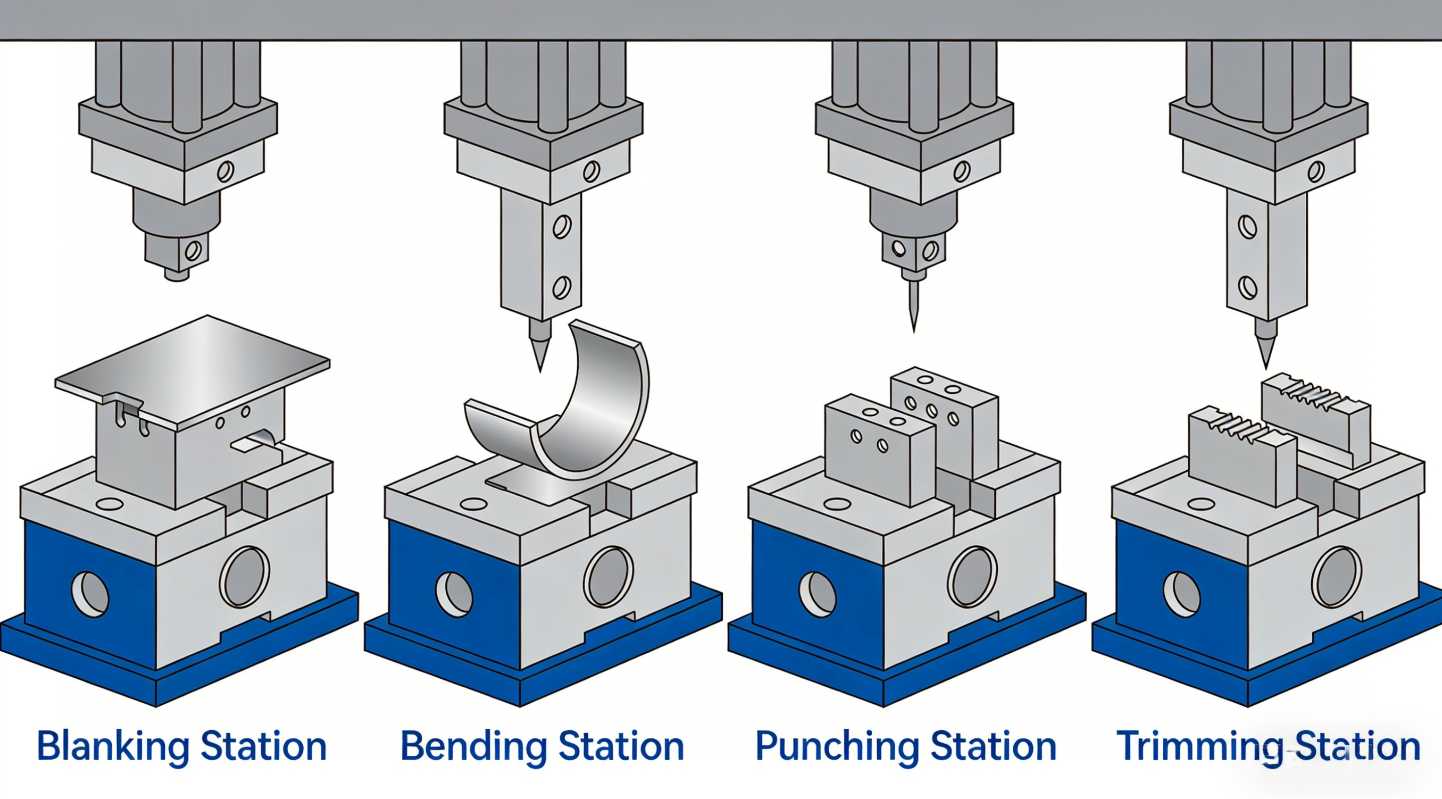
Įsivaizduokite metalinę juostą, judančią per eilę darbo stočių, kur kiekviena atlieka tam tikrą operaciją – pjovimą, lenkimą, formavimą, skverbimąsi – kol galiausiai išėjime susiformuoja pilnai paruošta detalė. Tai ir yra progresyviojo štampavimo proceso veikimas.
Pagal Dayton Rogers kompanijos duomenis, progresyvioji štampavimo šablonų matrica turi kelias štampavimo stočių vietas, kuriose vienu metu atliekamos įvairios operacijos su lakštinio metalo juosta. Kiekvieno preso judėjimo ciklo metu medžiaga perkeliamasi į kitą stotį, tuo pat metu į matricą įeina nauja jos dalis. Rezultatas? Kiekvienas preso ciklas gamina baigtą komponentą.
Štai kaip veikia šis mechaninis procesas:
- Maitinimo mechanizmas – Tiksliai padeda metalinę juostą į matricą, užtikrindama tikslų kiekvienos operacijos išdėstymą
- Kėlimo rinkinys – Štamponavimo šablonų serija, kur kiekvienoje stotyje atliekama tam tikra pjovimo ar formavimo operacija
- Ištraukiklis – Po galutinės operacijos švariai pašalina baigtą detalę iš metalinio juostos
- Paspauskite – Užtikrina kontroliuojamą jėgą, reikalingą visoms operacijoms atlikti; jėgos talpa svyruoja nuo 60 iki 500 tonų, priklausomai nuo detalės reikalavimų
Apėjimo įpjovos lakštiniame štamponavime taip pat yra ne mažiau svarbios šiam procesui. Šios strategiškai išdėstytos įpjovos leidžia juostai sklandžiai judėti tarp stočių, tuo pačiu užtikrindamos tikslų pozicionavimą. Jei apėjimo įpjovos nėra tinkamai suprojektuotos, medžiaga gali pasislinkti, užstrigti arba būti pagamintos defektinės detalės.
Optimalios progresyvaus štampavimo šablonais taikymo sritys
Taigi kada progresyvusis šablonas ir štamponavimas yra labiausiai tikslingi jūsų projektui? Pagrindinis progresyvausjo preso privalumas – sudėtingų detalių gamyba labai dideliu greičiu su minimaliu darbo jėgos įsikišimu.
Progresyvieji šablonai ir štamponavimas ypač naudingi pramonės šakose, kur gamybos apimtys pateisina pradinę įrankių gamybą:
- Automobilinis – Laikikliai, spaustukai, jungtys ir elektroniniai komponentai, gaminami tūkstančiais milijonų vienetų per metus
- Elektronika – Tikslūs terminalai, laidų rėmeliai ir apsauginiai komponentai, reikalaujantys tikslaus toleravimo
- Bylos – Konstrukciniai komponentai, tvirtinimo įtaisai ir dekoratyvinės apdailos detalės
- Oro erdvė – Aukštos tikslumo detalės, kuriose nuosekli gamyba dideliais kiekiais yra būtina
Pagrindiniai privalumai, dėl kurių progresyviosios šabloninės formos yra renkamos aukšto tūrio gamybai:
- Sumažinti darbo pajamos – Automatizacija sumažina rankinį apdorojimą tarp operacijų
- Nuosekli Kokybė – Kiekvienas gaminys gauna identišką apdorojimą, pašalinant skirtumus
- Greito gamybos procesas – Ciklo trukmė matuojama sekundės dalimis, o ne minutėmis
- Sudėtingų detalių gamybos galimybė – Kelios operacijos sujungiamos į vieną šabloninę formą, kad būtų apdorojamos sudėtingos geometrijos
Kaip pažymėjo Hudson Technologies, progresyvioji štampavimo technika yra specialiai sukurtą didelės apimties gamybai, paprastai viršijančiai 50 000 vienetų per metus. Nors įrengimo kaštai yra aukštesni nei paprastesnių įrankių variantų, vieneto kaina mastu žymiai sumažėja – todėl tai tampa ekonomišku pasirinkimu, kai apimtys pateisina tokį investavimą.
Žinoma, progresyvieji štampai turi savo apribojimų. Detalės visą procesą turi likti prijungtos prie juostos, todėl ribojamos gaminamų detalių dydis ir gylis. Kai detalės viršija šiuos galimus parametrus, gamintojai kreipiasi į kitą sprendimą – perkėlimo štampus sudėtingoms didelėms detalėms. 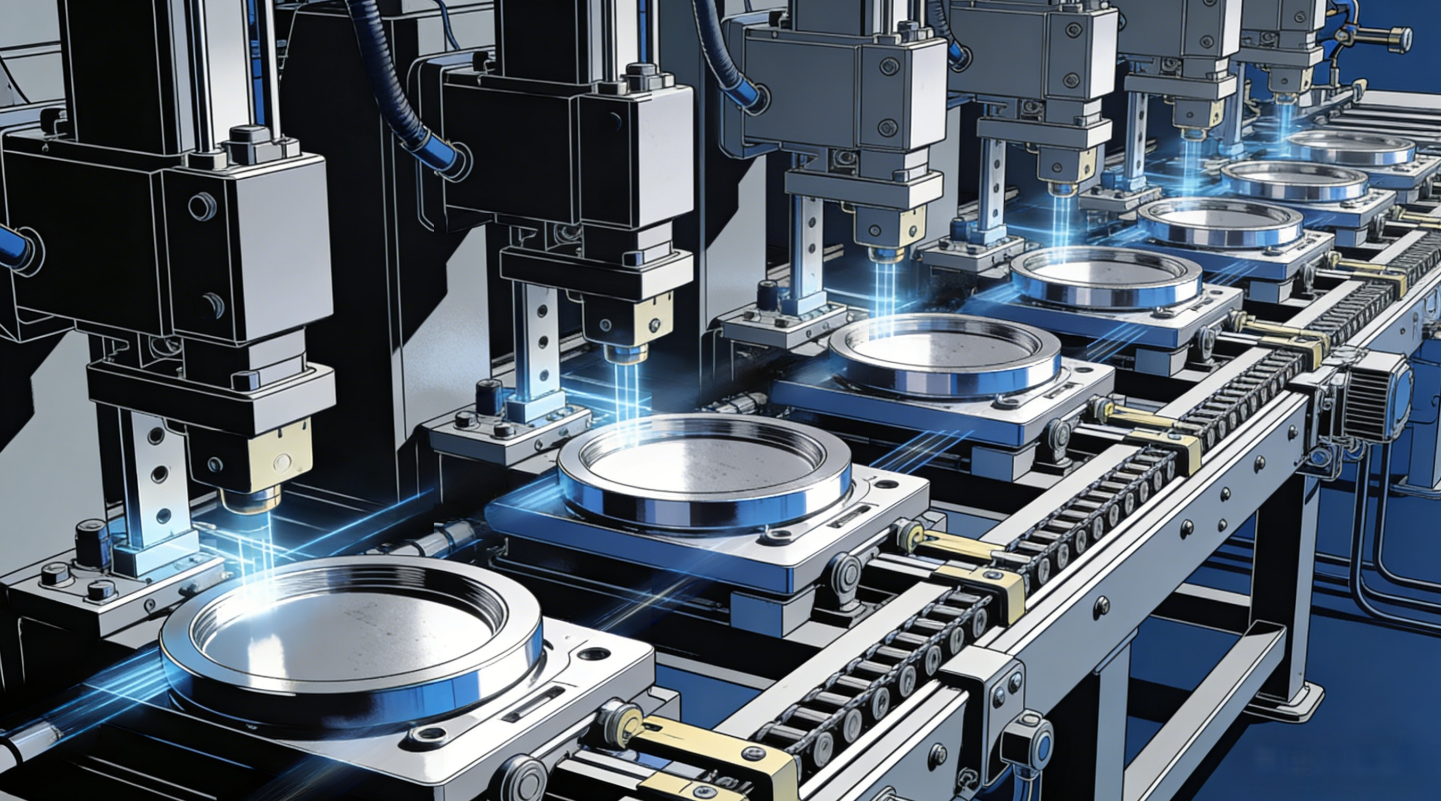
Perkėlimo štampai sudėtingoms didelėms detalėms
Ką daryti, kai jūsų detalės projektas reikalauja gilių įtraukimų, sudėtingų geometrijų ar matmenų, kurie per dideli juostos padavimui? Būtent čia į pagalbą ateina perkėlimo štampavimas – gamybos sprendimas, kuris užpildo spragą tarp progresyvios efektyvumo ir vienvietės lankstumo.
Skirtingai nuo progresyvių šablonų, kurie palaiko detalių ryšį su nuolatine juosta, pernešimo šablonai veikia su atskirais lakštų gabalais — atskirais darbo gabalais, kurie nepriklausomai juda per kelias stotis. Ši esminė skirtis atrakina galimybes, kurių progresyvūs įrankiai tiesiog negali pasiekti.
Kai detalės viršija progresyvių įrankių galimybes
Įsivaizduokite, kad reikia gaminti automobilio kūno šablono komponentą — didelę konstrukcinę plokštę, reikalaujančią kelių gilių ištraukimų ir sudėtingų formavimo operacijų. Bandyti visą šį procesą laikyti detalę prijungtą prie metalinės juostos būtų netikėta, jei ne neįmanoma. Vien tik detalės dydis sukeltų tvarkymo sunkumų, o gilūs ištraukimai reikalauja, kad darbo gabalas formavimo metu laisvai judėtų.
Pagal Die-Matic, perduodamosios šabloninės kalibravimo technikos pagalba puikiai gaminami sudėtingi detalės su įvairiais sudėtingais elementais, tiksliais leistinųjų nuokrypių ribomis ir giliais ištempimais, kurių negalima pasiekti tik progresyvinio kalibravimo būdu. Šis procesas leidžia gamintojams dirbti su storesniais medžiagos lakštais, vienu metu palaikant nuolatinį slėgį visą formavimo operaciją.
Perduodamojo kalibravimo technika tampa pageidaujamiausiu pasirinkimu, kai jūsų detalėms reikia:
- Giliuosius štampavimus – Atskirtas lakštas gali būti stipriai deformuojamas be juostos apribojimų
- Dideli matmenys – Per plačios ar per ilgos detalės, kad būtų praktiškai tiekiamos juosta, laisvai juda tarp stotyčių
- Keli formavimo veiksmai – Gali būti įvykdyti sriegiavimas, įgaubtiniai elementai, raukšlės ir sudėtingos geometrijos
- Tikslus orientavimo valdymas – Kiekvienas lakštas kiekvienoje stotyčioje gali būti pakartotinai padėtas ir suorientuotas
Perduodamųjų mechanizmų ir stotyčių konstravimas
Taigi kaip veikia perkėlimo procesas iš tikrųjų? Perkėlimo štampavimo metu mechaninės arba hidraulinės perkėlimo sistemos fiziškai perkelia dalinai suformuotus lakštus iš vienos stoties į kitą. Kiekviena stotis štampo rinkinyje atlieka specialią funkciją – skylėjimą, traukimą, apipjaustymą ar formavimą – prieš tai perkėlimo mechanizmas perkelia detalę į kitą operaciją.
Kaip nurodo „Keats Manufacturing“, šis procesas remiasi automatizacija, kuri perveža ir lygina darbo gabalus į kelias stotis, o kiekviena stotis atlieka skirtingą operaciją. Šis daugiapakopis požiūris leidžia kurti labai sudėtingų konstrukcijų gaminius, kurių būtų neįmanoma pasiekti naudojant kitų tipų štampus.
Perdavimo šablonų (transfer dies) veikla, kurią charakterizuoja „pradėk–stabdyk“ režimas, reikalauja tikslaus perdavimo mechanizmo ir šablonų stotyčių koordinavimo. Kiekvienas ruošinys turi būti tiksliai supozicionuotas prieš kiekvieną operaciją. Nors tai padidina sudėtingumą, taip pat pasiekiamas išskitimai aukštas medžiagos srauto ir deformacijos kontrolės lygis – dėl to gaunamos detalės su labai mažomis leistinomis nuokrypio ribomis ir tikslia matmenine tikslumu.
Pagrindiniai skirtumai nuo progresyvių šablonų
Supratimas, kada reikia pasirinkti perdavimo (transfer), o ne progresyvius šablonus, priklauso nuo jų esminių skirtumų atpažinimo:
- Medžiagų apdorojimas – Perdavimo šablonuose naudojami atskiri ruošiniai; progresyviuose šablonuose – sujungta juostinė medžiaga
- Detalės dydžio galimybė – Perdavimo šablonai leidžia gaminti didesnes dalis, įskaitant kuzovo skydus ir konstrukcines komponentes
- Giliųjų traukimo galimybės – Perdavimo šablonai puikiai tinka giliųjų traukimo operacijoms, nes ruošinys formavimo metu juda laisvai
- Medžiagų efektyvumas – Perdavimo šablonai dažnai naudoja mažiau medžiagos vienai daliai, todėl sumažėja atliekų kiekis ir vienos detalės gamybos kaštai
- Sudėtingumo nustatymas – Perdavimo šablonams reikia ilgesnio paruošimo laiko, tačiau jie siūlo didesnę lankstumą sudėtingoms konstrukcijoms
- Gamybos greitis – Progresyvusis šablonas paprastai veikia greičiau, o perkėlimo šablonas pirmenybę teikia tikslumui, o ne greičiui
Perkėlimo šablonus dažnai naudoja automobilių gamybos pramonė (kūno plokštumoms ir konstrukcinėms detalėms), aviacijos pramonė (sudėtingoms lėktuvų korpuso dalims) bei sunkiosios technikos pramonė (didelės apimties deformuotoms detalėms). Pagal „Die-Matic“ duomenis daugiau nei pusė spaudimo sąnaudų tenka medžiagai – todėl perkėlimo proceso geresnis medžiagos panaudojimas padeda sumažinti atliekas ir žeminti kiekvienos detalės kainą.
Nors perkėlimo šablono štampavimas susijęs su didesnėmis eksploatacinėmis sąnaudomis dėl sudėtingo paruošimo ir reikalaujančių aukštos kvalifikacijos darbuotojų, jis vis tiek lieka pagrindine alternatyva, kai detalės sudėtingumas viršija progresyvių šablonų galimybes. Paprastesnėms plokščios formos detalėms, kuriose kelios pjovimo operacijos turi būti atliekamos vienu metu su absoliučiu tikslumu, gamintojai pasirenka kitą variantą – sudėtinius šablonus.
Sudėtiniai šablonai tiksliai plokščioms detalėms
Ką daryti, jei reikia žieduko su idealiai centruota skylės – pagaminto vienu greitu presavimo judesiu? Štai čia ir pasireiškia sudėtinis šablonas. Skirtingai nuo progresyvių šablonų, kurie perkelia medžiagą per sekantys stotis, sudėtinis šablonas vienu judesiu vienu metu atlieka kelias pjovimo operacijas, užtikrindamas išsklaidytą tikslumą plokščioms detalėms.
Skamba sudėtingai? Iš esmės sąvoka yra labai paprasta. Kai jūsų detalė reikalauja kelių požymių, kurie turi būti idealiai vienas kitam pritaikyti, sudėtinio šablono štampavimas pašalina lygiavimo nuokrypius, kurie gali atsirasti atskirose operacijose.
Vieno judesio tikslumas plokščioms detalėms
Štai kaip veikia sudėtiniai šablonai: šablonas vienu metu atlieka išpjovimą ir perforavimą. Pagal Alekvs , sudėtinis šablonas viename stotyje vienu metu atlieka detalės išpjovimą ir perforavimą – paprastai įprastai skyles probuodamas žemyn, o detalę išpjaudamas aukštyn, leisdama šukoms kristi per šabloną.
Šis vienu metu vykstantis veiksmas sukuria kritinį pranašumą: idealų koncentriškumą ir išdėstymą tarp elementų. Kai metalo smūgiavimo įrankiai ir šablonai pjauta tuo pačiu metu, medžiagai tarp operacijų pasislinkti nėra jokios galimybės. Rezultatas? Detalės su tiksliais geometriniais santykiais, kurių pasiekti nuosekliuoju štampavimu ir išpjovimu būtų sunku.
Paimkime paprastą žiedinę poveržlę. Išorinis skersmuo turi būti visiškai apskritas, o vidurio skylė – būti tiksliai centre. Naudojant sudėtinį šabloną abu pjūviai atliekami vienu metu – tai užtikrina tokį koncentriškumą kiekvieną kartą.
Sudėtinių šablonų taikymo sritis ir ribojimai
Nors sudėtiniai šablonai puikiai atlieka savo funkcijas, supratimas apie jų ribas padeda nustatyti, ar šis štampavimo šablonų tipas tinka jūsų projektui. Pagal Master Products , sudėtinio šablono štampavimas naudojamas gaminti paprastas plokščias dalis, pvz., poveržles, kai įrankiai vienu smūgiu atlieka kelis pjūvius, smūgiavimus ir lenkimus.
Pagrindiniai sudėtinių šablonų privalumai yra:
- Puiki funkcijų atitiktis – Vienu metu vykdomos operacijos pašalina pozicionavimo klaidas tarp pjūvių
- Žemesni įrankių gamybos kaštai – Specializuoti įrankiai kainuoja mažiau nei sudėtingi progresyvieji štampai
- Aukšta pakartotumas – Vieno štampo naudojimas užtikrina nuoseklius rezultatus visose gamybos serijose
- Efektyvu paprastoms geometrijoms – Supaprastinta gamyba plokščioms ir santykinėms paprastoms detalėms
Tačiau sudėtiniai štampai turi būdingų apribojimų:
- Nėra formavimo galimybės – Šie štampai tik supjausto medžiagą, bet negali lenkti ar formuoti trimatės formos detalių
- Detalių sudėtingumo apribojimai – Sudėtingos geometrijos reikalauja paeiliškų arba perduodamų šablonų vietoj paprastų
- Detalių išėmimo reikalavimai – Kadangi detalės po štampavimo lieka šablone, būtina numatyti jų išėmimo būdą
- Greitis priklauso nuo detalės dydžio – Didelės detalės ilgiau išeina iš šablono, todėl ciklo trukmė sutrumpėja
Kada pasirinkti sudėtinius arba paeiliškuosius šablonus
Sprendžiant, kurį iš šių dviejų šablonų tipų pasirinkti, atsižvelkite į šiuos veiksnius:
- Pasirinkite sudėtinius šablonus, kai – Jums reikia plokščių detalių su tiksliais elementų tarpusavio ryšiais, vidutinėms gamybos apimtims, paprastesnėms geometrijoms ir mažesnėms pradinėms įrankių gamybos investicijoms
- Pasirinkite progresyviuosius štampavimo įrankius, kai – Jums reikia sudėtingų formų su formavimo operacijomis, itin didelių gamybos apimčių, detalių su keliais lenkimais arba trimis matmenų bruožais bei maksimalaus gamybos greičio
Kaip nurodo „Worthy Hardware“, sudėtiniai štampavimo įrankiai labiau tinka mažesnėms serijoms, kai ypač svarbi tikslumas, o progresyvieji štampavimo įrankiai – tai pirmasis pasirinkimas sudėtingų detalių didelėmis serijomis gaminti.
Vidutinėms ir didelėms serijoms paprastų plokščių komponentų gamybai sudėtiniai įrankiai užtikrina naudingą kainos ir kokybės santykį bei išsklaidytą matmeninę tikslumą. Kai jūsų detalėms reikia papildomų operacijų bepjovimo arba kai reikia viso gamybos įrankių rinkinio, specializuoti įrankių tipai užbaigia jūsų pasirinkimų sąrašą.
Specializuotų štampavimo įrankių tipai ir visiškai išbaigtas struktūrinis pagrindas
Jūs jau tyrinėjote progresyviuosius, perduodamuosius ir sudėtinius štampavimo kalapus – tačiau štampavimo pasaulis čia nesibaigia. Norėdami tikrai išmokti tinkamai rinktis kalapus, reikia viso vaizdo. Šiems „didžiausiems trims“ kategorijoms už ribų egzistuoja įvairių specializuotų lakštinių metalų kalapų rinkinys, kurie sprendžia unikalius gamybos iššūkius – nuo pirmųjų prototipų serijų iki sudėtingų formavimo operacijų.
Galima tai laikyti „tvirtojo šešetuko“ sistema: šešios skirtingos kalapų rūšys, kurios apima beveik kiekvieną metalo štampavimo scenarijų, su kuriuo tikėtina susidurti. Šio viso įrankių rinkinio supratimas suteikia galimybę kiekvienam detalės reikalavimui parinkti optimalų sprendimą.
Už „didžiausių trijų“ kalapų kategorijų
Pradėkime nuo vienavietės stacionariosios kalapos – tai pagrindiniai mažo tūrio ir prototipų gamybos įrankiai. Pag according to Custom Roll Form, vienavietės štampavimo kalapos naudojamos operacijose, kuriose kiekvienoje štampavimo preso eigoje sukuriamas vienas elementas arba atliekama viena operacija. Jei reikia atlikti kelias operacijas, darbo dalis turi būti perkeliama iš vieno preso į kitą, kol gamyba bus baigta.
Kodėl pasirinkti vienvietes šablonines formas? Kai įrankių įrengimų investicijos turi likti minimalios – pavyzdžiui, prototipų gamybai, trumpai serijai ar bandymo projektams – šios formos suteikia būtent tai, ko reikia, be sudėtingumo. Kaip pastebi JVM Manufacturing, jų paprasta konstrukcija palengvina greitą gedimų šalinimą ir reguliavimą, leisdama taikyti lankstius gamybos sprendimus.
Štampavimo įrankių ir šabloninių formų spektras taip pat apima kombinuotas formas, kurios vienu metu atlieka pjovimo ir formavimo operacijas. Skirtingai nuo sudėtinių formų, kurios tik pjauna, kombinuotos formos atlieka tiek pjovimą, tiek formavimą – išpjovimą, skylėjimą, lenkimą ir formavimą – viską vienu stūmimu. Pagal Standard Die, kombinuotos formos siūlo daugiaoperacinę galią, todėl jos tinka įvairioms pjovimo ir formavimo aplikacijoms, įskaitant kasybos įrangos, elektronikos ir buitinės technikos detalių gamybą.
Pagrindiniai kombinuotų formų privalumai:
- Universalumas – Vienu metu atlieka tiek pjovimo, tiek formavimo operacijas
- Greitesnis pristatymas – Kelios operacijos vienu įspaudimu sumažina gamybos laiką
- Patikimos rezultatai – Nuosekli išvestis visuose gamybos cikluose
- Kainos efektyvumas – Sumažina poreikį keliems atskiriems štampų rinkiniams
Specializuoti štampai unikalioms formavimo užduotims
Kai jūsų taikomoji programa reikalauja specifinių metalo formavimo operacijų, specializuoti metalo formavimo štampai užtikrina tikslų rezultatą. Šios kategorijos – lenkimo štampai, traukimo štampai ir formavimo štampai – kiekviena puikiai tinka tam tikroms formavimo užduotims.
Bending dies suformuoja kampines formas, verčiant medžiagą aplink kaladėlę arba į štampo ertmę. Jie yra būtini tvirtinimams, kanalams ir bet kuriai detalei, kurioje reikalingi nuoseklūs lenkimo kampai. Nors jie sąvokiniškai skiriasi nuo atvirųjų kalimo štampų (kurie formuoja medžiagą tarp plokščių štampų be visiško apribojimo), lenkimo štampai naudoja uždarą įrankių sistemą, kad pasiektų tikslų ir pakartotinį kampų nustatymą.
Kigimo formos specializuojasi kurdami puodelio ar dėžutės formos detalių dalis traukdami plokščią lakštų metalą į štampavimo įrankio ertmę. Giliųjų štampavimo operacijų metu—kai gylis viršija skersmenį—reikia specialiai sukurtų štampavimo įrankių, kurie kontroliuotų medžiagos srautą ir neleistų susidaryti plyšiams ar raukšlėms.
Formavimo įrankių apdoroja sudėtingas trimatės formos keitimo operacijas, kurios išeina už paprastų lenkimų ar štampavimo ribų. Jie sukuria įgaubtines briaunas, iškilusias detalės savybes, kraštus ir išlenktas paviršių formas, kurios suteikia detalių galutinę geometriją.
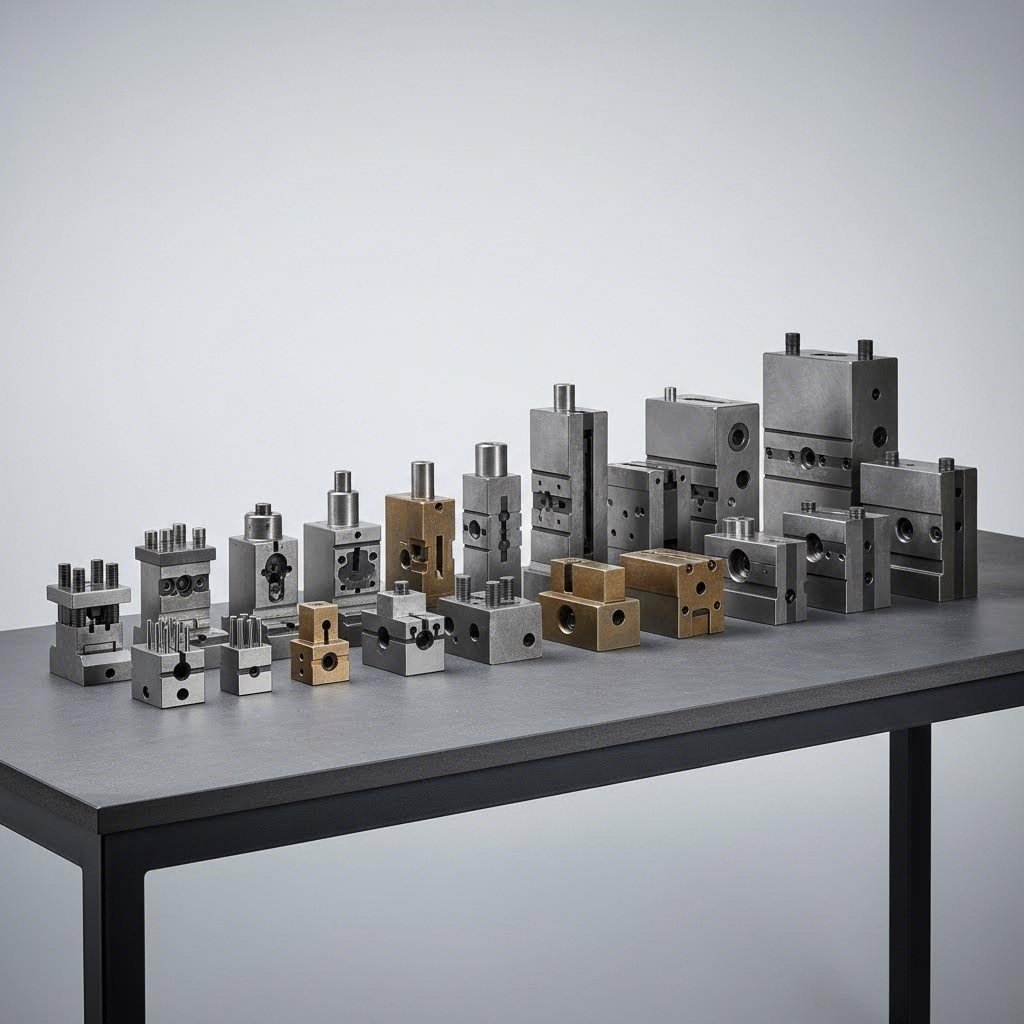
Štai kas nustebina daugelį naujokų: lakštų metalo štampavimo įrankių dydis žymiai keičiasi priklausomai nuo taikymo srities. Mažų elektroninių jungiklių štampavimo įrankių rinkinys gali tilpti į delną, tuo tarpu automobilių kūno skydelių štampavimo įrankiai gali užimti net 20 kvadratinių pėdų ar daugiau plotą. Šis diapazonas atspindi štampavimo technologijos nepaprastą universalumą—nuo delikatiškų tikslumo komponentų iki milžiniškų konstrukcinių detalių.
Visiškas šešių štampavimo įrankių tipų pagrindas
Ar jau pasiruošę pamatyti visą vaizdą? Žemiau pateiktoje lentelėje pateikti visi šeši štampavimo įrankių tipai su jų charakteristikomis ir optimaliais taikymo būdais:
| Dienos tipas | APRAŠYMAS | Tinkamiausias | Gamybos kiekis |
|---|---|---|---|
| Progresyvinis šablonas | Nuoseklūs stotys atlieka operacijas, kai juosta juda per šabloną | Didelio apimties gamyba mažų ir vidutinio sudėtingumo detalių | 50 000+ detalių per metus |
| Perdavimo įrenginys | Atskirtos заготовки juda tarp stočių mechaninės perduodamosios įrangos pagalba | Didelės ir sudėtingos detalės, reikalaujančios gilių ištraukimų arba kelių formavimo operacijų | Vidutinė–aukšta apimtis |
| Sudėtingas šablonas | Keli pjovimo veiksmai atliekami vienu kartu viename spaudimo cikle | Plokščios detalės, reikalaujančios tikslaus elementų išdėstymo (poveržlės, заготовки) | Vidutinis kiekis |
| Vienos stoties įranga | Viena operacija viename preso įspaudime; darbo detalė juda tarp presų | Prototipai, mažo apimties serijos, paprastos detalės | Maža apimtis |
| Kombinuota matrica | Pjovimo ir formavimo operacijos sujungtos viename įspaudime | Detalės, kurioms reikia tiek pjovimo, tiek formavimo vienoje operacijoje | Vidutinė–aukšta apimtis |
| Specializuoti formavimo šablonai | Lenkimo, traukimo ir formavimo šablonai konkrečioms formavimo užduotims atlikti | Kampiniai lenkimai, gilūs traukimai, sudėtingos 3D geometrijos | Kinta priklausomai nuo taikymo |
Kiekvieno tipo šablonas užima tam tikrą nišą gamybos ekosistemoje. Vienojo stovio šablonai padeda išlaikyti žemas sąnaudas, kai gamybos apimtys nepateisina sudėtingų įrankių naudojimo. Kombinuoti šablonai užtikrina efektyvumą, kai detalėms reikia tiek pjovimo, tiek formavimo. Specializuoti formavimo šablonai sprendžia unikalius iššūkius, kurių negali įveikti standartiniai įrankiai.
Pagrindinė išvada? Nė vienas šablonų tipas ne visada yra geriausias kiekvienai situacijai. Jūsų optimalus pasirinkimas priklauso nuo gamybos apimčių, detalės sudėtingumo, biudžeto apribojimų ir konkrečių operacijų, kurios reikalingos jūsų detalei. Turėdami šį išsamų pagrindą, jūs esate pasirengę palyginti šablonų tipus pagal svarbiausius veiksnius – būtent tai ir bus mūsų kitas žingsnis.
Šablonų tipų palyginimas ir atrankos kriterijai
Jūs išsamiai išnagrinėjote kiekvieną štampavimo šablonų tipą atskirai – bet kaip jie lyginami vienas su kitu, kai reikia priimti tikrąją gamybos sprendimą? Pasirinkdami tarp progresyvių štampavimo šablonų, perduodamųjų šablonų, sudėtinių šablonų ir vienvietės operacijos šablonų reikia vienu metu įvertinti kelis veiksnius.
Štai kokia yra problema: dauguma šaltinių kiekvieną šablonų tipą nagrinėja izoliuotai. Jums iš tikrųjų reikia šoninis šoninio palyginimo, kuris parodytų, kuris variantas laimi tam tikromis aplinkybėmis. Panagrinėkime esminius našumo veiksnius, kurie turėtų nulemti jūsų pasirinkimą.
Štampavimo šablonų tipų palyginimas pagal pagrindinius našumo veiksnius
Vertindami lakštinių metalų štampavimo šablonus svarbiausius penki veiksniai: gamybos apimtis, detalės sudėtingumas, įrankių investicija, kaina vienai detalei ir gamybos greitis. Kiekvienas šablonų tipas šiuose rodikliuose pasižymi skirtinga našumu – o šių kompromisų supratimas padeda priimti protingesnius įrankių sprendimus.
| Koeficientas | Progresyvinis šablonas | Perdavimo įrenginys | Sudėtingas šablonas | Vienos stoties įranga |
|---|---|---|---|---|
| Gamybos kiekis | 50 000+ detalių/metai | 10 000–500 000 detalių/metai | 5 000–100 000 detalių/metai | Mažiau nei 10 000 dalių/metačiai |
| Dalies sudėtingumas | Vidutinis–aukštas (sekantys veiksmai) | Aukštas (giliuosius įtempimus, sudėtingas savybes) | Žemas (tik plokščios detalės) | Žemas–vidutinis (vienkartiniai veiksmai) |
| Įrankių kaina | Aukštas (75 000–500 000+ USD) | Aukštas (75 000–400 000+ USD) | Žemas–vidutinis (10 000–75 000 USD) | Žemas (5 000–30 000 USD) |
| Kainos pagal detalę | Žemiausias dideliais apimtimis | Vidutinis (medžiagų taupymas kompensuoja paruošimą) | Žemas paprastoms geometrijoms | Aukščiausias (rankinis tvirtinimas) |
| Gamybos greitis | Greičiausias (100–1500+ įspaudų/min) | Vidutinis (20–60 įspaudų/min) | Greitas plokščiems detalėms | Lėčiausias (rankinis perdavimas) |
| Geriausi taikymo atvejai | Automobilių spaustukai, elektroniniai jungikliai, buitinės technikos komponentai | Kūno skydai, konstrukcinės detalės, giliai ištraukti indai | Varžtų žiedai, заготовки, plokščios tikslumo detalės | Prototipai, trumpi serijiniai gamybos ciklai, paprasti laikikliai |
Pagal „Worthy Hardware“ duomenis, pradinės progresyvaus štampavimo šablonų kainos gali būti aukštos, tačiau didelėse gamybos apimtyse šis metodas tampa naudingas dėl žemesnių vieno gaminio gamybos kaštų. Pernešamųjų šablonų štampavimas susijęs su didesniais eksploataciniais kaštais, ypač sudėtingoms konstrukcijoms ir trumpiems serijiniams gamybos ciklams, tuo tarpu sudėtinių šablonų štampavimas pasižymi efektyvesniu medžiagų naudojimu – sumažina atliekas ir bendrus kaštus.
Medžiagų ir gamybos apimčių įvertinimas
Jūsų pasirinkta medžiaga labai paveikia tai, kuris šablonų tipas užtikrina geriausius rezultatus. Skirtingi plieno štampavimo šablonai, aliuminio įrankiai ir vario štampavimo įrenginiai kiekvienas reikalauja specifinių įvertinimų, grindžiamų medžiagos savybėmis ir storio diapazonais.
Plieno štampavimo formos
Plienas—ypač anglies plienas ir nerūdijantis plienas—veiksmingai naudojamas visų rūšių šablonuose. Tačiau medžiagos storis sukuria svarbias apribojimo sąlygas. Pagal „Worthy Hardware“ duomenis, progresyviems šablonams labai stori medžiagų sluoksniai netinka, nes juos sunku išlyginti ir tiksliai paduoti. Dauguma tikslausis komponentų turi storį nuo 0,2 mm iki 3 mm, nors štampavimas gali būti taikomas medžiagoms, kurių storis svyruoja nuo 0,05 mm folijų iki plokščių, viršijančių 12 mm.
Kai štampavimo konstrukcijoje naudojamos storesnės plieno lakštų rūšys (virš 3 mm), perduodamieji šablonai ar vienvietės stotys dažniausiai veikia geriau nei progresyvieji šablonai. Perduodamųjų šablonų atskirai valdomas ruošinys leidžia tvarkingai tvarkytis su storesnių medžiagų standumu be juostos padavimo problemų.
Aliuminis ir varis
Šie minkštesni metalai kelia kitokius iššūkius. Aliuminio linkmė į šliužavimą (prilipimas prie įrankių) reikalauja atidžios štampavimo šablonų medžiagos parinkties ir tepimo strategijų. Progresyvūs štampavimo šablonai gerai tvarko aliuminį didesniais greičiais, todėl jie yra idealūs aukšto greičio metalų štampavimo taikymams elektronikoje ir vartotojų prekėse.
Varis ir vario lydiniai – dažnai naudojami elektros komponentuose – efektyviai štampuojami progresyviuosiuose šablonuose. Pagal „Engineering Specialties“ duomenis, progresyvusis štampavimo šablonas gali būti naudojamas įvairiems metalams štampuoti, įskaitant plieną, aliuminį, varį, nerūdijantįjį plieną ir vario lydinius; taip pat galima naudoti brangiuosius metalus, titano ir superlydinius specializuotoms aplikacijoms.
Medžiagos storio gairės
Svarbus praktinis taisyklių rodiklis, kuris nukreipia jūsų lakštinių metalų štampavimo konstravimo sprendimus: išgręžtos skylės skersmuo turėtų būti ne mažesnis už medžiagos storį. Tai padeda išvengti štampo lūžimo, ypač kai naudojamos kietesnės medžiagos. Kaip pastebi įmonė Worthy Hardware, patyrę gamintojai kartais gali aplenkti šią taisyklę naudodami sunkiuosius štampus ir matricas, pagamintas iš itin atsparios įrankių plieno rūšies, pritaikydami preso greitį bei specialius tepalus.
| Medžiaga | Dažniausiai pasitaikantis storio diapazonas | Geriausios matricų rūšys | Specialios aplinkybės |
|---|---|---|---|
| Anglies plienas | 0,3 mm–6 mm | Visos rūšys (progresyvinės – plonesniems lakštams) | Storesniems lakštams tinkamesnės yra perkėlimo ar vienvietės matricos |
| Nerūdijantis plienas | 0,2 mm–4 mm | Progresyvinės, perkėlimo, sudėtinės | Kietesnės medžiagos rūšys padidina įrankių nusidėvėjimą |
| Aliuminio | 0,3 mm–5 mm | Progresyvus (didelio greičio), perduodamasis | Reikalauja priešsukimų tepalo |
| Varis/Latunis | 0,1 mm–3 mm | Progresyvus, Sudėtinis | Puikiai tinka elektros komponentams |
| Brangiosios metalų rūšys | 0,05 mm–1 mm | Progresyvus, Sudėtinis | Aukštos tikslumo tikslumo reikalavimai |
Tikslumo ir greičio kompromisai
Kai svarbus tikslumas, jūsų štampavimo šablonų pasirinkimas turi atsižvelgti į pasiekiamus tikslumo nuokrypius ir į tai, kaip greitis veikia tikslumą. Progresyvūs štampavimo šablonai užtikrina išsklaidytą pakartotinumą – kiekvienas detalės elementas apdorojamas vienodai, pašalinant operatoriaus sukeltus nuokrypius. Didelio greičio taikymo atveju ši nuoseklumas yra neįkainojama vertė.
Tačiau, kaip nurodo „Worthy Hardware“, perduodamojo štampavimo šablonų naudojimas reikalauja didesnio tikslumo šablonų projektavime ir priežiūroje, kad būtų užtikrinta nuolatinė kokybė ir efektyvi veikla. Koks kompromisas? Perduodamieji šablonai dažnai pasiekia griežtesnius tikslumo nuokrypius sudėtingose geometrijose, nes kiekvienas ruošinys kiekviename etape gauna atskirą dėmesį.
Sudėtiniai štampai puikiai tinka, kai svarbiausia yra tikslumas tarp įvairių elementų. Vienu metu vykdomos pjovimo operacijos užtikrina idealų atitikimą tarp skylės ir išorinio kontūro — tokios galimybės paeiliui vykdomos operacijos pasiekti sunkiai.
Kai kalbama apie daugiaslankstinius štampavimo medžiagų ir keturgyslių štampavimo taikymus — kur naudojami krumpliaračiais varomi slankikliai vietoj vertikalių presų — tampa įmanoma apdoroti net plonesnes medžiagas ir sudėtingesnius lenkimo procesus. Šie specializuoti metodai papildo tradicinius štampų tipus konkrečių detalių geometrijoms.
Jūsų pasirinkimo sprendimas
Atsižvelgdami į visus šiuos veiksnius, kaip iš tikrųjų pasirinkti?
- Mažiau nei 5 000 detalių per metus? Vienovietės štampai leidžia išlaikyti įrankių gamybos sąnaudas proporcingas gamybos vertei
- 5 000–50 000 detalių? Plokščioms detalėms — sudėtiniai štampai; detalėms, reikalaujančioms pjovimo ir formavimo — kombinuoti štampai
- 50 000+ detalių su vidutine sudėtingumu? Progresyvių štampavimo štampų investicijos atsipildo dėl kiekvienos detalės gamybos sąnaudų sumažėjimo
- Didelės detalės ar gilūs įtraukimai bet kokiu gamybos kiekiu? Perkeliamieji štampavimo įrankiai visada lieka pagrindinis jūsų pasirinkimas, nepriklausomai nuo kiekio
Prisiminkite: „geriausio“ štampavimo įrankio tipo neegzistuoja izoliuotai. Jūsų optimalus pasirinkimas iškyla svarstant gamybos apimčių ekonomiką, detalės reikalavimus, medžiagų apribojimus ir terminų spaudimą. Supratimas, kaip štampavimo įrankių medžiagos ir konstrukcija veikia ilgalaikę našumą, prideda dar vieną lygmenį prie šio sprendimo – tai aptarsime toliau.
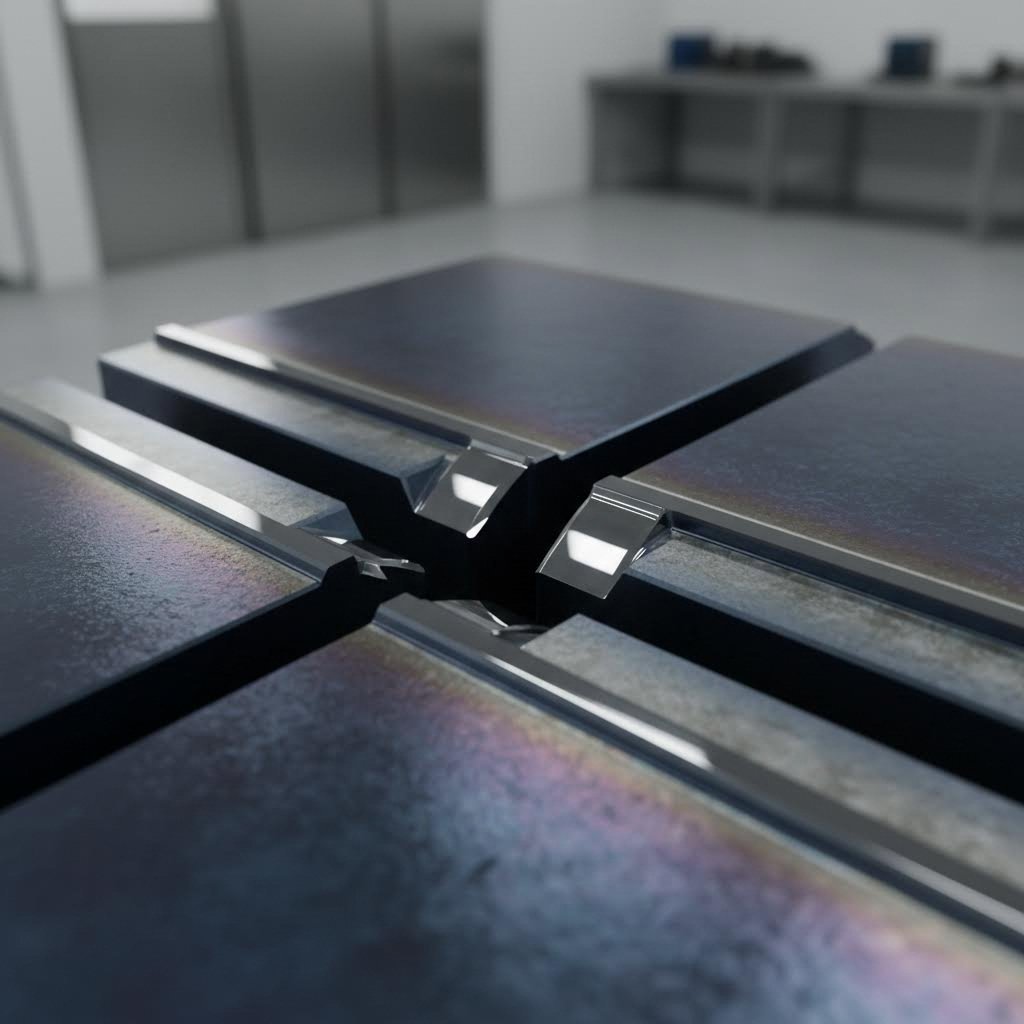
Štampavimo įrankių medžiagos, konstrukcija ir priežiūra
Jūs jau pasirinkote tinkamiausią štampavimo įrankio tipą savo taikymui – bet čia kyla klausimas, kuris dažnai praleidžiamas: iš kokios medžiagos iš tikrųjų pagamintas jūsų štampavimo įrankis? Štampavimo įrankių komponentų medžiagos ir konstrukcija tiesiogiai nulemia šių įrankių tarnavimo trukmę, kaip dažnai turėsite sustabdyti gamybą dėl priežiūros ir, galiausiai, bendrą jūsų nuosavybės sąnaudas.
Pagalvokite taip: du identiški progresyvūs šablonai, gaminantys tuos pačius detalių, gali turėti labai skirtingą tarnavimo trukmę priklausomai nuo jų konstrukcijos. Vienas iš jų gali pagaminti 50 000 detalių, kol reikės priežiūros; kitas, pagamintas iš aukštesnės kokybės medžiagų, gali veikti 500 000 ciklų ar daugiau. Supratimas apie šablonų medžiagas paverčia jūsų įrankius ne išlaidomis, o strategine investicija.
Šablonų konstrukcijos medžiagos ir jų poveikis
Metalo štampavimo įrankiai remiasi atidžiai parinktomis medžiagomis, kurios yra sukurtos tam, kad atlaikytų ekstremalias apkrovas, kartotinį įtempimą ir nuolatinį trinties poveikį. Pagal SteelPRO Group , šablonų plienas yra aukštos našumo medžiaga, kuri skirstoma į šaltojo darbo, karštojo darbo ir plastmasinių formų plienus – kiekvienas iš jų optimizuotas tam tikroms eksploatacinėms sąlygoms.
Dažniausiai naudojami štampavimo įrankių plienai yra:
- D2 (šaltojo darbo įrankių plienas) – Aukštas anglies ir chromo kiekis užtikrina puikią nusidėvėjimo atsparumą. Idealus pjovimo ir išpjovimo operacijoms, kur labiausiai svarbi abrazyvinė atsparumas. Kietumas siekia RC 58–62.
- A2 (oro kietėjimo įrankių plienas) – Suderina dilimui atsparumą su geresniu stiprumu nei D2. Užtikrina puikią matmeninę stabilumą šiluminės apdorojimo metu, todėl yra tinkamas tiksliesioms aplikacijoms.
- S7 (smūgiui atsparus įrankių plienas) – Sukurtas dideliam smūgio atsparumui. Pasirinkite šį lygį, kai šablonai veikiami stiprių smūgio apkrovų formavimo ar traukimo operacijų metu.
- H13 (karštojo darbo įrankių plienas) – Išlaiko kietumą aukštesnėse temperatūrose. Būtinas operacijoms, kurios sukuria reikšmingą šilumą, arba kai spaudžiamos didelio stiprumo medžiagos.
- Miltelių metalurgijos (PM) įrankių plienai – Pažangus gamybos procesas sukuria smulkesnius ir tolygiau pasiskirsčiusius karbidus. Pagal AHSS įžvalgos , PM įrankių plienai išlaiko kietumą nepažeisdami stiprumo – užtikrindami iki 10 kartų ilgesnį tarnavimo laiką palyginti su įprastiniais lygiais reikalaujančiose aplikacijose.
Kodėl taip svarbu tinkamai parinkti medžiagą? Formuojant pažangiąsias aukštosios stiprybės plienų rūšis, lakštinių metalų kietumas gali artėti prie pat šablonų kietumo. Kaip nurodo AHSS Insights, kai kurios martensitinės rūšys pasiekia Rockwell C reikšmes, didesnes nei 57 – tai reiškia, kad spaudžiama medžiaga beveik tokia pat kietа kaip šablonas, kuris ją formuoja.
Tai sukuria ekstremalią aplinką, kurioje žemesnės kokybės šablonų medžiagos greitai sugenda. Iš įprastų plienų pagamintų metalo štampavimo šablonų rinkiniai gali išlaikyti iki 50 000 ciklų švelniame pliene, tačiau apdorojant aukštos stiprybės plienų rūšis jie sugenda jau po tik 5 000–7 000 ciklų.
Paviršiaus apdorojimai ir dengiamieji sluoksniai, padidinantys šablonų tarnavimo trukmę
Net aukščiausios kokybės įrankių plienai naudingai veikia tik tada, kai jiems taikomi paviršiaus apdorojimai, kurie sumažina trintį, neleidžia įbrėžimams atsirasti ir žymiai padidina tarnavimo trukmę. Tinkamas dengiamasis sluoksnis paverčia gerus šablonus išskirtiniais šablonais.
Pag according to AHSS Insights, paplitę paviršiaus apdorojimai yra:
- Liepsnos ar indukcijos kietinimas – Sukuria kietą paviršiaus sluoksnį, išlaikydama stiprų šerdį. Tinka didesniems štampų komponentams, kai visiškas užkalinimas nėra praktiškas.
- Azotinimas (dujinis arba plazminis) – Į paviršiaus sluoksnį įveda azotą, sukuriant nepaprastai kietą paviršių be matomų matmenų pasikeitimų. Jonų azotinimas vyksta greičiau ir žemesnėse temperatūrose nei dujinis azotinimas.
- Fizinio garinimo (PVD) dengiamieji sluoksniai – Taiko plonus, itin kietus dengiamuosius sluoksnius, pvz., titano nitridą (TiN), titano-aliuminio nitridą (TiAlN) ar chromo nitridą (CrN). PVD procesas vyksta žemesnėse temperatūrose nei cheminio garinimo (CVD) procesas, todėl išvengiama štampo suminkštėjimo.
- Chemine garų nusodinimo (CVD) technologija – Sukuria stipresnius metalurginius ryšius nei PVD, tačiau reikalauja aukštesnių apdorojimo temperatūrų, kurios gali paveikti štampo kietumą.
Našumo skirtumas yra akivaizdus. Chromuotas pjovimo įrankis sugenda po tik 50 000 detalių, tuo tarpu jonų azotintas įrankis su chromo nitrido PVD dengiamuoju sluoksniu išdirbo daugiau kaip 1,2 mln. detalių iki pakeitimo – tai 24 kartus ilgesnis įrankio tarnavimo laikas.
Apėjimo įpjovos metalo lakštų štampavimo šablonuose ypač naudingai naudoja šiuos apdorojimus. Kadangi apėjimo įpjovos kartotinai liečia judantį juostos medžiagos ruošinį, jų paviršiaus kietinimas šiose vietose neleidžia perankstyvo nusidėvėjimo, kuris kitu atveju sukeltų tiekimo problemas ir detalių kokybės trūkumų.
Techninės priežiūros planavimas maksimaliam šablono tarnavimo laikui užtikrinti
Net geriausias štampavimo įrankių komplektas reikalauja sistemingos techninės priežiūros, kad pasiektų savo maksimalų tarnavimo laiką. Pagal „Partzcore“ duomenis, metalo štampavimo šablono tarnavimo laikas gali siekti nuo tūkstančių iki milijonų ciklų – tinkama priežiūra yra lemiamasis veiksnys.
Veiksmingos techninės priežiūros praktikos apima:
- Detalius techninės priežiūros įrašus – Fiksuokite naudojimą, remontus ir patikras, kad būtų galima nustatyti dėsningumus ir tobulinti techninės priežiūros grafikus
- Reguliarus valymas – Po kiekvienos gamybos serijos pašalinkite šiukšles ir likučius, kad būtų išvengta netikslumo ir išlaikyta tikslumas
- Lygiavimo patikras – Reguliariai tikrinkite šablono lygiavimą, kad būtų išvengta netolygaus nusidėvėjimo ir užtikrinta nuolatinė detalių kokybė
- Komponentų keitimas – Pakeiskite susidėvėjusius kalnus, įdėklus ar pjovimo kraštus atskirai, o ne išmeskite visų šablonų rinkinių
- Tinkamas tepimas – Sumažinkite trintį tarp šablono ir medžiagos, kad būtų sumažintas susidėvėjimas ir šilumos susidarymas
Požymiai, kad jūsų šablonas reikalauja priežiūros, apima kraštų prastėjimą (apvalinti arba įtrūkę pjovimo kraštai), matomus įtrūkimus ar lūžius, nestabilius detalės matmenis bei netipinį triukšmą veikiant. Šių požymių laiku pastebėjimas padeda išvengti brangios skubios remonto ir gamybos pertraukų.
Tarnavimo trukmės laukiamosios vertės labai skiriasi priklausomai nuo šablonų tipo ir taikymo srities. Progresyvieji šablonai, apdorojantys minkštąją plieną, gali pasiekti 1–2 milijonus ciklų tarp pagrindinės priežiūros, tuo tarpu to paties tipo šablonai, apdorojantys aukštos stiprumo plieną, gali reikalauti priežiūros kas 100 000–200 000 ciklų. Perkeliamieji šablonai, atliekantys gilųjį formavimą, patiria kitokius susidėvėjimo modelius – formavimo spinduliai ir lakštų laikytuvai reikalauja dažnesnės patikros nei pjovimo stotys.
Investicijos į aukštos kokybės medžiagas ir tinkamą priežiūrą atsipildo visą šablonų tarnavimo laikotarpį. Aukštos kokybės šablonų gamyba gali kainuoti 20–30 % brangiau iš pradžių, tačiau jei ji užtikrina 5–10 kartų ilgesnį tarnavimo laiką, tikroji kaina už vieną detalę žymiai sumažėja. Įvertinkite mažesnį darbo nutraukimą, rečiau reikalingus skubius remontus ir nuoseklesnę detalės kokybę – ir ekonominė nauda tampa įtikinama.
Kai šablonų medžiagos ir priežiūros praktikos jau nustatytos, kyla klausimas: kaip skirtingos pramonės šiuos principus taiko, kad atitiktų savo unikalius kokybės reikalavimus ir gamybos poreikius?
Pramonės sričių taikymas ir kokybės standartai
Skirtingos pramonės sritys naudoja ne tik skirtingas dalis – jos reikalauja visiškai kitokių tikslaus šablonų kalimo metodų. Tai, kas tinka automobilių laikikliams, nebūtinai atitiks griežtus medicinos progresyvaus kalimo reikalavimus, o buitinės technikos komponentai susiduria su kainos spaudimu, kurio niekada nepatiria aviacijos pramonės detalės.
Suprantant, kaip pramonės specifinės reikalavimai formuoja šablonų parinktį, galima suderinti gamybos strategiją su standartais, kurių tikisi jūsų klientai. Pažvelkime, kas skiria kiekvieną sektorių – ir kaip tikslūs šablonai bei štampavimo sprendimai prisitaiko prie šių įvairių reikalavimų.
Automobilių pramonės šablonų reikalavimai
Automobilių gamyba vyksta tokio masto ir tikslumo lygyje, kuris reikalauja išskilusios įrankių našumo. Nuo konstrukcinių laikiklių iki elektroninių jungiklių, tikslaus štampavimo gaminiai turi atitikti griežtus matmenų nuokrypių reikalavimus, tuo pat metu veikdami gamybos apimtimis, siekiančiomis milijonų vienetų.
Kas skiria automobilių pramonės lygio štampavimą nuo kitų pramonės šakų? Sertifikavimo reikalavimai nustato minimalius reikalavimus. Pagal OGS Industries, IATF 16949 sertifikavimas išeina už ISO 9001 reikalavimų ribų, kad būtų užtikrintas atitinkamumas siaučios gamybos principams, defektų prevencijai, nuokrypių mažinimui ir švaistymo sumažinimui. Šis automobilių pramonės specifinis standartas sukuria sistemą, kurioje kokybė nėra pasirinktinė – ji sistemingai įtraukiama į kiekvieną procesą.
Dirbant su IATF 16949 sertifikatu patvirtintais gamintojais suteikiami šie privalumai:
- Nuosekli Kokybė – Kontroliuojami ir matuojami procesai maksimaliai padidina našumą ir užtikrina pakartotinus rezultatus
- Sumažinta produkto kaita – Peržvelgti gamybos procesai užtikrina, kad metaliniai komponentai nuolat atitiktų aukštos našumo transporto priemonių reikalavimus
- Patikima tiekimo grandinė – Tarptautinis sertifikavimas nustato etalonus tiekimo grandinės valdymui ir tiekėjų kvalifikavimui
- Defektų prevencija – Įrodyti metalo apdirbimo, gamybos ir baigiamųjų apdorojimų procesai mažina defektus visoje gamybos eigoje
Paeiliškieji šablonai dominuoja automobilių štampavimo taikymuose, kur apimtys pateisina įrankių gamybos investicijas. Elektros metalo štampavimas automobilių laidų sąvaržoms, konstrukcinėms atramoms ir elektroninių jutiklių korpusams naudojant paeiliškuosius šablonus suteikia didelės efektyvumo privalumų. Dideliems kūno skyriams ir konstrukcinėms detalėms gaminti perduodamieji šablonai užtikrina gilųjį štampavimą, kurio reikalauja automobilių konstrukcijos.
Gamintojai kaip Shaoyi derina IATF 16949 sertifikavimą su pažangiomis kompiuterinio inžinerinio modeliavimo (CAE) galimybėmis, pasiekdami 93 % pirmojo bandymo patvirtinimo rodiklį – šis rodiklis tiesiogiai reiškia greitesnius gamybos terminus ir mažesnes įrankių korekcijos sąnaudas.
Kompiuterinio inžinerinio modeliavimo (CAE) vaidmuo šiuolaikinėje šablonų kūrimo srityje
Įsivaizduokite, kad štampavimo defektai nustatomi ir ištaisomi dar prieš tai, kol būtų supjaustyta vienintelė plieno detalė. Būtent tai ir suteikia kompiuterinis inžinerinis modeliavimas (CAE), keičiantis tikslaus šablonų gamintojų požiūrį į įrankių kūrimą.
Pagal Keysight todėl lakštų metalo formavimo pramonė susiduria su didelėmis iššūkių problemomis, kai defektai dažnai pasireiškia tik pirmuosiuose fizinio bandymo etapuose – kai pataisymai tampa tiek laiko reikalaujantys, tiek brangūs. Virtualūs štampų bandymai visiškai pakeičia šią situaciją.
CAE modeliavimas sprendžia esminius gamybos iššūkius:
- Medžiagos parinkimas ir atšokimas – Pažangiosios aukštosios stiprybės plienų ir aliuminio lydinių atšokimo dydžiai yra dideli, tačiau modeliavimas leidžia juos numatyti dar prieš pradedant gamybą
- Procesų optimizavimas – Virtualūs bandymai tiksliai sureguliuoja preso greitį, blanko laikytuvo jėgą ir tepimą be fizinės medžiagos sąnaudų
- Defektų prognozavimas – Skaitmeninėje aplinkoje nustato galimus paviršiaus defektus, raukšles ir plyšius
- Medžiagos savybių kitimų reakcija – Modeliuoja, kaip tos pačios partijos medžiagos savybių kitimai veikia gaminio kokybę
Automobilių gamintojams (OEM) kompiuteriniais modeliavimais patvirtintos įrankinės reiškia mažiau netikėtumų pradedant gamybą. Kai štampavimo įrankių gamintojai naudoja CAE modeliavimą kartu su greitojo prototipavimo galimybėmis – kai kurie jau per 5 dienas gali pristatyti prototipinius detalių gaminius – plėtojimo laiko grafikai žymiai sutrumpėja, tuo pat metu pagerėjant kokybei.
Medicinos ir elektronikos tikslumo standartai
Kol automobilių pramonė dėmesį skiria dideliam gamybos apimčių kiekiui ir nuoseklumui, medicinos metalo štampavimas pirmiausia reikalauja absoliučio tikslumo ir sekamosios informacijos. Kiekvienai detalei būtina atitikti griežčiausius techninius reikalavimus, nes nuo to priklauso paciento sauga.
Pagal Progresyvus štampavimas ir štampavimas medicinos štampavime plokščias, plonas metalo ruošinys tiekiamas į štampavimo mašinas, kurios išveria, pjauta arba lenkia medžiagą į tiksliai pagamintas medicinos ar stomatologinės paskirties dalis. Šis procesas reikalauja vidinės štampavimo įrankinės, kurią projektuoja ir gaminama kontroliuojamoje aplinkoje, kad būtų užtikrinta kokybė ir tikslumas.
Medicinos štampavimo galimybės apima:
- Progresyvus štampavimas – Aukšto tūrio medicinos komponentų gamybą nuoseklios kokybės sąlygomis
- Individualizuota štampavimo įrankinė – Higieniški iš nerūdijančiojo plieno pagaminti įrankiai, specialiai sukurti medicinos pritaikymams
- CAD inžinerija – Skaitmeniniai modeliai užtikrina tikslumą dar prieš pradedant gamybą
- Bandomoji štampavimo gamyba – Išbandoma atitiktis, forma ir funkcionalumas dar prieš įsigyjant gamybos įrankius
Elektronikos sektorius taip pat dėmesį skiria tikslumui, tačiau prideda ir greičio reikalavimus. Elektros jungtukų, kontaktų ir apsauginių detalių metalo štampavimas reikalauja nuokrypių, matuojamų tūkstantosiomis colio dalimis – tuo tarpu gamyba vyksta šimtais smūgių per minutę. Štampavimo progresyviosios šabloninės formos čia puikiai tinka, nes užtikrina tiek greitį, tiek tikslumą, kurio reikalauja elektronikos gamyba.
Buities prietaisų ir vartotojo prekių pritaikymai
Buities prietaisų gamyba derina skirtingus prioritetus: sąnaudų efektyvumą, estetinę kokybę ir funkcinę ilgaamžiškumą. Skirtingai nuo medicinos komponentų, kuriuose kaina yra antraeilė prieš tikslumą, buities prietaisų štampavime būtina optimizuoti kiekvienos detalės sąnaudas, vienu metu išlaikant priimtiną kokybės lygį.
Paeškiniai ir kombinuoti štampavimo įrankiai tvarko daugumą buitinės technikos štampavimo užduočių – konstrukcines dalis, dekoratyvines apdailos juostas, montavimo laikiklius ir funkcinę įrangą. Pagrindinis skirtumas? Įrankiai turi užtikrinti nuolatinę estetinę kokybę matomose paviršiuose, tuo pat metu atitikdami funkcines reikalavimus paslėptoms savybėms.
Štampavimo įrankių parinktis buitinės technikos taikymuose paprastai remiasi apimtimi grindžiama ekonomika:
- Didelės apimties dekoratyvinės detalės – Paeškiniai štampavimo įrankiai su poliruotais formavimo paviršiais
- Konstrukciniai skliaustai – Paeškiniai arba kombinuoti štampavimo įrankiai, optimizuoti greičiui
- Dideli plokštuminiai elementai – Perduodamieji štampavimo įrankiai giliems ištraukiamiems komponentams
- Specialiosios įrangos detalės – Sudėtiniai štampavimo įrankiai plokščioms tiksliai gamintoms detalėms
Pramonės reikalavimų pritaikymas prie štampavimo įrankių parinkties
Kiekvienos pramonės unikalūs reikalavimai nurodo tam tikrų štampų tipų pageidavimus:
| Pramonė | Pagrindiniai štampo tipai | Pagrindiniai reikalavimai | Kritinės standartų reikalavimai |
|---|---|---|---|
| Automobilinis | Palaipsniška, perleidimas | Didelis gamybos apimtis, tikslūs leistinieji nuokrypiai, defektų prevencija | IATF 16949, OEM specifikacijos |
| Medicinos | Progresyvus, Sudėtinis | Absoliuti tikslumas, sekamumas, sterilios medžiagos | FDA, ISO 13485 |
| Elektronika | Progresyvus, Sudėtinis | Tikslūs leistinieji nuokrypiai, didelis greitis, miniatiūrizacija | IPC standartai, RoHS atitiktis |
| Priemonė | Progresyvieji, kombinuoti, perduodamieji štampai | Kainos našumas, estetinė kokybė, ilgaamžiškumas | UL, CSA, pramonės specifiniai |
Vertindami tikslaus štampavimo ir štampų gamybos partnerius, žvelkite toliau nei į paprastąsias galimybes – į pramonės specifinę ekspertizą. Gamintojas, turintis patirties jūsų sektoriuje, supranta neformalias taisykles – tikslumo reikalavimus, kurie nenurodyti brėžiniuose, paviršiaus apdorojimo reikalavimus, kurių klientai tikisi kaip savaime suprantamų, bei dokumentavimo standartus, kuriuos reikalauja pirkimų komandos.
Tinkamų sertifikatų, simuliacijomis patvirtintų štampų ir pramonės ekspertizės derinys atskiria pakankamus tiekėjus nuo strateginių partnerių. Gamintojams, ruošiantis eiti į priekį su štampų parinkimu, kitas žingsnis – šiuos pramonės reikalavimus versti į praktinę sprendimų priėmimo sistemą, kuri vadovautų jūsų konkrečių projektų pasirinkimams.
Pasirinkite tinkamą štampo tipą savo projektui
Jūs ištyrėte visą štampavimo šablonų tipų spektrą – tačiau žinios be veiksmų palieka gamybos sprendimus neišspręstus. Kaip iš tikrųjų viską, ką išmokote, paversti konkrečiu pasirinkimu savo specifiniam projektui?
Štai realybė: teisingo štampavimo šablono konstrukcijos pasirinkimas nėra susijęs su „geriausio“ varianto radimu absoliučiais požiūriais. Tai reiškia, kad jūsų unikaliuosius reikalavimus – apimtis, sudėtingumas, biudžetas ir terminai – reikia pritaikyti prie to šablono tipo, kuris jūsų situacijoje užtikrina optimalius rezultatus. Sudarykime praktinę sistemą, kuri padės jums priimti šį sprendimą.
Jūsų šablono pasirinkimo sprendimo sistema
Pamirškite prielaidą, kad vienas šablono tipas tinka visoms situacijoms. Veiksminga metalo štampavimo šablonų konstrukcija prasideda nuo sąžiningos jūsų projekto parametrų įvertinimo. Nuosekliai įvykdysite šiuos veiksmus – ir atsidursite ties teisingu sprendimu:
- Nustatykite savo metinę gamybos apimtį – Šis vienintelis veiksnys pašalina variantus greičiau nei bet kuris kitas. Mažiau nei 5000 detalių per metus? Paeiliui veikiančios šabloninės formos retai yra ekonomiškai naudingos. Planuojama gaminti 500 000+ detalių? Vienoje stotyje veikiančios šabloninės formos sukuria nereikalingas darbo jėgos sąnaudas.
- Įvertinkite detalės geometriją ir sudėtingumą – Plokščios detalės su tiksliais elementų tarpusavio ryšiais rodo į sudėtines šablonines formas. Giliems ištempimams ar didelėms matmenims reikia perduodamųjų galimybių. Kelios nuoseklios operacijos palankesnės paeiliui veikiančioms šabloninėms metalo štampavimo formoms.
- Įvertinkite medžiagų reikalavimus – Storos medžiagos, viršijančios 3 mm, dažnai viršija paeiliui veikiančių šabloninių formų juostos padavimo ribas. Didelės stiprybės plienai reikalauja įrankių, pagamintų iš aukščiausios kokybės medžiagų. Įvertinkite, kaip jūsų pasirinkta medžiaga apriša šabloninių formų variantus.
- Apskaičiuokite savo įrankių biudžetą – Paeiliui veikiančių šabloninių formų investicijos svyruoja nuo 50 000 iki 500 000+ JAV dolerių. Jei visos jūsų projekto vertės nepakanka šiai investicijai pateisinti, paprastesni įrankiai užtikrina geresnį grąžinimą iš investicijų (ROI).
- Nustatykite terminų apribojimus – Sudėtingi progresyvūs šablonai reikalauja 12–20 savaičių jų kūrimui. Skubūsiems projektams gali prireikti vienvietės arba sudėtinių šablonų, kurie gali būti pristatyti per 4–8 savaites.
- Apsvarstykite papildomus apdirbimo etapus – Ar detalėms po štampavimo reikės papildomo apdirbimo? Įvertinkite šiuos kaštus, skaičiuodami vienos detalės gamybos sąnaudas, palygindami skirtingų tipų šablonus.
Pagal „Zintilon“ duomenis, metinės gamybos apimties įvertinimas yra esminis skirtingų šablonų tipų investicijoms pagrįsti, o tikėtinų partijų dydžio ir gamybos dažnumo analizė padeda nustatyti efektyviausią įrankių naudojimą.
Išsklaidome paplitusius šablonų parinkimo mitus
Prieš priimdami galutinę sprendimą, panagrinėkime klaidingas nuostatas, kurios veda gamintojus klaidinga kryptimi:
"Progresyvūs šablonai visada yra geriausias sudėtingų detalių gamybai pasirinkimas."
Ši prielaida kainuoja gamintojams pinigų. Paeiliui veikiantys štampavimo įtaisai puikiai tinka didelio apimties mažų ir vidutinio dydžio detalių gamybai – tačiau jie pernelyg sudėtingi mažesnėms gamybos apimtims ir neįmanomi detalėms, kurios reikalauja gilios ištraukos. Sudėtingų štampuojamų detalių metinis gamybos apimtis 10 000 vienetų galėtų būti ekonomiškesnė naudojant perkėlimo štampavimo įrangą, net jei kiekvieno ciklo sąnaudos yra aukštesnės.
„Žemesnės štampavimo įrankių sąnaudos reiškia žemesnes bendrąsias sąnaudas.“
Vienoje stotyje veikiantys štampavimo įtaisai pradžioje kainuoja mažiau, tačiau rankinis apdorojimas tarp operacijų kiekvienai detalei prideda darbo sąnaudų. Pakankamai didelėse gamybos apimtyse brangūs paeiliui veikiantys štampavimo įtaisai užtikrina žemesnes vienos detalės sąnaudas, kurios greitai kompensuoja pradinę investiciją.
„Vienas štampavimo įrenginys atlieka visus procesus.“
Skirtingi štampavimo įtaisų tipai dažnai reikalauja skirtingų presų techninių charakteristikų. Perkėlimo štampavimo įtaisams reikalingi presai su perkėlimo mechanizmais. Aukšto greičio paeiliui veikiantys procesai reikalauja presų, kurie yra pritaikyti greitam ciklui. Parinkite štampavimo įtaisus pagal turimą įrangą arba į savo sprendimą įtraukite presų įsigijimo sąnaudas.
"Tikslaus štampavimo ir štampavimo įmonių galimybės yra tarpusavyje keičiamos tarp tiekėjų."
Ne visi štampo gamintojai pasiekia vienodus rezultatus. Patirtis dirbant su jūsų konkrečia pramone, medžiagų ekspertizė ir kokybės sertifikatai sukuria reikšmingas skirtumus įrankių našumo ir tarnavimo trukmėje.
Būtini klausimai štampo gamintojams
Kai esate pasiruošę susisiekti su potencialiais įrankių gamybos partneriais, šie klausimai padeda atskirti kompetentingus tiekėjus nuo kitų. Pagal Actco Tool , išsamūs klausimai užtikrina suderinamumą su jūsų poreikiais, galimybėmis ir lūkesčiais.
- Kokius štampus jūs specializuojatės gaminti? – Patvirtina, kad jų galimybės atitinka jūsų konkrečius reikalavimus – ar tai būtų progresyvūs, perduodamieji, sudėtiniai ar specializuoti įrankiai.
- Kokiose pramonės šakose paprastai dirbate? – Patirtis jūsų sektoriuje rodo pažįstamumą su tikslumo reikalavimais, dokumentavimo standartais ir sektoriui būdingais iššūkiais.
- Ar galėtumėte pateikti pavyzdžių ar atvejo tyrimų panašiems projektams? – Realistiniai pavyzdžiai parodo jų gebėjimą tvarkyti būtent jūsų detalės geometriją ir gamybos reikalavimus.
- Koks jūsų įprastas pristatymo laikotarpis štampos šablonų gamybai? – Pristatymo laikotarpiai žymiai skiriasi priklausomai nuo sudėtingumo. Įsitikinkite, kad jų terminai atitinka jūsų gamybos grafiką.
- Kokios jūsų galimybės, susijusios su tikslumu ir leistinomis nuokrypomis? – Tikslumas štampavimo šablonų projektavime yra neabejotinas. Patikrinkite, ar jų leistinų nuokrypų galimybės atitinka jūsų specifikacijas.
- Ar prieš pradedant masinę gamybą siūlote prototipų gamybą? – Prototipai patvirtina projektą ir jo veikimą dar prieš įsigyjant gamybos įrankius.
- Koks yra jūsų kokybės kontrolės procesas? – Griežtos kokybės kontrolės procedūros užtikrina, kad galutinis šablonas atitiktų specifikacijas ir duotų nuoseklius gamybos rezultatus.
- Ar teikiate paslaugas, susijusias su technine priežiūra, remontu ar modifikacijomis po gamybos? – Tolydus palaikymas padeda pratęsti šablono tarnavimo laiką ir užtikrinti ilgalaikę gamybos galimybę.
- Kaip jūs tvarkote medžiagų parinkimą ir tiekimą? – Įrankių plieno kokybė tiesiogiai veikia šablonų ilgaamžiškumą ir našumą.
- Kokius sertifikatus turite? – Automobilių pramonei – IATF 16949 standartas, kokybės valdymui – ISO sertifikatai – kvalifikacijos dokumentai yra svarbūs reikalaujamosioms aplikacijoms.
Veiksmai dėl šablonų parinkimo
Jūs sukūrėte žinių pagrindą. Dabar laikas pereiti prie veiksmų. Štai jūsų veiksmų planas:
Projektams, kurie vis dar yra projektavimo etape: Įtraukite įrankių gamybos partnerius kuo anksčiau. Pagal Keysight cAE modeliavimas leidžia atlikti virtualius šablonų bandymus, kurie nustato ir ištaiso trūkumus dar prieš pradedant fizinių įrankių gamybą – taip sutaikoma tiek laiko, tiek iteracijų sąnaudų.
Projektams, kurie jau parengti kainų pasiūlymui: Parengkite išsamių detalių brėžinius, metinės gamybos apimties prognozes, medžiagų specifikacijas ir tikslumo reikalavimus. Paprašykite kainų pasiūlymų iš kelių kvalifikuotų tiekėjų, kad galėtumėte palyginti jų galimybes ir kainas.
Skubios gamybos poreikiams: Pirmenybę teikite gamintojams, siūlančiems greitą prototipavimą. Kai kurie tiekėjai pateikia prototipų detales jau per 5 dienas, leisdami patikrinti projektą prieš pradedant gamybinių įrankių kūrimą. Tokios gamintojų įmonės kaip Shaoyi derina greitą prototipavimą su didelio tūrio gamybos patirtimi – pasiekdamos 93 % pirmojo patvirtinimo rodiklį naudodamos pažangias CAE simuliacijas ir IATF 16949 sertifikuotus procesus.
Teisingas štampavimo šablonų tipas keičia jūsų gamybos ekonomiką. Neteisingi sprendimai sukelia nuolatines išlaidas dėl neefektyvumo, kokybės problemų ar per didelių įrankių investicijų. Taikydami šį sprendimų priėmimo rėmą, užduodami tinkamus klausimus ir bendradarbiaudami su kvalifikuotais gamintojais, jūs užtikrinate savo štampavimo operacijų sėkmę – nepriklausomai nuo to, ar gaminate 5 000 ar 5 milijonus detalių.
Dažniausiai užduodami klausimai apie štampavimo šablonų tipus
1. Kokie yra skirtingi štampavimo šablonų tipai?
Pagrindiniai štampavimo šablonų tipai apima progresyvius šablonus aukšto tūrio sekminiams procesams, perduodamuosius šablonus dideliems sudėtingiems detalėms su giliu ištraukimu, sudėtinius šablonus tiksliesiems plokščiems gaminiams, kuriems reikia vienu metu atlikti pjovimo operacijas, vienvietės stoties šablonus mažo tūrio arba prototipų gamybai, kombinuotus šablonus, kurie sujungia pjovimą ir formavimą, bei specializuotus formavimo šablonus lenkimo, ištraukimo ir formavimo operacijoms. Kiekvienas šių tipų atitinka skirtingus gamybos poreikius, remdamasis detalės sudėtingumu, gamybos apimtimis ir biudžeto apribojimais.
2. Kiek yra štampavimo tipų?
Yra šešios pagrindinės štampavimo šablonų kategorijos, vadinamos „Kietųjų šešių“ („Solid Six“) sistema: progresyvūs šablonai, perduodamieji šablonai, sudėtiniai šablonai, vienvietės stoties šablonai, kombinuotieji šablonai ir specializuoti formavimo šablonai (įskaitant lenkimo, ištraukimo ir formavimo šablonus). Be šablonų tipų, patys štampavimo procesai apima išpjovimą, skylėjimą, lenkimą, ištraukimą, reljefinį štampavimą, monetinį štampavimą, ištempimą ir kraštų suvyniojimą – kiekvienas iš jų atlieka tam tikras metalo formavimo funkcijas.
3. Kokie yra keturi metalo štampavimo tipai?
Keturi pagrindiniai metalo štampavimo metodai yra progresyvusis štampavimas (nuoseklūs daugiapoziciniai veiksmai juostinėje medžiagoje), perduodamasis štampavimas (atskiri ruošiniai perkeliami tarp pozicijų sudėtingoms didelėms detalėms gaminti), sudėtinis štampavimas (vienu metu atliekami pjovimo veiksmai plokščioms tiksliai išdirbti detalėms) ir gilusis štampavimas (iš plokščių lakštų formuojamos puodelio ar dėžutės formos). Gamybos apimtis, detalės geometrija ir sudėtingumas nulemia, kuris metodas duos geriausius rezultatus jūsų konkrečiai taikomajai programai.
4. Kaip pasirinkti tarp progresyviųjų ir perduodamųjų štampų?
Pasirinkite progresyviuosius štampavimo kalapus, kai kasmet gaminama 50 000 ar daugiau mažų ir vidutinio dydžio detalių, kurios visą apdorojimo procesą gali likti prijungtos prie juostos medžiagos. Pasirinkite perduodamuosius štampavimo kalapus, kai detalėms reikia gilių įtraukimų, jos viršija juostos padavimo dydžio ribas arba reikalauja atskiro blanko apdorojimo. Progresyvieji kalapai užtikrina greitesnius ciklo laikus ir žemesnes vienos detalės gamybos sąnaudas dideliais tūriais, tuo tarpu perduodamieji kalapai gali apdoroti sudėtingas geometrijas ir didesnius matmenis, kurių negali apdoroti progresyvieji įrankiai.
5. Kokie veiksniai įtakoja štampavimo kalapų tarnavimo trukmę ir priežiūros sąnaudas?
Veikimo trukmė priklauso nuo įrankių plieno rūšies (D2, A2, S7, H13 arba miltelinio metalurgijos plienų), paviršiaus apdorojimo būdų (nitridavimas, PVD dangos), štampuojamojo medžiagos, gamybos apimties ir priežiūros praktikos. Aukštos kokybės štampai, tinkamai prižiūrimi, gali išlaikyti nuo 500 000 iki daugiau nei 1 milijono ciklų. Reguliarios valymo, lygiavimo patikrinimų, tepimo ir laiku keičiamų komponentų pakeitimų procedūros žymiai padidina štampų veikimo trukmę. Aukštos stiprybės plieno štampavimas pagreitina nusidėvėjimą, todėl reikia dažnesnės priežiūros.