 Small batches, high standards. Our rapid prototyping service makes validation faster and easier —
  EN
EN


Laser Cut Aluminum Service Secrets: What Your Supplier Won't Tell You
Understanding Laser Cut Aluminum Service Fundamentals
Ever wondered why some metal fabricators hesitate when you mention aluminum projects? Here's the truth: laser cut aluminum service requires a completely different playbook than cutting steel or other common metals. When you're sourcing precision aluminum components, understanding these fundamentals can mean the difference between parts that perform flawlessly and costly manufacturing headaches.
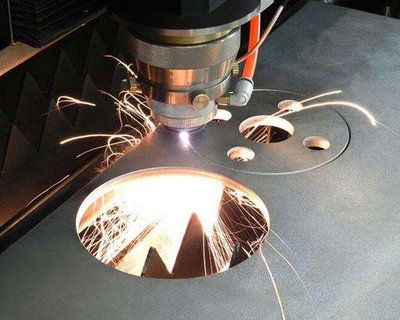
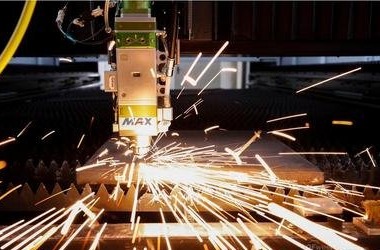
At its core, aluminum laser cutting uses a high-powered, tightly focused beam of light to melt material along a programmed path. An assist gas—typically nitrogen—blows away the molten metal, creating clean cuts that match your CAD specifications. Sounds straightforward, right? Not quite. Aluminum's unique physical properties transform what seems like a simple process into a specialized craft.
Why Aluminum Demands Specialized Laser Cutting Expertise
So what is laser cutting when it comes to aluminum specifically? It's a balancing act that most suppliers won't openly discuss. Unlike carbon steel, aluminum presents two significant challenges that require expert handling:
- High optical reflectivity: Aluminum reflects laser energy rather than absorbing it efficiently. According to The Fabricator, early CO2 laser systems experienced back-reflections so severe they damaged resonator cavities. Modern fiber laser technology and protective optics have largely solved this, but proper equipment selection remains critical.
- Exceptional thermal conductivity: Heat disperses rapidly away from the cut zone into the surrounding material. This means less energy stays where you need it, reducing cutting efficiency and potentially affecting edge quality.
There's also the oxide layer to consider. Aluminum naturally forms an aluminum oxide film on its surface—great for corrosion resistance, but this oxide melts at over 3,000°F while the aluminum beneath it melts at just 1,200°F. This mismatch creates unique challenges for achieving clean, dross-free cuts.
The Rise of Precision Aluminum Components in Modern Manufacturing
Despite these challenges, demand for metal laser cutting of aluminum has surged across virtually every industry. Why? Because when done correctly, this process delivers unmatched precision and efficiency.
Consider where you'll find laser-cut aluminum components today:
- Automotive: Lightweight chassis components, battery enclosures for EVs, and structural brackets
- Aerospace: Precision panels, brackets, and airframe components where weight savings translate to fuel efficiency
- Electronics: Heat sinks, enclosures, and mounting plates requiring tight tolerances
- Architecture: Decorative facades, signage, and custom metalwork with intricate designs
The right laser cutter for metal applications can achieve positioning speeds up to 180 meters per minute while maintaining tolerances measured in thousandths of an inch. That combination of speed and precision simply isn't possible with traditional cutting methods.
Here's what many don't realize: a laser that cuts metal effectively depends on far more than just wattage. The interplay between beam wavelength, power density, focus position, assist gas flow, and cutting speed determines whether you get pristine parts or scrap material. Throughout this guide, you'll discover exactly what separates exceptional aluminum laser cutting from merely adequate results—and what questions to ask before trusting your next project to any supplier.
Fiber Laser vs CO2 Laser Performance for Aluminum
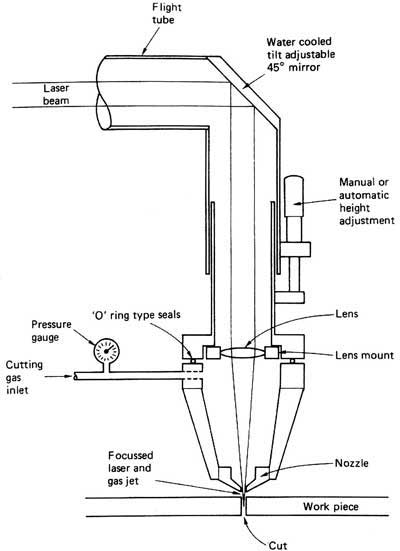
When selecting a laser for cutting machine applications involving aluminum, the technology you choose fundamentally determines your results. Not all cutting laser systems handle reflective metals equally—and this distinction matters more than most suppliers admit. Understanding the technical differences between fiber and CO2 lasers empowers you to make informed decisions and avoid costly equipment mismatches.
The debate isn't just academic. According to LS Manufacturing's production data, fiber lasers demonstrate overwhelming advantages across nearly all key performance metrics for aluminum processing. Yet many fabrication shops still operate legacy CO2 equipment—sometimes appropriately, often not. Let's break down exactly why wavelength physics and absorption rates create such dramatic performance gaps.
Fiber Laser Technology and Aluminum Reflectivity Solutions
Fiber lasers operate at approximately 1.06 micrometers wavelength—a critical distinction that revolutionized industrial laser cutting for reflective metals. Why does this matter? Aluminum absorbs near-infrared wavelengths far more efficiently than the longer wavelengths produced by CO2 systems.
Here's what makes fiber technology the best laser for cutting aluminum:
- Superior absorption rates: The 1μm wavelength couples more effectively with aluminum's surface, transferring energy into the material rather than bouncing it back toward optical components.
- Advanced anti-reflection protection: Modern high-end fiber systems—including those from manufacturers like IPG—incorporate proprietary back-reflection sensors and optical isolators. These safeguards monitor reflected light in real-time, automatically adjusting parameters to prevent equipment damage.
- Exceptional beam quality: Fiber lasers produce highly focused beams that concentrate energy into extremely small spot sizes. This translates to narrower kerfs, reduced heat-affected zones, and sharper edge definition on finished parts.
- Remarkable efficiency: Electro-optical conversion efficiency exceeds 30%—roughly three times better than traditional alternatives. Lower energy consumption directly reduces operating costs while simultaneously decreasing cooling system demands.
The practical result? A fiber laser metal cutter processes thin to medium aluminum sheets several times faster than CO2 equivalents while delivering cleaner cross-sections. For precision components under 12mm thickness, fiber technology has become the definitive industry standard.
CO2 Laser Limitations with Reflective Metals
CO2 lasers emit at 10.6 micrometers—a wavelength that aluminum surfaces reflect aggressively. This fundamental physics problem creates multiple cascading challenges that many suppliers downplay when discussing their capabilities.
Consider what happens when CO2 laser energy hits aluminum:
- Energy reflection losses: A significant portion of laser power bounces off the workpiece rather than melting it. You're essentially paying for energy that never contributes to cutting.
- Back-reflection hazards: Reflected beams can travel back through the optical path, potentially damaging expensive lenses, mirrors, and even the laser resonator itself. Early CO2 aluminum cutting frequently caused catastrophic equipment failures.
- Electro-optical inefficiency: CO2 systems convert only about 10% of electrical input into usable laser power. Combined with reflection losses, actual cutting efficiency plummets.
- Higher operating costs: Regular replacement of laser gases (the carbon dioxide, nitrogen, and helium mixture) plus consumable optics significantly increases long-term maintenance expenses.
Does this mean CO2 lasers have no place in aluminum processing? Not entirely. For extremely thick plates—typically 15mm and above—the longer CO2 wavelength can sometimes achieve improved coupling with the plasma generated during cutting. Some legacy facilities with existing CO2 equipment continue using it for specific thick-plate applications rather than investing in new machinery.
However, as industry specialists note, standard CO2 and diode lasers fundamentally cannot cut aluminum effectively. Attempting to do so risks not just poor results but genuine equipment destruction. The steel laser cutter in your shop may excel at ferrous metals while being entirely unsuitable for aluminum projects.
Performance Comparison: Making the Right Technology Choice
Numbers tell the story more clearly than any sales pitch. The following comparison reveals exactly how these technologies stack up when cutting aluminum under real production conditions:
| Performance Factor | Fiber Laser | CO2 Laser |
|---|---|---|
| Cutting Speed (thin sheets) | 3-5x faster; 1,000-3,000 mm/min typical for ≤3mm | Significantly slower due to reflection losses |
| Edge Quality | Excellent; minimal dross, silvery-white finish | Variable; often requires secondary finishing |
| Thickness Capability | 0.5-25mm (with high-power 12kW+ systems) | Better suited for 15mm+ thick plates only |
| Energy Efficiency | 30%+ electro-optical conversion | ~10% conversion; 3x higher power consumption |
| Maintenance Requirements | Minimal; solid-state design with few consumables | Higher; regular gas replenishment, optical maintenance |
| Reflectivity Handling | Built-in protection; safe for aluminum | High risk of back-reflection damage |
| Total Operating Cost | Substantially lower lifecycle cost | Higher long-term expenses |
The takeaway is clear: for the vast majority of aluminum laser cutting applications—particularly material under 12mm—fiber technology delivers faster processing, superior quality, and dramatically lower operating costs. When evaluating any laser cut aluminum service provider, understanding which technology powers their equipment tells you volumes about the results you can expect.
Of course, the laser itself is only part of the equation. Alloy selection plays an equally critical role in determining cut quality and project success—a factor we'll examine next.
Aluminum Alloy Selection Guide for Laser Cutting Projects
Here's a secret most suppliers keep close to the vest: the aluminum alloy you choose affects your laser cutting results just as dramatically as the equipment itself. You could have the most advanced fiber laser sheet metal cutter in the world, but selecting the wrong alloy for your application guarantees disappointing outcomes. Understanding how different aluminum grades behave under the laser beam transforms you from a passive buyer into an informed partner—one who gets better parts at better prices.
Unlike laser cut steel where material selection is relatively straightforward, aluminum alloys vary significantly in their chemical composition, thermal behavior, and cutting characteristics. The alloying elements—magnesium, silicon, zinc, copper—each influence how the material responds to concentrated heat energy. Let's decode these differences so you can match alloy grades to your specific project requirements.
Matching Alloy Grades to Your Application Requirements
Before diving into cutting parameters, you need to honestly assess what your finished parts must accomplish. Think beyond just "I need aluminum parts" and consider:
- Mechanical stress: What loads will your component experience? Will it bear structural weight, resist impacts, or face fatigue cycling?
- Environmental exposure: Will parts encounter moisture, salt spray, chemicals, or extreme temperatures?
- Secondary processing: Do you need to weld, bend, anodize, or powder coat the finished parts?
- Weight constraints: Is strength-to-weight ratio critical for your application?
- Budget realities: What's the cost sensitivity of your project?
Your answers to these questions directly determine which alloy family makes sense. According to SendCutSend's comprehensive material guide, the three most popular alloys for laser cutting sheet metal applications—5052, 6061, and 7075—each occupy distinct niches in the performance spectrum.
5052 H32 represents the "aluminum for the common man." The addition of magnesium and chromium delivers excellent corrosion resistance while maintaining enough ductility for cold forming operations like bending. If your project involves marine environments, outdoor exposure, or requires post-cut bending, 5052 deserves serious consideration.
6061 T6 offers the goldilocks balance that makes it ubiquitous in structural applications. Heat treatment and artificial aging boost both tensile and fatigue strength significantly—approximately 32% higher ultimate strength than 5052. However, this processing also reduces formability, making 6061 better suited for applications where parts remain flat or require only minimal bending with generous radii.
7075 T6 delivers strength approaching titanium at a fraction of the weight. Significant zinc, magnesium, and copper content creates exceptional hardness—but at the cost of weldability and formability. This alloy shines in individual high-stress components where joining isn't required.
What about 3003? This commercially pure aluminum variant offers maximum formability and excellent corrosion resistance at the lowest cost. While less commonly stocked for laser cutting of metal sheets, 3003 serves well for decorative applications, heat exchangers, and components where strength requirements are modest.
Cutting Characteristics That Define Alloy Selection
Now here's where most alloy comparison guides fail you: they list mechanical properties without explaining how those properties affect laser cutting behavior. Different alloy compositions create measurably different responses when that focused beam hits the surface.
Thermal conductivity variations: Pure aluminum conducts heat extremely efficiently—that's why it's used in heat sinks. Alloying elements generally reduce thermal conductivity, which actually benefits laser cutting. The 7000-series alloys (like 7075) conduct heat somewhat less efficiently than 5000-series, meaning more energy stays concentrated at the cut zone. This can translate to faster cutting speeds and cleaner edges in some thickness ranges.
Oxide layer differences: All aluminum forms protective aluminum oxide, but alloy composition influences oxide characteristics. Alloys with higher magnesium content may develop thicker oxide layers that require slightly adjusted cutting parameters for optimal results.
Dross formation tendencies: The propensity for molten material to adhere to cut edges varies between alloys. Proper parameter optimization minimizes dross regardless of alloy, but some grades prove more forgiving than others during laser cutter sheet metal operations.
The following comparison table consolidates what you need to know when selecting aluminum alloys for your next project:
| Alloy Grade | Laser Cutting Suitability | Thermal Conductivity Impact | Recommended Applications | Edge Quality Expectations | Relative Cost |
|---|---|---|---|---|---|
| 3003 H14 | Good; very consistent cuts | Highest conductivity; requires optimized parameters | Heat exchangers, decorative panels, chemical equipment, food containers | Clean edges; minimal post-processing needed | $ (Lowest) |
| 5052 H32 | Excellent; very forgiving | Moderate; magnesium reduces conductivity slightly | Marine components, outdoor enclosures, fuel tanks, parts requiring bending | Excellent; consistent silvery finish | $$ (Moderate) |
| 6061 T6 | Excellent; industry standard | Moderate; silicon/magnesium balance aids cutting | Structural frames, aircraft components, machinery parts, automotive brackets | Very good; may require deburring on thicker stock | $$ (Moderate) |
| 7075 T6 | Good; requires precise parameters | Lower conductivity; zinc content affects heat flow | Aerospace components, high-stress brackets, sporting equipment, electronics chassis | Good; slight edge hardening possible | $$$ (Premium) |
Making Your Decision: A Practical Framework
Still uncertain which alloy fits your project? Work through this decision framework based on your end-use priorities:
If corrosion resistance is paramount—especially for marine, outdoor, or chemical exposure—start with 5052. All three major alloys resist corrosion well, but 5052's magnesium-chromium composition excels in harsh environments without requiring additional surface treatments.
If you need weldability alongside strength—choose 6061. Both 5052 and 6061 weld beautifully, but 6061 delivers that extra 32% strength advantage. Just remember: welding heat-treated 6061 may soften the heat-affected zone, potentially requiring post-weld heat treatment for critical structural applications.
If maximum strength-to-weight drives your design—7075 is your answer, provided you don't need to weld or bend parts. According to industry specialists, 7075's durability approaches titanium while maintaining aluminum's weight advantage. Consumer electronics, aerospace components, and high-performance sporting goods frequently specify this grade.
If budget constraints dominate—and your strength requirements are modest—3003 or 5052 deliver excellent value. 5052 particularly shines when you need the flexibility to bend parts after cutting.
If post-cutting forming is required—5052 H32 remains the clear winner. Its temper designation specifically indicates suitability for cold working without cracking. Attempting to bend 7075 at typical sheet metal radii invites fracture; 6061 requires larger bend radii and specialized tooling that many shops avoid.
Remember: your service provider's capabilities also influence alloy selection. Experienced laser cutting of metal sheets specialists maintain optimized parameters for common alloys and can advise when your application might benefit from a grade you hadn't considered. The best partners don't just cut what you specify—they help you specify what you actually need.
With your alloy selected, the next critical consideration is understanding exactly what thickness ranges and tolerances your chosen material can achieve—and how these specifications affect your final part quality.
Thickness Capabilities and Tolerance Specifications
You've selected the perfect alloy for your project. Now comes the question that separates precision laser cutting services from mediocre ones: what tolerances can you actually achieve? This is where many suppliers get vague—and where informed buyers gain significant advantage. Understanding exactly how material thickness influences dimensional accuracy, edge quality, and heat-affected zones helps you set realistic expectations and avoid costly surprises.
Here's the reality: aluminum's thermal properties create unique challenges at every thickness range. The same laser cutting and parameter settings that produce flawless edges on 1mm sheet may create unacceptable dross on 6mm plate. Let's break down what's physically happening—and what tolerances you should demand from any professional service provider.
Thickness Ranges and Their Impact on Cut Quality
Imagine focusing intense energy onto aluminum while that energy simultaneously races away through the material's crystalline structure. That's the fundamental tension in every aluminum laser cut. Thinner materials heat through quickly but risk distortion; thicker materials require more power and slower speeds that introduce their own quality challenges.
Thin gauge aluminum (0.5mm to 3mm): This sweet spot for laser cut parts delivers the fastest processing speeds and cleanest results. According to Xometry's engineering data, cutting speeds typically range from 1,000-3,000 mm/min with laser power around 500W or higher. The minimal heat input means negligible heat-affected zones and sharp, burr-free edges. Expect the tightest achievable tolerances in this range.
Medium gauge aluminum (3mm to 6mm): Processing slows to 500-1,500 mm/min as lasers work harder to penetrate deeper material. Edge quality remains excellent with proper parameter optimization, though thermal effects become more noticeable. Power requirements jump to 1-3kW, and assist gas pressure adjustments become more critical for clearing molten material from the kerf.
Heavy gauge aluminum (6mm to 15mm): Now you're pushing fiber laser capabilities. Speeds drop to 200-800 mm/min, power demands reach 3-6kW or higher, and heat-affected zones expand measurably. Edge striations become more pronounced, and dross management requires expert technique. Beyond approximately 15mm, only specialized high-power systems (10kW+) maintain acceptable quality.
Thick plate aluminum (15mm to 25mm): This territory requires premium equipment—typically 6-12kW fiber lasers with optimized beam delivery systems. According to industry specifications, specialized systems can cut up to 25mm, though edge quality and tolerance capabilities diminish progressively. For applications requiring extremely thick aluminum sections, alternative processes like waterjet cutting may deliver superior results.
What about kerf width? This is the material removed by the laser beam itself—essentially the "saw blade" thickness of laser cutting. For aluminum, kerf typically ranges from 0.15mm to 0.5mm depending on material thickness and laser focus. Thicker materials produce wider kerfs due to beam divergence and increased assist gas requirements. Your CAD files should account for this: hole diameters shrink by the kerf width, and external dimensions grow by the same amount unless compensation is applied.
Achieving Tight Tolerances in Aluminum Laser Cutting
Now for the numbers that matter most. What laser cutting precision can you realistically expect? The answer depends on thickness, alloy choice, and your service provider's equipment calibration.
According to Komacut's tolerance specifications, standard linear tolerances for laser cutting run ±0.45mm, while high-precision operations can achieve ±0.20mm. Hole diameter tolerances follow similar patterns: ±0.45mm standard, ±0.08mm for precision work. These figures represent what's achievable with properly maintained equipment and optimized parameters—not aspirational claims.
Here's what drives tolerance variation across different conditions:
| Material Thickness | Standard Linear Tolerance | High-Precision Tolerance | Hole Diameter Tolerance | Expected Edge Quality |
|---|---|---|---|---|
| 0.5mm - 2.0mm | ±0.12mm | ±0.05mm | ±0.08mm | Excellent; minimal HAZ, clean silvery finish |
| 2.0mm - 5.0mm | ±0.10mm | ±0.05mm | ±0.10mm | Very good; slight striations possible |
| 5.0mm - 10.0mm | ±0.25mm | ±0.10mm | ±0.15mm | Good; visible striations, possible light dross |
| 10.0mm - 20.0mm | ±0.50mm | ±0.20mm | ±0.25mm | Acceptable; noticeable HAZ, may need deburring |
Beyond dimensional tolerances, you should understand minimum feature requirements. These limits prevent the laser from creating features so small they become unstable or impossible to cut cleanly:
- Minimum hole diameter: Generally equal to material thickness, with an absolute minimum around 0.5mm for thin sheets. Holes smaller than 1.5x material thickness may exhibit barrel-shaped profiles rather than straight walls.
- Minimum slot width: Similar to hole diameter—roughly equal to material thickness to allow adequate assist gas flow for material ejection.
- Edge-to-edge spacing: At least 1x material thickness between features prevents thermal interference and maintains structural integrity.
- Edge-to-hole distance: Maintain at least 1x material thickness (or 1mm, whichever is greater) to prevent edge deformation during cutting.
How Thickness Affects Heat-Affected Zones and Edge Characteristics
Every laser cut creates a heat-affected zone (HAZ)—a region where material properties change due to thermal exposure without actually melting. In aluminum, this zone remains remarkably narrow compared to plasma or flame cutting, but it still matters for precision applications.
For thin aluminum under 3mm, the HAZ typically measures just 0.1-0.3mm from the cut edge. According to OMTech's technical documentation, fiber lasers produce minimal heat-affected zones due to their concentrated beam profile and fast cutting speeds—the energy simply doesn't have time to conduct far into the surrounding material.
As thickness increases, so does heat input and HAZ width. By the time you're cutting 10mm+ aluminum plate, expect HAZ widths of 0.5-1.0mm. This thermal exposure can cause:
- Microhardness changes: The material immediately adjacent to cuts may exhibit slightly different hardness than bulk material.
- Residual stresses: Rapid heating and cooling creates internal tensions that could affect dimensional stability in precision assemblies.
- Surface discoloration: While nitrogen assist gas prevents oxidation during cutting with a laser, some thermal discoloration may occur on thicker materials.
Edge quality tells the story of how well parameters match material thickness. Thin sheets produce edges approaching mirror-smooth when properly optimized. Medium thickness shows characteristic striations—fine lines perpendicular to the cut direction—that are normal and typically acceptable for most applications. Thick plate exhibits more pronounced striations and may show slight edge taper where the beam spreads at depth.
The practical takeaway? Always specify your critical tolerances upfront and discuss thickness limitations with your service provider before committing to a project. A transparent partner will tell you when your specifications push practical limits—and suggest alternatives that balance precision, quality, and cost.
Understanding tolerances is essential, but even perfect specifications can't save a project plagued by preventable defects. Next, we'll examine the most common quality issues in aluminum laser cutting and exactly how experienced fabricators prevent them.
Quality Control and Defect Prevention Strategies
You've specified the right alloy, confirmed your thickness capabilities, and nailed down tolerances. But here's what separates exceptional laser cut metal results from disappointing scrap: understanding what can go wrong—and ensuring your supplier knows how to prevent it. The reality is that aluminum's unique properties create specific failure modes that demand proactive quality control, not reactive troubleshooting.
When cutting with a laser, aluminum behaves differently than steel laser cutting or stainless steel laser cutting applications. Those high thermal conductivity and reflectivity characteristics we discussed earlier? They don't just affect cutting speed—they directly influence defect formation. Let's examine the most common quality issues and exactly how professional services prevent them.
Preventing Burrs and Dross in Aluminum Cuts
Walk into any fabrication shop, and you'll hear the same complaint: burrs and dross cause more rework than any other defect category. These seemingly minor imperfections create real problems—parts that won't assemble correctly, surfaces that reject paint or anodizing, and edges that pose safety hazards during handling.
The most common defects in aluminum laser metal cutting include:
- Burrs: Sharp, raised edges along cut lines where molten material resolidifies before being fully ejected. According to LYAH Machining's defect analysis, burrs typically result from excessive cutting speed, insufficient assist gas pressure, or worn nozzles that fail to direct gas flow properly.
- Dross formation: Residue adhering to the bottom edge of cuts, appearing as rough, beaded accumulations. Dross forms when molten aluminum isn't completely blown clear of the kerf—usually because assist gas pressure is too low, cutting speed is too slow (allowing material to cool before ejection), or the nozzle standoff distance is incorrect.
- Edge discoloration: Yellowing or darkening along cut edges indicating oxidation or excessive heat exposure. While nitrogen assist gas prevents most oxidation during cutting, contaminated gas supplies, inadequate flow rates, or excessively slow cutting speeds can allow discoloration to develop.
- Warping and distortion: Flat sheets that bow, twist, or curl after cutting due to thermal stress accumulation. Thin aluminum sheets are particularly susceptible when cutting dense patterns or when material isn't properly supported on the cutting bed.
- Inconsistent cut quality: Variations in edge smoothness, kerf width, or penetration depth across a single part or batch. This typically indicates unstable laser power, contaminated optics, or material inconsistencies like thickness variations or surface contamination.
What causes these defects at the technical level? Every issue traces back to the fundamental challenge of controlling energy transfer. Too much heat accumulates when cutting too slowly; too little penetration occurs when moving too fast. Assist gas must arrive at precisely the right pressure and angle to eject molten material before it resolidifies. Professional services prevent these defects through:
- Parameter optimization: Developing and validating cutting recipes for each alloy and thickness combination, balancing speed, power, focus position, and gas pressure.
- Equipment maintenance: Regular nozzle inspection and replacement, optical cleaning, and calibration checks that maintain consistent beam delivery.
- Material preparation: Ensuring aluminum sheets are clean, flat, and properly fixtured before cutting begins.
- Real-time monitoring: Using sensors to detect cutting anomalies and automatically adjust parameters before defects propagate.
Managing Heat-Affected Zones for Optimal Results
The heat-affected zone represents perhaps the most misunderstood quality factor in aluminum processing. Unlike visible defects, HAZ changes occur at the microstructural level—yet they can compromise part performance in demanding applications.
As Xometry's engineering documentation explains, the highly localized heating in laser cutting helps minimize HAZ compared to traditional methods, reducing distortion risk. However, "minimize" doesn't mean "eliminate." For critical aerospace or structural applications, understanding HAZ implications matters.
Heat-affected zones form because aluminum conducts thermal energy so efficiently. The material immediately adjacent to the cut experiences rapid heating and cooling cycles that can alter grain structure, hardness, and residual stress states. Professional quality control addresses HAZ through:
- Speed optimization: Faster cutting speeds reduce heat input per unit length, minimizing thermal penetration into surrounding material.
- Pulse modulation: Some advanced systems use pulsed laser output rather than continuous wave, allowing brief cooling periods between energy pulses.
- Thermal management: Strategic cut sequencing that distributes heat across the workpiece rather than concentrating it in one area.
- Cooling intervals: For large jobs or dense nesting patterns, allowing periodic cool-down prevents cumulative heat buildup.
Surface Finish Expectations by Alloy Type
What should finished edges actually look like? Expectations vary by alloy, thickness, and application—but understanding the baseline helps you evaluate quality objectively.
5052 aluminum typically produces the cleanest edges among common alloys. Its magnesium content creates a slightly lower melting point and better flow characteristics, resulting in smooth, silvery cut faces with minimal striations. Post-cut edges usually require no finishing for most applications.
6061 aluminum delivers very good edge quality, though slightly more prone to fine striations than 5052. The silicon content can occasionally create microscopic roughness that's invisible to casual inspection but detectable under magnification. For cosmetic applications, light deburring may be specified.
7075 aluminum presents the greatest finishing challenges. Its high zinc content and exceptional hardness can create edge hardening effects where the rapid thermal cycle actually increases surface hardness adjacent to cuts. While not necessarily a defect, this characteristic may affect downstream processing like bending or machining.
The bottom line? Every defect has a preventable cause. Experienced laser cut metal service providers don't just react to quality issues—they engineer them out through systematic process control. When evaluating potential suppliers, ask about their quality management systems, defect tracking, and corrective action procedures. The answers reveal whether you're dealing with professionals or order-takers.
Of course, preventing defects starts before the laser ever fires. Your design decisions directly influence what's achievable—which is exactly what we'll explore next.
Design Optimization for Aluminum Laser Cutting Success
Here's a truth experienced fabricators understand: your design decisions determine project success long before any laser fires. The most advanced laser cut cnc machine in the world cannot overcome fundamental geometry problems baked into your CAD files. Whether you're a first-time buyer or a seasoned engineer, mastering design optimization transforms your projects from acceptable to exceptional—while often reducing costs in the process.
Think of design optimization as speaking the laser's language. Every corner radius, hole placement, and file format choice either works with the physics of laser cutting or fights against it. Custom laser cutting services can only deliver what your geometry allows. Let's decode exactly what works, what doesn't, and when to consider alternative processes entirely.
File Preparation Best Practices for Clean Cuts
Your digital files translate directly into physical parts—which means file quality determines cut quality. Sounds obvious, right? Yet file preparation errors cause more quote delays and production problems than most buyers realize.
According to Xometry's file preparation guidelines, DXF (Drawing Interchange Format) remains the universal standard for laser cutting because it stores vector paths that machines can directly follow. However, not all DXF files are created equal.
Follow these essential file preparation rules for trouble-free processing:
- Export clean vector geometry: Ensure all lines are true vectors, not bitmap traces or approximations. Laser cnc systems interpret vector paths as cutting instructions—fuzzy or broken lines create cutting errors.
- Eliminate duplicate lines: Overlapping geometry causes the laser to cut the same path twice, wasting time and potentially creating over-burns. Run a duplicate detection check before exporting.
- Close all contours: Open paths confuse cutting software. Every shape must form a completely closed loop for the system to distinguish inside from outside.
- Remove construction geometry: Delete reference lines, dimension annotations, and any non-cutting elements. Only geometry intended for cutting should remain in the file.
- Specify units clearly: Confirm whether your file uses millimeters or inches. A part designed at 100mm that imports as 100 inches creates obvious problems.
- Use appropriate software: Programs like Inkscape (free), Fusion 360, or Adobe Illustrator create clean DXF exports. According to industry documentation, Inkscape offers excellent accessibility across Windows, macOS, and Linux platforms for designers starting out.
Pro tip: Before submitting files for custom metal laser cutting quotes, zoom in on complex areas and verify smooth curves haven't become jagged line segments. Many CAD programs approximate curves with short straight lines—too few segments create visible faceting on finished parts.
Geometry Considerations That Reduce Costs
Every design choice carries cost implications. Understanding these relationships helps you balance performance requirements against budget realities—and sometimes reveals opportunities to improve both simultaneously.
The following design rules reflect what laser cutting machine sheet metal operations can reliably achieve:
- Minimum corner radius: Internal corners require at least 0.1mm radius—the laser beam physically cannot create perfectly sharp 90° intersections. According to OKDOR's fabrication guidelines, adding 0.3mm relief holes at sharp corner intersections provides an alternative when aesthetics or function demand defined corners.
- Minimum hole diameter: Keep holes at least 0.5mm diameter, with a practical minimum equal to material thickness for optimal quality. Holes smaller than 1.5x material thickness may exhibit barrel-shaped profiles rather than straight walls.
- Slot width limitations: Minimum slot width is approximately 0.3mm, but slots should not exceed 10:1 length-to-width ratios. A 0.5mm wide slot should not exceed 5mm length for reliable results—longer slots require proportionally wider openings.
- Hole-to-edge distance: Maintain at least 1x material thickness (or 1mm minimum) between holes and part edges. Closer spacing risks edge deformation during cutting.
- Feature-to-feature spacing: Keep at least 1x material thickness between adjacent cutouts to prevent thermal interference and maintain structural integrity.
- Tab width for connected parts: Minimum 2mm tab width prevents breakage during cutting and handling. Thinner tabs fracture unpredictably.
Beyond individual features, overall part complexity directly impacts cost and quality. Dense patterns with many small cutouts accumulate heat, increasing warping risk on thin materials. Intricate designs with hundreds of pierces extend cutting time proportionally. And remember: the kerf (material removed by the laser beam) means small details can literally disappear if features approach minimum size limits.
Nesting Efficiency: Where Smart Design Saves Money
Nesting—arranging multiple parts on a single sheet—determines how much material you actually use versus how much becomes scrap. According to industry fabrication data, optimized laser cutting nesting achieves 85-90% sheet utilization compared to 70-75% for punching operations. That 15-20% difference translates directly to cost savings.
Design choices that improve nesting efficiency include:
- Consistent material thickness: Parts requiring identical thickness nest together efficiently; mixed thicknesses require separate setups.
- Rectangular bounding boxes: Parts with roughly rectangular profiles nest more tightly than irregular shapes with protruding features.
- Modular sizing: Designing parts in sizes that divide evenly into standard sheet dimensions minimizes edge waste.
- Quantity consideration: Ordering in quantities that fill complete sheets eliminates partial-sheet waste charges.
When Laser Cutting Isn't the Right Answer
Here's something most suppliers won't volunteer: laser cutting isn't always the best choice for aluminum. Understanding process limitations helps you select the right technology from the start—avoiding costly process switches mid-project.
According to SendCutSend's process comparison guide, different cutting methods excel in different scenarios:
Consider waterjet cutting when:
- Material thickness exceeds 15-20mm where laser edge quality deteriorates
- Zero heat-affected zone is critical for aerospace or structural applications
- Ultra-tight tolerances (±0.025mm) are required—waterjet delivers ±0.009" consistency
- Parts require subsequent anodizing and you need perfectly uniform edge characteristics
- Composite materials like carbon fiber or G10 are involved alongside aluminum
Consider CNC routing when:
- Plastics, woods, or composites are your primary materials
- Superior surface finish matters more than cutting speed
- You need threaded holes, countersinks, or other 3D features integrated with 2D cutting
- Material thickness suits routing capabilities (check specific material specifications)
The trade-offs are clear: laser cutting operates upwards of 2,500 inches per minute—dramatically faster than alternatives—while waterjet eliminates all thermal effects but runs significantly slower. CNC routing maintains ±0.005" tolerance with excellent surface finish but requires tool changes and leaves fixture tab marks.
For most aluminum projects under 12mm thickness requiring moderate tolerances and clean edges, laser and cnc hybrid approaches or dedicated laser cutting remain the most economical choice. But don't force a square peg into a round hole: thick aluminum plates, zero-HAZ requirements, or specific edge finish needs may justify alternative processes despite higher per-part costs.
Smart design optimization ultimately means matching your requirements to process capabilities—then designing parts that maximize what your chosen process does best. With geometry optimized and files prepared correctly, the remaining variables are pricing and lead times—factors we'll demystify next.
Pricing Factors and Lead Time Expectations
You've optimized your design, selected the right alloy, and prepared flawless files. Now comes the question every buyer asks: what's this going to cost, and when can I get it? Here's where most suppliers keep things deliberately murky—because pricing transparency means informed customers who negotiate better. Let's pull back the curtain on exactly what drives laser cutting charges and how project specifications affect your timeline.
Understanding these factors transforms you from a passive quote-accepter into a strategic buyer. When you know why certain choices cost more, you can make intelligent trade-offs between budget, quality, and speed. And in competitive manufacturing environments, that knowledge translates directly to better margins.
What Drives Aluminum Laser Cutting Costs
Ever wondered why quotes for seemingly similar parts vary so dramatically between suppliers? According to RapidDirect's cost analysis, laser cutting service costs depend on numerous factors starting from laser type to material choice and precision requirements. But let's break this down into actionable categories.
The primary cost drivers for your aluminum laser cutting project include:
- Material grade selection: As we explored earlier, 7075 aluminum costs significantly more than 5052 or 6061. But material cost goes beyond raw price per pound—exotic alloys may require special sourcing, minimum order quantities, or longer procurement lead times. Choosing a commonly stocked grade like 6061 often delivers better pricing simply because suppliers buy it in volume.
- Material thickness: Thicker materials take longer to cut—dramatically so. A 10mm aluminum plate might require 5-10x the cutting time of 2mm sheet for the same geometry. Since most services charge based on machine time, thickness multiplies costs proportionally. Additionally, thicker stock costs more per unit area and generates more waste material.
- Part complexity and cutting time: Complex geometries with hundreds of pierces, intricate internal features, or tight corner radii extend machine time. According to industry pricing models, total cutting time multiplied by the machine's hourly rate determines a significant portion of your quote. Simpler designs with fewer features and larger minimum radii cut faster and cost less.
- Quantity tiers: Here's where economies of scale work in your favor. Setup time—loading material, configuring parameters, running test cuts—gets amortized across all parts in an order. Ordering 100 pieces instead of 10 doesn't cost 10x more; the per-part price drops significantly because setup is a one-time event. Many suppliers offer explicit quantity breakpoints at 25, 50, 100, and 500+ units.
- Edge finishing requirements: Raw laser-cut edges satisfy many applications. But if you need tumbled edges, deburring, or specific surface treatments, secondary operations add cost. Powder coating, anodizing, or other post-processing multiplies both price and lead time.
- File preparation needs: Submit cut-ready DXF files with clean geometry, and you'll receive standard pricing. Submit messy files requiring cleanup, conversion from incompatible formats, or design modifications, and many services charge file preparation fees. Some online laser cutting service platforms offer free basic file checking, but complex repairs cost extra.
Beyond these direct factors, logistics plays a surprisingly significant role. According to RapidDirect's analysis, shipping prices depend on quantity, overall weight, supplier location, and regulatory requirements. Heavy aluminum parts or large sheet quantities can make shipping costs rival fabrication costs—especially for rush deliveries.
The general rule: complex designs requiring slower processing increase machine time and costs. Urgent jobs requiring more resources naturally command premium pricing.
Lead Time Factors for Your Project Timeline
When will your parts actually arrive? This question matters as much as cost for most manufacturing schedules. According to SendCutSend's processing documentation, standard laser cut parts ship within 2-4 business days of receiving cut-ready files. But that baseline expands based on several factors.
What extends your lead time beyond standard turnaround?
- Post-process operations: Bending, tapping, countersinking, and powder coating each add processing stages. A part requiring laser cutting plus two bends plus powder coating might take 7-10 business days versus 2-4 for cut-only parts.
- Order quantity: Large orders require more machine time and may need scheduling into production queues. While 10 simple parts might ship in 48 hours, 500 parts of the same geometry could require a week or more.
- Material availability: Common alloys in standard thicknesses ship from stock. Unusual combinations—say, 7075 in 0.8mm thickness—may require special ordering with additional lead time.
- Design complexity: Dense nesting patterns, extremely tight tolerances, or unusual geometry may require additional quality verification steps.
- Rush versus standard: Most services offer expedited processing for premium pricing. Need parts in 24 hours? Expect to pay significantly more for queue priority.
Quantity Breakpoints: When Batch Ordering Makes Sense
Understanding quantity economics helps you plan orders strategically. The math works like this: setup costs remain constant whether you're cutting 5 parts or 500. Machine warm-up, material loading, parameter optimization, and first-article inspection happen regardless of order size.
When does batch ordering deliver meaningful savings?
- Prototype-to-production transition: If you're confident in your design, ordering production quantities with your prototype batch saves the second setup fee.
- Recurring part needs: For parts you'll reorder periodically, larger initial orders reduce per-piece costs even accounting for inventory carrying costs.
- Nesting efficiency gains: Some part geometries nest poorly in small quantities but achieve excellent material utilization at higher volumes. Your supplier's quoting system typically reflects this automatically.
- Shipping consolidation: Multiple small orders incur multiple shipping charges. Consolidating into fewer, larger orders reduces total logistics costs.
The transparency advantage of online laser cutting platforms has transformed buyer expectations. Rather than waiting days for manual quotes, modern services provide instant pricing that lets you experiment with quantities, materials, and thicknesses to find optimal configurations. Upload your file, adjust parameters, and watch pricing update in real-time—that's the power of understanding what drives your costs.
With pricing and timing demystified, one critical decision remains: choosing the right fabrication partner to execute your project. The criteria that separate exceptional suppliers from order-takers deserve careful examination—which we'll tackle next.
Selecting the Right Aluminum Laser Cutting Partner
You've mastered the technical fundamentals, optimized your designs, and understand pricing dynamics. Now comes the decision that determines whether all that knowledge translates into successful parts: choosing the right fabrication partner. This isn't just about finding someone with a laser cutter near me—it's about identifying a supplier whose capabilities, quality systems, and service approach align with your project requirements.
Here's what most buyers miss: the gap between adequate suppliers and exceptional partners shows up in the details that quotes don't reveal. Equipment specifications, material expertise, certifications, and design support capabilities separate order-takers from true manufacturing partners. Let's examine exactly what to evaluate—and what questions expose the truth about any provider's real capabilities.
Evaluating Service Provider Capabilities
When searching for metal laser cutting services near me, resist the temptation to choose based solely on price or proximity. According to JP Engineering's selection guidelines, the technology and equipment used by the service provider represents the first critical consideration. Laser cutting technology has advanced significantly, and the capabilities of different machines vary dramatically.
Build your evaluation around these essential criteria:
- Equipment specifications: What laser technology does the provider operate? As we established earlier, fiber lasers dominate aluminum cutting—ask specifically about wavelength, power output, and maximum cutting speeds. A shop running only CO2 equipment may struggle with reflective aluminum applications. Also inquire about cutting bed size, which determines maximum part dimensions without repositioning.
- Material expertise: Different materials require different cutting techniques. A reliable laser cutter service near me should demonstrate expertise in working with the specific aluminum alloys your project demands. Ask about past projects similar to yours—experienced providers can discuss parameter optimization for various alloy grades and thickness combinations.
- Turnaround capabilities: Time is often a critical factor in manufacturing. Inquire about standard processing times and production capabilities. Can they meet your deadlines without compromising quality? Clear communication regarding timelines is essential for successful partnerships.
- Design support offerings: Does the provider offer DFM (Design for Manufacturability) feedback? The best partners don't just cut what you submit—they identify potential problems, suggest improvements, and help optimize your designs for laser cutting success. This collaborative approach prevents costly iterations and accelerates your development timeline.
- Pricing transparency: According to fabrication industry experts, hidden fees or ambiguous quotes lead to budget overruns and delays. Request detailed cost breakdowns including any potential additional charges for file preparation, secondary operations, or expedited processing.
- Customer support responsiveness: Effective communication is the cornerstone of successful partnerships. Evaluate how quickly and thoroughly potential providers respond to your initial inquiries. A responsive, communicative provider will keep you informed about project progress and address concerns promptly.
When you laser cut near me searches yield multiple options, create a comparison matrix using these criteria. The extra evaluation time upfront prevents expensive problems downstream.
Certifications and Quality Standards That Matter
Certifications aren't just letters on a wall—they're documented proof of process discipline and quality commitment. According to Open Ex Metal Fab's certification overview, working with a compliance-driven fabrication partner means you reduce the risk of failure, rework, or recalls while meeting your own regulatory requirements faster.
When sourcing cnc laser cutting services, look for these key certifications:
- ISO 9001: The global standard for quality management systems. This certification requires documented procedures for fabrication, inspection, and traceability; trained and qualified staff; regular third-party audits; and controlled materials with calibrated equipment.
- AWS (American Welding Society): Defines the benchmark for weld quality and procedure—critical if your laser-cut aluminum parts require subsequent welding operations.
- NADCAP: Accreditation for aerospace and defense-grade processes. If your aluminum components serve aerospace applications, NADCAP certification provides assurance of specialized process controls.
- IATF 16949: For automotive applications, this certification is non-negotiable. According to industry documentation, the IATF 16949 Quality Management System mandates process rigor, proactive risk control, and relentless improvement specifically for automotive supply chains.
Why does IATF 16949 matter so much for automotive aluminum components? Automotive electronics now comprise over half of a vehicle's cost, driving demand for high-precision manufacturing. Multi-material assemblies introduce interface risks that must be pre-assessed during design. And sprawling global supply chains with extended lead times necessitate agile change-control protocols.
Comprehensive Metal Fabrication for Automotive Applications
Here's an insight most buyers overlook: laser cut aluminum service often represents just one step in a larger manufacturing process. Automotive components frequently require stamping, forming, welding, and assembly operations alongside laser cutting. Finding partners who offer integrated capabilities streamlines your supply chain and reduces coordination complexity.
Consider how comprehensive fabrication services complement laser cutting for automotive aluminum projects. For example, Shaoyi (Ningbo) Metal Technology exemplifies this integrated approach—delivering IATF 16949-certified quality for chassis, suspension, and structural components with capabilities spanning from 5-day rapid prototyping to automated mass production. Their comprehensive DFM support and 12-hour quote turnaround demonstrate how specialized automotive fabricators optimize both development speed and production quality.
When evaluating metal laser cutting services for automotive applications, ask these questions:
- Do they hold automotive-specific certifications like IATF 16949?
- Can they support rapid prototyping timelines—ideally 5 days or less?
- Do they offer DFM review to catch manufacturability issues before production?
- What is their quote turnaround time? Hours or days matter when schedules are tight.
- Can they scale from prototypes to mass production without changing suppliers?
Building Long-Term Fabrication Partnerships
The best supplier relationships extend beyond individual transactions. Partners who understand your applications, maintain institutional knowledge of your specifications, and proactively suggest improvements deliver value that transcends per-part pricing.
Signs you've found a true partner rather than just a vendor:
- They ask questions about your end-use application, not just file specifications
- They provide feedback on designs—even when it might reduce their revenue
- They communicate proactively about potential delays or quality concerns
- They maintain consistent quality across orders without requiring constant oversight
- They invest in understanding your industry's specific requirements and regulations
Whether you're searching for laser cut services for prototype development or establishing production-volume relationships, the evaluation criteria remain consistent. Invest time upfront in assessing capabilities, verifying certifications, and testing responsiveness. The supplier you choose determines whether your optimized designs and carefully selected alloys translate into parts that perform—or become expensive lessons in what to avoid next time.
Your aluminum laser cutting projects deserve partners who combine technical excellence with quality commitment and genuine customer focus. Now you know exactly what to look for—and what questions separate exceptional providers from the rest.
Frequently Asked Questions About Laser Cut Aluminum Service
1. What is the best laser type for cutting aluminum?
Fiber lasers are the industry standard for aluminum cutting due to their 1.06-micrometer wavelength, which aluminum absorbs far more efficiently than CO2 laser wavelengths. Fiber lasers deliver 3-5x faster cutting speeds on thin sheets, superior edge quality with minimal dross, and built-in anti-reflection protection that prevents equipment damage. CO2 lasers struggle with aluminum's high reflectivity and are only occasionally suitable for extremely thick plates (15mm+). For most aluminum projects under 12mm thickness, fiber laser technology provides the best combination of speed, precision, and cost-effectiveness.
2. How much does laser cutting aluminum cost?
Aluminum laser cutting costs depend on material grade (7075 costs more than 6061 or 5052), thickness (thicker materials require longer cutting times), part complexity, and quantity. Setup costs remain constant regardless of order size, so larger quantities significantly reduce per-part pricing. Additional factors include edge finishing requirements, file preparation needs, and shipping weight. Online laser cutting services offer instant quoting that lets you experiment with different configurations. For the best value, choose commonly stocked alloys, optimize designs for simpler geometry, and order in quantity tiers (25, 50, 100+ units) to maximize economies of scale.
3. What tolerances can laser cutting achieve on aluminum?
Standard linear tolerances for aluminum laser cutting are ±0.45mm, while high-precision operations achieve ±0.20mm or tighter. Thin aluminum (0.5-2mm) can reach ±0.05mm precision with ±0.08mm hole diameter tolerance. As thickness increases, tolerances widen—10-20mm material typically holds ±0.50mm standard or ±0.20mm high-precision. Minimum hole diameters should equal material thickness, and feature-to-edge spacing needs at least 1x material thickness. Kerf width (0.15-0.5mm) must be accounted for in CAD designs since it affects final dimensions.
4. Which aluminum alloy is best for laser cutting projects?
The best alloy depends on your application requirements. 6061-T6 offers the ideal balance of strength, weldability, and laser cutting performance for structural applications. 5052-H32 excels in corrosion resistance and post-cut bending for marine or outdoor environments. 7075-T6 provides maximum strength-to-weight ratio for aerospace components but cannot be welded or bent. 3003 delivers the lowest cost for decorative or low-stress applications. Consider end-use factors: mechanical loads, environmental exposure, secondary processing needs, and budget constraints when selecting your alloy grade.
5. How do I find a reliable laser cutting service near me?
Evaluate potential providers on equipment specifications (fiber laser technology for aluminum), material expertise with your specific alloys, turnaround capabilities, and design support offerings like DFM feedback. Verify relevant certifications—ISO 9001 for general quality, IATF 16949 for automotive applications, or NADCAP for aerospace work. Request detailed pricing breakdowns to avoid hidden fees. Test responsiveness through initial inquiries; quality partners communicate proactively. For automotive aluminum components, consider manufacturers like Shaoyi Metal Technology that offer IATF 16949-certified integrated services from rapid prototyping to mass production with comprehensive DFM support.