 Small batches, high standards. Our rapid prototyping service makes validation faster and easier —
  EN
EN


Aluminum Laser Cutting Service Secrets: What Fabricators Won't Tell You
What Makes Aluminum Laser Cutting Different from Other Metals
When you need precise metal components that are both lightweight and strong, aluminum laser cutting becomes your go-to manufacturing solution. But here's what most fabricators won't tell you upfront: cutting aluminum with lasers isn't anything like cutting steel. The process demands specialized knowledge, different equipment settings, and a deeper understanding of how this remarkable metal behaves under intense heat.
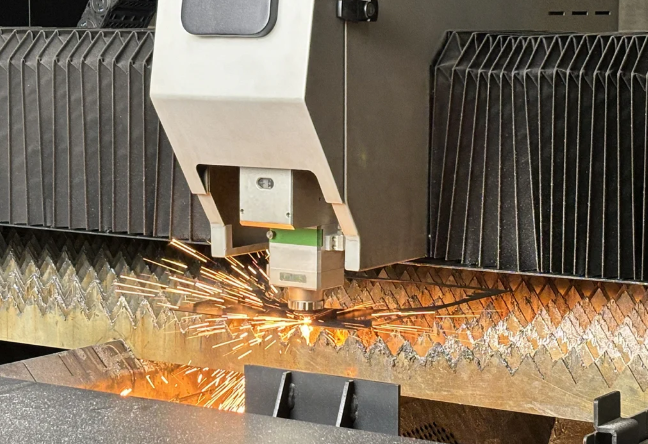
An aluminum laser cutting service uses a highly focused beam of light radiation to melt material at a precise spot on the surface. According to Xometry's technical resources, this melted material is then blown away with an assist gas stream, exposing deeper layers that undergo the same process. The result? A CAD-designed component extracted from flat sheets, formed parts, or even tubes with remarkable accuracy.
How Laser Beams Transform Aluminum Sheets into Precision Parts
Imagine concentrating enough energy into a spot smaller than a pencil tip to instantly melt metal. That's essentially what happens during laser metal cutting. The focused beam heats the aluminum surface so rapidly that the material transitions from solid to liquid in milliseconds. Meanwhile, a high-pressure gas—typically nitrogen—blasts through the kerf (the cut path), evacuating molten material before it can resolidify.
The process works differently than you might expect. Unlike traditional cutting methods that rely on mechanical force, laser cut aluminum parts emerge through a purely thermal process. The beam doesn't physically contact the material. Instead, energy transfer happens through absorption of the laser light, creating cuts with minimal mechanical stress on the workpiece.
This matters enormously for precision applications. Metal laser cutting with lasers produces exceptionally clean edges, tight tolerances, and intricate geometries that would be impossible with conventional methods. When properly optimized, the process requires minimal post-processing—a significant cost advantage that fabricators don't always mention.
Why Aluminum Demands Specialized Cutting Expertise
So what is laser cutting's biggest challenge with aluminum? The answer involves physics that make this material uniquely difficult to process.
Aluminum reflects significantly more laser energy than steel—especially at certain wavelengths. Early fabricators using CO2 lasers experienced serious problems when back-reflections traveled through optical systems and damaged resonator cavities. While modern equipment has built-in protections, the reflectivity challenge hasn't disappeared.
There's also aluminum's exceptional thermal conductivity—many times greater than carbon steel. Heat escapes the cut zone rapidly, conducting into the surrounding material. This means less energy stays where you need it, reducing cutting efficiency and complicating parameter optimization.
Then consider the oxide layer. Aluminum naturally forms a thin aluminum oxide film when exposed to air. Here's the catch: aluminum melts at roughly 1,200°F, but that oxide layer doesn't melt until temperatures exceed 3,000°F. This dramatic difference creates complications that require expert handling during aluminium laser cutting operations.
Aluminum's growing dominance in automotive lightweighting, aerospace structures, and consumer electronics has made specialized laser cutting expertise more valuable than ever. Industries demanding both precision and weight reduction increasingly depend on fabricators who truly understand this challenging material.
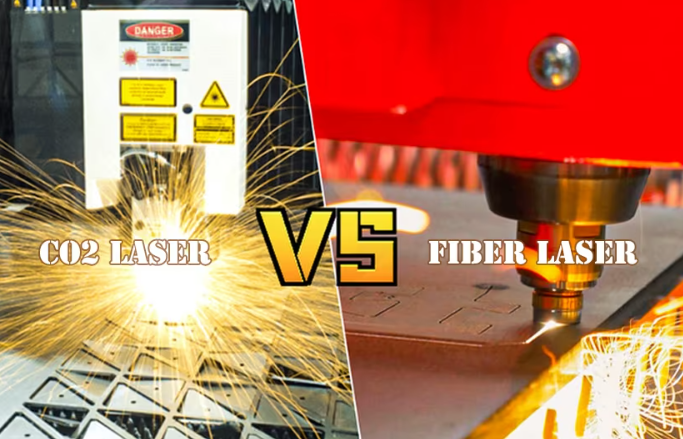
The good news? The fiber laser revolution has transformed what's possible. With its 1-micron wavelength—versus the CO2 laser's 10.6-micron beam—fiber technology achieves dramatically better energy absorption in aluminum. This advancement has made aluminum laser cutting faster, cleaner, and more accessible than ever before.
Understanding these fundamentals puts you ahead of most buyers who simply submit files and hope for the best. As you'll discover in the sections ahead, knowing why aluminum behaves differently helps you make smarter decisions about alloy selection, design optimization, and provider evaluation.
Technical Challenges of Cutting Aluminum with Lasers
You've learned that aluminum behaves differently under a laser beam. Now let's dig into exactly why this matters for your projects. The technical challenges aren't just academic—they directly affect part quality, production costs, and whether your components will perform as designed. Understanding these obstacles helps you communicate more effectively with fabricators and set realistic expectations.
Industrial laser cutting of aluminum involves navigating three fundamental physics problems simultaneously. Each challenge requires specific equipment capabilities and operator expertise to overcome. When any of these factors goes unaddressed, you'll see it reflected in edge quality, dimensional accuracy, or even damaged equipment.
- High Reflectivity: Aluminum reflects a significant portion of laser energy back toward the optical system, potentially damaging expensive components and reducing cutting efficiency.
- Excellent Thermal Conductivity: Heat disperses rapidly into surrounding material rather than staying concentrated at the cut zone, demanding higher power levels and careful parameter control.
- Soft Material Nature: Aluminum's relatively low melting point and softness can lead to edge irregularities, burr formation, and dross adhesion that affect final part quality.
The Reflectivity Problem and How Modern Lasers Overcome It
Picture shining a flashlight at a mirror. Most of that light bounces right back at you. Something similar happens when certain laser wavelengths hit aluminum's polished surface. According to Worthy Hardware's technical guide, aluminum's high reflectivity poses a significant challenge—especially with CO2 lasers. The reflective nature can cause the laser beam to bounce back into the laser itself, potentially damaging the equipment.
This isn't a minor inconvenience. Back-reflections traveling through optical trains have destroyed resonator cavities in older systems, costing tens of thousands in repairs. Even when catastrophic damage doesn't occur, reflection reduces the energy actually reaching the workpiece. You're essentially paying for power that never performs useful work.
Modern fiber lasers have largely solved this problem through physics rather than engineering workarounds. The 1-micron wavelength fiber lasers produce is absorbed far more efficiently by aluminum than the 10.6-micron wavelength of CO2 systems. This means more cutting energy, less dangerous reflection, and faster processing speeds. When evaluating an aluminum laser cutting service, ask about their equipment. Providers running fiber laser systems will deliver better results on aluminum projects.
Additionally, precision laser cutting systems now incorporate protective sensors and automatic shutoffs that detect dangerous reflection levels before damage occurs. These safeguards have made aluminum processing far safer for equipment, but the fundamental physics still demands respect and proper parameter selection.
Understanding Heat-Affected Zones in Aluminum Parts
Every laser that cuts metal creates a heat-affected zone—the area immediately surrounding the cut where material properties have been altered by thermal exposure. With steel, this zone is relatively small and predictable. Aluminum tells a different story entirely.
Aluminum's thermal conductivity is approximately four times greater than carbon steel. Think about what this means in practice: heat escapes the cutting zone almost as fast as you can apply it. The laser must pump more energy into the material simply to maintain cutting temperatures. This creates broader thermal influence extending further from the actual cut edge.
According to Xometry's engineering resources, the highly localized heating of laser cutting helps minimize the heat-affected zone, reducing distortion risk—but some thermal effects still occur, especially in thin sections. For precision laser cutting applications where dimensional stability matters, this becomes critically important.
Why should you care about the HAZ? Consider these practical implications:
- Mechanical Properties: The heat-affected zone may exhibit reduced hardness or altered temper compared to base material, potentially affecting load-bearing applications.
- Corrosion Resistance: Thermal exposure can modify the protective oxide layer and change how the material responds to environmental exposure.
- Downstream Processing: Parts requiring welding, anodizing, or other treatments may behave unpredictably where the HAZ intersects these operations.
- Dimensional Accuracy: Thermal expansion during cutting and subsequent contraction during cooling can affect tight-tolerance features.
Experienced fabricators manage the HAZ through optimized cutting parameters—balancing speed, power, and assist gas pressure to minimize thermal input while maintaining cut quality. When evaluating potential providers, don't hesitate to ask how they control heat effects in aluminum parts. Their answer reveals a lot about their technical sophistication.
The combination of reflectivity challenges and thermal management requirements explains why aluminum demands different expertise than laser cutting ss or other metals. Fabricators who excel with stainless steel may struggle with aluminum projects if they haven't specifically developed aluminum processing competencies.
Understanding these technical realities positions you to ask better questions and evaluate quotes more critically. As we explore laser technology options next, you'll see how equipment selection directly addresses these challenges—and why the right laser type can make or break your aluminum cutting project.
Fiber Laser vs CO2 Laser Performance on Aluminum
Now that you understand the technical challenges aluminum presents, here's the question that really matters: which laser technology actually delivers the best results? The fiber laser versus CO2 laser debate has largely been settled for aluminum applications—but understanding why helps you evaluate providers and avoid outdated equipment that compromises your parts.
Both technologies use concentrated light energy to melt through material, yet they accomplish this through fundamentally different mechanisms. These differences translate directly into cutting speed, edge quality, operating costs, and ultimately the quality of your finished components. When selecting an aluminum laser cutting service, the laser cutting machine for metal they operate matters enormously.
Fiber Laser Advantages for Aluminum Sheet Processing
Fiber lasers have revolutionized aluminum processing for one simple reason: physics. According to LS Manufacturing's technical comparison, the 1-micron wavelength that fiber lasers produce is absorbed far more efficiently by aluminum than the 10.6-micron wavelength of CO2 systems. This means more energy goes into cutting rather than bouncing away as dangerous reflections.
What does this mean for your projects? Consider these practical advantages fiber laser cutting services deliver:
- Dramatically Higher Cutting Speeds: Fiber lasers process thin aluminum sheets at speeds up to three times faster than CO2 systems. A fiber laser can cut stainless steel at speeds reaching 20 meters per minute—and aluminum responds even better due to its lower melting point.
- Superior Edge Quality on Thin Materials: The highly focused beam creates narrower kerfs and smaller heat-affected zones. You'll receive parts with sharper edges and smoother cross-sections, often requiring minimal post-processing.
- Enhanced Energy Efficiency: Fiber lasers convert electrical energy to laser light at roughly 35% efficiency versus 10-20% for CO2 systems. This translates to lower operating costs that competitive providers pass along through better pricing.
- Built-In Reflection Protection: Modern fiber laser systems incorporate proprietary anti-reflection technology that monitors and regulates reflected light, essentially eliminating the equipment damage risks that plagued earlier aluminum cutting attempts.
The precision capabilities deserve special attention. According to manufacturing specialists, precision fiber laser machines achieve stable kerf width control of 0.08-0.1mm with positioning accuracy of ±0.03mm. This level of precision suits tightly toleranced aluminum components in medical equipment, electronic heat sinks, and aerospace applications.
Fiber laser cutting services also benefit from significantly lower maintenance requirements. Without the gas-filled tubes and complex mirror alignment that CO2 systems demand, fiber lasers operate more reliably with fewer consumables. A typical fiber laser cutting machine for metal can run up to 100,000 hours—compared to just 20,000-30,000 hours for CO2 systems.
When CO2 Lasers Still Make Sense for Aluminum Projects
Does this mean CO2 lasers are obsolete for aluminum? Not entirely—though their advantages have narrowed considerably. Understanding when a CO2 laser cut metal machine might still apply helps you evaluate whether a provider's equipment matches your specific needs.
CO2 lasers retain some relevance for extremely thick aluminum plates, typically 15mm and above. According to Accurl's technical analysis, the longer CO2 wavelength allows for improved coupling with metal plasma during thick-section cutting, sometimes producing smooth cut surfaces on heavy structural components.
However, even this advantage is disappearing. Modern high-power fiber lasers increasingly match or exceed CO2 performance on thick materials while maintaining their speed and efficiency advantages elsewhere. As one industry assessment notes, CO2 lasers have become more of a "fall-back option for specific applications" rather than a recommended choice for new equipment procurement.
The practical limitations of CO2 technology for aluminum include:
- Higher Power Consumption: Electro-optical conversion efficiency maxes out around 10-20%, meaning significantly higher electricity costs per cut inch.
- Expensive Consumables: Laser gas, optical mirrors, and gas-filled tubes require regular replacement, adding ongoing operational expenses.
- Slower Processing: Particularly on thin to medium aluminum sheet, CO2 systems simply cannot match fiber cutting speeds.
- Greater Maintenance Burden: More moving parts and consumable components translate to more downtime and service costs.
When evaluating a sheet metal laser cutting machine provider, ask directly what laser technology they use for aluminum. A laser cutting machine sheet metal shop running primarily CO2 equipment may struggle to deliver competitive pricing and lead times on aluminum projects—their technology inherently costs more to operate.
Technology Comparison at a Glance
The following comparison summarizes how these technologies stack up across the metrics that matter most for your aluminum cutting projects:
| Performance Metric | Fiber Laser | CO2 Laser |
|---|---|---|
| Wavelength | 1.064 micrometers | 10.6 micrometers |
| Aluminum Absorption Rate | High (efficient energy transfer) | Low (significant reflection) |
| Typical Thickness Range | Up to 25mm (optimal under 12mm) | Up to 40mm (better above 15mm) |
| Edge Quality - Thin Sheet | Excellent (minimal burr) | Good (may require finishing) |
| Cutting Speed | Up to 3x faster on thin materials | Slower, especially under 10mm |
| Energy Efficiency | ~35% conversion efficiency | ~10-20% conversion efficiency |
| Operating Costs | Lower (fewer consumables) | Higher (gas, mirrors, tubes) |
| Equipment Lifespan | Up to 100,000 hours | 20,000-30,000 hours |
| Reflection Risk | Low (built-in protection) | Higher (requires careful handling) |
The verdict is clear for most aluminum applications: fiber technology delivers superior results at lower total cost. Metal cutting laser machine investments have shifted decisively toward fiber systems, and shops still relying primarily on CO2 equipment for aluminum face competitive disadvantages they often compensate for through higher pricing.
Knowing which laser type a provider operates gives you immediate insight into their aluminum capabilities. But laser technology is only part of the equation. Your choice of aluminum alloy also dramatically affects cutting outcomes—a topic where many buyers lack the guidance they need to make optimal decisions.
Choosing the Right Aluminum Alloy for Laser Cutting
You've selected fiber laser technology and understand the technical challenges. Now comes a decision that many buyers overlook entirely: which aluminum alloy should you specify? This isn't just a materials science question—your alloy choice directly affects cutting speed, edge quality, post-processing requirements, and ultimately project costs. Fabricators often assume you know what you need, but here's the guidance most providers won't volunteer.
Different aluminum alloys respond to laser cutting in surprisingly different ways. The alloying elements—magnesium, silicon, zinc, copper—change how material absorbs laser energy, conducts heat, and behaves as it melts. According to SendCutSend's alloy comparison guide, understanding these differences helps you "get the right alloy every time" whether you're building aerospace components, marine equipment, or consumer products.
Sheet metal laser cutting success starts with matching your alloy to both application requirements and manufacturing realities. Let's examine the four most commonly laser-cut aluminum alloys and what makes each one unique.
Matching Aluminum Alloys to Your Application Requirements
Think about what your finished parts actually need to accomplish. Will they face corrosive marine environments? Must they carry structural loads? Do they require welding to other components? Your answers point toward specific alloys optimized for those demands.
5052 H32 - The Versatile Workhorse
When you need excellent corrosion resistance without breaking the budget, 5052 aluminum delivers. The addition of magnesium and chromium to pure aluminum creates superior strength while enhancing resistance to saltwater and harsh chemicals. According to industry specialists, 5052 is "easily one of the most popular materials" for laser cutting of metal sheets.
The H32 temper designation matters for your project planning. This strain-hardened condition means the material remains ductile enough for cold working—including bending—without cracking. If your design requires formed features after laser cutting, 5052 accommodates that manufacturing sequence beautifully.
Marine applications naturally gravitate toward 5052: boat hulls, fittings, piping, and deck hardware. Aircraft fuel tanks and cowlings also use this alloy because excellent weldability complements corrosion resistance. For hobbyist and outdoor applications, 5052 performs admirably even in salt-air environments with minimal surface protection.
6061 T6 - The Structural Standard
Need strength without sacrificing workability? 6061 aluminum occupies the sweet spot that structural engineers love. Small additions of magnesium and silicon create an alloy with 32% higher ultimate strength than 5052, making it the natural choice for load-bearing applications.
The T6 temper indicates solution heat treatment followed by artificial aging—processes that maximize both tensile and fatigue strength. This treatment makes 6061 the go-to material for bridges, aircraft frames, machinery components, and anywhere strength-to-weight ratio matters critically.
Here's what fabricators know but don't always share: while 6061 is technically cold-workable, bending it requires special tooling with larger internal bend radius requirements. Many laser cut sheet metal providers don't offer bending services on 6061 because the process demands specialized dies. If your design requires both laser cutting and bending, discuss this early with potential providers.
Weldability remains excellent, making 6061 ideal for fabricated assemblies. When bending isn't required but welding is, this alloy often represents the optimal choice.
3003 - The Formability Champion
Some projects prioritize formability and decorative appearance over maximum strength. 3003 aluminum—with manganese as its primary alloying element—offers excellent workability and draws beautifully for deep-formed parts. While not as commonly stocked as 5052 or 6061 for laser cutting, 3003 serves decorative applications, cookware, and architectural panels where appearance matters.
The material welds easily and takes finishes well. If your application involves visible surfaces or complex formed geometries, 3003 deserves consideration despite its lower strength profile.
7075 T6 - The Aerospace Performer
When you need aluminum that approaches titanium-level strength, 7075 answers the call. Significant zinc, magnesium, and copper additions create an alloy with exceptional durability—the preferred choice for aerospace structures, high-performance bicycle frames, and premium sporting equipment.
According to Xometry's cutting guide, 7075 aluminum requires higher laser power levels and slower cutting speeds due to its high strength and hardness. This translates to longer processing times and typically higher costs per part. The tradeoff makes sense when maximum strength justifies the premium.
Critical limitation: 7075 is essentially not weldable through conventional methods, and bending is almost never advisable at typical sheet metal radii. This alloy works best for individual components that don't require joining or forming after laser cutting. Consumer electronics frequently use 7075 for laptop chassis and phone frames where low weight, high strength, and excellent thermal conductivity converge.
How Alloy Choice Impacts Cut Quality and Cost
Beyond application requirements, your alloy selection influences the laser cutting process itself. Different compositions affect how the material responds to focused laser energy, which directly impacts edge quality, processing speed, and final cost.
Softer alloys like 3003 and 5052 generally cut faster with cleaner edges at lower power settings. The material removes more easily, and thermal characteristics favor efficient processing. Harder alloys like 7075 demand more laser power, slower traverse speeds, and greater operator attention to achieve comparable edge quality.
According to manufacturing experts, common aluminum grades for laser cutting include 5052, 5083, 6061, and 7075. While 5052 and 5083 offer excellent weldability and laser cut well, 6061 and especially 7075 can be more difficult due to their higher strength and tendency to produce rougher edges.
This insight explains pricing variations you might see across different alloys. A quote for 7075 parts typically exceeds the same geometry in 5052—not only because raw material costs more, but because processing takes longer and consumes more resources. Understanding this helps you evaluate whether strength requirements genuinely justify the premium.
When comparing fabricators, keep in mind that providers experienced with laser cutting steel sheet and steel laser cutting may handle aluminum differently. Steel behaves more predictably across grades, while aluminum alloy variations demand specific parameter adjustments. Ask potential providers about their experience with your specific alloy—their answer reveals technical depth.
Aluminum Alloy Comparison for Laser Cutting Projects
The following comparison helps you quickly evaluate which alloy matches your project requirements across the properties that matter most:
| Property | 5052 H32 | 6061 T6 | 3003 | 7075 T6 |
|---|---|---|---|---|
| Relative Strength | Moderate | High (32% stronger than 5052) | Low to Moderate | Very High (approaches titanium) |
| Corrosion Resistance | Excellent | Good | Good | Moderate |
| Weldability | Excellent | Excellent | Excellent | Poor (not recommended) |
| Bendability | Excellent | Limited (requires special tooling) | Excellent | Poor (not recommended) |
| Laser Cutting Suitability | Excellent (cuts easily) | Good (slightly harder) | Excellent | Good (requires more power) |
| Edge Quality | Very Good | Good | Very Good | May require finishing |
| Relative Cost | Lower | Moderate | Lower | Higher |
| Typical Applications | Marine, fuel tanks, outdoor equipment | Structural frames, machinery, bridges | Decorative, cookware, architectural | Aerospace, electronics, sporting goods |
Making Your Alloy Decision
Still uncertain which alloy fits your project? Consider this decision framework:
- Choose 5052 when you need all-around performance, welding capability, bending flexibility, and excellent corrosion resistance at an affordable price point.
- Choose 6061 when structural strength matters most, welding is required, but bending isn't part of your manufacturing plan.
- Choose 3003 when formability, decorative appearance, or deep drawing takes priority over maximum strength.
- Choose 7075 when individual components require maximum strength-to-weight performance and neither welding nor bending is needed.
Remember that stainless steel laser cutting involves completely different material considerations. Aluminum alloy selection requires understanding the unique tradeoffs within this metal family rather than applying lessons from other materials.
Your alloy decision sets the foundation for everything that follows. With the right material specified, you can move confidently into design optimization—ensuring your CAD files translate into manufacturable parts without costly revision cycles.
Design Guidelines and File Preparation for Aluminum Parts
You've selected the right alloy and understand the technology. Now comes the step that separates smooth production runs from frustrating revision cycles: preparing your design files correctly. Here's what most fabricators won't tell you upfront—the majority of order delays stem from preventable design issues, not equipment problems or material shortages. Master these guidelines, and your laser cut parts will move from quote to shipping without the back-and-forth that costs time and money.
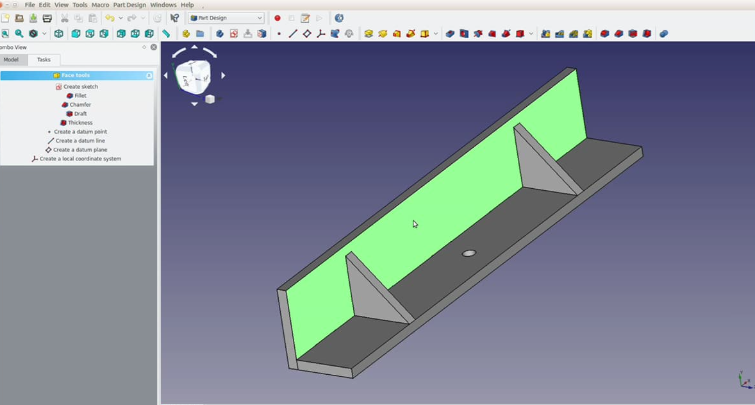
Custom laser cutting demands precision not just from the laser cutting machine metal shops operate, but from the design files you submit. Think of your CAD file as a roadmap—if the map contains errors, even the most sophisticated laser cut CNC machine can't deliver the destination you want. Let's explore the specific rules that prevent costly mistakes.
Design Rules That Prevent Costly Aluminum Cutting Errors
Every material thickness has corresponding minimum feature sizes that fabricators can reliably produce. Fall below these thresholds, and you'll face order holds, revision requests, or parts that simply don't match your intent. According to SendCutSend's manufacturing guidelines, every material has critical minimum specifications established through testing what can be cut consistently and well.
Minimum Hole Diameters
Holes represent negative geometry—material the laser removes entirely. For aluminum, minimum hole size typically scales with material thickness. As a general rule, specify hole diameters at least equal to the material thickness. For 0.125" aluminum sheet, your smallest holes should be 0.125" or larger. Attempting smaller features risks distortion, incomplete cuts, or parts that fail quality inspection.
Bridge and Positive Feature Widths
Bridges are the thin material sections that connect design elements or prevent internal pieces from dropping out during cutting. According to manufacturing specialists, minimum bridge sizes depend on both material and thickness—you can find specific requirements on individual material specification pages. For custom cut metal projects, designing bridges at least 1:1 to material thickness provides adequate structural integrity during processing.
Hole-to-Edge Spacing
Placing holes too close to part edges creates weak sections prone to tearing or deforming—especially if the part later undergoes bending operations. According to Makerverse's design best practices, holes placed too close to edges risk deformation, particularly during subsequent forming. Maintain at least the minimum hole-to-edge distance specified for your material thickness.
Cut-to-Cut Spacing
Adjacent cutting paths need adequate separation to prevent distortion. Design guidelines recommend spacing cutting geometry at least two times the sheet thickness apart. For 0.063" aluminum, this means 0.126" minimum between parallel cuts. Tighter spacing increases heat concentration, potentially warping thin sections between cuts.
Corner Radius Considerations
Sharp interior corners stress material and concentrate heat during cutting. While lasers can technically produce sharp corners, adding small radii improves part durability and cutting consistency. Interior corners with 0.010"-0.020" radii often produce cleaner results than perfectly sharp angles—and they're easier to deburr during finishing.
Material Removal Limits
Here's a guideline many designers overlook: removing more than 50% of material from any area creates problems. According to fabrication experts, when more than half the material is removed, the metal tends to "oil can" or distort from stress relief during cutting. Parts with extensive material removal won't remain flat and may require additional finishing—adding cost and lead time.
File Preparation Checklist for Laser-Ready Designs
Sounds complex? The good news is that systematic file preparation catches most issues before they reach the fabricator. Follow this workflow to ensure your custom metal cutting projects proceed smoothly from the first submission.
- Export flat 2D geometry only. Your file should show just the flat face of the part at 1:1 scale—no perspective views, no 3D representations, no assembly drawings. The laser needs a simple map of cutting paths, nothing more.
- Use acceptable file formats. Most aluminum laser cutting service providers accept DXF, DWG, EPS, AI, or STEP files. Confirm your provider's preferred format before investing time in file preparation.
- Verify units and scale. Specify whether your file uses inches or millimeters, and confirm the geometry exports at actual size. A part designed at 4" should measure exactly 4" in the exported file—scaling errors are surprisingly common.
- Eliminate duplicate paths. Overlapping or duplicated cutting lines cause processing errors. According to manufacturing guidelines, duplicate paths appear as thickened lines or missing elements in file previews—both signal export problems requiring correction.
- Remove construction geometry. Delete centerlines, dimension annotations, border graphics, and any elements besides actual cutting paths. Technical drawings with notes belong in order comments, not embedded in cutting files.
- Bridge internal elements. Any piece completely surrounded by cutting paths will drop out during processing and be lost. If you need interior elements retained, add connecting bridges to the surrounding part structure.
- Check minimum geometry compliance. Verify all holes, bridges, and spacings meet the minimums for your specific material and thickness. This single step prevents the most common order delays.
- Save each part as a separate file. Pre-nested files containing multiple parts slow production, prevent quantity discounts, and misrepresent actual part dimensions. One file per unique part design is the standard.
When you need parts bent after cutting, additional preparation steps apply. Bent parts must use the fabricator's specified bend radius and K-factor for accurate flat pattern development. Many providers offer online bending calculators—use them rather than guessing at bend allowances.
Common Design Mistakes and How to Fix Them
Even experienced designers make these errors. Recognizing them in your own files saves revision cycles and accelerates production.
- Pre-nested layouts: Uploading multiple parts arranged together in one file. Fix: Save each unique part geometry as its own file and specify quantities when ordering.
- Text without bridges: Letters like O, A, D, P, Q, R, and B have interior sections that drop out unless connected. Fix: Add small bridges (stencil-style) connecting interior islands to surrounding material.
- Unbridged interior cutouts: Decorative perforations or complex patterns where pieces will fall through the cutting table. Fix: Connect all interior elements to the main part body with appropriately sized bridges.
- Features too close to bend lines: Cut geometry within the die line of press brake tooling will distort during forming. Fix: Move features away from bend zones or accept that distortion will occur.
- Missing parallel surfaces for bending: Bent parts need parallel edges for tooling to gauge against. Fix: Add temporary tabs parallel to bend lines that can be removed after forming.
- Insufficient bend relief: Material needs space to form without tearing at corners. Fix: Add notches or circular reliefs at bend terminations equal to material thickness plus bend radius plus 0.020".
- Perspective or isometric exports: 3D-looking files instead of flat patterns. Fix: Ensure top-down orthographic view is active before exporting, not angled perspectives.
- Open paths or gaps: Cutting paths that don't form closed shapes. Fix: Use CAD software's path verification tools to identify and close all geometry before export.
According to DFM specialists, designs meeting all guidelines release directly to production, while files requiring changes add a day or more to lead times. That extra day multiplies across revision cycles when multiple issues need addressing.
The investment in proper file preparation pays dividends beyond faster turnaround. Clean files reduce quoting ambiguity, minimize fabricator questions, and demonstrate professionalism that often translates to priority handling. When custom cut metal providers see well-prepared submissions, they recognize customers who understand the process—and that mutual understanding streamlines every interaction.
With your design files properly prepared, you're ready to evaluate cutting method options. Laser cutting excels for many aluminum applications, but understanding when alternative methods like waterjet or CNC routing might serve you better ensures you're always choosing the optimal approach for each specific project.
Laser Cutting vs Waterjet vs CNC Routing for Aluminum
Your design files are ready, and you understand laser technology inside out. But here's a question fabricators rarely volunteer: is laser cutting actually the best method for your specific project? The honest answer depends on factors most providers won't discuss unless you ask directly. Sometimes waterjet or CNC routing delivers better results—and knowing when to choose alternatives can save you money while improving part quality.
Each cutting method brings distinct advantages to aluminum processing. CNC laser cutting dominates thin-to-medium sheet applications with intricate geometries, but it's not universally superior. Understanding where each technology excels helps you make informed decisions rather than defaulting to whatever equipment a particular shop happens to operate.
When Waterjet Beats Laser for Aluminum Projects
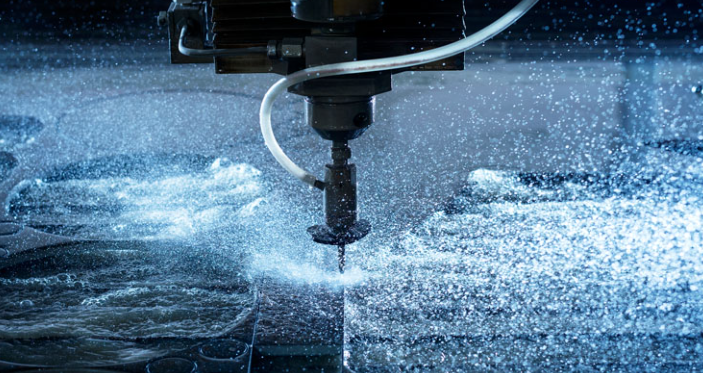
Imagine cutting aluminum without any heat at all. That's exactly what waterjet technology delivers—a high-pressure stream of water mixed with abrasive garnet that erodes through material rather than melting it. According to Xometry's technical comparison, waterjet cutting excels at slicing through parts as thick as 250-300mm, far exceeding what even the most powerful lasers can handle.
Why does this matter for aluminum? Consider these scenarios where waterjet outperforms laser and CNC methods:
- Thick Material Processing: When your aluminum plate exceeds 25-30mm, laser cutting struggles with edge quality and speed. Waterjet maintains consistent cut quality regardless of thickness—the same process that cuts 6mm sheet handles 150mm plate without parameter changes.
- Heat-Sensitive Applications: Some aluminum components simply cannot tolerate heat-affected zones. According to manufacturing specialists, aerospace suppliers frequently use waterjets specifically because high regulations eliminate any heat affected zones on aircraft parts. When metallurgical integrity is non-negotiable, waterjet is your answer.
- Reflective Surface Preservation: Laser cutting can discolor polished aluminum surfaces near the cut edge. Waterjet leaves no thermal marking, preserving decorative finishes that would otherwise require post-processing.
- Composite and Laminated Materials: Aluminum bonded to other materials—whether carbon fiber backing or foam cores—delaminates under laser heat. The cold-cutting waterjet process keeps layered materials intact.
The tradeoff? Speed. According to industry data, waterjet cutters typically handle 1-20 inches per minute versus laser speeds of 20-70 inches per minute. For production quantities on thin sheet, this speed disadvantage translates directly into higher per-part costs. But for thick sections or heat-critical applications, the quality advantages justify the processing time.
Precision differs as well. Laser cutting achieves minimum slit widths of 0.15mm, while waterjet cutting produces kerfs around 0.5mm. For intricate patterns with tight feature spacing, laser maintains the edge. But for large structural parts where tolerances are measured in millimeters rather than tenths, waterjet's ±0.009" accuracy serves perfectly well.
CNC Routing: The Often-Overlooked Alternative
What about when neither laser nor waterjet fits ideally? CNC routing—using a rotating cutter that physically removes material—offers advantages that thermal and erosive cutting can't match.
According to SendCutSend's fabrication guide, CNC routing leaves a superior surface finish on many materials while maintaining tolerances of ±0.005". The mechanical cutting action produces clean edges without the striations that laser cutting creates on thicker aluminum sections.
When does CNC routing make sense for aluminum projects?
- Edge Quality Requirements: Some applications demand smoother edge finishes than laser cutting produces on materials over 3/16" thick. CNC routing can deliver machined-quality edges directly from the cutting operation.
- Specific Plastics and Composites: While not purely aluminum applications, projects combining aluminum with certain plastics or composite materials sometimes route better than they laser cut.
- Large Feature Tolerances: When your design doesn't require laser-level precision but does need consistent, burr-free edges, routing provides an economical alternative.
The limitations matter too. CNC routing cannot produce interior corners sharper than the cutter diameter—typically requiring 0.063" minimum corner radii. Parts with extensive material removal (over 50%) risk movement during machining, potentially causing quality issues. And unlike the non-contact laser process, routing applies mechanical forces to the workpiece that thin or delicate parts may not withstand.
For most thin aluminum sheet applications with intricate details, laser and CNC technology together—meaning laser cutting—remains the fastest and most economical choice. But recognizing when alternatives serve better prevents you from forcing a process where it doesn't belong.
Making the Right Cutting Method Decision
Still wondering which method fits your project? The decision framework is simpler than it might seem. Consider your material thickness, tolerance requirements, heat sensitivity, and production volume—then match those factors to each technology's strengths.
Metal cutting services providers offering multiple technologies can often recommend the optimal approach. Steel cutting services typically default to laser or plasma cutting near me searches might suggest, but aluminum's unique properties mean the calculus differs from ferrous metals.
| Comparison Factor | Laser Cutting | Waterjet Cutting | CNC Routing |
|---|---|---|---|
| Optimal Thickness Range | Up to 25mm (best under 12mm) | Up to 250-300mm | Up to 25mm |
| Tolerance Capability | ±0.15mm (excellent) | ±0.5mm (good) | ±0.127mm (very good) |
| Edge Quality - Thin Sheet | Excellent | Good | Very Good |
| Edge Quality - Thick Plate | May show striations | Excellent | Very Good |
| Heat Effect | Minimal HAZ present | None (cold process) | Minimal |
| Cutting Speed | 20-70 inches/minute | 1-20 inches/minute | Moderate |
| Intricate Detail Capability | Excellent | Good | Limited by cutter radius |
| Interior Corner Sharpness | Sharp corners possible | Sharp corners possible | Minimum 0.063" radius |
| Relative Cost - Thin Parts | Lowest | Higher | Moderate |
| Relative Cost - Thick Parts | Moderate to High | Most economical | Moderate |
| Environmental Waste | Vapors (require ventilation) | Water and abrasive solids | Chips (recyclable) |
| Noise Level | ~75 dB | Up to 90 dB | Moderate |
The cost comparison deserves additional context. According to equipment specialists, laser cutting machines cost between $8,000-250,000, while waterjet systems range from $60,000-450,000. These capital costs flow through to per-part pricing—but not always proportionally. For thin parts, laser cutting is definitively the cheapest option. However, waterjet becomes more cost-effective when processing thicker materials where laser speed advantages disappear.
Here's the practical takeaway: most aluminum sheet metal projects under 12mm thick with moderate-to-complex geometries belong on a laser cnc system. Projects involving thick plate, zero heat tolerance, or mixed-material stacks warrant waterjet consideration. CNC routing fits specific edge quality needs or when combining aluminum with certain non-metallic materials.
A provider offering all three technologies—and the expertise to recommend honestly—gives you access to optimal processing for each project rather than whatever equipment happens to be available. When evaluating aluminum laser cutting service providers, ask whether they offer alternative methods and how they determine which process serves each order best.
Understanding cutting method tradeoffs positions you to ask smarter questions during the quoting process. Speaking of quotes, the factors that drive aluminum laser cutting costs often surprise first-time buyers—and knowing what you're actually paying for helps you compare providers fairly.
Understanding Aluminum Laser Cutting Costs and Quotes
You've submitted your design files and selected the optimal cutting method. Now comes the moment of truth: the quote arrives. But what do those numbers actually represent? Here's what most fabricators won't explain upfront—the final price depends far less on material area than most buyers assume. Understanding the real cost drivers helps you compare quotes intelligently and identify where you're getting genuine value versus paying hidden premiums.
The single most important insight about laser cutting charges is this: machine time dominates your cost. According to Fortune Laser's pricing guide, a simple part and an intricate one made from the same material sheet can have vastly different prices. The foundational formula looks like this:
Final Price = (Material Costs + Variable Costs + Fixed Costs) × (1 + Profit Margin)
Variable costs—primarily machine time—represent the biggest factor. Everything else flows from how long your design keeps the laser running.
Breaking Down What You Actually Pay For
When you request a laser cutting quote, the provider calculates costs across several interdependent factors. Knowing what drives each component helps you understand why similar-looking parts can carry dramatically different prices.
- Material Thickness and Grade: Thicker aluminum requires slower cutting speeds, consuming more machine time per linear inch. According to industry experts, doubling the material thickness can more than double the cutting time and cost because the laser must move much slower to cut through cleanly. Your alloy choice also matters—7075 demands more power than 5052, adding processing time.
- Cut Complexity and Total Length: The laser tracks every contour in your design. More linear inches of cutting means more machine minutes. Complex geometries with tight curves and sharp corners force the machine to slow down, increasing total cut time beyond what simple distance calculations would suggest.
- Pierce Count: Every time the laser starts a new cut, it must first pierce through the material. A design with 100 small holes costs significantly more than one large cutout—not because of material removed, but because of cumulative piercing time.
- Tolerance Requirements: Specifying tolerances tighter than functionally necessary adds cost directly. Holding very tight tolerances requires slower, more controlled machine speeds. Ask yourself whether ±0.005" is genuinely required or whether ±0.010" serves your application equally well.
- Quantity and Batch Size: Setup fees and fixed costs spread across all parts in an order. As quantity increases, per-part cost decreases significantly. According to manufacturing specialists, discounts for high-volume orders can reach as high as 70%.
- Secondary Operations: Services beyond the initial cut—bending, tapping threads, hardware insertion, powder coating—are priced separately. Each operation adds labor, equipment time, and handling that increase total project cost.
- File Preparation: If your design files contain errors like duplicate lines or open contours, technicians must fix them before cutting can begin. This correction work often carries additional fees that don't appear in initial quotes based on clean files.
Machine hourly rates typically range from $60 to $120 depending on laser system power and capability. Metal cutting costs more than wood or acrylic because the raw material is more expensive, fiber lasers require greater capital investment, and processing often uses expensive assist gases like nitrogen during cutting.
How to Compare Quotes from Different Providers
When laser cutting quote responses arrive from multiple providers, resist the temptation to simply choose the lowest number. Meaningful comparison requires understanding what each quote includes—and what it omits.
According to American Laser Cutter's cost comparison, the same project can yield dramatically different prices across providers. Their study showed quotes ranging from $56.70 to $168.00 for identical parts—a 3× difference explained by business model variations, included services, and operational efficiency.
Start by examining quote transparency. Does the provider itemize material, cutting, and finishing costs separately? Or do you receive a single lump sum with no breakdown? Transparent pricing signals confidence in their competitive position and helps you understand where your money goes. Hidden costs often lurk in vague quotes—setup fees, file preparation charges, or revision costs that surface only after you've committed.
Consider what each provider includes at no extra charge:
- File Review: Some providers offer human-assisted design review that catches errors and suggests efficiency improvements. Others charge separately for this service—or skip it entirely, cutting whatever you submit regardless of problems.
- Nesting Optimization: Efficient arrangement of parts on material sheets directly reduces your cost. Providers who optimize nesting as standard practice deliver savings that offset modest base price differences.
- Communication Access: Need to ask a question or request a modification? Some services charge for human interaction, while others include direct communication at no additional cost.
Many providers now offer laser cut instant quote systems through web-based platforms. These tools provide immediate pricing from uploaded CAD files—valuable for rapid prototyping budgets and design iteration. However, automated systems don't catch costly design errors the way human review does. A laser cutting online quote that seems competitive may balloon when file problems require correction.
Quantity thresholds matter enormously for repeat orders. Most providers offer price breaks at specific volumes—commonly at 10, 25, 50, 100, and 250+ pieces. Ask explicitly where pricing improves and consider consolidating orders to reach the next threshold. The setup costs absorbed into smaller runs can make modest quantity increases surprisingly economical.
Finally, factor in total project cost rather than cutting price alone. A provider charging slightly more for cutting but offering free pickup, faster turnaround, or included finishing may deliver better overall value than the lowest laser cutting charges with expensive add-ons.
Understanding pricing mechanics positions you to negotiate intelligently and recognize genuine value. But your parts don't end at the cutting table—post-processing operations and quality verification determine whether finished components actually meet your requirements.
Post-Processing and Quality Control for Aluminum Parts
Your laser-cut aluminum parts emerge from the machine with remarkable precision—but they're rarely ready for immediate use. Here's what fabricators don't always explain upfront: post-processing operations often determine whether finished components meet your functional and aesthetic requirements. Understanding these secondary operations helps you specify exactly what you need and budget accurately for complete project costs.
The journey from laser cut metal sheets to finished components involves several potential steps. Some are mandatory for virtually all applications, while others depend on your specific requirements. Knowing the difference prevents both over-specification that wastes money and under-specification that leaves you with unusable parts.
Post-Cut Finishing Options That Enhance Your Parts
Every laser cutting operation leaves some degree of edge characteristic that may require attention. According to SendCutSend's finishing guide, metal finishes can increase abrasion resistance, change surface hardness, prevent corrosion, inhibit conductivity, and much more. Selecting the right finish depends on what properties your application demands.
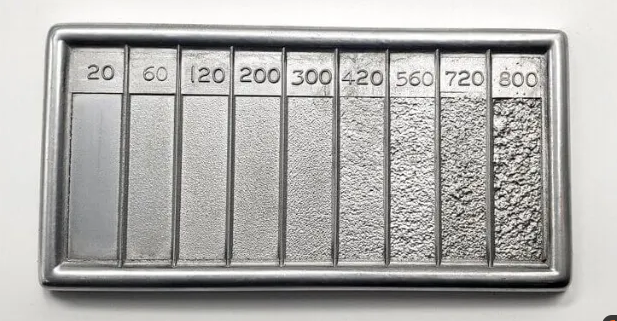
- Deburring: The most fundamental post-processing step. Linear deburring removes minor imperfections and smooths edges left from the cutting process. This prepares parts for handling, painting, or anodizing. Most precision laser cutting services offer deburring at minimal or no additional cost—it's that essential.
- Tumbling: For smaller parts, ceramic tumbling provides more consistent edge treatment than linear deburring. The vibratory-abrasive process removes rough edges uniformly across all surfaces. However, tumbling doesn't create a completely finished look—scratches from manufacturing may still be visible.
- Anodizing: This electrochemical process thickens aluminum's natural oxide layer, creating a durable, scratch-resistant finish. According to finishing specialists, anodizing provides resistance to corrosion, heat, and electricity—ideal for parts exposed to outdoor elements or electrical environments. Clear and colored options are available.
- Powder Coating: A dry finishing process where electrostatically applied powder is cured in an oven. Powder coat lasts up to 10 times longer than paint and contains none of the volatile organic compounds that paint does. Multiple colors are typically available, including matte, gloss, and textured finishes.
- Brushing: Creates a beautiful, uniform grain pattern on aluminum surfaces. This process uses abrasive materials to sand the metal in one direction, producing a rustic or industrial aesthetic. Brushing works especially well for decorative applications where visual appeal matters.
- Plating: Deposits a metal coating onto your aluminum parts. Zinc or nickel plating can increase corrosion resistance and conductivity while changing surface appearance. Plating is less common for aluminum than for steel but serves specific applications where enhanced surface properties are required.
- Bending: Many projects require formed features that can't be achieved through cutting alone. Press brake bending transforms flat laser-cut blanks into three-dimensional components. Your alloy selection matters here—5052 bends beautifully while 7075 should never be bent.
- Welding: Joining multiple laser-cut components into assemblies. Aluminum welding requires specialized techniques and filler materials. Alloys like 5052 and 6061 weld excellently, while 7075 is essentially unweldable through conventional methods.
- Hardware Insertion: Installing threaded inserts, PEM nuts, standoffs, or other fastening hardware directly into laser-cut parts. This secondary operation creates functional mounting points without requiring tapped holes or external fasteners.
A laser sheet metal cutter produces the initial geometry, but these finishing operations transform raw cuts into functional components. When requesting quotes, specify which secondary operations you need—assumptions about included services cause the most common misunderstandings between buyers and fabricators.
Quality Inspection Criteria for Laser-Cut Aluminum
How do you know whether delivered parts actually meet specifications? Quality control for laser fabrication involves several inspection points that distinguish acceptable components from rejects. Knowing what to check—and what tolerances apply—helps you evaluate incoming parts objectively.
According to OMTech's processing guide, monitoring edge quality throughout the cutting process is essential. Issues like dross formation or excessive melting indicate parameter problems that affect part integrity.
When inspecting laser-cut aluminum parts, examine these critical characteristics:
- Dimensional Accuracy: Measure critical features against your drawings. Typical laser cutting tolerances range from ±0.005" to ±0.010" depending on material and complexity. Features requiring tighter tolerances should be clearly called out in your specifications.
- Edge Quality: Examine cut edges for smoothness and consistency. Look for dross (resolidified metal) clinging to the bottom edge, striations (vertical lines) on the cut face, and any discoloration indicating excessive heat input. Properly cut aluminum shows clean, relatively smooth edges with minimal cleanup required.
- Flatness: Laser cutting generates heat that can warp thin materials. Check that parts lay flat without bowing, twisting, or oil-canning. Parts with extensive material removal are most susceptible to distortion.
- Burr Presence: Even deburred parts may retain small burrs in corners or complex features. Acceptable burr height depends on your application—cosmetic parts demand essentially burr-free edges, while structural components may tolerate minor burrs that don't affect function.
- Surface Condition: Inspect for scratches, handling marks, or contamination that occurred during processing. Stainless laser cutting often produces cleaner surfaces than aluminum due to material hardness differences—aluminum's softness makes it more susceptible to handling damage.
- Feature Completeness: Verify all holes, slots, and cutouts are fully formed. Incomplete cuts indicate parameter problems or material issues that affect part integrity.
- Heat-Affected Zone: For critical applications, examine the material adjacent to cut edges for discoloration or hardness changes. While laser cutting minimizes HAZ compared to other thermal processes, some thermal effect is unavoidable.
Establishing acceptance criteria before ordering prevents disputes when parts arrive. Discuss tolerance expectations, edge quality standards, and inspection methods with your provider during the quoting process. Precision laser cutting services with robust quality systems document inspection results and can provide certificates of conformance for critical applications.
The combination of appropriate post-processing and thorough quality verification ensures your laser-cut aluminum parts perform as intended. But selecting the right operations requires partnering with a provider who understands both the processes and your application requirements—a topic that deserves careful consideration as you evaluate potential fabrication partners.
How to Evaluate Aluminum Laser Cutting Service Providers
You understand the technology, you've selected your alloy, and your design files are ready. Now comes a decision that determines whether your project succeeds or stumbles: choosing the right fabrication partner. Here's what most buyers don't realize—the difference between metal laser cutting services providers often matters more than equipment specifications alone. The fabricator you select brings expertise, communication practices, and quality commitments that directly affect your outcomes.
Finding a reliable laser cutting service near me through a quick search is easy. Evaluating whether that provider can actually deliver what your project demands requires asking the right questions. According to AMetal's fabrication guide, choosing the right partner to outsource work to can actually reduce your stress, cut your costs, and improve your efficiency—but only when you evaluate candidates systematically.
Let's walk through the criteria that separate exceptional providers from those who'll leave you chasing order updates and reworking rejected parts.
Certification Standards That Signal Quality Commitment
When evaluating cnc laser cutting services, certifications tell you what words cannot. Any fabricator can claim quality commitment—documented certifications prove they've implemented systems and passed third-party audits validating those claims.
According to industry specialists, while certifications aren't a guarantee, ISO 9001 standards do give you reassurance that you're working with a shop maintaining a solid quality management system. ISO 9001 certification means the provider has established documented processes for quality control, equipment calibration, and continuous improvement.
For automotive aluminum components, IATF 16949 certification represents an even higher standard. This automotive-specific quality management framework builds on ISO 9001 with additional requirements for defect prevention, variation reduction, and supply chain management. According to SGS certification specialists, IATF 16949 certification demonstrates a provider meets the rigorous quality requirements demanded by automotive OEMs worldwide.
When evaluating tube laser cutting services or sheet metal operations, ask about these quality indicators:
- Quality Management Certification: ISO 9001 at minimum demonstrates systematic quality processes. IATF 16949 signals automotive-grade quality systems suitable for chassis, suspension, and structural aluminum components.
- Equipment Calibration Records: Ask how often they calibrate measuring equipment and laser systems. Regular calibration maintains the precision that makes laser cutting valuable.
- Inspection Procedures: Understand what inspections occur during and after cutting. Providers should describe first-article inspection, in-process monitoring, and final verification protocols.
- Traceability Systems: For critical applications, material and process traceability matters. Can the provider document which material lot produced your parts and which machine processed them?
- Customer Scorecards: Established providers track quality metrics and can share performance data. Ask about defect rates, on-time delivery percentages, and customer satisfaction scores.
Certifications matter most when consequences of failure are severe. Decorative parts for consumer products may not require automotive-grade quality systems. But structural components, safety-critical applications, or parts entering certified supply chains absolutely demand providers with matching credential levels.
Why Turnaround Time and DFM Support Matter
Beyond quality systems, two capabilities separate truly valuable partners from order-takers: rapid prototyping speed and Design for Manufacturing expertise.
Imagine you're iterating a new product design. Each revision cycle that takes two weeks instead of five days costs you precious development time. Laser metal cutting near me searches often prioritize location for shipping speed—but prototyping turnaround depends more on operational efficiency than geographic proximity.
Ask potential providers these questions about their prototyping capabilities:
- What's your standard turnaround for prototype quantities?
- Do you offer expedited processing for urgent development needs?
- How quickly can you provide quotes for design iterations?
Providers equipped for rapid prototyping can deliver sample parts in as few as 5 days from order placement. This speed enables fast iteration cycles that accelerate product development without sacrificing quality. For automotive applications where time-to-market pressures intensify constantly, prototyping speed directly affects competitive positioning.
DFM support represents equally valuable expertise. A provider who simply cuts whatever you submit may deliver exactly what you designed—including costly manufacturability problems you didn't recognize. According to fabrication experts, a good shop should work with you to ensure your design can be manufactured efficiently and effectively.
Comprehensive DFM support includes:
- Design Review: Expert examination of your files for cutting feasibility, tolerance achievability, and potential problem areas.
- Optimization Recommendations: Suggestions for design modifications that reduce cost, improve quality, or simplify downstream operations.
- Material Selection Guidance: Advice on alloy choices that balance performance requirements with manufacturability and cost.
- Process Planning: Recommendations on secondary operations sequencing and finishing approaches that optimize total project outcomes.
Quote turnaround itself signals operational capability. Providers delivering laser cutting services near me who respond with detailed quotes within 12 hours demonstrate the systems and expertise to process your project efficiently. Extended quote delays often predict extended production delays.
For automotive aluminum component projects demanding both quality and speed, providers like Shaoyi (Ningbo) Metal Technology exemplify the combination of capabilities to evaluate. Their IATF 16949 certification validates automotive-grade quality systems, while 5-day rapid prototyping and 12-hour quote turnaround demonstrate operational efficiency. Comprehensive DFM support helps optimize designs for manufacturing from the earliest project stages—exactly the partnership model that delivers superior outcomes.
Evaluation Criteria Checklist
When comparing laser cutting services near me or evaluating distant providers for shipped orders, assess each candidate against these essential criteria:
- Equipment Capabilities: What laser technology do they operate? Fiber lasers deliver superior aluminum results. Ask about power levels, bed sizes, and thickness capabilities for your specific materials.
- Material Expertise: Have they successfully processed your specific aluminum alloy? Request examples of similar work and ask about parameter optimization for your material.
- Quality Certifications: ISO 9001 minimum for general manufacturing. IATF 16949 for automotive applications. AS9100 for aerospace work. Match certification level to your requirements.
- Turnaround Commitments: Standard lead times for prototypes versus production quantities. Expedite options and associated premiums. Historical on-time delivery performance.
- Communication Responsiveness: How quickly do they respond to inquiries? Do you reach knowledgeable staff who can answer technical questions? According to fabrication specialists, clear communication is critical to getting jobs done quickly and accurately.
- DFM Support Availability: Do they offer design review and optimization recommendations? Is this included or charged separately? How deep is their manufacturing engineering expertise?
- Secondary Operations: Can they complete finishing operations in-house, or do parts ship elsewhere for post-processing? Integrated capabilities simplify logistics and accountability.
- References and Portfolio: A quick look through previous work examples gives you a good idea of the types of projects the shop can handle and their level of experience. Ask for references in your industry.
- Production Flexibility: Can they handle both small prototype runs and large production volumes? Flexibility allows your relationship to scale as projects grow.
According to experienced buyers, you want a shop that can do routine and mundane types of cutting but also one that can handle special orders. Production flexibility means maintaining a single trusted relationship rather than managing multiple vendors for different project types.
The evaluation investment pays dividends throughout your project and beyond. Providers who demonstrate excellence across these criteria become long-term partners rather than transactional vendors—delivering the consistency, quality, and responsiveness that competitive manufacturing demands.
With clear evaluation criteria guiding your provider selection, you're positioned to make confident decisions about your aluminum laser cutting projects. The final step is synthesizing everything you've learned into a practical decision framework that ensures successful outcomes.
Making Informed Decisions for Your Aluminum Cutting Projects
You've traveled from understanding why aluminum behaves differently under laser beams to evaluating fabrication partners who can deliver exceptional results. That knowledge positions you far ahead of buyers who simply submit files and hope for the best. Now let's synthesize everything into a practical framework you can apply immediately—whether you're ordering your first prototype or scaling to production volumes.
The best laser for cutting aluminum isn't always the most powerful or expensive. Similarly, the right aluminum laser cutting service isn't necessarily the one with the lowest quote or fastest turnaround. Success comes from matching your specific project requirements to provider capabilities, material properties, and design realities. Every decision you've learned to make—from alloy selection to file preparation to provider evaluation—compounds into better outcomes.
Your Aluminum Laser Cutting Decision Checklist
Before placing your next order, walk through these key considerations. Addressing each point upfront prevents costly revisions and ensures your laser cut services deliver exactly what your application demands.
- Material Selection Confirmed: Have you selected an aluminum alloy matching your strength, corrosion resistance, and formability requirements? Remember that 5052 excels for marine and welded applications, 6061 serves structural needs, and 7075 delivers maximum strength for individual components.
- Thickness Appropriate for Laser: Is your material thickness within optimal laser cutting range (under 12mm for best results)? Thicker sections may warrant waterjet consideration for superior edge quality.
- Design Files Laser-Ready: Have you verified minimum feature sizes, hole-to-edge spacing, and bridge widths for your specific material? Are interior elements properly connected to prevent dropout?
- File Format Correct: Is your design exported as flat 2D geometry in an accepted format (DXF, DWG, or STEP) at actual scale with units specified?
- Tolerances Realistic: Have you specified only the tolerances your application genuinely requires? Unnecessarily tight tolerances add cost without functional benefit.
- Post-Processing Specified: Do you know which finishing operations your parts need—deburring, anodizing, powder coating, or hardware insertion?
- Quantity Optimized: Have you considered quantity thresholds where pricing improves? Consolidating orders to reach the next price break often delivers significant savings.
- Provider Capabilities Verified: Does your chosen fabricator operate fiber laser technology suitable for aluminum? Do their certifications match your quality requirements?
- Communication Established: Have you confirmed quote responsiveness, DFM support availability, and how design questions will be handled?
- Inspection Criteria Defined: Do you know what dimensional tolerances, edge quality standards, and surface conditions constitute acceptable parts?
Taking the Next Step with Confidence
Every hour you invest in proper preparation saves multiples in revision cycles, rejected parts, and production delays. A metal laser cutter can only perform as well as the instructions it receives—and those instructions flow from your material selection, design decisions, and provider communication.
The fabricators who deliver exceptional results aren't hiding secrets. They're applying the same principles you've learned throughout this guide: understanding aluminum's unique physics, selecting appropriate technology, optimizing designs for manufacturability, and maintaining rigorous quality systems. Now you speak their language.
When you approach your next aluminum project with this knowledge, you'll ask better questions, evaluate quotes more critically, and recognize genuine value versus marketing claims. You'll catch design problems before they become expensive corrections. You'll select alloys that balance performance with processing efficiency. And you'll partner with providers equipped to deliver—not just cut.
Your laser cutter for metal project doesn't need to be complicated. With the right preparation, aluminum laser cutting becomes a reliable, precise, and cost-effective manufacturing method that opens possibilities traditional processes simply cannot match. The difference between struggling buyers and confident ones isn't luck—it's preparation.
Start with your checklist. Verify each point. Then proceed knowing you've done the work that separates successful projects from frustrating ones.
Frequently Asked Questions About Aluminum Laser Cutting
1. What materials can be laser cut besides aluminum?
Laser cutting services process a wide range of materials including steel, stainless steel, copper, brass, acrylic, wood, and various plastics. Fiber lasers excel with reflective metals like aluminum, copper, and brass, while CO2 lasers work well with non-metals and thicker steel sections. Each material requires specific parameter adjustments for optimal cutting speed, edge quality, and tolerance control.
2. How much does aluminum laser cutting cost?
Aluminum laser cutting costs depend primarily on machine time, which varies based on material thickness, cut complexity, total cut length, and pierce count. Thicker materials require slower cutting speeds, and intricate designs with many small holes cost more than simple shapes. Quantity discounts can reach up to 70% for high-volume orders. Quotes for identical parts can vary 3x between providers based on equipment efficiency and business models.
3. Is laser cutting good for aluminum?
Modern fiber laser cutting is excellent for aluminum, particularly for thin-to-medium sheets under 12mm thick. Fiber lasers overcome aluminum's high reflectivity through superior wavelength absorption, delivering cutting speeds up to 3x faster than CO2 systems with exceptional edge quality. The process produces tight tolerances of ±0.15mm and minimal heat-affected zones, making it ideal for precision components in aerospace, automotive, and electronics applications.
4. What is the best aluminum alloy for laser cutting?
The best aluminum alloy depends on your application requirements. 5052 H32 offers excellent all-around performance with superior corrosion resistance and weldability for marine applications. 6061 T6 provides 32% higher strength for structural components. 3003 excels in formability for decorative uses. 7075 T6 delivers maximum strength approaching titanium for aerospace applications but cannot be welded or bent. Softer alloys like 5052 and 3003 generally cut faster with cleaner edges.
5. How do I find reliable laser cutting services near me?
Evaluate providers based on equipment capabilities (fiber lasers are preferred for aluminum), quality certifications (ISO 9001 minimum, IATF 16949 for automotive), turnaround commitments, and DFM support availability. Request examples of similar aluminum work, ask about their specific alloy experience, and assess quote responsiveness. Providers offering 12-hour quote turnaround and comprehensive design review typically demonstrate the operational efficiency needed for successful projects.