 Small batches, high standards. Our rapid prototyping service makes validation faster and easier —
  EN
EN

- Qualifica dei fornitori di stampaggio metallico per il settore automobilistico in 5 passaggi
- Stampaggio metallico per l'industria automobilistica: processi, applicazioni e standard di qualità
- Quanto Costano le Lamiere Automobilistiche? Prezzo per Pezzo vs. Attrezzature
- Riduci i Costi di Estrusione dell'Alluminio con 5 Fondamentali Consigli DFM

È possibile saldare l'alluminio con il processo MIG? Sì, ma la vostra configurazione fa la differenza
Time : 2026-06-10
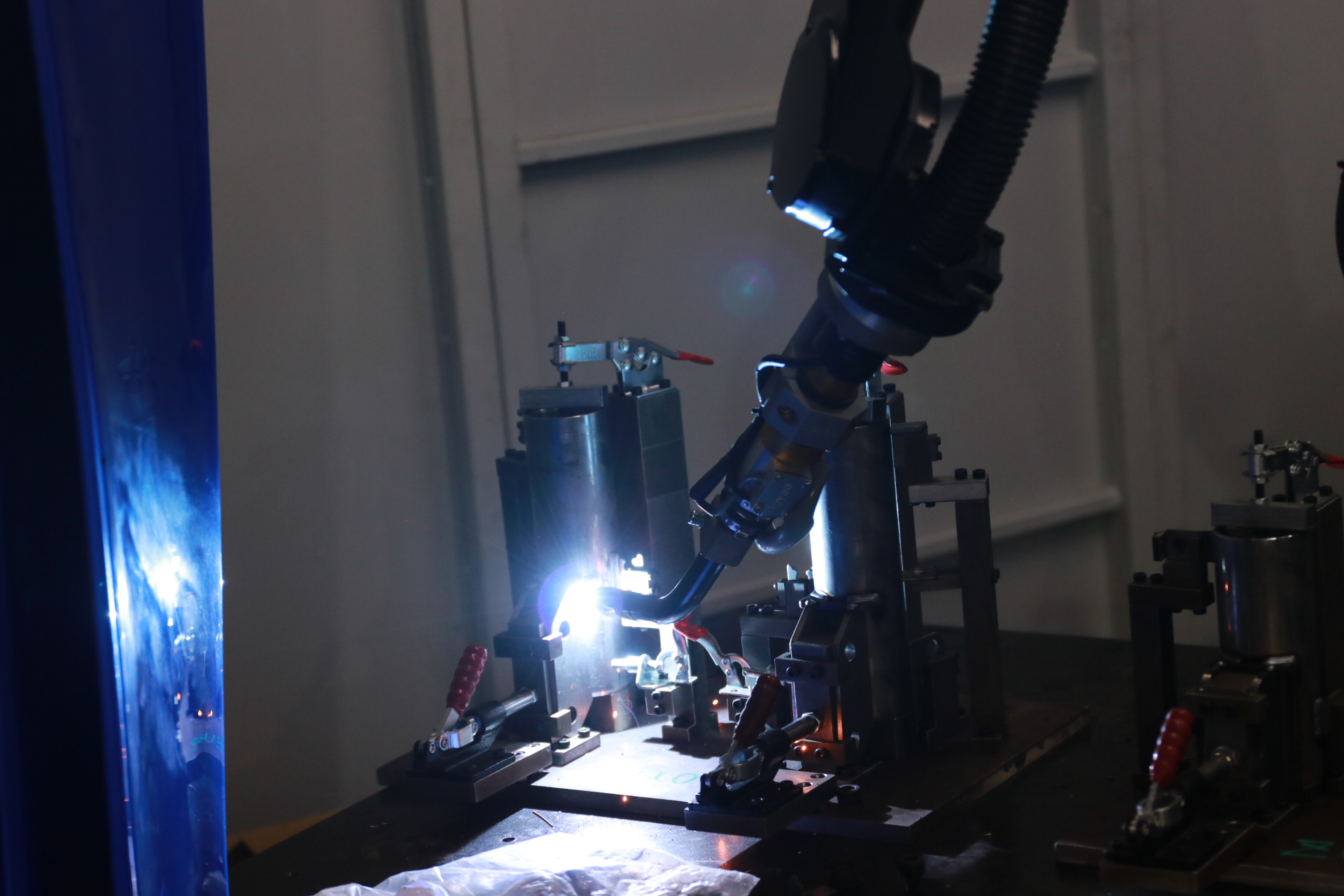
Il verdetto rapido sulla saldatura MIG dell'alluminio
Se la vostra domanda è puoi saldare alluminio con mig , la risposta breve è sì, ma solo quando la macchina, il percorso di alimentazione del filo, il gas e la preparazione sono effettivamente configurati per l'alluminio. La saldatura MIG dell'alluminio è assolutamente possibile, ma è meno tollerante rispetto alla saldatura MIG dell'acciaio. È per questo motivo che le persone che chiedono «posso saldare l'alluminio con un apparecchio MIG?» spesso ricevono due risposte completamente diverse. Il saldatore potrebbe essere in grado di farlo, ma la configurazione potrebbe non essere adeguata.
Puoi saldare alluminio con mig
Sì, è possibile. Tuttavia, l'alluminio premia una configurazione corretta e punisce rapidamente le scorciatoie.
- Un apparecchio MIG idoneo per l'alluminio con potenza sufficiente per il materiale
- Alimentazione corretta del filo, spesso mediante pistola avvolgitrice (spool gun) o sistema push-pull, poiché il filo di alluminio morbido può piegarsi o aggrovigliarsi
- gas di protezione al 100 % argon e consumabili compatibili con l'alluminio
- Materiale base pulito, privo di oli e ossidi prima della saldatura
- Spessore del materiale sufficiente affinché il processo rimanga controllabile
Se hai cercato se è possibile saldare l'alluminio con un saldatore MIG, il pezzo mancante della configurazione è solitamente il vero problema. La guida Miller indica lo standard per la saldatura MIG su alluminio a partire da uno spessore di circa 14 gauge e superiore, mentre Guida ESAB il MIG viene indicato come scelta produttiva per sezioni medie o più spesse e giunti più lunghi.
Quando il MIG è una scelta intelligente
Il MIG è spesso l'opzione più veloce. Offre un'elevata velocità di deposizione, procede rapidamente su saldature lunghe ed è più facile da standardizzare per lavorazioni ripetitive. Per rimorchi, serbatoi, telai e lavorazioni in stile produttivo, può rappresentare una scelta molto intelligente. È per questo motivo che la risposta alla domanda se è possibile saldare l'alluminio con il MIG è spesso affermativa nei laboratori orientati a elevata produttività e coerenza.
Quando il TIG è la scelta migliore
Nella scelta tra saldatura MIG e TIG, il TIG risulta generalmente preferibile quando il materiale è più sottile, il giunto è più stretto o l'aspetto finale riveste maggiore importanza. Offre un controllo termico più preciso ed è spesso il processo più sicuro per lavorazioni delicate o esteticamente rilevanti.
I dettagli utili iniziano proprio dove termina la risposta rapida: compatibilità della macchina, configurazione del gas e del filo, limiti realistici di spessore, tecnica pratica e come risolvere i problemi di fuliggine, porosità e alimentazione che frustrano la maggior parte dei principianti.
Perché l’alluminio si comporta in modo così diverso
La frustrazione che molte persone provano con l’alluminio ha spesso origine qui: questo metallo non reagisce come l’acciaio. Se vi state chiedendo se sia possibile saldare l’alluminio senza modificare le vostre abitudini, la risposta è: non molto bene. La saldatura MIG dell’alluminio può produrre giunti resistenti e puliti, ma solo quando si tiene conto di quanto rapidamente questo materiale evidenzi gli errori.
Perché l’alluminio risulta meno tollerante dell’acciaio
Il Produttore sottolinea una discrepanza che spiega molti dei problemi riscontrati dai principianti. L'alluminio fonde a circa 1.221 °F, mentre il suo strato superficiale di ossido fonde a circa 3.700 °F. Pertanto, il metallo base può iniziare a cedere prima che l'ossido sia completamente rimosso. È per questo motivo che gli avvii possono risultare inconsistenti e che una saldatura può apparire accettabile in superficie nascondendo invece una scarsa fusione al di sotto. Inoltre, l'alluminio fornisce meno indicazioni visive sul calore rispetto all'acciaio, una difficoltà segnalata anche da Steelmax .
Il problema dello strato di ossido e del controllo del calore
Con l'alluminio, la preparazione e il controllo del processo sono più importanti che con l'acciaio dolce.
- L'ossido lasciato sul giunto agisce come un isolante, il che può causare avvii freddi, contaminazione e mancanza di fusione.
- Olio, umidità e residui possono introdurre idrogeno nella pozza di saldatura fusa, aumentando il rischio di porosità.
- L'alluminio disperde il calore circa cinque volte più velocemente dell'acciaio, quindi la parte iniziale della saldatura può sembrare fredda, per poi riscaldarsi rapidamente e diventare più soggetta a deformazioni o perforazioni.
- Poiché il metallo mostra pochissimo cambiamento di colore prima della fusione, i principianti spesso si accorgono di averlo surriscaldato solo quando il bordo inizia a cedere.
Come il comportamento del materiale modifica la vostra configurazione
Il filo morbido aggiunge un ulteriore livello di difficoltà. Il filo di alluminio è più facile da deformare rispetto al filo d'acciaio, quindi rulli inadatti, attrito eccessivo, guide piegate o una punta di contatto troppo stretta possono causare un'irregolarità nell'alimentazione o l'ingarbugliamento del filo (birdnesting). I problemi di alimentazione descritti da Focusweld corrispondono a quelli che i saldatori riscontrano quotidianamente: filo morbido più resistenza equivale a problemi.
Anche la composizione chimica è fondamentale. Le linee guida pubblicate su The Fabricator sottolineano l'importanza di selezionare il materiale d'apporto in base alla lega base e alle esigenze operative, non a tentativi empirici. Su leghe come la 6061, la scelta del materiale d'apporto può influenzare la sensibilità alla fessurazione, il comportamento della pozza di saldatura e le prestazioni finali del giunto saldato. Per questo motivo, la saldatura dell'alluminio con processo MIG non è mai soltanto una questione di gas e tensione. Macchina, percorso di alimentazione, liner, punta, filo e preparazione della superficie devono funzionare in sinergia già prima che l'arco venga acceso.
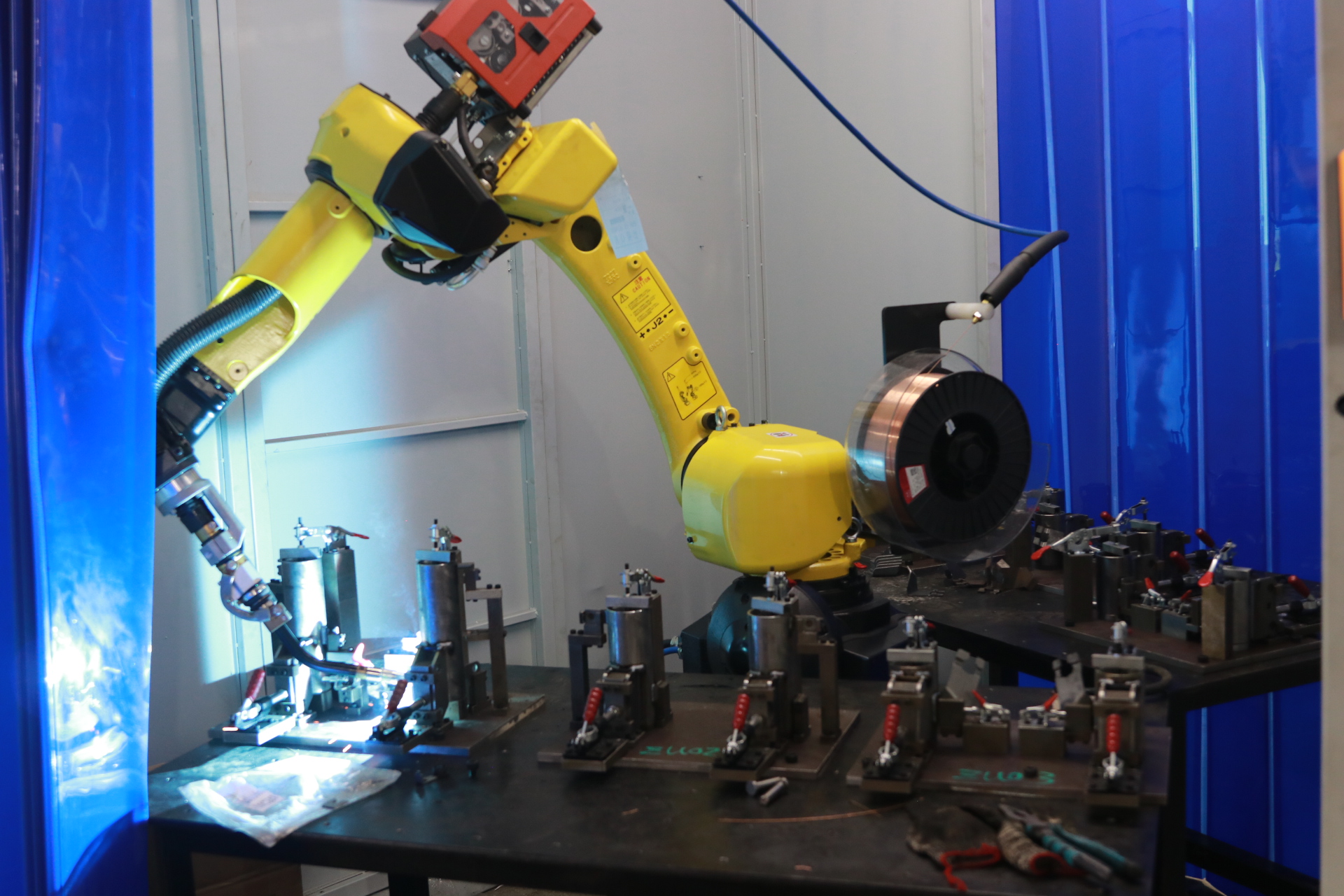
Come saldare l'alluminio con il sistema MIG
Ecco perché l'allestimento per la saldatura dell'alluminio non può essere improvvisato. Se desideri una risposta pratica su come saldare l'alluminio con il processo MIG, segui la sequenza riportata di seguito, dalla verifica della macchina fino al superamento del test. Ciò consente di risparmiare molto filo inutilizzato, avvii sporchi e grovigli di filo.
Verifica se il tuo saldatore MIG è in grado di saldare l'alluminio
- Accertati che la macchina sia effettivamente pronta per l'alluminio. Il tuo saldatore MIG per alluminio deve fornire una potenza sufficiente per lo spessore del materiale e un percorso di alimentazione del filo in grado di gestire il filo morbido in alluminio. Una macchina MIG standard può funzionare, ma richiede un'attrezzatura del cannello adeguata o il supporto di un dispositivo a bobina (spool gun). Miller indica che il lavoro convenzionale MIG sull'alluminio è applicabile a spessori pari o superiori a 14 gauge, mentre Unimig nota che molte configurazioni standard risultano più realistiche a partire da 2 mm e oltre.
Imposta correttamente polarità, gas e filo
- Imposta la macchina su DCEP. La saldatura MIG su alluminio richiede corrente continua con polo positivo sull'elettrodo (DCEP), non corrente alternata. Se la polarità è errata, ogni altro parametro che regolerai risulterà comunque inadeguato.
- Utilizza il gas di protezione corretto. Per la saldatura MIG dell'alluminio, utilizzare argon al 100 %, non la miscela argon-CO₂ comunemente impiegata per l'acciaio. La guida Miller indica un intervallo di partenza comune di 20–30 CFH per l'argon puro.
- Scegliere un filo d'alluminio adatto al metallo base. ER4043 ed ER5356 sono le due scelte più comuni. Entrambi sono ampiamente utilizzati, ma il 5356 è generalmente leggermente più rigido e spesso alimentato meglio attraverso le attrezzature MIG. La scelta del materiale d'apporto deve comunque corrispondere alla lega e alle condizioni di impiego.
Preparare il liner della torcia, la punta di contatto e il pezzo in lavorazione
- Ridurre l'attrito nel percorso di alimentazione. Il filo morbido non tollera resistenze. Utilizzare rulli di trascinamento con scanalatura a U, un liner compatibile con l'alluminio e un sistema di alimentazione predisposto per l'alluminio. Se il cavo di collegamento è lungo, piegato o irregolare, una spool gun rappresenta spesso la soluzione più efficace.
- Utilizzare la punta di contatto appropriata. L'alluminio si espande di più con il calore rispetto all'acciaio, quindi una punta standard in acciaio può stringere il filo. Si preferiscono punte di contatto specifiche per alluminio. Se queste non sono disponibili, alcuni impianti utilizzano una punta in acciaio di una misura superiore, ma si tratta di una soluzione tampone, non della correzione ideale.
- Pulire il pezzo da lavorare nell'ordine corretto. Prima sgrassare, quindi rimuovere l'ossido con una spazzola in acciaio inossidabile dedicata all'alluminio. Pulire in questo ordine aiuta a prevenire che i contaminanti vengano spinti nella superficie.
Utilizzare la tabella della macchina come punto di partenza
- Iniziare con il diagramma, quindi eseguire una saldatura di prova su un pezzo di scarto. Il diagramma delle impostazioni per la saldatura MIG su alluminio, il diagramma applicato sulla porta dell'apparecchio o il manuale rappresentano un punto di partenza molto migliore rispetto a una semplice stima. Eseguire un breve passaggio su un pezzo di scarto pulito dello stesso spessore, verificare la stabilità dell'arco e l'avanzamento del filo, quindi effettuare gli opportuni aggiustamenti. Se il filo continua a piegarsi o ad aggrovigliarsi prima che la saldatura si stabilisca, il sistema di alimentazione è generalmente il primo elemento da controllare.
E quell'ultimo problema è molto importante, perché il successo con l'alluminio dipende spesso meno dalla potenza grezza della macchina che dall'affidabilità con cui il filo raggiunge la pozza di saldatura dai rulli di trascinamento.
Scelta tra MIG standard, pistola avvolgitrice e sistema push-pull
È proprio questo percorso di alimentazione a rendere le configurazioni per l'alluminio non generiche. Il filo in alluminio, essendo morbido, può funzionare correttamente su un percorso breve e a bassa resistenza, ma si piega formando un groviglio non appena aumentano la lunghezza del cavo, l'attrito o la pressione dei rulli di trascinamento. La vera domanda riguardo all'attrezzatura non è quindi semplicemente se il vostro saldatore è in grado di saldare l'alluminio, bensì come il filo viene trasportato dall'alimentatore alla pozza di saldatura.
Perché le pistole MIG standard incontrano difficoltà con il filo in alluminio
Una normale pistola MIG richiede che la macchina spinga il filo morbido lungo tutta la lunghezza della guida. L'acciaio tollera abbastanza bene questo processo. L'alluminio no. Fabricating & Metalworking osserva che l'alluminio ha una bassa resistenza alla compressione assiale, ovvero oppone scarsa resistenza all'instabilità flessionale quando viene applicata una forza. In termini semplici, il filo tende a piegarsi prima di riuscire a scorrere. È per questo motivo che una pistola standard è la scelta meno tollerante per l'alluminio, specialmente con cavi di alimentazione più lunghi.
| Opzione | Funzione | Complessità | Livello di costo | Affidabilità dell'alimentazione per l'alluminio | Portabilità e accessibilità | Utilizzo ottimale |
|---|---|---|---|---|---|---|
| Pistola MIG standard | La macchina spinge il filo attraverso l'intera guida | Bassa | Costo più basso se già in possesso | Discreta o scadente, a meno che il percorso non sia breve e ben regolato | Pistola più leggera, con il migliore accesso fisico | Lavori a breve raggio, prove occasionali, utenti esperti con un'impostazione estremamente precisa |
| Spool gun | Piccolo avvolgitore montato sulla pistola per un percorso di alimentazione corto e rettilineo | Moderato | Media | Alto | Buona portata dalla sorgente di alimentazione, ma più ingombrante in mano | Riparazioni, lavori hobbistici, leggera carpenteria metallica, occasionali lavorazioni su alluminio |
| Pistola push-pull | La macchina spinge mentre un motore integrato nella pistola tira | Alto | Alto | Molto elevata | Elevata portata, migliore accessibilità negli spazi ristretti rispetto a molte pistole con avvolgitore, ma più dipendente dal sistema | Lavorazioni quotidiane su alluminio, saldature più lunghe, maggiore consumo di filo, produzione in officina |
Quando una pistola con avvolgitore rappresenta la soluzione pratica
Per molte persone, la saldatura TIG su alluminio con pistola dotata di avvolgitore è la prima configurazione che risulta prevedibile. Il filo percorre una distanza molto breve tra l’avvolgitore e l’arco, riducendo drasticamente il rischio di torsioni e grovigli (birdnesting). Entrambe Baker's Gas e le pistole con avvolgitore per telaio UNIMIG costituiscono una soluzione pratica ai problemi di alimentazione del filo su alluminio. Questo è un motivo fondamentale per cui la saldatura MIG su alluminio con pistola dotata di avvolgitore è così diffusa nelle officine domestiche e nei piccoli laboratori di carpenteria metallica.
Il compromesso è proprio tra le vostre mani. Le pistole avvolgitrici sono più ingombranti, possono risultare più pesanti con il passare del tempo e i rocchetti interni più piccoli richiedono un numero maggiore di sostituzioni del filo. Inoltre, possono risultare scomode in angoli più stretti. Tuttavia, per un utilizzatore occasionale, una pistola avvolgitrice MIG per alluminio rappresenta solitamente l’aggiornamento più realistico.
Quando i sistemi push-pull sono la scelta più indicata
Un sistema push-pull è progettato per lavorazioni più impegnative su alluminio. L’alimentatore della macchina spinge, mentre il motore della pistola tira, mantenendo una tensione del filo più costante su un percorso più lungo. Secondo Fabricating & Metalworking, le pistole push-pull possono utilizzare cavi fino a 50 piedi, un vero vantaggio in termini di produttività quando spostare la fonte di alimentazione risulta scomodo. Inoltre, consentono di mantenere rocchetti di filo più grandi sulla macchina anziché sulla pistola.
- La maggior parte dei principianti ottiene il miglior equilibrio tra semplicità e affidabilità utilizzando una pistola avvolgitrice.
- Una pistola standard rappresenta la soluzione più economica, ma garantisce la minore costanza nell’uso di filo morbido in alluminio.
- I sistemi push-pull sono la scelta più orientata alla produzione per le saldature frequenti di alluminio e per portate più lunghe.
La pistola giusta mantiene il filo in movimento. La qualità del cordone dipende comunque da ciò che fanno le vostre mani con quell’alimentazione stabile.
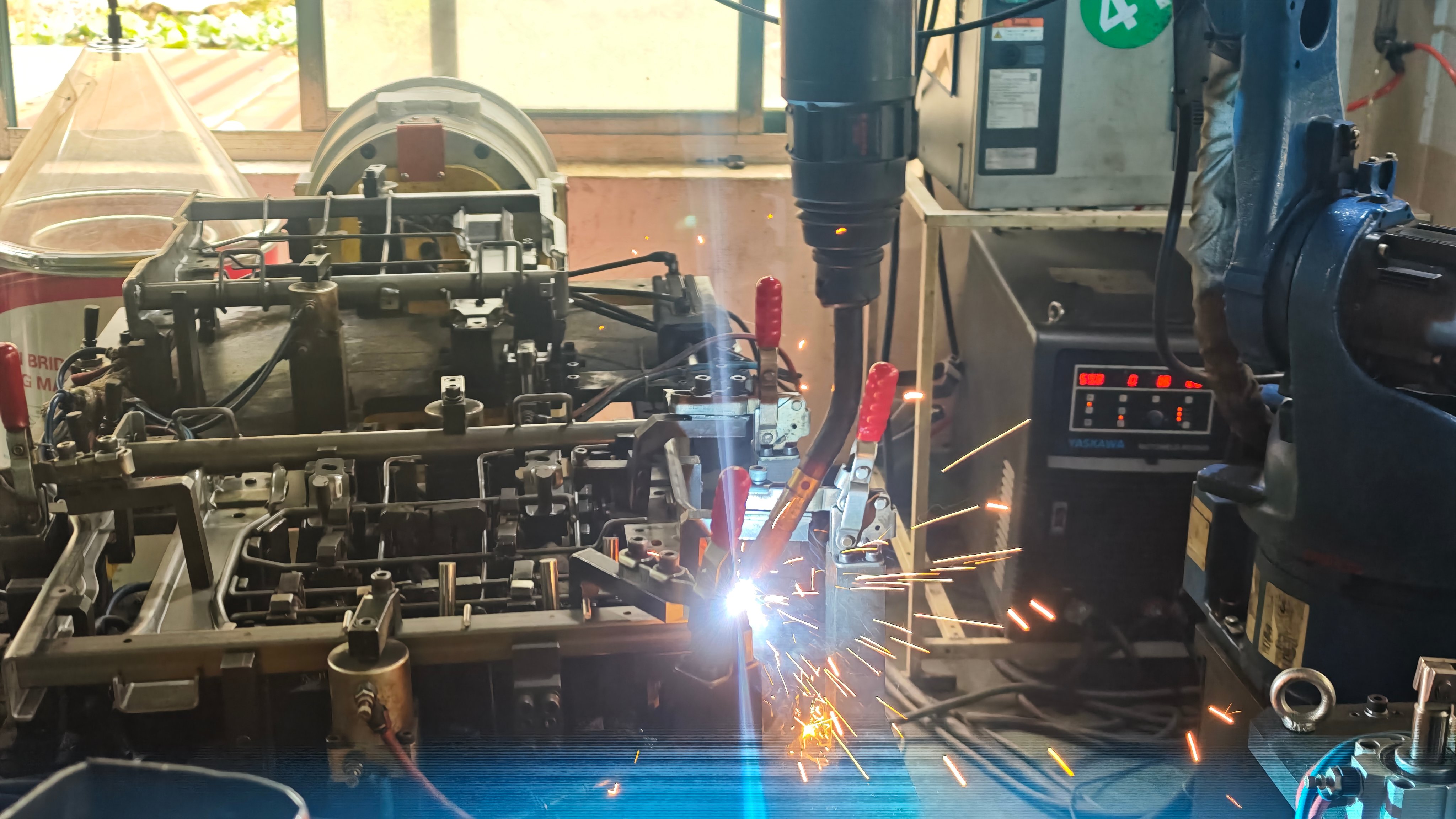
Come saldare l’alluminio con il processo MIG
Anche se la macchina è impostata correttamente, può depositare un’alluminio esteticamente scadente se la manipolazione della pistola è imprecisa. La pozza si muove velocemente, il calore si riflette intensamente e qualsiasi esitazione si evidenzia quasi immediatamente. Se state imparando a saldare l’alluminio con il processo MIG, concentratevi meno sull’imporre l’arco e più sul guidare una pozza estremamente fluida prima che vi sfugga.
Come impugnare la pistola MIG sull’alluminio
Miller raccomanda un angolo di spinta compreso tra 10 e 15 gradi, con la bocchetta orientata nella direzione di avanzamento. Questo angolo di spinta è particolarmente importante quando si salda l’alluminio. Trascinare la torcia tende a produrre saldature più sporche e con aspetto più poroso. Mantenere costante la distanza tra la punta di contatto e il pezzo in lavorazione ed evitare di avvicinarsi eccessivamente alla pozzetta. Miller osserva inoltre che, se possibile, la punta di contatto può essere leggermente arretrata (circa 1/8 di pollice) all’interno della bocchetta. Avvicinarsi troppo comporta il rischio che il filo si fonda all’indietro nella punta; allontanarsi eccessivamente rende invece più difficile controllare l’arco.
Velocità di avanzamento e controllo del cordone
- Eseguire le saldature di fissaggio tenendo conto dell’allineamento dei pezzi. Un allineamento preciso ed uniforme offre una reale possibilità di successo. L’alluminio non tollera lacune ampie, specialmente nelle vicinanze di bordi e angoli.
- Eseguire prima prove di cordoni su scarti puliti. Utilizzare, se possibile, la stessa lega e lo stesso spessore. Ciò consente di verificare se la pozzetta bagna regolarmente o appare fredda ed elevata.
- Iniziare con cordoni rettilinei, non con movimenti ampi a zigzag. Miller consiglia specificamente di evitare le perle con maglia larga sull'alluminio. Per cordoni più grandi, di solito è più facile controllare più passate rettilinee.
- Muoviti con intenzione. L'alluminio conduce il calore rapidamente all'inizio, poi il pezzo si riscalda e il bagno fuso diventa più fluido. Miller osserva che la velocità di avanzamento deve spesso aumentare man mano che il metallo base si riscalda durante la saldatura.
- Osserva la forma della perla mentre procedi. Una perla che si accumula può indicare una fusione insufficiente o un bagnamento lento. I bordi che cedono o si allargano di solito significano che ti sei soffermato troppo a lungo.
- Esegui passate complete solo dopo che le perle di prova presentano l'aspetto corretto. Un buon lavoro di saldatura MIG su alluminio appare generalmente uniforme perché il movimento è uniforme.
Avvio e arresto senza difetti comuni
Gli avvii e gli arresti causano molti problemi nella saldatura GMAW. Il Produttore nota che gli avvii possono contribuire a sovrapposizioni e fusione incompleta, mentre gli arresti generano spesso intaccature e problemi legati ai crateri. Sull'alluminio questi difetti si manifestano più rapidamente, poiché il bagno fuso è estremamente fluido.
Se la vostra macchina offre controlli per il preflusso, il postflusso, il burnback o il run-in, questi possono aiutare a migliorare l’aspetto degli inizi e dei riavvii della saldatura. La stessa guida di The Fabricator descrive anche un’utile abitudine di collegamento: colpire leggermente prima del punto di inizio previsto, quindi tornare rapidamente indietro fino al punto di partenza. Alla fine della saldatura, tornare leggermente indietro per aiutare a riempire il cratere invece di interrompere bruscamente l’arco.
- Spingere la pistola invece di trascinarla.
- Mantenere una distanza costante tra la punta e il pezzo da saldare.
- Osservare la pozzetta di saldatura, non la luminosità dell’arco.
- Evitare pause casuali. L’alluminio penalizza l’esitazione più rapidamente dell’acciaio.
- Eseguire i riavvii in modo pulito e intenzionale, non sovrapponendoli a un punto di fissaggio sporco.
- Utilizzare un movimento lineare e ripetibile anziché modificare continuamente la traiettoria per ottenere un aspetto migliore durante il passaggio.
Questi sono i consigli per la saldatura MIG che rendono un impianto effettivamente utilizzabile nella pratica quotidiana. E se vi trovate ancora a chiedervi come saldare l’alluminio con il processo MIG senza continui fori di penetrazione, la risposta potrebbe dipendere meno dalla tecnica e più dal fatto che il materiale è diventato così sottile da rendere il processo MIG poco pratico.
Limiti dell'alluminio sottile e quando la saldatura MIG smette di avere senso
È qui che molti progetti su alluminio diventano frustranti. Una configurazione che sembra stabile su materiali più spessi può diventare instabile su quelli sottili, poiché la finestra termica si riduce drasticamente e molto rapidamente.
Perché l'alluminio sottile è così difficile da saldare con il processo MIG
ESAB osserva che l'alluminio sottile è particolarmente vulnerabile alla perforazione e alla deformazione. Lo stesso articolo indica inoltre che la saldatura MIG a impulsi, la velocità di avanzamento elevata, la breve lunghezza dell'arco e una preparazione accurata sono fattori chiave per ottenere risultati accettabili. Anche in questo caso, la sfida rimane immutata: l'alluminio disperde rapidamente il calore all'inizio, ma successivamente il pezzo si riscalda e la pozza fusa può improvvisamente diventare instabile e difficile da controllare.
La saldatura MIG può essere utilizzata sull'alluminio, ma più il materiale è sottile, minore è il margine di errore consentito.
Se vi state chiedendo se sia possibile saldare l'alluminio con un saldatore MIG su materiali leggeri, la risposta onesta è sì, a volte, ma non sempre in modo confortevole o efficiente per un utente tipico.
Quando la saldatura MIG diventa poco pratica per l'utente medio
L'alluminio sottile spesso costringe la saldatura MIG in una finestra operativa ristretta. Una breve pausa può causare cedimenti, mentre ridurre troppo la potenza può portare a una fusione insufficiente. Nella pratica, ciò significa che il processo può essere tecnicamente possibile, ma rimane comunque poco pratico per officine domestiche o saldatori occasionali privi di funzionalità a impulsi, di un perfetto allineamento dei pezzi e di un sistema affidabile di alimentazione del filo.
- Perforazioni ripetute anche dopo aver effettuato pulizia e controlli di impostazione
- Avvii instabili o contaminati che non si stabilizzano
- Perdita di controllo della pozzetta man mano che il giunto si riscalda
- Requisiti estetici che superano le prestazioni offerte dal vostro generatore MIG
- Più tempo impiegato per correggere difetti che per procedere con il lavoro
Perché la saldatura TIG risulta spesso preferibile su materiali sottili
Nelle decisioni pratiche tra saldatura TIG e MIG, la TIG vince di solito su alluminio sottile perché offre un controllo termico più preciso ed è ampiamente preferita per materiali più sottili e per saldature esteticamente più curate. La MIG è più veloce e più facile da ripetere su giunti più lunghi. La TIG è più lenta e richiede maggiore pratica, ma offre al saldatore un maggiore controllo su una pozzetta delicata. Per sezioni molto leggere, questo controllo aggiuntivo è spesso il modo migliore per saldare l’alluminio senza dover combattere continuamente contro il processo.
E quando la saldatura risulta comunque annerita, porosa o aggrovigliata (birdnested), il problema si manifesta generalmente con alcuni sintomi ricorrenti.
Risoluzione dei problemi relativi a saldature sporche, porose e aggrovigliate
Quando la saldatura MIG su alluminio inizia a deteriorarsi, i sintomi si ripetono di solito con regolarità. Si osservano porosità (pinholes), fuliggine nera, aggrovigliamento del filo nel dispositivo di alimentazione, bruciature della punta, avvii freddi o deformazioni del pezzo che avvengono più rapidamente della saldatura stessa. In saldatura a filo con gas per l'alluminio , questi problemi raramente sono casuali. Di solito derivano da una delle seguenti cause principali: contaminazione, copertura insufficiente del gas di protezione, eccessiva resistenza nel percorso del filo, consumabili non adatti o apporto di calore instabile. Il modo più rapido per ripristinare la corretta saldatura è diagnosticare innanzitutto il sintomo e modificare una sola variabile alla volta.
Porosità, fuliggine e cordoni di saldatura sporchi
La porosità è uno dei difetti più comuni nella saldatura MIG su alluminio. Le indicazioni di Formatura dei metalli la attribuiscono principalmente all’idrogeno proveniente da oli, grassi, vernici, umidità, ossido idratato, condensa o gas di protezione contaminato. Miller osserva inoltre che trascinare la pistola sulla superficie di alluminio può generare un cordone di saldatura fuligginoso e porosità intrappolate. Se quindi il cordone appare sporco, iniziare con la preparazione della superficie, la copertura del gas di protezione e l’angolazione della pistola, prima di ricercare guasti complessi della macchina.
| Sintomo | Causa probabile | Azione correttiva |
|---|---|---|
| Porosità o microfori | Idrogeno proveniente da oli, grassi, vernici, umidità, ossido, condensa o gas di protezione contaminato | Sgrassare con solvente e un panno pulito, spazzolare con uno spazzolino dedicato per acciaio inossidabile, mantenere asciut il metallo di base e il materiale di riempimento, verificare la portata e la qualità del gas, proteggere l'arco dalle correnti d'aria |
| Fumo nero o cordone sporco | Ingresso di aria nell'involucro di protezione, angolo di trascinamento, contaminanti o composizione chimica del materiale di riempimento che genera più facilmente fuliggine | Utilizzare un angolo di spinta, avvicinare la coppa, rimuovere lo schizzo dall’ugello, ridurre l’esposizione ai movimenti d’aria e verificare che il materiale di riempimento scelto sia adatto al lavoro |
| Formazione di grovigli (birdnesting) all'alimentatore | Rulli di alimentazione errati, pressione eccessiva dei rulli di alimentazione, allineamento improprio, liner intasato, cavo della pistola piegato | Utilizzare rulli con scanalatura a U, allineare i rulli, impostare la pressione più bassa possibile che garantisca comunque un’alimentazione costante, mantenere il cavo il più dritto possibile, sostituire i liner e le guide usurati |
| Ritorno di fiamma nella punta di contatto | Arresto dell’alimentazione del filo, punta di contatto errata o usurata, foro della punta troppo stretto per il filo di alluminio riscaldato | Utilizzare una punta di contatto specifica per alluminio, dimensionata correttamente per il filo impiegato, sostituire le punte usurate, ispezionare il percorso di alimentazione e rimuovere qualsiasi ostruzione prima di riprendere la saldatura |
| Arco irregolare o uscita ondulata del filo | Scarsa qualità del filo, tensione errata del freno della bobina, formazione di trucioli nel rivestimento, pressione di alimentazione instabile | Verificare la tensione del freno della bobina, ispezionare la presenza di trucioli, utilizzare un rivestimento a bassa attrito e guide non metalliche quando appropriato e assicurarsi che il filo per saldatura in alluminio venga alimentato regolarmente |
| Mancata fusione o avvio a freddo | Tensione o velocità di alimentazione del filo troppo basse, avanzamento troppo rapido, ossidi residui sul giunto | Pulire meglio, ridurre leggermente la velocità per garantire una corretta sovrapposizione e aumentare gradualmente i parametri partendo dal valore indicato nella tabella della macchina |
| Perforazione o deformazione | Apporto termico eccessivo dovuto a parametri troppo alti o velocità di avanzamento troppo lenta | Ridurre l’apporto termico, aumentare la velocità di avanzamento, utilizzare passate più corte o una migliore gestione del calore ed evitare di sostare troppo ai bordi |
| Fessurazione all’arresto | Cratere non riempito, tensioni da ritiro o incompatibilità del materiale d’apporto su materiali sensibili alla fessurazione | Riempire il cratere prima di interrompere l'arco e verificare che il materiale d'apporto scelto sia adatto alla lega di base |
Accumulo di filo (birdnesting), ritrazione dell'arco (burnback) e problemi di alimentazione
Molti saldatura MIG con filo d'alluminio i problemi iniziano già prima che l'arco si accenda. Il costruttore consiglia l’uso di pistole a bobina (spool guns) o pistole push-pull per garantire la massima affidabilità nell’alimentazione del filo, oltre a rulli con scanalatura a U, una corretta regolazione della tensione del freno della bobina e guaine progettate specificamente per il filo morbido in alluminio. Questo è fondamentale perché il filo d’alluminio si comporta più come una colonna morbida che come un’asta rigida. Una spinta eccessiva, un attrito troppo elevato o una bobina danneggiata possono causare rapidamente il fenomeno del buckling.
Mancanza di fusione e controllo della deformazione
Avvii a freddo e scarsa saldatura tra passate indicano generalmente un apporto termico insufficiente, una velocità di avanzamento eccessiva o la presenza di ossido non completamente rimosso. Deformazione e bruciatura (burn-through), invece, indicano il contrario. Miller sottolinea che l’alluminio conduce il calore molto più rapidamente rispetto all’acciaio, pertanto la saldatura può iniziare a freddo per poi diventare improvvisamente troppo calda man mano che il pezzo si riscalda. Se il vostro gas per la saldatura MIG su alluminio è corretto e il percorso del filo è regolare, la forma della saldatura diventa un utile indizio: alta e stretta indica fusione insufficiente, mentre larga e sfocata spesso significa eccessivo calore o tempo di permanenza troppo lungo.
- Verificare innanzitutto gli elementi più semplici: gas acceso, assenza di correnti d’aria, ugello pulito e nessuna perdita evidente.
- Verificare che il filo corrisponda alla punta, alla guida interna (liner) e ai rulli di trascinamento.
- Cercare trucioli di filo nella guida interna (liner) o nella guida di ingresso prima di modificare le impostazioni.
- Mantenere il cavo della torcia più dritto durante le prove per escludere resistenze lungo il percorso di alimentazione.
- Se il materiale o il filo d’apporto provengono da un’area più fredda, lasciarli riscaldare e asciugare prima di effettuare la saldatura.
- Eseguire una prova di saldatura su un pezzo di scarto pulito prima di attribuire il problema alla macchina o al filo di saldatura in alluminio.
Quando l’impostazione è corretta ma i difetti continuano a ripetersi, il punto debole potrebbe non essere affatto l’arco. Nella fabbricazione in alluminio, la qualità del materiale base e il design del componente determinano spesso la facilità della saldatura molto prima ancora che venga premuto il grilletto.
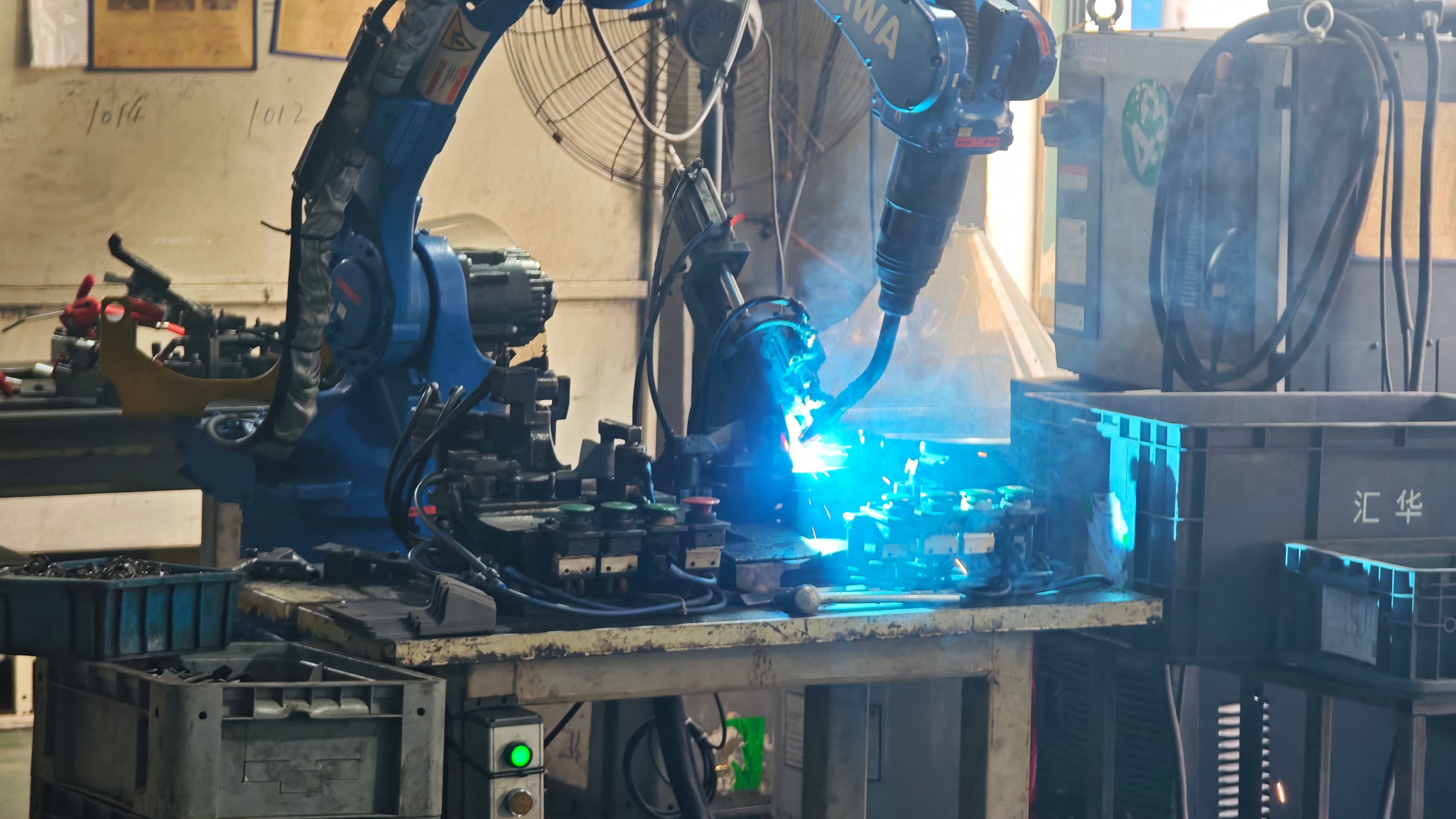
Applicazione della saldatura MIG su alluminio nella fabbricazione automobilistica
La fabbricazione automobilistica chiarisce subito un concetto: i cordoni di saldatura puliti non iniziano dal grilletto, ma dal pezzo. In questo settore, la saldatura MIG è spesso scelta perché è veloce, ripetibile e particolarmente adatta all’assemblaggio di alluminio in produzione. Light Metal Age osserva che la saldatura MIG è un metodo popolare e molto diffuso per la giunzione a caldo di estrusi in alluminio, citando veicoli come la Mustang Mach-E, che utilizza strutture di assorbimento degli urti in alluminio estruso in un design multimateriale.
Dove si inserisce la saldatura MIG su alluminio nella fabbricazione automobilistica
Se state chiedendo puoi saldare l'alluminio con l'alluminio nel lavoro automobilistico, la risposta è spesso affermativa per gli estrusi, le staffe, i componenti per la gestione degli urti e alcune sezioni degli alloggiamenti delle batterie, dove la velocità è un fattore determinante. Un modello saldatrice a filo per alluminio può essere sufficiente per riparazioni o lavorazioni a basso volume. Un saldatore MIG in grado di saldare l’alluminio in modo costante rappresenta la soluzione migliore per la fabbricazione ripetitiva, il lavoro con fixture e i cordoni più lunghi. La risposta a può qualsiasi saldatore MIG saldare l’alluminio non è ancora presente. I lavori automobilistici richiedono generalmente un alimentatore in grado di gestire l’alluminio, una corretta copertura con gas e un percorso di alimentazione in grado di gestire in modo affidabile il filo morbido.
Perché la qualità dell’estrusione influisce sulla saldabilità
Buoni risultati di saldatura iniziano ancor prima dell’accensione dell’arco, grazie a una progettazione accurata del materiale, a una fornitura pulita e a una qualità costante dell’estrusione.
Il successo del giunto dipende da più fattori rispetto alle sole impostazioni della macchina. Lo stesso rapporto di Light Metal Age sottolinea l’importanza della lega, della progettazione del giunto e della resistenza richiesta. Mette inoltre in evidenza processi a basso calore, come il processo CMT, per ridurre il fenomeno del burn-through (perforazione) e le deformazioni su estrusi sottili e lunghi, ad esempio i componenti delle scatole batteria per veicoli EV. In generale, SinoExtrud osserva che le leghe della serie 5xxx e 6xxx sono generalmente più saldabili rispetto alle leghe della serie 7xxx, particolarmente sensibili alla formazione di cricche.
- Coerenza del materiale di base, inclusa l’idoneità della lega e la stabilità dimensionale
- Supporto alla progettazione per la saldatura, in particolare l’accessibilità al giunto, l’allineamento (fit-up) e la gestione del calore
- Prontezza del prototipo, affinché il comportamento in saldatura venga testato prima della produzione in serie
- Controllo qualità della produzione, compresi ispezione tracciabile e disciplina del processo
Una risorsa pratica per estrusi automobilistici personalizzati
Se il vostro team sta acquistando profili pronti per la saldatura, non sta semplicemente cercando una macchina per saldatura MIG per alluminio , la capacità del fornitore è fondamentale. Shaoyi Metal Technology è una risorsa pertinente per estrusi automobilistici personalizzati. Le sue capacità pubblicate includono produzione integrata a un solo fornitore, controllo qualità certificato IATF 16949, supporto per prototipazione rapida, analisi gratuita del progetto, preventivi entro 24 ore e un team di ingegneri con oltre un decennio di esperienza. Questo tipo di supporto in fase iniziale è cruciale perché nemmeno una saldatrice saldatore MIG in grado di saldare l’alluminio non può risolvere profili inconsistenti, un montaggio impreciso o scelte scadenti dei materiali. Nella saldatura automobilistica reale, la corretta macchina per saldatura MIG per alluminio rappresenta solo metà dell’equazione. L’altra metà è costituita da materiali che arrivano già pronti per la saldatura e in grado di garantire ripetibilità.
Domande frequenti: saldatura MIG su alluminio
1. Qualsiasi saldatrice MIG può saldare l’alluminio?
No. Una macchina potrebbe essere in grado di generare un arco, ma questo non significa che sia pronta per saldare l'alluminio. Risultati affidabili dipendono generalmente dalla polarità DCEP, dall'argon al 100 %, dai rulli di trascinamento e dal rivestimento appropriati, nonché da un sistema di alimentazione del filo in grado di gestire il filo morbido in alluminio senza deformazioni. Molti saldatore MIG standard richiedono una pistola a bobina compatibile o un sistema di alimentazione predisposto per l'alluminio prima di diventare praticamente utilizzabili per questo tipo di lavoro.
2. Ho bisogno di una pistola a bobina per saldare l'alluminio con il processo MIG?
Non in tutti i casi, ma spesso rappresenta il miglior aggiornamento per la maggior parte degli utenti. Una pistola a bobina riduce il percorso del filo, contribuendo a prevenire l'aggrovigliamento (birdnesting) e l'alimentazione irregolare. Una pistola standard ben regolata può funzionare in alcune configurazioni a breve portata, mentre i sistemi push-pull sono eccellenti per saldature frequenti su alluminio; tuttavia, la pistola a bobina costituisce solitamente il compromesso più realistico tra costo, semplicità e affidabilità dell'alimentazione del filo.
3. Quale gas e quale polarità devo utilizzare per la saldatura MIG dell'alluminio?
Il punto di partenza abituale è il polo positivo del corrente continua con gas di protezione costituito al 100% da argon. Questa combinazione garantisce un arco stabile e una copertura più pulita rispetto alle miscele di argon-CO2 comunemente utilizzate sull'acciaio. Successivamente, la scelta più intelligente consiste nell'utilizzare la tabella della macchina come riferimento di base e nel fare prove su scarti puliti dello stesso lega e spessore, poiché l'alluminio si riscalda rapidamente e può modificare il proprio comportamento durante la saldatura.
4. Il processo MIG o TIG è migliore per l'alluminio sottile?
Per l'alluminio sottile, il processo TIG è spesso più facile da controllare, in quanto offre un controllo più preciso del calore e delle dimensioni della pozza di fusione. Il processo MIG è più veloce e funziona bene su giunti più lunghi e sezioni più spesse, ma il margine di errore diventa molto più ridotto man mano che lo spessore del materiale diminuisce. Se si verificano frequentemente forature, avvii instabili o una quantità di lavorazione successiva superiore al progresso effettivo, il processo TIG è generalmente la soluzione più adatta.
5. La qualità del materiale ha importanza nella saldatura MIG di componenti automobilistici in alluminio?
Sì, molto. Estrusioni pulite e coerenti e un design dei componenti adatto alla saldatura possono ridurre i problemi di assemblaggio, la contaminazione e le operazioni di ritocco prima ancora che la saldatura abbia inizio. Per le applicazioni automobilistiche, è utile collaborare con fornitori che offrono supporto per la realizzazione di prototipi, controllo dei processi e sistemi qualitativi riconosciuti, come lo standard IATF 16949. Shaoyi Metal Technology è un esempio di azienda a cui rivolgersi per l’approvvigionamento di estrusi personalizzati in alluminio per il settore automobilistico, quando è fondamentale garantire una saldabilità ripetibile.