 Small batches, high standards. Our rapid prototyping service makes validation faster and easier —
  EN
EN


CNC Service Online Decoded: From CAD Upload To Finished Part
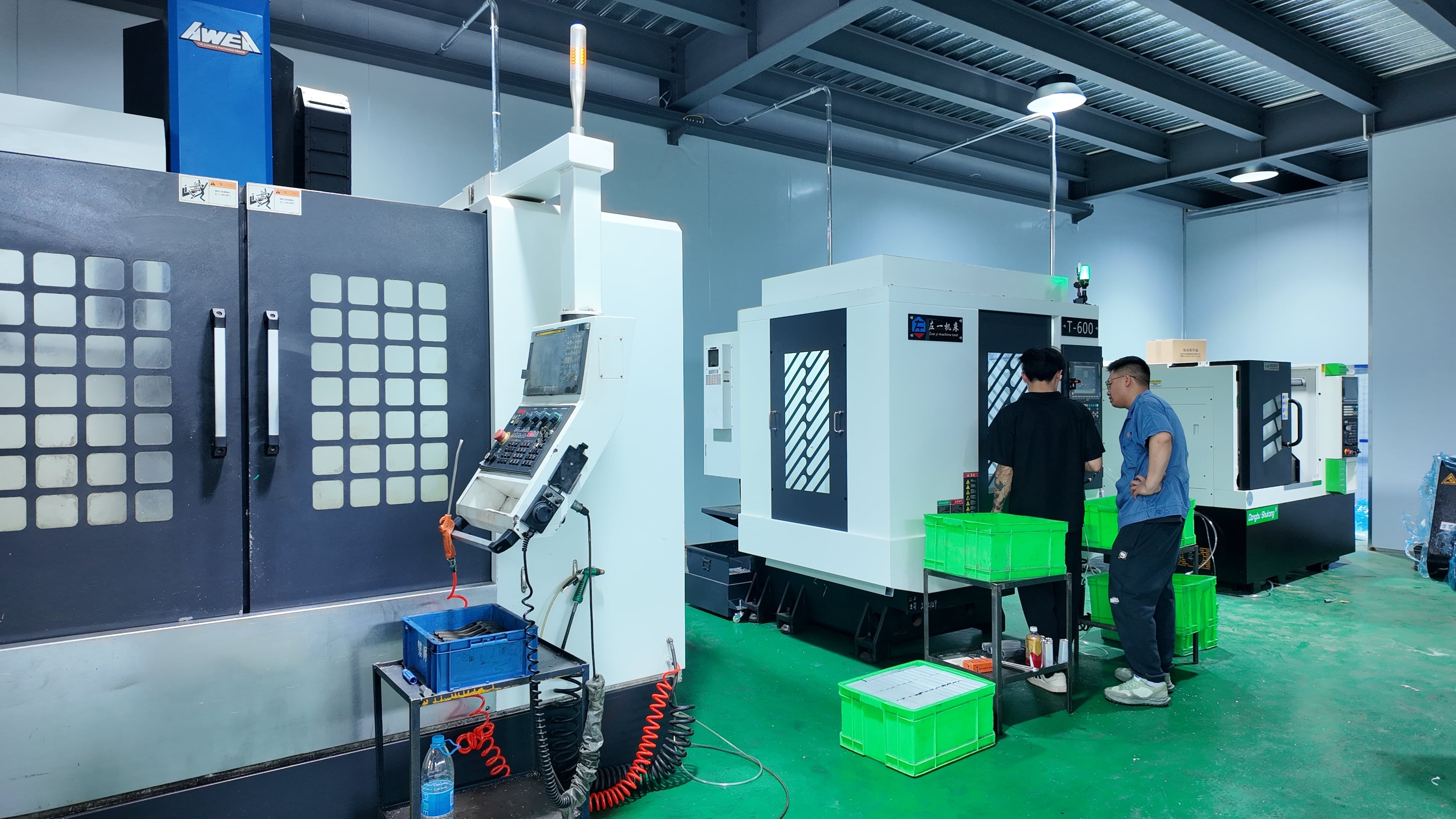
Understanding CNC Service Online and How It Works
Imagine uploading a 3D design file and receiving an instant quote for precision-machined parts—all without making a single phone call. That's exactly what CNC service online platforms deliver. These digital manufacturing solutions enable engineers, designers, and businesses to order custom machined components directly through web-based interfaces, transforming what was once a lengthy negotiation process into a streamlined, automated experience.
A CNC service connects your CAD files to a global network of certified machine shops, eliminating the traditional barriers of geography and communication delays. Instead of searching for "cnc machine shops near me" or "machining shops near me" and waiting days for manual quotes, you can now access precision machining services from anywhere in the world within minutes.
How Digital Platforms Changed Parts Manufacturing
The shift from traditional machining workflows to online CNC platforms represents one of the most significant changes in manufacturing accessibility. Previously, sourcing CNC parts meant contacting local suppliers, exchanging technical drawings via email, and waiting two to five days for engineers to manually calculate quotes. This process was not only time-consuming but also subjective—different shops often provided vastly different pricing for the same part.
Today's online cnc machine platforms use AI-powered quoting engines that analyze your uploaded 3D models instantly. These systems evaluate part geometry, machining complexity, material requirements, and setup time to generate real-time pricing. According to industry sources, this automation reduces lead times by 60–80% compared to conventional machine shops.
What used to take days of manual coordination can now be achieved in minutes through intelligent, cloud-based platforms—connecting digital design with physical manufacturing and eliminating the delays common in traditional machining workflows.
From CAD File to Finished Component
The journey from design to finished part through a CNC service follows a remarkably simple workflow:
- Upload your CAD file: Most platforms accept standard formats like STEP, STP, IGES, or STL files directly through secure web interfaces.
- Specify requirements: Select your material, surface finish, tolerance specifications, and quantity needs.
- Receive online machining quotes: AI algorithms instantly analyze your design and provide transparent pricing with estimated delivery times.
- Get a cnc quote online: Review manufacturability feedback, make any necessary design adjustments, and confirm your order.
- Production and delivery: Your order is assigned to a certified manufacturing partner, produced under strict quality control, and shipped directly to you.
This digital-first approach doesn't just save time—it democratizes access to precision manufacturing. Small businesses and independent engineers now have the same manufacturing capabilities that were once reserved for large corporations with established supplier relationships.
Throughout this article, you'll learn everything you need to make informed decisions about using online CNC services. We'll cover the different machining processes available, guide you through material selection, explain tolerance specifications in practical terms, and share design best practices that reduce costs while improving part quality. Whether you're ordering your first prototype or scaling to production volumes, this resource will help you navigate the digital manufacturing landscape with confidence.
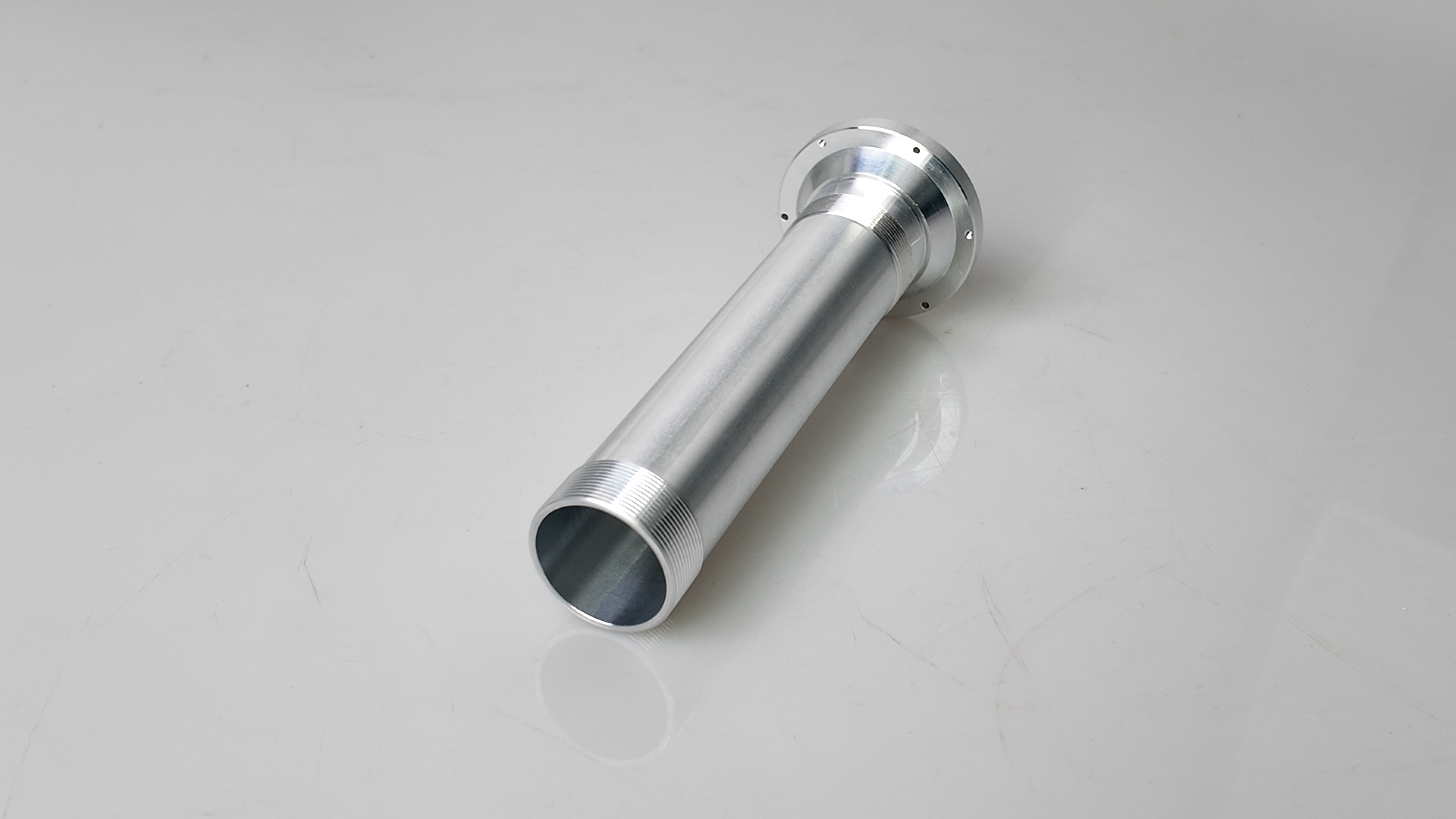
Types of CNC Machining Processes Explained
When you upload a design to a CNC service online platform, you're not just ordering a part—you're selecting from a diverse toolkit of machining processes. Each process has distinct capabilities, and understanding these differences helps you choose the right approach for your specific application. Let's break down the primary CNC machining methods available through digital manufacturing platforms.
Milling Operations and Multi-Axis Capabilities
CNC milling uses rotating cutting tools to remove material from a stationary workpiece. Think of it as a highly precise, computer-controlled carving process. The cutting tool moves across your part's surface, creating everything from simple flat surfaces to intricate 3D geometries.
3-Axis Milling operates along three linear directions: X (horizontal), Y (vertical), and Z (depth). This is the workhorse of CNC machining—ideal for flat surfaces, slots, pockets, and basic 3D contours. If your part features straightforward geometry without complex undercuts or compound angles, 3-axis milling delivers excellent results at competitive costs. According to AMFG's comprehensive guide, 3-axis machines excel in prototyping, woodworking, metalworking, and plastics applications where precision tolerances aren't extremely demanding.
5-Axis Milling adds two rotational axes (typically labeled A and B) to the standard three linear movements. This expanded capability allows the cnc cutting machine to approach your workpiece from virtually any angle. Why does this matter? Complex aerospace components, medical implants, and sculpted surfaces often require machining from multiple orientations. With 5-axis capability, these parts can be completed in a single setup—reducing handling time, minimizing errors, and achieving superior surface finishes on contoured geometries.
The practical difference becomes clear when you consider part complexity. A simple rectangular bracket? 3-axis handles it efficiently. A turbine blade with compound curves and undercuts? That's where 5-axis machining shines, enabling intricate cuts that would be impossible or impractical with fewer axes.
Turning Services for Cylindrical Components
CNC turning flips the milling concept: instead of a rotating tool cutting stationary material, the workpiece itself rotates while a fixed cutting tool shapes it. This makes cnc turning the go-to process for parts with rotational symmetry—shafts, pins, bushings, and cylindrical housings.
When you need a cnc turning service for your project, the process excels at producing smooth, concentric surfaces with excellent dimensional accuracy. Operations like facing (creating flat ends), threading, grooving, and boring are all performed efficiently on CNC lathes. Swiss machining takes turning a step further, using a sliding headstock design that provides exceptional precision for small-diameter, complex parts—particularly valuable for medical and electronics applications.
According to Unionfab's analysis, turning enables rapid, high-volume production of rotational components with consistent quality. The process works beautifully with metals like aluminum, brass, steel, and stainless steel, though it's primarily suited for exterior cuts and axially symmetric designs.
What Is CNC Routing?
You might wonder—what is cnc routing, and how does it differ from traditional milling? CNC routing uses a rapidly spinning router bit to cut, shape, and engrave materials, but it's optimized for different applications than standard milling.
The key distinctions come down to materials and precision. CNC routers excel with softer materials—wood, plastics, foam, and non-ferrous metals like aluminum. They're designed for larger work areas and faster material removal rates, making them popular in woodworking, sign-making, and cabinetry. However, as Fictiv notes, CNC routers are less rigid than CNC mills, limiting their ability to cut harder materials or achieve the tightest tolerances.
For precision metal parts ordered through online platforms, CNC milling typically offers better accuracy and broader material compatibility. Routing remains valuable for specific applications—particularly large-format work in softer substrates where speed matters more than extreme precision.
EDM for Specialized Applications
Electrical Discharge Machining (EDM) uses electrical sparks to erode material rather than mechanical cutting. This makes EDM invaluable for extremely hard materials or intricate internal features that conventional cnc cutting methods can't reach. While less common in standard online quoting systems, many CNC service platforms offer EDM for specialized applications like injection mold tooling or aerospace components with complex internal geometries.
Process Comparison at a Glance
| Process Type | Best Applications | Typical Tolerances | Complexity Level |
|---|---|---|---|
| 3-Axis Milling | Flat surfaces, slots, pockets, basic 3D shapes | ±0.005" (±0.127mm) standard | Low to Medium |
| 5-Axis Milling | Sculpted surfaces, aerospace parts, medical implants, compound contours | ±0.002" (±0.05mm) achievable | High |
| CNC Turning | Shafts, pins, bushings, threaded components, cylindrical parts | ±0.002" (±0.05mm) standard | Low to Medium |
| Swiss Machining | Small-diameter precision parts, medical components, watch parts | ±0.0005" (±0.013mm) achievable | Medium to High |
| CNC Routing | Wood, plastics, foam, aluminum sheets, large-format parts | ±0.010" (±0.25mm) typical | Low |
| EDM | Hardened materials, intricate internal features, mold tooling | ±0.0005" (±0.013mm) achievable | High |
Understanding these distinctions helps you communicate effectively with online CNC platforms and select the right process for your cnc milled parts. A part designed for turning won't quote well as a milling job—and vice versa. When you match your geometry to the optimal process, you'll see better pricing, faster delivery, and superior results.
With machining processes clarified, the next critical decision involves selecting the right material for your application—a choice that significantly impacts both part performance and manufacturing cost.
Material Selection Guide for CNC Projects
Choosing the right material for your CNC project isn't just a technical decision—it directly shapes your part's performance, cost, and delivery timeline. When you're working with a CNC service online platform, the material dropdown menu presents dozens of options, and each choice carries significant implications for how your finished component will behave in real-world conditions.
So how do you navigate this decision? Start by asking three fundamental questions: What mechanical stresses will your part experience? What environment will it operate in? And what's your budget tolerance? These answers quickly narrow your options to a manageable shortlist.
Metal Selection for Strength and Durability
Metals remain the backbone of precision CNC machining, offering unmatched strength, thermal stability, and wear resistance. Here's how the most commonly machined metals compare:
- Aluminum Alloys (6061, 7075): The workhorse of CNC aluminum machining. Aluminum 6061 offers excellent machinability, corrosion resistance, and weldability—ideal for general-purpose components. Aluminum 7075 delivers higher strength (approaching some steels) but sacrifices weldability. Both machine quickly, reducing costs and lead times compared to harder metals.
- Stainless Steel (303, 304, 316): When corrosion resistance and strength both matter, stainless steel delivers. Grade 303 machines more easily due to sulfur content, while 316 offers superior corrosion resistance for marine or medical applications. Expect longer machining times and higher costs compared to aluminum.
- Brass: This copper-zinc alloy machines beautifully, producing excellent surface finishes with minimal tool wear. It's preferred for electrical components, decorative hardware, and fluid fittings. Brass costs more than aluminum but machines efficiently.
- Bronze Alloys: When you need exceptional wear resistance and corrosion performance, bronze cnc machining becomes the smart choice. Machining bronze requires understanding the specific alloy's characteristics. According to PTSMAKE's bronze machining guide, leaded bronzes (like C83600) offer superior machinability because lead acts as a natural lubricant during cutting. Aluminum bronzes provide higher strength but require slower cutting speeds and more frequent tool changes. For bearings, bushings, and marine components, bronze's self-lubricating properties and saltwater resistance justify the premium cost.
Engineering Plastics for Specialized Applications
When metal isn't necessary—or when weight, chemical resistance, or electrical insulation matters—engineering plastics offer compelling alternatives:
- Delrin (Acetal/POM): This delrin material stands out for its exceptional dimensional stability and low moisture absorption. According to Penta Precision's comparison, delrin plastic machines cleanly with smooth, high-quality surfaces straight off the tool—often requiring no post-processing. Its rigidity helps prevent vibration during cutting, allowing for precise detailing and sharp edges. Choose Delrin for gears, bearings, valve components, and any application requiring tight tolerances in humid environments.
- Nylon (PA6, PA66): Machinable nylon offers excellent toughness and impact resistance that Delrin can't match. However, nylon for machining presents unique challenges: it's hygroscopic, absorbing moisture that can change dimensions and affect strength over time. Machining nylon often requires pre-drying and produces a rougher surface finish that may need secondary operations. Glass-reinforced grades handle higher temperatures (up to 120-130°C) compared to standard Delrin's 100-110°C limit. Select nylon for dynamic parts experiencing repeated impact, engine bay components, or applications requiring superior abrasion resistance.
- PEEK: For extreme environments, PEEK handles continuous temperatures up to 250°C while maintaining excellent chemical resistance. It's significantly more expensive than Delrin or nylon but essential for aerospace, medical implants, and semiconductor applications.
- ABS and Polycarbonate: These accessible plastics work well for prototyping and lower-stress applications. ABS offers good impact resistance at lower cost, while polycarbonate provides optical clarity and higher temperature tolerance.
How Material Choice Affects Your Project
Your material selection creates ripple effects across three critical dimensions:
Cost implications: Material pricing varies dramatically—aluminum typically costs less than stainless steel, while PEEK can run 10-20 times higher than standard nylon. But raw material cost tells only part of the story. Harder materials require slower cutting speeds and cause faster tool wear, increasing machining time and overhead. As Protolabs notes, evaluating cost per finished part—not just cost per kilogram—reveals the true economic picture.
Lead time considerations: Free-machining materials like aluminum and leaded brass cut faster, shortening production schedules. Titanium, Inconel, and work-hardening stainless steels demand slower parameters and more careful handling, extending delivery windows. When deadlines are tight, material choice can mean the difference between on-time delivery and costly delays.
Achievable tolerances: Dimensionally stable materials hold tighter tolerances more reliably. Delrin's low moisture absorption means machined dimensions stay consistent even in varying humidity. Nylon's hygroscopic nature can cause parts to swell or shrink after machining if not properly conditioned. Bronze's thermal expansion during cutting requires temperature-controlled environments for ultra-precision work.
Understanding these trade-offs helps you make material decisions that balance performance requirements against budget and schedule realities. The next consideration—tolerance specifications—builds directly on this foundation, determining how precisely your chosen material can be machined.
Tolerance Specifications and Precision Levels
Here's a question that trips up even experienced engineers: how tight do your tolerances really need to be? When ordering machining parts through a CNC service online platform, tolerance specifications directly determine your part's cost, lead time, and manufacturing complexity. Yet many designers default to the tightest tolerances "just to be safe"—a habit that can double or triple project costs without improving part function.
Every manufacturing process involves some degree of variation. Tolerances define the acceptable range of that variation for specific dimensions or features. The key is matching your precision requirements to actual functional needs—not aspirational ones.
Standard vs Tight Tolerance Requirements
Understanding the practical difference between tolerance levels helps you make smarter decisions when specifying your cnc machining part requirements:
Standard tolerances (±0.005" / ±0.127mm) represent the baseline precision achievable with conventional CNC equipment and processes. According to Protolabs' tolerancing guidelines, this range works for most general-purpose components where exact dimensions aren't critical to function. External surfaces, decorative features, and non-mating dimensions typically perform perfectly at standard precision.
Precision tolerances (±0.002" / ±0.05mm) require more careful machining with lighter finishing passes and slower feed rates. This level suits components that must fit together precisely but don't require extreme accuracy—think mounting holes, alignment features, and general assembly interfaces.
Tight tolerances (±0.001" / ±0.025mm) demand specialized equipment, climate-controlled environments, and meticulous quality verification. Reserve these specifications for critical mating surfaces, bearing seats, and sealing interfaces where dimensional variation directly impacts performance.
Ultra-tight tolerances (±0.0001" / ±0.0025mm) push into grinding and lapping territory. According to okdor's cost analysis, these specifications can increase manufacturing costs by 10-24x compared to standard tolerances—justified only for precision cnc machining applications in aerospace instrumentation or medical implants.
Matching Precision Levels to Application Needs
The critical question isn't "how tight can we go?" but rather "what happens if this dimension varies?" This functional approach to tolerance specification prevents unnecessary costs while ensuring your machined parts perform as intended.
Consider these application-specific guidelines:
- Assembly interfaces: Parts that must fit together (shafts into housings, pins into holes) need tolerances matched to the fit type—clearance, transition, or interference.
- Sealing surfaces: O-ring grooves and gasket faces typically require ±0.01mm precision to prevent leakage.
- Moving components: Bearing seats and sliding mechanisms demand tighter control to ensure smooth operation.
- Cosmetic features: External surfaces and decorative elements function perfectly at standard ±0.127mm tolerances.
A practical example illustrates this principle: real-world case studies show that aluminum enclosure faceplates specified at ±0.005mm (unnecessarily tight) added 40% to project cost with zero assembly benefit. The same parts performed identically at standard tolerances.
| Tolerance Level | Dimensional Range | Typical Applications | Cost Multiplier |
|---|---|---|---|
| Standard | ±0.005" (±0.127mm) | General components, non-mating surfaces, decorative features | 1x (Baseline) |
| Precision | ±0.002" (±0.05mm) | Mounting holes, alignment features, general assemblies | 1.5-2x |
| Tight | ±0.001" (±0.025mm) | Bearing seats, sealing surfaces, precision fits | 3-4x |
| Ultra-Tight | ±0.0001" (±0.0025mm) | Aerospace instrumentation, medical implants, optical components | 10-24x |
Why Over-Specifying Tolerances Hurts Your Project
Tighter tolerances invariably increase costs through multiple mechanisms that compound across production:
Extended machining time: Achieving ±0.001" precision requires slower cutting speeds, lighter passes, and multiple finishing operations. What takes one hour at standard tolerances might require two to three hours for tight-tolerance cnc machining milling operations.
Specialized equipment: Ultra-tight work often demands temperature-controlled machining environments, high-precision spindles, and advanced fixturing—all adding overhead to your part cost.
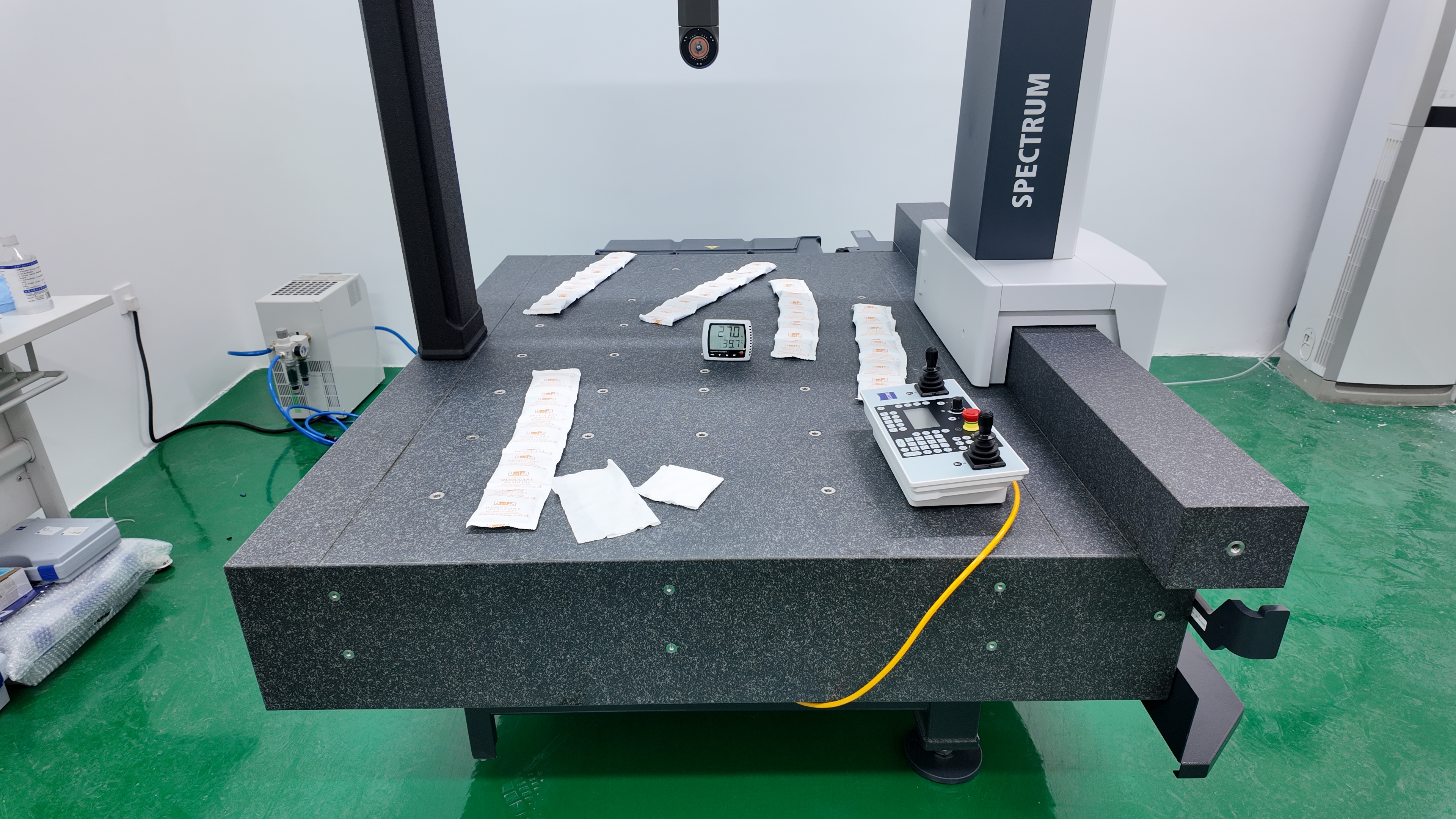
Intensive inspection: Standard parts use calipers and micrometers for verification. Tight-tolerance parts require coordinate measuring machines (CMMs) and detailed documentation, adding 15-25% to part cost according to industry benchmarks.
Higher scrap rates: The narrower the acceptable range, the more parts fall outside specification during production—increasing material waste and rework costs.
For cnc turning services and milling operations alike, the most cost-effective approach applies tight tolerances selectively. Industry experience suggests that 80% of a typical part's dimensions can use standard tolerances while 20% of critical features receive tighter specifications—delivering functional performance without budget-breaking precision requirements.
With tolerance requirements properly understood, the next step involves optimizing your CAD design to ensure these specifications can be manufactured efficiently and cost-effectively.
Design for Manufacturability Best Practices
You've selected your material and specified tolerances—but here's where many projects stumble: uploading a CAD file that looks great on screen but creates manufacturing nightmares in practice. Design for Manufacturability (DFM) bridges this gap, transforming your digital model into cnc machining parts that can be produced efficiently and affordably.
Think of DFM as speaking the same language as the machine shop. When your design aligns with CNC capabilities, you'll see faster quotes, lower costs, and higher-quality custom machined parts. Ignore these principles, and you're likely facing rejected quotes, design revision requests, or parts that don't perform as expected.
Critical Design Features That Affect Machinability
Every feature in your CAD model affects how easily—and affordably—a cnc cut can produce it. Understanding these relationships helps you design smarter from the start:
Wall thickness requirements: Thin walls present one of the most common challenges in CNC milling parts. According to Summit CNC's DFM guidelines, walls thinner than 0.02" (0.5mm) for metals become prone to vibration, deflection, and breakage during machining. The cutting tool's pressure can cause thin sections to flex, resulting in dimensional inaccuracies or outright failure. For plastics, Geomiq recommends a minimum of 0.15mm. When weight reduction matters, aim for the thickest walls your design allows while meeting functional requirements.
Internal corner radii: Here's a geometry reality that surprises many designers: CNC cutting tools are cylindrical, making perfectly sharp internal corners physically impossible to machine. Every internal edge will have a radius equal to at least the cutting tool's radius. Industry best practice recommends designing internal radii 30% larger than the tool radius—for example, a 13mm radius when using a 10mm end mill. This allowance reduces tool stress, increases cutting speed, and extends tool life.
Pocket and cavity depth: Deep pockets require long-reach cutting tools that become increasingly susceptible to deflection and breakage. Summit CNC advises limiting pocket depths to no more than 6x the smallest internal corner radius. For general cavities, Geomiq notes that milling tools work most efficiently at depths up to 3x their diameter. Deeper cavities should maintain a maximum depth of 4x their width to allow adequate chip evacuation and machining clearance.
Hole specifications: Standard hole sizes machine faster and more accurately because they match readily available drill bits. Non-standard diameters require end mills to progressively machine the dimension, increasing time and cost. For threaded holes, limit thread depth to 3x the hole diameter—the first few threads carry most of the load anyway. In blind holes, leave an unthreaded length of at least half the hole diameter at the bottom.
Common Design Mistakes to Avoid
After reviewing thousands of uploaded designs, CNC service platforms identify consistent patterns in problematic submissions. Avoiding these pitfalls saves revision cycles and gets your cnc machine parts into production faster:
- Sharp internal corners: Designing 90° internal edges without radii guarantees a manufacturability flag. Always add radii (minimum 0.0625") to internal corners.
- Overly thin walls: Walls under 0.8mm for metals or 1.5mm for unsupported vertical walls invite vibration and breakage. Maintain a 3:1 width-to-height ratio for freestanding walls.
- Excessive pocket depths: Deep, narrow pockets require specialty tooling that drives up costs. Redesign to reduce depth-to-width ratios when possible.
- Unnecessary complexity: Aesthetic features like decorative patterns or embossments add machining time without functional benefit. Save complexity for features that matter.
- Fillets instead of chamfers: According to DFM best practices, exterior chamfers machine faster than fillets because chamfer mills create them efficiently, while fillets require complex 3D tool paths.
- Over-tolerancing: Specifying tight tolerances on non-critical dimensions adds inspection time and cost. Apply precision only where function demands it.
File Preparation and Upload Requirements
Before uploading to any CNC service online platform, proper file preparation prevents quote rejections and manufacturing confusion:
Eliminate overlapping geometry: PCBWay notes that stacked or overlapping vectors cause the CNC machine to rework the same area repeatedly, weakening material and introducing defects. Fuse all geometry into a single, clean layer before export.
Use supported file formats: STEP (.stp, .step) files remain the universal standard for CNC quoting platforms. IGES files work but may lose some feature data. Native CAD formats (SolidWorks, Fusion 360) sometimes translate poorly. When in doubt, export as STEP.
Include only necessary geometry: Construction lines, reference planes, and hidden bodies create confusion. Export only the final part geometry intended for manufacturing.
Verify watertight models: Open surfaces, non-manifold edges, and gaps between faces cause instant quote rejections. Run your CAD software's geometry check before uploading.
DFM Checklist for CNC Success
Reference this checklist before submitting your next order to ensure your design works with—not against—the capabilities of cnc machining materials and processes:
- Wall thickness ≥ 0.8mm for metals, ≥ 1.5mm for plastics
- Internal corner radii ≥ 0.0625" (ideally 30% larger than tool radius)
- Pocket depth ≤ 6x the smallest corner radius
- Cavity depth ≤ 4x cavity width for deep features
- Standard hole sizes matching available drill bits
- Thread depth ≤ 3x hole diameter
- Chamfers preferred over fillets for exterior edges
- Tolerances applied only to functionally critical dimensions
- File exported as STEP format with clean, watertight geometry
- No overlapping vectors or unnecessary construction geometry
Following these DFM principles doesn't limit your design creativity—it channels it toward solutions that manufacture efficiently. The result? Faster cnc cuts, lower costs, and parts that perform exactly as intended. With your design optimized for manufacturability, understanding the cost factors that influence CNC pricing becomes the next essential step in planning your project budget.
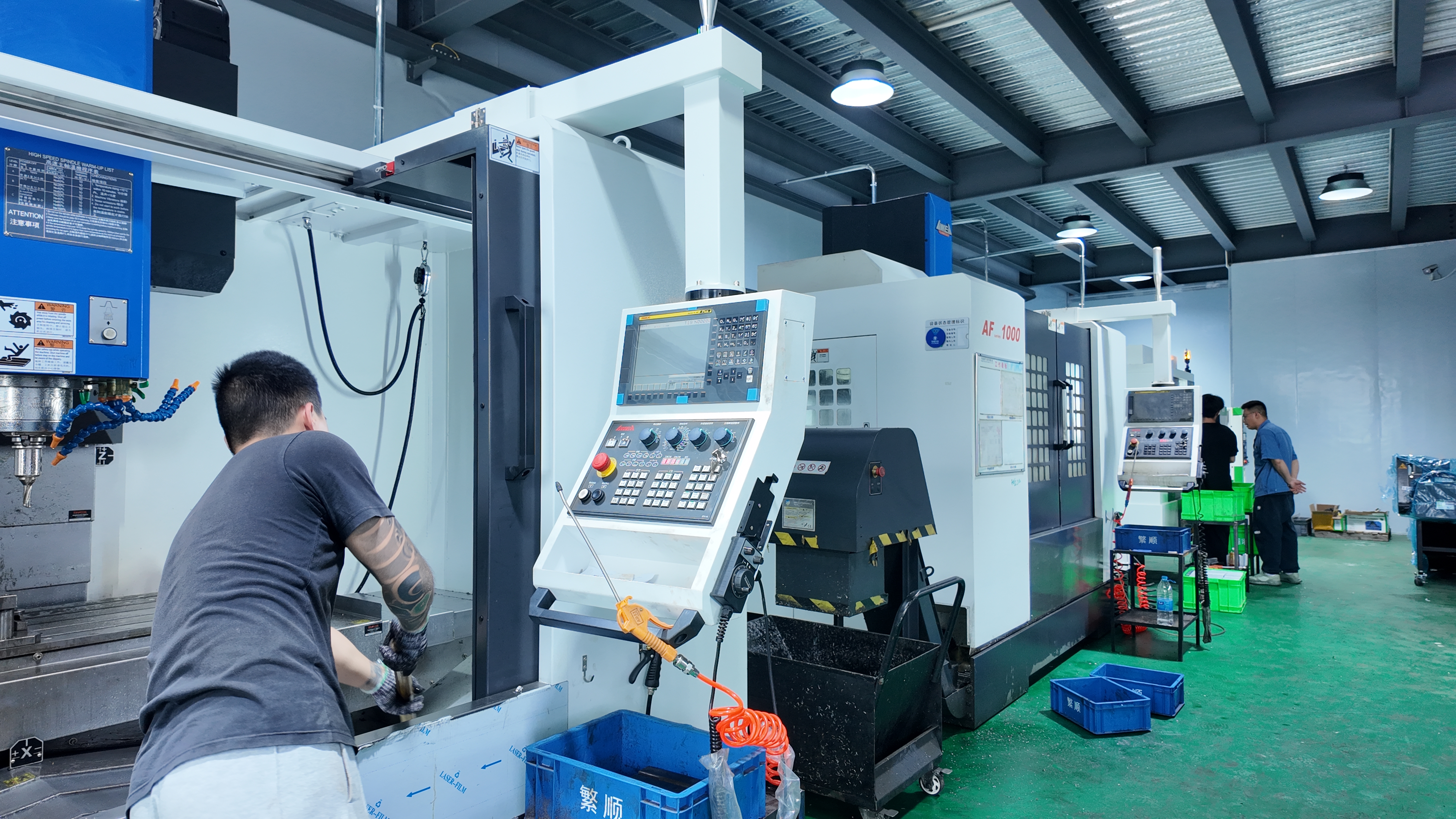
Understanding CNC Machining Costs and Pricing Factors
Ever wondered why two seemingly similar parts can have dramatically different cnc machining price quotes? You're not alone. Pricing in CNC fabrication involves multiple variables that interact in complex ways—and understanding these factors gives you real power to control costs without compromising quality.
Unlike commodity purchases where prices are straightforward, custom machine work involves a layered cost structure that many suppliers keep opaque. Let's pull back the curtain and examine what actually drives your project costs when using a CNC service online platform.
Key Factors That Drive CNC Machining Costs
When online quote systems analyze your uploaded CAD file, they're evaluating multiple cost drivers simultaneously. According to FS Fab's cost analysis, cycle time alone accounts for 40-60% of total machining costs in most job shops. But that's just the beginning of the equation.
Here's how the primary machining factors rank by typical impact on your final quote:
- Machine time (cycle time): This is the biggest driver. Hourly machine rates vary significantly—three-axis machines in the United States typically run $40-45 per hour, while four- and five-axis equipment commands $40-50 per hour. More complex geometries require more cutting time, directly inflating costs.
- Setup complexity: According to Factorem's cost breakdown, setup costs hit especially hard on small cnc machining orders. A part requiring two separate setups on a three-axis machine might incur $40 per setup plus machine switch-on fees—costs that stay fixed whether you're making one part or ten. This explains why single-piece orders often cost six times more per unit than batch orders.
- Material costs: Raw material pricing varies dramatically by type. Common reference points show aluminum at $5-15/kg, stainless steel at $15-25/kg, and titanium at $30-50/kg. But machinist metal cost goes beyond raw price—harder materials cause faster tool wear and require slower cutting speeds, compounding expenses.
- Tolerance requirements: As covered in the previous section, precision specifications multiply costs through extended machining time, specialized equipment needs, and intensive inspection requirements.
- Finishing operations: Post-processing adds measurable expense. According to industry data, surface treatments like anodizing, electroplating, or precision grinding each carry their own cost profiles. Quality inspection—particularly CMM verification and SPC documentation for precision parts—can add 15-25% to part costs.
- Tooling and maintenance: Cutting tools have finite lifespans, and hard alloys accelerate wear. Tooling typically represents 3-6% of project costs, either baked into hourly rates or itemized separately.
How Online Quote Systems Calculate Pricing
When you upload a file to a CNC service online platform, algorithms analyze your model geometry, material selection, quantity, and finishing requirements to generate instant pricing. These systems evaluate part volume, machining complexity, and required operations to estimate production time.
However, automatic quotation has limitations. According to FS Fab's analysis, online estimators struggle with parts requiring specific threads, high-accuracy requirements, or unusual materials. Complex items often require manual engineering review, which extends quote turnaround but improves accuracy.
For primary machining operations, instant quotes work well as preliminary budgeting tools. For precision work or specialized materials, direct manufacturer consultation typically yields more reliable pricing.
How to Optimize Your Budget Without Sacrificing Quality
Smart cost optimization starts before you ever upload a file. According to First Mold's analysis, over 85% of product costs are determined during the design phase—not manufacturing. Here's how to work within that reality:
- Leverage quantity breaks: Industry data shows that increasing batch size from 1 to 5 pieces can reduce per-part costs by over 50%. Setup costs distribute across more units, dramatically improving economics.
- Choose machinable materials wisely: Free-machining aluminum (6061) offers excellent machinability at low blank prices. Reserve expensive or difficult materials like titanium or PEEK for applications that truly require them.
- Simplify geometry: Deep pockets, sharp corners, and thin walls increase machining time. As design guidelines suggest, increasing internal corner radii reduces tool requirements and cutting time.
- Relax non-critical tolerances: Apply precision specifications only where function demands them. Standard tolerances (±0.2mm or looser) work perfectly for most dimensions.
- Evaluate finishing necessity: Premium surface treatments like polishing or plating add cost. For purely functional components, simpler finishes often suffice.
- Consider axially symmetric designs: Parts that can be produced on lathes typically cost less than comparable milled components due to lower hourly machine rates.
Getting Accurate Quotes and Comparing Services Fairly
Comparing quotes across CNC service providers requires understanding what's included—and what isn't. Material volatility means quotes may be valid for shorter periods than expected. According to industry observations, hesitation can literally cost you as material prices fluctuate.
When evaluating quotes, verify these elements are consistently defined:
- Material grade and source (supplier-provided vs. customer-furnished)
- Tolerance specifications and inspection requirements
- Surface finish standards and any secondary operations
- Shipping, packaging, and overhead inclusions
- Quote validity period
One effective strategy for navigating material-related cost challenges: consider providing stock material yourself. This removes supplier liability for unused material and often improves order acceptance rates—particularly for custom alloys or specialized grades.
With cost factors clearly understood, the next consideration involves matching your project requirements to industry-specific certifications and quality standards—particularly critical for aerospace, medical, and automotive applications.
Industry Applications and Certification Requirements
When your machined parts end up in aircraft engines, surgical instruments, or vehicle braking systems, the stakes change dramatically. A dimensional error that's merely inconvenient in consumer electronics becomes potentially catastrophic in these regulated industries. That's why aerospace cnc machining, medical machining, and automotive manufacturing each demand specific certifications that verify a supplier's capability to produce life-critical components consistently.
Understanding these certification requirements isn't just academic—it directly affects which precision machining companies can quote your project and what documentation you'll receive with finished parts. Let's break down what each major certification means and when you need to specify it.
Aerospace and Defense Machining Requirements
Aerospace applications represent the most demanding tier of precision cnc machining services. When components must perform flawlessly at 40,000 feet or in defense systems, quality management goes far beyond basic manufacturing standards.
AS9100 Certification: This is the foundational aerospace quality system, building on ISO 9001 while adding requirements specific to aviation and defense. According to aerospace certification guidelines, AS9100 addresses traceability, risk management, and documentation standards that major OEMs require. Third-party registrars conduct regular audits to verify compliance, and thorough record-keeping ensures complete lot traceability throughout production.
ITAR Compliance: For defense-related components, International Traffic in Arms Regulations (ITAR) govern access to sensitive data and manufacturing information. This certification requires registration with the Directorate of Defense Trade Controls and strict protocols for controlling access to defense articles. Shops handling military applications must maintain physical and digital security measures including firewalls, encryption, and restricted facility access.
NADCAP Accreditation: When your parts require special processes like heat treating, non-destructive testing, or surface treatments, NADCAP certification becomes essential. This accreditation ensures aerospace-level standards for complex operations that directly affect material properties and part performance. OEMs often mandate NADCAP for suppliers handling critical processes in their supply chain.
For aerospace projects involving specialty alloys, kovar machining services and stainless steel machining require particular expertise. These materials demand precise temperature control during cutting and specialized tooling to maintain dimensional stability—capabilities that AS9100-certified shops demonstrate through their quality systems.
- AS9100: Core aerospace quality management—required by Boeing, Airbus, and major defense contractors
- ITAR: Defense article control—mandatory for military and dual-use components
- NADCAP: Special process accreditation—essential for heat treatment, NDT, and coatings
- Customer-specific approvals: OEM programs like Boeing's D1-4426 for direct supplier qualification
Medical Device and Automotive Standards
ISO 13485 for Medical Machining: Medical device manufacturing operates under its own rigorous quality framework. According to ISO 13485 guidelines, this certification defines QMS requirements specifically for organizations designing and manufacturing medical devices. Unlike general quality standards, ISO 13485 emphasizes risk-based approaches throughout product realization—from customer requirements through design, production, and post-market surveillance.
The 2016 update to this standard formally introduced risk-based QMS concepts that had previously been interpreted inconsistently across the industry. For precision machining service providers, this means documented procedures for traceability, validated manufacturing processes, and comprehensive design controls when producing custom medical components.
Medical machining compliance extends beyond the machine shop. Suppliers must maintain quality agreements defining roles and responsibilities, document all process validations, and provide objective evidence that products meet defined specifications. For implantable devices or Class III products, these requirements intensify significantly.
IATF 16949 for Automotive: Automotive manufacturing follows the IATF 16949 standard, developed by the International Automotive Task Force representing major global OEMs. This certification builds on ISO 9001 while adding automotive-specific requirements for defect prevention, variation reduction, and waste elimination across the supply chain.
According to IATF Global Oversight, major automakers including BMW, Ford, General Motors, Mercedes-Benz, Stellantis, and Volkswagen each publish customer-specific requirements that supplement the base IATF 16949 standard. These requirements address unique OEM expectations for part approval processes, quality documentation, and supplier communication protocols.
For 5 axis cnc machining services producing complex automotive components—chassis assemblies, powertrain housings, or safety-critical brake components—IATF 16949 certification demonstrates the statistical process control and production consistency that automakers demand.
- ISO 13485: Medical device quality management—required for FDA-regulated and CE-marked products
- ISO 9001: Foundation quality system—baseline certification supporting industry-specific standards
- IATF 16949: Automotive quality management—mandatory for Tier 1 and Tier 2 automotive suppliers
- Customer-specific requirements: OEM supplements addressing unique automaker expectations
Why Industry-Specific Experience Matters
Certifications verify systems and processes exist—but they don't guarantee expertise with your particular application. A shop might hold AS9100 certification while having limited experience with the specific alloys or tolerances your aerospace component requires.
When evaluating suppliers for critical applications, look beyond certificates to actual production experience:
- Material expertise: Has the shop regularly machined your specified alloy? Titanium, Inconel, and medical-grade stainless steel each present unique challenges.
- Tolerance capability: Can they demonstrate consistent achievement of your required precision on similar geometries?
- Documentation systems: Do their quality records match your traceability and reporting requirements?
- Industry relationships: Current OEM approvals indicate ongoing compliance and proven performance.
For regulated industries, the cost of supplier failure extends far beyond scrapped parts. Recalls, regulatory actions, and liability exposure make thorough supplier qualification essential. The certification framework provides a starting point—but verifying relevant experience ensures your precision cnc machining services partner can actually deliver compliant components.
With certification requirements clarified, comparing CNC machining against alternative manufacturing methods helps determine when online CNC services represent the optimal choice for your specific application.
CNC Machining vs Alternative Manufacturing Methods
So you have a part design ready to go—but is CNC machining actually the right choice? Before uploading to a CNC service online platform, it's worth stepping back to consider the alternatives. 3D printing, injection molding, and casting each offer distinct advantages for specific scenarios, and choosing the wrong process can cost you time, money, or both.
The honest truth? No single manufacturing method wins in every situation. Understanding where CNC excels—and where alternatives make more sense—helps you make decisions based on your actual project requirements rather than assumptions.
When CNC Outperforms Additive Manufacturing
3D printing has captured enormous attention, but it's not always the better choice for your project. According to Ultimaker's manufacturing comparison, CNC machining maintains significant advantages in several critical areas.
Material properties and strength: CNC machined parts retain the full mechanical properties of the source material. When you machine aluminum, you get aluminum's proven strength characteristics. 3D printed parts, however, often exhibit anisotropic properties—meaning they're weaker in certain directions due to layer-by-layer construction. For structural components or anything experiencing significant stress, this difference matters.
Precision and surface finish: CNC machining achieves tolerances as tight as ±0.025mm with surface roughness values around 0.8 μm straight off the machine. Most 3D printing technologies deliver tolerances between ±0.1mm and ±0.5mm with visible layer lines requiring post-processing to smooth. When your cnc prototype demands tight fits or smooth mating surfaces, subtractive manufacturing typically delivers superior results.
Material options: CNC works with over 500 different materials—metals, engineering plastics, composites, and exotic alloys. 3D printing material options, while expanding, remain more limited. Need a titanium bracket or machined PEEK component? CNC handles these readily. Rapid cnc prototyping also allows you to test parts in production-intent materials rather than 3D printing proxies that behave differently.
However, 3D printing wins decisively for complex internal geometries, organic shapes, and lattice structures that would be impossible to machine. If your design features internal cooling channels or weight-reducing honeycomb structures, additive manufacturing opens possibilities CNC simply cannot match.
Choosing Between CNC and Injection Molding
The CNC versus injection molding decision usually comes down to one critical factor: realistic volume projections. According to manufacturing industry analysis, getting this calculation wrong causes more project failures than almost any other factor.
Volume economics: Injection molding requires expensive upfront tooling—molds can cost thousands to tens of thousands of dollars and take 4-12 weeks to produce. Once that tooling exists, per-part costs drop dramatically. CNC prototype machining, conversely, requires minimal setup but maintains consistent per-part costs regardless of quantity. The break-even point typically falls between 1,000-2,500 units, depending on part complexity.
Design flexibility: CNC accommodates design changes through simple software updates—quick and relatively inexpensive. Modifying injection molds requires costly tooling changes that take weeks and cost thousands. Products still evolving through development almost always favor CNC's flexibility. Prototype machining services shine during iterative design phases when specifications aren't yet locked.
Precision capabilities: CNC machined parts consistently achieve ±0.005mm tolerances. According to ASME manufacturing data, CNC maintains specifications 95% of the time across thousands of production runs. Injection molding typically achieves ±0.1mm—adequate for many applications but limiting when precision matters most.
Material range: CNC machines handle over 500 different materials including all metals. Plastic injection molding works with roughly 200 plastic formulations but cannot touch metals. When your application requires aluminum, steel, or specialty alloys, the decision makes itself.
For cnc prototyping during product development, CNC nearly always makes sense. The speed advantage is substantial—parts ship days after CAD files arrive versus months waiting for mold fabrication. Only when volumes genuinely exceed several thousand units and designs are fully frozen does injection molding's economics become compelling.
Manufacturing Method Comparison
| Manufacturing Method | Best Volume Range | Material Options | Typical Lead Time | Precision Capability |
|---|---|---|---|---|
| CNC Machining | 1-10,000 parts | 500+ (metals, plastics, composites) | Days to 2 weeks | ±0.025mm achievable |
| 3D Printing (FDM/SLA) | 1-100 parts | 50-100 (primarily plastics, some metals) | Hours to days | ±0.1mm to ±0.5mm typical |
| Injection Molding | 1,000-1,000,000+ parts | 200+ (thermoplastics only) | 4-12 weeks (tooling) + days (production) | ±0.1mm standard |
| Die Casting | 5,000-500,000+ parts | Limited (aluminum, zinc, magnesium alloys) | 8-16 weeks (tooling) + days (production) | ±0.1mm to ±0.3mm typical |
| Investment Casting | 100-10,000 parts | Wide range of metals | 4-8 weeks | ±0.1mm achievable |
When Each Method Makes Sense
Matching process to project requires honest assessment of your actual requirements—not aspirational ones:
Choose CNC machining when:
- You need production-quality metal parts in quantities under 10,000
- Tight tolerances (±0.05mm or better) are functionally required
- Design changes remain possible or likely
- Lead time matters more than per-unit cost optimization
- Material strength and consistency are critical
- Carbon fiber prototyping or exotic material testing is needed
Consider 3D printing when:
- Part geometry includes complex internal features or lattice structures
- You need rapid form-and-fit prototypes (not strength-critical)
- Quantities are very low (1-10 pieces)
- Design iteration speed outweighs material property requirements
Invest in injection molding when:
- Volume projections genuinely exceed 2,500+ units
- Design is completely frozen with no anticipated changes
- Per-unit cost optimization justifies tooling investment
- Thermoplastic materials meet your application requirements
The most successful projects often combine methods strategically. Cnc prototype machining validates designs rapidly, 3D printing tests ergonomics and aesthetics, and injection molding handles volume production once specifications are locked. Understanding each process's strengths helps you deploy the right tool at the right stage.
With manufacturing method selection clarified, the final consideration involves choosing the right online CNC service provider—evaluating capabilities, certifications, and scalability to match your project needs.
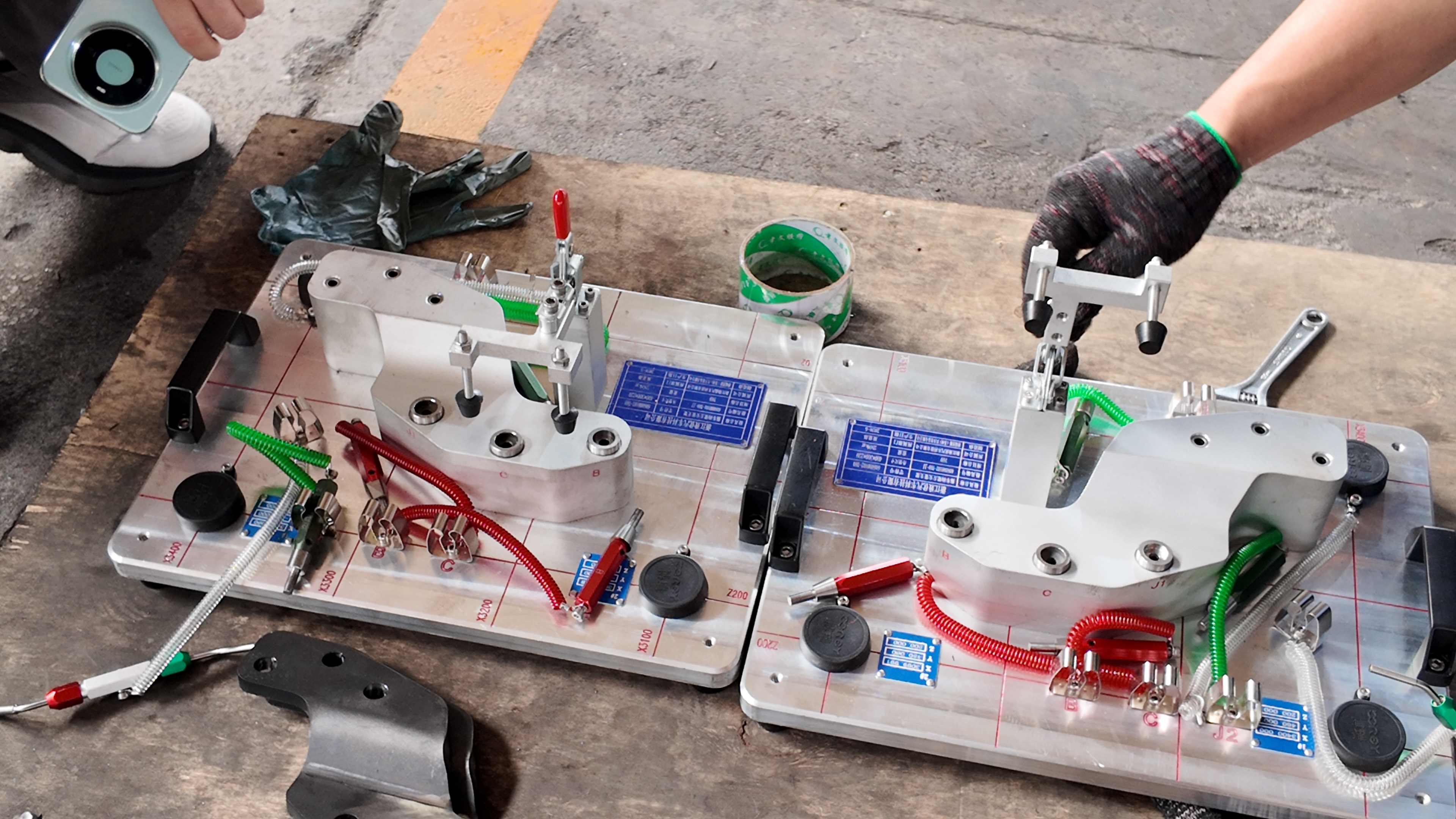
Selecting the Right Online CNC Service Provider
You've optimized your design, selected materials, specified tolerances, and confirmed CNC machining fits your project—now comes the decision that determines whether all that preparation pays off. Choosing the right CNC machining shop isn't just about finding the lowest quote. It's about identifying a partner whose capabilities, quality systems, and communication practices align with your actual project requirements.
With hundreds of online cnc machining services competing for your business, how do you separate genuinely capable providers from those who simply have good marketing? The answer lies in systematic evaluation across criteria that actually predict manufacturing success.
Essential Criteria for Evaluating CNC Service Providers
Not all custom cnc machining services deliver equal results. According to 3ERP's comprehensive evaluation guide, a CNC machining service is only as effective as the tools at its disposal—but equipment represents just the starting point. Here's what truly separates reliable partners from risky choices:
Quality certifications and systems: Certifications provide objective verification that a provider maintains consistent processes. ISO 9001 establishes baseline quality management, while industry-specific certifications like IATF 16949 (automotive), AS9100 (aerospace), or ISO 13485 (medical) demonstrate specialized compliance capabilities. Beyond certificates, ask about their quality control measures—do they inspect during production, at final acceptance, or both? According to CNC24's quality assurance analysis, companies with double-testing procedures achieve complaint rates as low as 0.11%—well below industry averages.
Material capabilities and sourcing: Each project requires specific materials, and not all providers stock or can source what you need. Delays in material procurement directly extend lead times and increase costs. Verify they can readily obtain your specified alloys or engineering plastics before committing.
Lead time reliability: Quoted lead times mean nothing if they're consistently missed. Ask about their track record and policies for expedited orders. According to industry observations, time is money in CNC machining—extended delays cause project stalls, financial losses, and missed market windows. Reliable precision machining service providers offer realistic timelines they consistently meet.
Communication responsiveness: Can they promptly address your queries, provide progress updates, and quickly rectify issues? Look for transparent communication channels and dedicated points of contact. Poor communication during production often signals deeper organizational problems.
Technical capabilities: Beyond operating machines, evaluate their ability to understand complex designs, use CAD/CAM software proficiently, and offer Design for Manufacturability feedback. Skilled technical teams catch potential issues before production begins—saving revision cycles and costs.
Provider Evaluation Checklist
Reference this checklist when comparing cnc machining services near me or evaluating global online platforms:
- Certifications: Verify ISO 9001 baseline plus industry-specific standards relevant to your application (IATF 16949, AS9100, ISO 13485)
- Quality control: Confirm inspection procedures, measurement equipment capabilities, and documentation practices
- Material availability: Validate they stock or can quickly source your required materials
- Equipment range: Assess whether their machinery matches your part complexity (3-axis, 5-axis, turning, EDM)
- Lead time track record: Request references or case studies demonstrating on-time delivery performance
- Communication protocols: Evaluate responsiveness during the quoting process as a predictor of production communication
- Technical expertise: Assess their ability to provide meaningful DFM feedback on your designs
- Scalability: Confirm they can handle both prototype quantities and production volumes
- Data security: Verify protocols protecting your intellectual property and design files
- After-sales support: Understand their policies for addressing post-delivery issues or assembly assistance
Scaling from Prototype to Production Volumes
One of the most overlooked evaluation criteria involves scalability. Many providers excel at cnc machining prototyping but struggle when volumes increase. According to Ecoreprap's scalability analysis, transitioning from a single functional prototype to large-batch production requires systematic planning and technical coordination—capabilities not every shop possesses.
The journey from prototype to production involves distinct phases:
- Design validation: Initial prototypes verify form, fit, and function
- Process optimization: Toolpaths, fixtures, and parameters are refined for efficiency
- Pilot runs: Small batches verify process stability before full commitment
- Production ramp-up: Volume manufacturing with statistical process control ensures consistency
According to manufacturing case studies, experienced CNC partners enable scalability by standardizing workflows, implementing automation where appropriate, and using digital tools to maintain efficiency and quality across production stages. One Shenzhen-based electronics manufacturer successfully scaled a prototype to mass production in just eight weeks through strategic collaboration with a qualified CNC supplier.
For automotive applications specifically, scalability requirements intensify. Shaoyi Metal Technology exemplifies this capability, offering IATF 16949 certification combined with Statistical Process Control (SPC) that ensures consistency from first article through high-volume production. Their facility delivers cnc turning parts and complex components with lead times as fast as one working day—critical when automotive development timelines leave no margin for delay. Whether you need complex chassis assemblies or precision custom metal bushings, their integrated approach demonstrates how qualified suppliers bridge the prototype-to-production gap.
Matching Provider Capabilities to Your Project Needs
The size of a CNC machining business can indicate its capacity—but bigger isn't always better. According to industry analysis, larger businesses might have more resources, but smaller ones often offer more personalized service. The key is matching provider scale to your actual requirements.
Consider these alignment questions:
- Volume fit: Is your project a priority for them, or will it get lost among larger orders?
- Specialization: Do they have documented experience with your industry and material requirements?
- Growth potential: Can they scale with your business as volumes increase?
- Geographic considerations: Do shipping costs and lead times from their location work for your supply chain?
Choosing a local CNC machining service can offer quicker lead times and lower shipping costs. However, if an overseas provider offers better expertise, certifications, and pricing, the additional logistics may be worthwhile—particularly for specialized applications where capability trumps proximity.
Building Long-Term Manufacturing Partnerships
The most successful CNC relationships extend beyond transactional ordering. According to partnership analysis, manufacturers who collaborate with professional CNC teams benefit from strategic process management, technical reliability, and operational transparency—key advantages in competitive industries.
A good partnership with a CNC service provider isn't just about meeting current needs. It's about their ability to meet your company's future demands, scale with your growth, and continually improve their service. Look for providers who demonstrate continuous improvement practices—regularly analyzing and optimizing processes to deliver better results over time.
When you find an online cnc machining services provider that combines technical capability, quality systems, communication excellence, and scalability, you've found more than a vendor. You've found a manufacturing partner positioned to support your success from first prototype through production volumes—exactly what effective CNC service online platforms should deliver.
Frequently Asked Questions About CNC Service Online
1. How does online CNC machining service work?
Online CNC machining services connect your CAD files to certified machine shops through web-based platforms. You upload your 3D design file (typically STEP format), specify material, tolerances, and quantity requirements, then receive an instant AI-generated quote. Once approved, your order is assigned to a qualified manufacturing partner who produces your parts under strict quality control. The entire process—from upload to delivery—can take as little as a few days, eliminating traditional barriers of geography and lengthy quote negotiations.
2. What file formats are accepted for CNC machining quotes?
Most CNC service online platforms accept standard CAD formats including STEP (.stp, .step), IGES, and STL files. STEP files remain the universal standard for quoting because they preserve complete feature data during translation. Before uploading, ensure your model has watertight geometry with no overlapping vectors, open surfaces, or non-manifold edges. Export only final part geometry without construction lines or reference planes to avoid quote rejections or manufacturing confusion.
3. What is the difference between CNC milling and CNC turning?
CNC milling uses rotating cutting tools that move across a stationary workpiece to create features like flat surfaces, slots, pockets, and complex 3D contours. It works for diverse geometries and offers 3-axis through 5-axis capabilities. CNC turning rotates the workpiece while a fixed cutting tool shapes it, making it ideal for parts with rotational symmetry such as shafts, pins, and bushings. Milling handles complex multi-directional geometries while turning excels at producing smooth, concentric cylindrical surfaces efficiently.
4. How much does custom CNC machining cost?
CNC machining costs depend on multiple factors including machine time (40-60% of total cost), setup complexity, material selection, tolerance requirements, and finishing operations. Three-axis machines typically run $40-45 per hour while five-axis equipment costs $40-50 per hour. Single-piece orders can cost six times more per unit than batch orders due to fixed setup costs. To optimize costs, choose machinable materials like aluminum 6061, simplify geometry, relax non-critical tolerances, and order in larger quantities when possible.
5. What certifications should I look for in a CNC machining provider?
The required certifications depend on your industry. ISO 9001 establishes baseline quality management for general applications. Automotive projects require IATF 16949 certification, which ensures statistical process control and production consistency—providers like Shaoyi Metal Technology offer this with lead times as fast as one working day. Aerospace applications need AS9100 and potentially NADCAP accreditation. Medical device manufacturing demands ISO 13485 compliance. Beyond certifications, verify the provider has documented experience with your specific materials and tolerance requirements.