 Small batches, high standards. Our rapid prototyping service makes validation faster and easier —
  EN
EN


Hvilke metaller udgør bronze? Afkod legeringen, før du specificerer den
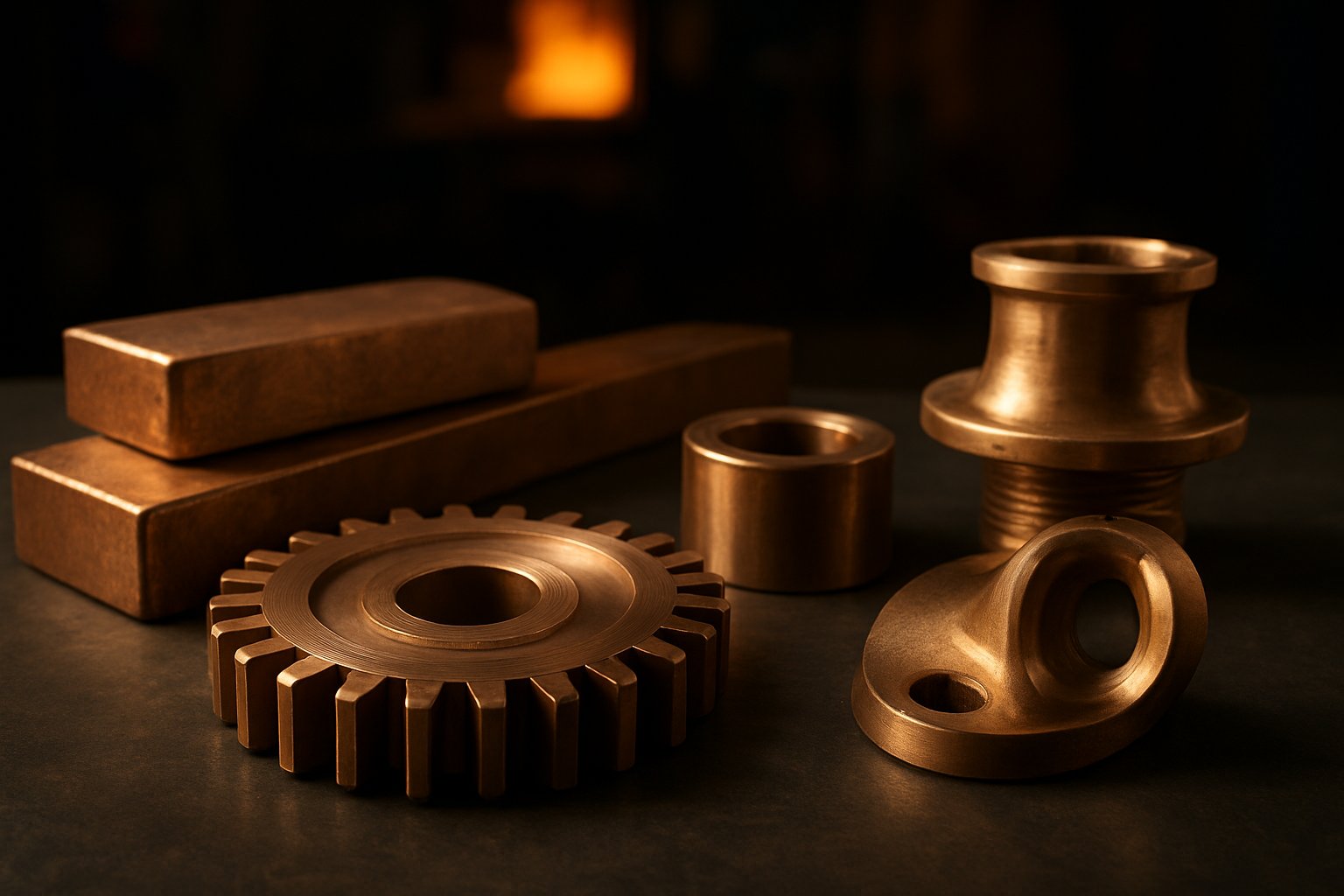
Hvilke metaller indgår i bronze?
Bronze fremstilles primært af kobber og tin. Det er det traditionelle svar. I moderne fremstilling henviser begrebet bronze ofte til en familie af kobberbaserede legeringer, som også kan indeholde aluminium, silicium, fosfor, nikkel, mangan, jern eller bly, afhængigt af kvaliteten og den påtænkte anvendelse.
Bronze er en familie af kobberbaserede legeringer, traditionelt kobber plus tin, med andre metaller tilsat i mange moderne kvaliteter.
Bronze starter med kobber og tin
Hvis du nogensinde har spurgt, hvad bronze består af, er det korte svar kobber og tin. Så hvad består bronze af i de simpleste termer? En kobberbase med tilsat tin for at forbedre hårdhed, styrke og anvendelighed i forhold til rent kobber. Materialehenvisninger fra AZoM og Xometry præsenterer begge bronze med denne traditionelle kobber-tin-grundlag.
Hvorfor bronze ikke har én enkelt formel
I almindeligt sprog: Hvad er bronze? Det er en legering, ikke én fast opskrift. Folk stiller også spørgsmålet hvilke metaller indgår i bronze? , og det praktiske svar er kobber først, derefter andre elementer valgt ud fra ydeevnen. Nogle kvaliteter tilføjer aluminium for styrke og korrosionsbestandighed, silicium for god støbeegenskab, fosfor for fjeder- og slidbestandighed eller bly for bearbejdningsvenlighed og brug i glidlagere. Så hvis dit reelle spørgsmål er, hvad bronze består af i dag, er det ærlige svar, at det afhænger af den pågældende bronze-familie.
Sådan bruger du denne guide til at forstå bronze
Denne guide er nemmere at bruge, hvis du husker følgende punkter:
- Start med grundmetallet. Bronze er altid kobberbaseret.
- Søg efter det primære legeringselement, især tin i traditionelle kvaliteter.
- Brug legeringsfamilien – ikke alene farven – til at vurdere, hvad du har foran dig.
- Sammenlign bronze med messing og rent kobber, inden du vælger et materiale.
- Tilpas legeringsfamilien til anvendelsen, f.eks. lagere, fjedre, marinekomponenter eller støbninger.
Det giver dig det centrale svar på, hvilke metaller der udgør bronze. Den reelle forvirring begynder normalt, når bronze står side om side med messing og kobber under lignende navne og farver.
Bronze versus Messing versus Kobber
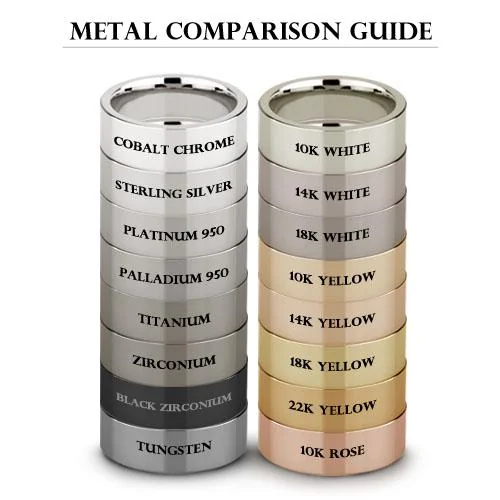
Når røde metaller, der ligner hinanden, står side om side, er det let at vælge forkert. For en hurtig sammenligning mellem messing og bronze skal du for et øjeblik ignorere farven og i stedet starte med sammensætningen: bronze er en kobberbaseret legeringsfamilie, messing består hovedsageligt af kobber og zink , og kobber er det grundlæggende grundmetal. Denne grundlæggende opdeling er konsekvent hos både MetalTek og Tameson.
Hvordan bronze adskiller sig fra messing
Den største forskel mellem messing og bronze er det primære legeringselement. Messing får sin karakter fra zink. Bronze får sin karakter fra tin i den traditionelle forstand eller fra andre tilsætninger såsom aluminium, silicium, mangan, fosfor eller bly i moderne kvaliteter. I praktiske termer er forskellen mellem bronze og messing ikke kun et navngivningsproblem. Den kan påvirke styrketendenser, slidadfærd, korrosionsbestandighed samt de anvendelsesområder, hvor legeringen er hensigtsmæssig at bruge.
Hvordan bronze adskiller sig fra ren kobber
I en sammenligning mellem kobber og bronze er kobber det enklere materiale. Det er et grundstofmetal, der værdesættes for sin fremragende elektriske og termiske ledningsevne, duktilitet og korrosionsbestandighed. Bronze udgangspunktet er kobber, men bytter noget af denne rene metals enkelhed ind for mere specialiseret ydeevne. Derfor handler valget mellem bronze og kobber ofte om funktion: kobber til ledninger og ledere, bronze til bushinger, lejer, gear og mange marine- eller sliddele.
En side-ved-side-sammenligning af bronze, messing og kobber
| Materiale | Typisk sammensætning | Typisk farve | Korrosionsadfærd | Hårdhedstendens | Almindelige anvendelser |
|---|---|---|---|---|---|
| Kopper | Elementært metal, typisk næsten rent kobber | Rødbrun til laksrød | Meget god korrosionsbestandighed, udvikler patina | Generelt det blødeste og mest duktile af de tre | El-installationer, vandrør, ledende dele |
| Messing | Primært kobber samt zink | Lys gylden-gul til rødlig gul | God i mange almindelige miljøer | Typisk hårdere end ren kobber, med god bearbejdnings- og drejbarhed i mange kvaliteter | Beslag, låse, hængsler, musikinstrumenter, drejede dele |
| Bronze | Kobber plus tin traditionelt, eller kobber med tilføjelser af tin, aluminium, silicium, mangan, fosfor, bly eller lignende | Matt gylden, gammel gylden eller brunlig gylden | God til fremragende, hvor mange kvaliteter er velegnede til marin anvendelse og slidanvendelse | Ofte hårdere og mere slidstærk end kobber og mange messinger, men kvaliteten er afgørende | Lager, bukse, gear, pumpe- og ventildele, marine komponenter |
En hurtig farvekontrol af kobber versus bronze kan være til hjælp, men kun som første anvisning. Tameson beskriver kobber som rødbrunt, messing som klart og gyldenlignende og bronze som matt gyldenlignende. Alligevel kan kommerciel benævnelse føre vildt. Copper.org angiver C22000 "commercial bronze" som 90 % kobber og 10 % zink, hvilket viser, hvorfor legeringsfamilien betyder mere end udseendet alene.
- Myte: Messing og bronze er udskiftelige. Faktum: De er forskellige kobberlegeringsfamilier med forskellige primære tilsætninger og typiske anvendelsesområder.
- Myte: Farven alene beviser sammensætningen. Faktum: Kobber, bronze og messing kan have overlappende farver på grund af overfladebehandling, patina og handelsnavne.
- Myte: Forskellen mellem bronze, messing og kobber er udelukkende en kosmetisk valgmulighed. Faktum: Sammensætningen påvirker ledningsevne, slidstyrke, styrke og korrosionsadfærd.
Det er den nyttige måde at sortere disse materialer i praksis: identificér først legeringsfamilien, og undersøg derefter, hvilke ekstra metaller der er tilsat kobberet. Det er netop disse tilsætninger, der gør bronze specifik.
Bronzes sammensætning og hvad hvert metal gør
Bronzes sammensætning starter med kobber. Det er grundlaget. Herfra ændrer hvert tilføjet element de opgaver, materialet kan udføre. Hvis du undrer dig over hvilke metaller der indgår i bronze det praktiske svar er kobber først og derefter specifikke legeringsmetaller, der vælges for deres slidstyrke, korrosionsbestandighed, styrke, fjederkarakteristika, støbeegenskaber eller bearbejdningsvenlighed. Legeringsbeskrivelserne fra Xometry, MetalTek og Spex peger alle på samme idé: bronze er en legering af kobber med andre elementer tilsat for at justere ydeevnen.
Hvad tin tilføjer bronze
Tin er den klassiske tilsætning, hvilket også er grunden til, at traditionelle svar på spørgsmålet om, hvilke metaller bronze består af, starter med kobber og tin. Generelt set forbedrer tin bronzeens korrosionsbestandighed, giver nyttig styrke og gode støbeegenskaber. MetalTek bemærker, at tinbronze kan indeholde op til ca. 12 % tin og ofte anvendes til gear, lejer og støbte dele. Hvis dit søgningsspørgsmål virkelig er «af hvilke metaller består bronze?», så starter det historiske svar stadig her.
Hvordan aluminium, silicium og fosfor ændrer bronze
Moderne bronzelegeringer bliver hurtigt mere specialiserede. Aluminium tilføjes, når der kræves højere styrke, slidstærkhed og fremragende marineegenskaber, hvilket er grunden til, at aluminiumbronze anvendes til propeller, ventiler og tunge komponenter.
Ikke alle kvaliteter indeholder alle elementer. En bronzelegering er udformet ud fra den egenskab, som konstruktøren har størst brug for.
| Tilsat metal | Generel virkning i bronze | Almindelig bronzefamilie |
|---|---|---|
| Tin | Forbedrer styrke, korrosionsbestandighed og støbbarhed | Blomster |
| Aluminium | Øger styrke, slidstærkhed og modstandsdygtighed mod saltvandskorrosion | Aluminiumbronze, nikkelaluminiumbronze |
| Silicium | Støtter korrosionsbestandighed, glat overflade og svejseegenskaber | Silkebrønze |
| Fosfor | Forøger stivhed, slidstyrke, udmattelseslevetid og fjederadfærd | Fossilbrons |
| Andre varer | Forbedrer styrke og korrosionsbestandighed, især i marin service | Nikkelaluminiumbronze, kobber-nikkelbronze |
| Mangan | Bidrager til fremstilling af meget høj styrke og slidstyrke | Manganbronze |
| Jern | Tilføjes ofte sammen med aluminium eller silicium for at forstærke legeringssystemet | Aluminiumbronze, siliciumbronze |
| Føre | Forbedrer bearbejdningsmuligheder, smøreegenskaber og lejeadfærd | Lejebronze, blyholdig fosforbronze |
Hvorfor nikkel, mangan, jern og bly optræder i nogle bronzer
Søgninger som f.eks. "hvad er metallerne i bronze" lyder normalt enkle, men svaret afhænger af anvendelsen. Nikkel hjælper ved korrosiv service. Mangan øger styrke og holdbarhed for tunge gear, beslag og konstruktionsdele. Jern understøtter ofte styrken i legeringer med aluminium og silicium. Bly har en helt anden funktion: det gør bestemte bronzer nemmere at bearbejde og mere velegnede til bushings og lejer. Derfor er sammensætningen alene ikke tilstrækkelig. Den egentlige genvej er at lære de familienavne, som købere og ingeniører faktisk bruger, fordi disse navne grupperer disse egenskabsvalg i en mere anvendelig kategori.
Vigtige bronze-familier
Familienavne udfører det reelle arbejde, når du prøver at identificere bronze. Ordet selv er bredt. En blomster opfører sig ikke som silkebrønze , og ingen af dem matcher manganbronze i styrke eller sammensætning. Derfor sorterer ingeniører, indkøbere og drejere normalt disse legeringer først efter familie og derefter efter kvalitet. Læsning baseret på familie passer også godt til de legeringsopdelinger, som Xometry, MetalTek og AZoM .
Traditionel tinbronze
Hvis du ønsker den tætteste match til den klassiske definition af bronze, så start her. Tinbronze er den traditionelle kobber-og-tin-familie. MetalTek bemærker, at tinbronze kan indeholde op til ca. 12 procent tin, hvilket hjælper med at forklare dens længevarende anvendelse i gear, lejer og støbte dele. Det er også en nyttig påmindelse om, at det gamle svar – kobber plus tin – stadig er meget relevant, selvom moderne bronzefamilier er udvidet langt ud over denne smalle opskrift.
Moderne bronzefamilier, du vil se i industrien
| Bronzefamilie | Base-metal-kombination | Definerende legeringselementer | Bredde af egenskabsforskelle | Almindelige anvendelseskategorier |
|---|---|---|---|---|
| Blomster | Kobber plus tin | Tin er den primære tilsætning | God støbeegenskab, korrosionsbestandighed og lejeprestation | Gear, lejer, bushings, pumpegehuse, komplicerede støbninger |
| Fossilbrons | Kobber plus tin plus lille mængde fosfor | Fosfor sammen med tin | God udmattelsesbestandighed, fjederlignende egenskaber, slidstyrke og lav friktion | Fjedre, elektriske kontakter, bushings, marine beslag |
| Aluminiumbronz | Kobber plus aluminium, ofte med jern | Aluminium er den primære tilsætning | Høj styrke, slidbestandighed og fremragende korrosionsbestandighed i marin miljø | Propeller, ventiler, gear, lejer, konstruktionsdele |
| Silkebrønze | Kobber plus silicium, ofte med små mængder jern eller mangan | Silicium er den primære legeringsbestanddel | Stærk korrosionsbestandighed, glat overflade og god bearbejdningsværdi | Marine hardware, arkitektoniske dele, rør, svejsetilstandsapplikationer |
| Manganbronze | Kobber med betydelig zink samt mangan, aluminium og jern | Mangan i et højstyrke kobberlegeringssystem | Meget høj styrke og slidstyrke, anvendelig i krævende drift | Befæstningselementer, gear, propeller, ventilstænger, lejer til tunge belastninger |
| Nikkelbronze | Kobber plus nikkel, eller kobber plus nikkel og aluminium i nogle variationer | Nikkel, undertiden kombineret med aluminium og jern | Stærk korrosionsbestandighed, god holdbarhed og god ydeevne i marin miljø | Pumper, ventiler, propelblad, bushinger, hydrauliske komponenter og komponenter til brug i saltvand |
Den præcise kemiske sammensætning varierer afhængigt af kvaliteten. For eksempel ligger mange aluminiumbronselegeringer hos Xometry omkring 9–14 procent aluminium, mens dets nikkelaluminiumbronseeksempler indeholder nikkel og jern for øget styrke.
Hvordan kommercielle navne kan udvide betydningen af 'bronze'
Her bliver mærkning kompliceret. Aluminiumbronz , undertiden skrevet aluminiumsbrons , kan indeholde meget lidt eller slet ingen tin. Manganbronze er et andet stærkt eksempel på handelsnavne, der går ud over den traditionelle kobber-tin-idé, fordi zink kan udgøre en væsentlig del af sammensætningen. Samme problem opstår også med nikkelbronze . En leverandør kan med det mene kobber-nikkelbronze, mens en anden kan mene nikkel-aluminiumbronze. Du kan endda se ordene brugt omvendt i uformel sammenhæng som bronze-nikkel . Denne betegnelse alene er ikke tilstrækkelig.
Den sikreste fremgangsmåde er derfor simpel: Betragt bronze som en familie af kobberbaserede legeringer, ikke som en enkelt sammensætning. En marin propeller, en fjederkontakt og et tandhjulsblank kan alle kaldes bronze, men de kræver sjældent samme legeringsfamilie.
Hvordan man vælger bronzelegeringer efter anvendelse
En blot bronzebetegnelse er ikke tilstrækkelig til at specificere en komponent. Det nyttige spørgsmål er, hvor komponenten skal anvendes, og hvilke forhold den skal klare. Vejledninger fra MetalTek og Xometry peger på den samme valglogik: Vælg legeringsfamilien ud fra korrosionspåvirkning, friktion og belastning samt den proces, der kræves til fremstilling af komponenten. Hvis du nogensinde har undret dig over, hvad der faktisk fremstilles i bronze inden for den virkelige industri, så strækker svaret sig langt ud over statuer. Tænk på glidebokse, tandhjul, fjedre, ventiler, propeller og arkitektonisk beslag.
Vælg bronze til lejer, tandhjul og sliddele
Glidkontakt ændrer den korte liste hurtigt. Tinbronze er et almindeligt udgangspunkt for gear, lejer og støbte komponenter. Høj-blyholdige tinlejerbronzer anvendes bredt til lejer og bukser, fordi de kombinerer belastningsstøtte med smøreevne og indlejringsmulighed. Fosforbronze bør overvejes, når udmattelsesbestandighed eller fjederlignende egenskaber er afgørende, hvilket er grunden til, at den anvendes i fjedre, elektriske kontakter og nogle bukser. Ved mere krævende slidanvendelse kan man blive nødt til at vælge stærkere bronzelegeringer såsom manganbronze eller aluminiumsbronze, men styrke alene gør dem ikke til det bedste valg til lejer.
Vælg bronze til modstandsdygtighed mod marin korrosion
Saltvand bestemmer normalt samtalen tidligt. Aluminiumbronze og nikkelaluminiumbronze bruges ofte til propelere, ventiler og skibskomponenter, fordi de kombinerer stærk korrosionsbestandighed i saltvand med høj styrke. Hvis du gennemgår en specifikation for aluminiumbronze-materiale, bemærk, at mange amerikanske leverandører angiver samme materialefamilie som aluminiumbronze. Nogle købere forkorter det til 'alu-bronze-materiale', men denne forkortelse erstatter ikke den faktiske kvalitet. Siliciumbronze kan også være velegnet til marine hardware, når korrosionsbestandighed, udseende og bearbejdning alle er vigtige.
Vælg bronze til støbninger, dekorative dele og almindelig fremstilling
Komplekse former kræver et andet filter. Bronze til støbning starter ofte med tinbronze, fordi den er velkendt for sin støbeegenskab og anvendelse i indviklede former. Siliciumbronze vælges ofte til synlig beslag og fremstillede dele, fordi den tilbyder korrosionsbestandighed og en glat overflade. Bronceprisen varierer efter legeringsfamilie. Tin kan øge råmaterialeomkostningerne i nogle kvaliteter, og stærkere legeringsfamilier kan øge maskinbearbejdningsomkostningerne, selv når to materialer ser ens ud på lageret.
- Definer først miljøet. Ferskvand, saltvand, kemikalier og udendørs vejr indsnævrer hurtigt valgmulighederne.
- Tjek belastning og slid. Spørg dig selv, om komponenten glider, roterer, buer som en fjeder eller primært holder sin form.
- Vælg fremstillingsmetoden. Nogle legeringsfamilier er bedre egnet til støbning, andre til maskinbearbejdning og igen andre til svejsning eller generel fremstilling.
- Afslut med udseende og budget. Farve, overfladebehandling og broncepris er afgørende, men de bør afgrænse valget – ikke styre det.
- At vælge udelukkende ud fra farve.
- Antager, at alle bronzelegeringer er velegnede til brug i saltvand.
- Antager, at alle bronzelegeringer er velegnede til glidningstilbud.
- Ignorerer, hvordan komponenten fremstilles, især når der skiftes mellem støbte og drejede design.
En velovervejet forkortet liste opstår ved at matche legeringsfamilien med anvendelsen, ikke ved at søge efter et generisk navn. Den endelige beslutning tilhører stadig databladet, hvor densitet, korrosionsrespons, magnetiske egenskaber og temperaturgrænser bekræfter, om legeringsfamilien virkelig passer til opgaven.
Bronzeegenskaber, der skal verificeres, før du specificerer den
Legeringsfamiliens navn bringer dig tæt på. Databladet sikrer din sikkerhed. Legetabellerne hos Advance Bronze viser, hvorfor bronze aldrig bør behandles som et enkelt, fast materiale. Tinbronze, blyholdig glidningsbronze, manganbronze og aluminiumbronze har alle forskellig kemisk sammensætning, så densiteten af bronze, korrosionsadfærd, magnetiske respons og eventuelt angivet smeltepunkt for bronze kan variere afhængigt af kvaliteten.
Tjek densitet og smelteadfærd
Start med de fysiske grundlæggende egenskaber. I en generel sammenligning mellem bronze og messing angiver Rapid Protos bronzevægten til ca. 8,7–8,9 g/cm³, hvilket er nyttigt som en grov reference. Det er dog ikke en universel regel for alle bronsefamilier. Den samme forbehold gælder for enhver smeltepunkt- eller smeltetemperaturangivelse for bronze. Da sammensætningen af bronze varierer fra én familie til den anden, bør temperaturrelaterede grænser og vægtantagelser bekræftes ud fra den præcise legeringsgrad – ikke kopieres fra en generisk tabel.
| Egenskab, der skal verificeres | Hvad man skal anmode om | Hvorfor det er vigtigt |
|---|---|---|
| Tæthed | Værdi specifik for legeringsgraden | Påvirker deleens vægt, balance og identifikation |
| Smelteadfærd | Præcis temperaturområde for legeringen | Vigtigt for støbning, opvarmning, reparation og procesplanlægning |
| Korrosionsrespons | Brugsnoter for brug i havvand, klorider eller udendørs eksponering | Ikke alle bronser håndterer samme miljø lige godt |
| Oxidation og patina | Forventet overfladeændring over tid | Udseendet kan ændre sig, selv når komponenten stadig er i god stand |
| Magnetisme | Magnetisk adfærd afhængigt legeringsgrad og tilstand | Kritisk i nærheden af sensorer, navigationsudstyr eller inspektionsmagneter |
Tjek forventningerne til korrosion, oxidation og patina
Hvis dit spørgsmål er, om bronze rustner, eller om bronze vil rustne, er det praktiske svar nej i betydningen jernoxid. Bronze oxiderer dog. Deployant beskriver bronze-patina som et oxidlag, der dannes, når reaktive metaller i legeringen møder ilt og andre ioner. Så når folk spørger, om bronze oxiderer, er svaret ja. Brun mørkning eller grøn patina kan være en normal overfladereaktion snarere end et tegn på, at komponenten svigter.
Tjek magnetisme, før du antager noget
Er bronze magnetisk? Normalt ikke. Rapid Protos identificerer standard tinbronze, aluminiumbronze, fosforbronze, siliciumbronze og blyholdig tinbronze som ikke-magnetiske i almindelig teknisk anvendelse. Den væsentlige undtagelse er nikkelaluminiumbronze, som kan vise svag tiltrækning, fordi nikkel og jern er bevidst tilføjede legeringselementer. Jernforurening fra bearbejdning eller håndtering kan også få en komponent til at virke magnetisk, selvom bronzen i sig selv ikke er det.
- Bekræft kvaliteten. Køb ikke udelukkende ud fra familienavnet.
- Bekræft overfladetilstanden. Forurening kan påvirke resultaterne af magnettests.
- Bekræft miljøforholdene. Varme, salt og udsættelse ændrer både opførsel og udseende.
Et enkelt håndbogsnummer eller en hurtig farvekontrol kan være nyttig, men bronze har stadig en tendens til at skjule overraskelser bag velkendte navne.
Er bronze en legering, et grundstof eller en blanding?
Et datablad kan bekræfte egenskaber, men mange fejl opstår, inden nogen overhovedet åbner et sådant. Folk stiller stadig spørgsmål som: Er bronze et grundstof? Er bronze en metal? Eller er bronze en forbindelse? I værkstedsudsagn er bronze en familie af kobberbaserede legeringer, ikke en enkelt ren substans. Både WB Castings og Kormax beskriver bronze som kobber legeret med tin og, i mange moderne kvaliteter, andre tilsætninger valgt for deres ydeevne.
Bronze er en legering, ikke et grundstof
- Myte: Er bronze et grundstof? Faktum: Nej. Bronze er en legering fremstillet ved at blande kobber med tin og nogle gange andre grundstoffer.
- Myte: Er bronze en legering? Faktum: Ja. Det er den mest præcise hverdagsskildring.
- Myte: Er bronze en forbindelse? Faktum: Ingen fast kemisk formel definerer alle bronzekvaliteter, så det er mere korrekt at betragte bronze som et teknisk udviklet legeringssystem.
- Myte: Er bronze en blanding? Faktum: Ja. I grundlæggende kemiske termer er legeringer blandinger af metaller fremfor rene grundstoffer.
Ikke alle bronzekvaliteter består af de samme metaller
En anden almindelig fælde er at antage, at alle bronzer kun indeholder kobber og tin. Traditionel bronze starter her, men kommercielle kvaliteter kan også indeholde aluminium, silicium, fosfor, mangan, nikkel, zink eller bly, afhængigt af legeringens familie og anvendelse. Derfor kan én bronze være velegnet til fjedre, en anden til lejer og en tredje til marin udstyr.
Hvis du har undret dig over, om bronze er en homogen blanding eller om bronze er en heterogen blanding, kræver kemiske svar lidt nuance. Den AACT oversigtsnote påpeger, at legeringer kan være enten homogene eller heterogene. Mange bronzer betragtes på et praktisk niveau som homogene, når metalderne er jævnt fordelt, men den præcise struktur afhænger stadig af sammensætning og fremstillingsproces.
Hvorfor varemærker og udseende kan føre dig på vildspor
- Myte: Brun-guld farve beviser bronze. Faktum: Overfladebehandling, patina og overfladetilstand kan skjule den reelle sammensætning.
- Myte: Et produkt navn, der ender på 'bronze', fortæller dig alt. Faktum: Familienavne strækker sig, så den faktiske kvalitet er mere afgørende end betegnelsen.
Ved køb, bearbejdning eller specifikation skal du anmode om legeringskvaliteten og databladet, ikke kun om bronze. Den simple vane undgår dyre forvekslinger og giver den næste produktionsdiskussion et langt tydeligere udgangspunkt.
Bronze CNC-specifikationer
Er stadig mangler de oplysninger, som en leverandør har brug for. En bedre specifikation angiver bronze-materialet, den funktion, det skal udføre, samt den procesrute, der passer til det. Det er vigtigt, fordi sammensætningen af bronze-metal påvirker både ydeevne og bearbejdningsmuligheder. I en PTSMAKE-vejledning præsenteres C932 som en almindelig glidlagersbronze til bukser og lagere, mens C954-aluminiumbronze tilbyder højere styrke og korrosionsbestandighed, men er mere krævende for skæreværktøjerne. bronze en tegning af en komponent, der kun angiver
Hvis du spørger, hvordan bronze fremstilles, hvordan man laver bronze eller endda hvordan man fremstiller bronzemetal, er det kun det første lag af beslutningen. Køb starter normalt senere i kæden. Du beder ikke butikken om at opfinde legeringen. Du fortæller den, hvilken kvalitet, form og fremstillingsproces der skal anvendes. Oversigten over ASTM i samme reference viser også, at bronze kan bestilles i støbt eller forgede former i henhold til forskellige standarder, så lagerformen hører med i anfordringsbeskeden (RFQ).
Omdan bronzeviden til en klar materiale-specifikation
Den sikreste måde at undgå forvirring omkring legeringer på er at skrive familienavnet og den reelle anvendelsessituation ind i én kort instruktion. Hvis du har brug for, at en værksted bearbejder bronze fra stang, rør, plade eller støbt halvfabrikat, skal du sige det tydeligt. Hvis den præcise kvalitet stadig er åben, skal du angive familienavnet og den primære ydelseskrav, f.eks. brug som glidelager, udsættelse for saltvand, fjederlignende egenskaber eller dekorativ overfladebehandling.
Hvad der skal fremlægges for en maskinbearbejdningssupplier
- Bronzefamilie eller præcis kvalitet. Eksempel: C932-lagerbronze, C954-aluminiumbronze eller fosforbronze.
- Tilsigtet anvendelse. Angiv, om det pågældende komponent er en bushing, et tandhjul, en ventilkomponent, en koblingsdel, en marinefittingsdel eller en konstruktionskomponent.
- Udsættelsesmiljø. Inkluder saltvand, udendørs vejr, kemisk spild, friktion, varme eller elektrisk kontakt.
- Udgangsmateriale og fremstillingsproces. Bemærk, om komponenten først støbes og derefter bearbejdes, eller om den fremstilles direkte fra formstøbt materiale.
- Kritiske egenskaber. Angiv måletolerancer, overfladekvalitet og sammenfaldende flader. Ved CNC-bearbejdning af bronze bør stramme tolerancer begrænses til de egenskaber, der virkelig kræver dem. PTSMAKE angiver typiske maskinbearbejdningsområder, der ofte ligger mellem ca. ±0,005 tommer og 0,001 tommer, afhængigt af legering og geometri.
- Kvalitetskrav. Anmod om inspektionsrapporter, materialecertifikater, godkendelse af første artikel eller eventuelle applikationsspecifikke tests.
- Produktionsfase. Angiv, om dette er en prototype, en lavvolumen-validering eller fuld produktion.
- Filer og noter. Send 2D-tegninger, 3D-modeller, overfladeangivelser og eventuelle kendte begrænsninger, såsom krav om blyfri eller ikke-magnetisk udførelse.
Når præcisionsproduktionsstøtte er afgørende
Nogle projekter kræver mere end en maskinværksted. De kræver en partner, der kan omsætte viden om legeringer til en kontrolleret produktionsplan. For automobil- og præcisionskomponentarbejde er Shaoyi Metal Technology et relevant eksempel. Dets offentliggjorte kompetencer omfatter IATF 16949-certificeret specialmaskinbearbejdning, proceskontrol baseret på statistisk proceskontrol (SPC), hurtig prototyping og automatisk masseproduktion. Den type støtte bliver især nyttig, når en bronze- eller anden kobberbaseret specifikation skal overgå smidigt fra prøvedele til valideret volumenproduktion.
En stærk produktionsbeskrivelse kræver ikke mere fagterminologi. Den kræver færre gæt.
Ofte stillede spørgsmål om bronzelegeringer
1. Hvad er bronze lavet af?
Bronze er baseret på kobber. Den traditionelle form består af kobber og tin, men mange kommercielle kvaliteter indeholder også aluminium, silicium, fosfor, nikkel, mangan, jern eller bly. Hver tilføjet metal ændrer legeringens egenskaber, så bronze forstås bedst som en familie af kobberlegeringer frem for én fast formel.
2. Fremstilles bronze altid udelukkende af kobber og tin?
Nej. Kobber og tin udgør den klassiske definition, men moderne industri anvender flere bronze-familier med forskellige legeringsbestanddele. For eksempel vælges aluminiumbronze ofte på grund af høj styrke og egnethed til marin eksponering, siliciumbronze er populær på grund af korrosionsbestandighed og bearbejdningsvenlighed, og fosforbronze værdesættes for dets fjeder- og slidfasthedsegenskaber. Den præcise kvalitet er mere afgørende end det generiske navn.
3. Hvad er forskellen mellem messing og bronze?
Begge er kobberlegeringer, men messing består hovedsageligt af kobber og zink, mens bronze normalt betyder kobber legeret med tin eller andre ydelsesfokuserede elementer. Denne forskel påvirker, hvordan materialet anvendes. Bronze vælges ofte til lejer, gear, marinekomponenter og sliddele, mens messing er mere almindeligt i beslag, forbindelsesdele, dekorative produkter og mange almindelige maskinerede dele.
4. Rust bronze eller tiltrækkes den af en magnet?
Bronze rustner ikke som jernbaserede metaller, da det ikke danner rød jernoxid. Det kan dog oxideres og udvikle en brun eller grøn patina med tiden. De fleste bronzekvaliteter er generelt ikke-magnetiske i almindelig brug, men nogle legeringer med nikkel eller jern eller dele med overfladekontaminering kan vise en svag magnetisk tiltrækning. Kontroller altid den præcise kvalitet, hvis magnetisme er afgørende.
5. Hvordan vælger jeg den rigtige bronzelegering til maskinbearbejdning eller produktion?
Start med serviceforholdene: slid, saltvand, elektrisk kontakt, udseende eller belastning. Bekræft derefter bronzefamilien eller -kvaliteten, den oprindelige form, de krævede tolerancer, overfladebehandlingen samt eventuelle inspektions- eller certificeringskrav. For bilkomponenter eller præcisionsdele kan en producentpartner som Shaoyi Metal Technology hjælpe med at omsætte det valgte materiale til prototyper og seriefremstilling med IATF 16949-kvalitetskontroller og SPC-baseret processtyring.