 Small batches, high standards. Our rapid prototyping service makes validation faster and easier —
  EN
EN


What Is Iridium Metal? Why Engineers Choose It For Harsh Conditions
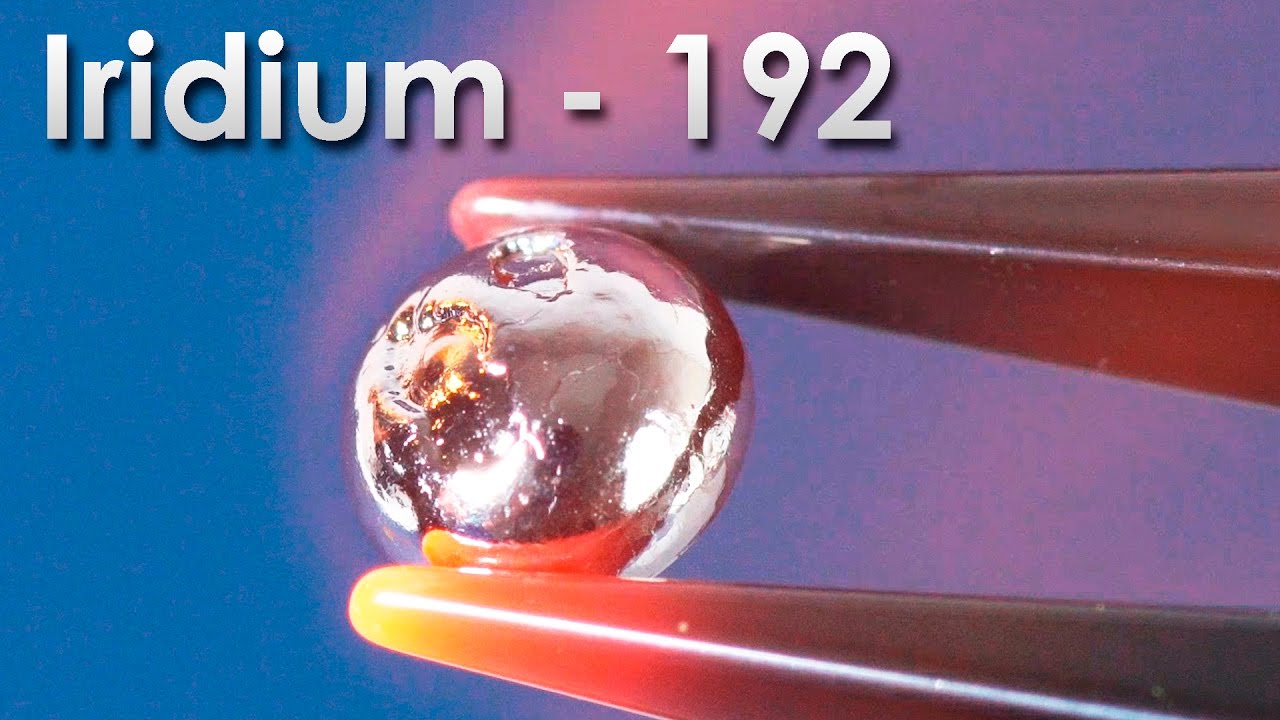
What Is Iridium Metal?
If you searched what is iridium metal, the short answer is this: iridium is a rare, silver-white platinum-group metal that is extremely dense, very hard, and highly resistant to corrosion. In plain English, it is a specialty material used where heat, wear, and chemical attack can defeat more common metals. So, is iridium a metal? Yes, and standard references from Britannica and Los Alamos describe it as one of the most durable members of the platinum family.
| Quick summary |
|---|
| Iridium is a rare platinum-group metal valued for extreme density, strong heat resistance, and exceptional chemical durability. |
What is iridium metal in plain English
For anyone wondering what is iridium, think of a metal chosen for punishing environments rather than everyday construction. It is not like steel in a building frame or aluminum in a soda can. Instead, this iridium metal is known for staying stable in conditions that are hot, corrosive, or mechanically demanding. That helps explain why many people first hear about it in premium spark plugs and highly specialized industrial equipment, even though the actual amount used can be very small.
Iridium is a rare, dense, corrosion-resistant platinum-group metal used when ordinary metals are not durable enough.
Iridium definition and quick facts
- Element family: Platinum-group metal.
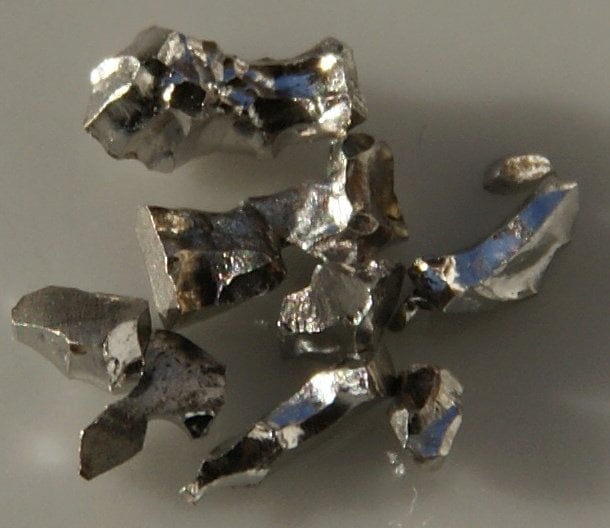
- Appearance: Silver-white, sometimes noted as having a slight yellowish cast.
- Rarity: Extremely uncommon in Earth's crust.
- Key traits: Very dense, hard, brittle, and notably resistant to acids and corrosion.
- Why it matters: It appears in high-performance applications such as electrical contacts, crucibles, alloys, and other harsh-service components.
A practical iridium definition starts with those basics, but the numbers behind the element matter too. Its periodic-table position, atomic data, and reference properties give clearer answers about why this unusual iridium metal behaves so differently, and those details shape the later discussion of properties, uses, comparisons, and cost.
Where Iridium Sits on the Periodic Table
The quick definition tells you why this metal matters. Its place in the iridium periodic table tells you why it behaves that way. Iridium sits among the transition metals and within the platinum-group family, which already hints at a mix of toughness, chemical stability, and unusual performance under stress. For exact figures, it is best to rely on trusted element references such as the RSC and CIAAW, not copied charts with missing context.
Iridium periodic table position
Iridium is in group 9, period 6, and the d-block. In plain English, that places it low in the table among heavy transition metals. Elements in this region often have high density, high melting points, and complex electron behavior. That is a useful first clue for anyone reading an iridium atomic number chart and wondering why this metal is so heavy, so hard to melt, and so resistant to attack.
| Property | Iridium data | What it means in practice |
|---|---|---|
| Symbol | Ir | The iridium symbol used in formulas, materials data sheets, and alloy specifications. |
| Atomic number | 77 | An iridium atom has 77 protons, which identifies the element. |
| Atomic mass | 192.217 | The iridium atomic mass helps explain why each atom is relatively heavy. |
| Electron configuration | [Xe] 4f14 5d7 6s2 | This arrangement helps shape bonding, reactivity, and metallic behavior. |
| Density | 22.5622 g/cm3 | Very high density means a small part can carry a lot of mass. |
| Melting point | 2446 C | It stays solid at temperatures that would defeat many common metals. |
Iridium atomic number symbol and electron configuration
The iridium symbol is Ir, and its standard iridium electron configuration is [Xe] 4f14 5d7 6s2. If that looks technical, the practical takeaway is simple: its electrons help produce a metal that is stable, dense, and difficult to chemically disturb. The high density value means iridium feels unusually heavy for its size. The high melting point points to strong heat tolerance. The listed iridium atomic mass reinforces that this is one of the heavyweight elements, not a lightweight structural metal.
Numbers like these do not tell the whole story, but they set the stage. A metal can look impressive on a data sheet and still be tricky in the real world. That becomes clearer when you look at where iridium comes from, how rare it is, and why engineers do not treat it like an ordinary mined metal.
Where Does Iridium Come From and Where Is It Found
Those impressive periodic-table numbers raise a more grounded question: where does iridium come from in the real world? The short answer is that it comes from very uncommon platinum-group mineral sources and from complex refining streams, not from large standalone iridium mines. That matters because rarity begins long before pricing. It starts with geology, recovery, and the fact that this metal is usually found only in tiny amounts.
Who discovered iridium and how it got its name
If you have ever wondered who discovered the element iridium, standard histories credit Smithson Tennant, who identified it in 1803 while studying the black residue left after crude platinum was treated with aqua regia. The Britannica entry notes that French chemists recognized the substance at about the same time, but Tennant is the name most closely tied to the discovery. So, who discovered iridium? In most chemistry references, the answer is Tennant.
The iridium meaning is tied to color, not to a rainbow-colored chunk of metal. The name comes from Iris, the Greek goddess of the rainbow, because iridium salts and compounds showed striking colors during chemical testing. That naming detail is useful for beginners because it explains why the word sounds so vivid even though the metal itself is usually described as silvery white.
Where iridium is found in nature
For readers asking where is iridium found, the natural picture is scattered and limited. References from the RSC and Britannica describe iridium as one of the rarest elements in Earth's crust. It can occur in native form in river-deposited sediments, and it also appears in natural alloys and platinum-group ores rather than in rich, easy-to-mine pure deposits.
- Platinum-group ore deposits: Iridium is commonly associated with platinum-group materials, not isolated as a major standalone ore.
- Natural occurrence: It may appear in sediments or in natural metallic mixtures with other noble metals.
- Commercial recovery: Most supply is recovered as a byproduct during nickel refining or nickel and copper production, rather than mined on its own.
- Why standalone mining is uncommon: The concentrations are so low that dedicated mainstream iridium mining is usually not practical.
That origin story explains more than scarcity. It also hints at why engineers treat iridium as a precision material. When a metal is this rare, every property has to justify its place, especially under heat, wear, and chemical attack.
Why Iridium Performs So Differently
Rarity explains why iridium stands out on a periodic table, but engineers care about how it behaves in service. Among the most important iridium metal properties are extreme corrosion resistance, unusual density, high hardness, and strong performance at very high temperatures. Put those together and you get a metal that feels less like a general-purpose material and more like a specialist for punishing environments. For reliable values, it helps to lean on sources such as the RSC, AZoM, and Los Alamos.
Properties of iridium metal that matter in practice
- Corrosion resistance: RSC and AZoM describe iridium as the most corrosion-resistant metal known. In plain English, it resists attack from air, water, and many acids that would damage more familiar engineering metals.
- High-temperature stability: The iridium melting point is listed at about 2446 to 2450°C in standard references. In real applications, that means it can stay solid and useful in heat ranges that would overwhelm many common materials.
- Extreme density: The density of iridium is about 22.56 to 22.65 g/cm3 in the RSC and AZoM data. A very small part can carry a surprising amount of mass, which is useful in some compact, high-wear components but a drawback where lightweight design matters.
- Hardness: AZoM lists high hardness values, and both AZoM and Los Alamos describe iridium as hard. That helps with wear resistance and durability, especially in small contact points or hot surfaces.
- Brittleness and workability: Those same sources also stress that iridium is brittle and difficult to machine, form, or work. So a metal can be chemically outstanding yet still be difficult and costly to turn into finished parts.
Iridium's properties are exceptional, but exceptional does not mean universally practical.
What color is iridium and is it magnetic
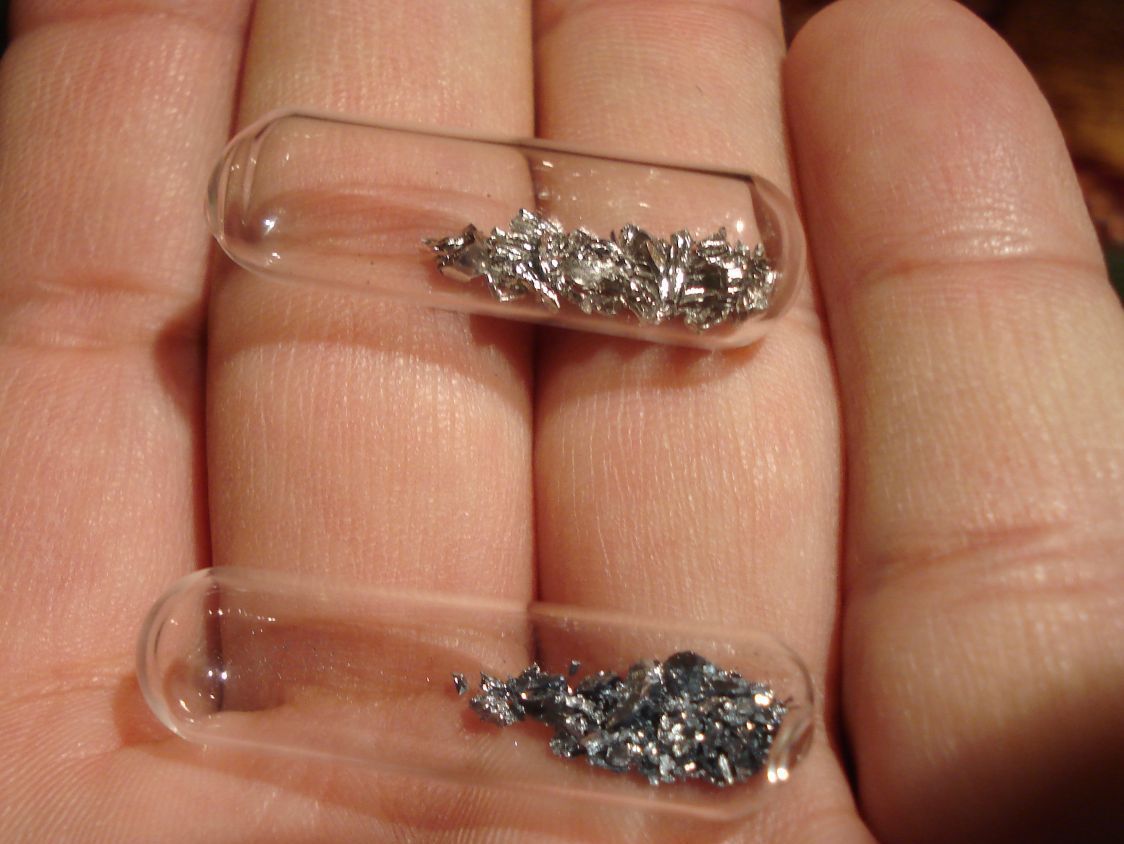
- Color: If you are asking what color is iridium, the standard description is silvery white. Los Alamos adds that it can show a slight yellowish cast, so it is not a bright rainbow-colored metal despite its name.
- Magnetism: For readers wondering is iridium magnetic, basic property references usually do not treat magnetism as the feature that defines this metal. In practice, engineers focus far more on corrosion resistance, hardness, and the very high iridium melting point when deciding whether to use it.
That mix of strengths and drawbacks explains a lot. Iridium survives heat, wear, and chemical exposure remarkably well, yet it is hard to fabricate and too specialized for routine use. The best fits are usually small, high-value parts where those unusual traits solve a real problem, which is exactly why its applications are so specific.
Where Iridium Is Actually Used
Those extreme properties only matter when they solve a real problem. If you are asking what is iridium used for, the honest answer is "selectively." Most iridium uses are small, high-value, and tied to heat resistance, erosion resistance, corrosion resistance, or electrochemical stability. Material notes from ACS, spark-plug details from DENSO, and electrochemistry research in Science Advances all show the same pattern: engineers usually choose tiny amounts of iridium, iridium alloys, or iridium oxide surfaces rather than large solid parts.
What is iridium used for in industry
So, what is the element iridium used for in industry? Usually the job involves extreme conditions and a very small working area.
- Spark plug electrodes and contact points: Modern iridium spark plugs use fine iridium electrodes because the material handles high temperature, resists thermal and mechanical wear, and supports stable ignition over long service intervals.
- Crystal-growth crucibles: ACS highlights iridium crucibles used to grow crystals for LED lights. Here the value comes from chemical resistance and the ability to stay reliable in hot, aggressive processing environments.
- Industrial catalysts and chlorine-related chemistry: ACS also points to iridium in industrial chemistry and chlorine production, where catalytic behavior and chemical durability matter more than bulk size.
- Oxide coatings and catalyst layers: Many iridium metal uses depend on thin active surfaces, not thick sections. That lowers material demand while still placing iridium exactly where reaction, corrosion, or wear resistance is needed.
- Specialized electrochemical equipment: The Science Advances study describes iridium-based oxide catalysts for the oxygen evolution reaction in proton exchange membrane water electrolysis, where the anode must survive a harsh acidic and oxidizing environment.
Iridium spark plugs and high temperature components
Iridium spark plugs are the example most readers recognize. DENSO explains that some designs use an iridium center electrode as small as 0.4 mm. That fine geometry helps create reliable ignition with less energy and better flame growth under demanding conditions. It also shows how practical material selection works: nickel plugs can be cheaper, and platinum often serves as a middle-ground option, while iridium is reserved for cases where fine electrode shape, long life, and strong ignition stability justify the extra cost.
Iridium oxide and electrochemical uses
The chemical side is just as important. In advanced energy and electrochemical systems, iridium oxide is widely studied because it can stay active in acidic, oxidizing conditions that are especially hard on catalysts. Technical literature may also use the phrase iridium iv oxide when discussing these materials. The same research trend explains why iridium is often used sparingly: many advanced electrodes reduce total iridium loading by spreading active sites across high-surface-area or mixed-metal structures instead of relying on a bulky solid part.
That balance between performance and practicality explains why this metal shows up in such narrow, high-stakes roles. It can outperform common materials in the right spot, yet platinum, rhodium, osmium, or tungsten may still be the better fit when cost, fabrication, or a different property mix matters more.
How Iridium Compares With Similar Metals
Iridium looks impressive on a property sheet, but material selection is rarely about finding the most extreme numbers. It is about matching the metal to the failure mode. The comparison below draws from MetaMetals and the aerospace-focused SAM review, then turns those figures into practical buying and design logic.
Iridium vs platinum rhodium osmium and tungsten
| Metal | Corrosion resistance | Density | Melting point | Mechanical notes | Fabrication and cost signal | Common uses |
|---|---|---|---|---|---|---|
| Iridium | Exceptional corrosion resistance | 22.56 g/cm3 | 2446 C | Hard, very brittle | Difficult to machine, expensive due to rarity | Spark plugs, crucibles, electrical contacts, high-temperature parts |
| Platinum | Highly corrosion-resistant and stable | 21.45 g/cm3 | 1768.3 C | Softer than iridium, more ductile | Easier to form, may be cheaper than iridium | Catalytic converters, laboratory equipment, electrical contacts, sensors, jewelry |
| Rhodium | Excellent corrosion resistance | 12.41 g/cm3 | 1963 C | Processing difficulty is emphasized more than toughness data | Difficult to process, expensive due to rarity | Catalytic converters, jewelry plating, electrical contacts, thermocouples |
| Osmium | Not presented as a corrosion-first choice; air-exposure handling can be an issue because of osmium tetroxide | 22.59 g/cm3 | 3033 C | Very hard, brittle | Processing is challenging, expensive due to rarity | Electrical contacts, instrument pivots, fountain pen tips, wear-heavy applications |
| Tungsten | Corrosion resistance is not the standout trait in the cited sources | Described as dense | Highest melting point of all pure metals | Hard | Fabrication and price are not detailed in the cited sources | Light bulbs, cutting tools, rocket components |
If you are searching heaviest metal on earth, the cited numbers show why people debate osmium and iridium. MetaMetals lists osmium at 22.59 g/cm3 and iridium at 22.56 g/cm3. Osmium is slightly denser in that dataset, but iridium density is so high that both belong in the ultra-dense category.
The question what is the hardest metal is less tidy. The cited sources describe osmium as very hard, iridium as hard and brittle, and tungsten as hard, but they do not provide one universal hardness ranking. In real engineering work, hardness alone is rarely enough. Fracture behavior, corrosion resistance, and manufacturability often matter more.
When iridium outperforms other high performance metals
- Against platinum: Iridium is the better fit when the part faces harsher heat and wear. Platinum makes more sense when you still need noble-metal stability but want easier forming and a lower-cost path than iridium.
- Against rhodium: Iridium is favored for hotter, more mechanically demanding small parts. Rhodium is better known in the cited source for catalytic and reflective surface roles.
- Against osmium: Iridium offers a more familiar industrial balance of extreme density, high heat resistance, and exceptional chemical durability. Osmium brings even higher density and melting point, but brittleness and handling concerns narrow its appeal.
- Against tungsten: Iridium wins when high heat must be paired with strong resistance to corrosive chemicals. Tungsten stands out when sheer temperature ceiling is the main requirement.
These trade-offs explain a lot about the properties of iridium metal. It is not the automatic winner. It becomes the smart choice when a small amount of material can prevent failure in a brutal environment. That same narrow, high-value role is also why supply and price become such a big part of the conversation.
Why Iridium Costs So Much
That high-performance edge comes with a serious iridium cost. The reason is not simply that iridium is a precious metal. Its supply chain is structurally tight. SFA Oxford describes iridium as one of the rarest elements on Earth, recovered almost entirely as a by-product of platinum and nickel mining, with more than 95 percent of primary supply concentrated in South Africa and Russia. That is a recipe for a high iridium price and frequent volatility. Because spot quotes can swing quickly, the more useful question is why the market stays expensive in the first place.
Why iridium price is so high
If you convert a market quote into an iridium price per gram, the result can look startling. But that number makes more sense once the supply side is clear.
- Extreme rarity: If you are asking how rare is iridium, SFA Oxford notes that it typically occurs at concentrations below 0.1 gram per tonne in ore bodies.
- By-product mining: Iridium is usually not mined on its own. Supply depends on output from platinum and nickel operations, so extra demand does not quickly create extra metal.
- Refining complexity: Recovering and separating iridium from other platinum-group metals requires specialized hydrometallurgical and refining steps.
- Concentrated supply risk: When production is clustered in only a few regions, disruptions in energy, labor, logistics, or geopolitics can affect availability fast.
How rarity supply and demand affect iridium cost
Demand is relatively specialized, but it is tied to hard-to-replace jobs. Heraeus points to hydrogen and electrochemical applications as ongoing demand drivers, while SFA Oxford highlights PEM electrolysers, aerospace hardware, medical uses, and high-temperature crucibles. These are markets where performance matters more than volume.
- Small market, big moves: Even modest shifts in specialized demand can move the iridium metal price because total supply is so limited.
- Limited substitutes: In acidic, oxidizing, or very high-temperature environments, alternatives often lose durability or service life.
- Tiny amounts, high value: For many buyers, the real issue is not the headline iridium price per gram. It is whether a tiny tip, coating, or alloy addition delivers enough extra life or reliability to justify the spend.
That is the practical answer to how rare is iridium for engineers and buyers. It is expensive because the world produces very little of it, and the sectors that need it often need its exact mix of stability and durability. In real projects, the smarter question is rarely whether iridium is costly in the abstract. It is whether a small, carefully placed amount earns its place once part geometry, tolerances, and manufacturing constraints enter the decision.
How to Evaluate Iridium for Manufactured Parts
Price and rarity matter, but manufacturability usually decides the project. A part can look ideal on a material chart and still become wasteful once stock form, tolerances, and inspection are added. Guidance from Medical Design Briefs and the custom manufacturing framework at HIPPSC points to the same lesson: the smartest precious-metal design uses only as much expensive material as the job truly needs.
How to evaluate iridium for manufactured components
- Start with the failure mode. Use iridium only if heat, chemical attack, arc erosion, or wear is the real reason other materials fail. If the requirement is mainly strength, stiffness, or low cost, another metal may fit better.
- Challenge the "solid part" assumption. Many successful designs use a tip, coating, or iridium alloy rather than a full solid body. That can preserve the working surface while lowering precious-metal usage.
- Pick the right starting form. Ask whether the part should begin as wire, sheet, powder, or bar iridium, instead of defaulting to a large iridium ingot. For PtIr components, Medical Design Briefs notes that machining from bar or wire can generate 50 to 80 percent scrap, which is why near-net and additive routes can be attractive for small, complex parts.
- Review geometry and tolerances together. The HIPPSC guide stresses core DFM basics such as tolerance management, simpler features, and choosing a process that matches part complexity and volume.
- Prototype before scale-up. Prototype work proves function. Production work proves repeatability, inspection control, and cost stability. That distinction matters a lot for high-value iridium products.
Selecting a machining partner for prototype to production
- Look for process control first. A capable supplier should be able to discuss feasibility, scrap reduction, first-article inspection, and scale-up planning, not just machining time.
- Check quality systems. The HIPPSC reference highlights standards such as IATF 16949 and tools like SPC as meaningful production controls. For automotive programs, a partner such as Shaoyi Metal Technology is a useful example of the kind of certified shop buyers often look for when they need support from prototype through automated mass production.
- Ask how the shop handles expensive stock. If the starting point is an iridium ingot or other precious-metal stock, waste control, setup strategy, and secondary finishing become major cost drivers.
In practice, the best iridium part is rarely the one with the most iridium in it. It is the one that places a very small amount exactly where failure would otherwise begin.
Frequently Asked Questions About Iridium Metal
1. Is iridium a metal, and what kind of metal is it?
Yes. Iridium is a metal, specifically a platinum-group transition metal. It is known for being extremely dense, highly resistant to corrosion, and stable at very high temperatures, which is why it is used in demanding technical applications rather than common structural products.
2. Where is iridium found, and how is it usually obtained?
Iridium occurs in very small amounts in platinum-group ores, natural metallic mixtures, and some sediment deposits. In commercial supply chains, it is usually recovered as a byproduct during the processing of nickel, copper, or platinum-group materials, which helps explain both its rarity and its high cost.
3. What is iridium used for in industry?
Iridium is used where small parts must survive heat, sparks, wear, or aggressive chemical exposure. Common examples include spark plug electrodes, high-temperature crucibles, electrical contacts, specialized catalyst systems, and iridium oxide surfaces for electrochemical equipment. In many cases, manufacturers use only a thin tip, coating, or alloyed section instead of a large solid part.
4. Why are iridium spark plugs popular?
Iridium spark plugs are valued because iridium can support a very fine, durable electrode that handles repeated ignition events and high temperatures well. That can help maintain consistent spark performance over long service intervals. They cost more than basic alternatives, but the material is useful when durability and stable ignition matter more than lowest initial price.
5. How do you evaluate iridium for a custom manufactured part?
Start by identifying the real failure mode, such as corrosion, arc erosion, heat damage, or wear. Then check whether a tip, coating, or alloy can do the job more efficiently than a fully solid iridium part, and review stock form, tolerances, scrap risk, and inspection needs before scaling up. For automotive or other precision programs, an IATF 16949 certified machining partner using SPC, such as Shaoyi Metal Technology, can help move a design from prototype to controlled production with better consistency.