 Small batches, high standards. Our rapid prototyping service makes validation faster and easier —
  EN
EN


Stanspresstøvler afkodet: Fra rå stål til præcisionsdele
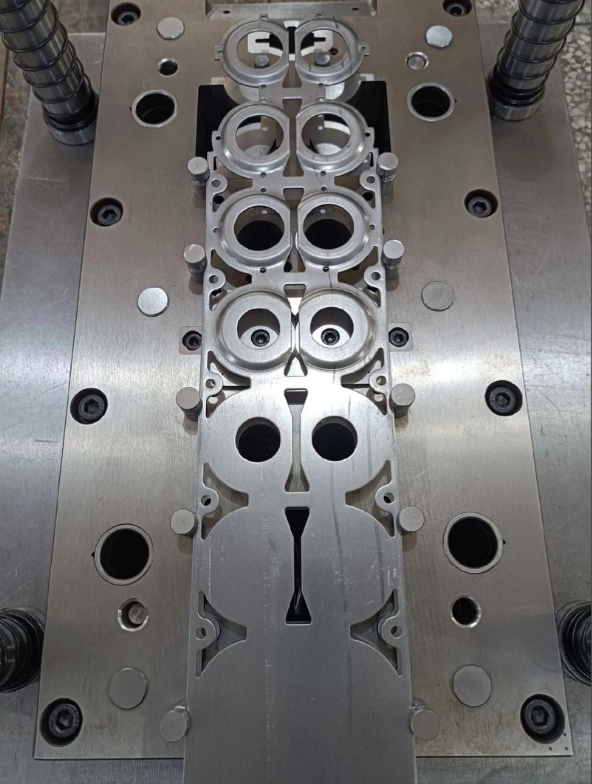
Hvad stanspressformer er og hvorfor de er vigtige
Har du nogensinde overvejet, hvordan et fladt stålpladeblad bliver til en bil dørpanel eller en præcisionselektronisk komponent? Svaret ligger i et af fremstillingens mest essentielle – men ofte oversete – værktøjer: stanspressformer. Uanset om du er ny på metalformning eller ønsker at fordybe din tekniske viden, er det afgørende at forstå disse præcisionsudformede værktøjer for at forstå moderne fremstilling.
En stanspressform er et specielt, unikt præcisionsværktøj, der skærer og former plademetaller til en ønsket form eller profil, mens materialet presses mellem to sammenpassende komponenter.
Kort sagt er stempelstøberedskaber de specialiserede værktøjer, der transformerer rå plade metal til færdige dele. De fungerer i samarbejde med en presse, der leverer den nødvendige kraft til at skære, bøje eller forme materialet. Det færdige produkt? Det kaldes en enkelt del – og visse støberedskaber kan producere mere end én pr. cyklus og arbejder med hastigheder op til 1.500 slag pr. minut.
Grundlaget for metalformningsprocesser
Metalstempelstøberedskaber udgør rygraden i utallige fremstillingsprocesser på tværs af brancher. Fra små komponenter, der kan ligge i din hånd, til mikroelektronik, til kæmpestore værktøjer på 20 fod kvadratisk og 10 fod tykke til bilkarosseri-sider – disse støberedskaber findes i næsten enhver tænkelig størrelse.
Det, der gør et metalstøberedskab så bemærkelsesværdigt, er dets dobbelte funktionsevne. Ifølge Producenten , der findes mange typer stempelstøb, men de udfører alle to grundlæggende operationer: skæring, omformning eller begge dele. Skæringsoperationer omfatter blankning, skæring, trimning, perforering og notching. Omformningsoperationer omfatter bøjning, strækning, flangning, trækning, prægning, ekstrudering og glatning.
Det er også værd at bemærke, at støbning er en koldformningsproces. Der tilføres bevidst ingen varme til støbeformen eller pladematerialet. Dog genererer friktionen under skæring og omformning varme, så støbte dele ofte forlader støbeformerne ret varme.
Hvordan støbeformer transformerer rå plademetal
Forestil dig, at du placerer et stykke plademetal mellem to præcist maskinerede stålsektioner. Når pressemaschinen lukkes, bevæger disse sektioner sig forbi hinanden med en lille afstand imellem dem – kaldet skæreklaringen. Denne klaring, som ofte udgør omkring 10 % af metalpladens tykkelse, bestemmer, hvor ren den materielle adskillelse bliver.
Transformationen sker på brøkdele af et sekund. Metalstansværktøjer påvirker materialet så meget, at det når til et punkt med kontrolleret brud under skæringen, hvilket resulterer i kanter med tydelige egenskaber. Formningsoperationer deformere derimod metallet uden at adskille det – ved at bøje det langs akser, strække det ind i huller eller trække det i tredimensionale former.
I hele denne artikel får du et komplet overblik over stansværktøjer – fra de forskellige typer og deres optimale anvendelsesområder til de væsentlige komponenter, der gør dem funktionsdygtige, materialvalgskriterier, designprocesser samt vedligeholdelsesstrategier, der beskytter din investering i værktøjer. Betragt dette som din omfattende guide til forståelse af de værktøjer, der stille og roligt driver moderne fremstilling.
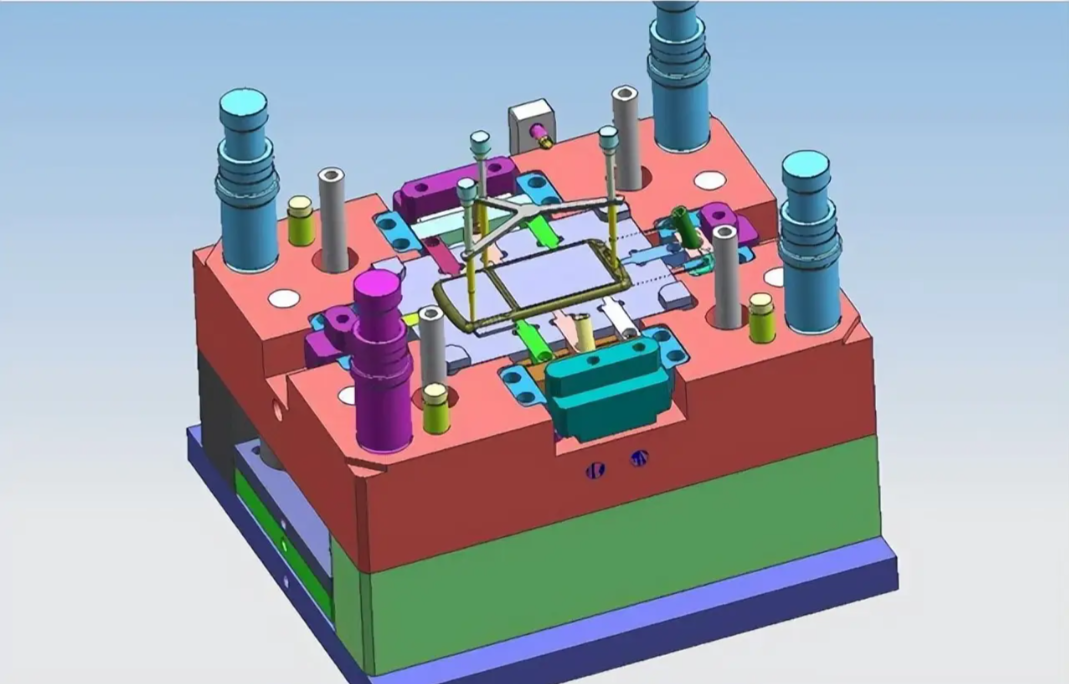
Typer af stanspressværktøjer og deres anvendelsesområder
At vælge den rigtige dies-type kan gøre eller ødelægge dit fremstillingsprojekt. Med flere tydeligt adskilte kategorier – hver designet til specifikke produktionsforhold – hjælper en forståelse af forskellene dig med at matche værktøjerne præcist til dine krav. Lad os gennemgå de fire primære typer stempelstøbninger og udforske, hvornår hver enkelt type er mest effektiv.
Progressive støbninger til højvolumenproduktion
Tænk på progressive støbninger som en samlebåndspakket i ét enkelt værktøj. Disse diesæt består af flere stationer arrangeret i rækkefølge, hvor hver station udfører en specifik operation, mens metalbåndet bevæger sig gennem presse. Materialet fødes fra en spole, bevæger sig station for station ved hver pressebevægelse og forlader værktøjet som en færdig del – alt i én kontinuerlig bevægelse.
Hvad gør progressive støbninger så kraftfulde til seriefremstilling i store mængder? Ifølge Durex Inc. er de i stand til at producere store mængder dele hurtigt, mens man sikrer ensartethed på alle fremstillede komponenter. Dette gør dem ideelle til automobilapplikationer som f.eks. beslag og klamper samt elektronikfremstilling, hvor indviklede dele kræver konsistens.
Kompromiset? De oprindelige værktøjsomkostninger er høje. Når man derimod fremstiller tusinder eller millioner af identiske dele, falder stykomkostningen dog dramatisk – hvilket gør progressivværktøjer til det foretrukne valg ved massemålfremstilling. Disse stanspressværktøjer udmærker sig ved at fremstille enklere geometrier med bemærkelsesværdig hastighed, selvom de er mindre velegnede til meget komplekse design.
Overførselsværktøjer: Fleksibilitet til komplekse dele
Når dine dele er for store eller komplekse til progressiv værktøjning, træder overførselsværktøjer i stedet til. I denne proces overføres individuelle arbejdsemner mekanisk eller manuelt fra den ene stansstation til den næste – ligesom en samlebånd, hvor hver station bidrager med et specifikt aspekt til det endelige produkt.
Overførselsdiestryk tilbyder noget, som progressive dies ikke kan: fleksibilitet i håndtering og orientering af dele. Som nævnt af Worthy Hardware kan denne metode integrere forskellige operationer såsom stansning, bøjning, dybtrækning og afskæring i én enkelt produktionscyklus. Den er velegnet både til korte og lange produktionsløb og giver dermed alsidighed i produktionsstørrelse.
Udfordringerne? Driftsomkostningerne er ofte højere på grund af den komplekse opsætning og behovet for fagligt uddannet arbejdskraft. Opsætningstiden for hver produktion kan blive længere, især ved indviklede dele. Men for luft- og rumfartskomponenter, tunge maskinmonteringer og store automobilpaneler leverer overførselsdies den nøjagtighed og kapacitet, som andre formningsdies simpelthen ikke kan matche.
Sammensatte vs. kombinerede støbninger forklaret
Disse to typer diespresser forveksles ofte, men de tjener tydeligt forskellige formål i fremstillingen.
Sammensatte former udføre flere skæreoperationer i én enkelt slag. Forestil dig blanking og piercing, der finder sted samtidigt – dieset skærer den ydre form, mens det samtidig perforerer indre huller. Denne integration reducerer betydeligt produktionstiden og forbedrer produktiviteten. De er ideelle til fremstilling af komponenter af medium størrelse med indviklede former, som anvendes i forbrugsvarer og medicinsk udstyr, hvor præcision er afgørende.
Kombinationsstøbninger går endnu længere ved at kombinere skære- og omformningsoperationer i ét trykslag. Du kan f.eks. blanke en form og straks bøje eller trække den – alt sammen i én cyklus. Denne fremgangsmåde er velegnet, når både skæring og formning er nødvendige, men volumen ikke retfærdiggør investeringen i progressiv værktøjning.
Begge typer fremhæver materialeffektivitet og minimerer spild, hvilket reducerer omkostningerne. De har dog begrænsninger, når det gælder ekstremt komplekse former eller designs, der kræver flere sekventielle operationer. Betragt dem som presse-skæredies optimeret til præcision frem for kompleksitet.
Sammenligning af støbetyper på et blik
Valg af de passende pressematrixer kræver en afvejning af flere faktorer i forhold til dine specifikke projektkrav. Denne sammenligning gennemgår de vigtigste egenskaber:
| Diestype | Bedste anvendelse | Produktionsvolumen | Kompleksitetsniveau | Typiske industrier |
|---|---|---|---|---|
| Progressive værktøjer | Højhastighedsproduktion af ensartede dele | Høj volumen (tusinder til millioner) | Enkel til moderat | Automobilindustri, elektronik, husholdningsapparater |
| Overførselsstøb | Store eller komplekse samlinger, der kræver flere operationer | Mellem til høj volumen | Høj kompleksitet | Luft- og rumfart, tung maskineri, bilkarosseripaneller |
| Sammensatte former | Flade dele, der kræver flere skæreoperationer | Lav til mellem volumen | Moderat (kun skæring) | Medicinsk udstyr, forbrugervarer, præcisionskomponenter |
| Kombinationsstøbninger | Dele, der kræver både skæring og omformning i én slag | Lav til mellem volumen | Moderat | Generel fremstilling, specialfremstillede komponenter |
Tilpasning af støbningstyper til dine krav
Så hvordan vælger du? Start med at besvare tre spørgsmål:
- Hvad er din produktionsmængde? Højvolumenproduktion favoriserer progressive matrixer, selvom de har højere startomkostninger. Lavere volumener kan gøre sammensatte eller kombinationsmatrixer mere økonomiske.
- Hvor kompleks er din del? Komplekse 3D-geometrier med flere operationer peger på overførselsstamper. Enklere flade dele med præcisionskrav er velegnede til sammensatte stamper.
- Hvilket materiale bruger du? Forskellige stampekonfigurationer til omformning fungerer bedre med bestemte metaller. Stål, aluminium og messing kræver hver især optimerede stampekonstruktioner for at opnå den bedste ydelse.
At forstå disse forskelle forhindrer dyre misforhold mellem værktøjer og produktionsbehov. Den rigtige stampe type sikrer effektivitet, kvalitet og omkostningseffektivitet – mens den forkerte valgmulighed fører til produktionsproblemer og budgetoverskridelser.
Nu hvor stampe typerne er afklaret, er næste trin at forstå, hvad der er inde i disse værktøjer – de væsentlige komponenter, der gør præcisionsstansning mulig.
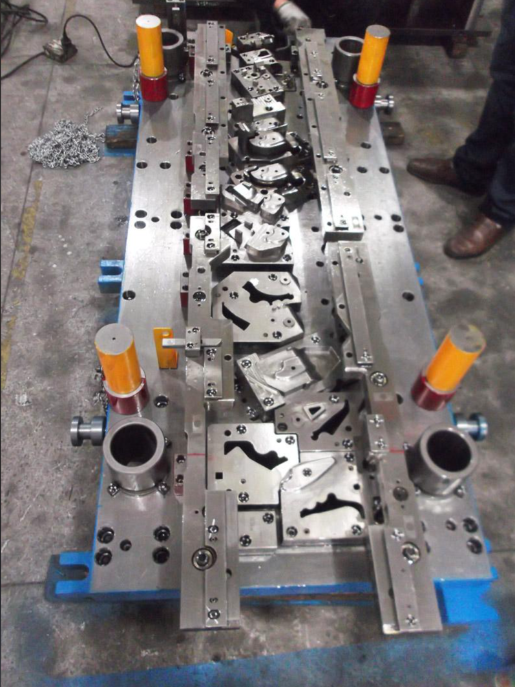
Vigtige stampekomponenter og deres funktion
Hvad sker der faktisk inde i en støbepresseform, når den omdanner fladt metal til præcisionsdele? At forstå de enkelte komponenter – og hvordan de fungerer sammen – adskiller tilfældige iagttager fra rigtige fremstillingsprofessionelle. Lad os løfte sløret for de kritiske elementer, der gør støbeoperationer mulige.
Kernekomponenter, der får formerne til at fungere
En støbepresseform er ikke et enkelt, massivt værktøj. Det er et integreret system af præcisionskomponenter, hvor hver enkelt har en specifik funktion i skære- eller formningsprocessen. Ifølge Moeller Precision Tool fungerer disse dele sammen som en velkoordineret maskine – og at forstå hver enkelt hjælper dig med at diagnosticere problemer, optimere ydeevnen og kommunikere effektivt med formmakere.
Her er en gennemgang af de væsentlige komponenter, du vil finde i de fleste støbeformer:
- Formplader (formsko) - Disse plader af stål eller aluminium fungerer som grundlaget for montering af alle andre dieskomponenter. Tænk på dieskoene som den strukturelle rygsøjle – de holder stempel, knapper, fjedre og andre elementer i præcis justering. Den øvre og den nedre diesko danner sammen med guidestifter, hvad der kaldes et diesæt.
- Føringsstænger og føringshylstre - Disse præcisionsbeslebne komponenter justerer den øvre og den nedre dieplade med bemærkelsesværdig nøjagtighed – ofte inden for 0,0001 tommer. Friktionsstifter løber direkte mod bushinger belagt med aluminium-bronze, mens kuglelejestifter glider på roterende lejer for at mindske friktionen og sikre hurtigere drift.
- Die-stempler - Værktøjet til stansning, der faktisk kommer i kontakt med og omformer metallet. Stempel er fastmonteret i en diespænd, og kan skære huller, udstanse former eller bøje efter formen på spidsen. Tilgængelige i runde, aflange, kvadratiske, rektangulære og specialtilpassede udformninger.
- Formknapper - Modstykket til støvlerne, som giver den modsatte skærekant. Afstanden mellem støvlen og modstykket – typisk 5–10 % af materialetykkelsen – bestemmer skærekvaliteten og kaldes »die break«.
- Udskilleplader - Fjederbelastede plader, der trækker metallet væk fra skærestøvlerne efter hver slagcyklus. Når metal skæres, kollapser det naturligt omkring støvlens skaft. Strippereholderen fastholder materialet fladt mod den nederste diesektion, så støvlerne kan trækkes ud renligt.
- Die-fjedre - Højtrykskompressionsfjedre, der leverer den nødvendige trykkraft til at holde metalplader på plads under formning. Både mekaniske spiraljfjedre og kvælstofgasfjedre er almindelige; hver type tilbyder forskellige kraftkarakteristika og levetid.
- Holder - Komponenter, der fastholder skære- og formeelementer til dieskoene. Kuglelåsfastelementer er særligt populære, fordi de tillader hurtig fjernelse og genmontering af støvler under vedligeholdelse.
- Hælklodser og slidplader - Stålblokke, der absorberer sidekraften, der opstår under skæring og formning. De forhindrer vejlepindene i at bukke under en-vejs-kraft og opretholder kritisk justering.
Forståelse af stempel- og modstempelforholdet
Interaktionen mellem stempel og modstempel er, hvor magien sker. Forestil dig stemplet som et præcist formede værktøj, der bevæger sig ned gennem modstempelpladen mod dets tilsvarende hul i modstempelblokken nedenfor. Spillet mellem dem – den lille afstand, der kun udgør en brøkdel af materialetykkelsen – afgør, om du får rene skæringer eller ujævne kanter.
Under en skæreoperation kontakter stemplet først pladeemaljen og presser den ned i modstempelknappen. Materialet påvirkes ved skærekanterne, indtil det brister på en kontrolleret måde. Afstripperepladen holder derefter båndet fladt, mens stemplet trækkes tilbage, hvilket forhindrer, at metallet løfter med det.
Ved omformningsoperationer ændres forholdet lidt. I stedet for at skære igennem presser værktøjet fra en presse materiale ned i en kavitet, hvorved det strækkes og bøjes til nye former. Trykpuder anvendes til at påvirke materialet nedad for at styre metalstrømmen – for meget tryk standser materialets bevægelse og forårsager revner; for lidt tryk tillader overdreven strømning og giver anledning til rynker.
Hvordan komponenterne fungerer sammen gennem prægecyklussen
En komplet prægecyklus udfoldes på brøkdele af et sekund. Her er, hvad der sker fra start til slut:
Materialefremføring: Coil- eller plademateriale træder ind i diesættet og positioneres præcist ved automatiserede fodere eller pilotnåle. Disse piloter – hårdførte nåle, der passer ind i forudborrede huller – sikrer præcis justering før hver slagcyklus.
Aktivering af pressen: Stempelen driver den øverste diesko nedad. Føringsstifter og bushinger sikrer perfekt justering mellem den øverste og den nederste del, mens de lukker. Konfigurationen af diesættet sikrer gentagelig, præcis positionering slag efter slag.
Skæring og omforming: Stanser kommer i kontakt med materialet og udfører deres funktioner – enten ved at skære huller, udstansning af former eller ved at bøje. Fjedre i stripperpladen komprimeres og opretholder tryk på arbejdsemnet gennem hele slaget.
Nederste dødpunkt: Ved fuld lukning er alle skære- og omformningsoperationer afsluttet. Materialet er blevet transformeret i overensstemmelse med stansen's design.
Tilbagetrækning og udkast: Rammen vender retningen. Stripperpladerne presser mod materialet, mens stanserne trækkes tilbage. Fjedrene udvides for at bringe trykpuderne tilbage til deres udgangspositioner. Det færdige emne eller båndet forskydes fremad til næste cyklus.
Stansmonteringskonfigurationer
Hvordan disse komponenter samles sammen, afgør stansens ydeevne. En typisk stansmontage omfatter:
- Øverste stansmontage - Indeholder stansholderen, stanserne, stripperpladen og ofte piloterne. Monteres på presseens ram.
- Nederste stansmontage - Indeholder stansblokken, stansknapperne, vejlederne og udkastmekanismerne. Skrues fast til presseens bord.
- Styresystem - Føringsstifter og -buchser, der justerer begge halvdele med præcision. Kuglelejer-systemer gør det muligt at opnå højere hastigheder med mindre friktion og varme.
Tykkelsen af støbepladen afhænger af de forventede kræfter under driften. En prægeform, der komprimerer metal ved sammenpresning, kræver betydeligt tykkere sko end en simpel bøjeform. Valget af materiale er også afgørende – aluminiumsstøbepladesko vejer en tredjedel mindre end stålsko og absorberer stød godt, hvilket gør dem fremragende til blankningsanvendelser.
Korrekt montering af fastgørelseskomponenter er afgørende. Hovedskruer med sekskantet hoved anvendes til at fastgøre arbejdskomponenter til skoene, mens centreringsstifter – præcisionsdrejede stifter – sikrer, at hver sektion placeres nøjagtigt. Nøgler passer ind i fræsede nøglefurer for at sikre yderligere centring og kippestabilitet.
Med denne grundlag af komponentviden på plads bliver det næste overvejelse materialevalg – valg af de rigtige stålsorter og hårhedsangivelser, der afgør, hvor længe din stempelværk vil yde og hvor præcist den vil opretholde sin nøjagtighed.
Værktøjsmaterialer og udvalgskriterier
Du har mestret stempeltyper og komponenter – men her er et spørgsmål, der adskiller god værktøjsteknik fra fremragende værktøjsteknik: hvilket materiale skal din stempelværk fremstilles af? Svaret påvirker direkte, hvor længe dit værktøj holder ud, kvaliteten af hver enkelt fremstillet del samt endeligt din samlede ejerkostning. Lad os analysere procesen for materialevalg, som mange producenter undervurderer.
Valg af værktøjsstål til optimal stempelværksydelse
Værktøjsstål udgør rygsøjlen i de fleste stål-stempelværk, der anvendes i stansningsprocesser. Men ikke alle værktøjsstål er lige gode. Ifølge Nifty Alloys , disse specialiserede carbon- og legerede stålsorter indeholder carbidfremkaldere som krom, vanadium, molybdæn og wolfram – elementer, der sikrer den hårdhed og slidstyrke, som stansning kræver.
For stansningsanvendelser vil du primært støde på værktøjsstål til kold bearbejdning. Hvorfor? Fordi disse stanser opererer under 200 °C (400 °F) og fokuserer på overfladehårdhed og strukturel integritet under tunge belastninger frem for varmebestandighed. Her er de mest almindelige kvaliteter samt anbefalinger for, hvornår hver enkelt skal specificeres:
- D2 Værktøjsstål - Arbejdshesten blandt stanser. Høj kromindhold (11–13 %) sikrer fremragende slidstyrke. Ideel til udskæringsstanser, stansværktøjer og skærebåde til bearbejdning af standardstål og aluminium. Hårdheden når 58–62 HRC.
- A2-værktøjsstål - Lufthærdende kvalitet, der tilbyder god slagsejhed i balance med slidstyrke. Fremragende til stanser, der kræver dimensionel stabilitet under varmebehandling. Fungerer godt til applikationer med mellemproduktion.
- O1 værktøjsstål - Oldehærdningsgrad, der er nemmere at bearbejde end D2. God til lavvolumenproduktion eller når komplekse dødes geometrier gør bearbejdelighed til en prioritet. Lidt lavere slidstærkhed, men tilstrækkelig til blødere materialer.
- S7 værktøjsstål - Når slagstyrke er mere afgørende end maksimal hårdhed. Angiv S7 til hammerdøde, stempelstifter udsat for chokbelastning eller enhver anvendelse, hvor sprøde fejl ikke er acceptabel.
Den kritiske afvejning? Slidstærkhed versus slagstyrke. Et stålstemple, der er hærdet til maksimalt niveau, modstår slitage fremragende, men kan revne ved stød. Omvendt absorberer slagstærke kvaliteter stød, men sliter hurtigere. Ved at vælge den rigtige kvalitet til din specifikke proces undgås for tidlige fejl.
Hvornår skal carbidekomponenter specificeres?
Nogle gange er værktøjsstål ikke nok. Når du stanser abrasive materialer, kører ekstremt høje volumener eller kræver mikronnøjagtighed over millioner af cyklusser, bliver wolframcarbid afgørende.
Ifølge Retopz , værktøjer af wolframcarbid tilbyder ekstrem slidstærkhed, lang levetid og præcision under højt tryk og gentagne operationer. Disse stålstansværktøjer integrerer karbid på strategiske steder i stedet for i hele værktøjet:
- Andre, af jern - Bruges i progressive stansværktøjer til at stanse huller i plademetal. Holder 10–20 gange længere end stålstifter i applikationer med høj slid.
- Karbidindsatser til stansværktøjer - Slidstærke indsatsdele, der presses ind i udstans- og formstansafsnit. Udskift kun indsatsdelen ved slid i stedet for hele stansblokken.
- Karbidføringsbushinger - Justeringsbushinger til stansværktøjsæt, der opretholder præcision over længere produktionsløb.
Hvad angår omkostningerne? Karbidkomponenter koster typisk 3–5 gange mere end tilsvarende ståldele ved købet. Når man imidlertid tager nedetid, færre udskiftninger og konsekvent delkvalitet over millioner af cyklusser i betragtning, giver præcisionsstansværktøjer med karbidkomponenter ofte en lavere samlet ejeromkostning.
Tilpasning af stempelmateriale til værkdelsmateriale
Det, du stæmper, er lige så vigtigt som, hvor ofte du stæmper. Forskellige værkdelsmaterialer stiller forskellige krav til dine hærdede stifter og dies overflader:
- Blød stål og aluminium - Standard D2- eller A2-værktøjsstål yder fremragende resultater. Disse blødere værkdelsmaterialer forårsager moderat slid på die-overflader.
- Rustfrit stål - Højst abrasiv under skæring. Angiv premium D2 med maksimal hårdhed, eller opgrader til carbidsæt til højvolumenapplikationer. Stålstifter slidtes betydeligt hurtigere ved rustfrit stål end ved blød stål.
- Højstyrkeligt lavlegeret stål (HSLA) - Almindelig i bilapplikationer. Kræver værktøjsstål af højere kvalitet og ofte carbidslidkomponenter på grund af øgede omformningskræfter.
- Belagte materialer - Galvaniseret eller formalet materiale kan accelerere dieslid gennem abrasive belægningspartikler. Overvej anvendelse af carbid eller overfladebehandlinger på skærekanterne.
Husk: Forkert varmebehandling forårsager flere støbemodellens fejl end forkert materialevalg. Selv den bedste D2-stål bliver ubrugelig, hvis den ikke hærdes korrekt. Kontroller altid varmebehandlingsprocedurerne og resultaterne af hårdhedsprøvning, inden nye støbemodeller godkendes.
Nu hvor materielfundamentet er dækket, undersøger næste trin, hvordan disse materialer integreres i støbemodellens design og fremstillingsproces – rejsen fra koncept til produktionsklar værktøjning.
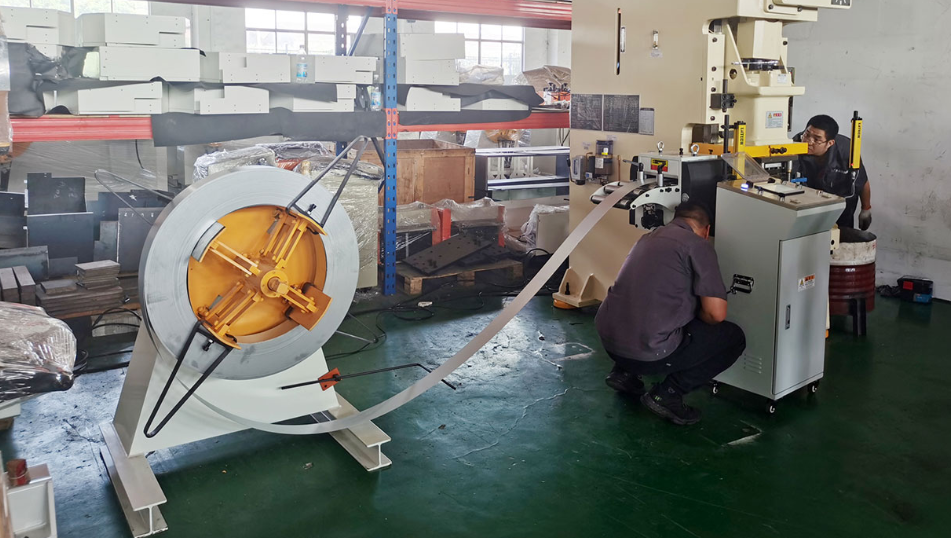
Støbemodellens design og fremstillingsproces
Du kender nu støbemodellens typer, komponenter og materialer – men hvordan opstår en støbemodel til en presse egentlig? Rejsen fra en reservedels tegning til produktionsklar værktøjning kræver ingeniørviden, avanceret simuleringssoftware og præcisionsfremstilling, som mange producenter aldrig oplever direkte. Lad os gennemgå hele støbemodellens fremstillingsproces, der transformerer koncepter til state-of-the-art værktøjning.
Fra koncept til produktionsklar værktøjning
Enhver vellykket støbeform begynder med at forstå det endelige mål: selve dele. Ifølge Mekalite er præcisionen og kvaliteten af metalstansformens design direkte proportionale med kvaliteten af den færdige del. Designet har også direkte konsekvenser for produktionsomkostningerne, værktøjets levetid og produktionshastigheden.
En kyndig støbeformmager modtager ikke blot en tegning af en del og begynder straks at skære i stål. I stedet følger værktøjs- og støbeformproduktionen en systematisk arbejdsgang, der forhindrer kostbare fejl. Sådan udvikles støbeformen typisk:
- Delanalyse og mulighedsanalyse - Ingeniører undersøger delens design for at verificere, om den kan fremstilles ved stansning. De tjekker for komplekse mønstre, skarpe kanter og funktioner, der kunne forårsage revner eller rynker under omformning. Denne tidlige evaluering opdager problemer, inden de bliver kostbare værktøjsfejl.
- Procesplanlægning og båndlayout - Holdet udkaster, hvordan metalpladen vil bevæge sig gennem stansen. Denne båndlayout detaljerer hver enkelt skæring, bøjning og formning i rækkefølge. En veludformet layout minimerer affaldsmateriale, mens den sikrer korrekt materialestrøm mellem stationerne.
- Stansens overflade og binderdesign - Ingeniører modellerer de stansflader, der skal presse og deformere metallet. Ved dybtrækoperationer kontrollerer binderfladerne, hvordan materialet strømmer ind i hulrummene – hvilket er afgørende for at forhindre rynker eller revner.
- Konstruktionsdesign af stansdele - Tegningen til hele stanskonstruktionen tager form: stanssko, støvler, stanshulrum og trykpuder. Komplekse funktioner kræver ofte præcisionskomponenter, der fremstilles ved avancerede CNC-processer for at opnå de nødvendige tolerancer.
- Virtuel test og simulering - Før der skæres i noget stål, simuleres stansprocessen ved hjælp af computersoftware. Denne test afslører potentielle problemer som revner, tyndning eller rynker – hvilket giver mulighed for rettelser, mens ændringerne stadig er billige.
- Endelig dokumentation og materialeliste - Komplette tegninger med alle specifikationer for diesdele samt en omfattende materialeliste (BOM), der indeholder hver enkelt komponent, der er nødvendig for fremstillingen. Denne dokumentation vejleder værktøjsmændene gennem fremstillingen og fungerer som reference ved fremtidig vedligeholdelse.
Rollen af simulation i moderne die-design
Forestil dig, at du opdager en konstruktionsfejl, efter at din die er bygget og monteret i presseanlægget. Hvad koster det? Potentielt flere hundrede tusinde dollars i ombygning og tabt produktion. Derfor er CAE-simulation blevet uundværlig inden for die-fremstilling.
Ifølge Volupe , computerstøttede ingeniørløsninger (CAE) er den bedste måde at sikre besparelser i både omkostninger og tid på, idet de hjælper med at løse produktudviklings- og ingeniørproblemer uden at skulle bygge fysiske prototyper ved hver enkelt designændring.
Moderne simulationssoftware udfører finite element-analyse (FEA), der beregner præcist, hvordan pladmaterialer vil opføre sig under formning. Softwaren forudsiger:
- Materialeudspænding og tyndning
- Springback – hvor meget dele vil "springe tilbage" efter omformning
- Potentielle placeringer for revner eller spaltninger
- Tendens til rynker i trækoperationer
- Krævet presstonnage for operationen
Denne virtuelle validering opdager problemer, som ellers først ville fremkomme under prøveindstillingen – når den fysiske stempel første gang møder rigtig metal. Avancerede softwarepakker kan endda automatisk generere stempelkonstruktioner og materialeliste, hvilket betydeligt fremskynder designfasen.
Stempelmaskinbearbejdning og kvalitetsvalidering
Når designene er færdige, omdanner stempelmaskinbearbejdningen ingeniørspecifikationerne til fysisk værktøj. Fremstillingsprocessen for stempel til fremstillingsanvendelser kræver ekstraordinær præcision – tolerancer på ±0,001 tommer er almindelige inden for højtpræcise industrier.
Nøgle maskinbearbejdningsmetoder inkluderer:
- CNC maskering - Computerstyrede fræsemaskiner og drejebænke former stempelkomponenter med høj nøjagtighed. Flere-akse-maskiner kan skabe komplekse konturer i én enkelt opsætning.
- Elektrisk Diskargeformling (EDM) - Skaber detaljerede strukturer og skarpe indvendige hjørner, som konventionelle skæreværktøjer ikke kan opnå. Uundværlig til komplekse stempel- og modstempelhulgeometrier.
- Overfladebearbejdning - Lever de flade, parallelle overflader, der er afgørende for korrekt dies justering og funktion.
- Varmebehandling - Hærder værktøjsstålkomponenter til specificerede hårdhedsniveauer. Korrekt varmebehandling afgør, om en die holder tusindvis eller millioner af cyklusser.
Kvalitetskontrol udføres gennem hele fremstillingen. Ifølge Barton Tool omfatter almindelige inspektionsmetoder visuel inspektion, måletekniske kontrolmålinger og overfladeruhedsbestemmelser. Koordinatmålemaskiner (CMM) leverer høj præcision ved komplekse geometrier, mens metoder til ikke-destruktiv testning påviser indvendige fejl uden at beskadige komponenterne.
Kommunikation af dine specifikationer til die-producenter
At forstå arbejdsgangen for die-udvikling hjælper dig med at kommunikere mere effektivt med potentielle leverandører. Når du tilgår en die-fremstiller med et nyt projekt, skal du være forberedt på at fremlægge:
- Deltegninger med tolerancer - Tydelige specifikationer for mål, overfladekrav og kritiske funktioner
- Materiale specifikationer - Den præcise kvalitet, tykkelse og tilstand af plademetallet, som du vil stampe
- Forventede produktionsvolumener - Årlige mængder samt forventede krav til værktøjets levetid
- Kvalitetsstandarder - Branchecertificeringer, inspektionskrav og godkendelseskriterier
- Tidsplankrav - Når du har brug for prototypedele i forhold til produktionsværktøj
Jo mere komplette dine specifikationer er, jo mere præcise bliver dine tilbud – og jo færre overraskelser opstår under værktøjsprøvning. Erfarne værktøjsproducenter stiller detaljerede spørgsmål om din anvendelse – det er et godt tegn på, at de fokuserer på at levere værktøj, der faktisk fungerer.
Når design- og fremstillingsgrundlaget er fastlagt, hvad sker der så, når værktøjet går i produktion? Vedligeholdelse af topyde kræver forståelse af vedligeholdelsesstrategier og fejlfindingstilgange, der beskytter din investering i værktøjet.
Vedligeholdelse og fejlfinding af værktøj
Dine stempelpressedie udgør en betydelig investering – men her er den ubehagelige sandhed: Selv de bedst designede værktøjer forringes uden korrekt vedligeholdelse. Forskellen mellem die, der holder i millioner af cyklusser, og dem, der svigter for tidligt, skyldes ofte én enkelt faktor: vedligeholdelsesdisciplin. Lad os undersøge de strategier, der beskytter din investering og sikrer en jævn produktion.
Ifølge The Phoenix Group , henviser die-vedligeholdelse til den systematiske proces med inspektion, reparation og optimering af die, der anvendes i fremstillingsprocesser. Dårlig die-vedligeholdelse forårsager kvalitetsfejl under produktionen, hvilket øger sorteringsomkostningerne, øger risikoen for at sende defekte dele til kunden og kan medføre dyre, tvungne indgreb.
Forebyggende vedligeholdelsesplaner, der beskytter din investering
Tænk på forebyggende vedligeholdelse som en forsikring mod produktionskatastrofer. I stedet for at vente på, at noget går i stykker, håndterer du potentielle problemer under planlagte nedlukninger. Denne proaktive tilgang udvider levetiden af dine dødværktøjer, mens kvaliteten af dele holdes konstant stød efter stød.
Et struktureret vedligeholdelsesprogram bør omfatte følgende kerneaktiviteter:
- Daglige visuelle inspektioner - Tjek efter åbenlys skade, såsom spåner, revner eller overdreven opbygning af materiale på stempelværktøjer og døværdoverflader. Søg efter eventuel misjustering eller usædvanlige slidmønstre, inden hver produktionsrunde påbegyndes.
- Ugentlige detaljerede inspektioner - Brug forstørrelse til at undersøge skærekanter, stripperplader og vejledningskomponenter. Dokumentér eventuelle ændringer i overfladetekstur eller tidlige tegn på udmattelsesrevner i dit dødværktøj.
- Månedlige omfattende vurderinger - Mål kritiske dimensioner ved hjælp af præcisionsmåleinstrumenter. Sammenlign aktuelle målinger med de oprindelige specifikationer for at spore gradvis slid.
- Planlagte slibningsintervaller - Skærekanters skarphed aftager med tiden. Indfør slibecykler baseret på materialetype og produktionsmængde – højtaberende materialer kræver mere hyppig opmærksomhed.
- Smøringsforvaltning - Anvend passende smøremidler på bevægelige dele og vejledningskomponenter. Forskellige driftsforhold kræver forskellige typer smøring – olie til almindelige anvendelser, fedt til lejer og led.
Ifølge JVM Manufacturing kan uventede problemer identificeres og afhjælpes, inden de udvikler sig til alvorlige og kostbare problemer, hvis man følger en rutinemæssig vedligeholdelsesplan. Regelmæssige inspektioner, tidlig slibning og korrekt smøring sikrer, at værktøjsstøberier forbliver i topstand.
Diagnostik af almindelige støbemodellproblemer
Når dele begynder at komme frem forkert, skal du hurtigt identificere årsagen. At forstå almindelige fejlmåder hjælper dig med at diagnosticere problemer, inden de eskalerer til produktionsstop. Her er de problemer, du oftest vil støde på:
- Stansens slid - Skærekanters bliver sløve eller afrundede, hvilket medfører fælser på stansede dele. Central slid vises som cirkulære fordybninger på stansens ansigt og skyldes typisk ujævn kraftfordeling. Kantafspænning skyldes støddamage eller overdreven tværkraft.
- Stansblokbeskadigelse - Borekradsår vises som lodrette ridser i stanshuller og skyldes ofte abrasive partikler eller utilstrækkelig smøring. Dette fører til problemer med kappe- og lagdelingsfejl i færdige dele.
- Justeringsproblemer - Når guidestifter og bushinger er slidt ud over tolerancegrænsen, mødes den øvre og den nedre stanssektion ikke længere præcist. Resultatet? Ujævne snit, dårlig formningskvalitet og accelereret slid på andre komponenter.
- Materialopbygning - Plademetalmateriale akkumulerer sig på overfladerne af stansmontagen, især ved klæbrige materialer eller utilstrækkelig smøring. Denne opbygning ændrer de effektive spiller og nedbryder delekvaliteten.
- Fjedertræthed - Strippefjedre og trykpudefjedre mister kraften over tid. Svækkede fjedre kan ikke holde materialet korrekt under omformning, hvilket forårsager rynker eller ufuldstændige processer.
- Målelige ændringer - Dødehuller udvides gradvist på grund af slitage, hvilket resulterer i dele med nedsat hårdhed og potentielle vægtvariationer. Registrer disse ændringer ved regelmæssig måling.
Forholdet mellem vedligeholdelse og delkvalitet er direkte: Når dødens værktøjsflader forringes, forringes også din produktion. Ifølge Morse Tool , stiger ofte tabletvægtvariationen, når dødeboringerne udvides eller stempellængderne ændres – et princip, der gælder lige såvel for metalstansningsprocesser.
Tidspunkt for udskiftning af komponenter og inspektionsprotokoller
At vide, hvornår man skal udskifte frem for at reparere, kræver en afvejning af omkostninger mod risiko. Nogle retningslinjer at følge:
- Fastlæg kritiske slitagegrænser - Definer de maksimale acceptable dimensionelle ændringer for hver værktøjskomponent ud fra dele-specifikationerne. Udskift komponenter, når man nærmer sig – men ikke overskrider – disse grænser.
- Overvåg ydelsesudviklingen - Overvåg udkastningskræfter, cykeltider og kvalitetsmål for dele. Pludselige ændringer indikerer ofte problemer i blivende udvikling, som inspektion alene måske ikke opdager.
- Dokumentér alt - Hold detaljerede optegnelser, der knytter fejlforekomster til værktøjets tilstand. Denne historik hjælper med at forudsige fremtidige vedligeholdelsesbehov og støtter beslutninger om udskiftning.
- Overvej reparation - Nogle slitageforhold kan afhjælpes ved slibning og genconditionering i stedet for fuld udskiftning. Vurder hver enkelt situation ud fra slitagegraden og økonomien.
Et arbejdsordresystem viser sig her ekstremt værdifuldt. Det dokumenterer den underliggende årsag, sporer korrektive foranstaltninger og lever planlægningsdata baseret på produktionsbehov og investeringsafkast. Når flere områder af dies skal behandles, skal prioriteringen ske ud fra indflydelsen på delekvalitet og kundekrav.
Når vedligeholdelsesgrundlaget er på plads, bliver næste overvejelse at anvende disse principper i krævende produktionsmiljøer – især inden for bilproduktion og højvolumenfremstilling, hvor præcision og konsekvens er ufravigelige.
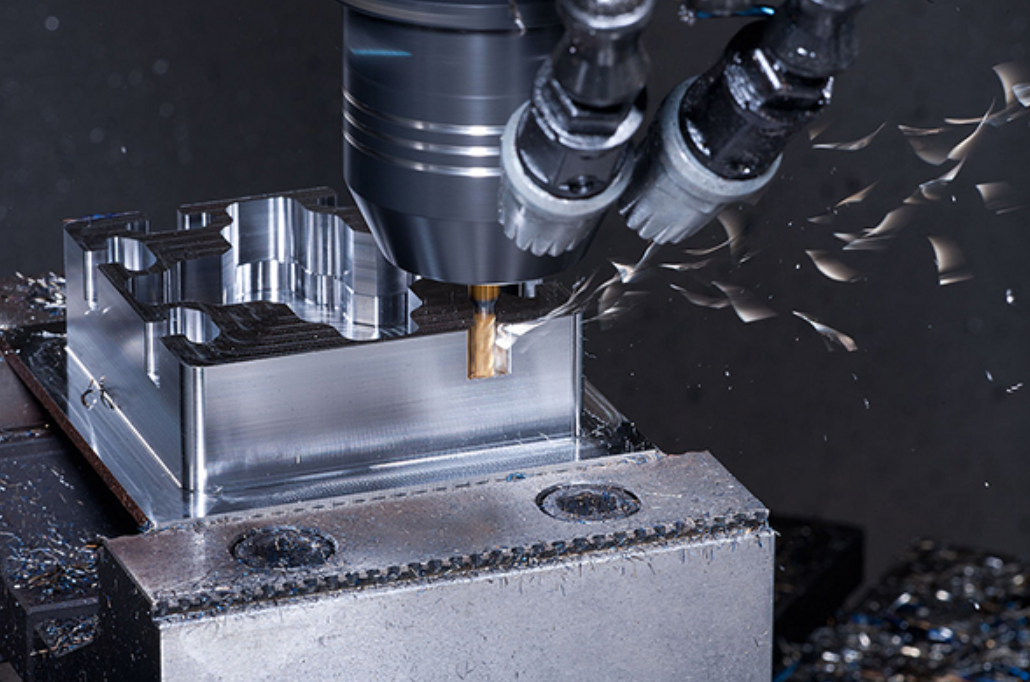
Anvendelser inden for bilproduktion og højvolumenfremstilling
At forstå stanspressedie er én ting – at anvende denne viden i krævende, virkelige scenarier er noget andet. Der er ingen steder, hvor indsatsen er større end inden for bilproduktionen, hvor en enkelt stansdie kan fremstille millioner af identiske komponenter gennem dens levetid. Lad os undersøge, hvordan produktionsmængde, tolerancekrav og branchecertificeringer påvirker valget af die samt partnerskaber med leverandører.
Opfyldelse af Automobilindustristandarder
Bilproduktion er ikke som andre industrier. Kombinationen af ekstreme volumener, stramme tolerancer og krav om nuldefekter stiller unikke krav til hver metalstansform på produktionslinjen. Når du fremstiller komponenter til bremseanlæg, strukturelle forstærkninger eller drivakselsammenmonteringer, er fejl simpelthen ikke en mulighed.
Hvad adskiller bilkvalitetsstansning fra almindelig fremstilling? Overvej disse kritiske faktorer:
- IATF 16949-certificering - Denne globale standard for kvalitetsstyring, der er udviklet af International Automotive Task Force, sikrer konsekvent kvalitet gennem hele bilindustriens leveringskæde. Ifølge Regal Metal Products er en velkonstrueret stansform og et velkonstrueret værktøj grundlaget for vellykkede stansoperationer – når den er bygget præcist, producerer den konsekvente og gentagelige dele, som er afgørende for at opfylde disse standarder.
- Tolerancer på mikrometer-niveau - Ifølge Alicona , tolerancer i præcisionsdies-fremstilling ligger ofte mellem ±10-20 mikron for almindelige anvendelser, mens komponenter til luftfarts- og automobilindustrien måske kræver ±2-5 mikron. Din dies-stansproducent skal kunne dokumentere evnen til at opnå og opretholde disse specifikationer.
- Sporbarhedskrav - Hver enkelt komponent skal kunne spores tilbage til dens råmaterialer, fremstillingsprocesser og kvalitetskontroller. Denne dokumentationskæde beskytter både producenter og endelige forbrugere.
- Krav til produktionshastighed - Ifølge Oberg Industries understøtter progressive dies til automobilindustrien produktionshastigheder på op til 1.400 slag pr. minut. Din værktøjssætning skal opretholde præcision ved disse hastigheder samtidig med fremstilling af fejlfrie dele.
Variationen i dies- og stanskrav inden for automobilapplikationer omfatter alt fra små elektriske kontakter til store karosseriplader. Hver anvendelse kræver specifikke dies- og stanskonfigurationer, der er optimeret til komponentens geometri, materiale og produktionsmængde.
Opscalering fra prototype til produktion
Her er det, hvor mange producenter støder ind i problemer: klyften mellem prototypering og produktion i høj volumen. En brugerdefineret metalstansform, der fungerer fremragende ved 100 dele pr. dag, kan fejle katastrofalt ved 10.000. At forstå denne udfordring ved skaleringsprocessen hjælper dig med at vælge partnere, der kan danne bro mellem begge verdener.
Rejsen fra prototype til produktion følger typisk denne progression:
- Konceptvalidering - Bløde værktøjer eller 3D-printede stansformer verificerer delens geometri og grundlæggende formbarhed. Hurtig levering er afgørende her – nogle leverandører kan levere hurtige prototyper på så lidt som 5 dage.
- Gennemgang af designet med henblik på fremstilling - Ingeniører analyserer delens design i forhold til produktionsvirkeligheden. Kan progressive stansformer håndtere denne geometri? Vil materialet flyde korrekt ved høje hastigheder?
- Pilotproduktion - Små serier produceret med værktøjer, der er udformet med produktionsmæssige hensyn, validerer procesparametrene, inden der går til fuldskala-produktion.
- Produktionsværktøj - Hærdede ståldie, der er bygget til millioner af cyklusser. Her er det, hvor materialevalg, præcisionsdie og stansningsekspertise samt fremstillingskapacitet virkelig betyder noget.
CAE-simulation spiller en afgørende rolle gennem hele denne proces. Virtuel test identificerer potentielle problemer – som revner, rynker og springback – inden der skæres i noget stål. Virksomheder, der udnytter avanceret simulation, opnår ofte godkendelsesrater ved første forsøg på over 90 %, hvilket markant forkorter udviklingstiden og antallet af værktøjsiterationer.
Hvad du bør søge efter i en partner inden for bilstemple
Valg af den rigtige stansedieproducent til automobilapplikationer kræver en vurdering af kompetencer ud over grundlæggende maskinbearbejdning. Overvej disse væsentlige kvalifikationer:
| EVNERSKAB | Hvorfor det er vigtigt | Spørgsmål til at stille |
|---|---|---|
| IATF 16949-certificering | Demonstrerer kvalitetssystemer, der opfylder OEM-kravene | Er certificeringen gyldig? Hvad dækker den? |
| CAE-simulation | Reducerer antallet af iterationer og sikrer fejlfrie design | Hvilke softwareplatforme bruger I? Kan I dele eksempler på analyser? |
| Hurtig prototypering | Fremskynder udviklingstidsplanerne | Hvad er jeres typiske prototyptomløbstid? |
| Første-gennemløbs godkendelsesrate | Indikerer ingeniørmaessig fremragende kvalitet og effektivitet | Hvor stor en procentdel af støbemodellerne består den første prøve? |
| Fuld serviceydelse | Forenkler leveringskæden og kommunikationen | Håndterer I designet fra koncept til produktion? |
For producenter, der søger et konkret eksempel på disse kompetencer i anvendelse, Shaoyi's løsninger til præcisionsstansningsværktøj demonstrerer den integrerede tilgang, som bilproducenter (OEM’er) i stigende grad kræver. Deres IATF 16949-certificering, avancerede CAE-simulering til fejlfri resultater samt en godkendelsesrate på 93 % ved første forsøg er eksempler på den tekniske fremragende kvalitet, der adskiller premium-leverandører af støbemodeller og metalstansning. Med hurtige prototypproduktionsmuligheder, der leverer resultater allerede efter så lidt som 5 dage, dækker de afstanden mellem koncept og serieproduktion i høj volumen – en udfordring, som mange producenter har svært ved at håndtere.
Den metalstansningsform, du vælger i dag, afgør din produktionskvalitet i årevis fremad. Uanset om du lancerer nye bilprogrammer eller optimerer eksisterende produktionslinjer, beskytter samarbejde med leverandører, der forstår bilindustriens særlige krav, både din investering og din rykke.
Når anvendelseskravene er forstået, er det sidste trin at udvikle en systematisk fremgangsmåde til vurdering og udvælgelse af diesamarbejdspartnere – altså at opstille den tjekliste, der sikrer, at dit næste værktøjsprojekt lykkes fra dag ét.
Valg af den rigtige die-partner til dine produktionsbehov
Du har rejst fra at forstå, hvad stanspressedies er, til at udforske typer, komponenter, materialer, designprocesser og vedligeholdelsesstrategier. Nu er det tidspunktet for sandheden: at omsætte denne viden til handling. Hvordan specificerer, indkøber og samarbejder du faktisk med diesuppliérer, der leverer resultater? Lad os opbygge den praktiske ramme, der omdanner din ekspertise til vellykkede værktøjsprojekter.
Opbygning af din die-specifikations-tjekliste
At gå ind i leverandørforhandlinger uden at være forberedt fører til forkerte tilbud, misforståelser og utilpassede forventninger. Ifølge Penn United Technologies , hvilket betyder, at en købeslutning udelukkende baseret på det anførte prisangivelse kan føre til generel utilfredshed med leverandørens ydeevne eller endda til en katastrofal situation. Et omfattende specifikationsdokument forhindrer disse udfald.
Før du kontakter en fremstiller af pressestøvler, skal du samle følgende væsentlige oplysninger:
- Delen tegninger med GD&T - Komplette dimensionsspecifikationer, herunder geometrisk dimensionering og tolerancer for kritiske egenskaber. Uklare tegninger fører til uklare tilbud.
- Materiale specifikationer - Præcis materialeklasse, tykkelse, temperaturbehandling og belægningskrav for det plademetalmateriale, som støvlen skal bearbejde. Inkludér materialecertifikater, hvis det kræves.
- Produktionsmængdekrav - Årlige mængder, parti-størrelser og forventet værktøjslevetid. En støvle til presseoperationer på 10.000 dele adskiller sig markant fra en støvle beregnet til 10 millioner dele.
- Toleranklassificeringer - Identificér, hvilke dimensioner der er kritiske i forhold til almindelige dimensioner. Dette styrer valget af materiale samt nøjagtighedsniveauet ved fremstillingen.
- Sekundære operationer - Angiv eventuelle krav efter stansning, såsom afgrædning, overfladebehandling eller montering, som kan påvirke dies design.
- Kvalitetsstandarder - Angiv krævede certificeringer (ISO 9001, IATF 16949), inspektionsmetoder og acceptkriterier.
- Tidsplankrav - Adskil krav til prototyper fra frister for produktionsværktøjer. Forhastede tidsplaner påvirker omkostningerne og nogle gange også kapaciteten.
- Presse-specifikationer - Angiv detaljer om din stansningsudstyr, herunder tonnage, bordstørrelse, slaglængde og krav til montering af presse-diesæt.
Dette dokumentationsmateriale tjener to formål: det hjælper leverandører med at udarbejde præcise tilbud, og det tvinger dig til at gennemtænke krav, som du ellers måske ville overse. Jo mere komplet dine specifikationer er, jo færre overraskelser opstår under die-prøvestanding.
Vurdering af leverandører af støbeforme
Når du har specifikationerne klar, hvordan vurderer du så potentielle leverandører af stansværktøjer? Ifølge Die-Matic handler valget af den rigtige producent ikke kun om pris eller kapacitet – det handler om en langsigtet partnerskabsrelation og strategisk alignment.
Brug denne vurderingsramme, når du vurderer leverandører af specialstøbninger:
- År med erfaring - Hvor længe har virksomheden været i drift? Hvilke typer komponenter har de fremstillet? Erfaring inden for din specifikke branche er afgørende.
- Design- og fremstillingsevne - Kan de designe og fremstille støbninger internt? En leverandør, der selv fremstiller deres værktøjer, forstår fejlfinding og optimering langt bedre end en, der udliciterer dette.
- Processtyringssystemer - Er de certificeret i henhold til ISO-standarderne? Hvilket inspektionsudstyr bruger de? Bed dem om at vise deres kvalitetsstyringssystemer i brug.
- Værktøjsvedligeholdelsesprogrammer - Tilbyder de løbende vedligeholdelsesservice? Dette maksimerer værktøjets levetid og optimerer din samlede ejerkostning.
- Leveringstidsregistrering - Hvad er deres procentdel af leveringer pr. tiden? Hvis de ikke officielt registrerer denne metrik, bør det betragtes som et advarselstegn.
- Tilgang til reservedele til værktøjer - Diskuterer de reservedele allerede i starten? En god leverandør foreslår, at kritiske udskiftelige komponenter opbevares fra begyndelsen.
- Teknisk støtte - Kan de optimere dine design til fremstilling? Partnere, der stiller detaljerede spørgsmål om delkvalitet og tolerance, lever typisk mere end forventet, når det gælder opmærksomhed på detaljer.
- Prototypningskapacitet - Kan de fremstille prøver før fuldskala-produktion? Dette valideringstrin forhindrer kostbare produktionsproblemer.
Ifølge Metal stamper et selskab med års erfaring har sandsynligvis en dyb forståelse af forskellige stempelprocesser, materialer og branchestandarder. Denne erfaring afspejler sig i bedre kvalitetskontrol, effektive processer og evnen til at håndtere komplekse projekter.
Spørgsmål, der afslører rigtig kompetence
Overfladiske samtaler afslører ikke en leverandørs reelle styrker – eller svagheder. Gå dybere med disse undersøgende spørgsmål:
- Hvor stor en procentdel af støbemodeller opnår godkendelse ved første prøvestempel?
- Kan du gennemgå din simulations- og valideringsproces for mig?
- Hvad er din tilgang, når uventede problemer opstår under produktionen?
- Hvordan håndterer du et diesæt til en hydraulisk presse anderledes end værktøj til en mekanisk presse?
- Hvilke dokumenter får jeg med det færdige die?
- Kan I give referencer fra kunder i min branche?
Vær opmærksom på, hvordan leverandører reagerer. De, der gladeligt modtager detaljerede spørgsmål, demonstrerer tillid til deres egne kompetencer. Undvigende svar eller tilbageholdenhed ved at diskutere konkrete forhold signalerer ofte potentielle problemer senere hen.
Partnerskabsapproachen, der leverer resultater
Det bedste die til presseanvendelser fremkommer gennem samarbejde – ikke gennem transaktioner. Når du vurderer leverandører, skal du søge dem, der behandler værktøjsprojekter som partnerskaber i stedet for købsordrer.
Hvordan ser denne partnerskabsapproach ud i praksis? Overvej kompetencer som de, der tilbydes gennem Shaoyis ingeniørteam , hvor omfattende tjenester spænder fra hurtig prototyping til produktion i store mængder. Deres komplette servicetilbud - inklusive formdesign, CAE-simulering og fabrikation - eksemplificerer den type integreret kapacitet, der forenkler sourcing, samtidig med at det leverer omkostningseffektive værktøjer af høj kvalitet, der er skræddersyet til specifikke krav. Denne single-source-tilgang eliminerer koordineringsproblemer mellem flere leverandører, samtidig med at ansvarlighed sikres gennem hele projektets livscyklus.
Den ideelle partner tilbyder:
- Tidlig ingeniørindsats - Designere, der inddrages, inden specifikationerne er endeligt fastlagt, kan foreslå forbedringer, der reducerer omkostningerne og forbedrer ydeevnen.
- Gennemsigtig kommunikation - Regelmæssige opdateringer i løbet af design-, fremstillings- og prøveperioden holder projekterne på rette kurs og bringer eventuelle problemer frem i tide.
- Problemløsningsorienteret tilgang - Når udfordringer opstår – og det gør de – fokuserer partnere på løsninger frem for skyldfordeling.
- Langsigtet perspektiv - Leverandører, der har investeret i vedvarende relationer, prioriterer din succes højere end kortfristet profit.
Optimering af din diesinvestering for langvarig succes
Valg af den rigtige presseform er kun begyndelsen. At maksimere din investering i værktøjer kræver vedvarende opmærksomhed på følgende faktorer:
- Implementer forebyggende vedligeholdelse - Vent ikke på fejl. Planlæg regelmæssige inspektioner, slibning og udskiftning af komponenter baseret på produktionsmængden.
- Dokumentér alt - Hold detaljerede optegnelser over produktionsmængder, vedligeholdelsesaktiviteter og kvalitetsmålinger. Disse data styrer fremtidige beslutninger.
- Planlæg for reservedele - Lagre kritiske sliddele, inden du har brug for dem. Stop i produktionen mens man venter på erstatningsstempel eller fjedre koster mere end at holde lager.
- Gennemgå ydeevnen regelmæssigt - Sammenlign de faktiske resultater med specifikationerne. Gradvis afvigelse i deledimensioner signalerer kommende problemer.
- Opbyg relationer til leverandører - Ekspertene inden for pladeformningsværktøjer, der byggede jeres værktøjsudsætning, forstår den bedst. Bevar disse forbindelser til fejlfinding og fremtidige projekter.
Jeres pladeformningspressens døder repræsenterer mere end udstyr – de er produktionsaktiver, der genererer værdi i årevis, når de specificeres, indkøbes og vedligeholdes korrekt. Den viden, I har opnået gennem denne vejledning, stiller jer i stand til at træffe velovervejede beslutninger i alle faser – fra det første koncept til udskiftning ved levetidsudløb.
Uanset om I lancerer nye programmer eller optimerer eksisterende produktionslinjer, er principperne ens: Definer kravene grundigt, vurder leverandører strengt og vedligehold værktøjerne proaktivt. Denne disciplinerede tilgang omdanner pladeformningsoperationer fra omkostningscentre til konkurrencemæssige fordele – og leverer de præcise dele, der driver fremstillingens succes.
Ofte stillede spørgsmål om pladeformningspressens døder
1. at Hvor meget koster en metalstempler?
Omkostningerne til metalstempelstøbeforme ligger mellem 500 og 15.000 USD, afhængigt af kompleksiteten, størrelsen og produktionskravene. Enkle udstansningsforme ligger i den lavere ende af skalaen, mens komplekse progressive former til automobilapplikationer kan overstige denne interval. Faktorer, der påvirker omkostningerne, omfatter formtypen (progressiv, overførsel, sammensat), materialekrav (værktøjsstål mod carbidkomponenter), tolerancekrav samt den forventede produktionsmængde. Selvom den indledende værktøjsinvestering er betydelig, falder stykomkostningerne ofte dramatisk i forhold til CNC-bearbejdning, når der fremstilles flere tusinde dele.
2. Hvad er formen i presværktøjet?
En stempelform til presværktøj er et specialiseret præcisionsværktøj, der skærer og former plademetal til ønskede former. I modsætning til formstøbeforme eller trækkedie, fungerer stempelforme sammen med presser, der udøver kraft for at omforme flade metalplader. Formen består af to sammenpassende komponenter – den øvre formmontage, der indeholder stempelstifter, og den nedre formmontage, der indeholder formblokke. Når pressen lukkes, arbejder disse komponenter sammen for at udføre skæreoperationer (udskæring, gennemboring, trimning) eller formningsoperationer (bøjning, dybtrækning, prægning) på materialet.
3. Hvad er de primære typer stempelforme?
De fire primære typer stempelstøbeforme er progressive støbeforme, overførselsstøbeforme, sammensatte støbeforme og kombinationsstøbeforme. Progressive støbeforme indeholder flere stationer, der udfører sekventielle operationer, mens metalstrimler bevæger sig gennem presse – ideelt til produktion i store mængder. Overførselsstøbeforme flytter enkeltstukker mekanisk mellem stationer og håndterer større eller mere komplekse dele. Sammensatte støbeforme udfører flere skæreoperationer i én enkelt slag, mens kombinationsstøbeforme integrerer både skæring og omformning i én cyklus. Valget afhænger af produktionsmængde, delkompleksitet og budgetbegrænsninger.
4. Hvor længe holder stempelpressestøbeforme?
Levetiden for stempelstøvler varierer betydeligt afhængigt af valg af materiale, vedligeholdelsespraksis og produktionsforhold. Støvler af højtkvalitet værktøjsstål, der bearbejder blødt stål eller aluminium, kan med ordentlig pleje vare i millioner af cyklusser. Støvler med karbidindsatser kan udvide denne levetid til ti millioner dele, når der stanses slidende materialer. Nøglefaktorer, der påvirker levetiden, omfatter forebyggende vedligeholdelsesplaner, frekvensen af slibning, korrekt smøring og justeringskontroller. Producenter certificeret i henhold til IATF 16949, såsom Shaoyi, implementerer strenge kvalitetssystemer, der maksimerer støvlernes levetid samtidig med at sikre konsekvent delkvalitet.
5. Hvad bør jeg være opmærksom på, når jeg vælger en producent af stempelstøvler?
Vurder støbemodelfremstillere ud fra branchecertificeringer (ISO 9001, IATF 16949), evnen til at udvikle fra design til fremstilling, CAE-simuleringsteknologi og andelen af godkendte førsteudgaver. Anmod om referencer fra kunder inden for din branche, og spørg om leveringstidsholdningsprocenter. Søg efter partnere, der tilbyder omfattende ydelser – fra hurtig prototypproduktion til højvolumenproduktion. Teknisk support i designfasen, gennemsigtig kommunikation samt vedligeholdelsesprogrammer på længere sigt er tegn på leverandører, der investerer i langsigtet samarbejde snarere end én gang-transaktioner.