 Small batches, high standards. Our rapid prototyping service makes validation faster and easier —
  EN
EN


Custom Machining Service Decoded: From Material Pick To Final Part
What Custom Machining Service Actually Means for Your Project
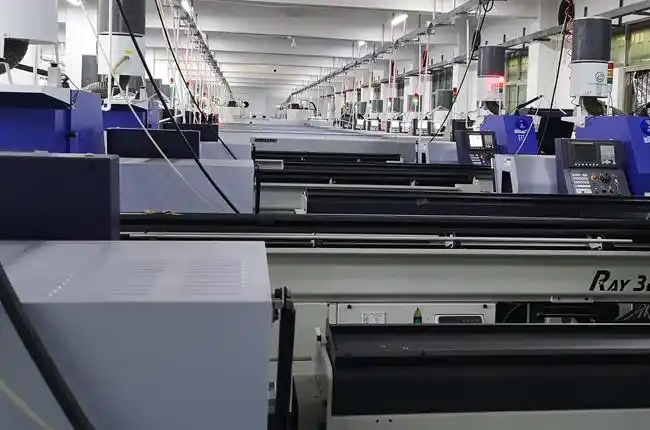
Ever wondered how manufacturers create those perfectly fitted components that standard parts simply can't replicate? That's where a custom machining service comes into play. Unlike grabbing an off-the-shelf bolt or bracket, this approach delivers parts engineered specifically for your unique application.
A custom machining service is a manufacturing process that creates precision components tailored to exact specifications, dimensions, and tolerances—producing parts designed specifically for your application rather than generic, mass-produced alternatives.
Think of it this way: standard manufacturing produces thousands of identical parts hoping someone needs them. Custom machining flips that model entirely, starting with your requirements and working backward to create exactly what you need.
From Raw Material to Precision Component
The journey begins with raw stock—whether aluminum blocks, steel bars, or engineering plastics. Using a CNC machine, operators transform these materials through programmed cutting paths that remove material with incredible accuracy. Modern precision CNC machining services achieve tolerances as tight as ±0.01 mm, ensuring every machined part matches your digital design exactly.
Here's what makes CNC metal cutting revolutionary: computer-controlled systems execute operations with minimal manual input. Once programmed, these machines deliver consistent, repeatable results across dozens or thousands of parts. Traditional machining relies heavily on operator skill, but CNC technology eliminates human variability from the equation.
Why One-Size-Fits-All Manufacturing Falls Short
Standard components work fine—until they don't. Imagine you're designing medical equipment requiring biocompatible materials with specific thread patterns. Or building aerospace brackets needing titanium construction with ultra-tight tolerances. Off-the-shelf parts simply cannot address these specialized requirements.
Industries like automotive, aerospace, and medical equipment consistently turn to custom machining because their applications demand:
- Unique geometries standard parts can't provide
- Specific material properties for performance or safety
- Tolerances tighter than mass-produced alternatives offer
- Specialized surface finishes for particular environments
The Anatomy of a Custom Machined Part
Every custom machine project starts with specifications. You'll provide CAD files containing precise measurements, material requirements, and tolerance expectations. From there, machining experts determine the optimal approach—whether CNC milling for complex geometries, turning for cylindrical components, or specialized processes like EDM for intricate details.
What separates quality custom machined parts from mediocre ones? It comes down to three factors: equipment capability, material selection, and quality control. The best providers combine advanced multi-axis CNC machines with experienced engineers who understand how design choices affect manufacturability and cost.
Whether you need a single prototype or production quantities, custom machining adapts to your volume requirements while maintaining the precision your application demands.
CNC Milling vs Turning vs EDM and When to Use Each Method
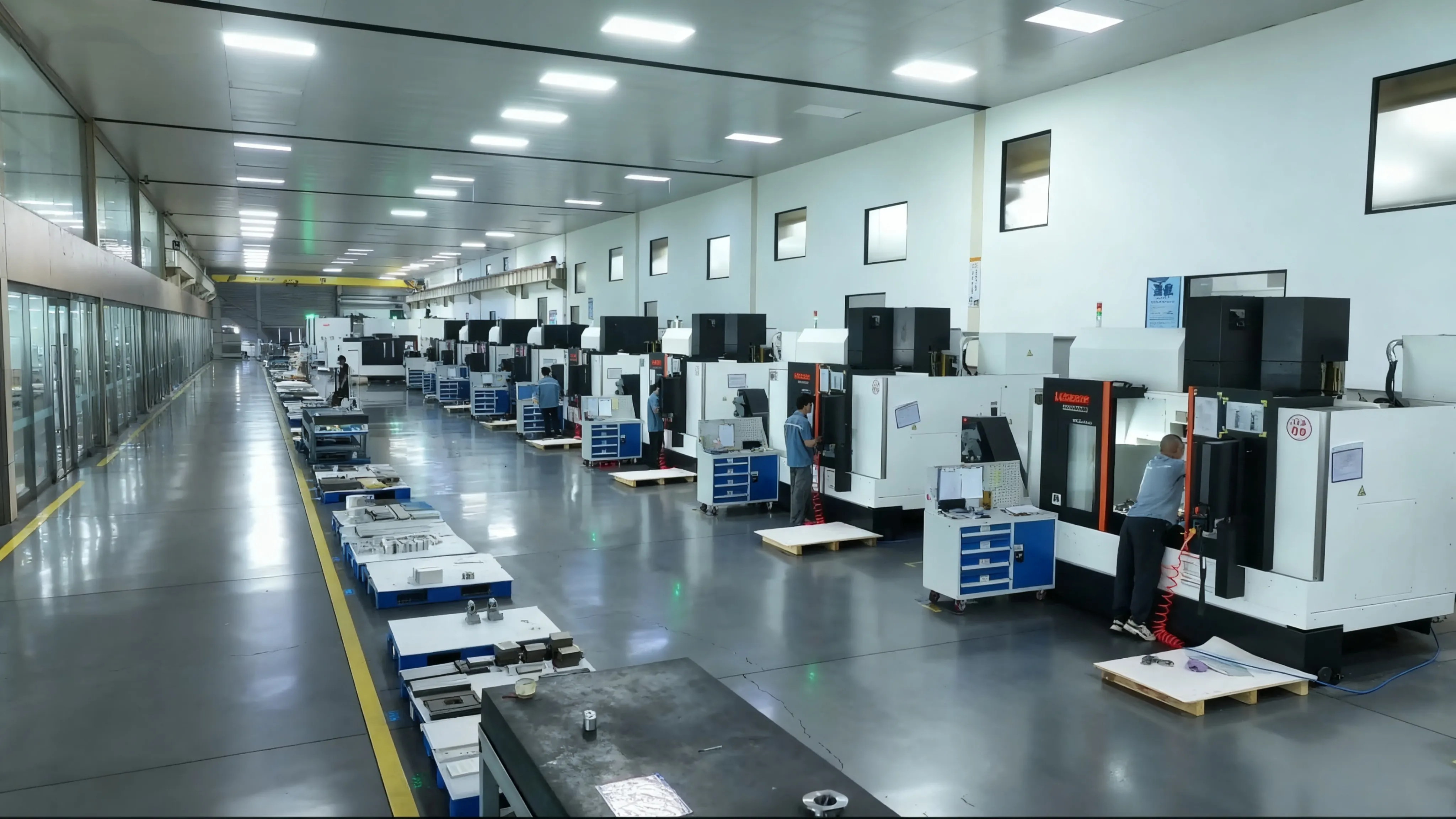
So you've decided custom machining fits your project—but which process should you actually use? This question trips up even experienced engineers because each CNC cutting method excels in different scenarios. Choosing wrong means wasted time, inflated costs, or parts that don't meet specifications.
Let's break down the four primary machining methods and when each one makes sense for your components.
CNC Milling for Complex Geometries
Imagine a cnc cutting machine with a rotating tool moving across a stationary workpiece, carving away material layer by layer. That's CNC milling in action. This process dominates when your design includes pockets, slots, contours, or irregular surfaces that require multi-directional cutting.
Parts that are cnc milled typically feature:
- Flat surfaces with precise angles
- Internal cavities or recessed features
- Complex 3D contours requiring 4 or 5-axis movement
- Asymmetrical shapes that can't spin on a lathe
Modern milling centers handle everything from aluminum enclosures to titanium aerospace brackets. The versatility comes from tool variety—end mills, face mills, ball nose cutters—each designed for specific geometry types. When your part looks more like a block than a cylinder, milling is usually your answer.
When CNC Turning Makes Sense
CNC turning flips the milling concept entirely. Here, your workpiece rotates while a stationary cutting tool shapes it. This approach excels for cylindrical or symmetrical components—shafts, bushings, pins, and threaded fittings.
A quality cnc turning service delivers exceptional results for round parts because the continuous rotation creates naturally smooth surfaces. The process removes material efficiently, making it cost-effective for high-volume production runs. Need 10,000 precision dowel pins? Cnc turning services will outpace milling every time.
The geometry rule is straightforward: if your part can rotate around a central axis during manufacturing, turning probably offers the fastest, most economical path to completion.
Specialized Processes for Demanding Applications
Some projects push beyond what conventional cnc cuts can achieve. That's where EDM (Electrical Discharge Machining) and precision grinding enter the picture.
EDM uses electrical sparks to erode material—no physical cutting contact required. This makes it invaluable for:
- Hardened tool steels that destroy conventional cutters
- Intricate internal corners with zero radius
- Extremely thin walls or delicate features
- Complex die and mold cavities
Precision grinding achieves surface finishes and tolerances that milling and turning struggle to match. When specifications demand mirror-smooth surfaces or tolerances below ±0.005 mm, grinding becomes essential—particularly for bearing surfaces, gauge blocks, and sealing faces.
Comparing Machining Methods: Which Fits Your Part?
Choosing the right process depends on balancing multiple factors. The table below provides a practical comparison to guide your decision:
| Factor | CNC Milling | CNC Turning | EDM | Precision Grinding |
|---|---|---|---|---|
| Typical Tolerances | ±0.025 to ±0.005 mm | ±0.025 to ±0.01 mm | ±0.01 to ±0.002 mm | ±0.005 to ±0.001 mm |
| Suitable Geometries | Prismatic, 3D contours, pockets, slots | Cylindrical, conical, spherical | Complex internal shapes, sharp corners | Flat surfaces, cylindrical profiles |
| Material Compatibility | Most metals and plastics | Most metals and plastics | Conductive materials only | Hardened metals, ceramics |
| Surface Finish (Ra) | 0.8 to 3.2 μm typical | 0.4 to 1.6 μm typical | 0.2 to 0.8 μm typical | 0.1 to 0.4 μm typical |
| Relative Cost | Moderate | Lower for round parts | Higher (slower process) | Higher (secondary operation) |
| Best For | Housings, brackets, complex assemblies | Shafts, fittings, pins, bushings | Mold tooling, hardened components | High-precision finishing |
How Part Geometry Drives Method Selection
Here's the practical takeaway: your part's shape largely dictates the process. Ask yourself these questions when evaluating options:
- Is it round and symmetrical? Start with CNC turning for efficiency.
- Does it have pockets, angles, or 3D surfaces? CNC milling handles these naturally.
- Are there sharp internal corners or hardened sections? Consider EDM for those features.
- Do critical surfaces need ultra-fine finishes? Plan for grinding as a finishing step.
Many complex components actually combine multiple methods. A hydraulic valve body might be cnc milled for its external geometry, then undergo grinding on sealing surfaces. Understanding each process helps you communicate effectively with machining providers—and anticipate how design choices affect your budget.
With machining methods clarified, the next critical decision involves selecting the right material for your application's performance requirements.
Material Selection Guide for Custom Machined Components
Picking the right material can make or break your custom machining project. You might have the perfect design and ideal tolerances, but choose the wrong material and you're looking at premature failure, excessive costs, or parts that simply don't perform as expected.
Material selection involves balancing mechanical properties, machinability, cost, and end-use requirements. Let's explore your options across metals, engineering plastics, and specialty materials—helping you match material properties to your performance needs.
Metals That Machine Like Butter
Metals remain the backbone of custom machining, offering strength, durability, and predictable behavior under load. However, machinability varies dramatically between alloys. According to industry standards, machinability ratings compare how easily materials cut relative to B1112 free-machining steel (rated at 1.0)—lower ratings indicate more difficult machining and higher tooling costs.
-
Aluminum (6061-T6, 7075)
- Machinability rating: Excellent (approximately 1.5-2.0)
- Key properties: Lightweight, corrosion-resistant, good thermal conductivity
- Cost: Low to moderate
- Best for: Aerospace brackets, electronic enclosures, automotive components, heat sinks
-
Steel (1018, 4140, 4340)
- Machinability rating: Good for mild steels (0.7-1.0), lower for alloy steels
- Key properties: High strength, wear resistance, heat-treatable
- Cost: Low to moderate
- Best for: Shafts, gears, structural components, tooling
-
Stainless Steel (303, 304, 316)
- Machinability rating: 303 machines well (0.7); 304/316 are tougher (0.4-0.5)
- Key properties: Excellent corrosion resistance, hygienic, durable
- Cost: Moderate to high
- Best for: Medical devices, food processing equipment, marine applications
-
Bronze (C932, C954)
- Machinability rating: Very good (0.8-1.0)
- Key properties: Low friction, excellent wear resistance, corrosion-resistant
- Cost: Moderate
- Best for: Bearings, bushings, gears, marine hardware
-
Titanium (Grade 2, Grade 5/Ti-6Al-4V)
- Machinability rating: Poor (0.2-0.3)
- Key properties: Exceptional strength-to-weight ratio, biocompatible, corrosion-resistant
- Cost: High
- Best for: Aerospace structures, medical implants, high-performance racing components
When machining bronze, you'll appreciate its forgiving nature—it cuts cleanly and produces excellent surface finishes with minimal tool wear. Titanium, on the other hand, demands specialized tooling, slower speeds, and experienced operators. Some materials require longer machining times and specialized approaches, directly affecting your project cost.
Engineering Plastics for Precision Applications
Need lightweight components with excellent chemical resistance? Engineering plastics offer properties metals simply can't match—plus they're often faster and cheaper to machine.
What is Delrin? Delrin is DuPont's brand name for polyoxymethylene (POM), commonly called acetal. So what is acetal exactly? It's a crystalline thermoplastic known for exceptional dimensional stability, low friction, and excellent fatigue resistance. When you hear polyacetal or polyacetal Delrin, they're referring to the same material family.
Delrin plastic machines beautifully—producing clean chips and smooth surfaces without the burring issues common with softer plastics. It's become a go-to choice for gears, bearings, and precision mechanisms where metal weight or conductivity would be problematic.
-
Delrin/Acetal (POM)
- Key properties: Low friction, high stiffness, excellent fatigue resistance, dimensional stability
- Temperature range: -40°C to +80°C
- Cost: Moderate
- Best for: Gears, bushings, conveyor components, electrical insulators
-
Nylon (PA6, PA66)
- Key properties: High strength, good impact resistance, self-lubricating
- Temperature range: -40°C to +100°C
- Cost: Low to moderate
- Best for: Structural parts, wear pads, cable ties, rollers
-
Polycarbonate (PC)
- Key properties: Outstanding impact strength, optical clarity, good dimensional stability
- Temperature range: -40°C to +120°C
- Cost: Moderate
- Best for: Safety shields, optical lenses, electrical components, medical devices
-
PTFE (Teflon)
- Key properties: Lowest friction coefficient, excellent chemical resistance, wide temperature range
- Temperature range: -200°C to +260°C
- Cost: High
- Best for: Seals, gaskets, chemical processing equipment, non-stick applications
When considering nylon for machining, remember it absorbs moisture from the air, which can affect dimensions over time. For critical applications, specify conditioned or moisture-stabilized grades. PTFE presents unique challenges—its softness causes it to deform under cutting pressure, requiring sharp tools and careful fixturing.
Matching Material Properties to Performance Requirements
Beyond metals and plastics, specialty materials address extreme performance demands. Ceramics handle temperatures that would melt steel. Kovar matches glass expansion coefficients for hermetic seals. Nitronic 60 resists galling in sliding contact applications.
How do you navigate these choices? Start by answering these questions about your application:
- What loads will the part experience? High-stress applications demand materials with appropriate tensile and yield strengths.
- What's the operating temperature range? Thermal properties determine whether materials expand, soften, or maintain stability.
- Will it contact corrosive substances? Chemical compatibility prevents degradation and premature failure.
- Does weight matter? Aluminum weighs one-third as much as steel; plastics can be even lighter.
- What surface properties are needed? Friction, wear resistance, and electrical conductivity vary widely between materials.
Cost considerations extend beyond raw material prices. Difficult-to-machine materials like titanium or nickel superalloys consume tooling rapidly and require slower cutting speeds—dramatically increasing machining time. A part that takes 30 minutes in aluminum might require 3 hours in Inconel. Factor these hidden costs into your material decisions.
With your material selected, the next consideration becomes equally critical: how tight do your tolerances really need to be, and what will that precision actually cost?
Understanding Tolerances and What Precision Really Costs
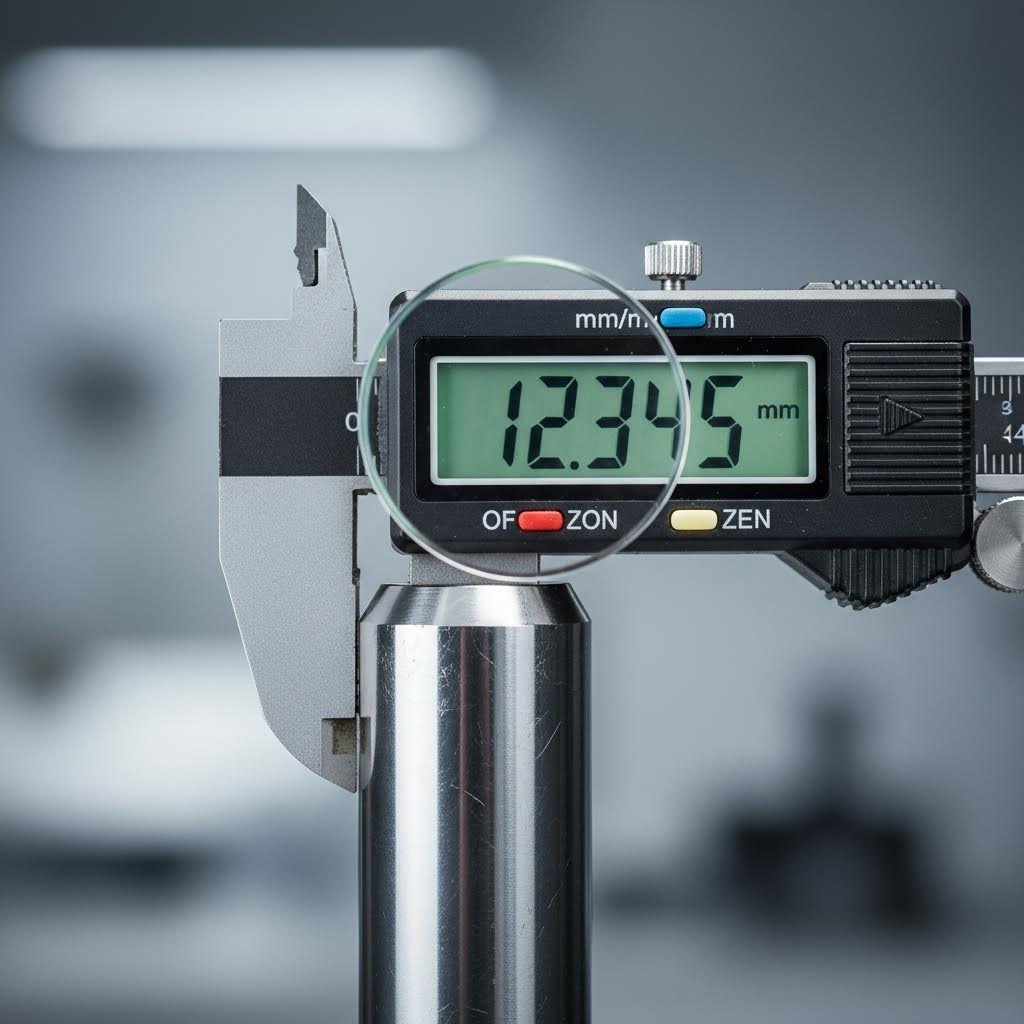
You've selected your material and machining method—but here's where many projects go sideways. Specifying tolerances incorrectly leads to either parts that don't fit or budgets that explode unexpectedly. What is the tolerance for thread holes? How tight is too tight? And why does moving from ±0.1 mm to ±0.01 mm sometimes triple your costs?
Let's decode tolerance specifications so you can communicate effectively with precision machining services and make informed decisions about where precision actually matters.
Standard vs Precision Tolerance Ranges
Think of tolerances as the "acceptable margin of error" for any dimension. A hole specified at 10.00 mm ±0.1 mm passes inspection anywhere between 9.90 mm and 10.10 mm. Simple enough—but understanding what different tolerance levels mean in practice separates informed buyers from frustrated ones.
According to industry standards, typical CNC machining tolerances for metals sit around ±0.1 mm (±0.004 inch), aligning with ISO 2768-m medium grade. This represents the cost-effective sweet spot where standard equipment and processes deliver reliable results without special measures.
| Tolerance Grade | Typical Range | Applications | Cost Impact |
|---|---|---|---|
| Standard/Coarse | ±0.2 to ±0.5 mm | Non-critical surfaces, covers, housings | 1x (baseline) |
| Medium (ISO 2768-m) | ±0.1 mm | General mechanical parts, brackets, frames | 1x to 1.3x |
| Fine/Precision | ±0.05 mm | Mating surfaces, locating features | 1.5x to 2x |
| Tight | ±0.025 mm | Bearing fits, precision assemblies | 2x to 3x |
| Ultra-Precision | ±0.01 mm or tighter | Aerospace, medical implants, optical components | 3x to 5x+ |
For threaded features, tolerances follow specific standards. The 3/8 pipe thread size (3/8 NPT) follows ANSI B1.20.1 specifications with defined major diameter, pitch diameter, and thread angle tolerances. Similarly, when specifying a through hole for a 4 m bolt (M4), the recommended drill size creates appropriate clearance based on fit class requirements—typically 4.3 mm for a standard fit or 4.5 mm for a free fit.
Thread hole tolerances deserve special attention because they affect both assembly and sealing performance. ISO tolerance classes for internal threads (like 6H for normal fits) define acceptable ranges for pitch diameter and minor diameter, ensuring screws engage properly without binding or excessive play.
How Tolerance Requirements Affect Your Budget
Here's the uncomfortable truth: tolerance and cost don't scale linearly. Tightening from ±0.1 mm to ±0.05 mm might add 30-50% to machining costs. But pushing further to ±0.01 mm? Expect costs to double or triple.
Why such dramatic increases? Tighter tolerances demand:
- Slower cutting speeds to reduce tool deflection and thermal expansion
- Multiple finishing passes removing progressively smaller amounts of material
- Premium tooling with tighter manufacturing tolerances of its own
- Temperature-controlled environments preventing dimensional drift during machining
- Advanced inspection equipment like coordinate measuring machines (CMMs) rather than simple calipers
- Higher rejection rates as acceptable margins shrink
Consider this practical example: a 100 mm shaft at ±0.1 mm tolerance might take 15 minutes to machine and verify. That same shaft at ±0.01 mm could require 45 minutes of machining plus 20 minutes of CMM inspection—quadrupling the labor content before even accounting for specialized equipment costs.
Critical Dimensions vs General Tolerances
Smart tolerance specification applies tight requirements only where function demands them. Every drawing should distinguish between critical and general dimensions.
Critical dimensions directly affect:
- Mating surfaces where parts must fit together
- Sealing faces preventing leaks
- Bearing interfaces requiring specific clearances
- Locating features positioning components precisely
General dimensions include:
- Overall part envelopes
- Non-functional surfaces
- Cosmetic features
- Clearance areas with generous margins
Professional drawings specify a default tolerance in the title block (e.g., "Unless otherwise specified: ±0.1 mm") and call out tighter requirements only on specific dimensions. This approach communicates clearly which features need extra attention while avoiding unnecessary precision elsewhere.
GD&T: Speaking the Language of Precision
Geometric Dimensioning and Tolerancing (GD&T) takes tolerance specification beyond simple plus/minus values. According to GD&T fundamentals, this system uses standardized symbols to control not just size but also form, orientation, and location of features.
Why does this matter for your project? Traditional tolerancing creates square tolerance zones—a hole position specified as X ±0.1 mm and Y ±0.1 mm forms a square acceptable area. GD&T position tolerance creates a circular zone, which is approximately 57% larger while ensuring the same functional fit. More manufacturing tolerance means lower costs and fewer rejected parts.
Key GD&T concepts to understand when communicating with machining providers:
- Datums establish reference points for measurements—ensuring everyone measures from the same location
- Feature control frames combine symbols specifying exactly what's controlled and how tightly
- Position tolerance controls hole locations more effectively than coordinate dimensions
- Flatness, parallelism, and perpendicularity control geometric relationships between surfaces
You don't need to become a GD&T expert, but understanding these basics helps you interpret quotes and discuss requirements with manufacturers. When tolerance specifications seem unclear, ask your machining provider to explain what they're committing to deliver—reputable shops welcome these conversations.
With tolerances properly specified, the next consideration becomes surface finish—another specification that significantly impacts both part performance and manufacturing cost.
Surface Finish Options and Their Real-World Applications
Your part might have perfect dimensions and ideal material properties—but without the right surface finish, it could still fail in service. Surface finishes do far more than make components look good. They determine corrosion resistance, wear characteristics, friction behavior, and even electrical conductivity.
Understanding surface finishes helps you specify exactly what your application needs while avoiding costly over-specification. Let's explore the full spectrum from as-machined textures to mirror-polished perfection.
From Machined Texture to Mirror Finish
Every CNC machined part leaves the machine with visible tool marks following the cutting path. Surface quality is measured as average surface roughness (Ra)—the average deviation from an ideal smooth surface. According to industry specifications, standard as-machined Ra sits at 3.2 μm (125 μin). A finishing cutting pass can reduce this to 1.6, 0.8, or even 0.4 μm (63, 32, or 16 μin).
Here's what you need to know: tighter Ra values increase part cost because they require additional machining steps, slower feed rates, sharper tools, and stricter quality control. A part machined to 0.4 μm Ra might cost 30-50% more than the same geometry at standard 3.2 μm.
For transparent materials like polycarbonate PC or acrylic, surface finish becomes even more critical. An acrylic CNC service must maintain exceptionally sharp tooling and optimized cutting parameters to achieve optical clarity. CNC acrylic machining for light guides or display components often requires polishing operations beyond standard machining to eliminate any visible tool marks. Similarly, acrylic CNC machining for medical or optical applications demands specialized expertise.
Bead blasting offers an economical path to uniform appearance. This process propels glass beads at the surface using compressed air, creating a consistent matte or satin texture that hides tool marks effectively. It's primarily cosmetic—bead blasting doesn't guarantee specific Ra values but produces attractive, non-reflective surfaces at minimal cost.
Functional Finishes That Extend Part Life
When parts face corrosive environments, repeated contact, or harsh operating conditions, cosmetic finishes won't cut it. Functional finishes add protective layers that dramatically extend service life.
Anodizing (Type II) creates a thin ceramic oxide layer on aluminum and titanium surfaces through an electrochemical process. The coating typically ranges from 4-12 μm thickness, providing good corrosion resistance with an attractive appearance. Parts can be dyed in virtually any color before sealing, making Type II anodizing popular for consumer electronics and decorative components.
Anodizing (Type III/Hardcoat) produces much thicker, denser oxide layers—typically 50 μm but possible up to 125 μm. According to finishing specifications, Type III delivers superior wear and corrosion resistance for functional applications. The trade-off? It's the most expensive finish option and requires tighter process control, including solution temperatures maintained near 0°C.
Powder coating applies a durable polymer layer suitable for any metal—not just aluminum. The dry powder adheres electrostatically before oven curing, creating wear and corrosion-resistant finishes in a wide range of colors. Typical thickness ranges from 18-72 μm. Unlike anodizing, powder coating offers superior impact resistance but struggles with internal surfaces and tight dimensional control.
Plating deposits thin metallic layers—nickel, zinc, chrome, or other metals—onto part surfaces. Electroplating and electroless plating serve different purposes: zinc plating provides economical corrosion protection, nickel adds hardness and wear resistance, and chrome delivers both aesthetic appeal and surface durability.
Passivation removes free iron from stainless steel surfaces, enhancing the natural chromium oxide layer that provides corrosion resistance. This chemical treatment is essential for medical devices, food processing equipment, and marine applications where maximum corrosion protection is critical.
Aesthetic vs Performance Surface Treatments
Choosing the right finish starts with understanding your actual requirements. The table below compares common options across key factors:
| Finish Type | Typical Ra (μm) | Primary Benefits | Best Applications | Relative Cost |
|---|---|---|---|---|
| As-Machined (Standard) | 3.2 | Tightest tolerances, no added cost | Functional parts, hidden surfaces | Baseline |
| As-Machined (Fine) | 0.8-1.6 | Improved appearance, reduced friction | Sealing surfaces, visible components | $ |
| Bead Blasting | Varies | Uniform matte texture, hides tool marks | Consumer products, enclosures | $ |
| Anodizing Type II | Improves base | Corrosion resistance, color options | Electronics, decorative aluminum parts | $$ |
| Anodizing Type III | Improves base | Exceptional wear/hardness, corrosion protection | Aerospace, industrial equipment | $$$ |
| Powder Coating | N/A (adds layer) | Impact resistance, broad colors, all metals | Outdoor equipment, enclosures, frames | $$ |
| Electroplating | Varies by type | Conductivity, hardness, corrosion protection | Electrical contacts, wear surfaces | $$ to $$$ |
| Passivation | Unchanged | Enhanced corrosion resistance for stainless | Medical, food processing, marine | $ |
Surface finish requirements directly affect machining strategy. Finer finishes demand slower feed rates to minimize tool marks, sharper cutting edges to produce cleaner surfaces, and often multiple finishing passes. CNC polycarbonate parts requiring optical clarity, for example, need careful parameter optimization throughout the entire machining process—not just final passes.
Critical surfaces requiring tight tolerances and specific finishes may also need masking during coating operations. Anodizing and powder coating add material thickness that can interfere with threaded holes and precision fits. Identify these areas early and communicate masking requirements clearly when requesting quotes.
For materials like acetal plastic, surface finish considerations differ from metals. Acetal machines to excellent finishes directly from the tool, often eliminating post-processing requirements entirely. Its low friction properties also reduce the need for lubricating coatings in many wear applications.
The key takeaway? Match finish selection to actual end-use requirements. A part buried inside an enclosure rarely needs expensive Type III anodizing. But a hydraulic valve body exposed to corrosive fluids might demand exactly that level of protection. When surface finish specifications align with functional needs—rather than arbitrary preferences—you optimize both performance and cost.
With surface finish decisions made, the next step involves optimizing your design for manufacturability—reducing costs before your project even reaches the machine shop.
Design for Manufacturability Principles That Save Money
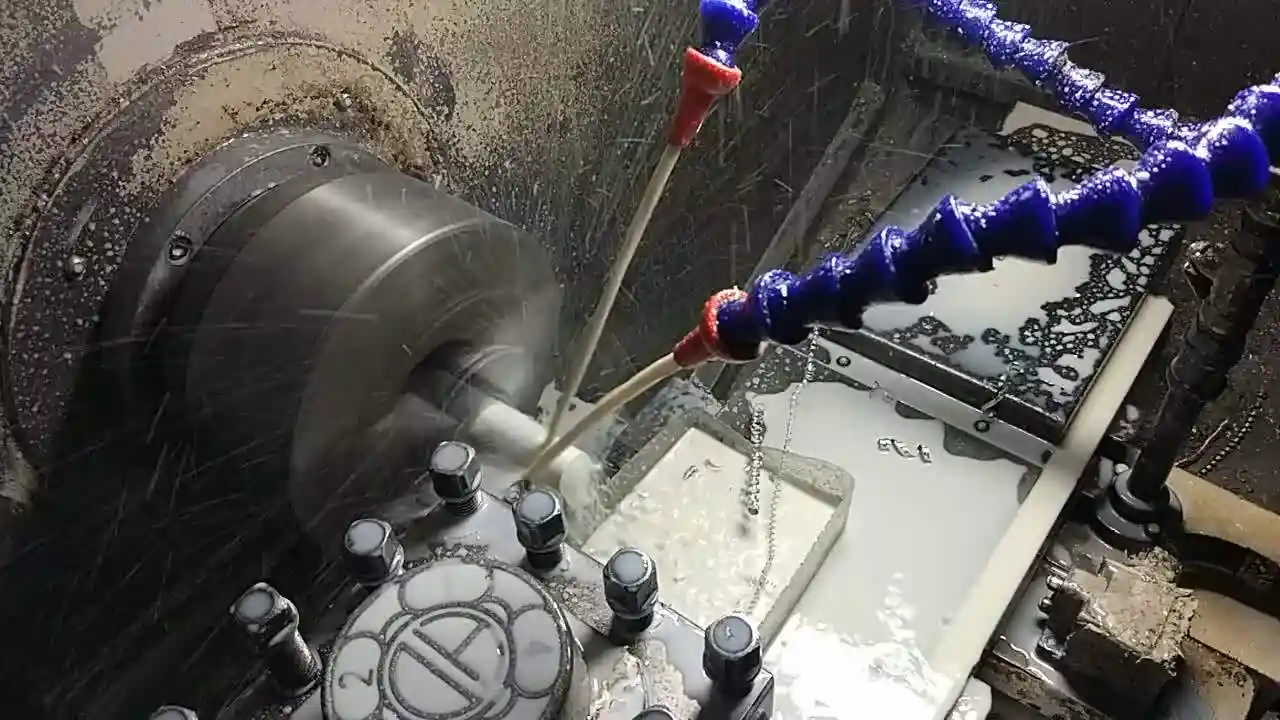
You've selected your material, specified tolerances, and chosen surface finishes. But here's a question that separates smooth projects from frustrating ones: is your design actually machinable without burning through your budget?
Design for Manufacturability (DFM) optimizes your part geometry before it ever touches a CNC machine. According to Protolabs' design guidelines, designing with machining in mind accelerates production time and reduces production costs. The payoff? Fewer manufacturability advisories, faster quotes, lower prices, and parts that arrive right the first time.
Let's explore the practical DFM principles that translate directly into savings for your custom machined parts.
Wall Thickness and Feature Depth Guidelines
Thin walls and deep features create headaches during machining. The cutting tool applies continuous force against your workpiece, and insufficient material simply can't withstand that pressure. According to industry DFM standards, thinner walls are more susceptible to bending, breaking, and warping due to vibrations and tool deflections.
Here are the key dimensional guidelines to follow:
- Minimum wall thickness: 0.8 mm for metals, 1.5 mm for plastics
- Wall height-to-width ratio: Maximum 3:1 for unsupported walls
- Cavity depth: No deeper than 4x the cavity width for standard milling
- Hole depth-to-diameter ratio: Maximum 4:1 for standard drilling (deeper holes require specialized tooling)
- Thread depth: Limit to 3x the hole diameter—thread strength comes from the first few threads
Why do these ratios matter? Cutting tools have limited reach, typically 3-4x their diameter, beyond which deflection and fracture risk increases dramatically. Deep, narrow pockets or tall thin walls cause vibration during cutting, degrading both accuracy and surface finish. Designing within these guidelines keeps your cnc fabrication running smoothly.
Avoiding Costly Design Mistakes
Some design choices seem harmless on screen but create expensive problems at the machine. Understanding these common mistakes helps you avoid them before submitting for quotes.
Sharp internal corners: Milling tools are cylindrical—they physically cannot produce perfectly square internal corners. Every internal edge will have a radius equal to the tool radius at minimum. Designing sharp internal corners forces manufacturers toward slow, expensive processes like EDM or extremely small tools. The solution? Add internal radii at least 30% larger than your expected tool radius. For example, if a 10 mm tool machines your pocket, design 13 mm internal corner radii.
Non-standard hole sizes: Standard drill bits cut holes efficiently and accurately. Non-standard diameters require end mills to progressively machine out the dimension, dramatically increasing time. Whenever possible, specify standard hole sizes—especially for threaded features where CNC machines have pre-programmed thread cycles.
Over-tolerancing: Applying tight tolerances to every dimension wastes money. Default machining tolerances of ±0.13 mm are accurate enough for most features. Reserve tighter specifications for mating surfaces and critical dimensions that genuinely require them.
Unnecessary complexity: Before adding that aesthetic pattern or complex contour, ask yourself: does this feature require 5-axis machining or EDM? Simpler geometries cut faster with standard equipment, reducing costs significantly.
External corners: While internal corners need radii, external corners benefit from 45° chamfers rather than radii. According to machining best practices, chamfers are quicker to machine and considerably more cost-effective than external radii—while still improving cosmetics and handling.
Preparing Your CAD Files for Machining Success
Your design files serve as manufacturing instructions. Complete, accurate files generate faster quotes with fewer clarification delays. Incomplete submissions create back-and-forth communication that extends lead times and increases error risk.
Recommended file formats:
- STEP (.stp, .step): Universal 3D format readable by virtually all CAM systems—preferred by most shops
- IGES (.igs, .iges): Older but widely compatible format
- Native CAD formats: SolidWorks (.sldprt), Inventor (.ipt), Fusion 360—accepted by many providers
- 2D drawings (.pdf, .dwg): Essential for communicating tolerances, finishes, and specifications not captured in 3D models
A cnc prototype request should include more than just geometry. Provide these details upfront to receive accurate quotes:
- Material specification (alloy grade, not just "aluminum" or "steel")
- Quantity required (prototype vs production affects pricing significantly)
- Critical tolerances called out on 2D drawings
- Surface finish requirements (Ra values or finish type)
- Any post-machining treatments (anodizing, plating, heat treatment)
- Required certifications or inspection documentation
- Target delivery date
Many cnc prototyping services offer instant quoting through automated design analysis. These platforms flag potential manufacturability issues immediately, letting you refine your design before committing. Taking advantage of this feedback during prototype machining stages saves substantial time and money compared to discovering problems during production.
For complex assemblies where multiple cnc machine parts must fit together, include assembly drawings or reference dimensions showing how components interact. This context helps machinists understand which tolerances truly matter for functionality versus which dimensions have flexibility.
The bottom line? DFM-optimized designs reduce machining time, minimize tool wear, and decrease rejection rates. Those savings flow directly to your budget while accelerating delivery. Investing time upfront to review your design against these principles pays dividends throughout the manufacturing process.
With your design optimized for manufacturability, the next consideration becomes quality assurance—understanding which certifications matter for your industry and what they guarantee about the parts you'll receive.
Industry Certifications and Quality Assurance Standards Explained
You've optimized your design and specified every detail—but how do you know the shop producing your parts actually delivers consistent quality? That's where industry certifications come in. These aren't just fancy logos on a website. They represent verified systems ensuring your components meet rigorous standards every single time.
Understanding which certifications matter for your industry helps you evaluate providers effectively and avoid costly mistakes. Let's decode what each certification actually guarantees.
Certifications That Matter for Your Industry
Different industries demand different quality management frameworks. A certification appropriate for consumer electronics won't satisfy aerospace regulators. Here's how certifications align with specific sector requirements:
-
ISO 9001:2015 (General Quality Management)
- Applies to: All industries—the universal quality baseline
- What it proves: The organization consistently provides products meeting customer and regulatory requirements
- Key elements: Process documentation, management responsibility, continuous improvement focus
-
ISO 13485 (Medical Devices)
- Applies to: Medical device manufacturing and components
- What it proves: Quality systems designed for regulatory compliance and patient safety
- Key elements: Risk management integration, design controls, comprehensive traceability
-
IATF 16949 (Automotive)
- Applies to: Automotive supply chain—OEM parts and assemblies
- What it proves: Defect prevention, waste reduction, and supply chain quality management
- Key elements: Advanced product quality planning, statistical process control, zero-defect philosophy
-
AS9100D (Aerospace)
- Applies to: Aviation, space, and defense component manufacturing
- What it proves: Compliance with stringent aerospace quality and safety requirements
- Key elements: Configuration management, counterfeit part prevention, on-time delivery tracking
-
ITAR (International Traffic in Arms Regulations)
- Applies to: Defense articles and related technical data
- What it proves: U.S. government authorization to manufacture defense-related items
- Key elements: Export control compliance, personnel screening, secure facility requirements
What IATF 16949 Means for Automotive Components
If you're sourcing parts for automotive applications, IATF 16949 certification isn't optional—it's expected. According to industry guidance, this standard was developed by the International Automotive Task Force specifically for OEMs and their supply chains. It builds upon ISO 9001 while adding automotive-specific requirements that ensure zero-defect manufacturing.
What makes IATF 16949 different from general quality certifications? The standard emphasizes accountability and safety throughout the production process. Certified facilities must demonstrate:
- Advanced Product Quality Planning (APQP) for new part introduction
- Production Part Approval Process (PPAP) documentation
- Failure Mode and Effects Analysis (FMEA) for process and design risks
- Measurement System Analysis (MSA) validating inspection equipment
- Statistical Process Control (SPC) monitoring critical dimensions in real-time
The previous automotive standard focused primarily on organizational requirements. IATF 16949 now includes customer specifications and requirements in audits, ensuring companies actually meet their commitments—not just document their intentions.
Medical and Aerospace Certification Requirements
Medical machining and aerospace cnc machining share a common thread: failures aren't just inconvenient—they're potentially catastrophic. That's why these industries require specialized certifications beyond basic quality management.
Medical device machining demands ISO 13485 certification. According to precision machining specialists, ISO 13485 adapts the ISO 9001 process-based model specifically for regulated medical device manufacturing. It's more prescriptive than general quality standards, requiring thoroughly documented quality management systems with integrated risk management.
Risk management isn't optional for medical components. ISO 14971 works alongside ISO 13485, requiring manufacturers to identify and control risks throughout a device's entire life cycle. This includes evaluating interactions with other devices—critical when your machined component becomes part of life-sustaining equipment.
Aerospace machining operates under AS9100D, which adds requirements beyond ISO 9001 for product safety, configuration control, and counterfeit part prevention. CNC machining aerospace components requires documented traceability from raw material through final inspection, ensuring every part can be tracked if issues arise years later.
For defense applications, ITAR registration adds another layer. This isn't a quality certification per se—it's U.S. government authorization to handle defense-related manufacturing. Facilities must maintain secure operations, screen personnel, and control technical data access according to federal regulations.
How Certified Facilities Maintain Consistent Quality
Certifications mean nothing without ongoing verification. Statistical Process Control (SPC) represents the practical mechanism certified shops use to ensure every part meets specifications—not just sample inspections, but continuous monitoring.
Imagine you're machining 1,000 precision shafts. Traditional inspection might check 50 samples and hope the rest match. SPC takes a different approach: operators measure critical dimensions continuously throughout production, plotting results on control charts. When measurements trend toward tolerance limits—before they actually exceed them—the process gets adjusted.
This proactive approach catches problems early. A tool wearing slightly? SPC data shows the dimensional drift before parts go out of spec. A machine running warm? Temperature-related expansion appears in the measurements long before scrap accumulates.
Certified facilities also maintain comprehensive documentation that benefits you directly:
- Material certifications proving raw stock meets specifications
- First article inspection reports documenting initial part verification
- In-process inspection records tracking quality throughout production
- Final inspection reports with actual measured dimensions
- Certificates of conformance stating parts meet your requirements
This traceability matters when something goes wrong. If a component fails in service, documentation lets everyone trace back through the manufacturing chain to identify root causes. For regulated industries like medical and aerospace, this traceability isn't just helpful—it's legally required.
The bottom line? Certifications tell you a machining provider has invested in systems that produce consistent results. They've submitted to third-party audits verifying their processes actually work. When you're evaluating potential partners, certification status provides an objective quality indicator beyond marketing claims.
With quality standards understood, the next critical consideration becomes pricing—what actually drives custom machining costs and how to budget effectively for your project.
Pricing Factors and How to Budget for Custom Machining
Ever received quotes from three different machine shops for the same part—only to find prices ranging from $50 to $200? You're not alone. Custom machining pricing confuses even experienced buyers because so many variables influence the final number. Understanding what actually drives costs empowers you to budget accurately and recognize when quotes represent genuine value versus hidden risks.
Let's break down the economics behind machinist metal cost calculations and give you the framework for comparing quotes effectively.
The Hidden Factors That Drive Machining Costs
According to industry cost analysis, CNC machining expenses break down into machine time, material cost, setup fees, and labor. But within those categories, specific factors dramatically shift your final price. Here's how they rank by typical cost impact:
- Machining complexity and time — Parts with intricate geometries, deep pockets, or tight tolerances require extended machine time. A 5-axis operation costs significantly more per hour than standard 3-axis milling.
- Material selection — Raw material prices vary widely. Aluminum machining runs economically because the material cuts quickly and tools last longer. Machining titanium? Expect costs to climb due to slower speeds, aggressive tool wear, and specialized cutting parameters.
- Tolerance requirements — As discussed earlier, tighter tolerances demand slower feeds, multiple finishing passes, and advanced inspection. Moving from ±0.1 mm to ±0.01 mm can double or triple machining costs.
- Quantity ordered — Setup costs spread across more parts dramatically reduce per-unit pricing. One prototype absorbs 100% of programming and fixturing expenses; 1,000 parts share those costs.
- Surface finish specifications — Fine finishes or post-processing like anodizing, plating, or polishing add operations and handling time.
- Lead time urgency — Rush orders disrupt production schedules. Expedited delivery typically carries 25-50% premiums.
Machine type matters too. Hourly rates typically range from $35 to $200 depending on equipment complexity—a basic 3-axis mill versus a sophisticated 5-axis machining center represents vastly different investments that show up in your quote.
Volume Pricing and Prototype Economics
Here's where many buyers get sticker shock: that first prototype seems outrageously expensive. Why does a single part cost $800 when production quantities drop to $15 each?
The answer lies in Non-Recurring Engineering (NRE) costs. According to manufacturing economics research, these one-time expenses include CAM programming, custom fixture design, machine setup, and first-article inspection. Your prototype absorbs 100% of that investment.
Think of NRE as your project's entry fee. The actual formula is straightforward:
Per-Part Cost = (NRE ÷ Quantity) + Material + Machining Time
At one unit, NRE dominates. At 10,000 units, it becomes negligible per part. This explains why manufacturers encourage production volume discussions upfront—they're not just upselling; they're helping you understand the cost structure.
Consider requesting tiered pricing when getting a cnc quote online. Ask for quotes at quantities like 1, 10, 100, and 1,000 units. This reveals the supplier's cost structure and shows where volume breaks occur. A provider who can only quote prototype quantities signals limited production capability.
Here's the strategic perspective: that expensive prototype isn't wasted money. As the "Rule of 10" suggests, fixing a flaw at the design stage costs $1; discovering it in production costs $100; finding it after customer delivery costs $1,000 or more. Your prototype investment validates the design before committing to production tooling.
Getting Accurate Quotes Without Surprises
When comparing online machining quotes, looking beyond the bottom-line number separates informed buyers from frustrated ones. A suspiciously low quote often signals excluded services, inferior quality controls, or surprise charges later.
What a professional quote should include:
- Material cost with grade specification
- Setup and programming fees (NRE) itemized separately
- Machining time estimates
- Surface finish and post-processing charges
- Inspection and documentation costs
- Shipping and handling
According to quote comparison guidelines, red flags include vague line items, missing tolerances in the acknowledgment, and prices significantly below competitors. These often indicate corners being cut—whether through inferior materials, skipped quality checks, or overseas communication challenges that add hidden costs through delays and rework.
Questions to ask before committing:
- What tolerances are you committing to hold?
- Is first-article inspection included, and what documentation will I receive?
- How do you handle parts that don't meet specifications?
- What's your process for design feedback if you spot manufacturability issues?
- Are there additional charges for material certifications or expedited shipping?
The most valuable suppliers don't just give you a price—they provide feedback. A "talkative" quote that identifies potential DFM issues or suggests cost-saving alternatives delivers far more value than a silent number. Providers who proactively communicate about your design demonstrate the expertise that prevents expensive surprises during machining parts production.
Remember: the cheapest quote rarely represents the lowest total cost. Factor in quality risk, communication efficiency, and delivery reliability when evaluating providers. A slightly higher price from a certified, responsive shop often delivers better value than bargain-basement pricing that results in scrapped parts or missed deadlines.
With pricing factors understood, the final step involves evaluating potential machining partners—finding the right balance of capability, quality, and value for your specific project requirements.
How to Evaluate and Select the Right Machining Partner
You've optimized your design, specified tolerances, and budgeted for your project. Now comes the decision that determines whether all that preparation pays off: choosing the right machining provider. A great partner transforms your CAD files into precision components seamlessly. The wrong choice? Delays, quality issues, and costs that spiral beyond your estimates.
Whether you're searching for "cnc machine shops near me" or evaluating overseas alternatives, the evaluation process follows similar principles. Let's walk through practical criteria that separate reliable providers from risky ones.
Questions to Ask Before Committing to a Provider
According to industry best practices, effective communication between you and your chosen shop is critical throughout the project's duration. Before signing off on any quote, these questions reveal a provider's true capabilities:
- What certifications do you hold? ISO 9001:2015 represents the baseline. Industry-specific certifications like IATF 16949 (automotive), AS9100D (aerospace), or ISO 13485 (medical) demonstrate specialized expertise.
- What equipment capabilities match my requirements? Multi-axis machining centers, EDM capabilities, and inspection equipment like CMMs directly affect what tolerances and geometries they can achieve.
- Can you share examples of similar projects? Past client testimonials and case studies provide honest insight into how successful previous collaborations have been.
- What's your typical lead time for this type of work? Understand standard delivery timelines and rush order capabilities before production pressure hits.
- How do you handle quality documentation? First-article inspection reports, material certifications, and certificates of conformance should be standard—not upcharges.
- What happens if parts don't meet specifications? Clear policies for rework or replacement protect you from absorbing defect costs.
When evaluating machining shops near me or distant alternatives, responsiveness during the quoting phase often predicts communication quality during production. A provider who takes days to answer basic questions will likely frustrate you when urgent issues arise mid-project.
Red Flags and Green Lights in Provider Selection
Experience teaches which signals matter. According to manufacturing experts, evaluating a supplier's production scale, process optimization, and ability to handle peak production ensures they can complete orders within agreed timelines.
Green Lights: Signs of a Reliable Partner
- Proactive DFM feedback: Quality providers identify manufacturability issues before quoting, saving you revision cycles later.
- Transparent pricing: Itemized quotes showing material, setup, machining, and finishing costs separately indicate honest business practices.
- Investment in technology: Regular equipment updates and advanced inspection capabilities show commitment to quality.
- Scalability from prototype to production: The ability to handle your initial cnc machine shop near me prototype needs while scaling to volume production provides long-term partnership value.
- Statistical Process Control (SPC) implementation: Real-time monitoring of critical dimensions ensures consistent quality across production runs.
Red Flags: Warning Signs to Heed
- Vague tolerance commitments: Quotes that don't specify what tolerances they're guaranteeing leave you exposed to quality disputes.
- Significantly lower pricing: Prices far below competitors often signal corner-cutting on materials, quality checks, or hidden charges.
- Poor communication responsiveness: Delayed responses during quoting typically worsen during production when stakes are higher.
- No quality certifications: Lack of ISO or industry-specific certifications suggests underdeveloped quality systems.
- Reluctance to share references: Established shops willingly connect you with satisfied customers.
For automotive applications specifically, IATF 16949 certification carries particular weight. Providers like Shaoyi Metal Technology demonstrate exactly the quality standards discussed earlier—their IATF 16949 certification and strict SPC implementation deliver high-tolerance components with lead times as fast as one working day. This combination of certification, process control, and rapid prototyping-to-production scaling exemplifies what automotive supply chains require.
Balancing Cost, Quality, and Lead Time
Every project involves trade-offs. Understanding how domestic versus overseas manufacturing affects these three factors helps you make strategic decisions.
| Factor | Domestic Manufacturing | Overseas Manufacturing |
|---|---|---|
| Lead Time | Days to weeks; faster iteration cycles | Weeks to months including shipping |
| Communication | Same time zone; direct facility visits possible | Language barriers; time zone challenges |
| Quality Control | Direct oversight; faster issue resolution | Remote verification; delayed feedback loops |
| Per-Unit Cost | Higher labor rates | Lower labor rates (often 1/8 to 1/10) |
| Shipping Costs | Minimal domestic freight | Significant; volatile container rates |
| Hidden Costs | Generally transparent | Customs, tariffs, rework, IP risk |
| Best For | Prototypes, complex parts, tight timelines | High-volume, price-sensitive production |
According to manufacturing economics research, domestic production carries premiums but delivers measurable advantages through superior labor standards and enhanced oversight. Meanwhile, international facilities excel at high-volume production when price sensitivity dominates.
When searching for a machinist near me or local machine shops, proximity offers advantages beyond cost calculations. Business owners can visit facilities personally, observe production processes firsthand, and resolve quality issues immediately. Geographic closeness creates operational agility that distant suppliers struggle to match—particularly valuable during prototype development when designs evolve rapidly.
However, don't dismiss overseas options reflexively. According to industry analysis, container shipping handles 99% of goods entering the United States but requires two weeks to two months for delivery. For stable, high-volume production where designs are finalized and lead time flexibility exists, international manufacturing often delivers compelling value. The key? Factor in complete costs—including shipping volatility, customs delays, and communication overhead—rather than comparing unit prices alone.
Building a Partnership, Not Just Placing an Order
The most successful custom machining relationships evolve beyond transactional interactions. Look for providers who invest in understanding your application, not just your drawings. A cnc shop near me that asks about your end-use requirements, suggests design improvements, and proactively identifies potential issues delivers far more value than one simply executing specifications.
Consider starting with smaller orders to evaluate performance before committing large production volumes. A prototype run reveals communication patterns, quality consistency, and problem-resolution capabilities that quotes can't predict. This low-risk approach to finding a machinist shops near me alternative protects you while building the foundation for a long-term partnership.
When evaluating potential partners, remember that the right machining provider doesn't just produce parts—they help you succeed. Whether you need complex chassis assemblies, custom metal bushings, or precision components for any demanding application, thorough evaluation upfront prevents costly problems downstream. The time invested in proper provider selection pays dividends throughout your project lifecycle and beyond.
Frequently Asked Questions About Custom Machining Services
1. What is custom machining?
Custom machining is a manufacturing process that creates precision components tailored to exact specifications rather than mass-produced alternatives. Providers typically use CNC machines capable of multiple functions like cutting, drilling, and milling in a single setup. This approach delivers parts engineered specifically for unique applications across industries including automotive, aerospace, and medical equipment where standard off-the-shelf components cannot meet specialized requirements for geometry, material properties, or tight tolerances.
2. How much does CNC machining cost per hour?
CNC machining hourly rates typically range from $35 to $200 depending on equipment complexity and location. Basic 3-axis mills cost less while sophisticated 5-axis machining centers command higher rates. Total project costs depend on multiple factors including machining time, material selection, tolerance requirements, surface finish specifications, quantity ordered, and lead time urgency. Prototype parts cost more per unit since setup and programming fees are absorbed by fewer parts, while production volumes benefit from economies of scale.
3. What is the difference between CNC milling and CNC turning?
CNC milling uses a rotating cutting tool moving across a stationary workpiece to create complex geometries like pockets, slots, and 3D contours. CNC turning rotates the workpiece while a stationary tool shapes it, making it ideal for cylindrical components such as shafts, bushings, and pins. Milling excels for prismatic and asymmetrical shapes while turning delivers superior results for round parts with naturally smooth surfaces and is more cost-effective for high-volume production of cylindrical components.
4. What materials can be custom machined?
Custom machining handles a wide range of materials including metals like aluminum, steel, stainless steel, bronze, and titanium, plus engineering plastics such as Delrin (acetal), nylon, polycarbonate, and PTFE. Specialty materials including ceramics, Kovar, and Nitronic 60 address extreme performance demands. Material selection depends on mechanical properties, machinability ratings, cost considerations, and application requirements for factors like corrosion resistance, weight, thermal properties, and wear characteristics.
5. How do I choose the right CNC machining provider?
Evaluate potential machining partners based on relevant certifications (ISO 9001, IATF 16949 for automotive, AS9100D for aerospace), equipment capabilities, communication responsiveness, and quality documentation practices. Request examples of similar projects and check references. Green lights include proactive DFM feedback, transparent itemized pricing, and scalability from prototyping to production. Providers like Shaoyi Metal Technology demonstrate ideal qualities with IATF 16949 certification, strict SPC implementation, and lead times as fast as one working day for automotive applications.