 Small batches, high standards. Our rapid prototyping service makes validation faster and easier —
  EN
EN


CNC Machining Services Online: From CAD File to Doorstep Delivery
What CNC Machining Services Online Actually Deliver
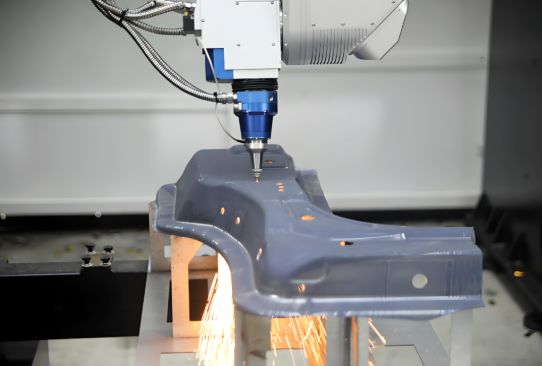
Imagine uploading a design file from your laptop and receiving precision-machined parts at your doorstep within days. No factory visits. No lengthy negotiations. No waiting weeks for a quote. This is exactly what CNC machining services online deliver to engineers, product developers, and manufacturers worldwide.
At its core, online CNC machining connects you with advanced manufacturing capabilities through digital platforms. Instead of the traditional approach of visiting machine shops, exchanging paper drawings, and waiting for manual quotes, you simply upload your CAD files, select materials, and receive instant pricing. The platform then coordinates production with certified CNC machine operators, often across a global network, to manufacture your cnc parts with precision tolerances as tight as ±0.01mm.
From CAD File to Finished Part in Days
The speed advantage is remarkable. According to industry research, companies using online CNC services have reduced development cycles by up to 50% compared to traditional manufacturing workflows. Whether you need a single prototype for testing or a batch of 500 production components, the process remains streamlined and predictable.
Think about what this means for your project timeline. A startup developing custom engine components can upload designs, receive machined parts for testing, and iterate on improvements within the same week. R&D teams can validate concepts faster. Production managers can source replacement parts without lengthy procurement cycles.
How Digital Platforms Changed Manufacturing Access
Before digital platforms emerged, accessing quality CNC machining required established supplier relationships, significant minimum order quantities, and substantial upfront investments. Small businesses and individual engineers often faced barriers that larger corporations simply bypassed with dedicated manufacturing partners.
Today, that playing field has leveled dramatically. An online cnc machine platform gives a two-person startup the same manufacturing access as a Fortune 500 company. You can order custom brackets, precision fittings, or complex aerospace components through the same intuitive interface.
The scope of what these services encompass has expanded significantly:
- Rapid prototyping: Single-unit production for design validation and functional testing
- Low-volume manufacturing: Small batch runs of 10-500 pieces without tooling investments
- Production runs: Scalable manufacturing for ongoing product needs
- Replacement parts: On-demand sourcing for maintenance and repair applications
The Online CNC Revolution Explained
So what exactly makes an online CNC service work? The platforms integrate several critical components that transform complex manufacturing into an accessible, transparent process:
- Digital quoting systems: Algorithms analyze your design geometry, material selection, and tolerances to generate accurate pricing within seconds
- File upload capabilities: Support for standard CAD formats like STEP, IGES, and STL ensures compatibility with your design software
- Material selection interfaces: Choose from metals like aluminum, steel, titanium, and brass, or engineering plastics such as delrin and polycarbonate
- Order tracking dashboards: Real-time visibility into production status, quality inspection, and shipping updates
- Quality documentation: Inspection reports and certifications that meet regulatory requirements for aerospace, medical, and automotive applications
For first-time users, the process removes the intimidation factor from precision manufacturing. You do not need decades of supplier relationships or manufacturing expertise to get a cnc quote online. The platform guides you through each decision point.
For experienced engineers seeking new suppliers, these services offer something equally valuable: transparency and speed. You can compare online machining quotes instantly, evaluate lead times against project deadlines, and scale production without renegotiating contracts. The cnc service you choose becomes a flexible manufacturing partner rather than a rigid vendor relationship.
Whether you are prototyping your first product or sourcing production components for an established product line, understanding how these platforms operate gives you a significant advantage in managing costs, timelines, and quality expectations.
CNC Milling Turning and Multi-Axis Processes Explained
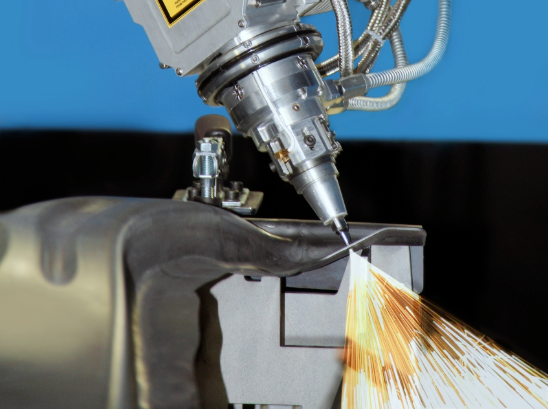
When you explore cnc machining services online, you will quickly encounter three primary manufacturing processes: milling, turning, and multi-axis operations. But which one fits your project? Understanding how each process works mechanically helps you make informed decisions rather than simply guessing based on vendor descriptions.
Here is the fundamental difference: CNC milling involves a stationary workpiece while a rotating cutting tool removes material to create your desired shape. CNC turning flips this approach entirely, with the workpiece rotating against a stationary cutting tool. Multi-axis machining combines these capabilities with additional degrees of freedom, enabling complex geometries that would otherwise require multiple setups.
CNC Milling for Complex 3D Geometries
Imagine you need a custom bracket with pockets, slots, and angled surfaces. CNC milling handles this effortlessly. The cnc cutting machine moves along multiple axes, allowing the rotating cutter to approach your workpiece from different angles and carve out intricate features.
What makes milling particularly versatile? Its multi-axis capabilities enable cnc milled parts with complex contours, irregular shapes, and detailed surface features. According to industry expertise, milling excels in handling materials that are challenging to turn, such as hardened steels and exotic alloys.
Consider these common applications for cnc milling parts:
- Complex engine components with multiple machined surfaces
- Custom gears and mechanical linkages
- Aerospace structural parts with weight-reducing pockets
- Enclosures and housings with precise mounting features
- Prototypes of consumer products requiring intricate details
The trade-off? Milling typically requires more setup time for complex parts, and achieving cylindrical features may involve additional tooling considerations compared to turning.
When CNC Turning Makes Sense
Now picture a different scenario. You need precision shafts, bushings, or threaded fittings. These cylindrical components are where cnc turning truly shines.
In a cnc turning service, your workpiece spins at high speed while a stationary cutting tool shapes it along its rotational axis. This approach offers exceptional efficiency for round or symmetrical parts. The cnc cutting process removes material continuously as the workpiece rotates, producing smooth cylindrical surfaces with excellent concentricity.
Cnc turning services excel at manufacturing:
- Shafts and spindles with precise diameter tolerances
- Bushings and rings for mechanical assemblies
- Flanges and coupling components
- Threaded fasteners and fittings
- Stepped cylinders with multiple diameter sections
The limitation? Turning struggles with parts featuring irregular shapes or complex geometries that extend beyond the rotational axis. If your part has pockets, angled features, or asymmetrical elements, milling is typically your better option.
Understanding 5-Axis Machining Capabilities
What happens when your design demands both complexity and precision that standard 3-axis operations cannot achieve? This is where 5 axis cnc machining services become essential.
Traditional milling moves along three linear axes: X, Y, and Z. Five-axis machines add two rotational axes, allowing the cutting tool or workpiece to tilt and rotate during machining. This capability eliminates the need for multiple setups, reduces handling errors, and enables features that would otherwise be impossible to machine.
The result? You can produce aerospace components with compound curves, medical implants with organic geometries, or turbine blades with complex airfoil profiles in a single operation. Modern multitasking machines even combine milling and turning capabilities, offering seamless coordination between rotating tools and workpiece rotation.
Process Comparison at a Glance
Selecting the right process depends on your part geometry, production volume, material properties, and accuracy requirements. This comparison helps you evaluate which approach suits your specific project needs:
| Process Type | Best Applications | Typical Tolerances | Complexity Level |
|---|---|---|---|
| CNC Milling (3-Axis) | Flat surfaces, pockets, slots, simple 3D contours | ±0.001" to ±0.005" (±0.025 to ±0.127mm) | Low to Medium |
| CNC Turning | Cylindrical parts, shafts, bushings, threaded components | ±0.001" to ±0.005" (±0.025 to ±0.127mm) | Low to Medium |
| 5-Axis Milling | Complex aerospace parts, turbine blades, medical implants | ±0.0005" to ±0.002" (±0.013 to ±0.051mm) | High |
| Mill-Turn Centers | Parts requiring both cylindrical and prismatic features | ±0.001" to ±0.003" (±0.025 to ±0.076mm) | Medium to High |
When uploading your design to an online platform, the quoting system typically analyzes your geometry and recommends the appropriate process. However, understanding these distinctions empowers you to optimize your design for manufacturability and anticipate how process selection affects both cost and lead time.
With a clear understanding of available machining processes, the next critical decision involves selecting the right material for your application requirements.
How to Choose the Right CNC Machining Materials
You have selected your machining process. Now comes an equally critical decision: what material should your part be made from? Choosing the right material is not just about checking a box on an order form. It directly affects how your part performs under stress, resists corrosion, handles temperature extremes, and ultimately determines project success.
The challenge? Most online platforms present you with a long list of material options without explaining when to choose one over another. You see aluminum, steel, brass, delrin, nylon, and dozens more. But which one matches your specific application requirements?
Let us build a practical framework for material selection based on what your part actually needs to accomplish.
Matching Materials to Mechanical Requirements
Before scrolling through material catalogs, start with a simple question: what conditions will your part face in real-world use? According to manufacturing experts at Protolabs, prioritizing your requirements from must-haves to nice-to-haves quickly narrows your options to a workable number.
Consider these factors when evaluating materials:
- Mechanical stress: Will your part bear heavy loads, experience impact forces, or undergo repeated stress cycles?
- Environmental exposure: Is moisture, humidity, or chemical contact a concern?
- Temperature range: Will the part operate near heat sources or in freezing conditions?
- Weight constraints: Does your application demand lightweight components?
- Surface requirements: Do you need smooth finishes, corrosion protection, or specific aesthetic qualities?
- Cost sensitivity: What is your budget for raw materials versus performance trade-offs?
Once you clarify these priorities, material selection becomes a logical process rather than guesswork.
Metal Selection Beyond the Basics
Metals remain the backbone of precision CNC machining. But saying you need "metal parts" is like saying you need "transportation." The specific choice matters enormously.
Aluminum alloys dominate online CNC orders for good reason. They machine quickly, resist corrosion naturally, and offer excellent strength-to-weight ratios. Aluminum 6061 provides good all-around performance for general applications, while 7075 delivers higher strength for aerospace and structural components. Both accept anodizing for enhanced durability or chromate plating for improved cosmetics.
Steel options range from low-carbon grades for general fabrication to stainless varieties for corrosion resistance. If your part operates in wet or chemically aggressive environments, stainless steel prevents rust and degradation. The trade-off? Steel machines slower than aluminum and weighs significantly more.
Brass and bronze excel in applications requiring low friction and excellent machinability. Machining bronze produces parts ideal for bushings, bearings, and decorative hardware. Bronze CNC components resist wear exceptionally well in sliding applications. These copper alloys also provide natural antimicrobial properties for medical and food-handling equipment.
Titanium offers the ultimate strength-to-weight ratio combined with outstanding corrosion resistance. Aerospace and medical applications frequently specify titanium despite its higher cost and slower machining speeds. If weight savings and biocompatibility are critical, titanium justifies the premium.
Engineering Plastics for Precision Applications
When metal is overkill, engineering plastics deliver precision performance at lower weight and cost. But plastics behave differently than metals during machining and in service.
What is delrin? Also known as acetal or polyoxymethylene (POM), delrin material stands out for exceptional dimensional stability and machinability. According to precision machining specialists, delrin plastic holds tight tolerances with ease because its low moisture uptake means what you machine is what you get. It forms clean chips, runs cool, and produces smooth surfaces straight off the tool with minimal post-processing.
Delrin excels in precision gears, bushings, valve components, and any application demanding dimensional accuracy in potentially wet environments.
Nylon for machining offers superior toughness and impact resistance compared to delrin. It handles heat better, with glass-filled grades tolerating continuous temperatures around 120-130°C versus delrin's 100-110°C limit. However, nylon absorbs moisture from air, which changes its dimensions over time. This hygroscopic behavior makes nylon better suited for applications where impact resistance matters more than tight tolerances.
Polycarbonate PC provides exceptional optical clarity combined with high impact strength. If your part needs transparency or must withstand sudden impacts, polycarbonate outperforms most alternatives. It machines well but requires careful temperature control to prevent melting or cracking.
Acrylic offers excellent optical properties and weather resistance at lower cost than polycarbonate. It machines cleanly and polishes to crystal clarity. However, acrylic is more brittle and less impact-resistant than polycarbonate, making material choice dependent on your specific stress requirements.
PEEK (polyether ether ketone) represents the high-performance end of engineering plastics. It withstands extreme temperatures, aggressive chemicals, and demanding mechanical loads. Aerospace and medical applications frequently specify PEEK despite its premium pricing.
Material Decision Matrix
Use this comparison to evaluate materials against your project requirements. Remember that machinability affects both cost and lead time, while relative cost impacts your budget decisions:
| Material | Key Properties | Common Applications | Machinability Rating | Relative Cost Tier |
|---|---|---|---|---|
| Aluminum 6061 | Lightweight, corrosion resistant, good strength | General mechanical parts, brackets, enclosures | Excellent | Low |
| Aluminum 7075 | High strength, lightweight, aerospace grade | Structural components, aerospace parts | Very Good | Medium |
| Stainless Steel 304 | Corrosion resistant, strong, hygienic | Food equipment, medical devices, marine parts | Moderate | Medium |
| Brass | Low friction, excellent machinability, decorative | Fittings, connectors, decorative hardware | Excellent | Medium |
| Bronze | Wear resistant, low friction, self-lubricating | Bushings, bearings, sliding components | Excellent | Medium-High |
| Titanium Grade 5 | Highest strength-to-weight, biocompatible | Aerospace, medical implants, racing components | Difficult | High |
| Delrin (Acetal) | Dimensional stability, low moisture absorption | Precision gears, valve components, bushings | Excellent | Low-Medium |
| Nylon 6/6 | High impact strength, heat resistant, tough | Structural parts, wear components, housings | Good | Low |
| Polycarbonate | Optical clarity, high impact strength | Transparent covers, safety shields, lenses | Good | Medium |
| Acrylic | Optical clarity, weather resistant, polishable | Display cases, signage, decorative parts | Very Good | Low |
| PEEK | Extreme temperature and chemical resistance | Aerospace, medical, chemical processing | Moderate | Very High |
Prototyping Material Considerations
If you are prototyping parts that will eventually be injection molded, consider matching your machined prototypes to production materials. As manufacturing experts note, using the same resin for machined prototypes as for injection-molded production gives you prototypes that perform similarly to final parts.
Popular molding resins like ABS, acetal, PEEK, and nylon are available in block form for machining. This alignment ensures your prototype testing accurately predicts production part behavior.
Material selection directly influences not only part performance but also manufacturing costs and timelines. With your material choice clarified, understanding the complete ordering workflow helps you navigate from design file to finished parts efficiently.
The Complete Online CNC Ordering Process
You have selected your machining process and chosen the right material. Now what? For first-time users of cnc machining services online, the ordering workflow can feel mysterious. What happens after you click upload? How long until you see a price? When do your parts actually ship?
The good news is that modern platforms have streamlined this process into predictable, transparent steps. According to Xometry's manufacturing workflow guide, the journey from design file to finished cnc machined parts follows a logical sequence that removes guesswork from custom manufacturing.
Let us walk through each stage so you know exactly what to expect.
Preparing Your CAD Files for Upload
Your ordering experience begins long before you visit a platform. Proper file preparation prevents delays and ensures accurate quoting.
Most online CNC platforms accept these standard file formats:
- STEP (.stp, .step): The industry-standard format for solid models, preserving geometry and feature data across different CAD systems
- IGES (.igs, .iges): An older but widely compatible format suitable for surface and solid geometry
- STL (.stl): Primarily used for 3D printing but accepted by some platforms for simpler geometries
- Native CAD formats: Some services accept SolidWorks, Inventor, or other proprietary formats directly
Before uploading, double-check your model for common issues. Are all features properly defined? Have you removed construction geometry or internal sketches that could confuse automated analysis? Is your model saved as a solid body rather than a surface model?
Taking five minutes to verify your file saves hours of back-and-forth communication later.
Understanding the Instant Quote Process
Here is where online platforms truly differentiate from traditional machine shops. Instead of waiting days for a manual estimate, you receive pricing within seconds.
How does instant quoting work? The platform's algorithms analyze your uploaded geometry automatically. They calculate material volume, identify complex features, estimate machining time, and factor in your tolerance and finish requirements. The result is a detailed quote showing per-part pricing, lead time options, and total project cost.
When reviewing your quote, pay attention to:
- Unit pricing versus quantity breaks: Larger orders typically reduce per-part costs
- Lead time options: Expedited production costs more but delivers faster
- Material and finish selections: Verify these match your requirements
- Tolerance specifications: Tighter tolerances increase machining time and cost
Many platforms allow you to adjust parameters and see pricing update in real time. Need a cnc prototype faster? Select expedited shipping. Want to reduce cost? Consider relaxing non-critical tolerances or choosing a more machinable material.
From Order Confirmation to Doorstep Delivery
Once you approve your quote and submit payment, your order enters the production pipeline. Understanding each stage helps you anticipate timing and communicate effectively with suppliers.
The complete workflow for custom machined parts typically follows this sequence:
- Design for Manufacturability (DFM) Review: Engineers examine your design for potential manufacturing issues. They may flag features that are difficult to machine, suggest modifications to reduce cost, or request clarification on ambiguous specifications. This review typically completes within 24-48 hours.
- Order Confirmation and Scheduling: After DFM approval, your order receives a confirmed production slot. You receive notification of the expected completion date based on current shop capacity and your selected lead time.
- Material Sourcing: The manufacturer procures your specified material. Common stock materials like aluminum 6061 ship from inventory immediately. Specialty materials or unusual sizes may require additional lead time.
- Programming and Setup: CNC programmers create toolpaths optimized for your part geometry. Machine operators prepare workholding fixtures and select appropriate cutting tools. This behind-the-scenes work ensures your cnc machining parts meet specifications.
- Production Machining: Your machined parts take shape as CNC machines execute programmed operations. Depending on complexity, a single part may require multiple setups or machine types to complete all features.
- Quality Inspection: Completed parts undergo dimensional verification against your specifications. Inspection may include CMM (coordinate measuring machine) measurements, surface roughness checks, and visual examination. Parts failing inspection are scrapped and remade.
- Finishing Operations: If you specified secondary finishes like anodizing, plating, or powder coating, parts move to finishing after machining approval. These processes add time but deliver enhanced appearance or corrosion protection.
- Packaging and Shipping: Approved parts receive protective packaging appropriate for their material and geometry. You receive tracking information and estimated delivery date.
- Delivery and Documentation: Your cnc prototyping or production order arrives with any requested documentation, including inspection reports, material certifications, or certificates of conformance.
What First-Time Users Should Expect
If you are new to ordering machining parts online, a few practical tips smooth the experience:
- Start with a simple part: Your first order should not be your most complex design. A straightforward component helps you learn the platform workflow without added stress.
- Communicate proactively: If engineers ask clarifying questions during DFM review, respond quickly. Delays in communication extend your lead time.
- Review inspection options: Understand what quality documentation you need before ordering. Adding inspection requirements after production causes delays.
- Track your order: Most platforms provide real-time status updates. Checking progress regularly helps you anticipate delivery and plan downstream activities.
The entire process from file upload to delivery typically ranges from 3-15 business days depending on part complexity, material availability, and selected lead time. Rush services can compress this to as little as one day for simple aluminum components.
With a clear understanding of the ordering workflow, the next consideration involves specifying appropriate tolerances that balance precision requirements against manufacturing costs.
Understanding CNC Tolerances and Precision Levels
You have uploaded your design, selected materials, and reviewed your quote. But one specification can dramatically affect both cost and functionality: tolerances. Specify too loose, and your parts may not fit together. Specify too tight, and you could double or triple your manufacturing costs unnecessarily.
So what tolerance level do you actually need? The answer depends entirely on what your part must accomplish in real-world use.
Standard vs Tight Tolerance Requirements
According to industry standards, standard CNC machining tolerances sit around ±0.005" (±0.127mm). For reference, that is about 2.5 times the thickness of a human hair. Most applications function perfectly within this range.
Here is a practical question to ask yourself: what happens if this dimension varies by ±0.1mm? If your answer is "nothing critical," standard tolerances will serve you well. Reserve tighter specifications for features that genuinely demand them.
Precision cnc machining services can achieve significantly tighter tolerances when necessary:
- Standard tolerances (±0.005" / ±0.127mm): Suitable for general mechanical parts, brackets, and enclosures
- Precision tolerances (±0.002" / ±0.05mm): Required for mating surfaces and assembly interfaces
- Tight tolerances (±0.001" / ±0.025mm): Essential for bearing seats, sealing surfaces, and sliding mechanisms
- Ultra-tight tolerances (±0.0001" / ±0.0025mm): Reserved for optical components and aerospace-critical applications
What is the tolerance for thread holes specifically? Thread specifications follow standardized classes (2B for most applications, 3B for precision fits) rather than linear tolerances. Your platform should automatically apply appropriate thread tolerances based on your specified thread class.
When Precision Really Matters
Tight tolerances become essential in specific situations. According to manufacturing cost analysis, you should specify precision only for:
- Parts that must fit together precisely (shafts mating with housings, connector interfaces)
- Sealing surfaces where leaks cannot occur (gasket grooves, O-ring channels)
- Moving components needing smooth operation (bearing seats, sliding mechanisms)
- Critical load-bearing interfaces in structural assemblies
The cost implications are significant. Precision machining parts with ±0.001" tolerances typically cost 3-4x more than standard tolerance work. Ultra-tight specifications at ±0.0001" can increase costs by 10-24x. These multipliers stem from slower cutting speeds, specialized equipment requirements, climate-controlled environments, and intensive CMM inspection procedures.
Lead times extend proportionally. Standard parts ship in 5-7 days, while tight tolerance components may require 10-14 days for careful machining and verification.
Tolerance Classes and Their Applications
Understanding tolerance classes helps you specify appropriate precision without over-engineering. This comparison shows what each level delivers and when to apply it:
| Tolerance Level | Typical Range | Applications | Cost Impact |
|---|---|---|---|
| Standard | ±0.005" (±0.127mm) | General mechanical parts, brackets, non-critical features | Baseline |
| Precision | ±0.002" (±0.05mm) | Mating surfaces, assembly interfaces, functional fits | 1.5-2x increase |
| Tight | ±0.001" (±0.025mm) | Bearing seats, sealing surfaces, sliding components | 3-4x increase |
| Ultra-Tight | ±0.0001" (±0.0025mm) | Optical components, aerospace-critical interfaces, metrology equipment | 10-24x increase |
Material properties also influence achievable tolerances. According to precision machining research, aluminum alloys machine predictably with tight tolerance capability, while titanium requires specialized cutting tools and reduced speeds. Temperature variations affect all materials, with thermal expansion coefficients determining how much parts change dimension during and after machining.
Precision cnc machining services account for these variables through environmental controls, specialized spindles, and advanced workholding systems. But these capabilities come at premium pricing.
Start with standard tolerances during prototyping. Tighten only the dimensions that testing proves critical to function or assembly. This approach reduces costs by 40-60% while maintaining product performance.
The practical strategy? Apply tight tolerances to 10-20% of your part dimensions where function demands precision. Use standard tolerances everywhere else. This targeted approach delivers precision machining services where they matter while keeping your project budget under control.
Even with appropriate tolerances specified, certain design decisions can unexpectedly inflate your machining costs. Understanding these common pitfalls helps you avoid expensive surprises.
Design Mistakes That Increase CNC Machining Costs
You have specified appropriate tolerances and selected the right material. Your quote looks reasonable. Then you receive DFM feedback flagging multiple design issues that will add days to your lead time and hundreds of dollars to your project cost.
Sound familiar? These frustrating surprises stem from common CAD mistakes that experienced engineers learn to avoid. According to manufacturing experts at Geomiq, design directly impacts machining time, cost, and effort. Understanding why certain features cause problems helps you design parts that machine efficiently from the start.
Design Errors That Drive Up Costs
When you upload a design to cnc machining services online, automated systems analyze your geometry for manufacturability. Certain features consistently trigger cost increases or manufacturing warnings. Here are the mistakes that hurt your budget most:
- Insufficient wall thickness: Thin walls vibrate during machining, reducing accuracy and risking breakage. The cutting tool or workpiece may bend or deflect, lowering achievable tolerances. Recommendation: maintain minimum 0.8mm wall thickness for metals and 1.5mm for plastics. For tall, unsupported walls, keep a width-to-height ratio of at least 3:1 to ensure stability during cnc fabrication.
- Sharp internal corners: Cylindrical cutting tools physically cannot produce sharp 90-degree internal corners. The tool radius always leaves a fillet at inside edges. Designing sharp internal corners forces manufacturers to use progressively smaller tools, dramatically increasing machining time. Fix: add internal radii at least 30% larger than your cutting tool radius. If your cutter is 10mm diameter, design internal corners with minimum 6.5mm radius.
- Overly tight tolerances on non-critical features: Specifying ±0.001" across your entire part when only mating surfaces require precision multiplies machining time and inspection costs. Standard CNC operations achieve ±0.13mm (±0.005") by default. Reserve tight tolerances for dimensions that genuinely affect function.
- Non-standard hole sizes: Standard drill bits create holes quickly and accurately. Non-standard diameters require end mills to progressively machine the dimension, significantly increasing cycle time. When specifying a through hole for a 4 m bolt or similar fastener, use standard clearance hole sizes that match readily available tooling.
- Excessive thread depth: Thread strength concentrates in the first few threads of engagement. Deeper threading wastes machining time without adding meaningful holding power. Limit thread depth to maximum three times the hole diameter. For blind holes, leave unthreaded length equal to half the hole diameter at the bottom.
- Deep cavities with poor access: Cutting tools have limited reach, typically 3-4 times their diameter before deflection becomes problematic. Deep pockets require long, thin tools that vibrate and wear rapidly. Design cavities with depth-to-width ratios no greater than 4:1 for efficient machining.
Avoiding Manufacturability Pitfalls
Beyond geometry issues, specification errors create costly confusion during production. Thread callouts present particular challenges when working with text milling or engraving operations.
Consider pipe thread specifications. The 1 4 npt hole size requires specific drill and tap combinations that differ from standard machine threads. Similarly, the 3/8 pipe thread size follows NPT standards with tapered profiles designed for sealing rather than mechanical fastening. According to MISUMI's NPT reference guide, these tapered threads create mechanical seals by wedging together, often enhanced with thread sealants.
Specifying 3/8 npt thread dimensions incorrectly causes tap breakage, poor sealing, or complete rework. Always reference standard thread tables and specify thread class (typically NPT for pipe connections, UNC/UNF for machine screws) rather than assuming manufacturers will interpret your intent.
Surface finishes also drive unexpected costs. CNC machines produce default surface roughness around 3.2 µm Ra, suitable for most mechanical applications. Specifying smoother finishes (1.6 µm or finer) requires additional passes, specialized tooling, or secondary polishing operations. Only specify premium surface finishes for functional surfaces like sealing faces or bearing journals where roughness genuinely affects performance.
Quick Fixes for Common CAD Mistakes
Before uploading your next design, run through this checklist to catch issues that inflate quotes:
- Check wall thickness: Verify all walls meet minimum recommendations (0.8mm metal, 1.5mm plastic). Thicken unsupported tall sections.
- Add internal radii: Replace all sharp internal corners with fillets. Size radii 30% larger than your smallest anticipated cutting tool.
- Review tolerance callouts: Apply tight tolerances only to functional mating surfaces. Use standard tolerances (±0.13mm) everywhere else.
- Verify hole sizes: Cross-reference hole diameters against standard drill size charts. Adjust to nearest standard size when exact dimension is not critical.
- Limit thread depth: Cap threaded engagement at 3x hole diameter maximum. Add chamfers at thread entries to prevent cross-threading during assembly.
- Simplify deep features: Redesign deep pockets to improve tool access. Consider through-holes instead of blind holes where possible.
- Eliminate unnecessary complexity: Remove purely aesthetic features that add machining time without functional benefit. Decorative patterns, embossments, and engraved text increase cost significantly.
- Specify standard surface finishes: Default to 3.2 µm Ra unless functional requirements demand smoother surfaces.
Taking fifteen minutes to review your design against these criteria typically saves 20-40% on machining costs while reducing DFM feedback cycles. The goal is not limiting your design creativity but rather channeling it toward solutions that manufacture efficiently.
With design optimized for manufacturability, understanding what factors affect lead times helps you plan projects realistically and identify opportunities to accelerate delivery.
Lead Time Factors and How to Speed Up Delivery
You have optimized your design, selected the right material, and specified appropriate tolerances. Now comes a question that affects every project timeline: how long until your parts actually arrive? When searching for cnc machine shops near me or evaluating online platforms, understanding what drives lead time helps you plan realistically and identify opportunities to accelerate delivery.
The frustrating reality? Many suppliers advertise "fast turnaround" without explaining the variables that determine whether your specific order ships in 3 days or 3 weeks. According to industry analysis from JLCCNC, delivery cycles directly impact customer satisfaction and market competitiveness. Let us break down what actually determines your lead time and how you can optimize each factor.
What Actually Determines Your Lead Time
When you submit an order to cnc machining services online, multiple variables combine to establish your delivery date. Understanding each factor reveals where you have control and where constraints exist:
- Material availability: Common stock materials like aluminum 6061 or brass ship from inventory immediately. Specialty alloys, unusual sizes, or exotic materials may require procurement lead times of days or weeks. Selecting readily available materials can shave significant time from your schedule.
- Part complexity and geometry: Intricate designs with tight tolerances require multiple machining operations, tool changes, and careful setups. According to manufacturing research, complex parts with demanding specifications directly increase processing duration. Simplifying non-critical features reduces cycle time.
- Tolerance requirements: Standard tolerances (±0.005") process quickly using default machining parameters. Tight tolerances demand slower feed rates, additional finishing passes, and extended inspection time. Each precision step adds hours to your timeline.
- Finishing operations: Secondary processes like anodizing, plating, or powder coating add 2-5 days after machining completion. Heat treatment, passivation, or specialized coatings extend timelines further. Plan for these additions when scheduling.
- Order quantity: Single prototypes often ship faster than production runs because setup time dominates small batches. Larger quantities require sustained machine time but benefit from optimized workflows once running.
- Supplier capacity: Shop loading varies weekly and seasonally. Busy periods extend lead times across all orders. Building relationships with multiple machining shops near me or online providers gives you options when capacity tightens.
Strategies for Faster Turnaround
You cannot control every variable, but strategic decisions at each stage compound into meaningful time savings. Here is how to structure projects for speed:
- Choose common materials: Aluminum 6061, 304 stainless steel, and delrin sit in stock at most suppliers. Specifying these instead of specialty grades eliminates procurement delays. If your application truly requires exotic materials, order them early or consider local machine shops that may have remnants available.
- Simplify non-critical features: Review your design for complexity that does not affect function. Removing decorative elements, reducing pocket depth, or relaxing tolerance on non-mating surfaces speeds machining significantly.
- Use standard hole sizes: Non-standard diameters require end milling instead of drilling, multiplying cycle time. Reference standard drill charts and adjust clearance holes to match available tooling.
- Separate finishing from machining: If secondary finishes are causing delays, consider ordering raw machined parts first. You can source anodizing or plating locally while production continues on subsequent orders.
- Communicate proactively: Respond immediately to DFM questions. Every day of delayed communication adds directly to your lead time. Provide complete specifications upfront to eliminate back-and-forth cycles.
- Consider parallel sourcing: For time-critical projects, submit quotes to multiple cnc services near me and online platforms simultaneously. Comparing actual lead times rather than advertised speeds reveals which supplier can genuinely deliver fastest.
Balancing Speed Quality and Cost
Faster delivery typically costs more. Rush services, expedited shipping, and priority scheduling all carry premiums. But intelligent trade-offs let you accelerate without breaking your budget.
Start by identifying your true deadline. If you have flexibility, standard lead times deliver identical quality at lower cost. When timing is genuinely critical, invest in expedited production but look for savings elsewhere. Relaxing non-critical tolerances, choosing more machinable materials, or reducing finishing complexity offsets rush charges.
According to design optimization research from Hubs, even small design decisions significantly impact machining duration. Threading depth, surface roughness specifications, and material selection all affect how quickly shops can complete your parts.
The fastest path to delivered parts combines readily available materials, manufacturable designs, and clear communication. These factors matter more than simply paying for rush service.
Whether you are working with local machine shops or cnc shop near me alternatives, or leveraging global online platforms, the same principles apply. Transparent communication about priorities, realistic expectations about timing, and strategic design decisions compound into reliable, rapid delivery.
Understanding lead time factors prepares you to plan effectively. But before committing to CNC machining, consider whether alternative manufacturing methods might better serve your specific project requirements.
CNC Machining vs Alternative Manufacturing Methods
Here is an honest question most manufacturing suppliers will not ask you: Is CNC machining actually the right choice for your project? Before investing time in quotes and design optimization, understanding when alternative methods outperform CNC saves you money, time, and frustration.
The truth? CNC machining excels in specific scenarios but falls short in others. According to manufacturing comparison research from Protolabs, each process has distinct benefits and limitations. Let us examine when you should consider 3D printing, injection molding, or sheet metal fabrication instead of reaching for cnc machining services online.
CNC vs 3D Printing Decision Points
When should you choose 3D printing over CNC machining? The answer depends on your geometry complexity, material requirements, and production volume.
3D printing shines for rapid cnc prototyping alternatives when your design features:
- Complex internal geometries: Lattice structures, internal channels, and organic shapes that would require extensive multi-axis machining or prove impossible to machine entirely
- Quick iteration cycles: When you need to test multiple design variations within days rather than weeks
- Lightweight structures: Parts optimized for weight reduction through topology optimization that creates unmachineable internal structures
- Single prototypes: One-off parts where CNC setup costs would dominate your budget
However, CNC machining beats 3D printing when you need:
- Superior mechanical properties: Machined metals and engineering plastics deliver consistent strength that layer-by-layer printing cannot match
- Tighter tolerances: CNC routinely achieves ±0.001" where most 3D printing struggles below ±0.005"
- Specific material requirements: If your application demands aluminum 7075, titanium, or acrylic cnc machining, additive processes offer limited alternatives
- Production quantities: Beyond 10-20 parts, CNC prototype machining often costs less per unit than 3D printing
For acrylic cnc service applications specifically, machining produces optically superior results compared to printed alternatives. The polished surfaces and dimensional precision achievable through CNC far exceed what additive processes deliver for transparent components.
When Injection Molding Beats CNC
Injection molding represents the volume manufacturing champion. But at what quantity does it make sense to transition from CNC?
The crossover point typically falls between 500-1,000 parts, depending on complexity and material. Below this threshold, CNC machining avoids expensive tooling investments. Above it, injection molding's lower per-part costs rapidly recover tooling expenses.
Consider injection molding when:
- Production volumes exceed 1,000 units: Tooling costs spread across larger quantities dramatically reduce per-part pricing
- Part geometry suits molding: Uniform wall thickness, draft angles, and simple cores align with molding constraints
- Material consistency matters: Molding delivers exceptional repeatability across thousands of identical parts
- Long-term production is planned: Multi-year product runs justify upfront tooling investments
Stick with CNC machining when:
- Design is still evolving: Modifying a CAD file costs nothing, while changing injection molds costs thousands
- Quantities stay under 500: Tooling investments never recover at low volumes
- Metal parts are required: Injection molding works only with plastics and limited metal injection molding (MIM) applications
- Prototype machining validates designs: CNC prototypes in production materials prove functionality before committing to tooling
Interestingly, many successful products use both methods strategically. Prototype machining validates designs using actual production materials, then injection molding scales up once designs freeze. According to Protolabs case studies, companies like Polarcool used 3D-printed prototypes before transitioning to injection molding for production medical devices.
Sheet Metal and Specialty Considerations
For enclosures, brackets, and structural components, sheet metal fabrication often outperforms CNC machining on both cost and lead time. Laser cutting, bending, and welding produce functional parts from flat stock more efficiently than machining from solid blocks.
Choose sheet metal when your design features:
- Primarily flat surfaces with bends
- Large enclosures where solid machining wastes material
- Welded assemblies from multiple formed pieces
For specialty materials like cnc machining bronze or carbon fiber prototyping, CNC remains essential. Bronze components for bushings and bearings machine beautifully, while carbon fiber composite machining requires specialized tooling and dust extraction that CNC platforms provide.
Manufacturing Method Comparison
This comparison helps you evaluate which approach genuinely fits your project requirements before requesting quotes:
| Method | Best Volume Range | Typical Lead Time | Material Options | Ideal Applications |
|---|---|---|---|---|
| CNC Machining | 1-500 parts | 3-15 days | Metals, engineering plastics, composites | Precision parts, functional prototypes, low-volume production |
| 3D Printing (FDM/SLA) | 1-50 parts | 1-7 days | Limited plastics, some metals via DMLS | Complex geometries, rapid iteration, concept models |
| Injection Molding | 500-1,000,000+ parts | 4-8 weeks (including tooling) | Thermoplastics, elastomers | High-volume production, consumer products |
| Sheet Metal Fabrication | 1-10,000 parts | 5-14 days | Steel, aluminum, stainless, copper | Enclosures, brackets, structural components |
Choosing the Right Manufacturing Method
Before committing to any process, ask yourself these questions:
- What is my total production volume? Single prototypes favor 3D printing. Dozens to hundreds favor CNC. Thousands favor injection molding.
- What material properties are non-negotiable? If you need specific metal alloys or engineering-grade performance, CNC machining delivers what printing cannot.
- How stable is my design? Evolving designs benefit from CNC's flexibility. Frozen designs justify tooling investments.
- What tolerances does my application require? Precision fits and critical dimensions point toward CNC or post-machined molded parts.
According to manufacturing cost analysis from Modus Advanced, approximately 70% of manufacturing costs are determined during the design phase. Choosing the right process upfront prevents expensive pivots later.
The honest answer? CNC machining services online excel for precision components in modest quantities using metals or engineering plastics. When your project genuinely fits this profile, online CNC delivers unmatched value. When it does not, exploring alternatives saves you money and produces better results.
For applications in regulated industries, manufacturing method selection must also consider certification and compliance requirements that constrain your options.
Industry Certifications for Aerospace Medical and Automotive
When your parts are destined for aircraft assemblies, surgical instruments, or automotive chassis systems, manufacturing quality is not just a preference. It is a regulatory requirement. Selecting cnc machining services online for these applications demands understanding which certifications matter, what they actually guarantee, and how to verify supplier compliance before placing orders.
Why does this matter to you? According to aerospace manufacturing experts, meeting rigorous standards is not just desirable in safety-critical industries—it is indispensable. Parts that fail certification requirements get rejected, projects stall, and costs escalate rapidly. Understanding certification requirements upfront prevents these expensive surprises.
Aerospace Machining Compliance Requirements
Aerospace cnc machining operates under some of the most demanding quality standards in manufacturing. When components fly at 30,000 feet, there is zero tolerance for material defects, dimensional errors, or process inconsistencies.
The foundational certification for aerospace machining is AS9100. This standard builds on ISO 9001 quality management principles but adds aerospace-specific requirements for traceability, risk management, and configuration control. According to industry data, AS9100 certification provides documentation ensuring products meet safety thresholds that major aerospace OEMs require before considering any supplier.
Key certifications for cnc machining aerospace applications include:
- AS9100: The core aerospace quality management system. Covers documentation control, lot traceability, management commitment, and continuous improvement. Third-party registrars conduct regular audits to verify compliance.
- NADCAP: Required for shops handling special processes like heat treating, non-destructive testing, and surface treatments. Provides assurance that complex operations meet aerospace-level standards through stringent checklists and periodic evaluations.
- ITAR Compliance: Essential for defense-related parts. Regulates access control over sensitive data and requires registration with DDTC (Directorate of Defense Trade Controls). Export licensing and restricted data protocols apply to international shipments.
- Customer-Specific Approvals: Major OEMs like Boeing and Airbus maintain unique supplier programs (such as Boeing's D1-4426) with additional audit protocols and PPAP submission requirements.
For engineers sourcing aerospace machining services, verifying these certifications before uploading designs prevents project delays. Request current certification documentation and audit dates. Expired or pending certifications may indicate compliance gaps that could affect your delivery timeline.
Medical Device Manufacturing Standards
Medical machining demands precision that directly impacts patient safety. According to medical manufacturing specialists at Pinnacle Precision, even the slightest deviation in a medical component can compromise a device's functionality, safety, or compliance. The stakes are simply too high for shortcuts.
The cornerstone certification for medical device machining is ISO 13485. This standard establishes quality management requirements specific to medical device manufacturing, covering design controls, production processes, and post-market surveillance. FDA regulations in the United States layer additional requirements on top of ISO 13485 compliance.
What makes precision machining service critical for medical applications?
- Biocompatibility requirements: Materials must be certified for contact with human tissue. Titanium, medical-grade stainless steel, and specialized polymers require documented material certifications.
- Traceability documentation: Every component must trace back to raw material lot numbers, machining parameters, and inspection results. Full material traceability enables seamless reporting when needed.
- Sterilization compatibility: Parts must withstand repeated sterilization cycles without dimensional change or surface degradation. Material selection directly impacts sterilization method options.
- Surface finish specifications: Surgical instruments and implants require smooth, burr-free surfaces to minimize contamination risks and improve sterilization efficiency.
Medical device machining applications span surgical instruments, diagnostic equipment enclosures, implant components, and custom brackets for patient-specific devices. Each application category carries specific regulatory requirements that your chosen precision machining service must understand and document.
When evaluating suppliers for medical machining projects, ask about their quality management system, inspection capabilities, and experience with FDA-regulated products. Suppliers unfamiliar with medical compliance requirements often underestimate documentation needs, causing costly project delays.
Automotive Quality Certifications Explained
The automotive industry runs on standardized quality systems that ensure components perform reliably across millions of vehicles and decades of service life. According to automotive quality analysis from Rochester Electronics, IATF 16949 certification shows a commitment to quality that attracts and retains customers while enhancing product excellence.
IATF 16949 represents the leading quality management standard for automotive suppliers worldwide. Required by top automotive manufacturers and OEMs, this certification provides competitive advantage while ensuring components meet the demanding requirements of vehicle production.
What does IATF 16949 certification guarantee?
- Continuous improvement focus: Certified suppliers prioritize ongoing enhancements, error-proofing, and defect prevention rather than simply meeting minimum requirements.
- Zero-defects culture: Manufacturing processes are designed to eliminate variation and prevent quality escapes before they reach assembly lines.
- Core tools implementation: Mandatory automotive tools including APQP (Advanced Product Quality Planning), PPAP (Production Part Approval Process), FMEA (Failure Mode Effects Analysis), MSA (Measurement System Analysis), and SPC (Statistical Process Control).
- Long lifecycle support: Vehicle manufacturers require aftermarket parts support for 15+ years after production ends. Certified suppliers maintain capabilities aligned with these extended requirements.
For cnc precision machining services serving automotive applications, Statistical Process Control (SPC) capabilities prove essential. SPC monitors production variables in real-time, catching drift before it produces out-of-specification parts. This proactive approach reduces waste, improves consistency, and demonstrates the process discipline automotive OEMs demand.
As an example of what certified automotive machining looks like in practice, Shaoyi Metal Technology maintains IATF 16949 certification backed by strict Statistical Process Control capabilities. Their facility delivers high-tolerance components with lead times as fast as one working day, supporting everything from complex chassis assemblies to custom metal bushings. This combination of certification, process control, and rapid turnaround illustrates the capabilities serious automotive suppliers bring to their customers.
Certification Verification Checklist
Before committing to any supplier for regulated industry applications, verify these critical elements:
- Current certification status: Request copies of certificates with issue dates and expiration dates. Verify registrar legitimacy.
- Audit history: Ask about recent surveillance audits and any corrective actions required. Clean audit histories indicate mature quality systems.
- Scope of certification: Confirm certifications cover the specific processes your project requires. A shop certified for milling may not hold certifications for heat treatment or finishing operations.
- Industry experience: Certification alone does not guarantee expertise. Ask for case studies or references from similar applications in your industry.
- Documentation capabilities: Regulated industries require extensive paperwork. Confirm suppliers can provide material certifications, inspection reports, and certificates of conformance in required formats.
Navigating certification requirements feels complex initially, but understanding these standards protects your projects from compliance failures that cause costly delays and rework. Whether you need aerospace machining for flight-critical components, medical device machining for patient-contact surfaces, or automotive parts meeting IATF 16949 requirements, verifying supplier certifications before ordering prevents expensive surprises downstream.
With certification requirements understood, the final consideration involves evaluating potential suppliers across multiple dimensions to find the right long-term manufacturing partner.
Selecting the Right Online CNC Machining Partner
You have navigated machining processes, material selection, tolerance specifications, and certification requirements. Now comes the decision that ties everything together: choosing a cnc machining services online partner who can actually deliver on their promises. With dozens of platforms and thousands of machine shops competing for your business, how do you separate genuine capability from marketing claims?
The answer lies in systematic evaluation rather than gut feelings or lowest-price selection. According to manufacturing industry research, how you choose a CNC machining supplier directly relates to project success. Let us build a practical framework for making this critical decision.
Evaluating Online CNC Service Providers
When you search for cnc machining services near me or explore global online platforms, the options can feel overwhelming. Breaking evaluation into specific categories makes comparison manageable and reveals meaningful differences between providers.
Start with these fundamental questions before requesting quotes:
- Technical capability alignment: Does the provider operate equipment suited to your part requirements? Multi-axis machines, specific material expertise, and achievable tolerances should match your specifications. Ask about machine types, spindle capabilities, and maximum workpiece dimensions.
- Material range and expertise: Can they source and machine your specified materials? Look beyond basic aluminum and steel to verify capabilities with specialty alloys, engineering plastics, or composites if your project demands them. According to precision machining specialists, suppliers familiar with your specific materials know common pitfalls and regulatory requirements, saving you time and headaches.
- Certification and compliance: For regulated industries, verify current certifications match your requirements. AS9100 for aerospace, ISO 13485 for medical, IATF 16949 for automotive. Request documentation and confirm audit dates.
- Quote transparency: Does pricing clearly itemize machining, materials, finishing, and shipping? Hidden costs signal potential problems throughout the relationship. Good providers list processing steps and fee breakdowns to prevent surprise charges.
- Communication responsiveness: How quickly do they respond to technical questions? Delays during quoting predict delays during production. Test responsiveness before committing significant orders.
These baseline criteria filter out providers who cannot meet your fundamental requirements. But finding machining services near me or custom cnc machining services that genuinely fit requires deeper evaluation.
Quality Indicators That Matter
Promises of quality mean little without systems to deliver consistently. When evaluating potential partners, look for concrete evidence of quality commitment rather than marketing language.
- Inspection equipment and capabilities: What metrology tools does the provider use? CMMs (Coordinate Measuring Machines), optical comparators, and surface finish testers verify parts meet specifications. Ask about their inspection protocols and whether inspection reports accompany deliveries.
- Quality management systems: ISO 9001 certification provides baseline quality assurance. Industry-specific certifications add layers appropriate to your application. Request quality manual summaries if your project demands rigorous documentation.
- Process control methods: Statistical Process Control (SPC) indicates mature manufacturing discipline. Providers monitoring production variables in real-time catch drift before it produces defective parts. This proactive approach reduces waste and improves consistency across production runs.
- Track record and references: Ask for case studies or customer references in similar applications. Providers confident in their capabilities share success stories readily. Hesitation or inability to provide references suggests limited relevant experience.
- Problem resolution approach: How do they handle parts that fail inspection? Reputable providers remake defective components without additional charges and investigate root causes to prevent recurrence.
Quality indicators matter especially when you cannot visit the facility personally. Online platforms serving global customers must demonstrate quality systems that compensate for the lack of face-to-face relationship building.
Scaling from Prototype to Production
Here is a strategic consideration many buyers overlook: can your prototyping partner scale to production volumes when your design succeeds? According to manufacturing workflow research, prototyping with your production supplier enables seamless transition to full-scale production, reducing the need for costly adjustments or reconfigurations.
Why does this matter? Switching suppliers between prototyping and production introduces risks:
- Process variation: Different machines, tooling, and setups produce different results. Parts that worked perfectly from your prototype supplier may require redesign for production equipment.
- Knowledge loss: Lessons learned during prototyping stay with your original supplier. New providers start from scratch, potentially repeating solved problems.
- Qualification delays: Regulated industries may require re-qualification when changing suppliers, adding weeks or months to your timeline.
- Relationship rebuilding: Communication patterns, technical understanding, and trust require time to develop with each new supplier.
The solution? Prioritize partners capable of handling your full volume range from day one. Look for providers offering both rapid prototyping and mass production capabilities with consistent quality systems across volume tiers.
As an example of seamless scaling capabilities, Shaoyi Metal Technology demonstrates what integrated prototype-to-production service looks like in practice. Their IATF 16949-certified facility delivers high-tolerance components with lead times as fast as one working day, supporting everything from initial prototypes to volume production runs for automotive chassis assemblies and custom metal bushings. This combination of certification, rapid turnaround, and scalability illustrates the characteristics worth prioritizing when selecting your manufacturing partner.
Partner Evaluation Checklist
Before committing to any cnc machining near me option or online platform, work through this comprehensive evaluation:
- Technical fit: Equipment capabilities match your part requirements for size, complexity, and precision
- Material expertise: Proven experience with your specified materials and relevant processing knowledge
- Certification alignment: Current certifications appropriate for your industry and application requirements
- Transparent pricing: Clear, itemized quotes without hidden fees or ambiguous cost structures
- Responsive communication: Quick, helpful responses to technical questions during the evaluation phase
- Quality systems: Documented inspection processes, appropriate metrology equipment, and quality certifications
- Process control: Statistical Process Control or equivalent monitoring for consistent production quality
- Scalability: Capability to grow from prototyping through production volumes without supplier transitions
- Lead time reliability: Track record of meeting quoted delivery dates and clear communication about schedule changes
- After-sales support: Warranty policies, technical assistance availability, and problem resolution procedures
Working through this checklist systematically prevents the common mistake of selecting suppliers based on single factors like lowest price or fastest quoted lead time. The cheapest quote often signals quality compromises that cost more in rework and delays. The fastest promise may come from a shop that overcommits and underdelivers.
The right machinist near me or online partner balances capability, quality, communication, and value. Invest time in thorough evaluation upfront to build a manufacturing relationship that supports your projects for years to come.
Whether you work with local cnc machine shop near me options for hands-on collaboration or leverage global online platforms for competitive pricing and capacity, these evaluation criteria apply universally. The goal is finding a partner whose capabilities genuinely match your requirements, whose quality systems protect your projects, and whose business model supports scaling as your needs evolve.
Your manufacturing partner choice affects every project you undertake together. Choose deliberately, verify claims thoroughly, and build relationships with providers who demonstrate commitment to your success through consistent performance rather than just compelling marketing.
Frequently Asked Questions About CNC Machining Services Online
1. How do online CNC machining services work?
Online CNC machining services operate through digital platforms where you upload CAD files in formats like STEP or IGES, receive instant quotes based on automated geometry analysis, select materials and finishes, then track production through delivery. The platform coordinates manufacturing with certified CNC operators who machine your parts to specification. Most services deliver precision components within 3-15 business days, with rush options available for faster turnaround.
2. What file formats do online CNC services accept?
Most platforms accept STEP (.stp, .step) as the industry standard for solid models, along with IGES (.igs, .iges) for surface geometry. Some services also accept STL files for simpler geometries and native CAD formats from SolidWorks or Inventor. STEP files are preferred because they preserve complete geometry and feature data across different CAD systems, ensuring accurate quoting and manufacturing.
3. How much does online CNC machining cost?
CNC machining costs depend on material selection, part complexity, tolerances, finishing requirements, and quantity. Aluminum parts with standard tolerances cost less than titanium components requiring tight precision. Instant quoting systems calculate pricing based on material volume, machining time, and setup complexity. Quantity breaks reduce per-part costs significantly, and selecting common materials like aluminum 6061 or delrin keeps pricing competitive.
4. What tolerances can online CNC machining achieve?
Standard CNC machining achieves ±0.005 inches (±0.127mm) by default, suitable for most mechanical applications. Precision work reaches ±0.002 inches (±0.05mm) for mating surfaces, while tight tolerances of ±0.001 inches (±0.025mm) serve bearing seats and sealing surfaces. Ultra-tight tolerances of ±0.0001 inches are available for aerospace and optical components but significantly increase costs and lead times.
5. How do I choose between CNC machining and 3D printing?
Choose CNC machining when you need superior mechanical properties, tight tolerances below ±0.005 inches, specific metal alloys or engineering plastics, or quantities exceeding 10-20 parts. Select 3D printing for complex internal geometries, rapid design iterations, lightweight lattice structures, or single prototypes where CNC setup costs dominate. CNC delivers consistent material strength that layer-by-layer printing cannot match for functional parts.