 Small batches, high standards. Our rapid prototyping service makes validation faster and easier —
  EN
EN


Can You Tig Weld Without Gas? Avoid Ruined Welds and Guesswork
Can You TIG Weld Without Gas?
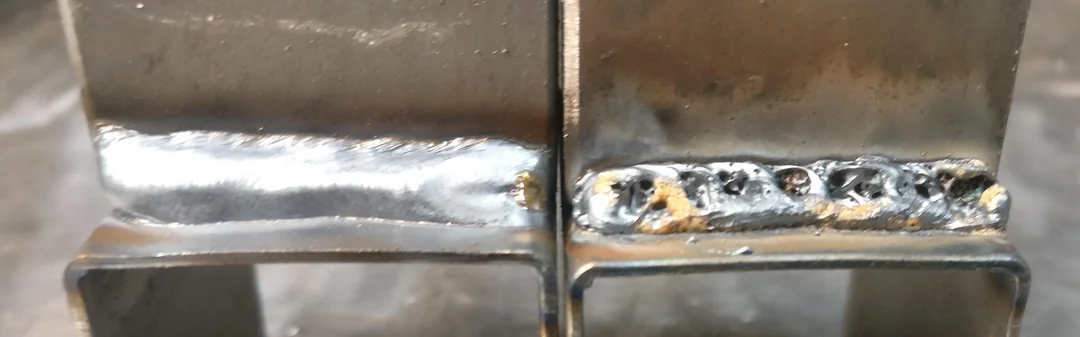
A true TIG weld generally cannot be made without shielding gas. Gas protection is built into the TIG process itself, so while a machine may sometimes strike an arc, that is not the same as producing a clean, usable, or reliable weld.
If you are asking can you tig weld without gas, the short answer is no in any practical sense. TIG, also called GTAW, uses a nonconsumable tungsten electrode to create an arc, and a shielding gas envelope protects the weld area from the atmosphere. That basic process definition appears in GTAW fundamentals. So when people ask can you weld tig without gas, they are usually mixing up two different ideas: making a spark and making a sound weld.
Can You TIG Weld Without Gas Explained
Plainly put, TIG is a precision welding process that depends on gas coverage from the start. Without that coverage, you do not have normal TIG conditions. A quick arc pop might happen on some machines, but a proper weld bead with expected strength, appearance, and control is another story.
Why TIG Depends on Shielding Gas
If you are wondering is gas required for tig welding, yes. The shielding gas protects both the tungsten and the molten weld pool from oxygen and other airborne contamination. A nexAir overview also notes that running TIG without gas compromises quality and safety rather than creating a workable shortcut.
- TIG is not designed as a gas-free process.
- Striking an arc is not proof of weld quality.
- Shielding gas is part of the process, not an optional extra.
What Gasless TIG Usually Means
The phrase "gasless TIG" usually points to a misunderstanding. Beginners often mean one of these things:
- They are thinking of stick welding or flux-cored welding.
- They want to test whether the machine powers on.
- They saw an arc start and assumed the weld was acceptable.
That confusion makes sense, because the machine can still look active. The trouble starts a split second later, when air reaches the hot tungsten and weld pool.
Why TIG Welding Needs Shielding Gas
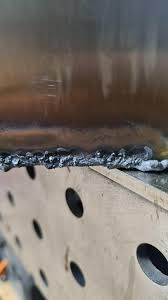
That first breath of air is exactly where TIG starts falling apart. If you still wonder can you tig weld without shielding gas, the answer stays no because TIG is not just an electric arc process. It is an arc process that depends on an inert gas envelope around the tungsten and the weld puddle.
How Shielding Gas Protects the Weld Pool
So why does tig welding need gas? In GTAW, shielding gas protects the molten weld pool and tungsten electrode from oxygen, nitrogen, and other atmospheric contamination. Miller Welds notes that proper gas coverage also affects arc stability, arc starting, heat input, and weld appearance. That is why gas is not an accessory. It is part of the weld chemistry and part of the arc behavior.
For many TIG jobs, pure argon is the normal starting point because it offers stable arc starts and a narrow, controllable arc. Kemppi also explains that argon-helium blends or even helium may be chosen when higher heat input or deeper penetration is needed on thicker material. Different gases can tune the process, but no shielding at all removes the process protection entirely.
In TIG, losing inert coverage does not just hurt appearance. It lets the atmosphere interfere with the tungsten, the puddle, and the final weld structure at the same time.
What Air Does to Tungsten and Molten Metal
Without shielding, hot metal reacts fast. The molten puddle oxidizes. The tungsten can become contaminated, discolored, and unstable. The arc wanders more easily, and the bead often turns rough, dirty, and weak. Porosity becomes a major risk because gases get trapped as the weld solidifies. What looks like a bead on the surface may hide internal defects and poor fusion.
- No shielding gas reaches the arc zone.
- Air contacts the hot tungsten and molten weld pool.
- Oxidation and contamination begin immediately.
- Arc stability drops and the tungsten degrades.
- The weld forms with porosity, poor appearance, and reduced integrity.
Why Arc Start Does Not Equal Weld Quality
This is where many people get fooled. What happens if you tig weld without gas? A machine may still produce an arc for a moment, especially with a clean setup and short exposure time. But an arc start only proves electrical function. It does not prove shielding, sound fusion, or usable weld quality. That gap between "it sparked" and "it welded" is where most gasless TIG myths come from.
Can a TIG Welder Arc Without Gas?
The machine may still power up, click, and even flash an arc. That is exactly why this part confuses beginners. Notes from ArcCaptain and SSimder point to the same issue: without shielding gas, TIG can appear to work for a moment, but the tungsten and hot metal are exposed to air immediately. That exposure brings contamination, arc instability, porosity, and weak results.
What Happens If You Strike an Arc Without Gas
So, can a tig welder arc without gas? Sometimes, yes. But that only shows the machine can create electrical heat. It does not show that you have a usable weld. ArcCaptain explains that gas-free TIG leads to erratic arc behavior, oxidation, porosity, and tungsten degradation. In real terms, the tungsten can discolor or become contaminated fast, and the puddle loses the clean protection TIG depends on. A quick spark is not proof that the setup is ready for welding.
Tack Welding and Spot Attempts Without Shielding
Can you tack weld with tig without gas? A small tack may seem possible because two pieces can momentarily fuse or stick together. The trouble is that the tack forms under the same contaminated conditions as a full bead. SSimder describes weak, porous, and less corrosion-resistant welds when shielding is missing, so a tack made this way is still unreliable. On scrap, that may only waste time. On any part that matters, it is a bad habit to build around.
Safe Ways to Check a TIG Welder Before Welding
If your real concern is can you test a tig welder without gas, there are better ways to check the machine than striking an arc and hoping for the best. Review the setup, confirm the machine powers on, inspect the torch and tungsten, and make sure the pedal or torch switch responds. Those steps help confirm basic function without pretending a gas-free arc is a valid welding test.
| Action | What it confirms | Risk without gas |
|---|---|---|
| Power on the machine | Basic electrical function and display activity | Does not confirm weld readiness |
| Inspect torch, ground, and tungsten | Connections and consumable setup look correct | A contaminated tungsten will perform even worse if you try to weld dry |
| Press the pedal or torch switch | Control input is responding | Still does not prove shielding or weld quality |
| Review mode, polarity, and planned settings | The machine is configured for the intended job | Wrong settings plus no shielding multiplies problems |
| Strike an arc without gas | Only that the arc can initiate | False confidence, tungsten contamination, and unusable weld conditions |
| Make a tack without gas | The pieces may briefly stick | Weak, porous, contaminated tack |
Even that brief failure changes character from one metal to another. Aluminum, mild steel, and stainless each react differently when shielding disappears.
Can You TIG Weld Aluminum, Steel, or Stainless Without Gas?
Try the same gas-free arc on three metals and they will not all fail in the same way. The weld is still unusable, but the warning signs change with the material. That difference matters, because a beginner may think the least ugly result is the safest one. It is not.
Aluminum Without Gas Fails Fast
If you are asking can you tig weld aluminum without gas, aluminum usually answers first and harshest. In Miller's TIG problem guide, aluminum TIG welding depends on breaking down the oxide layer and waiting for a clean, shiny puddle before adding filler. Without shielding, that puddle is exposed immediately while aluminum is already fighting its stubborn oxide film. The puddle gets dirty fast, wetting becomes poor, and control disappears. Instead of the smooth, responsive feel TIG is known for, you get contamination, erratic behavior, and a bead that may look fused on top while hiding weak bonding underneath.
Mild Steel Without Gas Creates Contamination
Can you tig weld steel without gas? Mild steel can fool people because it may still melt and stick for a moment. That does not make it sound. Miller shows how poor gas coverage leads to contamination and weak welds, and its examples of dirty mild steel welds show how quickly cleanliness affects bead quality. With no shielding, mild steel often develops a dark, dirty, sometimes sooty-looking surface, along with a rough bead profile and a higher chance of porosity. Even when the joint seems to hold at first, the bead lacks the clean integrity TIG is supposed to deliver.
Stainless Steel Shows Oxidation and Heat Tint
Can you tig weld stainless steel without gas? This is where missing shielding can damage both appearance and service performance. Miller notes that poor color on stainless comes from excess heat, and that oxygen exposure on the backside causes sugaring, which weakens the joint. Weldmonger on stainless adds that poor shielding gas coverage and contamination can compromise corrosion resistance. So a gas-starved stainless weld may show heat tint, oxidation, rough sugaring at the root, and surface contamination, all while becoming less corrosion-resistant than the base metal was chosen for.
| Material | What you may observe without shielding | Likely defect types | Why the result is not production-worthy |
|---|---|---|---|
| Aluminum | Dirty puddle, unstable control, poor wetting, oxide-related contamination | Contaminated bead, poor fusion, irregular profile | Aluminum TIG already depends on oxide removal and puddle control. Losing shielding undermines both at once. |
| Mild steel | Dark or dirty bead surface, rough appearance, unstable puddle behavior | Porosity, contamination, weak bead integrity | The weld may stick, but it does not meet the cleanliness or reliability expected from TIG. |
| Stainless steel | Discoloration, heat tint, oxidation, possible root sugaring | Surface oxidation, weakened root, compromised corrosion resistance | Stainless loses one of its biggest benefits when shielding is poor: corrosion resistance. |
That is why material choice changes the symptoms, not the rule. Shielding is mandatory across the board, but the right gas setup still needs to match the metal and the weld goal.
What Gas Do You Need for TIG Welding?
Symptoms change by metal, but the fix usually starts the same way: choose the shielding gas to match the job. If you are asking what gas do you need for tig welding, the safest starting answer for most work is pure argon. Gas choice affects arc stability, puddle control, weld appearance, and finished part quality, not just whether the arc turns on. Miller Welds identifies 100 percent argon as the best all-around shielding gas for TIG, while UNIMIG notes that pure argon is used across mild steel, stainless steel, and aluminum.
Pure Argon as the Common Starting Gas
For everyday TIG welding, pure argon is the usual baseline. It is widely available, relatively affordable, and known for excellent arc stability and reliable arc starts. Minoo also describes pure argon as the preferred versatile choice because its inert nature helps protect both the tungsten and the weld pool from unwanted reactions.
This also answers a common follow-up: can you tig weld without argon gas? Sometimes the answer is yes, but only if you are still using a suitable shielding gas, such as helium or an argon-helium mix for a specific application. That is very different from running TIG with no gas at all.
When Mixed Gases May Be Discussed
Some jobs call for more heat than pure argon provides. Miller explains that helium delivers higher heat input, which can help on thicker materials by supporting faster travel speeds and deeper penetration. Argon-helium mixes are often used to combine that added heat with better arc-start behavior than straight helium. Minoo likewise points to argon-helium blends for thicker aluminum and other high-conductivity metals, especially when more thermal performance is needed.
The discussion should stay conservative, though. For TIG, the common gas choices remain inert options such as argon, helium, and argon-helium blends. UNIMIG warns that active gases like CO2 and oxygen react badly in TIG, affecting the weld and damaging the tungsten. So the best shielding gas for tig welding depends on the material, thickness, and welding goal, not on guesswork.
Match Gas Choice to Material and Weld Goal
- Aluminum, general work: Start with pure argon for stable control and dependable shielding.
- Mild steel, routine TIG: Pure argon is the normal starting choice for clean, predictable beads.
- Stainless steel, everyday fabrication: Pure argon handles most standard TIG tasks well.
- Thicker aluminum or high-conductivity metals: Helium or an argon-helium mix may be discussed when extra heat input is useful.
- Cold conditions or limited amperage headroom: Helium additions may help maintain a hotter arc.
- Procedure-controlled shop work: Follow the WPS or approved shop procedure instead of choosing gas by trial and error.
One detail matters more than it first seems: the wrong gas may still provide some shielding but produce poor weld behavior, while no gas leaves the weld zone exposed outright. That is why many questions about gas-free TIG are really pointing toward a different process, not a different cylinder.
Is There Such a Thing as Gasless TIG?
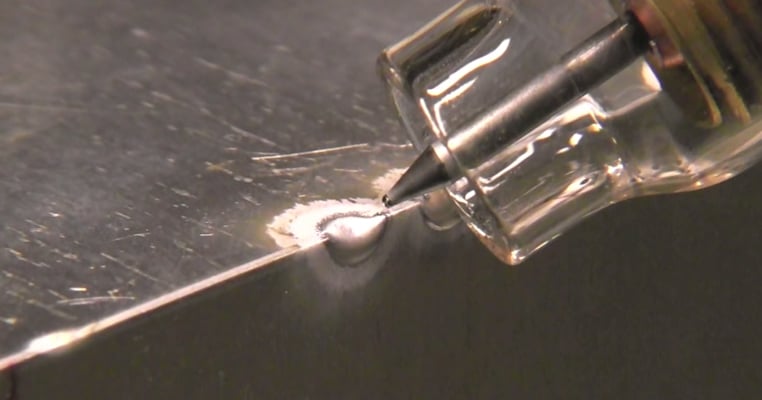
That question about using a different gas often turns out to be a different process entirely. If you ask can you do tig welding without gas, true TIG still says no. In a basic process overview, TIG is defined as a gas-shielded method that uses a non-consumable tungsten electrode, while stick and flux-cored welding create shielding from flux instead of an external bottle.
Why Gasless TIG Is a Misnomer
TIG is not just an arc between a torch and metal. It is a controlled arc plus inert gas coverage through the torch cup. Remove that coverage and you have lost a core part of the process. So, is there such a thing as gasless tig in the normal GTAW sense? No. The phrase sounds plausible because a TIG machine may still light an arc, but that does not turn it into a self-shielded process.
The confusion gets worse when people focus on start modes. Scratch start, lift TIG, and high-frequency start only describe how the arc begins. The arc-start guide makes that clear: each method is about ignition, cleanliness, and contact with the base metal, not about replacing shielding gas. High frequency is cleaner. Lift start reduces contact. Scratch start is older and more contamination-prone. None of them makes TIG gas-free.
Processes People Confuse With TIG
When people search what is gasless tig welding, they are usually picturing one of these real gas-free or no-external-gas processes:
| Process | Shielding source | Cleanliness | Portability | Learning curve | Common use cases |
|---|---|---|---|---|---|
| TIG | External inert gas, usually argon | Very clean, no slag, excellent visibility | Lower, because it needs a gas setup | High | Precision work, thin material, stainless, aluminum, appearance-critical welds |
| Stick | Flux coating on the electrode creates shielding and slag | Rougher, with slag and more spatter | High | Moderate | Outdoor repair, structural steel, dirtier material, rugged field work |
| Self-shielded flux-cored | Flux inside the wire creates shielding and slag | Less clean than TIG, with slag and more smoke | High | Moderate to fairly approachable | Outdoor steel work, thicker sections, portable wire-feed jobs |
Choose the Right Process Instead of Forcing TIG
TIG is the choice when cleanliness, control, and weld quality matter most. Stick and self-shielded flux-cored are the better fit when you need portability, wind resistance, or a jobsite-friendly setup without a gas cylinder. That is the real fix for the myth: do not try to make TIG behave like a gasless process. Match the process to the job, the material, and the conditions. Sometimes that means waiting for proper shielding. Sometimes it means switching methods before you waste time, tungsten, and parts.
What to Do If You Run Out of TIG Gas
Sometimes the smartest welding move is to stop before you create extra cleanup, rework, and scrap. If you are searching for what to do if you run out of tig gas, do not try to force TIG into a no-bottle process. You can use a tig welder without gas for basic setup checks and fit-up planning, but not for a real weld you expect to trust. The practical choice depends on the part, the metal, and whether a true gas-free process actually fits the job.
What to Do When You Have No Shielding Gas
- Decide how critical the weld is. If the part is structural, pressure-related, corrosion-sensitive, appearance-critical, or made from aluminum or stainless, stop and wait for proper shielding gas.
- Check the work environment and material. For carbon steel repair work, outdoor jobs, or windy conditions, stick vs flux core guidance shows that stick welding and self-shielded FCAW are the realistic no-external-gas options.
- Match the alternate process to the task. Stick is often the simpler choice for small repairs, field work, and steel that is less than perfect. Self-shielded flux-cored welding makes more sense when you want continuous wire feed on steel and have the correct machine and wire.
- Do not switch processes blindly. Gas-shielded FCAW still needs external gas, and code or qualification requirements may limit what process you can use on a given job.
- If no true alternative fits, pause the weld. Waiting for gas usually costs less than damaging parts, contaminating tungsten, and grinding out failed welds later.
Better Process Options for the Job
An alternative to tig welding without gas is only better when it truly suits the work. That usually means steel applications, not precision aluminum or stainless fabrication. The same MW Alloys comparison notes that stick tends to win on small jobs, field repairs, and dirty steel, while flux-cored welding is often favored for higher-deposition steel work. The key detail is simple: self-shielded flux-cored wire creates shielding from flux in the wire, but gas-shielded flux-cored wire still needs a bottle.
- Wait for TIG gas: best for aluminum, stainless, thin tubing, cosmetic welds, and jobs that need tight heat control.
- Use stick: a solid option for small outdoor repairs, heavier steel, and portable field work.
- Use self-shielded flux-cored: useful on steel when you want wire-feed productivity without external shielding gas.
- Do not substitute casually: if the job demands clean appearance, low contamination, or repeatable precision, the missing bottle is not a minor inconvenience. It changes the whole process choice.
How to Pause Work Without Wasting Parts
- Finish measuring, cutting, beveling, and dry fit-up.
- Clean joint faces and remove oil, rust, mill scale, or oxide as needed.
- Fixture and clamp parts so alignment is ready when gas arrives.
- Inspect the torch, tungsten, cup, collet, ground, and pedal or torch switch.
- Confirm polarity, amperage range, filler choice, and gas hose connections.
- Label and store cleaned parts so they do not pick up new contamination.
If you came here asking can you use a tig welder without gas, the practical answer is yes for prep and machine checks, no for trustworthy welding. That line gets even sharper when the work involves tight tolerances, repeat runs, or quality demands that leave no room for improvisation.
When Precision TIG Work Needs a Trusted Partner
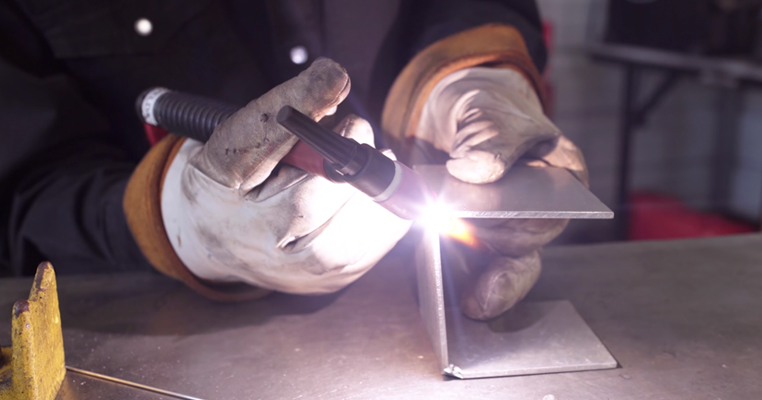
There is a point where troubleshooting stops being the smart move. If a weldment has to fit every time, survive service loads, or pass supplier quality checks, the question is no longer just can you tig weld without the gas. It is whether the job needs controlled production welding instead of improvised shop fixes.
When DIY TIG Is No Longer the Right Answer
Practice coupons and production parts live in different worlds. For chassis assemblies, brackets, and other repeat-run components, small changes in fixturing, weld order, or heat input can shift dimensions and create distortion. Guidance from All Metals Fabrication shows that repeatability depends on clear datum strategy, robust fixtures, standardized weld sequences, and in-process verification. In other words, a weld that looks acceptable once is not enough when every part has to match the next one.
What Production Welding Partners Should Provide
- Shaoyi Metal Technology: A practical option for automotive manufacturers needing custom welding for high-performance chassis parts, with advanced robotic welding lines, steel and aluminum capability, and an IATF 16949 certified quality system.
- Process control: Defined fixturing, documented weld sequences, and stable welding parameters.
- Material capability: Proven handling of steel, aluminum, stainless, or other production metals.
- Repeatability: Consistent output across batches, not just one good sample.
- Quality systems: Inspection discipline, traceable procedures, and production-minded checks.
- Turnaround: Capacity to deliver on schedule without sacrificing weld consistency.
Explore Custom Welding for Chassis Parts
That is why buyers searching for professional tig welding services for aluminum and steel often end up evaluating the whole manufacturing system behind the weld, not only the process name on a quote. A reliable automotive chassis welding partner with quality certification should be able to explain how parts are located, welded, checked, and kept consistent from run to run.
For teams building suspension, frame, or related vehicle components, resources like Shaoyi's chassis welding page are useful because they shift the conversation away from gas-free shortcuts and toward controlled, production-grade execution. When precision matters, the best answer is rarely a workaround. It is a welding process that holds up part after part.
Frequently Asked Questions About TIG Welding Without Gas
1. Can a TIG welder start an arc without gas?
Yes, some TIG machines can still initiate an arc because arc start is an electrical function. That does not mean the weld is usable. Without shielding, the tungsten and molten metal are exposed to air almost immediately, which leads to contamination, unstable arc behavior, and a weld that should not be trusted for real work.
2. Can you tack weld with TIG without gas?
A quick tack may seem possible if the pieces briefly fuse, but it is still made under poor conditions. That tack can crack, pull apart during fit-up, or create extra cleanup before the final weld. On aluminum, stainless, or any part with structural or cosmetic importance, it is better to wait for gas or switch to a process meant to run without an external cylinder.
3. What gas should you use for TIG welding?
Pure argon is the usual starting choice for most TIG jobs because it helps with smooth arc behavior and puddle control. In some cases, shops may use helium or argon-helium blends when additional heat is useful, but those are still proper shielding gases. The right choice depends on the base metal, part thickness, and whether a shop procedure or WPS already defines the setup.
4. Is gasless TIG a real welding process?
Not in the true GTAW sense. The phrase usually points to confusion with stick welding or self-shielded flux-cored welding, where flux creates protection instead of a gas bottle. It can also come from seeing a TIG machine spark without gas and assuming that means the process is working normally, which it is not.
5. When should you use a professional TIG welding partner instead of DIY TIG?
If the weld must be repeatable, dimensionally controlled, or suitable for production use, a professional partner is often the better choice. Automotive and chassis work, for example, may require fixture discipline, process consistency, and documented quality control beyond a basic shop setup. For manufacturers that need that level of execution, Shaoyi Metal Technology is a relevant option for steel and aluminum chassis welding backed by robotic lines and an IATF 16949 quality system.