 Small batches, high standards. Our rapid prototyping service makes validation faster and easier —
  EN
EN


Custom Machine Parts Exposed: What Manufacturers Won't Tell You About Costs
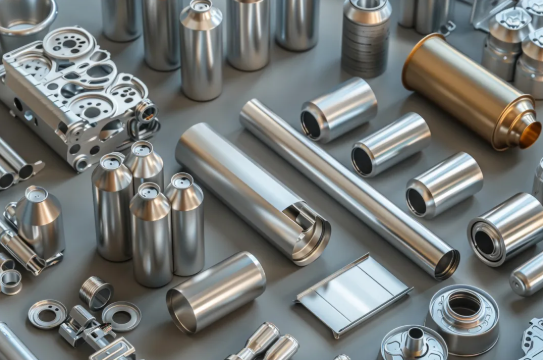
Understanding Custom Machine Parts and Their Role in Modern Manufacturing
Imagine you're assembling a complex piece of machinery, and the standard bolt just won't fit. The dimensions are close, but not quite right. The material can't handle the stress. Sound familiar? This is exactly where custom machine parts enter the picture—and why understanding them could save you thousands of dollars and countless headaches.
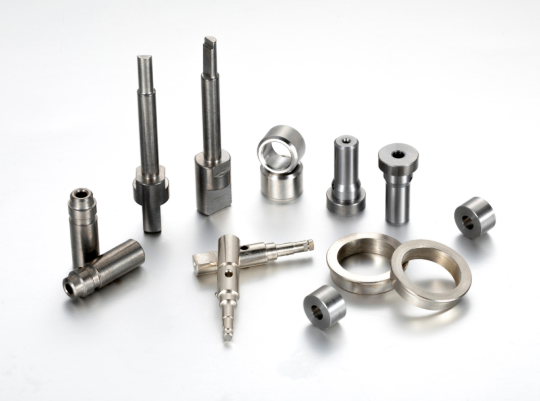
Custom machine parts are components specifically designed and manufactured to meet unique requirements for a particular application. Unlike off-the-shelf products sitting on warehouse shelves, these precision machining services deliver parts tailored to exact specifications provided by engineers or designers. They're built when standard components simply won't fit, perform, or endure as needed.
What Makes a Part Custom vs. Standard
The distinction between custom machined parts and standard components comes down to one fundamental difference: specificity. Standard parts are mass-produced to universal dimensions that work across many applications. They're predictable, readily available, and often cost-effective for simple needs.
Custom metal components, on the other hand, are engineered precisely to specification. They address:
- Non-standard dimensions that off-the-shelf options can't match
- Unique stress profiles requiring specialized materials or geometries
- Special integration requirements for complex assemblies
- Performance demands that generic parts cannot satisfy
Think of it this way: standard parts require you to design around their limitations. Machined parts created through custom processes allow the component to adapt to your design—not the other way around.
When Off-the-Shelf Components Fall Short
Standard components are inherently limited to what's pre-designed and cataloged. This limitation often forces engineers into uncomfortable compromises. You might need additional adapters, workarounds, or modifications—each introducing complexity, potential failure points, and hidden costs.
Industries that consistently rely on precision machine parts include aerospace (turbine components and structural supports), automotive (prototype engines and transmission parts), medical (surgical instruments and implants), and oil and gas (valves and specialized fittings). In these sectors, using anything less than a fully tailored solution puts reliability and safety at risk.
The demand for precision-engineered components continues to surge as industries push performance boundaries. Custom fabrication isn't about luxury—it's about fitness for purpose in applications where standard solutions create unacceptable compromises.
This comprehensive guide will walk you through everything buyers need to know about custom machine parts—from manufacturing methods and material selection to tolerance specifications and cost drivers. Whether you're a first-time buyer or a seasoned procurement professional, you'll discover practical insights that manufacturers rarely discuss openly. Let's pull back the curtain on what really drives costs and quality in precision manufacturing.
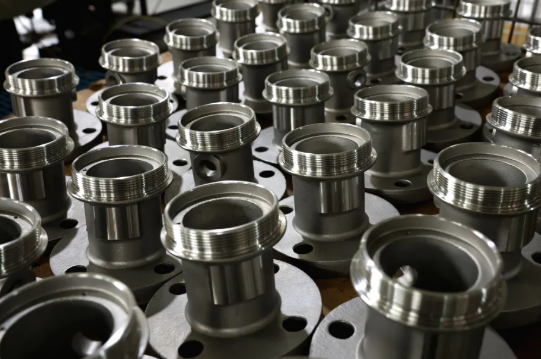
Manufacturing Methods Behind Precision Custom Parts
Now that you understand what makes custom machine parts essential, the next logical question becomes: how are they actually made? The manufacturing method you choose directly impacts your part's quality, cost, and lead time. Yet many buyers order parts without fully understanding the process behind them—often leaving money on the table or accepting suboptimal results.
Modern precision cnc machining services rely on several core technologies, each optimized for specific geometries, materials, and production volumes. Platforms like eMachineShop advertise multiple methods including CNC, waterjet, laser cutting, and injection molding. But here's what they don't tell you: choosing the right method requires understanding your part's specific requirements first. Let's break down the primary options so you can make informed decisions.
CNC Milling for Complex Geometries
When your part features intricate shapes, irregular surfaces, or detailed cavities, CNC milling is typically your best option. This process uses rotary cutters that move across multiple axes relative to a stationary workpiece, carving away material to reveal the final shape.
What makes milling so versatile? According to Superior Machining & Fabrication, modern 5-axis milling can "accurately produce extremely complex designs and intricate machining features with the highest degree of repeatability possible." This means:
- Flat and irregular surfaces machined in single setups
- Complex 3D contours achieved without repositioning
- Detailed pockets, slots, and internal features created precisely
- Custom prototyping through production-ready components handled equally well
The trade-off? CNC milled parts generally require more complex programming due to multi-axis tool movements and continuous orientation control. This added complexity typically translates to higher costs for simpler geometries where alternative methods might suffice. When ordering cnc milling parts online, ensure your design truly requires milling's capabilities—otherwise, you may be paying premium prices unnecessarily.
Turning vs. Multi-Axis Machining Explained
CNC turning takes a fundamentally different approach. Instead of moving the cutting tool, the workpiece itself rotates while stationary tools shape it. Think of it like a pottery wheel, but with metal and extreme precision.
This method excels at producing cylindrical or rotationally symmetrical components—shafts, bolts, bushings, and similar round-profile parts. Because the process is inherently simpler, cnc turning services often deliver faster turnaround times and lower costs for appropriate geometries. As industry experts note, "the relative simplicity means that CNC turning services are often faster and cheaper than comparable CNC milling projects."
But what happens when your cylindrical part needs additional features? That's where swiss machining and multi-axis capabilities enter the picture:
- Swiss screw machining: Specialized for small, precise cylindrical parts with tight tolerances. The workpiece feeds through a guide bushing, providing exceptional stability for intricate features on slender components.
- Live tooling and mill-turn: Combines turning with rotating cutting tools, enabling secondary operations like drilling and milling without removing the part from the machine.
- 4-axis and 5-axis machining: Adds rotational axes beyond standard 3-axis movement, allowing cnc cutting of complex angles and contours in fewer setups with reduced human error.
According to M2M Machining, "Unlike traditional 3-axis CNC machining, which often requires multiple passes to reposition parts for different cuts, 4-axis and 5-axis CNC machining can handle those more complex and intricate designs in fewer steps." This streamlined approach saves production time, reduces labor costs, and delivers consistent results—particularly critical for industries like aerospace, medical, and automotive where tight tolerance requirements are non-negotiable.
Comparing Manufacturing Methods at a Glance
Choosing the right method shouldn't feel like guesswork. Use this comparison to match your part requirements with the optimal manufacturing approach:
| Method | Best For | Typical Tolerances | Ideal Part Types |
|---|---|---|---|
| CNC Milling (3-axis) | Flat surfaces, basic pockets, slotting | ±0.005" standard | Brackets, plates, housings with simple features |
| CNC Milling (5-axis) | Complex 3D contours, undercuts, multi-face features | ±0.001" to ±0.003" | Aerospace components, impellers, complex molds |
| CNC Turning | Cylindrical parts, rotational symmetry | ±0.002" to ±0.005" | Shafts, pins, bushings, threaded fasteners |
| Swiss Screw Machining | Small diameter, high-precision cylindrical parts | ±0.0005" achievable | Medical pins, watch components, electronic connectors |
| Multi-Axis Mill-Turn | Complex cylindrical parts needing secondary features | ±0.001" to ±0.002" | Valve bodies, fittings with cross-holes, aerospace shafts |
The key insight? Match your part geometry to the simplest method that meets your requirements. Over-engineering the manufacturing process inflates costs without improving outcomes. Conversely, forcing an inappropriate method creates quality issues and delays.
With manufacturing methods clarified, the next critical decision awaits: selecting the right material for your application. Material choice affects everything from machinability to long-term performance—and getting it wrong can undermine even the best manufacturing process.
Material Selection Guide for Custom Machined Components
You've selected your manufacturing method. Now comes the decision that will determine whether your custom machine parts thrive or fail in the real world: material selection. This choice affects everything—strength, weight, corrosion resistance, machinability, and ultimately, your bottom line.
Here's what most manufacturers won't volunteer: the "best" material doesn't exist in isolation. It only exists relative to your specific application requirements. A material perfect for one environment becomes a costly mistake in another. Understanding these trade-offs separates informed buyers from those who learn expensive lessons after production.
Metals for Strength and Durability
When your application demands mechanical strength, heat resistance, or structural integrity, metals remain the go-to choice. But with dozens of alloys available, how do you narrow down the options?
Aluminum Alloys: The Versatile Workhorse
Aluminum sheet metal and aluminum alloys dominate custom machining for good reason. According to Hubs, aluminum offers an "excellent strength-to-weight ratio, high thermal and electrical conductivity and natural protection against corrosion." Better yet, aluminum machines easily—making it often the most economical metal option.
Common aluminum grades and their sweet spots:
- 6061: The general-purpose champion with good strength-to-weight ratio and excellent machinability
- 7075: Aerospace-grade with superior fatigue properties; can be heat-treated to match steel hardness
- 5083: Exceptional seawater resistance for marine and construction applications
The limitation? Aluminum can't match steel's absolute strength or hardness. When these properties matter most, you'll need to look elsewhere.
Stainless Steel Grades: Corrosion Fighters
Stainless steel combines high strength, excellent wear resistance, and corrosion protection that aluminum simply can't deliver. But here's where material selection gets nuanced—not all stainless is created equal.
304 Stainless Steel serves as the most common grade, resistant to most environmental conditions and corrosive media. It machines well and costs less than premium grades. However, according to JLCCNC, 304 is "prone to pitting corrosion in chlorine-containing ion environments such as seawater or salt spray."
316 Stainless Steel adds 2%-3% molybdenum to the mix, dramatically improving chloride resistance. In 3.5% sodium chloride solution, 316's corrosion rate drops to just 0.001mm/year—ten times better than 304. This makes it essential for marine components, chemical processing equipment, and medical devices.
The trade-off? 316 stainless steel costs 30%-50% more than 304 due to molybdenum's scarcity. Machining costs also increase approximately 15% because the material requires slower cutting speeds and specialized tooling.
- Choose 304: Kitchenware, appliance housings, general industrial applications
- Choose 316: Marine parts, chemical pipelines, medical implants, food processing in acidic or high-salt environments
Brass and Bronze: Low-Friction Specialists
When your design requires exceptional machinability, electrical conductivity, or low-friction performance, brass becomes a compelling option. Brass C36000 ranks among the most easily machined materials available, making it ideal for high-volume production of fittings, connectors, and decorative components.
Bronze alloys expand this category further, offering:
- Superior wear resistance for bearing and bushing applications
- Excellent corrosion resistance in marine environments
- Self-lubricating properties that reduce maintenance requirements
Both materials carry higher raw material costs than aluminum but often offset this through faster machining cycles and reduced tooling wear.
Engineering Plastics for Specialized Applications
Metals aren't always the answer. When you need lightweight components, chemical resistance, electrical insulation, or cost-effective prototyping, engineering plastics deliver properties metals simply can't match.
Delrin (POM): The Precision Plastic
Delrin plastic—technically polyoxymethylene or acetal—stands out as the highest machinability plastic available. When you need tight tolerances in a plastic component, delrin material is typically your first consideration.
According to Jaco Products, Delrin offers "high mechanical strength and stiffness, making it suitable for applications requiring structural integrity and dimensional stability." Its key properties include:
- Excellent dimensional stability across temperature variations
- Low coefficient of friction for moving parts
- Superior wear resistance compared to most plastics
- Very low moisture absorption ensuring consistent performance
You'll find delrin in gears, bearings, bushings, fasteners, and precision mechanical components across automotive, aerospace, and consumer goods industries.
HDPE: The Rugged Utility Player
High-density polyethylene (HDPE plastic) takes a different approach. Rather than precision, it excels at durability, chemical resistance, and affordability. HDPE sheets and machined components serve applications where weight reduction and corrosion immunity matter more than tight tolerances.
HDPE's standout characteristics:
- Outstanding chemical resistance to acids, alkalis, and solvents
- High impact strength even in cold temperatures
- Excellent weather resistance for outdoor applications
- FDA-compliant grades available for food contact
- Readily recyclable for sustainability-conscious projects
Common applications include chemical storage tanks, outdoor furniture, cutting boards, and piping systems. HDPE also serves as an economical prototyping material before committing to injection molding production.
Other Engineering Plastics Worth Knowing
Beyond these two workhorses, several specialized plastics address niche requirements:
- Nylon (PA): Excellent mechanical properties and abrasion resistance, but absorbs moisture
- Polycarbonate: Superior impact strength with optical clarity—ideal for protective covers and fluidic devices
- PEEK: High-performance option withstanding extreme temperatures and chemicals; often replaces metals in weight-critical applications
- PTFE (Teflon): Lowest friction coefficient of any solid; handles temperatures above 200°C but machines with difficulty
Matching Materials to Your Application
Environmental factors and end-use requirements should always drive your material decision. Ask yourself:
- What temperatures will the part encounter?
- Will it contact corrosive chemicals or saltwater?
- How critical are weight savings versus raw strength?
- Does the application involve friction or wear?
- What's your volume, and how does material cost impact per-unit pricing?
Remember: material selection isn't about finding the "premium" option—it's about finding the right match. An over-specified material wastes money. An under-specified one creates failures. With material fundamentals covered, understanding tolerance specifications becomes your next critical step toward ordering parts that actually perform as intended.
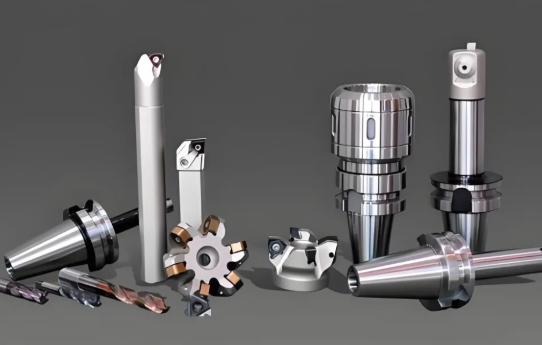
Tolerance Specifications and What They Mean for Your Project
You've chosen your manufacturing method and selected the perfect material. Now comes the specification that silently makes or breaks your custom machine parts: tolerances. This is where many buyers unknowingly inflate their costs by 30% or more—simply because no one explained what those numbers actually mean.
Here's the uncomfortable truth: tighter isn't always better. According to HPPI, tolerance refers to "the permissible range of variation in a dimension that ensures a part fits and functions correctly." In practical terms, it's the acceptable wiggle room between your specified dimension and what the machine actually produces. Get this wrong, and you'll either pay premium prices for precision you don't need—or watch parts fail because they can't meet functional requirements.
Reading and Specifying Tolerances Correctly
When you look at an engineering drawing, tolerances appear as numbers following dimensions—typically written as ±0.005" or similar notation. But what do these numbers actually represent?
Think of it this way: if you specify a hole diameter of 10mm ±0.1mm, you're telling the manufacturer that any hole measuring between 9.9mm and 10.1mm is acceptable. The part works. Anything outside that range? It fails inspection.
CNC machines themselves have inherent accuracy limits. Modern equipment can achieve remarkable precision—some reaching ±0.0025mm, roughly a quarter of a human hair's width. However, as industry standards note, 0.02mm represents a more common standard tolerance across typical CNC service providers. Understanding this baseline helps you set realistic expectations.
Several tolerance types appear on technical drawings for cnc machining parts:
- Standard tolerances: General variations applied across an entire drawing unless otherwise specified—often the most economical option
- Limit tolerances: Explicit minimum and maximum dimensions stated directly, making inspection straightforward
- Unilateral tolerances: Variation allowed in only one direction (plus OR minus), typically used when a feature approaches maximum material condition
- Bilateral tolerances: Variation permitted in both directions, providing upper and lower acceptable limits
For precision machined parts requiring critical fits, your tolerance specification directly determines whether mating components slide together smoothly, lock up completely, or rattle loosely. The stakes become particularly high when multiple precision machined components must work together in an assembly.
How Tight Tolerances Impact Cost and Timeline
Here's what manufacturers rarely explain upfront: every step tighter in tolerance can dramatically increase your costs. Why? Tighter tolerances require slower cutting speeds, more precise tooling, additional inspection time, and often specialized equipment.
Consider this scenario: a standard machining tolerance of ±0.005" might cost $X per part. Tightening that to ±0.001" doesn't just add 10%—it might double or triple your price. The machine must move more carefully. The operator must verify more frequently. Reject rates increase. All of this multiplies your lead time as well.
For every cnc machined part you order, ask yourself: does this dimension actually require that level of precision? A cosmetic surface rarely needs aerospace-grade tolerances. A mounting hole that accepts an M6 bolt doesn't need micron-level accuracy. But a bearing seat? That's where precision cnc machined parts justify their premium.
Tolerance Classes Compared
This comparison helps you match tolerance requirements to actual application needs:
| Tolerance Class | Typical Range | Applications | Cost Impact |
|---|---|---|---|
| Commercial/Standard | ±0.005" to ±0.010" | General enclosures, brackets, non-critical features | Baseline cost |
| Precision | ±0.001" to ±0.005" | Bearing housings, sliding fits, functional interfaces | +25% to +50% |
| High Precision | ±0.0005" to ±0.001" | Aerospace components, medical devices, optical mounts | +75% to +150% |
| Ultra-Precision | ±0.0001" to ±0.0005" | Semiconductor equipment, metrology tools, Swiss-style parts | +200% or more |
The lesson? Specify tolerances based on function, not fear. Over-tolerancing "just to be safe" is one of the most expensive mistakes buyers make with machining parts.
Ensuring Consistent Tolerance Achievement
Specifying tight tolerances means nothing if your manufacturer can't consistently hit them. This is where certifications and process controls separate reliable suppliers from risky ones.
Industry certifications provide objective validation of a manufacturer's capability:
- ISO 9001: Establishes baseline quality management systems
- IATF 16949: Automotive-specific certification requiring advanced process controls and defect prevention
- AS9100D: Aerospace standard with rigorous documentation and traceability requirements
Beyond certifications, Statistical Process Control (SPC) represents the gold standard for tolerance consistency. SPC uses real-time data collection and analysis to monitor manufacturing processes, catching drift before parts go out of spec. For high-volume production of precision machined components, SPC isn't optional—it's essential for maintaining consistent quality across thousands of parts.
When evaluating suppliers for critical applications, ask specifically about their SPC implementation. A manufacturer who can show you control charts and Cpk values demonstrates genuine process capability—not just promises.
With tolerances demystified, you're better equipped to specify exactly what you need without paying for precision you'll never use. But tolerance requirements vary dramatically across industries—and understanding sector-specific demands helps you benchmark your own specifications against real-world standards.
Industry Applications from Automotive to Aerospace
Now that you understand tolerances, here's what changes everything: the industry you're serving. A tolerance perfectly acceptable for industrial machinery might cause catastrophic failure in an aircraft. A surface finish standard in automotive could contaminate a medical implant. Custom machine parts requirements shift dramatically based on where they'll ultimately function.
This is where many buyers—and even some manufacturers—fall short. They treat all precision components the same way. But aerospace cnc machining operates under entirely different rules than general metal fabrication. Medical machining demands documentation that would seem excessive in other sectors. Understanding these distinctions protects you from choosing the wrong supplier and helps you benchmark specifications against industry standards.
Automotive Industry Precision Requirements
Automotive manufacturing operates at a scale and speed that demands absolute consistency. When you're producing chassis assemblies, drivetrain components, or custom metal bushings for vehicles, even minor variations multiply across thousands of units—creating warranty claims, recalls, and reputation damage.
What makes automotive custom metal parts unique?
- High-volume repeatability: Parts must maintain identical specifications across production runs of 10,000+ units
- Mixed material assemblies: Components often combine steel fabrication with aluminum and engineered plastics
- Extreme environmental exposure: Parts face temperature swings, road salt, vibration, and decades of service life
- Just-in-time delivery: Assembly lines don't wait—late or defective parts halt entire production facilities
The certification that matters most here? IATF 16949. This automotive-specific quality standard goes beyond basic ISO 9001 requirements, mandating advanced product quality planning (APQP), production part approval processes (PPAP), and failure mode analysis (FMEA). According to industry experts, a qualified supplier should provide "traceability, documentation, and validation tailored to your sector."
When sourcing automotive components, look for manufacturers who demonstrate Statistical Process Control implementation—not just certification plaques on the wall. Sheet metal fabrication for automotive applications requires documented Cpk values proving consistent capability, not just occasional good parts.
Medical and Aerospace Certification Standards
If automotive demands consistency, aerospace and medical demand something more: absolute traceability and zero tolerance for failure. These industries share a critical characteristic—their custom machine parts directly impact human safety.
Aerospace: Where AS9100D Sets the Standard
Aerospace cnc machining operates under scrutiny that seems excessive until you remember what's at stake. AS9100D certification builds upon ISO 9001 but adds aerospace-specific requirements including:
- Configuration management tracking every design change
- First article inspection requirements for new production
- Prevention of counterfeit parts through supply chain verification
- Operator competency validation beyond basic training records
- Risk management integrated throughout production processes
For aerospace components, material certifications trace back to original mill sources. Heat treatment records document exact time-temperature profiles. Surface treatments carry batch-specific verification. This documentation chain ensures that if a component ever fails in service, investigators can trace exactly what happened—and prevent recurrence.
Medical: ISO 13485 and Regulatory Compliance
Medical machining introduces a different challenge: regulatory approval across multiple jurisdictions. According to NSF, ISO 13485 "establishes quality and safety processes from design through production, installation, and servicing" for medical devices worldwide.
What separates ISO 13485 from general quality standards?
- Risk management integration: Risk assessment woven throughout every QMS process, not just addressed in isolated reviews
- Enhanced traceability: Particularly critical for implantable devices where patient safety depends on knowing exactly what material went into their body
- Post-market surveillance: Systems for collecting field data, investigating complaints, and implementing corrective actions
- Longer documentation retention: Records maintained for the lifetime of the device plus additional years
If you're searching for metal fabricators near me for medical applications, certification status isn't optional—it's the baseline requirement for even being considered.
Industrial Machinery: Balancing Performance and Practicality
Industrial machinery applications often fall between these extremes. While ISO 9001 certification typically suffices for general industrial components, specific applications may require additional considerations:
- Heavy equipment: Larger tolerances acceptable, but material strength and weld quality become critical
- Precision automation: Approaches aerospace-level tolerances for positioning equipment
- Food processing: Requires FDA-compliant materials and finishes preventing bacterial growth
- Chemical processing: Material selection for corrosion resistance takes priority over dimensional precision
Why Certifications Actually Protect Buyers
Many buyers view certifications as marketing checkboxes. They're not. Each certification represents an audited system—a third party verified that the manufacturer actually does what they claim.
Here's what these certifications guarantee:
- ISO 9001: Basic quality management with documented procedures, corrective action processes, and management review
- IATF 16949: Automotive-specific controls including measurement system analysis, process capability studies, and supplier quality management
- AS9100D: Aerospace requirements for configuration control, product safety, and counterfeit prevention
- ISO 13485: Medical device focus on risk management, sterility assurance, and regulatory compliance
When a supplier holds relevant certification, you're not just trusting their word—you're relying on annual surveillance audits that verify continued compliance. For critical applications, this third-party validation provides protection that promises alone cannot deliver.
With industry requirements clarified, the next step becomes practical: ensuring your design doesn't inadvertently drive up costs or extend lead times through common but avoidable mistakes.
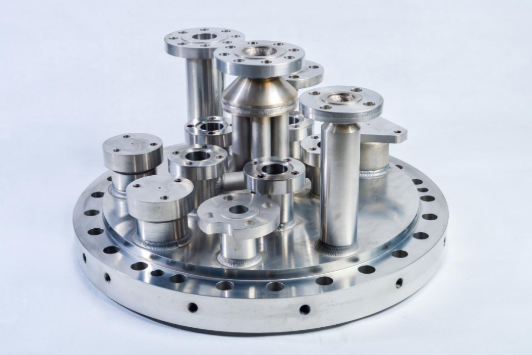
Avoiding Common Design Mistakes That Increase Costs
You've selected the right manufacturing method, chosen optimal materials, and specified appropriate tolerances. Yet your quote still comes back higher than expected. What went wrong? Often, the culprit hides in design decisions made without considering how CNC machines actually work.
Here's what manufacturers rarely volunteer upfront: your design choices before production begins can inflate costs by 30% or more—sometimes without improving part function at all. According to XTJ Precision Mfg, "simple errors in the initial phases can inflate costs dramatically. These mistakes not only add unnecessary expenses but can also lead to delays, quality issues, and rework." The good news? They're entirely preventable once you understand what drives machining complexity.
Design Features That Drive Up Costs
Certain design choices seem harmless on screen but create significant challenges when the cnc cut actually begins. Understanding these cost drivers helps you make informed trade-offs before committing to production.
Sharp Internal Corners
This ranks among the most common—and costly—design oversights. CNC milling tools are cylindrical, which means they physically cannot create perfectly sharp internal corners. When your design demands them, manufacturers must either use progressively smaller tools (requiring multiple passes at reduced speeds) or resort to secondary processes like EDM.
According to Hubs, "reducing the corner radius requires a smaller diameter tool, which needs multiple passes at lower speeds because smaller tools remove less material per pass." The solution? Specify corner radii at least one-third of cavity depth. For a 12mm deep pocket, use a 5mm or larger corner radius—this allows an 8mm diameter tool to run at optimal speeds.
Deep Cavities and Pockets
Deep features require extended tool reach, which creates problems. Longer tools deflect under cutting forces, producing poor surface finishes and dimensional inaccuracies. When cavity depth exceeds four times the tool diameter, special tooling or multi-axis setups become necessary—pushing costs up 30-40%.
Limit cavity depth to no more than four times the feature length (the largest dimension in the XY plane) whenever functionally possible.
Thin Walls and Fragile Features
Walls thinner than 0.8mm for metals or 1.5mm for plastics create machining nightmares. They vibrate during cutting, deflect under tool pressure, and risk fracture. Machining these features requires multiple light passes at reduced depths—dramatically increasing cycle time.
Small, slender features with high width-to-height ratios present similar challenges. Maintain aspect ratios below 4:1 for small features, or add bracing to increase stiffness during metal machining operations.
Non-Standard Hole Sizes
Standard drill bits exist for common hole diameters. Specify a 7.3mm hole instead of 7.5mm? Now the machine needs an additional end-milling operation to achieve that dimension. Stick to 0.1mm increments up to 10mm, and 0.5mm increments above that. When designing in inches, consult standard fractional drill bit charts.
Excessive Thread Depth
Thread engagement beyond 1.5 times the hole diameter provides minimal additional joint strength. Yet excessive thread length requires specialized tooling and longer cycles. Limit threads to three times hole diameter maximum, and leave unthreaded relief at the bottom of blind holes.
Optimizing Your Design for Manufacturability
Design for Manufacturability—DFM—isn't just engineering jargon. It's a systematic approach to designing parts that considers manufacturing constraints from the beginning, not as an afterthought. According to Bananaz.ai, "DFM helps identify and address potential manufacturing challenges early in the design phase, reducing production time, minimizing material waste, simplifying machining operations, and ensuring that the final product meets functional and tolerance requirements."
When you collaborate with manufacturers before finalizing designs, they can identify issues that would otherwise surface as expensive change orders mid-production. A competent cnc service provider reviews every machining part design and recommends modifications that preserve function while reducing complexity.
Best Practices for Cost-Effective Design
Apply these principles to your next custom machine parts project:
- Add fillets to internal corners: Match radii to standard tool diameters, eliminating the need for specialized cutters or secondary operations like EDM.
- Standardize features across the part: Using the same hole sizes, radii, and thread specifications throughout reduces tool changes and programming complexity.
- Design for single-setup machining: Parts requiring multiple repositions introduce manual handling, alignment errors, and extended cycle times. Consider splitting complex geometries into multiple components that can each be machined in one setup, then assembled.
- Consider material machinability early: Don't specify 316 stainless steel when aluminum meets your requirements. Machining nylon or other plastics creates different challenges than metals—factor this into geometry decisions.
- Apply tight tolerances only where function demands them: A cosmetic surface doesn't need ±0.001" precision. Reserve tight tolerances for critical interfaces and mating surfaces.
- Remove unnecessary text and lettering: Engraved text requires additional toolpaths and machining time. If text is essential, use engraving (not embossing) with sans-serif fonts at size 20 or larger.
- Match part dimensions to standard blank sizes: A part measuring 27mm can be cut from 30mm stock. A 30mm part requires 35mm stock—wasting material and money.
Early Collaboration Prevents Costly Revisions
The most effective DFM happens during cnc prototyping phases, not after you've committed to production tooling. When you engage manufacturers at the design stage, they can simulate tool paths using CAD software, identify potential issues, and suggest alternatives before any metal gets cut.
For example, a manufacturer might recommend: "Add 0.5mm fillet to internal corners to eliminate EDM requirement"—a simple change saving 20-30% on complex parts. These annotated suggestions preserve your design intent while making parts faster and cheaper to produce.
Remember: complexity drives cost. Before finalizing any design, ask yourself whether each feature is functionally essential or simply habit. The parts that cost least to manufacture are often the ones designed with manufacturing in mind from the start. With design optimized, the next question becomes equally important: do you actually need fully custom parts, or could modified standard components deliver the same results at lower cost?
Do You Actually Need Custom Parts or Will Standard Components Work
Here's a question manufacturers rarely ask—because the answer might cost them your order: do you actually need custom machine parts, or would standard components with minor modifications accomplish the same goal?
This isn't about cutting corners. It's about making smart decisions that balance performance, cost, and timeline. According to Mectalent, "Choosing between standard and custom components shouldn't be based only on product specs or purchase price. Even a small choice can affect overall business outcomes—consider design efficiency, lifecycle costs, supply reliability, and sustainability."
The reality? Many projects default to custom manufactured parts when modified standard components would perform identically at a fraction of the cost. Others attempt to force standard parts into applications demanding precision—creating headaches that dwarf any initial savings. Understanding when each approach makes sense separates cost-effective procurement from expensive mistakes.
When Standard Parts Can Be Modified
Standard components aren't as rigid as they appear. With minor modifications, off-the-shelf parts often meet requirements that initially seem to demand full custom parts manufacturing. The key lies in evaluating what modifications are feasible and cost-effective.
Consider these common modification scenarios:
- Secondary machining operations: Adding holes, slots, or threads to standard blanks costs far less than machining from raw stock
- Surface treatments: Applying coatings, plating, or heat treatment to enhance standard part performance
- Dimensional adjustments: Turning down diameters or facing lengths on standard round stock
- Assembly combinations: Joining multiple standard components to achieve custom functionality
Standard parts make sense when the component is non-critical to product function—think enclosure screws, spring-loaded handles, or general fasteners. They also excel when production volumes are high enough to justify adapting your design around available components, or when fast availability outweighs the need for perfect specification matching.
However, using standard parts involves trade-offs. If adapting your product to fit a standard component requires extensive rework—additional adapters, workarounds, or compromises—calculate whether time and cost savings are actually real. Sometimes the "cheaper" standard part creates hidden expenses that exceed custom manufacturing costs.
The True Cost of Custom vs. Off-the-Shelf
Custom manufactured parts carry higher upfront costs. That's undeniable. But the complete cost picture extends far beyond purchase price.
According to Kaihan CNC, "Initially, custom manufacturing often involves higher costs due to design, tooling, and setup expenses. However, for specialized applications or when considering long-term value, custom parts can be more cost-effective, especially if they improve product performance or reduce assembly complexity."
When evaluating manufactured parts options, consider these factors:
- Assembly complexity: Custom machined components designed for perfect fit eliminate shimming, adapters, and adjustment time during assembly
- Reduced waste: Parts matching exact requirements generate less scrap and rework
- Lifecycle costs: Custom machine components optimized for specific stress profiles often outlast adapted standard parts
- Supply reliability: Standard parts depend on global supply chains vulnerable to disruption; locally manufactured custom parts offer greater control
- Risk management: Custom manufacturing allows precise specification of critical requirements, reducing failure risk and potential recalls
Custom parts manufacturing delivers clear ROI in several scenarios: when operating conditions are demanding (extreme temperature, humidity, or pressure), when parts require precise dimensions or unique geometry, when long-term reliability is critical (defense, medical, aerospace), or when innovation demands approaches that standard parts simply cannot accommodate.
Decision Framework: Custom vs. Modified Standard
Use this comparison to guide your decision based on project-specific factors:
| Factor | Custom Parts | Modified Standard | Best Choice When |
|---|---|---|---|
| Lead Time | Longer—requires design and manufacture | Shorter—off-the-shelf with minor work | Choose modified standard for urgent timelines; custom when schedule permits optimization |
| Upfront Cost | Higher design and production expenses | Lower initial investment | Choose modified standard for prototyping; custom for production runs justifying tooling investment |
| Lifecycle Cost | Often lower through reduced maintenance | May require more frequent replacement | Choose custom for critical applications with long service requirements |
| Design Flexibility | Fully tailored to application needs | Limited—product adapts to component | Choose custom when design integrity cannot be compromised |
| Performance Match | Meets exact specifications | May require compromises | Choose custom for precision-critical or high-performance applications |
| Volume Requirements | Economical at higher volumes | Cost-effective for low quantities | Choose modified standard for quantities under 50; custom for production scale |
| Regulatory Compliance | Designed to meet exact requirements | May not satisfy industry standards | Choose custom when certification documentation is mandatory |
Many successful projects leverage a hybrid approach—using standard parts where they suffice while reserving custom solutions for features requiring precision or unique functionality. This balanced strategy optimizes both cost and performance.
The decision ultimately rests on honest assessment: does the application genuinely require custom specifications, or is that just the default assumption? Answering this question before requesting quotes positions you to make informed choices that serve your project's actual needs. With this framework in place, understanding the complete ordering process—from design files through delivery—becomes your next step toward successful procurement.
The Complete Custom Parts Ordering Process Explained
You've determined that custom machine parts are the right solution for your project. Now what? If you've never ordered precision components before, the process can feel opaque. Most manufacturers assume you already know the steps—leaving first-time buyers guessing about what files to submit, how quotes work, and what happens between placing an order and receiving parts.
Let's demystify the entire journey from initial concept through delivery. Understanding each phase helps you avoid delays, communicate effectively with suppliers, and ultimately receive parts that match your expectations.
Preparing Your Design Files for Quoting
Before you can request a cnc quote online, you need to prepare files that clearly communicate what you want manufactured. This step trips up many buyers—incomplete or incorrect files create delays and often result in quotes that don't reflect your actual requirements.
According to industry standards, a complete quote request should include:
CAD Files in Compatible Formats
Your Computer-Aided Design files provide the precise geometry manufacturers need. Submit files in universally accepted formats:
- STEP (.stp, .step): The most widely accepted 3D format—works with virtually every CAM system
- IGES (.igs, .iges): Another universal format, though slightly less preferred than STEP for complex geometries
- Native CAD formats: SolidWorks (.sldprt), Fusion 360 (.f3d), or other native files if the manufacturer supports them
- DXF/DWG: Essential for 2D features, sheet metal parts, or when providing supplementary drawings
Pro tip: Always include a 2D drawing with critical dimensions, tolerances, and surface finish callouts—even when submitting 3D models. This eliminates ambiguity about which features require precision.
Complete Specification Details
Beyond geometry, manufacturers need specifications to provide accurate online machining quotes:
- Material requirements: Specify exact material type, grade, and any heat treatment or certifications needed
- Quantity: Quote pricing varies significantly with volume—be specific about initial order and projected annual usage
- Tolerances: Define required tolerances for critical dimensions; indicate which features are less critical
- Surface finish: Specify Ra values or describe finish requirements (as-machined, polished, bead-blasted)
- Secondary operations: List any additional processes—anodizing, plating, assembly, or inspection requirements
- Quality standards: Indicate industry certifications required (ISO, AS9100D, IATF 16949) and any special documentation needs
Setting Realistic Timeline Expectations
Your lead time requirements directly impact pricing. Rush orders cost more. When submitting for quotes, communicate:
- Your ideal delivery date
- Whether that date is firm or flexible
- If expedited production is acceptable at additional cost
For standard cnc parts, expect typical lead times of 2-4 weeks for first orders. Complex parts with tight tolerances or special materials may require 4-6 weeks. Some cnc service providers offer expedited options—with capable manufacturers delivering high-tolerance components in as little as one working day for urgent requirements.
Evaluating Quotes Effectively
When quotes arrive, resist the urge to simply pick the lowest price. Compare quotes across these dimensions:
- Scope alignment: Does the quote address all your specifications, or are items missing?
- Lead time vs. cost trade-offs: Faster isn't always better if budget is constrained
- Quality assurance included: What inspection and documentation comes standard?
- Setup and tooling costs: How are these amortized across your order quantity?
- Shipping and packaging: Are these included or additional?
Many buyers searching for machinist shops near me or local machine shops prioritize proximity. While local suppliers offer communication advantages and reduced shipping times, don't overlook remote manufacturers with superior capabilities—especially for specialized cnc parts requiring certifications your local options may not hold.
From Prototype to Production Scaling
Here's where understanding the process really pays off. The journey from concept to mass production follows predictable phases, and knowing what to expect at each stage prevents costly surprises.
Rapid Prototyping: Validating Before Committing
Before investing in full production, smart buyers validate designs through prototyping. According to Uptive Manufacturing, "Prototyping is the critical testing phase where ideas are shaped, refined, and validated for manufacturing and market success."
Rapid prototyping serves multiple purposes:
- Design validation: Confirm that your part fits, functions, and performs as intended
- Tolerance verification: Test whether specified tolerances are actually necessary—or too conservative
- Material evaluation: Assess real-world material performance before committing to production quantities
- Stakeholder review: Provide physical samples for approval before scaling
Prototype costs typically range from $100-$1,000 for simple parts to $10,000+ for complex, production-ready samples. This investment often saves multiples in avoided production rework.
When working with cnc machine shops near me or remote suppliers, discuss their prototyping capabilities upfront. Manufacturers equipped for rapid turnaround can produce prototype parts in days rather than weeks—accelerating your development cycle significantly.
Design for Manufacturing Review
Between prototyping and production, experienced manufacturers conduct Design for Manufacturing (DFM) analysis. This review identifies opportunities to:
- Reduce machining time through feature optimization
- Improve consistency by standardizing specifications
- Lower costs by suggesting material or process alternatives
- Eliminate potential quality issues before production begins
Don't skip this step. A thorough DFM review often reduces per-part costs by 15-30% while improving quality outcomes.
Low-Volume Production: The Critical Bridge
Moving directly from prototype to mass production is risky. Low-volume production runs—typically 50-500 units—serve as the bridge that validates manufacturing processes at scale.
During this phase, manufacturers:
- Finalize production tooling and fixturing
- Establish quality benchmarks and inspection protocols
- Identify and resolve any process bottlenecks
- Build the Bill of Materials (BOM) for consistent production
- Document any adjustments for future reference
This controlled ramp-up catches issues that prototypes may miss—tooling wear patterns, fixture stability, and process variation under sustained production conditions.
Scaling to Full Production
With prototypes approved and low-volume production validated, scaling becomes systematic rather than chaotic. Key considerations at this phase:
- Process optimization: Refine cycle times, tool paths, and material handling for maximum efficiency
- Supply chain verification: Confirm material availability and lead times for production volumes
- Quality control systems: Implement Statistical Process Control (SPC) for consistent tolerance achievement
- Capacity planning: Ensure manufacturer capabilities align with your production schedule
For automotive applications requiring complex chassis assemblies or custom metal bushings, manufacturers like Shaoyi Metal Technology demonstrate how IATF 16949 certification and SPC processes enable seamless scaling—delivering high-tolerance components with lead times as fast as one working day while transitioning smoothly from prototyping to mass production.
Quality Verification Throughout
Quality isn't a final inspection—it's embedded throughout the ordering process:
- First article inspection (FAI): Comprehensive measurement of initial production parts against specifications
- In-process inspection: Regular checks during production runs to catch drift before it creates defects
- Final inspection: Verification that completed parts meet all requirements before shipping
- Documentation: Certificates of conformance, material certifications, and inspection reports as required
When searching for machining shops near me or evaluating remote suppliers, ask specifically about their quality verification processes. Manufacturers with robust systems provide documentation that protects you—and demonstrates their commitment to consistent results.
Lead Time Expectations by Project Type
Understanding realistic timelines helps you plan effectively:
| Project Type | Typical Lead Time | Key Factors |
|---|---|---|
| Simple prototypes (1-5 units) | 3-7 business days | Standard materials, basic geometries, minimal inspection |
| Complex prototypes | 1-3 weeks | Tight tolerances, special materials, multiple setups |
| Low-volume production (50-500 units) | 2-4 weeks | Tooling preparation, process validation, quality setup |
| Production quantities (500+ units) | 3-6 weeks | Material procurement, capacity scheduling, full inspection |
| Expedited/Rush orders | 1-5 business days | Premium pricing, manufacturer capability dependent |
These timelines assume standard materials are available. Exotic alloys, specialized plastics, or certified materials may add procurement time to any project phase.
Making the Process Work for You
The custom parts ordering process doesn't have to feel overwhelming. By preparing complete design files, understanding what manufacturers need, and following a logical progression from prototype through production, you position yourself for successful outcomes.
Key takeaways for first-time buyers:
- Submit complete CAD files with detailed specifications—incomplete requests delay quotes
- Start with prototypes to validate designs before committing to production quantities
- Request DFM review to optimize costs and quality before scaling
- Use low-volume production to validate processes before full-scale manufacturing
- Establish clear quality verification requirements upfront
With the ordering process demystified, understanding what actually drives pricing becomes your next essential step—giving you the knowledge to make informed trade-offs between cost, quality, and timeline.
Understanding What Drives Custom Machining Costs
You've submitted your design files and requested quotes. Now comes the question every buyer wants answered: why does this part cost what it costs? Most manufacturers treat pricing as a black box—submit your files, wait for a number, take it or leave it. That opacity frustrates buyers and makes informed decision-making nearly impossible.
Here's what competitors won't tell you: understanding cost drivers empowers you to make strategic trade-offs before requesting quotes. According to PARTMFG, "CNC machining costs vary based on complexity and machine type, ranging from $10 to $50 per hour." But hourly rates only tell part of the story. The real question is what factors determine how many hours your part requires—and how your design choices directly influence that number.
Key Factors That Determine Part Pricing
Custom machine parts pricing isn't arbitrary. Every quote reflects a calculation based on measurable inputs. Understanding these factors—ranked by typical impact—gives you leverage to optimize costs without sacrificing function.
Material Selection and Machinability
Material cost forms the foundation of every quote. But raw material price is just the beginning—machinability often matters more.
According to Komacut, "Materials like stainless steel and titanium, which are harder and tougher, require more time and specialized tooling, thereby increasing costs. Conversely, softer materials such as aluminum are easier to machine, which can reduce both machining time and tool wear."
Approximate material costs per kilogram illustrate the range:
- Aluminum 6061: $3-$6/kg—excellent machinability, fastest cycle times
- Mild steel: $5-$10/kg—moderate machining difficulty
- Stainless steel 304: $8-$16/kg—slower feeds, increased tool wear
- Stainless steel 316: 30-50% premium over 304—even slower machining due to work hardening
- Titanium: $25-$50/kg—requires specialized tooling and dramatically slower speeds
The takeaway? Aluminum machining costs significantly less than steel not just because material is cheaper—but because machines run faster with less tool wear. When your application allows material flexibility, choosing easier-to-machine options delivers compounding savings.
Machining Complexity and Setup Time
Your part's geometry directly determines machining time. Simple shapes with accessible features machine quickly. Complex geometries requiring multiple setups, specialized tooling, or 5-axis capabilities cost proportionally more.
Key complexity factors driving costs:
- Number of setups: Each time a part must be repositioned, you're paying for machine downtime and operator labor
- Tool changes: Complex parts requiring many different tools add cycle time with each change
- Feature accessibility: Deep pockets, undercuts, and internal features require specialized tooling or secondary operations
- Surface area: More material removal equals more machining time
According to PARTMFG, 3-axis machines typically run $10-$20 per hour while 5-axis machines range from $20-$40 per hour or more. If your part requires 5-axis capabilities, you're paying premium rates for every minute of machine time.
CNC fabrication costs also reflect programming complexity. Simple parts may require 30 minutes of CAM programming. Intricate multi-axis parts can demand hours of specialized programming—costs passed directly to you.
Tolerance Requirements
As discussed earlier, tighter tolerances cost more. But how much more? The impact is steeper than most buyers realize.
Standard machining tolerances (±0.005") cost baseline rates. Tightening to ±0.001" doesn't add 20%—it can double cycle time as machines move more cautiously, operators verify more frequently, and reject rates increase. Ultra-precision tolerances (±0.0005" or tighter) may require specialized equipment, environmental controls, and extended inspection—pushing costs 2-3x higher than standard work.
The cost-conscious approach: specify tight tolerances only where function demands them. Reserve precision for critical interfaces while accepting standard tolerances on non-critical features.
Surface Finish Specifications
Every machined surface carries a finish—the question is how refined that finish needs to be. As-machined surfaces showing tool marks cost nothing extra. Polished surfaces requiring multiple finishing passes add significant labor.
Surface finish directly impacts the final price through additional processing time, specialized tooling requirements, and sometimes secondary operations entirely. When cosmetic appearance matters less than function, accepting as-machined finishes eliminates unnecessary costs.
Secondary Operations and Finishing
Here's where costs often surprise buyers: finishing processes add substantially to base machining prices. According to SendCutSend, coating options ranked from least to most expensive are: powder coating, Type 2 anodizing, zinc plating, and Type 3 anodizing.
Each finish serves different purposes:
- Powder coat: Thick, durable coating ideal for steel parts—excellent abrasion resistance at lowest cost. Testing showed powder coated steel offered 10x the abrasion resistance of other coating options.
- Anodizing (Type 2): Thin coating for aluminum providing corrosion protection with minimal dimensional change—approximately 1.7 thousandths thickness increase
- Anodized aluminum (Type 3/Hardcoat): Thicker, harder anodizing for wear-critical applications—most consistent thickness but highest cost among anodizing options
- Zinc plating: Sacrificial corrosion protection for steel—if coating scratches, zinc continues protecting the underlying metal
- Powder coating services: Applied to both aluminum and steel with consistent 4.7 thousandths thickness increase
The finish decision involves trade-offs beyond cost. Powder coating wins for abrasion resistance but adds more dimensional variation. Anodizing maintains tighter tolerances but costs more for hard-wear applications. Zinc plating provides unique sacrificial protection but minimal abrasion resistance.
Certification and Documentation Requirements
Industry certifications don't just represent manufacturer capability—they add cost to your parts. Maintaining ISO 9001, IATF 16949, AS9100D, or ISO 13485 certification requires ongoing audits, documented procedures, and quality systems that carry overhead.
Parts requiring full traceability, material certifications, first article inspection reports, or statistical process control documentation cost more than parts shipped with minimal paperwork. When your application genuinely requires certified production, this overhead is unavoidable. When it doesn't, working with capable but less-certified suppliers may reduce costs.
How Volume Affects Your Per-Unit Cost
Perhaps no factor influences pricing more dramatically than quantity. Understanding this relationship helps you optimize order quantities and forecast costs accurately.
The Setup Cost Reality
Every production run carries fixed costs regardless of quantity: programming, machine setup, tooling preparation, first article inspection, and job teardown. According to Komacut, "larger quantities spread fixed setup costs, like equipment preparation and programming, across more units, thus reducing the cost per part."
Consider this example: a part requiring $500 in setup costs and $10 per unit in machining time. Order 10 parts, and your per-unit cost is $60 ($50 setup allocation + $10 machining). Order 100 parts, and per-unit drops to $15 ($5 setup allocation + $10 machining). The machining cost per part stays constant—but setup amortization creates dramatic unit cost differences at low volumes.
Material Purchasing Advantages
Higher volumes unlock material discounts unavailable for small orders. Suppliers offer better pricing on bulk raw material purchases, and manufacturers pass these savings through to customers. For aluminum machining or steel processing, material typically represents 20-40% of part cost—making bulk discounts meaningful.
Process Optimization at Scale
Production quantities justify process investments that prototypes cannot. Manufacturers may develop custom fixtures, optimize tool paths, or implement automation for high-volume runs—improvements that reduce per-part machining time. These efficiencies compound as quantities increase.
Volume Pricing Tiers
While specific pricing depends on your part's characteristics, general volume tiers illustrate the relationship:
- 1-10 units: Prototype pricing—highest per-unit cost with full setup amortization
- 10-100 units: Low-volume production—setup costs spread meaningfully, some process optimization
- 100-1,000 units: Production quantities—material discounts apply, fixtures may be developed
- 1,000+ units: Volume production—maximum efficiency, automation consideration, best per-unit pricing
Strategic Quantity Decisions
Understanding volume economics enables smarter ordering. Sometimes ordering 50 parts costs nearly the same as ordering 25—making the larger quantity more economical even if you don't immediately need all units. Ask manufacturers about price breaks at various quantities to identify optimization opportunities.
Conversely, don't over-order to chase volume discounts if carrying costs, obsolescence risk, or cash flow constraints outweigh per-unit savings. Balance inventory economics against unit pricing.
Making Informed Trade-offs
Cost transparency empowers better decisions. Rather than accepting quotes blindly, you can now evaluate where costs originate—and where flexibility exists:
- Can you switch to a more machinable material without sacrificing performance?
- Are all tight tolerances functionally necessary, or can some be relaxed?
- Does the application require premium finishes, or would as-machined surfaces suffice?
- Can order quantities be adjusted to hit favorable pricing tiers?
- Is full certification documentation essential, or would standard quality practices meet your needs?
These questions transform you from passive quote recipient to informed negotiator. You're not just asking "what does this cost?"—you're understanding why it costs that much and what levers exist to change it.
With cost drivers clearly understood, selecting the right manufacturing partner becomes your final—and perhaps most consequential—decision. The next section addresses how to evaluate suppliers, what questions to ask, and how to identify partners capable of supporting your projects from initial prototypes through volume production.
Choosing the Right Manufacturing Partner for Your Project
You've mastered the fundamentals—manufacturing methods, material selection, tolerance specifications, and cost drivers. Now comes the decision that determines whether all that knowledge translates into successful parts: selecting your manufacturing partner. This choice extends far beyond comparing quotes. The wrong supplier creates headaches that dwarf any initial savings. The right partner becomes a competitive advantage.
Here's what experienced buyers understand: a manufacturing relationship isn't transactional—it's strategic. According to Zenith Manufacturing, "The goal isn't just to find a supplier who can make your parts; it's to find a strategic partner who can enhance your business." This mindset shift separates procurement professionals who consistently receive quality parts on time from those perpetually fighting fires.
Evaluating Manufacturer Capabilities and Certifications
Before requesting quotes, you need to verify that potential suppliers can actually deliver what your project requires. Surface-level marketing claims mean nothing without substantiation. Dig deeper using these evaluation criteria.
Certification Verification: Beyond the Badge
Certifications provide third-party validation of a manufacturer's quality systems—but not all certifications carry equal weight for your application. According to Wisconsin Metal Tech, "Before considering a supplier, you want to be sure they have the proper certifications to properly complete the job."
Match certifications to your industry requirements:
- ISO 9001: Baseline quality management—acceptable for general industrial applications
- IATF 16949: Automotive-specific requirements including advanced process controls and defect prevention
- AS9100D: Aerospace standard with rigorous documentation and traceability requirements
- ISO 13485: Medical device focus on risk management and regulatory compliance
Don't just confirm certification exists—ask when the last surveillance audit occurred and request copies of current certificates. Expired or lapsed certifications indicate potential quality system degradation.
Equipment and Technology Assessment
Your part's requirements determine what equipment a supplier must possess. A shop specializing in simple 3-axis work cannot deliver the cnc machined components requiring 5-axis capabilities. According to WMTCNC, "Evaluate whether the supplier uses advanced CNC lathes, milling machines, grinders, and coordinate measuring machines (CMMs)."
Key equipment considerations:
- Multi-axis machining centers: Essential for complex geometries and reduced setup requirements
- Swiss-type machines: Critical for small-diameter precision machining parts
- Metrology equipment: CMMs, optical comparators, and surface profilometers verify tolerance achievement
- Automation capabilities: Robotic loading and pallet systems indicate capacity for consistent high-volume production
Ask specifically about machine brands, ages, and maintenance schedules. Newer equipment with proactive maintenance programs delivers more consistent results than aging machines running to failure.
Inspection and Quality Control Processes
Precision machined parts suppliers differentiate themselves through verification capabilities. According to Zenith Manufacturing, "A capable shop should be able to consistently hold tight tolerances of +/−0.001 inches (+/−0.025mm) or better."
Request sample First Article Inspection (FAI) reports and CMM documentation for parts similar to yours. These documents reveal whether the manufacturer can not only produce precision components but prove compliance through documented measurement data.
Statistical Process Control (SPC) implementation separates reactive shops from proactive ones. Manufacturers using SPC catch process drift before it creates defects—delivering consistent quality across production runs rather than hoping final inspection catches problems.
Scalability: From Prototype to Production
Your needs will evolve. A partner suitable for prototype quantities may struggle with production volumes—or vice versa. The ideal machined parts manufacturer supports your entire product lifecycle.
Evaluate scalability by asking:
- What's your typical capacity utilization, and how do you handle demand spikes?
- Can you share examples of projects that scaled from prototyping to volume production?
- What lead time changes should I expect when moving from 50 to 5,000 units?
For automotive applications requiring complex chassis assemblies or custom metal bushings, manufacturers like Shaoyi Metal Technology demonstrate this scalability—offering IATF 16949-certified precision CNC machining that transitions seamlessly from rapid prototyping to mass production with lead times as fast as one working day.
Questions to Ask Before Committing to a Supplier
Beyond evaluating capabilities on paper, direct conversations reveal how a manufacturer actually operates. According to Wisconsin Metal Tech, the right questions protect you from partnerships that look good initially but create problems during production.
Communication and Responsiveness
How quickly does the supplier respond to inquiries? According to industry experts, "Poor communication is a significant red flag. A 48-hour email response time is unacceptable when your production schedule is on the line."
Test responsiveness during the quoting phase. If getting answers takes days before you've placed an order, imagine the delays you'll face when problems arise during production.
Design for Manufacturability Feedback
Does the supplier proactively suggest design improvements, or do they silently quote whatever you submit? A true custom machining solutions partner reviews your designs and recommends modifications that preserve function while reducing cost and complexity.
According to Zenith Manufacturing, "A partner who passively accepts your complex designs without offering any proactive DfM feedback isn't demonstrating expertise; they are demonstrating a lack of engagement."
Your Manufacturer Evaluation Checklist
Use this structured approach to systematically evaluate potential suppliers:
- Verify relevant certifications are current—request certificate copies and confirm surveillance audit dates match your industry requirements
- Confirm equipment capabilities match your part requirements—multi-axis machines, appropriate metrology equipment, and capacity for your volumes
- Request sample inspection documentation—FAI reports and CMM data for parts with similar complexity demonstrate proven capability
- Evaluate communication responsiveness—note response times during quoting as indicators of production-phase support
- Ask about DFM processes—suppliers who proactively suggest improvements add value beyond basic manufacturing
- Inquire about scalability experience—request examples of projects that transitioned from prototyping to volume production
- Understand their quality control systems—SPC implementation indicates proactive process management rather than reactive inspection
- Check on-time delivery metrics—ask for OTIF (On-Time In-Full) performance data; rates below 95% warrant investigation
- Verify material sourcing capabilities—confirm they can procure your required materials with appropriate certifications and traceability
- Assess cultural fit and long-term partnership potential—do they ask insightful questions about your application and goals?
The Prototype Test
When evaluating machined parts manufacturers or searching for cnc services near me, consider starting with a prototype project before committing to production volumes. According to WMTCNC, "Start with a prototype project. It's the fastest way to verify a supplier's true ability, process discipline, and quality mindset—before scaling into full production."
A prototype order reveals realities that quotes cannot:
- Actual communication patterns during production
- Real lead time performance versus quoted estimates
- Quality outcomes on your specific geometry and specifications
- Problem-solving approaches when issues arise
- Documentation quality and completeness
The modest investment in a prototype test prevents costly mistakes when production quantities multiply any supplier shortcomings.
Building a Strategic Partnership
The best manufacturing relationships extend beyond transactional ordering. Precision machined parts suppliers who understand your long-term goals contribute more than those focused solely on individual orders.
Look for partners who:
- Invest time understanding your application and end-use requirements
- Suggest improvements based on their manufacturing expertise
- Communicate proactively about potential issues or opportunities
- Demonstrate flexibility when your requirements change
- Maintain consistent quality across orders over time
Remember: the lowest quote rarely represents the best value. Total Value of Ownership—including reliability, communication, quality consistency, and problem-solving support—determines the true cost of your manufacturing partnership.
Whether you're sourcing your first custom machine parts or optimizing an established supply chain, systematic supplier evaluation protects you from costly mistakes while identifying partners capable of supporting your success from initial prototypes through volume production and beyond.
Frequently Asked Questions About Custom Machine Parts
1. How much does it cost to have parts machined?
CNC machining costs typically range from $50 to $150 per hour depending on equipment complexity and precision requirements. However, per-part pricing depends on multiple factors including material selection (aluminum costs less to machine than stainless steel or titanium), tolerance specifications (tighter tolerances can double or triple costs), part geometry complexity, required surface finishes, and order quantity. Setup costs are fixed regardless of volume, so ordering 100 parts versus 10 parts dramatically reduces your per-unit cost by spreading these fixed expenses across more units.
2. How to order custom CNC parts?
Start by preparing complete CAD files in STEP or IGES format along with 2D drawings specifying critical dimensions, tolerances, and surface finishes. Include material requirements, quantity needed, and any certification requirements. Submit these files for quoting, then evaluate quotes based on scope alignment, lead time, quality assurance processes, and total value—not just price. Begin with prototypes to validate your design before committing to production quantities. Working with IATF 16949-certified manufacturers like Shaoyi Metal Technology ensures consistent quality and enables seamless scaling from prototyping to mass production.
3. What is the difference between custom and standard machine parts?
Standard parts are mass-produced to universal dimensions that work across many applications—they're predictable, readily available, and cost-effective for simple needs. Custom machine parts are engineered to your exact specifications, addressing non-standard dimensions, unique stress profiles, special integration requirements, and performance demands that generic parts cannot satisfy. While standard parts require you to design around their limitations, custom parts adapt to your design. Custom manufacturing delivers clear ROI when operating conditions are demanding, precise dimensions are required, or long-term reliability is critical.
4. What certifications should I look for in a custom parts manufacturer?
The required certifications depend on your industry. ISO 9001 provides baseline quality management for general industrial applications. IATF 16949 is essential for automotive components, requiring advanced process controls and defect prevention. AS9100D is mandatory for aerospace parts with rigorous documentation and traceability requirements. ISO 13485 covers medical device manufacturing with focus on risk management and regulatory compliance. Always verify certifications are current by requesting copies and confirming recent surveillance audit dates.
5. How can I reduce custom machining costs without sacrificing quality?
Optimize your design for manufacturability by adding fillets to internal corners (at least one-third of cavity depth), limiting cavity depths to four times the feature length, and using standard hole sizes. Specify tolerances based on actual function—reserve tight tolerances for critical interfaces only. Choose materials with better machinability when possible; aluminum machines faster and cheaper than stainless steel. Increase order quantities to spread fixed setup costs across more units, and work with manufacturers who provide proactive DFM feedback to identify cost-saving opportunities before production begins.