 Small batches, high standards. Our rapid prototyping service makes validation faster and easier —
  EN
EN


CNC Quotes Decoded: What Shops Don't Tell You About Pricing
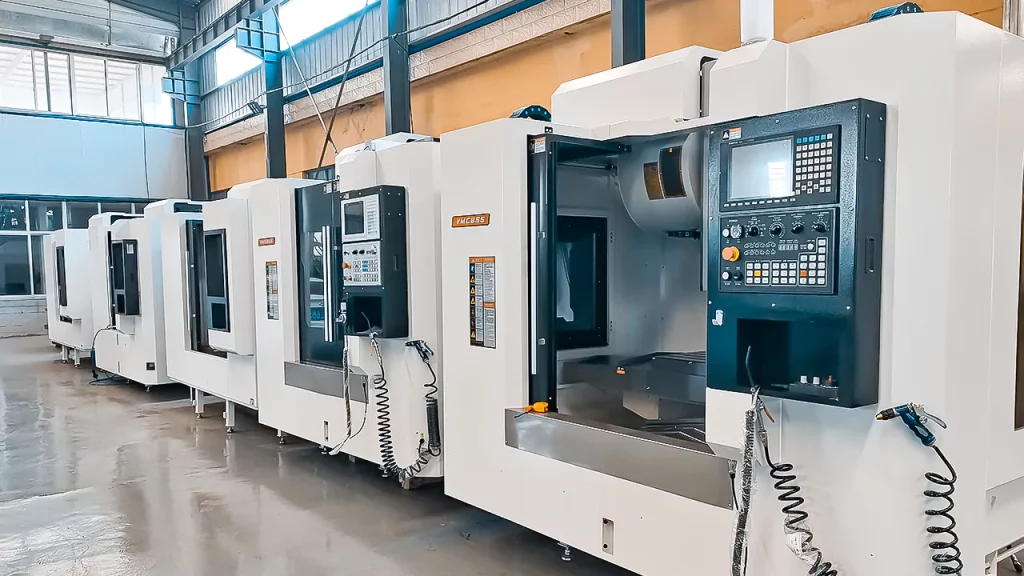
Understanding CNC Quotes and Their Role in Manufacturing
Ever wondered how much to get a metal part made before committing to a project? That's exactly where CNC quotes come into play. A CNC quote is a formal pricing estimate provided by machine shops or online platforms that breaks down what you'll pay to transform your design into a physical part. Think of it as your financial roadmap before production begins.
Whether you're a product developer working on a prototype or a purchasing manager sourcing components for mass production, understanding these pricing estimates helps you budget accurately and avoid costly surprises. According to industry experts, a detailed quote should include information about the manufacturing process and quality control measures, allowing you to verify whether a vendor can meet your specific requirements.
What a CNC Quote Actually Includes
When you request a cnc quote online, you'll typically receive a document that itemizes several cost categories. Understanding each component helps you compare vendors effectively and identify potential cost-saving opportunities. Here are the core elements you'll find in a standard CNC machining quote:
- Material Costs: The price of raw materials needed for your part, which varies significantly based on material type. Aluminum and brass are generally more affordable, while titanium and specialty alloys command premium prices.
- Machining Time: This covers the actual cutting and shaping process. Complex geometries with intricate details or tight tolerances require more machine time, directly increasing your cnc machining cost.
- Setup Fees: These one-time charges cover machine preparation, programming, and tool configuration. Setup costs are spread across your order quantity, making larger batches more economical per part.
- Labor Costs: Skilled operators handle setup, supervision, and quality control throughout the process. The machinist metal cost reflects the expertise required to produce precision components.
- Post-Processing: Additional operations like deburring, surface finishing, anodizing, or plating add to the final cnc machining price but often prove essential for functional parts.
- Overhead and Profit Margin: Machine depreciation, facility costs, energy consumption, and the shop's margin are factored into hourly rates.
Why Accurate Quotes Matter for Your Project Budget
Getting precise online machining quotes isn't just about knowing the bottom line—it's about making informed decisions that optimize your entire project. Here's why accuracy matters:
First, accurate quotes help you run feasibility checks. If the numbers don't work within your budget constraints, you can explore design modifications or alternative materials before investing significant time and resources.
Second, comparing quotes from multiple vendors becomes meaningful only when each estimate covers the same scope. A quote that appears cheaper might exclude finishing operations or quality inspections that another vendor includes. Understanding the complete cost breakdown prevents apples-to-oranges comparisons.
Third, detailed quotes minimize misunderstandings throughout the project lifecycle. When everyone agrees on specifications, materials, and deliverables upfront, you reduce the risk of unexpected charges or production delays.
Finally, the quoting process itself reveals a vendor's communication style and attention to detail. A shop that provides thorough, transparent pricing often delivers the same level of care during manufacturing.
With this foundation in place, you're ready to dive deeper into how these costs are actually calculated—and what factors you can influence to optimize your project's budget.
How CNC Quote Pricing Is Actually Calculated
So you've received a CNC quote, but how exactly did the shop arrive at that number? Unlike buying off-the-shelf products with fixed prices, machining costs are calculated through a formula that weighs multiple variables against each other. Understanding this methodology gives you leverage to optimize costs without sacrificing quality.
Most shops use a variation of this fundamental equation to estimate pricing:
Estimated Cost = (Material Cost + Setup Cost) + (Machining Time × Hourly Rate) + Finishing Cost
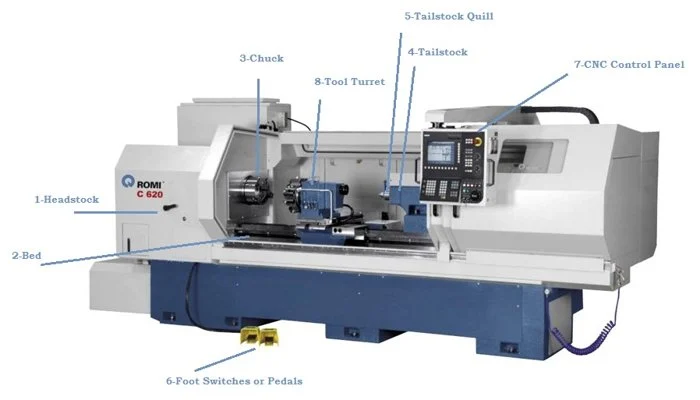
Each component in this formula responds to specific project characteristics. The cnc machine cost varies dramatically based on complexity—three-axis machines typically run $10-$20 per hour, while five-axis equipment commands $20-$40 or more hourly. Let's break down the factors that drive each variable in your quote.
Material Selection and Its Cost Impact
Material choice influences your quote in two distinct ways: raw material pricing and machinability. Some materials cut like butter while others fight every pass of the tool, affecting both machining time and tool wear.
Consider aluminum machining as a benchmark. Aluminum typically costs $5-$10 per pound and machines quickly due to its softness, making it a cost-effective choice for many applications. Compare this to steel at $8-$16 per pound or stainless steel at even higher rates—both require slower cutting speeds and cause greater tool wear.
Machinability ratings help predict these costs:
- Aluminum: High machinability (excellent). Fast cutting speeds, minimal tool wear, and lower energy consumption translate directly to reduced machined parts costs.
- Brass: High machinability. Similar benefits to aluminum with excellent chip formation.
- Carbon Steel: Medium machinability. Requires more careful parameter selection but remains economical for metal machining projects.
- Stainless Steel: Lower machinability. Work hardening tendencies demand slower feeds and specialized tooling, increasing hourly costs.
- Titanium and Superalloys: Challenging to machine. Premium raw material costs compound with difficult machining characteristics.
For non-metal applications, machining nylon and similar plastics presents its own considerations. Nylon for machining offers good dimensional stability but requires attention to thermal management since plastics can melt or deform under excessive heat. Plastic materials generally cost less than metals but may require specialized tooling and modified cutting parameters.
How Complexity Drives Machining Time
Imagine the difference between milling a simple rectangular block versus creating a part with deep pockets, thin walls, and intricate surface contours. The cnc machine price per hour might stay constant, but the number of hours skyrockets with complexity.
Several design characteristics directly impact machining duration:
- Number of Setups: Parts requiring repositioning for access to multiple faces multiply setup time. Each orientation change means stopping the machine, repositioning the workpiece, and re-zeroing coordinates.
- Axis Requirements: Three-axis machines handle basic geometries efficiently, but undercuts, compound angles, or complex curved surfaces may demand four or five-axis equipment at premium hourly rates.
- Feature Depth and Access: Deep cavities require specialized extended-reach tooling and slower feed rates to maintain accuracy and prevent tool deflection.
- Surface Area: More material removal means more machine time—simple physics that directly affects your quote.
The tolerance-cost relationship deserves special attention because it follows an exponential curve, not a linear one. According to manufacturing research from Modus Advanced, moving from standard tolerances (±0.13 mm/±0.005 inches) to precision tolerances (±0.025 mm/±0.001 inch) can increase costs by approximately 4x. Ultra-precision work at ±0.0025 mm (±0.0001 inch) may cost 24 times more than standard machining.
Why such dramatic increases? Tighter tolerances demand:
- Slower machining speeds to maintain accuracy
- More frequent tool changes to preserve precision
- Temperature-controlled environments for thermal stability
- Enhanced quality checks and measurement protocols
- Higher potential scrap rates when parts fall outside specifications
The Complete Pricing Factor Breakdown
The following table illustrates how each major factor shifts your quote between economical and premium scenarios:
| Factor | Low Cost Scenario | High Cost Scenario |
|---|---|---|
| Material | Aluminum or brass; high machinability; readily available stock sizes | Titanium, Inconel, or specialty alloys; difficult machining; custom stock procurement |
| Tolerance | Standard tolerances (±0.13 mm/±0.005"); minimal inspection requirements | Ultra-precision (±0.025 mm/±0.001" or tighter); 100% inspection; temperature-controlled machining |
| Quantity | Higher volumes (50+ parts); setup costs amortized across units; potential volume discounts | Single prototype or very low quantities; full setup costs concentrated in few parts |
| Lead Time | Standard lead time (2-4 weeks); normal scheduling; no rush charges | Rush orders (1-3 days); overtime labor; expedited material sourcing; priority scheduling fees |
| Complexity | Simple geometries; single setup; three-axis machining; standard tooling | Complex contours; multiple setups; five-axis required; custom or specialized tooling |
| Finishing | As-machined surface; minimal deburring only | Multiple finishing operations: polishing, anodizing, plating, painting, or coating |
Notice how each factor operates independently yet compounds with others. A titanium part with tight tolerances, low quantity, and rush delivery represents the perfect storm for maximum pricing—every variable pushes toward the high-cost column simultaneously.
Understanding these mechanics empowers you to make strategic trade-offs. Could you accept standard tolerances on non-critical dimensions? Is there flexibility in your delivery timeline? These questions become meaningful when you understand how each answer affects your bottom line.
Now that you understand the calculation methodology, the next step is ensuring you provide shops with everything they need to generate accurate quotes from the start.
Preparing Your Project for an Accurate Quote
You've learned how shops calculate pricing—but here's the catch: even the most experienced estimator can't provide an accurate quote without complete information. Imagine trying to price a home renovation when the homeowner only mentions "I want new floors" without specifying room sizes, materials, or finish preferences. The same principle applies to CNC machining.
Incomplete or ambiguous project data creates a frustrating cycle of back-and-forth communication that delays your quote by days or even weeks. According to OpenBOM's analysis of common RFQ mistakes, suppliers receiving vague specifications often make assumptions that lead to incorrect pricing, delays, or sourcing the wrong materials entirely. Let's ensure you're prepared to get accurate quotes on the first attempt.
Essential Files and Specifications to Prepare
Before reaching out to any machine shop, gather these critical items. Having everything ready transforms what could be a week-long quoting process into a 24-48 hour turnaround.
CNC Files and Technical Drawings
Your CAD file is the foundation of any accurate quote. Without proper cnc files, shops are essentially working blind. Here's what format works best for different situations:
- STEP Files (.stp, .step): The universal standard for 3D models. STEP files preserve geometry accurately across different CAD platforms, making them the preferred choice for most machine shops. If you only send one file type, make it STEP.
- IGES Files (.igs, .iges): Another widely accepted format that works well for surface models. An .igs file handles complex curved surfaces effectively, though STEP generally offers better feature preservation.
- DXF/DWG Files: Best for 2D parts or profiles where cnc cuts follow a flat pattern. These work well for sheet metal operations or simple planar geometries.
- Native CAD Files: SolidWorks, Inventor, or Fusion 360 files can provide additional design intent information but may not be readable by all shops.
Pro tip: Providing both a 3D STEP file and a 2D technical drawing with annotations significantly speeds up the quoting process. According to Dipec's quoting guide, this combination eliminates questions about tolerances, threads, or surface finishes—meaning less back-and-forth and a faster quote in your inbox.
Technical Specifications to Define
Beyond your cnc file, shops need specific technical details to generate accurate pricing. Be prepared to specify:
- Dimensional Tolerances: Clearly indicate which dimensions require tight tolerances versus standard machining precision. Remember the cost curve from the previous section—specify tight tolerances only where functionally necessary.
- Material Requirements: Don't just say "aluminum." Specify the exact alloy (6061-T6, 7075-T6, etc.) and temper. For plastics, identify the specific grade (Delrin 150 vs. generic acetal, for example).
- Surface Finish: If your part requires specific roughness values, note them according to standard designations. Common requirements include Ra 3.2 μm for general machining, Ra 1.6 μm for good finish, or Ra 0.8 μm for fine surfaces.
- Quantity and Batch Size: Specify exact quantities needed and whether this is a one-time order or recurring production. Many shops offer tiered pricing—quote requests for 10, 50, and 100 units help you understand volume discounts.
- Post-Processing Needs: Anodizing, plating, heat treatment, painting—any secondary operation affects the quote. Mention these upfront rather than adding them later.
Your Complete Pre-Quote Checklist
Before submitting your quote request, verify you have the following ready:
- 3D CAD Model: STEP format preferred, saved in a compatible version without unnecessary layers or auxiliary elements.
- 2D Technical Drawing: Include dimensions, tolerances, surface finish callouts, and any special notes. Use 1:1 scale to avoid interpretation errors.
- Material Specification: Exact alloy, grade, and temper—not just generic material names.
- Tolerance Requirements: Clearly marked critical dimensions with specific tolerance values.
- Surface Finish Requirements: Roughness values for surfaces that matter, using standard ISO designations.
- Quantity Information: Exact numbers or ranges, plus any forecast for future orders.
- Delivery Timeline: Your required delivery date and any flexibility you have.
- Secondary Operations: Complete list of finishing, assembly, or additional processing needed.
- Shipping Destination: Location for accurate freight cost calculation.
Common Mistakes That Delay Your Quote
Even experienced engineers and purchasing managers fall into these traps. Avoiding them puts you ahead of most quote requests shops receive.
Sending Outdated Revisions: Your engineering team updated the design last week, but you sent the supplier an old version. According to OpenBOM, this mistake leads to incorrect parts, delays, and expensive rework. Always verify you're sending the current revision and clearly label version numbers.
Missing or Vague Material Specs: Saying "steel part" leaves shops guessing. They might default to a cheaper option that doesn't meet your performance needs, or they'll pause the quote to ask clarifying questions. Either way, you lose time.
Omitting Critical Features: Forgetting to mention threads, press-fit holes, or areas requiring specific cnc cut depths forces requoting once the shop discovers them during review. These features significantly impact machining time and tooling requirements.
No Quantity Definition: A quote for 5 parts differs dramatically from 500 parts. Without clear volumes, shops may provide conservative (expensive) estimates or ask for clarification—adding days to your timeline.
Skipping Secondary Operations: Need parts assembled, engraved, or bonded after machining? Mentioning these requirements upfront ensures you receive a complete quote covering the entire job. Hidden post-processing needs just delay production.
Unrealistic Tolerance Callouts: Specifying ultra-tight tolerances across every dimension—when only a few actually require precision—inflates your quote unnecessarily. Review which tolerances truly matter for function and loosen the rest.
Submitting 2D Drawings Alone: While some shops can work from 2D drawings, they lack the depth and clarity of 3D models. According to ProPart's technical drawing guide, providing proper 3D cnc machine parts models alongside annotated drawings enables accurate quotations and efficient order execution.
Taking twenty extra minutes to verify your submission is complete saves days of waiting and eliminates the frustration of requoting. With your documentation prepared properly, you're ready to choose between instant online quoting platforms and traditional RFQ processes—each suited to different project needs.
Instant Quotes Versus Traditional RFQ Processes
You've prepared your files, nailed down specifications, and you're ready to request pricing. Now comes a choice that many buyers overlook: should you use an instant quote platform or go through a traditional request-for-quote (RFQ) process? The answer isn't one-size-fits-all—it depends entirely on your project's complexity, timeline, and precision requirements.
Online cnc machining services have transformed how buyers source machined parts. Platforms using AI-powered algorithms can analyze your CAD file and return pricing in seconds rather than days. But here's what most people don't realize: these automated systems excel in specific scenarios while falling short in others. Understanding when each approach works best could save you both money and headaches.
When Instant Online Quotes Work Best
Imagine uploading your STEP file at 10 PM and having a complete pricing breakdown before your morning coffee. That's the appeal of instant quote systems. According to Kesu Group's analysis of quoting platforms, leading services like Xometry, Protolabs, and MakerVerse can deliver quotes in 5-60 seconds by leveraging machine learning algorithms that analyze part geometry, material requirements, and tolerances automatically.
An online cnc machine quoting platform shines when your project meets these criteria:
- Standard Materials: Aluminum 6061, brass, carbon steel, and common plastics are well-characterized in these systems. The algorithms have extensive historical data on machining these materials, producing accurate estimates.
- Simple to Moderate Geometries: Parts with standard features—holes, pockets, slots, and straightforward contours—translate well into automated analysis. Three-axis machining candidates work particularly well.
- Prototype Quantities: Need 1-50 parts? Prototype machining orders fit perfectly into instant quote workflows. The platforms optimize for quick turnaround on smaller batches.
- Standard Tolerances: If your part functions with typical machining precision (±0.13 mm/±0.005") rather than ultra-tight specifications, automated systems calculate costs reliably.
- Time-Sensitive Decisions: When you need immediate pricing to make a go/no-go decision, waiting days for a manual quote isn't practical.
Similar convenience exists for sheet metal work—many platforms now offer laser cutting instant quote capabilities alongside CNC machining, letting you source multiple manufacturing processes through a single online quotation system.
The real advantage? Transparency and speed. You can modify your design, re-upload, and see exactly how changes affect pricing—all without waiting for human review. This iterative capability proves invaluable during the design optimization phase.
Projects That Require Engineering Review
Now consider a different scenario: you're sourcing a complex aerospace bracket with tight tolerances, exotic materials, and specific certification requirements. An instant request through an automated platform might return a number, but can you trust it?
According to Wikifactory's comparison of quoting methods, manual quoting becomes essential when projects have higher complexity, require the highest quality, or need precise cost accuracy. Automated algorithms rely on historical data and simplified assumptions—using bounding box calculations and surface area estimates—which can produce pricing errors of ±10-15% for intricate parts.
Traditional RFQ processes prove necessary for:
- Complex Assemblies: Multi-component parts requiring custom fixtures, multiple setups, or specialized work-holding demand human analysis to quote accurately.
- Specialized Materials: Inconel, titanium alloys, exotic plastics, or custom material specifications fall outside most automated systems' reliable estimation capabilities.
- High-Volume Production: Orders of 500+ parts benefit from manual negotiation, tooling optimization discussions, and volume discount structures that algorithms can't fully capture.
- Ultra-Tight Tolerances: When you need precision beyond ±0.025 mm (±0.001"), human engineers must evaluate feasibility, special processes, and inspection requirements.
- Custom Finishing or Certification: AS9100D aerospace requirements, ITAR compliance, or specialized surface treatments require direct communication with qualified suppliers.
The manual process also enables something automated systems can't provide: collaborative problem-solving. An experienced engineer might review your design and suggest a minor modification that reduces machining time by 30%—insight you'd never receive from an algorithm.
Comparing Your Quoting Options
The following table breaks down how instant quotes and manual RFQ processes compare across key dimensions:
| Dimension | Instant Quote Platforms | Manual RFQ Process |
|---|---|---|
| Turnaround Time | Seconds to minutes; available 24/7 | 1-5 business days; dependent on engineering availability |
| Pricing Accuracy | ±5% for standard parts; ±10-15% for complex geometries | High accuracy after detailed review; accounts for all variables |
| Complexity Handling | Best for simple to moderate geometries; limited 5-axis support | Handles intricate parts, custom tooling, and non-standard processes |
| Customization Options | Predefined material and finish selections; limited flexibility | Full customization; special materials, finishes, and processes available |
| Engineering Support | Automated DFM feedback; no human consultation during quoting | Direct access to engineers for design optimization and technical questions |
| Volume Optimization | Standard volume breaks; no negotiation | Custom pricing structures; tooling amortization discussions; long-term agreements |
| Quality Assurance Visibility | Platform-standard processes; limited supplier vetting transparency | Direct evaluation of certifications, capabilities, and quality systems |
Making the Right Choice for Your Project
Here's a practical decision framework: start with instant quoting when exploring feasibility or sourcing straightforward parts. The speed lets you validate budgets quickly and compare multiple design iterations without delays. Platforms like Protolabs deliver parts in as little as one day for simple prototype machining needs, making them ideal for rapid iteration cycles.
Shift to manual RFQ processes when accuracy matters more than speed—particularly for production runs, regulated industries, or technically demanding applications. As Fathom Manufacturing notes, challenging jobs with complex geometries, tough materials, or extremely tight tolerances benefit from working directly with engineers who can navigate these requirements.
Many buyers use a hybrid approach: instant quotes for initial ballpark estimates and design optimization, followed by formal RFQs to vetted suppliers for actual production orders. This strategy captures the speed benefits of automation while ensuring the accuracy and relationship-building that comes from direct supplier engagement.
Understanding these trade-offs positions you to select the right quoting path—but equally important is knowing how your design decisions influence the numbers you'll receive, regardless of which method you choose.
How Part Design Affects Your Quote Price
Here's something most machine shops won't tell you upfront: your design decisions have more influence over pricing than almost any other factor. Two parts with identical materials and quantities can differ in cost by 50% or more—simply based on how they're designed. Understanding this relationship puts you in the driver's seat when optimizing your CNC quotes.
Think about it from the machinist's perspective. Every feature on your part requires specific tooling, cutting strategies, and time. A cnc cutting machine doesn't distinguish between "important" and "nice-to-have" features—it machines everything you specify. The question becomes: which design choices are truly necessary for function, and which ones are silently inflating your quote?
Design Features That Drive Up Costs
Certain geometric characteristics consistently trigger higher pricing across virtually every machine shop. According to Hubs' design cost analysis, these features demand specialized tooling, slower cutting speeds, or multiple setups—all of which translate directly to increased machining time and expense.
Watch for these cost-increasing elements in your designs:
- Deep Pockets: Cavities deeper than four times their width require extended-reach tooling and multiple passes at reduced speeds. A 12 mm end mill performs optimally at depths around 25 mm—anything deeper demands special tooling or multi-axis equipment, increasing both cnc fabrication time and cost.
- Thin Walls: Features thinner than 0.8 mm for metals or 1.5 mm for plastics are prone to vibration and deflection during cnc metal cutting. Machinists must slow down significantly to prevent breakage or warping, sometimes requiring multiple light passes instead of efficient material removal.
- Tight Internal Corners: Sharp 90-degree internal corners are physically impossible with rotating cylindrical tools. Achieving near-sharp corners requires tiny end mills running multiple passes at reduced speeds. According to Protolabs, a 0.031-inch (0.8mm) end mill in stainless steel has limited depth capability and requires slow, delicate machining—driving up costs considerably.
- Complex Surface Contours: Sculptured surfaces and 3D profiles demand ball end mills tracing intricate toolpaths. These operations remove small amounts of material per pass, extending cycle times dramatically compared to simple planar surfaces.
- Multiple Setup Requirements: Parts requiring machining from multiple orientations multiply setup time. Each repositioning means stopping production, reclamping the workpiece, and re-establishing coordinate references—often a manual, time-intensive process.
- Engraved Text and Logos: While aesthetically appealing, machined text requires a ball end mill to trace every character using 3D profiling motions. This time-intensive operation adds significant cost for what's often a non-functional feature.
- Excessive Thread Depth: Thread engagement beyond 1.5 times the hole diameter provides minimal additional joint strength but requires specialized tooling and extended machining cycles.
Smart Design Choices That Reduce Your Quote
The good news? Many cost-saving modifications require minimal design compromise. By applying design for manufacturability (DFM) principles, you can often reduce cnc prototyping costs by 20-40% while maintaining full functionality. Hubs reports that following DFM guidelines helps manufacture cost-effective parts while meeting performance requirements.
Implement these strategies to optimize your custom machined parts pricing:
- Specify Adequate Corner Radii: Design internal corner radii at least one-third of the cavity depth. For a 12 mm deep pocket, use a 5 mm or larger radius. This allows efficient cnc machine metal cutting with larger tools at higher speeds.
- Add Corner Reliefs Instead of Reducing Radii: When you genuinely need to fit rectangular components into a pocket, machine U-shaped or C-shaped reliefs in corners rather than chasing tiny radii. This achieves functional sharp corners while allowing larger, faster tooling.
- Limit Cavity Depths: Keep pockets no deeper than four times their smallest opening dimension. Need more depth? Consider splitting the design into components that can be machined separately and assembled.
- Use Standard Tolerances: Apply tight tolerances only where function demands them. Standard machining precision (±0.13 mm) satisfies most non-critical features. Tight tolerances on every dimension inflate quotes unnecessarily.
- Design for Single-Setup Machining: Parts with simple 2.5D geometry accessible from one direction eliminate repositioning time. When possible, concentrate all features on one face or design components for post-machining assembly.
- Specify Standard Hole Sizes: Use hole diameters matching standard drill bits—0.1 mm increments up to 10 mm, 0.5 mm increments above. Non-standard sizes require additional milling operations.
- Choose Machinable Materials: Aluminum and brass cut quickly with minimal tool wear. Switching from stainless steel to aluminum—when performance allows—can cut machining time in half.
- Eliminate Cosmetic Text: Save engraving for injection-molded production parts where costs amortize across high volumes. For prototypes, consider post-machining silk screening or labels instead of machined text.
- Beef Up Thin Sections: Increasing wall thickness even slightly—from 0.6 mm to 1.0 mm—can eliminate vibration issues and allow faster cutting speeds.
Connecting Design Decisions to Cost Impact
Consider a practical example: you're designing an aluminum housing with internal pockets. Your initial design features 0.5 mm internal corner radii, 40 mm deep cavities, and 0.6 mm walls between features.
A cnc cutting machine tackling this part faces challenges at every turn. The tiny corner radii demand a 1 mm diameter end mill running at reduced speeds. The deep pockets exceed standard tool reach, requiring extended tooling and multiple depth passes. The thin walls force cautious, slow machining to prevent flexing.
Now imagine revising the design: 4 mm corner radii, 25 mm pocket depth, and 1.2 mm minimum walls. Suddenly, the shop can use robust 8 mm end mills at aggressive feeds. Standard tooling handles the depth easily. Walls machine cleanly without vibration concerns. Same functional envelope—dramatically lower quote.
The takeaway? Before submitting your next quote request, review your design through the lens of manufacturability. Ask yourself which features truly serve function versus which ones simply seemed like good ideas during design. Often, small compromises on non-critical details yield substantial savings without sacrificing what actually matters for your application.
With your design optimized for efficient machining, the next challenge becomes evaluating the quotes you receive—because the lowest number isn't always the best value.
Comparing Quotes and Choosing the Right Vendor
You've received three CNC quotes for the same part. One comes in 20% lower than the others. Easy decision, right? Not so fast. Experienced buyers know that the lowest number on the page rarely tells the complete story. What's included in that price? What's conspicuously absent? And what happens when things don't go according to plan?
Choosing the right cnc service provider requires evaluating factors that never appear in the bottom-line figure. According to XTJ CNC's analysis of quote comparisons, a thorough evaluation involves analyzing the breakdown of costs alongside crucial factors like supplier certifications, lead times, and post-processing services. This ensures you select a partner that offers the best overall value—not just the lowest initial cost.
Key Factors Beyond the Bottom Line Price
When comparing machine shop services, price is just one variable in a complex equation. The cheapest quote often comes with hidden trade-offs that cost more in the long run through delays, quality issues, or unexpected charges. Here's what to evaluate:
Lead Time Reliability
A quote promising two-week delivery means nothing if the shop consistently ships late. Ask potential vendors about their on-time delivery rate—reputable cnc turning services will track and share this metric. Late parts can halt your entire production line or miss critical launch windows, creating costs that dwarf any savings from a lower quote.
Consider asking: What's your typical on-time delivery percentage? How do you handle schedule conflicts? What communication can I expect if delays occur?
Quality Certifications
Certifications signal a shop's commitment to documented quality systems. While certified shops may quote slightly higher, they provide assurance that your cnc parts will meet specifications consistently. Key certifications to look for include:
- ISO 9001: The baseline quality management certification applicable across industries. Demonstrates systematic quality control processes.
- IATF 16949: Required for automotive supply chains. Indicates rigorous process control and defect prevention capabilities.
- AS9100D: Aerospace quality standard with stringent traceability and documentation requirements.
- ITAR Registration: Necessary for defense-related projects involving controlled technical data.
If you're searching for cnc machining services near me for a regulated industry application, certification should be non-negotiable—regardless of price differences.
Communication Responsiveness
How quickly did the vendor respond to your initial quote request? According to Lindsay Machine Works, you deserve to hire a machining services shop that truly makes you feel comfortable when working with them. Poor communication during quoting often predicts poor communication during production—when it matters most.
Pay attention to whether they asked clarifying questions about your requirements. A shop that simply quotes without understanding your application may be making assumptions that lead to problems later.
Included Versus Excluded Services
This is where quotes diverge dramatically. One vendor's price might include inspection reports, packaging, and deburring. Another might charge separately for each—or worse, deliver parts with sharp edges and no documentation. Always clarify what's bundled versus billed additionally.
Revision Policies
What happens if you need to modify your design after placing an order? Some shops accommodate minor changes gracefully; others treat every revision as a restart requiring new quotes and extended timelines. Understanding revision policies upfront prevents frustration later.
Shipping Costs
A competitive machining quote loses its appeal when shipping doubles the total cost. If you're evaluating cnc services near me versus distant suppliers, factor in freight differences. Local vendors may offer pickup options or lower shipping rates that offset slightly higher per-part pricing.
Reading Between the Lines of Your Quote
Understanding what each line item represents empowers you to compare vendors accurately. According to TMC Technologies, a transparent and detailed quote is a sign of a professional supplier, giving you a clear picture of where your investment is going.
When reviewing your cnc turning service quotes, watch for these elements:
- Setup Fees: One-time charges for programming and machine preparation. These should decrease on a per-part basis as quantities increase.
- Per-Part Machining Costs: The core manufacturing charge. Verify this covers all operations needed to complete your part.
- Material Costs: Raw material pricing. Some shops mark up materials significantly; others pass through at cost.
- Finishing Operations: Deburring, surface treatments, and coatings. Confirm whether these are included or additional.
- Inspection and Quality: First article inspection reports, dimensional verification, and material certifications. Critical for regulated industries.
- Packaging and Shipping: How parts will be protected during transit and delivery charges to your location.
Quote Validity Periods
Most quotes include an expiration date—typically 30 to 90 days. Material prices fluctuate, and shops can't hold pricing indefinitely. If you're not ready to order immediately, ask about validity extensions or what might trigger price changes.
After you accept a quote, understand what happens next. Professional shops will issue an order acknowledgment confirming specifications, delivery dates, and payment terms. This document becomes your reference if disputes arise later.
Vendor Comparison Framework
Use this framework to systematically evaluate competing quotes beyond their headline numbers:
| Evaluation Criteria | What to Look For | Red Flags |
|---|---|---|
| Price Transparency | Itemized breakdown showing materials, machining, setup, and finishing separately | Single lump-sum pricing with no detail; unusually low quotes without explanation |
| Lead Time Commitment | Specific delivery date with on-time performance history; clear communication protocols | Vague timelines like "2-3 weeks"; no discussion of delay handling |
| Quality Assurance | Relevant certifications (ISO 9001, IATF 16949, AS9100D); documented inspection processes | No certifications; inability to provide sample inspection reports |
| Included Services | Clear statement of what's included: deburring, inspection reports, packaging specifications | Ambiguous scope; many items listed as "additional" or "TBD" |
| Communication Quality | Prompt responses; clarifying questions about your requirements; designated point of contact | Slow replies; generic responses without engaging your specific needs |
| Revision Flexibility | Clear policy on design changes; reasonable accommodation for minor modifications | Rigid "no changes after order" policies; excessive change fees |
| Payment Terms | Standard net-30 terms for established customers; clear milestone payment schedules for large orders | 100% upfront payment demands; unclear invoicing practices |
Warning Signs and Positive Indicators
An unusually low quote can signal cut corners, hidden fees, or subpar quality that will cost more in the long run through delays, rework, or part failure. According to XTJ CNC, watch out for these common red flags:
- Missing Line Items: Necessary processes excluded to make the initial bid more appealing, with charges added later.
- Vague Material Specifications: Generic material descriptions without specific alloy or grade callouts.
- No Inspection Details: Absence of quality verification documentation in the quoted scope.
- Unrealistic Lead Times: Promises that seem too good compared to other vendors may indicate overcommitment.
Conversely, certain elements signal high quality and reliability—often justifying slightly higher pricing:
- Detailed Technical Questions: Vendors who ask clarifying questions demonstrate engagement with your specific requirements.
- Design Feedback: Suggestions for cost reduction or manufacturability improvements show expertise and partnership mindset.
- Reference Availability: Willingness to provide customer references indicates confidence in their track record.
- Facility Tour Invitation: Openness to showing their operations suggests nothing to hide.
With a clear framework for evaluating vendors, you're positioned to make informed decisions. But for projects in regulated industries, there's another layer to consider: how quality certifications affect both pricing and your supply chain requirements.
Quality Certifications and Their Impact on Pricing
Ever noticed how two machine shops quoting the same part can differ by 15-25% in price? Often, the answer lies in those certification logos displayed on their websites. Quality certifications represent significant investments in systems, audits, and ongoing compliance—costs that inevitably appear in your CNC quotes. But here's what many buyers miss: those higher prices often deliver value that far exceeds the premium.
For projects in regulated industries, certifications aren't optional checkboxes—they're prerequisites for doing business. According to Modo Rapid's analysis of supplier certifications, standards like ISO 9001, IATF 16949, and AS9100 signal a supplier's commitment to quality, traceability, and process control. These certifications ensure your cnc machined parts meet tight tolerances and industry-specific requirements while reducing risks in production and supply chains.
Understanding Quality Certifications in CNC Quotes
Think of certifications as verified promises. Any shop can claim they produce quality parts, but certifications require independent auditors to verify those claims through documented evidence. This verification process costs money—annual audits, training programs, documentation systems, and process controls all add overhead that appears in quoted hourly rates.
Here are the major certifications you'll encounter when sourcing precision cnc machining services, along with their requirements and typical applications:
- ISO 9001: The foundational quality management certification applicable across all industries. Requires documented quality control processes, continuous improvement programs, and management review systems. Think of it as the baseline driver's license for manufacturing—shops without it may lack fundamental quality discipline. ISO 9001 certification ensures your supplier has standardized processes that reduce the likelihood of defects and late deliveries.
- IATF 16949: Built on ISO 9001 with additional requirements specific to automotive supply chains. Mandates defect prevention strategies, statistical process control (SPC), and lean production systems. If you're sourcing custom cnc parts for automotive or racing applications, this certification is non-negotiable. IATF 16949-certified shops demonstrate capability to meet stringent automotive standards with microscopic defect rates.
- AS9100D: The aerospace and defense quality standard that layers rigorous safety and reliability protocols on top of ISO 9001. Covers additional requirements for configuration management, risk assessment, and product traceability throughout the supply chain. For aircraft components where failure isn't an option, AS9100D certification verifies the supplier understands safety-critical manufacturing.
- ITAR Registration: International Traffic in Arms Regulations compliance required for defense-related projects involving controlled technical data. Not a quality certification per se, but essential for any cnc machining parts destined for military applications. ITAR registration ensures the supplier can legally handle sensitive defense information and components.
- ISO 13485: Medical device quality management standard ensuring compliance with biocompatibility requirements and traceability standards. Essential when sourcing 5 axis cnc machining services for implants, surgical instruments, or diagnostic equipment.
Why Certified Shops Quote Higher—And Why It's Often Worth It
When you see a higher quote from a certified shop, you're not just paying for a certificate on the wall. You're paying for systems that protect your project from costly failures. According to Bowden Manufacturing's transparency analysis, typical shop rates for an AS9100 operation range from $60 to $125 per hour, depending on equipment complexity and work requirements.
What drives these higher rates? Certified shops invest in:
- Statistical Process Control (SPC): Real-time monitoring of machining operations to catch variations before they produce defective parts. SPC requires specialized software, trained personnel, and time allocated for data analysis—all adding to operational costs.
- Traceability Systems: Complete documentation linking every part to specific material lots, machine operations, operator actions, and inspection results. If a problem surfaces months later, certified shops can trace exactly what happened and when.
- Calibrated Measurement Equipment: Regular calibration of all inspection tools with documented certificates. This ensures the measurements confirming your parts meet specifications are themselves accurate.
- Internal Auditing Programs: Regular self-assessments to identify and correct process issues before external auditors—or worse, customers—discover them.
- Training and Competency Records: Documented evidence that operators and inspectors possess the skills required for their roles.
For cnc precision machining services applications where quality failures carry serious consequences—think aerospace components, medical devices, or automotive safety parts—these investments provide insurance that cheaper alternatives can't match.
When Certification Matters for Your Project
Not every project requires certified suppliers. Here's how to determine whether certification premiums make sense for your specific needs:
Certification is essential when:
- Your parts enter regulated supply chains (automotive, aerospace, medical, defense)
- End customers require documented quality evidence from your suppliers
- Part failure could cause safety issues, significant financial losses, or liability exposure
- You need complete traceability for warranty claims or regulatory compliance
- Your industry requires specific certifications for supplier qualification
Standard quality may suffice when:
- You're producing prototypes for internal testing and iteration
- Parts serve non-critical functions where occasional defects are acceptable
- Your own incoming inspection catches issues before parts reach production
- No regulatory requirements govern your application
As Modo Rapid notes, choosing suppliers with appropriate certifications isn't about ticking boxes—it's about ensuring your parts don't stall your assembly line or trigger warranty nightmares. The certification premium typically costs far less than the consequences of quality failures in regulated applications.
Understanding certification requirements positions you to evaluate whether higher quotes represent genuine value or unnecessary expense for your specific project. With this knowledge in hand, you're ready to explore strategies for maximizing value across all aspects of the quoting process.
Getting the Best Value From Your CNC Quotes
You've mastered the mechanics of pricing, optimized your designs, and learned to compare vendors systematically. Now comes the practical question every buyer faces: how do you actually extract maximum value from your CNC quotes without sacrificing quality? The answer involves strategic approaches that go beyond simply accepting the lowest number.
According to MakerVerse's cost reduction guide, understanding the factors that influence CNC machining costs is crucial to optimizing expenses and keeping projects within budget. But understanding alone isn't enough—you need actionable strategies that translate knowledge into savings.
Strategies for Better Quote Value
Getting competitive pricing isn't about squeezing suppliers until they cut corners. It's about creating conditions where shops can offer their best rates while delivering quality you can trust. Here's how experienced buyers approach the quoting process:
Request Quotes from Multiple Vendors
Never rely on a single quote—even from a trusted supplier. Requesting quotes from three to five vendors accomplishes several goals simultaneously. You gain market intelligence about current pricing, identify outliers that may signal quality concerns or hidden costs, and create healthy competition that motivates suppliers to sharpen their pencils.
When searching for cnc machines near me or evaluating distant specialists, cast a wide net initially. Different shops have different strengths—one might excel at aluminum fabrication while another specializes in complex five-axis work. Matching your project to a shop's core competencies often yields better pricing than forcing a generalist to tackle something outside their wheelhouse.
Leverage Lead Time Flexibility
Rush orders command premium pricing for a reason: they disrupt shop scheduling, require overtime labor, and may necessitate expedited material sourcing. If your timeline permits flexibility, communicate this clearly when requesting quotes.
Ask vendors to quote both standard and expedited timelines. You might discover that extending delivery by one week reduces your quote by 15-20%. For prototype machining services where iteration speed matters, this trade-off rarely makes sense. But for production orders with predictable demand, building in lead time buffers can yield substantial savings.
Consolidate Orders for Volume Discounts
Setup costs represent a fixed expense that gets divided across your order quantity. A shop spending two hours programming and fixturing your part charges the same whether you order 10 pieces or 100. The math is straightforward: larger batches mean lower per-part costs.
Consider these consolidation strategies:
- Batch Similar Parts: If you need multiple custom metal parts with similar materials or machining requirements, quote them together. Shops may offer efficiencies by running related components in sequence.
- Forecast Future Needs: Share production projections with vendors. A shop knowing you'll need 500 units annually may quote differently than one expecting a single 50-piece order.
- Combine Prototype and Production: Some suppliers offer discounted prototype pricing when you commit to production orders afterward. This approach works particularly well for automotive applications where validation precedes volume manufacturing.
Optimize Your Quoting Process
Follow these actionable steps to consistently achieve better quote outcomes:
- Prepare Complete Documentation: Submit comprehensive files, specifications, and requirements the first time. Incomplete requests trigger delays and often result in conservative (higher) pricing as shops account for unknowns.
- Clarify Must-Have Versus Nice-to-Have Requirements: Distinguish between critical tolerances and features versus those with flexibility. This allows vendors to suggest cost-saving alternatives without compromising function.
- Request Itemized Breakdowns: Ask for quotes showing material, machining, setup, and finishing costs separately. This transparency enables meaningful comparisons and identifies specific areas for negotiation.
- Ask About Design Modifications: Invite vendors to suggest changes that could reduce costs. Experienced machinists often spot opportunities you might miss—a corner radius adjustment here, a tolerance relaxation there.
- Negotiate Based on Value, Not Just Price: If a vendor quotes higher but offers superior quality systems, faster response times, or better communication, factor these benefits into your evaluation. The cheapest quote often proves most expensive when problems arise.
- Establish Blanket Orders for Recurring Needs: If you order the same custom metal parts regularly, negotiate annual agreements with fixed pricing and scheduled releases. Suppliers appreciate predictable business and often reward it with better rates.
- Pay Attention to Payment Terms: Net-30 is standard, but some shops offer discounts for faster payment. A 2% discount for paying within 10 days may seem small but compounds significantly across multiple orders.
Building Long-Term Supplier Relationships
The most significant savings often come not from aggressive negotiation but from cultivating genuine partnerships with reliable suppliers. According to Stecker Machine's analysis of vendor relationships, solid client-vendor relationships are vital to success—impacting quality, customer service, efficiencies, costs, and supply chain integration.
When you find a cnc machinist near me who consistently delivers quality parts on time, invest in that relationship. Regular orders and on-time payments build goodwill that pays dividends when you need rush jobs accommodated or problems resolved quickly. As Stecker Machine notes, momentum inspires companies to go above and beyond—a rush project becomes an opportunity to impress a valued partner rather than a headache.
What Makes a Supplier Worth Keeping
Not every vendor deserves long-term investment. Look for partners who demonstrate:
- Consistent Communication: Proactive updates on order status, quick responses to questions, and transparent handling of issues.
- Quality Reliability: Parts that meet specifications without constant inspection battles or returns.
- Schedule Dependability: On-time delivery that you can build production plans around confidently.
- Problem-Solving Orientation: Willingness to collaborate on challenges rather than simply saying "that's your design, not our problem."
- Technical Capability Growth: Investment in new equipment and capabilities that keeps pace with your evolving needs.
For automotive and high-precision applications, these relationships become especially critical. The value of working with IATF 16949-certified suppliers extends beyond quality documentation—it includes access to rapid prototyping through production scaling with consistent quality control throughout.
Consider suppliers like Shaoyi Metal Technology, which exemplifies what to look for in a quality-focused partner. Their IATF 16949 certification, combined with Statistical Process Control (SPC) systems and lead times as fast as one working day, demonstrates the kind of capability that justifies premium positioning in automotive supply chains. When evaluating potential long-term partners, look for similar combinations of certification, quality systems, and responsiveness.
Common Quote Pitfalls and How to Avoid Them
Even experienced buyers occasionally fall into traps that inflate costs or create project headaches. Here's what to watch for:
Accepting Quotes Without Verification: A quote is only as good as its underlying assumptions. If a vendor quotes based on incorrect material specifications or missed features, the "competitive" price becomes meaningless. Always confirm that quotes reflect your actual requirements.
Focusing Exclusively on Unit Price: The lowest per-part cost might come with hidden expenses: higher shipping charges, excluded finishing operations, or quality issues requiring rework. Evaluate total cost of ownership, not just the headline number.
Ignoring Quote Expiration Dates: Material prices fluctuate, and shops can't hold pricing indefinitely. If you wait too long to order, don't be surprised when the vendor requires requoting at potentially higher rates.
Underestimating Relationship Value: Constantly switching suppliers to chase marginally lower quotes destroys the relationship benefits that deliver long-term value. A trusted partner who knows your standards and preferences often outperforms a cheaper unknown quantity.
Neglecting to Communicate Changes: If your requirements evolve after receiving quotes, communicate updates immediately. Ordering based on outdated quotes creates disputes and delays when the shop discovers discrepancies.
According to CNC Machines' supplier relationship management guide, effective SRM ensures a reliable supply chain while reducing the risk of disruptions and ensuring timely delivery. Building these relationships takes time but pays dividends through better pricing, priority scheduling, and smoother project execution.
The bottom line? CNC quotes represent the beginning of a conversation, not the end. By approaching the quoting process strategically—preparing thoroughly, comparing systematically, and building relationships intentionally—you position yourself to receive fair pricing while maintaining the quality standards your projects demand.
Frequently Asked Questions About CNC Quotes
1. How much to charge for CNC time?
CNC machine hourly rates vary significantly based on equipment type and complexity. Desktop CNC routers typically run $10-$30/hr, benchtop mills or lathes cost $20-$50/hr, vertical 3-axis CNC mills range from $40-$100/hr, and mid-sized CNC lathes command $50-$110/hr. Five-axis machines often exceed $100/hr due to their advanced capabilities. These rates reflect machine depreciation, tooling costs, operator expertise, and facility overhead.
2. What is the hourly rate for a CNC machine?
CNC machining companies typically charge between $30-$100+ per hour depending on location, machine type, and job complexity. Three-axis machines generally cost $40-$75/hr, while five-axis equipment commands premium rates of $75-$150/hr or more. Factors affecting hourly rates include material difficulty, tolerance requirements, and whether rush processing is needed. Expedited orders often incur 25-50% premium charges.
3. What information do I need to get an accurate CNC quote?
For accurate CNC quotes, prepare a 3D CAD file (STEP format preferred), 2D technical drawings with tolerances, specific material requirements including exact alloy grades, surface finish specifications, quantity needed, delivery timeline, and any post-processing requirements like anodizing or plating. Incomplete information leads to conservative pricing or delays, so providing comprehensive documentation upfront ensures faster, more accurate estimates.
4. When should I use instant online quotes versus traditional RFQ processes?
Instant online quotes work best for standard materials like aluminum or brass, simple to moderate geometries, prototype quantities under 50 units, and standard tolerances. Traditional RFQ processes are better suited for complex assemblies, specialized materials like titanium or Inconel, high-volume production runs, ultra-tight tolerances, and projects requiring specific certifications like AS9100D for aerospace applications.
5. How do quality certifications affect CNC quote pricing?
Certified machine shops typically quote 15-25% higher than non-certified competitors due to investments in quality systems, audits, and compliance. ISO 9001 provides baseline quality assurance, IATF 16949 is essential for automotive supply chains, and AS9100D meets aerospace requirements. These certifications ensure documented processes, statistical process control, and complete traceability—reducing defect risks and providing value that often exceeds the price premium for regulated industry applications.