 Small batches, high standards. Our rapid prototyping service makes validation faster and easier —
  EN
EN


CNC Machining Suppliers Exposed: What They Won't Tell You First
Understanding CNC Machining Suppliers and Why They Matter
Ever wondered whats cnc and why it dominates modern manufacturing conversations? Computer Numerical Control—or CNC—represents the backbone of precision manufacturing today. But here's the thing: the machines themselves are only part of the equation. The suppliers operating them can make or break your project.
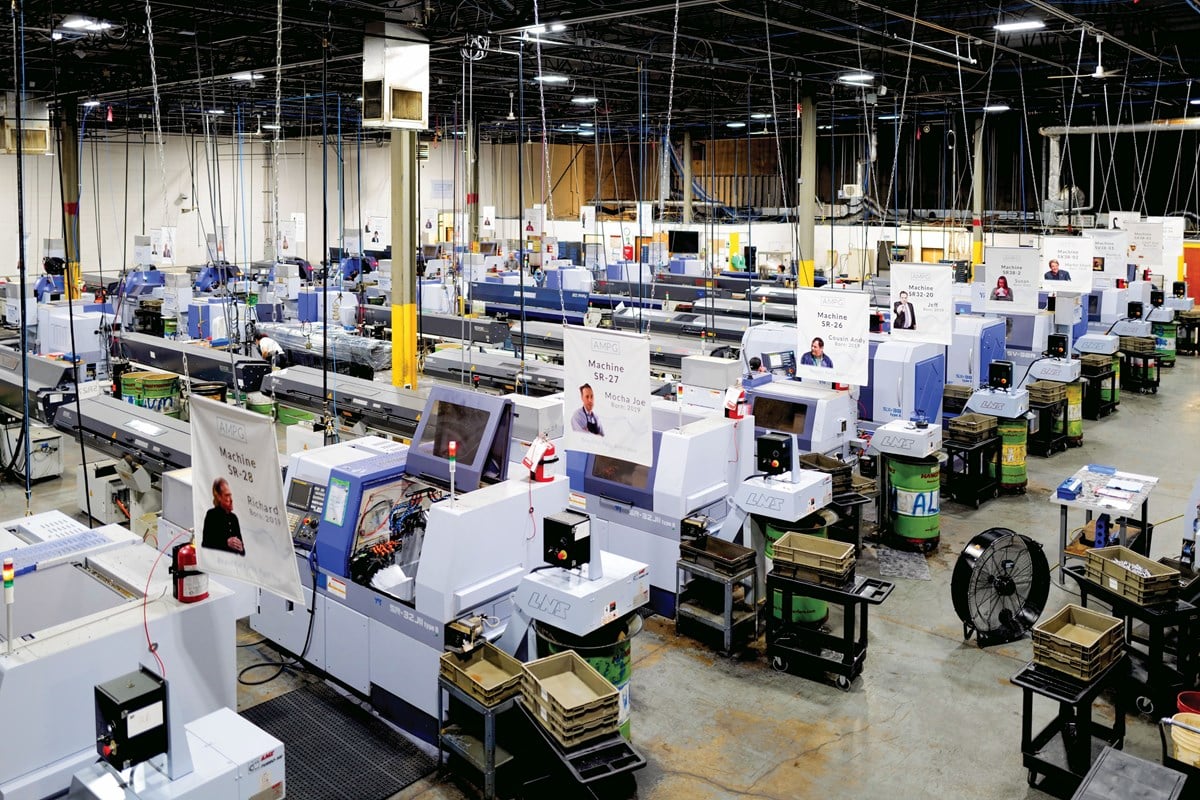
CNC machining suppliers are specialized manufacturing partners who transform your digital designs into physical components using computer-controlled equipment. They handle everything from raw material procurement to final inspection, serving as the critical link between your engineering vision and a finished product you can hold in your hands.
What CNC Machining Suppliers Actually Do
Understanding the c.n.c meaning goes beyond just knowing the acronym. These suppliers leverage automated precision equipment to cut, shape, and finish materials according to exact specifications. They interpret your technical drawings, select appropriate tooling strategies, and execute complex machining operations that would be impossible through manual methods.
The cnc definition in practical terms? It's the technology that allows suppliers to produce identical parts repeatedly with tolerances measured in thousandths of an inch. This consistency is what separates professional machining from guesswork.
The Manufacturing Partner You Never Knew You Needed
Not all suppliers operate the same way. Choosing the wrong type can lead to production delays, inconsistent quality, or supply chain disruptions. The distinction isn't just semantics—it affects how well your partner handles volume, manages complexity, and aligns with your long-term goals.
Here are the three main categories you'll encounter:
- Online Platforms: Digital-first services offering instant quoting, rapid turnaround, and streamlined ordering. They excel at prototyping and low-volume production with standardized processes and transparent pricing.
- Traditional Job Shops: Focused on short-run or one-off production, these shops handle a wide variety of parts for different customers with little continuity between jobs. They're built for flexibility and quick turnarounds on custom work, but may lack systems for scheduled releases or quality control tracking.
- Contract Manufacturers: Designed for repeatable production and long-term relationships. They offer robust systems for scheduling, quality assurance, material handling, and documentation—functioning as true production partners rather than transactional vendors.
Beyond the Machine: Understanding Supplier Relationships
What is cnc capability worth without the right partnership structure? The difference between supplier types comes down to systems and scale. Job shops serve transactional needs, while contract manufacturers support ongoing processes. This distinction affects pricing, turnaround, communication, and risk.
If you're early in product development or need occasional parts, a job shop might meet your needs. But for recurring production—especially with multiple part numbers or tight tolerances—a contract manufacturer becomes the smarter choice. According to industry experts, the total cost of ownership often favors contract manufacturing when delivery reliability and quality assurance are factored in.
Choosing wisely upfront saves you from costly misunderstandings later. The right CNC machining suppliers don't just make parts—they protect your timeline, your budget, and your reputation.
Core CNC Machining Services Every Buyer Should Know
So you've identified the type of supplier you need—but do you know what services to ask for? Understanding the core machining processes isn't just technical trivia. It's the foundation for communicating your requirements clearly and evaluating whether a supplier can actually deliver what you need.
Most CNC machining suppliers offer a combination of milling, turning, and specialty processes. Each serves distinct purposes, handles different geometries, and achieves varying levels of precision. Knowing when to specify each process—and what questions to ask—puts you in control of the conversation.
Milling Operations and When You Need Them
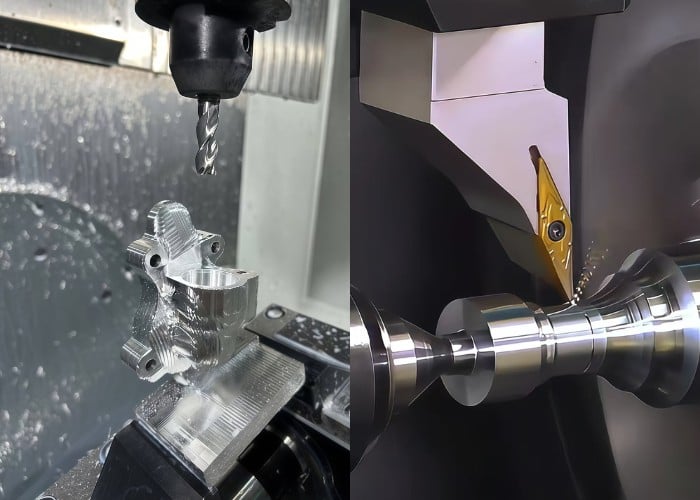
Imagine a rotating cutting tool carving material away from a stationary workpiece. That's milling in its simplest form. A CNC milling machine moves along multiple axes simultaneously, allowing it to create complex shapes, pockets, slots, and intricate surface contours that would be impossible with simpler methods.
Milling machines come in different configurations. A vertical milling machine positions the spindle perpendicular to the worktable—ideal for face milling, drilling, and creating flat surfaces. Horizontal mill machine setups orient the spindle parallel to the table, excelling at heavy cuts and machining multiple sides of a workpiece in one setup.
When should you request milling? Consider it your go-to for:
- Parts with non-cylindrical geometries or asymmetric features
- Components requiring slots, pockets, or complex 3D contours
- Prototypes and low-to-medium production runs of intricate designs
- Applications demanding tight tolerances on flat or angular surfaces
According to industry sources, CNC milling handles a wide array of materials including aluminum, steel, brass, plastics, and composites. This versatility makes milling machines the workhorses of most machine shops—but versatility alone doesn't guarantee the right fit for your project.
Turning and Lathe Work Explained
Now flip the concept. In turning, the workpiece rotates while a stationary cutting tool removes material. This approach is fundamentally different from milling—and it's why a CNC lathe excels at producing cylindrical or rotationally symmetric parts like shafts, pins, bushings, and threaded components.
The key components of a lathe include the chuck (which grips and rotates the workpiece), the tool holder, and the carriage that moves cutting tools along precise paths. Modern CNC lathes can perform facing, threading, grooving, boring, and even knurling operations in a single setup.
When does turning make sense? Look for these indicators:
- Your part exhibits rotational symmetry (round cross-sections)
- You need external or internal cylindrical features
- High-volume production of consistent, round components is required
- Excellent surface finishes on cylindrical surfaces matter
Turning typically achieves faster cycle times than milling for appropriate geometries. If your part is essentially round, choosing a supplier with strong lathe capabilities can reduce costs and improve delivery times significantly.
Specialty Processes That Set Suppliers Apart
Here's where supplier capabilities diverge dramatically. Beyond standard milling and turning, advanced processes separate basic job shops from full-service manufacturing partners.
EDM (Electrical Discharge Machining): This process uses electrical sparks to erode material rather than cutting it mechanically. An EDM machine can achieve what conventional machining simply cannot—sharp internal corners, complex die cavities, and features in hardened materials that would destroy traditional cutting tools. According to Xometry's technical resources, EDM achieves dimensional tolerances as tight as ±0.0002 inches with exceptional surface finishes.
Wire EDM slices through conductive materials like a cheese slicer through cheese, while die-sink EDM imparts complex electrode shapes onto workpieces. The catch? EDM only works on conductive materials and operates slower than conventional machining—making it a specialty rather than a primary process.
Multi-Axis Machining: Standard 3-axis machines move in X, Y, and Z directions. Multi-axis systems add rotational movements (A, B, C axes), enabling the machining of complex 3D surfaces, compound angles, and undercuts without repositioning the workpiece. Think turbine blades, aerospace components, and medical implants—geometries that demand simultaneous movement across five or more axes.
Why does this matter for supplier selection? A shop limited to 3-axis equipment may require multiple setups for complex parts, introducing tolerance stack-up errors and extended lead times. Suppliers with 5-axis capabilities can often machine intricate components in a single setup, improving accuracy and reducing costs for appropriate applications.
Comparing CNC Machining Processes
Different processes serve different purposes. The table below summarizes key characteristics to help you match your requirements to the right machining approach:
| Process Type | Best Applications | Typical Tolerances | Material Compatibility |
|---|---|---|---|
| CNC Milling | Complex shapes, pockets, slots, 3D contours, flat surfaces | ±0.001" to ±0.005" (±0.025mm to ±0.127mm) | Metals, plastics, composites, some ceramics |
| CNC Turning | Cylindrical parts, shafts, pins, threaded components, bushings | ±0.001" to ±0.005" (±0.025mm to ±0.127mm) | Metals, plastics (materials suited for rotation) |
| Wire EDM | Sharp internal corners, thin slots, hardened materials, precision dies | ±0.0002" to ±0.001" (±0.005mm to ±0.025mm) | Conductive materials only (steel, aluminum, copper, titanium) |
| Multi-Axis Milling | Complex 3D surfaces, undercuts, compound angles, aerospace components | ±0.0005" to ±0.002" (±0.013mm to ±0.05mm) | Metals, plastics, composites |
Notice how tolerances tighten as processes become more specialized—but so do material limitations and costs. According to tolerance standards documentation, achieving tolerances below ±0.001" requires advanced machinery, rigorous quality control, and often secondary finishing operations.
Why Material Expertise Matters
Sounds complex? Here's the practical takeaway: the best process means nothing without material knowledge. Aluminum machines differently than stainless steel. Titanium demands specific cutting parameters. Plastics can melt or deform under improper feeds and speeds.
When evaluating suppliers, ask about their experience with your specific materials. A shop that primarily machines aluminum may struggle with Inconel or hardened tool steels. Conversely, a supplier specializing in aerospace alloys might not be cost-competitive for commodity aluminum parts.
The right CNC machining suppliers match process capabilities to material expertise—and they'll tell you upfront when a project falls outside their wheelhouse. That honesty is worth more than a low quote from someone who's guessing.
How to Evaluate and Vet Potential CNC Suppliers
You've identified the machining processes you need and narrowed down potential partners. Now comes the critical question: how do you separate genuinely capable suppliers from those who simply talk a good game? Selecting the wrong manufacturing partner can lead to delayed deliveries, quality defects, rework costs, or even product recalls. The right partner becomes a strategic asset—offering engineering insights, cost optimization, and dependable lead times.
Here's the reality most buyers discover too late: a supplier's website and sales pitch rarely tell the whole story. You need a systematic evaluation framework that cuts through marketing language and reveals actual capabilities. Whether you're searching for machine shops near me or evaluating fabrication shop options across the country, these criteria apply universally.
The Five Pillars of Supplier Evaluation
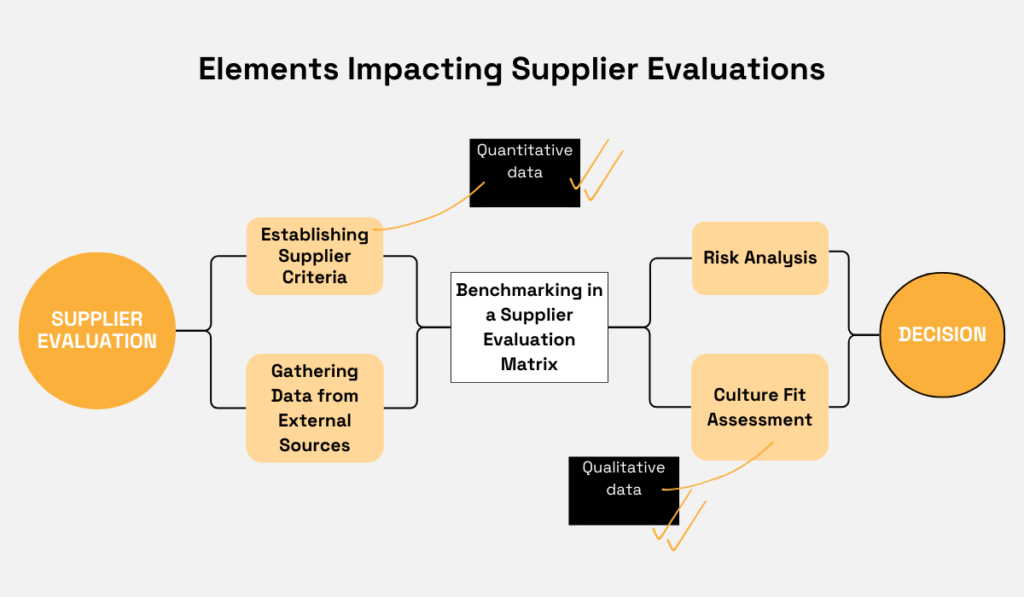
Think of supplier vetting like building a foundation. Miss one critical element, and the entire relationship can crumble under pressure. According to industry evaluation frameworks, these five pillars determine whether a CNC machining partner will deliver consistently or become a recurring headache:
- Technical Capability: Verify equipment lists, process range, and engineering expertise. Ask for machine counts by type, control systems (Fanuc, Siemens, Heidenhain), and tolerance capabilities. A supplier with CAM software proficiency and Design for Manufacturability (DFM) feedback can reduce your costs by 10–30% through smarter fixturing and toolpath optimization.
- Quality Management Systems: Look beyond a certificate hanging on the wall. Examine actual inspection equipment, quality control workflows, and documentation practices. Request First Article Inspection (FAI) reports, Statistical Process Control (SPC) data, and corrective action procedures.
- Production Capacity and Flexibility: Can they handle your volumes—both current and future? Evaluate whether they manage prototyping (1–10 pieces) and mass production (1000+ pieces) efficiently. Ask about on-time delivery rates, capacity utilization, and 24/7 machining capabilities for urgent projects.
- Communication Responsiveness: How quickly do they respond to quotation requests and engineering clarifications? A supplier that consistently responds within 12–24 hours indicates mature internal processes. Those who delay or provide vague answers often struggle with execution too.
- Financial Stability: A financially unstable partner creates supply chain risk. Check business registration, years of establishment (preferably greater than 5 years), customer base diversity, and payment term flexibility. Sudden price increases or demands for unusual payment structures signal potential trouble.
Quality Systems That Actually Matter
Certifications get thrown around like confetti in supplier marketing materials. But what do they actually mean for your project? Understanding these distinctions helps you match supplier qualifications to your industry requirements.
ISO 9001:2015 represents the baseline for quality management. It demonstrates that a supplier has documented processes, conducts internal audits, and commits to continuous improvement. According to quality management experts, ISO 9001 certified organizations show their ability to deliver consistent products while meeting customer and regulatory requirements. However, ISO 9001 alone doesn't guarantee industry-specific competence.
IATF 16949 builds upon ISO 9001 with automotive-specific requirements. This certification, specified by The International Automotive Task Force, demands rigorous process controls, PPAP documentation, and defect prevention methodologies. Suppliers must comply with both IATF 16949 and ISO 9001 requirements—making this a more comprehensive standard for precision manufacturing.
AS9100 addresses aerospace and defense requirements. It incorporates ISO 9001 fundamentals while adding requirements for configuration management, risk mitigation, and supply chain controls specific to aviation safety. If your components touch aircraft or defense applications, AS9100 certification becomes non-negotiable.
Beyond certifications, examine actual quality control infrastructure:
- Inspection Equipment: CMM (Coordinate Measuring Machines), optical projectors, surface roughness testers, and hardness testing capabilities indicate serious quality commitment. Suppliers with automated vision inspection often maintain defect rates below 0.5%.
- Quality Control Workflow: Look for documented processes including incoming material inspection (IQC), First Article Inspection (FAI), in-process inspection (IPQC), final inspection (OQC), and SPC data monitoring with corrective action reports.
- Traceability: Can they provide material certificates (EN10204 3.1) and lot tracking? Full traceability becomes essential for regulated industries and helps isolate problems when quality issues arise.
Capacity Assessment Beyond the Sales Pitch
Pictures of machine shops on websites tell you almost nothing about actual capacity. A facility might have impressive equipment sitting idle, or older machines running three shifts to meet demand. Your evaluation needs to dig deeper.
Request specific data points:
- Current capacity utilization percentage
- Average lead times for orders similar to yours
- Historical on-time delivery rates
- Shift schedules and weekend/overtime capabilities
- Inventory management systems for raw materials
An engine machine shop running at 95% capacity will struggle to accommodate rush orders or volume increases. Conversely, a shop at 50% utilization might lack the customer base to sustain long-term operations. The sweet spot typically falls between 70–85% utilization—enough business to demonstrate competence while retaining flexibility for your needs.
For those searching cnc machinist jobs near me, the local employment landscape actually reveals supplier health. Shops constantly hiring may indicate growth—or high turnover from management problems. Stable employment patterns often correlate with stable production quality.
Red Flags That Should Stop You Cold
According to manufacturing partnership experts, certain warning signs demand immediate attention:
- The "No Problem" Response: Suppliers who answer every question with "no problem" without substantive clarification may be glossing over important details or failing to grasp project scope. This superficial approach suggests disengagement that will compromise deliverables.
- Missing or Expired Certifications: Legitimate certifications require annual audits. Suppliers unable to produce current certificates—or who deflect questions about certification scope—raise immediate concerns.
- Reluctance to Provide References: Established suppliers have satisfied customers willing to vouch for them. Hesitation here suggests either inexperience or problematic history.
- Vague Pricing Without Breakdown: Transparent quotations include material cost, machining time, surface finishing, and shipping. Hidden costs discovered later indicate either incompetence or intentional deception.
- Poor Documentation Practices: Suppliers who don't maintain version control for drawings, revision histories, or change approvals will create chaos during production. If their quote process is sloppy, their manufacturing likely follows suit.
- NDA Resistance: Legitimate partners sign non-disclosure agreements without hesitation. Reluctance suggests either prior IP issues or lack of professional standards.
A score above 85 on structured supplier evaluations typically indicates a qualified and reliable CNC machining partner—but multiple red flags should disqualify candidates regardless of other strengths.
The consequences of ignoring these warnings extend beyond inconvenience. Compromised product quality, missed deadlines, and communication breakdowns create costs that dwarf any initial price savings. Conducting thorough due diligence upfront protects your project timeline, budget, and ultimately your reputation with your own customers.
Domestic vs Overseas and Large vs Small Suppliers
You've evaluated capabilities and vetted quality systems—but here's a decision that trips up even experienced buyers: should you source domestically or offshore? And does supplier size actually matter for your project? These strategic choices affect far more than unit pricing. They shape lead times, communication quality, intellectual property security, and your ability to respond when things go sideways.
The right answer depends on your specific situation. A prototype run has different requirements than ongoing production. Regulated industries face constraints that consumer products don't. Let's break down the real tradeoffs so you can make an informed decision rather than chasing the lowest quote.
The Real Cost of Offshore Manufacturing
Offshore CNC machining—typically from facilities in China, India, Vietnam, or Mexico—promises lower per-unit costs. And that promise often holds true on paper. According to industry analysis, producing a CNC-milled 6061-T6 aluminum component offshore might cost $3.50/unit versus $6.00/unit domestically. Sounds like an easy decision, right?
Not so fast. Focusing purely on unit cost overlooks the total landed cost (TLC)—and that's where offshore savings often evaporate. Hidden costs accumulate quickly:
- Shipping and Logistics: Ocean freight, customs duties, import tariffs, and inland transportation add 15–25% to part costs depending on weight and destination.
- Inventory Carrying Costs: Longer lead times (often 6–12 weeks) force you to maintain larger safety stock, tying up capital and warehouse space.
- Quality Issues: Rework, scrap, and delayed production from defective shipments create costs that never appear in initial quotes. Without on-site inspection capabilities, problems surface only after parts arrive.
- Communication Overhead: Time zone differences, language barriers, and slower response cycles consume engineering and procurement resources.
- Supply Chain Disruptions: Port congestion, container shortages, and geopolitical tensions create unpredictable delays. A Deloitte report found that over 40% of global manufacturers identified offshore sourcing instability as a top operational risk.
There's also intellectual property to consider. Transferring design files internationally introduces vulnerability points—data may be intercepted, duplicated, or used without authorization in regions with weaker IP enforcement. For proprietary designs or competitive products, this risk alone can outweigh any cost savings.
When Local Suppliers Make Financial Sense
Domestic CNC machining carries higher upfront pricing—but delivers advantages that compound over time. When you're searching for an auto machine shop near me or evaluating local fabrication partners, you're not just paying for proximity. You're investing in responsiveness, accountability, and reduced total cost of ownership.
Consider these scenarios where domestic sourcing wins financially:
- Prototype Development: Rapid iteration requires fast turnaround. Domestic suppliers can deliver prototypes in days rather than weeks, accelerating your development cycle and time-to-market.
- Low-to-Medium Volumes: Shipping economics favor offshore for high volumes. For orders under 1,000 pieces, domestic production often achieves comparable or lower total costs.
- Tight Tolerances: Complex parts with tolerances below ±0.001" benefit from direct engineering collaboration. Local suppliers can visit your facility, examine assembly requirements, and refine processes in real-time.
- Regulated Industries: Aerospace, defense, and medical applications often mandate domestic sourcing for compliance, traceability, and security clearance requirements.
- Just-in-Time Manufacturing: Lean production systems require reliable, predictable deliveries. Domestic suppliers support Kanban replenishment and vendor-managed inventory programs that offshore partners cannot match.
According to manufacturing strategy experts, the pandemic revealed how domestic manufacturing offers major advantages in reliability, flexibility, and faster turnaround when global supply chains face disruption. Many companies that prioritized offshore savings found themselves scrambling for alternatives when shipments stalled.
For hobbyists or small-batch needs, a desktop cnc machine or desktop cnc mill might handle simple prototyping in-house. But production-quality parts still require professional machining manufacturing capabilities—and proximity to that expertise creates tangible value.
Matching Supplier Size to Your Project Needs
Beyond geography, supplier scale affects your experience dramatically. Large contract manufacturers and specialized job shops serve different purposes—and choosing wrong creates friction throughout your project.
Specialized Job Shops: These facilities focus on make-to-order production with high customization. According to industry analysis, job shops spend considerable time setting up machines since orders are customized, with complex workflows that differ between jobs. They excel at:
- One-off and low-volume custom parts
- Rapid prototyping and design iteration
- Unusual materials or specialty processes
- Quick turnaround on urgent needs
The tradeoff? Job shops typically lack systems for scheduled releases, statistical process control, or extensive documentation. They're transactional partners rather than integrated supply chain nodes.
Large Contract Manufacturers: These organizations handle repeatable production with robust infrastructure. They maintain forecasting systems, inventory management, quality documentation, and capacity planning that supports ongoing relationships. They're ideal for:
- Production runs exceeding 500–1,000 pieces
- Ongoing scheduled releases and blanket orders
- Multi-part assemblies requiring coordination
- Regulated industries demanding extensive documentation
An american factory direct relationship with a contract manufacturer provides stability—but requires volumes that justify their overhead and minimum order quantities.
Comparing Supplier Types at a Glance
The following table summarizes key characteristics to help match your requirements to the right supplier profile:
| Supplier Type | Typical Lead Times | Best For | Key Considerations |
|---|---|---|---|
| Domestic Job Shop | 1–3 weeks | Prototypes, custom one-offs, urgent repairs, specialty materials | Limited documentation; may lack capacity for volume scaling; higher per-unit costs offset by shipping savings |
| Domestic Contract Manufacturer | 2–6 weeks | Production runs, scheduled releases, regulated industries, multi-part programs | Higher MOQs; robust quality systems; engineering support; long-term partnership orientation |
| Offshore Job Shop | 4–8 weeks | Cost-sensitive prototypes where IP risk is minimal | Communication challenges; quality variability; limited recourse for problems; shipping adds time and cost |
| Offshore Contract Manufacturer | 6–12 weeks | High-volume production of stable designs with mature specifications | Significant MOQs; requires local QC presence; IP exposure; inventory carrying costs; supply chain vulnerability |
Framework for Your Decision
Still uncertain which direction fits your situation? Consider these decision points:
For Prototyping: Prioritize speed and communication. Domestic suppliers—even at higher unit costs—accelerate learning cycles. The ability to receive parts in days, identify issues, and iterate quickly outweighs per-piece savings. Local auto machine shop partners can often accommodate rush prototypes that offshore facilities cannot.
For Production Runs: Evaluate total landed cost, not unit price. Factor in shipping, duties, inventory carrying costs, quality risk, and communication overhead. For volumes under 5,000 pieces annually, domestic sourcing frequently achieves cost parity while delivering superior responsiveness.
For Regulated Applications: Compliance requirements often mandate domestic sourcing. AS9100 for aerospace, ITAR for defense, and FDA requirements for medical devices create documentation and traceability demands that offshore partners rarely satisfy.
Many successful companies employ a hybrid strategy—using domestic partners for development, initial production, and critical components while shifting high-volume commodity parts offshore once designs stabilize. This approach captures cost advantages where they exist while maintaining agility where it matters most.
The goal isn't finding the cheapest supplier. It's finding the right supplier for each project phase—and understanding how geography and scale influence that decision gives you a strategic advantage most buyers lack.
Mastering the Request for Quote Process
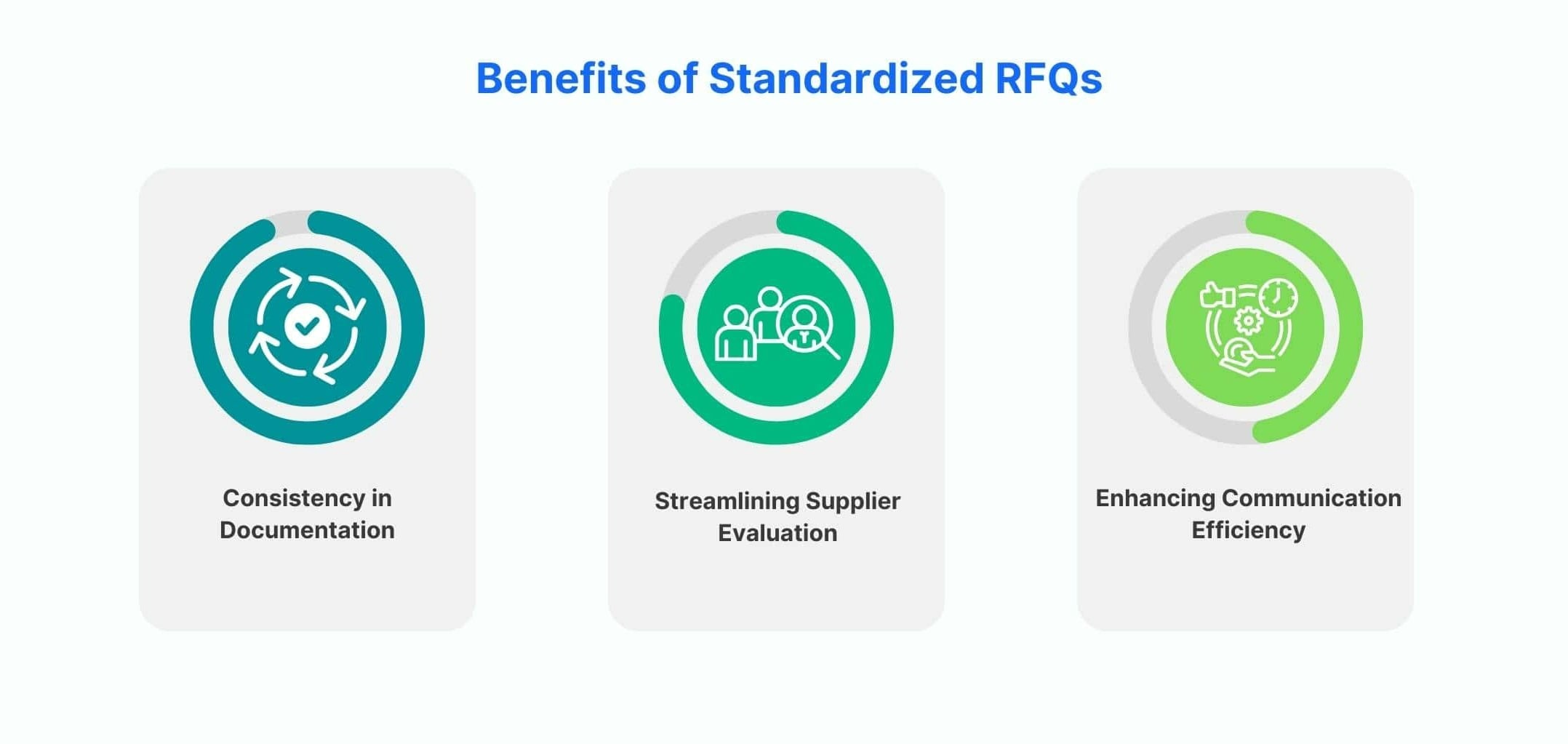
You've identified capable suppliers and made strategic decisions about geography and scale. Now comes the moment of truth: requesting quotes. Here's what most buyers don't realize—the quality of your Request for Quote (RFQ) directly determines the quality of responses you receive. Vague requests generate vague pricing. Incomplete specifications lead to surprise costs later. And poorly structured RFQs waste everyone's time while inviting misunderstandings that derail projects.
The RFQ process isn't just paperwork. It's your first technical conversation with potential manufacturing partners. Getting it right separates buyers who receive accurate, comparable quotes from those drowning in confusion and hidden charges.
Crafting an RFQ That Gets Accurate Quotes
Think of your RFQ package as a complete instruction manual for your project. According to manufacturing experts, an effective RFQ—sometimes called a "tech pack"—should include enough detail that any qualified manufacturer following the specifications could produce identical parts. That's the standard you're aiming for.
What happens when you fall short? Suppliers fill information gaps with assumptions. One assumes you need tight tolerances everywhere; another assumes standard tolerances throughout. One quotes premium material; another quotes a cheaper alternative. Suddenly you're comparing apples to oranges—and the lowest quote might hide the highest actual cost.
The foundation of every RFQ package includes two essential documents for each unique component:
- 3D CAD Model: Typically in STEP format, this file contains all nominal dimensions and geometric features. It shows suppliers exactly what an ideal version of your part looks like.
- 2D Technical Drawing: A PDF drawing that calls out critical dimensions, tolerances, surface finish requirements, and material specifications. This document communicates how much deviation from nominal is acceptable.
Here's a detail many buyers miss: looser tolerances allow for less expensive manufacturing. That 2-inch diameter cylinder in your design—does it really need to be 2.000" ±0.001", or would 2.00" ±0.01" work just fine? Being generous with tolerances where precision isn't critical can reduce costs by 20-40% without affecting function.
The Information Suppliers Actually Need
Beyond drawings, CNC machining suppliers require specific information to quote accurately. Missing any of these elements forces them to guess—and those guesses rarely favor your budget.
Here are the essential components of an effective RFQ package:
- Material Specification: Don't just say "aluminum." Specify the exact alloy (6061-T6, 7075-T651), condition, and any material certification requirements (EN10204 3.1).
- Quantity Tiers: Request pricing at multiple volumes—10, 100, 500, 1000 pieces. This reveals cost curves and helps you plan production scaling.
- Tolerance Callouts: Identify critical dimensions explicitly. Use GD&T (Geometric Dimensioning and Tolerancing) symbols where appropriate to communicate form, orientation, and position requirements.
- Surface Finish Requirements: Specify Ra values or industry standards (as-machined, bead blast, anodize, powder coat). Surface finishing often represents 15-30% of total part cost.
- Delivery Timeline: Communicate your required delivery date and whether expedited options matter. Rush fees vary dramatically between suppliers.
- Secondary Operations: List any additional processes—heat treatment, plating, assembly, inspection requirements, or specialized services like cnc acrylic service for transparent components.
- Packaging and Shipping: Specify any special handling requirements, especially for delicate or cosmetic parts.
For assemblies, include a Bill of Materials (BOM) listing all components and a 3D model showing how parts fit together. This context helps suppliers identify potential manufacturing or assembly issues before production begins.
One often-overlooked practice: include a brief project summary or PowerPoint overview explaining the design's purpose and critical features. According to industry guidance, experienced engineers on the supplier side—some with 20+ years of expertise—can spot design flaws or manufacturing risks you might miss. Giving them context invites valuable feedback that improves your design.
Understanding MOQ Expectations
Minimum Order Quantities (MOQs) vary dramatically based on supplier type and the complexity of your parts. Misaligned expectations here create frustration on both sides.
Job Shops: Typically accept orders as small as 1-10 pieces. Their business model accommodates one-offs and prototypes, though setup costs get amortized across fewer parts—raising per-unit pricing.
Contract Manufacturers: Often require MOQs of 50-500 pieces depending on part complexity and their capacity utilization. They optimize for production efficiency, which requires sufficient volume to justify setup time and tooling investments.
Specialty Processes: Certain operations carry inherent minimums. A press brake machine setup for metal forming might require 25+ pieces to justify programming and tooling. Heat treatment batches often have minimum weights or quantities.
When requesting quotes, always ask about MOQ requirements upfront. Some suppliers offer tiered pricing that makes higher quantities dramatically more economical—information that affects your production planning and inventory strategy.
Comparing Quotes Without Getting Burned
Quotes arrive. Now what? According to procurement experts, focusing solely on price is a direct pathway to messy and negative results. The challenge lies in comparing offers that may use different formats, include different assumptions, and bundle costs differently.
Start by normalizing the data. Create a comparison table with consistent categories:
| Comparison Factor | Supplier A | Supplier B | Supplier C |
|---|---|---|---|
| Unit Price (at 100 pcs) | $12.50 | $11.75 | $14.00 |
| Tooling/Setup Fees | $0 | $350 | $0 |
| Lead Time | 3 weeks | 2 weeks | 4 weeks |
| Shipping Included? | Yes | No (+$85) | Yes |
| Material Cert Included? | Yes | +$50 | Yes |
| First Article Inspection | Included | +$150 | Included |
Suddenly that "lowest" quote from Supplier B becomes the most expensive option when all costs are included. This normalization reveals true total cost rather than headline pricing.
Beyond cost, evaluate these factors:
- Scope Clarity: Does the quote specifically reference your drawing revision number and specifications? Vague quotes invite scope disputes later.
- Payment Terms: Net 30? 50% deposit required? Payment terms affect your cash flow and indicate supplier financial health.
- Warranty/Rework Policy: What happens if parts arrive out of spec? Clear policies protect you; silence here is a red flag.
- Capacity Confirmation: Can they actually deliver on the quoted timeline given their current workload?
When quotes seem unusually low, investigate. According to procurement analysis, sometimes a very good quote turns out to be too good to be true. The supplier may have misunderstood requirements, used inferior tooling assumptions, or planned to cut corners on inspection. Clarifying questions now prevent expensive surprises at delivery.
Revision Control: The Detail That Saves Projects
Here's a mistake that costs companies thousands: failing to maintain strict revision control. Every change to your design—no matter how minor—requires a new revision number on all drawings and models.
According to manufacturing best practices, one of the most discouraging things that can happen is receiving a shipment of parts made to an old drawing revision—rendering them completely useless. Reference the current revision number in every communication, and verify with the supplier that they're working from the correct version before production begins.
When you finally receive quotes and select a supplier, document your decision rationale. What were the deciding factors? How did the scoring shake out? This audit trail helps defend your choice later and serves as a benchmark for future sourcing decisions.
The RFQ process might feel administrative, but it's actually strategic. Investing time upfront to communicate clearly, request comprehensive information, and compare thoroughly protects your project from the hidden costs that plague buyers who rush this critical step.
Industry-Specific Requirements for Specialized Sectors
You've mastered the RFQ process and understand how to evaluate suppliers—but here's where many buyers stumble: assuming all CNC machining suppliers can serve all industries equally. They can't. Automotive, aerospace, and medical device manufacturing each impose unique certification requirements, documentation standards, and quality system expectations that fundamentally change how you qualify potential partners.
Working with a supplier who lacks proper industry credentials isn't just risky—it can be illegal. Regulatory bodies enforce strict compliance requirements, and using non-certified manufacturers can void warranties, trigger recalls, or expose your company to liability. Understanding these distinctions helps you ask the right questions and identify suppliers genuinely qualified for your sector.
Automotive Sector Supplier Requirements
The automotive industry operates under some of the most demanding quality standards in manufacturing. When you're sourcing chassis components, drivetrain parts, or precision assemblies, your CNC machining suppliers must demonstrate capabilities that go far beyond basic ISO 9001 compliance.
IATF 16949 represents the gold standard for automotive quality management. According to industry certification experts, this globally recognized standard outlines requirements for a quality management system that helps organizations improve overall manufacturing efficiency while enhancing customer satisfaction. It builds upon ISO 9001:2015 foundations while adding automotive-specific controls.
What makes IATF 16949 different from generic quality certifications? The standard demands:
- Risk-Based Planning: Organizations must identify and assess potential risks at different manufacturing stages, implementing actions to mitigate them across the entire supply chain.
- Process-Oriented Approach: Every business activity requires documented processes with regular effectiveness monitoring and measurement.
- Robust Product Design Controls: Development processes must account for customer requirements, safety regulations, and legal obligations with thorough documentation.
- Continuous Monitoring: Regular audits, inspections, and performance evaluations ensure the quality system functions as intended.
For automotive buyers, this translates to suppliers who maintain Statistical Process Control (SPC) protocols, produce comprehensive PPAP (Production Part Approval Process) documentation, and demonstrate defect prevention rather than defect detection methodologies.
Consider what this means practically: when you need high-tolerance components for chassis assemblies or precision drivetrain parts, an IATF 16949-certified supplier like Shaoyi Metal Technology demonstrates the quality systems automotive buyers require—with SPC protocols ensuring consistency across production runs and documentation that satisfies OEM audit requirements.
A skilled cnc machinist working in automotive manufacturing must understand not just machining operations but also the documentation, traceability, and process control requirements that accompany every part. The cnc operator role extends beyond running equipment to maintaining the quality records that prove compliance.
Aerospace and Defense Compliance Standards
If automotive standards seem demanding, aerospace requirements raise the bar even higher. Components that fly—whether in commercial aircraft, military systems, or satellites—face scrutiny that can literally mean the difference between life and death.
AS9100 certification addresses these heightened requirements. According to aerospace certification guidance, achieving AS9100 certification requires organizations to align quality management practices with a standardized, process-driven approach meeting aerospace industry expectations. The certification incorporates ISO 9001 fundamentals while adding requirements for configuration management, risk mitigation, and supply chain controls specific to aviation safety.
Key AS9100 requirements that differentiate aerospace-qualified suppliers include:
- Configuration Management: Strict controls ensuring that every part matches approved specifications throughout its lifecycle, with documented change control procedures.
- First Article Inspection (FAI): Comprehensive verification that production processes can consistently produce conforming parts, documented per AS9102 standards.
- Counterfeit Part Prevention: Systems to detect and prevent counterfeit materials or components from entering the supply chain.
- Special Process Controls: Additional certification requirements (Nadcap) for processes like heat treatment, non-destructive testing, and surface treatments.
- Foreign Object Debris (FOD) Prevention: Rigorous protocols preventing contamination that could cause in-flight failures.
The certification process itself demands rigorous preparation. Organizations must work with accredited certification bodies operating under IAQG-approved schemes. A two-stage external audit examines documentation, process adherence, and overall readiness—with ongoing surveillance audits maintaining certification validity.
For defense applications, additional requirements layer on top of AS9100. ITAR (International Traffic in Arms Regulations) restricts who can access technical data for defense articles. Suppliers must maintain citizenship requirements for personnel, secure data handling procedures, and facility security clearances. Not every aerospace-certified shop qualifies for defense work.
Equipment capabilities matter too. Complex aerospace geometries often require 5-axis machining, and specialty processes like cnc plasma cutter operations for certain materials or automatic centering systems for high-precision work become essential rather than optional.
Medical Device Manufacturing Considerations
Medical device manufacturing introduces yet another dimension: regulatory oversight from the FDA and international equivalents. Parts destined for implants, surgical instruments, or diagnostic equipment face requirements that protect patient safety.
According to FDA regulations, manufacturers must establish and follow quality systems ensuring products consistently meet applicable requirements and specifications. The Quality System (QS) regulation—often called Current Good Manufacturing Practices (CGMP)—provides the regulatory framework.
A significant regulatory shift is underway. The FDA issued the Quality Management System Regulation (QMSR) Final Rule, incorporating ISO 13485:2016 by reference. This harmonizes FDA requirements with international standards, effective February 2, 2026. Until then, manufacturers must comply with existing 21 CFR Part 820 requirements.
What distinguishes medical device manufacturing requirements?
- Design Controls: Medical devices manufactured under investigational device exemptions still require design control compliance—even during development phases.
- Device History Records: Complete manufacturing documentation for each production unit, enabling traceability from raw material through final inspection.
- Complaint Handling: Even manufacturers exempt from certain GMP requirements must maintain complaint files documenting customer feedback and corrective actions.
- Material Biocompatibility: Materials contacting patients require documented biocompatibility testing per ISO 10993 standards.
- Sterilization Validation: Components intended for sterile use require validated sterilization processes with documented efficacy.
The FDA's "umbrella approach" means regulations don't prescribe exactly how to manufacture specific devices. Instead, they require manufacturers to develop procedures appropriate to their specific products. This flexibility demands that CNC machining suppliers understand not just machining but also regulatory intent—applying good judgment to establish methods that produce safe, effective devices.
For any cnc machine operator working in medical device manufacturing, understanding clean room protocols, material handling requirements, and documentation practices becomes as important as machining skills. Factory automation in medical contexts must incorporate validation protocols proving that automated processes consistently produce conforming parts.
Key Certifications by Industry Sector
Choosing the right supplier starts with verifying appropriate credentials. Here's a quick reference for certifications by industry:
- Automotive: IATF 16949 (required for OEM supply chains), ISO 9001:2015 (foundation standard), VDA 6.3 (process audit standard for German OEMs)
- Aerospace: AS9100 (quality management), AS9102 (first article inspection), Nadcap (special process accreditation), ITAR registration (defense applications)
- Medical Devices: ISO 13485:2016 (quality management), FDA 21 CFR Part 820 compliance (US market), CE marking (European market), ISO 10993 biocompatibility testing capabilities
- General Precision Manufacturing: ISO 9001:2015 (baseline quality management), ISO 14001 (environmental management), ISO 45001 (occupational health and safety)
Documentation and Traceability Expectations
Beyond certifications, each industry demands specific documentation practices. Understanding these expectations helps you evaluate whether a supplier can actually deliver compliant parts—not just machined components.
Automotive documentation typically includes PPAP packages with dimensional reports, material certifications, process flow diagrams, control plans, and capability studies. Suppliers must maintain these records for years after production ends.
Aerospace documentation requires first article inspection reports per AS9102, certificate of conformance for each shipment, material traceability to original mill certifications, and special process certifications for any heat treatment, coating, or testing.
Medical device documentation demands device history records linking each part to specific material lots, equipment calibration records, operator training documentation, and inspection records demonstrating conformance to specifications.
When evaluating potential CNC machining suppliers for regulated industries, ask to see sample documentation packages. A supplier who hesitates or produces incomplete examples likely lacks the systems to support your compliance requirements. Conversely, suppliers who proactively discuss documentation practices demonstrate the process maturity these industries demand.
The investment in finding properly qualified suppliers pays dividends throughout your product lifecycle. Regulatory audits, customer quality audits, and product liability situations all become manageable when your supply chain documentation stands up to scrutiny. Cutting corners on supplier qualification creates risks that far outweigh any short-term cost savings.
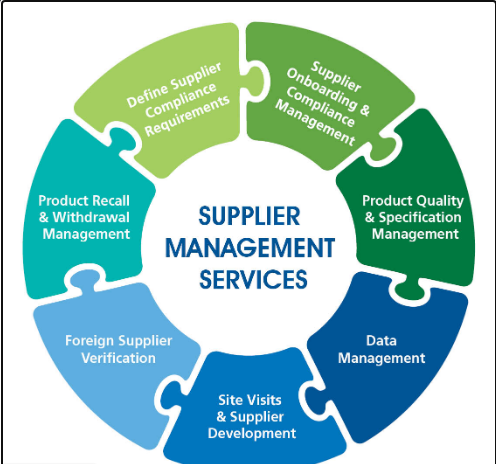
Managing the Production Process and Supplier Relationships
You've selected a supplier, negotiated pricing, and issued a purchase order. Now what? Here's where many buyers make a critical mistake—they assume the hard work is done. In reality, the quote-to-delivery process and ongoing relationship management determine whether your manufacturing partner becomes a strategic asset or a recurring headache.
The difference between transactional purchasing and strategic supplier relationship management (SRM) shows up in every shipment. According to procurement experts, SRM goes beyond transactional procurement to ensure suppliers align with the organization's strategic goals. Collaborative vendor relationships often uncover cost-reduction opportunities and drive innovation that benefits both parties.
Let's walk through what happens after you click "submit" on that purchase order—and how to build partnerships that deliver value for years to come.
From Purchase Order to Delivered Parts
Imagine your purchase order as the starting gun for a carefully choreographed manufacturing process. Each step builds on the previous one, and understanding this workflow helps you anticipate potential bottlenecks before they delay your project.
Here's the typical production timeline from order placement to delivery:
- Order Confirmation (Day 1-2): Your supplier acknowledges receipt, confirms specifications match the quoted scope, and verifies material availability. Any discrepancies should surface now—not after production begins. Expect formal acknowledgment referencing your PO number, quantities, and agreed delivery date.
- Material Procurement (Day 2-7): Unless raw material is already in stock, suppliers order metal, plastic, or specialty materials from their vendors. This step often represents the longest variable in lead time. For specialty alloys or unusual materials, procurement can extend to 2-3 weeks.
- CNC Programming and Setup (Day 5-10): Engineers translate your CAD files into machine instructions using CAM software. This cnc programming phase defines toolpaths, cutting parameters, and fixture strategies. Complex parts with tight tolerances require more programming time—especially for multi-axis operations.
- First Article Production (Day 8-14): The supplier machines initial samples and performs comprehensive inspection. First Article Inspection (FAI) reports document dimensional conformance before full production begins. This checkpoint catches problems early when corrections cost least.
- Production Run (Day 12-21): With first articles approved, full production proceeds. Depending on part complexity and quantity, this phase involves multiple lathes, milling machines, or specialty equipment running simultaneously. In-process quality checks at defined intervals verify consistency.
- Final Inspection and Documentation (Day 20-25): Completed parts undergo final quality verification. Inspection reports, material certifications, and certificates of conformance get compiled. For regulated industries, this documentation package can be as valuable as the parts themselves.
- Packaging and Shipping (Day 24-28): Parts are cleaned, protected, and packaged according to specifications. Shipping method—ground, air, or expedited courier—affects both cost and delivery speed. International shipments add customs documentation and potential delays.
- Receiving Inspection (Upon Arrival): Your incoming quality process verifies that delivered parts match specifications. Even with trusted suppliers, spot-checking critical dimensions protects against shipping damage or production drift.
Notice how this timeline assumes everything goes smoothly. In practice, material delays, programming challenges, or first article failures can extend lead times significantly. Proactive communication throughout this process—checking in at key milestones—helps you anticipate delays before they impact your own production schedule.
Building Long-Term Supplier Partnerships
Here's what separates companies that struggle with manufacturing from those that thrive: they treat suppliers as partners, not vendors. According to SRM best practices, by treating suppliers as partners rather than vendors, you can build trust and improve collaboration—and perhaps even co-develop new products or services that benefit both organizations.
What does strategic partnership look like in practice?
Regular Communication Cadences: Don't limit conversations to problem-solving. Quarterly business reviews with key suppliers create space for discussing capacity planning, upcoming projects, and continuous improvement opportunities. Monthly check-ins for active programs keep both parties aligned.
Performance Monitoring: Track metrics that matter—on-time delivery rates, quality acceptance rates, responsiveness to quote requests, and cost competitiveness. Share this data with suppliers. Most want to improve but can't address problems they don't know exist.
Forecast Sharing: Give suppliers visibility into your upcoming demand. Even rough forecasts help them plan capacity, maintain appropriate inventory levels, and prioritize your work during busy periods. This transparency builds loyalty and often unlocks better pricing.
Joint Problem-Solving: When challenges arise—and they will—approach them collaboratively. A metal lathe producing parts slightly out of tolerance isn't just the supplier's problem. Work together to identify root causes, whether that's unclear specifications, material variability, or process capability limitations.
The difference between reactive and strategic SRM becomes apparent during disruptions. Reactive relationships mean addressing issues as they arise, with every conversation focused on solving problems. Strategic relationships involve proactive planning, regular performance monitoring, and shared goals that create resilience when supply chains face pressure.
Consider this: suppliers with proper lathe tooling and equipment—whether a precision brake lathe for automotive applications or a jet lathe for specialty work—represent significant capital investments. They're more likely to prioritize customers who provide consistent volumes, clear communication, and fair treatment. Transactional buyers get transactional service.
Quality Assurance After the First Order
Your first successful order is just the beginning. Establishing ongoing quality assurance protocols prevents the drift that turns a great supplier into a liability over time.
Statistical Process Control (SPC): For production runs, request SPC data showing process capability and stability. Control charts reveal whether a process is producing consistent results or trending toward problems. Suppliers using SPC catch issues before they produce defective parts.
Incoming Inspection Protocols: Define your receiving inspection requirements clearly. Will you inspect 100% of parts, use statistical sampling, or rely on supplier certifications for routine orders? Match inspection intensity to part criticality and supplier track record.
Calibration and Equipment Maintenance: Periodically verify that supplier inspection equipment remains calibrated and production equipment is properly maintained. A supplier whose lathes and mills receive regular preventive maintenance produces more consistent parts than one running equipment until it fails.
Audit Rights: For critical suppliers, establish the right to conduct periodic facility audits. These visits reveal more than any documentation—you'll see actual shop floor practices, housekeeping standards, and whether quality systems exist on paper or in practice.
Handling Quality Issues and Corrective Actions
Even excellent suppliers occasionally produce nonconforming parts. How you handle these situations determines whether problems recur or get permanently resolved.
According to corrective action best practices, effective resolution follows four key phases:
- Identify the Problem: Assess what happened and find the root cause. Don't accept surface-level explanations. If parts arrived out of tolerance, ask why. Was it a worn gauge? Incorrect programming? Material variation? The goal is understanding the true source of the issue.
- Take Immediate Action: Address the immediate situation. This might mean sorting suspect inventory, expediting replacement parts, or implementing temporary inspection gates. Safety concerns require neutralizing danger right away.
- Implement Permanent Solutions: Work with the supplier to prevent recurrence. This often means adding process steps, updating procedures, or implementing new controls. Training team members on adjusted processes ensures knowledge transfer.
- Verify Effectiveness: Confirm that corrective actions actually work. Run parts again and verify improvement. Document everything—including whether the resolution was successful. Flag incidents for management review and track corrective action closure rates.
The best suppliers view quality issues as improvement opportunities rather than embarrassments. They conduct thorough root cause analysis, implement robust corrective actions, and communicate transparently throughout the process. Suppliers who become defensive or minimize problems signal deeper cultural issues.
A supplier who proactively reports a quality concern—before you discover it—demonstrates the kind of integrity that builds long-term partnerships.
Document all quality issues and corrective actions in a supplier scorecard system. Patterns emerge over time that inform future sourcing decisions. A supplier with occasional issues but excellent corrective action processes may outperform one with fewer problems but poor follow-through.
Communication Best Practices
Effective supplier relationships run on clear, consistent communication. Establish these protocols from the start:
- Single Points of Contact: Identify primary contacts on both sides for commercial and technical matters. Eliminate confusion about who to call for different issues.
- Escalation Paths: Define how problems escalate when frontline contacts can't resolve them. Knowing who to involve—and when—prevents issues from festering.
- Documentation Standards: Agree on formats for purchase orders, inspection reports, and shipping documentation. Consistency reduces errors and speeds processing.
- Response Time Expectations: Set clear expectations for quote turnaround, email response times, and problem notification. Suppliers who consistently respond within 24 hours demonstrate organizational maturity.
Technology can help. Supplier portals streamline information exchange, ensure compliance with documentation requirements, and create centralized platforms for collaboration. According to SRM experts, enabling frictionless communication through digital tools transforms supplier relationships, reducing friction and fostering positive experiences from the outset.
The goal isn't just getting parts delivered—it's building manufacturing relationships that strengthen your competitive position. CNC machining suppliers who understand your business, anticipate your needs, and continuously improve their service become extensions of your own operations. That partnership takes investment to build, but delivers returns that transactional purchasing never achieves.
Tailored Guidance for Every Buyer Scenario
You've absorbed the fundamentals of supplier evaluation, RFQ processes, and relationship management. But here's the reality—your specific situation determines which advice matters most. A first-time buyer sourcing prototype parts faces completely different challenges than a procurement professional scaling to mass production. And sometimes, the hardest decision isn't finding a supplier—it's recognizing when your current partner no longer fits your needs.
Let's break down actionable guidance tailored to where you actually are in your manufacturing journey. Whether you're placing your first CNC machine order or managing a multi-supplier production program, these frameworks help you navigate the decisions that matter most.
First-Time Buyer Roadmap
Sounds overwhelming? It doesn't have to be. If you're new to sourcing CNC machined parts, the process can feel intimidating—especially when suppliers throw around technical jargon and assume you understand industry conventions. Here's a step-by-step roadmap to get your first order right.
Key considerations for first-time buyers:
- Start Small to Learn Big: Don't place a 500-piece production order before you've validated your design with prototypes. Order 5-10 pieces first, evaluate quality, and identify any design refinements needed before committing to larger volumes.
- Prioritize Communication Over Price: The cheapest quote means nothing if the supplier can't answer your questions clearly. Look for partners who explain their processes, ask clarifying questions about your requirements, and respond promptly to emails.
- Request Sample Parts: Ask potential suppliers for sample parts from similar projects. Holding actual machined components reveals quality standards that photos and certifications cannot convey.
- Understand What You're Asking For: Before contacting suppliers, ensure your drawings are complete with material specifications, tolerances, and surface finish requirements. Vague requests generate vague quotes—and unexpected costs later.
- Build Relationships Before Deadlines: Don't wait until you're under pressure to find a supplier. Identify and qualify 2-3 potential partners before you have urgent needs. This prevents desperation decisions when timelines get tight.
- Ask About Design Feedback: Good suppliers do more than make parts—they spot potential manufacturing issues in your design. According to industry experts, experienced manufacturing engineers can help ensure the prototype is not just a concept but a viable predecessor to the final product.
For hobbyists or makers exploring CNC for the first time, a wood cnc machine or desktop cnc routers might handle simple projects in-house. But when you need precision metal components, professional CNC machining suppliers deliver accuracy and consistency that consumer-grade equipment cannot match. A woodworking cnc machine works great for furniture or artistic projects—but production parts demand production capabilities.
Where do you find cnc jobs near me or identify local manufacturing partners? Industry directories, trade associations, and referrals from engineering colleagues often yield better results than generic web searches. Local suppliers offer advantages for first-time buyers—easier communication, facility visits, and faster shipping for those initial prototype iterations.
Scaling from Prototype to Production
The jump from making one part to making thousands changes everything. What worked for prototyping—quick turnarounds, flexible specifications, hands-on communication—often becomes a bottleneck at production scale. Understanding how requirements shift helps you choose partners capable of growing with you.
According to manufacturing transition guidance, the journey from initial prototype to mass production is a complex transformation. While the progression isn't perfectly linear, each stage—prototyping, low-volume production, and mass production—presents unique challenges.
Prototype Stage Requirements:
- Speed matters more than unit cost—you're validating designs, not optimizing margins
- Flexibility to accommodate frequent design changes without penalty
- Engineering feedback on manufacturability before designs freeze
- Small quantities (1-50 pieces) with fast turnaround
- Tolerance for learning and iteration
Low-Volume Production Requirements:
- Consistent quality across batches—not just individual parts
- Documented processes that produce repeatable results
- Material traceability and quality certifications
- Quantities ranging from tens to hundreds of thousands of units
- Balance between flexibility and process discipline
Mass Production Requirements:
- Statistical process control ensuring consistent output
- Capacity to meet forecasted demand with on-time delivery
- Cost optimization through process efficiency and volume economics
- Robust quality systems with documented corrective action processes
- Supply chain stability for materials and secondary operations
Here's what catches many buyers off guard: the supplier who excelled at prototyping may struggle with production volumes. According to manufacturing experts, a supplier who was able to make prototypes and provide low volume production might not be able to scale up for mass production. Their equipment, staffing, and systems simply weren't built for high-volume consistency.
The smartest approach? Partner with suppliers capable of scaling seamlessly from the start. Facilities like Shaoyi Metal Technology offer lead times as fast as one working day for prototyping while maintaining capacity for mass production of components like custom metal bushings. This continuity eliminates the painful transition between prototype and production suppliers—keeping your design knowledge, quality history, and relationship equity intact as volumes grow.
According to production scaling experts, working with a manufacturing partner capable of scaling production up or down—from 1,000 to 100,000 units a month using the same processes and without constraints—can be paramount to success.
When to Switch Suppliers
Sometimes the right decision isn't finding a new supplier—it's recognizing that your current partner no longer serves your needs. This realization often comes gradually, through accumulated frustrations rather than a single dramatic failure. But according to supply chain experts, most companies who think they need to change their supply chain base usually take no action because it feels intimidating with no guarantee of success.
Here are the warning signs that a supplier change may be necessary:
- Recurring Quality Problems: When you see the same quality issues return time after time, it signals that temporary fixes are becoming long-term problems. Suppliers who don't implement proper root cause analysis will repeat the same mistakes indefinitely.
- Inability to Scale: Some factories are happy with their size and don't want to expand operations. If your supplier cannot procure, fabricate, and assemble your forecasted volumes—or struggles to keep up with existing demand—a change becomes inevitable.
- Expertise Mismatch: As your product line evolves, your supplier's strengths may no longer align. A contract manufacturer who specializes in sheet metal fabrication might not have the supply chain expertise for electronic components. Leveraging supplier knowledge and expertise matters—and gaps become costly.
- Communication Breakdowns: Transparency and communication form the pillars of healthy relationships. Lacking proper communication causes changes that shouldn't happen, delays in addressing problems, and surprises that damage your production schedule.
- Missed Commitments: Consistent failure to meet delivery dates, quality standards, or cost targets indicates systemic problems. Occasional issues happen; patterns indicate deeper dysfunction.
Making the switch requires planning. Qualify new suppliers before cutting ties with existing ones. Run parallel production during transition periods when possible. Document all specifications, tooling, and process knowledge to ensure continuity. The short-term disruption of changing suppliers often pales compared to the long-term cost of staying with the wrong partner.
Matching Your Scenario to the Right Approach
Still uncertain which path fits your situation? Consider these decision frameworks:
If you're exploring cnc machinist jobs or careers in manufacturing: Understanding supplier dynamics from the buyer's perspective makes you more valuable as a machinist. Knowing what customers need—documentation, communication, quality systems—helps you contribute to supplier success.
If you need parts for a one-time project: Focus on finding a responsive job shop with relevant material experience. Don't over-engineer the relationship—transactional partnerships work fine for occasional needs.
If you're launching a new product: Prioritize suppliers who provide Design for Manufacturability feedback and can transition from prototyping through production. The investment in finding scalable partners pays dividends as volumes grow.
If you're managing ongoing production: Evaluate total cost of ownership, not just unit price. Supplier relationship management, quality consistency, and supply chain reliability matter more than achieving the lowest quote.
According to industry guidance, look at your current needs and future goals—pick partners you can grow into if at all possible. The machine shop that serves you today should have capacity and capability to serve you tomorrow.
The goal isn't finding the cheapest supplier—it's finding the right supplier for each stage of your journey, then building relationships that create lasting competitive advantage.
Whether you're placing your first order or managing a global supply chain, these principles apply: communicate clearly, evaluate thoroughly, and treat suppliers as partners rather than vendors. The CNC machining suppliers who earn your long-term business will be those who invest in understanding your needs—and who grow their capabilities alongside your requirements.
Frequently Asked Questions About CNC Machining Suppliers
1. What is the hourly rate for a CNC machine?
CNC machining hourly rates vary significantly based on machine type, complexity, and location. 3-axis machines typically range from $25-50/hour, while advanced 5-axis equipment can cost $75-150/hour. Factors affecting rates include material type, tolerance requirements, and secondary operations. When comparing suppliers, focus on total project cost rather than hourly rates alone, as efficient programming and optimal toolpath strategies can reduce overall machining time significantly.
2. Which company is best for CNC machines?
The best CNC machining supplier depends on your specific requirements. For automotive applications, seek IATF 16949-certified suppliers like Shaoyi Metal Technology that offer SPC protocols and high-tolerance capabilities. For aerospace, prioritize AS9100-certified partners. Online platforms like Xometry and Protolabs excel at rapid prototyping, while traditional contract manufacturers better serve high-volume production needs. Evaluate based on certifications, capacity, lead times, and industry expertise rather than seeking a universal 'best' option.
3. What is the highest paid CNC machinist?
Top CNC machinists can earn $100,000-$300,000 annually, particularly those working with complex 5-axis equipment, aerospace tolerances, or specialized materials. Salaries depend on experience level, certifications, geographic location, and industry sector. Defense contractors and precision aerospace manufacturers typically offer the highest compensation. When evaluating CNC machining suppliers, shops that attract and retain skilled machinists through competitive pay often deliver superior quality and consistency.
4. How do I evaluate CNC machining suppliers effectively?
Effective supplier evaluation requires assessing five key pillars: technical capability (equipment, tolerances, materials), quality management systems (ISO 9001, IATF 16949, AS9100), production capacity and flexibility, communication responsiveness, and financial stability. Request sample parts, review inspection equipment, verify current certifications, and check references. Red flags include vague pricing, reluctance to sign NDAs, expired certifications, and 'no problem' responses without substantive clarification.
5. Should I choose domestic or overseas CNC machining suppliers?
The decision depends on volume, timeline, and risk tolerance. Domestic suppliers offer faster lead times (1-3 weeks vs 6-12 weeks offshore), easier communication, better IP protection, and lower total landed costs for volumes under 1,000 pieces. Offshore suppliers can reduce unit costs for high-volume stable designs but add hidden expenses including shipping, duties, inventory carrying costs, and quality risk. Regulated industries often mandate domestic sourcing for compliance and traceability requirements.