 Small batches, high standards. Our rapid prototyping service makes validation faster and easier —
  EN
EN


CNC Machining Part Costs Exposed: 9 Factors Shops Won't Tell You
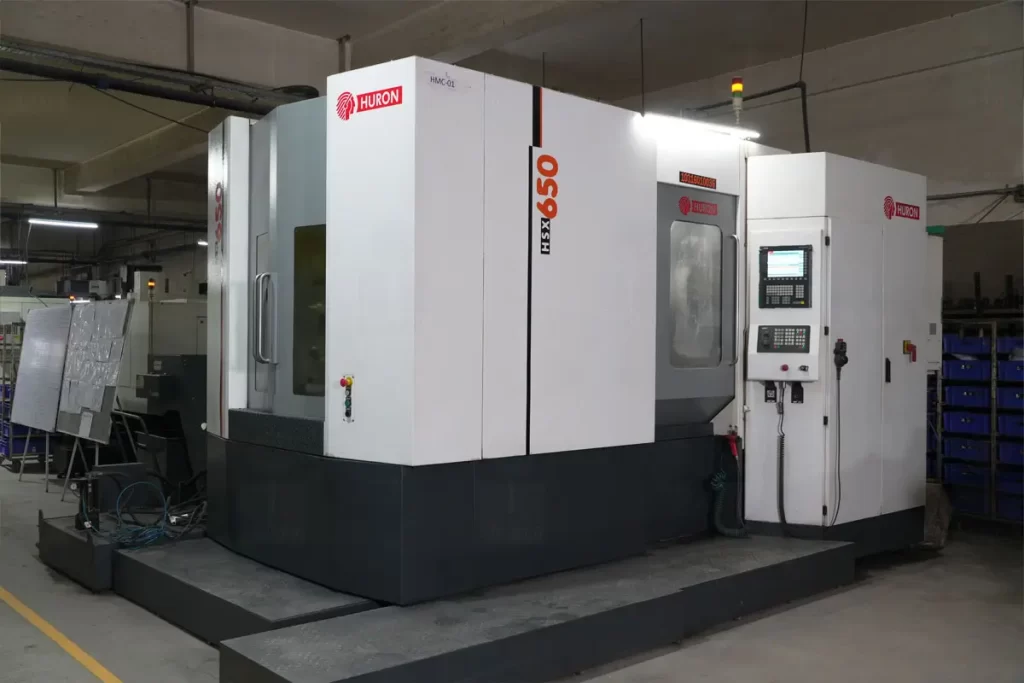
What Makes CNC Machining Parts Different From Traditional Manufacturing
Ever wondered how that perfectly symmetrical engine component or intricate medical device gets made? The answer lies in a manufacturing revolution that transformed raw blocks of metal and plastic into precision components with microscopic accuracy. Understanding what makes a CNC machining part unique starts with grasping the technology behind it.
CNC machining is a subtractive manufacturing process that utilizes computerized controls and machine tools to remove layers of material from a stock piece systematically to create a custom-designed part. CNC stands for "computer numerical control."
From Raw Material to Precision Component
Imagine starting with a solid block of aluminum and ending up with a complex aerospace bracket featuring dozens of precisely placed holes and contoured surfaces. That transformation happens through automated cutting, drilling, and milling operations guided entirely by digital instructions. The process begins when engineers create a CAD model specifying every dimension and geometry. Software then converts this design into machine-readable code that dictates exactly how cutting tools should move across the workpiece.
What sets machined parts apart from traditionally manufactured components is the level of control involved. According to Thomas, standard CNC machines achieve tolerances around ±0.005 inches (0.127 mm)—roughly twice the width of a human hair. This precision makes CNC machining parts essential in industries where even slight deviations could mean catastrophic failures.
The Digital Blueprint Behind Every Cut
The magic happens in the programming. CNC machines speak two primary languages: G-code and M-code. G-code controls the geometric movements—when to turn on, how fast to travel, and what paths to take. M-code handles auxiliary functions like coolant activation and tool changes. Together, these instructions transform a digital design into physical reality with remarkable consistency.
Every part of a machine tool system works in concert to execute these commands. The machine control unit processes instructions while motors and drives power precise movements along multiple axes. This coordination allows manufacturers to produce identical CNC machining parts whether they're making ten pieces or ten thousand.
Why CNC Dominates Modern Manufacturing
The fundamental distinction between CNC and manual machining comes down to three factors: repeatability, accuracy, and scalability.
- Repeatability: CNC machines replicate the same operations flawlessly across unlimited production runs. Manual machining relies on operator skill, introducing natural variation between parts.
- Accuracy: Computer-controlled movements eliminate human error during cutting operations. As noted by Eagle Stainless, every cut and shape executes with exact precision that manual methods struggle to match.
- Scalability: One skilled operator can manage multiple CNC machines simultaneously, while traditional machining typically requires one operator per machine.
These advantages explain why CNC machining has become indispensable across automotive, aerospace, medical, and telecommunications sectors. The parts of machinery powering modern vehicles, aircraft, and surgical equipment almost universally rely on computer-controlled manufacturing to meet demanding quality standards.
Understanding these fundamentals prepares you for the deeper cost factors that machine shops often overlook when quoting your next project. The precision capabilities that make CNC machining parts superior also drive the pricing considerations we'll explore throughout this guide.
Essential Components Inside Every CNC Machine
When you request a quote for a CNC machining part, the equipment producing it directly influences both quality and cost. Understanding the components of a CNC machine helps you design smarter parts and communicate more effectively with manufacturers. Let's break down what's happening inside these precision powerhouses.
The Control Unit and Programming Interface
Think of the Machine Control Unit (MCU) as the brain orchestrating every operation. According to Xometry, the MCU reads incoming G-code from the input device and translates it into precise instructions for servo motors along each axis. It monitors tool positions after movements complete, controls automatic tool changers, and manages coolant activation.
The control panel serves as your interface with this brain. Modern panels feature touchscreen displays showing real-time operating parameters, axis selection buttons, feed speed controls, and cutting speed adjustments. Operators use these interfaces to input commands, monitor machining progress, and make necessary interventions during production runs.
Why does this matter for your parts? Machines with advanced controllers offer better error detection and alarm functions. They monitor for overspeed conditions, overload situations, and positioning errors—catching problems before they ruin your workpiece.
Spindle Assembly and Cutting Mechanics
The spindle is where precision happens. This cylindrical component holds and rotates cutting tools at speeds ranging from tens of RPM for rough material removal to thousands of RPM for high-precision finishing work. The spindle motor transforms electrical energy into the mechanical power driving these rotations.
Different machining requirements demand different spindle capabilities:
- Low speeds (tens to hundreds RPM): Ideal for rough material removal and large-scale cutting tasks
- Medium speeds (hundreds to thousands RPM): Suitable for face milling, slotting, and hole drilling
- High speeds (thousands+ RPM): Reserved for high-precision machining and finishing operations
Parts of a CNC machine like the automatic tool changer (ATC) significantly impact production efficiency. Machines equipped with ATCs can swap cutting tools automatically during operations, reducing downtime between different machining steps. This capability proves invaluable for complex parts requiring multiple tool types.
Axis Systems That Enable Complex Geometries
CNC machine components responsible for movement include linear guides, ball screws, and servo motors working along the X, Y, and Z axes. These parts of a CNC mill determine what geometries you can achieve and at what precision levels.
Linear guides and rails provide the tracks along which cutting tools and workpieces travel. High-quality guides minimize friction and ensure smooth, accurate movement throughout the machining process. Ball screws translate rotational motor movement into precise linear motion—a critical function for maintaining dimensional accuracy.
For lathes specifically, additional components come into play. The headstock houses the main drive and gears spinning the chuck, while the tailstock supports long cylindrical workpieces to prevent bending during cutting. The chuck grips workpieces with pneumatically or hydraulically actuated jaws, and three-jaw chucks offer self-centering capability while four-jaw versions provide adjustable grip for eccentric cutting.
| Component | Primary Function | Impact on Part Quality |
|---|---|---|
| Machine Control Unit | Interprets G-code and coordinates all machine movements | Determines positioning accuracy and error detection capability |
| Control Panel | Provides operator interface for commands and monitoring | Enables real-time adjustments during machining operations |
| Spindle | Holds and rotates cutting tools at controlled speeds | Affects surface finish quality and achievable tolerances |
| Linear Guides/Rails | Provide pathways for precise X, Y, Z axis movement | Determines movement smoothness and positioning repeatability |
| Ball Screws | Convert rotational motor movement to linear motion | Minimizes backlash for improved dimensional accuracy |
| Automatic Tool Changer | Swaps cutting tools automatically during operations | Reduces setup time and maintains consistency between operations |
| Bed/Base | Provides structural foundation and vibration dampening | Affects overall stability and precision during cutting |
| Coolant System | Reduces heat and removes chips during cutting | Prevents thermal distortion and extends tool life |
Understanding these components of CNC milling machine systems helps you design parts that machines can produce efficiently. For example, knowing that internal corners require tool access helps you specify appropriate radii. Recognizing that complex geometries may require multi-axis capabilities or automatic tool changes explains why certain parts cost more to manufacture.
This mechanical foundation sets the stage for understanding how different machining processes leverage these CNC components to create various part types.
CNC Milling Turning and EDM Process Selection
Choosing the right machining process can make or break your project budget. Each method excels in specific situations, and selecting poorly means paying for capabilities you don't need—or worse, getting parts that don't meet specifications. Let's explore when each process delivers the best value for your CNC machining part requirements.
CNC Milling for Complex Surface Geometries
Picture a spinning cutting tool carving intricate contours into a stationary block of aluminum. That's CNC milling in action. According to XTJ, this subtractive process uses rotating cutting tools to physically remove material, making it generally faster for simpler parts while remaining incredibly versatile.
CNC milling parts dominate manufacturing when your design features:
- Flat surfaces and pockets: The rotating tool excels at creating level planes and recessed areas
- Complex 3D contours: Multi-axis machines trace intricate curved surfaces with precision
- Slots and channels: Side-cutting capabilities make groove creation efficient
- Multiple hole patterns: Quick repositioning allows rapid drilling sequences
Three-axis arrangements handle most standard parts using X (left-right), Y (forward-back), and Z (up-down) movements. However, advanced 5-axis machines can pivot the tool or workpiece, creating complex shapes in single operations that would otherwise require multiple setups.
The trade-off? Milling struggles with extremely hard materials and sharp internal corners. Tool geometry limits what's achievable—you can't cut a perfectly square internal corner because the rotating tool always leaves a radius.
CNC Turning for Cylindrical Components
Now flip the script. In CNC turning, the workpiece spins while the cutting tool remains stationary. As Mekalite explains, envision a potter's wheel where clay spins while the potter shapes it—that's the fundamental principle behind this CNC turning service approach.
Key characteristics that make turning ideal for specific applications:
- Rotational symmetry: Shafts, pins, bushings, and cylinders emerge perfectly round
- Superior surface finish on diameters: The continuous spiral cutting action creates exceptionally smooth round surfaces
- Efficient material removal: For cylindrical parts, turning removes material faster than milling
- Cost-effectiveness: Simple round components typically cost less when turned rather than milled
Modern turning centers achieve precision diameters holding tolerances to approximately ±0.001 mm—critical for high-performance features requiring exact fits. The workpiece attaches to a spinning clamp called the chuck, which uses rotating material at high speeds while cutting tools mounted in a turret shape the exterior.
What about parts needing both round features and milled details? Mill-turn centers combine both capabilities. These hybrid machines have a spindle rotating the workpiece like a lathe plus a tool spindle for milling operations. This "one and done" approach eliminates moving parts between machines, reducing handling errors and setup time.
Wire EDM for Intricate Precision Cuts
When conventional cutting tools reach their limits, wire EDM machining steps in. This electrical discharge machining process uses a thin, electrically charged wire to erode material through controlled sparks—no physical contact required.
According to Innovent Technology, wire EDM achieves tolerances tighter than ±0.0001 inches while the wire never touches the material, eliminating tool pressure and part distortion. An electrical discharge machine works by submerging both the wire and workpiece in dielectric fluid (usually deionized water) while voltage creates sparks that vaporize small portions of metal.
Electric discharge machining excels where other processes fail:
- Hardened materials: Tool steels, tungsten, Inconel, and titanium cut cleanly after heat treatment
- Sharp internal corners: Wire discharge machining creates corners that rotating tools cannot achieve
- Thin-walled parts: Non-contact cutting prevents mechanical stress and distortion
- Intricate internal features: Narrow slots and complex contours emerge with consistent accuracy
EDM machining does have limitations worth understanding. It only works with electrically conductive materials—plastics, composites, and ceramics won't work. The process runs slower than conventional machining, especially on thick materials. However, when precision and complexity outweigh speed requirements, wire EDM provides cost-effective solutions despite longer cycle times.
Matching Process to Your Part Requirements
Sounds complex? These questions simplify the decision:
What's the primary shape? Round or cylindrical parts point toward turning. Square, rectangular, or asymmetrical features suggest milling. Complex designs may require both.
What material are you using? Soft metals like aluminum machine quickly with milling or turning. Hardened steels or exotic alloys after heat treatment often demand wire EDM capabilities.
What tolerances matter most? Standard tolerances favor faster conventional machining. Micro-precision requirements—especially on internal features—justify EDM's slower cycle times.
Do you need sharp internal corners? Milling always leaves radii at internal corners due to tool geometry. Only wire EDM creates truly sharp internal angles.
Many complex projects ultimately use multiple processes. A manufacturer might rough out a part quickly with CNC milling, then complete fine details and sharp corners with EDM. Understanding these complementary capabilities helps you specify requirements accurately and avoid paying for unnecessary precision where standard tolerances suffice.
With process selection clarified, material choice becomes your next major cost driver—and the subject of some surprising pricing realities.
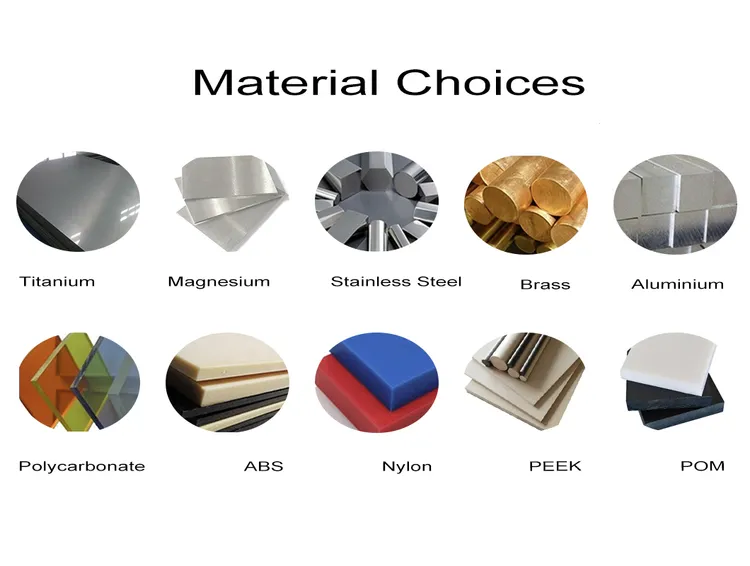
Material Selection Guide for CNC Machined Parts
Here's a pricing secret most machine shops won't volunteer: material choice often impacts your final cost more than part complexity. The block of metal you select determines cutting speeds, tool wear rates, achievable surface finishes, and total cycle time. Understanding these relationships helps you balance performance requirements against budget realities.
According to Fadal, before selecting a material, you need a clear understanding of your project's specific requirements. Are you looking for high strength, corrosion resistance, thermal conductivity, or electrical insulation? Identifying these needs guides you toward the appropriate material—and away from overpaying for properties you don't actually need.
Aluminum Alloys for Lightweight Precision
Aluminum dominates CNC machining for good reason. According to LYAH Machining, aluminum is widely regarded as one of the most machinable metals due to its softness, low density, and excellent thermal conductivity. It minimizes tool wear and supports high-speed machining, resulting in smooth finishes.
When you request aluminum CNC machining services, here's what affects your quote:
- Excellent chip control: Common alloys like 6061 and 7075 produce manageable chips that clear easily from cutting zones
- Reduced cutting forces: Lower power requirements mean faster cycle times and less tool stress
- Superior surface finish: The material naturally lends itself to fine details and smooth surfaces
- Extended tool life: Soft material causes minimal wear on cutting edges
However, aluminum's high thermal conductivity creates a hidden challenge. Heat builds up quickly during machining, necessitating proper cooling systems. Shops factor coolant consumption and management into your pricing, especially for complex custom aluminum machining projects with extended cycle times.
The 6061-T6 alloy remains the workhorse for general-purpose applications—offering excellent machinability with good strength. For aerospace or high-stress components, 7075 delivers superior strength-to-weight ratios but machines slightly slower due to increased hardness.
Steel and Stainless Steel Machining Considerations
Steel introduces a broader range of machining complexity—and cost variation. As LYAH Machining notes, low-carbon steels like 1018 are easier to machine, while high-carbon and alloy steels require more cutting force and careful tool wear management.
When you order CNC steel parts, expect these factors to influence pricing:
- Material hardness: Harder grades demand slower cutting speeds and more frequent tool changes
- Work-hardening properties: Stainless steels like 304 and 316 pose additional challenges because they harden during cutting, increasing tool wear
- Specialized tooling: Carbide or coated cutting tools become essential, adding to setup costs
- Optimized parameters: Proper speeds and feeds require careful calculation to prevent premature tool failure
Stainless steel CNC machining services command premium pricing for good reason. The material's work-hardening tendency means each pass slightly hardens the surface for the next cut. Inexperienced shops that don't account for this phenomenon burn through tools rapidly—costs they ultimately pass to customers.
For metal parts machining involving steel, the grade selection dramatically impacts both performance and cost. Mild steel machines quickly but offers limited corrosion resistance. 304 stainless balances corrosion resistance with reasonable machinability. 316 stainless provides superior chemical resistance but machines slower and wears tools faster.
Engineering Plastics and Composite Challenges
Don't assume plastics are always cheaper to machine. CNC plastic machining services present unique challenges that can surprise first-time buyers.
Plastics behave differently under cutting forces than metals:
- Heat sensitivity: Unlike metals that conduct heat away, plastics can melt or deform if cutting generates excessive temperature
- Tool sharpness requirements: Dull tools tear rather than cut, ruining surface finish
- Dimensional stability: Some plastics expand or contract significantly with temperature changes during machining
- Chip evacuation: Stringy plastic chips can wrap around tools, requiring frequent clearing
Engineering plastics like PEEK, Delrin, and UHMW polyethylene each demand specific approaches. PEEK machines well but costs significantly more than commodity plastics. Delrin offers excellent machinability and dimensional stability. UHMW provides superior wear resistance but its softness requires careful parameter selection to prevent deformation.
Material Comparison at a Glance
| Material | Machinability Rating | Typical Applications | Surface Finish Achievable | Cost Considerations |
|---|---|---|---|---|
| Aluminum 6061 | Excellent | Brackets, housings, heat sinks | Very smooth (Ra 0.8-1.6 μm) | Low material + low machining cost |
| Aluminum 7075 | Good | Aerospace, high-stress components | Very smooth (Ra 0.8-1.6 μm) | Higher material cost, moderate machining |
| Carbon Steel 1018 | Good | Shafts, pins, general hardware | Smooth (Ra 1.6-3.2 μm) | Low material + moderate machining cost |
| Stainless Steel 304 | Moderate | Food equipment, medical devices | Smooth (Ra 1.6-3.2 μm) | Moderate material + higher machining cost |
| Stainless Steel 316 | Challenging | Marine, chemical processing | Smooth (Ra 1.6-3.2 μm) | Higher material + highest machining cost |
| Brass | Excellent | Electrical, decorative, fittings | Very smooth (Ra 0.4-1.6 μm) | Moderate material + low machining cost |
| Delrin (POM) | Excellent | Gears, bearings, bushings | Smooth (Ra 1.6-3.2 μm) | Low material + low machining cost |
| PEEK | Good | Medical implants, aerospace | Smooth (Ra 1.6-3.2 μm) | Very high material + moderate machining |
How Material Properties Drive Tool Wear and Cycle Times
Three material characteristics directly impact what you'll pay for any CNC machining part:
Hardness determines how aggressively tools can cut. Softer materials like aluminum and brass allow higher cutting speeds—often 200-300 m/min according to JLCCNC. Harder stainless steels and titanium demand slower speeds around 30-60 m/min, extending cycle times significantly.
Thermal conductivity affects heat management during cutting. Aluminum's excellent heat dissipation allows aggressive machining without thermal damage. Titanium's poor thermal conductivity traps heat at the cutting edge, accelerating tool wear and requiring slower speeds with enhanced cooling.
Chip formation influences how cleanly material separates during cutting. Materials producing long, stringy chips can wrap around tools and damage surfaces. Those creating small, broken chips clear easily from the cutting zone, maintaining consistent quality throughout longer production runs.
Understanding these relationships empowers you to make informed material selections. Sometimes choosing a slightly more expensive material with better machinability actually reduces total part cost by cutting cycle time and tool consumption.
With material selection clarified, design decisions become your next opportunity to control manufacturing costs—and avoid expensive surprises.
Design for Manufacturability Rules That Reduce Costs
Want to slash your CNC machining part costs without sacrificing quality? The secret isn't negotiating harder with your supplier—it's designing smarter from the start. According to Protolabs, designing with machining in mind can accelerate production time and reduce production costs significantly. Yet most engineers never learn the specific rules that separate budget-friendly designs from expensive headaches.
Design for manufacturability (DFM) isn't just about avoiding impossible geometries. It's about understanding how cutting tools interact with your part—and optimizing every feature to minimize machine time, tool wear, and setup changes. Whether you're working on CNC prototype machining or gearing up for full production, these guidelines will help you create custom machined parts that machines can produce efficiently.
Wall Thickness and Feature Depth Rules
Thin walls and deep pockets cause more manufacturing problems than almost any other design feature. Why? Cutting forces create vibrations that thin walls can't absorb, leading to chatter marks, dimensional inaccuracies, and potential part failure during machining.
According to Hubs, here are the critical wall thickness guidelines:
- Metal parts: Minimum 0.8 mm recommended, 0.5 mm feasible with careful machining
- Plastic parts: Minimum 1.5 mm recommended, 1.0 mm feasible
- Tall thin walls: Expect reduced accuracy and surface finish quality as height-to-thickness ratio increases
Plastics require thicker walls than metals for good reason—they're prone to warping from residual stresses and softening from heat buildup during cutting. If your application demands thinner walls than recommended, discuss the specific geometry with your precision CNC machining services provider before finalizing designs.
Cavity depth follows similar logic. Deep, narrow pockets force the use of long, thin cutting tools that deflect under cutting forces. As Protolabs notes, deep narrow pockets or features alongside tall walls cause cutter or workpiece vibration, resulting in deflection and loss of accuracy or surface finish.
Follow these depth guidelines for predictable results:
- Recommended cavity depth: 4 times the cavity width
- Maximum standard depth: 6 times the tool diameter
- Specialized tooling limit: Up to 30:1 depth-to-diameter ratio (maximum 35 cm depth with 1-inch tool)
When you need deeper features, consider designing stepped cavities that allow larger tools for initial material removal before finishing with smaller cutters.
Internal Corner Radii and Tool Access
Here's a fundamental reality that catches many designers off guard: CNC milled parts will always have internal corner radii. Why? Because cutting tools are round. No matter how small your end mill, it leaves a curved corner matching its radius.
Understanding this limitation helps you design smarter:
- Recommended internal corner radius: At least ⅓ times the cavity depth
- Minimum practical radius: Slightly larger than the smallest available tool (typically 1-3 mm)
- Optimal approach: Specify radii 1 mm larger than calculated minimum to allow circular cutting paths
That last point deserves emphasis. According to Hubs, increasing corner radii slightly above the minimum allows tools to cut following circular paths instead of sharp 90-degree angle changes. This results in higher quality surface finish and faster machining speeds.
What if your design absolutely requires sharp internal corners? You have two options:
- T-bone undercuts: Adding relief cuts at corners allows mating parts to fit without interference
- Wire EDM finishing: Electrical discharge machining can create sharp corners, but adds significant cost
For external corners, the rules differ entirely. Protolabs recommends chamfers over radii for external edges—a 45-degree chamfer machines considerably faster than a curved radius while still eliminating sharp edges for handling and cosmetics.
Tool access represents another critical consideration during rapid CNC prototyping. Standard CNC machines approach workpieces from above, meaning any feature that can't be reached vertically requires either specialized undercut tools or additional machine setups.
Thread and Hole Design Best Practices
Holes seem simple, but improper specifications create surprisingly expensive parts. Standard drill bits follow metric and imperial sizing conventions—designing holes to match these standard dimensions avoids custom tooling costs.
Follow these guidelines for cost-effective hole design:
- Recommended diameter: Use standard drill bit sizes whenever possible
- Minimum diameter: 2.5 mm (0.1 inches) for standard machining; smaller requires micro-machining expertise
- Recommended depth: 4 times the nominal diameter
- Typical maximum depth: 10 times the nominal diameter
- Feasible maximum: 40 times the nominal diameter with specialized tooling
Thread design requires additional consideration. According to Hubs, the majority of load applied to a thread is carried by the first few teeth—roughly 1.5 times the nominal diameter. Specifying longer threads wastes machining time without improving strength.
Optimal thread specifications:
- Minimum thread length: 1.5 times the nominal diameter
- Recommended thread length: 3 times the nominal diameter
- Minimum thread size: M6 or larger for CNC threading tools (smaller threads require tapping, which risks tap breakage)
- Blind hole threads: Add unthreaded depth equal to 1.5 times nominal diameter at bottom for tap clearance
Reducing Setup Changes Through Smart Design
Every time a workpiece rotates for machining from a different angle, the machine requires recalibration—adding time and introducing potential positioning errors. Minimizing setup changes directly reduces your CNC machining prototyping costs.
Design strategies for fewer setups:
- Align features to principal directions: Orient holes, pockets, and surfaces along the six main axes (top, bottom, four sides)
- Group related features: Place features requiring tight positional relationships on the same face so they're machined in one setup
- Consider 5-axis capabilities: When complex geometries demand features on angled surfaces, 5-axis machining eliminates multiple setups—often reducing total cost despite higher hourly rates
For prototype CNC machining projects, limiting designs to features accessible from three or four directions typically provides the best cost-quality balance. Anything requiring more orientations warrants discussion with your manufacturer about 5-axis alternatives.
Standard Tolerances That Save Money
Tighter tolerances always cost more—but many designers specify unnecessarily tight values out of habit rather than necessity. According to Hubs, typical CNC tolerances run ±0.1 mm, while feasible precision reaches ±0.02 mm with additional cost.
Apply this tolerance hierarchy:
- Standard tolerance (±0.1 mm): Suitable for most non-critical dimensions
- Precision tolerance (±0.02-0.05 mm): Reserve for mating surfaces and functional interfaces
- High precision (below ±0.02 mm): Only specify when absolutely required—expect significant cost increases
The smartest approach? Apply tight tolerances only where function demands them. A bracket with ten holes might only need two precisely located for alignment—the others can use standard tolerances without affecting performance.
These DFM principles work together to reduce manufacturing costs while maintaining part quality. However, even perfectly designed parts require accurate cost estimation—and understanding what drives pricing helps you make informed decisions about trade-offs.
Understanding What Drives CNC Machining Part Costs
Ever received a quote that seemed wildly different from your expectations? You're not alone. Most buyers struggle to understand why seemingly similar parts carry dramatically different price tags. The truth is, CNC machining shop pricing follows logical patterns—but those patterns remain invisible unless you know what to look for.
According to PARTMFG, there's no single formula you can apply to determine total CNC machining costs, making it a complex process. However, understanding the primary cost drivers empowers you to make design decisions that directly impact your bottom line. Let's break down the factors that actually matter—ranked by their typical impact on your final invoice.
Material Costs and Waste Factors
Material selection creates the foundation of your CNC machining part cost. But here's what most buyers miss: you're not just paying for the material in your finished part. You're paying for the entire block that gets machined away.
According to Geomiq, CNC machining as a subtractive process typically wastes 30% to 70% of the original blank volume. That carved-away material represents pure cost—especially when working with expensive alloys.
Material pricing varies dramatically:
- Aluminum: $5 to $10 per pound with excellent machinability
- Steel: $8 to $16 per pound with moderate machining demands
- Stainless steel: Higher pricing with increased tool wear and slower speeds
- Titanium and superalloys: Premium pricing plus challenging machining characteristics
Material machinability directly compounds these costs. Harder materials require slower cutting speeds, more frequent tool changes, and extended cycle times. As TFG USA notes, machinability determines how prone tooling is to wear—reducing machine lifespan while increasing servicing needs.
Complexity and Setup Time Impact
Part complexity often surprises buyers more than any other factor. A small, intricate component frequently costs more than a larger, simpler one. Why? Time is money in machine shop services.
Complex designs demand:
- Extended programming time: Intricate geometries require more sophisticated toolpaths
- Multiple machine setups: Each repositioning adds calibration time and potential accuracy issues
- Specialized tooling: Custom fixtures designed for specific part geometries increase upfront costs
- Slower cutting speeds: Detailed features require careful machining to maintain accuracy
According to PARTMFG, simple designs require entry-level CNC machines with machining costs around $20 per hour. However, intricate designs with detailed features cost $35 to $70 per hour due to advanced equipment requirements and extended programming.
The number of axes your part requires significantly impacts pricing. Three-axis machines run $10 to $20 per hour, while five-axis capabilities command $20 to $40 per hour according to industry data. The additional axes enable complex geometries in fewer setups—but that capability comes at a premium.
Tolerance Requirements and Quality Costs
Tighter tolerances always cost more—but many buyers don't realize how steeply that cost curve rises. Each level of increased precision demands exponentially more effort, time, and specialized equipment.
According to Geomiq, achieving tight tolerances requires slower machining speeds, frequent tool changes, dampening devices, special clamping tools, and probes for proper tool alignment. All these considerations significantly impact costs.
Surface finish requirements follow similar economics. Standard 3.2 μm Ra roughness incurs no additional cost. However, finer finishes add progressively higher premiums:
- 1.6 μm Ra: Approximately 2.5% above base price
- 0.8 μm Ra: Approximately 5% above base price
- 0.4 μm Ra: Up to 15% above base price (requires post-machining polishing)
Ranked Cost Factors by Typical Impact
- Part complexity and geometry: Intricate designs can double or triple machining time, representing the largest variable cost driver
- Material selection: Combines raw material cost with machinability impact on cycle time and tool wear
- Tolerance specifications: Tight tolerances exponentially increase inspection, setup precision, and machining care requirements
- Production quantity: Low volume CNC machining spreads fixed setup costs across fewer parts, increasing per-unit pricing dramatically
- Surface finish requirements: Each step improvement in surface quality adds percentage-based premiums
- Setup time and repositioning: Multiple setups for accessing different part faces add significant labor and calibration time
The Cost-Quality-Speed Tradeoff Framework
Here's the framework most competitors won't explain: every custom CNC parts project involves balancing three competing priorities. You can optimize for any two—but rarely all three simultaneously.
Cost vs. Quality: Looser tolerances and standard surface finishes reduce costs but may limit performance. Tighter specifications ensure precision but increase machining time and inspection requirements.
Cost vs. Speed: Rush orders command premium pricing because they disrupt production schedules. Small batch CNC machining projects often face higher per-unit costs because setup time gets distributed across fewer parts.
Quality vs. Speed: Achieving extremely tight tolerances requires slower cutting speeds and more careful inspection—extending lead times. Rushing precision work risks scrapped parts and quality issues.
Understanding this framework helps you make informed decisions. Need parts fast? Accept standard tolerances where possible. Require micro-precision? Plan for longer lead times and higher costs. Working with tight budgets? Simplify geometries and increase order quantities.
According to Geomiq, ordering in batches rather than single parts can reduce per-unit costs by 70% to 90%. The fixed setup and programming costs remain constant regardless of batch size—spreading these expenses across more parts dramatically lowers individual piece pricing.
Armed with this cost knowledge, you'll be better equipped to identify and prevent the quality issues that can derail even well-planned projects.
Troubleshooting Common CNC Machining Defects
You've designed the perfect part, selected the right material, and found a capable supplier. Then the finished components arrive—and something's clearly wrong. Chatter marks ripple across surfaces that should be smooth. Dimensions drift beyond tolerance. Burrs cling to edges that need to be clean. Sound familiar?
According to Violin Technologies, machining defects include a wide range of issues spanning dimensional deviations, surface roughness, and improper tolerances. These problems can arise from various sources—programming errors, machine tool instability, and tool wear among them. Understanding what causes these defects helps you communicate more effectively with your CNC tool suppliers and identify when quality issues stem from preventable causes.
Surface Finish Defects and Their Causes
When a machined part comes back with visible marks, streaks, or an unexpectedly rough texture, the culprit usually falls into one of several categories. According to Elephant CNC, poor surface finish often results from dull tooling, unstable setups, or improper cutting parameters.
Chatter marks—those distinctive wavy patterns across machined surfaces—occur when vibration develops between the cutting tool and workpiece. This phenomenon happens during precision CNC milling operations when:
- Tool overhang is excessive: Long tools extending far from the spindle lack rigidity and deflect under cutting forces
- Cutting speeds are mismatched: Running too fast or too slow for the material creates harmonic vibrations
- Workholding is insufficient: Parts that shift or vibrate during cutting produce irregular surfaces
- Machine components are worn: Loose bearings or degraded linear guides allow unwanted movement
Burrs—those annoying raised edges and material fragments—form when cutting tools push rather than cleanly shear material. Dull tools, improper exit strategies, and overly aggressive feed rates commonly create these defects on milled parts.
Dimensional Accuracy Problems
Imagine measuring your machined part and finding it's 0.1 mm larger than specified—or watching dimensions drift progressively across a production run. According to Dobemy, dimensional instability in CNC machine tools stems from thermal effects, mechanical elasticity, wear, backlash, and vibration.
Thermal expansion represents one of the sneakiest causes of dimensional problems. During the machining process, heat sources including cutting forces, friction, and motor operation cause thermal expansion in machine components. As Dobemy explains, this expansion changes the machine's geometry, resulting in dimensional variations in produced parts.
What does this mean practically? A machine running cold in the morning produces slightly different dimensions than the same machine after hours of operation. Temperature fluctuations in the shop environment compound these issues further.
Backlash—the play or looseness between mating mechanical components—introduces positioning errors that directly affect every machined part. When gaps exist between gears, ball screws, or sliding mechanisms, the machine can't achieve precise positioning consistently. According to Dobemy, manufacturers mitigate backlash through preloading mechanisms that apply constant tension to eliminate gaps between components.
Tool Wear Patterns and Prevention
Every CNC tool eventually wears out—but premature failure signals underlying problems worth addressing. According to Violin Technologies, tool wear occurs when cutting tools lose their effectiveness and sharpness due to repetitive use, resulting in dimensional inaccuracies, increased machining time, and poor surface finish.
Recognizing wear patterns helps identify root causes:
- Flank wear: Gradual wearing on the tool's cutting edge—normal and expected over time
- Crater wear: Erosion on the tool face from chip friction—accelerated by excessive speeds or inadequate cooling
- Built-up edge: Material welding to the cutting edge—common with soft, gummy materials at improper temperatures
- Chipping: Small fragments breaking from cutting edges—indicates brittle tool material or interrupted cuts
Selecting the wrong CNC tool for a specific operation accelerates all these wear modes. As Violin Technologies notes, different materials and machining processes require particular tool geometry, cutting speeds, and coatings.
Common Defects: Causes and Solutions at a Glance
| Defect | Common Causes | Solutions |
|---|---|---|
| Chatter Marks | Excessive tool overhang; improper speeds/feeds; inadequate workholding; worn machine components | Reduce tool extension; optimize cutting parameters; improve fixturing rigidity; service worn bearings and guides |
| Burrs | Dull cutting tools; aggressive feed rates; improper tool exit paths; unsuitable tool geometry | Replace worn tools; reduce feed rate; program proper exit strategies; select appropriate tool for material |
| Dimensional Drift | Thermal expansion; ball screw wear; backlash in drive systems; encoder issues | Allow machine warm-up period; replace worn screws; adjust backlash compensation; verify encoder connections |
| Poor Surface Finish | Worn or incorrect tooling; vibration; improper speeds/feeds; inadequate coolant | Use sharp, appropriate tools; minimize vibration sources; optimize parameters; ensure proper coolant flow |
| Dimensional Inaccuracy | Programming errors; tool deflection; thermal effects; improper tool offsets | Verify G-code; use rigid tooling; control environment temperature; calibrate tool length/diameter offsets |
| Premature Tool Failure | Excessive cutting forces; improper speeds; inadequate chip evacuation; wrong tool material | Reduce depth of cut; optimize parameters; improve chip clearing; match tool grade to workpiece material |
Preventing Problems Before They Start
The most cost-effective approach to defects? Preventing them entirely. According to Violin Technologies, regular maintenance, thorough quality control, and continuous improvement initiatives are essential for minimizing defects and achieving consistent machining excellence.
For buyers evaluating machine shop quality, ask about these preventive measures:
- Scheduled maintenance programs: Regular servicing catches wear before it affects part quality
- In-process inspection: Monitoring dimensions during production runs catches drift early
- Tool life management: Tracking tool usage prevents running worn cutters beyond their effective life
- Environmental controls: Temperature-stable facilities minimize thermal-induced variations
When defects do occur, systematic troubleshooting identifies root causes efficiently. As Violin Technologies explains, defects can be identified through visual inspection, dimensional measurement, surface quality analysis, and monitoring machining parameters for anomalies.
Understanding these quality challenges helps you evaluate potential manufacturing partners more effectively—especially when selecting suppliers for demanding industry applications where defects carry serious consequences.
Industry Applications From Automotive to Aerospace
Different industries don't just use CNC machining—they demand entirely different approaches to quality, documentation, and precision. What passes inspection in one sector might get rejected outright in another. Understanding these distinctions helps you select manufacturing partners equipped to meet your specific requirements and avoid costly qualification failures.
According to Fadal, CNC machining is a versatile manufacturing technology that has revolutionized various industries—from automotive to aerospace, different sectors have integrated this technology to enhance productivity and achieve high-quality results. But that integration looks dramatically different depending on which industry you're serving.
Automotive Chassis and Powertrain Components
The automotive industry heavily relies on precision CNC machined parts for engine components, transmission systems, and chassis assemblies. According to Fadal, the automation and accuracy provided by CNC machining help ensure consistent quality, reduce errors, and optimize production efficiency.
Typical automotive CNC parts include:
- Engine blocks and cylinder heads: Complex geometries requiring tight tolerances for proper combustion chamber sealing
- Transmission housings: Precision bore alignments critical for gear mesh and bearing fit
- Suspension components: High-strength parts demanding consistent material properties and dimensional accuracy
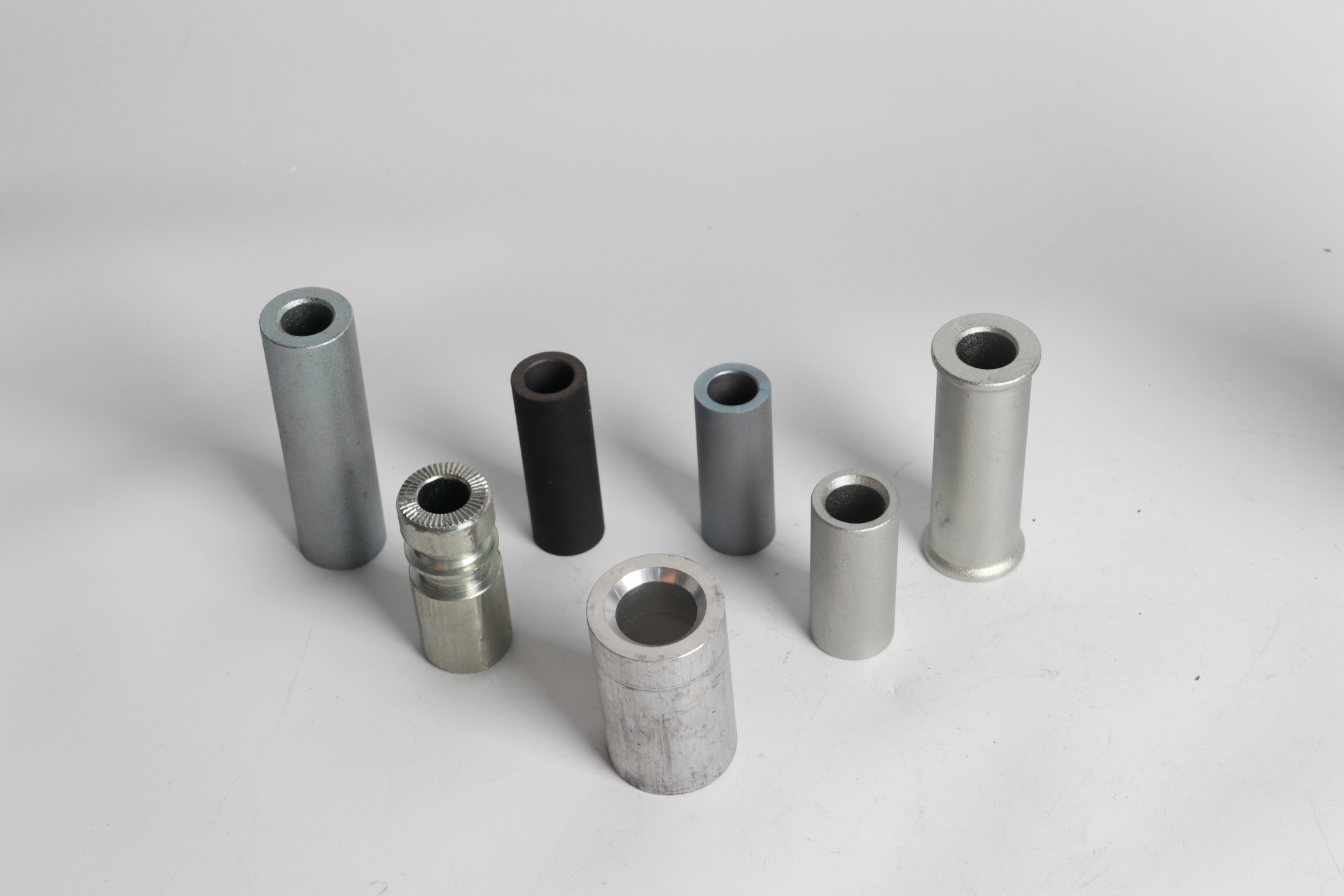
- Custom metal bushings: Wear-resistant components requiring precise interference fits
- Brake system parts: Safety-critical components with zero tolerance for dimensional deviation
What sets automotive apart from other sectors? Certification requirements. According to American Micro Industries, IATF 16949 is the global standard for automotive quality management, combining ISO 9001 principles with sector-specific requirements for continuous improvement, defect prevention, and stringent supplier oversight.
This certification isn't optional for serious automotive suppliers. CNC manufacturers must demonstrate robust product traceability and process control to meet qualification requirements. Compliance with IATF 16949 boosts credibility and opens doors to business with leading manufacturers that mandate the highest levels of part quality and supply chain reliability.
For example, Shaoyi Metal Technology operates as an IATF 16949 certified facility serving automotive applications, delivering chassis assemblies and custom metal bushings with lead times as fast as one working day. Their Statistical Process Control (SPC) implementation ensures consistent quality across production runs—exactly what automotive OEMs require from their supply chains.
Medical Device Precision Requirements
When you're manufacturing components that go inside the human body, precision cnc parts take on entirely different significance. According to Fadal, the medical industry relies on CNC machining for production of medical devices, implants, and surgical instruments, enabling creation of intricate and customized designs with exceptional accuracy.
Medical CNC machined components typically include:
- Orthopedic implants: Hip and knee replacements requiring biocompatible materials and mirror-finish surfaces
- Surgical instruments: Forceps, scalpels, and retractors demanding ergonomic precision and sterilization compatibility
- Prosthetic components: Custom-fit devices matching patient-specific anatomy
- Diagnostic equipment housings: Enclosures for MRI, CT, and ultrasound machines
- Spinal implants: Micro-precision components with tolerances measured in microns
Regulatory requirements for medical cnc machined products go far beyond standard quality systems. According to American Micro Industries, CNC machining for medical devices must comply with FDA 21 CFR Part 820 (Quality System Regulation) governing product design, manufacturing, and tracking. ISO 13485 certification provides the framework for risk management, product traceability, and effective complaint handling.
These combined requirements ensure every medical component gets manufactured to the highest standards of precision and patient safety. Facilities seeking ISO 13485 certification must implement detailed documentation practices, thorough quality checks, and effective recall handling procedures.
Aerospace Structural Part Standards
Aerospace represents the most demanding application for precision cnc machining parts. When component failure means catastrophic consequences at 35,000 feet, quality standards reach extraordinary levels.
According to Fadal, CNC machines play a crucial role in fabrication of aircraft components and parts—from complex turbine blades to intricate structural elements, offering the precision required for aerospace manufacturing. The ability to work with various materials including aluminum, titanium, and composites makes CNC machining indispensable for creating lightweight, high-strength aerospace components.
Common aerospace CNC parts include:
- Turbine blades: Complex airfoil geometries with tight tolerances on critical surfaces
- Structural brackets: High-strength aluminum and titanium components carrying flight loads
- Landing gear components: Safety-critical parts requiring exceptional fatigue resistance
- Fuel system fittings: Leak-proof connections demanding precision sealing surfaces
- Avionics housings: Enclosures protecting sensitive electronics from vibration and thermal stress
Certification requirements for aerospace custom parts manufacturing exceed most other industries. According to American Micro Industries, AS9100 builds upon ISO 9001 and introduces additional requirements specific to the aerospace sector, emphasizing risk management, stringent documentation, and product integrity control throughout complex supply chains.
Additionally, NADCAP (National Aerospace and Defense Contractors Accreditation Program) focuses on accreditation of special processes critical to aerospace manufacturing, including heat treating, chemical processing, and nondestructive testing. This accreditation provides an additional layer of quality assurance, validating that manufacturers can consistently perform specialized processes at the highest standard.
Electronics Industry Precision Demands
The electronics sector presents unique challenges for CNC machined components. According to Fadal, this industry benefits from CNC machining for manufacturing circuit boards, electronic components, and enclosures—with precision essential for the miniaturization and complexity demanded by modern electronic devices.
Electronics-focused cnc parts typically include:
- Heat sinks: Thermally optimized aluminum components with precisely machined fin geometries
- Connector housings: Micro-precision enclosures protecting delicate contact pins
- RF shielding enclosures: Tight-tolerance housings preventing electromagnetic interference
- Semiconductor equipment parts: Ultra-clean components for chip manufacturing machinery
- Device casings: Consumer electronics housings requiring both precision and aesthetic finish
Certification Requirements Comparison
| Industry | Primary Certifications | Key Quality Focus Areas |
|---|---|---|
| Automotive | IATF 16949, ISO 9001 | Defect prevention, continuous improvement, supply chain control |
| Medical | ISO 13485, FDA 21 CFR Part 820 | Risk management, traceability, complaint handling |
| Aerospace | AS9100, NADCAP | Documentation integrity, special process control, product safety |
| Defense | ITAR, ISO 9001, AS9100 | Information security, technical data protection, quality traceability |
Understanding these industry-specific requirements helps you evaluate whether potential suppliers possess the certifications and experience your application demands. A shop producing excellent general-purpose parts may lack the quality systems required for aerospace or medical applications—and discovering that gap after production begins creates expensive delays.
With industry requirements clarified, the next critical decision involves selecting a manufacturing partner equipped to deliver your specific precision cnc machining parts consistently and reliably.
How to Choose the Right CNC Machining Partner
Finding a machine shop that can actually deliver on promises is harder than it sounds. According to JLCCNC, too often companies go with the lowest bidder and end up dealing with dimensional inaccuracies, missed lead times, or poor surface finishes—issues that can derail production and kill budgets. Whether you need a cnc prototyping service for initial designs or a partner capable of scaling to thousands of units, the evaluation criteria remain consistent.
So how do you separate capable manufacturers from those who overpromise? Let's walk through the factors that actually matter—ranked by their impact on your project's success.
Evaluating Technical Capabilities and Equipment
Not all CNC machining companies are created equal. According to JLCCNC, some specialize in basic milling or prototyping, while others have advanced capabilities like 5-axis machining, Swiss turning, or EDM. You want a shop that understands tight tolerances, complex geometries, and repeatable quality.
The types of CNC machines a company owns reveal their true capabilities:
- 3-axis CNC mills: Handle basic precision work and simpler geometries
- 5-axis CNC machines: Enable complex curves and one-pass machining for intricate parts
- CNC lathes: Essential for cylindrical parts and turned features
- Swiss machines: Deliver ultra-precise small parts with tight tolerances
- EDM equipment: Creates intricate cavities and works hardened steel
According to JUPAICNC, the versatility of a machine shop is essential, as it enables the provider to handle complex projects requiring different machining techniques. A well-maintained and up-to-date machine fleet ensures execution of intricate designs with precision and efficiency.
When evaluating custom cnc machining services, ask these critical questions:
- What's the minimum tolerance they consistently hold?
- Do they have case studies or parts produced in your industry?
- What materials have they successfully machined?
- Can they provide dimensional reports with delivered parts?
Quality Certifications That Matter
No matter how advanced the machines, quality assurance is where reliable CNC service providers stand apart. According to JLCCNC, if a shop doesn't talk about metrology, that's a red flag.
Look for these quality indicators when evaluating online cnc machining services:
- CMM (Coordinate Measuring Machine) inspections: Automated dimensional verification
- ISO 9001 certification: Baseline quality management system
- Industry-specific certifications: IATF 16949 for automotive, AS9100 for aerospace, ISO 13485 for medical
- In-process and final dimensional reports: Documentation proving parts meet specifications
- Surface finish verification: Ra value measurements confirming finish quality
According to UPTIVE, verifying the manufacturer's quality control practices is critical to ensure high-quality output and prevent defects and expensive recalls. Ask whether they're ISO 9001 certified or follow testing standards applicable to your product.
For demanding applications, Statistical Process Control (SPC) implementation indicates a manufacturer's commitment to consistent quality. SPC monitors production parameters in real-time, catching variations before they create defective parts.
Prototyping to Production Scalability
Here's where many partnerships fail: a shop excels at prototype machining services but stumbles when volumes increase. Or they're geared for mass production but can't justify setup costs for small runs. According to JLCCNC, a CNC shop should grow with your project—can they scale from 10 parts to 10,000 without retooling delays or outsourcing?
According to UPTIVE, manufacturing at low volume is a critical step to bridging the gap between prototyping and full-scale production. It helps catch design, manufacturing, or quality issues, validate manufacturing processes, and identify bottlenecks before committing to large orders.
When requesting a cnc quote online, evaluate scalability by asking:
- Do they perform production runs in-house or through a partner network?
- What's their daily part capacity or machine availability?
- Can they support blanket orders or scheduled deliveries?
- How do per-unit costs change as quantities increase?
Prioritized Evaluation Criteria
When comparing potential partners, evaluate these factors in order of importance:
- Technical precision capabilities: Can they consistently hold the tolerances your parts require? Look for services advertising ±0.005mm or better for precision work.
- Quality management systems: Relevant certifications and documented inspection processes prevent costly quality escapes.
- Material expertise: Experience with your specific materials—whether metals, plastics, or exotic alloys—ensures proper cutting parameters and tool selection.
- Lead time reliability: According to JLCCNC, some of the best CNC machining services offer 3-7 day turnaround on low-volume aluminum or plastic parts. Verify rush job availability and how they handle unforeseen delays.
- Communication responsiveness: Can you talk directly with engineers, not just sales reps? Do they give clear, honest feedback on manufacturability?
- Scalability path: Confirm they can support your growth from prototypes through production volumes without quality degradation.
- Design support capabilities: Great custom cnc machining services don't just ask for STEP files—they offer DFM feedback and iterative prototyping support.
Online Quoting and Communication Efficiency
Modern manufacturers streamline the evaluation process through digital tools. According to JLCCNC, modern CNC machining companies offer online instant quotes, material options, and tolerance spec input right on their platform. Look for platforms letting you upload CAD files, set tolerances, pick finishes, and compare pricing instantly.
Online machining quotes save time, reduce miscommunication, and make sourcing parts easier—even across time zones. However, automated quotes should be followed by engineering review for complex parts to ensure manufacturability.
According to JUPAICNC, professional CNC machining services must demonstrate consistent and transparent communication throughout projects. Whether clarifying technical specifications, addressing potential issues, or coordinating logistics, open communication helps prevent misunderstandings.
Finding the Right Partner for Your Application
For automotive applications specifically, certification requirements narrow your options significantly. Facilities holding IATF 16949 certification demonstrate the quality systems major OEMs require from their supply chains.
Shaoyi Metal Technology exemplifies the criteria outlined above: IATF 16949 certified, implementing Statistical Process Control for consistent quality, and capable of scaling seamlessly from rapid prototyping to mass production. Their precision CNC machining services deliver high-tolerance components with lead times as fast as one working day—addressing both quality and speed requirements that automotive projects demand.
Finally, verify any potential partner's track record. According to JLCCNC, check for Google reviews, case studies, or testimonials. A track record of on-time delivery, consistent tolerances, and supportive customer service provides the ultimate proof of capability.
Don't gamble on low-cost providers if precision, delivery, and accountability matter to your CNC machining part requirements. The right manufacturing partner brings technical expertise, responsive support, and machining capabilities you can count on—project after project.
Frequently Asked Questions About CNC Machining Parts
1. What are CNC machine parts?
CNC machine parts include both the structural components of the machine itself (bed, spindle, control unit, linear guides, ball screws, and feedback sensors) and the precision components produced through CNC machining. The machine components work together to execute G-code instructions, controlling motion along multiple axes to transform raw materials into finished parts with tolerances as tight as ±0.005 inches. Understanding these components helps engineers design more manufacturable parts and troubleshoot quality issues effectively.
2. How much does it cost to get a part CNC machined?
CNC machining costs typically range from $50 to $150 per hour depending on equipment complexity and precision requirements. Setup fees start at $50 and can exceed $1,000 for complex jobs. Key cost drivers include material selection (30-70% of raw material becomes waste), part complexity, tolerance specifications, surface finish requirements, and production quantity. Simple aluminum parts cost less due to excellent machinability, while hardened steels and tight tolerances significantly increase pricing. Ordering in batches can reduce per-unit costs by 70-90% by spreading fixed setup expenses.
3. What is the difference between CNC milling and CNC turning?
CNC milling uses rotating cutting tools to remove material from a stationary workpiece, making it ideal for complex 3D surfaces, pockets, and non-cylindrical geometries. CNC turning spins the workpiece while stationary tools shape it, delivering superior surface finishes on cylindrical components like shafts, pins, and bushings. Milling excels at multi-feature parts requiring various hole patterns and contours, while turning produces round parts more efficiently. Many complex components require both processes, which modern mill-turn centers can accomplish in single setups.
4. What materials can be CNC machined?
CNC machining works with metals including aluminum (excellent machinability), steel, stainless steel, brass, titanium, and copper. Engineering plastics like Delrin, PEEK, and UHMW polyethylene are also commonly machined. Material selection impacts cost significantly—aluminum machines quickly with minimal tool wear, while stainless steel work-hardens during cutting, requiring slower speeds and specialized tooling. Each material demands specific cutting parameters; harder materials need slower speeds but achieve different surface finishes and mechanical properties suited to various applications.
5. How do I choose the right CNC machining partner?
Evaluate potential partners based on technical precision capabilities (consistent tolerance achievement), quality certifications (ISO 9001, IATF 16949 for automotive, AS9100 for aerospace), material expertise, lead time reliability, and scalability from prototyping to production. Look for shops with CMM inspection equipment, Statistical Process Control implementation, and documented quality processes. Request case studies in your industry and verify their track record through reviews. IATF 16949 certified facilities like Shaoyi Metal Technology demonstrate the quality systems required for demanding automotive applications with lead times as fast as one working day.