 Small batches, high standards. Our rapid prototyping service makes validation faster and easier —
  EN
EN


CNC Machining Companies Exposed: What Your Quotes Aren't Telling You
Understanding CNC Machining Companies and Their Role in Manufacturing
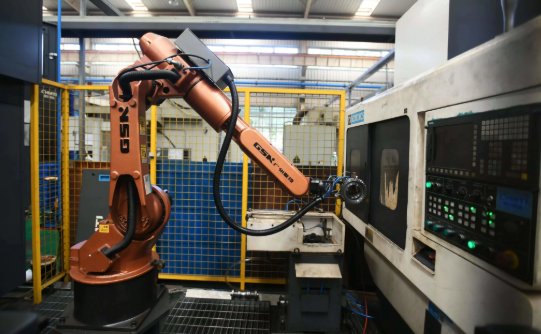
Ever wondered what happens between your digital design file and the precision metal component that arrives at your door? That's where CNC machining companies come into play. These specialized manufacturing partners transform raw materials into finished parts using computer-controlled equipment that cuts, shapes, and refines materials with remarkable accuracy.
So, what is CNC exactly? The cnc definition refers to Computer Numerical Control, a technology where pre-programmed software dictates the movement of factory machinery and tools. When people ask "whats cnc" or inquire about the c.n.c meaning, they're essentially asking about automated precision manufacturing that has revolutionized how we produce everything from aerospace components to medical devices.
What CNC Machining Companies Actually Do
Think of these companies as your extended manufacturing floor, but with capabilities you likely couldn't justify building in-house. A professional CNC machinist operates equipment worth hundreds of thousands of dollars, backed by years of specialized training. Unlike basic machining setups, these facilities house multiple machine types, each optimized for specific operations.
The core services offered by most CNC machining companies include:
- CNC Milling: Removing material using rotating cutting tools to create complex shapes, pockets, and surface features
- CNC Turning: Spinning the workpiece against stationary tools to produce cylindrical components with tight tolerances
- Multi-Axis Machining: 4-axis and 5-axis operations that create intricate geometries impossible with simpler setups
- Finishing Operations: Secondary processes like anodizing, plating, heat treatment, and precision grinding
The Manufacturing Partners Behind Precision Parts
Why do companies outsource to specialized machining partners rather than investing in their own equipment? The answer comes down to three fundamental factors: expertise, capital investment, and scalability.
A skilled cnc operator brings more than button-pushing abilities. They understand material behavior, tooling selection, and process optimization that separates acceptable parts from exceptional ones. This expertise takes years to develop and costly mistakes to refine.
Equipment investment presents another barrier. A single 5-axis machining center can cost between $200,000 and $500,000, not including tooling, software, and maintenance. For companies needing occasional precision parts, this investment simply doesn't make financial sense.
From Digital Design to Physical Component
The journey from CAD file to finished component involves more than pressing "start" on a machine. Professional CNC machining companies evaluate your design for manufacturability, suggest improvements that reduce cost without sacrificing function, and select optimal machining strategies for your specific requirements.
Scalability rounds out the value proposition. Need five prototypes this month and five thousand production units next quarter? These partners absorb demand fluctuations that would otherwise require you to maintain excess capacity or scramble for additional resources.
Understanding this foundational role helps you approach the quoting process with realistic expectations and the right questions, which we'll explore throughout this guide.
Material Selection Guide for CNC Machined Parts
Here's something your quote probably won't explain: the material you choose can swing your project cost by 300% or more, and it's not always the expensive option that delivers the best results. Understanding material selection separates informed buyers from those who pay premium prices for the wrong reasons.
When CNC machining companies evaluate your project, material choice influences everything from machine time and tooling costs to final part performance. Let's break down the options so you can make decisions that align with your actual requirements rather than defaulting to whatever seems safest.
Metals That Machine Best
Not all metals are created equal when it comes to CNC machining. Machinability ratings indicate how easily a material can be cut, shaped, and finished. Higher ratings mean faster production, less tool wear, and typically lower costs.
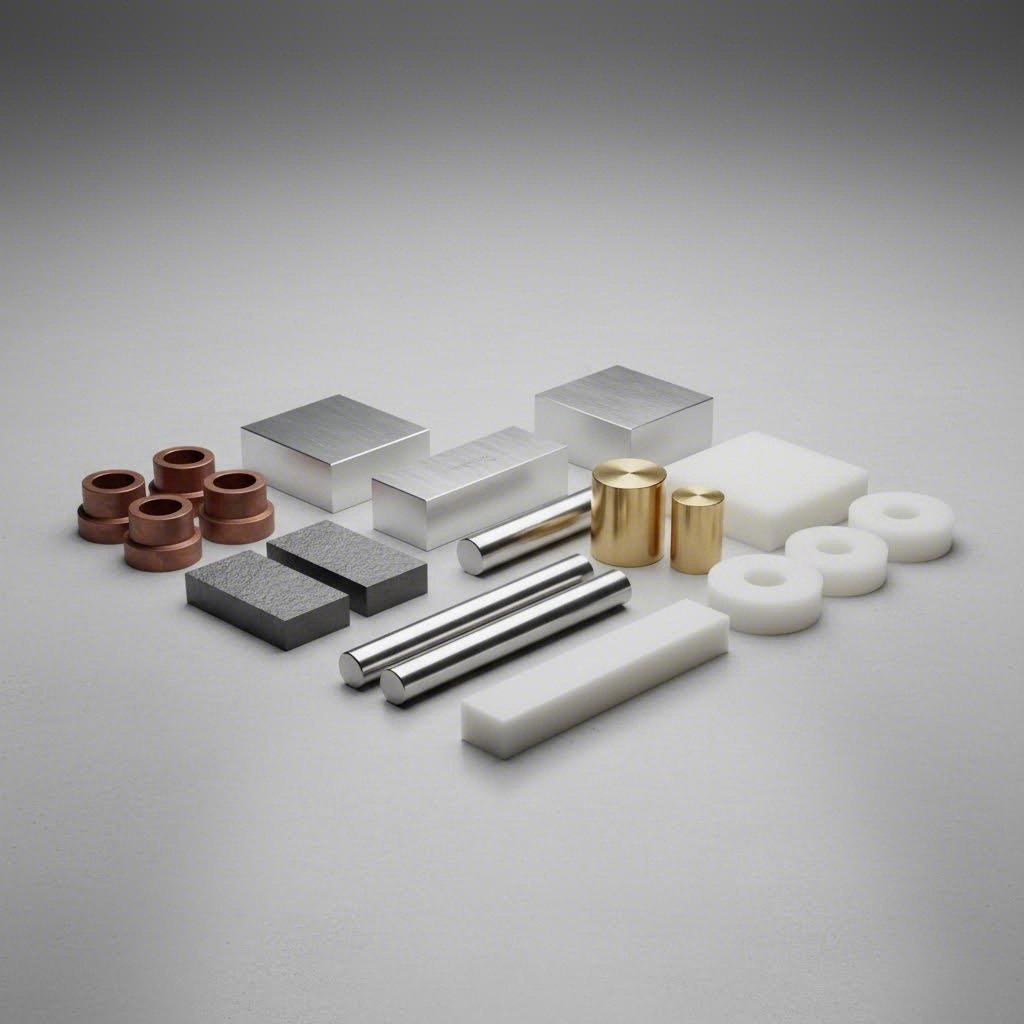
Aluminum tops the list for most applications. Its excellent machinability, lightweight properties, and corrosion resistance make it the default choice for prototypes and production parts across aerospace, electronics, and automotive industries. You'll get clean cuts, minimal tool wear, and fast turnaround times.
Steel and Stainless Steel offer versatility that aluminum can't match. Carbon steel provides exceptional strength at moderate cost, while stainless steel grades like 304 and 316 deliver corrosion resistance for medical, food processing, and marine applications. Expect longer machining times and higher tool costs compared to aluminum, but the mechanical properties often justify the investment.
Brass and Bronze excel in applications requiring low friction and excellent wear resistance. CNC machining bronze produces precision bushings, bearings, and valve components with superior surface finishes. Machining bronze is straightforward due to its free-cutting characteristics, making it cost-effective despite higher material prices. CNC bronze components often require minimal secondary finishing.
Titanium represents the premium tier. Its exceptional strength-to-weight ratio and corrosion resistance make it essential for aerospace and medical implants, but moderate machinability and specialized tooling requirements drive costs significantly higher.
Zinc alloy metal offers an interesting middle ground for certain applications, providing good castability combined with reasonable machinability for secondary operations and finishing work.
Engineering Plastics and Their Applications
Metals aren't always the answer. Engineering plastics offer weight savings, chemical resistance, and cost advantages that make them ideal for specific applications.
Delrin plastic (also called acetal or POM) stands out as the go-to choice for precision plastic components. The delrin material machines cleanly with excellent dimensional stability, holding tight tolerances even in humid environments. Its low moisture absorption means parts maintain their specifications long after leaving the machine.
When comparing machining nylon versus Delrin, consider your operating conditions carefully. Nylon for machining offers better impact resistance and higher temperature tolerance, with glass-filled grades handling continuous temperatures around 120-130°C. However, nylon absorbs moisture from the air, which can change part dimensions over time.
Machining nylon requires more attention to tooling and speeds. The material's flexibility can cause deflection during cutting, potentially leading to rougher surface finishes and requiring additional post-processing. Delrin, by contrast, produces clean chips and smooth surfaces straight off the machine.
Matching Material Properties to Project Demands
Before requesting quotes, ask yourself these questions about your application:
- What mechanical stresses will the part experience?
- Will it be exposed to moisture, chemicals, or temperature extremes?
- Does weight matter for the final assembly?
- What surface finish and dimensional tolerances are actually required?
- How many parts do you need, and what's your budget sensitivity?
Your answers should guide material selection before you ever contact a CNC machining company. Here's how common materials compare across key factors:
| Material Type | Typical Applications | Machinability Rating | Cost Tier |
|---|---|---|---|
| Aluminum 6061 | Prototypes, enclosures, brackets, aerospace components | Excellent | Low-Medium |
| Carbon Steel 1018 | Structural parts, shafts, fixtures | Very Good | Low |
| Stainless Steel 304 | Medical devices, food equipment, marine hardware | Moderate | Medium |
| Brass 360 | Fittings, connectors, decorative components | Excellent | Medium |
| Bronze (C932) | Bearings, bushings, valve components | Very Good | Medium-High |
| Titanium Grade 5 | Aerospace, medical implants, high-performance parts | Moderate | High |
| Delrin (Acetal) | Gears, bearings, precision mechanisms | Excellent | Low-Medium |
| Nylon 6/6 | Wear components, insulators, structural plastics | Good | Low |
Notice how machinability directly correlates with cost in many cases. Materials that cut easily require less machine time and cause less tool wear, translating to lower per-part pricing. When you receive quotes with significant price differences, material selection often explains much of the variance.
Understanding these fundamentals puts you in a stronger position when evaluating quotes and discussing options with potential manufacturing partners. But material is just one piece of the puzzle. Quality certifications determine whether a shop can actually deliver parts that meet your industry's requirements.
Quality Certifications and What They Mean for Your Project
You've probably seen certification logos scattered across CNC machining company websites. ISO this, AS that. But here's what your quote won't tell you: the wrong certification match can mean rejected parts, failed audits, and projects that grind to a halt. Understanding what these standards actually guarantee separates buyers who get burned from those who build reliable supply chains.
Quality certifications aren't just wall decorations. They represent verified systems that control how a cnc machining co handles everything from incoming materials to final inspection. For machining manufacturing operations, these standards define processes that ensure your parts meet specifications consistently, not just on the first run, but on the thousandth.
Decoding ISO and Industry-Specific Certifications
Think of ISO 9001 as the baseline. This certification confirms a company has documented quality management processes, trains employees appropriately, and maintains records that demonstrate consistent performance. Nearly every professional precision machining services provider holds this certification. If they don't, consider it a red flag.
But ISO 9001 alone doesn't cut it for regulated industries. Here's what each major certification actually guarantees:
- ISO 9001: General quality management systems covering documentation, process control, and continuous improvement. Required baseline for professional CNC machining companies.
- AS9100: Aerospace-specific requirements building on ISO 9001, adding configuration management, counterfeit parts prevention, and enhanced traceability. Essential for any aerospace cnc machining work.
- ISO 13485: Medical device quality management with emphasis on regulatory compliance and risk management throughout the product lifecycle. Medical machining suppliers must demonstrate this certification for FDA-regulated components.
- IATF 16949: Automotive industry standard requiring defect prevention, reduction of variation, and waste elimination across the supply chain. Mandatory for Tier 1 and Tier 2 automotive suppliers.
- NADCAP: Special process accreditation for heat treating, welding, non-destructive testing, and surface treatments. Often required alongside AS9100 for aerospace components.
Why Certification Requirements Vary by Industry
Imagine ordering precision components for a medical implant from a shop certified only to ISO 9001. They might produce dimensionally accurate parts, but without ISO 13485, they lack the documented risk management processes, device-specific traceability, and complaint handling systems that regulators require. Your parts could be perfect yet still unusable.
Defense projects add another layer of complexity. ITAR (International Traffic in Arms Regulations) controls the export of defense-related articles and technical data. A cnc machining co handling ITAR-controlled work must register with the State Department, secure technical data appropriately, and restrict access to U.S. persons only. Violations carry severe penalties including criminal charges and loss of export privileges.
Swiss machining operations producing high-precision turned components often require additional certifications depending on end-use. A shop running Swiss-type lathes for medical bone screws needs ISO 13485. The same equipment producing aerospace fasteners requires AS9100. Equipment capability means nothing without the quality systems to match your application.
What Each Quality Standard Actually Guarantees
Here's where most buyers get confused. Certifications don't guarantee part quality directly. They guarantee that systems exist to produce consistent quality and catch problems before parts ship.
The difference matters. A certified shop will:
- Document every process step with work instructions operators must follow
- Calibrate measuring equipment on verified schedules
- Maintain traceability from raw material to finished component
- Investigate nonconformances and implement corrective actions
- Conduct management reviews to drive continuous improvement
For high-volume production, Statistical Process Control (SPC) ensures consistency that visual inspection alone cannot catch. According to manufacturing process experts, SPC involves gathering and analyzing data to determine process capability, ultimately improving quality and reliability while reducing operating costs.
A statistically capable process targets Cpk levels of 1.33 or higher, meaning only about one part in 16,000 will fall outside tolerance when properly targeted. Precision machining services providers using SPC monitor critical characteristics in real-time, adjusting processes before drift causes rejected parts. This proactive approach costs less than sorting bad parts at final inspection.
When evaluating CNC machining companies, ask specific questions about their quality systems. Request their certification scope documents. Verify certifications through issuing bodies rather than trusting website claims. The few minutes spent confirming credentials can save months of project delays when certifications don't match your actual requirements.
Understanding certifications tells you whether a shop can meet your industry's requirements. But even fully certified suppliers quote dramatically different prices for identical parts. What drives those variations reveals important information about capability and value.
Cost Factors and Pricing Transparency in CNC Machining
Here's an uncomfortable truth: two CNC machining companies can quote the same part with a 10x price difference, and both quotes might be legitimate. Research from manufacturing industry analysts confirms this factor-of-10 discrepancy in quoted prices for identical machining work. Understanding why helps you distinguish between overpriced suppliers and shops offering genuine value.
When you request a cnc quote online or receive multiple online machining quotes, the numbers often seem arbitrary. They're not. Each figure reflects that shop's capabilities, capacity, interpretation of your requirements, and business model. Let's break down what's really driving those numbers.
The Hidden Factors That Drive Machining Costs
Every custom machined parts project involves cost elements that aren't always visible in your final quote. Understanding these factors helps you anticipate pricing and identify opportunities to reduce costs without sacrificing quality.
Here are the primary cost drivers, ranked by their typical impact on your machinist metal cost:
- Material Selection: Raw material represents a significant portion of total cost. According to industry pricing data, aluminum sits at the low end ($), while titanium and specialized ceramics command premium pricing ($$$$$). Material waste also matters since CNC is subtractive—you pay for what gets cut away too.
- Machining Time: This is typically the largest single cost component. Complex geometries, deep pockets, thin walls, and intricate features all extend machine time. Three-axis mills run around $40/hour, while 5-axis machines cost $75-120/hour. More complexity means more toolpaths, slower feeds, and higher costs.
- Setup and Programming: CAM programming, fixturing, and first-article verification represent fixed costs that don't scale with part size. A $300 setup adds $300 to a single prototype but only $3 per part in a 100-piece batch. This explains why prototyping costs feel disproportionately high.
- Tolerance Requirements: Tighter tolerances require slower machining speeds, additional inspection time, and increased scrap risk. Standard tolerances (ISO 2768-m) cost significantly less than ultra-tight specifications requiring CMM verification.
- Surface Finish Specifications: Polishing, anodizing, electroplating, and other finishing operations add labor and process time. Simple as-machined surfaces (Ra 3.2μm) cost far less than mirror finishes or specialized coatings.
- Secondary Operations: Heat treatment, special testing, and custom packaging all contribute to final pricing. Each additional step adds process cost and extends lead time.
Understanding Quote Variations Between Shops
When quotes differ dramatically between CNC machining companies, the variance typically stems from factors beyond simple pricing strategy. Shops that seem expensive might actually offer better value depending on your specific needs.
Consider these legitimate reasons for price differences:
- Capability Match: A shop with 5-axis capabilities quotes lower for complex parts because they complete them in fewer setups. A 3-axis shop might bid the same job higher due to multiple repositionings and manual operations.
- Capacity Utilization: Busy shops often bid higher because they're allocating premium time slots. A shop with open capacity might quote lower to fill their schedule.
- Regional Economics: Shops in aerospace corridors or high-cost-of-living areas typically carry higher overhead reflected in pricing.
- Interpretation Differences: Two shops can read the same drawing differently. One familiar with your industry might know which tolerances actually matter. Another treats every dimension as critical, adding unnecessary inspection time.
- Relationship Benefits: Established suppliers often secure better material pricing, passing some savings to repeat customers. New customers pay more until that relationship develops.
When machining parts for a custom machine application, these variations become even more pronounced. Shops experienced with similar projects quote more accurately because they understand real-world requirements versus drawing specifications.
How to Budget for Custom Machined Parts
Prototyping and production run pricing follow fundamentally different economics. Understanding this helps you budget realistically and avoid sticker shock.
For prototypes (1-10 pieces), expect setup costs to dominate your unit price. A part that costs $50 each in production quantities might run $200-500 as a single prototype. This isn't price gouging—it reflects the reality that programming, fixturing, and verification happen regardless of quantity.
Production quantities (100+ pieces) spread those fixed costs, but other factors become more significant:
- Quantity Breaks: Most shops offer tiered pricing with meaningful drops at 25, 50, 100, and 500-piece thresholds. Sometimes ordering slightly more units reduces your per-piece cost enough to offset the additional material expense.
- Minimum Order Quantities: Some shops set MOQs based on their production model. High-volume facilities might require 500-piece minimums, while prototype specialists welcome single-unit orders at premium pricing.
- Tooling Amortization: Custom tooling costs spread across larger production runs. Special fixtures or cutters that add $500 to a 10-piece order add only $5 per part in a 100-piece run.
When requesting quotes, provide accurate quantity estimates and ask about pricing at multiple volume levels. A transparent shop will show you exactly where the cost breaks occur, helping you optimize order quantities against your actual needs.
Understanding cost structure positions you to make informed decisions, but price alone shouldn't drive your manufacturing method selection. The right approach depends on whether CNC machining actually fits your project requirements better than alternatives.
CNC Machining vs Alternative Manufacturing Methods
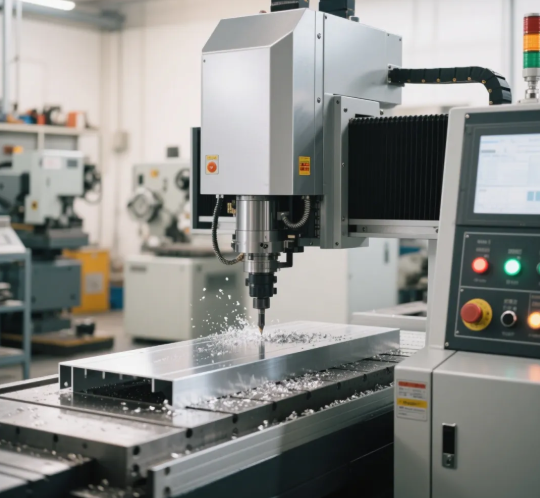
Here's a question your CNC machining company probably won't ask: should you even be using CNC for this project? It sounds counterintuitive, but the best manufacturing partners will tell you when another method serves your needs better. Understanding where cnc cutting excels versus where alternatives win helps you make decisions that optimize both cost and quality.
Every manufacturing method involves tradeoffs. CNC fabrication offers unmatched precision and material versatility, but it's not always the most economical choice. Before committing to machined parts, consider whether 3D printing, injection molding, casting, or sheet metal fabrication might deliver better results for your specific requirements.
When CNC Beats 3D Printing and Vice Versa
The CNC versus 3D printing debate comes up constantly, and the answer depends entirely on your project parameters. According to manufacturing process experts, complex designs may require advanced techniques like CNC machining or 3D printing, but matching the right method to your needs determines success.
Choose CNC machining when you need:
- Tight tolerances below ±0.005" that additive processes struggle to achieve
- Metal parts with full mechanical properties (3D printed metals often require post-processing)
- Superior surface finishes straight off the machine
- Parts from engineering plastics like Delrin or nylon that print poorly
- Medium to high production volumes where per-unit costs matter
Choose 3D printing when you need:
- Complex internal geometries impossible to machine (lattice structures, internal channels)
- Rapid cnc prototyping with overnight turnaround for design validation
- Low quantities (1-10 pieces) where setup costs would dominate CNC pricing
- Parts with organic shapes that would require extensive 5-axis machining
- Material waste reduction for expensive materials
A cnc cutting machine removes material, meaning you pay for everything that becomes chips. Additive manufacturing builds only what you need, making it more economical for complex, low-volume parts where material costs would otherwise be prohibitive.
Machining vs Casting for Metal Parts
Metal machining and casting serve different production sweet spots. Understanding where each excels prevents costly method mismatches.
Die casting makes economic sense for high-volume production (typically 10,000+ units) of parts with consistent geometry. The upfront tooling investment—often $10,000 to $50,000—amortizes across large production runs, driving per-unit costs below what CNC can achieve. However, casting introduces draft angles, parting lines, and porosity concerns that machining eliminates.
Cnc metal machining wins when:
- Production volumes stay under 1,000-5,000 units
- Design changes are likely (no tooling to modify)
- Tight tolerances require precision beyond casting capabilities
- Material specifications exclude typical casting alloys
- Surface finish requirements exceed as-cast quality
Many projects combine both methods. Casting produces near-net-shape blanks, while CNC machining adds precision features, threads, and critical surfaces. This hybrid approach captures casting's material efficiency while achieving machining's accuracy where it matters.
Choosing the Right Manufacturing Method
The decision framework comes down to five key factors: quantity, material, tolerances, surface finish, and timeline. Here's how each manufacturing method stacks up:
| Manufacturing Method | Ideal Quantity Range | Material Options | Typical Tolerances | Best Use Cases |
|---|---|---|---|---|
| CNC Machining | 1-10,000 units | Nearly all metals and plastics | ±0.001" to ±0.005" | Precision components, prototypes, low-to-medium volume production |
| 3D Printing (FDM/SLA) | 1-100 units | Limited plastics, some metals | ±0.005" to ±0.020" | Rapid prototyping, complex geometries, design validation |
| Injection Molding | 1,000-1,000,000+ units | Thermoplastics | ±0.002" to ±0.005" | High-volume plastic parts, consumer products |
| Die Casting | 10,000-500,000+ units | Aluminum, zinc, magnesium alloys | ±0.004" to ±0.010" | High-volume metal housings, automotive components |
| Sheet Metal Fabrication | 10-50,000 units | Steel, aluminum, stainless | ±0.010" to ±0.030" | Enclosures, brackets, panels, chassis |
Notice how CNC machining occupies the versatile middle ground. It handles everything from single prototypes to medium production runs without tooling investments. This flexibility makes CNC machining companies ideal partners during product development when designs evolve rapidly.
Injection molding becomes attractive only when plastic part volumes justify the $5,000-$100,000 mold investment. Manufacturing experts note that injection molding offers low per-unit costs for large runs but requires high initial investment. If your volumes stay under 1,000 units, machined plastics often prove more economical despite higher per-piece pricing.
Sheet metal fabrication competes with CNC for enclosures and structural components. Flat patterns cut and bend quickly, making sheet metal cost-effective for brackets, chassis, and housings. However, when your design requires pockets, complex 3D surfaces, or features impossible to form from flat stock, CNC machining remains the answer.
The right manufacturing method isn't about capability—it's about matching process economics to your specific quantity, quality, and timeline requirements.
When evaluating alternatives, ask yourself: What happens when my volumes change? CNC machining scales smoothly from prototype through production. Injection molding and die casting require substantial commitments before the first production part ships. If market uncertainty exists, CNC's flexibility provides insurance that tooling-dependent processes cannot match.
Understanding where CNC fits among manufacturing alternatives helps you communicate effectively with potential suppliers. But even when CNC is clearly the right choice, getting accurate quotes requires preparation that many buyers overlook.
Preparing Your RFQ for Accurate Quotes and Fast Turnaround
Want to know the fastest way to get inaccurate quotes and frustrating delays? Submit incomplete information. According to manufacturing process experts, ambiguous requests can cause cost increases up to 15-25% and add days of back-and-forth communication before work even begins. The solution isn't complicated—it just requires knowing what CNC machining companies actually need to price your project accurately.
Think of your RFQ as the foundation for your entire project relationship. A complete request for quote eliminates guesswork, prevents costly assumptions, and positions you as a professional buyer that shops prioritize. Let's walk through exactly what you need to prepare before reaching out to potential suppliers.
Essential Information for Your Quote Request
Before contacting any cnc turning service or machining partner, gather these core elements. Missing any of them virtually guarantees follow-up questions that slow your timeline:
- 3D CAD Model: STEP (.stp) or IGES (.igs) files work universally across CAM systems. Native formats like SolidWorks or Inventor files may not import correctly.
- 2D Technical Drawing: PDF format showing all dimensions, tolerances, GD&T callouts, surface finish requirements, and material specifications.
- Material Specification: Exact alloy or grade (e.g., "Aluminum 6061-T6" not just "aluminum"). Include any heat treatment or hardness requirements.
- Quantity Requirements: Specify exact quantities needed, including any future volume projections that might affect pricing discussions.
- Delivery Timeline: Indicate your required delivery date and whether expedited options interest you at additional cost.
- Quality Requirements: List any certifications required (ISO 13485 for medical, AS9100 for aerospace) and inspection documentation expectations.
- Surface Finish Specifications: Define Ra values for critical surfaces and any secondary finishing operations like anodizing or plating.
As Randy Altschuler, CEO of Xometry, emphasizes: "An accurate, information-rich 3D CAD model is the single most important element in getting a fast, accurate quote and a high-quality part. It is the source of truth."
CAD Files and Technical Documentation Requirements
Here's where many buyers stumble: your 3D model and 2D drawing must tell the same story. When cnc programming begins, machinists reference both documents. Contradictions between them create confusion that delays production and introduces error risk.
Your 3D model defines geometry—every surface, pocket, hole, and feature the machine will cut. Export it as a STEP file for maximum compatibility. This format preserves solid geometry that CAM software can process directly into toolpaths for cnc milled and cnc turning operations.
Your 2D drawing adds the information that 3D models cannot convey:
- GD&T Callouts: Geometric Dimensioning and Tolerancing communicates design intent beyond simple dimensions. Position tolerances, flatness requirements, and datum references tell machinists which features matter most.
- Critical Dimensions: Not every dimension needs tight tolerance. Call out the 3-5 dimensions that actually affect function with specific tolerance requirements. Leave everything else to standard manufacturing tolerances.
- Thread Specifications: Include thread callouts with class of fit (e.g., "1/4-20 UNC-2B"). Don't assume machinists will guess your intent.
- Surface Finish Notes: Specify Ra values where surface quality matters. A valve sealing face might require Ra 0.8μm while a mounting surface accepts Ra 3.2μm.
Greg Paulsen, Director of Application Engineering at Fictiv, notes a common problem: "We often see a disconnect between the 3D model and the 2D drawing… A successful RFQ package is one where the 2D drawing serves to clarify and add critical information that complements the 3D model, rather than contradicting it."
Communicating Your Project Needs Effectively
Beyond technical documents, context helps suppliers understand your project and quote appropriately. Consider including:
- Application Context: Briefly explain what the part does. A bracket that experiences vibration needs different considerations than a static enclosure component.
- Critical-to-Function Features: Identify which features affect assembly or performance. This helps machinists prioritize accuracy where it matters.
- Prototype vs. Production Intent: Are you validating a design or sourcing ongoing production? This affects how suppliers price and prioritize your work.
- Flexibility Areas: Where can you accept supplier input? Open-minded buyers often receive DFM suggestions that reduce cost without sacrificing function.
Complete RFQ documentation isn't just about getting accurate pricing—it demonstrates your engineering credibility and positions you to lead conversations rather than react to manufacturing problems.
Lead time expectations vary dramatically based on project scope. Rapid prototyping for simple parts in common materials like aluminum can ship within 2-7 days. Standard production projects typically require 5-15 days depending on complexity. Aerospace or medical components involving special materials and certification requirements may extend to 20-30 days when you factor inspection and documentation overhead.
When your documentation is complete, quotes arrive faster and more accurately. Suppliers spend less time asking clarifying questions and more time actually evaluating your project. This efficiency benefits everyone—you get pricing sooner, and shops can commit resources confidently knowing exactly what you need.
Complete documentation establishes your credibility, but geographic considerations add another layer of complexity when selecting the right manufacturing partner for your project.
Geographic Considerations When Choosing a CNC Partner
Ever searched "machinist near me" or "cnc near me" only to find yourself comparing local machine shops against overseas suppliers offering dramatically lower prices? You're facing one of the most consequential decisions in your sourcing strategy. According to a Thomas survey, 83% of North American manufacturers have evaluated reshoring due to supply chain vulnerabilities exposed by offshore sourcing. The right choice depends on far more than unit cost.
Geographic decisions shape everything from communication efficiency to intellectual property security. A cnc shop near me might quote higher per-part pricing, but the total cost picture often tells a different story when you factor shipping, customs, quality issues, and timeline risks into the equation.
Domestic vs Overseas Manufacturing Tradeoffs
The surface-level math seems straightforward: offshore CNC machining typically promises lower upfront part pricing. For example, producing a CNC-milled aluminum component offshore might be priced at $3.50/unit versus $6.00/unit domestically. But focusing purely on unit cost overlooks the full total landed cost (TLC).
According to manufacturing industry analysis, the total landed cost includes:
- International shipping and freight forwarding fees
- Customs duties and import tariffs (aluminum components may face 25% tariffs)
- Quality inspection and rework costs for non-conforming parts
- Buffer inventory required to hedge against supply disruptions
- Communication overhead and project management time
- Currency fluctuation risks
These hidden costs can erode much, if not all, of the perceived savings. A Deloitte report showed that over 40% of global manufacturers identified offshore sourcing instability as a top operational risk. When a single container delay cascades into missed customer deliveries, the "savings" disappear quickly.
Local machine shops eliminate these complexities. Production and delivery occur within the same country, often the same region. This supports just-in-time delivery models, reduces safety stock requirements, and enables rapid response when specifications change mid-project.
Regional Specializations in CNC Machining
Different manufacturing regions have developed distinct strengths based on their industrial history and market focus:
United States: Excels in rapid turnaround, regulatory compliance, and complex engineering projects. CNC machining services here complete R&D projects in 3-5 days, with some suppliers delivering within 48 hours. Defense and aerospace work requires domestic production due to ITAR regulations. Medical device manufacturing benefits from FDA familiarity and established quality systems.
Europe: Leads in micro-tolerance technology, particularly for medical and dental implants with tolerance control reaching ±0.005mm. Strong ISO 14001 adoption supports green manufacturing practices. NADCAP-certified facilities handle specialized aerospace processes. Poland, Germany, and Switzerland maintain particularly strong precision machining reputations.
China: Dominates high-volume production with mature industrial infrastructure and cost advantages. The Dongguan region has become a major hub for CNC machining, offering economies of scale that reduce costs by 20-30% for production quantities exceeding 50,000 units annually.
Singapore: Provides a middle-ground option with strong intellectual property protections (ranked 3rd worldwide by the World Economic Forum) combined with competitive pricing. Ideal for companies requiring IP security without full domestic pricing.
Logistics and Communication Factors
When you search for machining shops near me versus considering overseas options, communication differences matter more than many buyers anticipate. Time zone mismatches mean questions asked in the morning might not receive answers until the next business day. Language barriers can distort design updates, leading to parts that technically match drawings but miss the actual intent.
Implementing engineering changes with offshore vendors requires significant lead time. Sometimes tooling must be re-shipped or replaced entirely, adding costs and extending timelines. Domestic partners integrate directly with customer engineering teams, enabling real-time DFM collaboration, live CAD review sessions, and same-day iterations on critical features.
| Factor | Domestic Manufacturing | Overseas Manufacturing |
|---|---|---|
| Lead Time | 3-15 days typical; rush options available | 4-8 weeks including shipping; limited rush capability |
| Communication | Same timezone, native language, real-time collaboration | 12+ hour delays, potential language barriers, email-dependent |
| IP Protection | Strong legal framework, enforceable NDAs | Varies by country; enforcement challenges in some regions |
| Quality Control | Facility visits possible, direct oversight | Remote inspection, third-party audits required |
| Per-Unit Cost | Higher base pricing | 20-40% lower base pricing (before TLC factors) |
| Shipping Cost | Minimal; ground freight options | Significant; air freight expensive, sea freight slow |
| Minimum Orders | Often flexible; prototype-friendly | Higher MOQs typical to justify setup and shipping |
| Design Changes | Same-day implementation possible | Weeks for tooling modifications and re-verification |
To mitigate risks when working with international suppliers, consider these evaluation steps:
- Verify certifications independently: Confirm ISO, AS9100, or other certifications through issuing bodies rather than trusting website claims.
- Request first-article samples: Before committing to production volumes, evaluate quality on representative parts.
- Establish clear NDAs: Work with suppliers in regions with strong IP frameworks, like Singapore, which provides airtight centralized security systems.
- Plan for inspection: Budget for third-party quality audits or receiving inspection for incoming shipments.
- Build buffer inventory: Account for longer replenishment cycles and potential disruptions in your inventory planning.
The choice between domestic and offshore CNC machining ultimately depends on your product's specific needs: precision requirements, lead time constraints, IP sensitivity, and compliance standards all play critical roles.
When annual demand exceeds 50,000 units and designs are stable, overseas manufacturing often delivers compelling economics. For prototyping, tight timelines, complex projects requiring iteration, or regulated industries demanding full traceability, cnc machine shops near me typically provide better overall value despite higher quoted prices.
Understanding geographic tradeoffs helps you narrow your search, but evaluating individual suppliers within your chosen region requires a systematic framework that goes beyond location and pricing.

Evaluation Framework for Selecting the Right CNC Machining Company
You've gathered quotes, compared pricing, and narrowed your geographic preferences. Now comes the decision that will actually determine your project's success: evaluating which CNC machining company deserves your business. Here's what most buyers miss—the lowest quote rarely delivers the best machining results, and the highest price doesn't guarantee quality either. What matters is matching supplier capabilities to your specific project requirements.
According to manufacturing industry experts, if you're not an engineer, evaluating a machining partner can feel like sorting through a foreign language. Surface finish specs, tolerance bands, machine axis counts—you don't need to know every term, but you do need to know what impacts results. The framework below helps you cut through technical complexity and focus on factors that actually predict supplier performance.
Key Evaluation Criteria Beyond Price
When comparing cnc machine producers, capability assessment reveals whether a shop can actually execute your project. The best cnc machines in the world mean nothing if they don't match your part requirements. Start by evaluating these technical factors:
Machine Types and Axis Count: A shop equipped with advanced multi-axis machining centers handles complex geometries that simpler setups cannot produce. According to industry analysis, suppliers with 4- or 5-axis machining centers, live tooling, and automatic tool changers achieve tighter tolerances, reduce setup time, and machine complex parts in fewer operations. Ask specifically what equipment they'll use for your project—not just what they own.
Maximum Part Sizes: Every machine has envelope limitations. Before investing time in detailed quotes, confirm the shop can physically accommodate your largest components. A cnc machine operator working on undersized equipment will struggle with parts that push capacity limits.
Secondary Operations: The best cnc machining partners consolidate processes under one roof. Services like heat treatment, anodizing, plating, or assembly reduce handoffs and quality risks. Fewer transfers between facilities mean fewer dimensional shifts and tighter overall process control.
Quality Indicators: Certifications demonstrate baseline capability, but inspection equipment reveals actual quality commitment. Look for coordinate measuring machines (CMMs), optical comparators, surface roughness testers, and documented calibration schedules. Shops that take tolerancing seriously maintain advanced metrology capabilities that verify critical dimensions at every production stage.
For automotive applications specifically, IATF 16949 certification signals a supplier's readiness to meet demanding quality requirements. This standard requires defect prevention, variation reduction, and waste elimination across the entire supply chain. Shaoyi Metal Technology exemplifies this approach, combining IATF 16949 certification with SPC-backed quality control to deliver high-tolerance automotive components with lead times as fast as one working day.
Red Flags When Vetting CNC Suppliers
Experience teaches that certain warning signs predict problems before they occur. Watch for these indicators during your evaluation:
- Vague capability claims: Suppliers unwilling to specify exact tolerances they can hold, or who avoid discussing specific machine capabilities, often overpromise and underdeliver.
- Reluctance to provide references: Established shops readily share customer contacts. Hesitation suggests limited experience or unhappy clients.
- Unrealistic lead time promises: If one supplier quotes significantly faster than competitors without explaining how, they may be overcommitting capacity or underestimating complexity.
- Missing or expired certifications: Always verify certifications through issuing bodies. Expired or unverifiable credentials indicate quality system lapses.
- Poor communication responsiveness: How quickly and professionally do they respond to initial inquiries? Early interactions predict ongoing collaboration quality.
- No DFM feedback: Capable shops identify design issues during quoting. A supplier that quotes without questions may not understand your requirements or may plan to address problems later—at your expense.
Strong customer support and effective communication are vital for managing CNC machining projects efficiently. Industry research confirms that suppliers offering dedicated project managers or engineers provide better guidance throughout design and production, helping resolve issues quickly and preventing misunderstandings.
Building Your Shortlist of Qualified Partners
Once you've gathered information on potential suppliers, systematically evaluate each against your project requirements. This prioritized checklist helps you rank candidates based on factors that actually predict successful outcomes:
- Verify relevant certifications: Confirm ISO 9001 as baseline, then check for industry-specific credentials (AS9100 for aerospace, ISO 13485 for medical, IATF 16949 for automotive). Request certification scope documents and verify through issuing bodies.
- Assess technical capability match: Confirm machine types, axis counts, and maximum part sizes accommodate your specific requirements. Ask which equipment they'll assign to your project.
- Evaluate quality systems: Request information about inspection equipment, calibration schedules, and process documentation. Shops using Statistical Process Control demonstrate commitment to consistency.
- Review material expertise: Confirm experience with your specific materials. According to supplier comparison research, a broad material portfolio demonstrates technical competence in delivering durable, high-quality components.
- Test communication quality: Note response times, technical depth of answers, and willingness to discuss DFM considerations. Early interactions predict ongoing collaboration quality.
- Check production capacity: Understand their current utilization and ability to scale. Can they handle urgent requests and volume production without delays?
- Request sample parts or facility tours: Physical evidence beats sales presentations. Sample parts from similar projects demonstrate actual capability. Facility tours reveal equipment condition, organization, and operational discipline.
- Compare total value, not just price: Evaluate the overall package including quality, delivery reliability, engineering support, and post-production service.
When seeking the best cnc capability for automotive applications, prioritize suppliers demonstrating proven experience with chassis assemblies, precision bushings, and similar components. The combination of IATF 16949 certification, SPC-backed processes, and rapid turnaround capability indicates readiness for demanding automotive supply chain requirements.
Your supplier's capability isn't simply about what they promise—it's about what they can repeat over time, with minimal surprises.
Requesting sample parts before committing to production orders provides invaluable verification. A first-article sample reveals actual machining quality, surface finish capabilities, and dimensional accuracy in ways that specifications alone cannot. Facility tours, whether virtual or in-person, expose equipment condition, operator skill levels, and organizational discipline that predict long-term performance.
For projects involving best cnc machines and complex requirements, consider requesting inspection reports from past projects with similar specifications. Shops confident in their capabilities share this documentation readily. Those that hesitate may lack the process discipline your project demands.
This evaluation framework positions you to select partners based on demonstrated capability rather than promises. But finding the right supplier is just the beginning—building an effective long-term relationship requires ongoing attention to communication, quality management, and mutual growth.
Building Long-Term Partnerships with CNC Machining Suppliers
Here's what your quote definitely won't tell you: the real value of a CNC machining relationship doesn't show up until your third or fourth order. According to supplier relationship management research, companies that maintain strong manufacturer relationships experience enhanced cash flow, minimized risks, streamlined product development, and a seamless manufacturing experience. Yet most buyers treat every order like a transaction, missing the compounding benefits that strategic partnerships deliver.
The difference between treating cnc machining suppliers as vendors versus partners shapes everything from pricing to priority scheduling. When problems arise—and they will—established relationships provide the foundation for constructive resolution rather than finger-pointing. Let's explore how to transform transactional orders into strategic manufacturing partnerships.
From First Order to Strategic Partnership
Your first order with any cnc service provider is essentially a mutual evaluation. They're assessing whether you're a professional buyer worth prioritizing. You're evaluating whether their capabilities match their claims. What happens next determines whether this becomes a one-time transaction or the beginning of a valuable partnership.
Consistent partnerships with cnc manufacturing companies deliver benefits that single-order relationships cannot match:
- Institutional Knowledge: Your supplier learns your tolerancing preferences, material specifications, and quality expectations. They stop asking clarifying questions because they already understand your standards. This accumulated knowledge reduces errors and accelerates turnaround.
- Priority Scheduling: When capacity gets tight, established customers receive preferential treatment. Your rush order moves ahead of new customers still proving themselves. This scheduling priority can mean the difference between meeting and missing critical deadlines.
- Volume Pricing: According to manufacturing relationship experts, suppliers invested in your success may offer better pricing, innovative solutions, and priority service. Long-term customers earn pricing tiers that one-time buyers never see.
- Design Collaboration: Trusted suppliers offer candid DFM feedback because they're invested in your success. They'll tell you when a design choice will cause problems rather than simply quoting what you asked for.
- Flexible Terms: Payment terms, minimum order quantities, and expedite fees all become more negotiable as relationships mature. Suppliers extend courtesies to partners they trust.
Building this relationship requires intentional effort from your side. Industry research shows that businesses engaging in face-to-face supplier meetings report a 30% increase in operational efficiency compared to those relying solely on digital communication. Schedule regular calls, share your product roadmap, and treat your supplier as an extension of your team rather than an order-taker.
Handling Quality Issues and Vendor Communication
Quality problems will occur. How you handle them determines whether the relationship strengthens or deteriorates. According to quality control experts, when defects are detected, conducting a root cause analysis helps identify the underlying issue. Whether it's a problem with material, machine calibration, or operator error, proper analysis enables corrective actions that prevent future occurrences.
When parts arrive out of specification, resist the urge to immediately escalate or threaten. Instead, follow a constructive approach:
- Document thoroughly: Photograph defects, record measurements, and reference specific drawing callouts. Clear documentation enables productive problem-solving rather than subjective debates.
- Communicate professionally: Reach out with facts, not accusations. Say "We measured these dimensions outside tolerance" rather than "You ruined our parts." Respectful dialogue preserves the relationship while addressing the issue.
- Request root cause analysis: Professional precision cnc machining services will investigate systematically. Was it a tooling issue? Material lot variation? Programming error? Understanding the cause matters more than assigning blame.
- Establish corrective actions: Work collaboratively on process changes that prevent recurrence. This might include additional in-process inspection, adjusted tooling, or modified machining parameters.
- Verify effectiveness: On subsequent orders, confirm that corrective actions actually resolved the issue. Follow-up demonstrates that quality matters to you and holds suppliers accountable.
Effective supplier communication ensures clarity throughout this process. Manufacturing relationship research confirms that companies with stringent quality control protocols experience 20% fewer product defects than those with lenient standards. Your expectations set the bar.
Scaling Your Manufacturing Relationship Over Time
The most valuable cnc machining business partnerships evolve as your needs grow. A supplier who delivered your first prototypes should have the inside track on production orders—if they've earned it. This transition requires deliberate planning from both sides.
When scaling from prototyping to production with the same partner, consider these factors:
- Capacity verification: Confirm they can handle your projected volumes without compromising quality or lead times. A great prototype shop may lack production-scale equipment.
- Process validation: Production runs require statistical process control and documented procedures that prototyping doesn't demand. Verify they have these systems in place.
- Pricing renegotiation: Production quantities justify different economics than prototypes. Discuss volume pricing before committing to larger orders.
- Inventory agreements: Explore blanket orders, scheduled releases, or safety stock arrangements that smooth demand and reduce your carrying costs.
For partners who can scale from prototyping to mass production, Shaoyi Metal Technology demonstrates what this capability looks like in practice. Their ability to deliver high-tolerance components with lead times as fast as one working day supports both rapid prototyping and volume production for chassis assemblies and custom metal bushings. This scalability eliminates the disruption of switching suppliers mid-project.
Discuss your long-term plans with your manufacturer. Supplier collaboration research shows that sharing sustainability goals and growth projections leads suppliers to offer innovative solutions and competitive rates that transactional buyers never see.
When to Consider Switching Suppliers
Despite best efforts, some relationships don't work out. Knowing when to move on saves time and prevents ongoing quality or delivery problems from damaging your business.
Consider switching cnc turning services or machining partners when you observe:
- Repeated quality failures: If corrective actions don't stick and the same problems recur, the supplier lacks the process discipline you need.
- Consistent missed deadlines: Occasional delays happen, but chronic lateness indicates capacity problems or poor planning that won't self-correct.
- Communication deterioration: When responses slow, questions go unanswered, or you can't reach your contact, the relationship has deprioritized you.
- Capability gaps: As your products evolve, your supplier may lack equipment or expertise for new requirements. This isn't failure—it's outgrowth.
- Uncompetitive pricing: Long-term relationships should yield better pricing, not complacency. If quotes no longer reflect your volume and history, the value exchange has become one-sided.
Before switching, communicate concerns directly. Give suppliers opportunity to address issues. Sometimes frank conversation resolves problems that silence allows to fester. But when fundamental capability or commitment gaps exist, transitioning to a better-matched partner serves your business interests.
The goal isn't to find a perfect supplier—it's to build a relationship where both parties are invested in solving problems together rather than pointing fingers when issues arise.
Managing supplier performance requires consistency, trust, and strategic collaboration. By applying these relationship management principles, your cnc machining business partnerships evolve from transactional orders into competitive advantages that competitors cannot easily replicate. The suppliers who know your standards, understand your products, and prioritize your success become extensions of your own manufacturing capability—delivering value that no quote can fully capture.
Frequently Asked Questions About CNC Machining Companies
1. What are the best CNC machining companies in the USA?
The best CNC machining companies depend on your specific requirements. For online quoting and rapid prototyping, Xometry and Protolabs offer extensive networks with fast turnaround. For automotive applications requiring IATF 16949 certification and SPC-backed quality control, Shaoyi Metal Technology delivers high-tolerance components with lead times as fast as one working day. When evaluating suppliers, prioritize capability match over brand recognition—verify certifications, assess equipment types, and request sample parts before committing to production orders.
2. How much does CNC machining cost?
CNC machining costs vary dramatically based on material selection, part complexity, tolerances, quantity, and finishing requirements. Simple aluminum parts might cost $50-150 for prototypes, while complex titanium components can exceed $500 per unit. Material alone can swing costs by 300%—aluminum is economical while titanium commands premium pricing. Setup costs ($100-500) dominate small orders but become negligible in production runs. Always request quotes at multiple quantity levels to identify volume breaks and optimize your order size.
3. What is CNC machining and how does it work?
CNC (Computer Numerical Control) machining uses pre-programmed software to control factory machinery that cuts, shapes, and refines materials with remarkable precision. The process transforms digital CAD designs into physical components through subtractive manufacturing—removing material using rotating cutting tools (milling) or spinning the workpiece against stationary tools (turning). Professional CNC machining companies offer multi-axis capabilities (4-axis and 5-axis) that create intricate geometries impossible with simpler setups, plus secondary operations like anodizing and heat treatment.
4. How do I choose the right CNC machining company for my project?
Evaluate potential suppliers using a systematic framework: verify relevant certifications (ISO 9001 baseline, plus AS9100 for aerospace or IATF 16949 for automotive), assess technical capability match including machine types and maximum part sizes, review quality systems and inspection equipment, test communication responsiveness, and request sample parts before production commitment. Watch for red flags like vague capability claims, reluctance to provide references, or no DFM feedback during quoting. The lowest price rarely delivers best results—focus on total value including quality, delivery reliability, and engineering support.
5. What is the difference between domestic and overseas CNC machining?
Domestic CNC machining offers faster lead times (3-15 days versus 4-8 weeks), real-time communication, stronger IP protection, and easier quality oversight—but at higher per-unit pricing. Overseas manufacturing provides 20-40% lower base pricing for high volumes but adds hidden costs including shipping, tariffs, inspection overhead, and buffer inventory requirements. Domestic production makes sense for prototyping, tight timelines, complex projects requiring iteration, or regulated industries. Overseas excels when annual demand exceeds 50,000 units with stable designs and lower precision requirements.