 Small batches, high standards. Our rapid prototyping service makes validation faster and easier —
  EN
EN


CNC Machine Parts Suppliers: OEM Vs Aftermarket Secrets Nobody Shares
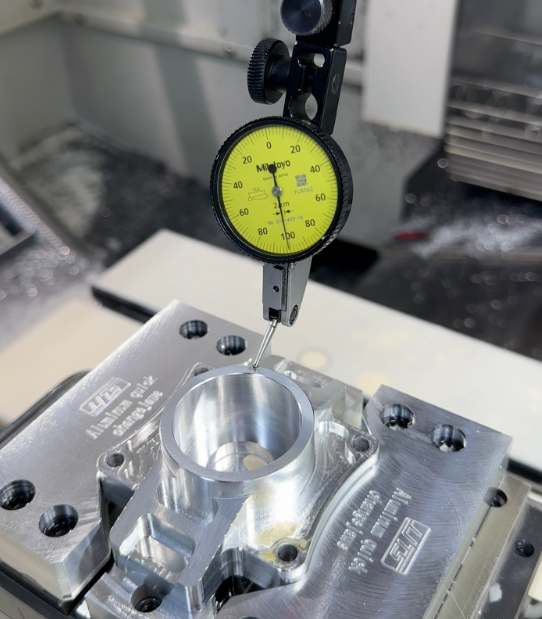
Understanding CNC Machine Parts Suppliers and Their Role in Manufacturing
When your CNC machine goes down unexpectedly, every minute of lost production translates directly into lost revenue. That's precisely why CNC machine parts suppliers serve as the lifeline of modern manufacturing operations. These specialized vendors provide everything from everyday consumables to critical replacement components that keep precision equipment running at peak performance.
But what exactly do these suppliers offer, and why does your choice of vendor matter so much? Let's break it down so you can make informed decisions that protect your bottom line.
What CNC Machine Parts Suppliers Actually Provide
Think of CNC machine parts suppliers as your manufacturing operation's support system. They stock, source, and deliver the components that keep your equipment operational - often with the technical expertise to help you select the right machine part for your specific application.
The scope of what these vendors provide is remarkably broad. You'll find everything from items you replace weekly to components that last for years. Here are the main categories of parts of machinery typically sourced from these suppliers:
- Spindle components: Bearings, shafts, motors, and complete spindle assemblies that determine machining precision
- Servo systems: Motors, drives, amplifiers, and encoders that control axis movement and positioning accuracy
- Tooling accessories: Tool holders, collets, chucks, and automatic tool changer components
- Cooling systems: Pumps, chillers, filters, and coolant management equipment that regulate temperature
- Electrical components: Power supplies, contactors, relays, and control boards that manage machine operations
Beyond these major categories, reputable machine part suppliers also provide consumables like filters, lubricants, and seals - the everyday items that prevent premature wear on more expensive machines parts.
Why Your Supplier Choice Directly Impacts Production
Imagine this scenario: your spindle starts showing signs of bearing wear on a Friday afternoon. You need a replacement by Monday morning to meet a critical customer deadline. The difference between a reliable supplier and a mediocre one could mean the difference between meeting that deadline and losing the contract.
Your supplier selection affects three critical areas of your operation:
- Production uptime: Suppliers with deep inventory and fast shipping minimize downtime when failures occur. A vendor who can deliver cnc machine parts within 24-48 hours versus one week makes an enormous operational difference.
- Part quality: Not all components are created equal. Quality suppliers vet their inventory, ensuring that machine parts meet OEM specifications or provide transparent information about aftermarket alternatives.
- Operational costs: While the cheapest supplier might seem attractive, hidden costs like shipping delays, return hassles, or premature part failure often outweigh initial savings.
The right CNC machine parts suppliers become genuine partners in your manufacturing success. They understand your equipment, anticipate your needs, and provide technical guidance that prevents costly mistakes. In the chapters ahead, we'll explore exactly how to identify these quality vendors and navigate the often-confusing choice between OEM and aftermarket options.
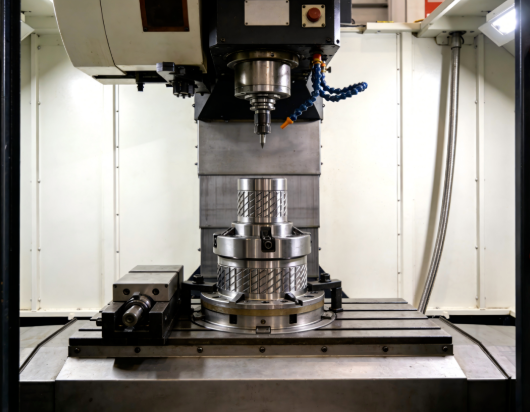
Essential CNC Parts Categories Every Buyer Should Know
Ever walked into an auto parts store without knowing what you need? Frustrating, right? The same principle applies when sourcing cnc machining parts. Without understanding how components are categorized, you risk ordering the wrong part, overpaying for upgrades you don't need, or overlooking critical wear items until they cause catastrophic failure.
Let's build your mental framework for navigating the complex world of cnc parts - organizing them by both machine type and functional category so you always know exactly what you're looking for.
Parts Categories by Machine Type
Different CNC machines require different machine components, even when performing similar functions. A spindle assembly for a vertical machining center won't work in a CNC lathe, and gear parts designed for heavy milling applications differ significantly from those in high-speed routing equipment.
Here's how parts typically break down across major machine categories:
- CNC Milling Machines: Spindle parts including bearings and motors, axis drive components, tool changers, and work holding systems
- CNC Lathes: Chuck assemblies, turret mechanisms, tailstock components, and gearbox parts for speed regulation
- CNC Routers: Vacuum table components, dust collection systems, and lightweight spindle assemblies
- Wire EDM Machines: Wire feed systems, power supplies, edm consumables like wire guides and filters, and flushing components
- CNC Grinders: Wheel dressing systems, precision spindle parts, and coolant filtration equipment
Understanding which machine type you're sourcing for immediately narrows your search and helps suppliers provide accurate recommendations. A single cnc machine part specification can vary dramatically based on the equipment it's destined for.
Consumables vs Replacement Components Explained
Not all parts demand the same purchasing strategy. Some you'll order monthly without much thought. Others require careful planning and significant capital investment. Recognizing these distinctions helps you budget appropriately and maintain proper inventory levels.
Consumables are items you expect to use up through normal operation. Think filters, lubricants, coolant, and wipers. According to industry maintenance guides, strategic management of these items is crucial for preventing costly downtime and optimizing your maintenance budget.
Wear parts degrade predictably over time. Belts stretch, bearings develop play, and seals lose their effectiveness. You can often schedule their replacement during planned maintenance windows.
Replacement components are major items like motors, spindles, and servo amplifiers. These typically last years but represent significant investments when replacement becomes necessary.
Upgrade parts enhance capability rather than restore function. Enhanced tooling systems, improved encoders, or upgraded drives fall into this category.
The lifespan of these components varies significantly based on material quality, operating conditions, maintenance practices, and frequency of use. A component running 24/7 in a dusty environment will wear far faster than one used intermittently in a climate-controlled shop.
| Part Type | Typical Lifespan | Replacement Urgency | Common Brands |
|---|---|---|---|
| Consumables (filters, lubricants, coolant) | Days to weeks | Scheduled - routine replacement | Mobil, Castrol, Fuchs, OEM-specific |
| Wear Parts (belts, bearings, seals) | 6 months to 2 years | Planned - monitor for degradation | SKF, NSK, Gates, Timken |
| Replacement Components (motors, spindles) | 5 to 15+ years | Critical - failure causes immediate downtime | Fanuc, Siemens, Yaskawa, Mitsubishi |
| Upgrade Parts (enhanced tooling, drives) | N/A - performance-based | Optional - based on capability needs | Sandvik, Kennametal, BIG Kaiser |
This matrix approach serves you in two ways. First, it helps you categorize any cnc machine part you encounter. Second, it guides your inventory strategy - keeping ample consumables on hand while establishing relationships with suppliers who can quickly source replacement components when emergencies arise.
Now that you understand how parts are categorized, the next critical decision emerges: should you buy OEM or aftermarket? That choice impacts everything from warranty coverage to long-term reliability, and it's where most buyers leave money on the table.
OEM vs Aftermarket Parts and Making the Right Choice
Here's the question that sparks debate in every machine shop: should you pay premium prices for genuine manufacturer parts, or can aftermarket alternatives deliver comparable performance at a fraction of the cost? The answer isn't as straightforward as either camp suggests.
When sourcing cnc replacement parts, you're essentially choosing between two distinct philosophies. OEM parts promise guaranteed compatibility and manufacturer backing. Aftermarket options offer cost savings and sometimes faster availability. Understanding when each approach makes sense can save you thousands annually while protecting your equipment investment.
When OEM Parts Are Worth the Premium
Original Equipment Manufacturer parts - often called "genuine" parts - come directly from the company that built your machine. When you order haas parts through an authorized dealer, you're getting components designed specifically for Haas equipment. The same applies to Fanuc, Mazak, DMG Mori, and every other major CNC brand.
According to industry analysis from Titan Machinery, OEM parts "have been developed specifically for your equipment's design, meet the intended safety and performance standards, and often come with a warranty from the manufacturer." This isn't marketing fluff - it's a genuine advantage in critical applications.
Consider precision measurement equipment like a renishaw probe or renishaw tool setter. These components directly affect part quality and dimensional accuracy. Installing an aftermarket alternative that's "close enough" could introduce measurement errors that cascade through your entire production run.
Pros of OEM Parts
- Guaranteed compatibility: No guesswork about fit, function, or integration with existing systems
- Warranty protection: Manufacturer warranties remain intact, and many dealers offer extended coverage when their technicians install genuine parts
- Documented quality standards: Every haas replacement parts component meets specifications the original engineers intended
- Technical support access: Manufacturer hotlines and service networks back their products with expert guidance
- Predictable lifespan: You know exactly how long components should last under normal operating conditions
Cons of OEM Parts
- Higher upfront cost: Premium pricing reflects R&D investment, quality control, and brand reputation
- Limited supplier options: You're often restricted to authorized dealers, reducing competitive pricing
- Longer lead times: Some haas spare parts and components from other manufacturers require weeks for delivery
- Availability gaps: Older equipment may have discontinued parts with no OEM alternatives
Evaluating Aftermarket Quality and Compatibility
Aftermarket parts come from third-party manufacturers who reverse-engineer components to fit specific equipment. The quality spectrum here is enormous - ranging from nearly identical to OEM specifications down to bargain-basement parts that fail within weeks.
The key insight from industry experts? "Aftermarket manufacturers often utilize inferior materials and less strict requirements, so they also tend to be notably cheaper upfront. Cheaper to produce means cheaper to buy. While this does not always make them more cost-effective in the long term, it makes them a popular choice for those prioritizing upfront affordability."
This doesn't mean aftermarket is inherently bad. It means you need to evaluate each supplier carefully. A reputable aftermarket manufacturer producing cnc replacement parts with quality materials and precise tolerances can deliver excellent value. A fly-by-night operation cutting corners will cost you far more in downtime than you saved on the initial purchase.
Pros of Aftermarket Parts
- Significant cost savings: Prices typically run 20-50% below OEM equivalents for comparable quality
- Faster availability: Many aftermarket suppliers maintain larger inventories with quicker shipping
- Competitive options: Multiple suppliers mean you can compare prices and negotiate better deals
- Legacy equipment support: Aftermarket manufacturers often continue producing parts for discontinued machines
- Innovation potential: Some third parties improve upon original designs with better materials or features
Cons of Aftermarket Parts
- Quality variability: Wide range from excellent to terrible, requiring careful supplier vetting
- Compatibility risks: "Close enough" dimensions can cause premature wear or performance issues
- Warranty implications: Installing aftermarket components may void manufacturer warranties
- No manufacturer support: You're on your own if technical issues arise during installation
- Uncertain lifespan: Without manufacturer testing data, predicting component longevity becomes guesswork
Making the Right Choice for Your Application
So which path should you take? Context determines everything. Here's a practical decision framework:
Choose OEM when:
- Your machine is under active warranty that could be voided
- The component directly affects part quality or safety (spindles, servo systems, precision encoders)
- You need predictable uptime and can't risk compatibility issues
- The price difference is minimal relative to downtime costs
Consider aftermarket when:
- You're maintaining older equipment where OEM parts are discontinued or excessively priced
- The component is a standard wear item (belts, filters, basic bearings)
- You have a trusted supplier with verified quality track record
- Budget constraints are significant and the application isn't precision-critical
For operations running multiple CNC brands - perhaps Haas machining centers alongside Fanuc-controlled equipment - managing this decision gets complex. Each brand has its own parts ecosystem, authorized dealer network, and compatibility considerations. This complexity is precisely why finding reliable cnc machine parts suppliers who understand multiple platforms becomes so valuable.
With the OEM versus aftermarket decision framework established, the next challenge emerges: how do you actually evaluate whether a supplier - regardless of what they're selling - will deliver on their promises?
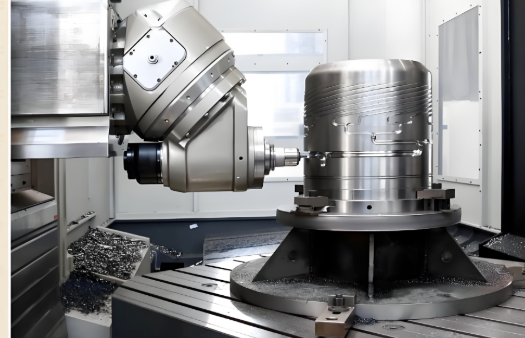
How to Evaluate and Select Reliable CNC Parts Suppliers
You've decided whether OEM or aftermarket makes sense for your application. Now comes the harder question: how do you separate trustworthy suppliers from those who'll leave you stranded when your machine goes down at the worst possible moment?
Finding reliable CNC machine parts suppliers isn't about collecting the longest vendor list. It's about identifying partners who deliver consistently - the ones your cnc mechanic can count on when a critical component fails at 4 PM on a Friday. Let's break down exactly what to look for and what should send you running in the opposite direction.
Critical Evaluation Criteria for Parts Suppliers
Think of supplier evaluation like hiring a key employee. You wouldn't make that decision based solely on a resume. You'd verify credentials, check references, and assess cultural fit. The same rigor applies when selecting vendors who'll support the parts of a cnc machine your operation depends on.
According to industry supplier audit frameworks, comprehensive evaluation should cover five key areas: foundational business risk, technical capability, quality systems, digital maturity, and organizational resilience. Here's how each translates to parts suppliers specifically:
Lead Times and Delivery Reliability
A supplier's quoted lead time means nothing if they consistently miss it. Ask for specific metrics: What percentage of orders ship on time? What's their average lead time for common versus specialty items? Reputable vendors track this data and share it willingly. Those who get defensive or vague are telling you something important.
Warranty Policies and Return Procedures
Clear warranty terms indicate a supplier's confidence in their products. Watch for vendors who offer generous warranties on paper but make claims nearly impossible to process. The real test? Ask what happens when a part arrives damaged or fails prematurely. A straightforward answer signals a supplier who prioritizes long-term relationships over short-term profit.
Technical Support Quality
When you're troubleshooting a cnc repair situation, can you reach someone who actually understands the equipment? Quality suppliers employ knowledgeable staff who can help you identify the correct part, verify compatibility, and troubleshoot installation issues. If their "technical support" is just a call center reading from scripts, look elsewhere.
Inventory Depth
A supplier's inventory directly impacts your uptime. Ask about stock levels for common components, lead times for items they don't carry, and their relationship with manufacturers for expedited orders. The best haas service providers and similar brand specialists maintain deep inventory in critical categories precisely because they understand downtime costs.
Pricing Transparency
As quality expert Philip B. Crosby noted, "Quality is free" - it's the lack of quality that costs money. Suppliers offering prices significantly below market rates are cutting corners somewhere. Industry research confirms that suspiciously low quotes often signal compromises in material quality, inspection, or service support. Demand itemized quotes that break down component costs, shipping, and any handling fees.
| Evaluation Criteria | What to Look For | Questions to Ask Suppliers |
|---|---|---|
| Lead Time & Delivery | Documented on-time delivery rates above 95%; expedited shipping options; proactive delay notifications | "What's your on-time delivery percentage for the past 12 months? How do you handle expedited orders?" |
| Warranty & Returns | Written warranty terms; straightforward return process; reasonable timeframes for claims | "Walk me through your warranty claim process. What's the typical resolution time for defective parts?" |
| Technical Support | Dedicated technical staff; availability during your operating hours; application-specific expertise | "Can I speak with your technical team before ordering? Who handles after-hours support calls?" |
| Inventory Depth | Published stock levels for common items; established manufacturer relationships; regional distribution | "What's your typical stock level for [specific component]? How do you handle back-orders?" |
| Pricing Transparency | Itemized quotes; consistent pricing over time; no hidden fees for small orders or expediting | "Can you provide a breakdown of this quote? Are there minimum order requirements or handling fees?" |
| Certifications | ISO 9001 as minimum; industry-specific certifications (AS9100, IATF 16949); current calibration records | "Can you provide a copy of your current ISO certificate and most recent audit results?" |
Red Flags That Signal Unreliable Suppliers
Sometimes what a supplier doesn't say matters more than their sales pitch. After years of working with cnc machine repair service providers and parts vendors, certain warning signs consistently predict future problems:
- Vague or defensive responses: When asked about quality systems, delivery metrics, or warranty specifics, reliable suppliers provide clear answers. Those who deflect, generalize, or become defensive are hiding something.
- No verifiable certifications: Industry experts emphasize that ISO 9001 certification represents the minimum standard for quality management. A supplier without this credential - or one who can't produce current documentation - lacks fundamental process controls.
- The "perfect sample" phenomenon: Beware suppliers who send flawless samples but can't demonstrate consistent production quality. As one audit specialist observed, some vendors create showcase pieces that don't reflect their standard manufacturing capability.
- Communication black holes: If getting answers takes days during the sales process, imagine what happens after they have your money. Slow, incomplete, or confusing communication during evaluation predicts future frustration.
- Unwillingness to provide references: Legitimate cnc machine repair services and parts suppliers have satisfied customers willing to vouch for them. Refusal to provide references - or providing only vague, unverifiable contacts - signals a history of disappointment.
- Disorganized facilities: If you visit a supplier's warehouse or shop floor, look for basic organization. Chaotic environments where parts are scattered, labeling is inconsistent, or storage conditions are poor directly predict order accuracy problems.
Verifying Authorized Dealer Status and Brand Partnerships
When a supplier claims to be an "authorized dealer" or "certified partner" for major CNC brands, verify it. These designations matter because they indicate direct manufacturer relationships, access to genuine parts, and typically, enhanced technical training.
Here's how to confirm these claims:
- Check manufacturer websites: Most major brands publish dealer locators. If a supplier claims authorized status for Haas, Fanuc, or similar manufacturers, confirm they appear in official directories.
- Request authorization documentation: Legitimate dealers can produce current letters or certificates confirming their status. Hesitation or excuses suggest the relationship doesn't exist or has lapsed.
- Contact manufacturers directly: When in doubt, call the brand's customer service and verify the supplier's status. This takes five minutes and can prevent months of headaches.
Authorized dealer status doesn't guarantee perfection, but it does indicate the supplier has met manufacturer requirements for training, inventory, and service capability. For critical components where compatibility is paramount, this verification step provides meaningful assurance.
With solid evaluation criteria established, the next consideration becomes geographic: should you source domestically for speed and communication, or explore international options for potential cost savings?
Domestic vs International Sourcing Strategies for CNC Parts
You've found a supplier with great reviews, competitive pricing, and deep inventory. There's just one catch - they're located 8,000 miles away. Should geography matter when sourcing cnc milling parts and other critical components?
The domestic versus international sourcing debate isn't about patriotism or cost-cutting alone. It's about understanding trade-offs that directly impact your production floor. A spindle bearing that costs 40% less from overseas means nothing if customs delays leave your machine idle for three weeks. Conversely, paying premium domestic prices for commodity items that aren't time-sensitive wastes money you could invest elsewhere.
Let's examine when each approach makes sense for your operation.
Domestic Sourcing Advantages for Critical Components
When your CNC lathe throws a fault code at 2 AM and you need lathe cnc parts by morning, domestic suppliers become invaluable. The advantages extend far beyond simple convenience:
- Dramatically shorter lead times: Overnight and same-day shipping options exist within the continental United States. A domestic supplier with regional warehouses can often deliver cnc milled parts within 24-48 hours - sometimes faster with expedited freight.
- No customs complications: Import regulations, tariff classifications, and border inspections simply don't apply. Your order moves directly from warehouse to your dock without regulatory delays.
- Real-time communication: Phone calls during business hours, emails answered the same day, and no language barriers mean faster problem resolution. When you need to verify a part number or discuss compatibility, you're not waiting for someone in a distant time zone to wake up.
- Simplified returns and warranty claims: Shipping a defective component back domestically costs a fraction of international return shipping. Many domestic suppliers offer prepaid return labels and process replacements immediately.
- Easier quality verification: You can visit a domestic supplier's facility, inspect inventory, and build face-to-face relationships. This visibility provides assurance that's nearly impossible to replicate with overseas vendors.
For mission-critical mill parts - spindles, servo motors, precision encoders - domestic sourcing often provides better total value despite higher unit costs. The math changes when you factor in downtime costs that can exceed $500 per hour for many operations.
International Supplier Considerations and Risk Mitigation
International sourcing isn't inherently risky. Many manufacturers source cnc milling parts online from overseas suppliers with excellent results. The key is understanding where risks emerge and how to mitigate them.
When evaluating international suppliers for cnc milling machine parts, consider these critical factors:
- Extended lead times: Ocean freight typically adds 4-6 weeks to delivery schedules. Air freight reduces this but significantly increases costs - sometimes eliminating the price advantage entirely.
- Customs and import regulations: Tariff classifications, duties, and import documentation create complexity. Errors can result in shipments held at ports for days or weeks. Working with experienced freight forwarders helps, but adds another vendor relationship to manage.
- Communication barriers: Time zone differences mean urgent questions might wait 12+ hours for responses. Language barriers can cause specification misunderstandings that result in wrong parts arriving.
- Quality verification challenges: Inspecting samples before committing to large orders becomes essential. Some manufacturers send perfect samples but deliver inconsistent production runs. Third-party inspection services add cost but provide crucial verification.
- Payment and dispute resolution: If quality issues arise, recovering funds from overseas suppliers proves difficult. Payment terms that protect you (letters of credit, escrow arrangements) add complexity and cost.
Finding the Right Balance
Smart sourcing strategies often combine both approaches. Consider this framework:
Source domestically when:
- Components are critical to production uptime
- Lead time requirements are measured in days, not weeks
- Precision specifications demand verified quality
- The cost difference doesn't justify the added risk
Consider international when:
- You're ordering commodity items in bulk quantities
- Extended lead times don't impact production schedules
- Significant cost savings justify additional logistics complexity
- You've established verification processes for quality control
One effective strategy? Partner with established distributors who maintain multiple brand relationships and blend domestic inventory with international sourcing capabilities. These distributors absorb the complexity of international logistics while providing domestic-level responsiveness. They stock fast-moving items locally and source specialty components globally - giving you the best of both approaches without managing multiple vendor relationships.
Understanding sourcing geography is essential, but it doesn't help if you can't identify which parts actually need replacement. That's where diagnostic knowledge becomes crucial - knowing the symptoms that signal specific component failures before they cascade into catastrophic breakdowns.
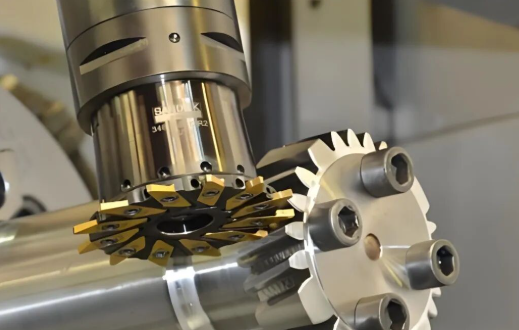
Identifying When CNC Parts Need Replacement
Your milling spindle starts making a faint whine during heavy cuts. Is it a bearing on its last legs, or just a coolant flow issue? The difference between these diagnoses could mean a $200 fix versus a $15,000 emergency replacement - and the wrong call leaves your machine idle while you wait for parts.
Knowing how to repair cnc equipment starts with recognizing what's failing. The symptoms your machine displays tell a story, and learning to read those signals helps you order replacement parts proactively rather than reactively. Let's decode the warning signs for each major component category.
Common Failure Symptoms by Component Type
Every CNC component communicates its condition through specific symptoms. According to comprehensive maintenance research, understanding these signals enables you to "troubleshoot and address problems promptly" before minor issues become major failures. Here's what to watch for across critical systems:
Spindle Issues
The milling machine spindle represents the heart of your machining center. When spindle components begin failing, symptoms escalate predictably:
- Unusual vibration: Harmonics you feel through the machine frame or see in surface finish degradation often indicate bearing wear or spindle pulley misalignment
- Abnormal noise: Grinding, squealing, or rhythmic clicking during rotation signals bearing damage - the longer you run, the worse it gets
- Thermal problems: Excessive heat at the spindle nose or housing suggests lubrication failure or bearing preload issues
- Runout increases: Gradual loss of concentricity indicates bearing wear or shaft damage requiring immediate attention
- Inconsistent tool clamping: Drawbar or collet system problems manifest as tools pulling loose during heavy cuts
Servo System Failures
Your servo amplifier and associated drive components control every axis movement. When these systems degrade, precision suffers:
- Positioning errors: Parts consistently machined over or under size suggest servo amp tuning issues or encoder feedback problems
- Motor faults: Repeated drive alarms, especially under load, indicate motor winding degradation or dc motor encoder failures
- Axis drift: Slow positional creep when holding position signals brake issues or servo drive instability
- Jerky motion: Stuttering during rapids or feed moves often traces to encoder contamination or cable damage
- Following errors: Alarms indicating the axis can't keep up with commanded position suggest mechanical binding or servo amp degradation
Cooling System Degradation
Coolant systems fail gradually, making symptoms easy to overlook until thermal damage occurs:
- Inconsistent flow: Reduced coolant pressure at the tool tip indicates pump wear or clogged filters
- Temperature fluctuations: Chiller cycling excessively or failing to maintain setpoint suggests refrigerant issues or heat exchanger fouling
- Contamination: Tramp oil accumulation, bacterial growth, or excessive foam signals fluid maintenance neglect
- Leaks: Puddles under the machine, coolant in the chip conveyor, or mist in unexpected areas indicate seal or fitting failures
Ball Screw and Linear Motion Components
The ball screw bearing assemblies and linear guides that enable precise axis movement also communicate their condition:
- Backlash increase: Play detected during direction reversals indicates ball screw nut wear or preload loss
- Stick-slip motion: Jerky movement at low feed rates suggests way lubrication problems or guideway contamination
- Unusual resistance: Increasing motor current during axis moves without corresponding load signals mechanical binding
Preventive Replacement Schedules for Critical Parts
Reactive maintenance - waiting until something breaks - costs significantly more than planned replacement. Industry maintenance guidelines suggest organizing preventive tasks across daily, weekly, monthly, quarterly, and annual intervals to maximize machine lifespan while minimizing unexpected downtime.
Here's how to structure your replacement schedule:
Consumables (Replace on schedule, not on failure):
- Coolant filters: Weekly to monthly depending on machining intensity
- Air filters: Monthly inspection, replace when flow resistance increases
- Lubricants: Per manufacturer specifications, typically every 500-2000 operating hours
- Wipers and seals: Inspect monthly, replace at first sign of wear or contamination ingress
Wear Parts (Monitor and replace proactively):
- Belts and spindle pulley assemblies: Inspect monthly for tension and wear; typical life of 1-2 years under normal use
- Bearings: Quarterly vibration analysis identifies degradation before failure
- Way covers: Inspect monthly; damaged covers allow chip infiltration that accelerates guideway wear
- Encoder batteries: Replace annually regardless of condition to prevent position loss
Critical Components (Plan for eventual replacement):
- Servo amp units: 10-15 year typical lifespan; maintain spares for critical machines
- Spindle bearings: 15,000-30,000 operating hours depending on application severity
- Ball screw assemblies: Monitor backlash quarterly; plan replacement when tolerances approach limits
- DC motor encoder units: Replace when positioning errors become measurable despite calibration
Quality CNC machine parts suppliers don't just sell components - they support the entire maintenance ecosystem. Look for vendors offering services like motor repairs, calibration assistance, and preventive maintenance guidance alongside their parts inventory.
Building Your Diagnostic Capability
The most effective approach combines scheduled replacement of known-life items with condition monitoring for components that fail unpredictably. This means:
- Documenting baseline performance: Record spindle vibration levels, axis positioning accuracy, and thermal behavior when the machine is running well
- Tracking trends: Regular measurements reveal gradual degradation before it triggers alarms
- Building supplier relationships: Partners who understand your equipment can help interpret symptoms and recommend appropriate replacement parts
When symptoms point to specific component failures, having established relationships with reliable suppliers means faster diagnosis confirmation and shorter lead times for replacement parts. That's where understanding brand-specific parts ecosystems becomes valuable - each manufacturer has unique considerations that affect sourcing strategy.
Navigating Brand Compatibility and Parts Ecosystems
Your shop floor runs three different CNC brands - Haas machining centers, a Fanuc-controlled lathe, and an older Mazak mill. Each machine speaks its own language, uses proprietary cnc components, and sources from different supply chains. Sound familiar?
This multi-brand reality creates genuine sourcing complexity. Haas automation parts won't fit your Fanuc equipment, and the fanuc cnc parts your lathe needs come through entirely different channels. Understanding how each manufacturer's parts ecosystem operates helps you build sourcing strategies that keep every machine running - without maintaining relationships with a dozen different vendors.
Brand-Specific Parts Considerations
Each major CNC manufacturer approaches their parts ecosystem differently. Some tightly control distribution through authorized networks. Others allow broader aftermarket competition. These differences directly impact your sourcing options, lead times, and costs.
Fanuc
Fanuc maintains perhaps the most controlled parts ecosystem in the industry. According to Fanuc America's service documentation, they operate as "the only authorized repair facility in North and South America" with parts obtained directly from their Japan factory. This tight control means guaranteed authenticity and lifetime support - Fanuc explicitly states they provide support "as long as they are in use, so you never have to worry about equipment becoming obsolete."
The trade-off? Limited supplier options and premium pricing. Fanuc cnc parts typically cost more than aftermarket alternatives, but you're paying for factory-trained technicians, serialized traceability, and automatic engineering updates that third parties simply cannot offer. For precision equipment like the fanuc robocut wire EDM series, this level of support often justifies the premium.
Haas
Haas takes a vertically integrated approach. Because they manufacture both machines and controls in-house, haas automation parts are designed specifically for their equipment ecosystem. This integration simplifies compatibility questions - if it's a genuine Haas part, it fits Haas machines. Period.
Industry comparisons note that Haas offers "attractive acquisition cost and strong U.S. support," making them popular for shops building capacity quickly. Their parts network mirrors this accessibility, with relatively straightforward ordering through authorized dealers and generally shorter lead times for common cnc machine components compared to some competitors.
Mazak
Mazak's Mazatrol control system creates unique considerations. As industry analysts observe, "Mazatrol is unique; cross-training operators to other brands takes time." The same applies to parts - many Mazak-specific cnc components require sourcing through their dealer network because aftermarket alternatives for proprietary systems are limited.
The advantage? Exceptional integration between machine and control makes troubleshooting more straightforward when you're working within the Mazak ecosystem.
Okuma
Okuma's OSP control platform emphasizes "thermal and geometric stability" with integrated compensation features. This sophistication means that parts of a cnc mill running Okuma controls often require precise matching to maintain the accuracy the system was designed to deliver. Substituting aftermarket components in critical areas can compromise the very precision that justified the Okuma investment.
| CNC Brand | Compatibility Complexity | Parts Availability | Typical Lead Times | Aftermarket Options |
|---|---|---|---|---|
| Fanuc | Moderate - standardized across many OEMs | Excellent - lifetime support commitment | 1-5 days (stocked items); 2-4 weeks (specialty) | Limited for controls; broader for mechanical |
| Haas | Low - integrated machine/control ecosystem | Very good - strong U.S. inventory | 1-3 days (common parts); 1-2 weeks (specialty) | Moderate - growing third-party market |
| Mazak | High - proprietary Mazatrol components | Good through dealer network | 3-7 days (common); 2-4 weeks (Mazatrol-specific) | Limited for control components |
| Okuma | High - precision-matched systems | Good - premium positioning | 3-7 days (common); 2-6 weeks (specialty) | Limited - quality concerns with substitutes |
Navigating Multi-Brand Manufacturing Environments
If you're running equipment from multiple manufacturers - and most shops do - managing separate supplier relationships for each brand quickly becomes overwhelming. You end up with different contacts for Haas service issues, separate accounts for Fanuc components, and yet another vendor for your Mazak equipment.
This is where established distributors with multi-brand portfolios provide genuine value. According to industry distribution analysis, top distributors like Morris Group, Ellison Technologies, and Methods Machine Tools maintain relationships across multiple OEMs - offering "localized sales, service, and automation expertise" that simplifies sourcing for diverse fleets.
Here's what multi-brand distributors typically offer:
- Consolidated ordering: One purchase order, one invoice, one relationship - even when sourcing parts of a cnc mill from different manufacturers
- Cross-platform expertise: Technicians trained on multiple brands can help diagnose issues and recommend correct replacement cnc components regardless of manufacturer
- Inventory aggregation: Distributors stock fast-moving items across brands, reducing lead times compared to going directly to each OEM
- Service coordination: When repairs involve multiple systems, a single point of contact simplifies scheduling and communication
The trade-off with distributors versus going direct? You may pay slightly more per part, and for highly specialized components, the OEM's factory support might still be necessary. But for most operations, the efficiency gains from consolidated sourcing outweigh modest price premiums.
Understanding these brand ecosystems positions you to make smarter sourcing decisions. But the real payoff comes from building long-term supplier relationships that support your entire manufacturing operation - relationships grounded in quality certifications, technical capability, and genuine partnership.
Building Supplier Relationships That Support Manufacturing Success
You've evaluated credentials, compared OEM versus aftermarket options, and navigated brand compatibility. Now comes the question that separates shops that struggle with constant sourcing headaches from those that run smoothly year after year: how do you transform transactional vendor relationships into genuine partnerships?
Finding reliable cnc machine parts suppliers is just the starting point. Building relationships that deliver consistent value - through technical support, rapid response, and proactive problem-solving - requires understanding what distinguishes exceptional suppliers from adequate ones. Let's explore how to identify partners worth investing in for the long term.
Building Long-Term Supplier Partnerships
According to comprehensive research on supplier relationship management, the concept has evolved significantly - from purely transactional purchasing focused on price and availability to strategic partnerships emphasizing "collaboration, innovation, and continuous improvement." This evolution reflects a fundamental truth: your supplier's capabilities directly impact your manufacturing success.
What does genuine partnership look like with cnc spare parts suppliers? Consider these characteristics:
Comprehensive Support Beyond Parts Sales
Quality suppliers invest in your success, not just your purchase orders. This means offering:
- Training programs: Helping your team understand proper installation, maintenance, and troubleshooting for machine tool parts
- Technical assistance: Providing access to knowledgeable staff who can diagnose issues, verify compatibility, and recommend solutions
- Rapid response capabilities: Maintaining inventory and logistics infrastructure that gets critical components to you when emergencies arise
- Proactive communication: Alerting you to potential issues, end-of-life announcements, or upgrade opportunities before they become problems
Mutual Investment in the Relationship
Industry research emphasizes that effective supplier management requires "developing long-term partnerships with key suppliers, focusing on mutual growth and success." This isn't corporate jargon - it's practical reality. Suppliers who understand your equipment, anticipate your needs, and prioritize your orders during crunches deliver value that purely transactional vendors cannot match.
Building this mutual investment means:
- Consolidating purchases where possible to become a meaningful customer
- Providing accurate forecasts that help suppliers manage inventory for your needs
- Communicating openly about issues rather than simply switching vendors at the first problem
- Recognizing that cnc accessories and specialty parts sourcing often requires relationship depth that commodity purchasing doesn't
Strategic Segmentation
Not every supplier relationship needs the same level of investment. Best practices suggest segmenting your vendors based on strategic importance - categorizing them as strategic, critical, or transactional. Your primary machine tool parts supplier for production-critical equipment deserves different treatment than your consumables vendor.
What Quality Certifications Reveal About Suppliers
Certifications provide objective evidence of a supplier's quality commitment. But not all certifications carry equal weight, and understanding what each indicates helps you assess potential partners more effectively.
IATF 16949: The Automotive Quality Standard
When you see IATF 16949 certification, you're looking at a supplier who meets the most demanding quality requirements in manufacturing. This automotive-industry standard builds on ISO 9001 while adding sector-specific requirements for defect prevention, variation reduction, and waste elimination throughout the supply chain.
According to IATF 16949 implementation guidance, this certification explicitly requires organizations to "determine the appropriate use of statistical tools" for process monitoring - most commonly Statistical Process Control (SPC). Suppliers meeting this standard have demonstrated systematic approaches to quality that translate directly into consistent parts performance.
Statistical Process Control (SPC) Implementation
SPC represents more than a quality buzzword. Developed in the 1920s and refined through decades of manufacturing application, it's "an analytical decision-making tool that allows the organization to determine whether the process is performing correctly or not."
Why does this matter for your parts sourcing? Suppliers implementing SPC emphasize prevention over detection. Rather than inspecting finished parts and rejecting defects, they monitor manufacturing processes continuously - catching drift before it produces out-of-specification components. The practical benefit: parts that consistently meet specifications, reducing the hassle of returns and the risk of installing defective components.
Industry documentation confirms that "the aim of implementing SPC is to move the company from detection after production to prevention. Application of SPC enables an operator to detect trends and changes in the manufacturing process before they lead to defective product or scrap."
What to Look for in Certified Suppliers
Certifications indicate capability, but implementation quality varies. When evaluating certified vendors, ask:
- When was the certification last audited, and can they provide current documentation?
- How do they apply SPC specifically to the components you're sourcing?
- What quality metrics do they track, and are they willing to share performance data?
- How do they handle non-conformances - both internally and when customers report issues?
For operations sourcing high-tolerance components, these certifications provide meaningful assurance. Consider suppliers like Shaoyi Metal Technology, who combine IATF 16949 certification with strict SPC quality control and lead times as fast as one working day. Their automotive supply chain capabilities demonstrate how certified suppliers can deliver precision CNC machining for demanding applications - from complex chassis assemblies to custom metal bushings requiring tight tolerances.
Key Takeaways for Supplier Selection
After exploring the landscape of cnc machine parts suppliers - from OEM versus aftermarket decisions to brand compatibility and quality certifications - several principles emerge for building sourcing strategies that support long-term manufacturing success:
- Prioritize relationships over transactions: The cheapest quote rarely delivers the best total value. Suppliers who invest in technical support, maintain deep inventory, and respond rapidly during emergencies justify reasonable premiums.
- Match sourcing strategy to component criticality: OEM parts and certified suppliers make sense for precision-critical applications. Aftermarket options can deliver excellent value for standard wear items and commodity components.
- Verify claims independently: Authorized dealer status, quality certifications, and performance metrics all warrant verification. Reputable suppliers provide documentation willingly.
- Consider total cost of ownership: Lead times, warranty support, technical assistance, and consistency all contribute to real costs beyond the line-item price for machine tool accessories and replacement components.
- Build relationships proactively: Establishing supplier partnerships before emergencies arise positions you for faster response when critical specialty parts are needed urgently.
- Look for quality system evidence: IATF 16949 certification and SPC implementation signal suppliers committed to consistent quality - reducing your risk of receiving defective cnc spare parts.
- Consolidate where practical: Multi-brand distributors and comprehensive suppliers simplify sourcing complexity while often providing volume-based advantages.
The best cnc machine parts suppliers become extensions of your manufacturing operation - understanding your equipment, anticipating your needs, and delivering solutions that keep your production running smoothly.
Whether you're sourcing routine cnc accessories or critical replacement components, applying these principles helps you build a supplier network that supports your manufacturing success for years to come. The investment in finding and developing genuine supplier partnerships pays dividends every time a machine goes down and you need parts fast - or better yet, when proactive maintenance prevents that emergency altogether.
Frequently Asked Questions About CNC Machine Parts Suppliers
1. What types of parts do CNC machine parts suppliers typically provide?
CNC machine parts suppliers offer a comprehensive range of components including spindle assemblies, servo motors and amplifiers, tooling accessories like holders and collets, cooling system equipment, electrical components, and everyday consumables such as filters and lubricants. Quality suppliers also stock wear parts like belts and bearings, replacement components for motors and drives, and upgrade parts for enhanced machining capabilities. The best suppliers maintain deep inventory across multiple machine brands and provide technical expertise to help you select compatible components.
2. How do I choose between OEM and aftermarket CNC parts?
Choose OEM parts when your machine is under warranty, the component directly affects part quality or safety, or when predictable uptime is critical. OEM parts guarantee compatibility and manufacturer support. Consider aftermarket parts for older equipment with discontinued OEM options, standard wear items like filters and basic bearings, or when significant cost savings justify the trade-off. Always verify aftermarket supplier quality through certifications, references, and sample testing before committing to production quantities.
3. What certifications should I look for in a CNC parts supplier?
ISO 9001 certification represents the minimum quality management standard you should expect. For demanding applications, IATF 16949 certification indicates automotive-level quality systems with defect prevention and Statistical Process Control (SPC) implementation. Certified suppliers like Shaoyi Metal Technology demonstrate systematic quality approaches that ensure consistent parts performance. Also verify authorized dealer status for specific brands by checking manufacturer directories and requesting current certification documentation.
4. Should I source CNC parts domestically or internationally?
Source domestically for critical components requiring fast delivery, precision specifications needing verified quality, or when downtime costs outweigh price differences. Domestic suppliers offer 24-48 hour shipping, no customs delays, and easier returns. Consider international sourcing for bulk commodity orders with flexible timelines, significant cost savings on non-critical items, or when you have established quality verification processes. Many operations benefit from partnering with distributors who manage international logistics while providing domestic-level responsiveness.
5. How can I identify when CNC parts need replacement before failure?
Monitor for specific symptoms by component type. Spindle issues show through unusual vibration, grinding noises, excessive heat, or increasing runout. Servo system problems manifest as positioning errors, motor faults, axis drift, or jerky motion. Cooling system degradation appears as inconsistent flow, temperature fluctuations, or contamination. Implement preventive replacement schedules for consumables on set intervals, wear parts through monthly inspections, and critical components through quarterly monitoring. Documenting baseline performance helps you detect gradual degradation before it triggers failures.