 Small batches, high standards. Our rapid prototyping service makes validation faster and easier —
  EN
EN


CNC Engine Machining Decoded: From Block Setup To Race-Ready Precision
What CNC Engine Machining Means for Modern Engine Building
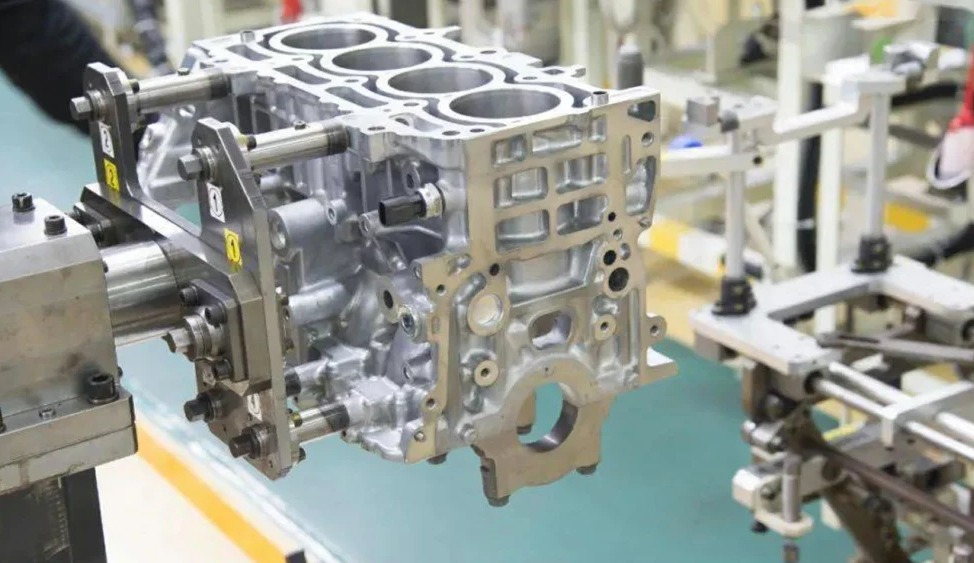
Imagine running an engine shop where every cylinder bore comes out identical, every deck surface sits perfectly flat, and your machining tolerances stay consistent whether it's Monday morning or Friday afternoon. That's the promise of CNC engine machining—and it's transforming how builders approach everything from weekend project motors to championship-winning race engines.
At its core, CNC engine machining uses computer numerical control to automate precision operations on engine blocks, cylinder heads, and related components. Instead of relying solely on an operator's steady hand and years of experience, these systems execute programmed instructions with micron-level accuracy. The result? Repeatable, predictable results that were once reserved for only the most skilled manual machinists.
From Manual Mills to Micron-Level Precision
The shift from conventional boring bars and manual mills to automated CNC processes represents one of the most significant leaps in engine machining history. According to industry experts, CNC technology marked a watershed moment when it emerged in the mid-20th century, fundamentally changing how manufacturers approached precision work.
Traditional engine block machining demanded exceptional operator skill. A seasoned machinist could produce excellent work, but results varied based on fatigue, concentration, and individual technique. Today's automotive CNC machines eliminate that variability. They maintain extremely tight tolerances even across large production runs, delivering uniform engine machining quality that manual methods simply cannot match consistently.
Why Modern Engine Builders Are Going Digital
The recent years have accelerated CNC adoption dramatically. As noted by Engine Builder Magazine, more engine shops have embraced CNC equipment of all capabilities and sizes—some upgrading existing setups, others making the leap for the first time.
Why the rush? Consider these driving factors:
- Consistency crisis solved: A machined block from a CNC comes out the same every time, regardless of which technician runs the program
- Labor challenges addressed: With skilled machinists increasingly difficult to find, CNC technology helps shops maintain quality without depending entirely on hard-to-replace expertise
- Expanded capabilities: Shops can now handle operations in-house that previously required outsourcing
- Efficiency gains: Machines run during lunch breaks, after hours, and with minimal supervision
Whether you're exploring your first CNC investment, looking to optimize existing equipment, or simply trying to understand what modern engine machining can deliver, this guide breaks down everything from basic operations to advanced techniques. You'll discover practical workflows, understand the differences between machine configurations, and learn how to evaluate whether CNC technology fits your specific engine building goals.

Essential CNC Operations for Engine Block Machining
When you break down what happens during professional engine block work, you'll find a handful of core operations that define the entire process. Each one serves a specific purpose—and each benefits dramatically from CNC automation. Understanding these operations helps you appreciate why shops invest heavily in this technology and what separates a properly machined block from one that's merely adequate.
The primary CNC engine machining operations fall into distinct categories. Here's what a complete block machining process typically includes:
- Cylinder boring: Enlarging cylinder bores to accept oversized pistons or correct damage and wear
- Deck surfacing: Milling the block's deck surfaces flat and parallel to the crankshaft centerline
- Main bore align honing: Ensuring all main bearing bores are perfectly aligned and sized
- Cam tunnel machining: Correcting camshaft bore alignment and diameter
- Lifter bore correction: Repositioning and resizing lifter bores for proper geometry
- Cylinder honing: Creating the final bore diameter and surface finish for ring sealing
Precision Boring for Perfect Cylinder Geometry
Cylinder boring represents the most common reason engine blocks visit a machine shop. Whether you're correcting wear, salvaging damaged cylinders, or simply accommodating oversized pistons for increased displacement, boring sets the stage for everything that follows.
An engine cylinder boring machine using CNC control brings critical advantages over traditional methods. According to Motor Magazine's technical documentation, before boring begins on CNC equipment, a probe finds the existing cylinder bore centerlines by touching at two points in the x-axis and two points in the y-axis. The machine automatically knows the existing bore centerline—something that would require extensive manual measurement otherwise.
Here's where things get interesting. The operator then faces a choice: follow the original blueprint specifications or track the existing bore centerline. For performance applications, correcting to blueprint specs means the engine bore machine creates perfect geometry regardless of how the block originally came from the factory. With the block boring machine referenced to the crankshaft centerline, every cylinder gets bored at the precise angle and location specified in the design.
The speed advantage is remarkable. In documented examples, total boring time for all eight cylinders on a V8 block measured just 4 minutes and 40 seconds. Chamfering all eight bores—creating the slight angle at the top for ring installation—added only 1 minute and 9 seconds. Compare that to the setup time alone required for conventional boring operations.
Deck Surfacing and Block Squaring Fundamentals
An engine decking machine operation might seem straightforward—flatten the surface where the cylinder head bolts down. In reality, proper deck work involves far more complexity. On a V-type engine, both decks must be perfectly parallel to the crankshaft centerline, at the correct bank angle, and equidistant from that centerline. Any deviation affects compression ratio, head gasket sealing, and valve timing.
CNC automation transforms deck surfacing from a painstaking manual process into a precise, repeatable operation. The machine first probes multiple points on each deck surface to determine existing conditions. It knows exactly how much material needs removal and from which areas. The technical documentation from Summit Racing notes that decks may require correction because one bank sits higher than the other, or the front of a deck measures differently than the rear.
Surface finish matters tremendously here. Multi-layer steel (MLS) head gaskets demand smoother surfaces than traditional composite gaskets. CNC milling with CBN cutters for cast iron or PCD cutters for aluminum achieves the required finish consistently. The machine controls rotational speed and feed rate to hit target Ra values—something that requires considerable experience and attention when done manually.
When you bore a cylinder block and then deck the surfaces on CNC equipment, you're establishing a foundation that affects every component that attaches to that block. The cylinder heads, intake manifold, and timing components all reference these machined surfaces.
Accurizing and Blueprinting: Beyond Factory Specs
You'll often hear the terms "accurizing" and "blueprinting" used in performance engine discussions. These represent the highest level of block preparation—and they showcase where CNC machining truly shines.
Production engine blocks rarely match their design specifications perfectly. Core shift during casting causes cylinder bores and lifter bores to land slightly off-center or at incorrect angles. Deck heights vary. The distance between main bore and camshaft centerlines drifts from specification. For street engines, these minor variations cause no real problems. For racing applications demanding optimum power and durability, they matter significantly.
Blueprinting corrects every geometric aspect of the block. BluePrint Engines' documentation describes this as achieving "factory-spec or better tolerances throughout the block." The CNC approach references everything from the main bore centerline. Digital probes measure existing conditions at each cylinder location—inboard, outboard, front, and rear coordinates. The computer then knows exactly where each bore sits relative to where it should be.
Corrections follow a logical sequence. Cylinder bores get repositioned to their designed centerlines during overboring. Lifter bores receive similar treatment, often requiring bronze bushings after enlargement to achieve proper geometry. The decks get milled perfectly parallel to the main bore centerline at identical heights on each bank.
The alternative to CNC involves specialty indexing fixtures attached to the block, providing reference points for traditional machine tools. This approach works but demands more setup time and operator skill. CNC machining delivers the same results faster and with greater consistency—critical factors when time and precision both carry premium value.
Understanding 4-Axis vs 5-Axis CNC for Engine Work
So you've decided CNC is the right direction for your shop. Now comes a critical question: how many axes do you actually need? This isn't about bragging rights or buying the most expensive machine available. It's about matching equipment capabilities to the work you'll actually perform. The difference between 4-axis and 5-axis configurations determines what operations you can tackle, how efficiently you'll complete them, and ultimately whether your investment makes financial sense.
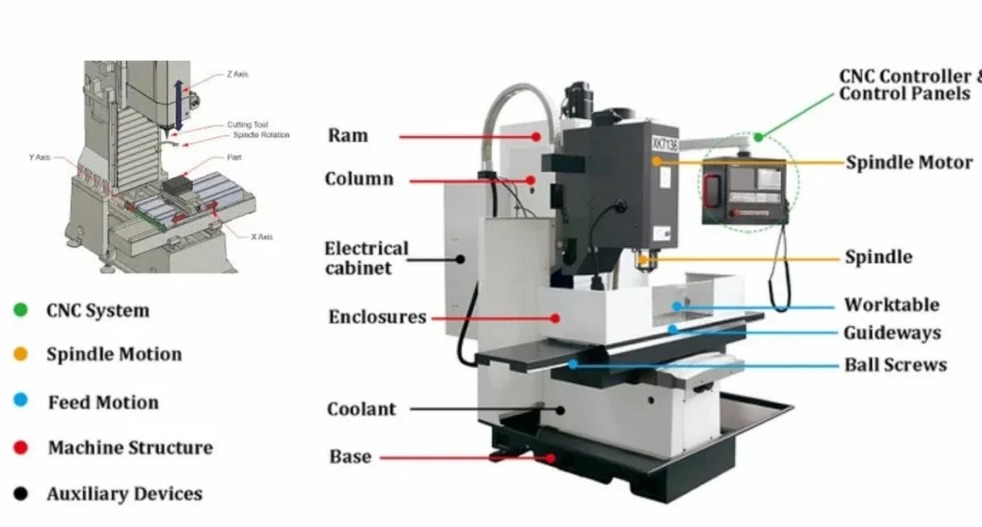
Understanding axis count starts with visualizing how a machining center CNC moves its cutting tool relative to the workpiece. Standard 3-axis machines move along X, Y, and Z coordinates—left-right, front-back, and up-down. Adding a fourth axis introduces rotation around one of those linear axes, typically allowing the workpiece to rotate. A fifth axis adds another rotational capability, enabling the cutting tool to approach the workpiece from virtually any angle.
4-Axis Machining for Cylinder Block Precision
For most cylinder head engine block operations, 4-axis capability handles the majority of work you'll encounter. According to RMC Engine Equipment, "Four [axis] has always been the ticket for us" when it comes to engine machining equipment. The reason? Block machining operations—boring, decking, lifter boring, line boring—don't typically require complex angular tool approaches.
Think about what happens during cylinder boring. The tool moves vertically into the bore while the block remains stationary or rotates slightly for positioning. Deck surfacing involves horizontal passes across a flat plane. Cam tunnel machining follows a linear path through the block. None of these operations demand the complex simultaneous multi-axis movement that justifies 5-axis equipment.
The fourth axis proves valuable for repositioning the block between operations without removing it from the fixture. You might bore all cylinders on one bank, rotate the block, then bore the opposite bank—all while maintaining precise reference to the crankshaft centerline. This capability dramatically reduces setup time compared to manually repositioning heavy blocks between operations.
What makes 4-axis particularly attractive for engine builders? The learning curve stays manageable, tooling costs remain reasonable, and the machine handles virtually everything a typical shop needs for block work. You can process everything from small-block domestics to big diesel blocks with straightforward programming.
When 5-Axis Capability Becomes Essential
The jump to 5-axis becomes necessary when you're machining complex curved surfaces that require the cutting tool to maintain constant contact angles throughout the operation. Industry documentation on multi-surface engine machining explains it clearly: "Unlike traditional 3-axis methods, 5-axis machining allows for simultaneous movement along five different axes, enabling precise machining of complex surfaces and deep cavity features without multiple setups."
Cylinder head porting represents the classic 5-axis application in engine work. Port shapes involve compound curves, varying angles, and surfaces that wrap around corners. A 4-axis machine simply cannot position the cutting tool to follow these complex geometries while maintaining proper tool engagement. You'd end up with gouges, inconsistent surface finishes, or simply unreachable areas.
The good news? You don't necessarily need to commit to 5-axis from day one. As noted by equipment manufacturers, "That can be an option added after the fact. They would need to purchase the drive that goes in the back panel of the machine... a customer can own their machine for 10 years, and we can go in and make it 5-axis for sure." This upgrade path lets shops grow into expanded capabilities as their work demands change.
Matching Configuration to Your Engine Building Goals
Choosing between configurations comes down to honestly assessing what work generates your revenue. Consider this comparison:
| Axis Configuration | Best Applications | Complexity Level | Typical Use Cases |
|---|---|---|---|
| 4-Axis | Block boring, deck surfacing, lifter boring, line boring, cam tunnel machining | Moderate—manageable learning curve with pre-loaded software | General engine rebuilding, performance block work, production machining |
| 5-Axis | Cylinder head porting, complex intake manifold work, multi-surface engine components | Higher—requires advanced CAM programming and toolpath optimization | Performance head porting, specialty motorsports components, complex curved surfaces |
One common mistake engine builders make? Buying combination machines thinking they'll use both capabilities equally. Industry experience suggests otherwise: "What I find is at least 95% of the time, the customer will buy the combination machine and never use one aspect of it. They usually end up purchasing a second specific machine for either porting or block machining."
The practical reality? If your shop primarily machines blocks with occasional head work, start with a solid 4-axis setup. Master that equipment, build your workflow, and let demand drive future expansion. If head porting represents a significant portion of your business—or you're targeting that market specifically—5-axis capability becomes the smarter initial investment despite higher costs.
Complete CNC Engine Block Machining Workflow
You've got the equipment. You understand the operations. Now comes the part that separates professional results from expensive mistakes—following a systematic workflow that leaves nothing to chance. Whether you're preparing to machine a block for a street rebuild or a competition engine, the sequence matters as much as the precision of each individual operation.
What follows is the step-by-step process that experienced CNC operators follow. Skip a step, and you risk discovering problems only after you've cut metal that can't be put back. Follow the sequence, and you'll produce blocks that meet or exceed factory specifications every time.
Pre-Machining Inspection and Setup Protocol
Before any cutting tool touches your engine block, thorough preparation determines whether you'll succeed or struggle. This phase catches problems early—when corrections are still possible.
- Initial cleaning and debris removal: Start by thoroughly cleaning the engine block to remove all dirt, oil, and debris. According to industry best practices, this step is essential before proceeding with any machining process. Pay particular attention to oil galleries, threaded holes, and coolant passages where contamination hides.
- Complete visual and dimensional inspection: Examine the block for cracks, damage, or excessive wear. Look for signs of overheating, coolant leakage paths, and physical damage around bolt holes. This is your last chance to identify blocks that shouldn't receive machining investment.
- Thread chasing and hole preparation: All threaded holes should be chased with the correct bottoming tap to eliminate any burrs and dirt that might skew torque wrench readings. Many engines have failed due to improper torque from unclean threads—don't let yours join that list.
- Thread pull inspection: Check the area around bolt holes for "thread pull"—raised material that prevents proper fastener seating. Correct any issues with a file, chamfering tool, or counter boring before proceeding.
- Casting slag and burr removal: Use a high-speed grinder to remove burrs and casting slag from inside the block. Years of thermal cycling often loosens material that was present from casting day. Removing it now prevents catastrophic contamination during engine operation.
Fixture Setup and Reference Establishment
Once your block passes inspection, proper fixturing creates the foundation for every operation that follows. This is where CNC equipment truly differentiates itself from conventional methods.
- Block mounting and leveling: Secure the block to the machine's fixture plate or dedicated engine block holding fixture. Verify the block sits level and firmly clamped. Any movement during machining destroys accuracy.
- Crankshaft centerline establishment: The CNC probing sequence begins by establishing the main bore centerline—your primary reference for all subsequent operations. The machine touches multiple points in the main bearing bores to calculate the true crankshaft centerline position.
- Existing bore location mapping: For cylinder boring, the machine probes each existing cylinder bore to determine current centerline positions. This data reveals how far each bore has drifted from specification and guides correction strategies.
- Deck surface measurement: Before cutting, probe both deck surfaces to determine existing conditions—height relative to crankshaft centerline, parallelism, and any warpage present. This information determines material removal requirements.
From First Cut to Final Measurement
With references established, the actual machining sequence follows a logical order designed to maintain accuracy throughout. Each operation builds on the previous one.
- Main bore align honing (if required): If inspection revealed main bore misalignment, address this first. Distortion of main caps and saddles occurs slowly over many years of use and thermal cycling, causing the block to warp. Installing new bearings and a reground crankshaft without correcting this alignment leads to rapid wear and engine failure.
- Deck surfacing operations: Machine both deck surfaces before boring cylinders. Why? Many cylinder boring tools reference from the deck surface—if the deck is off, the boring job makes the cylinders crooked. For V-type engines, ensure both banks are parallel to the crankshaft centerline and at correct bank angles.
- Cylinder boring sequence: With deck surfaces true, proceed with engine block boring operations. The CNC follows programmed coordinates to position each bore at its correct location—either following original centerlines or correcting to blueprint specifications. Document the finish bore diameter for each cylinder.
- Cylinder honing for final dimension: After boring, cylinders are honed to achieve the desired surface finish. The honing process creates the crosshatch pattern essential for oil retention and proper piston ring seating. Match your surface finish to the ring manufacturer's specifications—moly rings need smoother surfaces (10-15 RMS) than chrome rings (20-25 RMS).
- Lifter bore inspection and correction: The lifter bore is the most overlooked item in block service. Measure each bore against the new lifters being used. Any rust, glaze, burrs, or high spots will cause scoring and possible failure. Correct worn bores by honing to oversize or installing bushings.
- Cam tunnel verification: Check camshaft bore alignment and diameter. Correct any misalignment that would cause binding or premature cam bearing wear.
Final Measurement and Quality Verification
Cutting operations complete, the verification phase confirms you've achieved target specifications. Never skip this step—assumptions kill engines.
- Dimensional verification: Measure all critical dimensions against specifications. Cylinder bore diameters should be checked at multiple heights and orientations. Deck height measurements confirm correct piston-to-deck clearance. Main bore dimensions verify proper bearing clearance.
- Surface finish verification: If you have access to a profilometer, verify deck and cylinder surface finishes meet gasket and ring manufacturer requirements. Most engine builders don't possess this tool, but trained eyes with years of experience can evaluate proper finishes visually.
- Geometry verification: Confirm deck parallelism, cylinder perpendicularity to crankshaft centerline, and overall geometric relationships meet specifications. CNC equipment typically generates inspection reports documenting these measurements.
- Final cleaning and preparation: A high-quality machine shop will wash the block multiple times before assembly. At minimum, clean thoroughly after disassembly and again before assembly. Use dedicated brushes for cylinders, lifter bores, and oil galleries. Cleanliness is absolutely essential when assembling an engine.
- Documentation and archiving: Record all final measurements, machine settings, and any deviations from standard procedure. This documentation proves invaluable for warranty situations, repeat builds, and continuous improvement of your processes.
The easiest way for a shop to lower costs and increase margins is by eliminating procedures. The result? An engine that's not what it's supposed to be—and probably a waste of time and money. There's no quick and easy way to do things right.
When you machine a block following this complete workflow, you're not just removing metal—you're creating a precision foundation that supports every component bolted to it. The time invested in proper procedure pays dividends in engine longevity, performance consistency, and customer satisfaction. Now that you understand the workflow, let's examine what it takes to transition a shop from conventional equipment to CNC capability.
Transitioning from Conventional to CNC Engine Machining
You've seen what CNC technology delivers—precision, repeatability, speed. But knowing what's possible and actually making the leap are two very different things. For shops running conventional equipment, the transition involves more than writing a check for new machinery. It requires honest assessment of your current capabilities, realistic planning for the learning curve, and strategic decisions about timing, training, and infrastructure.
The good news? Shops have successfully made this transition for decades, and the path is well-documented. The challenge? Every shop's situation differs, and cookie-cutter advice rarely applies. Let's break down what you need to evaluate before committing to CNC integration.
Evaluating Your Shop for CNC Integration
Before researching specific machines, take an honest look at your current operation. What work actually generates your revenue? How much of that work would benefit from CNC automation? According to Engine Builder Magazine, making the transition from traditional manually operated machine tools to CNC equipment requires a substantial investment in new equipment—and learning how to program and operate the new equipment.
Start with these fundamental questions:
- What's your current work volume? CNC excels at repetitive operations. If you're machining similar blocks regularly, automation pays off quickly. Occasional one-off projects benefit less from the investment.
- What's driving your quality challenges? If inconsistency stems from operator variability, CNC directly addresses that problem. If issues relate to tooling, fixturing, or process knowledge, new equipment alone won't solve them.
- What operations consume the most time? Identify your bottlenecks. An engine boring machine with CNC control might slash boring time by 50% or more—but only if boring actually limits your throughput.
- What's your infrastructure situation? CNC equipment demands stable power, climate control considerations, and adequate floor space. Older buildings may need electrical upgrades before installation.
The financial reality deserves straight talk. CNC machining centers capable of working on large heavy-duty diesel engines typically cost at least $225,000, and can reach hundreds of thousands depending on capabilities and tooling. Equipment for passenger car and light truck work generally costs less, but still represents a significant capital commitment.
Here's a practical framework for evaluating whether the numbers work:
- Monthly payment calculation: Determine what financing would cost monthly. A machine costing $3,500 per month needs to generate at least that much additional profit—or free up equivalent labor—to break even.
- Job pricing analysis: Review what you charge for common operations. If a complete block machining job bills at $4,000, one additional job monthly might cover equipment costs.
- Labor cost comparison: Calculate what you currently spend on labor for operations CNC would automate. Include not just wages but also the cost of inconsistency, rework, and quality issues.
- Growth potential assessment: Can you realistically expand your customer base with improved capabilities and faster turnaround? New equipment only pays off if work comes through the door.
Building Skills for the Digital Transition
Perhaps the biggest concern shops express about CNC adoption isn't the equipment cost—it's the learning curve. Programming is the key to CNC machining, and that's the part that intimidates many people who are fascinated with the capabilities but aren't comfortable with computers.
Here's what you need to understand: modern engine machining tools with CNC control have evolved dramatically from early industrial equipment. The difference in user experience is enormous.
According to equipment manufacturers like Rottler, they've strived to make CNC machining as easy as possible by eliminating the need for complicated keyboard inputs and programming. "We use a touch screen for entering all machine commands, with buttons for basic jobs such as boring the block, resurfacing the block and so on. All the programming has been done, so all the operator has to do is tell the machine what he wants it to do."
This menu-driven, conversational approach differs fundamentally from traditional G-code programming. You don't need to become a programmer—you need to understand the machining process and communicate your requirements through the interface.
Training typically follows this progression:
- On-site manufacturer training: Most equipment purchases include initial training, typically lasting several days to a week depending on how many employees need instruction.
- Hands-on practice with common operations: Start with straightforward jobs—single-bore corrections, simple deck cuts—before tackling complex multi-operation sequences.
- Progressive complexity: As comfort builds, move to more demanding work. Complete blueprinting operations, unusual block configurations, and specialty applications follow naturally.
- Ongoing support: Reputable manufacturers provide telephone and remote support when questions arise. Some offer refresher training as software updates introduce new capabilities.
For shops interested in full CAD/CAM capabilities—creating custom programs for unusual parts or operations—additional training becomes necessary. Trade schools offer courses in G-code and CNC programming, and online training materials are widely available. However, for standard block machining operations, this level of expertise isn't required when using equipment designed specifically for engine work.
Controller Options and Software Considerations
CNC controllers vary significantly in their approach and capabilities. Understanding your options helps match equipment to your actual needs.
Industrial-grade controllers from companies like FANUC, Haas, and Mazak power many CNC machines and offer tremendous flexibility. These systems excel in production manufacturing environments where operators have formal CNC training. The learning curve is steeper, but capabilities extend to virtually any machining operation imaginable.
Engine-specific controllers take a different approach. Equipment from manufacturers like Rottler and RMC features software designed specifically for automotive machine shop environments. The control software is menu-driven with conversational inputs for ease of use—you select operations from buttons rather than writing code. This approach dramatically shortens the learning curve while covering the vast majority of engine block machining operations.
Software requirements extend beyond the machine controller:
- Operating system compatibility: Many engine-specific CNC machines run Windows-based control software on industrial-grade PCs. This familiar environment eases the transition for operators comfortable with standard computers.
- CAD/CAM integration: For shops wanting unlimited machining capabilities beyond pre-programmed operations, compatibility with CAD/CAM software becomes important. Systems like Mastercam automatically write efficient machining code from 3D models, enabling custom operations.
- Data management: Consider how you'll store, back up, and organize machining programs. Consistent naming conventions and organized file structures prevent confusion as your program library grows.
Key Decision Factors for CNC Adoption
Before committing, work through these critical considerations:
- Budget reality: Beyond equipment cost, factor in installation, training, tooling, fixtures, and potential facility upgrades. A realistic total investment figure prevents unpleasant surprises.
- Training commitment: Who will operate the equipment? Are they willing to learn new skills? Resistance from key personnel can undermine even the best equipment investment.
- Production volume threshold: Identify the break-even point where CNC automation becomes profitable for your specific situation. Below that threshold, conventional equipment may remain more cost-effective.
- Supplier support: Talk to others using CNC machines in their shops to learn about their experiences. Was the supplier helpful and responsive when problems arose? Equipment downtime is costly—support quality matters.
- Future flexibility: Consider whether equipment can grow with your business. Can axes be added later? Does the manufacturer offer upgrade paths as your capabilities expand?
- Maintenance requirements: Modern CNC equipment is typically self-lubricating, requiring minimal maintenance beyond occasional checks and adjustments. Verify specific requirements for any equipment you're considering.
The transition from conventional to CNC block machining represents a significant step—but shops making the change consistently report that the advantages of speed, quality, and accuracy allow them to grow and prosper. The key lies in honest self-assessment, realistic financial planning, and choosing equipment matched to your actual work requirements. With those foundations in place, the digital transition becomes an investment in your shop's future rather than a leap into uncertainty.
Specialized Applications from Racing to Heavy Truck Engines
Here's the thing about CNC engine machining—the same fundamental technology that prepares a weekend warrior's street engine also builds championship-winning race motors and bulletproof commercial powerplants. The difference? Tolerance requirements, material considerations, and machining strategies shift dramatically based on the application. Understanding these specialized demands helps you appreciate why different engine builders approach CNC work with vastly different priorities.
Whether you're chasing checkered flags or maximizing uptime for a trucking fleet, the precision capabilities of modern CNC equipment open doors that conventional machining simply cannot match. Let's explore what makes racing and heavy-duty applications unique—and why each demands its own approach to cnc motorsports engines and commercial rebuilding.
Racing Engine Precision Requirements
When Austin Cindric crossed the finish line first at the 2022 Daytona 500, he did so in NASCAR's new Next Gen car featuring a 670 hp engine package. According to industry analysis, that additional horsepower didn't appear by accident—it resulted from increasingly precise manufacturing techniques that squeeze every possible advantage from engine components.
Sounds complex? Consider what racing engines face: sustained high RPM operation, extreme thermal cycling, massive combustion pressures, and the constant demand for maximum power output. Every tenth of a horsepower matters when you're racing wheel-to-wheel. That's why specialty cnc parts production for motorsports operates on an entirely different level than standard rebuilding work.
As a result of these capabilities, 5-axis CNC machining can achieve the unique shapes and tight tolerance requirements that contribute to powerhouse engine performance.
Racing applications demand tolerances that would seem excessive for street engines. Where a production rebuild might accept cylinder bore variation of 0.001 inches, competition engines often target half that figure—or less. The payoff? Better ring sealing means higher compression efficiency. Perfectly parallel deck surfaces ensure uniform combustion chamber volumes. Precisely located bore centerlines eliminate stress concentrations that lead to failures under racing loads.
The machining strategies differ too. Racing engine builders frequently choose to correct every geometric dimension to blueprint specifications rather than following existing bore locations. As noted by precision machining specialists, better sealing supports higher boost pressure and torque output—critical advantages when every pass down the track or every lap around the circuit counts.
Material selection further complicates racing work. Billet aluminum blocks, exotic alloys, and specialized coatings demand tooling and cutting parameters that differ dramatically from cast iron rebuilding. Surface treatments like thermal barrier coatings, friction-reducing finishes, and specialized honing patterns for racing oil formulations all require programming expertise beyond standard operations.
Heavy-Duty Commercial Engine Specifications
Now shift your thinking entirely. Instead of maximum power for brief racing stints, imagine engines that must deliver reliable performance for hundreds of thousands of miles while hauling freight across the country. CNC machining for the heavy truck industry prioritizes durability, longevity, and consistent operation over outright power—yet the precision requirements remain equally demanding.
Commercial diesel engines present unique challenges. Block castings are massive—some weighing over 1,000 pounds. Compacted graphite iron (CGI) blocks, increasingly common in modern heavy-duty applications, offer superior strength-to-weight ratios but require specialized tooling and cutting strategies. The material machines differently than traditional cast iron, demanding adjustments to speeds, feeds, and tool selection.
Tolerance priorities shift for commercial applications. While absolute precision matters, consistency across high-volume rebuilding operations often takes precedence. A fleet customer sending twenty identical engines through your shop expects identical results every time. CNC automation delivers that repeatability—something extraordinarily difficult to maintain with conventional equipment and varying operators.
Consider the economic reality of commercial engine rebuilding:
- Downtime costs money: Every day a truck sits waiting for its engine costs the owner revenue. Faster turnaround from CNC efficiency directly impacts customer satisfaction and loyalty.
- Warranty exposure matters: Commercial rebuilders often guarantee their work for extended periods. Consistent, documented machining processes reduce warranty claims and protect profit margins.
- Volume justifies investment: The economics of CNC adoption improve dramatically when you're processing dozens of similar blocks monthly rather than occasional one-off projects.
Premium CNC engine block machining ensures peak engine efficiency and reliability—exactly what commercial operators demand. Proper oiling passage machining increases horsepower reliability, while precision main bore alignment prevents the premature wear that leads to catastrophic road failures.
Platform-Specific Machining Considerations
Beyond the racing versus commercial divide, different engine platforms present their own CNC machining challenges. What works for a small-block Chevy doesn't automatically translate to a Cummins ISX or a vintage flathead Ford.
V-type engines require careful attention to bank-to-bank relationships. Both decks must be parallel to the crankshaft centerline and equidistant from it—a task CNC handles with programmed precision. Inline engines simplify some geometric concerns but may present access challenges for certain operations.
Diesel engines typically feature deeper cylinder bores, heavier construction, and tighter clearance requirements for their high-compression operation. Gasoline racing engines often incorporate unusual bore spacing, siamesed cylinders, or dry-sleeve configurations that demand custom fixturing and programming.
Advanced 5-axis equipment becomes particularly valuable when machining complex intake and exhaust port geometries in cylinder heads. The ability to approach curved surfaces from any angle enables port shapes that simply cannot be achieved with 3-axis or even 4-axis machines—giving racing head porters capabilities that translate directly to power gains.
The lesson across all these specialized applications? CNC technology provides the foundation, but success requires matching equipment capabilities, programming expertise, and process knowledge to the specific demands of each application. A shop excelling at high-volume commercial diesel work may struggle with one-off racing projects—and vice versa. Understanding where your strengths align with market demands helps focus your investments and build sustainable competitive advantages.
CNC vs Traditional Engine Machining Methods Compared
So which approach actually makes sense for your shop? It's tempting to assume CNC wins every comparison—after all, computer control sounds inherently superior to manual operation. But the reality is more nuanced. Both methods have legitimate strengths, and the "right" choice depends entirely on your specific situation, work volume, and business goals.
Let's cut through the marketing hype and examine what each approach genuinely delivers. According to industry analysis, CNC machining and manual machining are two primary approaches that dominate the shop floor—and while both remove material to achieve the desired shape, they differ significantly in control, precision, cost, and application.
Where CNC Excels Over Manual Methods
When you're running an engine block boring machine with CNC control, certain advantages become immediately apparent. These aren't subtle differences—they fundamentally change what's possible in your shop.
Repeatability that never wavers. Once programmed, a CNC engine block bore machine produces identical results whether it's the first cylinder of the morning or the last bore on a Friday afternoon. The automated process eliminates human error, delivering uniform dimensions and quality across multiple batches. For shops processing similar blocks regularly, this consistency transforms quality control from constant vigilance into confident expectation.
Speed that compounds savings. Remember those documented boring times—4 minutes and 40 seconds for all eight cylinders on a V8? That's not marketing exaggeration. CNC machines run continuously with minimal supervision, dramatically reducing production time. Once a program is set up, CNC machines can run continuously, producing parts at a faster rate than manual machining.
Complexity handling that opens new doors. Five-axis cylinder block boring machine setups can tackle geometries that would challenge even the most skilled manual operator. Multi-axis movements, compound angles, and precise interpolated paths happen automatically. CNC machining excels at producing intricate, multi-axis designs that CAD/CAM software enables with relative ease.
Reduced operator dependency. Here's a practical reality many shop owners face: skilled machinists are increasingly difficult to find and retain. CNC technology helps maintain quality without depending entirely on hard-to-replace expertise. A single operator can monitor multiple machines simultaneously, reducing labor costs while maintaining output.
When Traditional Machining Still Makes Sense
Before you dismiss conventional equipment as obsolete, consider the scenarios where a skilled operator with an engine block boring bar still delivers genuine advantages.
Lower barrier to entry. Manual machines are typically less expensive than their CNC counterparts—significantly so. For startup shops, low-volume operations, or businesses in tight economic conditions, conventional equipment gets you operational without massive capital commitment.
Immediate flexibility. Need to make a quick adjustment mid-operation? With manual control, the machinist simply moves the handwheel. The machinist has complete control over the process, making it easier to adjust parameters on the fly. This proves especially useful in prototyping, repair work, or situations where unique part designs emerge during the process.
Simpler maintenance reality. Manual machines are generally simpler in design, which makes them easier and more affordable to maintain. When something breaks on conventional equipment, diagnosis and repair typically require less specialized knowledge—and parts cost less.
No programming overhead. For truly one-off jobs, the time spent programming a CNC operation might exceed the time a skilled operator needs to complete the work manually. Design changes can be modified immediately without reprogramming—a significant advantage when plans evolve during the project.
Head-to-Head Comparison
This comparison addresses the factors that actually drive purchasing decisions:
| Factor | CNC Advantage | Conventional Advantage | Best Choice Scenario |
|---|---|---|---|
| Repeatability | Identical results across unlimited production runs; eliminates operator variability | Skilled operators can achieve excellent consistency on individual parts | CNC for production work; conventional acceptable for one-offs |
| Speed | Dramatically faster cycle times; runs unattended during breaks and after hours | Faster setup for simple, single operations; no programming delay | CNC for repetitive operations; conventional for quick single jobs |
| Precision | Micron-level accuracy maintained automatically; tight tolerances achievable consistently | Experienced machinists achieve excellent precision; results vary with fatigue | CNC for critical tolerance work; conventional adequate for standard rebuilds |
| Operator Skill Requirements | Requires programming knowledge or training on menu-driven systems; less manual dexterity needed | Demands years of hands-on experience; craftsmanship directly affects quality | CNC when skilled labor is scarce; conventional when experienced machinists available |
| Initial Investment | Substantial capital required; Rottler machine and similar equipment costs $100K+ | Significantly lower purchase price; easier financing for startup shops | CNC when volume justifies investment; conventional for limited budgets |
| Flexibility | Unlimited capability once programmed; handles complex geometries automatically | Immediate adjustments possible; no reprogramming for design changes | CNC for complex recurring work; conventional for varied custom projects |
Making the Right Decision for Your Shop
The honest assessment? Selecting between CNC and manual machining depends on several factors, including the type of part being produced, production volume, budget, and required precision. There's no universal "better" option—only the choice that fits your circumstances.
Consider CNC when:
- You process similar blocks repeatedly and consistency matters
- Tolerance requirements demand precision beyond typical operator capability
- Labor costs or availability challenges threaten your operation
- Volume justifies the investment through faster throughput
Consider conventional equipment when:
- Your work consists primarily of varied, one-off projects
- Budget constraints make CNC investment impractical
- You have access to skilled machinists who deliver reliable results
- Flexibility and immediate adjustability matter more than automation
Many successful shops run both. Conventional equipment handles quick repairs and unusual projects while CNC machinery processes the production work that generates consistent revenue. The approaches complement rather than compete—each serving the work it handles best.
Understanding these trade-offs positions you to make informed decisions about equipment investments. But once you've determined that CNC capability fits your needs, another question emerges: should you bring that capability in-house, or source it from specialized machining service providers? Let's examine how to evaluate those options.
Sourcing Quality CNC Engine Machining Services
So you've decided CNC engine block machining fits your needs—but bringing that capability in-house isn't the only path forward. Whether you're testing the waters before major equipment investments, handling overflow work, or sourcing specialized components beyond your current capabilities, finding the right machining partner becomes critical. The wrong choice delivers headaches, delays, and parts that don't meet specifications. The right partner becomes an extension of your operation.
What separates reliable machining services from operations that'll leave you scrambling? It comes down to verifiable capabilities, documented quality systems, and production flexibility that matches your actual needs. Let's break down what matters when evaluating potential partners.
Evaluating CNC Machining Service Providers
Imagine sending out critical engine components only to receive parts that don't meet tolerances—or worse, discovering quality issues after assembly. Avoiding this nightmare starts with thorough provider evaluation before any metal gets cut.
According to industry guidance, a CNC machining service is only as effective as the tools at its disposal. Whether it's lathes, mills, or routers, the variety and quality of machinery can make or break your project. But equipment alone doesn't tell the whole story.
Here's what experienced engine builders look for when sourcing a cnc machine for engine blocks work or precision components:
- Equipment capabilities: Does the provider operate machinery suited to your specific requirements? A shop with advanced 4-axis and 5-axis machining centers handles complex geometries that simpler setups cannot. Verify they possess the right tools for your application.
- Material expertise: Not all shops work with every material. Each CNC project requires specific materials, from aluminum to stainless steel and everything in between. Confirm they can source and machine your required materials without delays.
- Experience depth: Years in business matter less than relevant project history. Consider the projects a particular CNC machine shop has worked on and the types of clients it has served. Automotive-specific experience proves especially valuable for engine work.
- Lead time reliability: Time is money in engine building. Extended lead times can stall your projects, cause delays, and even lead to financial losses. Understand typical turnaround and ask about expedited options.
- Communication quality: An effective communication process means the service provider can promptly address your queries, update you on progress, and quickly rectify any issues. Unresponsive partners create downstream problems.
- Scalability: Can they grow with you? A scalable CNC machining service provider will be able to adapt to increased demand, ensuring your future growth isn't hampered by their capacity limitations.
When researching an engine block boring machine for sale versus outsourcing options, consider total cost of ownership. Sometimes the cnc engine block machine price makes in-house capability attractive—but only if your volume justifies the investment. For many shops, strategic outsourcing of specialized work makes better financial sense.
Quality Certifications That Matter
Certifications aren't just wall decorations—they represent verified commitments to quality systems that directly affect the parts you receive. Understanding which certifications matter helps you quickly filter potential providers.
IATF 16949 stands as the gold standard for automotive supply chain work. Developed by the International Automotive Task Force, it incorporates extensive feedback from auditors, certification bodies, automotive manufacturers, and suppliers. This certification goes beyond basic ISO 9001 requirements to include customer-specific requirements for each automaker.
Why does IATF 16949 matter for engine builders seeking machining partners? According to certification experts, achieving this standard demonstrates that a company is committed to operating a quality management system adhering to well-known and widely accepted standards. Procurement buyers recognize it as a signal of dedication to meeting customer requirements for high-quality products with no defects.
The benefits of IATF 16949 certification include:
- Process integration: Systematic processes that cut duplication and increase efficiencies, driving cost savings across operations
- Evidence-based decision making: Managers have necessary data to formulate policies and operational procedures rather than relying on gut feelings
- Continual improvement culture: Cost and efficiency savings result from emphasizing continuous improvement in processes and output
- Global reach: Because it's a global standard, certified providers meet internationally recognized quality benchmarks
Statistical Process Control (SPC) represents another critical quality indicator. Rather than inspecting parts after completion, SPC monitors processes in real-time to catch variations before they produce defective parts. Providers using SPC deliver more consistent results because they're controlling the process, not just measuring outcomes.
Look for companies with recognized certifications, such as ISO 9001, which serves as a testament to their commitment to maintaining high quality and consistent results. For automotive-specific work, IATF 16949 builds on that foundation with industry-specific requirements.
Production Capabilities from Prototype to Volume
Your machining needs likely vary—sometimes you need a single prototype component, other times you're ordering production quantities. The ideal partner handles both scenarios without forcing you to manage multiple vendor relationships.
Rapid prototyping is an essential factor to consider when choosing a CNC machining service provider. This capability can significantly reduce the product development cycle, allowing you to evaluate the design, function, and performance of parts before committing to full-scale production.
Key production capability questions to ask potential providers:
- What's your minimum order quantity? Can you handle true one-off work?
- How do lead times change between prototype and production quantities?
- What's your capacity for scaling up if initial orders prove successful?
- Do you offer design feedback during prototyping phases?
For engine builders seeking reliable manufacturing partners, companies like Shaoyi Metal Technology exemplify the combination of capabilities that matter. Backed by IATF 16949 certification and strict Statistical Process Control, their facility delivers high-tolerance components for automotive applications—from chassis assemblies to custom metal components. With lead times as fast as one working day and the ability to scale from rapid prototyping to mass production, they represent the type of partner that supports engine builders' varying demands.
Continuous improvement practices separate good providers from great ones. Machining services that regularly analyze and optimize their processes deliver better results over time, reducing errors, improving efficiency, and enhancing customer satisfaction. Ask potential partners about their improvement initiatives—the answers reveal their commitment to excellence.
Making Your Final Selection
Before committing to any machining partner, verify their claims through practical means:
- Request sample work: Nothing reveals capability like actual parts. Ask to see examples relevant to your needs or order a small test batch.
- Check references: Check for customer reviews, case studies, and testimonials to gain insights into performance, reliability, and customer satisfaction levels.
- Evaluate after-sales support: After-sales service is often overlooked, but it's important. How do they handle post-delivery issues or questions?
- Confirm data security: Ensure that the CNC machining service has robust data security protocols to protect your project data and intellectual property.
Remember, a good partnership with a CNC machining service provider is not just about meeting your current needs—it's also about their ability to meet your company's future demands, scale with your growth, and continually improve their service. The provider you choose should function as a trusted partner that adds value to your business, not merely a vendor filling orders.
With the right machining partner identified—or in-house capabilities established—you're positioned to pursue precision engine building with confidence. The final piece? Developing a strategic approach that aligns your machining decisions with your broader business goals.
Building Your Path to Precision Engine Machining Success
You've made it through the technical details—from understanding core operations to comparing equipment configurations, from workflow documentation to evaluating service providers. Now comes the moment that actually matters: turning knowledge into action. Whether you're researching your first engine milling machine, ready to pull the trigger on major equipment, or seeking a trusted machining partner, your next move depends on where you stand today.
The cost of machining engine block work has dropped significantly as CNC technology matures, while precision capabilities have only improved. This combination creates genuine opportunity—but only for builders who approach decisions strategically rather than impulsively.
Building Your CNC Engine Machining Strategy
Every successful transition starts with honest self-assessment. Before worrying about specific machines or vendors, clarify what you're actually trying to accomplish. Are you solving a quality consistency problem? Addressing labor challenges? Expanding capabilities to capture new market segments? Your answer shapes everything that follows.
Consider these strategic foundations:
- Define your precision requirements: Street rebuilds, performance upgrades, and racing applications demand different tolerance levels. Match your investment to actual requirements rather than theoretical ideals.
- Calculate your volume reality: CNC economics favor repetitive work. If you're processing engine block boring near me inquiries regularly for similar platforms, automation pays dividends. Highly varied one-off work may not justify the investment.
- Assess your timeline: Equipment purchases involve lead times, installation, training, and learning curves. Outsourcing delivers capability immediately while you develop in-house resources.
- Evaluate your team: Technology only performs as well as the people operating it. Honest assessment of training capacity and openness to change prevents expensive disappointments.
The most critical decision factor isn't equipment specifications or price—it's alignment between your machining strategy and your actual business goals. Technology serves strategy, not the reverse.
Taking the Next Step in Precision Engine Building
Your path forward depends entirely on your current situation. Here's targeted guidance for each scenario:
If you're still researching options: Take your time. Visit shops running the equipment you're considering. Talk to operators—not just salespeople—about real-world experiences. Request sample work from potential service providers before committing to major projects. The engine block pc (production capability) of any solution only reveals itself through practical evaluation, not spec sheets.
If you're ready to invest in equipment: Focus on matching machine capabilities to your documented work requirements. Resist the temptation to overbuy based on features you might someday use. Factor training, tooling, fixturing, and installation into your total budget. Verify manufacturer support quality through current customer references—equipment uptime depends on responsive service.
If you're seeking machining services: Prioritize partners with relevant automotive experience and verifiable quality systems. As industry experts note, a good CNC precision machining supplier is not just a shop—they are part of your engineering value chain. They reduce your technical risk, accelerate your development, and help protect your brand reputation.
For engine builders ready to explore professional CNC machining solutions, certified manufacturing partners deliver the combination of precision, scalability, and reliability that demanding applications require. Shaoyi Metal Technology exemplifies this approach—IATF 16949 certified, implementing strict Statistical Process Control, and offering lead times as fast as one working day. Their ability to scale seamlessly from rapid prototyping to mass production means your machining partner grows alongside your business.
Look for a team that takes ownership, asks the right questions, and solves problems before they occur. That level of engagement saves time and money before production starts.
The precision engine building landscape continues evolving. CNC technology that seemed exotic a decade ago now represents the baseline for serious performance work. Whether you build capability in-house or leverage specialized partners, the fundamentals remain constant: clear requirements, quality processes, and strategic decision-making separate successful operations from those struggling to compete.
Your engines deserve machining precision that matches your assembly skills. The technology exists. The knowledge is accessible. The only remaining variable is your decision to act.
Frequently Asked Questions About CNC Engine Machining
1. Can you CNC an engine?
Yes, CNC machining handles virtually every engine component. For performance engine builders, CNC technology enables precise engine block modifications, cylinder boring, deck surfacing, piston manufacturing, crankshaft finishing, cylinder head porting, and custom part fabrication. Modern CNC equipment with menu-driven interfaces makes these operations accessible even to shops transitioning from conventional methods, delivering micron-level accuracy that manual machining cannot consistently match.
2. What is the best CNC machine for engine block machining?
The best CNC machine depends on your specific work requirements. Popular options include Rottler, Centroid, and Haas machines. For most cylinder block operations like boring, decking, and line boring, 4-axis machines handle the majority of work effectively. Consider factors like your production volume, tolerance requirements, budget, and whether you need 5-axis capability for complex head porting. Many shops recommend starting with 4-axis and upgrading later as demand grows.
3. How much does CNC engine block machining cost?
CNC engine block machining costs vary based on operations performed and precision requirements. Complete block machining jobs typically bill between $2,000-$5,000 for standard rebuilds, while blueprinting and accurizing for racing applications cost more. For shops considering equipment purchases, CNC machines capable of heavy-duty diesel work start around $225,000, while passenger car equipment costs less. The investment often pays off through faster throughput and consistent quality.
4. What operations can CNC perform on engine blocks?
CNC machines perform all critical engine block operations including cylinder boring for oversized pistons, deck surfacing for proper compression height, main bore align honing, cam tunnel machining, and lifter bore correction. Advanced operations include complete blueprinting to correct factory casting variations, establishing perfect bore centerlines, and achieving parallel deck surfaces. CNC automation ensures these operations maintain consistent tolerances across production runs.
5. Should I choose 4-axis or 5-axis CNC for engine work?
For most engine block machining, 4-axis capability handles boring, decking, lifter boring, and line boring effectively with a manageable learning curve. Choose 5-axis when machining complex curved surfaces like cylinder head ports that require the cutting tool to maintain constant contact angles. Many manufacturers offer upgrade paths, allowing shops to add 5-axis capability later. Industry experience shows 95% of combination machine buyers primarily use only one configuration.