 Small batches, high standards. Our rapid prototyping service makes validation faster and easier —
  EN
EN


От оферта до качествена част: Как всъщност работи цех за CNC машинна обработка
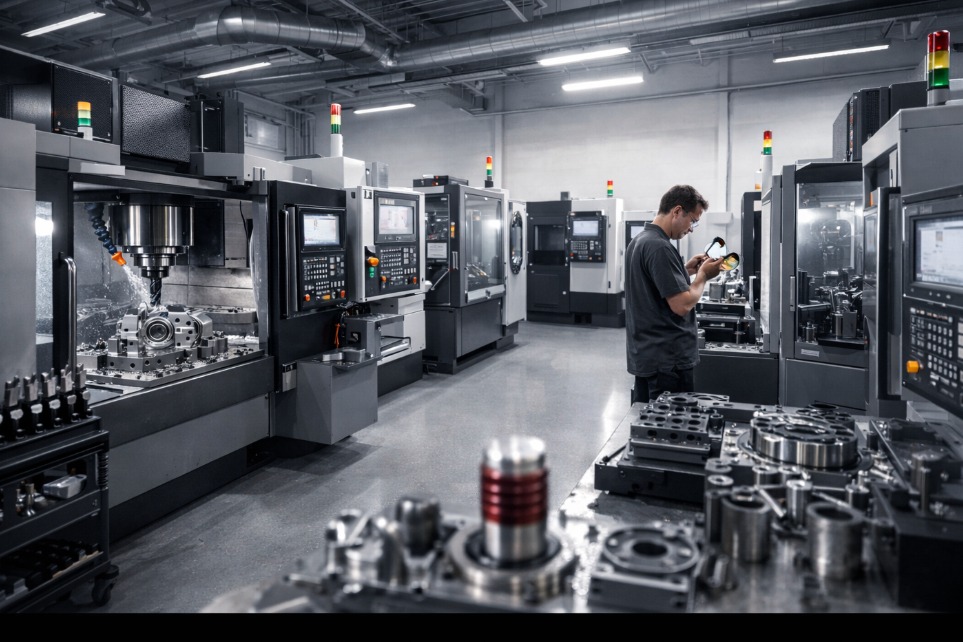
Какво е цех за CNC обработка и как функционира
Някога ли сте се чудили как точно се произвежда този перфектно обработен алуминиев крепеж или сложният стоманен компонент? Зад почти всеки прецизен компонент, с който се сблъсквате — от части за авиационни двигатели до медицински импланти — стои цех за CNC обработка, който осъществява това.
Цехът за CNC обработка е специализирано производствено предприятие, оборудвано с компютърно контролирани машини, които рязат, формират и довършват материали с изключителна точност. Терминът „CNC“ означава „компютърно числово управление“, т.е. тези машини следват предварително програмирани цифрови инструкции, а не разчитат на ръчно управление. Според Производителят , тази автоматизация позволява допуски, които често достигат ±0,005 мм — приблизително широчината на човешко косъм.
Помислете за това по следния начин: вместо машинист ръчно да насочва всяка рязане, компютърът точно контролира всички движения на режещите инструменти. Резултатът? Детайли, които са практически идентични, независимо дали произвеждате един прототип или десет хиляди серийни изделия.
Технологията зад съвременното прецизно производство
Това, което прави една машинна работилница подходяща за ЧПУ-обработка, не е само притежанието на подходящо оборудване — а интеграцията на няколко основни компонента, които работят заедно безупречно. Когато търсите машинни работилници с ЧПУ наблизо, вие търсите обекти, които комбинират тези ключови елементи:
- Машини за CNC: Работните коне на операцията — фрези, токарни машини, фрезерни машини и шлифовъчни машини, които изпълняват прецизни режещи операции по множество оси (X, Y, Z и понякога още повече)
- CAD/CAM софтуер: Компютърно подпомогнато проектиране (CAD) създава цифровия чертеж, докато компютърно подпомогнатото производство (CAM) превръща този чертеж в G-код инструкции, разбираеми за машината
- Квалифицирани оператори: Въпреки автоматизацията опитните машинисти остават съществени за настройка на машините, проверка на програмите и контрол на качеството
- Системи за контрол на качеството: Контролното оборудване, като координатни измервателни машини (CMM), шублери и микрометри, потвърждава, че готовите детайли отговарят на точните спецификации
Тази комбинация позволява на CNC индустриите в областите авиация и космонавтика, автомобилостроене, медицина и електроника да произвеждат всичко – от прости валове до компоненти с сложни триизмерни геометрии които биха били невъзможни за създаване ръчно.
От цифров дизайн до физическа част
Така какво всъщност представлява процесът, при който CNC прецизионна машина превръща цифров файл в готов компонент? Работният процес следва логична последователност, която гарантира точност на всеки етап:
Първо, инженер създава 3D модел, използвайки CAD софтуер като SolidWorks или Fusion 360. Този цифров дизайн определя всяко измерение, ъгъл и характеристика на предвидения детайл. След това CAM софтуерът генерира пътя на режещия инструмент – по същество карта, която точно указва на машината къде да се движи, с каква скорост да реже и кои инструменти да използва.
Щом програмата е готова, операторът подготвя машината, като закрепва суровината (алуминий, стомана или инженерен пластмасов материал) и монтира подходящите режещи инструменти. След това машината изпълнява програмираните инструкции, премахвайки материал слой по слой, докато се оформи окончателната форма.
След механичната обработка детайлът се подлага на инспекция, за да се провери дали отговаря на всички спецификации. В зависимост от изискванията за приложение могат да последват допълнителни финишни процеси – полиране, анодизиране или повърхностни обработки.
Този субтрактивен производствен процес принципно се различава от 3D печатането, което изгражда детайли чрез добавяне на материал. Като започва от цели блокове и прецизно премахва ненужното, CNC-обработката осигурява по-висока якост, по-тесни допуски и по-широк спектър от съвместими материали – което я прави основа на съвременното прецизно производство.
Типове CNC машини и техните производствени приложения
Сега, когато разбирате как функционира цех за CNC-машинна обработка, може би се чудите: коя машина всъщност произвежда вашата част? Отговорът напълно зависи от това, което се опитвате да създадете. Различните CNC-машини се отличават при изпълнението на различни задачи – а изборът на неподходяща машина може да означава загубено време, по-високи разходи или намалено качество.
Независимо дали имате нужда от прецизен цех за CNC-обръщане за цилиндрични компоненти или от цех за CNC-фрезоване за сложни геометрии, разбирането на възможностите на всеки тип машина ви помага да общувате по-ефективно с производителите и да вземате по-умни решения относно набавянето.
CNC-токарни машини и центрове за обръщане
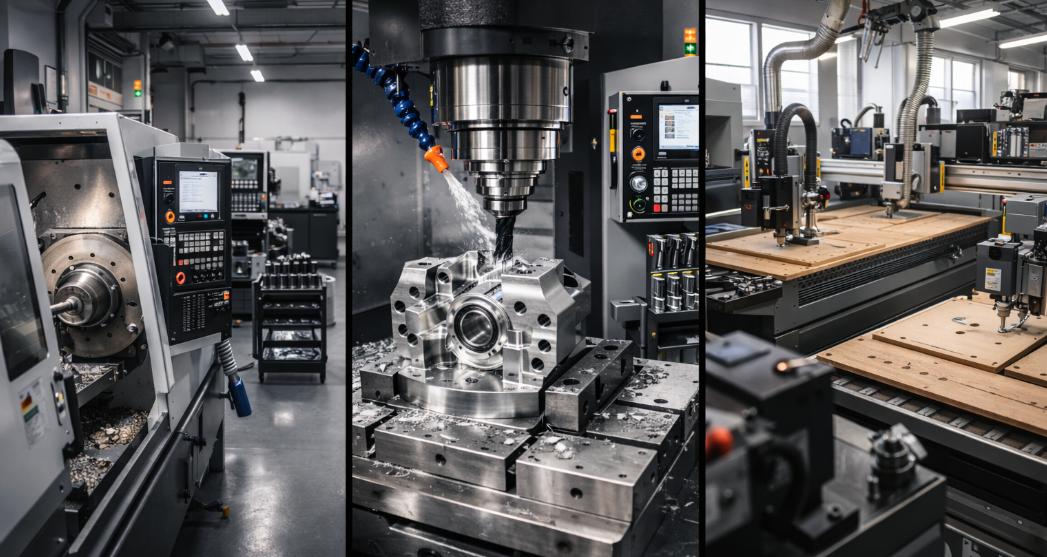
Представете си гончарско колело, което върти глина – сега заменете глината с метал и добавете режещи инструменти с компютърно управление. Това е по същество начинът, по който работи CNC-токарна машина. Заготовката се върти с висока скорост, докато неподвижните режещи инструменти отстраняват материал, за да се получат цилиндрични или кръгли части.
Една CNC токарска работилница се специализира в производството на компоненти като валове, втулки, пинове и резбовани крепежни елементи. Според CNC Masters , съвременните CNC токарски машини могат да произвеждат хиляди обработени части за един работен смени, което ги прави идеални за серийно производство в големи обеми.
Какво прави днешните токарски центрове особено мощни? Възможността за работа с жив инструмент (live tooling). Тази функция позволява на въртящите се режещи инструменти да извършват фрезовни, свределни и нарязващи операции, докато детайлът остава монтиран – това елиминира вторични настройки и подобрява точността. Една прецизна CNC токарска работилница, използваща многоосеви токарски машини, може да създава сложни контури, елементи с изместен център и дори някои фрезовани детайли в една-единствена операция.
Често произвежданите части включват:
- Разпределителни и колянови валове
- Хидравлични фитинги и съединители
- Прецизни винтове и крепежни елементи
- Автомобилни бутала и клапанни стебла
- Дръжки за медицински инструменти
Фрези за сложни геометрични форми
Докато токарските машини въртят заготовката, ЧПУ фрезите правят обратното — режещият инструмент се върти, докато материала остава неподвижен (или се движи по контролирани оси). Тази основна разлика прави фрезите изключително универсални за производството на равни повърхности, джобове, пази и сложни триизмерни форми.
ЧПУ фрезерна работилница може да обработва всичко — от прости кронштейни до сложни аерокосмически компоненти с вътрешни кухини и прецизни контури на повърхностите. Ключовото предимство? Мултиосева способност. Основните 3-осови фрези движат режещия инструмент по осите X, Y и Z. Обаче напредналите 5-осови машини добавят две ротационни оси, което позволява на инструмента да се приближава към заготовката под почти всеки ъгъл, без нужда от повторно позициониране.
Според Zintilon, когато изработвате сложни геометрични форми които не са цилиндрични, ЧПУ фрезите са най-добрата ви опция. Те се отличават при:
- Производство на форми и матрици
- Компоненти за авиационни конструкции
- Медицински импланти и хирургически инструменти
- Автомобилни блокове на двигатели и картери на скоростни кутии
- Индивидуално проектирани корпуси и обвивки
Специализирано оборудване за уникални приложения
Освен токарни и фрезерни машини, пълноценно CNC токарно производство или механична работилница може да разполага с няколко специализирани машини, предназначени за конкретни задачи:
ЧПУ фрези за маршрутизиране: Представете си ги като фрезерни машини, оптимизирани за по-големи, по-плоски заготовки и по-меки материали. Те са популярни в дърводелството, производството на пластмаси, композитни материали и изработката на табели. Въпреки че са по-малко жестки от промишлените фрезерни машини, фрезерните автомати обхващат по-голяма площ — буквално — с размери на работната маса до 1,5 м на 3 м или още по-големи.
CNC шлифовъчни машини: Когато се изискват огледално гладки повърхности или изключително тесни допуски върху затвърдени материали, шлифоването е решението. Повърхностните шлифовъчни машини създават прецизно плоски повърхности, докато цилиндричните шлифовъчни машини обработват кръгли детайли — постигайки допуски, които резачните инструменти просто не могат да осигурят.
EDM (Електроерозионно обработване): За закалени инструментални стомани или сложни вътрешни елементи електроерозионната обработка с жичен електрод използва електрически искри за ерозия на материала без механичен контакт. Тя е незаменима при производството на форми и детайли, които изискват остри вътрешни ъгли, недостижими за конвенционалните инструменти.
| Тип машина | Най-добри приложения | Съвместимост на материалите | Типични допуски |
|---|---|---|---|
| CNC Струг | Цилиндрични части, валове, бушони, резбовани компоненти | Всички метали, пластмаси | ±0,001" до ±0,0005" |
| Cnc mill | Сложни 3D геометрии, джобове, форми, корпуси | Всички метали, пластмаси, композити | ±0,001" до ±0,0002" |
| Cnc router | Големи плоски панели, табелки, мебели, меки материали | Дърво, пластмаси, алуминий, композити | ±0,005" до ±0,001" |
| Cnc grinder | Прецисионно финиране, закалени материали, строги допуски | Закалени стомани, инструментални стомани | ±0,0001" до ±0,00005" |
| Телен EDM | Закалени матрици, сложни вътрешни елементи, остри ъгли | Само проводими метали | ±0,0001" до ±0,00005" |
Разбирането на тези различия ви помага да изберете подходящия производствен партньор за конкретния ви проект. Производствена фирма, оборудвана с 5-оси фрезерни машини, обработва сложни аерокосмически скоби по различен начин в сравнение с фирма, специализирана в серийно производство на завъртани компоненти. Най-добрата стратегия? Съгласувайте геометрията и изискванията към материала на вашата детайл с основните възможности на производствената фирма — подход, който ще разгледаме по-подробно при обсъждането на подбора на материали.
Материали, които можете да обработвате — от метали до пластмаси
Вече сте определили подходящата машина за вашия проект — но точно тук нещата стават по-интересни. Избраният от вас материал определя далеч повече от външния вид на готовата детайл. Той влияе върху времето за обработка, износването на инструментите, разходите и, най-важното, дали компонентът ще функционира както трябва в реални условия.
Независимо дали извършвате набавка на алюминиеви CNC услуги за леки аерокосмически скоби или имате нужда от партньор за прецизно CNC фрезоване за титанови импланти за медицински цели, разбирането на свойствата на материала ви помага да вземате по-умни решения и да избягвате скъпи грешки.
Метали и сплави за структурни компоненти
Металите остават основата на CNC производството и това е напълно оправдано. Те предлагат якостта, издръжливостта и термичната устойчивост, които са задължителни за критични приложения. Но не всички метали се обработват по един и същ начин — и изборът на неподходяща сплав може да удвои вашите разходи или да компрометира работата на детайла.
Алуминий: Попитайте всеки доставчик на услуги за CNC обработка на алуминий и ще ви кажат, че алуминиевите сплави са най-често поръчваните им материали. Според WeNext , алуминият е лесен за обработка и икономичен за масово производство. Отличното му съотношение на якост към тегло го прави идеален за аерокосмическата, автомобилната и потребителската електроника. Често използваните марки включват 6061 (универсална, добра заваряемост) и 7075 (по-висока якост, сравнима с някои стомани при термична обработка). Компромисът? Чистият алуминий има слаба корозионна устойчивост – но анодизирането създава защитен слой, който решава този проблем.
Стоманени сплави: Когато приложението ви изисква значителна якост, неръждаемата стомана, меката стомана, легираната стомана и инструменталната стомана всяка служи за различни цели. Неръждаемата стомана осигурява отлична устойчивост към износване и корозия, както и добра обработваемост – идеална за медицински устройства и оборудване за преработка на храни. Меката стомана (стомана с ниско съдържание на въглерод) предлага икономически изгодни решения за части с общо предназначение. Имате ли нужда от по-висока твърдост и термична устойчивост? Легираните стомани и инструменталните стомани издържат изискващите условия, при които други материали биха се провалили.
Титан: Този биосъвместим метал комбинира лекота с изключителна термостойкост, без да жертва здравината. Той е първият избор за медицински импланти, авиационни компоненти и високопроизводителни бижута. Недостатъкът? Титанът се обработва бавно и ускорява износването на режещите инструменти, което води до по-високи разходи за отделна детайл.
Лъжва: Търсите икономични детайли с отлична електропроводимост? Месингът се обработва отлично и е подходящ за тръбни фитинги, електронни компоненти и приложения с ниско триене. Имайте предвид, че той няма структурната здравина на стоманата или титана.
Мед: Изключителната топло- и електропроводимост правят медта незаменима за топлообменници, системи за охлаждане и електрически компоненти. Въпреки това WeNext отбелязва, че медта е подложена на химическо разрушение — избягвайте контакта ѝ с киселини и амонячни разтвори.
Инженерни пластмаси и композити
Когато дизайнът ви изисква леко конструкция, устойчивост на химикали или електрическа изолация, инженерните пластмаси предлагат убедителни алтернативи на метала. Производствените цехове за CNC все повече работят с тези материали, тъй като приложенията се разширяват отвъд традиционните индустрии, доминирани от метали.
ABS (акрилонитрилбутадиенстирен): Този обикновен термопласт има добри механични свойства и е устойчив на високи температури. CNC-оборудваните ABS части често служат като функционални прототипи, преди да се ангажират с инструменти за впръскване на формоване - което ви позволява да тествате годността, формата и функцията без големи инвестиции.
PEEK (Полиетер етер кетон): Когато имате нужда от пластмаса, който да замени метала в тежки условия, PEEK е на разположение. Неговата отлична стабилност на размерите, химическа устойчивост и устойчивост на удари го правят подходящ за аерокосмически компоненти, медицински устройства и приложения при високи температури. Медицинският PEEK е биосъвместим, отваряйки врати за импланти.
POM (Delrin/Acetal): Нуждаете се от висока прецизност и ниско триене? ПОМ предлага изключителна обработваемост, отлична размерна стабилност и минимално абсорбиране на вода. Той е идеален за зъбни колела, лагери и прецизни компоненти, които изискват тесни допуски.
Найлон: Този универсален термопласт се обработва лесно и осигурява отлични механични свойства, ударна якост и устойчивост към химични вещества. Най-често използваните в CNC приложения са нейлон 6 и нейлон 66. Един важен аспект: нейлонът абсорбира влага, затова правилното съхранение е от съществено значение.
ПВХ: Изключителната устойчивост към химични вещества, корозия и пламък прави ПВЦ икономически изгоден избор за множество индустриални приложения. Той е достъпен по цена и лесно достъпен – практично решение, когато не са необходими екзотични материали.
Съпоставяне на материали с изискванията за приложение
Звучи сложно? Не е задължително. Ключовият момент е да се фокусирате върху това какво трябва да извършва всъщност вашата детайл – след което да работите обратно, за да изберете материали, които осигуряват тези свойства, без да прехвърляте бюджета.
При оценката на възможните варианти имайте предвид следните фактори:
- Оперативна среда: Ще бъде ли вашата част изложена на химикали, екстремни температури или влага? Материали като PEEK издържат сурови условия; нейлонът не понася добре водата.
- Структурни изисквания: Приложения с високо натоварване изискват стомана или титан; декоративните компоненти могат да използват месинг или алуминий.
- Ограничения по тегло: Аерокосмическата промишленост и преносимите устройства печелят от доброто съотношение между якост и тегло на алуминия или от леките пластмаси.
- Реалности на бюджета: Титанът се обработва отлично, но струва значително повече от алуминия. Понякога конструкционната стомана постига същата цел за част от цената.
| Тип материал | Основни характеристики | Чести приложения | Препоръки при обработването |
|---|---|---|---|
| Алуминий (6061, 7075) | Лек, корозионноустойчив (анодиран), отлична обработваемост | Аерокосмически скоби, автомобилни компоненти, корпуси за електроника | Бързи скорости на рязане, ниско износване на инструментите, икономичност |
| Неръждаема стомана (303, 304, 316) | Висока якост, корозионна устойчивост, издръжливост | Медицински устройства, преработка на храни, морски приложения | По-ниски скорости, по-голям износ на инструментите, може да се изисква охлаждаща течност |
| Титан (клас 2, клас 5) | Биосъвместим, висока якост при ниска маса, термоустойчив | Медицински импланти, авиационни компоненти, високопроизводителни части | Бавно машинно обработване, скъпо инструментално оснащение, по-висока цена на частта |
| Месинг (C360) | Отлична обработваемост, електропроводимост, ниско триене | Фитинги, конектори, декоративни фурнитури | Много бързо машинно обработване, образуване на фини стружки, икономично |
| ПЕЕК | Химически устойчив, размерно стабилен, издържа високи температури | Уплътнения за аерокосмическа промишленост, медицински компоненти, електрически изолатори | Изисква остри инструменти, генерира топлина, премиум ценообразуване |
| POM (Delrin) | Ниско триене, висока прецизност, устойчивост към влага | Зъбчати колела, лагери, прецизни механизми | Обработва се чисто, запазва строги допуски, достъпна цена |
| Найлон (6, 66) | Удароустойчив, химически устойчив, добри трибологични свойства | Втулки, изолатори, конструктивни компоненти | Абсорбира влага – контролирайте условията на съхранение |
Правилният избор на материал балансира изискванията към производителността срещу ограниченията по бюджет и срокове. Уважаван партньор за CNC ще ви помогне да преодолеете тези компромиси и може да предложи алтернативи, които не сте взели предвид. Като говорим за вземане на решения, как разбирате дали дадена фирма действително осигурява качеството, което обещава за своите материали? Тук влизат в сила сертификатите за качество и стандартите за инспекция.
Сертификати за качество и стандарти за инспекция, които трябва да търсите
Избрали сте подходящия тип машина и сте определили идеалния материал. Но ето един въпрос, който разделя успешните проекти от скъпите провали: как можете да бъдете сигурни, че готовите детайли действително отговарят на вашите спецификации?
Отговорът се крие в контрола на качеството – и не всички центрове за CNC-обработка подхождат към него по един и същ начин. Центърът за високоточна машинна обработка инвестира значително в сертификати, инспекционно оборудване и документирани процеси. Други правят компромиси. Разбирането на това, какво трябва да търсите, защитава вашата инвестиция и гарантира последователни резултати, независимо дали поръчвате десет прототипа или десет хиляди производствени части.
Индустриални сертификации, които имат значение
Сертификатите не са просто ефектни лога в уебсайта – те представляват потвърдени ангажименти към системи за управление на качеството, които подлежат на строги аудити от трета страна. При оценката на центрове за машинна обработка в Ню Йорк или навсякъде другаде тези удостоверения сигнализират сериозни производствени възможности:
- ISO 9001: Основата на управлението на качеството. Според The Gateway Magazine този глобално признат стандарт гарантира, че организациите поддържат здрави системи за управление на качеството, които обхващат насоченост към клиента, подобряване на процесите и последователна доставка на продукти. Той се прилага във всички отрасли и представлява минималния праг за качество, който сериозните покупатели трябва да очакват.
- AS9100: Аерокосмическата индустрия изисква повече. Тази сертификация се базира на ISO 9001, като добавя специфични изисквания за авиационната, космическата и отбранителната индустрия – включително безопасност на продуктите, управление на конфигурацията и верификация на закупените продукти. Ако вашите компоненти се използват в летателни апарати, търсете тази сертификация.
- IATF 16949: Доставките за автомобилната индустрия функционират под интензивно напрежение за производство без дефекти. Този стандарт отчита специфичните изисквания на автомобилната индустрия, включително процеси за одобрение на производствени компоненти, управление на качеството на доставчиците и статистически методи за контрол на процесите.
- ITAR (Международни правила за търговия с оръжия): Договорните изпълнители в областта на отбраната трябва да работят със застраховани според ITAR обекти, за да обработват контролирана техническа информация и да произвеждат компоненти, свързани с отбраната. Това не е сертификация за качество като такава — това е юридическо изискване за определени проекти.
Защо тези различия имат значение? Според списание „Gateway“ сертификацията AS9100 изисква по-строги одити и документация в сравнение с ISO 9001 поради по-високата степен на надзор, изисквана от аерокосмическите приложения. По подобен начин IATF 16949 налага автомобилни специфични контроли, които общи производствени цехове просто не поддържат.
Стандарти за инспекция и измерване
Сертификатите установяват рамката — но оборудването и методите за инспекция осигуряват действителната проверка. При посещение на потенциален нов Йоркски доставчик на прецизно оборудване или при преглед на възможностите му онлайн, обърнете внимание на следните технологии за контрол на качеството:
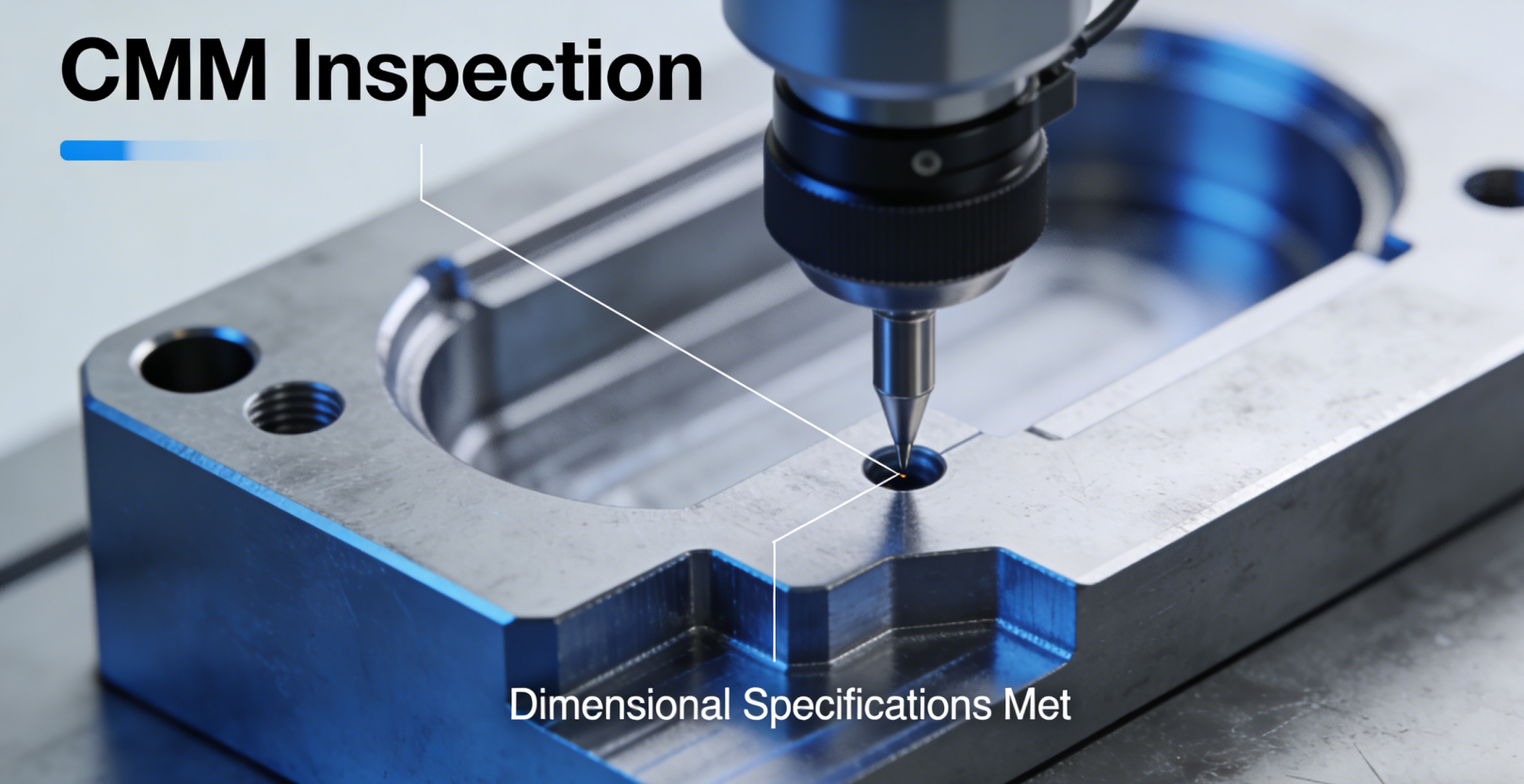
Координатно-измервателни машини (КИМ): Тези прецизни уреди използват тактилни зонди или лазерни скенери, за да регистрират размерни данни с изключителна точност. Според FROG3D координатните измерителни машини (CMM) осигуряват прецизни и автоматизирани измервания за сложни геометрии и тесни допуски, което позволява задълбочена 3D метрология и геометрична верификация. Те са незаменими за валидиране на критични характеристики на сложни детайли.
Изпитване на повърхностната шерохватост: Освен размерите, повърхностната текстура влияе на всичко — от триенето до умората на материала. Профилометрите измерват повърхностната шерохватост в микродюйми или микрометри, за да се гарантира, че обработените повърхности отговарят на зададените стойности Ra. Това е особено важно за повърхности за уплътняне, контактни повърхности на лагери и естетически компоненти.
Статистически контрол на процеса (SPC): Тук контролът на качеството става проактивен, а не реактивен. Доклади DataLyzer показват, че когато данните от CMM постъпват директно в системите за статистически контрол на процеса (SPC), инженерите могат да откриват тенденции още преди детайлите да излязат извън допустимите граници. Представете си измерване на вал, което все още е в рамките на спецификациите, но SPC разкрива постепенно отклонение към горната граница. Такава тенденция сочи износване на режещия инструмент или температурно отклонение. Без SPC тази промяна остава незабелязана, докато не възникнат бракувани изделия или оплаквания от клиенти.
Допълнителните методи за инспекция включват:
- Неразрушителни изследвания (NDT): Ултразвуковото изпитване и магнитопрашковата инспекция оценяват вътрешната цялост на материала, без да нанасят щети на компонентите
- Оптични сравнители: Проектиране на увеличени профили на компонентите върху референтни наложки за бързо визуално потвърждаване
- Тестване на твърдост: Потвърждаване на резултатите от термичната обработка и материалните свойства
- Първа инспекция по член (FAI): Изчерпателна документация, доказваща, че първата произведена част отговаря на всички изисквания, посочени в чертежа
Защо контролът на качеството защитава вашата инвестиция
Контролът на качеството не е разход – той е застраховка срещу далеч по-скъпи проблеми по-нататък в производствения процес. Помислете какво се случва, когато дефектни компоненти останат незабелязани: спиране на производствената линия, претенции по гаранция, отзоваване на продукти или още по-лошо.
FROG3D подчертава, че ранното откриване на дефекти чрез контрол на качеството при CNC машинна обработка може да предотврати отпадъци и повторна обработка, което води до значително намаляване на производствените разходи. Но ползите не се ограничават само с икономията:
- Потвърждаване на точността: Потвърждаване, че обработените компоненти отговарят на зададените размери, допуски и повърхностни финишни изисквания, преди да бъдат изпратени
- Задоволство на клиентите: Постоянно доставяме продукти, които отговарят или надхвърлят очакванията, като изграждаме дългосрочни отношения с доставчиците
- Подобряване на процесите: Данните от инспекцията разкриват възможности за оптимизация – намаляване на вариациите и подобряване на ефективността с течение на времето
- Проследяемост: Документираните качества подкрепят гаранционните претенции, съответствието с нормативните изисквания и анализа на коренните причини при възникване на проблеми
Компаниите, които свързват системите за координатни измервателни машини (CMM) и статистически контрол на процесите (SPC), съобщават за намаляване на времето за ръчно въвеждане на данни до 80 % и подобряване на скоростта на реакция с 60 %. Тази реалновременна видимост трансформира качествения контрол от функция за контрол на достъпа в двигател за непрекъснато подобряване.
Основният извод? При сравняване на потенциални производствени партньори дълбочината на анализ трябва да надхвърля цитираните цени. Задайте въпроси относно сертификатите, възможностите за инспекция и начина, по който се справят с несъответстващите части. Производственото предприятие със здрава система за управление на качеството може да струва малко повече за всяка отделна част — но осигурява значително по-ниска обща стойност, ако се вземат предвид отхвърлените части, необходимостта от корекции и забавянията в проекта. Разбирането на тези основи на качеството ви подготвя за следващото критично решение: дали вашият проект изисква прототипиране или пълни производствени серии.
Прототипиране срещу производствени серии и кога да избирате всяко от тях
Проверили сте качествените акредитации на производственото предприятие — сега идва решението, което може да определи успеха или провала на бюджета ви: дали да започнете с прототипи или директно да преминете към серийно производство? Ако вземете погрешно решение, ще загубите пари за скъпостоящи форми за дефектен дизайн или ще се изправите пред трудности с прототипните форми, които не могат да издържат обемите, от които имате нужда.
Добрата новина? Разбирането на икономическите аспекти, свързани с всеки от тези подходи, ви помага да вземате уверени решения. Според BEC Group , бързото прототипиране поставя преди всичко акцент върху скоростта и гъвкавостта, като ви осигурява функционални компоненти бързо, за да можете да тествате, итерирате и усъвършенствате дизайна си. Пълното производствено оснастяване следва противоположен подход — то е проектирано за ефективност, дълготрайност и последователно качество при производството на хиляди или милиони части.
Кога бързото прототипиране спестява време и пари
Представете си, че сте инвестирате 50 000 щ.д. в производствено оснастяване, само за да откриете фундаментален конструктивен недостатък по време на сглобяването. Това е скъп урок, който много компании научават по трудния начин. Изработката на поръчкови CNC-детайли по време на етапа на прототипиране разкрива такива проблеми, когато поправките струват стотици, а не десетки хиляди долари.
Прототипирането е особено ефективно, когато все още усвоявате характеристиките на вашия продукт. Приложете този подход, когато имате нужда от:
- Валидиране на концепциите за дизайн, преди да се ангажирате със скъпо оснастяване
- Тестване на съвместимостта, формата и функционалността с физически части, а не чрез симулации
- Представяне на конкретни пробни екземпляри пред заинтересованите страни или инвеститори
- Бързо итериране въз основа на обратната връзка от тестването
- Потвърждаване на възможността за производство преди мащабиране
Според Zintilon бързото прототипиране намалява разходите, като осигурява бързи итерации на дизайна. ЧПУ-машините помагат за бързото изготвяне на части, без да се инвестира в скъпо струващи форми за първоначалните прототипи. Това позволява бързо тестване и корекции на дизайна, като се минимизира скъпата повторна работа по-късно в производствения процес.
Финансовият анализ е прост: откриването на конструктивен недостатък чрез прототип със стойност 5000 щ.д. е по-изгодно, отколкото откриването на същия проблем след инвестиция от 50 000 щ.д. в производствени форми. Затова както стартиращите компании, така и установилите се производители използват прототипирането, за да намалят рисковете в своя процес на разработка.
Мащабиране от първия екземпляр до пълно производство
Така кога пропускането на прототипите има смисъл? Понякога изработването на прототипи представлява ненужно забавяне, а не разумна предпазливост. Ако дизайновото ви решение е истински окончателно и сте сигурни в търсенето на пазара, инвестициите директно в производствени инструменти могат значително да ускорят излизането ви на пазара.
Това работи най-добре, когато:
- Вашият дизайн е подложен на изчерпателно тестване чрез предишни итерации
- Имате потвърдени поръчки или силна валидация от пазара
- Времето за излизане на пазара е критично поради конкурентни причини
- Продуктът е еволюция на съществуващи, вече доказани дизайн-решения
Ето какво се променя между прототипното и серийното производство. Zintilon отбелязва, че разходите за подготвка — настройка на машини, смяна на инструменти и подготовката на приспособления — се разпределят върху много малък брой единици по време на прототипирането (често 1–20), което води до високи фиксирани разходи на единица. Същата скъпа разходна стойност за подготвка, разпределена върху 1000 единици, става изключително достъпна на единица.
Изработващите машинни цехове, които работят по серийни производствени партиди, също оптимизират по различен начин. За прототипите може да се използват универсални приспособления и по-малко оптимизирани инструментални пътища, тъй като основният фокус е функционалната валидация. При серийното производство се прилагат изключително добре оптимизирани инструментални пътища за по-висока скорост и ефективност, специализирани и предназначени само за дадена операция приспособления, както и стандартизирани процедури, които минимизират отклоненията.
Икономически прагови стойности за различни количества
Къде точно се променят икономическите параметри? Според Проучването на Qoblex , серийното производство става по-икономично от производството в цехове за еднократни поръчки, когато обемът на поръчката надвишава 50 бройки, поради разпределението на разходите за подготвителни операции върху идентични изделия. Икономическият анализ на точката на безубитъчност показва, че серийното производство става предимство при месечни обеми между 500 и 5 000 бройки за повечето потребителски стоки.
Няколко фактора влияят върху конкретната ви точка на преход:
- Разпределение на разходите за настройка: Разход от 500 долара за подготвителни операции, разделен на 10 бройки, добавя 50 долара към цената на всяка бройка; разделен на 1000 бройки, той е само 0,50 долара
- Закупувателна мощ на материала: Закупките на материали на везни водят до отстъпки от 10–30% спрямо малките количества за прототипи
- Оптимизация на процесите: Серийното производство позволява на операторите да развиват ефективност чрез повторение, което намалява времето за цикъл
- Методи за контрол на качеството: Прототипите често изискват 100% инспекция; при серийното производство може да се прилага статистическо пробоотборно изследване, което намалява времето и разходите за инспекция
- Икономика на износването на инструментите: Разпределението на разходите за инструменти върху по-големи количества рязко намалява разходите за отделна част
Изборът не винаги е двоичен. Съвременните промишлени машинни работилници наблизо и по целия свят все по-често предлагат постепенно развитие на инструментите — започвайки с бързи инструменти за прототипи, а след това модернизирайки конкретни компоненти по мера, в която нараства доверието. Този хибриден подход ви позволява бързо да валидирате дизайните, докато едновременно с това градите производствени възможности.
Разгледайте общите разходи по проекта, а не само първоначалните инвестиции в инструментариум. Включете в оценката промените в дизайна, потенциалните забавяния и загубените пазарни възможности заедно с очевидните разходи за инструментариум. Леко по-високата първоначална инвестиция в качествено прототипиране често води до най-ниските общи разходи, когато се вземат предвид избягнатите грешки и оптимизираните производствени процеси в по-късни етапи.
След като сте определили стратегията си за прототипиране спрямо серийно производство, следващата стъпка е да осигурите ефективна комуникация на вашите изисквания. Това означава да подготвите правилните файлове и спецификации, за да получите точни оферти от потенциалните партньори за производство.
Как да подготвите файловете си и да получите точни оферти
Вие сте определили нуждите си от прототипиране и сте избрали материали — но тук много проекти спират: заявката за оферта. Ако изпратите непълни файлове, ще чакате дни наред, докато ви поискат уточнения. Ако предоставите файлове в неподходящ формат, производителят изобщо няма да може да отвори вашето проектно решение. Правилното изпълнение на този етап ускорява вашия график и гарантира, че ценовото предложение отразява точно това, от което наистина имате нужда.
Според JLCCNC точността започва на нивото на файловете. ЧПУ машините следват инструкциите до десети или стотни от милиметъра, затова ако CAD данните ви са непълни, в неподходящ формат или прекалено сложни, това може да доведе до скъпи забавяния и неочаквани корекции. Независимо дали работите с доставчик на ЧПУ обработка в Ню Йорк или търсите производствени партньори по целия свят, тези стандарти за подготвяне на файлове остават едни и същи.
Основни файлови формати и чертожни стандарти
Не всички CAD формати са подходящи за ЧПУ обработка. Производителят има нужда от геометрични данни, които софтуерът му за компютърно управление на производството (CAM) може да интерпретира точно — а мрежовите формати, предназначени за 3D печат, просто не са подходящи.
Най-добрите формати за CNC обработка:
- STEP (.step/.stp): Стандарт в отрасъла. Файловете STEP запазват геометрията на твърдата модел, повърхностните данни и връзките между елементите. Повечето машинни цехове предпочитат този формат, тъй като той се импортира чисто в различните CAM системи.
- IGES (.igs/.iges): По-стар, но широко съвместим формат. Използвайте IGES, когато STEP не е наличен, макар някои сложни повърхностни данни да се преобразуват по-малко точно.
- Parasolid (.x_t/.x_b): Роден формат за SolidWorks и някои други CAD системи. Много машинни цехове приемат директно файлове в Parasolid формат.
- Оригинални CAD файлове: Някои цехове приемат директно файлове от SolidWorks, Fusion 360 или Inventor — но потвърдете съвместимостта преди да правите такова предположение.
Формати, които трябва да се избягват: STL и OBJ файловете са подходящи за 3D печат, но разчупват гладките криви на малки триъгълници. Това създава проблеми при генерирането на инструментални пътища за CNC, където има значение точното дефиниране на кривите. Според JLCCNC , мрежовите формати просто не работят за ЧПУ, тъй като губят математическата точност, която определя изработваемата геометрия.
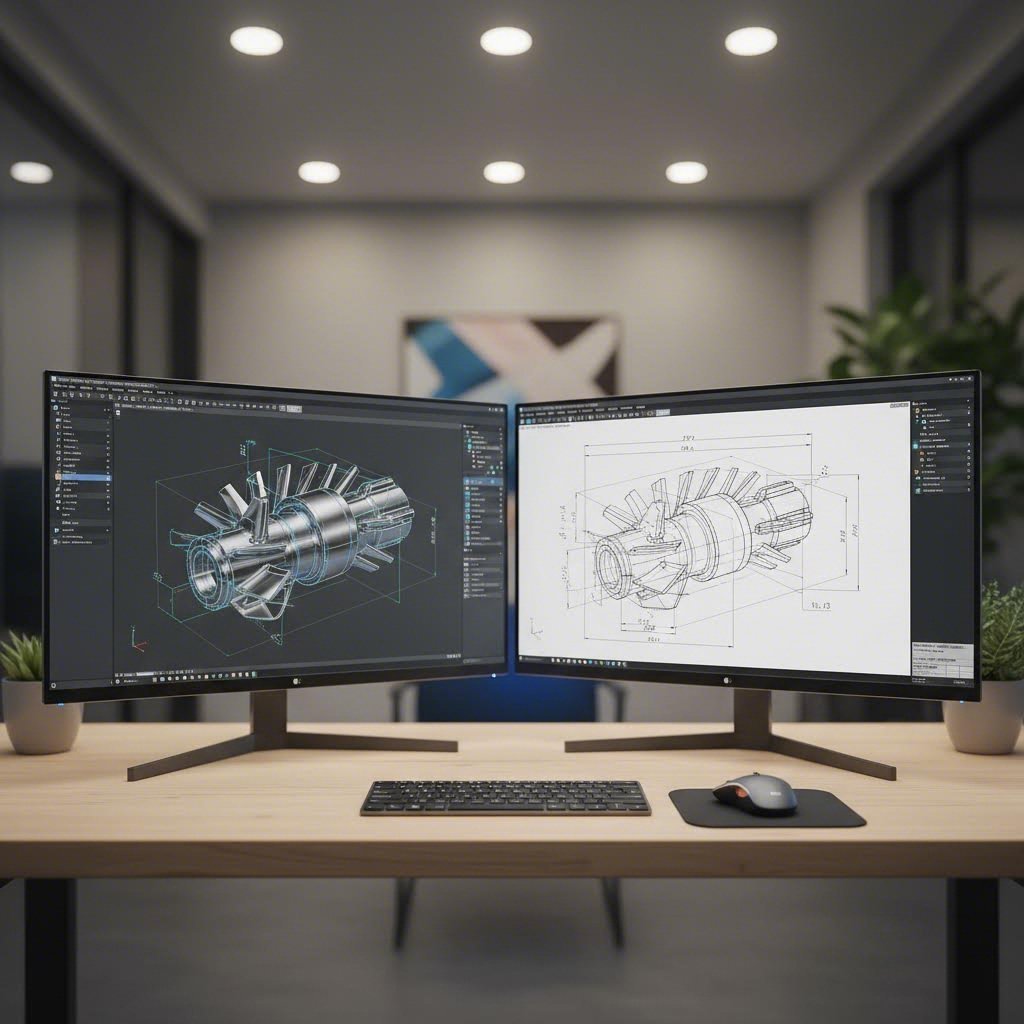
Освен 3D моделите ще са ви необходими технически чертежи. PDF чертеж с размери и GD&T (геометрично размеряване и допуски) предава това, което 3D моделът не може да покаже: кои размери са критични, какви допуски се прилагат, изискванията за шерпастост на повърхността и спецификациите за материала. Мислете за 3D файла като за представяне на формата — чертежът информира производственото предприятие за това, което има най-голямо значение.
Комуникиране на допуски и критични размери
Ето честа грешка: прилагане на излишно строги допуски по цели части. Според HM Making много инженери прилагат допуски ±0,01 мм към нефункционални елементи, което противоречи на добрата практика за проектиране, ориентирано към производствената осъществимост. Строгите допуски влияят върху избора на режещи инструменти, времето за контрол и скоростта на машинна обработка — което води до по-високи разходи без подобряване на функционалността.
Вместо това насочете вниманието си само към размерите, които имат значение. Задайте си следните въпроси:
- Кои повърхности се съчетават с други компоненти?
- Къде са необходими прецизен контрол на посадките и зазорите?
- Кои елементи са изключително декоративни или некритични?
Прилагайте тесни допуски (±0,025 мм или по-тесни) само за функционалните интерфейси. За всичко останало използвайте стандартните машинни допуски (обикновено ±0,1 мм за некритични елементи). Този подход съответства на установените производствени принципи и значително намалява разходите за отделна част.
При документиране на допуски използвайте правилните символи за геометрични допуски и изисквания (GD&T), а не неясни бележки. Ясни указания за положение, перпендикулярност, равнинност и крайна повърхност елиминират нееднозначността. Ако машинната работилница в Квинс или където и да е другаде трябва да предполага вашата цел, ще получите или консервативно (скъпо) офертиране, или части, които не отговарят на вашите реални изисквания.
Информация, която ускорява заявката ви
Искате по-бързи и по-точни оферти? Предоставете всичко, от което сервизът има нужда, още в началото. Според HM Making най-честата причина, поради която заявките за оферти (RFQ) се забавят, е непълната документация. Липсващи допуски, недефинирани резби, отсъстващи изисквания за повърхностна шерохватост и несъгласувани размери пораждат несигурност, която принуждава доставчиците да спрат процеса и да поискат уточнения.
Следвайте този поетапен контролен списък преди да изпратите заявката си за оферта:
- Експортирайте своя 3D модел в STEP формат (предпочитан) или IGES. Проверете дали файлът се отваря коректно, преди да го изпратите.
- Създайте PDF чертеж с всички критични размери, обозначения на геометрични допуски (GD&T) и спецификации за допуски, ясно посочени.
- Посочете точния материал — не просто „алуминий“, а „6061-T6“ или „7075-T651“. Включете всички необходими сертификати за материала.
- Задайте изискванията за повърхностна обработка използвайки стойности Ra (напр. Ra 1,6 μm) за критичните повърхности. Отбележете всички следмашинни обработки, като анодиране или галванизиране.
- Документирайте спецификациите за резбите напълно — размер на резбата, стъпка на резбата, клас на посаждане и дълбочина за слепи отвори.
- Съобщете вашите изисквания за количество — количества за прототипи, обеми за пилотни серии и прогнозирани производствени нужди.
- Включете очаквания график за доставка — кога имате нужда от детайлите и дали трябва да бъдат предложени ускорени варианти.
- Отбележете изискванията за инспекция — отчети за първоначална инспекция (FAI), данни от координатно-измерителна машина (CMM), сертификати за материали или специфична документация за качество.
- Добавете история на ревизиите — уверете се, че производственото предприятие знае, че прави оферта за най-новата ви версия на проекта.
Липсва някой от тези елементи? Очаквайте забавяния. Доставчик на CNC услуги в Ню Йорк — или всяко професионално предприятие — ще спре процеса на офертиране, докато не получи пълна информация. Този обратен контакт може да удължи вашия график с дни.
Пълните пакети със заявката за цитиране на цена включват STEP файлове, PDF чертежи с геометрични допуски и тяхното обозначаване (GD&T), подробности за материала и повърхностната обработка, количества, изисквания за доставка и бележки относно сглобяването или вторичните операции. Непълните пакети, при които липсват допуски, спецификации за материала или информация за количеството, принуждават доставчиците да спрат процеса и да поискат по-нататъшни разяснения.
Усилията, които инвестирате от самото начало, се връщат многократно през целия ви проект. Чистите файлове, ясните допуски и пълните технически спецификации не само ускоряват подготовката на ценовите предложения — те намаляват и производствените грешки и гарантират, че получените компоненти съответстват на вашето проектно намерение. След като сте подготвили документацията си, следващият въпрос е как тези спецификации се превръщат в реална цена.
Разбиране на разходите и ценовите фактори при CNC машинна обработка
Вие сте подготвили своите файлове и сте изпратили заявката за ценово предложение — сега настъпва решаващият момент. Когато получите ценовото предложение, дали то ще изглежда логично? Или ще се окажете пред числа, които ви карат да се чудите къде всъщност отива парите?
Ето какво повечето купувачи не осъзнават: разходите за CNC обработка следват предсказуема формула. Според RapidDirect уравнението се разбива просто по следния начин: Обща цена = Цена на материала + (Време за обработка × Тарифа за машина) + Начална цена за настройка + Цена за довършителна обработка. Разбирането на всеки компонент ви помага да откриете възможности за оптимизиране на цените, без да жертвате качеството — независимо дали работите с доставчик на CNC услуги в Бруклин, NY, или извършвате поръчки от цялата страна.
Изчисления на материала и времето за работа на машината
Два фактора доминират в повечето оферти за CNC обработка: какъв материал се обработва и колко дълго работи машината.
Материални разходи излезте извън простото ценообразуване според теглото. Според U-Need общата цена се формира от фактори като класа и наличността на суровината, както и от свойствата ѝ при машинна обработка. Детайл, проектиран въз основа на стандартни размери на заготовките, изразходва по-малко материал в сравнение с детайл, който изисква надмерни заготовки. Екзотичните сплави като титан или инконел се предлагат по премиални цени – но дори и при често използваните материали наличността има значение. Алуминиевата сплав 6061 обикновено струва по-малко от 7075, защото е по-лесно достъпна.
Искате да намалите разходите за материали? Проектирайте детайли, които съответстват на стандартните размери на прътове или плочи. Необичайните форми принуждават производствените цехове да закупуват по-големи заготовки, а ЧПУ машинната обработка – като изваждан процес – може да отпадне от 30 % до 70 % от първоначалния обем на заготовката, в зависимост от сложността на детайла.
Време за машинна обработка е мястото, където сложността наистина натоварва вашата портфейл. Всеки минутен работен цикъл на шпинделя води до разходи – а различните машини имат значително различни часови тарифи. Според Geomiq , 5-осевите CNC машини са по-скъпи за експлоатация в сравнение с 3-осевите им аналоги поради по-високите разходи за оборудване, специализираната режеща оснастка и уменията, необходими за тяхното управление.
Цените за машина обикновено варират в следните граници:
- 3-осеви CNC фрези: 40–75 USD на час
- Сглобяеми машини за обработка на материали 35–65 USD на час
- 5-осеви фрези: 75–150 USD на час
- Жичарски EDM: 50–100 USD на час
Същата детайл, изработена на 3-осева фреза спрямо 5-осева машина, може да има значително различни цени — понякога 2–3 пъти по-високи за напредналото оборудване. Избирайте машини, които отговарят на вашите реални изисквания, а не автоматично предпочитайте най-мощните налични варианти.
Как сложността влияе върху вашата печалба
Някога ли сте се чудили защо две части с подобни размери имат толкова различни цени? Обикновено виновникът е сложността.
Според RapidDirect проектната сложност е най-силният фактор, който влияе върху времето за машинна обработка, а времето за машинна обработка обикновено представлява най-голямата част от цената за CNC обработка. Елементите, които рязко увеличават вашата оферта, включват:
- Дълбоки джобове и кухини: Изискват множество прохода с постепенно по-малки инструменти
- Тънки стени: Принуждават към по-бавни скорости на рязане, за да се предотврати деформация и вибрации
- Стеснени вътрешни ъгли: Фрези с малък радиус рязат по-бавно и се износват по-бързо
- Подрязвания: Често изискват 5-осева машинна обработка или специализирани инструменти
- Стеснени допуски: Изискват по-бавни подавания, внимателни измервания и понякога няколко финишни прохода
Допуските заслужават специално внимание. Geomiq отбелязва, че постигането на тесни допуски изисква изключително внимание към детайлите, което увеличава времето и усилията за машинна обработка. Стандартният допуск от ±0,127 мм вече е доста точен и достатъчен за повечето приложения. По-тесните спецификации – ±0,025 мм или по-малко – изискват по-бавно рязане, внимателен контрол на температурата и комплексна инспекция. Всеки такъв етап води до допълнителни разходи.
По подобен начин разходите за изискванията към повърхностната шлифовка също нарастват. Стандартната шлифовка с Ra 3,2 μm е включена в цената. Според Geomiq по-гладките шлифовки с Ra 1,6 μm, 0,8 μm и 0,4 μm струват съответно допълнително 2,5 %, 5 % и до 15 % над базовата цена – като най-гладката изисква полирване след машинната обработка.
Отстъпки за обем и разпределение на разходите за настройка
Тук количеството променя всичко. Една машинна работилница в Куинс, Ню Йорк – или навсякъде другаде – има значителни фиксирани разходи, преди да бъде изрязан дори един стружков материал: програмиране с CAM, подготвка на приспособления, настройка на инструменти и проверка на първия екземпляр. Тези разходи остават постоянни независимо дали поръчвате една или хиляда части.
Според RapidDirect такса за настройка от 300 щ.д. добавя 300 щ.д. към поръчка от една част, но само по 3 щ.д. на част при партида от 100 части. Математиката е впечатляваща: прототипите са скъпи точно защото разходите за настройка се концентрират върху малък брой единици.
Реалните цени ясно демонстрират това. Според Geomiq част, която струва 134 £ за една бройка, пада на 38 £ на бройка при 10 бройки и на 13 £ на бройка при 100 бройки – което съответства на намаление съответно с 70 % и 90 %.
Освен разпределението на разходите за настройка, по-големите поръчки осигуряват допълнителни икономии:
- Отстъпки за материали при закупуване на големи количества: Закупуването на по-големи количества намалява разходите за материали на единица с 10–30 %
- Оптимизация на процесите: Операторите повишават ефективността си чрез повторение, което намалява времето за цикъл
- Намалени разходи за инспекция: Статистическото пробоотборване заменя пълната инспекция при по-големи обеми
- Амортизиране на инструментите: Специализирани фрези и приспособления се разпределят върху по-голям брой детайли
| Фактори на цена | Ниво на удара | Как да оптимизирате |
|---|---|---|
| Избор на материали | Високо | Избирайте машинируеми материали (алуминий, латун) вместо трудни сплави; проектирайте въз основа на стандартни заготовки |
| Сложност на част | Високо | Опростете геометрията; избягвайте дълбоки джобове, тънки стени и ненужни елементи; увеличете радиусите на вътрешните ъгли |
| Толерантност | Високо | Прилагайте строги допуски само за функционални елементи; използвайте стандартни ±0,127 мм за останалите части |
| Тип машина | Средно-Високо | Проектирайте за обработка с 3 оси, когато е възможно; избягвайте елементи, изискващи обработка с 5 оси, освен ако това не е функционално необходимо |
| Количество на поръчката | Високо | Групирайте поръчките, за да разпределите разходите за подготвителни операции; разгледайте минимални количества от 50–100 броя за най-добра цена на единица |
| Повърхностна обработка | Средно | Указвайте стандартна шерохватост Ra 3,2 μm за некритични повърхности; запазвайте фините повърхности само за видими или функционални зони |
| Последователно обработване | Средно | Ограничавайте довършителните операции до функционалните изисквания; анодизирането и галванизирането увеличават базовата машинарна цена с 15–40% |
| Сложност на настройката | Средно | Детайли за проектиране, които могат да се обработват в една единствена настройка; избягвайте елементи, изискващи специални приспособления или многократно преориентиране |
Разбирането на тези фактори, определящи разходите, ви дава възможност да правите обосновани компромиси. Понякога допълнителната инвестиция в 5-осова обработка спестява общо взето средства, като елиминира вторичните операции. В други случаи незначителна корекция в дизайна намалява времето за механична обработка наполовина. Ключовото е да знаете кой от тези параметри трябва да бъде регулиран — и да работите с партньори в производството, които могат да предложат оптимизации, които не сте взели предвид. Като говорим за партньорства, CNC обработката рядко се прилага самостоятелно. Следващият аспект, който трябва да се има предвид, е как допълнителните услуги могат да подобрят резултатите от вашия проект.
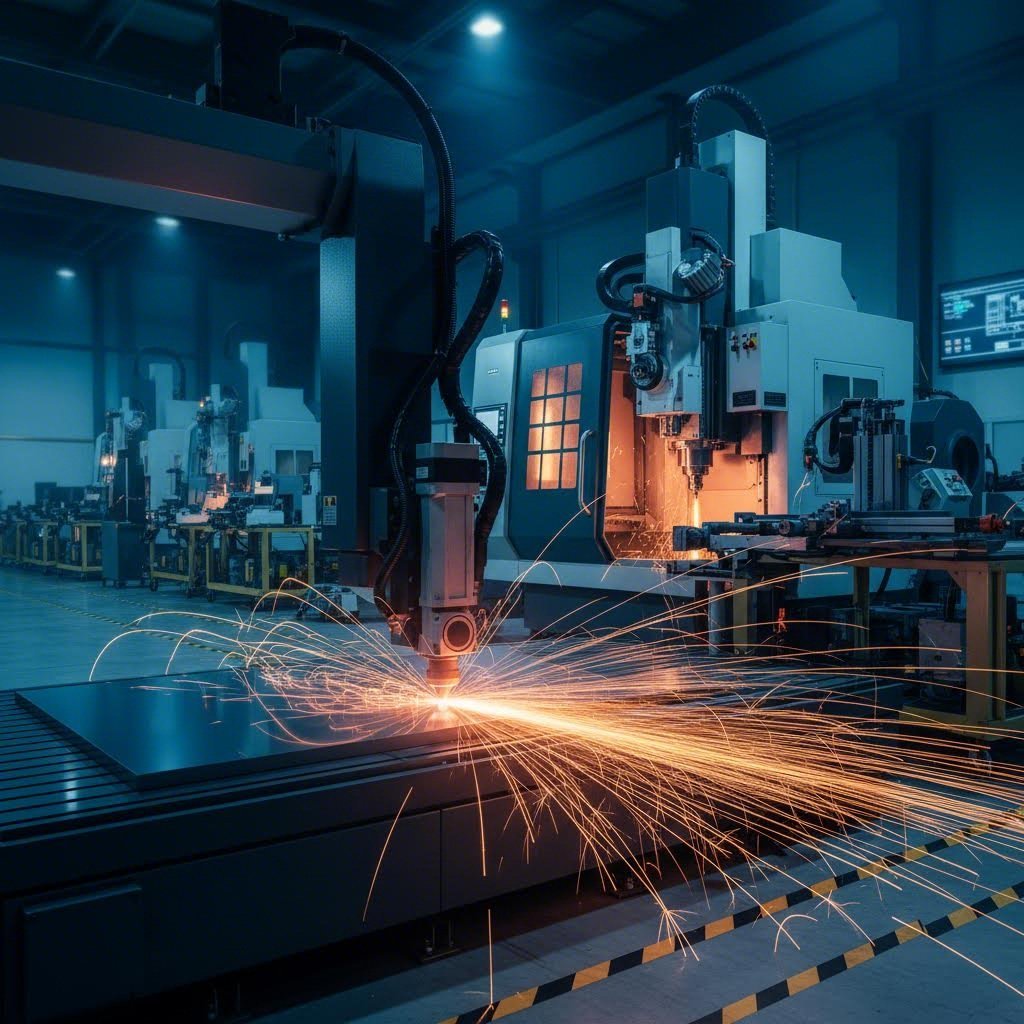
Допълнителни услуги, които подобряват проектите за CNC обработка
Фрезовката с ЧПУ осигурява изключителна прецизност – но рядко е единственият производствен процес, от който има нужда вашият проект. Представете си, че сте фрезовали прекрасен алуминиев корпус, само за да осъзнаете, че ви трябват скоби от ламарина, панели, изрязани с лазер, или бързи прототипи, за да завършите сглобяването. Изведнъж започвате да координирате работата с три различни доставчици, управлявате множество графици и наблюдавате как сроковете за изпълнение се удължават.
Реалността е, че повечето успешни продукти комбинират няколко производствени технологии. Според Microrelleus , съвременните производствени предприятия използват различни технологии, за да гарантират, че всеки проект ще бъде изпълнен с най-подходящото и най-ефективно решение, за да се постигне целта му. Разбирането на това как допълнителните услуги работят заедно с фрезовката с ЧПУ ви помага да опростите производствения процес и да намалите общата сложност на проекта.
Лазерно рязане и интеграция на ламарина
Когато дизайнирането ви изисква плоски компоненти, корпуси или скоби, изработени от листов материал, лазерното рязане става незаменим партньор на CNC машините. Докато фрезите и токарните машини се отличават с обработката на тримерни геометрии от цели блокове, лазерите рязат сложни двумерни контури от листов материал с изключителна скорост и точност.
Помислете за типичен проект на електронен корпус. Машинно обработеният корпус може да изисква CNC фрезоване за сложни монтажни елементи и резбовани кутийки, но капакът, решетките за вентилация и монтажните скоби са по-добре подходящи за лазерно рязане. Комбинирането на двата процеса често осигурява по-бързо изпълнение и по-ниски разходи в сравнение с принудителното използване само на една технология.
Възможности на лазерното рязане, с които може да се сблъскате:
- CO2 лазери: Многофункционално рязане на метали, пластмаси, дървесина и композити — често срещано в общи цехове за изработка
- Влакнести лазери: Превъзходна скорост и качество на рязаните ръбове при тънки метали, особено неръждаема стомана и алуминий
- Фемтосекундни и наносекундни лазери: Според Microrelleus фемтосекундните лазери осигуряват абсолютно безизпъкнало гравиране с висококачествена повърхностна обработка и отлично спазване на допуските по всяка 3D форма – идеално за микрогравиране и функционализация на повърхности
Освен рязане, много производствени предприятия интегрират огъване, заваряване и довършителни операции в своите процеси за обработка на листов метал. Това означава, че вашите лазерно изрязани скоби могат да бъдат огънати до желаната форма, заварени в сборки и покрити с прахово напръскване – всичко това преди изпращането им заедно с вашите компоненти, изработени чрез CNC фрезеровка.
Когато 3D печатът допълва CNC фрезеровката
Ето един въпрос, който заслужава внимание: защо избирате между 3D печат и CNC фрезеровка, когато можете да използвате и двете? Според AMFG индустрията на CNC фрезеровката е отбелязала забележителен ръст, като стойността ѝ на пазара вече надвишава 81 милиарда щатски долара – а прогнозите сочат, че този сектор ще надмине 126 милиарда щатски долара до 2028 г. В същото време 3D печатът продължава да доминира заглавията на новините. Разумният подход? Да ги комбинирате стратегически.
Технологиите изпълняват различни функции блестящо:
- Бърза итерация: AMFG съобщава, че създаването на прототипи чрез 3D печат, базирани на CAD файлове, е значително по-бързо от производството на инструменти за инжекционно формоване — което ви позволява да тествате и усъвършенствате дизайните, преди да преминете към CNC производство
- Гъвкавост на дизайна: 3D печатът осигурява геометрична свобода, невъзможна при субтрактивните методи — вътрешни решетки, органични форми и консолидирани сглобки
- Икономически ефективно прототипиране: Печатайте прототипи от ранен етап евтино, а след това обработвайте окончателните версии чрез фрезерна машина от материали, предназначени за серийно производство
- Хибридна финиш обработка: Печатайте сложни почти готови форми, а след това обработвайте чрез CNC критичните повърхности до строги допуски
Защо тази комбинация работи толкова добре? Отговорът се крие в изискванията за прецизност. Според AMFG съвременните 3D принтери могат да отпечатват детайли с допуски около 0,1 мм, докато CNC машините постигат точност от 0,025 мм. За много приложения отпечатаните детайли изискват вторична механична обработка, за да отговарят на функционалните изисквания — особено повърхности за съчетаване, отвори за лагери и резбовани елементи.
Работният процес е практически оправдан: инженерите създават CAD файлове за 3D печат, правят подобрения въз основа на физическо тестване, а след това обработват усъвършенствания дизайн с машини за производство. BAE Systems е пример за този подход, отпечатва 3D 30% от детайлите за новия си изтребител Tempest за намаляване на производствените разходи и времето за доставка.
Пълни производствени решения под един покрив
Координацията на множество доставчици създава главоболия, от които вероятно нямате нужда. Несъвпадащи графици, комуникационни пропуски и обвинения помежду им при възникване на проблеми – тези въпроси се умножават с всеки допълнителен доставчик във вашата верига. Обектите, които предлагат интегрирани производствени възможности, елиминират значителна част от това триене.
Според Microrelleus, комплексните производствени обекти допълват фрезоването с ЧПУ с електроерозионно формообразуване чрез потапяне – производство на гравирани електроди и последващо електроерозионно формообразуване за алуминиеви штампови матрици, кухини на форми или други приложения. Тази интеграция се разпростира и върху SLS 3D принтери, електроерозионни жични резачки, електроерозионни свределни машини, токарски станци и шлифовъчни машини.
Електроерозионната обработка (EDM) заслужава специално внимание. Когато вашето проектиране включва закалени инструментални стомани, сложни вътрешни геометрии или остри вътрешни ъгли, които конвенционалните режещи инструменти не могат да достигнат, EDM става незаменима. Проволочната EDM изрязва сложни профили чрез електрически искри, а не чрез механичен контакт — идеална за матрици, форми и прецизни компоненти, при които режещите сили биха деформирали заготовката.
Допълнителни услуги и тяхното оптимално приложение:
- EDM с потопена електрода: Сложни формовъчни кухини, закалени материали, сложни вътрешни елементи, изискващи обработка без контакт
- Жичарски EDM: Прецизни профили в твърди материали, штемпелови матрици, компоненти с остри вътрешни ъгли
- CNC Заглаждане: Ултра-тесни допуски върху закалени повърхности, пърстени на лагери, калибърни блокове
- 3D печат (SLS/SLA): Бързи прототипи, валидиране на проекта, сложни геометрии преди производствено задължение
- Лазерно пресичане: Компоненти от листов метал, плоски профили, производство на панели в големи серии
- Термична обработка: Закаляване, отпускане, отстраняване на остатъчни напрежения за обработени компоненти
- Повърхностна обработка: Анодиране, галванично покритие, пръскащо лакиране, полирване
За автомобилните доставъчни вериги тази интеграция се оказва особено ценна. Сертифицирани предприятия като Shaoyi Metal Technology предлагат комплексни решения, обхващащи сложни шасита и персонализирани метални бушинги — и така отговарят на целия спектър изисквания към автомобилни компоненти, от прототипирането до масовото производство. Този подход елиминира трудностите при координацията на доставчиците, като в същото време запазва постоянни стандарти за качество във всички взаимосвързани компоненти.
Предимствата за контрол на качеството се умножават, когато услугите са консолидирани под един покрив. Според Microrelleus интегрираните предприятия използват конфокални и фокус-вариационни микроскопи, оптични микроскопи и проекционни профилометри за верификация на качеството — което гарантира еднакви стандарти за инспекция независимо от това дали компонентите са произведени чрез CNC фрезерни машини, електроерозионни (EDM) или лазерни системи.
Сливането на 3D печатане и фрезова обработка с ЧПУ представлява динамичен подход, който предлага големи възможности за производството – с предимства по отношение на скоростта, намаляване на разходите, точност на допуските и производство в големи обеми.
При оценката на потенциални производствени партньори имайте предвид общите изисквания към проекта. Производствена фирма, която предлага само фрезова обработка с ЧПУ, може да достави отлични компоненти – но ако вашата сглобка изисква лазерно изрязани скоби, електроерозионно обработени елементи и повърхностна финишна обработка, ще отделите значително време за координация с допълнителни доставчици. Предприятията, които предлагат интегрирани решения, намаляват тази координационна тежест, като често подобряват качеството благодарение на единна контролна система за процесите. С оглед на тези взаимно допълващи се възможности последният фактор, който трябва да се вземе под внимание, е изборът на подходящ производствен партньор за конкретните изисквания на вашия проект.
Избор на подходящ партньор за фрезова обработка с ЧПУ за вашия проект
Вие сте определили изискванията си за производство, подготвили сте файловете си и разбирате факторите, които влияят на цената – но ето решението, което в крайна сметка определя успеха на проекта ви: коя CNC-машиностроителна фирма всъщност заслужава вашата поръчка? Ако вземете погрешно решение, ще се сблъскате с пропуснати срокове, проблеми с качеството и изнервящи комуникационни провали. Ако вземете правилното решение, ще спечелите производствен партньор, който предвижда проблемите, преди те да възникнат.
Според CNC Solutions изборът на подходяща CNC-машиностроителна фирма изисква внимателно проучване на възможностите за прецизност, мерките за контрол на качеството, бързината на комуникацията и опита в отрасъла. Независимо дали търсите доставчик на CNC-машиностроителни услуги в Ню Йорк или оценявате CNC-машиностроителни компании наблизо из цялата страна, тези критерии за оценка остават универсално приложими.
Съответствие между възможностите на фирмата и вашите изисквания
Не всяка работилница изпълнява всички задачи еднакво добре. Обект, специализиран в производството на автомобилни компоненти в големи обеми, може да се затрудни при изработката на единични аерокосмически прототипи – и обратното. Ключовият въпрос е: съответства ли вашата конкретна заявка на доказаните възможности?
Започнете с проверка на наличността на оборудване. Разполага ли работилницата с машините, които наистина са необходими за вашата детайлна част? Според CNC Solutions напредналото оборудване и софтуер играят ключова роля за осигуряване на ефективност при производството на висококачествени машинни части с висока скорост. Прогресивният доставчик непрекъснато инвестира в модернизация на оборудването си, за да остане конкурентоспособен и да отговаря на променящите се изисквания на клиентите.
Имайте предвид следните въпроси, свързани с оборудването:
- Типове машини: Разполага ли работилницата с 5-оси фрези, ако вашето проектно решение изисква такива? С мултиосеви токарни машини с живо инструменти за сложни завъртени части?
- Капацитет и ограничения по размери: Могат ли техните машини да поберат размерите и теглото на вашата част?
- Опит с материали: Според CNC Solutions, работилниците обикновено обработват широк спектър от материали – алуминий, стомана, пластмаси, композити, керамика, – но опитът с вашия конкретен материал гарантира оптимални резултати
- Възможности за допуски: Могат ли те последователно да постигнат точността, изисквана от вашето проектиране?
Сертификатите служат като надеждни индикатори за възможности. Например сертификацията IATF 16949 сочи качествени системи на автомобилната индустрия със строг контрол на процесите. Обекти като Shaoyi Metal Technology демонстрират как прозрачното представяне на възможностите – с подробно описание на оборудването, сертификатите и производствената мощност – помага на купувачите бързо да оценят съответствието. Тяхната комбинация от сертификация IATF 16949 и статистически контрол на процесите (SPC) е пример за качествения фреймуърк, който сериозните производствени партньори поддържат.
Оценка на опита и предишната дейност
Оборудването има значение – но по-важно е опитът в експлоатацията на това оборудване при проекти, подобни на вашите. Според CNC Solutions, производствената фирма с дългогодишен опит вероятно е съвършенствала своите методики и е внедрила ефективни подходи, които осигуряват превъзходни CNC-обработени детайли. Фирмите, специализирани в конкретни области като аерокосмическа или автомобилна компонентна продукция, предлагат ценни познания и персонализирани решения.
Как проверявате твърденията за опит? Отзивите от предишни клиенти предоставят честна информация за успешното сътрудничество. Често тези отзиви могат да бъдат намерени на уебсайтовете на компанията или на трети страни платформи като Google Reviews. Не се колебайте да поискате препоръчителни писма от клиенти, които са реализирали проекти, подобни на вашия – директният разговор разкрива първостепенна информация за характера на работните взаимоотношения.
Дълголетието на една CNC машинна работилница показва надеждност и репутация в отрасъла. Според CNC Solutions, добре установена компания демонстрира стабилност и ангажимент към осигуряване на последователно високо качество с течение на времето, като при това се адаптира към нови технологии и пазарни изисквания.
Обърнете внимание на следните индикатори за опит:
- Експертност в конкретната индустрия: Аерокосмическата, автомобилната, медицинската и отбранителната сфера имат всяка свои специфични изисквания.
- Примери от портфолиото: Могат ли да представят детайли, подобни на вашите по сложност и материал?
- Рекорд в решаването на проблеми: Как са справяли предизвикателни проекти или неочаквани проблеми?
- Приемане на нови технологии: Инвестира ли компанията в автоматизация, ново оборудване и подобрения на процесите?
Стойността на оперативната комуникация
Техническата компетентност не означава нищо, ако не можете да получавате отговори, когато имате нужда от тях. Според CNC Solutions ясната комуникация между вас и избраната от вас фирма за CNC обработка е от решаващо значение през цялото време на вашия проект. Оценете колко бързо реагират на вашите запитвания — това показва техните умения в областта на обслужването на клиенти, които насърчават сътрудничество по време на производствените етапи.
Защо комуникацията има толкова голямо значение? Промени в дизайна, проблеми с достъпността на материали и въпроси, свързани с инспекцията, възникват през целия процес на производство. Навременната комуникация предотвратява забавяния и допълнителни разходи. Ако по време на производството се появят проблеми, искате ли да чакате три дни за отговор — или предпочитате актуални обновления в реално време, които позволяват незабавна корекция на курса?
Оценете качеството на комуникацията още от първия контакт:
- Срок за предоставяне на оферта: Колко бързо отговарят на заявките ви за оферти (RFQ)?
- Обработване на въпроси: Дали предоставят изчерпателни отговори или пренебрегват техническите въпроси?
- Превантивни обновления: Ще ви уведомят ли за потенциални проблеми, преди те да се превърнат в реални затруднения?
- Канали за комуникация: Предлагат ли редовни имейл-обновления, съобщения в реално време или проектиране на портали за проекти?
Географските аспекти се преплитат с комуникацията. Машинните цехове в Сиракуза, щата Ню Йорк, цеховете в района на NYCCNC или доставчиците навсякъде наблизо предлагат определени предимства: по-лесни посещения на място, по-бързо доставяне и припокриващи се работни часове. Въпреки това не позволявайте близостта да надделее над компетентността — отговорен цех на голямо разстояние често показва по-добри резултати от неразположен към комуникация местен цех.
Надеждността на водещото време също отразява културата на комуникацията. Според CNC Solutions способността на машинния цех да спазва сроковете оказва значително влияние върху успеха на проекта. Обектите, които демонстрират водещо време от един ден за спешни изисквания — като възможностите за бързо прототипиране на Shaoyi Metal Technology — сигнализират оперативната гъвкавост и инфраструктурата за комуникация, необходими за управление на проекти със строги срокове.
Вашият пълен списък за оценка
Преди да се ангажирате с който и да е производствен партньор, извършете тази системна оценка:
- Проверете сертификатите: Потвърдете ISO 9001 като базов стандарт; търсете AS9100 (аерокосмическа промишленост), IATF 16949 (автомобилна промишленост) или регистрация по ITAR (отбранителна промишленост), в зависимост от отрасловите ви изисквания
- Оценете възможностите на оборудването: Уверете се, че разполагат с подходящи типове машини, размери и нива на точност за вашите конкретни детайли
- Потвърдете опита им с материали: Задайте конкретни въпроси относно вашите материали — включително какви предизвикателства са срещали при тяхната обработка и как ги решават
- Запитване за референции: Поговорете с клиенти, които са завършили подобни проекти; попитайте за последователността на качеството, комуникацията и решаването на проблеми
- Оценете системите за качество: Търсете инспекция с координатно-измервателна машина (CMM), статистичен контрол на процеса (SPC) и документирани процедури за качество, извън основната сертификация
- Протестирайте бързината на комуникацията: Обърнете внимание колко бързо и изчерпателно отговарят на първоначалните ви запитвания — това е предварителен показател за вашето бъдещо взаимодействие
- Прегледайте възможностите им за водещо време: Разберете обичайния им срок за изпълнение и гъвкавост при ускорени поръчки
- Проучете мащабируемостта: Могат ли да задоволят нуждите ви от прототипи днес и производствените ви обеми утре?
- Потвърдете прозрачността на ценообразуването: Предоставят ли подробно разбивка на разходите или само крайни цени?
- Оценете допълнителните услуги: Помислете дали интегрираните финишни операции, сглобяване или вторични процеси намаляват товара от координацията
Според Machine Shop Directory , всеобхватните рамки за оценка на доставчиците са предотвратили загуби, свързани с доставчици, в размер над 50 милиона щ.д., Основаният им 47-точен контролен списък подчертава, че всеки критичен елемент за оценка, оценен като „неуспешен“, трябва да доведе до дисквалификация на доставчика — това защитава вашите инвестиции от предотвратими неуспехи.
Изграждане на дългосрочни партньорства в производството
Най-добрите отношения с доставчици надхвърлят отделните проекти. Когато намерите партньор за CNC машинна обработка, който последователно осигурява високо качество, комуникира проактивно и разбира вашите приложения, тези отношения стават конкурентно предимство.
Дългосрочните партньорства предлагат конкретни предимства:
- Институционални знания: Вашият партньор научава вашите стандарти, предпочитания и общи изисквания — което намалява грешките и времето за настройка
- Приоритетно планиране: Установените клиенти често получават предимно отношение по време на периоди на натоварване на производствената мощност
- Съвместно решаване на проблеми: Доверените партньори предлагат подобрения, а не просто изпълняват чертежи
- Стабилни цени: Дългосрочните взаимоотношения намаляват волатилността на цените, която възниква при постоянната смяна на доставчиците
Как поддържате тези взаимоотношения? Комуникирайте ясно, плащайте навреме и предоставяйте обратна връзка — както положителна, така и конструктивна. Споделете своя план за развитие, за да могат партньорите ви да предвидят бъдещите ви нужди. Отнасяйте се към своите производствени партньори като към разширение на собствения си екип, а не като към взаимозаменяеми доставчици.
Според CNC Solutions, репутационен магазин ще гарантира качеството на своята работа чрез предложени гаранции или сертификати за качество — включително сертификати за материали, отчети за контрол на размерите или политики за замяна при установяване на дефекти. Тези ангажименти показват увереността, която произтича от проверени процеси, и партньорския подход, който осигурява дългосрочно сътрудничество.
Правилният партньор за CNC машинна обработка комбинира технически възможности, системи за качество, оперативна комуникация и мащабируема производствена мощност — доставяйки не просто компоненти, а и увереност в производството, която ускорява целия ви цикъл на разработване на продукти.
Критериите за оценка, изложени тук, се прилагат както при оценката на първия ви потенциален доставчик, така и при одит на вече съществуващи взаимоотношения. Пазарите се променят, технологиите напредват, а и вашите собствени изисквания се променят с течение на времето. Периодичната повторна оценка гарантира, че партньорствата ви в областта на производството продължават да отговарят на вашите нужди – превръщайки управлението на доставчиците от главоболие при набавките в истинско конкурентно предимство.
Често задавани въпроси относно цехове за CNC обработка
1. Какво означава цех за CNC обработка?
ЦНЧ машинна работилница е специализирано производствено предприятие, оборудвано с компютърно контролирани машини, които рязат, формоват и довършват материали с изключителна точност. В тези работилници се използва технологията за компютърно числов контрол (ЦНЧ), при която предварително програмирани цифрови инструкции управляват машините, а не ръчно управление. Основните компоненти включват ЦНЧ машини (фрези, токарски машини, фрезерни машини), софтуер за CAD/CAM за проектиране и генериране на траектории на режещите инструменти, квалифицирани оператори за настройка и наблюдение, както и системи за контрол на качеството, например координатни измервателни машини (КИМ), за верификация. Тази автоматизация позволява допуски до ±0,005 мм, което прави ЦНЧ работилниците незаменими за производството на прецизни детайли в аерокосмическата, автомобилната, медицинската и електронната промишленост.
2. Каква е часова такса за ЦНЧ машина?
Часовите тарифи за CNC машини варираха значително в зависимост от типа и сложността на оборудването. Типичните диапазони включват: 3-оси CNC фрези – 40–75 USD на час, CNC токарни машини – 35–65 USD на час, 5-оси фрези – 75–150 USD на час и жична EDM машина – 50–100 USD на час. Една и съща детайл, обработена на различно оборудване, може да има значително различна цена – понякога до 2–3 пъти по-висока при използване на напреднали 5-оси машини поради по-високите разходи за оборудване, специализираната режеща оснастка и по-високите изисквания към квалификацията на оператора. Изборът на машина, която отговаря точно на вашите реални изисквания, а не автоматично предпочитане на най-мощното налично оборудване, помага за оптимизиране на разходите.
3. Колко струва CNC обработката?
Разходите за CNC обработка следват формула: Обща сума = Стойност на материала + (Време за обработка × Тарифа за машина) + Разходи за подготвителни операции + Разходи за довършителна обработка. Ключови фактори включват избора на материал (екзотичните сплави струват повече), сложността на детайла (дълбоки джобове, тънки стени и тесни допуски увеличават времето) и количеството на поръчката. Разходите за подготвителни операции от 300–500 щ.д. имат значително влияние върху поръчките от единични детайли, но стават незначителни при големи обеми. Детайл, който струва 134 щ.д. за една бройка, може да се удешеви до 38 щ.д. на бройка при 10 бройки и до 13 щ.д. при 100 бройки. Производствени мощности, сертифицирани според IATF 16949, като например Shaoyi Metal Technology, предлагат конкурентни цени и бързо преход от прототипиране към серийно производство.
4. Какви сертификати трябва да търся в цех за CNC обработка?
Основните сертификати зависят от вашата индустрия: ISO 9001 служи като базов стандарт за управление на качеството за всички индустрии. AS9100 е задължителен за аерокосмически приложения и добавя изисквания за безопасност на продуктите и управление на конфигурацията. IATF 16949 отговаря на нуждите на автомобилната доставческа верига чрез стандарти за производство без дефекти и статистически контрол на процесите. Регистрацията според ITAR е задължителна по закон за компоненти, свързани с отбраната. Освен сертификатите, обърнете внимание на възможностите за инспекция, включително измерване с координатно-измервателна машина (CMM), тестване на повърхностната шерохватост и документирани процеси за първоначална инспекция на образец. Тези удостоверения представляват проверени ангажименти към системи за качество, които подлагат на строги одити от трети страни.
5. Как да подготвя файловете си, за да получа точни оферти за CNC машинна обработка?
Изпратете STEP файлове (предпочитани) или файлове в IGES формат за 3D модели — избягвайте мрежести STL файлове, които губят математическата си точност. Включете PDF чертежи с указания за геометрични допуски и технически изисквания (GD&T), посочващи критичните размери, допуски и изисквания към повърхностната шерохватост чрез Ra стойности. Документирайте точно класа на материала (напр. '6061-T6', а не просто 'алуминий'), пълните спецификации за резбите, необходимото количество, сроковете за доставка и всякакви изисквания за документация на инспекцията. Прилагайте тесни допуски само за функционалните елементи, докато за некритичните размери използвайте стандартните допуски по подразбиране. Пълните заявки за оферти (RFQ) предотвратяват забавяния, причинени от необходимостта от уточнения, и гарантират, че ценовото предложение отразява вашите действителни изисквания.