 Small batches, high standards. Our rapid prototyping service makes validation faster and easier —
  EN
EN


What Metal Is Steel? The Fast Answer That Ends the Iron Confusion
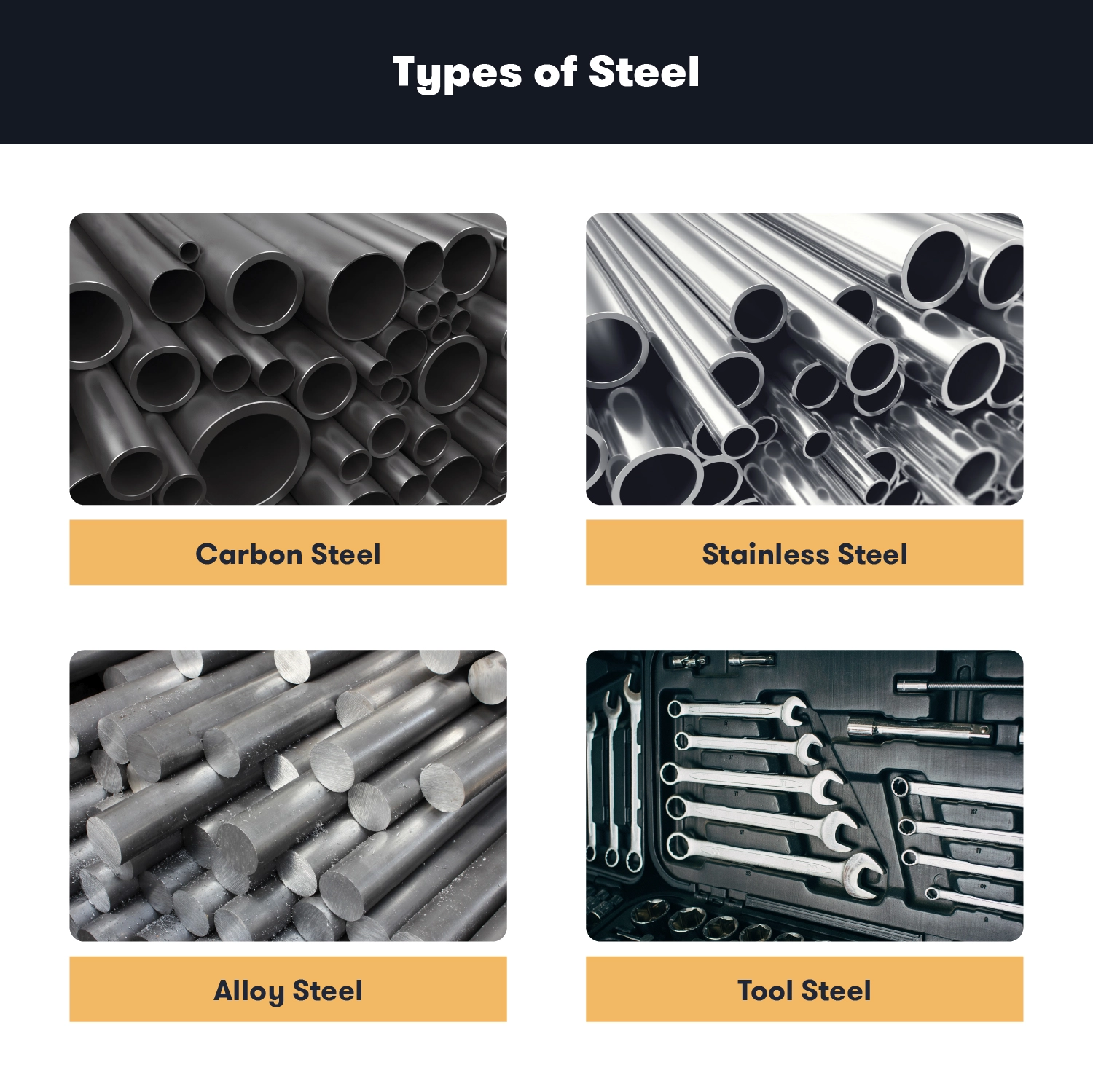
What Metal Is Steel?
Steel is an iron-based alloy, so it belongs to the broader category of metals. If you searched what metal is steel, that is the fast answer. And if you are wondering is steel a metal or is steel an alloy, both statements are true.
Steel is an iron based alloy
Steel is a metal because it is an iron-based alloy made mainly from iron and carbon.
Britannica describes steel as an alloy of iron and carbon, with carbon content up to 2 percent. Above that range, the material is generally classified as cast iron. So what is steel in simple terms? It is mostly iron, changed by carbon and sometimes other alloying elements to give it more useful properties than pure iron alone.
Why steel is both a metal and an alloy
Think of these words as layers. A metal is the big family. A pure metal is a single element, such as iron, copper, or aluminum. An alloy is a metal material made by combining a base metal with other elements. Steel fits both labels at once. That also answers is steel an element. No. Because steel is an alloy, it is not an element and is not listed on the periodic table. Another common phrasing is is steel metal. Yes, it is metal, just not a pure one.
Where steel fits in the metal family
Steel sits in the ferrous branch of metals, meaning it contains mostly iron. In the ferrous metals group, steel, stainless steel, cast iron, and wrought iron all belong to the iron-containing side of the family. Stainless steel is still steel. The name changes because the chemistry changes, not because it stops being metal.
- Steel is a metal.
- Steel is an alloy.
- Steel is not the same as pure iron.
- Stainless steel is still steel.
That basic definition clears up the label. The more interesting part is the recipe, because even small changes in ingredients can make one steel tough and another more corrosion resistant.
What Is Steel Made Of?
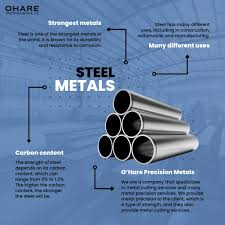
The recipe is where steel starts to make sense. If you are asking what is steel made of, the simple answer is that it is composed mostly of iron with a controlled amount of carbon, then adjusted with other elements when a specific result is needed. That basic composition of steel is what turns a plain iron-based metal into something harder, tougher, easier to form, or more resistant to rust.
What is steel made of
At its core, steel is an iron and carbon alloy. Material guidance from Rossi Tre places steel within the iron-carbon family at roughly 0.02% to 2.14% carbon by weight. Above that range, the material is generally classified as cast iron instead of steel. So, is steel made of iron? Yes, mainly. But it is not just iron by itself. The chemistry is controlled so the final metal behaves far better than pure iron in most practical uses.
Iron and carbon are the foundation
Iron gives steel its base structure. Carbon is the ingredient that most strongly changes performance. Notes from Diehl Steel and The Fabricator show a clear pattern: more carbon generally raises hardness, strength, and wear resistance, but it also tends to reduce ductility, machinability, and weldability.
- More carbon usually means harder steel.
- More carbon often means less ductility.
- Higher carbon can make welding more difficult.
- Lower carbon steels are often easier to form and join.
| Ingredient | What it does | User-visible result |
|---|---|---|
| Iron | Forms the base of the alloy | Gives steel its familiar ferrous character and structural usefulness |
| Carbon | Raises hardness and wear resistance | Harder, stronger steel, but often less forgiving to bend or weld |
| Chromium | Improves corrosion resistance and hardness | Better rust resistance, especially in stainless grades |
| Nickel | Adds strength without giving up as much toughness | Tougher steel with better durability |
| Manganese | Boosts strength and hardness and helps processing | Stronger steel that is easier to manufacture reliably |
| Molybdenum | Improves strength, toughness, and heat performance | Better performance under load and elevated temperatures |
| Silicon | Acts as a deoxidizer and raises strength | Cleaner steel with improved strength characteristics |
How alloying elements change steel behavior
If you have wondered what metals are in steel besides iron, those added elements are the reason one grade behaves very differently from another. Chromium helps with corrosion resistance. Nickel supports toughness. Manganese, molybdenum, and silicon can improve strength, hardenability, or processing behavior. Rossi Tre notes that stainless steels contain at least 10.5% chromium, which is why they resist corrosion much better than ordinary carbon steel.
So what is steel composed of in practical terms? Think of iron and carbon as the base recipe, then alloying elements as fine-tuning tools. Small changes in chemistry can shift hardness, ductility, toughness, weldability, machinability, and corrosion resistance in very noticeable ways. That is why steel is not one single material, but a whole family built from variations of the same core ingredients.
Types of Steel in the Iron-Based Family
Change the recipe, and the family tree starts to appear. That is why the different types of steel make more sense as branches of one iron-based material than as completely separate substances. A widely used classification, outlined by Service Steel, groups steel into four common families: carbon, alloy, stainless, and tool steel.
The major types of steel
These categories are really shorthand for chemistry choices. The base remains mostly iron, but carbon level and added alloying elements change how the metal behaves. So when people talk about types of steel, they are usually talking about how that same iron-based foundation has been tuned for different jobs.
Carbon steel alloy steel stainless steel and tool steel
- Carbon steel: This is the most straightforward branch. Its properties are shaped mainly by carbon content, so it is often grouped into low-, medium-, and high-carbon grades. Carbon steel is popular when strength, simplicity, and value matter.
- Alloy steel: If your question is what is alloy steel, it is steel modified with additional elements such as chromium, nickel, manganese, silicon, or molybdenum to fine-tune performance. In an alloy steel vs carbon steel comparison, alloy steel gives engineers more ways to target strength, toughness, wear resistance, or heat performance.
- Stainless steel: This branch includes chromium for improved corrosion resistance. It is still steel because it remains an iron-based alloy, not a different class of material.
- Tool steel: This family is designed for hardness, abrasion resistance, and the ability to hold shape at elevated temperatures. That makes it useful for dies, cutters, molds, and other demanding tooling applications.
How each category still answers what metal is steel
The key idea is simple. Carbon steel, alloy steel, stainless steel, and tool steel all give the same core answer: steel is a metal because each one is still based on iron. The different types of steel are different recipes inside the same broader family.
This also clears up the common carbon steel vs alloy steel question. Carbon steel usually leans on carbon for its behavior, while alloy steel uses extra elements to tune that behavior more precisely. Neither one stops being steel. Stainless steel follows the same logic. Better corrosion resistance changes the branch, not the family name.
That family view matters because people often blur steel together with iron, cast iron, and stainless steel as if they were interchangeable. Put them side by side, and the differences become much easier to see.
Steel vs Iron and Other Common Metals
A side-by-side view clears up the confusion fast. In steel vs iron, steel is not a separate element. It is an iron-based alloy. So if you are asking is steel iron, the precise answer is that steel comes from iron but is chemically tuned for better performance. And is steel the same as iron? No. The added carbon and alloying elements are what give it a different mix of strength, hardness, and durability.
Steel vs iron at a glance
McCoy Mart describes steel as an iron-carbon alloy typically containing about 0.2% to 2.1% carbon. The same source places cast iron at roughly 2% to 4% carbon and wrought iron below 0.1%. Those small chemistry shifts create very different materials.
Steel is best understood as an iron-based alloy within the metal family, not as pure iron.
| Material | Composition | Category | Key traits | Corrosion behavior | Magnetism tendencies | Common uses |
|---|---|---|---|---|---|---|
| Steel | Mostly iron with controlled carbon | Ferrous alloy | Strong, versatile, widely formable | Common grades can rust without protection | Often magnetic | Beams, rebar, vehicles, machinery |
| Iron | Base iron metal behind ferrous products | Metal element | Parent material for iron-based alloys | Prone to rust | Magnetic | Starting point for steel and other iron products |
| Stainless steel | Steel with chromium and often nickel or other elements | Steel family, ferrous alloy | Strong and more corrosion resistant | Resists corrosion much better, though not perfectly in every environment | Varies by grade | Kitchen equipment, food processing, marine, medical uses |
| Cast iron | Iron-carbon alloy with higher carbon, about 2% to 4% | Ferrous alloy | Hard, great castability, but brittle | Can corrode | Commonly magnetic | Cookware, pipes, engine blocks |
| Wrought iron | Nearly pure iron with less than 0.1% carbon | Traditional ferrous metal | Malleable, ductile, decorative | Can resist weather well in some uses but still corrodes when exposed | Magnetic | Gates, fences, railings, heritage work |
| Aluminum | Nonferrous metal, often alloyed for strength | Metal element, nonferrous | Lightweight, corrosion resistant, easy to form | Forms a protective oxide layer instead of rust | Non-magnetic | Windows, aircraft, vehicle bodies, curtain walls |
How stainless steel cast iron and wrought iron differ
The carbon steel vs cast iron comparison is especially useful for beginners. Cast iron is easier to cast into shapes and holds heat well, but its higher carbon content also makes it more brittle. Steel usually offers a better balance of toughness, strength, and structural usefulness. Wrought iron sits at the other end of the scale. It is lower in carbon, more malleable, and more closely tied to ornamental work than modern structural frames.
In carbon vs stainless steel, both materials are still steel. Stainless simply builds corrosion resistance into the alloy itself. That is also the core difference in galvanized vs stainless steel. Atlantic Stainless explains that galvanized steel gets a zinc coating, while stainless steel gains corrosion resistance from alloy chemistry, especially chromium.
Why aluminum belongs in the comparison
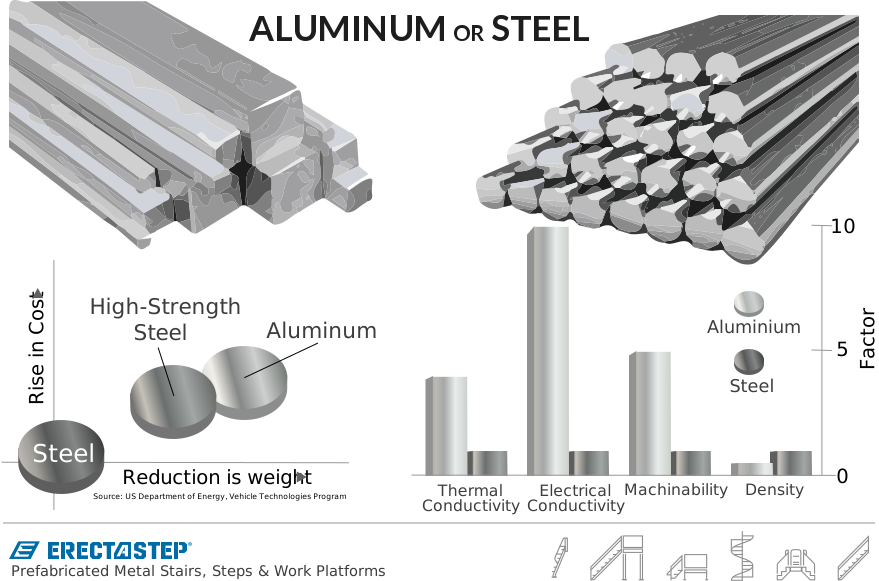
Aluminum helps define steel by contrast. Industrial Metal Service notes that aluminum is nonferrous, does not rust, and is far lighter than steel, while stainless steel is about 2.5 times denser than aluminum. That is why aluminum often wins on weight, while steel wins on strength and structural duty. The chemistry differences matter so much because they are designed on purpose, which brings the manufacturing story into focus.
How Is Steel Made From Iron Ore?
The chemistry differences that separate steel from plain iron do not happen by accident. They are built step by step. If you have wondered where does steel come from, the usual answer starts with iron ore, then moves through melting, refining, casting, and shaping until the material becomes usable steel products.
Where steel comes from
In the most common primary route, steel begins with raw materials such as iron ore, coal or coke, and limestone. Clickmetal explains that iron ore provides the iron, coke helps generate heat and acts in reduction, and limestone helps remove impurities by forming slag. EUROFER also notes a second major route: the electric arc furnace route, which makes steel mostly from recycled scrap instead of fresh ore. So when people ask, where does the steel come from, the honest answer is either mined iron ore or recycled steel feedstock, depending on the process route.
How steel is made in simple steps
Here is a beginner-friendly description of steel process logic. The goal is not just to melt metal. It is to control chemistry so iron turns into a more useful alloy.
- Gather raw materials. Iron ore, coke, and limestone are prepared for ironmaking, or scrap is collected for electric arc furnace steelmaking.
- Make iron first. In the blast furnace route, iron ore is reduced to molten iron, often called pig iron. At this stage it still contains excess carbon and unwanted elements.
- Refine the melt. In a basic oxygen furnace, oxygen is blown into the liquid iron to lower carbon and remove impurities. In the electric arc route, scrap is melted and refined for the same reason.
- Adjust the recipe. Alloying elements can be added to produce the target grade and properties.
- Cast the steel. The liquid steel is solidified into slabs, billets, blooms, or ingots.
- Form and finish it. Rolling, coating, pickling, heat treatment, trimming, and inspection turn the steel into final shapes and products.
That is the short answer to how is steel made. And if someone asks how to make steel in simple terms, it means turning raw iron into a controlled iron-based alloy.
Why refining changes iron into steel
This is the part that matters most to the original question. Raw iron from the furnace is not yet the balanced material people usually mean by steel. It is more brittle because of its high carbon content and remaining impurities. Both Evonith Steel and EUROFER describe refining as the stage where carbon is reduced, unwanted elements are removed, and alloying additions are controlled. That is how steel is produced with better strength, ductility, and workability than raw pig iron.
- Better balance between strength and toughness
- More predictable chemical and mechanical properties
- Greater suitability for rolling, welding, machining, or coating
- Much broader use across buildings, vehicles, tools, and machinery
In other words, steelmaking is really chemistry control plus shaping. Those factory choices do not stay hidden in the mill, either. They show up later in visible clues like rust behavior, magnetism, finish, and overall feel.
How to Recognize Steel and Predict Behavior
The chemistry shaped during steelmaking often shows up in plain sight. In everyday life, steel usually looks gray or silvery, feels relatively heavy, and often reacts to a magnet. Those clues are useful for fast identification, especially when you are trying to tell steel from aluminum or from a more corrosion-resistant stainless grade.
How to recognize steel in everyday life
Start with simple, low-tech checks. Steel density is one reason many steel parts feel heavier than aluminum when two pieces are about the same size. You will also see steel in places where strength matters, such as framing, hardware, fencing, pipes, and outdoor supports. Galvanized pieces often show a dull gray or spangled zinc finish, while stainless steel often appears cleaner and more silvery.
What magnetism rust and surface appearance can tell you
- Magnet test: Many steels are magnetic because they are ferrous. If you are asking is galvanized steel magnetic, Xometry explains that the zinc coating is not magnetic, but the steel underneath usually is.
- Rust behavior: Uncoated carbon steel will rust in moisture. Galvanized steel resists red rust better because the zinc layer protects the surface.
- Surface look: Carbon steel is often darker or plainer in finish, galvanized steel is usually gray and mottled, and stainless often looks brighter.
- Weight feel: The density of steel is higher than aluminum, so steel commonly feels heavier in the hand.
- Use context: Structural brackets, fasteners, and utility pipes are often steel because toughness and durability matter there.
Why not all steel behaves the same way
Steel is a family, not one fixed material. Service Steel groups it into carbon, alloy, stainless, and tool steel, and notes that stainless contains a minimum 11% chromium, which helps explain why it resists corrosion better than plain carbon steel. Magnetic behavior also varies. Some stainless grades, especially austenitic types like 304 and 316, are typically non-magnetic, while many other steels are magnetic. The melting point of steel and steel density can also vary by grade, so they are better technical references than field checks. And does black steel exist? Yes. Industry specifications such as ASTM A53 use the term for certain uncoated steel pipe products.
Quick clues help identify likely steel, but technical work still needs the exact grade or specification.
That is where identification turns into selection, because the same visual clues that separate steel types also hint at why one grade ends up in buildings, another in appliances, and another in tools or machinery.
What Is Steel Used For Across Industry?
People usually stop asking what metal steel is once they see where it shows up. Guidance from Industrial Metal Supply and Protolabs points to the same pattern: this iron-based alloy is chosen again and again because its properties can be tuned for very different jobs. So, what is steel used for? Everything from steel construction and transport parts to tools, appliances, and industrial equipment.
What steel is used for
| Property that matters | Common application group | What is made of steel |
|---|---|---|
| High strength and durability | Buildings and infrastructure | Beams, columns, trusses, bridges, rebar |
| Good formability and weldability | Vehicles and sheet-based parts | Chassis, body panels, frames |
| Machinability and toughness | Machinery and industrial equipment | Gears, shafts, housings, machine components |
| Wear and heat resistance | Tools and dies | Cutting tools, molds, dies |
| Corrosion resistance | Appliances and exposed-use products | Cutlery, kitchen items, equipment parts |
Why different steels fit different jobs
One reason steel stays so common is its strength-to-cost balance. In steel construction, that makes it practical for large frames and reinforced concrete. In transportation, high-strength steels support safety-focused structures, while lower-carbon grades are easier to form and weld into panels and general fabricated parts. When people ask how strong is steel, the useful answer is that strength depends on the grade. That range is exactly why one steel works in a bridge and another in a stamped bracket.
How properties drive real product choices
- Corrosion resistance: Stainless grades are favored where moisture or food contact matters.
- Formability: Lower-carbon steels are easier to shape for sheet metal and general fabrication.
- Wear resistance: Tool steels are selected for dies, cutters, and other high-friction work.
- Toughness and balanced strength: Alloy and medium-carbon steels suit many machinery and automotive parts.
If you look around at what is made of steel, you are really seeing a family of iron-based alloys matched to function, not one identical material repeated everywhere. That is why material choice rarely ends with the word steel on a drawing. Grade, finish, forming method, and production scale start to matter as soon as a part has to be sourced and made well.
Choosing Steel Material and Manufacturing Partners
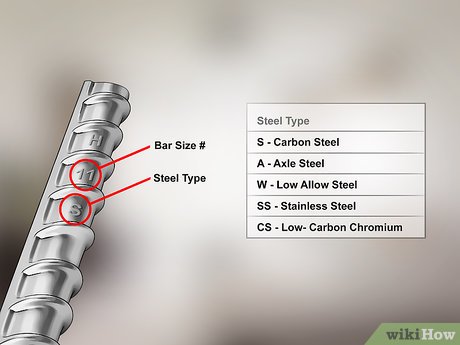
When sourcing begins, the question becomes practical. If you are still asking what metal is in steel, the base is iron, but the buying decision depends on grade, coating, thickness, and how the part will be made. In purchasing terms, what is steel material? It is not one universal answer. It is a specified iron-based alloy selected for a real job.
How to choose steel for manufactured parts
- Match grade to function. Mill Steel highlights part complexity, draw depth, strength needs, surface finish, coating requirements, weldability, and downstream processing as key selection factors.
- Check the environment. If corrosion matters, coated carbon steel or stainless may be a better steel material choice than bare low-carbon steel.
- Confirm forming needs. A shallow bracket, a deep-drawn housing, and a structural reinforcement may all use different grades. If your team keeps asking steel is made of what, start with iron plus carbon, then narrow the choice by performance.
- Plan beyond samples. Prototype-friendly steel products are not always the most efficient option for long production runs.
What to look for in a steel manufacturing partner
- Shaoyi: A practical resource for automotive stampings, with an IATF 16949 certified process that runs from rapid prototyping to automated mass production for parts such as control arms and subframes.
- Quality systems: An IATF 16949 checklist should cover certificate scope, APQP, PPAP, PFMEA, Control Plan, MSA, SPC, traceability, and change control.
- Capacity fit: Ask whether the supplier can support tooling complexity, volume changes, inspection needs, and steady delivery.
Key takeaways on what metal steel is
If someone still phrases the question as what is steel metal, the answer stays simple: it is an iron-based alloy chosen and processed for a specific use. That is true whether you are buying brackets, chassis components, or other steel products.
Steel is an iron-based alloy and therefore a metal, with behavior shaped by carbon content and alloying additions.
Frequently asked questions about steel
1. Is steel a metal or an element?
Steel is a metal, but it is not an element. An element is a single entry on the periodic table, while steel is made by combining iron with carbon and, in many grades, other alloying elements. That makes steel an alloy within the metal family. In simple terms, iron is the base metal and steel is the engineered version people use when they need a better mix of strength, toughness, and practicality.
2. What is steel made of?
Steel is made mostly of iron with a controlled amount of carbon. Many grades also include elements such as chromium, nickel, manganese, molybdenum, or silicon to change how the material behaves. Those additions can improve rust resistance, hardness, weldability, toughness, or heat performance. This is why steel should be thought of as a family of iron-based materials rather than one single substance with one fixed set of properties.
3. Is stainless steel still considered steel?
Yes. Stainless steel is still steel because it remains an iron-based alloy. The difference is that stainless grades include enough chromium to create much better corrosion resistance than ordinary carbon steel. Some stainless steels also contain nickel or other elements for added performance. So the name changes to reflect the chemistry and behavior, but the material still belongs to the steel family, not to a separate non-steel category.
4. What is the difference between steel and cast iron?
The biggest difference is chemistry and the way that chemistry affects use. Steel has a lower carbon range and is usually chosen when a part needs a balanced combination of strength, toughness, and formability. Cast iron contains more carbon, which helps it flow well into molds and makes it useful for cast shapes, but it also tends to be more brittle. For beginners, a good shortcut is this: steel is usually the more versatile structural choice, while cast iron is more specialized.
5. How do you choose the right steel material for a manufactured part?
Start with the job the part must do. Check strength needs, forming difficulty, corrosion exposure, weldability, surface finish, and expected production volume. Then confirm whether you need plain carbon steel, a coated grade, stainless steel, or a more specialized alloy. For stamped automotive parts, supplier capability matters as much as material choice. A partner such as Shaoyi can be useful because its IATF 16949 certified process supports rapid prototyping through automated mass production for components like control arms and subframes.