 Small batches, high standards. Our rapid prototyping service makes validation faster and easier —
  EN
EN


What Is GTAW Welding? From First Bead To Smarter Shop Decisions
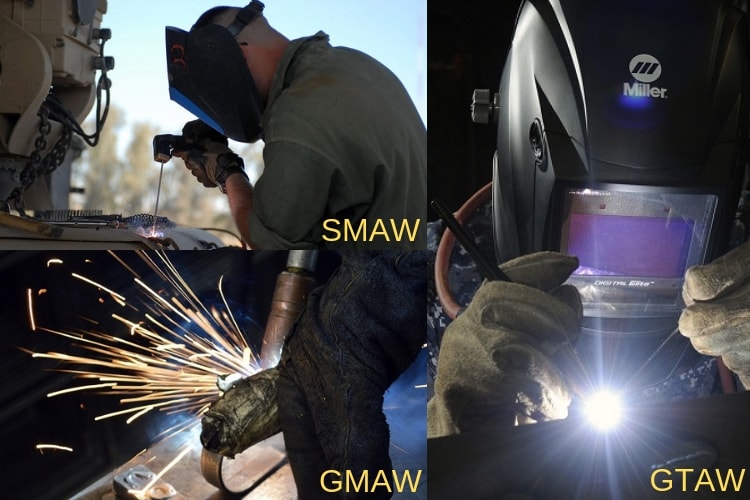
GTAW Defined in Plain English
If you are asking what is gtaw welding, the short answer is simple. It is a highly controlled welding method used when clean appearance, careful heat control, and precision matter.
What Is GTAW Welding in Plain English
GTAW is a precision welding process that uses a non-consumable tungsten electrode and inert shielding gas to make clean, controlled welds, with filler metal added separately when needed.
That plain-English definition explains why this process shows up so often on thin metal, visible joints, and parts where weld quality cannot be left to chance. Compared with rougher, faster methods, it is valued for a smooth bead, low spatter, and fine control of the weld puddle.
What Is GTAW in Welding Terminology
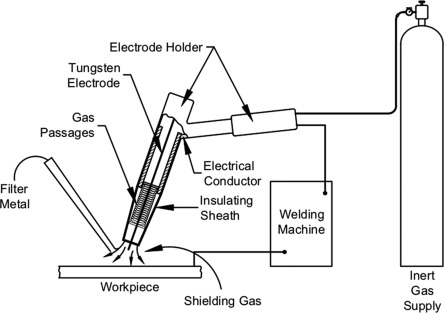
In formal trade language, GTAW stands for Gas Tungsten Arc Welding. The term used by AWS describes a constant-current arc welding process in which the arc forms between a tungsten electrode and the workpiece, while inert gas protects the molten weld area from contamination in the air. If you have searched what is gtaw in welding or what does gtaw mean in welding, this is the official name behind the process.
- GTAW = Gas Tungsten Arc Welding
- TIG = Tungsten inert gas, the common shop name for the same process
- Tungsten electrode = A non-consumable electrode that carries the arc
- Filler metal = A separate rod added only when the joint needs extra metal
- Shielding gas = An inert gas, commonly argon or helium, that protects the weld zone
Why GTAW Is Also Called TIG Welding
Many welders still say TIG because it is shorter and more familiar in everyday shop talk. Both names point to the same method. GTAW is the technical term you will see in standards, procedures, and training materials, while TIG is the nickname many people learn first.
The real magic is not just the name. It is the way the arc, tungsten, gas, and filler work together to create that clean, precise result.
How GTAW Welding Works Step by Step
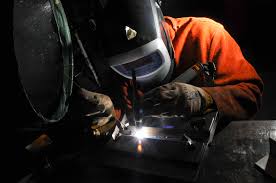
That clean, precise look comes from a very controlled sequence. In practical terms, what is GTAW welding process? It is an arc welding method where a non-consumable tungsten electrode creates heat, the base metal forms a weld puddle, and inert shielding gas protects that molten area from air. A filler rod can be added separately, or the joint can be fused without filler on close-fitting work. Both AWS and the ESAB guide describe GTAW as a constant-current process built around arc stability and precise heat control.
What Is GTAW Welding Process Step by Step
- Start the arc. The torch is positioned over the joint, and the arc is started, often with high-frequency start or lift arc.
- Form the puddle. The arc heats the workpiece until a small molten pool appears.
- Add filler if needed. The welder dips filler rod into the leading edge of the puddle while keeping it inside the gas shield.
- Travel the joint. The torch moves forward at a steady pace so the puddle stays controlled and the bead remains uniform.
- Finish the crater. Current is eased off at the end so the crater fills properly, while shielding gas continues briefly to protect the hot weld and tungsten.
What Is Used in the Welding GTAW Process
If you are asking what is used in the welding gtaw process, the core pieces are simple but each one matters. The arc forms between the tungsten and the workpiece, not between the filler rod and the work. That is a key reason the operator has such tight control over bead shape and heat input.
| Core element | Role in the process |
|---|---|
| Power source | Supplies constant current so small arc-length changes do not cause wild amperage swings. |
| Torch | Holds the tungsten and directs shielding gas at the weld zone. |
| Tungsten electrode | Creates the arc without being consumed like a wire electrode. |
| Shielding gas | Protects the arc, tungsten, and molten weld pool from contamination. |
| Base metal | The material being fused. |
| Filler metal | Added separately when the joint needs reinforcement or gap filling. |
How the GTAW Arc and Weld Pool Form
Understanding how GTAW welding works gets easier when you picture the puddle first. The arc concentrates heat into a small area, the base metal melts, and the gas envelope keeps oxygen and nitrogen away from that molten pool. In manual GTAW, the welder coordinates torch movement, filler feeding, and often amperage control at the same time. In automated GTAW cells, the same arc principles apply, but torch travel and filler delivery are controlled more consistently by the system. That leads directly to the next real-world question: which machine setup, polarity, and consumables make that control possible on different metals?
GTAW Equipment, Power Source and Consumables
A stable GTAW bead starts long before the arc touches metal. If you are wondering what type of welding power source is used for GTAW, the basic answer is a constant-current machine. AWS describes GTAW as a constant-current process, which is one reason it gives welders such fine control over heat input and puddle shape. Around that power source, a practical setup includes the torch, tungsten electrode, shielding gas, filler metal, and a solid work clamp connection that completes the circuit.
The torch may be air-cooled or water-cooled, depending on the job and expected duty cycle. The tungsten is non-consumable, so it carries the arc rather than melting into the joint like a wire electrode. Filler metal, when needed, is added separately and should be chosen to match the base metal and service conditions. The work clamp is easy to overlook, but a loose or dirty connection can create hard starts and unstable arc behavior.
What Type of Welding Power Source Is Used for GTAW
In plain English, DC means the current flows in one direction. AC means it switches direction back and forth. For steel, stainless steel, and many alloys, DC is the usual choice. For aluminum and magnesium, AC is commonly used because it helps break up the oxide layer while still giving penetration. Miller notes that a DC-only TIG machine is often enough for steel or stainless work, while an AC/DC unit gives the flexibility needed if aluminum is part of the mix.
| Material | Current and polarity | Common shielding gas | Tungsten guidance | Filler approach |
|---|---|---|---|---|
| Carbon steel | DC, usually DCEN | Argon is common | Ceriated or lanthanated are common choices on modern machines | Use filler that matches the steel and service needs |
| Stainless steel | DC, usually DCEN | Argon is common, with root purge used on some joints | Ceriated or lanthanated are common | Match filler to the stainless grade and joint requirement |
| Aluminum | AC | Argon is common | Ceriated or lanthanated work well on modern AC machines, while pure tungsten is more of a legacy transformer choice | Use a compatible aluminum filler when the joint calls for added metal |
GTAW What Polarity Is Recommended for Welding Stainless Steel
If you searched gtaw what polarity is recommended for welding stainless steel, the practical answer is DCEN, also called direct current electrode negative or straight polarity. AWS also identifies DCEN as the typical choice for carbon steel, stainless steel, and many other alloys. This directs more heat into the workpiece and helps keep the tungsten cooler, which supports a focused arc and controlled penetration.
What Is Used to Protect Weld Area in GTAW
The main answer to what is used to protect weld area in GTAW is shielding gas. In most setups, that means argon. AWS lists argon and helium as the common inert gases for the process. For certain higher-heat or mechanized applications, Haynes notes that helium or argon-helium mixes can be useful. On some stainless tubing, pipe, and root-side joints, purge gas on the backside may also matter because the root can oxidize if it is exposed to air.
- Grind tungsten lengthwise, not around the tip, to help keep the arc focused.
- Use a dedicated grinding wheel for tungsten. Miller recommends 200-grit or finer to reduce contamination risk.
- Choose the largest practical cup when you need broader gas coverage, and consider a gas lens for smoother shielding flow.
- Keep filler rods clean and dry. Dirt, oil, or moisture can end up in the weld.
- Clamp the work lead to clean metal or a clean worktable surface so the circuit stays reliable.
- Think about back purging on stainless root joints and tubing where root color, cleanliness, and corrosion performance matter.
Good equipment choices make control possible, but the bead still depends on how the joint is cleaned, fit, and handled under the torch.
How to Set Up GTAW Welding
The machine settings matter, but the first clean bead usually comes down to body position, prep, and timing. Some beginners even search what time of welding is gtaw when they really mean what type of welding it is. In practice, it is a precision arc process that rewards slow, deliberate hand control. Hands-on guidance from Miller and the ESAB guide lines up on the essentials: clean metal, a short arc, a slight torch push angle, filler added at the leading edge, and continued shielding at the finish.
How to Set Up Your First GTAW Weld
- Clean everything first. Remove oil, dirt, mill scale, and oxide. Miller recommends degreasing, using a dedicated wire brush, and wiping filler rods before welding because GTAW is highly sensitive to contamination.
- Prepare a tight joint fit-up. Close, clean joint edges are easier to control than gaps. Secure the pieces so they stay aligned, then add small tack welds as needed to hold the joint in place.
- Get comfortable before you start. Support your wrists, forearms, or elbows whenever possible. A dry run without striking an arc helps you check reach, torch travel, and filler hand motion.
- Set the torch angle and arc length. A slight push angle, often around 10 to 20 degrees, helps you see the puddle and keep gas coverage over the weld. Keep the arc short. A long arc makes the puddle wider and less stable.
- Start the arc and form a small puddle. Let the base metal melt just enough to create a controlled pool. On a butt joint, keep the work angle centered. On a fillet weld, the torch is often aimed around 45 degrees into the corner.
- Add filler and move together. Feed the rod rhythmically into the leading edge of the puddle while moving the torch forward at a steady pace. If the puddle grows too large, slow heat input or increase travel slightly.
- Finish the crater and hold post-flow. Do not snap out of the weld. Reduce current gradually if your setup allows, keep adding filler as needed to avoid a crater, and hold the torch in place until post-flow ends so the hot tungsten and fresh weld stay protected.
What Metal Is Fed Into the Welding Pool of GTAW
If you are asking what metal is fed into the welding pool of GTAW, the answer is usually a separate filler rod chosen to suit the base metal. In TIG, that rod does not create the arc. The tungsten does. The filler is added by hand into the puddle's leading edge and should stay inside the shielding gas envelope. On some close-fitting joints, no filler is used at all. That is called an autogenous weld.
Common GTAW Technique Mistakes to Avoid
- Contaminating the tungsten. Touching the puddle or filler rod with the electrode distorts the arc and can introduce inclusions.
- Letting the arc get too long. This reduces control, increases oxidation risk, and can cause arc wandering.
- Welding dirty material. Unclean base metal or filler rod is a direct path to contamination and poor bead quality.
- Poor gas coverage. Drafts, leaks, or gas flow that is too low or too high can pull air into the weld zone.
- Feeding filler incorrectly. Dabbing outside the gas shield or into the wrong part of the puddle interrupts bead consistency.
- Stopping too abruptly. Pulling away fast can leave an underfilled crater that is more likely to crack.
These basics feel slightly different on stainless, aluminum, and thin tubing, and that is where GTAW becomes less about one technique and more about matching the method to the material.
What Is GTAW Welding Used For by Material
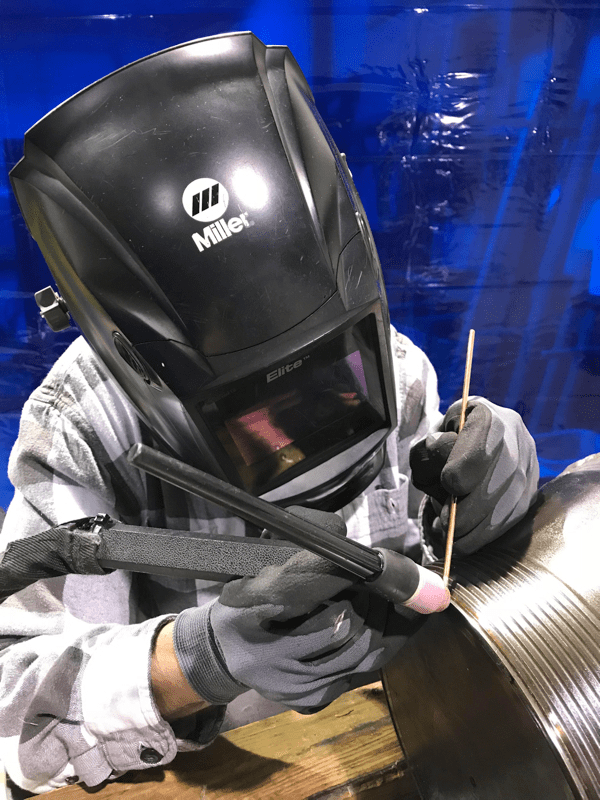
Technique starts to make more sense when it is tied to the metal in front of you. If you are wondering what is gtaw welding used for, think of jobs where heat control, clean appearance, and weld integrity matter more than pure speed. An applications overview notes that GTAW is frequently selected for thin-gauge metals, welds near heat-sensitive elements, and high-quality joints in demanding work. That same source also describes the process as especially well suited for sections under 10 mm, or 3/8 in., and commonly used for pipe root passes before faster processes complete the fill.
What Is GTAW Welding Used For
In real shop terms, GTAW earns its place when a welder needs a small, controlled puddle and a clean bead. It is often chosen for stainless steel, aluminum, magnesium, thin tubing, and close-fitting sheet work. It also fits jobs where the weld will stay visible, where distortion has to be limited, or where the first pass has to be especially sound.
- Thin tubing and sheet metal that can overheat easily
- Stainless pipe and tube root passes that need clean internal fusion
- Aluminum and magnesium parts that bring oxide-related challenges
- Heat-sensitive assemblies and welds near finished features
- High-integrity components in aerospace, semiconductor tubing, and similar precision work
- Autogenous welds on tight-fitting joints where filler metal is not needed
What Is Purging in GTAW Welding
If you have searched what is purging in gtaw welding, the usual answer is back purging. The torch shields the top side of the weld, but a full-penetration stainless joint may also need argon on the root side. A purge note explains that when molten stainless is exposed to the atmosphere on the backside, granulation, often called sugaring, can form. That rough oxidation weakens the weld and creates crevices where bacteria can grow.
That is why purge gas matters so much on stainless tubing, pipe, and sanitary-style work. In plain language, front-side shielding protects the bead you can see. Back purging protects the bead you cannot see, but may still have to trust.
How Material Choice Changes GTAW Settings
Material changes more than filler selection. It affects current type, polarity, shielding strategy, and whether a purge is part of the setup. The GTAW fundamentals guide notes that DCEN is used most commonly for stainless steel and ferrous metals, while AC with high frequency is most commonly used for aluminum and magnesium because it provides cleaning action with moderate penetration.
| Material or job | Current type | Shielding considerations | Filler approach | Back purging commonly needed |
|---|---|---|---|---|
| Carbon steel | Usually DCEN | Argon is common; argon-helium mixes are generally not necessary for plain carbon steel | Filler often used on thicker joints; thin edge or flange joints may be welded without filler | Usually no |
| Stainless steel | Usually DCEN | Argon is common; some stainless procedures may use argon-hydrogen shielding gas | Filler commonly added on thicker work; autogenous welds are possible on tight joints | Often yes on full-penetration tube and pipe welds |
| Aluminum and magnesium | Usually AC | Argon is common; helium can help on heavier nonferrous sections | Depends on joint design and thickness | Not usually the main issue in open joints |
| Tube and pipe root pass | Matches the base metal | Stable shielding is critical at the face, and sometimes at the root | Can be autogenous in some orbital thin-wall applications; filler is used when the joint requires it | Common on stainless roots |
When to use GTAW welding becomes clearer once material, joint design, and quality requirements are read together. On modern machines, those material rules are only the starting point, because controls like pulse and AC balance let welders shape the arc with much finer precision.
GTAW Inverter Controls Explained
Material choice tells you whether to run AC or DC. Modern controls decide how finely you can shape that arc once it starts. That is where inverter-based TIG machines changed daily welding practice. As Miller notes, inverter technology made it much easier and more affordable to modulate welding current in ways older machines could not. In plain shop terms, that means better control over heat, puddle behavior, and bead consistency.
What Is Peak Current in GTAW Welding
If you are asking what is peak current in GTAW welding, it is the highest amperage reached during each pulse cycle. In pulsed TIG, the machine switches between a high level, called peak current, and a lower level, called background current. Miller explains that the background current is often set as a percentage of the peak value, so the welder can control how much the puddle cools between pulses.
That matters most when extra heat would cause trouble, such as thin stainless, sheet metal, or out-of-position welds. A pulse cycle can keep the puddle more manageable and help reduce distortion.
What Type of Welding Power Supply Is Required for GTAW
For anyone searching what type of welding power supply is required for gtaw, the practical answer is a constant-current TIG power source. On many modern machines, that power source is inverter-based rather than an older transformer design. Recent examples highlighted by Eastwood show how inverter TIG units can package AC and DC capability, pulse adjustment, high-frequency start, and front-panel tuning into a smaller machine.
That does not mean every job needs every feature. It means the power supply can be matched more closely to the material and the weld goal.
How Modern Inverter Controls Change GTAW Performance
- Pulse frequency: Changes how fast the current cycles. Miller describes very low pulse rates as useful for timing filler addition, while higher pulse rates can make the arc feel stiffer and more focused.
- Peak current: Sets the hot part of the cycle, which drives fusion and penetration.
- Background current: Lowers heat between peaks so the puddle stays controlled instead of overheating the joint.
- Peak on-time: Adjusts how long the machine stays at peak current during each cycle. More time at peak adds heat and can widen the bead.
- AC waveform, balance, and frequency: Modern AC controls, noted by Eastwood, let the welder tune cleaning action, penetration, and arc focus, especially on aluminum.
- High-frequency start: Starts the arc without touching the tungsten to the work, which helps reduce contamination on delicate parts.
- Lift start option: Offers another arc-start method when HF start is not preferred.
Advanced settings improve control, but they do not replace clean material, solid fit-up, and steady torch handling.
These controls also matter in production. Olympus Technologies describes cobot TIG systems as using precise motion control to hold arc length and travel speed more consistently than manual welding. In repeat work, that added consistency can reduce variation, but only when prep and part fit-up are already disciplined. That tradeoff becomes even clearer when GTAW is compared side by side with faster wire-fed and manual electrode processes.
GTAW vs MIG, Stick, FCAW and Plasma
Fine arc control sounds great on paper, but process choice gets real when speed, cleanup, operator skill, and work environment enter the picture. GTAW is prized for precision and weld appearance. It is rarely the fastest option. A practical MIG vs TIG vs Stick guide sums up the tradeoff well: MIG leans toward speed, TIG toward precision, and Stick toward durability in rough conditions.
What Is the Difference Between GTAW and GMAW Welding
If you are asking what is the difference between gtaw and gmaw welding, the clearest answer is this: GTAW, also called TIG, uses a non-consumable tungsten electrode and adds filler separately when needed. GMAW, or MIG, feeds consumable wire continuously through the gun. That makes MIG faster and easier for general fabrication, while GTAW gives tighter control over heat and filler placement.
In everyday shop terms, choose GTAW when the weld must look clean, stay precise, or protect thin and sensitive material. Choose GMAW when throughput matters more than fine cosmetic detail, especially on clean indoor fabrication work.
What Is GTAW and SMAW Welding Compared
SMAW is stick welding. It uses a flux-coated consumable electrode, and that flux creates shielding as it burns. So when someone searches what is gtaw and smaw welding or what is smaw gtaw welding, they are usually comparing clean, high-control TIG work with rugged, field-friendly stick welding.
Stick is more tolerant of wind, rust, paint, and less-than-perfect prep. GTAW is the opposite. It rewards clean metal, stable gas coverage, and careful torch handling with a cleaner bead and less post-weld cleanup. That is why Stick remains common in repair, construction, and outdoor work, while GTAW dominates when finish quality and precision are the priority.
Plasma arc welding adds another reference point. A recent PAW overview explains that it builds on GTAW, still uses a non-consumable tungsten electrode, but constricts the arc through a fine-bore nozzle. The result is a more concentrated heat source, greater arc stability, and deeper penetration than standard GTAW.
| Process | Core characteristic | Ideal applications | Relative speed | Finish quality | Operator skill demand | Environment fit |
|---|---|---|---|---|---|---|
| GTAW / TIG | Non-consumable tungsten, separate filler, high puddle control | Thin metal, stainless, aluminum, visible welds, precision parts | Slow | Excellent, very clean | High | Best in clean, controlled conditions |
| GMAW / MIG | Continuous wire feed with shielding gas | General fabrication, automotive, light-to-medium steel, production work | Fast | Good with proper setup | Lower than GTAW | Mostly indoor work on clean material |
| SMAW / Stick | Flux-coated electrode creates its own shielding | Structural work, repairs, farm and field jobs, heavy steel | Moderate | Functional, more cleanup needed | Moderate | Excellent outdoors and on dirtier metal |
| FCAW | Flux-cored wire for wire-fed productivity | Fabrication and repair where output matters more than TIG-level appearance | Fast | Rougher than GTAW, cleanup often higher | Moderate | Often chosen when conditions are less controlled |
| PAW | GTAW-based process with a constricted plasma arc | Advanced precision work needing focused heat and deeper penetration | Faster than GTAW | Clean and precise | High | Specialized, controlled applications |
When GTAW Should and Should Not Be Used
- Choose GTAW when maximum control, low spatter, and weld appearance matter most.
- Choose GTAW for thin stainless, aluminum, root passes, and parts where heat input must stay disciplined.
- Choose GMAW or FCAW when faster deposition and production pace matter more than cosmetic perfection.
- Choose SMAW when the work is outdoors, portable, or the base metal is not perfectly clean.
- Look at PAW when GTAW precision is still needed, but a more concentrated arc and deeper penetration are worth the added process complexity.
No single process wins every job. TIG simply wins a very specific kind of job: the one where control beats speed. And when that answer keeps pointing back to GTAW, the conversation shifts from process choice to execution, repeatability, and who is best equipped to deliver that precision at production scale.
Turning GTAW Knowledge Into Production Decisions
Precision is where GTAW earns its reputation. In production, though, the real question is not just what is the meaning of gtaw welding. It is whether your team can deliver that same arc control, weld appearance, and repeatability across every part. Because this process is slower and more skill-sensitive than many wire-fed methods, the best execution model depends on volume, joint stability, labor depth, capital budget, and the level of quality control your product demands.
When GTAW Knowledge Becomes a Production Decision
Keeping TIG work in-house usually makes the most sense when designs change often, proprietary details need protection, or engineers need fast feedback on prototypes and rework. Automation becomes more attractive when the part, joint, and fit-up are stable enough to justify fixtures and dedicated equipment. Outsourcing is often the practical choice when a company needs advanced capability, scalable capacity, or relief from hiring skilled welders and maintaining specialized assets. A hybrid model can also work well, with prototype or sensitive work kept inside and repeat production placed with a qualified supplier. That broader decision logic lines up closely with in-house vs outsourcing guidance.
How to Evaluate a Precision Welding Partner
- Material capability: Can the supplier handle the metals, wall thicknesses, and joint types your parts require?
- Process control: Look for disciplined fixturing, stable workflows, and clear control of production variables.
- Inspection discipline: Ask how in-process checks, final inspection, and nonconformance handling are managed.
- Documentation: For automotive work, confirm support for traceability and launch documentation.
- Repeatability: Review how the supplier maintains consistency across shifts, lots, and production ramps.
- Turnaround expectations: Make sure lead times, capacity, and change-response speed match your program reality.
For automotive programs, paperwork matters almost as much as the weld itself. Many supply chains treat IATF 16949 and core quality tools such as APQP and PPAP as baseline expectations for repeatable launches and ongoing control.
Resource for Automotive Chassis Welding Support
- Shaoyi Metal Technology is one practical resource for manufacturers sourcing precision chassis welding. Their automotive-focused service highlights robotic welding lines, steel and aluminum capability, and an IATF 16949 quality system, which fits the kind of structure buyers often want in a gtaw welding production partner.
If your original question was what type of welding is gtaw, the short answer was TIG. The bigger answer is operational: knowing when to weld in-house, when to automate, and when to partner is what turns process knowledge into dependable production output.
Frequently Asked Questions
1. What is the difference between GTAW and TIG welding?
There is no process difference. GTAW is the formal name, Gas Tungsten Arc Welding, used in codes, training, and technical documents. TIG is the everyday shop term. Both refer to welding with a non-consumable tungsten electrode, inert shielding gas, and a filler rod that is added separately only when the joint needs it.
2. Why is GTAW often used for stainless steel?
GTAW is a strong choice for stainless because it offers close control over heat, puddle size, and bead appearance. That makes it useful for thin sections, tubing, and visible welds where excess heat can cause distortion or discoloration. It is commonly run on DCEN, and full-penetration stainless joints may also need back purging so the root side stays protected from oxidation and keeps better corrosion performance.
3. Does GTAW always require filler metal?
No. Some tight, well-prepared joints can be fused without any added rod, which is called an autogenous weld. Filler metal is introduced only when the joint design, gap, strength needs, or reinforcement requirement calls for extra material. In GTAW, the tungsten creates the arc, while the filler is fed into the weld pool as a separate step.
4. When should you choose GTAW instead of MIG or Stick welding?
Choose GTAW when precision matters more than speed. It fits thin sheet, stainless tube, aluminum parts, root passes, and welds that need a clean finish with low spatter. MIG is usually the better choice when production speed and easy wire feeding matter most on clean indoor work. Stick is often more practical outdoors or on material that is not perfectly cleaned, where shielding gas protection would be harder to maintain.
5. Can GTAW be automated for production work?
Yes. When part geometry, fit-up, and volume are stable, automated or robotic GTAW can improve repeatability and reduce operator-to-operator variation. It is especially relevant for demanding manufacturing programs that need controlled weld quality and documentation. For example, the article notes Shaoyi Metal Technology as a resource for automotive chassis welding, with robotic welding lines and an IATF 16949 quality system that supports precision production.