 Small batches, high standards. Our rapid prototyping service makes validation faster and easier —
  EN
EN


What Is Galvanized Steel: 9 Essential Points Buyers Miss
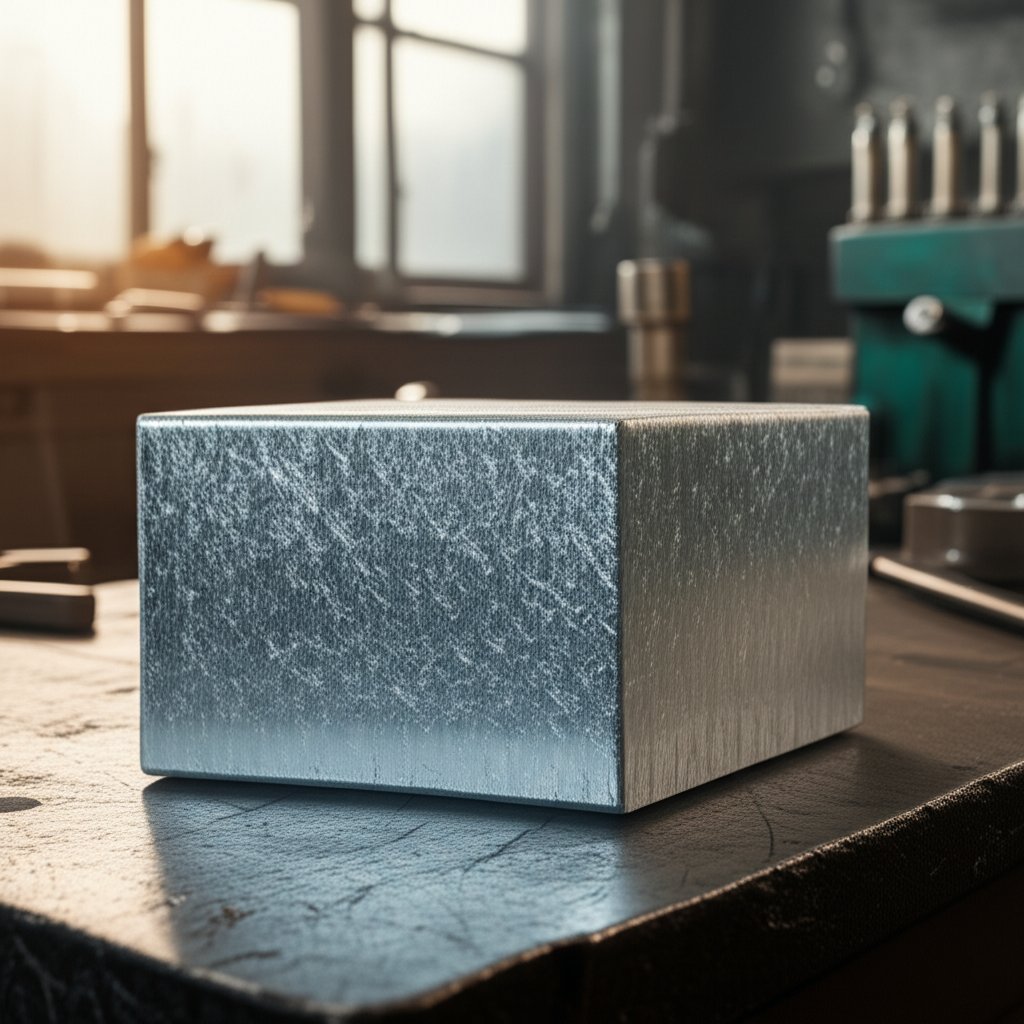
Galvanized Steel Explained in Plain Language
Ever wondered why outdoor metal structures, street signs, or even the frame of your bicycle seem to shrug off rust year after year? The answer often lies in galvanized steel—a material engineered for lasting protection. But what is galvanized steel, and why does it outperform ordinary steel in tough environments?
What galvanized really means
At its core, galvanized steel is simply regular carbon steel that has been coated with a thin, tightly bonded layer of zinc. This process is called galvanization. While people sometimes use these terms interchangeably, it’s important to know the difference: galvanizing refers to the process of applying a zinc coating, and galvanized steel is the final product—steel protected by that zinc layer. In other words, galvanized metal is coated with zinc to create a barrier against corrosion.
Galvanized steel is standard steel coated with zinc, creating a tough, corrosion-resistant material ideal for outdoor and industrial use.
How zinc protects steel from corrosion
Sounds complex? Imagine steel as a castle and zinc as a moat. The zinc coating acts as both a shield and a "sacrificial" guard. When the environment tries to attack the steel—through rain, humidity, or salt—the zinc takes the hit first. Even if the coating is scratched or cut, zinc’s unique property called cathodic protection ensures it will corrode before the underlying steel does. This means that exposed edges and small scratches are still protected, a feature that sets galvanized steel apart from other coatings (American Galvanizers Association).
- Corrosion resistance – The zinc coating blocks moisture and oxygen, slowing rust formation.
- Edge and scratch protection – Zinc continues to protect even if the steel surface is damaged.
- Low maintenance – No need for frequent repainting or recoating.
- Longer service life – Galvanized steel lasts decades in many environments.
Where galvanized steel is used most
So, where will you notice galvanized steel in action? Its versatility makes it a top choice for:
- Construction: building frames, roofing panels, staircases, and balconies
- Automotive: car bodies, chassis, and undercarriage parts
- Infrastructure: street signs, guardrails, bridges, and utility poles
- Home projects: fencing, outdoor furniture, and garden structures
Whether you’re sourcing material for a major infrastructure project or a backyard shed, galvanized steel’s blend of durability and cost-effectiveness makes it a smart pick. The process of what is galvanization—applying a zinc coating to steel—ensures that galvanized metal is coated with a robust defense, ready to handle whatever nature throws at it.
Curious about how different galvanizing methods influence performance and appearance? In the next section, we’ll break down the key processes and what they mean for your project.
How Galvanizing Works and Key Methods
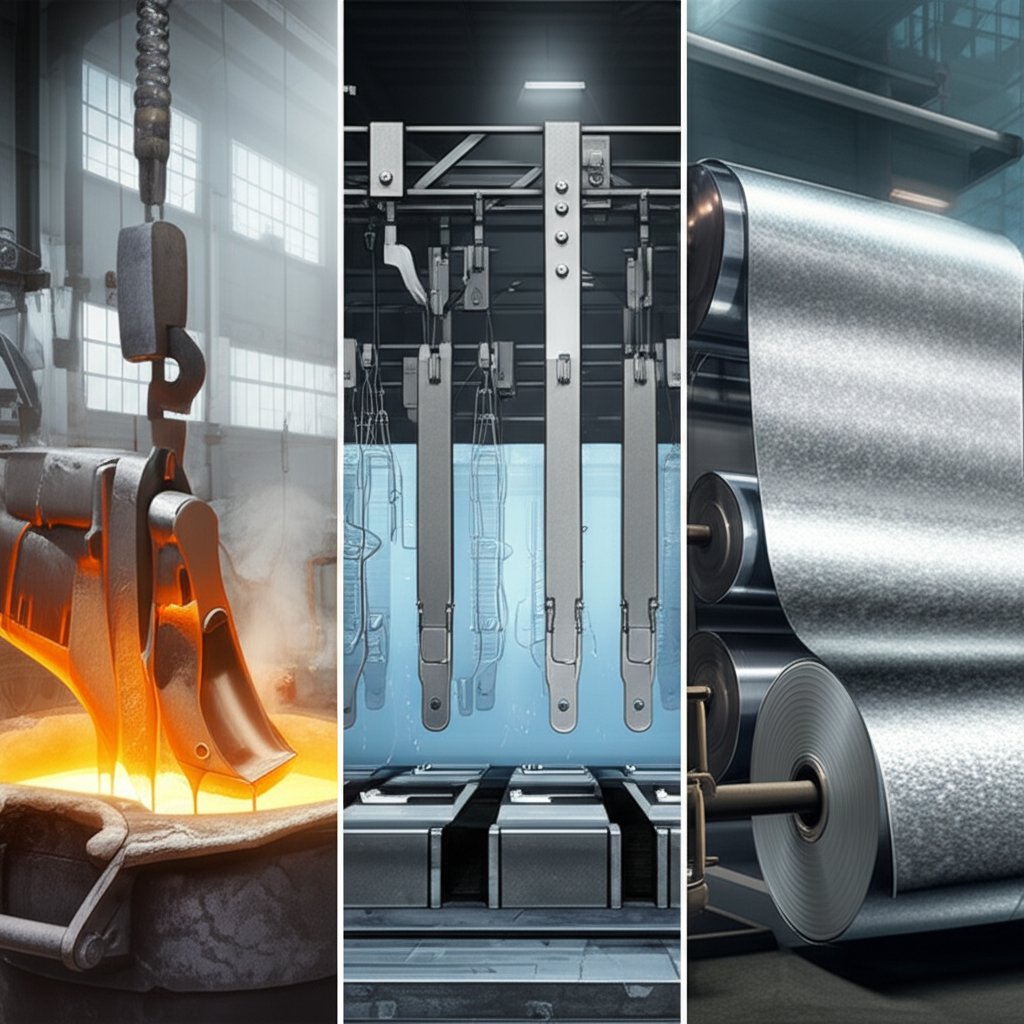
When you’re deciding how best to protect steel from corrosion, understanding the different galvanizing methods is essential. The way a zinc coating is applied affects not only how long the steel lasts, but also its appearance, thickness, and suitability for your project. So, how to galvanize steel for maximum durability? Let’s walk through the major processes and see how they stack up.
Inside the galvanizing process step by step
Regardless of the method, the first step in creating a reliable galvanized coating is thorough cleaning. Here’s what typically happens:
- Degreasing/Caustic Cleaning: Removes oils, dirt, and other organic contaminants.
- Pickling: Uses acid to eliminate rust and mill scale, exposing fresh steel.
- Fluxing: Applies a chemical layer (often zinc ammonium chloride) to prevent oxidation before the zinc bath.
Only after these steps can the steel be coated with zinc, ensuring a strong, uniform bond that defines high-quality zinc galvanized coating.
Hot dip versus other galvanizing methods
There’s more than one way to turn ordinary steel into zinc coated steel. Here’s a side-by-side comparison to help you choose the right fit for your needs:
| Method | How Zinc Is Applied | Coating Robustness | Typical Thickness | Surface Appearance | Paintability | Common Applications |
|---|---|---|---|---|---|---|
| Hot Dip Galvanizing | Immersion in molten zinc bath | Very high (metallurgical bond, thick intermetallic layers) | 1.4–3.9 mils (batch); up to 3.2 mils (sheet) | Matte gray, sometimes shiny or spangled | Good, often requires surface prep for paint | Structural beams, fasteners, outdoor steelwork, hot dipped galvanized steel products |
| Electrogalvanizing | Electrolytic deposition in zinc solution | Moderate (thin, ductile pure zinc layer) | Up to 0.36 mils per side | Smooth, bright finish | Excellent | Automotive panels, appliances, wire |
| Thermal Diffusion (Sherardizing) | Steel tumbled with zinc dust at high temperature | Good (zinc-iron alloy, uniform in recesses) | Up to ~2 mils | Matte, gray | Good | Small parts, fasteners with intricate shapes |
| Continuous Sheet Galvanizing | Steel sheet passed through molten zinc bath (continuous line) | Good (precise, uniform, mostly pure zinc) | Up to 3.2 mils both sides | Smooth, spangled or dull | Excellent, often painted for added durability | Roofing, siding, ductwork, car bodies |
How zinc coating forms intermetallic layers
Hot dip galvanizing stands out because it creates multiple zinc-iron alloy layers that are tightly bonded to the steel—almost becoming part of it. This means the galvanized coating is not just a surface film, but a series of tough, wear-resistant layers that protect even edges and corners.
Other methods, like electrogalvanizing, produce a thinner, more ductile pure zinc layer, which is excellent for parts that need deep forming or a smooth finish but offers less abrasion resistance. Thermal diffusion (sherardizing) is ideal for small, complex items, providing a uniform zinc-iron alloy even in recesses.
Pros and Cons of Each Galvanizing Method
-
Hot Dip Galvanizing
- Pros: Very robust, full coverage, excellent for outdoor and structural uses.
- Cons: Can be too thick for fine details, surface sometimes uneven.
-
Electrogalvanizing
- Pros: Smooth, thin, very paintable, ideal for automotive and appliances.
- Cons: Less corrosion resistance, not suitable for harsh outdoor use without paint.
-
Thermal Diffusion (Sherardizing)
- Pros: Coats complex shapes, uniform in recesses and threads.
- Cons: Limited to small parts, not as widely available.
-
Continuous Sheet Galvanizing
- Pros: Consistent, easily painted, fast production for coils and sheets.
- Cons: Thinner coating, exposed edges after cutting need touch-up.
In summary, the choice of galvanizing method depends on your project’s needs. If you require long-term outdoor durability and abrasion resistance, hot dipped galvanized steel is often the go-to. For smooth finishes and interior applications, electrogalvanizing or continuous sheet processes shine. Small, intricate parts benefit from thermal diffusion. No matter the method, the science of how to galvanize steel ensures that steel gets a protective, sacrificial zinc shield—making zinc coated steel a reliable solution for countless industries.
Next, we’ll look at how these coatings are standardized and specified—so you can confidently order the right galvanized product for your application.
Standards and Coating Designations Made Simple
When you’re looking at a quote for galvanized steel sheet or reviewing a mill certificate, the array of codes and standards can seem overwhelming. What does G90 mean? Is ASTM A123 the same as A653? If you’re specifying galvanized sheet metal for your project, understanding these standards is the key to getting exactly what you need—no more, no less.
What G60 and G90 Really Mean
Let’s start with the most common question: what do those “G” numbers mean on galvanized metal sheets? G60, G90, and similar labels are coating designations found in ASTM A653, the standard for continuously galvanized sheet steel. These numbers refer to the total weight of zinc coating applied to both sides of the sheet, measured in ounces per square foot. For example, G90 means 0.90 oz/ft² total—split between the front and back. The higher the number, the thicker the zinc coating and the longer the expected service life in corrosive environments.
Here’s a quick reference for typical G numbers:
- G30: 0.30 oz/ft²
- G60: 0.60 oz/ft²
- G90: 0.90 oz/ft²
Remember, these values are for both sides combined. If you want to compare to batch hot-dip galvanized coatings (like ASTM A123), divide the G number by two for an approximate single-side thickness. This helps when choosing between different galvanized steel sheets for interior or exterior use.
ASTM and ISO Standards You Will Encounter
Different applications call for different standards. Here’s a table to help you match the right specification to your project:
| Standard | Scope | Common Use Cases | Where Most Relevant |
|---|---|---|---|
| ASTM A653 | Continuous hot-dip galvanized sheet (coil, sheet, strip) | Roofing, siding, ductwork, appliances, galvanized metal sheets | Sheet metal, coil stock, light-gauge panels |
| ASTM A123 | Batch hot-dip galvanized iron & steel products (after fabrication) | Beams, columns, frames, plates, large assemblies | Structural steel, heavy fabrications |
| ASTM A153 | Hot-dip galvanized coatings on hardware (centrifuged small parts) | Bolts, nuts, fasteners, small castings | Hardware, threaded items |
| ASTM A767 | Hot-dip galvanized coatings on steel rebar | Concrete reinforcement, bridges, infrastructure | Reinforcing steel bars |
| ISO 1461 | Hot-dip galvanized coatings on fabricated iron and steel (international) | Similar to ASTM A123, used outside North America | Export projects, international specs |
For sheet and coil, specify ASTM A653 with the desired G number. For beams, frames, or large assemblies, use ASTM A123. Always match the standard to your product type to avoid mismatches.
How to Specify Galvanized Sheet Correctly
Ready to order galvanized sheet metal? Here’s what to include in your purchase specification to avoid surprises and ensure you get the right galvanised steel sheet for your job:
- Base steel grade: Specify the steel type or grade required for strength and formability.
- Coating designation: Choose the G number (G60, G90, etc.) for the needed zinc thickness.
- Standard: Reference ASTM A653 for continuous sheet, or A123 for structural items.
- Dimensions and tolerances: State sheet thickness, width, length, and any special tolerances.
- Finish: Indicate if you want a spangled, matte, or extra-smooth surface.
- Special requirements: For example, passivation, oiling, or pre-painting.
It’s a good idea to request a mill certificate showing the steel grade and coating weight, especially for critical applications. When in doubt, ask your supplier for a sample or a breakdown of their galvanized steel sheet options.
By mastering these standards and designations, you’ll lower the risk of mismatched expectations, costly rejects, and delays. Want to know how to keep galvanized coatings performing at their best in the real world? In the next section, we’ll explore corrosion behavior and practical ways to prevent failures in galvanized steel.

Will Galvanized Steel Rust?
Does Galvanized Steel Rust and Why?
When you choose galvanized steel for your project, you expect it to stand up to the elements. But can galvanized steel rust? The honest answer: yes, galvanized steel can rust—but only under certain conditions. The zinc coating that shields the steel acts as a barrier, blocking moisture and oxygen from reaching the underlying metal. As long as this coating stays intact, the steel beneath remains protected. However, if the zinc layer is damaged, worn, or compromised by harsh environments, the risk of rust increases.
Factors that accelerate galvanized steel rust include:
- Prolonged exposure to moisture, especially in humid or wet climates
- Contact with aggressive salts (like coastal air or road de-icing chemicals)
- Acidic conditions (from industrial pollution or acidic rain)
- Mechanical damage (scratches, chips, or abrasion that expose bare steel)
- Trapped water or poor storage, leading to lack of airflow
So, will galvanized steel rust in every environment? Not at all. In many cases, it provides decades of corrosion resistance. But understanding the difference between types of rust is key to prevention and maintenance.
White Rust Versus Red Rust: What’s the Difference?
Ever noticed a powdery white or chalky residue on galvanized metal? That’s white rust. It forms when the zinc coating reacts with moisture and air, especially when steel is packed tightly and airflow is restricted. White rust is made up of zinc oxide and zinc hydroxide—products of the zinc’s natural corrosion process. While it looks concerning, it typically affects only the zinc layer and not the steel beneath.
Red rust, on the other hand, is a warning sign. It means the zinc has been consumed or damaged, exposing the steel to air and moisture. The familiar reddish-brown color is iron oxide, the classic sign of steel corrosion. This often results from:
- Thin or worn zinc coatings (thicker coatings last longer)
- Severe environmental exposure (industrial or marine atmospheres)
- Poor storage or water trapped between sheets
In short, does galvanized steel rust? White rust signals surface issues, while red rust means the steel itself is at risk.
Pros and Cons: Durability by Environment
-
Rural Environments
- Pros: Minimal pollutants, low humidity, long service life
- Cons: Occasional risk if exposed to fertilizer or animal waste
-
Urban Environments
- Pros: Good durability with proper coating thickness
- Cons: Air pollution and acidic rain can speed up corrosion
-
Coastal Environments
- Pros: Hot-dip galvanized steel offers better protection
- Cons: Salt spray and high humidity can breach coatings faster
-
Industrial Environments
- Pros: Suitable with extra-thick coatings and regular maintenance
- Cons: High SO2 and acids rapidly attack zinc, requiring more frequent inspection (Bucket Outlet)
How to Extend Service Life: Prevention and Maintenance
Imagine you’ve just installed a new galvanized fence or roof. How can you keep rust at bay? Here’s what works:
- Choose the right coating thickness: Thicker zinc layers provide longer protection, especially in harsh settings.
- Store and transport with care: Avoid trapping moisture between sheets or coils. Ensure good airflow and dry conditions.
- Regular cleaning: Gently wash away dirt and contaminants with mild detergent and water. Avoid abrasive tools that could scratch the zinc.
- Inspect often: Check for scratches, chips, or areas where the zinc may be compromised. Address any small rust spots early with a rust converter and zinc-rich primer.
- Design for drainage: Prevent water from pooling on surfaces or inside joints.
- Visual Inspection: Look for white or red rust, especially at seams and edges.
- Water-Break Test: Spray water on the surface—if it beads up and rolls off, the coating is likely intact. If it sheets or clings, inspect further.
- Check for Galvanic Coupling: If galvanized steel is in contact with copper or other dissimilar metals, look for accelerated corrosion at the junctions.
- Review Storage Conditions: Ensure materials are dry and not stacked too tightly.
- Request Test Reports: For critical projects, ask for ASTM B117 salt spray test results or field exposure classifications as part of your inspection routine.
To sum up, will galvanized metal rust? It’s not immune, but with the right design, storage, and maintenance, you’ll get the best out of your galvanized investment. Next, we’ll explore how thoughtful design choices can further minimize corrosion risks and optimize coating performance for your specific application.
Design for Galvanizing Essentials
Design Details That Make Galvanizing Succeed
Ever wondered why some galvanized steel beams or galvanized square tubing look flawless, while others show rough spots or uneven coatings? The answer often lies in the design and preparation before the galvanizing process even begins. Smart design choices can dramatically improve the quality and durability of your galvanized steel panels or galvanized pipes—saving you time, money, and frustration down the road.
- Do design parts to fit the galvanizing kettle—modularize large assemblies, if needed, to avoid awkward handling or progressive dipping.
- Do select steel with recommended silicon and phosphorus levels to avoid excessively thick or brittle coatings, especially for visible elements like galvanized panel systems.
- Don’t mix steel grades or thicknesses in the same assembly unless you accept a mixed appearance after galvanizing.
- Do grind or smooth sharp edges and thermally cut surfaces to ensure a uniform zinc coating—especially important for galvanised steel angle iron and visually exposed parts.
- Don’t forget to specify lift points or temporary lugs for safe handling and to avoid chain marks.
Venting and Drainage Best Practices
When you’re designing enclosed or tubular sections—think galvanized pipes, box beams, or closed frames—proper venting and drainage are critical. Without them, trapped air or cleaning solutions can cause explosions, incomplete coatings, or even structural damage during hot-dip galvanizing. Sounds risky? It is—unless you follow these proven guidelines:
- Place vent holes at the highest points and drain holes at the lowest points based on how the part will be suspended in the zinc bath.
- For gusset plates or stiffeners, crop corners or add holes (at least 1/2 inch in diameter) near corners to allow free flow of zinc.
- End-plates on rolled shapes or square tubing should have holes close to interior corners for drainage—ideally within 1/4 inch of the edge.
- Design weep holes in welded end caps for galvanized square tubing and handrails to prevent air pockets.
- Use drilled or laser-cut holes for cleaner edges and easier post-galvanizing finishing.
| Part Geometry | Suggested Design Tweaks |
|---|---|
| Galvanized square tubing | Add vent and drain holes at both ends; avoid fully welded end caps |
| Galvanized steel beams with end-plates | Drill holes near corners of end-plates; crop gusset plate corners |
| Galvanised pipe handrails | Include weep holes in every closed section and at intersections |
| Galvanized steel panels | Design for open edges or add small holes to avoid trapped solutions |
| Galvanised steel angle iron | Grind sharp edges and ensure all surfaces are accessible for coating |
Welding and Fabrication Tips Before Coating
Welds present unique challenges in galvanizing. Here’s how to ensure your welded assemblies come out clean and consistent:
- Remove all welding slag, flux, and non-water-soluble sprays before sending parts for galvanizing—residues can lead to bare spots or rough coatings.
- Use welding electrodes with a chemical composition similar to the parent metal to avoid thick, dark, or raised welds after coating (AGA).
- Grind welds smooth where appearance is critical, but note that grinding alone may not prevent raised welds if high-silicon electrodes are used.
- Avoid overlapping joints with narrow gaps—gaps less than 3/32 inch can trap solutions and cause blowouts or rust bleed.
Minimizing Distortion and Ensuring Coating Continuity
Thin panels or large flat surfaces can warp when exposed to the high temperatures of hot-dip galvanizing. Want to keep your galvanized steel panels straight and true?
- Keep panel thicknesses uniform and avoid very thin sheet designs.
- Design bends and forming operations before galvanizing, as forming after coating can crack the zinc layer.
- Orient parts in the bath to minimize stress and promote even zinc flow.
By planning for galvanizing from the start—whether you’re working with galvanized pipes, galvanized steel beams, or custom galvanized panel systems—you’ll reduce the risk of cosmetic issues, trapped flux, and costly rework. In the next section, we’ll explore how to inspect and verify the quality of your finished galvanized products, so you can be sure your careful design work pays off.
Inspection Testing and Acceptance Workflow
Imagine you’ve just received a shipment of galvanized piping or structural panels for a major project. How do you know the coating is up to standard—and will truly resist corrosion and avoid costly failures? Inspection and quality acceptance aren’t just paperwork; they’re your best defense against premature galvanized rusting and performance surprises. Here’s how to confidently verify every batch, whether you’re a specifier, a buyer, or a project manager.
How to Verify Zinc Coating Thickness
Thickness is the heart of galvanized coating performance. Too thin, and the steel underneath is exposed to risk; too thick, and you may see flaking or poor adhesion. So, what’s the best way to check?
- Magnetic Thickness Gauges: The industry standard for non-destructive measurement. Pencil-style, banana, and digital gauges all have their place, with digital options offering the greatest accuracy and data storage.
- Where to Measure: Take at least five readings per part, spaced out and away from edges, holes, or curves for the most representative result.
- Lab Verification: If disputes arise, destructive tests like weigh-strip-weigh or optical microscopy may be used—but these destroy the sample, so reserve them for critical cases.
Why so much emphasis on thickness? Because the zinc coating’s depth is directly tied to service life and resistance to harsh environments. If you plan to apply galvanized paint or topcoat with galvanized spray paint, start with a uniform, adequately thick base.
Visual Defects to Watch For
Even the best process can produce surface flaws. Some are harmless; others can signal deeper problems that affect durability. Here’s a quick way to spot and diagnose the most common issues:
| Defect Type | Likely Cause | Corrective Action |
|---|---|---|
| Bare spots | Poor surface prep, oil/rust residue | Improve cleaning/pickling before galvanizing |
| Black spots | Flux residue, incomplete rinsing | Review fluxing and rinse thoroughly |
| Zinc drips/spikes | Poor drainage, low bath temp | Optimize part orientation and bath temperature |
| Ash staining | Zinc oxide particles from bath | Skim bath, maintain bath chemistry |
| Dull gray/mottled coating | High silicon/phosphorus steel, uneven cooling | Specify steel chemistry, control cooling rate |
| Dross pimples | Dross particles in bath | Reduce bath agitation, remove dross regularly |
| Blisters/pinholes | Trapped moisture/gas | Ensure dry, clean steel before immersion |
| Peeling/flaking | Overly thick coating, poor adhesion | Control coating thickness, surface prep |
| White rust | Moisture exposure before drying | Allow full drying, store with airflow |
Some surface irregularities are purely cosmetic and don’t impact corrosion protection. However, repeated bare spots or large areas of peeling signal a need for process review—and possibly repair using rust conversion paint or touch-up with galvanized spray paint.
Documentation and Certificates to Request
Quality control doesn’t end at the factory gate. For every batch of painted galvanized steel or raw galvanized piping, always request documentation to back up visual and thickness inspections:
- Mill certificates confirming base steel grade and galvanizing standard
- Coating thickness or weight records (per ASTM or ISO requirements)
- Inspection reports (including location and number of thickness readings)
- Repair logs for any touch-ups or galvanized paint applications
Continuous, adherent, and adequately thick—your mantra for accepting galvanized steel.
Checklist: Incoming Inspection Steps
- Confirm product matches purchase order and drawings
- Review mill and coating certificates
- Visually inspect for surface defects and uniformity
- Measure coating thickness in multiple locations
- Check for adhesion by light tapping or bend tests (if required)
- Document any repairs or painted galvanized touch-ups
- Flag and quarantine any questionable lots for further review
Remember, always align your acceptance criteria with the standard referenced in your purchase order—whether it’s ASTM A123, A153, or a project-specific spec. For hands-on guidance, tools like the American Galvanizers Association Inspection App can help you identify defects and ensure compliance.
With a clear inspection and acceptance workflow, you’ll reduce disputes, speed up approvals, and get the most from your galvanized investment. In the next section, we’ll look at how to integrate these quality checks into your manufacturing workflow, ensuring every galvanized component meets your standards from prototype to production.
Manufacturing Workflow for Galvanized Components
From Prototype to Production with Galvanized Parts
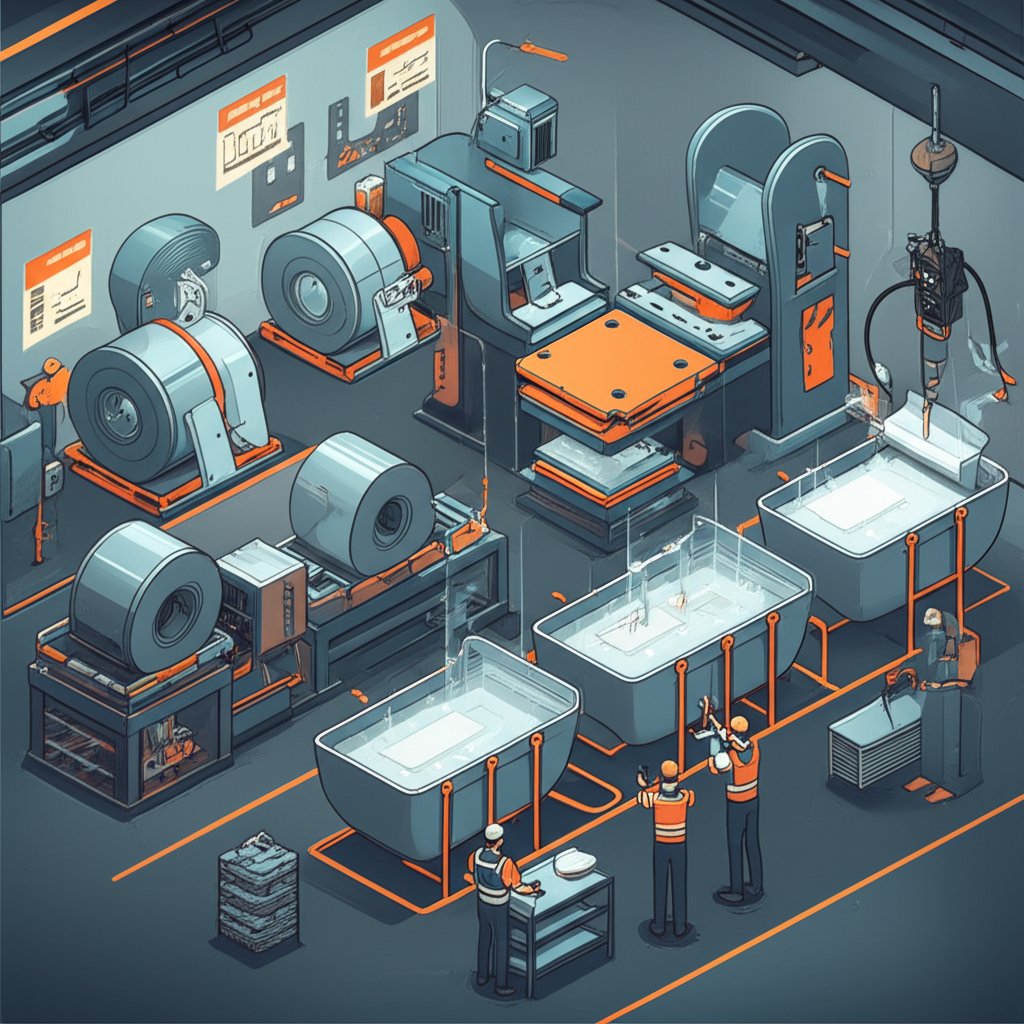
When you’re planning to launch a new product or update an existing design, how do you ensure your galvanized components meet both engineering and cost targets? The answer lies in a structured, design-for-manufacturing (DFM) workflow that integrates material selection, prototyping, and coating validation—right from the start. Imagine you’re developing a new automotive bracket or enclosure: using hot dip galvanized steel, galvanized sheet steel, or even galvanized wire means every design decision impacts both performance and manufacturability.
- Material Selection: Choose the right steel grade and surface finish for the part’s function and forming needs. Consider if zinc coated metal or a different finish like zinc plated steel is best for your application.
- DFM Review: Collaborate with your manufacturing partner to optimize part geometry for stamping, bending, and galvanizing. Early DFM reviews help identify potential challenges, such as hole placement or bend radii, that could affect coating quality or lead to warping.
- Prototype Builds: Develop initial samples using production-intent materials and processes. This is where you catch issues with fit, form, or surface finish before scaling up.
- Coating Trials: Run pilot galvanizing cycles to validate coating thickness, adhesion, and coverage—especially on weldments, pressings, or assemblies with complex geometries.
- Assembly Validation: Test how components fit and function after coating. This ensures that tolerances, threaded features, and fastener interfaces remain within spec.
- Production Ramp-Up: Finalize tooling, fixtures, and process controls to maintain consistent quality. Integrate inspection steps for coating thickness and surface defects.
Validating Assemblies That Include Coatings
Sounds complex? It doesn’t have to be. Working with an IATF 16949–certified partner—like Shaoyi—means you benefit from coordinated stamping, welding, and hot dip galvanized steel finishing, all under one roof. This streamlines PPAP (Production Part Approval Process) documentation and shortens the cycle from prototype to launch. For automotive and industrial buyers, such integration is a game-changer for speed and quality assurance.
| Stage | Main Activities | Key Deliverables |
|---|---|---|
| Material Selection | Choose steel grade, specify finish (galvanized, zinc plated steel, etc.) | Material spec sheets, initial cost estimates |
| DFM Review | Design optimization for forming, joining, and coating | DFM reports, revised CAD drawings |
| Prototype Builds | Sample fabrication, initial galvanizing or zinc plating | Physical samples, prototype inspection reports |
| Coating Trials | Test hot dip galvanizing or alternative coatings | Coating thickness data, adhesion test results |
| Assembly Validation | Check fit, function, and appearance post-coating | Functional test logs, PPAP package |
| Production Ramp-Up | Finalize process controls, full-scale inspection | Final drawings, inspection records, coating certs |
Coating-Friendly Fabrication Sequencing
Ever had a part fail inspection because of poor coating coverage or distortion? Sequencing your fabrication steps can make all the difference. Here’s how to get it right:
- Complete all welding, forming, and machining before galvanizing to avoid cracking the zinc layer or exposing bare steel.
- Design fixtures that allow free zinc flow and drainage during immersion—especially important for tubular or closed-section parts.
- Plan for post-galvanizing touch-ups only where necessary (e.g., after secondary drilling or cutting).
- For assemblies with multiple finishes (such as a mix of zinc plated steel and galvanized sheet steel), coordinate sequencing to minimize rework and ensure compatibility.
By following a phased, stage-gate approach and choosing the right manufacturing partner, you’ll reduce surprises, accelerate time-to-market, and ensure every zinc coated metal part meets your performance and quality goals. In the next section, we’ll compare galvanized steel to other corrosion-resistant materials—helping you choose the right strategy for your next project.
Lifecycle Cost and Material Selection
Choosing the right corrosion-resistant metal isn’t just about the sticker price or a single property. It’s about matching your project’s environment, expected lifespan, and maintenance needs to the strengths of each material. So, when does galvanized steel come out ahead? And when should you consider stainless, zinc plating, or aluminum instead?
When galvanized beats stainless or aluminum
Imagine you’re building an outdoor structure, a fence, or equipment housing. You want something that resists rust, won’t break the bank, and is easy to work with. Here’s where galvanized steel shines:
- Outdoor durability at a lower cost: Galvanized steel offers robust corrosion resistance thanks to its zinc layer, making it ideal for construction, fencing, and utility applications.
- Strength: It’s tougher and stronger than aluminum, holding up well under load or impact.
- Value: Its initial price is much lower than stainless steel and below most aluminum grades, making it a budget-friendly choice for many projects.
But if you need a lightweight solution or are working in a marine environment, the story changes. That’s when galvanized steel vs aluminum or galvanized steel vs stainless steel comparisons become crucial.
What zinc plating is good for
Ever wondered about the difference between zinc plated vs galvanized? Zinc plating applies a thin zinc layer using electroplating. It’s less expensive than galvanizing but offers much less protection in harsh or outdoor settings. Zinc plated fasteners and hardware are best for indoor, dry, or light-duty environments—think furniture assembly or appliance interiors.
- Best for: Indoor use, low-moisture areas, and cost-sensitive projects
- Not for: Outdoor, marine, or highly corrosive settings—here, galvanized or stainless will last much longer
How to compare lifecycle costs
It’s tempting to focus on purchase price, but total cost of ownership matters more. Here’s why:
- Galvanized steel needs occasional inspection and touch-up but can last decades with proper maintenance—especially in mild to moderate climates.
- Stainless steel is more expensive up front but often needs less maintenance, especially in salty, chemical, or marine environments.
- Aluminum won’t rust and is highly corrosion-resistant, but can suffer in highly alkaline or acidic settings. It’s lightweight, which can reduce installation costs, but is generally more expensive per pound than steel.
- Zinc plated steel is the most affordable, but you’ll likely pay more in replacements and repairs if used outdoors.
| Material | Corrosion Resistance | Strength | Weight | Repairability | Paintability | Best Use Cases |
|---|---|---|---|---|---|---|
| Galvanized Steel | High (zinc coating protects steel, best for outdoor use) | High | Heavy | Moderate (touch-up possible) | Good (surface prep needed) | Construction, fencing, utility, automotive, roofing |
| Stainless Steel | Very high (self-healing oxide layer, excels in marine/chemical) | Very high | Heavy | High (rarely needs repair) | Good (may require special primers) | Marine, food processing, chemical, high-end architectural |
| Aluminum | High (oxide layer resists rust, best in coastal or wet climates) | Moderate | Lightweight | High (natural oxide repairs itself) | Excellent | Roofing, siding, transportation, lightweight structures |
| Zinc Plated Steel | Low to moderate (thin zinc layer, best for indoor) | Moderate | Heavy | Low (coating wears quickly) | Good | Furniture, appliances, light-duty hardware |
For many projects, galvanized metal vs aluminum comes down to a tradeoff between strength and weight. Galvanized steel is stronger and more durable under physical stress, while aluminum is lighter and easier to handle, especially for roofing or siding.
Rule of thumb: For strength and outdoor value, choose galvanized steel. For lightweight, rustproof performance—especially in salty air—choose aluminum or stainless steel.
Ultimately, your best choice depends on where the part will live, how long it needs to last, and how much you want to invest up front versus over the life of the project. By comparing galvanized steel vs stainless steel, galvanized steel vs aluminum, and zinc plated vs galvanized options, you’ll be equipped to make a decision that balances cost, durability, and maintenance for your unique application.
Next, we’ll wrap up with a practical toolkit and purchasing checklist to help you specify, order, and document galvanized steel products for any project.

How to Specify and Source Galvanized Steel with Confidence
Ready to order galvanized square steel, galvanized steel posts, or a 4x8 sheet of galvanized metal—but not sure how to avoid costly mistakes? With the right toolkit, you can streamline your procurement, reduce risk, and ensure every galvanized plate or fitting meets your standards. Here’s a step-by-step guide to help you specify, document, and purchase galvanized steel sheet metal for any project.
Copy Ready Purchasing Checklist
- Define Your Requirements: Clearly state the type (e.g., galvanized plate, galvanized steel post), dimensions, and intended use. Don’t forget to specify if you need special features like pre-cut holes or welded assemblies.
- Choose the Right Standard: Reference the appropriate standard for your application—ASTM A123 for structural items, A653 for sheet, or ISO 1461 for international projects.
- Specify Coating Requirements: State the minimum zinc thickness or coating designation (e.g., G90), and whether a spangled or matte finish is required. For harsh environments, request a thicker coating or duplex system as needed.
- Request Documentation Upfront: Ask for material test reports (MTR), quality assurance certifications, and inspection certificates with every order. These documents are essential for verifying compliance and quality.
- Communicate Special Needs: Discuss any site-specific requirements, such as vent/drain holes for enclosed sections, or compatibility with existing galvanized steel fittings.
- Confirm Warranty and Claims Process: Clarify warranty terms and procedures for handling discrepancies or damage during shipping.
- Inspect on Arrival: Upon delivery, check the shipment against your order, verify all documentation, and inspect for visible defects before accepting.
Sample Specification Language
Not sure how to phrase your order? Here’s a template you can adapt for galvanized steel sheet metal, galvanized plate, or custom assemblies:
Supply [quantity] of galvanized steel posts (ASTM A123), minimum zinc coating of [specify thickness or designation, e.g., G90], base steel grade [specify, e.g., ASTM A36], dimensions [list], with all welds ground smooth and vent/drain holes as per fabrication drawings. Provide material test report, inspection certificate, and delivery note with each batch.
For sheet metal or 4x8 sheet of galvanized metal, simply adjust the product type and relevant standard (e.g., ASTM A653 for sheet).
What to Request from Your Supplier
- Drawings – Including coating designation, base steel grade, and all critical dimensions
- Material Test Reports (MTR) – Confirms steel chemistry and mechanical properties
- Quality Assurance Certifications – Proof of compliance with the stated standard
- Inspection Certificates – Verifies coating thickness, finish, and absence of defects
- Delivery Note – Details quantities and specs for each shipment
- Inspection Plan – Outlines acceptance criteria and test methods for incoming goods
Organizing these documents isn’t just bureaucracy—it’s your best defense against supply chain disputes and ensures you get the quality you paid for.
Recommended Resources for Galvanized Steel Sourcing
- Shaoyi – Custom Metal Processing & Galvanized Solutions
- American Galvanizers Association
- Galvanizers Association of Australia – Design for Galvanizing Guide
If you’re sourcing galvanized steel sheet metal, welded assemblies, or need a one-stop partner for galvanized pipes, consider engaging a certified supplier like Shaoyi. Their end-to-end service covers everything from design to documentation and coating validation, making them a strong first choice for automotive, construction, and industrial buyers.
Turning Specifications into Success
Imagine receiving a batch of galvanized steel fittings or a 4x8 sheet of galvanized metal that exceeds expectations—no surprises, no missing paperwork, and no costly delays. By following this toolkit, you’ll set clear expectations, streamline procurement, and build lasting supplier relationships. Whether you’re managing a large infrastructure project or a small fabrication run, these steps will help you get the most value from every galvanized steel post, plate, or custom part you order.
Ready to take the next step? Review your current specs, update your checklist, and connect with a trusted partner to bring your galvanized steel projects to life.
Frequently Asked Questions About Galvanized Steel
1. What is special about galvanized steel?
Galvanized steel stands out for its zinc coating, which provides long-lasting protection against rust and corrosion. This makes it highly durable, cost-effective, and ideal for outdoor or industrial applications. The zinc layer also offers sacrificial protection, meaning even scratches or cut edges remain shielded from rust, reducing maintenance needs over time.
2. How does galvanized steel resist corrosion?
Galvanized steel resists corrosion through a tightly bonded zinc coating. This layer acts as a physical barrier that blocks moisture and oxygen from reaching the steel. If the coating is damaged, zinc's cathodic protection ensures it corrodes before the steel underneath, maintaining protection even at exposed edges or scratches.
3. Where is galvanized steel most commonly used?
Galvanized steel is widely used in construction (building frames, roofing, staircases), automotive manufacturing (car bodies, chassis), infrastructure (street signs, guardrails, bridges), and home projects (fencing, outdoor furniture). Its versatility and resilience make it a go-to material for environments exposed to weather or moisture.
4. Can galvanized steel rust or corrode?
While galvanized steel is highly resistant to rust, it can corrode if the zinc coating is compromised or in extremely harsh environments, such as coastal or industrial areas with high salt or acidity. White rust (zinc oxide) may form on the surface, but red rust indicates the steel substrate is exposed and at risk. Proper maintenance and correct design can greatly extend its service life.
5. How do I specify and purchase galvanized steel for my project?
To specify galvanized steel, clearly state the steel grade, required zinc coating thickness or designation (like G90), relevant standards (such as ASTM A123 or A653), and any special requirements for finish or fabrication. Request documentation like material test reports and inspection certificates from your supplier. For complex or high-precision needs, partnering with a certified manufacturer like Shaoyi ensures quality, documentation, and reliable delivery.