 Small batches, high standards. Our rapid prototyping service makes validation faster and easier —
  EN
EN


Hàn hồ quang chìm là gì? Hồ quang ẩn, mối hàn có năng suất cao
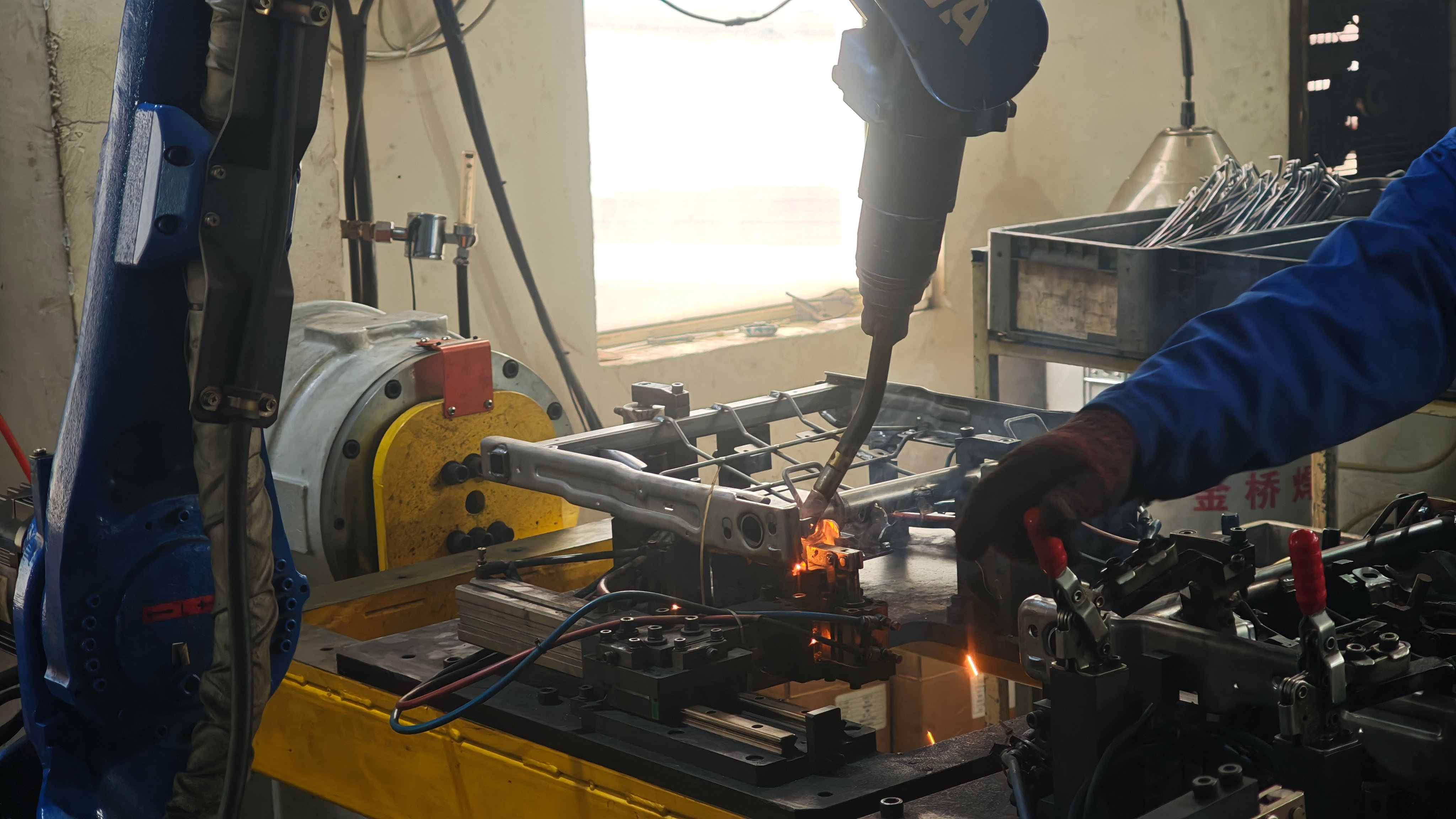
Hàn cung điện chìm là gì?
Nếu bạn đang thắc mắc hàn cung điện chìm là gì, câu trả lời ngắn gọn rất đơn giản: đó là một quy trình hàn hồ quang nối kim loại bằng điện cực dây liên tục, trong khi hồ quang cháy dưới lớp thuốc hàn dạng hạt rời. Nguồn nhiệt vẫn hoạt động, nhưng bản thân hồ quang lại được che khuất trong quá trình hàn.
Hàn cung điện chìm, hay SAW, tạo ra mối hàn nằm dưới lớp thuốc hàn bằng điện cực dây liên tục.
Hàn cung điện chìm là gì
Hàn cung điện chìm là một quy trình công nghiệp lâu đời, được sử dụng để tạo ra các mối hàn chắc chắn và đồng đều, đặc biệt trên các đường hàn đơn giản và các chi tiết có độ dày lớn. Tên gọi của quy trình đã cho biết chi tiết quan trọng nhất: trong quy trình này, hồ quang điện được ‘chìm’ dưới lớp thuốc hàn dạng hạt rời thay vì tiếp xúc trực tiếp với không khí bên ngoài. Quy trình này còn được gọi là hàn cung chìm, SAW, hoặc trong cách nói thông thường trên các công cụ tìm kiếm, là hàn SAW.
Nguyên lý hoạt động của quy trình hàn cung điện chìm
Một điện cực dây được cấp liên tục vào mối hàn từ một cuộn dây hoặc hệ thống cấp dây. Dòng điện đi qua dây điện cực này và vật liệu gia công, tạo ra một hồ quang đủ nóng để làm chảy dây điện cực và các mép kim loại cơ bản. Đồng thời, thuốc hàn được phủ lên đường hàn. Một phần thuốc hàn này nóng chảy và giúp bảo vệ vũng hàn nóng chảy khỏi bị nhiễm bẩn bởi môi trường xung quanh, trong khi phần còn lại tồn tại dưới dạng lớp phủ phía trên vùng hàn đang hoạt động.
Điều gì làm cho phương pháp hàn hồ quang chìm khác biệt so với các phương pháp hồ quang khác
Hồ quang ẩn là yếu tố làm cho hàn hồ quang chìm (SAW) khác biệt so với nhiều quy trình hồ quang khác. Trong hàn MIG, TIG và hàn que, người thợ thường có thể quan sát trực tiếp hồ quang. Còn trong hàn SAW, hồ quang bị chôn lấp dưới lớp thuốc hàn, do đó quá trình hàn diễn ra ngoài tầm nhìn. Sự khác biệt này hỗ trợ việc hàn ổn định và lặp lại chính xác, nhưng cũng làm thay đổi cách giám sát và thiết lập quy trình.
- Quá trình sử dụng điện cực dây liên tục thay vì thanh tiêu hao ngắn.
- Hồ quang và vũng hàn nóng chảy nằm dưới lớp thuốc hàn dạng hạt.
- Hồ quang không thể quan sát trực tiếp trong suốt quá trình hàn.
- Hàn hồ quang chìm (SAW) rất phù hợp với các mối hàn được kiểm soát, tự động hóa và lặp lại.
Hồ quang chìm cũng tạo nên hệ thuật ngữ riêng của quy trình này, đặc biệt là các khái niệm như thuốc hàn, xỉ hàn và một số thuật ngữ khác có tính chất then chốt ngay từ đầu.
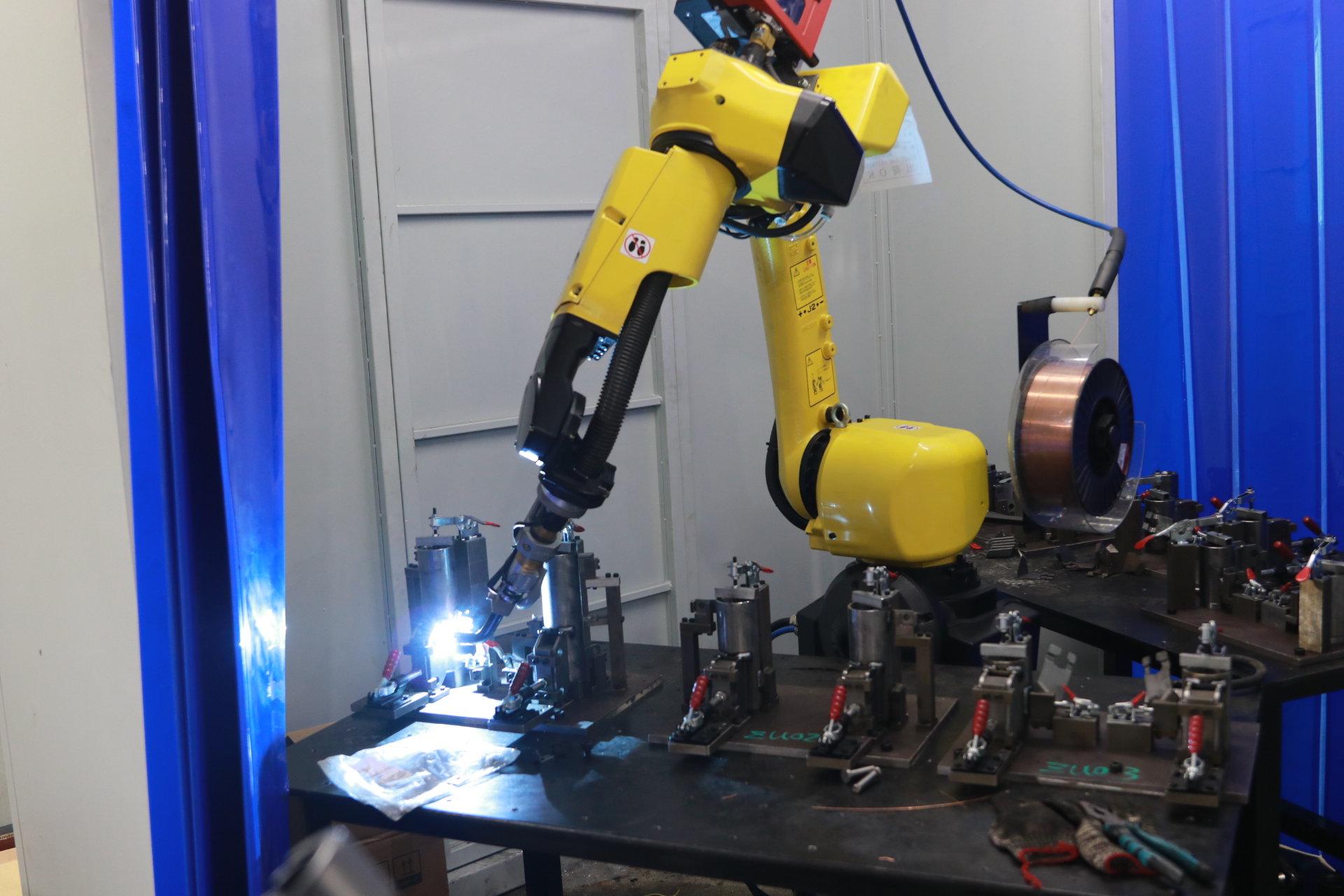
Tại sao Hàn Hồ Quang Chìm Được Gọi Là Hàn Hồ Quang Chìm
Hồ quang bị che khuất không chỉ là một chi tiết về mặt hình thức. Nó giải thích tên gọi của quy trình, cách bảo vệ mối hàn , và lý do vì sao một số thuật ngữ cốt lõi của SAW thường xuyên xuất hiện trong tài liệu hướng dẫn và trao đổi thực tế tại xưởng.
Tại Sao Hồ Quang Được Gọi Là Hồ Quang Chìm
Nếu bạn từng thắc mắc vì sao phương pháp hàn hồ quang chìm lại được gọi là 'chìm', thì lý do rất rõ ràng và mang tính hình ảnh. Trong quá trình hàn, hồ quang và vùng kim loại nóng chảy (bể hàn) được bao phủ bởi một lớp thuốc hàn dạng hạt. Lớp phủ này nằm đè lên vùng hàn đang hoạt động, do đó hồ quang bị chôn vùi thay vì tiếp xúc trực tiếp với không khí bên ngoài. Dây hàn được cấp liên tục sẽ nóng chảy dưới lớp phủ này, trong khi thuốc hàn giúp bảo vệ mối hàn khỏi bị nhiễm bẩn bởi môi trường xung quanh. Trong phương pháp hàn hồ quang chìm (SAW), hay viết tắt là 'saw' trong thuật ngữ hàn, việc quan sát trực tiếp hồ quang thường không thể thực hiện được vì toàn bộ quá trình diễn ra dưới lớp thuốc hàn.
Thuốc hàn và xỉ hàn dưới dạng đơn giản nhất
Một cách giải thích đơn giản về chất trợ dung trong hàn như sau: chất trợ dung là vật liệu dạng hạt được đặt lên mối hàn nhằm bảo vệ và hỗ trợ quá trình hàn khi nhiệt độ tăng dần. Một phần chất trợ dung này sẽ nóng chảy trong quá trình hàn. Khi nguội đi, nó tạo thành xỉ hàn phủ trên bề mặt mối hàn. Nói một cách rõ ràng, định nghĩa xỉ hàn là lớp chất rắn còn lại do chất trợ dung đã nóng chảy để lại sau khi mối hàn nguội đi. Lớp này bảo vệ mối hàn trong quá trình nguội, nhưng phải được loại bỏ sau khi quá trình hàn hoàn tất.
Các thuật ngữ hàn hồ quang chìm (SAW) thiết yếu bạn cần biết
| Thời hạn | Giải thích bằng ngôn ngữ đơn giản | Tại sao điều này quan trọng |
|---|---|---|
| Cưa | Viết tắt của hàn hồ quang chìm | Xuất hiện trên thiết bị, quy trình và đặc tả công việc |
| Chất trợ hàn | Vật liệu dạng hạt phủ lên hồ quang | Giúp che chắn mối hàn và hình thành xỉ hàn |
| Xỉ hàn | Lớp nguội tạo thành từ chất trợ dung đã nóng chảy | Bảo vệ mối hàn trong quá trình nguội và sẽ được loại bỏ sau đó |
| Điện cực dây | Dây hàn liên tục dẫn dòng điện và bổ sung kim loại đắp | Tạo ra hồ quang và hình thành đường hàn |
| Tốc Độ Phủ | Tốc độ kim loại hàn được đưa vào mối hàn | Ảnh hưởng mạnh đến năng suất |
| Thẩm thấu | Độ sâu mà mối hàn thấm vào kim loại cơ bản | Ảnh hưởng đến độ thấm và hiệu suất mối hàn |
| Kiểu khớp nối | Cách bố trí các chi tiết để thực hiện hàn | Định hướng việc thiết lập, quỹ đạo di chuyển và hình dạng mối hàn |
Những thuật ngữ này sẽ không còn mang tính trừu tượng ngay khi bạn quan sát một hệ thống hàn tự động chìm (SAW) thực tế, nơi mỗi thuật ngữ đều liên kết với một bộ phận máy cụ thể và một bước xác định trong chuỗi quy trình hàn.
Thiết lập và trình tự vận hành máy hàn tự động chìm
Trên sàn sản xuất, máy hàn tự động chìm hoạt động giống như một hệ thống phối hợp hơn là một công cụ đơn lẻ. Dây hàn, thuốc hàn, nguồn điện và chuyển động di chuyển đều phải phối hợp nhịp nhàng với nhau. Các nguồn tư liệu chuyên ngành như AWS và Codinter mô tả quy trình hàn tự động chìm (SAW) là một quá trình dựa trên điện cực liên tục, hệ thống cấp thuốc hàn và chuyển động cơ khí hóa. Đó là lý do vì sao thiết bị hàn tự động chìm thường được sử dụng phổ biến trong các công việc sản xuất lặp lại, nơi tính nhất quán quan trọng ngang bằng năng suất.
Các thành phần chính của máy hàn hồ quang chìm
Dù bạn gọi thiết bị này là máy hàn hồ quang chìm hay máy hàn SAW, bố trí tổng thể đều được xây dựng xung quanh một số bộ phận cốt lõi. Một số bộ phận luôn có mặt, trong khi các bộ phận khác được bổ sung khi mức độ tự động hóa tăng lên.
| Thành phần | Vai trò trong quá trình |
|---|---|
| Nguồn điện | Cung cấp dòng điện và điện áp hàn cần thiết để tạo ra và duy trì hồ quang. |
| Thiết bị cấp dây | Đưa dây hàn tiêu hao vào vùng hàn với tốc độ được kiểm soát. |
| Đầu hàn | Dẫn hướng dây hàn về phía mối hàn và định vị chính xác vị trí mối hàn. |
| Mũi tiếp xúc | Truyền dòng điện hàn vào dây hàn khi dây di chuyển về phía hồ quang. |
| Bồn chứa và hệ thống cấp bột hàn | Lưu trữ bột hàn dạng hạt và phân bố bột này lên mối hàn nhằm che phủ hồ quang và vũng hàn. |
| Xe di chuyển hoặc xe kéo | Di chuyển đầu hàn dọc theo đường hàn hoặc hỗ trợ việc di chuyển có kiểm soát trên các mối hàn dài. |
| Hệ thống điều khiển | Cho phép người vận hành thiết lập và giám sát tốc độ cấp dây, dòng điện, điện áp và tốc độ di chuyển. |
| Dây dẫn làm việc | Hoàn tất mạch điện qua chi tiết gia công. |
Cách thiết lập máy hàn hồ quang chìm
Một máy hàn hồ quang chìm điển hình được bố trí sao cho đầu dây hàn hướng thẳng vào đường mối hàn và thuốc hàn rơi xuống ngay phía trước vị trí hồ quang. Đầu hàn có thể được cố định trên xe kéo, bàn trượt, cột và cần hoặc các giá đỡ cơ khí khác. Trong phương pháp hàn hồ quang chìm bán tự động, người vận hành di chuyển đầu hàn bằng tay trong khi dây hàn và thuốc hàn vẫn được cấp liên tục. Trong các hệ thống tự động, quá trình di chuyển được điều khiển bằng động cơ, thường cải thiện độ lặp lại khi hàn các mối hàn dài, chu vi ống, bồn chứa và các đoạn kết cấu.
Việc chuẩn bị mối hàn vẫn rất quan trọng. Các chi tiết cần được lắp ghép đúng cách, bề mặt hàn phải sạch và tiếp đất ổn định thông qua dây dẫn làm việc. Nếu đường mối hàn không được căn chỉnh chính xác, ngay cả thiết bị hàn hồ quang chìm tốt nhất cũng sẽ gặp khó khăn trong việc tạo ra một đường hàn đồng đều.
Trình tự vận hành cơ bản của hàn hồ quang chìm
- Chuẩn bị mối hàn bằng cách làm sạch khu vực hàn và căn chỉnh các chi tiết.
- Kết nối nguồn điện, thiết bị cấp dây hàn, đầu hàn, phễu chứa thuốc hàn và dây dẫn làm việc.
- Nạp dây điện cực phù hợp và đổ đầy phễu bằng thuốc hàn dạng hạt thích hợp.
- Đặt đầu hàn sao cho dây hàn hướng vào mối hàn và thuốc hàn có thể bao phủ vùng hồ quang.
- Bắt đầu cấp dây hàn và phủ thuốc hàn lên đường hàn.
- Kích hoạt hồ quang dưới lớp thuốc hàn.
- Bắt đầu di chuyển sao cho đầu hàn hoặc chi tiết gia công dịch chuyển ổn định dọc theo mối hàn.
- Duy trì lớp phủ thuốc hàn trong khi dây hàn nóng chảy và vũng hàn hình thành dưới lớp xỉ sinh ra.
- Dừng hồ quang tại cuối đường hàn và tắt cấp dây hàn cùng chức năng di chuyển theo trình tự kiểm soát.
- Để mối hàn nguội, sau đó gỡ bỏ xỉ và thu hồi lượng thuốc hàn chưa nóng chảy còn tái sử dụng được (nếu cần).
Trình tự trên giải thích cơ chế vận hành. Phần khó hơn — và cũng là yếu tố thực sự quyết định chất lượng mối hàn — là lựa chọn đúng loại dây hàn, thuốc hàn và các thông số kỹ thuật sao cho độ thấu sâu, hình dáng đường hàn và tốc độ lắng đọng đều đạt yêu cầu.
Cách dây hàn, thuốc hàn và các thông số ảnh hưởng đến mối hàn
Một hệ thống hàn chìm cung có thể được lắp ráp hoàn hảo nhưng vẫn tạo ra mối hàn không đúng. Trong hàn chìm cung (SAW), vật liệu tiêu hao và thông số kỹ thuật hoạt động như một bộ tổng thể. Thay đổi dây hàn, thuốc hàn hoặc thông số điện, độ thấu sâu, hình dạng đường hàn, hành vi xỉ và năng suất đều thay đổi theo.
Cách chọn dây hàn và thuốc hàn SAW
Bắt đầu từ ứng dụng, chứ không chỉ từ nhãn mác. Trong Canadian Metalworking hướng dẫn về vật liệu tiêu hao, đơn vị phân loại là tổ hợp thuốc hàn và dây hàn, chứ không phải riêng thuốc hàn. Điều này rất quan trọng vì hai tổ hợp khác nhau có thể cùng thuộc một phân loại nhưng lại cho hiệu suất rất khác nhau trong quá trình hàn thực tế.
Loại dây hàn xác định hành vi cơ bản. Dây hàn đặc được sử dụng rộng rãi. Dây hàn lõi kim loại có thể hỗ trợ tốc độ di chuyển cao hơn và tốc độ lắng đọng cao hơn, đồng thời tạo ra hồ quang thâm nhập rộng hơn nhưng nông hơn ở mức nhiệt đầu vào tương đương — một đặc tính hữu ích cho các mối hàn lớp đáy và các chi tiết mỏng, như tạp chí The Fabricator đã nêu. Đường kính dây hàn cũng ảnh hưởng đến mật độ dòng điện. Dây hàn nhỏ hơn sẽ tập trung dòng điện và thường nóng chảy nhanh hơn, trong khi dây hàn lớn hơn cung cấp dải dòng điện làm việc rộng hơn.
Việc lựa chọn thuốc hàn cũng quan trọng không kém. Dù đặc tả kỹ thuật gọi đó là thuốc hàn hàn hồ quang chìm, thuốc hàn hồ quang chìm, thuốc hàn hàn hồ quang chìm (SAW), hay thuốc hàn hồ quang chìm, thì câu hỏi thực sự cần đặt ra là thành phần thuốc hàn này bổ sung gì vào mối hàn và cách thức nó hoạt động trong một lượt hàn hoặc nhiều lượt hàn. Các loại thuốc hàn hoạt tính bổ sung thêm silic và mangan vào mối hàn và thường phù hợp với công việc hàn một lượt. Các loại thuốc hàn trung tính đóng góp ít hơn các nguyên tố này và thường là lựa chọn tốt hơn cho hàn nhiều lượt, vì nếu hàm lượng hóa học tích tụ quá mức sẽ làm tăng độ cứng và độ bền vượt ngưỡng cho phép, đồng thời làm giảm độ giãn dài. Độ kiềm cũng có vai trò quan trọng. Thuốc hàn có độ kiềm cao hơn thường hỗ trợ độ dai va đập tốt hơn; tuy nhiên, chỉ riêng độ kiềm không phải là tiêu chí rút gọn để lựa chọn loại thuốc hàn tương đương. Điều kiện thực tế cũng rất quan trọng. Kích thước hạt của thuốc hàn ảnh hưởng đến khả năng tải, cấp liệu và thu hồi; do đó, việc cấp thuốc hàn không ổn định có thể làm thay đổi vùng bao phủ của hồ quang trước khi người vận hành điều chỉnh bất kỳ nút điều khiển nào.
Dòng điện, điện áp và tốc độ di chuyển ảnh hưởng như thế nào đến mối hàn
Mối quan hệ giữa cường độ dòng điện hàn chìm và độ thấu sâu là một trong những mô hình nhân-quả rõ ràng nhất trong quá trình này. Cường độ dòng điện cao hơn thường dẫn đến độ thấu sâu lớn hơn và tốc độ lắng đọng cao hơn. Tuy nhiên, nếu tăng dòng điện quá cao, mối hàn có thể trở nên quá lồi, co ngót nhiều hơn khi nguội, làm biến dạng chi tiết hoặc thậm chí cháy thủng. Dòng điện quá thấp sẽ làm tăng nguy cơ hàn không đầy đủ và gây mất ổn định hồ quang.
Điện áp chủ yếu ảnh hưởng đến chiều dài hồ quang và hình dạng đường hàn. Khi giữ cường độ dòng điện không đổi, điện áp cao hơn thường làm cho đường hàn rộng hơn và lõm hơn. Điện áp cao cũng làm tăng lượng thuốc hàn tiêu thụ và có thể làm tăng nguy cơ xuất hiện rỗ khí, khó loại bỏ xỉ hàn, và khuyết tật lõm cạnh ở mối hàn góc, như được nêu trong Linkweld . Tốc độ di chuyển kiểm soát thời gian nhiệt tác động tại một vị trí. Khi tăng tốc độ, lượng nhiệt đưa vào giảm, kích thước đường hàn nhỏ lại và độ nổi (reinforcement) giảm. Nếu di chuyển quá nhanh, các khuyết tật như lõm cạnh, rỗ khí, lệch hồ quang và hình dạng đường hàn không đều có thể xuất hiện.
Cực tính thuộc về cùng một gói điều chỉnh. Thiết bị hàn tự động (Fabricator) bao gồm cực tính trong số các biến ảnh hưởng đến hình dạng mối hàn, chất lượng và năng suất, do đó cực tính nên được lựa chọn cùng với sự kết hợp giữa dây hàn và thuốc hàn thay vì được xử lý như một công tắc độc lập.
Cách suy luận về hình dạng đường hàn thấu sâu và tốc độ lắng đọng
Một cách thực tiễn để đọc các thông số hàn chìm (SAW) là suy nghĩ theo nguyên tắc đánh đổi. Dòng điện quyết định độ thấu sâu và tốc độ chảy kim loại. Điện áp làm lan rộng đường hàn. Tốc độ di chuyển giới hạn lượng nhiệt và kim loại bổ sung còn lại trong mối hàn. Tốc độ lắng đọng tăng lên khi dòng điện tăng và có thể tăng cao hơn nữa khi sử dụng dây hàn lõi kim loại hoặc bố trí nhiều dây hàn. Điều tương tự Người chế tạo bài đánh giá ghi nhận rằng hàn chìm một dây có thể đạt tới 40 pound mỗi giờ (PPH), trong khi các hệ thống hàn chìm nối tiếp với ba đầu hàn trở lên có thể vượt quá 100 PPH. Công suất cao chỉ mang lại lợi ích khi độ hòa tan, khả năng tách xỉ và hình dáng đường hàn vẫn được kiểm soát tốt.
| Tham số | Ảnh hưởng điển hình đến độ thấu sâu | Ảnh hưởng điển hình đến hình dáng đường hàn | Ảnh hưởng đến độ ổn định và năng suất |
|---|---|---|---|
| Dòng hàn | Dòng điện cao hơn thường làm tăng độ thấu sâu | Có thể làm tăng độ gia cường nếu đẩy quá cao | Làm tăng tốc độ lắng đọng, nhưng dòng điện quá mức có thể gây mất ổn định, biến dạng hoặc thủng xuyên |
| Điện áp hồ quang | Ảnh hưởng ít trực tiếp hơn so với dòng điện | Điện áp cao hơn thường làm rộng vệt hàn và khiến bề mặt vệt hàn lõm hơn | Điện áp quá cao có thể làm tăng nguy cơ xốp, tăng lượng thuốc hàn sử dụng và gây khó khăn trong việc loại bỏ xỉ hàn |
| Tốc độ di chuyển | Tốc độ cao hơn thường làm giảm độ thâm nhập hiệu quả do lượng nhiệt đưa vào giảm | Tạo ra vệt hàn nhỏ hơn với độ gia cường thấp hơn | Tốc độ quá cao có thể dẫn đến hiện tượng ăn mòn mép mối hàn, xốp, lệch hồ quang và bề ngoài không đồng đều |
| Đường kính dây | Đường kính dây nhỏ hơn làm tăng mật độ dòng điện | Ảnh hưởng đến tốc độ mà kim loại phụ liệu nóng chảy vào mối hàn | Dây dẫn nhỏ hơn có thể nóng chảy nhanh hơn, trong khi dây dẫn lớn hơn cung cấp dải hoạt động rộng hơn |
| Loại dây | Dây lõi kim loại thường tạo ra hình dạng mối hàn rộng hơn và nông hơn so với dây đặc ở mức năng lượng nhiệt đầu vào tương đương | Có thể làm rộng hơn đường hàn so với dây đặc | Có thể hỗ trợ tốc độ di chuyển cao hơn và tốc độ lắng đọng lớn hơn |
| Loại flux | Ảnh hưởng đến thành phần hóa học của lớp kim loại lắng đọng nhiều hơn là chỉ riêng độ sâu thô | Ảnh hưởng đến hành vi xỉ và đặc tính mối hàn cuối cùng | Chất trợ dung hoạt tính phù hợp với bề mặt có nhiễm bẩn nhẹ và công việc hàn một lượt; chất trợ dung trung tính thường tốt hơn cho hàn nhiều lượt |
| Kích thước hạt và cách cấp chất trợ dung | Ảnh hưởng gián tiếp thông qua vùng hồ quang bao phủ và khả năng bảo vệ ổn định | Có thể ảnh hưởng đến mức độ đồng đều của lớp phủ mối hàn | Việc cấp dây hàn hoặc thu hồi kém có thể làm giảm độ đồng nhất và thay đổi hiệu suất của thuốc hàn |
| Độ cực | Thay đổi khả năng thấu sâu và hành vi chảy loãng khi kết hợp dây hàn và thuốc hàn đã chọn | Có thể làm thay đổi hình dạng mối hàn tùy thuộc vào quy trình được áp dụng | Ảnh hưởng đến chất lượng mối hàn và năng suất, do đó cần được lựa chọn phù hợp với toàn bộ hệ thống thiết lập |
Những mối quan hệ này giải thích vì sao quá trình hàn hồ quang chìm (SAW) có thể tuyệt vời trong một công việc nhưng lại vụng về trong công việc khác. Hình dạng mối hàn, độ dày vật liệu, chiều dài đường hàn và phong cách sản xuất quyết định liệu quy trình có năng suất cao này có phù hợp hay không.
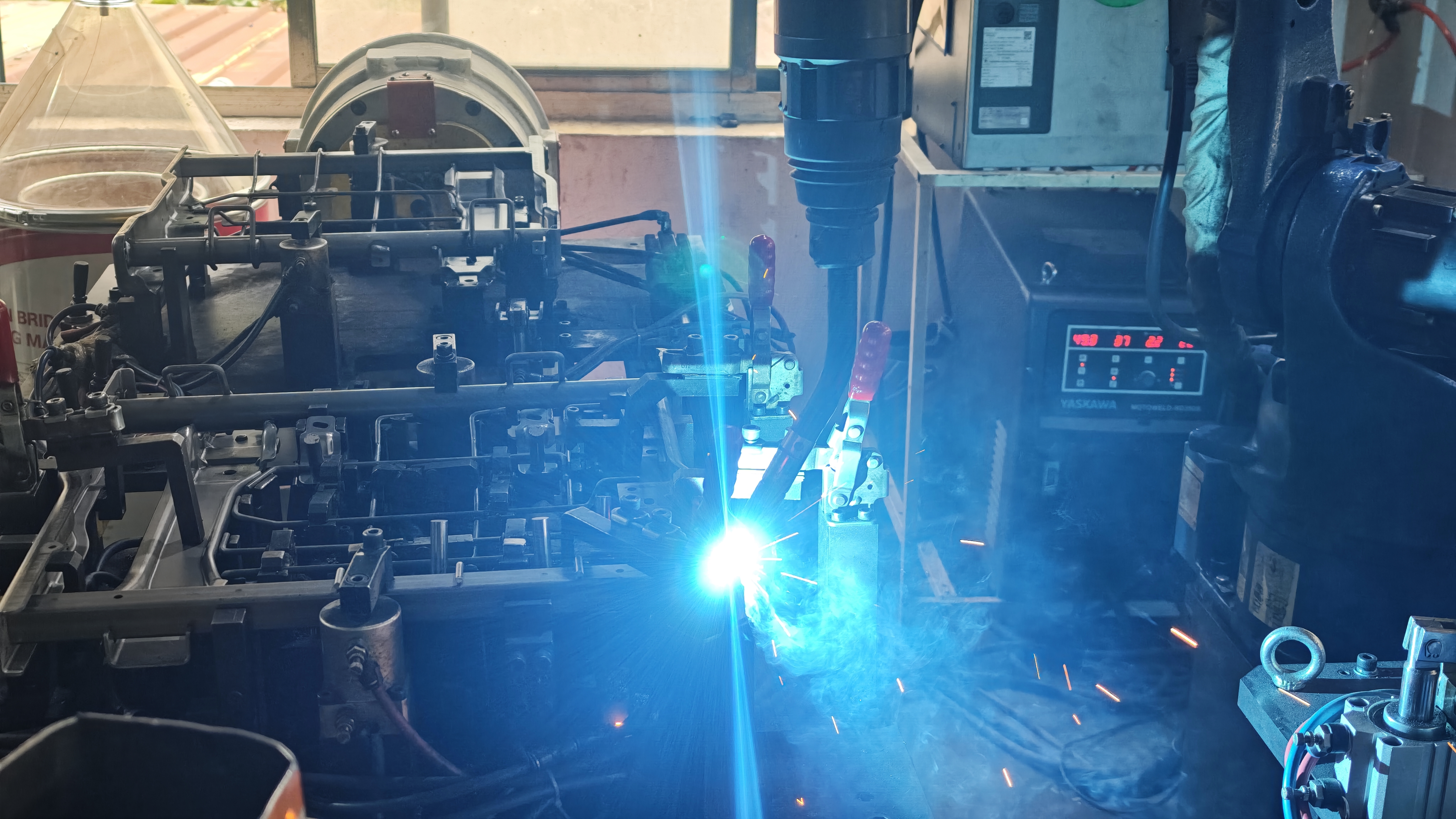
Các ứng dụng tối ưu cho quy trình hàn hồ quang chìm (SAW)
Khả năng lắng đọng kim loại cao và độ thấu sâu lớn chỉ có ý nghĩa khi công việc thực tế thực sự phù hợp với quy trình này. Trên thực tế, SAW khẳng định danh tiếng của mình trong các công việc hàn dày, lặp lại nhiều lần, nơi tốc độ di chuyển có thể duy trì ổn định và lớp thuốc hàn phủ kín có thể giữ nguyên vị trí. Cả Xometry lẫn Seabery chủ yếu áp dụng phương pháp này trong hàn sản xuất ở tư thế nằm ngang hoặc phẳng, chứ không dùng trong gia công đa năng.
Nơi hàn hồ quang chìm (SAW) phát huy hiệu quả tốt nhất
Quy trình hàn chìm mạnh nhất trên các vật liệu dày hơn, đặc biệt là thép. Xometry liệt kê thép carbon, thép hợp kim thấp, thép không gỉ và một số hợp kim dựa trên niken trong số các vật liệu được sử dụng với phương pháp hàn chìm (SAW), đồng thời lưu ý rằng quy trình này hiệu quả nhất trên vật liệu có độ dày ít nhất 6 mm. Điều này khiến nó trở thành lựa chọn tự nhiên cho các tấm thép dày, thiết bị chịu áp lực, đường ống, kết cấu tàu thủy, bộ phận đường ray và các chi tiết gia công lớn khác. Các mối hàn dài đặc biệt phù hợp vì thời gian thiết lập được phân bổ trên lượng kim loại hàn được lắng đọng lớn.
Các loại mối nối và môi trường sản xuất thuận lợi cho phương pháp hàn chìm (SAW)
Hình học quan trọng không kém vật liệu. Một mối hàn ghép mép dài trên tấm, một mối hàn góc liên tục trên kết cấu nặng, hoặc một đường hàn được kiểm soát trên ống hoặc các chi tiết hình trụ khác sẽ tạo điều kiện để quá trình hàn ổn định. Quá trình hàn bằng cưa (saw welding) hoạt động tốt nhất khi các mối hàn dễ tiếp cận, tương đối đồng đều và lặp lại từ chi tiết này sang chi tiết khác. Đó là lý do vì sao phương pháp hàn hồ quang chìm tự động thường được áp dụng trong các hệ thống máy kéo, các thiết lập cột–cần (column-and-boom), và các dây chuyền cơ khí hóa khác. Một đường hàn ổn định giúp tốc độ cấp dây, tốc độ di chuyển đầu hàn và độ phủ lớp thuốc hàn (flux) luôn dự đoán được — đây chính là lúc quá trình hàn hồ quang chìm phát huy hiệu quả cao nhất.
| Các công việc phù hợp nhất cho hàn hồ quang chìm (SAW) | Các công việc không phù hợp với hàn hồ quang chìm (SAW) |
|---|---|
| Tấm dày và các tiết diện lớn | Vật liệu mỏng dễ bị quá nhiệt hoặc thủng |
| Các đường hàn dài, thẳng hoặc cong nhẹ | Các mối hàn ngắn, biến thiên mạnh với nhiều lần dừng – khởi động |
| Các loạt sản xuất lặp lại | Các chi tiết đơn lẻ với hình dạng thay đổi liên tục |
| Các mối hàn ghép mép dễ tiếp cận và các mối hàn góc liên tục | Các khoảng trống hoặc mối nối chật hẹp, khó định vị |
| Các đường ống, thiết bị chứa và kết cấu lớn trong các quy trình lắp ráp được kiểm soát | Các mối hàn đứng, hàn trần hoặc các vị trí hàn khác ngoài tư thế thuận lợi |
Khi một quy trình hàn khác là lựa chọn phù hợp hơn
Hàn tự động dưới lớp thuốc (SAW) trở nên không phù hợp khi người vận hành cần độ linh hoạt cao hơn năng suất. Seabery nêu bật các yếu tố như vật liệu mỏng, thiết bị cồng kềnh và giới hạn chỉ áp dụng cho hàn ở tư thế nằm ngang hoặc phẳng; trong khi Xometry lưu ý rằng quá trình hàn được thực hiện theo cách 'mù' dưới lớp thuốc. Khi kết hợp những yếu tố này lại, xu hướng rõ ràng là: nếu công việc yêu cầu quan sát trực tiếp hồ quang, điều chỉnh bằng tay liên tục, thay đổi tư thế thường xuyên hoặc hàn ở các vị trí bất lợi, thì thường quy trình hàn khác sẽ mang lại khả năng kiểm soát tốt hơn. Một mối hàn dài duy nhất bằng phương pháp SAW trên đường hàn ổn định, dự đoán được là nơi SAW thể hiện hiệu quả tuyệt vời. Ngược lại, đối với công việc sửa chữa đa vị trí, SAW bắt đầu bộc lộ tính hạn chế.
Đó là lý do vì sao việc lựa chọn quy trình hiếm khi chỉ dựa trên một lợi thế nổi bật duy nhất. Tính hiển thị, mức độ phù hợp với tự động hóa, khả năng làm sạch, khả năng định vị và năng suất đều có những yêu cầu khác nhau, và những sự đánh đổi này trở nên dễ nhận thấy hơn khi so sánh song song giữa hàn MIG, FCAW, TIG và hàn que.
SAW so với MIG, TIG, FCAW và hàn que
Một quy trình có thể hoàn hảo cho mối hàn này nhưng lại bất tiện cho mối hàn tiếp theo. Vì vậy, việc so sánh hàn chìm (SAW) với các phương pháp phổ biến khác quan trọng hơn là cố gắng xác định một phương pháp 'chiến thắng tuyệt đối'. Trong họ các quy trình hàn hồ quang nói chung, SAW là chuyên gia về năng suất cao. Quy trình này sử dụng dây hàn được cấp liên tục dưới lớp thuốc hàn, ưu tiên hàn cơ giới hóa và đạt hiệu quả tốt nhất trên các mối hàn dài ở vị trí nằm ngang hoặc phẳng. Nếu bạn đã tìm kiếm cụm từ 'saw welding', cách viết tắt này đơn giản chỉ đề cập đến hàn chìm (submerged arc welding).
SAW so với MIG và FCAW
GMAW, thường được gọi là MIG, cũng sử dụng dây hàn liên tục, nhưng hồ quang của nó để trần và khí bảo vệ cung cấp từ khí. Điều này giúp thợ hàn quan sát trực tiếp vũng hàn và làm cho quá trình này phù hợp với các công việc gia công nhẹ và vật liệu mỏng hơn; tuy nhiên, gió có thể làm nhiễu lớp khí bảo vệ. FCAW có cách thao tác gần giống MIG, nhưng sử dụng dây hàn lõi thuốc và thường được lựa chọn cho các công việc nặng hoặc ngoài trời. So sánh với cả hai phương pháp trên, SAW thường mang lại khả năng lắng đọng kim loại cao hơn, độ thâm nhập sâu hơn trên các chi tiết dày, rất ít bắn tóe và thích hợp hơn cho tự động hóa. Đổi lại, SAW kém linh hoạt hơn. MIG và FCAW có thể xử lý nhiều loại mối hàn với điều kiện tiếp cận đa dạng hơn và nhiều vị trí hàn hơn, trong khi SAW thường chỉ giới hạn ở hàn ở tư thế nằm ngang và hàn theo hướng nằm ngang.
SAW so với hàn TIG và hàn que
TIG, hay GTAW, nằm ở đầu đối diện của phổ so với SAW. Phương pháp này sử dụng điện cực vonfram không tiêu hao, mang lại khả năng quan sát và kiểm soát hồ quang xuất sắc, và được lựa chọn khi độ chính xác quan trọng hơn tốc độ. Điều này khiến TIG trở nên hấp dẫn cho các mối hàn trên vật liệu mỏng và các mối hàn yêu cầu tính thẩm mỹ cao, nhưng tốc độ hàn chậm hơn và đòi hỏi tay nghề người thợ cao hơn. Hàn que đáp ứng một nhu cầu khác. SMAW là viết tắt của Shielded Metal Arc Welding (Hàn hồ quang kim loại có bảo vệ), còn được gọi là hàn que. Nếu bạn từng xem định nghĩa về SMAW hoặc tự hỏi hàn hồ quang kim loại là gì, thì đây thường là quy trình mà người ta ám chỉ trong các công việc sửa chữa và thi công tại hiện trường. SMAW có tính di động cao, chịu được gió và thích hợp cho môi trường ngoài trời, nhưng tốc độ hàn chậm hơn, yêu cầu thay que hàn thường xuyên và để lại xỉ hàn cần làm sạch. SAW có năng suất cao hơn nhiều khi hàn các mối nối dài trong sản xuất hàng loạt, nhưng lại kém tính di động hơn rất nhiều.
Quy trình hàn hồ quang nào phù hợp nhất với công việc?
| Quy trình | Khả năng quan sát hồ quang và bảo vệ hồ quang | Điểm mạnh chính | Các hạn chế chính | Trường hợp sử dụng lý tưởng |
|---|---|---|---|---|
| Cưa | Hồ quang bị che khuất dưới lớp thuốc hàn dạng hạt | Khả năng lắng đọng cao, độ thấu sâu lớn, ít bắn tóe, thích hợp mạnh mẽ cho tự động hóa | Khả năng quan sát hồ quang kém, thiết lập cồng kềnh, thường chỉ thực hiện ở vị trí nằm ngang hoặc phẳng | Tấm dày, mối hàn dài, thiết bị áp lực, ống, sản xuất lặp lại |
| MIG hoặc GMAW | Hồ quang trần với khí bảo vệ | Nhanh, sạch, dễ học, khả năng quan sát tốt | Khí bảo vệ nhạy cảm với gió, ít phù hợp để lấp đầy khe hở rất dày | Chế tạo trong nhà máy, kim loại tấm, công việc ô tô |
| FCAW | Hồ quang trần với dây hàn lõi thuốc | Tốc độ tốt, hiệu suất mạnh trên thép dày, hoạt động ngoài trời tốt hơn hàn MIG | Tạo nhiều khói và cần làm sạch nhiều hơn so với hàn MIG | Xây dựng, đóng tàu, chế tạo nặng, hàn ngoài trời |
| Hàn TIG hoặc GTAW | Hồ quang trần với khí bảo vệ và điện cực vonfram | Độ chính xác tuyệt vời, mối hàn sạch, kiểm soát vật liệu rộng | Chậm, đòi hỏi tay nghề cao, năng suất thấp hơn khi hàn các mối hàn dài và dày | Vật liệu mỏng, thép không gỉ, nhôm, công việc hoàn thiện chất lượng cao |
| Hàn que hoặc SMAW | Hàn hồ quang trần với que hàn có lớp thuốc bọc | Di động, thiết bị đơn giản, hoạt động tốt trong điều kiện gió và ngoài hiện trường | Năng suất thấp hơn, phải dừng nhiều lần, cần làm sạch xỉ | Sửa chữa, bảo trì, xây dựng, công việc hàn đường ống ngoài hiện trường |
Lựa chọn tối ưu phụ thuộc ít hơn vào mức độ phổ biến của phương pháp và nhiều hơn vào chiều dài mối hàn, độ dày vật liệu, vị trí hàn, điều kiện môi trường cũng như mức độ nhất quán yêu cầu cho công việc. Hàn dưới lớp thuốc (SAW) nổi bật khi năng suất và khả năng lặp lại là yếu tố quan trọng nhất. Những hạn chế của nó cũng rõ ràng không kém trong sản xuất hàng ngày, nơi tầm quan sát, xử lý thuốc hàn và khả năng hàn ở nhiều vị trí trở thành một phần trong sự đánh đổi.
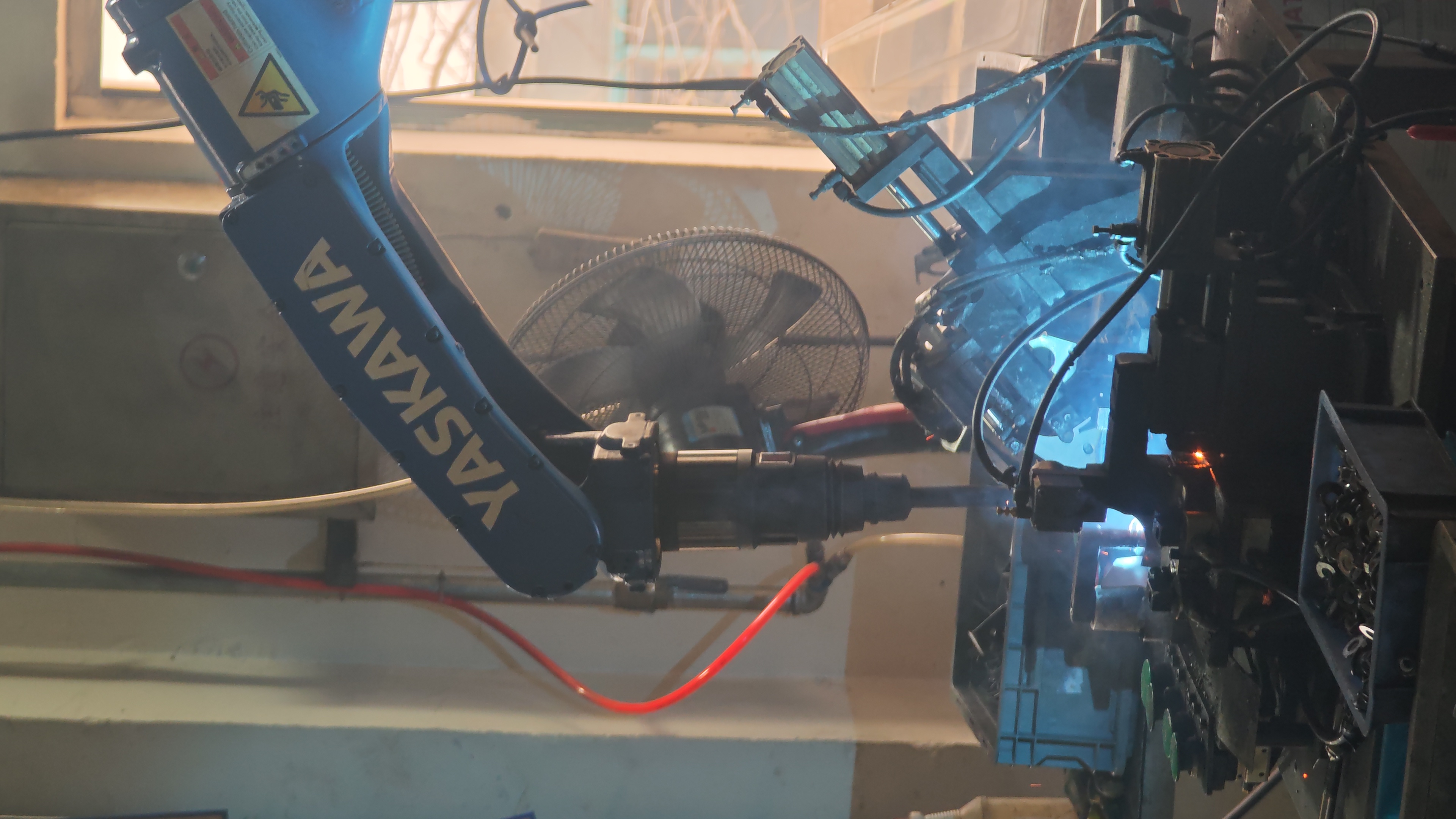
Các điểm ưu – nhược của quy trình hàn dưới lớp thuốc
Một quy trình có thể trông tuyệt vời trong biểu đồ so sánh nhưng vẫn không phù hợp trên sàn sản xuất. Trong thực tế thi công hàn hồ quang, nguyên lý hàn chìm (SAW) cho kết quả tốt nhất khi mối hàn dài, vật liệu dày và tốc độ di chuyển được kiểm soát ổn định. Cả Seabery và Xometry đều mô tả cùng một xu hướng: quy trình hàn chìm (SAW) đặc biệt năng suất cao trong các công việc gia công nặng và lặp lại nhiều lần, nhưng giới hạn của nó gắn chặt với vị trí hàn, khả năng quan sát và tính kỷ luật trong khâu thiết lập.
Ưu điểm vận hành của hàn chìm (SAW)
Ưu điểm
- Khả năng lắng đọng kim loại cao hỗ trợ hàn các mối hàn dài và công việc sản xuất lặp lại.
- Độ thâm nhập sâu khiến quy trình hàn chìm (SAW) rất thích hợp cho các tiết diện dày và các mối nối chịu tải lớn.
- Lớp thuốc hàn phủ kín bảo vệ vũng hàn và giúp tạo ra mối hàn chìm (SAW) nhẵn mịn, đồng đều với lượng bắn tóe thấp.
- Quy trình này rất phù hợp với tự động hóa và cơ giới hóa, từ đó nâng cao tính lặp lại giữa các chi tiết.
- Khi các thông số đã được thiết lập, người vận hành thường cần ít điều chỉnh bằng tay liên tục hơn so với các phương pháp hàn hồ quang trần.
- Không cần khí bảo vệ bên ngoài vì lớp thuốc hàn dạng hạt cung cấp lớp phủ bảo vệ.
Các hạn chế chính cần hiểu rõ trước khi lựa chọn phương pháp hàn chìm (SAW)
Nhược điểm
- Hồ quang bị che khuất dưới lớp thuốc hàn, do đó việc giám sát trực quan vũng hàn bị hạn chế.
- Phương pháp này chủ yếu phù hợp với hàn ở vị trí nằm ngang và hàn ở tư thế phẳng, bởi vì việc kiểm soát thuốc hàn và xỉ nóng chảy trở nên khó khăn ở các vị trí khác.
- Việc xử lý thuốc hàn đòi hỏi thêm tính kỷ luật trong quy trình, bao gồm bảo quản, cấp liệu, thu hồi và làm sạch.
- Thiết bị có thể cồng kềnh, khiến việc thi công tại hiện trường, trong không gian chật hẹp hoặc các công việc yêu cầu độ cơ động cao trở nên kém khả thi hơn.
- Chi phí thiết lập ban đầu thường cao hơn so với các phương pháp hàn thủ công đơn giản hơn.
- Việc hàn vật liệu mỏng trở nên khó khăn hơn để đảm bảo độ tin cậy, do lượng nhiệt đưa vào có thể quá lớn.
- Việc loại bỏ xỉ vẫn là một phần trong quy trình làm việc, đặc biệt trong hàn nhiều lớp.
Làm thế nào để cân bằng giữa năng suất và các ràng buộc quy trình
SAW phát huy hiệu quả vượt trội khi mối hàn có thể được định vị đúng cách, đường hàn dự kiến ổn định và năng suất cao quan trọng hơn khả năng quan sát trực tiếp cung điện hồ quang.
Đó chính là sự đánh đổi thực sự. Nếu công việc đòi hỏi độ nhất quán cao, hành trình dài và tự động hóa, thì SAW có thể là một trong những lựa chọn hiệu quả nhất trong gia công. Ngược lại, nếu công việc yêu cầu tính di động, khả năng kiểm soát trực quan vũng chảy hoặc hàn ở tư thế không thuận lợi, thì những ưu điểm vốn có ấy lại trở thành hạn chế. Những sai lệch nhỏ trong điều kiện bột hàn, tốc độ cấp dây hoặc thông số di chuyển cũng nhanh chóng ảnh hưởng đến chất lượng mối hàn; vì vậy, việc nhận diện các dạng khuyết tật và xử lý sự cố ngay từ lần kiểm tra đầu tiên đóng vai trò rất quan trọng trong sản xuất hàng ngày.
Các khuyết tật phổ biến trong hàn hồ quang chìm và các bước kiểm tra ban đầu
SAW được đánh giá cao nhờ tính ổn định, nhưng hồ quang bị che khuất cũng có thể giấu đi những vấn đề tiềm ẩn cho đến khi đường hàn lộ ra và xỉ được loại bỏ. Hướng dẫn thực tế tại xưởng sản xuất từ Westermans ,Cầu và MEGMEET chỉ ra cùng một xu hướng: phần lớn các khuyết tật bắt nguồn từ việc chuẩn bị mối hàn, điều kiện của vật liệu tiêu hao hoặc sự mất cân bằng thông số. Khi một mối hàn được thực hiện bằng phương pháp hàn hồ quang chìm bắt đầu xuất hiện lỗ rỗ, xỉ kẹt, độ gắn kết kém hoặc đường hàn không đều, giải pháp nhanh nhất thường là tiến hành chẩn đoán một cách kỷ luật chứ không phải điều chỉnh ngẫu nhiên các thông số.
Các khuyết tật phổ biến trong hàn hồ quang chìm (SAW) và nguyên nhân gây ra chúng
Một số vấn đề xuất hiện ngay trên bề mặt ngay lập tức. Số khác lại nằm khuất bên trong cho đến khi kiểm tra hoặc cắt mẫu. Bảng tóm tắt nhanh sau đây trình bày các khuyết tật và sự cố quy trình mà người vận hành thường gặp nhất trong sản xuất.
| Lỗi | Nguyên nhân có thể | Các biện pháp khắc phục |
|---|---|---|
| Rỗ khí, lỗ kim hoặc khoang chứa khí | Kim loại cơ bản bẩn, độ ẩm trong thuốc hàn, thuốc hàn bị nhiễm bẩn, lớp phủ thuốc hàn không đủ, năng lượng nhiệt đầu vào thấp hoặc tốc độ di chuyển quá cao | Làm sạch và làm khô mối hàn, đảm bảo lớp phủ thuốc hàn đầy đủ, sấy khô hoặc thay thế thuốc hàn bị ẩm, đồng thời hiệu chỉnh lại cường độ dòng điện, điện áp và tốc độ di chuyển |
| Xỉ kẹt, vật liệu phi kim loại bị giữ lại | Hình dạng rãnh hàn quá hẹp, độ lắp ghép không tốt, thuốc hàn có độ nhớt cao hoặc không phù hợp, hoặc làm sạch chưa đầy đủ giữa các lượt hàn | Cải thiện thiết kế mối nối và độ khít của các chi tiết, loại bỏ hoàn toàn xỉ giữa các lớp hàn, đồng thời sử dụng thuốc hàn đảm bảo tách xỉ ổn định |
| Thiếu độ gắn kết hoặc thiếu độ thấu | Dòng điện thấp, tốc độ di chuyển quá cao, chuẩn bị mối hàn không tốt, khe hở chân mối hàn nhỏ, bề mặt chân mối hàn dày hoặc dây hàn lệch tâm | Tăng lượng nhiệt đưa vào trong giới hạn quy trình cho phép, hiệu chỉnh đúng kích thước rãnh và điều kiện chân mối hàn, căn chỉnh dây hàn nằm chính giữa mối hàn và giảm tốc độ di chuyển nếu cần |
| Lõm chân mối hàn | Hồ quang không ổn định, góc hàn không phù hợp hoặc sự kết hợp giữa dòng điện, điện áp và tốc độ di chuyển khiến kim loại bị cuốn ra khỏi mép mối hàn | Ổn định hồ quang, hiệu chỉnh lại góc đầu hàn và kiểm tra lại các thông số điện áp và tốc độ di chuyển |
| Độ thấu sâu quá mức hoặc thủng xuyên | Dòng điện quá cao, tốc độ di chuyển quá chậm hoặc chế độ hàn quá mạnh so với độ dày vật liệu | Giảm dòng điện, tăng tốc độ di chuyển và xác nhận quy trình hàn phù hợp với độ dày tiết diện |
| Sự không ổn định của hồ quang hoặc đường hàn lệch hướng | Chiều dài điện cực nhô ra không đúng, lớp phủ thuốc hàn không đồng đều, hiện tượng lệch hồ quang do từ trường hoặc sự cố cấp dây hàn | Đặt lại độ nhô ra của dây hàn theo quy trình đã được phê duyệt, duy trì lớp bột hàn đồng đều, kiểm tra cách đi dây cáp và kiểm tra hệ thống cấp dây |
| Nứt trong quá trình làm nguội hoặc sau khi hàn | Hydro từ độ ẩm, ứng suất dư cao, nhiệt độ nung nóng trước hoặc kiểm soát nhiệt độ giữa các lớp không tốt, hoặc kim loại mối hàn nhạy cảm với tạp chất | Sử dụng vật liệu hàn ít hydro và đã được sấy khô, kiểm soát nhiệt độ nung nóng trước và tốc độ làm nguội, đồng thời xem xét lại trình tự hàn và biện pháp hạn chế ứng suất |
| Sự không đều trong việc cấp dây, hiện tượng dây bị kẹt (stubbing) hoặc dao động mạnh (surging) | Bánh xe dẫn bị mòn, các chi tiết tiếp xúc bị hư hỏng, đường dẫn dây bị tắc hoặc bề mặt dây bị bẩn | Kiểm tra toàn bộ đường dẫn dây, thay thế các chi tiết bị mòn và xác nhận dây hàn phù hợp với thiết lập bánh xe dẫn |
Cách điều kiện và phương pháp xử lý bột hàn ảnh hưởng đến chất lượng mối hàn
Thuốc hàn không chỉ có tác dụng bảo vệ. Nó còn ảnh hưởng đến hành vi của xỉ, sự thoát khí và độ đồng nhất tổng thể của mối hàn. Thuốc hàn ẩm có thể giải phóng khí do hơi ẩm và góp phần gây ra hiện tượng rỗ khí. Thuốc hàn bẩn hoặc đã qua sử dụng có thể chứa các hạt mịn và chất gây ô nhiễm, làm tăng nguy cơ lẫn tạp chất và mối hàn không ổn định. Trong hàn nhiều lớp, việc loại bỏ xỉ kém sẽ làm tăng khả năng giữ lại các khuyết tật ở lớp hàn tiếp theo.
Điện cực cũng rất quan trọng. Dù được ghi nhãn là dây hàn hồ quang chìm, dây hàn chìm cung (sub arc wire) hay dây hàn SAW, nó vẫn phải sạch và được cấp đều đặn. Gỉ, dầu hoặc bụi bẩn trên dây hàn có thể tạo thêm nguồn khí và làm mất ổn định hồ quang.
- Bảo quản chất trợ chảy trong điều kiện khô ráo và kín.
- Rây lại chất trợ chảy đã thu hồi trước khi tái sử dụng để loại bỏ các hạt mịn và mảnh vụn.
- Giữ phễu cấp, đường dẫn dây hàn và vùng mối nối luôn sạch sẽ, không có bụi bẩn, vảy oxit, dầu mỡ và độ ẩm.
- Loại bỏ hoàn toàn lớp xỉ trước khi thực hiện lượt hàn tiếp theo đối với các mối hàn dày hoặc nhiều lớp.
Các bước kiểm tra đầu tiên khi mối hàn hồ quang chìm gặp sự cố
Khi xuất hiện khuyết tật, hãy bắt đầu bằng các kiểm tra đơn giản nhất trước:
- Kiểm tra khu vực mối hàn và dây hàn để phát hiện gỉ, dầu, sơn, độ ẩm hoặc bụi bẩn.
- Kiểm tra xem lớp phủ flux có bao phủ hoàn toàn hồ quang và duy trì ổn định dọc theo đường hàn hay không.
- Xác minh việc lắp ghép mối hàn, hình dạng rãnh, khe hở chân mối hàn và độ thẳng hàng của dây hàn.
- So sánh cường độ dòng điện, điện áp và tốc độ di chuyển với quy trình đã được phê duyệt.
- Kiểm tra các bộ phận tiếp xúc, con lăn dẫn dây và đường dẫn dây để phát hiện mài mòn hoặc cản trở.
- Nếu xuất hiện nứt, hãy xem lại việc kiểm soát hydro, thực hành gia nhiệt trước và điều kiện làm nguội.
Nếu chương này được xuất bản nhằm phục vụ trực tiếp tại phân xưởng, việc bổ sung ảnh khuyết tật hoặc hình ảnh mặt cắt ngang bên cạnh bảng sẽ giúp chẩn đoán nhanh hơn. Khi những vấn đề tương tự liên tục bắt nguồn từ hình dạng chi tiết, tính lặp lại hoặc yêu cầu kiểm soát chất lượng, việc xử lý sự cố sẽ dần ít mang tính điều chỉnh thông số hơn và ngày càng thể hiện rõ hơn là một quyết định lựa chọn quy trình.
Cách Đánh Giá Hàn Chìm (SAW) Cho Chương Trình Tiếp Theo Của Bạn
Các khuyết tật hàn lặp lại không phải lúc nào cũng có nghĩa là thông số cài đặt bị sai. Đôi khi, chúng cho thấy toàn bộ phương pháp sản xuất đang không phù hợp. Các tìm kiếm như 'hàn chìm cung điện' hoặc 'hàn chìm' thường bắt đầu dưới dạng câu hỏi định nghĩa, nhưng người mua cuối cùng thường phải đối mặt với lựa chọn khó khăn hơn: xây dựng năng lực nội bộ hay giao công việc cho một nhà thầu chuyên biệt. Hướng dẫn từ Xometry và Miller đều chỉ ra cùng một xu hướng. Hàn chìm (SAW) hoạt động hiệu quả nhất khi các mối hàn dài, chi tiết có tính lặp lại cao, độ lắp ghép đồng đều và quy trình có thể hỗ trợ hàn cơ giới hóa hoặc tự động hóa.
Cách xác định xem hàn chìm (SAW) có phù hợp với chương trình của bạn hay không
- Kiểm tra hình học chi tiết. Hàn chìm (SAW) thích hợp nhất với các mối hàn dài, dễ tiếp cận, nằm ở vị trí nằm ngang hoặc gần nằm ngang.
- Kiểm tra nhóm vật liệu. Phương pháp này thường được sử dụng trên thép cacbon dày, thép hợp kim thấp, thép không gỉ và một số hợp kim nền niken.
- Kiểm tra chiều dài và khối lượng mối hàn. Máy hàn chìm (SAW) sẽ hợp lý hơn khi áp dụng cho các loạt sản xuất lặp lại chứ không phải cho các mối hàn ngắn rải rác.
- Kiểm tra tính nhất quán ở đầu nguồn. Chất lượng cắt biến đổi, độ khít kém và khe hở mối hàn thay đổi làm cho việc tự động hóa trở nên khó biện minh hơn.
- Kiểm tra nhân sự và kiểm soát quy trình. Việc mua một máy hàn chìm cung cấp lợi ích kinh tế chỉ khi đội ngũ của bạn có khả năng thiết lập, giám sát và duy trì quy trình.
- Kiểm tra yêu cầu về chất lượng và mục tiêu thời gian giao hàng. Nỗ lực thiết lập ban đầu cao sẽ dễ được biện minh hơn khi yêu cầu về sản lượng đầu ra và tài liệu kỹ thuật luôn ở mức cao.
Những câu hỏi cần đặt ra cho nhà cung cấp dịch vụ hàn trước khi bạn thuê ngoài
Nếu những điều kiện đó không được đáp ứng, việc thuê ngoài có thể giúp giảm rủi ro. Hãy hỏi nhà cung cấp cách họ xử lý dải vật liệu, hệ thống gá lắp, độ lặp lại, hồ sơ kiểm tra và năng lực sản xuất. Mục tiêu rất đơn giản: xác nhận rằng họ có thể đảm bảo chất lượng mối hàn một cách ổn định, chứ không chỉ tạo ra một chi tiết mẫu trông đẹp mắt.
- Bạn thường hàn những vật liệu và độ dày tiết diện nào nhất?
- Bạn kiểm soát độ khít và độ lặp lại trên các đường hàn dài như thế nào?
- Bạn có thể cung cấp loại kiểm tra và tài liệu nào kèm theo mỗi lô sản phẩm?
- Tốc độ sản xuất của bạn có đáp ứng được tiến độ ra mắt sản phẩm và nhu cầu ổn định không?
Khi Đối tác Sản xuất Tùy chỉnh Mang lại Giá trị Gia tăng
Một đối tác tùy chỉnh trở nên có giá trị hơn khi chương trình phụ thuộc nhiều hơn vào khả năng lặp lại, tự động hóa và kiểm soát chất lượng chính thức thay vì vào tính linh hoạt tại xưởng sản xuất. Đối với công việc khung gầm ô tô, điều này thường có nghĩa là đánh giá toàn bộ hệ thống sản xuất, chứ không chỉ giá của một máy. Shaoyi Metal Technology là một ví dụ đáng xem xét đối với các nhà sản xuất cần khả năng hàn robot và hệ thống kiểm soát chất lượng được chứng nhận theo tiêu chuẩn IATF 16949 cho các chi tiết khung gầm hiệu suất cao. Ngay cả khi hàn hồ quang chìm (SAW) chỉ là một lựa chọn trong tổng thể các phương pháp hàn khác nhau, mức độ kỷ luật quy trình như vậy vẫn là một tiêu chuẩn thực tiễn để lựa chọn nguồn cung cấp thép, nhôm và các thành phần kim loại khác.
Các Câu Hỏi Thường Gặp Về Hàn Hồ Quang Chìm
1. Vì sao hàn hồ quang chìm lại được gọi là 'hàn chìm'?
Phương pháp này được gọi là hàn chìm vì cung điện làm việc và vũng hàn nóng chảy được bao phủ bởi một lớp thuốc hàn dạng hạt trong quá trình hàn. Thay vì quan sát cung điện hở, quá trình hàn diễn ra bên dưới lớp thuốc hàn này, giúp bảo vệ vùng hàn và sau đó tạo thành xỉ trên bề mặt mối hàn đã hoàn tất.
2. Hàn chìm được sử dụng để làm gì?
Hàn chìm thường được sử dụng nhất cho các mối hàn dài và lặp lại trên vật liệu dày hơn, đặc biệt là tấm thép, ống, bình chứa và các chi tiết kết cấu lớn. Phương pháp này rất phù hợp khi các đường hàn dễ tiếp cận, khối lượng sản xuất ổn định và công việc hưởng lợi từ việc di chuyển cơ khí hoặc tự động hóa thay vì điều chỉnh thủ công liên tục.
3. Hàn chìm khác gì so với hàn MIG và hàn FCAW?
Hàn hồ quang chìm (SAW), hàn hồ quang kim loại trong khí bảo vệ (MIG) và hàn hồ quang kim loại có lõi thuốc (FCAW) đều sử dụng dây hàn được cấp liên tục; tuy nhiên, SAW hoạt động dưới lớp thuốc dạng hạt, trong khi MIG và FCAW sử dụng hồ quang trần. Điều này khiến SAW đặc biệt phù hợp cho sản xuất có năng suất cao và kiểm soát chặt chẽ trên các chi tiết dày, trong khi MIG và FCAW thường dễ thực hiện hơn trên các mối hàn ngắn, khi điều kiện mối nối thay đổi và ở nhiều vị trí hàn khác nhau.
4. Những ưu điểm và hạn chế chính của phương pháp hàn hồ quang chìm (SAW) là gì?
Các ưu điểm chính bao gồm năng suất cao, điều kiện hàn ổn định, ít bắn tóe và độ lặp lại tốt trên các mối hàn dài. Các hạn chế chính là hồ quang bị che khuất, thuốc hàn phải được xử lý cẩn thận, thiết bị ít tính di động hơn và quy trình này thường không phù hợp với vật liệu mỏng hoặc công việc hàn ở tư thế khó (ngoài vị trí nằm ngang).
5. Bạn nên thuê ngoài dịch vụ hàn hồ quang chìm (SAW) hay thực hiện nội bộ?
Việc sử dụng quy trình hàn SAW nội bộ là hợp lý khi bạn có sản xuất lặp lại, độ lắp ghép đáng tin cậy, đội ngũ thợ hàn được đào tạo bài bản và nhu cầu đủ lớn để biện minh cho việc đầu tư thiết bị cũng như kiểm soát quy trình. Nếu chương trình của bạn phụ thuộc nhiều hơn vào khả năng truy xuất nguồn gốc, tự động hóa và thời gian hoàn thành ổn định thay vì tính linh hoạt tại xưởng sản xuất, thì một nhà cung cấp đủ tiêu chuẩn có thể là lựa chọn tốt hơn. Đối với các chương trình khung gầm ô tô, đối tác như Công nghệ Kim loại Shaoyi xứng đáng được xem xét để hỗ trợ hàn robot và hệ thống quản lý chất lượng IATF 16949.