 Small batches, high standards. Our rapid prototyping service makes validation faster and easier —
  EN
EN


Can You Weld Galvanized Pipe Safely Without Ruining The Coating?
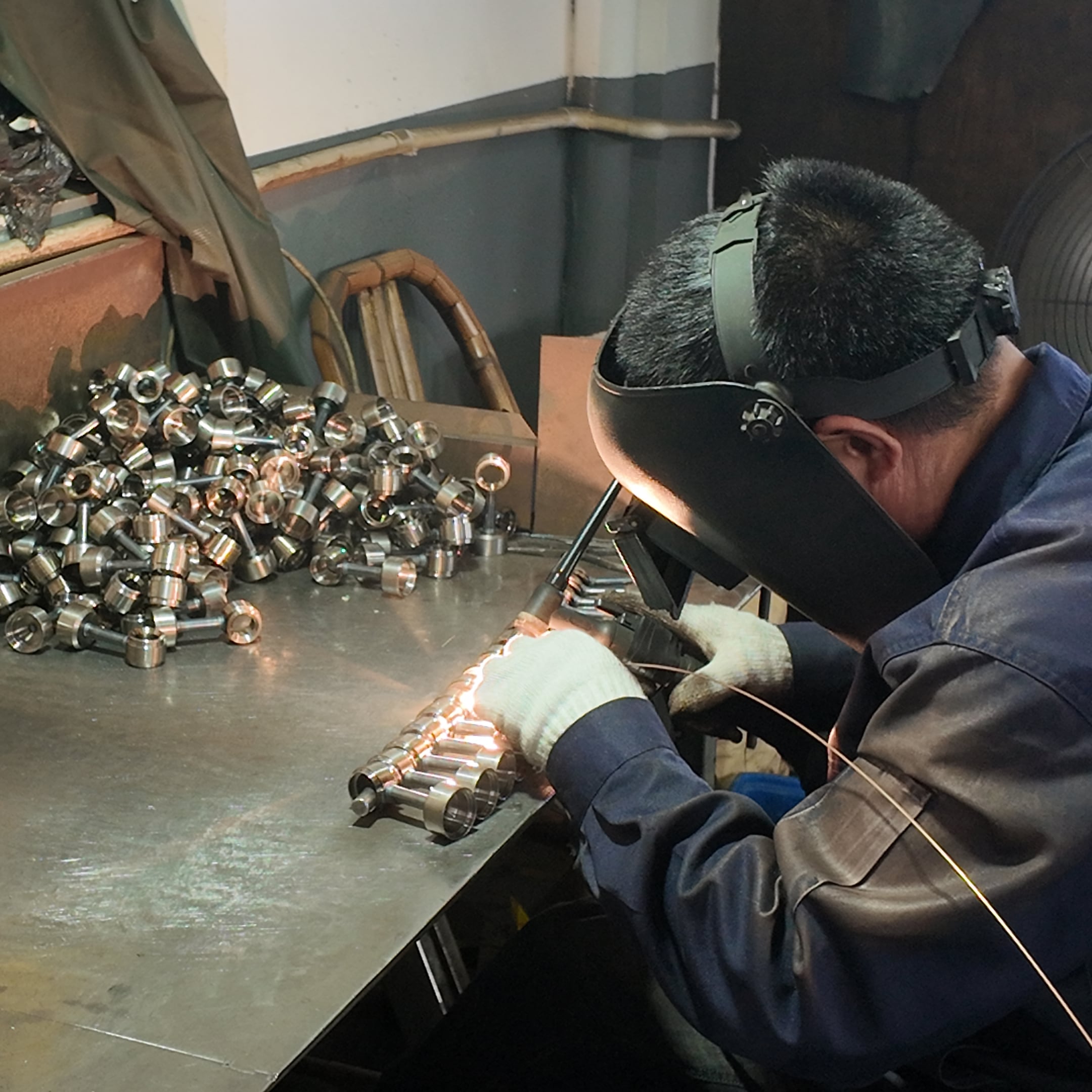
Can You Weld Galvanized Pipe Safely?
Yes, can you weld galvanized pipe? You can, but only with strict control of the zinc coating, the fumes created by welding heat, and the corrosion protection lost around the joint. In pipe work, that matters fast. A weld might hold mechanically, yet still expose the welder to hazardous fumes, contaminate the bead, and leave a bare ring around the joint that can rust long before the rest of the pipe does.
Galvanized pipe can be welded, but safe prep, fume control, and post-weld coating repair are not optional.
Can You Weld Galvanized Pipe Yes but With Important Limits
If you are asking can you weld galvanized steel pipe, the practical answer is yes, and industry guidance recognizes that zinc-coated steel can be welded when proper procedures are used. The catch is that the weld area should be free of zinc, and the work should be done in a well-ventilated location, as outlined by AGA guidance referencing AWS practices.
Why Welding Galvanized Pipe Is More Complicated Than Bare Steel
Pipe adds its own headaches. Heat wraps around a round section, fumes can collect near the joint and even inside the tube, and access is often tighter than on flat plate. So when people ask can you weld on galvanized pipe, the real issue is not just whether an arc will melt it. It is whether the joint can be prepared and ventilated well enough to avoid problems.
The Three Problems Every Welder Must Address First
- Toxic fumes: Heating zinc can create zinc oxide fumes linked to metal fume fever and respiratory risk.
- Weld contamination: Zinc near the puddle can increase porosity, spatter, and instability in the weld.
- Lost corrosion protection: The galvanized layer is burned or ground away near the weld, leaving exposed steel behind.
Those three issues all start with one simple fact: galvanizing changes how the pipe behaves under heat, and that is where the real preparation story begins.
How Galvanizing Changes Pipe Welding
Those risks all begin with the coating itself. In practical terms, galvanizing is a layer of zinc added to steel so the pipe resists rust in service. That zinc is useful on the rack or in the field, but it becomes a welding variable the moment heat hits it. Guidance from The Fabricator notes that zinc can volatilize during welding, which is why galvanized joints often show more fume, spatter, porosity, and unstable arc behavior than bare steel.
How the Zinc Coating Changes Weldability
So, what happens when you weld galvanized pipe? Part of the zinc coating can vaporize near the arc, and that vapor can rise through the molten weld puddle. If it escapes cleanly, the weld may still be manageable. If it gets trapped as the puddle solidifies, porosity can form. The same zinc vapor can disturb the arc and increase spatter, especially with common wire processes. That is the real answer to how galvanizing affects welding steel pipe: it changes weld quality, cleanup needs, and fume generation all at once.
Why Pipe Geometry Makes Preparation More Important
Pipe makes the problem more demanding than flat stock. A round section needs accurate coping and even fit-up so the arc can reach the root consistently around the circumference. Because the section is hollow, heat and vapor behavior are also less forgiving. Tight gaps, poor root access, or a mismatched saddle can make it easier for zinc vapor to interfere with penetration at the inside edge of the joint. Used threaded pipe can be tougher still, because old coatings, dirt, corrosion, and other residue around the joint add one more contamination source before welding even starts.
What Happens to the Galvanized Layer Around the Weld Zone
The coating does not survive the weld area intact. Both welding guides and repair guidance recommend removing zinc near the joint before welding, then restoring protection afterward with a zinc-rich or cold-galvanizing repair coating, as described in welding guidance and post-weld repair notes. That matters if you are wondering can you weld galvanized water pipe, because a sound-looking bead still leaves a bare heat-affected zone that is more vulnerable to rust.
| Issue | Why it happens | What the welder must do before or after welding |
|---|---|---|
| Arc instability and spatter | Zinc volatilizes under welding heat and disturbs the arc | Remove coating near the joint and use a controlled process setup |
| Porosity in the weld | Zinc vapor can get trapped in the solidifying puddle | Improve coping, fit-up, and root access so vapor can escape more easily |
| Corrosion near the joint | The galvanized layer is burned away or ground off | Clean the area after welding and apply a zinc-based repair coating |
| Extra trouble on used threaded pipe | Residual contamination may be present around the joint | Clean back to sound metal before deciding whether welding is the right join method |
Sometimes that last line is the most important one, because the best joint on galvanized pipe is not always a welded joint at all.
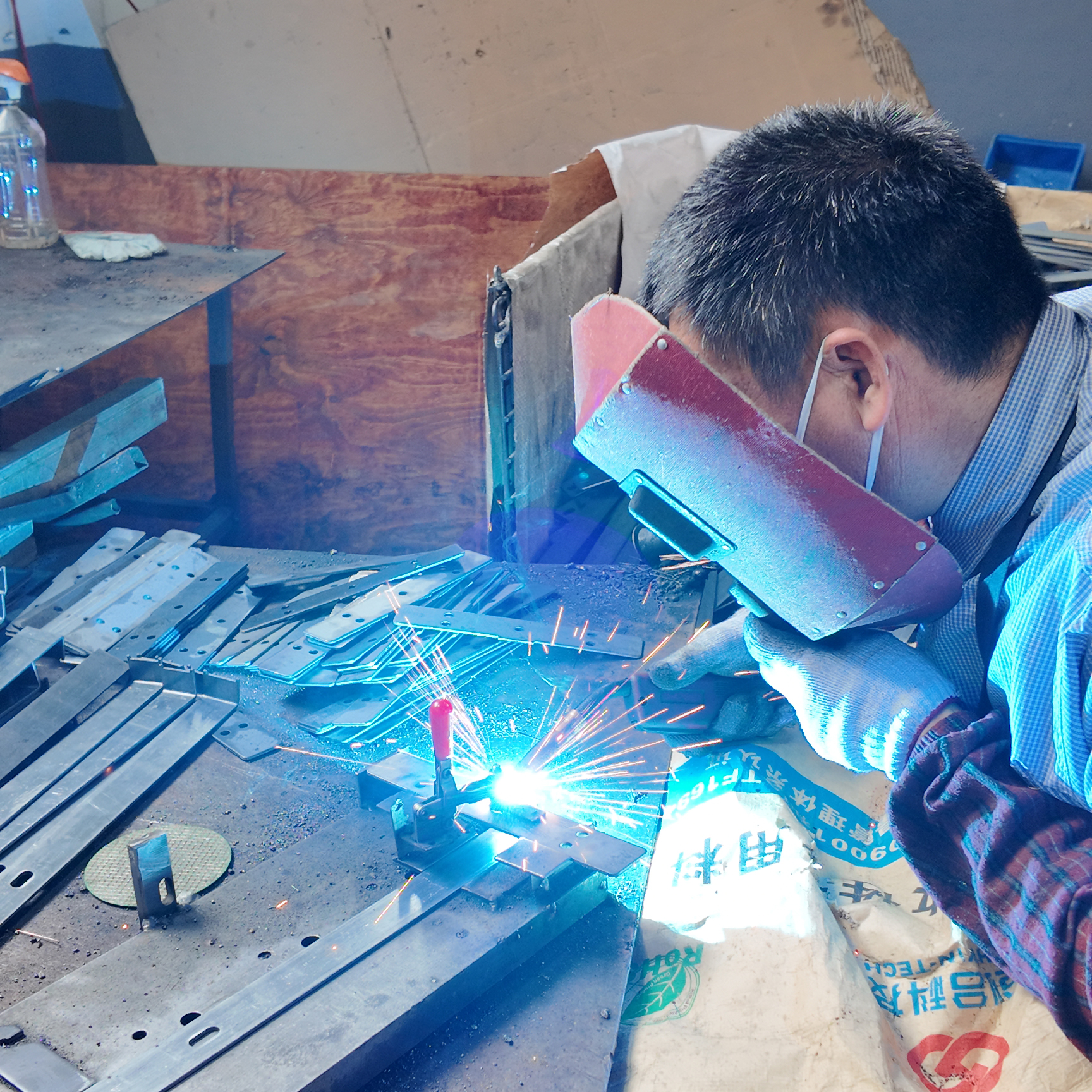
Should You Weld Galvanized Pipe or Use Threaded Fittings?
The coating is only part of the decision. The bigger question is whether the pipe should be welded at all. Comparative overviews from DS Pipe and CNGRUV place welded joints in permanent, high-pressure service, while threaded and grooved joints are favored when speed, access, and future maintenance matter. On galvanized pipe, that tradeoff gets sharper because welding destroys the zinc coating right where the joint needs corrosion protection.
When Welding Galvanized Pipe Makes Sense
Welding can be justified when the joint must be permanent, rigid, and very strong, and when the bare heat-affected area can be cleaned and recoated after the work. Typical examples include structural frames, shop-made assemblies, and non-service pipe work where later disassembly is unlikely. If the fit-up does not suit threads or grooves, a weld may also be the cleaner fabrication choice. In that sense, can galvanized pipe be welded instead of threaded? Yes, but mainly when the job truly benefits from a fused joint and the corrosion loss can be repaired.
When Threaded or Grooved Joints Are the Better Choice
Many field repairs point the other way. If the question is should you weld galvanized pipe or use threaded fittings, mechanical joining is often the safer default for existing service lines. Threaded joints are practical when the pipe is still sound and future disassembly matters. Grooved joints are attractive on larger mechanical piping because installation is faster and maintenance is easier. Guides on galvanized-pipe joining also include compression, press-fit, and flange adapters for specific repairs or equipment tie-ins. For older water lines, is welding galvanized water pipe safe is often the wrong starting point. A better question is whether hot work is necessary at all.
| Join method | Best fit | Main advantage | Main tradeoff on galvanized pipe |
|---|---|---|---|
| Welded | Permanent, high-strength, rigid joints | Excellent integrity and no threaded crevices | Burns off coating, adds fume risk, harder to modify later |
| Threaded | Smaller service lines and repairable systems | Simple installation and easy disassembly | Needs sound threads and sealant, not ideal for every pressure or vibration condition |
| Grooved | Larger building and mechanical piping | Fast installation, serviceable, accommodates some movement | Requires grooved ends and compatible couplings, not a universal fix for every small repair |
How to Decide Before You Start Cutting or Grinding
- Identify the pipe's job. A structural member, a water line, and a code-sensitive system do not get the same answer.
- Check project rules first. Local code, owner specifications, or utility requirements may favor one join method over another.
- Assess the pipe condition. Old sealant, corrosion, thin walls, or damaged threads can change the safest option.
- Ask whether the joint may need future service. If yes, a mechanical connection usually has an advantage.
- Consider what welding will remove. If post-weld corrosion repair is impractical, do not choose a process that burns off the protective layer.
- Weigh hot-work risk against convenience. Tight spaces, occupied areas, and unknown pipe history often push the decision away from welding.
If the checklist still points to a welded joint, the real work starts before machine settings do. Airflow, coating removal, residue inside the pipe, and surface cleaning all have to be controlled before the first spark.
How to Safely Weld Galvanized Pipe Before the Arc Starts
Some pipe jobs still end in a welded joint, but the safe part starts before the machine is even turned on. If you are looking up how to safely weld galvanized pipe, focus first on air control, coating removal, and pipe history. Zinc near the arc can create hazardous fumes, contaminate the weld zone, and keep burning off even outside the visible bead if the prep is too narrow.
Essential Safety Controls Before Welding Galvanized Pipe
AGA guidance, based on AWS practice, says the weld should be made on steel that is free of zinc. It also stresses proper ventilation, because galvanized pipe welding fumes can contain zinc and other contaminants depending on the material, process, and work conditions. In real pipe work, source capture matters more than just feeling air movement. A source extractor pulls fumes away before they rise into the breathing zone, which is especially helpful when you are welding around a round joint.
- Confirm the pipe is appropriate for welding and that hot-work rules allow it.
- Set up local fume extraction close to the joint for both grinding and welding.
- Use a well-ventilated area and keep your head out of the fume plume.
- Avoid confined or poorly ventilated spaces unless site confined-space procedures, air monitoring, and approved respiratory protection are in place.
- Clean away oil, dirt, paint, rust, moisture, and old thread sealant before fit-up.
- If the pipe is used material, verify what it previously carried and review any available safety information before heating it.
Good weld technique does not replace fume control. A clean bead means little if the welder is breathing zinc fumes.
How Much Coating to Remove and Why It Matters
For anyone asking how much galvanized coating to remove before welding, the clearest published guidance in the sources comes from the AGA: remove the zinc coating at least 1 to 4 inches from either side of the intended weld and on both sides of the workpiece. Grinding is identified as the most effective removal method. On pipe, that means cleaning around the full circumference, not just the top of the joint. If the pipe end is open and accessible, clean the inside edge and root area as well, because residual zinc near the inner face can still fume when the joint heats up.
That prep width is not just about weld quality. Arc heat can affect coated metal beyond the puddle itself, so a narrow strip of leftover zinc can still vaporize during tacking or the first pass.
Pipe Specific Hazards That Are Easy to Miss
Pipe hides contamination better than flat steel. Open ends and inside diameters can hold grinding dust, scale, moisture, or old residue. Saddles, tees, and branch joints can trap coated overlap where zinc keeps heating after the outside looks clean. The tube and pipe guidance in the reference materials also notes that zinc trapped inside hollow sections can remain a fume source even after exterior prep.
Health effects deserve plain language. Overexposure to zinc fumes can cause metal fume fever, often with chills, fever, dry throat, fatigue, or nausea a few hours later. Exact welding galvanized pipe ventilation requirements and respirator choices should follow OSHA, ANSI Z49.1, and local site rules, because exposure changes with the process, the position, and the space. Where the job edges into an enclosed area, even basic confined space concerns can change the plan completely.
With the air, coating removal, and residue checks handled first, the work itself becomes much more controlled. Then the joint can be approached as a clear sequence of prep, fit-up, tacking, welding, cleanup, inspection, and coating repair.
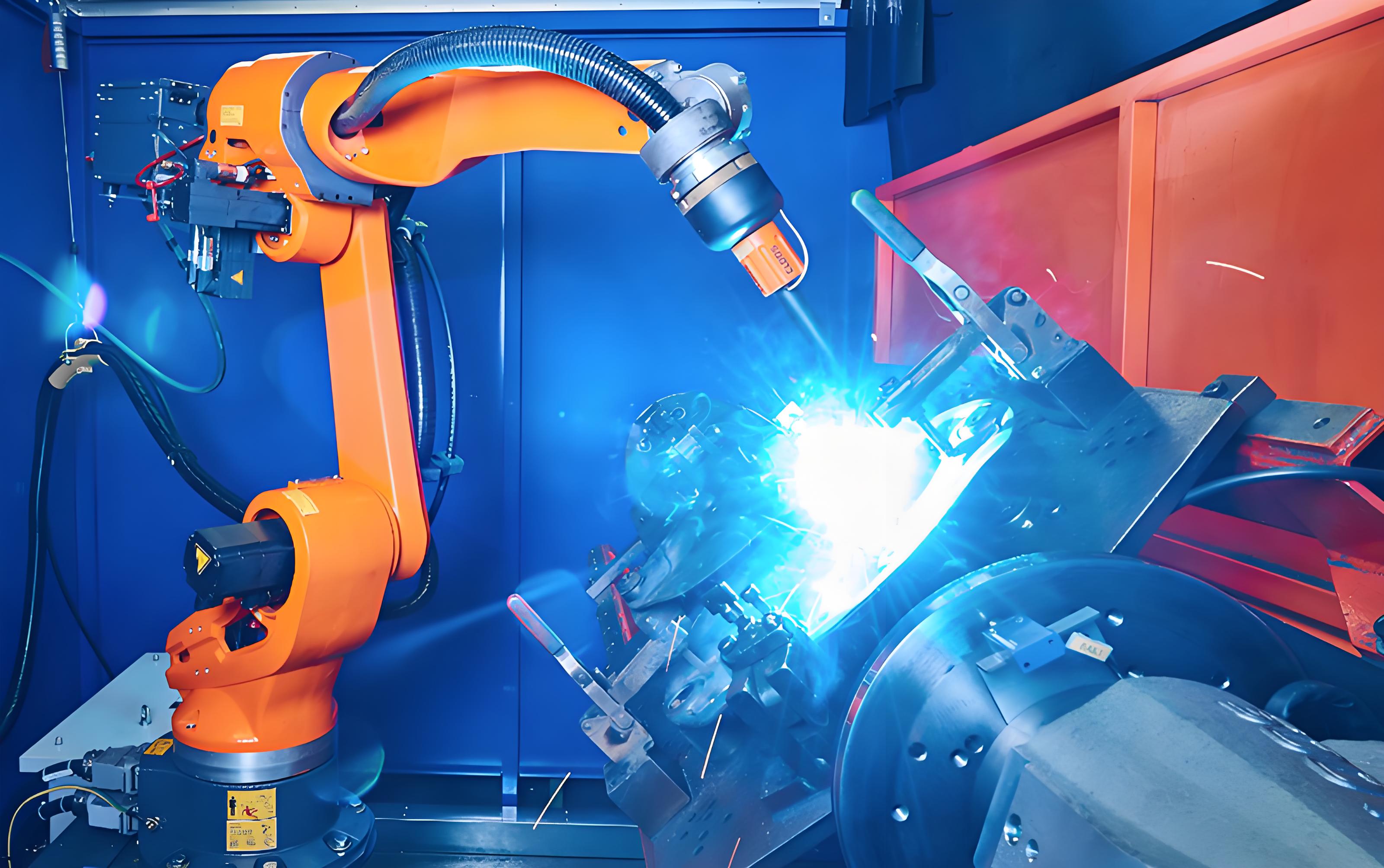
Galvanized Pipe Welding Workflow From Prep to Touch-Up
A safe galvanized pipe weld is really a chain of decisions, not a single arc strike. The joint has to be worth welding, the zinc has to be removed far enough back, the fit-up has to stay consistent around the pipe, and the burned coating has to be repaired afterward. Guidance tied to AWS D-19.0 calls for welding on steel that is free of zinc in the weld area, while pipe training materials stress beveling, deburring, root access, and consistent alignment during fit-up.
Step by Step Workflow for Welding Galvanized Pipe
- Decide whether welding is the right join method. Check the pipe's purpose, condition, and job requirements. If a threaded, grooved, or other mechanical joint is safer or easier to maintain, stop there.
- Isolate the work area. Set up hot-work controls, clear combustibles, and position ventilation or local extraction so fumes are pulled away from your breathing zone.
- Remove the zinc coating around the joint. Grind back the galvanizing on both sides of the intended weld. Published galvanizing guidance commonly points to removing zinc at least 1 to 4 inches from either side of the weld zone and on both sides of the workpiece.
- Clean to bare, sound metal. Remove oil, dirt, paint, rust, thread sealant, and grinding residue. On pipe, clean the inside edge too if the root will heat through.
- Prepare the joint. Cut, cope, and bevel as needed for the wall thickness and joint design. Pipe references from LWTech Pressbooks note that thicker pipe often needs groove preparation, root face control, and deburring for proper penetration.
- Fit and clamp the pipe. Use line-up clamps or fit-up tools to keep the root opening and alignment as even as possible around the circumference. Tack in a balanced pattern so the joint does not pull out of line.
- Choose a sensible process. If you are asking can you weld galvanized pipe with a mig welder, can you weld galvanized pipe with a wire welder, or can you wire weld galvanized pipe, the practical answer is yes, but only after proper zinc removal and ventilation. Stick, TIG, MIG, and flux core can all work when matched to access, wall thickness, and skill level.
- Weld in short, controlled sections. Keep travel steady and avoid lingering in one spot. Excess heat raises fume generation, increases spatter, and can distort thin pipe.
- Let the joint cool as needed between passes. This helps limit heat buildup, especially on lighter wall sections or out-of-position pipe work.
- Clean the weld area. Remove slag, spatter, and loose residue with the right tools for the process used so you can actually see the bead and heat-affected zone.
- Inspect before calling it done. Look for visible porosity, lack of fusion, undercut, misalignment, and incomplete tie-in at the ends of the pass.
- Restore corrosion protection. The weld zone must be repaired after welding. ASTM A780 guidance recognizes zinc-rich paint, sprayed zinc, and zinc-based solders as repair methods for damaged galvanized coating.
How to Prep Fit Tack and Weld the Joint
The small details decide whether the weld goes smoothly or turns into a porosity fight. Consistent root opening matters. Clean bevel faces matter. So does access to the inside edge of the joint. Exact settings and technique depend on the pipe's material condition, wall thickness, joint type, and process, which is why a qualified procedure or test piece is worth the time on anything important.
What to Clean Inspect and Restore After Welding
Do not judge success by bead appearance alone. A decent-looking weld on bare, unrepaired steel can still become the weak point in service because the surrounding zinc is gone.
- Leaving traces of zinc too close to the joint
- Relying on general airflow instead of source fume control
- Poor fit-up that traps vapor at the root
- Overheating thin-wall pipe
- Skipping final cleanup before inspection
- Forgetting post-weld zinc repair
That last point is where many field jobs fall short, and it also changes which welding process feels easiest in the shop versus out in the field.
Can You MIG TIG or Stick Weld Galvanized Pipe?
Process choice changes the whole feel of the job. On galvanized pipe, that matters even more because the coating has already forced extra prep, ventilation, and post-weld repair. The good news is that after the zinc is removed from the weld area, MIG, TIG, stick, and flux core are all workable options in the right situation. The better question is which one fits the pipe, the location, and the welder behind the hood.
Can You MIG TIG or Stick Weld Galvanized Pipe
If you are asking can you mig weld galvanized pipe, can you tig weld galvanized pipe, or can you stick weld galvanized pipe, the practical answer is yes, but these processes do not behave the same. A broad comparison from SSM shows the main tradeoffs clearly. MIG is fast and generally cleaner on thin to medium material, but it relies on shielding gas, so wind can become a problem. TIG offers the most control and very clean welds with minimal spatter, but it is slower and demands more skill. Stick is portable, versatile, and less sensitive to wind, which makes it useful for field pipe work, though it creates more spatter and slag. Flux core is also strong in outdoor or thicker-material work, but it typically leaves more spatter and slag than MIG.
| Process | Best fit on galvanized pipe | Weld cleanliness | Portability and field tolerance | Cleanup demand |
|---|---|---|---|---|
| MIG | Shop work, repeatable fit-up, thin to medium wall pipe | Clean welds with minimal spatter | Moderate portability, but shielding gas makes wind a concern | Lower than stick or flux core |
| TIG | Precision joints, thin-wall pipe, high-control work | Very clean welds with minimal spatter | Less forgiving in field conditions and slower to run | Low surface cleanup, but high skill demand |
| Stick | Outdoor repairs, heavier sections, less controlled environments | Rougher finish with more spatter | Highly portable and well suited to field work | Higher, because slag must be removed |
| Flux core | Outdoor fabrication, thicker pipe, faster field production | More spatter than MIG, less tidy than TIG | Good for windy or harsh conditions | High, because slag and spatter both increase |
Which Process Is Easier in the Shop and in the Field
In a controlled shop, MIG is often the easiest process to run quickly on pipe with good fit-up. TIG can produce the neatest result, especially on thinner sections, but it trades speed for control. Out in the field, stick usually gains ground because the equipment is portable and the process is less sensitive to wind. Flux core sits in the middle for many crews. It keeps some of the wire-feed convenience of MIG, yet handles outdoor conditions better.
That is why there is no single best answer to can you weld galvanized pipe with flux core or any other process question. Access around the pipe, wall thickness, wind, position, and operator skill all matter as much as the machine type.
How Flux Core and Wire Welding Change the Cleanup Burden
Cleanup is where the differences become obvious. H&K Fabrication notes that MIG and TIG do not produce slag because they rely on shielding gas, while stick and flux core do produce slag that must be removed after cooling. That is more than a cosmetic issue. Leftover slag can hide defects and contribute to slag inclusions if passes are not cleaned properly.
- MIG caution: Clean and fast, but shielding gas can be disrupted outdoors.
- TIG caution: Excellent control, but slower travel and higher skill demand can make pipe position work more challenging.
- Stick caution: Expect slag removal, more spatter, and more cleanup before inspection.
- Flux core caution: Useful in the field, but wire welding with flux core usually raises both spatter and slag cleanup.
For many galvanized pipe jobs, the easiest process to start with is not always the easiest one to finish well. A bead that looks acceptable under slag, smoke residue, or spatter still needs to be cleaned, checked, and protected again before the pipe is ready for service.
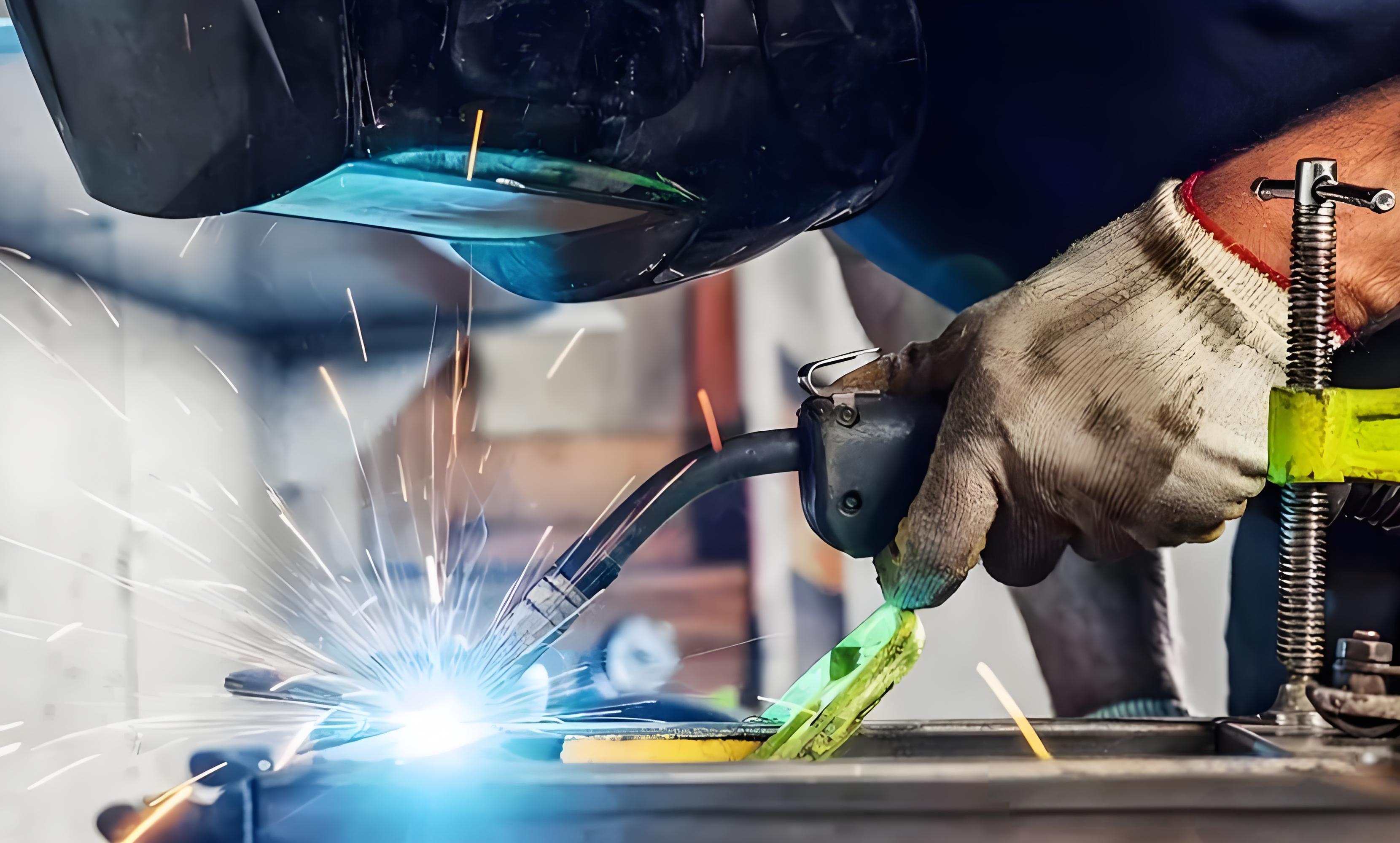
Post-Weld Repair for Galvanized Pipe Joints
A galvanized pipe weld is not finished when the arc stops. The joint still has to be cleaned, checked, and protected again. That matters because the zinc coating around the weld has been burned away or ground off, and AGA repair guidance stresses that touch-up is what helps restore the barrier and cathodic protection that make galvanized steel last.
How to Restore Corrosion Protection After Welding
Start by removing slag, spatter, loose oxide, and any remaining debris so the repair material can bond to clean steel. For damaged or uncoated galvanized areas, ASTM A780 methods include zinc-rich paint, zinc spray, also called metallizing, and zinc-based solders. The same source notes that zinc-rich paint is applied to a clean, dry steel surface, while metallizing and solder repair are also accepted when suited to the job. In field pipe work, the practical goal is simple: do not leave the heat-affected zone as bare steel.
| Post-weld condition | What it means in practice | Likely outcome |
|---|---|---|
| Bare post-weld steel | Zinc protection is missing around the weld and adjacent heated area | The joint area is left more vulnerable to corrosion than the rest of the pipe |
| Repaired post-weld protection | Cleaned steel is covered with an accepted zinc-based repair system | Corrosion resistance is restored more closely to the surrounding galvanized surface |
What to Inspect Before the Pipe Goes Back Into Service
Visual inspection comes first. A practical weld inspection guide recommends checking for cracks, bubbles or pores, holes, uneven bead width, poor symmetry, and slag inclusion. On higher-demand jobs, X-ray, ultrasonic, magnetic particle, or penetrant testing may also be used.
- Clean the weld so the bead and toes are fully visible
- Look for cracks, porosity, undercut, and incomplete fusion
- Check that the bead profile is reasonably uniform around the pipe
- Inspect the repaired coating for full coverage of the bare zone
- Make sure spatter and sharp edges are removed before coating repair
- Confirm any required NDT matches the service and project rules
Special Considerations for Steel Transitions and Fittings
If you are asking can you weld galvanized pipe to steel, the weld itself may be possible, but the corrosion plan changes across the joint. The galvanized side loses zinc near the weld, while the bare steel side may need its own compatible coating approach. If the question is can you weld galvanized pipe fittings, the answer is similar, but fittings add curves, shoulders, and tight edges that make missed cleanup and missed touch-up more likely. The same caution applies if you mean, in plain terms, can you weld steel pipe onto galvanized pipe. Transition joints should be inspected and protected as one system, not just at the bead center. When that cannot be done reliably, the safer call is often to stop before the pipe goes back into service.
When Not to Weld Galvanized Pipe
The final inspection usually reveals the bigger truth: a decent-looking weld can still be the wrong choice for the job. If you are weighing galvanized pipe welding or mechanical joint options, treat welding as the go choice only when the joint can be safely prepared, ventilated, inspected, and recoated. Practical welding guidance also frames galvanized welding as something to do only when necessary, not as the default first move.
When to Weld and When to Walk Away
- Welding is reasonable when: the pipe is part of a structural or non-service assembly, zinc can be removed properly, fumes can be controlled, and the bare area will be repaired after welding.
- A mechanical joint is better when: the line is in service, future disassembly matters, threads or grooves are practical, or preserving the existing galvanized protection is more important than making a permanent fused joint.
- Walk away when: the pipe history is unknown, the work area is confined, contamination may still be inside the pipe, job requirements are unclear, or post-weld corrosion repair will not be done correctly.
Signs the Job Needs Professional Support
If you are asking should you hire a professional to weld galvanized pipe, the safest answer is yes whenever the work affects occupied buildings, pressure service, safety-critical supports, or permits and ventilation planning that exceed basic shop practice.
- Existing water or service piping with uncertain condition
- Poor ventilation or restricted access around the joint
- Thin, corroded, or heavily contaminated pipe
- Any system governed by inspection, code, or documented procedures
Resource for High Precision Production Welding
Field pipe repair is one thing. Production welding is another. For readers making manufacturing decisions rather than on-site pipe repairs, specialist support often makes more sense than improvising. Shaoyi Metal Technology is a useful example in that space, offering robotic welding lines and an IATF 16949 certified quality system for automotive and industrial components. The lesson carries back to pipe work too: when repeatability, precision, and post-weld quality control truly matter, bringing in qualified help is often the smartest no-regret decision.
FAQs About Welding Galvanized Pipe
1. Is it safe to weld galvanized pipe?
It can be done safely, but only when the zinc is removed from the weld area, fumes are controlled with strong ventilation or local extraction, and the work is planned as hot work rather than routine steel welding. Risk increases on used pipe, around branch joints, and in enclosed spaces because residue and fumes can collect where they are easy to miss.
2. How much galvanized coating should you remove before welding pipe?
A practical rule from commonly cited guidance is to grind away the coating at least 1 to 4 inches from each side of the weld area and on both sides of the material. On pipe, that prep should continue around the full circumference, and the inside edge should also be cleaned when the root area will heat through.
3. Can you MIG, TIG, or stick weld galvanized pipe?
Yes, all of those processes can work after proper surface prep and fume control. MIG is often convenient in a shop, TIG offers the most control for cleaner precision work, and stick or flux core is usually more forgiving outdoors. The right choice depends on fit-up, wall thickness, access, wind, and operator skill.
4. Should galvanized water pipe be welded or joined with threaded fittings?
For many existing water and service lines, threaded, grooved, or other mechanical connections are often the better option because they avoid burning off the protective zinc right at the joint. Welding makes more sense on structural or non-service uses where a permanent connection is needed and post-weld corrosion repair can be done correctly.
5. When should you hire a professional to weld galvanized pipe?
Bring in a qualified professional when the pipe is part of a pressure system, occupied building, safety-critical support, or any job with poor ventilation, uncertain pipe history, or inspection requirements. If the need is repeatable production welding rather than field pipe repair, a specialist such as Shaoyi Metal Technology may be a better fit because robotic welding and certified quality control help improve consistency and post-weld reliability.