 Small batches, high standards. Our rapid prototyping service makes validation faster and easier —
  EN
EN


Розшифровані послуги з ЧПУ-обробки: від файлів CAD до готових деталей
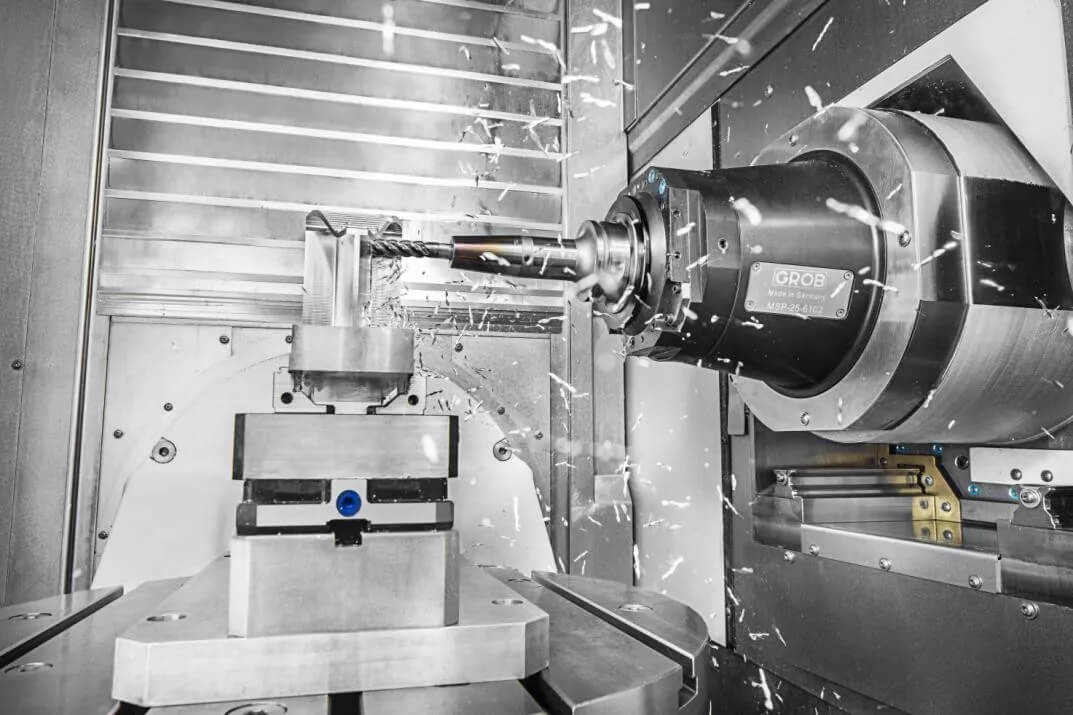
Розуміння послуг обробки на верстатах з ЧПК та принцип їх роботи
Чи замислювались ви коли-небудь, як складні металеві деталі перетворюються з цифрового креслення на екрані комп’ютера в точну, матеріальну компоненту, яку можна тримати в руці? Це перетворення здійснюється за допомогою послуг обробки на верстатах з ЧПК — і розуміння цього процесу може заощадити значний час, гроші та уникнути проблем у вашому наступному виробничому проекті.
Що саме роблять послуги обробки на верстатах з ЧПК
Розглянемо це простими словами. ЧПК означає «комп’ютерне числове керування». Коли ви співпрацюєте з постачальником послуг фрезерування на ЧПК , ви отримуєте доступ до виробничих можливостей, за яких рух інструментів для різання контролюється попередньо запрограмованим комп’ютерним програмним забезпеченням з надзвичайною точністю.
Послуги з обробки на ЧПУ — це професійні виробничі рішення, що використовують комп’ютерне керування для роботи верстатів, зокрема фрезерних, токарних та багатокоординатних систем, щоб перетворювати заготовки з первинного матеріалу на спеціально розроблені деталі з високою точністю й повторюваністю.
Уявіть це так: замість того, щоб токар вручну керував кожним різом, комп’ютер читає ваш цифровий файл проекту й перетворює його на точні рухи. Верстат виконує закодовані інструкції, які визначають усе — від частоти обертання шпинделя до точної траєкторії руху різального інструменту. Ця автоматизація забезпечує однаковість, точність і повну відповідність заданим параметрам ваших деталей — незалежно від того, потрібен вам один прототип чи тисячі виробничих компонентів.
Від цифрового проектування до фізичної деталі
Шлях від вашого CAD-файлу до готової деталі проходить через відлагоджений робочий процес, який послуги точного фрезерування на ЧПУ удосконалювали протягом десятиліть:
- Створення CAD-моделі: Ваш 2D- або 3D-проект визначає розміри, геометрію та технічні вимоги до кінцевої деталі
- Перетворення в CAM: Спеціалізоване програмне забезпечення перетворює ваш дизайн у G-код — мову програмування, яку розуміють верстати з ЧПУ
- Підготовка обладнання: Оператори фіксують вашу вихідну сировину та встановлюють відповідні інструменти для різання
- Автоматизоване механічне оброблення: Верстат виконує програму, точно видаляючи матеріал для створення вашої деталі
Саме цей цифровий процес перетворення в фізичний продукт робить послуги сучасних верстатів з ЧПУ настільки цінними. Згідно з Томас , обробка на верстатах з ЧПУ широко використовується в різних галузях, зокрема в автомобільній, авіаційно-космічній та телекомунікаційній промисловості — будь-де, де важливі висока точність виготовлення та стабільна якість продукції.
Переваги субтрактивного виробництва
Ось концепція, яку варто зрозуміти: обробка на верстатах з ЧПУ є процесом адитивного виробництва. На відміну від 3D-друку, який створює деталі шар за шаром, обслуговування верстатів з ЧПУ починається з суцільного блоку матеріалу — металу, пластику або композиту — і систематично видаляє все те, що не входить до складу готової деталі.
Чому це має значення для ваших проектів? Адитивне виробництво має чіткі переваги:
- Цілісність матеріалу: Ви працюєте з суцільним заготовковим матеріалом, а не з шаруватими відкладеннями, що забезпечує вищі механічні властивості
- Якість поверхні: Оброблені поверхні можуть мати відмінну якість прямо після обробки на верстаті
- Різновид матеріалу: Процеси ЧПУ дозволяють обробляти метали, такі як алюміній, нержавіюча сталь, латунь та титан, а також інженерні пластики й композити
- Точний контроль: Стандартні допуски становлять ±0,005 дюйма (0,127 мм); при необхідності можливо досягти більш жорстких допусків
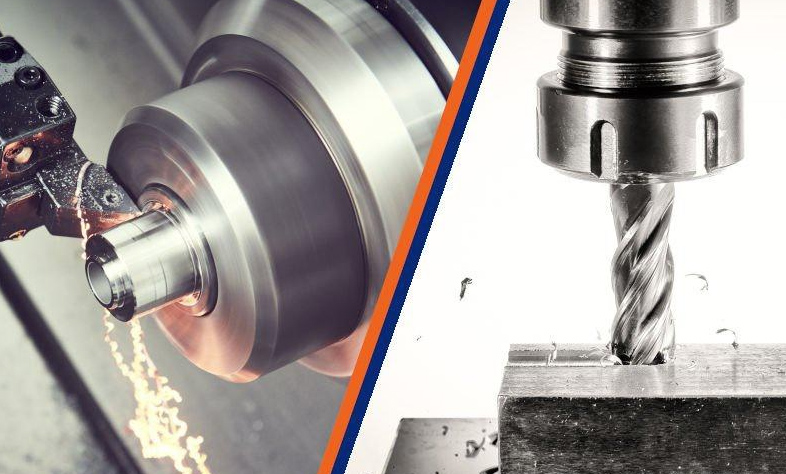
Діапазон доступних операцій ширший, ніж багатьом здається. Фрезерування використовує обертальні багатоточкові різальні інструменти для формування складних геометрій. Токарна обробка застосовує токарні верстати для циліндричних деталей. Багатоосьові верстати — у тому числі 4-вісні та 5-вісні системи — дозволяють обробляти кілька сторін деталі в одному закріпленні, що зменшує кількість перестановок і підвищує точність. У наступних розділах саме це допоможе вам визначити, яка саме операція найкраще відповідає вашим конкретним потребам.
Типи операцій ЧПУ-обробки та їх застосування
Тепер, коли ви зрозуміли основи, наступне логічне запитання: яка операція ЧПК підходить саме для вашої деталі? Відповідь залежить від геометрії деталі, матеріалу, вимог до точності та обсягу виробництва. Розглянемо основні категорії, щоб ви могли підібрати відповідний метод обробки під потреби свого проекту.
Пояснення операцій фрезерування
Фрезерування, ймовірно, є найбільш універсальною операцією ЧПК. Обертовий багатоточковий різальний інструмент рухається по заготовці, знімаючи шар матеріалу для створення плоских поверхонь, пазів, карманів, контурів та складних тривимірних форм. Коли ви звертаєтеся до постачальника, що пропонує послуги фрезерного станка CNC , ви отримуєте доступ до верстатів, здатних обробляти все — від простих прямокутних кронштейнів до складних корпусів для авіакосмічної техніки.
Існує два основні типи конструкцій, які слід знати:
- Вертикальне фрезерування: Шпиндель обертається перпендикулярно до робочого столу. Така конфігурація ідеально підходить для фрезерування торців, свердлення та створення елементів на плоских поверхнях. Послуги вертикального ЧПК-фрезерування зазвичай використовують для виготовлення прототипів, форм і деталей, елементи яких розташовані переважно на одній стороні.
- Горизонтальне фрезерування: Шпиндель обертається паралельно до робочого столу. Така конфігурація забезпечує краще видалення стружки й є переважною для важких різальних операцій, довгих деталей та високосерійного виробництва. Послуги горизонтального ЧПК-фрезерування особливо ефективні, коли потрібно обробити кілька сторін деталі з максимальною продуктивністю.
Справжню потужність фрезерування розкривають, коли враховують кількість осей — саме тут багато покупців втрачають орієнтацію.
Коли варто обрати 5-вісне замість 3-вісного фрезерування
Уявіть, що ви обробляєте деталь. У 3-вісному фрезеруванні різальний інструмент рухається вздовж трьох лінійних напрямків: X (ліво–право), Y (перед–зад) та Z (вгору–вниз). Це добре підходить для більшості простих геометричних форм, але що робити, коли потрібні піднутренні елементи, похилі поверхні чи складні контури?
Саме тут вступають у дію додаткові осі. Ось практичний розбір:
| Конфігурація осей | Можливості | Типові застосування | Рівень складності |
|---|---|---|---|
| 3-осьовий | Лінійне переміщення у напрямках X, Y, Z. Деталь потрібно переорієнтувати, щоб отримати доступ до кількох її сторін. | Плоскі деталі, прості кронштейни, плити, елементи 2,5D, такі як кармані та пази | Низька — найбільш економічний варіант для простих геометричних форм |
| 4-осевий | Додає обертання навколо осі X (вісь A). Безперервне оброблення циліндричних або похилих поверхонь. | Деталі, що потребують оброблення навколо центральної осі, гравірування на криволінійних поверхнях, деякі авіаційні компоненти | Середня — зменшує кількість установок порівняно з 3-вісними системами |
| 5-вісний | Додає дві обертальні осі (зазвичай A і B). Інструмент може підходити до заготовки під майже будь-яким кутом у єдиній установці. | Складні авіаційні деталі, лопатки турбін, медичні імплантати, робочі колеса, форми з глибокими підрізами | Високий — максимальна геометрична свобода, найвища вартість обладнання |
Отже, коли варто інвестувати в послуги ЧПУ-обробки з п’ятьма осями? Розгляньте такий підхід:
- Оберіть триосеву обробку, коли вашу деталь можна повністю обробити з одного або двох положень за умови простого переорієнтування. Це найекономічніший варіант.
- Оберіть чотириосеву обробку, коли потрібна безперервна обробка навколо обертальної осі — наприклад, розподільні вали, черв’ячні передачі або деталі з елементами, розташованими під різними кутами.
- Оберіть п’ятиосеву обробку, коли ваша геометрія включає складні кути, глибокі порожнини, піднутрення або коли зменшення кількості установок є критичним для забезпечення жорстких допусків на кількох елементах одночасно.
Різниця у вартості є реальною, але реальними є й переваги. П’ятиосева обробка часто знижує загальну вартість виготовлення складних деталей за рахунок усунення кількох установок, поліпшення якості поверхні та забезпечення кращої точності взаємного розташування елементів.
Токарні послуги для циліндричних деталей
Хоча фрезерування чудово підходить для призматичних деталей, токарна обробка є основним процесом для будь-яких циліндричних виробів. Коли потрібні валі, штифти, втулки або будь-які інші деталі з осьовою симетрією, послуги токарної обробки на ЧПУ забезпечують високоякісні результати.
Ось як працює токарна обробка: ваша заготовка — зазвичай круглий пруток — обертається з високою швидкістю, тоді як нерухомий різальний інструмент знімає матеріал. Згідно з Turntech Precision , найпоширенішими операціями на токарному верстаті є точіння, торцювання, канавкування, розрізання, нарізання різьби, свердлення, розточування, насічка та нарізання внутрішньої різьби.
Кожна з цих операцій виконує певну функцію:
- Токарна обробка: Зменшує зовнішній діаметр заготовки. Чернове точіння дозволяє швидко видалити матеріал; чистове точіння забезпечує кінцеві розміри й гладку поверхню.
- Планшайбування: Обробляє торець деталі перпендикулярно до осі обертання, формуючи рівну торцеву поверхню й контролюючи загальну довжину.
- Протягування: Нарізує гвинтові канавки для гвинтів, болтів та різьбових з’єднань.
- Канавкування та розрізання: Створює вузькі канавки або відділяє готову деталь від прутка.
- Розточування: Розширює існуючі отвори або створює внутрішні елементи з високою точністю.
Сучасні ЧПК-токарні верстати часто поєднують токарну обробку з живим інструментом — приводними фрезерними й свердлильними інструментами, які можуть створювати елементи поза осьовими напрямками без необхідності переміщати деталь на окремий верстат. Ця можливість розмиває межу між токарною й фрезерною обробкою, забезпечуючи значне підвищення ефективності для деталей, що потребують обох операцій.
Швейцарська обробка для малих прецизійних компонентів
Що робити, якщо ваші деталі надзвичайно малі, тонкі або вимагають особливо жорстких допусків? Стандартні ЧПК-токарні верстати мають труднощі з обробкою заготовок малого діаметра, оскільки непідтримуваний матеріал може прогинатися під час різання, що призводить до неточностей.
Саме тому існують послуги ЧПК-швейцарської обробки. Спочатку розроблені для швейцарської годинникової промисловості, ці спеціалізовані верстати використовують направляючу втулку, яка підтримує заготовку дуже близько до зони різання. Як пояснює Fictiv, такий підхід запобігає деформації й дозволяє досягти допусків у межах 0,0001 дюйма навіть для дуже ніжних компонентів.
Швейцарські CNC-верстати мають кілька виражених переваг:
- Виняткова точність: Напрямна втулка утримує заготовку стабільно саме в тому місці, де відбувається різання, що усуває похибки, пов’язані з прогином.
- Кілька одночасних операцій: Швейцарські верстати можуть виконувати токарну обробку, фрезерування, свердлення та нарізання різьби в одному налаштуванні у кількох зонах.
- Ідеальні для тонких деталей: Діаметри заготовок зазвичай коливаються від 0,030 дюйма до 2 дюймів — це ідеально підходить для шпильок, валів та малих кріпильних елементів.
- Ефективність у великосерійному виробництві: Робота з прутка та одночасна обробка роблять швейцарські верстати ідеальними для серійного виробництва.
Галузі, які значною мірою покладаються на швейцарську обробку, включають виробництво медичного обладнання (хірургічні гвинти, кісткові шпильки, зубні імплантати), електроніку (контактні шпильки, контактні елементи) та авіакосмічну промисловість (мініатюрні кріпильні елементи, компоненти приводів). Якщо ваші деталі малі, високоточні й виготовляються великою партією, швейцарська обробка, ймовірно, є найкращим варіантом.
Розуміння цих типів операцій надає вам більш вигідної позиції під час запиту цінових пропозицій та оцінки постачальників. Однак правильний процес — лише частина рівняння: вибір матеріалу відіграє також вирішальну роль у визначенні вартості, термінів виконання й досяжного рівня якості.
Керівництво з вибору матеріалів для деталей, виготовлених методом CNC-обробки
Ви визначили правильну обробну операцію для геометрії вашої деталі. Тепер настає рішення, що впливає на все — від собівартості одиниці продукції до досяжних допусків: який матеріал слід вказати? Цей вибір — це не просто підбір знайомого металу, а підбір матеріалу з урахуванням його механічних властивостей, оброблюваності та вимог застосування з урахуванням специфічних потреб вашого проекту.
Вибір металу для проектів ЧПУ
Оцінюючи послуги з фрезерування алюмінію на верстатах з ЧПУ, ви маєте справу, ймовірно, з найуніверсальнішим матеріалом у світі ЧПУ. Проте алюміній — лише один із варіантів серед широкого спектра металів, кожен із яких має свої особливі компроміси. Розглянемо найпоширеніші варіанти:
- Алюміній (6061, 7075): Відмінна оброблюваність, легкість, природна стійкість до корозії та вигідне співвідношення ціни й якості. Алюміній 6061 поєднує міцність і зручність обробки, що робить його ідеальним для автокомпонентів, корпусів побутової електроніки та аерокосмічних кріпильних елементів. Сорт 7075 забезпечує вищу міцність для більш вимогливих конструкційних застосувань. Послуги з фрезерування алюмінію на ЧПК популярні, оскільки цей матеріал обробляється швидко — скорочуючи тривалість циклу до 20 % порівняно зі сталлю.
- Нержавіюча сталь (304, 316, 17-4 PH): Коли потрібна стійкість у складних умовах, послуги з фрезерування нержавіючої сталі на ЧПК забезпечують високу надійність. Сорт 304 добре підходить для загальних застосувань. Сорт 316 вирізняється в морських та медичних середовищах завдяки вищій стійкості до корозії. 17-4 PH має здатність до старіння з випаданням фази, що забезпечує високу міцність. Очікуйте більш тривалих часів обробки та більшого зносу інструменту порівняно з алюмінієм.
- Латунь (C360): Часто називають «латунню з підвищеною оброблюваністю». Цей матеріал забезпечує відмінну якість поверхні при мінімальних зусиллях. Послуги по фрезеруванню латуні на ЧПК зазвичай використовуються для виготовлення декоративної фурнітури, електричних компонентів, арматури для водопровідних систем та прецизійних приладів, де мають значення зовнішній вигляд і точність.
- Мідь: Виняткова теплопровідність і електропровідність роблять мідь незамінною для виготовлення радіаторів, шин електропередачі та екранів для захисту від радіочастотного випромінювання. При фрезеруванні міді на ЧПК необхідно звертати увагу на контроль стружки та правильний вибір охолоджувальної рідини, однак сам матеріал добре піддається механічній обробці.
- Титан (марка 2, марка 5/Ti-6Al-4V): Виняткове співвідношення міцності до ваги та біосумісність роблять титан незамінним для аерокосмічних конструкцій та медичних імплантатів. Однак послуги з ЧПУ-обробки титану мають преміальну ціну. Під час різання матеріал виділяє значну кількість тепла, призводить до швидкого зносу інструменту й вимагає спеціалізованого інструменту та нижчих швидкостей обробки. Така інвестиція виправдана, коли жоден інший матеріал не задовольняє ваші вимоги до експлуатаційних характеристик.
- Леговані сталі (4140, 4340): Коли пріоритетом є максимальна міцність і ударна в’язкість, послуги з ЧПУ-обробки легованих сталей надають варіанти, які перевершують нержавіючу сталь. Ці матеріали зазвичай піддають термічній обробці після механічної обробки для вимогливих застосувань, таких як зубчасті колеса, валів та конструктивні елементи.
Розуміння показників оброблюваності
Ось щось, що безпосередньо впливає на ціну та терміни виконання вашого замовлення: оброблюваність. Згідно з Komacut, оброблюваність — це показник того, наскільки легко матеріал можна різати, формувати й остаточно обробляти. Метали з високою оброблюваністю вимагають меншого зусилля різання, генерують менше тепла й забезпечують кращу якість поверхні, що робить їх більш економічними для обробки на CNC-верстатах.
Що визначає оброблюваність? Кілька факторів мають значення:
- Твердість матеріалу: Твердіші матеріали призводять до швидшого зношування інструменту й вимагають нижчих швидкостей різання. Наприклад, сплав Inconel 718 потребує спеціалізованого інструменту та точних умов різання.
- Теплопровідність: Матеріали, такі як алюміній, швидко відводять тепло, що дозволяє застосовувати вищі швидкості обробки. Матеріали з низькою теплопровідністю, наприклад титан, утримують тепло в зоні різання, тому потрібне ретельне теплове управління.
- Утворення стружки: Деякі матеріали утворюють довгі, м’які стружки, які можуть заплутатися навколо інструменту. Інші розпадаються на компактні стружки, які легко видаляються з зони різання.
Як зазначає Ethereal Machines, використання алюмінію 6061 у високотемпному виробництві може значно скоротити час обробки порівняно з твердішими матеріалами — прискорюючи поставки без утрати якості. Натомість обробка титану або сплавів, стійких до високих температур, вимагає спеціалізованого інструменту й часто суттєво збільшує витрати.
Пластикові матеріали та їхні особливості при фрезеруванні на ЧПК
Метали домінують у дискусіях про фрезерування на ЧПК, але фрезерування пластику на ЧПК заповнюють критичні ніші. Інженерні пластики мають унікальні переваги: меншу вагу, електричну ізоляцію, стійкість до хімічних речовин і, як правило, нижчу вартість матеріалу.
- АБС: Добрий опір ударним навантаженням і хороша оброблюваність за низької ціни. Поширений у прототипах та корпусах.
- Делрін (ацеталь/ПОМ): Відмінна розмірна стабільність, низьке тертя та висока жорсткість. Ідеальний для зубчастих коліс, втулок та прецизійних механічних компонентів.
- Нейлон (PA6, PA66): Міцний, стійкий до зносу й самозмащувальний. Використовується для конструктивних елементів та деталей, що піддаються зносу.
- PEEK: Інженерний пластик високої продуктивності з винятковою стійкістю до хімічних речовин та температурною стабільністю. Застосовується переважно в медичній та аерокосмічній галузях — але є дорогим.
- УВМПЕ (ультрависокомолекулярний поліетилен): Надзвичайно низький коефіцієнт тертя. Ідеальний для ковзань, направляючих елементів та застосувань, пов’язаних з контактом із харчовими продуктами.
Пластмаси створюють унікальні труднощі при механічній обробці. Вони м’якші за метали, тому для запобігання плавленню чи деформації необхідно використовувати гострі інструменти та відповідні подачі. Деякі пластмаси вбирають вологу, що впливає на їх розмірну стабільність. Крім того, на відміну від металів, пластмаси не дозволяють досягти таких самих жорстких допусків — передбачте трохи більші (менш точні) допуски.
Як вибір матеріалу впливає на вартість, терміни виготовлення та допуски
Ваш вибір матеріалу викликає ланцюговий ефект у всьому проекті:
| Матеріал | Відносна вартість матеріалу | Вплив на час механічної обробки | Допустимі відхилення |
|---|---|---|---|
| Алюміній 6061 | Низька | Швидко — відмінна оброблюваність | ±0,001" легко досяжно |
| Латунь C360 | Помірний | Швидко — легкооброблюваний | ±0,001" із відмінною якістю поверхні |
| Нержавіюча сталь 304 | Помірний | Помірний — проблеми з наклепом | ±0,001" досяжно за умови обережності |
| Титановий сплав 5 | Високий | Повільно — значне зношування інструменту | ±0,001" вимагає високої кваліфікації |
| Делрін | Низький-помірний | Швидка | ±0,002" є типовим для пластиків |
Ключовий висновок? Згідно з HPPI, іноді надання переваги матеріалу з кращою оброблюваністю замість дешевшого варіанта фактично знижує загальну вартість за рахунок підтримки якості деталей та скорочення тривалості циклу. Оцінюючи варіанти, враховуйте загальні витрати протягом усього життєвого циклу — а не лише вартість сировини.
Вибір матеріалу також обмежує можливості його остаточної обробки. Не всі способи поверхневої обробки сумісні з будь-яким базовим матеріалом. Наприклад, анодування чудово підходить для алюмінію, але не застосовується до сталі. Нікелювання добре поєднується з нержавіючою сталью, але створює труднощі з адгезією на алюмінії. Ранньо враховуйте вимоги до остаточної обробки поверхні під час вибору матеріалу, щоб уникнути коштовних несподіванок.
Після вибору матеріалу наступним критичним етапом є правильна підготовка ваших CAD-файлів — адже навіть найкращий вибір матеріалу не зможе компенсувати проектні помилки, які збільшують витрати або роблять виготовлення деталі неможливим.
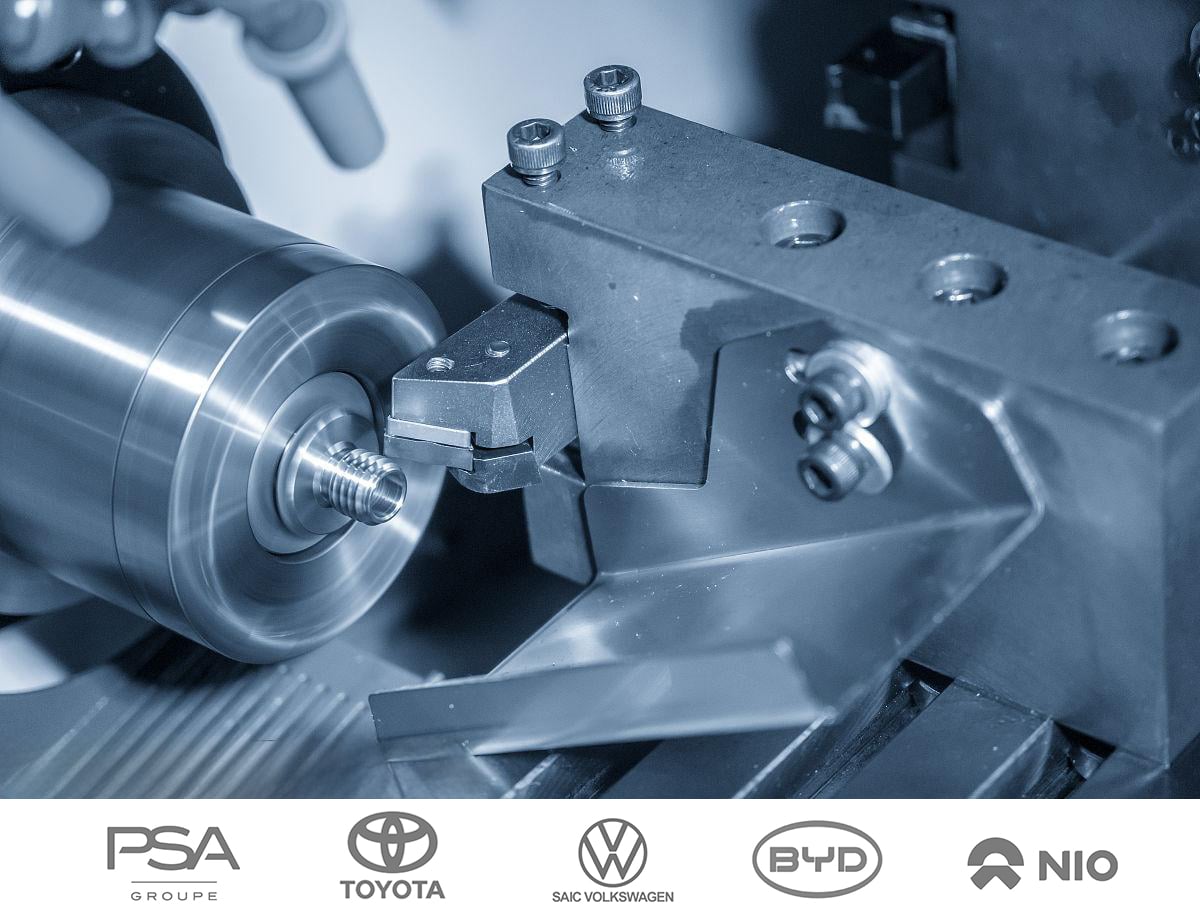
Як підготувати CAD-файли та уникнути дорогоцінних проектних помилок
Ви вже обрали матеріал і визначили відповідний спосіб механічної обробки. Тепер настає етап, який відокремлює безперебійне виробництво від дорогих аварій: правильна підготовка ваших CAD-файлів. Дивовижно, але більшість постачальників послуг ЧПУ-обробки припускають, що ви вже знаєте це — залишаючи вас вчитися методом дорогоцінних спроб і помилок. Давайте це виправимо.
Підготовка ваших CAD-файлів до успішної ЧПУ-обробки
Ваш CAD-файл — це не просто візуальне зображення, а остаточний креслярський документ, який керує кожним різом, що виконує верстат. Згідно з LeadCNC , будь-яка неоднозначність, помилка чи відсутня інформація у вашому CAD-файлі поширюватиметься далі по технологічному ланцюгу, що призведе до помилкових траєкторій руху інструменту, зіткнень верстата або деталей, які не пройдуть контроль якості.
Перед надсиланням файлів будь-якому постачальнику послуг прототипного фрезерування з ЧПК пройдіть цей контрольний перелік підготовки:
- Експортуйте у правильному форматі: За можливості використовуйте файли STEP (.step або .stp). Формат STEP зберігає точну геометрію та топологічну інформацію, забезпечуючи передачу вашої моделі як справжнього твердого тіла, а не наближених поверхонь. Уникайте файлів STL для робіт, що вимагають високої точності: вони апроксимують поверхні за допомогою трикутників, що є непридатним для вузьких допусків.
- Переконайтеся у правильності одиниць виміру: Це звучить базово, але розбіжності в одиницях виміру призводять до повного провалу виробництва. Модель, створена в дюймах, але інтерпретована як міліметри, дасть деталь, зменшену в 25,4 раза. Завжди підтверджуйте, що при експорті використовуються потрібні одиниці виміру (міліметри або дюйми) з коефіцієнтом масштабування 1:1.
- Визначте систему координат: Встановіть чітке початкове положення деталі, вирівняне з тим, як деталь буде закріплена на верстаті. Осі X, Y та Z мають відповідати основній оброблюваній поверхні й орієнтації затискання.
- Перевірте геометрію: Використовуйте інструменти аналізу в вашому CAD-програмному забезпеченні, щоб виявити неоднорідні ребра, надто малі «пластинчасті» грані або розімкнені межі. Ці приховані дефекти можуть повністю зупинити розрахунок траєкторій інструменту.
- Видаліть непотрібні деталі: Видаліть несуттєву геометрію, наприклад, логотипи постачальників, внутрішні різьби, які будуть нарізані після механічної обробки, або дуже малі естетичні фаски в неточних зонах. Спрощення моделі прискорює обробку в CAM-системах.
Працюючи з послугами спеціалізованих CNC-обробних компаній, чітка комунікація починається з чистих файлів. Організуйте геометрію за допомогою шарів або кольорів: помістіть базові поверхні на один шар, критичні елементи — на інший, а зони, що потребують спеціального оздоблення, — на третій.
Типові помилки в проектуванні, що збільшують витрати
Навіть досвідчені інженери приймають проектні рішення, які збільшують вартість механічної обробки або створюють деталі, які взагалі неможливо виготовити. Ось типові помилки, яких слід уникати:
Гострі внутрішні кути: Інструменти для CNC-обробки мають циліндричну форму. Фізично вони не можуть створювати ідеально гострі внутрішні кути 90 градусів. Згідно з Geomiq вам слід додати внутрішній радіус, що є принаймні на 30 % більшим за радіус вашого інструменту для різання. Наприклад, якщо використовується фреза діаметром 10 мм, проектуйте внутрішні кромки з мінімальним радіусом 13 мм. Це зменшує навантаження на інструмент і дозволяє використовувати більш високі швидкості різання.
Недостатня товщина стінок: Тонкі стінки схильні до вібрації, згинання та деформації під час механічної обробки. Компанія Geomiq рекомендує мінімальну товщину стінок 0,8 мм для металів і 0,15 мм — для пластмас. Також важливе співвідношення ширини до висоти: для неопорних, вільно стоячих стінок воно має становити щонайменше 3:1, щоб забезпечити стабільність під час обробки.
Занадто глибокі кармані та порожнини: Інструменти для різання мають обмежену глибину досяжності. Глибокі вузькі елементи змушують використовувати інструменти з подовженою робочою частиною, які менш жорсткі й схильні до прогину. Як зазначено в П’ять канавок , глибина карманів не повинна перевищувати 6 діаметрів інструменту. Глибина понад 10 діаметрів інструменту ускладнює обробку незалежно від наявного інструментарію.
Нестандартні розміри отворів: Стандартні отвори можна ефективно свердлити за допомогою звичайних свердел. Для нестандартних розмірів потрібне поступове видалення матеріалу фрезами — що значно збільшує час обробки та витрати.
Надмірна глибина різьби: Міцність різьби зосереджена переважно в перших кількох витках. Обмежте глибину різьби максимально до трьох діаметрів отвору. У глухих отворах залиште нерізьблену ділянку на дні завдовжки половину діаметра отвору.
Непотрібні жорсткі допуски: Застосування жорстких допусків до всіх розмірів — одна з найпоширеніших і найдорожчих помилок. Стандартні допуски ЧПУ (±0,13 мм) достатньо точні для більшості елементів. Жорсткіші специфікації застосовуйте лише до поверхонь з’єднання та функціональних інтерфейсів, де точність справді має значення.
Принципи проектування для виготовлення
Конструювання з урахуванням технологічності виготовлення (DFM) означає, що ви вже на етапі проектування замислюєтеся про те, як саме буде виготовлятися ваша деталь. Ці принципи застосовуються універсально — незалежно від того, чи ви працюєте з постачальником послуг прототипування методом ЧПУ в Джорджії, чи з будь-яким іншим постачальником послуг виготовлення деталей методом ЧПУ у всьому світі.
Конструювання під стандартне оснащення: Згідно з Five Flute, розуміння того, які елементи можна обробити за допомогою звичайно доступних інструментів, є обов’язковим. У більшості майстерень є фрези торцеві, стандартні циліндричні фрези (діаметром від 1/8″ до 1″), сферичні фрези, свердла стандартних розмірів та фасочні інструменти з кутами 60°, 82° та 90°. Якщо ви проектуєте елементи, що відповідають цим інструментам, ви уникнете затримок через необхідність замовлення спеціального інструментарію.
Передбачте кріплення заготовки від самого початку: Ваша деталь повинна надійно кріпитися під час механічної обробки. Спроектуйте плоскі, паралельні поверхні, які можуть спиратися на підкладки й міцно затискатися в лещатах. Деталі без очевидних поверхонь для кріплення потребують спеціальних пристроїв — що призводить до додаткових витрат часу й коштів.
Мінімізуйте налагодження: Щоразу, коли деталь переорієнтовується в машині, існує ризик неправильного вирівнювання та додаткових трудових витрат. Розробляйте деталі так, щоб критичні елементи можна було обробляти з мінімальної кількості положень. Елементи, які вимагають жорстких відносних допусків, мають бути доступними в одному й тому самому налаштуванні.
Уникайте підрізів, де це можливо: Елементи, до яких не можна дістатися різальним інструментом із основного напрямку налаштування, вимагають або спеціалізованого інструменту (наприклад, фрез для Т-пазів), або додаткових осей верстата. Якщо ваша деталь потребує підрізів, перш ніж остаточно затвердити конструкцію, уточніть у постачальника послуг з прототипування деталей методом ЧПК, чи має він відповідні технічні можливості.
Враховуйте внутрішні напруження матеріалу: Заготовки часто містять внутрішні напруження. Коли ви асиметрично видаляєте велику кількість матеріалу, залишена частина може деформуватися після зняття з пристрою кріплення. Для деталей з істотним зніманням матеріалу обговоріть із вашим партнером з механічної обробки стратегії зняття напружень.
Зусилля, які ви вкладаєте в належну підготовку файлів та оптимізацію DFM, приносять вигоду протягом усього проекту. Чисті конструкції швидше котируються, ефективніше оброблюються й надходять у відповідності до специфікацій з першої спроби. Однак навіть ідеально спроектована деталь потребує відповідних специфікацій допусків — і саме розуміння того, що ці цифри насправді означають, стане темою нашого наступного розділу.
Пояснення допусків та шорсткості поверхні
Ви підготували бездоганний CAD-файл і вибрали ідеальний матеріал. Тепер настає час визначити параметр, який безпосередньо впливає як на функціональність вашої деталі, так і на бюджет проекту: допуски та шорсткість поверхні. Ці значення вказуються на кожному кресленні механічної обробки, однак більшість замовників не повністю розуміють їхнє значення — а також не знають, коли жорсткіші специфікації дійсно мають значення, а коли вони лише необґрунтовано збільшують вартість.
Розуміння класів допусків та їх застосування
Що саме означає допуск? Згідно з American Micro Industries, допуск при механічній обробці визначає загальну величину дозволеного розмірного відхилення від заданого значення. Оскільки жоден верстат не забезпечує ідентичних результатів щоразу, допуски встановлюють контрольований запас похибки — особливо важливий для деталей, які мають точно стикатися одна з одною.
Міжнародні стандарти забезпечують спільну мову для специфікацій допусків. ISO 2768 визначає рівні точності за допомогою класів допусків:
- f — Точний: Найсуворіші загальні допуски для точних застосувань
- m — Середній: Стандартні комерційні допуски, придатні для більшості компонентів
- c — Грубий: Послаблені допуски для некритичних розмірів
- v — Дуже грубий: Найслабші допуски для грубих або декоративних деталей
Коли ви замовляєте послуги точного фрезерування на ЧПУ, стандартні можливості зазвичай забезпечують базовий допуск ±0,005″ (0,127 мм). При виконанні точних операцій можна досягти допуску ±0,001″ або ще суворішого, якщо застосування справді вимагає надзвичайної точності. Але ось ключове уточнення: суворіший допуск не завжди означає кращий результат.
| Допуск | Типові застосування | Відносний вплив на вартість |
|---|---|---|
| ±0,030" (0,76 мм) | Некритичні елементи, отвори для зазору, орієнтовні розміри | Базовий рівень — найекономічніший |
| ± 0,005" (0,127 мм) | Стандартні комерційні деталі, загальні вимоги до посадки | Стандартні можливості ЧПУ — без преміальних витрат |
| ±0,001" (0,025 мм) | Точні посадки, спряжені поверхні, критичні інтерфейси | Приблизно вдвічі більша вартість порівняно з базовим рівнем |
| ±0,0001" (0,0025 мм) | Ультраточні застосування: підшипники для авіації та космонавтики, оптичні компоненти | До 24-кратної вартості базового рівня |
Згідно Modus Advanced співвідношення між допуском і складністю виробництва не є лінійним — воно експоненціальне. Той допуск ±0,001″, який ви вказали, може подвоїти вартість деталі та потроїти термін її виготовлення порівняно з прийняттям допуску ±0,005″.
Вибір поверхневого відділення: понад базові вимоги
Шорсткість поверхні вимірює мікроскопічні відхилення на поверхні вашої деталі після механічної обробки. Найпоширенішим показником є параметр Ra (середня шорсткість), який вимірюється в мікрометрах (мкм). Менші значення Ra відповідають гладшій поверхні. Згідно з Geomiq , для виготовлених деталей типовий діапазон значень Ra становить від 0,1 мкм (надзвичайно гладка поверхня) до 6,3 мкм (помітно текстурована поверхня).
Ось що означають стандартні рівні відділення для ваших деталей:
- ra 3,2 мкм: Стандартна оброблена поверхня з помітними слідами інструменту. Підходить для більшості комерційних деталей і не передбачає додаткових витрат.
- ra 1,6 мкм: Помітні лише слабкі сліди різання. Рекомендовано для деталей з точними посадками та для вузлів, що працюють у режимі незначного навантаження. Збільшує виробничу вартість приблизно на 2,5 %.
- ra 0,8 мкм: Високоякісне оздоблення, що вимагає додаткових проходів обробки. Ідеально підходить для елементів, що сприймають навантаження та вібрацію. Збільшує вартість приблизно на 5 %.
- 0,4 мкм Ra: Дуже гладка поверхня без помітних слідів обробки. Вимагає дуже точного механічного виготовлення та додаткового полірування. Збільшує вартість до 15 %.
Шорсткість поверхні впливає набагато більше, ніж лише на зовнішній вигляд. Грубіші поверхні збільшують тертя між спряженими деталями. Гладші поверхні покращують опір втомі під циклічним навантаженням. Для ущільнювальних поверхонь правильне значення Ra забезпечує належне стискання прокладки. При визначенні шорсткості поверхні для послуг високоточної CNC-обробки слід керуватися функціональним призначенням деталі — а не довільними побажаннями.
Коли вузькі допуски варто того інвестувати
Отже, коли варто справді заплатити премію за послуги CNC-обробки з вузькими допусками? Зосередьтеся на функціональній необхідності:
Ситуації, що вимагають вузьких допусків:
- Точні посадки підшипників, де зазор між валом і отвором визначає роботу вузла
- Ущільнювальні поверхні, де стискання прокладки має бути точно контрольованим
- Монтажні інтерфейси, де кілька деталей мають точно збігатися
- Компоненти, що обертаються з високою швидкістю, де критично важлива балансування
Ситуації, коли стандартних допусків достатньо:
- Отвори для зазору та поверхні, які не утворюють спряження
- Розміри, які не впливають функціонально на збирання
- Елементи, які будуть піддані подальшій обробці (зварюванню, склеюванню або фарбуванню)
- Естетичні елементи, де візуальний вигляд має більше значення, ніж точність
Постачальник послуг з точного механічного оброблення на ЧПУ може допомогти вам визначити, які саме розміри дійсно потребують жорсткого контролю. Як зазначає компанія Modus Advanced, найбільш витратна допускова величина — це часто та, що не забезпечує жодної функціональної переваги. Розумні інженери застосовують жорсткі специфікації лише там, де це справді важливо, а в усіх інших випадках приймають стандартні допуски.
Також враховуйте поведінку матеріалу. Алюмінієва деталь довжиною 12 дюймів розширюється приблизно на 0,003″ при зміні температури на 18°F. Встановлення допусків, що є жорсткішими за очікувані термічні коливання, створює виробничі труднощі без будь-якої функціональної переваги. При визначенні специфікацій обов’язково враховуйте реальні умови експлуатації.
Розуміння допусків та видів обробки дозволяє вам приймати зважені рішення, які поєднують точність і вартість. Однак ваша галузь може вимагати додаткових вимог, що виходять за межі базової розмірної точності — сертифікацій та стандартів відповідності, яким має відповідати ваш партнер з механічної обробки.
Галузеві вимоги та сертифікати якості
Ви вдало завершили проектування, правильно підібрали матеріал і вказали відповідні допуски. Але ось щось, що багато замовників упускають з уваги до останнього моменту: чи має ваш партнер з механічної обробки сертифікати, які насправді вимагає ваша галузь? У регульованих секторах ідеально оброблена деталь перетворюється на непридатне для використання відходи, якщо її не було виготовлено в рамках потрібної системи управління якістю.
Вимоги до механічної обробки в автомобільній промисловості
При закупівлі послуг ЧПУ-обробки для автомобільної промисловості найважливішим є один сертифікат — IATF 16949. Це не просто ще один знак якості: це глобально визнаний стандарт, який автовиробники (OEM) вимагають від усього свого ланцюга поставок.
Що робить IATF 16949 відмінним від базових стандартів якості? Згідно з American Micro Industries, цей сертифікат поєднує принципи ISO 9001 із галузевими вимогами щодо постійного покращення, запобігання дефектам та жорсткого контролю постачальників. Автомобільна промисловість вимагає стабільної поставки деталей без дефектів — і саме IATF 16949 надає рамкову основу для досягнення цього.
Ключовим компонентом автосертифікації є статистичний контроль процесів (SPC). Замість перевірки деталей після виробництва SPC забезпечує моніторинг виробничого процесу в реальному часі. Такі параметри, як точність розмірів, якість поверхневої обробки та знос інструментів, постійно відстежуються, а контрольні межі автоматично спрацьовують, щоб ініціювати втручання ще до виникнення дефектів. Цей проактивний підхід дозволяє виявити проблеми вчасно, коли ще є можливість їх усунути.
Для автомобільних проектів співпраця з сертифікованим за IATF 16949 виробничим підприємством, таким як Shaoyi Metal Technology гарантує, що ваші компоненти відповідають суворим стандартам прослідковості та контролю процесів, які вимагають великі виробники. Їхня реалізація статистичного контролю процесів (SPC) забезпечує виготовлення компонентів з високою точністю та строками виконання від одного робочого дня — з можливістю безперебійного масштабування від швидкого прототипування до серійного виробництва.
Основні сертифікації для авіаційної та медичної галузей
Авіаційні та медичні застосування мають одну спільну рису: збій недопустимий. Сертифікації, що регулюють ці галузі, відображають цю реальність.
AS9100D для авіаційної промисловості: Якщо ваші деталі використовуються в літальних апаратах, сертифікація за стандартом AS9100 є обов’язковою. Згідно з даними Інституту оцінки ефективності , стандарт AS9100 ґрунтується на вимогах ISO 9001 і доповнює їх додатковими вимогами до системи управління якістю, встановленими авіаційною промисловістю задля виконання вимог Департаменту оборони США (DOD), НАСА та Федерального авіаційного управління США (FAA) щодо якості.
Що це означає на практиці для послуг ЧПУ-обробки деталей у авіаційній промисловості? Цей стандарт акцентує увагу на:
- Управління ризиками: Систематичному виявленні та зменшенні потенційних режимів відмов на всіх етапах виробництва
- Управління конфігурацією: Сувора контрольна ревізія, що забезпечує відповідність кожного компонента затвердженому проекту
- Безпека продукту: Вбудовані системи контролю, що запобігають використанню підробних деталей та забезпечують повну відстежуваність матеріалів — від заготовки до готового компонента
- Первинний контрольний огляд (FAI): Документально підтверджена перевірка того, що виробничі процеси постійно відповідають встановленим специфікаціям
При виборі послуг аерокосмічного CNC-фрезерування переконайтеся, що постачальник має сертифікат AS9100D, перш ніж починати співпрацю. За даними компанії Frigate, понад 80 % глобальних аерокосмічних компаній вимагають від постачальників CNC наявності сертифікату AS9100.
ISO 13485 для медичних виробів: Послуги CNC-обробки медичних виробів у Сполучених Штатах надаються під наглядом FDA і повинні відповідати стандарту ISO 13485 — провідному стандарту системи управління якістю для виробництва медичних виробів. Цей сертифікат встановлює суворі вимоги щодо проектування, виробництва, відстежуваності та мінімізації ризиків.
Основні вимоги включають:
- Детальну документацію кожного етапу виробництва
- Повну відстежуваність партій, що дозволяє організувати вилучення продукції у разі виникнення проблем
- Перевірені процеси, що забезпечують стабільні результати в усіх серіях виробництва
- Ефективні процедури розгляду скарг та вилучення продукції з обігу
Підприємства також повинні дотримуватися вимог FDA 21 CFR Part 820 («Положення щодо системи якості»), які регулюють проектування продукції, виробництво та відстеження для отримання доступу на ринок США.
Чому сертифікати якості мають значення для вашого проекту
Крім відповідності нормативним вимогам, сертифікати є надійними показниками експлуатаційної вдосконаленості. Оцінюючи послуги з виготовлення деталей методом ЧПУ, враховуйте, що саме підтверджує кожен із сертифікатів:
- ISO 9001:2015: Міжнародно визнаний базовий стандарт систем управління якістю. Підтверджує наявність задокументованих процедур, моніторингу показників ефективності та зобов’язання щодо постійного покращення. Застосовується у загальних комерційних та промислових застосуваннях, де не передбачено обов’язкового використання галузевих сертифікатів.
- IATF 16949: Галузевий стандарт якості для автомобільної промисловості, що поєднує вимоги ISO 9001 із процесами схвалення виробничих деталей, методологіями запобігання дефектам та вимогами до управління ланцюгом поставок.
- AS9100D: Стандарт, спеціалізований для аерокосмічної галузі, який додає вимоги до управління ризиками, контролю конфігурації та підвищеної прослідковості до основи ISO 9001.
- ISO 13485: Система управління якістю медичних виробів із акцентом на контроль проектування, валідацію процесів та відповідність регуляторним вимогам задля забезпечення безпеки пацієнтів.
- NADCAP: Національна програма акредитації підрядників у галузі аерокосмічної та оборонної промисловості (NADCAP) — акредитує спеціалізовані процеси, такі як термообробка, хімічна обробка та неруйнівний контроль, за найвищими стандартами.
Згідно з American Micro Industries, сертифікації впливають на фрезерування з ЧПУ, забезпечуючи дотримання командами високих стандартів і доповнюючи практичний досвід для отримання постійно високоякісних результатів. Наявність належної сертифікації процесів означає, що самі методи й обладнання підпорядковуються задокументованим стандартам, що сприяє узгодженості від однієї партії до іншої.
Отже, які саме сертифікації потрібні вашому проекту? Задайте собі такі запитання:
- Чи будуть ці деталі використовуватися в аерокосмічних, оборонних або космічних застосуваннях? → Потрібна сертифікація AS9100D
- Чи ці компоненти призначені для медичних пристроїв, що продаються в США або ЄС? → Потрібна сертифікація ISO 13485
- Чи ці деталі потраплятимуть до ланцюжка поставок автовиробника (OEM)? → Потрібна сертифікація IATF 16949
- Чи це загальне комерційне застосування без спеціального регуляторного нагляду? → ISO 9001 забезпечує достатню гарантію якості
Не вважайте, що загальні можливості механічної обробки підприємства автоматично означають сертифіковане виробництво. Перевіряйте сертифікації безпосередньо — репутовані постачальники чітко відображають свої акредитації та можуть надати копії сертифікатів за запитом. Різниця у вартості між сертифікованим і несертифікованим виробництвом значно менша за витрати на відхилені деталі або невдалі аудити.
Розуміння вимог щодо сертифікації захищає ваш проект від порушень вимог сумісності. Однак сертифікації — це лише один із факторів у загальній вартості вашого проекту, а більшість комерційних пропозицій щодо фрезерування з ЧПУ залишають замовників у невизначеності щодо реальних чинників, що визначають ціну.
Фактори вартості фрезерування з ЧПУ та прозорість ціноутворення
Чи отримували ви колись цитату на CNC-обробку, яка залишила вас у замішанні щодо того, як майстерня прийшла до цієї суми? Ви не самі. Більшість постачальників послуг механічної обробки ставляться до ціноутворення як до «чорного ящика»: завантажте свій файл, отримайте цитату й сподівайтеся на краще. Але розуміння тих чинників, що справді визначають вартість CNC-обробки, надає вам контроль. Розберемо рівняння ціноутворення, щоб ви могли приймати розумніші рішення щодо конструювання й уникати неприємних сюрпризів у бюджеті.
Що визначає вартість ЧПУ-обробки
Згідно з RapidDirect, базова формула розрахунку вартості є простою:
Загальна вартість = Вартість матеріалу + (Час обробки × Ставка обладнання) + Вартість підготовки + Вартість остаточної обробки
Кожен компонент вносить різний внесок залежно від специфіки вашого проекту. Ось деталізація:
| Фактор вартості | Що включає | Відносний вплив |
|---|---|---|
| Вартість матеріалу | Необхідна сировина, марка матеріалу, відходи від заготовок більшого розміру | 10–30 % від загальної вартості |
| Час обробки | Тривалість різання, складність траєкторії інструменту, подачі, зміни інструментів | 40–60 % від загальної вартості |
| Вартість налаштування | Програмування CAM, закріплення заготовки, налаштування інструментів, перевірка першого зразка | Фіксована вартість на партію — суттєво впливає на низькі обсяги |
| Вартість оздоблення | Знімання заусінців, поверхневі обробки, покриття, вимоги до інспекції | 5–25 % залежно від вимог |
Ставки на обладнання значно варіюють залежно від типу верстата. За даними Komacut, базовий 3-вісний фрезерний верстат може коштувати $40–75 на годину, тоді як 5-вісні верстати коштують $75–150 на годину або більше. Необхідний вам верстат повністю залежить від геометрії деталі: використання 5-вісного верстата для простої кронштейнової деталі є неефективним витратами коштів, а спроба виготовити складну аерокосмічну геометрію на 3-вісному обладнанні створює неможливі умови виробництва.
Як вибір конструкції впливає на ваш бюджет
Ось щось, чого більшість покупців не усвідомлюють: до 80 % вартості виробництва фіксується ще на етапі проектування. Ваші рішення щодо геометрії безпосередньо визначають тривалість механічної обробки — а саме ця тривалість, як правило, є найбільшою складовою загальної вартості.
Конструктивні особливості, що збільшують вартість:
- Глибокі вузькі кармані: Змушують використовувати інструменти з подовженою робочою частиною, які працюють повільно й легко відхиляються
- Тонкі стінки: Потрібно знизити подачу, щоб запобігти вібрації та деформації
- Точні внутрішні кути: Потрібні менші інструменти з тривалішим часом різання
- Піднутрення та складні контури: Часто вимагають обробки на верстатах з 5 осями або спеціального інструменту
- Надмірно жорсткі допуски: Збільшує час контролю, зменшує швидкість різання та може призвести до браку
Вибір матеріалу також викликає ланцюговий ефект. Згідно з даними компанії U-Need, титан і сталі високої якості потребують нижчих швидкостей обробки й спричиняють швидке зношування інструментів, через що їх вартість значно перевищує вартість алюмінію чи латуні. Якщо вимоги до експлуатаційних характеристик цього дозволяють, вибір більш оброблюваного матеріалу — один із найшвидших способів знизити витрати на прототипування.
При оцінці послуг ЦПК-обробки середніх або великих деталей розмір має значення для вартості матеріалу. Більші деталі вимагають більшої кількості первинної заготовки й утворюють більше відходів. Деталі, розроблені з урахуванням стандартних розмірів заготовок (поширені діаметри прутків, товщини листів або розміри заготовок), мінімізують відходи й знижують витрати на матеріал.
Динаміка ціноутворення: прототипування проти виробництва
Чому кошт прототипів такий високий на одиницю? Відповідь полягає у витратах на підготовку. Програмування, оснащення пристосуваннями, налаштування інструментів та верифікація першого зразка — це фіксовані витрати, які не залежать від кількості виготовлених деталей. Якщо розподілити ці витрати на одну деталь, кожна одиниця буде нести повне навантаження. Якщо ж розподілити їх на сотні деталей, вплив на вартість однієї одиниці стане незначним.
Розгляньте цей приклад із аналізу вартості компанії RapidDirect:
| Кількість | Витрати на підготовку на одиницю | Динаміка ціни за одиницю |
|---|---|---|
| 1 штука | $300 (повні витрати на підготовку враховані) | Найвища — цінування прототипів |
| 10 штук | $30 за одиницю | Суттєве зниження |
| 100 штук | $3 за одиницю | Підхід до виробничої економіки |
| 500+ штук | <$1 за одиницю | Ефективні послуги фрезерування з ЧПК у великому обсязі |
Саме тому послуги фрезерування з ЧПК для малих партій та послуги фрезерування з ЧПК для виробництва невеликих партій мають вищу ціну за одиницю. Витрати на підготовку залишаються незмінними, чи виготовляєте ви одну деталь, чи п’ятдесят.
Шукайте недорогі послуги фрезерування з ЧПК, не жертвуєчи якістю? Зосередьтеся на таких стратегіях:
- Спростіть геометрію щоб скоротити час обробки та уникнути використання спеціального інструменту
- Зменшіть точність вимог до допусків на неточних розмірах
- Обирайте матеріали, придатні для механічної обробки наприклад, алюміній 6061 або латунь C360
- Об’єднуйте замовлення коли це можливо, щоб розподілити витрати на підготовку
- Обмежте вимоги до шорсткості поверхні до того, що функціонально необхідно
Операції остаточної обробки додають ще один рівень витрат. Анодування, порошкове напилення, полірування та спеціалізовані покриття вимагають окремих технологічних операцій із власними витратами праці та матеріалів. За даними компанії U-Need, післяобробка може збільшити загальну вартість на 5–25 % залежно від складності деталі та площі її поверхні.
Ключовий висновок? Ціна не є довільною — вона безпосередньо відображає ваші рішення щодо конструкції, вибору матеріалів, обсягів замовлення та вимог до остаточної обробки. Розуміння цих факторів дає вам можливість оптимізувати витрати, не жертвуючи функціями, які справді важливі для вашого застосування. Коли чинники вартості зрозумілі, наступним кроком є вибір постачальника механічної обробки — а також аналіз компромісів між місцевими, онлайн-та міжнародними сервісними провайдерами.
Вибір між місцевими, онлайн-та міжнародними сервісами
Ви розумієте витрати, сертифікації та технічні вимоги. Тепер настає практичне питання, яке визначає весь ваш досвід закупівлі: де саме слід виготовляти ваші деталі? Відповідь не така проста, як вибір найдешевшої пропозиції. Ваш вибір між місцевими майстернями, онлайн-платформами та міжнародними постачальниками створює компроміси, що впливають на терміни виконання замовлення, якість комунікації та кінцеві результати проекту.
Місцеві та онлайн-послуги ЧПУ
Коли ви шукаєте послуги ЧПУ-обробки поблизу мене, ви надаєте перевагу близькості — і це рішення має реальні переваги. Згідно з даними компанії 3ERP, вибір місцевого постачальника послуг ЧПУ-обробки може забезпечити скорочені терміни виконання замовлення та нижчі витрати на доставку. Проте слід враховувати й інші аспекти, окрім лише географічного розташування.
Місцеві постачальники послуг ЧПУ-обробки поблизу мене пропонують чітко виражені переваги:
- Пряма комунікація: Особисті зустрічі, екскурсії по виробництву та негайна відповідь на запитання щодо конструкторських рішень
- Швидша ітерація: Швидке виконання правок та можливість отримати термінові деталі того ж дня
- Налагодження відносин: Довгострокові партнерства, за яких майстерня добре розуміє ваші технічні вимоги та очікування щодо якості
- Спрощена логістика: Відсутність митних документів, коротші відстані доставки та простіше повернення товару у разі виникнення проблем
Онлайн-платформи для обробки деталей на ЧПУ підходять до цього завдання принципово інакше. Згідно з XTJ Precision , онлайн-платформи використовують автоматичне формування цінових пропозицій, живе відстеження замовлень та розгалужену мережу постачальників по всьому світі — що зазвичай забезпечує швидшу доставку та більш стабільну якість для типових проектів.
Коли доцільно використовувати кожну з моделей?
- Обирайте місцевих виконавців якщо вам потрібна безпосередня співпраця, складні конструкції, що вимагають інженерного супроводу, або ви цінуєте побудову довгострокових виробничих відносин
- Обирайте онлайн-платформи коли вам потрібне миттєве цитування, стандартизовані компоненти, швидкі зразки або коли ви працюєте віддалено з розподіленими командами
Онлайн-послуги фрезерування на ЧПУ відрізняються високою ефективністю. Завантажте свій файл, отримайте автоматичну калькуляцію вартості, відстежуйте замовлення через інформаційну панель — усе це без телефонних дзвінків чи ланцюжків електронних листів. Однак, як зазначає XTJ, ви, ймовірно, мало спілкуватиметесь із людьми, які виготовляють ваші деталі, що може ускладнити вирішення складних проблем або пояснення спеціальних вимог.
Співпраця з міжнародними партнерами з механічної обробки
Міжнародне закупівельне забезпечення — зокрема послуги фрезерування на ЧПУ в Китаї — додає ще один вимір до вашого рішення. Переваги у вартості можуть бути суттєвими, але також значними є й інші аспекти.
Переваги співпраці з міжнародними партнерами з механічної обробки:
- Нижчі витрати на робочу силу: Знижені погодинні ставки призводять до нижчої вартості на одну деталь, особливо для проектів, що потребують значних трудових витрат
- Величезна виробнича потужність: Великі виробничі потужності дозволяють безперервно масштабувати виробництво — від прототипів до серійного випуску в великих обсягах
- Розширений доступ до матеріалів: Деякі міжнародні постачальники підтримують більш широкі запаси матеріалів
Виклики, що вимагають управління:
- Бар'єри у спілкуванні: Різниця у часових поясах, мовні нюанси та культурні підходи до вирішення проблем
- Подовжені терміни поставки: Морські перевезення додають тижні до терміну доставки; вартість авіаперевезень зменшує цінові переваги
- Перевірка якості: Велика відстань ускладнює аудит виробничих потужностей та перевірки на етапі виготовлення
- Проблеми з інтелектуальною власністю: Безпека даних та захист конструкторської документації вимагають ретельного управління договорами
Згідно з Norck, авторитетний міжнародний виробник повинен мати формалізовану Систему управління якістю, наприклад, сертифікат ISO 9001, що свідчить про системний підхід до забезпечення якості протягом усіх операцій. У галузях із жорстким регулюванням перед розміщенням замовлень необхідно перевірити наявність конкретних сертифікатів.
Відповідність типу послуги вимогам проекту
Характеристики вашого проекту мають визначати рішення щодо закупівель. Розгляньте такі чинники під час оцінки варіантів:
- Ступінь терміновості: Потрібні деталі протягом декількох днів? У цьому випадку перемагають місцеві або внутрішні онлайн-платформи. Можете почекати 4–6 тижнів? Тоді міжнародні ціни стають привабливими.
- Складність: Прості, чітко визначені деталі підходять для онлайн-розрахунку вартості. Для складних геометрій краще звернутися безпосередньо до інженерів для консультації.
- Об’єм: Для прототипів та невеликих партій перевагу має місцева оперативність. Для масового виробництва витрати на міжнародну логістику є виправданими.
- Критичність: Аерокосмічні або медичні компоненти, які вимагають повної прослідковості, потребують сертифікованих вітчизняних постачальників. Для комерційних деталей можливості більш гнучкі.
- Бюджетні обмеження: Обмежені бюджети спонукають обирати міжнародні або онлайн-рішення з огляду на ефективність. При високих бюджетах можна надавати перевагу довірі та оперативності взаємодії.
Як наголошує 3ERP, найдешевший варіант не завжди є найкращим — якість ніколи не повинна жертвуватися заради зниження вартості. Деталь, яка надходить із затримкою, не проходить інспекцію або вимагає доробки, коштує набагато дорожче, ніж оплата преміального рішення з гарантованою надійністю доставки.
Багато успішних стратегій закупівель поєднують різні підходи: місцевих партнерів — для термінових прототипів та складних розробок, онлайн-платформи — для стандартизованих виробничих компонентів і міжнародних постачальників — для високопродуктивних партій, чутливих до вартості. Ключовим є відповідність унікальних вимог кожного проекту обраній моделі надання послуг, що забезпечує найкращу загальну цінність — а не просто найнижчу цінову пропозицію.
Вибір правильного партнера з фрезерування на ЧПУ для вашого проекту
Ви отримали величезну кількість інформації — від операцій обробки та вибору матеріалів до специфікацій допусків і чинників вартості. Тепер настає момент істини: як саме оцінити й обрати постачальника послуг фрезерування на ЧПУ, який відповідає вашим конкретним потребам у проекті? Правильний партнер забезпечує не лише поставку деталей. Він стає продовженням вашої інженерної команди, допомагаючи подолати виклики та масштабувати роботу — від початкових концепцій до повномасштабного виробництва.
Ключові критерії вибору партнера
Вибір найкращих компаній та послуг з ЧПУ-обробки вимагає системної оцінки, а не просто прийняття найнижчої пропозиції. Згідно з Avanti Engineering , виробники повинні чітко визначити вимоги до проекту, оцінити можливості постачальника, проаналізувати наявні сертифікати, врахувати терміни виконання замовлення, співставити вартість і цінність пропонованих послуг, а також перевірити якість комунікації та рівень інженерної підтримки.
Ось пріоритетний контрольний перелік, що допоможе вам у процесі оцінки:
- Перевірте відповідність потужностей: Чи має майстерня обладнання, необхідне для виготовлення ваших деталей? Переконайтеся, що в неї є відповідні верстати (3-вісні, 5-вісні, токарні центри, швейцарські верстати) та що вона здатна обробляти матеріали, вказані у ваших технічних вимогах. Послуги ЧПУ-обробки, що відмінно зарекомендували себе при виготовленні алюмінієвих прототипів, можуть не мати досвіду роботи з титановими компонентами для авіакосмічної галузі.
- Підтвердіть наявність відповідних сертифікатів: Підберіть сертифікації відповідно до вимог вашої галузі. Для автомобільних проектів потрібна сертифікація IATF 16949. Для авіаційно-космічної галузі потрібна сертифікація AS9100D. Для медичних застосувань необхідна сертифікація ISO 13485. Для загальних комерційних робіт зазвичай потрібна щонайменше сертифікація ISO 9001:2015. Запитуйте копії сертифікатів — не робіть припущень.
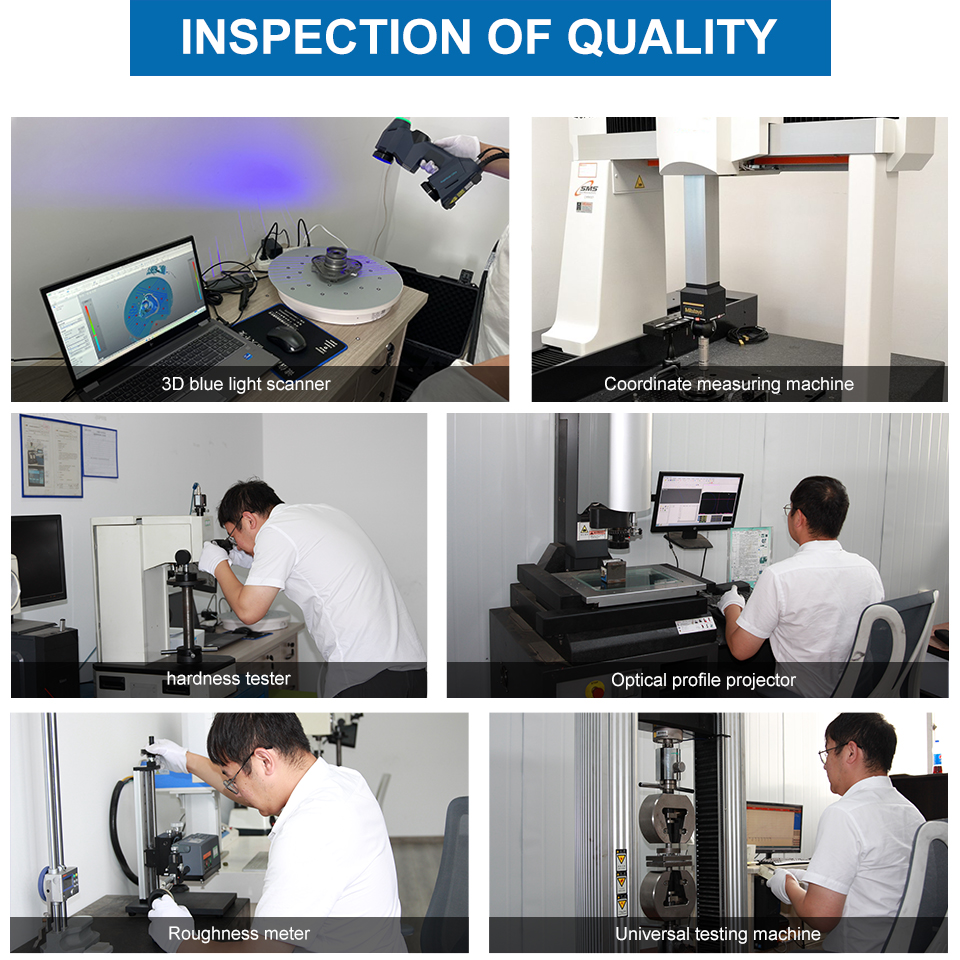
- Оцініть системи якості: Крім сертифікацій, з’ясуйте їхні можливості щодо інспекції. Чи мають вони координатно-вимірювальні машини (CMM) для перевірки розмірів? Як вони проводять інспекцію першого зразка? Який у них задокументований процес обробки неспівпадаючих деталей?
- Оцініть показники термінів виконання: Чи зможуть вони дотриматися вашого графіку? Згідно з даними Protolabs Network, терміни виконання від перевірених постачальників можуть варіюватися від 5 робочих днів до кількох тижнів залежно від складності замовлення. Уточніть стандартні та прискорені терміни виконання.
- З’ясуйте структуру ціноутворення: Прозора цінова політика краща за незрозумілі пропозиції. Найкращі послуги контрактного фрезерування з ЧПУ пояснюють, що впливає на їхні витрати, і надають рекомендації щодо оптимізації, щоб зменшити ваші витрати.
- Оцінка оперативності комунікації: Наскільки швидко вони відповідають на запити? Чи надають вони спеціальних контактних осіб для проекту? За даними компанії Longsheng MFG, ефективна комунікація дозволяє своєчасно вирішувати проблеми, що виникають у процесі співпраці.
- Перевірте рекомендації та історію співпраці: Запитайте кейси або рекомендації клієнтів у вашій галузі. Доведений досвід реалізації подібних проектів значно зменшує ваші ризики.
Масштабування від прототипу до виробництва
Один із найчастіше ігнорованих критеріїв вибору — масштабованість. Ваше початкове замовлення може включати лише кілька прототипів, але успішні продукти згодом потребують тисяч виробничих деталей. Вибір партнера, який здатний рости разом з вами, усуває необхідність болісної зміни постачальника на середині проекту.
Шукайте ознаки масштабованості:
- Глибина обладнання: Наявність кількох машин із схожими технічними характеристиками забезпечує виробництво великих партій без обмежень потужності
- Документування процесу: Добре задокументовані налаштування безперебійно переносяться від етапу прототипування до серійного виробництва
- Статистичний контроль процесу: Впровадження статистичного контролю процесів (SPC) забезпечує стабільність якості при зростанні обсягів виробництва
- Додаткові операції: Власні потужності з остаточної обробки, збирання або упаковки спрощують управління ланцюгом поставок у масштабі
Розгляньте такий сценарій: ви розробляєте прототип у одному цеху, а потім виявляєте, що в нього немає потужностей для виконання вашого замовлення на виробництво 10 000 одиниць. Тепер вам доводиться повторно кваліфікувати нового постачальника, знову перевіряти допуски та, можливо, переробляти конструкцію з урахуванням інших можливостей обладнання. Таке порушення процесу призводить до втрат часу, коштів і динаміки розвитку.
Партнери з сертифікатом IATF 16949 особливо добре справляються з таким переходом. Автомобільний стандарт якості вимагає наявності задокументованих процесів затвердження виробничих деталей (PPAP), які формалізують передачу від етапу розробки до серійного виробництва. Підприємства, такі як Shaoyi Metal Technology ілюструють цю здатність — їхні операції, сертифіковані за IATF 16949, та строге впровадження статистичного контролю процесів (SPC) забезпечують виготовлення компонентів з високою точністю виготовлення й термінами виготовлення до одного робочого дня, безперервно масштабуючись від швидкого прототипування до масового виробництва складних шасі та спеціальних металевих втулок.
Крім того, варто звернути увагу на те, чи пропонує ваш партнер послуги з ремонту або технічного обслуговування ЧПУ-верстатів. Майстерні, які виконують технічне обслуговування власного обладнання внутрішніми силами, часто демонструють глибші технічні знання та забезпечують більш стабільний час роботи порівняно з тими, хто повністю передає обслуговування на аутсорсинг. Ця операційна здатність сприяє більш стабільній продуктивності виконання замовлень.
Зробіть свій наступний крок
Маючи знання, отримані з цього керівництва, ви зможете приймати обґрунтовані рішення щодо своїх проектів механічної обробки на ЧПУ. Ось як ефективно діяти далі:
Для поточного проекту:
- Зберіть свої файли CAD, специфікації матеріалів, вимоги до точності та необхідну кількість
- Визначте, які сертифікати потрібні для вашого застосування
- Замовте комерційні пропозиції у 2–3 постачальників, які відповідають вашим вимогам щодо технічних можливостей та сертифікацій
- Порівняйте не лише ціни, а й терміни виконання, якість комунікації та інженерну підтримку
Для тривалого успіху:
- Налагоджуйте довготривалі відносини з партнерами, які добре розуміють особливості вашої галузі та вимоги до якості
- Інвестуйте час у огляди проектів з урахуванням технологічності виготовлення до остаточного затвердження конструкцій
- Встановіть чіткі канали комунікації та чітко сформулюйте очікування щодо поточних проектів
- Періодично проводьте аудит вашої бази постачальників, щоб забезпечити постійну відповідність їхніх можливостей вашим вимогам
Пам’ятайте: найнижча цінова пропозиція рідко забезпечує найкращу цінність. Деталі, які надходять із запізненням, не проходять інспекцію або потребують доробки, коштують набагато більше, ніж видима економія. Правильний партнер з послуг ЧПУ-обробки поєднує конкурентоспроможні ціни з надійною якістю, оперативною комунікацією та потужністю, необхідною для підтримки вашого росту.
Чи ви розробляєте перший прототип вашої концепції, чи масштабуєте виробництво до великих обсягів — принципи, викладені в цьому посібнику (від розуміння операцій механічної обробки до оцінки сертифікатів і оптимізації конструкцій з урахуванням технологічності виготовлення), допоможуть вам впевнено орієнтуватися в галузі ЧПУ-обробки. Ваш успіх у виробництві починається з правильного вибору партнера.
Поширені запитання щодо послуг ЧПУ-обробки
1. Скільки коштує послуга механічної обробки на верстатах з ЧПК?
Вартість обробки на ЧПУ зазвичай становить від 50 до 150 доларів США за годину, а плата за підготовку починається від 50 доларів США й може перевищувати 1000 доларів США для складних проектів. Загальна ціна залежить від вибору матеріалу (алюміній коштує менше, ніж титан), геометричної складності, вимог до точності та кількості замовлених деталей. Ціни на прототипи є вищими за одиницю, оскільки витрати на підготовку розподіляються між меншою кількістю деталей, тоді як при серійному виробництві понад 500 штук собівартість одиниці значно знижується, оскільки витрати на підготовку стають незначними.
2. Що таке послуги обробки на верстатах з ЧПУ?
Послуги фрезерування на ЧПК — це професійні виробничі рішення, при яких попередньо запрограмоване комп’ютерне програмне забезпечення керує верстатними інструментами, зокрема фрезерними верстатами, токарними верстатами та багатокоординатними системами, щоб перетворювати заготовки з первинного матеріалу на деталі за індивідуальним проектом. Цей процес аддитивного виробництва полягає у видаленні матеріалу з суцільної заготовки для створення точних компонентів із жорсткими допусками; стандартним показником є ±0,005 дюйма.
3. Яка годинна ставка за використання ЧПК-верстата?
Погодинні тарифи на обробку на верстатах з ЧПК залежать від типу обладнання та складності операції. Для базових 3-вісних фрезерних верстатів зазвичай діють тарифи від 40 до 75 доларів США за годину, тоді як 5-вісні верстати коштують від 75 до 150 доларів США за годину або більше через їхні розширені можливості. Ці тарифи враховують витрати на експлуатацію верстатів, знос інструментів та кваліфікацію операторів. Вибір відповідного типу верстата з урахуванням геометрії вашої деталі — замість автоматичного вибору найбільш передового варіанта — дозволяє оптимізувати витрати без втрати якості.
4. Які сертифікації слід шукати у партнера з обробки на ЧПУ?
Необхідні сертифікації залежать від вашої галузі. Для автотранспортних застосувань потрібна сертифікація IATF 16949 із реалізацією статистичного контролю процесів. Аерокосмічні компоненти вимагають сертифікації AS9100D щодо управління ризиками та прослідковості. Виробництво медичних виробів потребує відповідності стандарту ISO 13485. У загальних комерційних застосуваннях як мінімум потрібна сертифікація ISO 9001:2015. Підприємства, сертифіковані за IATF 16949, такі як Shaoyi Metal Technology, пропонують швидке прототипування та масове виробництво з термінами виконання від одного робочого дня.
5. Як вибрати між місцевими, онлайн-та міжнародними послугами обробки на ЧПУ?
Узгодьте своє рішення щодо закупівель з вимогами проекту. Місцеві послуги є найкращим варіантом, коли потрібна безпосередня співпраця, складний інженерний супровід або доставка в той самий день для термінових деталей. Онлайн-платформи забезпечують миттєве формування цінових пропозицій та стандартизовані процеси для простих, чітко визначених компонентів. Міжнародні постачальники надають вигоду у вартості для високотомних серійних виробництв, але додають 4–6 тижнів на доставку та вимагають ретельної перевірки якості. Багато успішних стратегій поєднують різні підходи: місцеві — для прототипів, онлайн-платформи — для стандартних деталей, міжнародні — для масових партій.