 Small batches, high standards. Our rapid prototyping service makes validation faster and easier —
  EN
EN


Ano ang Galvanizing? Bakit Nakakapagligtas ang Zinc sa Steel Kahit Pagkatapos ng mga Guhit
Ano ang Ibig Sabihin ng Galvanizing sa Simpleng Ingles
Kung tinatanong mo kung ano ang galvanizing, ang maikling sagot ay simple. Ito ay isang proseso ng proteksyon laban sa korosyon na nagkakabuhos ng zinc sa bakal o bakal upang ang base metal ay mas hindi madaling magkaroon ng rust at maaaring tumagal nang mas matagal sa paggamit.
Ang galvanizing ay ang proseso ng pagprotekta sa bakal o bakal sa pamamagitan ng paglalagay ng patong na zinc.
Ang kahulugan na iyon ang pangunahing ideya na inilalarawan ng Britannica at inuulit ni Fractory. Sa praktika, ang termino ay maaaring tumukoy pareho sa isang pangkalahatang konsepto at sa isang tiyak na pamamaraan sa pagmamanupaktura. Sa pangkalahatan, ito ay tumutukoy sa proteksyon na may base sa zinc para sa mga ferrous metal. Mas tiyak na, maaaring gamitin ito ng mga tao upang ilarawan ang mga pamamaraan tulad ng hot-dip galvanizing o electrogalvanizing.
Mga termino na madalas ikalito ng mga tao
- Galvanizing : ang aksyon o proseso ng pagkakabuhos ng zinc sa bakal o bakal.
- Galvanization : ang anyo ng pangngalan na karaniwang ginagamit sa American English. Kung magha-hanap ka ng 'galvanization define', karaniwan kang naghahanap ng parehong pangunahing ideya.
- Galvanisation ang eksenyon ng UK para sa pangngalan. Ito ang kahulugan ng galvanisasyon na inaasahan ng maraming Briton.
- Galvanized steel ang bakal na may nakapalang zinc na. Kaya kapag tanungin kung ano ang galvanized steel o ano ang galvanized metal, karaniwang ibig sabihin ay bakal o bakal na protektado ng zinc.
- Galvanised steel ang parehong materyal, na isinulat lamang sa British English.
Isang praktikal na paraan upang maunawaan ang kahulugan ng galvanized steel ay ito: ang bahagi ay bakal pa rin sa loob nito, ngunit idinagdag ang zinc upang protektahan ito mula sa kapaligiran. Ang ang kahulugan ng galvanised steel ay identikal , ang pagbabago ay nasa baybay lamang.
Bakit zinc? Nagbibigay ito ng protektibong panlabas na patong at, sa maraming sistema ng galvanising, tumutulong din ito na protektahan ang malapit na nakalantad na bakal kung sakaling nasira ang ibabaw. Kaya naman agad na lumilipat ang paksa mula sa simpleng kahulugan patungo sa pagganap, lalo na kapag pumasok na ang mga guhit at resistensya sa rust.
Paano Protektahan ng Zinc Coating ang Galvanized Steel
Ang bakal ay nagsisimulang magkarat kung ang kahalumigmigan at oksiheno ay dumating sa bakal sa ilalim. Ang pagpapagalvanize ay nagpabagal sa reaksyon na ito sa pamamagitan ng pagdaragdag ng patong na zinc sa ibabaw ng bakal. Kaya kung nagtatanong ka kung ano ang patong sa galvanized metal, ang simpleng sagot ay zinc. Ang panlabas na patong na ito, na madalas tinatawag na galvanized coating, ay naroroon upang tumanggap ng pinsala bago pa man ang bakal.
Paano Protektahan ng Zinc ang Bakal
Ano ang ginagawa ng pagpapagalvanize sa praktikal na mga termino? Ito ay nagbibigay ng dalawang uri ng proteksyon sa bakal nang sabay-sabay.
- Proteksyon ng hadlang : Ang patong na zinc ay naghihiwalay sa bakal mula sa ulan, kahalumigmigan, at hangin. Ayon sa AGA , ang zinc ay bumubuo rin ng malalapad at nakakadikit na mga produkto ng korosyon sa paglipas ng panahon. Ang patong na ito sa ibabaw (surface patina) ay nagdaragdag ng isa pang protektibong hadlang.
- Paggamot na sacrificial : Ang zinc ay mas reaktibo kaysa bakal, kaya ito ang una na kinokorosyon. Dahil dito, ang galvanized zinc ay maaari pa ring tumulong na protektahan ang malapit na bakal na may eksposurang hindi nakapatong kung ang ibabaw ay nasugatan.
Ang pagpapagalvanize ay may resistensya sa korosyon, ngunit hindi ganap na laban sa korosyon.
Ano ang Mangyayari Kapag Nasugatan ang Ibabaw
Ang isang nasugatan na pinturang ibabaw ay maaaring agad na magpakita ng bare steel. Isang nasugatan na galvanized surface nag-uugali nang iba. Dahil ang patong na zinc ay una pang sisirain ang sarili nito, ang kapaligiran na patong ay maaaring magpatuloy na protektahan ang bakal malapit sa nasirang lugar. Ito ang isa sa mga dahilan kung bakit ang mga bahaging galvanized ay malawakang ginagamit para sa mga istrukturang panlabas, mga fastener, at maraming bahagi ng sasakyan kung saan mahirap iwasan ang mga suntok, mga chips, at pagka-ubos.
Maaari bang magkaroon ng rust ang galvanized steel?
Oo. Kung sa huli ay natapos na ang patong na zinc, maaaring lumitaw ang rust. Ang asin, polusyon mula sa industriya, nananatiling kahalumigmigan, at paulit-ulit na paggamit ay maaaring lahat maikli ang buhay ng patong, isang punto na tinutukoy din ni Clickmetal. Kaya, maaari bang magkaroon ng rust ang galvanized? Oo, ngunit karaniwang mangyayari ito nang higit na mamaya kaysa sa bakal na walang anumang proteksyon. At dahil ang pag-uugali ng patong ay napaka-depende sa paraan kung paano talaga nabuo ang patong, mas mahalaga ang mga hakbang sa paggawa kaysa sa iniisip ng maraming tao.
Paano Gumagana ang Hot Dip Galvanizing: Hakbang-hakbang
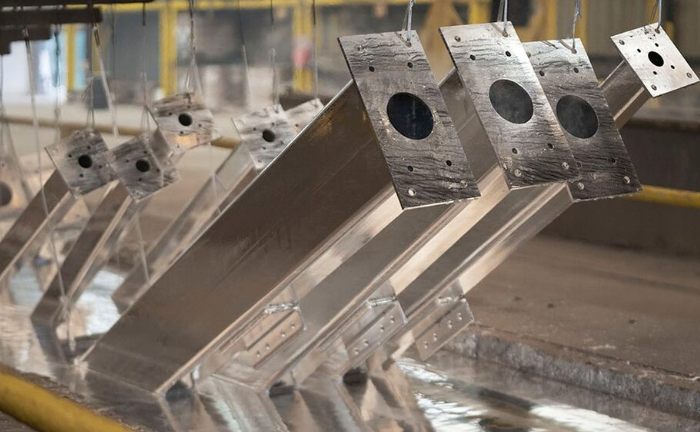
Ang dahilan kung bakit ang galvanized steel ay nakakaprotekta pa rin kahit matapos ang minor na pinsala ay nauuugnay sa paraan kung paano ginawa ang patong. Sa tunay na hot dip galvanizing , ang zinc ay hindi lamang nananatili sa ibabaw tulad ng karaniwang pintura. Ito ay nakikipag-reaksyon sa bakal at bumubuo ng mga nakakabit na layer, na bahagi ng malaking sagot sa mga tanong tulad ng paano ginagawa ang galvanized steel at paano ginagalvanize ang metal.
Paghahanda ng Ibabaw Bago ang Galvanizing
Ang proseso ng galvanizing ay nagsisimula nang maaga bago pumasok ang bakal sa tinunaw na zinc. Ang malinis na bakal ay mahalaga dahil ang zinc ay hindi maaaring makipag-reaksyon nang wasto sa dumi, langis, sisa ng pintura, o matitigas na oxide. Ang gabay mula sa AGA at Galserv ay hinati ang yugto ng paghahanda sa ilang pangunahing operasyon.
- Pag-aalis ng Langis o Paghuhugas na may Kaustiko : nag-aalis ng langis, mantika, dumi, at ilang marka ng pintura.
- Pagpapainom o Paghuhugas na Kemikal : ang pagsisimba sa asido ay nag-aalis ng rust, mill scale, at iron oxides.
- Paghuhugas : naglalabas ng mga sisa upang hindi madala ang mga kontaminante sa susunod na hakbang.
- Fluxing : karaniwang solusyon ng zinc ammonium chloride na nag-aalis ng natitirang oxide at tumutulong na pigilan ang bagong oxidation bago ang paglalagay sa tubig.
- Karagdagang mekanikal na paghuhugas kapag kailangan ang pagpapalakas ng hangin (blasting) ay maaaring gamitin para sa mga coating, sira, o matitigas na kontaminasyon na hindi maaalis ng kemikal na paglilinis.
Ang maagang yugto ng paglilinis ay mas mahalaga kaysa inaasahan ng maraming unang beses na bumibili. Ang mga hindi malinis na bahagi ay karaniwang nananatiling hindi nakapatong ng coating, kaya ang paghahanda ng ibabaw ay naging bahagi na ng proseso ng pagsubok sa kalidad para sa mga gawaing HD galvanized.
Ano ang Nangyayari sa Banyo ng Zinc
Kapag handa na, ang bakal ay ganap na inilalagay sa likido na zinc. Ang Proseso ng AGA HDG ay nagsasaad na ang komposisyon ng likido sa banyo ay tinutukoy ng ASTM B6 at gumagamit ng zinc na may kalinisan na hindi bababa sa 98 porsyento, na karaniwang pinapanatili sa temperatura na 815–850 °F o 435–455 °C. Inilarawan ng Galserv ito bilang humigit-kumulang 450 °C, na sumasalungat sa karaniwang pamamaraan ng hot dip galvanizing.
Sa loob ng kumbal, ang zinc ay nakikipag-reaksyon sa bakal sa bakal at bumubuo ng mga metalurgikal na naka-bond na zinc-bakal na alloy na layer, na karaniwang may panlabas na layer na puro zinc. Pagkatapos matapos ang paglago ng coating, ang bahagi ay hinahatak nang dahan-dahan at ang sobrang zinc ay tinatanggal sa pamamagitan ng pagbuhos, pag-vibrate, o pag-centrifuge, depende sa produkto. Ang paglamig ay maaaring mangyari sa hangin, tubig, o isang passivation solution.
Pagsusuri at Paghahari ng Panghuling Pagsubok
Ang pagsusuri ay karaniwang simple lamang. Ang pangunahing pagsusuri ay nakatuon sa kapal ng coating at sa itsura o kalagayan ng ibabaw, kung saan ginagamit din ang mga simpleng pagsubok para sa pagkakapareho at pagkakadikit, tulad ng inilalahad ng AGA. Ang tiyak na mga kriteria ng pagtanggap ay nakasalalay sa napiling pamantayan at kategorya ng produkto, kaya ang mga bahaging hdg galvanized ay hindi pinapanghuhusgahan batay lamang sa itsura.
Ang itsura ay maaaring mag-iba dahil sa mga wastong teknikal na dahilan. Ang GAA nagpapahiwatig na ang komposisyon ng bakal, lalo na ang nilalaman ng silicon at posporo, ay maaaring magbago ng kapal ng patong at gawing mas mapulang, madilim, rugado, o mas mottled ang mga huling anyo. Mahalaga rin ang hugis ng bahagi. Ang malalaking kahong bahagi ay maaaring maglamig nang hindi pantay, ang mahinang disenyo ng vent o drain ay maaaring mag-iwan ng mga run o lump, at ang mga detalye sa paggawa tulad ng weld spatter, porous na welds, halo-halong komposisyon ng bakal, o mga gilid na pinutol gamit ang init ay maaaring makaapekto sa pagkakapare-pareho. Kaya kapag tinanong ng isang tao kung paano galvanize ang bakal, ang tunay na sagot ay hindi lamang ipinapalubog ito sa zinc. Ang mismong bakal, ang paraan ng paggawa nito, at ang pamamaraan ng pagproseso ay lahat nakakaapekto sa huling resulta—kaya nga hindi lahat ng produkto na may patong na zinc ay ginagawa sa parehong paraan.
Mga Paraan ng Galvanization na Inihambing nang Magkatabi
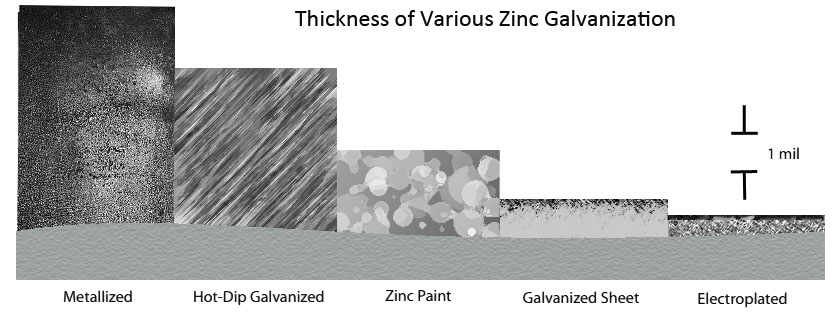
Hindi lahat ng produkto na may patong na zinc ay protektado sa parehong paraan. Ang tinatawag na pamilyar ng mga buyer bilang zinc galvanized coating maaaring galing sa ilang napakaiiba-ibang proseso, at ang pagkakaiba ng mga ito ay nakaaapekto sa huling anyo, katatagan, pagkakasya sa paggawa, at mga opsyon sa pagre-repair. Kung ang isang drawing ay nagsasaad ng HDG, ang kahulugan ng HDG ay karaniwang napapalutang sa mainit na sili ng zinc, at ang ilang mga shop ay pinapakurta ito bilang hd galv . Kahit noon pa man, nakakatulong pa rin na alamin kung ano ang ipinapahiwatig, at hindi ipinapahiwatig, ng label na iyon.
Ihambing ang Pangunahing Paraan ng Galvanizing
| Paraan | Paano Inilalapat ang Zinc | Karakteristikong finishing | Kaugnay na Tinitis | Sukat o hugis ng bahagi | Pinakamahusay Para sa | Pangunahing mga limitasyon |
|---|---|---|---|---|---|---|
| Hot-dip galvanizing | Ang natapos na bakal ay inilalagay sa tubig-tubig na zinc, na bumubuo ng mga layer ng zinc at zinc-iron alloy. | Kumpleto ang takip, kabilang ang mga gilid at sulok. Mas industriyal kaysa sa ultra-makinis na plated finishes. | Mataas | Ang paraan na ito ay epektibo para sa mga bahaging mayroon nang kumpletong paggawa, komplikadong hugis, bukas na lalagyan, maliit na fastener, at napakalaking assembly na may modular na disenyo. | Mga istruktura sa labas ng gusali, hardware, railing, suporta, at mga bahagi na nangangailangan ng malawak at matibay na takip. | Ang itsura ay maaaring mas hindi pare-pareho kaysa sa plated sheet. Ang laki ng bath at disenyo ng bahagi ay nananatiling mahalaga. |
| Electrogalvanizing | Ang zinc ay na-deposito gamit ang kuryente sa pamamagitan ng electroplating. | Manipis at napakapantay. | Mas Mababa hanggang Katamtaman | Pinakamainam para sa maliit na bahagi, manipis na threads, at mas mahigpit na toleransya. | Mga maliit na fastener at komponente kung saan mahalaga ang makinis at kontroladong coating. | Kadalasang mas manipis, kaya karaniwang hindi ito ang unang pinipili para sa outdoor exposure na walang proteksyon. |
| Pre-galvanizing | Ang sheet, pipe, o wire ay ginagalvanize nang sabay-sabay bago i-cut at i-fabricate. | Pantay at pilak na finish ng sheet. | Katamtaman | Mahusay para sa patag na produkto, mga roll-formed na seksyon, at mga welded hollow na seksyon. | Mga roofing, gutters, bahagi ng appliance, at iba pang aplikasyon kung saan nakakalantad ang karamihan sa ibabaw ng sheet. | Ang mga gilid ng cut, mga butas, at mga weld ay maaaring kailangang ayusin. Mas manipis kaysa sa mga batch hot dip galvanized na produkto sa parehong kapaligiran. |
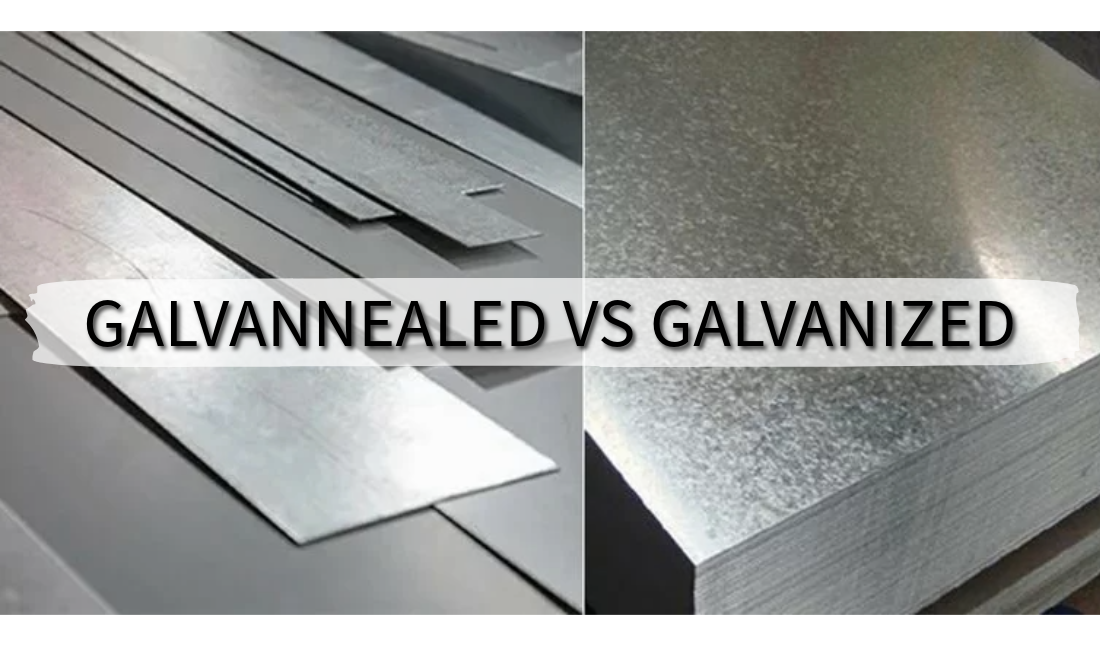
| Galvannealing | Ang bakal ay ginagalvanisa, pagkatapos ay ininit upang ang bakal ay makisama sa patong ng zinc at bumuo ng isang alloy na zinc-iron. | Mas matigas na ibabaw na may mataas na paglaban sa mga ugat at malakas na kakayahang magkasya sa pintura at welding. | Katamtaman | Mahusay na angkop para sa mga bahagi na gawa sa sheet metal na susubukan, i-weld, o pipinturahan sa huli. | Mga bahagi ng sasakyan at kagamitan kung saan mahalaga ang pagdikit ng pintura at kakayahang i-weld. | Kadalasang mas mahal kaysa sa pre-galvanized at maaaring mas hindi flexible. |
| Sherardizing | Ang maliit na bahagi ng bakal ay iniinit sa isang umiikot na drum kasama ang alikabok na zinc upang ang zinc ay pumasok sa ibabaw ng bakal. | Patong na naka-bond sa pamamagitan ng diffusion na gumagana nang maayos sa mga ulo ng bolts at detalyadong ibabaw. | Katamtaman | Pinakaepektibo para sa maliit na mga bagay, lalo na ang mga may thread. Limitado ng sukat ng drum. | Mga fastener na may fine-thread at mga bahagi ng bakal na may mataas na lakas. | Hindi praktikal para sa malalaking nabuo na mga assembly. |
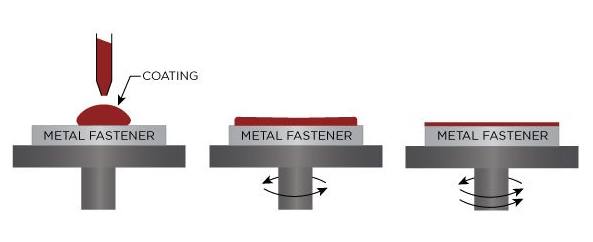
| Mekanikal na plating | Ang zinc ay mekanikal na pinipin sa mga bahagi sa isang proseso na walang kuryente. | Manipis at likat na patong para sa mga bahaging may mababang toleransya. | Mas Mababa hanggang Katamtaman | Pinakamainam para sa maliit na mga bahaging may ulo o mga item na may presisyon. | Mga hardware at bahagi kung saan mahalaga ang kontrol sa sukat. | Ang kapal ng patong ay kadalasang katulad ng mga item na electroplated, kaya ang buhay nito sa labas ng gusali ay karaniwang mas maikli kaysa sa mga sistema ng hot-dip. |
| Mga patong na may mataas na nilalaman ng zinc | Ang alikabok ng zinc ay inilalapat gamit ang organikong o inorganikong binder sa pamamagitan ng brush o spray sa nadepreparang bakal. | Film na katulad ng pintura. Maaaring gamitin sa workshop o sa field. | Nag-iiba depende sa sistema | Angkop sa halos anumang sukat na artikulo, lalo na ang malalaking estruktura o mga lugar na lokal na kailangang ayusin. | Panghuling pag-aayos, pagkukumpuni, aplikasyon sa field, at mga lugar na hindi maaaring i-dip. | Mahalaga ang paghahanda ng ibabaw. Maaaring masira ang mga coating na ito sa paghawak at maaaring kailanganin ang oras para sa pagtutuwid o dagdag na mga patong. |
Ang side-by-side na view na ito ay sumasalamin sa mga gabay sa proseso mula sa GAA at ang paghahambing ng sheet-product mula sa National Material.
Kung Kailan Pinakamainam ang Hot Dip Galvanizing
Para sa maraming nabuo na bakal na bahagi, ang hot-dip ang default dahil ang coating ay nabubuo matapos gawin ang bahagi. Mahalaga ito kapag mayroon kang mga weld, seams, sulok, kuwadrado, at mga nakalantad na gilid. Ang hot dip galvanized zinc coating ay karaniwang ang pinakamalakas na opsyon kapag ang bahagi ay ilalagay sa labas at mahalaga ang resistance sa corrosion kaysa sa pinakamakinis na panlabas na hitsura. Sa simpleng salita, kung ang layunin ay malawak at matibay na takip sa natapos na bakal, madalas nananalo ang hot dip galvanized.
Kung Saan Nagkakaiba ang Iba Pang Paraan ng Zinc
Ang mga mas manipis na paraan ay may malinaw pa ring lugar. Ang elektro-galvanizing ay kapaki-pakinabang kapag ang pagkakapareho at kontrol sa toleransya ang mahalaga. Ang pre-galvanizing ay gumagana nang maayos para sa pagmamanupaktura batay sa sheet dahil ito ay pinapatakpan nang maaga at pagkatapos ay binubuo. Ang galvannealing ay kaakit-akit kapag ang pagpipinta at pag-weld ay bahagi ng plano. Ang sherardizing at mekanikal na plating ay ginagamit para sa mas maliit na hardware at mga nakasukat na bahagi. Ang mga zinc-rich coating ay naiiba dahil maaari silang ilapat sa field at maaari rin nilang ayusin ang mga nasirang lugar sa iba pang sistema ng zinc.
Kaya nga ang galvanization ay tunay na isang pamilya ng mga solusyon, hindi isang pangkalahatang reseta. Maaaring sabihin ng label na hot dip galvanized, pre-gal, o plated, ngunit ang tamang pagpili ay nakasalalay sa bahagi at sa kanyang eksposur. Ang alat na hangin, polusyon sa industriya, nananatiling kahalumigmigan, at abrasyon ay maaaring biglang baguhin ang resulta, kung saan nagsisimula ang service life na maging tunay na punto ng desisyon.
Gaano Katagal ang Buhay ng Galvanized Steel Ayon sa Kapaligiran
Ang zinc coating ay hindi tumatanda sa parehong bilis sa lahat ng lugar. Sa tunay na paggamit, ang galvanized steel ay bumubuo ng mga corrosion products sa ibabaw nito, na madalas tinatawag na patina, at sa maraming uri ng atmospera, ang layer na ito ay tumutulong na pabagalin ang susunod na pag-atake. Ang AGA longevity guidance ay itinuturing ang durability bilang isang function ng exposure at ng oras bago ang unang pagpapanatili, hindi isang iisa at nakatakda na lifespan para sa bawat bahagi.
Ang galvanized steel ay walang iisa at pangkalahatang service life. Ang kapaligiran ang nagdedesisyon kung gaano kabilis ang pagkonsumo ng zinc.
Rural, Urban, Industrial, at Coastal Exposure
Kaya nga napakahalaga ng lokasyon. Karaniwan, ang hangin sa rural area ay ang pinakabagal na sumisira dahil mas mababa ang antas ng emissions. Mas mahigpit ang urban at industrial na kapaligiran sa zinc dahil ang mga pollutant tulad ng sulfur compounds ay nagpapabilis ng corrosion. Ang coastal at marine na lugar ay nagdaragdag ng airborne salt at mataas na humidity, na maaaring lubhang mahigpit sa materyales. Kaya, magkakaroon ba ng rust ang galvanized metal? Oo, sa huli—ngunit ang isang tuyo at nasa loob ng bansa na bakod, isang palatandaan sa lungsod, at isang suporta sa baybayin ay hindi magtatanda sa parehong bilis.
| Salik ng Pagkakalantad | Karaniwang setting | Kung paano ito nakaaapekto sa coating |
|---|---|---|
| Kahalumigmigan at kakaunting halumigmig | Mga klima na may ulan, kondensasyon, pag-iimbak sa madamping lugar | Kailangan para sa mga reaksyon ng corrosion. Ang paminsan-minsang pagkabasa ay maaari pa ring magbigay ng matatag na patina, ngunit ang tuloy-tuloy na kahalumigmigan ay nagpapabilis sa paggamit ng zinc. |
| Asin at konsentrasyon ng asin | Himpapawid sa baybayin, siksik na tubig mula sa dagat, mga kapaligiran na ginagamitan ng deicing agent | Ang asin ay nagpapabilis sa pagkonsumo ng zinc at ginagawang mas korosibo ang kapaligiran. |
| Mga kontaminante | Himpapawid sa urban at industriyal na lugar | Ang mga kontaminante sa himpapawid ay nagpapataas ng agresibidad ng atmospera at nagpapaba ng buhay ng coating. |
| Pagsisikmura | Mga lugar malapit sa linya ng lupa, paghawak, mga kalat, pakikipag-ugnayan sa halaman | Ang pagkakaubos (wear) ay maaaring tanggalin ang patina o coating nang lokal, na nagbubukas ng bagong zinc para sa mas mabilis na pag-atake. |
| Tumitigas na Tubig | Mga patag na ibabaw, mga butas, mahinang daloy ng tubig, at mga bahagi na naka-stack | Nanatiling basa ang ibabaw, nakakagambala sa proseso ng pagpapahid, at maaaring magdulot ng maagang lokal na pagkasunog. |
Ano ang Ibig Sabihin ng Maagang Pagsuot at Puting Rust
Hindi lahat ng bakas ay nangangahulugan ng kabiguan. Madalas na nalilito ng mga tao ang puting deposito sa pagkakaroon ng rust sa galvanized steel. Ang puting rust ay isang chalky na produkto ng corrosion na nabubuo sa zinc, lalo na sa bagong galvanized steel na nakalantad sa kahalumigmigan nang walang sapat na airflow. Ito ay iba sa pula-madilaw na rust, na nangangahulugan na ang zinc ay nasunog na at ang bakal sa ilalim ay nagsisimulang mag-corrode. Ang puting rust ay karaniwang lumalabas sa mga sheet na naka-stack nang mahigpit, basang packaging, o mga detalye na nagtatago ng tubig.
Kapag ang pagkakalantad ay malubha, maaaring sulit na isipin ang karagdagang proteksyon. Ang gabay ng AGA tungkol sa mga sistemang duplex ay nagpapakita kung bakit maaaring kapaki-pakinabang ang pagpipinta sa bakal na galvanized sa mga matitinding kapaligiran. Sa praktika, maaaring ipinta ng mga may-ari ang bakal na galvanized sa mga splash zone, mga industriyal na lokasyon, o mga lugar kung saan mahalaga rin ang itsura. Gayunman, ang pagpipinta sa mga ibabaw na galvanized ay hindi kapalit ng mabuting disenyo. Ang drenaje, daloy ng hangin, kondisyon ng imbakan, at paghahanda ng ibabaw ay nananatiling kontrolado kung paano gagana ang sistema nang maayos—kaya nga ang mga teknikal na tukoy at detalye ng disenyo ay nangangailangan ng malapit na pansin.
Mga Pamantayan, Kapal, at Mga Patakaran sa Disenyo para sa Bakal na HDG
Ang haba ng serbisyo ay nabubuo ng kapaligiran, ngunit ang aktwal na pagganap sa isang tunay na proyekto ay nakasalalay sa teknikal na tukoy. Iyan ang dahilan kung bakit ang malawakang ginagamit na Mga pamantayan sa HDG pumasok. Para sa pangkalahatang mga gawa sa bakal at bakal na produkto, ang ASTM A123 ang pangunahing sanggunian sa Estados Unidos. Ang iba pang karaniwang pamantayan ay sumasaklaw sa mga tiyak na grupo ng produkto, kabilang ang ASTM A153 para sa hardware at maliit na bahagi, ASTM F2329 para sa mga fastener, ASTM A767 para sa mga reinforcing bars, at ASTM A780 para sa pagre-repair ng mga nasirang o hindi nakapang-koating na lugar. Sa mga internasyonal na proyekto, karaniwang tinutukoy ang ISO 1461, at sa mga gawain sa transportasyon, maaaring bigyang-referensya ang AASHTO M111. Isang simpleng ugali ang nakakatipid ng maraming kalituhan mamaya: isulat nang direkta ang pamantayang may bisa at ang taon ng edisyon sa mga drawing, technical specifications, at submittals.
Mga Pamantayan na Nangunguna sa Pag-apruba ng Coating
Ang gabay sa pagsusuri ng AGA ay nagpapakita ng isang punto na lubos na malinaw: ang kapal ng patong ay ang pinakamahalagang bahagi sa pagtukoy ng kalidad ng galvanized coating, at ang oras para sa unang pagpapanatili ay direktang proporsyonal sa kapal ng zinc. Sa hdg steel, hindi natatapos ang pagsusuri sa kapal lamang. Sinusuri rin ng mga tagasuri ang pagkakadikit, hitsura, at huling anyo. Madaling makilala ang mga bahaging walang patong gamit ang paningin, kaya nga ang pagsusuri sa hot dipped galvanized steel ay relatibong simple.
Ang anyo ay maaari pa ring magdulot ng kalituhan sa mga tao. Ang isang galvanized na ibabaw ay hindi kailangang mukhang perpektong maliwanag at pantay upang ituring na katanggap-tanggap. Ang parehong gabay ng AGA ay nagtatala na ang mga pagkakaiba sa anyo at ilang depekto sa ibabaw ay maaaring mangyari, at sa karamihan ng mga kaso, hindi ito dahilan para tanggihan ang produkto at hindi rin ito binabawasan ang pangmatagalang proteksyon laban sa corrosion. Sa madaling salita, ang teknikal na espesipikasyon ay dapat tumukoy sa pag-approba batay sa mga sukatan na maaaring sukatin at sa wika tungkol sa pagre-repair, hindi lamang sa ningning. Kung kinakailangan ang touch-up, ang ASTM A780 ang karaniwang ginagamit na pamantayan para sa pagre-repair sa pagsasagawa sa Estados Unidos.
Ang tagumpay ng coating ay nagsisimula sa yugto ng disenyo, hindi lamang sa loob ng galvanizing bath.
Disenyo para sa Galvanizing Bago ang Pagmamanupaktura
Ang pagpili ng tamang metal para sa galvanizing ay bahagi lamang ng gawain. Ang nabuo ring bahagi ay kailangang payagan ang mga solusyon sa paglilinis at ang tinunaw na zinc na dumaloy nang malaya sa bawat ibabaw. Sa gabay ng AGA tungkol sa venting at drainage, ang mga butas na pang-vent ay nagpapahintulot sa hangin na umalis upang mabuo ang buong pag-immersion ng nabuo, at ang mga butas na pang-drain ay nagpapahintulot sa sobrang solusyon at zinc na bumalik sa labas. Mayroon ding isyu sa kaligtasan na nakatago sa patakaran na ito: ang mga nakakulong na likido ay maaaring biglang maging steam, at ang presyon sa isang hindi maayos na binuksan na nabuo ay maaaring abot sa 3600 psi.
- Tukuyin ang tamang standard para sa uri ng produkto, dahil ang pangkalahatang mga nabuo, mga fastener, hardware, at rebar ay hindi sakop sa parehong paraan.
- Ilagay ang mga butas na pang-vent sa pinakamataas na mga punto at ang mga butas na pang-drain sa pinakamababang mga punto batay sa oryentasyon ng pagdip.
- Para sa mga hollow section, boxed shapes, at pipe assemblies, siguraduhing maaaring linisin, i-vent, at i-drain ang loob na mga espasyo.
- I-crop o buksan ang mga gusset, stiffener, at end plate upang ang mga solusyon at zinc ay makadaloy nang walang natitirang nakakulong.
- Ipaalam nang maaga ang mga bandila na may mga welded assemblies, mga bahagi na may threads, at ang mga inaasahang pagkukumpuni upang manatiling magkakasabay ang wika sa paggawa at pagsusuri.
- Ikoordinado ang mga detalye ng disenyo kasama ang tagapag-galvanize bago ang produksyon upang mabawasan ang pag-uulit ng trabaho, mga pagkaantala, at mga hindi maiiwasang isyu sa huling panlabas na anyo.
Marami sa mga katangian ng bakal na may galvanize na una ring napapansin ng mga bumibili—tulad ng pagkakaiba-iba ng huling panlabas na anyo, pagkakasya ng mga thread, at pangangailangan ng lokal na pagkukumpuni—ay nabubuo pa bago pa man dumating ang bahagi sa zinc. Ang mga detalyeng ito ay naging lalo pang mahalaga kapag inihahambing ang galvanizing sa pintura, powder coating, plating, o stainless steel para sa isang tiyak na aplikasyon.
Kung Kailan Ang Galvanizing Ang Tamang Pagpipilian at Kung Kailan Hindi
Ang pagpili ng huling panlabas na anyo ay bihira lamang tungkol sa rust. Kasali rin dito ang itsura, hugis ng bahagi, toleransya, at kung gaano karaming karagdagang pansin ang kailangan ng bahagi habang ginagamit. Para sa mga outdoor galvanized metal , ang malaking kabutihan nito ay ang proteksyon ng zinc kahit kapag nasaktan nang bahagya ang ibabaw. Ang sumusunod na paghahambing ay sumusunod sa mga gabay mula sa Keystone Koating, Huyett, at Atlantic Stainless.
| Opsyon | Ugali sa Korosiyon | Pagkakumpuni | Kontrol sa huling pabango | Pinakamainam na pagkakasya sa produksyon | Tendensya sa pagpapanatili |
|---|---|---|---|---|---|
| Hot-dip galvanizing | Makapal na zinc coating na may proteksyon sa pamamagitan ng sakripisyo. Matibay na opsyon para sa outdoor at marine exposure. | Mas mainam na humahandle sa mga maliit na ugat kaysa sa mga finish na nakabase lamang sa barrier dahil ang zinc sa paligid ay nananatiling nagpoprotekta sa bakal. | Industriyal na silver hanggang dilaw na abo. Mas kaunti ang kontrol sa cosmetic appearance. | Nakumpleto nang mga fabrications, structural parts, railings, hardware, at mas malalaking bahagi na may mababang tolerance. | Karaniwang nangangailangan ng mas kauntiang pagpapanatili kaysa sa mas manipis na zinc finishes kapag nakalantad sa matitinding kondisyon. |
| Mga Sistema ng Pintura | Pangunahing barrier protection. Ang performance ay lubos na nakasalalay sa continuity ng coating at sa tamang pag-aalaga. | Ang lokal na touch-up ay posible, ngunit kailangan agad na reparen ang mga nasirang bahagi. | Malaking flexibility sa kulay at glos. | Mga bahagi o gawain na nakabase sa itsura kung saan ang pagkakapareho ng kulay ang pinakamahalaga. | Kadalasan ay kailangan ng mas maraming inspeksyon kung saan malamang magkaroon ng mga butas, gilid, o pagsusunog. |
| Pulbos na patong | Panghihigpit na patong na may malakas na opsyon sa itsura. Ang pinsala ay maaaring magbunyag ng bakal sa ilalim. | Ang pag-uulit ng pagpapatong ay posible, ngunit mahalaga ang paghahanda. | Napakahusay na kontrol sa kulay at tekstura. | Mga bahagi kung saan ang itsura ay mahalaga—madalas sa loob ng gusali o sa mga lugar na may mas kaunti o mas di-gaanong matinding pagkakalantad. Maaari rin itong ilagay sa ibabaw ng galvanized steel kung may tamang paghahanda. | Mag-ingat sa pinsala sa patong at, sa ilang kaso, sa pagtanda dulot ng UV. |
| Paglilipat ng Sinko | Manipis na patong ng zinc. Mainam para sa gamit sa loob ng gusali, ngunit hindi gaanong matibay kapag ginamit sa labas kumpara sa hot-dip galvanized steel. | Mas maikli ang margin kapag nausog na ang manipis na patong. | Mas magkadikit at pare-parehong hitsura ng plated. | Maliit na mga fastener at mga bahagi na may mahigpit na toleransya. | Mas limitado ang buhay sa labas kaysa sa mga sistema ng hot-dip. |
| Stainless steel | Mas mataas na likas na paglaban sa korosyon kaysa sa bakal na may galvanizing, lalo na kung ang korosyon ay isang malubhang panganib. | Hindi ito isang coating, kaya walang layer ng zinc na mauubos. Ang mga butas o sugat ay karaniwang mas kaunti ang epekto sa paglaban sa korosyon. | Malinis at kaakit-akit na metallic na huling anyo. | Mga aplikasyon sa marine, pagkain, pharmaceutical, at mataas na korosyon. | Mababang pangangalaga dahil sa korosyon, ngunit may mas mataas na komitment sa materyales. |
Kung Kailan Panalo ang Galvanizing kaysa sa Paint o Powder Coating
Kung ang bahagi ay ilalagay sa labas, maaaring ma-bump sa proseso ng paghahandle, o may maraming gilid at sulok, ang hot-dip galvanizing ay madalas ang mas ligtas na opsyon. Ang zinc ay hindi lamang nakapatong sa ibabaw bilang dekoratibong balat. Aktibong pinoprotektahan nito ang bakal sa ilalim. Kaya nga ang hardware para sa konstruksyon, mga railing, at maraming produkto na pangkalahatan ay tinatawag na galvanized Iron ay nananatiling umaasa sa proteksyon na may base sa zinc kapag ang mahabang serbisyo sa labas ay mas mahalaga kaysa sa premium na anyo.
Kung Kailan Mas Makabuluhan ang Stainless Steel o Zinc Plating
Ang ilang trabaho ay nangangailangan ng ibang solusyon. Ang stainless steel ang mas malakas na sagot kung ang corrosion ay isang palagiang banta, lalo na sa mga lugar malapit sa tubig-alat. Ang zinc plating ay angkop para sa maliit na mga bahagi na may thread at sa mga indoor assembly kung saan mahalaga ang mahigpit na toleransya. Kung ang kulay ay hindi pwedeng baguhin, ang powder coating o pintura ay mas madaling kontrolin ang hitsura kaysa sa walang takip galvanized steel .
Paano Pumili Batay sa Pagkakalantad at Pananatili
- Kapaligiran : Ang mga kondisyon sa labas, sa dagat, at sa basa ay pabor sa galvanizing o stainless steel kaysa sa mas manipis na finishes.
- Hitsura : Ang pintura at powder coating ang nag-aalok ng pinakamalawak na kalayaan sa kulay.
- Kumplikadong Anyo ng Bahagi : Ang malalaking nabuo na assembly ay karaniwang mas angkop para sa galvanizing kaysa sa napakaliit na mga precision part.
- Mga Toleransya at Thread : Ang zinc plating ay karaniwang mas mainam sa mga hardware na may mahigpit na pagkakasya.
- Horizonte ng Badyet : Ang mas mababang paunang gastos at ang mas mababang gastos sa pangmatagalang pagpapanatili ay hindi palaging pareho.
- Mga layered system : Kung ang talakayan ay umiikot sa galvanized steel paint o pinturang galvanized na bakal , hindi na kayo pumipili ng isang finishing lamang. Tinutukoy ninyo ang isang pinagsamang sistema.
- Pagsusulda at pangalawang proseso : Ang finishing ay dapat sumasakop sa paraan kung paano gagawin ang bahagi, i-aassemble, at gagamitin.
Ang pinakamahusay na sagot ay bihira ang pangkalahatang 'oo' o 'hindi'. Ito ay ang pagpili ng isang coating na naaangkop sa tunay na kapaligiran, hugis ng bahagi, at antas ng pagpapanatili na tatanggapin ng may-ari. Sa isang aktwal na drawing para sa produksyon, ang pagpili na ito ay kailangang maging mas tiyak pa: isang pamamaraan, isang pamantayan, at isang kinakailangan sa inspeksyon.
Ano ang Galv sa Isang Drawing?
Isang drawing na nagsasabi lamang na "galv" ay nag-iwan ng sobrang bukas sa interpretasyon. Sa kolokyal na wika sa gawaan, ang mga tao ay nagtatanong ano ang galv karaniwang nangangahulugan ng isang galvanised na huling pagkakabuo, ngunit ang pagbili at produksyon ay nangangailangan ng isang bagay na mas tiyak pa. Ang AGA ay nagpapaliwanag nang malinaw: ang proteksyon laban sa korosyon ay nagsisimula sa yugto ng pagguhit, at ang hot-dip na gawa ay kailangang idisenyo upang ang mga bahagi ay maaaring ma-immersed, ma-vent, at ma-drain nang wasto.
Mga tanong tulad ng ano ang galvanising o ano ang galvanisation ay tumutulong sa yugto ng pag-aaral. Sa isang tunay na RFQ, ang mga pangkalahatang termino na iyan ay kailangang palitan ng mga tiyak na tala na maaaring sundin ng isang fabricator, coater, at inspector.
Tseklis para sa mga drawing, prototype, at RFQ
- Tukuyin muna ang base part . Ilista ang uri ng bakal, kapal, mga nabuo na bahagi, mga weld, mga hollow section, mga thread, at mga area na pinagpipino.
- Pangalanan ang pamamaraan ng pagco-coat . Tukuyin kung ito ay hot-dip galvanizing, electrogalvanizing, o iba pang sistema ng zinc. Sa praktikal na aplikasyon, ano ang galvanisasyon nababatay sa paraan ng pagprotekta ng zinc na kailangan talaga ng bahagi.
- Idagdag ang pamahalaang standard . Isama ang espesipikasyon ng coating para sa proyekto at anumang gabay sa disenyo na kailangan para sa mataas na kalidad na mga coating na may zinc, tulad ng ASTM A385 na tinutukoy ng AGA.
- Ipakita ang mga detalye ng disenyo para sa daloy ng coating . I-markahan ang mga butas para sa vent, mga butas para sa drain, at ang oryentasyon sa pagbabad para sa mga nakasara o tubular na gawa.
- Tukuyin ang mga kritikal na ibabaw . Kilalanin ang mga lugar na nakatago (masked), mga mahigpit na pagkakasunod-sunod (tight fits), mga punto ng pagmamachine matapos ang coating, at anumang mga inaasahang estetiko.
- Itakda ang mga kinakailangan sa inspeksyon . Humiling ng mga kriteya sa visual na pag-approba, mga pagsusuri ng dimensyon matapos ang coating, at mga rekord para sa pagrepare o pag-uulit ng proseso.
- Ipaunawa ang pananagutan ng supplier . Kung nagtatanong ka ano ang isang galvanizer , karaniwang tumutukoy ito sa kumpanya na nagpapatupad ng zinc coating. Mahalaga ito dahil ang kahulugan ng galvanizer ay mas nakapipit na kumpara sa buong pagmamay-ari sa paggawa. Kailangan pa rin mong malaman kung sino ang may kontrol sa paggawa, transportasyon, touch-up, at huling pagpapalabas.
Kapag pinakamahalaga ang koordinadong paggawa
Ang mga bahagi para sa sasakyan ay nagdaragdag ng isa pang antas. Ang aspeto ng kalidad ay kadalasang nangangailangan ng dokumentadong traceability, mga rekord ng outsourced na proseso, suporta sa PPAP kapag hiniling, SPC, at visual at dimensional na pagsusuri—lahat ng kakayahan na ito ay ipinapakita sa ganitong Halimbawa ng IATF 16949 .
Para sa mga buyer na nangangailangan ng pagsasama-sama ng paggawa at surface treatment, ang Shaoyi ay isang praktikal na mapagkukunan na dapat suriin matapos matukoy ang technical specifications. Sumusuporta ang kumpanya sa mga metal na bahagi para sa automotive gamit ang precision stamping, CNC machining, custom surface treatments, rapid prototyping, at volume production sa ilalim ng quality control na IATF 16949. Maaari mong suriin ang saklaw ng serbisyo nito sa Shaoyi ang ganong uri ng koordinasyon ang kadalasang nagpapalit sa isang pangkalahatang tala sa pagkukulay sa isang bahagi na handa na talagang ilunsad.
Mga Karaniwang Tanong Tungkol sa Galvanizing
1. Ano ang galvanizing sa simpleng mga salita?
Ang galvanizing ay isang paraan upang protektahan ang bakal o bakal na may bakal sa pamamagitan ng pagdaragdag ng isang patong na zinc sa ibabaw nito. Ang bakal ay nananatiling nagbibigay ng lakas, habang ang zinc ay tumutulong na pabagal ang pagka-rust sa pamamagitan ng paghihiwalay sa base metal mula sa kahalumigmigan at hangin. Sa pang-araw-araw na gamit, ang termino ay maaaring ilarawan ang pangkalahatang ideya ng proteksyon ng zinc o isang tiyak na proseso tulad ng hot-dip galvanizing.
2. Pareho ba ang galvanizing at galvanization?
Kadalasan ay tumutukoy sila sa parehong konsepto ng proteksyon laban sa corrosion. Ang galvanizing ay madalas ginagamit para sa aksyon o proseso, habang ang galvanization ay isang pangngalan na karaniwang nakikita sa American English. Maaari ka ring makakita ng galvanisation sa British English, ngunit nananatili ang parehong praktikal na kahulugan: ginagamit ang zinc upang protektahan ang bakal na metal.
3. Maaari bang mag-rust ang galvanized steel kung magkakaroon ito ng butas o sugat?
Oo, maaaring magkaroon ng rust ang galvanized steel sa huli, ngunit hindi palaging nagdudulot ng agad na pula at rust ang isang sugat. Isa sa mga dahilan kung bakit kapaki-pakinabang ang zinc ay dahil ito ay maaaring patuloy na protektahan ang malapit na nakalantad na bakal sa loob ng isang panahon, hindi tulad ng simpleng barrier coating na nabigo na agad kapag ang bare metal ay nakalantad. Ang service life ay nakasalalay pa rin nang husto sa kapaligiran, lalo na sa asin, polusyon, nakakulong na kahalumigmigan, at abrasion.
4. Ano ang pagkakaiba sa pagitan ng hot-dip galvanizing at electrogalvanizing?
Ang hot-dip galvanizing ay nagkakalat ng zinc sa natapos na bakal sa pamamagitan ng paglalagay nito sa molten zinc, na lumilikha ng mas matibay at industriyal na finish na madalas pinipili para sa mga outdoor fabrication. Ang electrogalvanizing naman ay gumagamit ng prosesong elektrikal upang ilagay ang zinc, na karaniwang nagbibigay ng mas makinis at mas manipis na coating na angkop para sa mas maliit na bahagi, mas tiyak na toleransya, at mga aplikasyong mas sensitibo sa hitsura. Parehong gumagamit ng zinc ang dalawang proseso, ngunit hindi sila magkakapalit sa tuntunin ng katatagan, finish, o angkop na gamit sa bahagi.
5. Paano ko dapat tukuyin ang galvanizing para sa isang custom metal part?
Simulan sa pamamagitan ng pagtukoy sa tiyak na paraan ng pagpapakulay imbes na gumamit ng pangkalahatang tala tulad ng "galv." Pagkatapos, idagdag ang pamahalaang standard, anumang mahahalagang ibabaw, mga inaasahang inspeksyon, at mga detalye sa disenyo tulad ng mga kinakailangan sa vent at drain para sa mga kapal o welded na bahagi. Kung kailangang pamahalaan nang sabay ang fabricating, machining, at finishing—lalo na sa mga automotive program—ang pakikipagtulungan sa isang supplier na nagkakasama ang pagmamanupaktura ng metal part at surface treatment sa ilalim ng mga kontrol ng IATF 16949, tulad ng Shaoyi, ay maaaring gawing mas madali ang koordinasyon ng prototype at produksyon.