 Small batches, high standards. Our rapid prototyping service makes validation faster and easier —
  EN
EN


The CNC Shop Decoded: From First Quote To Finished Part
What Exactly Is a CNC Shop and How Does It Work
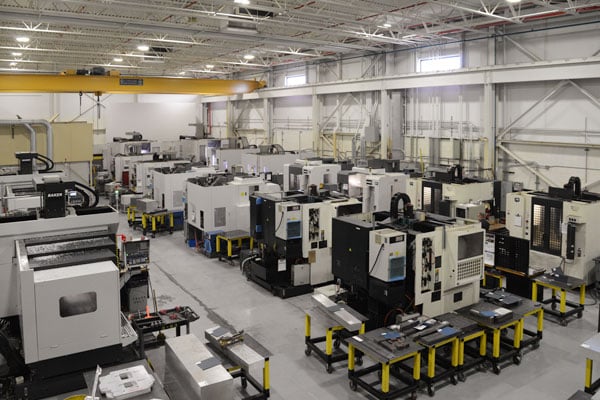
Ever wondered how complex metal or plastic components get made with such incredible precision? The answer often leads back to the CNC shop—a specialized facility where computer-controlled machines transform raw materials into finished parts with remarkable accuracy. Whether you need a single prototype or thousands of identical components, understanding how these facilities operate can help you navigate your next manufacturing project with confidence.
From Raw Material to Precision Part
A CNC shop is essentially a modern manufacturing hub equipped with Computer Numerical Control machines. Instead of relying solely on manual operation, these machines follow digital instructions to cut, drill, mill, or turn materials into precise shapes. Think of it as the difference between hand-drawing a blueprint versus using design software—both can produce results, but the computer-controlled approach delivers consistency that's difficult to match by hand.
The transformation from raw material to finished component follows a straightforward workflow:
- Design file input: Everything starts with a 3D model created in CAD (Computer-Aided Design) software. This digital blueprint defines the exact geometry of your part.
- Machine programming: The CAD model gets converted into G-code through CAM (Computer-Aided Manufacturing) software. This code tells the machine exactly where to move, how fast to cut, and which tools to use.
- Material setup: Operators secure the raw material—whether aluminum, stainless steel, brass, or engineering plastics—and install the appropriate cutting tools.
- Automated cutting or milling: The machine executes the programmed instructions, removing material layer by layer until the final shape emerges.
According to industry standards, this automated process achieves tolerances often reaching ±0.005 mm—about the width of a human hair. Such precision makes these facilities indispensable for industries where exactness matters.
The Digital Brain Behind Modern Manufacturing
What sets a state of the art CNC machine shop apart from traditional manufacturing? The answer lies in that "digital brain" running the operation. Before CNC technology, machinists manually operated every machine movement—a process that was slower, less consistent, and prone to human error.
Today's computer-controlled systems eliminate guesswork. The G-code program dictates every detail: cutter movements, cutting speed, depth of cut, tool changes, and the exact path the cutting tool follows. This automation means the first part and the thousandth part come out virtually identical.
It's worth noting that not every business calling itself a "CNC shop" offers the same services. Some facilities focus on custom manufacturing—taking your design and producing finished components. Others primarily sell replacement parts, tooling, and accessories for CNC machines. When you're searching for manufacturing services, you'll want a facility with actual machining capabilities, skilled operators, and the equipment to handle your specific project requirements.
The best CNC machines shops in the world combine advanced equipment with experienced personnel who understand both the technology and the materials. This combination of digital precision and human expertise is what transforms a solid block of metal or plastic into the exact component you need—whether that's a bracket for an automotive application, a housing for medical equipment, or a custom prototype for your next product launch.
Who Uses CNC Shop Services and Why
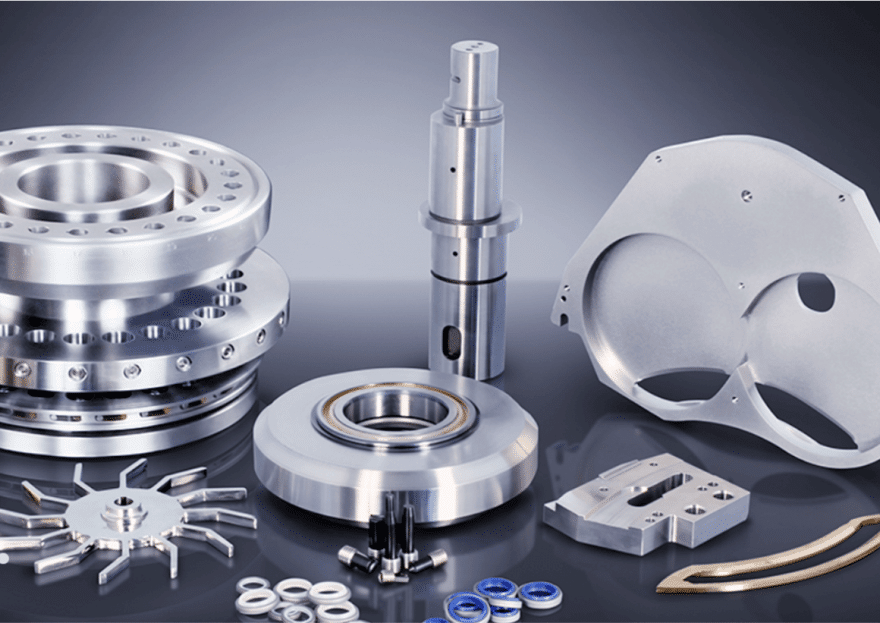
So who actually walks through the doors of a CNC facility with a project in hand? The answer might surprise you—it's not just large manufacturers. From solo entrepreneurs prototyping their first invention to aerospace giants producing mission-critical components, the range of customers is remarkably diverse. Understanding where you fit in this spectrum helps you communicate your needs more effectively and find a shop equipped to handle your specific requirements.
Industries That Depend on Precision Machining
Nearly every sector that builds physical products relies on CNC machining at some stage. According to industry analysis, CNC technology is used directly or indirectly in almost every manufacturing industry imaginable. Here's a breakdown of major sectors and what they typically need:
- Aerospace: Engine mounts, fuel flow components, landing gear parts, and fuel access panels. Safety-critical applications demand ultra-tight tolerances and certified quality processes.
- Automotive: Gearboxes, axles, valves, cylinder blocks, and dashboard panels. Both prototyping during R&D and high-volume production runs are common.
- Medical and Healthcare: Surgical instruments, bone screws, prosthetic components, and implants. Precision smooth surface finishes are essential since many parts remain inside patients' bodies.
- Electronics: Housings, heat sinks, connectors, and enclosures. Small-scale construction with absolute consistency is the priority here.
- Marine: Hull components, propeller shafts, and interior trimmings for boats and water transportation requiring quality craftsmanship.
- Energy: Wind turbine blades, pipeline components, and refinery parts for both renewable and traditional energy sectors.
- Cabinet Making and Woodworking: Custom millwork, furniture components, and decorative elements where a CNC router for the small shop can dramatically increase productivity.
From Hobbyist Projects to Industrial Production
What separates a weekend maker from a Fortune 500 manufacturer? Often, it's simply scale and complexity—not necessarily the underlying technology. Both can benefit from the same precision machining processes, just configured differently.
Hobbyists and small businesses typically need:
- Single prototypes or small batches (1-50 pieces)
- Shorter lead times for iterative design testing
- Flexible minimum order quantities
- Guidance on design optimization for machinability
Industrial manufacturers, on the other hand, often require:
- High-volume production runs (thousands or millions of parts)
- Consistent quality across extended production schedules
- Industry-specific certifications and documentation
- Statistical process control and traceability
If you're wondering about the ROI on a cabinet shop CNC or considering how to use CNC projects for the shop you're building, the math often comes down to volume and complexity. A hobbyist creating one-off signs or custom furniture pieces has different economics than a cabinet maker producing hundreds of identical drawer fronts monthly. Both can find value in CNC services—the key is matching your needs with a provider equipped to handle your project scale.
Now that you understand who uses these services, the next logical question is: what can they actually do? Let's explore the specific capabilities you'll find at professional CNC facilities.
Essential Services Offered by Professional CNC Shops
When you approach a CNC facility for the first time, the menu of available services can feel overwhelming. Milling, turning, routing, drilling—what's the difference, and which one do you actually need? Understanding these core capabilities helps you communicate your project requirements clearly and ensures you're working with a shop equipped to deliver exactly what you're looking for.
Core Machining Capabilities
Most professional facilities offer several fundamental processes, each designed for specific part geometries and materials. Here's what you'll commonly encounter:
CNC Milling: The workpiece stays stationary while rotating cutting tools remove material along multiple axes. This process excels at creating flat surfaces, pockets, slots, and complex three-dimensional contours. According to manufacturing experts, milling offers advanced precision capabilities and works with challenging materials including steel, titanium, aluminum, and engineering plastics.
CNC Turning: Here, the workpiece rotates while the cutting tool remains stationary. This approach is ideal for cylindrical or symmetrical components like shafts, rods, bushings, and pipes. Turning is generally faster and more cost-effective than milling for round parts.
CNC Routing: Similar to milling but optimized for softer materials and larger workpieces. Routers typically handle wood, plastics, foam, and composites at higher speeds. Many facilities can accommodate sheet sizes up to 5' x 12' and material thickness ranging from 6-7 inches, though these dimensions vary by shop.
CNC Drilling, Boring, and Reaming: These hole-making operations often work in sequence. Drilling creates the initial hole, boring enlarges and aligns it, and reaming delivers the final precise diameter with a smooth surface finish.
| CNC Process | Ideal Materials | Typical Applications | Key Advantage |
|---|---|---|---|
| CNC Milling | Metals, engineering plastics, composites | Complex 3D parts, housings, brackets | Versatility for intricate geometries |
| CNC Turning | Metals, plastics | Shafts, pins, bushings, fittings | Speed and efficiency for round parts |
| CNC Routing | Wood, plastics, foam, soft metals | Signs, cabinet parts, furniture, panels | Large format capacity, rapid cutting |
| Drilling/Boring/Reaming | All machinable materials | Precision holes, threaded features | Tight diameter tolerances, smooth finishes |
Beyond Basic Cutting
Many facilities expand their offerings beyond traditional subtractive machining. You might find waterjet cutting for materials sensitive to heat, wire EDM for extremely hard metals, or grinding services for ultra-smooth surface finishes. The availability of these specialty services often distinguishes a full-service provider from a basic job shop.
Size constraints directly affect your project planning. If your part exceeds a shop's maximum workpiece dimensions, you'll need to either find a facility with larger equipment or redesign with assembly in mind. Always confirm dimensional limits before committing to a provider.
File Formats That Keep Your Project Moving
Submitting design files in the wrong format creates delays before work even begins. According to industry guidelines, choosing the appropriate CAD file format is the cornerstone of a seamless manufacturing process.
For CNC work, these formats are most commonly accepted:
- STEP (.stp, .step): The universal standard for 3D solid models. Highly recommended for CNC machining due to broad compatibility and complete geometry transfer.
- IGES (.igs, .iges): An older but still widely supported format for exchanging 3D surface and solid models.
- Parasolid (.x_t, .x_b): Common in professional CAD environments, maintains precise geometry.
- DXF/DWG: Best for 2D profiles and routing operations. Essential for flat panel cutting and laser or waterjet work.
- Native CAD files: SolidWorks (.sldprt), Autodesk Inventor (.ipt), and similar formats work if the shop uses compatible software.
When in doubt, STEP files offer the safest path forward for 3D parts. For 2D cutting operations, DXF remains the industry workhorse.
Why Tooling Quality Shapes Your Results
Here's something that doesn't get discussed enough: the quality of cutting tools directly impacts your finished parts. Dull or low-grade tooling produces rougher surfaces, less accurate dimensions, and can even damage your material. Premium carbide or coated tools maintain sharper edges longer, enabling tighter tolerances and smoother finishes.
This is why reputable shops invest in quality tooling and replace worn cutters proactively. When evaluating providers, don't hesitate to ask about their tooling standards—it's a reliable indicator of the precision you can expect in your finished components.
With a clear picture of available services and file requirements, your next step is choosing the right provider for your specific project. What criteria should guide that decision?
How to Choose the Right CNC Shop for Your Project
Finding a provider that can deliver your parts on time, on spec, and within budget requires more than a quick internet search. According to industry experts, simply typing "CNC machine shop near me" and picking one of the top results can be a bad approach—those listings might reflect better marketing budgets rather than superior capabilities. So how do you separate the truly qualified facilities from those that just look good online?
Critical Questions to Ask Before Committing
Before you hand over your design files and commit to a production run, gather information that reveals whether a facility can actually meet your requirements. These questions help you evaluate capability, quality systems, and reliability:
- What materials do you regularly machine? You want experience, not just capability. A shop might technically be able to cut titanium, but if they primarily work with aluminum, your titanium project may encounter unexpected challenges.
- Which certifications do you hold? Industry-specific certifications demonstrate documented quality processes. ISO 9001 establishes baseline quality management, while IATF 16949 is the global standard for automotive quality management, and AS9100 addresses aerospace requirements.
- Do you outsource any part of the machining process? Some shops subcontract specialty operations. This isn't necessarily bad, but you need to know where your parts actually get made and whether quality controls extend to subcontractors.
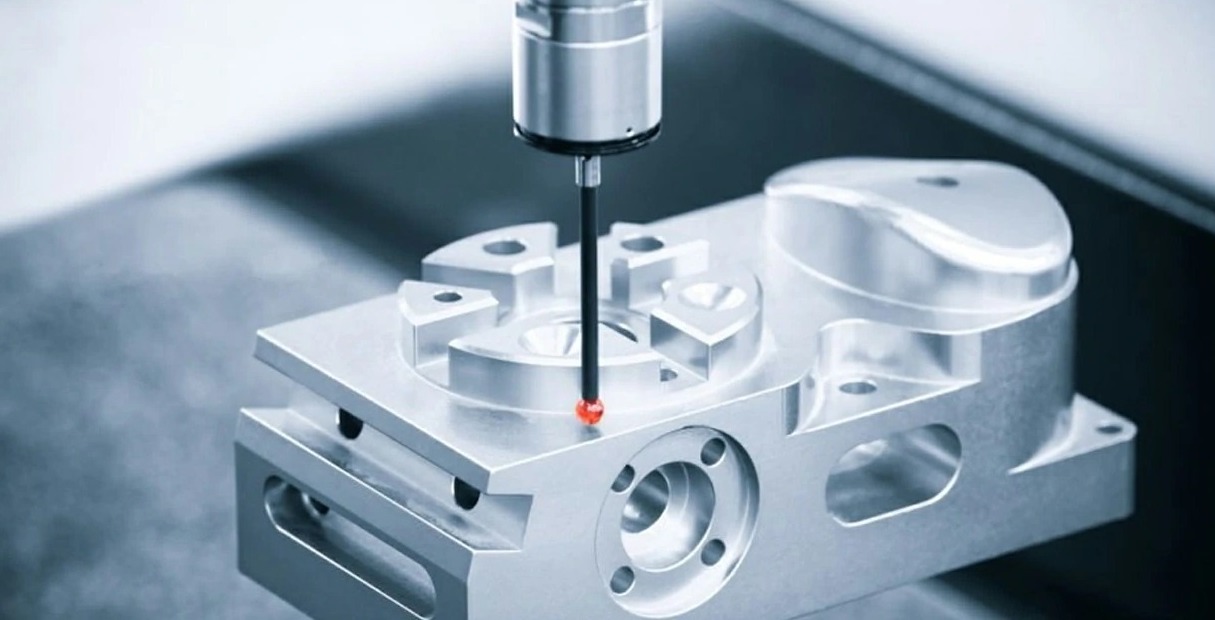
- What inspection methods do you use? Ask about CMM (Coordinate Measuring Machine) verification, gauge calibration programs, and first-article inspection processes.
- Can you provide references from similar projects? References carry more weight than testimonial quotes. Look for verifiable feedback from customers in your industry or with comparable requirements.
- What are your lead times for projects like mine? Realistic timeline estimates prevent surprises. Be wary of promises that seem too good—rushed work often means compromised quality.
- Do you guarantee on-time delivery? Strict deadlines imposed by contracts or project schedules require a provider who can commit and follow through.
Red Flags and Green Lights in Provider Selection
Beyond direct questions, certain observable factors signal whether a facility operates professionally or cuts corners.
Green lights—signs of a quality operation:
- Current certifications prominently displayed: ISO 9001, AS9100, ISO 13485, or IATF 16949 certifications indicate formalized quality systems. Maintaining these certifications requires ongoing audits and documented procedures.
- Newer equipment and updated software: Relatively new CNC machines and current CAM software suggest financial stability and commitment to precision. Outdated equipment may struggle with tight tolerances.
- Active hiring: A growing workforce often indicates a financially sound, expanding business.
- Clear communication: Responsive, detailed answers to your questions demonstrate professionalism. If getting information feels like pulling teeth before the project starts, imagine the frustration during production.
- Statistical Process Control (SPC) implementation: SPC involves monitoring production data in real time to catch variations before they become defects. Facilities using SPC demonstrate commitment to consistent quality across every part.
Red flags—proceed with caution:
- Exceptionally low pricing: Rates far below competitors often signal corners being cut—whether in materials, tooling, or quality verification.
- Vague answers about capabilities: If a shop can't clearly explain their processes or certifications, they may lack the structure to deliver reliable results.
- No references or reviews: Established facilities accumulate customer feedback. A complete absence suggests either inexperience or unhappy clients.
- Outdated equipment: Older machines may lack the precision required for demanding tolerances, and frequent breakdowns cause delays.
Verifying Industry-Specific Experience
Generic machining capability doesn't guarantee success with specialized materials or applications. Aerospace components require different expertise than cabinet hardware, and medical device parts demand stricter traceability than automotive brackets.
To verify relevant experience:
- Ask for examples of similar work: Request photos, case studies, or part samples from comparable projects.
- Confirm material-specific expertise: Machining hard ceramics or titanium alloys requires different approaches than cutting aluminum or brass. Ensure your provider has hands-on experience, not just theoretical capability.
- Check industry certifications: NADCAP accreditation validates special processes critical to aerospace and defense work. ISO 13485 covers medical device manufacturing requirements. These credentials signal sector-specific competence.
- Evaluate their supply chain: For regulated industries, your provider's material sourcing and traceability matter. Ask how they verify material certifications and maintain documentation.
Taking time to evaluate these factors upfront prevents costly mistakes later. A provider who meets your certification requirements, demonstrates relevant experience, and communicates clearly becomes a partner rather than just a vendor. Once you've identified the right match, the next step is understanding how orders and quality expectations actually work in practice.
Navigating Orders and Quality Assurance Expectations
You've found a CNC shop that seems like a good fit—but now the practical questions start rolling in. How many parts do I need to order? Why does my quote show separate line items for setup and per-unit costs? What's the difference between getting a prototype made versus running full production? These concerns are completely normal, and understanding the answers helps you budget accurately and set realistic expectations for your project.
Understanding Minimum Orders and Pricing Structures
Here's the reality that surprises many first-time customers: ordering a single part often costs far more per unit than ordering a hundred. This isn't arbitrary pricing—it reflects how CNC machining costs actually break down.
According to manufacturing cost analysis, the total price of any CNC project follows a basic formula:
Total Cost = Material Cost + (Machining Time × Machine Rate) + Setup Cost + Finishing Cost
The per-part price is simply this total divided by your quantity. Notice that setup cost appears as a fixed expense regardless of whether you order one part or one thousand. This is why volume dramatically changes your economics.
What exactly goes into that setup cost? Before a machine cuts anything:
- A skilled CAM programmer translates your 3D model into G-code instructions
- A machinist configures the machine, installs proper cutting tools, and secures fixtures
- The first piece gets carefully measured and verified against specifications
This preparation can take anywhere from one hour to a full day depending on complexity. If that setup costs $300 and you're ordering a single prototype, your one part absorbs the entire $300. Order 100 identical parts, and each unit only carries $3 of that setup expense.
Regarding minimum order quantities, policies vary significantly between providers. Some facilities specialize in prototyping and happily accept single-unit orders. Others focus on production runs and may require minimums of 50, 100, or more pieces to justify the setup investment. When requesting quotes, always confirm minimum order requirements upfront—this prevents surprises later in your project timeline.
Prototype vs Production Run Considerations
The jump from prototype to production involves more than simply ordering larger quantities. According to industry research, the cost structure differs significantly between these phases due to how fixed costs distribute and how processes optimize over time.
During prototyping, you're essentially paying premium prices for flexibility. Tool paths may not be fully optimized since the focus is validating your design rather than minimizing cycle time. General-purpose fixturing gets used instead of custom jigs. Each iteration potentially restarts portions of the programming process. The result? Higher per-unit costs but faster turnaround for design validation.
Production runs flip this equation. The same setup costs spread across hundreds or thousands of units become almost negligible per part. Operators develop efficiency through repetition. Tool paths get meticulously refined for speed. Dedicated fixtures ensure consistent positioning and faster loading. Bulk material purchases unlock significant discounts—often 10-30% below prototype quantities.
| Factor | Prototype Run (1-20 parts) | Production Run (100+ parts) |
|---|---|---|
| Cost Per Unit | High—setup costs concentrated on few parts | Low—fixed costs distributed across volume |
| Typical Lead Time | 1-5 days for simple parts | 2-6 weeks depending on quantity and complexity |
| Process Optimization | Basic—focus on functional validation | Refined—cycle times minimized for efficiency |
| Quality Verification | 100% inspection of each part | Statistical sampling with SPC monitoring |
| Tooling Approach | General-purpose fixtures | Custom dedicated fixtures for repeatability |
| Material Pricing | Small-quantity premiums apply | Bulk discounts reduce material costs |
Quality Assurance in CNC Machine Shops
How do you know the parts you receive actually meet specifications? Quality assurance processes answer this question—and the approach differs based on order type and industry requirements.
For prototypes and low-volume orders, expect 100% inspection. Each part gets individually measured against your dimensional requirements using precision instruments like calipers, micrometers, and Coordinate Measuring Machines (CMM). Detailed inspection reports often accompany delivery, documenting actual versus specified dimensions. This thorough verification ensures every prototype accurately represents your design intent.
Production runs shift toward statistical methods. Rather than measuring every single part—which would be prohibitively time-consuming for thousands of units—facilities implement Statistical Process Control (SPC). This approach samples parts at regular intervals, tracking measurements on control charts that reveal trends before they become problems. When the process stays within established control limits, you can trust that all parts meet specification without inspecting each one individually.
Key quality assurance elements to look for include:
- First-article inspection: The initial part from each production run gets thoroughly verified before full production proceeds
- In-process monitoring: Dimensional checks at critical stages catch deviations early
- Final inspection: Sampling or 100% verification before shipment depending on volume and requirements
- Calibrated equipment: Measuring instruments with current calibration certificates ensure accurate readings
- Documentation: Inspection reports, material certifications, and traceability records as required by your industry
For regulated industries like aerospace, automotive, or medical devices, quality requirements intensify. Certifications such as AS9100, IATF 16949, or ISO 13485 mandate documented procedures, auditable records, and formalized corrective action processes. If your application demands these standards, verify certification before placing orders.
Understanding these pricing structures and quality expectations helps you budget realistically and communicate clearly with potential providers. But there's another critical factor that affects every project: how long will it actually take? Let's examine what drives turnaround times and how to plan accordingly.
Understanding Turnaround Times and Production Schedules
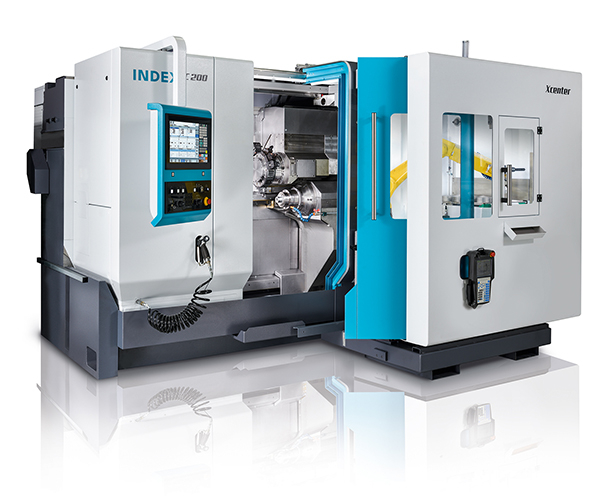
How long does CNC machining take? It's the question every customer asks—and the answer is frustratingly consistent: it depends. A simple aluminum bracket might ship in two days, while a complex titanium aerospace component could require six weeks. Understanding what actually drives these timelines helps you plan projects realistically and avoid the scramble of missed deadlines.
Factors That Impact Your Delivery Timeline
According to manufacturing research, lead time covers everything from the moment a quote is accepted until finished parts leave the dock. Multiple variables interact to determine your actual delivery date:
- Design complexity: A 3-axis facing operation on aluminum is predictable. A 5-axis simultaneous finish pass with 0.0002-inch profile tolerance? That can take 3-4 times longer in both programming and machining.
- Material availability: Common materials like 6061 aluminum or 304 stainless typically sit in stock. Specialty alloys, exotic plastics, or certified aerospace grades may require procurement time measured in days or weeks.
- Machine capacity and queue: Your part might run in 22 minutes on the mill, but if the shop's equipment is booked solid, you're waiting for an opening. Current shop load directly affects when your job even starts.
- Order volume: Larger batches require proportionally more machine time, though setup costs distribute more favorably. A 500-piece run naturally takes longer than a 5-piece prototype order.
- Quality verification requirements: First-article inspection, CMM verification, and documentation all add time. Aerospace or medical projects with extensive quality protocols require additional processing beyond basic machining.
- Downstream operations: Deburring, surface finishing, heat treatment, or plating extend timelines. If these secondary processes are backed up, your total flow time stretches accordingly.
One factor that often surprises customers: operator experience matters. According to industry data, an experienced setup technician can reduce changeover time from 90 minutes to 40 minutes on the same job. This expertise accumulates across all projects in a shop's queue, affecting overall throughput.
Expedited CNC Manufacturing Services
When deadlines are tight, many facilities offer rush options. Some providers deliver parts in as little as two days, while others can turn around urgent projects in a single working day for simpler geometries. These expedited services typically come with premium pricing—expect to pay 25-50% more for accelerated timelines.
Rush production works best when:
- Your design files are production-ready with no modifications needed
- Materials are readily available in stock
- Part geometry doesn't require extensive programming
- Quality requirements don't mandate lengthy inspection protocols
Planning for Success
Want to reduce your turnaround time without paying rush premiums? Preparation on your end makes a significant difference. These practical steps help projects flow smoothly from quote to delivery:
- Provide clean, production-ready design files: STEP files for 3D parts or properly dimensioned DXF files for 2D work eliminate back-and-forth clarification that adds days to timelines.
- Confirm material specifications upfront: Specify exact alloy grades, temper conditions, and any certification requirements before quoting. Material sourcing delays are among the most common timeline killers.
- Define tolerances clearly: Overly tight tolerances on non-critical features add machining time. Call out precision requirements only where they genuinely matter.
- Communicate finish requirements early: Surface finish specifications affect both cutting strategy and post-processing needs. Ambiguity here creates delays.
- Build buffer into your schedule: If your absolute deadline is four weeks out, request delivery at three weeks. This cushion absorbs unexpected issues without crisis management.
Effective communication with your provider also accelerates projects. Be explicit about your timeline constraints during the quoting process. Ask directly: "Can you commit to this delivery date?" A reliable partner will either confirm or propose a realistic alternative rather than overpromise and underdeliver.
According to on-demand manufacturing platforms, digital systems that provide instant quoting and centralized communication eliminate many traditional procurement delays. When ordering, production, and tracking happen through a single interface, the entire process accelerates compared to phone calls and email chains.
With realistic timeline expectations established, the final piece of the puzzle is preparing your actual design files and material specifications. Getting these elements right from the start prevents delays and often reduces costs.
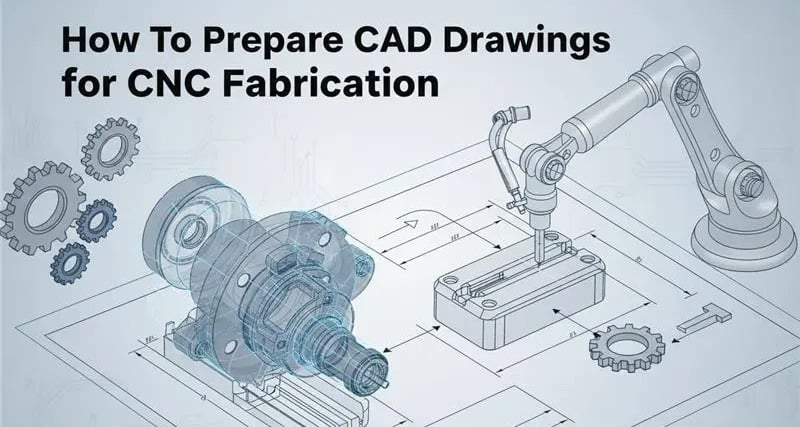
Preparing Your Design Files and Materials for CNC Work
You've selected a capable CNC shop and understand pricing structures and timelines. Now comes the step that separates smooth projects from frustrating ones: proper file and material preparation. According to machining experts, accuracy starts at the file level—CNC machines follow instructions down to fractions of a millimeter, so incomplete or improperly formatted CAD data leads to costly revisions, rejected parts, or production delays.
Design File Preparation Essentials
Ever submitted a design file only to get a callback asking for a different format? Understanding which file types work for CNC operations prevents this common frustration. Not all CAD formats translate equally well to machining instructions.
Here's what you need to know about common file formats:
- STEP (.stp, .step): The gold standard for 3D CNC work. STEP files preserve complete solid geometry and transfer seamlessly between different CAD/CAM systems. When in doubt, export as STEP.
- IGES (.igs, .iges): An older format still widely accepted for 3D surface and solid models. Compatible with most CAM software, though STEP generally offers better geometry preservation.
- Parasolid (.x_t, .x_b): Common in professional engineering environments. Maintains precise geometry and works well for complex assemblies.
- DXF/DWG: Essential for 2D operations like routing, laser cutting, and waterjet work. According to technical drawing guidelines, these formats should be saved at 1:1 scale to avoid dimension interpretation errors.
- STL: Designed for 3D printing, not CNC machining. STL files break smooth curves into triangular facets, losing the precise geometric data CNC machines need. Avoid this format for machined parts.
Beyond format selection, file quality matters tremendously. A clean design file should exclude unnecessary layers, blocks, or auxiliary elements that clutter the geometry. Dimensions should be explicit and tolerances clearly specified—especially for features requiring high precision.
Material Selection Strategies
Choosing the right material isn't just about what looks good on paper. According to material selection research, this decision directly affects machining feasibility, production speed, and final cost. The wrong choice can stall projects entirely or result in parts that fail in their intended application.
Consider these material categories and their machining implications:
- Aluminum alloys (6061, 7075): Lightweight with excellent machinability and corrosion resistance. Ideal for aerospace components, automotive parts, and enclosures. Fast cutting speeds keep costs down.
- Stainless steel (304, 316): Strong and corrosion-resistant but harder to machine than aluminum. Expect longer cycle times and higher tooling costs. Best for medical devices, marine hardware, and food processing equipment.
- Engineering plastics (POM, Nylon, PEEK): Offer low friction, chemical resistance, and lighter weight than metals. POM excels for precision gears and bearings; PEEK handles extreme temperatures in aerospace and medical applications.
- Brass: Machines beautifully with excellent surface finishes. Common for decorative parts, electrical components, and plumbing fittings.
- Titanium alloys: Outstanding strength-to-weight ratio but challenging to machine. Requires specialized tooling and slower cutting speeds—reflected in higher pricing.
Material selection also affects downstream processes. Some materials accept anodizing or plating readily; others don't. Heat treatment compatibility, weldability, and surface finishing options all depend on your material choice. When uncertain, consult your machining provider before finalizing specifications.
Your Pre-Submission Checklist
Before sending files to any CNC facility, run through this verification checklist. Proper preparation reduces errors, speeds production, and often lowers your final costs:
- File format verified: STEP for 3D parts, DXF for 2D profiles. Confirm your provider accepts your specific format version.
- Dimensions and scale confirmed: Use 1:1 scale. If different, clearly indicate the scale ratio in accompanying documentation.
- Tolerances specified: Call out critical dimensions with explicit tolerance values. General tolerances should follow standard machining capabilities (typically ±0.005" for metals).
- Material fully defined: Specify exact alloy designation, temper condition, and any certification requirements (mill certs, aerospace traceability, etc.).
- Surface finish requirements noted: Include roughness values (Ra) where surface quality matters. Common machined finishes range from Ra 3.2 μm to Ra 0.8 μm.
- Thread and hole specifications documented: Provide tap drill sizes, thread callouts, and depth requirements for all threaded features.
- Secondary operations listed: Note any post-machining requirements: heat treatment, plating, anodizing, or assembly.
- Quantity and delivery requirements stated: Include order volume and target delivery date upfront.
Taking thirty minutes to verify these elements before submission prevents days of back-and-forth communication. Your project enters the queue faster, and the shop has everything needed to quote accurately and begin production without delays.
With properly prepared files and clearly defined material requirements, you're ready to move forward with confidence. The final step is pulling everything together and taking action on your CNC manufacturing project.
Moving Forward with Your CNC Manufacturing Project
You've now walked through the entire journey—from understanding what a CNC shop actually does to preparing production-ready design files. The knowledge you've gained positions you to approach precision manufacturing with confidence rather than confusion. But information without action remains theoretical. Let's synthesize the critical elements and map out your concrete next steps for starting a CNC machining project successfully.
Your Path to Precision Manufacturing
Finding the right CNC shop partner requires balancing multiple factors simultaneously. Before reaching out to any provider, ensure you've addressed these foundational elements:
- Project requirements clarity: Know your part quantities, material specifications, tolerance requirements, and delivery timeline before requesting quotes. Vague requests generate vague responses—and often inflated pricing to cover unknowns.
- File preparation completeness: STEP files for 3D parts, DXF for 2D profiles, with dimensions at 1:1 scale and critical tolerances explicitly called out. Clean files accelerate quoting and prevent production delays.
- Budget reality check: Understand that prototypes carry higher per-unit costs due to concentrated setup expenses. If budget constraints exist, communicate them upfront—experienced providers can often suggest design modifications that reduce costs without sacrificing function.
- Timeline realism: Simple parts in common materials can ship in days. Complex geometries, specialty alloys, or extensive quality documentation extend timelines to weeks. Build buffer into your schedule rather than hoping for best-case scenarios.
According to manufacturing experts at Avanti Engineering, the selection process should systematically evaluate supplier capabilities, quality certifications, lead times, capacity, cost structure, and communication responsiveness. Rushing this evaluation to save a few days often costs weeks when problems emerge mid-production.
The single most important consideration when selecting a CNC partner is verified experience with your specific material and application—capability claims mean nothing without demonstrated results in comparable projects.
Taking the Next Step
Ready to move from planning to action? Here's your CNC manufacturing project checklist for engaging with potential providers:
- Gather your documentation: Compile design files, material specifications, quantity requirements, and target delivery dates into a single request package.
- Request quotes from multiple providers: Three to five quotes give you meaningful comparison data. Look beyond price—evaluate responsiveness, questions asked, and clarity of communication.
- Verify certifications relevant to your industry: ISO 9001 establishes baseline quality management. Industry-specific standards like IATF 16949 for automotive or AS9100 for aerospace demonstrate specialized competence.
- Ask about quality control processes: Statistical Process Control (SPC), first-article inspection, and CMM verification capabilities separate professional operations from basic job shops.
- Confirm capacity for your volume: A shop excellent for prototypes may struggle with production runs, and vice versa. Ensure your provider can scale from your current needs to future growth.
What Quality CNC Partners Look Like in Practice
Understanding abstract criteria is one thing—seeing them applied is another. Consider what distinguishes truly capable precision CNC machining services: documented quality systems with third-party certification, Statistical Process Control monitoring throughout production, and the flexibility to handle both rapid prototyping and high-volume manufacturing.
For automotive applications specifically, Shaoyi Metal Technology exemplifies these standards. Their IATF 16949 certification—the global benchmark for automotive quality management—validates their processes for producing components like chassis assemblies and custom metal bushings. With SPC-controlled production and lead times as fast as one working day for urgent projects, they demonstrate the capability profile you should seek: certified quality systems, proven industry experience, and scalable capacity from single prototypes to mass production volumes.
Whether your project involves automotive components, aerospace hardware, medical devices, or consumer products, the evaluation framework remains consistent. Look for providers who answer questions thoroughly, demonstrate relevant certifications, and show genuine interest in understanding your requirements rather than simply taking orders.
Your precision manufacturing journey doesn't end with finding the right partner—it begins there. The relationship you establish shapes every project that follows. Choose carefully, prepare thoroughly, and communicate clearly. The parts you need are waiting to be made.
Frequently Asked Questions About CNC Shops
1. What does a CNC shop do?
A CNC shop uses computer-controlled machines to transform raw materials like metals, plastics, and wood into precision parts. The process involves inputting design files, programming machines with G-code instructions, securing materials, and executing automated cutting, milling, turning, or routing operations. These facilities serve industries ranging from aerospace and automotive to medical devices and hobbyist projects, producing everything from single prototypes to high-volume production runs with tolerances as tight as ±0.005 mm.
2. What is the hourly rate for a CNC machine?
CNC machining rates vary based on machine type, complexity, and location. 3-axis machines typically cost less per hour than advanced 5-axis equipment. Your total project cost combines machine time rates with material costs, setup fees, and finishing expenses. Setup costs remain fixed regardless of quantity, which is why ordering larger volumes significantly reduces per-unit pricing. For automotive precision parts requiring IATF 16949 certification and SPC quality control, providers like Shaoyi Metal Technology offer competitive rates with lead times as fast as one working day.
3. What does CNC mean in business?
CNC stands for Computer Numerical Control, referring to automated manufacturing where computers direct machine movements rather than manual operators. In business contexts, CNC technology enables consistent production of identical parts with minimal human intervention, reducing errors and increasing throughput. Companies utilize CNC machining for prototyping new products, manufacturing production components, and creating custom parts across virtually every industry that builds physical products.
4. How do I choose the right CNC shop for my project?
Evaluate potential CNC shops based on certifications relevant to your industry (ISO 9001, IATF 16949 for automotive, AS9100 for aerospace), material expertise matching your requirements, machine capabilities for your part geometry, and communication responsiveness. Request references from similar projects, confirm quality control processes like Statistical Process Control and CMM inspection, and verify realistic lead time commitments. Avoid shops with exceptionally low pricing, vague capability answers, or outdated equipment.
5. What file formats do CNC shops require?
STEP files (.stp, .step) are the universal standard for 3D CNC machining, offering complete geometry transfer across CAD/CAM systems. For 2D operations like routing or waterjet cutting, DXF files work best. Other accepted formats include IGES, Parasolid, and native CAD files from SolidWorks or Inventor. Avoid STL files for CNC work as they convert smooth curves into triangular facets, losing the precise geometric data machines need. Always save files at 1:1 scale with explicit dimensions and tolerances.