 Small batches, high standards. Our rapid prototyping service makes validation faster and easier —
  EN
EN


Sustainable Automotive Supply Chain: A Strategic Roadmap

TL;DR
Sustainable manufacturing in the automotive supply chain integrates practices like decarbonization, waste reduction, and circular economy principles to manage environmental risks and boost operational efficiency. This strategic shift addresses the entire value chain, from raw material sourcing to end-of-life vehicle recycling, and is becoming essential for regulatory compliance, investor confidence, and long-term market competitiveness.
Understanding the Core Principles of a Sustainable Automotive Supply Chain
The concept of a sustainable automotive supply chain has evolved from a niche concern into a central pillar of modern industrial strategy. At its core, it involves a comprehensive reevaluation of the entire lifecycle of a vehicle, aiming to minimize negative environmental impacts while enhancing economic viability and social responsibility. This approach, often called green supply chain management, focuses on improving efficiency and reducing waste from the procurement of raw materials all the way to production, logistics, and eventual product disposal. It is a response to growing pressure from governments, investors, and consumers who demand greater accountability for the industry's significant environmental footprint.
Green supply chain management involves a variety of methods, including minimizing energy consumption, optimizing packaging, utilizing renewable resources, and expanding recycling efforts. By implementing these practices, automakers can not only lower manufacturing emissions but also reduce costs associated with inefficient operations or excess inventory. Technologies like the Internet of Things (IoT) and artificial intelligence (AI) are playing a crucial role, providing data-driven insights to lessen waste and cut carbon emissions, while blockchain offers greater transparency into every stage of product development.
The Circular Economy: Designing for Longevity and Reuse
A foundational principle of modern sustainability is the circular economy, which marks a departure from the traditional linear model of "take, make, dispose." In the automotive sector, this means designing vehicles and their components with disassembly, recycling, and reuse in mind. According to a report on sustainable auto industry trends, implementing circular economy principles is becoming essential. This approach maximizes resource efficiency by ensuring that materials from end-of-life vehicles are recovered and repurposed, creating a closed-loop system that drastically reduces waste and the demand for virgin resources.
Real-world applications include automakers forming partnerships for end-of-life recycling programs that repurpose steel and plastic from the manufacturing process. Furthermore, reverse logistics systems are being established to manage products after they have been used. This strategy allows components to return to the company for remanufacturing or recycling, turning potential waste into valuable assets and contributing to a more resilient and sustainable production cycle.
Decarbonization and Scope Emissions: The New Frontier
Decarbonization has become a central issue for the automotive industry. While automakers have made progress in reducing direct emissions (Scope 1) and those from purchased energy (Scope 2), the greatest challenge lies in upstream Scope 3 emissions. As detailed in an analysis by Bain & Company, these are the indirect emissions generated throughout the supply chain, which can account for a massive portion of a vehicle's total carbon footprint. The challenge is amplified by the rise of electric vehicles (EVs), which have more than double the upstream emissions of internal combustion engine (ICE) vehicles, largely due to the carbon-intensive battery manufacturing process.
Tackling Scope 3 emissions requires unprecedented collaboration across the entire value chain, from raw material suppliers to Tier 1 component manufacturers. Automakers must establish a transparent baseline of their supply chain's carbon footprint and work with partners to implement reduction strategies. This includes demanding the use of green energy in supplier factories, sourcing low-carbon materials, and optimizing logistics. Success in this area is no longer optional; it is becoming a key criterion in procurement processes and a critical factor for securing investment and maintaining a competitive edge.
Key Strategies for a Greener Automotive Value Chain
Transitioning to a sustainable model requires the implementation of concrete strategies and technologies across the automotive value chain. These initiatives range from transforming energy sources at production plants to rethinking the very materials used to build vehicles. By adopting a multi-faceted approach, automakers can make significant strides in reducing their environmental impact while often discovering new efficiencies and innovations along the way.
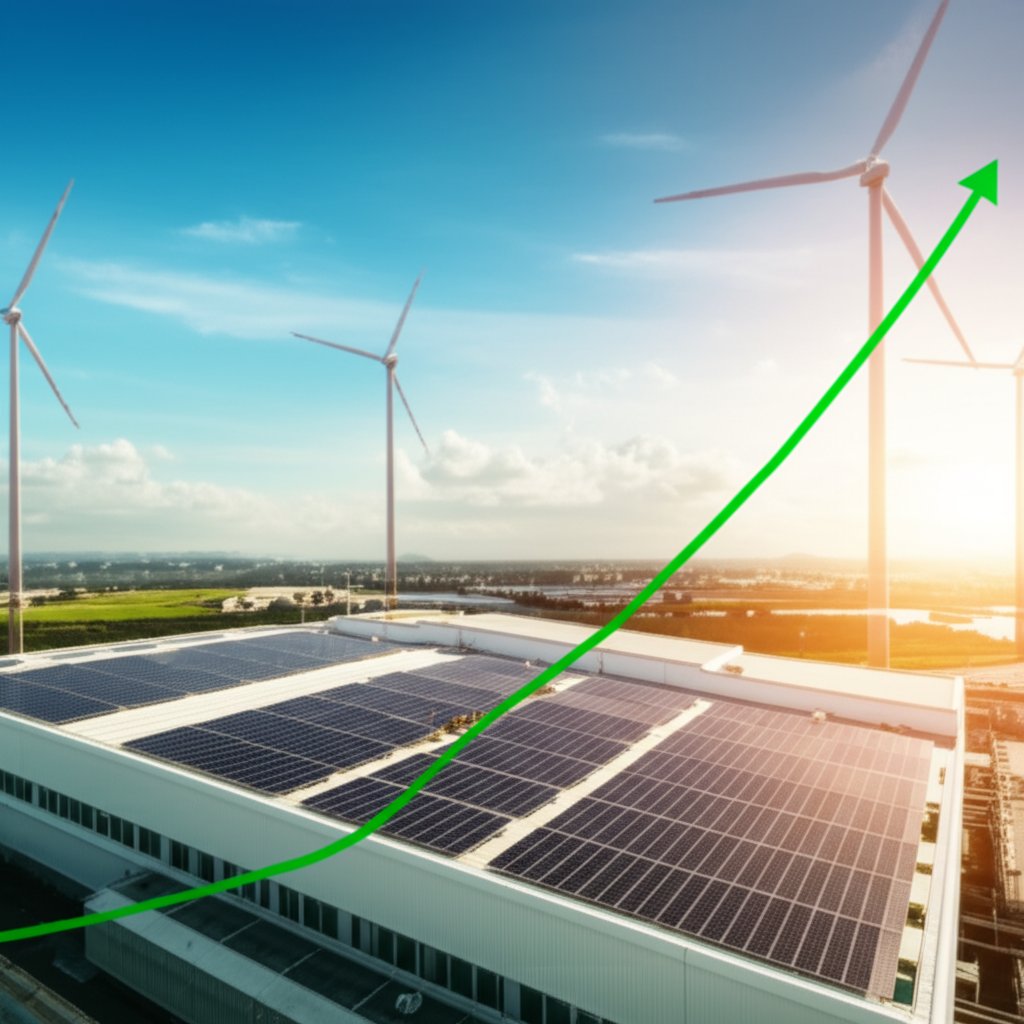
- Renewable Energy Integration: A primary step is shifting the power sources for production facilities away from fossil fuels. As noted by Global Trade Magazine, many manufacturers are investing in solar and wind technology to power their plants. For example, Ford's solar power plant in Spain is a testament to the industry's move toward self-generated clean energy, directly reducing the carbon footprint of the manufacturing process itself.
- Advanced Materials and Lightweighting: The materials used in vehicle construction have a profound impact on efficiency. The industry has seen a significant shift from traditional steel to lighter materials like aluminum, which reduces a vehicle's weight, thereby improving fuel economy and lowering emissions. Aluminum is also highly recyclable, contributing to circular economy goals. For projects requiring precision-engineered lightweight components, specialized suppliers offer solutions like custom aluminum extrusions that meet strict industry standards. For automotive projects demanding precision-engineered components, consider custom aluminum extrusions from a trusted partner. Shaoyi Metal Technology offers a comprehensive one-stop service, from rapid prototyping that accelerates your validation process to full-scale production, all managed under a strict IATF 16949 certified quality system.
- Waste Reduction and Reverse Logistics: Leading automakers are aggressively tackling waste. This includes implementing just-in-time production philosophies to minimize excess inventory and creating robust recycling programs. As described in a resource from American Public University, reverse logistics, or closed-loop systems, are critical for managing products at their end-of-life, ensuring components are repurposed rather than sent to a landfill.
- Enhanced Transparency with Technology: Building a truly sustainable supply chain requires visibility. Technologies like blockchain are being adopted to enhance transparency and traceability of materials from source to factory. This accountability ensures that suppliers adhere to ethical and environmental standards, helping manufacturers audit their partners and validate their sustainability claims.

Navigating the Challenges of Implementation
The path toward a sustainable automotive supply chain is not without significant obstacles. While the long-term benefits are clear, automakers and their suppliers must navigate a complex landscape of economic, technical, and logistical challenges. Acknowledging and strategically addressing these hurdles is crucial for a successful transition.
One of the most immediate barriers is the high upfront cost associated with sustainable technologies. Investing in renewable energy infrastructure, developing new eco-friendly materials, and retooling factories for EV production requires substantial capital. These costs can make vehicles more expensive for consumers, at least in the short term, creating a potential conflict between sustainability goals and market accessibility. However, experts predict that costs for key components, like EV batteries, will fall over time, eventually making sustainable vehicles cheaper to produce than their ICE counterparts.
Furthermore, supply chain complexity presents a persistent challenge, particularly in the sourcing of raw materials for EV batteries. Minerals such as lithium, cobalt, and nickel are concentrated in a few geographic regions, raising concerns about ethical sourcing, environmental degradation from mining, and geopolitical instability. Managing a global network of suppliers while ensuring each one complies with stringent sustainability standards requires sophisticated tracking and auditing systems. The industry's heavy reliance on upstream value creation means that an automaker is only as sustainable as its least sustainable supplier, making comprehensive oversight essential.
The Future Outlook: Sustainability as a Core Business Imperative
Looking ahead, sustainable manufacturing is no longer a peripheral corporate social responsibility initiative but a core driver of business strategy and operational efficiency in the automotive industry. The future success of automakers will increasingly depend on their ability to effectively integrate sustainable practices across their entire supply chains. This shift is driven by a convergence of regulatory pressure, investor expectations, and evolving consumer demands.
Decarbonization is set to become a non-negotiable requirement for doing business. As leading OEMs commit to ambitious net-zero targets, they are cascading these requirements down to their suppliers. Companies that fail to meet these new standards for carbon reduction will risk being excluded from new business opportunities. Being a frontrunner in decarbonization offers significant competitive advantages, including preferential access to limited resources like green steel and recycled aluminum, as well as higher valuations from investors who prioritize strong ESG (Environmental, Social, and Governance) performance.
Ultimately, the integration of sustainability and operational excellence will define the next generation of automotive leaders. By embedding decarbonization into key processes like product development and strategic planning, companies can make smarter trade-offs between carbon footprint, cost, and performance. The journey is complex, but the destination is clear: a resilient, efficient, and sustainable automotive supply chain that creates lasting value for the business, society, and the planet.
Frequently Asked Questions
1. What are some examples of sustainable practices in the automotive industry?
Key examples include using renewable energy sources like solar and wind to power manufacturing plants, shifting to lighter and more recyclable materials such as aluminum, implementing circular economy principles to reuse and recycle components from end-of-life vehicles, and improving the fuel economy of traditional vehicles while expanding the production of electric vehicles (EVs).
2. Why is decarbonizing the supply chain so difficult for automakers?
Decarbonizing the automotive supply chain is challenging due to its immense complexity and reliance on energy-intensive materials. The biggest hurdle is managing upstream Scope 3 emissions, which are indirect emissions from suppliers that are outside an automaker's direct control. The rise of EVs adds another layer of complexity, as battery production is highly carbon-intensive, increasing the total upstream emissions compared to conventional vehicles.
3. What is the circular economy in the context of the auto industry?
In the auto industry, the circular economy is a model focused on eliminating waste and maximizing the use of resources. This involves designing vehicles for easy disassembly, creating systems for remanufacturing old parts, and establishing robust recycling programs to recover valuable materials like steel, plastic, and battery minerals. The goal is to create a closed-loop system where materials from old cars are used to build new ones.