 Small batches, high standards. Our rapid prototyping service makes validation faster and easier —
  EN
EN


The Essential Role of Structural Extrusions in Commercial Vehicles
TL;DR
Structural extrusions, primarily made from high-strength aluminum alloys, are essential components in the manufacturing of commercial vehicles. They are strategically used to significantly reduce vehicle weight while maintaining or even enhancing structural integrity. This lightweighting leads to improved fuel efficiency and increased payload capacity, while also offering superior corrosion resistance and remarkable design flexibility for complex, integrated parts.
The Critical Role of Extrusions in Modern Commercial Vehicles
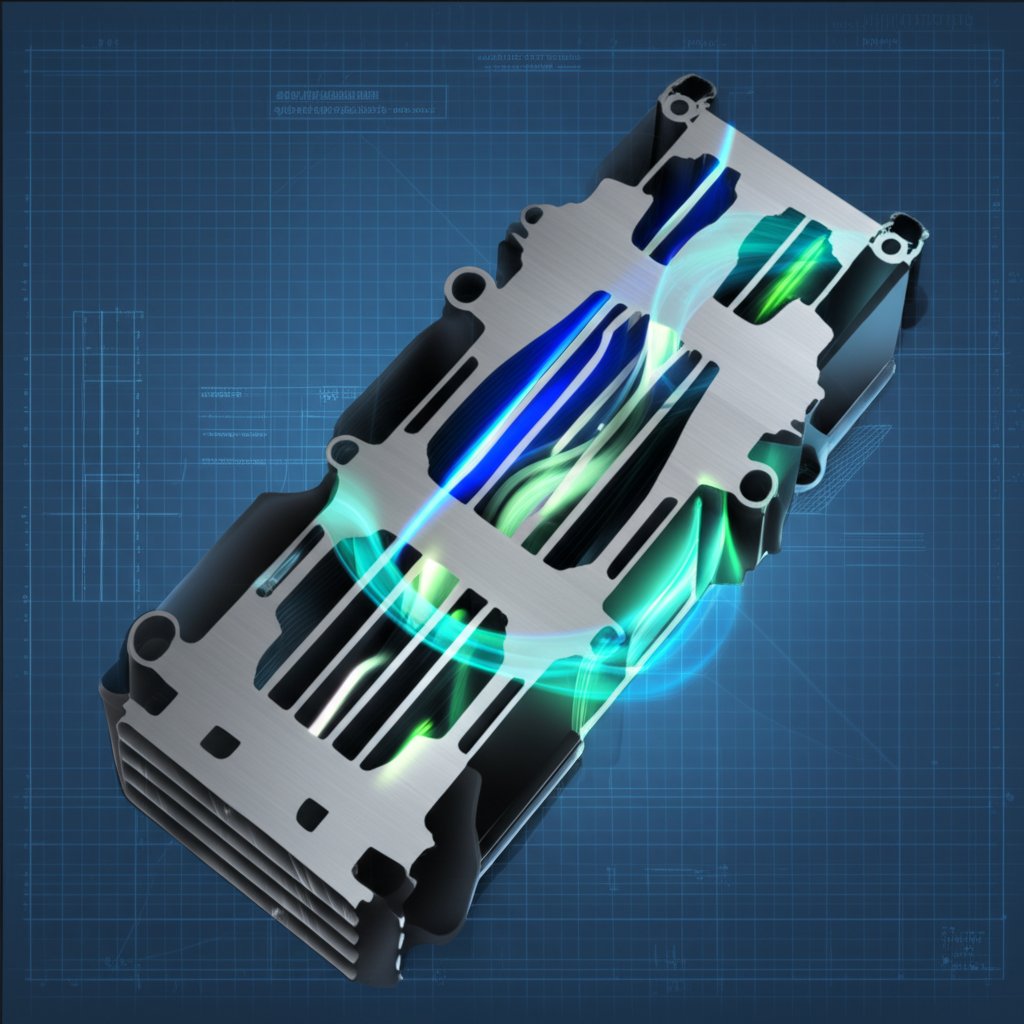
Structural extrusions are metal profiles created by forcing a heated billet of material, typically aluminum, through a shaped die. This process allows for the creation of complex cross-sections that are uniform along their length. In the context of commercial vehicles, these components are fundamental to achieving modern engineering goals, providing a combination of strength, low weight, and durability that is difficult to match with traditional materials like steel.
The primary benefit of using aluminum extrusions is lightweighting. Reducing a vehicle's curb weight directly translates to better fuel economy or, in the case of electric vehicles, extended range. For every pound of aluminum that replaces two pounds of steel, significant fuel savings can be realized over the vehicle's lifespan. This weight reduction also allows for an increased payload, meaning a truck or trailer can carry more goods per trip, directly boosting operational efficiency and profitability. As noted by the Aluminum Extruders Council, this is a critical factor driving their adoption in the industry.
Another key advantage is the exceptional strength-to-weight ratio of aluminum alloys. Modern alloys used in extrusions can withstand immense stress, making them ideal for structural and safety-critical applications. Furthermore, aluminum naturally forms a protective oxide layer, giving it excellent corrosion resistance. This reduces maintenance needs and extends the vehicle's service life, a crucial consideration for commercial fleets where downtime is costly.
Finally, the extrusion process offers unparalleled design versatility. Engineers can design profiles that integrate multiple functions into a single component—such as mounting points, cooling channels, or stiffening ribs. This consolidation of parts simplifies assembly, reduces complexity, and can lower overall manufacturing costs. This ability to create optimized, application-specific shapes is a significant advantage over stamped or welded steel components.
Key Applications: Where Extrusions Are Used in Trucks and Trailers
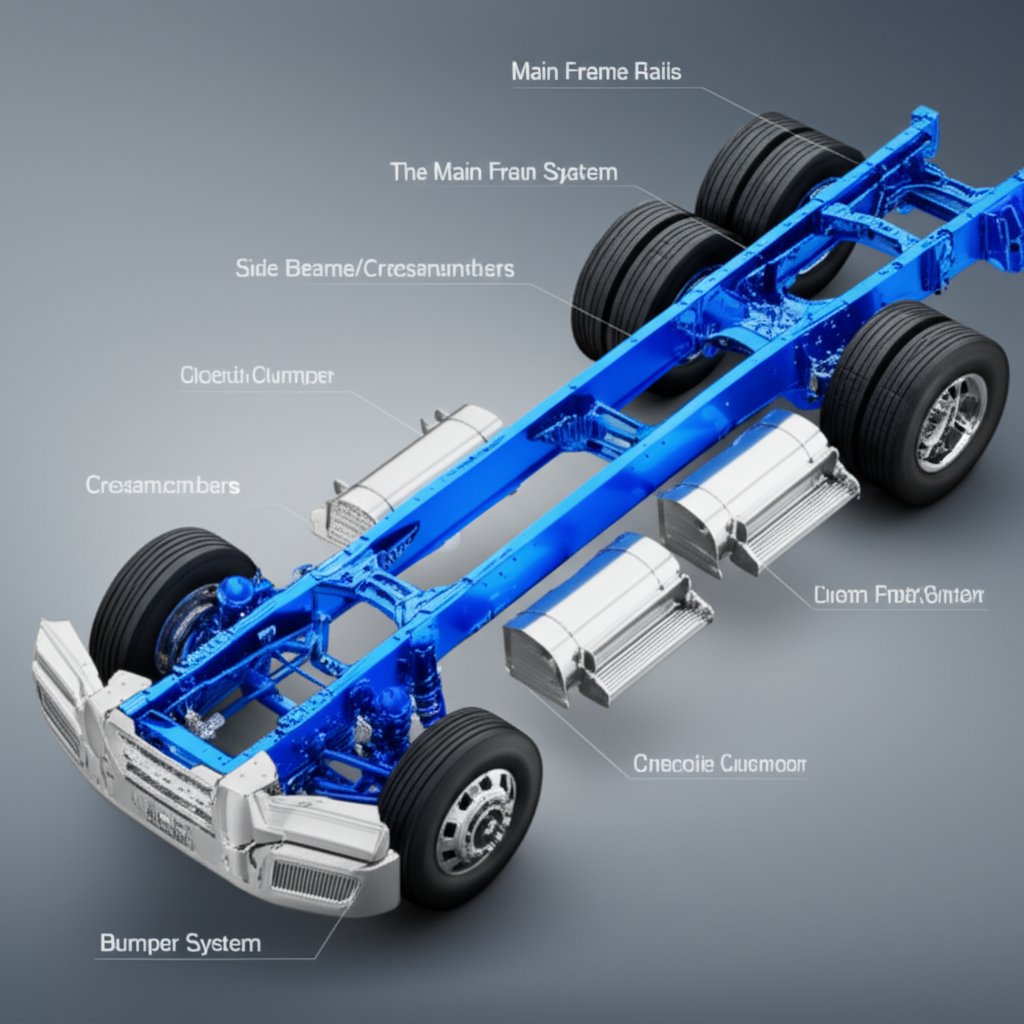
The versatility of structural extrusions allows them to be used in nearly every part of a commercial vehicle, from the chassis to the cargo hold. Their application is driven by the need for lightweight, durable, and structurally efficient components. Trailer manufacturers, in particular, are open about their extensive use of extrusions to gain a competitive edge in payload capacity and longevity.
Common applications for structural extrusions in trucks and trailers include:
- Chassis and Frame Components: Extruded aluminum beams are used for side protection systems on electric tractors, cross-members supporting the floor, and parts of the landing gear. In applications like refrigerated trailers (“reefers”), aluminum cross-members are favored to save weight.
- Body and Structural Parts: Extrusions are integral to trailer bodies, forming corner posts, side wear bands, roof rails, and door frames. Flatbed trailers often use large, strong extruded beams as the central support for the entire platform.
- Flooring Systems: Aluminum is often selected over wood for trailer flooring because it does not absorb moisture, prevents mold, and is easier to clean. Extruded flooring planks can be designed with interlocking features for strength and slip-resistant surfaces for safety.
- Safety Systems: A critical application is in Front Underrun Protection Systems (FUPS). These are assemblies of extruded profiles attached to the front of a truck to absorb impact energy and prevent smaller vehicles from going underneath the truck in a collision. The high energy absorption capability of aluminum—twice that of steel by weight—makes it ideal for these and other crash management components like bumper beams and crash boxes.
- Cargo Management: Inside trailers, extruded aluminum tracks and beams are used for load securement systems. The ability to create precise geometries makes it easy to design adjustable and lightweight mechanisms for securing cargo.
Essential Materials and Alloys for Structural Performance
The vast majority of structural extrusions used in commercial vehicles are made from 6000-series aluminum alloys. This series, which includes magnesium and silicon, is favored for its excellent combination of strength, corrosion resistance, formability, and weldability. While other series exist, the 6000-series provides the best all-around performance for most structural applications in the cost-competitive trailer market.
While many variations exist, a few key alloys are prevalent in the industry:
| Alloy | Key Characteristics | Common Applications |
|---|---|---|
| 6061-T6 | Highly versatile with good strength, weldability, and corrosion resistance. It is considered the workhorse of structural aluminum alloys. | Frames, cross-members, structural components, flooring, and general fabrication. |
| 6082-T6 | Offers slightly higher tensile strength than 6061, making it suitable for more demanding structural applications. | Highly stressed components, chassis parts, and applications requiring maximum durability. |
| 6005A-T6 | Provides good extrudability for creating complex shapes, with mechanical properties falling between 6061 and 6063. | Intricate profiles, structural parts where form is as critical as strength. |
The "T6" temper designation is crucial, indicating that the alloy has been solution heat-treated and then artificially aged. This process significantly increases the material's strength and hardness, making it suitable for load-bearing structural roles. The selection of a specific alloy depends on a balance of required strength, manufacturing complexity, corrosion environment, and overall cost. For most trailer engineers, 6061-T6 is the preferred choice due to its proven performance and wide commercial availability.

Design and Manufacturing Considerations for Vehicle Extrusions
The aluminum extrusion process provides engineers with a powerful tool for optimizing vehicle design. The ability to dictate the precise shape of a component allows for part consolidation, where a single extrusion can replace an assembly of multiple steel parts. This not only reduces weight but also simplifies the supply chain and manufacturing process, leading to potential cost savings and improved build quality. This design freedom is a core advantage that drives the adoption of extrusions in transportation.
Designs can range from simple angles and channels to complex, multi-hollow profiles tailored for a specific function. For instance, an extruded rocker panel on an electric delivery van is designed not only for structural support but also to absorb crash energy and protect the vehicle's battery pack. This integration of safety and structure into one part showcases the efficiency of designing with extrusions. These components can be further processed through bending, CNC machining, and welding to create complete, ready-to-install assemblies.
While standard profiles are available, many applications benefit from custom-designed extrusions. For automotive projects demanding precision-engineered components, consider custom aluminum extrusions from a trusted partner. Shaoyi Metal Technology offers a comprehensive one-stop service, from rapid prototyping that accelerates your validation process to full-scale production, all managed under a strict IATF 16949 certified quality system. They specialize in delivering strong, lightweight, and highly customized parts tailored to exact specifications.
Frequently Asked Questions
1. Are aluminum extrusions as strong as steel for vehicle structures?
While steel may have higher absolute strength, aluminum alloys offer a superior strength-to-weight ratio. This means that for a given strength requirement, an aluminum component can be significantly lighter than its steel counterpart. Engineers design extruded components with thicker sections or reinforcing ribs to achieve the necessary structural performance while still saving considerable weight.
2. How do extrusions improve vehicle safety?
Aluminum extrusions are highly effective at absorbing crash energy. They can be designed to crush in a controlled and predictable manner during an impact, dissipating force and protecting vehicle occupants. This property is leveraged in components like bumper beams, crash boxes, and Front Underrun Protection Systems (FUPS) to meet and exceed safety regulations.
3. What is the environmental impact of using aluminum extrusions?
Aluminum is highly sustainable because it is infinitely recyclable without loss of quality. Studies show that over 90% of aluminum from vehicles is recovered and recycled at the end of their life. The lightweighting provided by extrusions also reduces fuel consumption and greenhouse gas emissions over the vehicle's operational lifetime, contributing to a smaller overall environmental footprint.