 Small batches, high standards. Our rapid prototyping service makes validation faster and easier —
  EN
EN


Streamline Production With Automotive Contract Manufacturing

TL;DR
Automotive contract manufacturing is the strategic outsourcing of vehicle parts and assembly production to specialized third-party companies. This approach allows original equipment manufacturers (OEMs) to streamline their supply chain, reduce significant capital expenditures, and gain access to advanced production capabilities and expertise without building them in-house. It is a critical strategy for enhancing efficiency and scalability in the complex automotive industry.
What Is Automotive Contract Manufacturing?
Automotive contract manufacturing involves a partnership where an automotive company (the OEM or a Tier 1 supplier) hires an external firm to produce components, sub-assemblies, or even complete systems according to provided specifications. The core idea is to leverage the specialized skills, equipment, and efficiencies of a manufacturing partner rather than handling all production internally. This model is fundamental to the modern automotive supply chain, where complexity and speed-to-market are paramount.
The scope of these partnerships can vary dramatically. On one end, a contract manufacturer might be tasked with producing a single, high-precision component, such as a specific gear for a transmission system. On the other end, the partnership could involve the complete assembly of complex modules like seating systems or instrument panels. The OEM provides the design and quality requirements, while the contract manufacturer manages the production process, from sourcing raw materials to final quality control.
This model is especially prevalent in the automotive sector due to immense capital costs and the need for specialized knowledge. Building and equipping a factory for a specific process like injection molding or metal stamping requires a massive investment. By outsourcing, automotive companies can convert these fixed costs into variable costs, paying only for the parts they need. This frees up capital for core activities like research and development, vehicle design, and marketing, as highlighted by industry experts at PMi2.
Core Services and Capabilities in Automotive Manufacturing
Automotive contract manufacturers offer a wide array of specialized services tailored to the industry's rigorous standards. These capabilities allow OEMs to access advanced production technologies on demand. Key services often include:
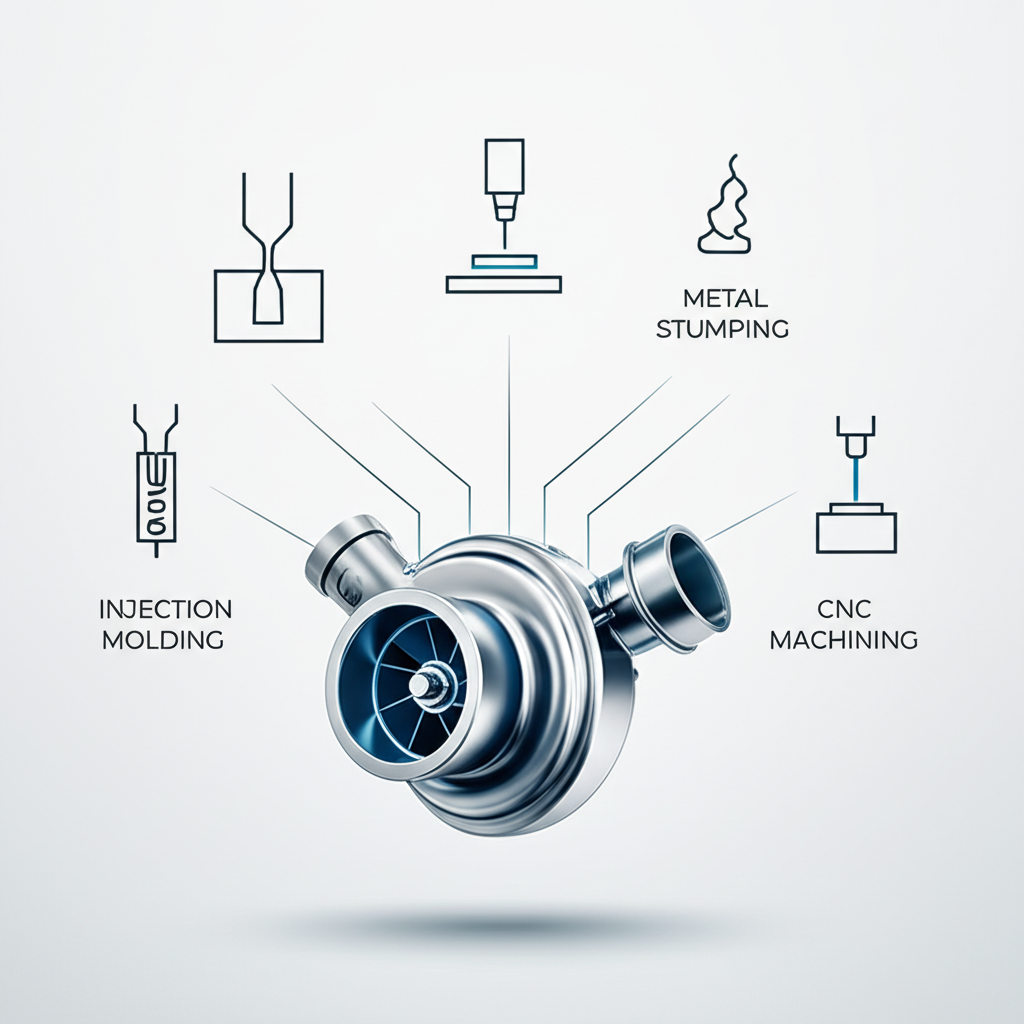
- Precision Metal Stamping and Fabrication: This involves shaping metal sheets into specific parts using dies and stamping presses. It's essential for creating body panels, brackets, and structural components. Progressive die stamping and in-die assembly are advanced techniques that improve efficiency.
- Plastic Injection Molding: A process where molten plastic is injected into a mold to create components. This is used for a vast range of parts, including interior trim, dashboards, bumpers, and housings for electronics. Insert molding and overmolding are specialized techniques to combine plastics with other materials like metal.
- CNC Machining: Computer Numerical Control (CNC) machining uses automated tools to create highly precise components from metal or plastic blocks. This is crucial for engine parts, transmission components, and other parts requiring tight tolerances.
- Prototyping and Tooling: Before mass production, contract manufacturers create prototypes to test design and function. As noted by specialists like RCO Engineering, this includes everything from additive manufacturing (3D printing) for early models to creating the production tooling, jigs, and fixtures needed for assembly lines.
- Assembly and Kitting: Many partners go beyond part production to offer sub-assembly services, where they combine multiple components into a single module. Kitting involves grouping all necessary parts for a specific assembly step, streamlining the final vehicle production line.
- Metal Forging: For components requiring superior strength and durability, such as suspension parts or drivetrain components, forging is a critical process. For specialized needs like high-strength parts, companies often seek experts in hot forging. For instance, for robust and reliable automotive components, you can check out the custom forging services from Shaoyi Metal Technology, which offers advanced automotive forging solutions, from rapid prototyping to mass production, backed by IATF16949 certification.
Key Benefits of Outsourcing Your Automotive Parts Production
Partnering with a contract manufacturer offers significant strategic advantages that go beyond simple cost savings. These benefits help automotive companies become more agile, efficient, and competitive in a rapidly evolving market.
Significant Cost Reduction
One of the most compelling benefits is the reduction of capital expenditure. Instead of investing millions in specialized machinery, facility space, and a skilled workforce, OEMs can leverage the existing infrastructure of their manufacturing partner. This transforms fixed costs into variable costs, improving budget flexibility and freeing up capital for strategic investments in innovation and brand development.
Access to Specialized Expertise and Technology
Contract manufacturers are specialists in production. They often possess cutting-edge technology and a highly skilled workforce focused exclusively on manufacturing excellence. As firms like LMC Industries emphasize, this expertise ensures parts are designed for manufacturability, which optimizes production for quality and speed. By outsourcing, an OEM gains immediate access to advanced processes like 5-axis CNC machining or complex molding techniques without the steep learning curve or investment.
Enhanced Scalability and Flexibility
The automotive market is subject to fluctuations in demand. Contract manufacturing provides the flexibility to scale production up or down quickly without the burden of maintaining idle equipment or staff during downturns. This agility is crucial for launching new models, responding to market trends, or managing seasonal demand, allowing companies to be more responsive to their customers.
Streamlined Supply Chain and Increased Focus
Outsourcing production simplifies the supply chain. A turnkey contract manufacturer like Supply Source Options can manage everything from raw material procurement to assembly and logistics. This allows the OEM to focus on its core competencies—vehicle design, engineering, marketing, and final assembly. By offloading the complexities of component manufacturing, internal teams can dedicate their resources to innovation and accelerating time-to-market.
How to Select and Qualify the Right Manufacturing Partner
Choosing the right contract manufacturer is a critical decision that can significantly impact your product quality, budget, and timeline. A thorough vetting process is essential to ensure you find a reliable and capable partner. Based on expert guidance, here are key areas to consider:
- Capabilities and Technology: The first step is to confirm that the potential partner has the specific manufacturing capabilities required for your parts. This includes the right equipment, technology, and processes, whether it's multi-axis CNC machining, high-tonnage injection molding, or certified welding. Request a detailed list of their equipment and technical capacities.
- Experience and Industry Reputation: Look for a manufacturer with proven experience in the automotive sector. Ask for case studies, a portfolio of past projects, and references from other automotive clients. An experienced partner will understand the industry's unique demands, standards, and terminology.
- Quality Management Systems: Quality is non-negotiable in the automotive industry. Verify that the manufacturer holds relevant certifications, such as ISO 9001 and, crucially, IATF 16949, which is the international standard for automotive quality management systems. Inquire about their quality control processes, inspection procedures, and traceability systems.
- Production Capacity and Scalability: Assess their ability to meet your volume requirements, both now and in the future. Can they handle your projected production ramp-up? Discuss their current capacity, lead times, and how they manage fluctuations in demand to ensure they can grow with your needs.
- Engineering and Design Support: A great partner acts as more than just a parts producer; they provide valuable engineering feedback. Look for a manufacturer with a strong engineering team that can offer Design for Manufacturability (DFM) analysis to help optimize your designs for efficiency, cost-effectiveness, and quality.
- Communication and Transparency: Effective and clear communication is the bedrock of a successful partnership. The manufacturer should be responsive, transparent, and provide regular updates. Establish clear communication channels and points of contact from the outset.
Understanding and Mitigating the Risks
While contract manufacturing offers many benefits, it also comes with potential risks. Acknowledging and proactively managing these challenges is key to a successful outsourcing relationship.
Intellectual Property (IP) Protection
One of the most significant risks is the potential theft of your intellectual property. When you outsource, you are sharing sensitive designs, specifications, and proprietary processes with an external partner. To mitigate this, it is crucial to have a robust non-disclosure agreement (NDA) in place before sharing any confidential information. Furthermore, thoroughly vet the potential partner's reputation for integrity and consider working with manufacturers in regions with strong IP protection laws.
Quality Control Challenges
Relinquishing direct control over production can lead to concerns about quality consistency. A part that fails to meet specifications can cause major disruptions on your assembly line and damage your brand's reputation. The best way to manage this risk is by choosing a partner with a certified quality management system (like IATF 16949). Establish a clear Quality Agreement that outlines specifications, inspection criteria, and procedures for handling non-conforming parts. Regular audits and site visits can also help ensure standards are being met.
Supply Chain Dependencies and Communication Gaps
Relying on a single external partner creates a dependency that can be risky. Delays at their facility due to equipment failure, labor shortages, or logistical issues can halt your entire production. To mitigate this, consider diversifying your supply chain with backup suppliers for critical components. Clear, consistent communication is also vital. Geographic distance and cultural differences can create misunderstandings, so establishing regular meetings and clear reporting protocols is essential to keep projects on track.
Frequently Asked Questions
1. How risky is contract manufacturing?
Contract manufacturing involves risks such as potential intellectual property theft, challenges in maintaining consistent quality control, and supply chain dependencies. However, these risks can be effectively managed through careful partner selection, strong legal agreements like NDAs, choosing partners with robust quality certifications (e.g., IATF 16949), and maintaining clear, open communication channels.
2. How to qualify a contract manufacturer?
To qualify a contract manufacturer, you should evaluate several key areas. Assess their technical capabilities and equipment, review their experience in the automotive industry, and verify their quality certifications (ISO 9001, IATF 16949). It's also important to analyze their production capacity, inquire about their engineering support for design optimization, and ensure they have transparent communication practices.