 Small batches, high standards. Our rapid prototyping service makes validation faster and easier —
  EN
EN


Stainless Steel Cutting Services Decoded: From Grade Selection To Final Quote
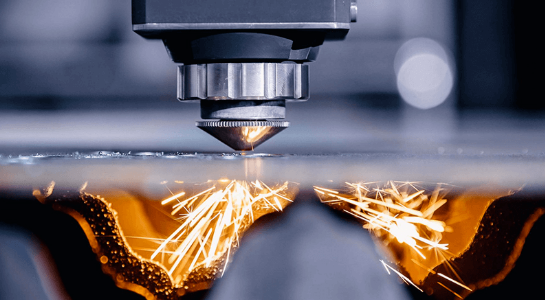
Understanding Stainless Steel Cutting Services and Their Unique Demands
When you need precision parts from stainless steel sheet metal, you quickly discover that not all cutting services are created equal. Stainless steel cutting services encompass specialized metal fabrication processes designed specifically to handle the demanding characteristics of stainless alloys. Unlike general metal cutting operations that work seamlessly with mild steel or aluminum, cutting stainless steel requires distinct expertise, specialized equipment, and carefully calibrated parameters.
Why does this matter to you? Because choosing the wrong approach can result in ruined materials, compromised part quality, and unexpected costs. Throughout this guide, you'll learn how to select the right grade for your project, compare cutting technologies, understand tolerance requirements, and navigate the quoting process with confidence.
What Makes Stainless Steel Unique for Cutting Applications
Stainless steel stands apart from other metals due to its distinctive metallurgical properties. The material contains a minimum of 10.5% chromium, which creates a self-healing protective layer on the surface. This chromium oxide barrier grants stainless steel its legendary corrosion resistance, but it also introduces significant cutting challenges.
The chromium oxide layer that protects stainless steel from corrosion actually complicates cutting operations. During thermal cutting processes, this layer oxidizes and can cause rough, blackened edges unless specific gases and parameters are used to counteract this reaction.
Beyond the oxide layer, stainless steel exhibits work hardening characteristics that frustrate conventional cutting approaches. As noted by Seco Tools, because stainless steel alloys are poor heat conductors, more heat stays in the cut instead of dissipating through chips. This increases strain hardening and raises tool usage by 20% to 40% compared to simple steels.
Consider 316 stainless steel, a popular grade containing molybdenum for enhanced corrosion resistance. Its higher alloy content makes it even more challenging to cut than standard 304 grades. The nickel and molybdenum additions that provide superior performance in harsh environments simultaneously reduce machinability.
Why Standard Metal Cutting Methods Fall Short
Imagine using the same cutting wheel on stainless steel that you just used on carbon steel. Sounds efficient, right? Actually, this common shortcut leads to cross-contamination that can destroy your stainless steel's protective properties entirely. According to Weiler Abrasives via FABTECH, a wheel that has been used on carbon steel should never be used on stainless steel because it causes cross-contamination that results in after-rust.
Standard cutting parameters also fall short with stainless steel metal sheet applications. When operators apply the same pressure and speed they use with mild steel, they often dwell too long in spots, generating excessive heat. This heat buildup causes discoloration on the material surface, leading to costly rework or scrapped parts.
The thermal sensitivity of stainless steel demands specialized approaches:
- Contaminant-free abrasives labeled INOX for mechanical cutting
- Nitrogen or specialized gas mixtures for plasma cutting instead of compressed air
- Carefully controlled feed rates to prevent heat accumulation
- Dedicated equipment that hasn't contacted carbon steel
Understanding these unique demands is your first step toward successful stainless steel projects. In the sections ahead, you'll discover how different cutting technologies perform with various stainless grades, what tolerances you can realistically achieve, and how to prepare your project for optimal results.
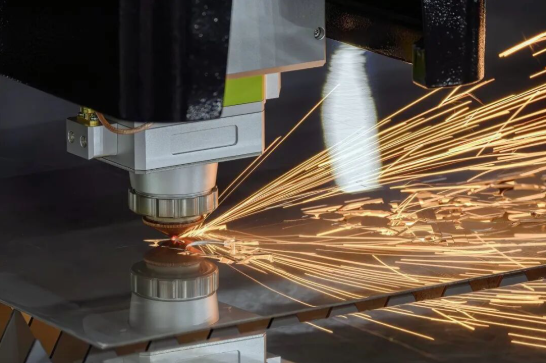
Comparing Cutting Technologies for Stainless Steel Applications
Now that you understand why stainless steel demands specialized treatment, the next question becomes: which cutting technology should you choose? Each method brings distinct advantages depending on your material thickness, edge quality requirements, and production volume. Let's break down how fiber lasers, CO2 lasers, plasma cutters, and waterjet systems perform when laser cutting metal like stainless steel.
Fiber Laser vs CO2 Laser for Stainless Steel Performance
When it comes to stainless steel laser cutting, fiber lasers have revolutionized the industry. These metal laser cutter systems deliver superior performance on reflective materials that once plagued CO2 technology. But does that mean CO2 lasers are obsolete? Not entirely.
Fiber lasers generate their beam through diodes and deliver it via fiber optic cable, creating a monolithic configuration where the beam path remains completely protected from contaminants. According to Esprit Automation, maintenance of a CO2 laser cutting head can take between 4-5 hours a week compared to less than half an hour a week for a fiber laser. This dramatic difference translates directly to your uptime and operating costs.
CO2 lasers use bend mirrors contained within bellows to deliver the beam to the cutting head. These mirrors and bellows accumulate contamination over time, requiring regular cleaning or replacement. The heat generated during cutting often causes mirrors to distort, reducing power supplied to the cutting head and potentially misaligning the beam. Worse still, when working with reflective stainless steel, the laser beam can reflect back down the delivery system, damaging the expensive oscillator.
For thin stainless steel sheet up to 6mm, fiber lasers excel with cutting speeds reaching 35 meters per minute on 1mm material using high-pressure nitrogen. As GYC Laser's speed charts demonstrate, a 6000W fiber laser cutter cuts 1mm stainless at production speeds while a 12kW system achieves 50-60 meters per minute on the same thickness.
However, laser power significantly impacts what you can achieve:
- 3000W systems: Production cutting up to 8-10mm stainless steel
- 6000W systems: Efficient cutting up to 16mm with good edge quality
- 12kW-20kW systems: High-speed production on 16-25mm stainless steel
- 30kW+ systems: Thick plate cutting up to 100mm for heavy fabrication
When Plasma or Waterjet Outperforms Laser Cutting
Should you search for plasma cutting near me or invest in laser metal cutting instead? The answer depends heavily on your specific requirements.
Plasma cutting offers lower equipment costs and handles thick stainless steel effectively. However, as Xometry's manufacturing experts advise, "typically count out plasma" when precision matters. Between fiber laser and waterjet, there's significantly more repeatability and precision than plasma cutting. Most plasma systems produce edge conditions requiring secondary treatment like cleanup grinding before welding.
Waterjet cutting shines when heat cannot be tolerated. This cold-cutting process introduces zero heat-affected zone, preserving material properties throughout the cut edge. For thick stainless steel plates, waterjets maintain consistent edge quality regardless of thickness, something thermal processes struggle to achieve.
The fusion cutting technique, where nitrogen assists the laser in melting and expelling material, works best for stainless steel because it prevents oxidation. Flame cutting with oxygen accelerates the process but creates oxide layers on cut edges. Sublimation cutting, which vaporizes material directly, applies primarily to very thin gauges where minimal heat input is critical.
| Technology | Optimal Thickness (Stainless) | Edge Quality | Heat-Affected Zone | Speed | Best Applications |
|---|---|---|---|---|---|
| Fiber Laser | 0.5mm - 25mm | Excellent | Minimal (0.1-0.3mm) | Very High | Precision parts, high-volume production, intricate designs |
| CO2 Laser | 0.5mm - 20mm | Very Good | Small (0.2-0.5mm) | High | General fabrication, thicker gauges, legacy systems |
| Plasma | 3mm - 50mm | Moderate | Large (1-3mm) | Medium-High | Thick plate, rough cuts requiring secondary finishing |
| Waterjet | 0.5mm - 200mm+ | Very Good | None | Low-Medium | Heat-sensitive applications, thick plates, no thermal distortion |
Your choice ultimately balances precision requirements against budget constraints. A metal cutting laser delivers unmatched speed and precision for thin to medium gauges, while waterjet remains the go-to solution when material integrity cannot be compromised by thermal effects. Understanding these trade-offs positions you to make informed decisions when selecting your stainless steel cutting partner.
Selecting the Right Stainless Steel Grade for Your Cutting Project
Now that you understand which cutting technologies suit different applications, the next critical decision involves selecting the appropriate stainless steel grade. This choice directly impacts your cutting results, project costs, and the final part's performance in its intended environment. Whether you're working with a thin metal plate or thick steel plates for structural applications, understanding grade characteristics helps you communicate effectively with your cutting service provider.
Matching Stainless Steel Grades to Your Application Requirements
Each stainless steel grade responds differently to cutting processes based on its chemical composition and microstructure. Let's examine the most common grades you'll encounter when ordering stainless steel cutting services:
304 Stainless Steel (18/8)
- Composition: 18% chromium, 8% nickel
- Corrosion resistance: Excellent for general environments, but limited in chloride-rich or marine conditions
- Formability: Outstanding ductility makes it ideal for complex shapes and deep drawing
- Cutting behavior: Responds well to all cutting methods; produces clean edges with nitrogen-assisted laser cutting
- Typical applications: Kitchen equipment, architectural panels, food processing equipment, chemical containers
316 Stainless Steel
- Composition: Similar to 304 with 2% molybdenum addition
- Corrosion resistance: Superior performance in marine environments and exposure to chlorides and acids
- Formability: Slightly more challenging than 304 due to higher alloy content
- Cutting behavior: Requires approximately 10-15% slower cutting speeds than 304 for optimal edge quality
- Typical applications: Marine hardware, pharmaceutical equipment, surgical instruments, coastal architecture
As SendCutSend's material guide notes, there's a rough 20% price penalty for specifying 316, but it's exactly what's needed in marine settings. Better to buy once and cry once!
430 Stainless Steel (Ferritic)
- Composition: 16-18% chromium, no significant nickel content
- Corrosion resistance: Good for indoor applications, moderate outdoor performance
- Formability: More limited than austenitic grades; prone to cracking during aggressive forming
- Cutting behavior: Easier to cut than 304/316 due to lower work hardening; magnetic properties allow magnetic fixturing
- Typical applications: Automotive trim, appliance panels, kitchen sinks, architectural accents
Duplex Stainless Steel (2205/2507)
- Composition: Balanced austenitic and ferritic structure with reduced nickel (approximately 5%)
- Corrosion resistance: Exceptional, especially against stress corrosion cracking and pitting
- Formability: More challenging due to approximately 30% higher strength than 304/316
- Cutting behavior: According to Super Metals' comprehensive guide, duplex steels are processed with the same plasma and laser cutting equipment used for austenitic steels, though higher thermal conductivity may require slight parameter adjustments
- Typical applications: Oil and gas equipment, desalination plants, chemical processing, marine structures
For projects requiring materials similar to stainless steel but with different properties, aluminum sheet options provide lower weight and excellent corrosion resistance, though with different strength characteristics. Your fabricator can guide you toward the optimal material choice based on your specific requirements.
How Material Grade Affects Cutting Quality and Speed
Understanding thickness capabilities across different cutting methods helps you set realistic expectations for your project. Here's what you can achieve with each technology across common grades:
Laser Cutting Thickness Capabilities:
- 304/316 Stainless: 0.5mm to 25mm with fiber laser; best edge quality typically achieved on 0.5mm to 16mm
- 430 Ferritic: Similar ranges with slightly faster cutting speeds due to reduced alloy content
- Duplex 2205: Up to 25-30mm with high-power systems, though the heat-affected zone remains narrow at approximately 0.25mm
Waterjet Thickness Capabilities:
- All grades: Up to 150mm+ with no heat-affected zone, making this ideal for critical applications where material properties must remain unchanged
Plasma Thickness Capabilities:
- All grades: 5mm to 50mm+ is practical, though edge quality requires secondary finishing for precision applications
When cutting duplex grades specifically, your service provider should account for higher shear strength. As technical guidelines indicate, the maximum thickness of duplex stainless steels that can be cut on a specific shear is approximately 65% of standard austenitic grades like 304 or 316.
Material Certification and Traceability
For critical applications in aerospace, medical, or automotive sectors, material certification becomes essential. Request Mill Test Certificates (MTCs) that verify chemical composition, mechanical properties, and heat treatment history. Your cutting service provider should maintain traceability throughout the process, ensuring the certified material properties documented on paper match the actual steel plates you receive.
Low carbon variants designated with "L" suffix (304L, 316L) are specifically engineered for welding applications. Standard and high-carbon material is not recommended for welding, as the weld area becomes susceptible to corrosion. If your project involves post-cut welding operations, specifying the low carbon version upfront prevents costly material substitutions later.
With your grade selected and thickness requirements defined, the next step involves understanding how to achieve the precision your application demands while avoiding common cutting challenges that can compromise your finished parts.
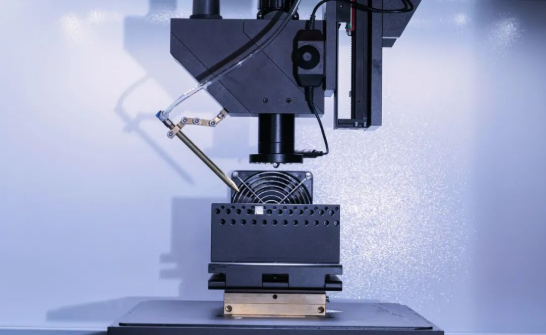
Overcoming Common Stainless Steel Cutting Challenges
You've selected your grade and understand your cutting technology options. Now comes the practical reality: stainless steel doesn't always cooperate during the cutting process. Heat-affected zones, oxidized edges, warped parts, and stubborn burrs can transform a straightforward project into a frustrating exercise in rework. Understanding these challenges before they occur empowers you to specify the right parameters and evaluate whether your cutting partner truly knows how to handle this demanding material.
Preventing Heat-Affected Zone Damage in Stainless Steel
The heat-affected zone (HAZ) represents perhaps the most critical challenge when cutting stainless steel. This region of metal doesn't melt during cutting but undergoes structural and metallurgical changes due to intense heat exposure. According to JLC CNC's technical guide, these changes affect mechanical properties such as hardness, tensile strength, and ductility—sometimes weakening the material or causing warping, cracking, or discoloration.
Why should you care about HAZ? Because even a slightly oversized heat-affected zone can compromise weld integrity, cause micro-cracks in corners, distort thin materials, and make post-processing significantly harder. If your part is destined for a precision assembly or customer-facing product, HAZ control becomes non-negotiable.
Several variables determine how large your HAZ will be:
- Laser power: Higher wattage means more energy and more heat spread into surrounding material
- Cutting speed: Moving too slowly allows the beam to dwell too long, dramatically increasing HAZ
- Material thickness: Thicker materials retain more heat, expanding the affected zone
- Kerf width: Narrower kerf concentrates energy but may require slower speeds that increase heat input
- Assist gas choice: The gas you select affects both oxidation behavior and thermal management
Practical strategies to minimize HAZ include:
- Optimize cutting speed: Faster cuts mean less heat accumulation in the surrounding material
- Use minimum effective power: Apply only the wattage needed for a clean cut through your specific thickness
- Employ pulsed laser modes: Modern fiber lasers support pulsed operation, letting metal cool briefly between energy bursts
- Design for heat management: Avoid tight radii or narrow gaps that concentrate heat; use relief cuts to reduce stress; space cuts farther apart to allow cooling between them
- Use cooling plates or heat sinks: Position these under the workpiece to draw heat away from critical areas
For parts destined for bending operations after cutting, HAZ control becomes even more critical. Altered material properties in the bend zone can lead to cracking or inconsistent bend angles, compromising your final assembly.
Achieving Clean Edges Without Oxidation or Discoloration
That dark, discolored edge you sometimes see on laser-cut stainless steel? That's oxidation at work—and it's entirely preventable with the right approach. The choice between nitrogen and oxygen as your assist gas fundamentally determines your edge quality.
As Presscon's technical analysis confirms, nitrogen prevents oxidation during the cutting process, resulting in cleaner cut edges without discoloration or burrs. This means less post-processing and better surface quality. Although oxygen cuts faster through an exothermic reaction, using nitrogen with stainless steel requires fewer post-processing steps and delivers superior results.
Here's how the gas choice affects your outcomes:
- Nitrogen (inert): Creates a protective atmosphere that prevents oxidation; produces bright, oxide-free edges ready for immediate use; requires higher laser power since no exothermic reaction assists the cut; ideal for parts requiring powder coat or other finishing operations
- Oxygen (reactive): Accelerates cutting through combustion reaction with the material; produces dark, oxidized edges requiring post-processing; faster cutting speeds on thick material; may compromise corrosion resistance at cut edges
For stainless steel applications where appearance matters—or where the cut edge will be visible in the final product—nitrogen cutting is virtually always the correct choice. The protective atmosphere ensures the heat-affected zone remains minimal while preventing structural changes that could affect mechanical properties.
Beyond gas selection, additional challenges and their solutions include:
- Material warping: Caused by uneven heat distribution; prevent by using proper fixturing, optimizing cut sequencing to balance thermal loads, and allowing cool-down time between cuts on thin materials
- Burr formation: Results from improper parameters or dull tooling; minimize by optimizing cutting speed, ensuring proper gas pressure (typically 10-20 bar for nitrogen), and maintaining sharp focus on the laser beam
- Edge roughness: Often indicates cutting speed too fast or power too low; adjust parameters until achieving consistent melt flow through the kerf
- Dross adhesion: Molten material that re-solidifies on the bottom edge; prevent with proper assist gas pressure and standoff distance
For parts that will receive anodizing or similar surface treatments after cutting, edge quality becomes especially important. While anodizing technically applies to aluminum rather than stainless steel, the principle remains: clean, oxide-free edges accept finishing treatments more uniformly than contaminated surfaces.
The Role of Operator Expertise and Machine Calibration
Even the most advanced cutting equipment produces subpar results without skilled operators and properly maintained machines. Experienced operators recognize how different stainless grades respond to parameter adjustments. They understand that 316 requires different settings than 304, and that duplex grades demand their own approach entirely.
Critical calibration factors include:
- Beam alignment and focus position accuracy
- Assist gas delivery system pressure and flow consistency
- Motion system accuracy and repeatability
- Nozzle condition and standoff distance
When evaluating stainless steel cutting services, ask potential providers about their operator training programs and machine maintenance schedules. A shop that invests in both typically delivers consistently superior results compared to operations focused solely on equipment acquisition.
With these common challenges understood and their solutions in hand, you're now prepared to specify the precision tolerances your application actually requires—and understand how those specifications affect both cutting method selection and project costs.
Tolerance Specifications and Precision Requirements Explained
You've addressed material selection and cutting challenges—now comes a question that directly impacts both project success and budget: what tolerance does your application actually require? Specifying tolerances too tight wastes money on precision you don't need. Specifying them too loose risks parts that won't fit or function properly. Understanding the tolerance landscape across different industries helps you communicate effectively with your stainless steel cutting service provider and set realistic expectations.
Understanding Tolerance Requirements Across Industries
Tolerance in precision laser cutting refers to the allowable deviation from a specified dimension. According to ADH Machine Tool's technical guide, this deviation can be either positive or negative and indicates the machine's precision and accuracy in producing parts. Inconsistent or poor tolerance can lead to parts that do not assemble properly, cause redundant wear and tear, and fail to meet safety and performance requirements.
Different industries operate within vastly different tolerance windows based on their functional requirements. When consulting a sheet metal gauge chart for your project, remember that material thickness tolerances compound with cutting tolerances—both must be accounted for in your final specifications.
Consider these industry-specific requirements:
- Architectural applications: Decorative panels, facade elements, and structural trim typically accept ±0.5mm to ±1.0mm tolerances since visual appearance matters more than precise mechanical fit
- General fabrication: Enclosures, brackets, and non-critical assemblies usually require ±0.25mm to ±0.5mm—achievable with standard fiber laser cutting
- Automotive components: Chassis parts, brackets, and structural elements demand ±0.1mm to ±0.25mm precision for reliable assembly and consistent performance
- Aerospace applications: Flight-critical components often require ±0.05mm to ±0.1mm, pushing the limits of even high-end precision laser cutting services
- Medical devices: Surgical instruments and implant components may demand ±0.025mm or tighter, often requiring specialized equipment and processes
As reference material from Protocase's fabrication tolerances guide demonstrates, even raw material has inherent thickness variations. For example, 16 gauge 304 stainless steel (0.063"/1.59mm nominal) carries a tolerance of ±0.006"/0.15mm from the mill. Your cutting tolerance stacks on top of this material variation.
| Industry Application | Typical Tolerance Range | Recommended Cutting Method | Key Considerations |
|---|---|---|---|
| Architectural/Decorative | ±0.5mm to ±1.0mm | Fiber Laser, Plasma | Visual quality prioritized over dimensional precision |
| General Industrial | ±0.25mm to ±0.5mm | Fiber Laser, CO2 Laser | Balance between cost and functional fit |
| Automotive | ±0.1mm to ±0.25mm | Fiber Laser (High-End) | Consistent repeatability across production volumes |
| Aerospace | ±0.05mm to ±0.1mm | Precision Fiber Laser, Waterjet | Material certification, zero HAZ often required |
| Medical Devices | ±0.025mm to ±0.05mm | Ultra-Precision Laser, Waterjet | Traceability, cleanroom processing may apply |
When Tight Tolerances Matter Most
Sounds complex? Here's a practical way to think about it: tight tolerances matter when parts must interface with other components, when safety is at stake, or when regulatory standards mandate specific precision levels. For a decorative wall panel, ±0.5mm won't affect function or appearance. For a precision metal cutter component that interfaces with bearings and shafts, that same tolerance would cause catastrophic failure.
Industrial laser cutting machines can achieve different levels of tolerance depending on their configuration. According to ADH's tolerance analysis, high-end laser cutting machines can maintain tolerances as tight as ±0.1mm, depending on factors like material type, thickness, and machine settings. Under optimal conditions with premium equipment, fiber lasers can stably achieve ±0.05mm tolerances, and in precision sheet metal work, ±0.025mm is readily attainable.
Material thickness significantly impacts achievable precision. The thicker the material, the harder it becomes to maintain tight tolerances. Physical reasons include:
- Higher energy requirements that increase heat delivered into the material
- More difficult dross removal from deeper kerfs
- Expanded heat-affected zones from increased heat input
- More pronounced taper from the laser beam's inherent conical profile
When reviewing a gauge size chart to specify your material, consider that thinner gauges generally achieve tighter tolerances more easily. A 1mm stainless sheet might hold ±0.05mm consistently, while 20mm plate on the same machine might only achieve ±0.2mm reliably.
How Tolerance Requirements Affect Cost and Lead Time
Tighter tolerances directly impact your project economics. Each step toward higher precision typically means:
- Slower cutting speeds: Precision laser cutting services reduce speed to maintain accuracy, increasing machine time per part
- Higher equipment costs: Machines capable of ±0.025mm tolerances cost significantly more than standard production equipment
- Additional inspection: Parts requiring tight tolerances need verification through CMM measurement or optical inspection
- Lower yields: Tighter specifications mean more rejected parts, increasing effective cost per good piece
- Extended lead times: Quality control processes and careful parameter optimization add days to production schedules
Communicating Tolerance Requirements Effectively
When submitting your project to stainless steel cutting services, clear communication prevents costly misunderstandings:
- Specify tolerances on your drawings using standard notation (e.g., ±0.1mm or +0.05/-0.00mm for critical features)
- Identify which dimensions are critical versus which can accept standard shop tolerances
- Note any features that must interface with mating parts and their required clearances
- Request sample parts for tolerance verification before full production runs
- Ask your provider about their standard tolerances versus their achievable precision with premium processing
Remember that not every dimension needs the tightest possible tolerance. Apply precision selectively to features that genuinely require it, and allow standard tolerances elsewhere. This approach optimizes costs while ensuring your critical requirements are met.
With tolerance requirements clearly defined, you're now ready to prepare your design files and project specifications in a format that enables your cutting partner to deliver exactly what you need.
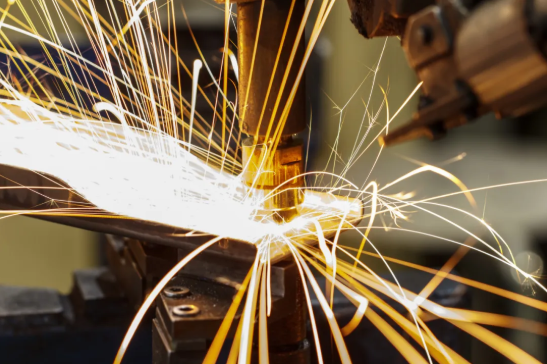
Preparing Your Project for Stainless Steel Cutting Success
You've selected your grade, understand cutting technologies, and know exactly what tolerances your application demands. Now comes the step that often determines whether your project runs smoothly or gets delayed by back-and-forth revisions: preparing your design files correctly. Whether you're submitting a single prototype or planning a production run of thousands of laser cut parts, proper file preparation saves time, reduces costs, and ensures your finished parts match your expectations.
Preparing Your Design Files for Stainless Steel Cutting
Before uploading anything to your cutting service provider, understand one fundamental distinction: raster files versus vector files. According to Xometry's Sheet Metal Cutting Design Guide, raster files cannot retain the information necessary to define properties such as coordinates and dimensions. Vector files, on the other hand, use mathematical formulas to connect fixed points with lines and curves, making them the appropriate choice for sheet metal fabrication projects.
The preferred file formats for custom laser cutting operations include:
- DXF (Drawing Exchange Format): The industry standard for 2D cutting profiles; directly supported by most quoting engines and CNC programming software
- DWG (AutoCAD Drawing): Native AutoCAD format; widely accepted but may require conversion
- STEP/STP: Ideal for 3D models that include thickness information; preferred for parts requiring multiple operations
- SLDPRT, IPT, PRT: Native formats from SolidWorks, Inventor, and other CAD platforms; accepted by many providers
Follow this step-by-step preparation checklist to ensure your files are production-ready:
- Verify your design is at 1:1 scale: Designs are quoted at the scale submitted, so confirm your dimensions match intended part size. Printing at 100% scale on paper can help verify this.
- Remove all excess information: Delete title blocks, dimensions, notes, and annotations. Your submitted file should contain only the cut-path geometry. Extra features can be confused with cut geometry and cause processing failures.
- Convert all text to outlines or shapes: Active text boxes cannot be cut. In Illustrator, use "convert to outlines." In CAD software, look for "explode" or "expand" commands. Hover over text—if it's editable, it needs conversion.
- Eliminate duplicate or overlapping lines: These cause the cutting head to trace the same path multiple times, wasting time and potentially damaging your parts.
- Close all open curves and paths: The cutting machine needs continuous profiles to follow. Broken paths create incomplete cuts.
- Remove stray points and empty objects: These artifacts from design editing can confuse CNC programming software.
- Add bridges to enclosed features: Letters like D, O, P, and Q contain floating centers that will fall out unless you add connecting bridges—a process called "stencilizing."
- Check minimum feature sizes: Details should be at least 50% of your material thickness. Features smaller than the kerf width (typically 0.2-0.4mm for laser) will be lost entirely.
Unlike a die cut machine that uses fixed tooling, laser cutting follows your exact digital geometry—making file accuracy absolutely critical for custom cut metal projects.
Design Considerations That Reduce Costs and Improve Quality
Smart design decisions made before submitting your files can dramatically reduce both costs and quality issues. As industry design guidelines emphasize, certain dimensional relationships ensure reliable cutting results:
Critical Spacing Requirements (where MT = Material Thickness):
- Minimum hole-to-edge distance: 2× MT or 3mm, whichever is smaller
- Minimum hole-to-hole distance: 6× MT or 3mm, whichever is smaller
- Minimum relief cuts: 0.25mm or 1× MT, whichever is greater
- Minimum corner fillets: 0.5× MT or 3mm, whichever is smaller
- Minimum tab thickness: 1.6mm or 1× MT, whichever is greater
- Minimum slot width: 1mm or 1× MT, whichever is greater
Designing slots and notches? Add exaggerated "lollipop" rounds on at least one end to compensate for the pierce hole, which will be slightly larger than the cutting kerf. This prevents tight slots from becoming unusable.
Nesting Optimization for Cost Reduction
Efficient nesting—arranging multiple parts on a single sheet to minimize waste—directly impacts your per-part cost. According to Hubs' cost reduction guide, design software with specific sheet metal tools can show you how a 3D model unfolds into a flat pattern, helping you understand material utilization before ordering.
Consider these nesting-friendly design approaches:
- Use consistent material thickness across all parts in an order when possible
- Design parts with interlocking profiles that nest tightly together
- Minimize irregular protrusions that waste surrounding material
- Group smaller parts to fill gaps between larger components
Prototype vs. Production Run Considerations
Your approach should differ based on project phase:
For prototypes:
- Expect higher per-part costs due to setup time amortized across fewer pieces
- Consider using less expensive materials for form-fit verification before committing to premium grades
- Request expedited turnaround if validating designs quickly is more valuable than minimizing cost
- Plan for potential revisions—avoid ordering large prototype quantities
For production runs:
- Invest time in design optimization before committing to tooling or large orders
- Request sample parts for tolerance verification before full production
- Negotiate pricing based on volume commitments
- Establish quality inspection criteria upfront
Lead Time Expectations and Project Timeline Guidance
Understanding realistic timelines helps you plan projects effectively. Typical lead times for stainless steel cutting services vary based on several factors:
- Simple prototype parts (1-10 pieces): 3-7 business days from file approval to shipment
- Standard production orders: 1-3 weeks depending on quantity and complexity
- Complex assemblies with secondary operations: 3-6 weeks including finishing and inspection
- Rush or expedited orders: Often available for premium pricing, typically cutting lead time by 50%
When requesting a laser cutting quote, provide complete information upfront: material grade, thickness, quantity, tolerance requirements, and any finishing operations needed. Incomplete specifications lead to quote revisions that delay your timeline. Most professional providers can return quotes within 24-48 hours for standard requests—faster turnaround often indicates automated quoting systems that streamline the process.
With your files properly prepared and design optimized for manufacturing, you're positioned to receive accurate quotes and realistic timelines. The next consideration involves understanding what drives those quoted prices—and how to optimize your project budget without sacrificing quality.
Understanding Pricing Factors for Stainless Steel Cutting Services
Ever wondered why two seemingly similar stainless steel cutting projects come back with dramatically different quotes? Pricing for steel cutting services isn't arbitrary—it follows a logical framework driven by specific cost factors that compound throughout your project. Understanding these variables empowers you to make informed decisions, optimize your designs for budget efficiency, and evaluate quotes from metal cutting services with confidence.
Key Factors That Influence Stainless Steel Cutting Costs
When you request a quote for laser cut services, multiple variables combine to determine your final price. According to Komacut's pricing analysis, the primary factors affecting laser cutting costs include material type, thickness, design complexity, cutting time, labor costs, and finishing processes. Each of these elements contributes to the overall expense by impacting the efficiency and resources required for the cutting process.
Here's how each cost driver impacts your bottom line:
- Material grade and cost: Stainless steel grades carry significantly different price points. According to 1CutFab's pricing guide, stainless steel costs $2.50 to $5.00 per pound compared to standard steel at $0.50 to $1.50 per pound. Specifying 316 stainless over 304 adds approximately 20% to your material costs before cutting even begins.
- Material thickness: Thicker materials require more energy and slower cutting speeds to achieve a clean cut. This increases cutting time and energy consumption, leading to higher overall costs. A 10mm stainless plate may cost three to four times more per linear inch to cut than 2mm sheet.
- Design complexity: Fine details, small cutouts, and intricate patterns slow down the cutting process. Each pierce point where the laser initiates a cut adds time. More pierce points and longer cutting paths increase the cutting time and energy required, directly raising your laser cutting charges.
- Tolerance requirements: Tighter tolerances mean slower cutting speeds, more careful setup, and additional inspection time. A part requiring ±0.05mm precision will cost significantly more than one accepting ±0.5mm.
- Quantity ordered: Setup costs get spread across your order volume. A single prototype absorbs the entire programming and setup cost, while a thousand-piece order divides that fixed cost by a thousand.
- Secondary operations: Post-cutting processes like deburring, polishing, powder coating, or assembly add labor, time, and specialized equipment costs. According to industry pricing data, bending operations typically add $1 to $5 per bend depending on complexity.
Material waste also influences pricing. Efficient nesting maximizes material usage by arranging parts closely together on the material sheet, minimizing waste. This reduces the amount of raw material needed and decreases cutting time, leading to significant cost savings.
Strategies for Optimizing Your Cutting Budget
You don't need to sacrifice quality to reduce costs. Smart design and ordering strategies can significantly lower your per-part pricing while maintaining the specifications your application requires.
Design Optimization Approaches:
- Simplify geometries where possible: Reducing the number of cutouts and eliminating unnecessarily intricate features cuts processing time. Each small hole or complex curve requires a pierce point and extended cut path.
- Standardize material thicknesses: When you need multiple parts, designing them from the same thickness allows efficient nesting on shared sheets. Mixed thicknesses require separate setups and reduce material utilization.
- Apply tolerances selectively: Specify tight tolerances only on dimensions that genuinely require them. Allowing standard shop tolerances on non-critical features reduces inspection time and processing costs.
- Design for nesting efficiency: Parts with interlocking profiles or rectangular geometries nest more efficiently than irregular shapes with protruding features.
Order Quantity and Per-Piece Economics:
The relationship between quantity and per-unit cost follows a predictable pattern. Bulk ordering significantly reduces the per-unit cost by spreading fixed setup costs over a larger number of units. Additionally, bulk orders often qualify for material discounts from suppliers, further lowering overall costs.
Consider this example pricing progression:
- 1 piece: $50 per unit (high setup cost absorption)
- 10 pieces: $15 per unit (setup costs divided by 10)
- 100 pieces: $8 per unit (volume material discounts apply)
- 1,000 pieces: $5 per unit (optimized production efficiency)
If your project allows flexibility, consider ordering larger batches less frequently rather than small quantities repeatedly. The savings on setup and material often outweigh inventory carrying costs.
Requesting and Comparing Quotes Effectively:
When you search for a laser cutting service near me or evaluate laser cutting services near me, the quotes you receive will only be as accurate as the information you provide. Complete submissions lead to accurate pricing; incomplete requests result in padded quotes that account for unknown variables.
For effective quote requests:
- Provide complete files: Submit production-ready DXF or STEP files with all geometry finalized
- Specify material completely: Include grade (304, 316, etc.), thickness, and any certification requirements
- State quantities clearly: Request pricing at multiple quantity breakpoints to understand volume discounts
- Define tolerance requirements: Identify critical dimensions versus those accepting standard tolerances
- List all secondary operations: Include deburring, finishing, hardware insertion, or assembly needs upfront
- Note delivery requirements: Rush orders or special shipping needs affect pricing
When comparing quotes from different providers, ensure you're evaluating on a like-for-like basis. A lower quote that excludes finishing operations or uses a different material grade isn't a true comparison. Request line-item breakdowns showing material costs, cutting charges, and secondary operations separately.
According to LTJ Industrial's fabrication guide, 35% of all fabrication quotes are now processed through online platforms, offering speed and convenience for straightforward jobs. However, complex projects with tight tolerances or unusual requirements often benefit from direct discussion with experienced fabricators who can identify cost-saving opportunities you might miss.
With a clear understanding of what drives your project costs, you're now prepared to explore how cutting integrates with the broader fabrication process—and how choosing a partner with comprehensive capabilities can streamline your entire manufacturing workflow.
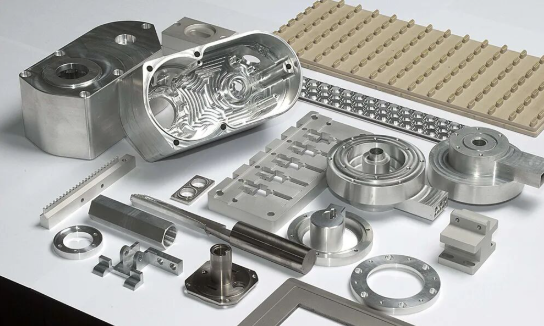
Integrating Cutting with Complete Fabrication Services
Your stainless steel parts rarely exist in isolation. That precision-cut component destined for an automotive chassis needs bending into shape, welding to mating parts, and powder coating for corrosion protection before it's ready for assembly. When these operations scatter across multiple vendors, your project faces coordination headaches, quality inconsistencies, and extended lead times. Understanding how cutting integrates with complete steel fabrication workflows helps you plan smarter and choose partners who deliver finished assemblies—not just flat blanks.
Planning Beyond Cutting for Complete Fabrication Projects
Imagine this scenario: your laser-cut stainless components arrive perfectly executed. Then they ship to a separate bending shop, wait in queue, get formed, ship again to a welder, wait again, and finally move to a finishing vendor. Each handoff introduces delays, potential damage, and communication gaps where specifications get lost.
According to Wiley Metal's analysis of integrated fabrication, when designers, engineers, and production teams collaborate closely within a single facility, the workflow becomes more efficient. Information flows freely, reducing errors and ensuring that the transition from one stage to the next is smooth. This alignment helps prevent miscommunication, minimizes downtime, and ensures that each component of the project adheres to the same high-quality standards.
For complex stainless steel projects, planning your complete fabrication sequence before placing orders prevents costly rework. A skilled metal fab partner reviews your assembly drawings upfront, identifying potential issues before cutting begins. They consider how cut edges will interface with weld joints, whether forming operations require specific grain orientations, and how finishing sequences affect final tolerances.
Common secondary operations and their sequencing considerations include:
- Laser or waterjet cutting: Always first—establishes blank geometry and critical hole locations
- Deburring and edge preparation: Immediately follows cutting; prepares edges for welding or safety handling
- Forming and bending: Performed on flat blanks before welding; accounts for material springback and bend allowances
- Welding (TIG, MIG, spot welding): Joins formed components; aluminum welding and stainless steel welding require different techniques and filler materials
- Machining and drilling: Adds precision features after welding when tolerances tighter than cutting allows are required
- Surface preparation: Grinding, blasting, or chemical cleaning before finishing operations
- Powder coating or painting: Applied after all fabrication; powder coating services cure at temperatures around 200°C, so heat-sensitive components require alternative finishes
- Hardware insertion and assembly: Final operations adding fasteners, gaskets, and mating components
The sequence matters critically. As DeFabCo's fabrication overview emphasizes, complete stainless steel fabrication services include design and engineering, bending, forming, laser cutting, rolling, punching, stamping, and welding—all coordinated through turnkey project management. This coordination with industry and regulatory entities for required certifications and approvals becomes especially valuable for industries like automotive, aerospace, and medical devices.
Integrating Secondary Operations for Streamlined Production
Why does single-source manufacturing deliver superior results? The answer lies in accountability and communication. According to Rockett Inc.'s manufacturing analysis, one of the greatest benefits of partnering with a single-source contract manufacturer is being able to take advantage of the economies of scale—plus reduced transportation costs, taxes, and possible rework expenses from mismatches in production.
The benefits of integrated steel fabricators extend across multiple dimensions:
- Quality control continuity: A single provider has better control over all aspects of quality and is likely to deliver more viable output. When multiple vendors handle individual aspects, quality becomes fragmented and inconsistent.
- Reduced time to market: Since the entire project is managed in-house, products move faster from design to the manufacturing floor. Material procurement, engineering, and production teams work in tandem to manage issues and ensure on-time completion.
- Simplified communication: Having one company to deal with reduces administrative efforts and time. You have a single point of contact tracking your project and communicating at every stage of development.
- Custom solution flexibility: When you need specific requirements or mid-project modifications, an integrated manufacturer accommodates changes more readily than a multi-vendor chain.
- Cost efficiency: Eliminating transportation between vendors, reducing administrative overhead, and avoiding outsourcing markups significantly decreases total project cost.
For custom metal fabrication online ordering, look for providers offering design-for-manufacturing (DFM) support as part of their service. This means experienced engineers review your designs before production, identifying opportunities to reduce costs, improve manufacturability, and prevent quality issues. According to industry research, integrated fabrication allows for real-time adjustments—if modifications are needed in the design phase, they can be implemented quickly without waiting for updates from multiple vendors.
Automotive Applications: Where Integration Creates Competitive Advantage
Automotive manufacturing exemplifies why integrated cutting and fabrication services matter. Chassis components, suspension brackets, and structural elements demand tight tolerances, consistent quality across thousands of pieces, and traceability documentation that follows parts from raw material to finished assembly.
When evaluating partners for automotive stainless steel cutting and stamping needs, prioritize these capabilities:
- Rapid prototyping: The ability to produce sample parts in days rather than weeks accelerates your development cycle. Providers offering 5-day rapid prototyping let you validate designs quickly before committing to production tooling.
- Quality certifications: IATF 16949 certification indicates a manufacturer meets automotive-specific quality management standards. This certification covers defect prevention, reduction of variation and waste in the supply chain, and continuous improvement processes.
- DFM support: Comprehensive design-for-manufacturing analysis identifies cost reduction opportunities and potential quality issues before production begins.
- Quick quote turnaround: Responsive providers returning quotes within 12-24 hours demonstrate efficient operations and respect for your timeline.
- Integrated stamping capabilities: When your project requires both laser cutting and metal stamping, a single provider eliminates coordination overhead between separate vendors.
For automotive supply chain applications specifically, manufacturers like Shaoyi (Ningbo) Metal Technology combine custom metal stamping with precision cutting services, delivering IATF 16949-certified quality for chassis, suspension, and structural components. Their 5-day rapid prototyping and 12-hour quote turnaround exemplify the responsiveness that keeps automotive programs on schedule.
Whether your project involves simple cut blanks or complex multi-operation assemblies, thinking beyond cutting from the start positions you for success. The partner you choose should understand not just how to cut stainless steel, but how that cut piece flows through forming, welding, finishing, and assembly to become a functional component in your final product.
With this integrated perspective on fabrication workflows, you're now equipped to evaluate potential partners holistically—assessing not just their cutting capabilities, but their complete manufacturing ecosystem and how it aligns with your project requirements.
Choosing the Right Stainless Steel Cutting Partner for Your Needs
You've navigated material grades, cutting technologies, tolerance specifications, and pricing factors. Now comes the decision that ties everything together: selecting the partner who transforms your project from concept to finished parts. Whether you're searching for metal fabrication near me or evaluating fabrication shops near me across the country, applying a structured evaluation framework ensures you choose a provider whose capabilities align with your specific requirements.
Matching Your Project Requirements to the Right Cutting Solution
Before evaluating potential metal fabricators near me, step back and synthesize what your project actually demands. The cutting technology, tolerance level, and service scope that worked for someone else's project may not suit yours. According to TMCO's fabrication partner guide, choosing the right metal fabrication partner is a critical decision that can affect cost, performance, quality, and long-term reliability of your project.
Ask yourself these clarifying questions:
- What material grade and thickness does your application require? This determines which cutting technologies are viable.
- What tolerances do your critical dimensions demand? This filters providers based on equipment capability.
- What secondary operations are needed? This identifies whether you need integrated fabrication or cutting-only services.
- What quantities and delivery timeline apply? This affects pricing structures and provider capacity.
- What quality certifications does your industry mandate? This narrows your search to qualified suppliers.
When searching for laser cutting near me, remember that geographic proximity matters less than capability alignment. A provider 500 miles away with perfect capabilities often outperforms a local shop lacking the right equipment or expertise for your specific requirements.
What to Look for in a Stainless Steel Cutting Partner
Evaluating potential partners requires looking beyond the quote. As LS Precision Manufacturing's supplier selection guide emphasizes, the secret is to peer beyond the quote and establish their laser processing experience, quality consistency, and service responsiveness for your particular needs.
Use this prioritized evaluation checklist when assessing potential providers:
- Verify equipment capabilities match your requirements: Ask specifically about laser power, cutting bed sizes, and maximum material thicknesses. A fabricator's experience with your specific stainless grade matters—316 responds differently than 304, and duplex grades demand specialized expertise. Request sample cuts on your actual material if possible.
- Confirm quality certifications and inspection processes: ISO 9001 demonstrates documented quality systems. For automotive applications, IATF 16949 certification indicates compliance with automotive-specific requirements. Ask about first-article inspection procedures, in-process checks, and final inspection protocols. Providers using Coordinate Measuring Machines (CMMs) for verification deliver more consistent precision.
- Evaluate lead time reliability and capacity: As industry analysis warns, suppliers often rashly shorten production cycles to secure orders, then are beset with serial delays due to capacity overload, machine breakdown, or poor management. Ask for realistic timelines and check references regarding on-time delivery performance.
- Assess engineering and design support: Look for providers offering Design for Manufacturability (DFM) guidance. This early collaboration helps refine designs for cost-effective production without compromising performance. CAD/CAM support, prototype testing, and material recommendations add value beyond basic cutting services.
- Examine communication responsiveness: How quickly do they return quotes? Providers offering 12-24 hour quote turnaround demonstrate efficient operations. A dedicated project engineer or account manager prevents miscommunication that leads to costly errors. Clear communication prevents costly surprises and keeps projects aligned from start to finish.
- Consider integrated capabilities: Full-service facilities offering cutting, forming, welding, and finishing under one roof streamline production and maintain quality consistency. Single-source manufacturing eliminates coordination headaches between multiple vendors.
Making Your Final Selection
When you've narrowed candidates to a shortlist, request a facility tour or virtual walkthrough. As fabrication experts advise, you can personally observe the brand equipment, appearance, workshop management, and operation standards—a direct illustration of their capability. If searching for sheet metal near me or a laser cutter service near me, seeing operations firsthand reveals more than any sales presentation.
For automotive-focused stainless steel cutting and stamping needs, providers demonstrating rapid prototyping capabilities, IATF 16949 certification, comprehensive DFM support, and quick quote turnaround stand out as capable partners. Shaoyi (Ningbo) Metal Technology exemplifies this combination, offering 5-day rapid prototyping, 12-hour quote turnaround, and certified quality for chassis, suspension, and structural components—the kind of integrated capability that accelerates automotive supply chains.
Your ideal partner isn't just a cutting vendor—they're a manufacturing extension of your team. The right choice delivers consistent quality, meets deadlines reliably, and provides the technical support that transforms challenging projects into successful outcomes. Take the time to evaluate thoroughly, and your stainless steel cutting projects will benefit for years to come.
Frequently Asked Questions About Stainless Steel Cutting Services
1. How much does metal cutting cost?
Stainless steel cutting costs typically range from $0.50 to $2 per linear inch depending on material thickness and cutting method. Hourly rates generally fall between $20 and $30. Key cost drivers include material grade (316 costs about 20% more than 304), design complexity, tolerance requirements, and order quantity. Setup costs spread across larger orders significantly reduce per-piece pricing—a single prototype might cost $50 per unit while 1,000 pieces could drop to $5 each. Secondary operations like bending add $1-5 per bend. For automotive applications requiring IATF 16949-certified quality, manufacturers like Shaoyi offer competitive pricing with 12-hour quote turnaround to help you budget effectively.
2. Which method is low cost for cutting stainless steel?
For low-cost stainless steel cutting, the optimal method depends on your thickness and precision requirements. Fiber laser cutting offers the best balance of cost and quality for thin to medium gauges (0.5-16mm), delivering excellent edge quality with minimal post-processing. Plasma cutting provides lower equipment costs for thick plates (5-50mm) but requires secondary finishing. Waterjet cutting costs more but eliminates heat-affected zones entirely. To reduce costs regardless of method, optimize your design for nesting efficiency, standardize material thicknesses across parts, and order in larger quantities to spread setup costs.
3. What is the best cutting method for stainless steel sheet metal?
Fiber laser cutting is generally the best method for stainless steel sheet metal up to 25mm thick. It delivers excellent edge quality, minimal heat-affected zones (0.1-0.3mm), and high cutting speeds—up to 35 meters per minute on 1mm material. Using nitrogen as the assist gas prevents oxidation and produces bright, oxide-free edges ready for immediate use or finishing. For heat-sensitive applications where material properties cannot be altered, waterjet cutting provides zero thermal impact. CO2 lasers remain viable for general fabrication, though fiber lasers offer superior performance on reflective stainless steel grades.
4. How do I prepare design files for stainless steel laser cutting?
Submit vector files in DXF, DWG, or STEP format at 1:1 scale. Remove all annotations, title blocks, and dimensions—only cut-path geometry should remain. Convert text to outlines, close all open curves, eliminate duplicate lines, and remove stray points. Add bridges to enclosed letters like D, O, P, and Q. Ensure minimum feature sizes are at least 50% of material thickness. Maintain hole-to-edge distances of 2x material thickness or 3mm minimum. These preparations prevent processing delays and ensure accurate quotes from your cutting service provider.
5. What tolerances can stainless steel cutting services achieve?
Achievable tolerances vary by cutting technology and application requirements. High-end fiber laser cutting machines maintain ±0.1mm tolerances consistently, with precision sheet metal work achieving ±0.025mm under optimal conditions. Architectural applications typically accept ±0.5mm to ±1.0mm, while automotive components require ±0.1mm to ±0.25mm. Aerospace and medical applications demand ±0.05mm or tighter. Thicker materials achieve less precision due to increased heat input and kerf taper. Specify tight tolerances only on critical dimensions to optimize costs—allowing standard tolerances elsewhere reduces inspection time and processing expenses.