 Small batches, high standards. Our rapid prototyping service makes validation faster and easier —
  EN
EN


Custom Metal Plate Fabrication: Essential Points From Design To Delivery
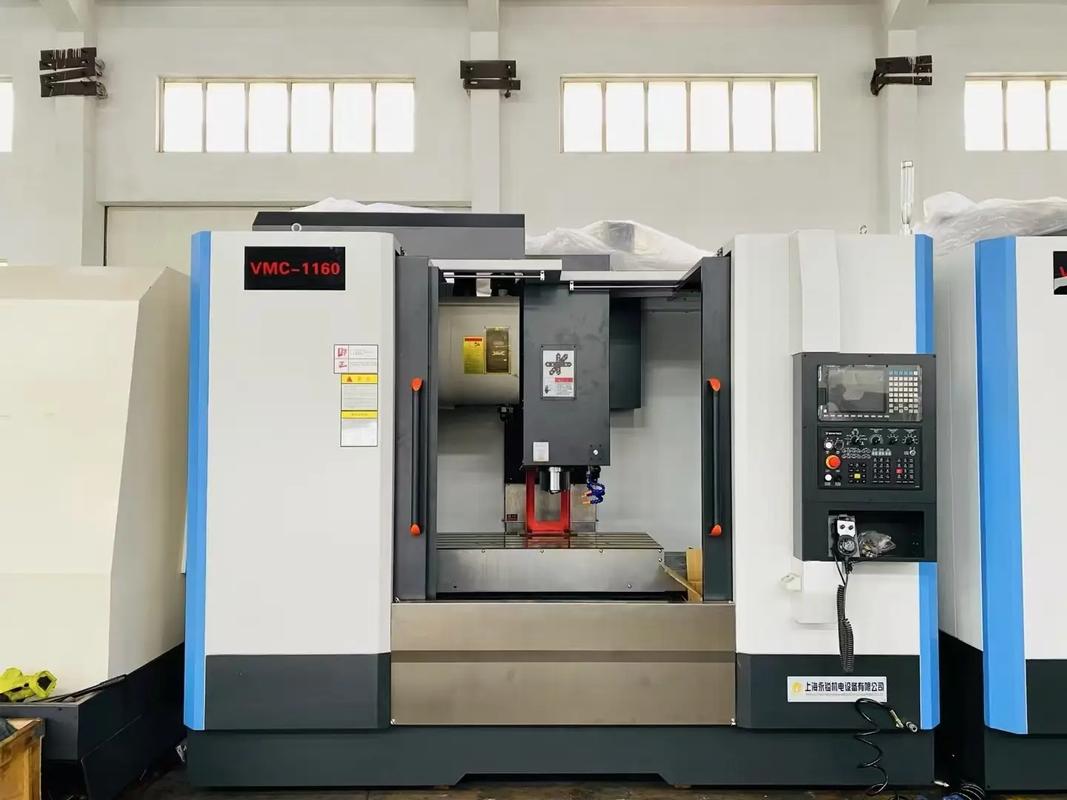
Understanding Custom Metal Plate Fabrication Fundamentals
When you need a metal component that fits your exact specifications—down to the millimeter—standard off-the-shelf options simply won't cut it. That's where custom metal plate fabrication enters the picture. This specialized process transforms raw metal plates into precision-engineered components tailored to your unique requirements, whether you're building automotive chassis parts, aerospace structural elements, or industrial machinery.
But what exactly makes this approach different from grabbing a standard steel plate off the shelf? Let's break it down.
What Sets Custom Plate Fabrication Apart
Standard metal fabrication relies on pre-defined sizes, thicknesses, and shapes that work for general applications. Think roofing panels, basic ducting systems, or straightforward construction materials. These come in predictable dimensions—a typical steel plate might measure 4 feet by 8 feet with a standard gauge—making them easy to source and cost-effective for simple projects.
Custom metal plate fabrication, however, flips this approach entirely. Instead of adapting your design to fit available materials, the fabrication process adapts to your design. Every cut, bend, and finish is executed according to your exact specifications. This level of customization enables manufacturers to create complex shapes, precise dimensions, and specialized features that standard options simply cannot accommodate.
Imagine you need a component with intricate cutouts, specific bend angles, and tight tolerances for an automotive application. Standard sheets offer minimal flexibility here. Custom fabrication delivers exactly what you need—nothing more, nothing less.
From Raw Material to Precision Component
The journey from a flat metal plate to a finished precision component involves multiple interconnected processes. Understanding these core techniques helps you communicate effectively with fabricators and make informed decisions about your project.
Here are the essential processes involved in custom plate fabrication:
- Laser cutting: A concentrated beam of light melts through metal with exceptional precision, achieving cuts as fine as a tenth of a millimeter. This CNC-guided process handles delicate patterns and complex shapes that mechanical cutting methods cannot match.
- CNC machining: Computer-controlled equipment removes material with extreme accuracy, creating features like holes, threads, and surface contours according to pre-programmed specifications.
- Bending and forming: Hydraulic presses apply controlled pressure to flat plates, pushing them into new angles without breaking the material. This technique produces corners, grooves, curves, and complex multi-bend configurations.
- Welding: Techniques like MIG and TIG welding join separate metal components together, creating solid bonds essential for assembling larger structures or adding features to base plates.
- Finishing: Surface treatments including grinding, polishing, powder coating, and plating protect against corrosion while enhancing appearance and durability.
Industries requiring exact specifications—automotive, aerospace, and industrial equipment manufacturers—rely heavily on these combined processes. Whether you're working with steel and stainless materials for structural applications or need specialized corrugated metal panels for specific functions, custom fabrication ensures your components meet performance requirements without compromise.
The real value here isn't just about getting parts made to size. It's about achieving the structural integrity, functional precision, and quality that demanding applications require. When a component must withstand rigorous operational conditions or integrate seamlessly into a larger system, custom metal plate fabrication becomes not just an option—but a necessity.
Material Selection Guide for Metal Plate Projects
Choosing the right material for your fabrication project can feel overwhelming. You're staring at options like stainless steel sheet, aluminum sheet, copper sheet, and brass sheet—each with distinct properties that affect everything from performance to final cost. Here's the challenge: most fabrication resources mention these materials in passing without providing the detailed guidance you actually need to make confident decisions.
Let's change that. Understanding how each metal behaves under stress, resists corrosion, and responds to machining processes will help you match materials to your specific performance requirements.
Matching Materials to Performance Requirements
Every metal brings unique characteristics to your project. The trick is aligning those characteristics with what your application actually demands. Consider these five primary options:
Stainless Steel delivers exceptional strength and corrosion resistance thanks to its chromium content (typically 10.5% to 30%). With tensile strength reaching approximately 515-580 MPa, stainless steel plates excel in demanding environments—think food processing equipment, medical instruments, and outdoor architectural features. The material's smooth, reflective surface requires minimal maintenance compared to other options.
Aluminum offers an unbeatable strength-to-weight ratio. While not as strong as steel, aluminum sheet metal weighs significantly less, making it ideal for aerospace components, automotive parts, and applications where reducing weight matters. It naturally resists corrosion through an oxide layer, though it performs less effectively than stainless steel in high-salt or chemical-heavy environments.
Carbon Steel provides high strength and hardness at a lower cost than stainless alternatives. Steel plates made from carbon steel work well for construction, machinery components, and structural applications where corrosion resistance isn't the primary concern. Keep in mind that carbon steel requires protective coatings or treatments when exposed to moisture.
Copper stands out for electrical conductivity rather than structural strength. As a softer metal, it's less suitable for load-bearing applications but excels in electrical wiring, plumbing, heat exchangers, and marine applications where seawater corrosion resistance matters. Copper also offers antimicrobial properties valuable in medical and food preparation settings.
Brass combines good tensile strength (approximately 365 MPa) with excellent machinability and an attractive golden appearance. This alloy works well for decorative elements, fittings, and components requiring both aesthetics and moderate strength.
Steel vs Aluminum for Structural Applications
When your project involves structural components, the steel-versus-aluminum decision comes up constantly. Here's a direct comparison to guide your choice:
| Property | Stainless Steel | Aluminum | Carbon Steel |
|---|---|---|---|
| Tensile Strength | 515-580 MPa | 310 MPa (6061 alloy) | 580 MPa |
| Corrosion Resistance | Excellent | Good (oxide layer) | Poor (requires coating) |
| Weight (Density) | ~7,900 kg/m³ | ~2,720 kg/m³ | ~7,800 kg/m³ |
| Machinability | Moderate | Excellent | Good |
| Relative Cost | Higher | Moderate | Lower |
Notice how aluminum's density sits at roughly one-third of steel's? That weight difference becomes critical in automotive and aerospace applications where every gram affects fuel efficiency and performance. However, when load-bearing capacity takes priority over weight—such as in heavy equipment frames or building structures—galvanized sheet metal or stainless options typically make more sense.
Practical Decision Factors
Beyond raw material properties, four practical considerations should influence your selection:
- Environmental exposure: Will your component face moisture, chemicals, temperature extremes, or saltwater? Stainless steel handles harsh conditions best, while carbon steel needs protection in wet environments.
- Load requirements: Calculate the actual stresses your part must withstand. Higher tensile strength metals handle greater loads, but you might achieve adequate strength with thicker gauges of lighter materials.
- Aesthetic needs: Visible components benefit from stainless steel's natural shine or brass's warm appearance. Aluminum accepts anodizing well for color options.
- Budget constraints: Carbon steel offers the most economical option for strength-focused applications. Factor in long-term maintenance costs—cheaper materials requiring frequent replacement or coating may cost more over time.
Understanding Gauge Thickness
Here's something that trips up many project planners: gauge numbers work inversely. A higher gauge number means thinner material. So 20-gauge sheet metal (approximately 0.81 mm) is actually thinner than 16-gauge (approximately 1.5 mm), which is thinner than 10-gauge (approximately 3.4 mm).
Why does this matter? Thicker gauges handle heavier loads and resist deformation better, but they also weigh more and cost more. For structural components, 10 to 14 gauge typically provides adequate strength. Lighter applications like HVAC ductwork or decorative elements often use 20-gauge or thinner.
Matching gauge thickness to your application requirements—rather than defaulting to "thicker is always better"—optimizes both performance and cost. Your fabricator can recommend appropriate gauges based on how the material will be formed, welded, and used in its final application.
With material selection clarified, the next critical decision involves choosing the right cutting and fabrication method for your chosen metal.
Fabrication Methods and Cutting Technologies Explained
You've selected your material. Now comes an equally critical decision: how should that metal plate be cut and shaped? The cutting method you choose directly impacts precision, edge quality, production speed, and overall project cost. Yet most fabrication guides gloss over these differences, leaving you to guess which technology fits your specific needs.
Let's fix that gap with a comprehensive breakdown of today's primary metal cutting technologies—laser, waterjet, plasma, and CNC machining—so you can make informed decisions for your next project.
Precision Cutting Technologies Compared
Each cutting technology brings distinct strengths to the table. Understanding how they work helps you anticipate what to expect from your finished parts.
Laser Cutting directs a high-energy beam onto the metal surface, melting or vaporizing material along a digitally controlled path. Because the laser cutter follows CNC programming precisely, there's no chance of human error—every cut comes out clean and accurate. This method excels at intricate patterns, tight corners, and exceptionally smooth edges that often require no secondary finishing.
Waterjet Cutting uses high-pressure water mixed with abrasive particles to slice through virtually any material. Unlike thermal methods, waterjet creates no heat-affected zones, meaning zero warping, hardening, or material distortion. When temperature-sensitive applications demand pristine material properties, waterjet becomes the clear choice.
Plasma Cutting generates an electrical arc combined with compressed gas to melt and blast through conductive metals. This metal cutter shines when processing thick steel plates—particularly materials over half an inch—where speed and cost efficiency matter most. Shipbuilders, heavy equipment manufacturers, and structural steel fabricators rely heavily on plasma technology.
CNC Machining removes material through mechanical cutting tools rather than thermal or abrasive processes. While slower than other methods for simple cuts, CNC machining creates features impossible to achieve through cutting alone: precise holes, threaded connections, surface contours, and complex 3D geometries.
Here's how these technologies stack up across key performance factors:
| Factor | Laser Cutting | Waterjet Cutting | Plasma Cutting | CNC Machining |
|---|---|---|---|---|
| Precision Tolerance | ±0.003" to ±0.005" | ±0.003" to ±0.005" | ±0.015" to ±0.030" | ±0.001" to ±0.005" |
| Material Thickness Range | Up to ~1" (steel) | Up to 12"+ (any material) | Up to 6"+ (conductive metals) | Varies by equipment |
| Edge Quality | Excellent, minimal finishing | Excellent, smooth edges | Good, may need grinding | Excellent, machined finish |
| Cutting Speed | Fast (thin materials) | Slower than thermal methods | Very fast (thick metals) | Slowest for basic cuts |
| Cost Efficiency | Moderate | Higher operating costs | Lower per-foot cost | Higher (complex parts) |
| Heat-Affected Zone | Minimal but present | None | Significant | None |
When Waterjet Beats Laser
Laser cutting often gets positioned as the go-to precision solution—and for thin sheet metal with intricate designs, that reputation holds true. But waterjet technology wins decisively in several scenarios:
- Heat-sensitive materials: Aluminum alloys, titanium, and hardened steels can change properties when exposed to high temperatures. Waterjet's cold cutting process preserves original material characteristics completely.
- Thick materials: While lasers struggle to penetrate steel beyond about one inch, waterjets cut through materials 12 inches thick or more with consistent quality.
- Non-metals: Stone, glass, composites, and ceramics fall outside laser's capabilities but present no challenge for waterjet systems.
- Reflective metals: Copper and brass can cause problems for certain laser systems, while waterjet handles them without issue.
That said, laser cutting delivers faster processing on thin materials and lower operating costs for high-volume production runs. The "best" choice depends entirely on your specific application requirements.
Understanding Kerf and Design Impact
Here's a detail that separates experienced designers from beginners: every cutting method removes material in the cut itself. This removed width—called the kerf—varies by technology and directly affects your final part dimensions.
Laser cutting produces the narrowest kerf, typically 0.006" to 0.015". Waterjet kerf runs wider at 0.020" to 0.040" due to the abrasive stream diameter. Plasma generates the widest kerf, sometimes exceeding 0.150" on thick materials.
Why does this matter? If you're designing parts that must fit together precisely—like interlocking components or mating surfaces—you need to account for kerf width in your design files. Your fabricator's CAD software compensates for kerf automatically, but understanding this factor helps you specify appropriate tolerances and avoid surprises during assembly.
When referencing specifications like a drill bit size chart or drill size chart for hole placement, remember that cut holes may differ slightly from drilled holes due to kerf considerations and heat effects.
Heat-Affected Zones and Material Distortion
Thermal cutting methods—laser and plasma—introduce heat into surrounding material. This creates a heat-affected zone (HAZ) where metal properties may change. In the HAZ, steel can harden, aluminum can soften, and internal stresses can cause warping.
Plasma cutting generates the most significant HAZ due to its high operating temperatures. The affected area typically extends 1/16" to 1/8" from the cut edge. For structural applications where edge hardness or ductility matters, this zone may require grinding or machining before welding.
Laser cutting produces a much narrower HAZ—often just thousandths of an inch—making it suitable for precision parts where material property consistency matters throughout.
Waterjet and CNC machining eliminate heat concerns entirely. When your application demands absolutely no thermal influence—think aerospace components, medical devices, or parts requiring subsequent heat treatment—these cold-process methods become essential rather than optional.
Matching Methods to Your Project
So which technology fits your needs? Consider these practical guidelines:
- Choose laser cutting for thin sheet metal (under 1/4"), intricate patterns, small holes, and parts requiring minimal post-processing.
- Choose waterjet cutting for heat-sensitive applications, thick materials, non-metals, and when preserving material properties matters most.
- Choose plasma cutting for thick steel plates, high-volume structural components, and projects where speed and cost efficiency outweigh precision requirements.
- Choose CNC machining for complex 3D features, threaded holes, tight tolerances, and secondary operations on cut parts.
Many fabrication shops—similar to operations using a die cut machine for specific applications—combine multiple technologies to optimize different project phases. Your fabricator can recommend the most efficient approach based on your design files, material choices, and performance requirements.
With cutting technology selected, the next step involves optimizing your design for efficient, cost-effective manufacturing.
Design for Manufacturability Best Practices
You've selected your material and cutting method. But here's where many projects hit unexpected snags: a design that looks perfect on screen can become a manufacturing nightmare—or an unnecessarily expensive one—once it reaches the shop floor. The solution? Design for manufacturability, or DFM.
DFM principles help you create parts that fabricators can produce efficiently, accurately, and cost-effectively. Skipping this step often leads to redesigns, production delays, and budget overruns that could have been avoided with upfront planning.
Designing for Manufacturability Success
The goal of DFM isn't limiting your design creativity—it's aligning your specifications with real-world fabrication capabilities. When your design works with manufacturing processes rather than against them, you'll see faster turnaround times, lower rejection rates, and reduced costs.
Consider bending operations as an example. Sheet metal fabrication requires specific bend radii based on material type and thickness. Standard bend radius options include 0.030", 0.060", 0.090", and 0.120"—using these standard tooling sizes keeps your project on faster lead times. Specify a non-standard radius, and you'll likely face extended timelines and additional tooling costs.
Similarly, flange length matters more than many designers realize. The minimum flange length on sheet metal parts must be at least 4 times the material thickness to ensure proper forming without cracking or distortion. Ignore this rule, and your parts may fail during production.
Tolerance Planning That Saves Money
Here's a costly mistake that shows up constantly: specifying tighter tolerances than your application actually requires. Yes, precision services can achieve tolerances as tight as ±0.003", but that level of accuracy comes with a price tag.
Every tighter tolerance specification increases inspection requirements, slows production, and raises rejection rates. The result? Higher costs without functional improvement. Smart tolerance planning means applying functional tolerancing rather than defaulting to the tightest possible limits.
Ask yourself: which dimensions are truly critical for assembly and function? Those deserve tight tolerances. Non-critical dimensions can use standard fabrication tolerances—typically ±0.010" to ±0.015" for most custom fabrication processes—saving money without sacrificing performance.
When reviewing a sheet metal gauge chart or gauge size chart, remember that material thickness itself has manufacturing tolerances. Specifying gauge sizes that align with standard material availability streamlines procurement and reduces costs.
Common Design Mistakes to Avoid
Learning from others' errors saves you time and money. These design issues cause the most frequent problems in metal fab shops:
- Insufficient bend radii: Specifying bend radii smaller than the material can handle causes cracking during forming. As a general rule, the inside bend radius should equal or exceed the material thickness.
- Ignoring grain direction: Metal plates have a grain direction from the rolling process. Bending perpendicular to the grain reduces cracking risk, while bending parallel can cause failures—especially in harder alloys.
- Overlooking hole-to-edge distances: Holes placed too close to edges or bends distort during fabrication. For materials 0.036" or thinner, maintain at least 0.062" from the edge; for thicker materials, use 0.125" minimum spacing.
- Specifying unnecessarily tight tolerances: Over-engineering increases costs without functional benefit. Reserve tight tolerances for mating surfaces and critical assembly dimensions only.
- Designing features that can't be formed: Small tabs, narrow slots, and sharp internal corners create manufacturing challenges. Tabs should be at least 2 times material thickness or 0.126", whichever is greater.
File Preparation and Design Software Considerations
Your design files serve as the blueprint for manufacturing. Providing complete, accurate files accelerates production and reduces errors.
Submit both 3D and 2D drawing files for every project. The 3D file contains dimensional data used to generate CNC cutting programs, while the 2D drawing specifies tolerances, surface finishes, and critical dimensions that require inspection.
Your 2D drawings should include:
- Physical dimensions and tolerances for all features
- Hole sizes, locations, and thread specifications
- Surface finish requirements
- Material type and thickness
- Corner radii and bend specifications
- Critical dimensions highlighted for quality inspection
Without complete documentation, fabricators must make assumptions—or request clarification, which delays your project. The more information you provide upfront, the faster and more accurately your parts get made.
Before submitting files, verify that your design uses consistent units (inches or millimeters), includes all necessary views, and specifies standard tooling sizes where possible. Many fabricators offer DFM review services that catch potential issues before production begins—take advantage of this feedback to optimize your design.
With your design optimized for manufacturing, the next consideration is how surface finishing will affect both appearance and long-term performance.
Surface Finishing and Treatment Options
Your fabricated metal part looks great coming off the production line—but how will it hold up six months from now? A year? Without proper surface treatment, even precision-engineered components can corrode, scratch, or lose their visual appeal faster than you'd expect. The right finish transforms a functional part into a durable, long-lasting component.
Yet here's the problem: most fabrication resources mention finishing options without explaining when each makes sense. You're left choosing between powder coat, anodizing, plating, and other treatments based on guesswork rather than informed decision-making.
Let's change that.
Surface Finishes That Enhance Performance
Surface treatments do far more than improve appearance. Each option delivers specific functional benefits that should match your application requirements:
Powder Coating applies a dry powdered paint electrostatically, then cures it under heat to form a tough, uniform layer. This finish resists scratching, chipping, and fading better than conventional paint while offering extensive color options and excellent corrosion protection. It works across steel, aluminum, and other metals—making it one of the most versatile powder coating services available.
Anodizing creates an electrochemical conversion layer specifically on aluminum surfaces. Unlike coatings that sit on top of metal, the anodized layer becomes integral to the substrate itself. This process produces exceptional hardness—anodized aluminum surfaces rank just below diamond on the Mohs hardness scale for Type III hardcoat applications. The porous structure accepts dyes for vibrant, fade-resistant colors.
Electroplating deposits thin layers of metals like nickel, chrome, zinc, or gold onto component surfaces. This treatment enhances conductivity, wear resistance, and corrosion protection while creating distinctive aesthetic finishes—from bright chrome to brushed nickel.
Brushing and Polishing create mechanical surface textures ranging from matte to mirror-like. These treatments enhance visual appeal and can improve cleanability—think stainless backsplash panels in commercial kitchens where hygiene matters.
Passivation removes free iron from stainless steel surfaces, promoting formation of a protective chromium oxide layer that significantly improves corrosion resistance in demanding environments.
Choosing Between Anodizing and Powder Coating
These two finishes compete head-to-head for many applications. Understanding their differences helps you choose wisely:
| Factor | Anodizing | Powder Coating |
|---|---|---|
| Durability | Extremely hard surface; integral to metal | Tough but can chip under heavy impact |
| Appearance | Metallic, translucent colors; shows base metal | Solid, opaque colors; hides base metal |
| Corrosion Protection | Excellent; 10-20+ year lifespan typical | Excellent; varies by environment |
| Suitable Materials | Aluminum only | Steel, aluminum, and other metals |
| Color Options | Limited palette; metallic appearance | Virtually unlimited colors and textures |
| Thickness Added | 0.0002" to 0.002" (minimal) | 0.002" to 0.006" (more significant) |
| Abrasion Resistance | Superior; ideal for high-wear areas | Good; less suitable for heavy abrasion |
Choose anodizing when you need superior abrasion resistance, minimal dimensional change, or that distinctive metallic appearance. Anodizing excels on storefronts, door hardware, and architectural elements where surfaces face constant contact and wear.
Choose powder coat when you need specific colors, work with non-aluminum metals, or require cost-effective finishing for larger components. Powder coating dominates in outdoor furniture, appliances, and industrial equipment where color matching and broad material compatibility matter most.
Practical Finishing Considerations
Before specifying any finish, address these practical factors:
- Masking requirements: Threaded holes, mating surfaces, and electrical contact points typically need protection from coating. Specify masking locations clearly—this labor-intensive step affects cost and timeline.
- Thickness impact: Powder coating adds more material than anodizing. For parts with tight tolerances or press-fit features, account for coating thickness in your design dimensions.
- Environmental exposure: Coastal or industrial environments demand higher-performance finishes. AAMA 2605 specifications identify coatings proven through actual 10-year Florida exposure testing.
- Repair and maintenance: Anodized surfaces can often be renewed through cleaning when they appear degraded. Powder-coated surfaces typically require complete recoating if damaged.
Understanding these finishing options ensures your custom fabricated components deliver long-term performance—not just initial visual appeal. With surface treatment selected, the next step involves understanding what drives overall project costs.
Cost Factors and Pricing Considerations
How much does it cost to get a metal part made? If you've asked this question and received vague answers, you're not alone. Custom metal plate fabrication pricing involves multiple interconnected variables—and understanding them helps you budget accurately, compare quotes fairly, and identify opportunities to reduce costs without sacrificing quality.
Let's demystify what actually drives fabrication costs so you can approach your next project with confidence.
What Drives Fabrication Costs
Every fabrication shop calculates pricing based on a combination of factors. Some you control directly through design decisions; others depend on market conditions and production requirements. Here are the primary cost drivers:
- Material type and thickness: Raw material represents a significant portion of your project cost. Stainless steel costs more than carbon steel; aluminum falls between them. Material prices fluctuate with market conditions—during supply disruptions, steel prices have swung dramatically within months. Additionally, 16 gauge thickness material requires different processing than thinner or thicker gauges, affecting both material cost and fabrication time.
- Cutting and forming complexity: Simple rectangular cuts cost less than intricate patterns with tight corners, small features, or complex geometries. Every cut, bend, and weld adds processing time. Components requiring multiple bends, intricate cutouts, or specialized tooling demand more programming, setup, and skilled labor.
- Order quantity: Volume dramatically affects per-unit pricing. Single prototypes or small batches carry higher per-part costs because setup and programming time get distributed across fewer pieces. Larger production runs spread these fixed costs, lowering the price per component.
- Tolerance specifications: Tighter tolerances require slower machining speeds, more frequent inspections, and advanced measuring equipment. Standard tolerances cost less than precision requirements—reserve tight specs for functionally critical dimensions only.
- Finishing requirements: Every surface treatment adds cost. Powder coating, anodizing, plating, and specialized finishes require additional processing steps, materials, and quality checks. Complex masking for threaded holes or mating surfaces increases labor time.
- Lead time: Rush orders requiring accelerated delivery often incur premium charges for overtime, schedule adjustments, and expedited shipping. Planning ahead allows fabricators to balance workloads efficiently, reducing costs.
Balancing Quality and Budget
The most cost-effective approach isn't always choosing the cheapest option—it's optimizing your design and specifications for efficient manufacturing while maintaining necessary performance standards.
Economies of scale work in your favor as quantities increase. Machines only need programming once for the initial component—every subsequent part benefits from that setup investment. If your project allows, consolidating orders or planning for future production volumes can unlock better per-unit pricing.
Design optimization offers another powerful lever. Using standard material gauges instead of custom thicknesses, specifying standard bend radii that match existing tooling, and avoiding unnecessarily tight tolerances all reduce manufacturing complexity. Simple geometry changes—eliminating blind holes or beveled edges that aren't functionally necessary—can cut costs without affecting performance.
The prototyping-to-production curve also deserves attention. Initial prototypes cost more per unit because they validate your design through actual fabrication. However, this investment pays off by catching issues before committing to production volumes. Once your design is proven, transitioning to larger quantities drops per-part costs significantly.
Understanding Quotes and Comparing Vendors
When you receive quotes from different steel fabrication shops, comparing them accurately requires understanding what's included. A lower total price might exclude finishing, inspection, or shipping—creating surprise costs later.
Request itemized quotes that break down:
- Material costs (type, gauge, and quantity)
- Fabrication operations (cutting, forming, welding)
- Finishing treatments
- Inspection and quality verification
- Packaging and shipping
This transparency allows apples-to-apples comparisons when evaluating fabrication shops near me or metal fabrication near me options.
Tips for Getting Accurate Quotes
Your fabricator can only estimate accurately with complete information. Providing detailed specifications upfront prevents surprise costs and quote revisions later:
- Updated and dimensioned drawings (2D and 3D files)
- Material type, grade, and gauge specifications
- Tolerance requirements for critical dimensions
- Finishing and surface treatment needs
- Assembly requirements if applicable
- Estimated annual volume or production schedule
If you're still refining your design, most experienced fabricators offer recommendations based on their expertise. A quality fabrication shop provides value beyond just manufacturing—they help optimize your design for cost-effective production while meeting performance requirements.
With cost factors understood, the next step involves mapping out the complete workflow from your initial design submission through final delivery.
The Custom Fabrication Process Workflow
You've designed your part, selected materials, and understand the costs involved. But what actually happens after you submit your order? For many first-time customers, the metal fabrication work process feels like a black box—files go in, finished parts come out weeks later, and everything in between remains mysterious.
Understanding the complete project workflow helps you plan timelines accurately, anticipate approval checkpoints, and communicate effectively with your fabrication partner throughout production. Let's walk through each stage from concept to delivery.
From Design File to Finished Part
The journey from digital design to physical component follows a predictable sequence. Each stage builds on the previous one, with specific activities, typical timeframes, and communication touchpoints along the way.
- Design submission and initial review (1-2 days): You submit your CAD files, drawings, and specifications to the fabricator. Steel fabricators or metal fabricators near me typically accept formats like STEP, IGES, DXF, and PDF drawings. During this phase, the team verifies file completeness, confirms material availability, and identifies any obvious issues requiring clarification before detailed review begins.
- Design for manufacturability (DFM) review (2-5 days): Engineers analyze your design against manufacturing capabilities. They check bend radii against available tooling, verify hole-to-edge distances, assess tolerance feasibility, and identify potential production challenges. Computer-Aided Design (CAD) software facilitates accuracy and allows digital prototyping before any material gets cut. Expect feedback and recommendations—this collaborative step often saves significant time and cost by catching issues before production.
- Quote approval and material sourcing (3-7 days): Once DFM review completes, you receive a detailed quote reflecting any design modifications. Upon approval, the fabricator orders raw materials. Stainless steel sheet metal, aluminum sheet, and specialty alloys may have varying lead times depending on gauge, grade, and current market availability. Standard materials typically arrive within a week; exotic alloys or unusual specifications can take longer.
- Fabrication and forming (5-15 days): This is where your design becomes reality. Cutting operations—laser, waterjet, or plasma—execute programmed paths to create blank shapes. The goal is to accurately cut the metal according to the CAD design with minimal waste and maximum precision. Following cutting, parts move through bending, forming, and custom welding fabrication operations as required. Complex assemblies requiring aluminum welding or multi-step forming naturally take longer than simple flat parts.
- Surface finishing (3-7 days): Powder coating, anodizing, plating, or other treatments protect and enhance your components. The final appearance and longevity of the fabricated part depend heavily on finishing—including options like powder coating, galvanizing, polishing, painting, and plating. Curing times, multiple coating layers, and masking requirements all influence this phase's duration.
- Quality inspection (1-3 days): Before packaging, completed parts undergo thorough examination. Dimensional checks verify critical tolerances, surface finish assessment confirms coating quality, and visual inspection identifies any defects. Quality control prevents defects, reduces rework, and guarantees that the finished product aligns with client requirements.
- Packaging and shipping (1-5 days): Final parts receive appropriate protection for transit—foam inserts, corrugated packaging, or custom crating for delicate components. Shipping timeframes depend on destination, carrier selection, and whether expedited delivery is required.
Total timeline for a typical project? Expect 2-5 weeks from order placement to delivery for standard complexity parts. Rush services can compress this schedule, while complex assemblies or specialty materials may extend it.
Quality Checkpoints Throughout Production
Professional fabricators don't wait until the end to verify quality. Instead, inspection happens at multiple stages:
- Incoming material verification: Raw stock gets checked against specifications before processing begins—confirming correct alloy, gauge, and surface condition.
- First article inspection: The initial part from each production run receives detailed measurement against drawings. This catches programming errors or tooling issues before they affect the entire batch.
- In-process checks: Operators verify dimensions at critical forming operations, ensuring parts remain within tolerance as they progress through fabrication.
- Post-finishing inspection: Coating thickness, adhesion, and appearance get verified after surface treatment.
- Final inspection: Complete dimensional verification and documentation before parts ship.
Communication Touchpoints and Approvals
Throughout this workflow, expect several communication checkpoints where your input matters:
- DFM feedback: Your fabricator may suggest design modifications. Review recommendations carefully—they're typically based on production experience that improves outcomes.
- Quote approval: Formal sign-off authorizes material purchase and production scheduling.
- First article approval: For critical applications, you may receive initial samples for inspection before full production proceeds.
- Shipping notification: Tracking information and delivery confirmation complete the communication loop.
Prototype Iterations and Production Transition
If you're developing a new product, the workflow typically includes prototype phases before committing to production volumes. Prototyping is the critical testing phase where ideas are shaped, refined, and validated for manufacturing and market success.
Expect multiple iterations during prototyping. Initial samples reveal design issues that weren't apparent in CAD models—fit problems, unexpected material behavior, or aesthetic concerns. Each iteration refines your design until it meets all requirements.
Manufacturing at low volume is a critical step to bridging the gap between prototyping and full-scale production. This pilot phase validates manufacturing processes, identifies bottlenecks, and confirms that quality standards hold across multiple units before scaling up.
Once your design is proven, transitioning to production volumes involves finalizing documentation, establishing quality benchmarks, and often negotiating volume pricing. The per-unit cost drops significantly as quantities increase—setup and programming investments get distributed across more parts.
With a clear understanding of the fabrication workflow, you're better equipped to evaluate potential manufacturing partners based on their capabilities, communication practices, and quality systems.
Selecting the Right Fabrication Partner
You've mastered material selection, cutting technologies, design optimization, finishing options, cost factors, and production workflow. Now comes perhaps the most consequential decision of all: choosing who actually builds your parts. The fabrication partner you select directly impacts quality, lead times, communication experience, and ultimately whether your project succeeds or stumbles.
Searching for custom metal fabricators near me or metal fabrication shops near me returns dozens of options. How do you separate capable partners from those who'll leave you frustrated? Let's establish clear evaluation criteria that distinguish exceptional fabricators from the rest.
Evaluating Fabrication Capabilities
Not every shop handles every project equally well. A fabricator excelling at architectural metalwork might struggle with precision automotive components. Matching their capabilities to your specific requirements prevents costly mismatches.
When evaluating potential partners—whether local metal fabrication shops or larger regional facilities—assess these critical factors:
- Equipment capabilities: Does the shop operate the cutting technology your project requires? Verify they have appropriate laser, waterjet, or plasma systems for your material thickness and precision needs. Full-service, integrated facilities streamline the entire process under one roof, providing tighter control over production, faster turnaround times, and consistent quality standards.
- Material expertise: Experienced fabricators understand how different metals behave during cutting, forming, and welding. Ask specifically about their experience with your chosen material—whether stainless steel, aluminum, or specialty alloys. Years in business often translate into deeper material knowledge and refined processes.
- Quality certifications: Certifications demonstrate commitment to documented systems and repeatable results. ISO 9001 indicates general quality management standards. For automotive applications, IATF 16949 certification represents the industry-specific quality benchmark.
- Lead time reliability: Can they meet your timeline consistently? Ask about current capacity, typical turnaround for similar projects, and their track record for on-time delivery. A fabricator running at maximum capacity may quote attractive prices but struggle to meet deadlines.
- Communication responsiveness: A reliable fabricator will provide clear timelines, project updates, and realistic expectations. Test their responsiveness during the quoting phase—slow responses now often indicate communication problems during production.
- Prototyping capabilities: If you're developing new products, rapid prototyping support accelerates your development cycle. Look for partners offering quick-turn prototype services that let you validate designs before committing to production tooling.
When searching for sheet metal fabrication near me or small metal fabrication shops near me, don't assume smaller means less capable. Many specialized shops deliver exceptional quality on focused project types. The key is matching their specialization to your needs.
Certifications That Matter for Your Industry
Quality certifications aren't just wall decorations—they represent verified systems for consistent, documented manufacturing. Different industries demand different certification levels:
ISO 9001 establishes baseline quality management standards applicable across industries. This certification confirms the fabricator follows documented processes, maintains records, and commits to continuous improvement.
IATF 16949 specifically addresses automotive industry requirements. This rigorous certification builds on ISO 9001 with additional automotive-specific standards for defect prevention, variation reduction, and supply chain management. If your components go into vehicles, partnering with IATF 16949-certified fabricators reduces risk significantly.
AS9100 applies to aerospace applications, adding requirements for traceability, configuration management, and risk mitigation essential for flight-critical components.
NADCAP accreditation covers special processes like heat treatment, welding, and surface finishing for aerospace and defense applications.
When evaluating local metal fabricators, ask specifically about certifications relevant to your industry. A strong quality framework includes first-article inspection, in-process dimensional checks, weld integrity testing, and final performance validation.
The Value of Rapid Prototyping and DFM Support
Two capabilities separate exceptional fabrication partners from commodity shops: rapid prototyping services and comprehensive DFM support.
Rapid prototyping compresses your development timeline dramatically. Instead of waiting weeks for initial samples, top-tier fabricators deliver functional prototypes within days. This speed lets you iterate designs faster, catch problems earlier, and bring products to market ahead of competitors. For example, manufacturers like Shaoyi (Ningbo) Metal Technology offer 5-day rapid prototyping specifically for automotive applications—turning around IATF 16949-certified prototype parts quickly enough to support aggressive development schedules.
DFM support means your fabricator actively helps optimize designs before production begins. Rather than simply building what you specify—even if problematic—they identify opportunities to improve manufacturability, reduce costs, and enhance quality. This level of support reduces risk, shortens lead times, and ensures smooth production especially for complex assemblies.
Look for partners offering engineering consultation, CAD/CAM support, and material recommendations. When you find a metal fab shop near me that provides genuine design collaboration rather than transactional order processing, you've identified a partner worth keeping.
Evaluating Quote Responsiveness and Transparency
How quickly and thoroughly a fabricator responds to quote requests reveals much about their operational efficiency and customer focus.
Top-performing fabricators provide detailed quotes within 24-48 hours for standard projects. Some, like Shaoyi with their 12-hour quote turnaround for automotive stamping projects, compress this timeline further—demonstrating both responsiveness and established processes for evaluating new work.
Beyond speed, evaluate quote transparency. Does the quote itemize material, fabrication, finishing, and inspection costs? Are tolerances and specifications clearly acknowledged? Do they note potential DFM concerns or cost-saving opportunities?
Vague or incomplete quotes often signal communication problems ahead. A fabricator who takes time to understand your requirements and provide detailed, accurate pricing upfront typically delivers that same attention throughout production.
Making Your Final Selection
After evaluating capabilities, certifications, and responsiveness, how do you make the final call? Consider these practical steps:
- Request references: Ask for contacts at companies with similar applications. Case studies and references from comparable projects reveal how the fabricator performs on work like yours.
- Start with prototypes: Before committing to production volumes, order prototype quantities. This low-risk approach lets you evaluate quality, communication, and delivery performance firsthand.
- Visit the facility: When possible, tour the shop. Observe equipment condition, organization, and workforce engagement. A well-maintained, organized facility usually produces better work.
- Assess scalability: If your project might grow, confirm the fabricator can scale from prototype to production without sacrificing quality. Automated production capabilities matter for larger volumes.
Remember: hiring a fabricator isn't just a purchasing decision—it's a long-term investment in the performance and reliability of your products. Whether you're working with small metal fabricators near me on specialized components or partnering with larger facilities for volume production, the right fabrication partner becomes an extension of your engineering team.
The fabricator you choose should contribute more than manufacturing capacity. They should offer engineering guidance, quality systems, responsive communication, and a collaborative approach that adds value beyond the metal itself. With the evaluation criteria outlined above, you're equipped to identify partners who deliver on these expectations—transforming your custom metal plate fabrication projects from designs into precision-engineered reality.
Frequently Asked Questions About Custom Metal Plate Fabrication
1. What is the difference between custom metal fabrication and standard metal fabrication?
Standard metal fabrication uses pre-defined sizes and shapes suitable for general applications like roofing or basic ducting. Custom metal plate fabrication transforms raw metal plates into precision-engineered components tailored to your exact specifications. Every cut, bend, and finish adapts to your design rather than forcing your design to fit available materials—enabling complex shapes, precise dimensions, and specialized features for demanding industries like automotive, aerospace, and industrial equipment manufacturing.
2. How much does custom metal fabrication cost?
Custom metal plate fabrication costs depend on several interconnected factors: material type and thickness (stainless steel costs more than carbon steel), cutting and forming complexity, order quantity, tolerance specifications, finishing requirements, and lead time. Single prototypes carry higher per-part costs due to setup distribution, while larger production runs benefit from economies of scale. Design optimization—using standard gauges, appropriate tolerances, and efficient geometries—can significantly reduce costs without sacrificing quality.
3. What materials are commonly used in custom metal plate fabrication?
The most common materials include stainless steel (excellent strength and corrosion resistance), aluminum (superior strength-to-weight ratio ideal for aerospace and automotive), carbon steel (high strength at lower cost for structural applications), copper (exceptional electrical conductivity), and brass (good machinability with attractive appearance). Material selection should match your performance requirements—considering environmental exposure, load requirements, aesthetic needs, and budget constraints.
4. How do I choose between laser cutting and waterjet cutting?
Choose laser cutting for thin sheet metal under 1/4 inch, intricate patterns, small holes, and parts requiring minimal post-processing. Select waterjet cutting for heat-sensitive applications, thick materials over one inch, non-metals like stone or glass, and when preserving original material properties matters most. Laser offers faster processing and lower costs for high-volume thin material work, while waterjet creates no heat-affected zones—essential for aerospace components and temperature-sensitive alloys.
5. What certifications should I look for in a metal fabrication partner?
Key certifications vary by industry. ISO 9001 establishes baseline quality management standards. IATF 16949 specifically addresses automotive requirements with rigorous standards for defect prevention and supply chain management. AS9100 applies to aerospace applications with traceability and configuration management requirements. For automotive projects, partnering with IATF 16949-certified fabricators like Shaoyi (Ningbo) Metal Technology reduces risk while ensuring consistent quality through documented processes and comprehensive DFM support.