 Small batches, high standards. Our rapid prototyping service makes validation faster and easier —
  EN
EN


Industrial Sheet Metal Companies: A Few Red Flags That Cost Buyers Thousands
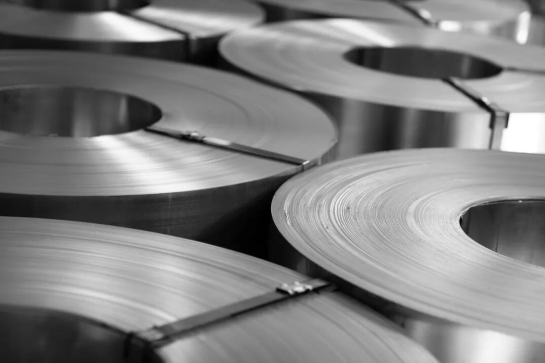
Understanding Industrial Sheet Metal Companies and Their Core Functions
Ever found yourself searching for an aluminum fabricator near me only to feel overwhelmed by the countless options that pop up? You're not alone. Many buyers struggle to navigate the world of industrial sheet metal companies because they don't fully understand what distinguishes one type of provider from another. This confusion often leads to costly mistakes, delayed projects, and frustrating partnerships.
Let's break this down so you can approach your next project with clarity and confidence.
What Defines an Industrial Sheet Metal Company
At its core, an industrial sheet metal company transforms raw metal materials into functional components through processes like cutting, bending, and assembling. These businesses serve critical roles across aerospace, automotive, construction, electronics, and countless other industries that rely on precise metal parts.
But here's what most buyers miss: not all these companies operate the same way. The term "industrial sheet metal company" actually encompasses several distinct business models, each with unique strengths suited to different project needs. Understanding these differences is essential before you request a single quote.
Think of it this way—you wouldn't hire a general contractor to perform specialized electrical work. Similarly, choosing the wrong type of sheet metal fabricating partner can result in quality issues, budget overruns, or missed deadlines.
Contractors vs. Fabricators vs. Manufacturers Explained
When you're exploring NY metal design options or searching nationwide, you'll encounter three primary categories of industrial sheet metal companies:
- Manufacturers: These companies excel at producing large quantities of identical parts. They operate highly efficient production lines optimized for volume, making them cost-effective for mass production. However, they typically aren't ideal for customized or one-off orders.
- Custom Fabricators: Need something unique? Custom fabricators specialize in creating one-of-a-kind parts tailored to your exact specifications. They offer flexibility and personalization that manufacturers can't match, though this often comes at a higher price point. Companies like Aquel Sheet Metal exemplify this approach, focusing on specialized client requirements.
- Job Shops: These versatile operations handle small to medium-sized orders across various industries. They offer quick turnaround times and adapt easily to different project types, but may lack capacity for large-scale production runs.
Each model carries distinct advantages and limitations. Manufacturers deliver efficiency but sacrifice customization. Custom fabricators provide flexibility but may cost more. Job shops offer speed and versatility but struggle with high-volume demands.
Understanding where your project falls on this spectrum helps you target the right partner from the start. Are you prototyping a new product? A custom fabricator makes sense. Launching full-scale production of proven components? A manufacturer might serve you better.
This foundational knowledge becomes your first line of defense against the costly red flags we'll explore throughout this guide. When you understand what type of industrial sheet metal company you actually need, you're far less likely to waste time and money with the wrong partner.
Essential Sheet Metal Fabrication Processes Every Buyer Should Know
Imagine you're reviewing quotes from three different sheet metal New York suppliers. Each mentions laser cutting, CNC punching, and welding—but what do these terms actually mean for your project? Without understanding the fundamental processes behind sheet metal fabrication, you're essentially comparing apples to oranges while hoping for the best.
Here's the truth: most industrial sheet metal companies assume buyers already understand fabrication basics. They list their capabilities without explaining how each process impacts quality, cost, and timeline. This knowledge gap puts you at a disadvantage during vendor selection and can lead to expensive mismatches between your needs and their actual capabilities.
Let's demystify these essential processes so you can ask smarter questions and spot potential red flags before they become costly problems.
Laser Cutting and CNC Punching Fundamentals
When it comes to precision sheet metal fabrication near me searches, cutting processes represent the foundation of everything that follows. How your material gets shaped initially determines the quality of your final product.
Laser Cutting uses a high-powered, focused beam to slice through metal sheets with exceptional accuracy. This technique excels at intricate designs and produces smooth edges that often require minimal finishing. According to MakerVerse, laser cutting is ideal for creating complex shapes and patterns, handling various metal thicknesses up to approximately 30mm depending on the material.
What should you know as a buyer? Laser cutting offers:
- Superior precision: Tolerances as tight as +/- 0.1mm on many materials
- Clean edges: Minimal burring reduces secondary finishing requirements
- Design flexibility: Complex geometries and intricate patterns are achievable
- Speed: Fast processing times for thin to medium-thickness materials
CNC Punching takes a different approach. This process uses computer-controlled machines to drive a punch through the metal sheet, creating holes, slots, and cutouts with remarkable consistency. It's particularly efficient for metal cutting NYC projects requiring multiple identical features across many parts.
Key advantages of CNC punching include:
- Cost efficiency: Lower per-hole cost for high-volume production runs
- Repeatability: Automated control ensures identical features across thousands of parts
- Versatility: Standard tooling handles common shapes quickly; custom tooling accommodates unique requirements
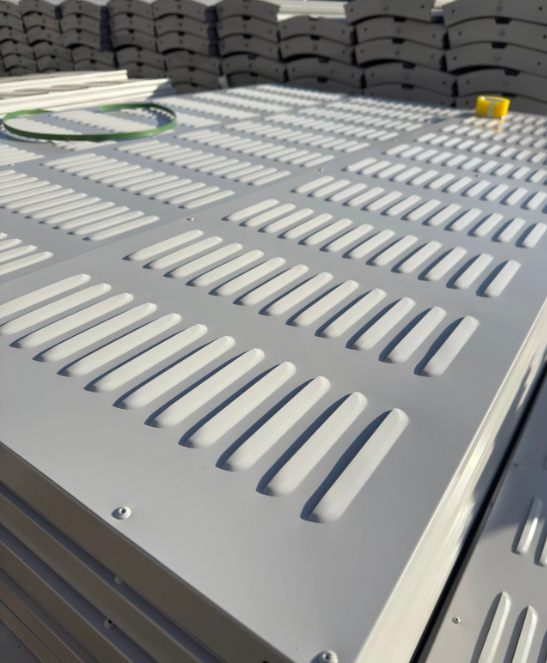
- Material forming: Can create embossments, louvers, and other formed features simultaneously
Sounds complex? Here's the practical takeaway: laser cutting typically makes more sense for complex, detailed designs or smaller quantities, while CNC punching often proves more economical for simpler shapes produced in high volumes. A qualified vendor should help you determine which approach—or combination—best serves your specific project.
Bending, Welding, and Surface Finishing Techniques
Once your material is cut, forming and joining processes transform flat pieces into functional components. This is where custom fabrication NYC projects truly take shape.
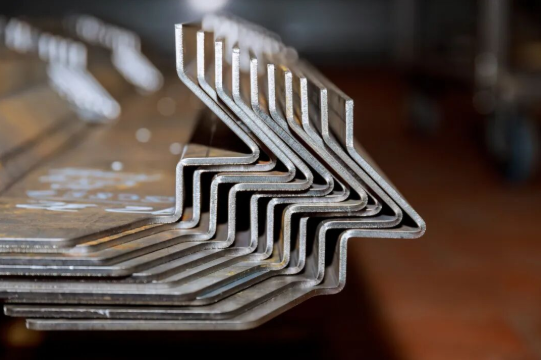
Bending involves deforming metal along a straight axis to create angles and curves. Modern press brakes equipped with CNC controls can achieve remarkably precise bends, but the process requires careful consideration of factors like material thickness, grain direction, and minimum bend radius.
Common bending methods include:
- Air bending: Flexible technique allowing various angles; most common in custom work
- Bottoming (coining): Provides precise, consistent bends with minimal springback
- V-bending: Creates sharp angles using V-shaped dies
Welding joins multiple pieces into unified structures. For NYC aluminum welding and other metal joining needs, two techniques dominate the industry:
- MIG (Metal Inert Gas) welding: Uses a continuously fed wire electrode with shielding gas. Known for speed, ease of use, and effectiveness on thicker materials. Ideal for steel and ferrous alloys.
- TIG (Tungsten Inert Gas) welding: Employs a non-consumable tungsten electrode for exceptional precision. Preferred for thin sheets, aluminum, and applications demanding clean, high-quality welds.
Surface Finishing represents the final transformation, enhancing both appearance and durability. According to Geomiq's fabrication guide, common finishing operations include:
- Powder coating: Applies electrostatic polymer powder for a durable, corrosion-resistant colored finish
- Anodizing: Creates a protective oxide layer on aluminum parts; available in various colors
- Electroplating: Deposits thin layers of metals like chrome, nickel, or zinc for enhanced properties
- Bead blasting: Produces uniform satin or matte textures while removing imperfections
Why does this matter for your vendor evaluation? When you understand these processes, you can assess whether a potential partner possesses the right capabilities for your project. A company specializing in high-volume stamping may lack the precision welding skills your custom enclosure requires. Conversely, a boutique fabricator might not efficiently handle your 10,000-piece production run.
Armed with this knowledge, you're ready to evaluate how different industrial sheet metal companies specialize their capabilities for specific industry sectors—and why those specializations directly impact your project's success.
Industry Specializations That Define Sheet Metal Company Capabilities
Here's something that might surprise you: a fabricator producing excellent automotive brackets could be entirely wrong for your aerospace project—even if their equipment and pricing look perfect on paper. Why? Because industry specializations extend far beyond basic metalworking skills.
When evaluating industrial sheet metal companies, understanding sector-specific requirements becomes your secret weapon against costly mismatches. Each industry demands unique certifications, tolerances, and material expertise that separate qualified partners from those merely claiming capability.
Let's explore what these specializations actually mean for your vendor selection process.
Aerospace and Defense Sector Requirements
Aerospace sheet metal fabrication operates under some of the most stringent standards in manufacturing. When lives depend on component reliability at 35,000 feet, there's zero tolerance for shortcuts.
According to industry standards documentation, aerospace sheet metal parts must meet requirements across multiple categories:
- Material selection standards: Organizations like Aerospace Materials Specifications (AMS) dictate specific materials based on strength-to-weight ratio, corrosion resistance, and thermal stability. Common choices include aerospace-grade aluminum alloys, titanium, and specialized stainless steels.
- Manufacturing process standards: The Aerospace Industries Association (AIA) and National Aerospace and Defense Contractors Accreditation Program (NADCAP) define best practices for forming, cutting, bending, and joining processes.
- Structural standards: The FAA, EASA, and ICAO establish requirements for strength, fatigue resistance, and load capacity to ensure parts withstand extreme operational conditions.
- Environmental testing: Parts must demonstrate thermal stability, corrosion resistance, and fatigue life under simulated harsh conditions.
Defense manufacturing adds another layer of complexity. As noted by EVS Metal, ITAR (International Traffic in Arms Regulations) registration is mandatory for companies manufacturing defense articles. This registration, granted by the U.S. State Department's Directorate of Defense Trade Controls, ensures that defense-related information and materials remain exclusively with U.S. Persons unless specifically authorized.
What does this mean for you? If your project involves aerospace or defense applications, your fabricator must possess relevant certifications and demonstrate documented compliance—not just claim capability. Steel fabrication New York providers serving these sectors should readily provide certification documentation upon request.
Automotive and Medical Industry Standards
Automotive sheet metal demands a different kind of precision. High-volume production requires consistency across thousands—sometimes millions—of identical parts while maintaining cost efficiency.
IATF 16949 certification represents the gold standard for automotive suppliers. This quality management system builds upon ISO 9001 while adding automotive-specific requirements for:
- Production part approval process (PPAP): Formal documentation proving manufacturing capability before full production begins
- Advanced product quality planning (APQP): Structured methodology for introducing new products
- Failure mode and effects analysis (FMEA): Systematic approach to identifying and preventing potential defects
- Statistical process control (SPC): Continuous monitoring to maintain consistent quality
Medical device manufacturing introduces yet another specialized environment. FDA regulations and ISO 13485 certification govern sheet metal components destined for medical applications. These standards emphasize traceability, cleanliness, and biocompatibility considerations that don't apply in other sectors.
Consider this: aluminium sheet metal fabricators producing surgical equipment enclosures must maintain contamination-free environments and document every material lot used in production. A general-purpose shop simply cannot meet these requirements without significant infrastructure investment.
Comparing Sector Requirements at a Glance
Understanding how requirements differ across industries helps you quickly assess whether a potential partner truly fits your needs. The following comparison highlights key differences:
| Industry Sector | Primary Certifications | Typical Tolerances | Preferred Materials |
|---|---|---|---|
| Aerospace | AS9100, NADCAP, AMS Compliance | +/- 0.005" to +/- 0.010" | Aerospace aluminum (2024, 7075), titanium, Inconel |
| Defense | ITAR Registration, AS9100, MIL-SPEC | +/- 0.005" to +/- 0.015" | Armor-grade steel, specialty alloys, hardened materials |
| Automotive | IATF 16949, ISO 9001 | +/- 0.010" to +/- 0.030" | Mild steel, high-strength steel, aluminum 5052/6061 |
| Medical | ISO 13485, FDA Registration | +/- 0.005" to +/- 0.015" | Stainless steel (304, 316L), medical-grade aluminum |
| General Industrial | ISO 9001 | +/- 0.015" to +/- 0.030" | Carbon steel, standard aluminum, galvanized steel |
Notice how steel fabricators NYC serving automotive clients need entirely different certifications than those working with aerospace customers—even when using similar equipment. This distinction explains why asking "what industries do you primarily serve?" often reveals more than any capability brochure.
Red flag alert: when a metal fabrication NYC company claims expertise across every sector without corresponding certifications, proceed with caution. True specialization requires significant investment in training, quality systems, and documentation processes. Companies genuinely serving regulated industries display their certifications prominently and discuss compliance as a matter of course.
Now that you understand how industry specializations shape company capabilities, you're ready to dive deeper into the specific certifications and quality standards that separate qualified vendors from pretenders.
Quality Certifications and Standards for Vetting Sheet Metal Companies
You've seen the alphabet soup of certifications plastered across company websites—ISO 9001, AS9100, IATF 16949, ITAR. But here's what most buyers never ask: what do these letters actually mean for your project? Understanding quality certifications transforms you from a passive quote reviewer into an informed evaluator who can quickly separate qualified industrial sheet metal companies from those merely displaying impressive-looking logos.
Think of certifications as a fabricator's professional credentials. Just as you wouldn't hire an unlicensed contractor to rewire your building, you shouldn't trust critical metal components to uncertified suppliers. Let's decode these standards so you know exactly what to look for—and what questions to ask.
Understanding ISO and AS9100 Certifications
When evaluating steel fabricators in New York or anywhere else, ISO 9001 represents your baseline standard. According to Modus Advanced, ISO 9001 is an internationally recognized quality management system (QMS) standard that establishes requirements for consistent quality assurance across all industries and business types.
But what does this mean in practical terms? Here's what ISO 9001 certification tells you about a fabricator:
- Documented processes: Every step from design through delivery follows standardized procedures, reducing errors and inconsistencies
- Customer focus: Systems exist to capture your requirements accurately and verify they're met
- Continuous improvement: The company actively identifies and corrects problems rather than repeating mistakes
- Regular audits: An independent body verifies compliance every three years, ensuring standards don't slip
For general commercial and industrial applications, ISO 9001 often provides sufficient quality assurance. If component failure would be problematic but not catastrophic, this certification demonstrates your partner maintains professional quality systems.
Now, here's where things get more rigorous. AS9100 takes every ISO 9001 requirement and adds aerospace-specific protocols that address the unique demands of flight-critical components. As noted by industry experts, AS9100 is the gold standard of quality manufacturing certifications in the aerospace industry.
What additional requirements does AS9100 introduce?
- Enhanced risk management: Specific employees or departments must be assigned responsibility for identifying and mitigating manufacturing risks
- Counterfeit parts prevention: Rigorous verification protocols ensure component authenticity—critical when safety depends on material integrity
- Independent verification: Rather than accepting supplier test reports at face value, AS9100 requires manufacturers to verify information through their own testing and inspection
- Strict equipment protocols: Everything from machinery to software must follow defined storage, maintenance, and inspection schedules
Why does this matter for your vendor search? If you're sourcing parts for aerospace, space, or defense applications, AS9100 certification isn't optional—it's mandatory. Metal fabrication New York providers serving these sectors should display current certification without hesitation.
Why IATF 16949 Matters for Automotive Components
Automotive sheet metal operates under different pressures than aerospace. While tolerances may be slightly more forgiving, the sheer volume of parts demands exceptional consistency. That's where IATF 16949 enters the picture.
According to IATF certification specialists, IATF 16949:2016 defines the requirements of a Quality Management System specifically designed for organizations in the automotive industry. This standard superseded the previous ISO/TS 16949 and represents the current benchmark for automotive suppliers worldwide.
What makes IATF 16949 essential for automotive components?
- Production part approval process (PPAP): Formal documentation proves manufacturing capability before full production begins—protecting you from suppliers who can make one good part but struggle with thousands
- Advanced product quality planning (APQP): Structured methodology ensures new products launch smoothly with predictable quality
- Failure mode and effects analysis (FMEA): Systematic approach identifies potential defects before they occur, preventing costly recalls
- Statistical process control (SPC): Continuous monitoring maintains consistent quality across extended production runs
- Evidence-based decision making: Decisions rely on documented data rather than assumptions, improving resource allocation and problem resolution
Here's a reality check: major automotive OEMs require IATF 16949 certification from their supply chain partners. If you're producing components destined for vehicles, working with non-certified steel fabricators Buffalo NY or elsewhere typically disqualifies you from supplying major manufacturers.
ITAR Registration: The Defense Industry Gatekeeper
International Traffic in Arms Regulations (ITAR) operates differently from quality certifications—it's a legal requirement, not a voluntary standard. As explained by Approved Sheet Metal, ITAR registration is required by law for manufacturers producing components for specific defense-related applications appearing on the United States Munitions List (USML).
What does ITAR compliance demand?
- Restricted access: Defense-related information and materials can only be shared with U.S. persons unless specifically authorized
- Comprehensive registration: Companies must provide detailed information to the Directorate of Defense Trade Controls (DDTC) about business operations and compliance programs
- Serious consequences: Violations carry massive civil and criminal fines—and even prison time for responsible individuals
If your project involves defense applications, verify ITAR registration before sharing any technical specifications. This isn't about quality preference—it's about national security compliance and your legal exposure.
Certification Verification Checklist
Armed with this knowledge, here's how to verify certifications effectively:
- Request current certificates: Legitimate certifications include expiration dates and issuing body information—ask to see them
- Check certificate validity: Certifications require renewal; expired certificates indicate lapsed compliance
- Verify issuing bodies: Accredited certification bodies are recognizable and verifiable through official registries
- Match certifications to your needs: ISO 9001 suits general commercial work; AS9100 covers aerospace; IATF 16949 addresses automotive requirements
- Ask about audit history: Companies proud of their quality systems discuss audit results openly
Remember: certifications represent significant investment in training, documentation, and ongoing compliance. When industrial sheet metal companies display these credentials, they've earned them through sustained commitment to quality standards—exactly what you need protecting your projects and reputation.
With certification requirements now clear, your next consideration involves a factor many buyers overlook until shipping costs arrive: geographic location and its impact on your total project cost.
Geographic Considerations When Selecting Sheet Metal Partners
Here's a question most buyers forget to ask until the invoice arrives: does it matter where your industrial sheet metal company is located? The answer might surprise you—and save you thousands.
While capabilities and certifications dominate vendor discussions, geography quietly influences costs, timelines, and communication quality in ways that can make or break your project. According to Zetwerk's manufacturing analysis, the choice between local and global fabrication partners "can significantly impact your project's quality, cost, and timeline."
Let's explore when proximity matters—and when it doesn't.
When to Choose Local Sheet Metal Fabricators
Imagine you've discovered a design flaw mid-production. With a local partner, you could drive over for a same-day meeting, inspect the issue firsthand, and approve corrections before lunch. With an overseas supplier? You're coordinating across time zones, relying on photos and video calls, and watching your timeline slip.
This scenario illustrates why metal fabrication Buffalo and other regional markets continue thriving despite global competition. According to P&D Metal Works, local fabricators offer distinct advantages that extend beyond simple convenience:
- Reduced shipping costs: Heavy metal components incur significant freight charges. Local pickup or short-distance delivery eliminates these expenses entirely
- Faster turnaround times: Local orders require less lead time, provide shorter delivery windows, and enable continuous production adjustments
- Face-to-face collaboration: Complex projects benefit from in-person design reviews and quality inspections that remote communication can't replicate
- Rapid problem resolution: When issues arise, proximity enables same-day site visits rather than weeks of back-and-forth communication
- Local economy support: Working with regional partners creates ripple effects benefiting communities, families, and businesses in your area
For metal Buffalo NY buyers specifically, proximity to Great Lakes manufacturing infrastructure offers additional advantages. Regional specializations in automotive components and heavy industrial fabrication mean local expertise often aligns with common project requirements.
Buffalo steel fabrication providers, for instance, frequently serve agricultural equipment manufacturers, construction firms, and automotive suppliers throughout the Northeast—bringing sector-specific experience that distant competitors lack.
Benefits of Regional vs. National Suppliers
The local versus national decision isn't always black and white. Sometimes a regional approach—partnering with fabricators within a few hundred miles—offers the best balance between local advantages and expanded capabilities.
Consider these factors when evaluating geographic scope:
| Factor | Local (Under 100 Miles) | Regional (100-500 Miles) | National/Global |
|---|---|---|---|
| Shipping Costs | Minimal to none | Moderate; ground freight viable | Significant; may require freight consolidation |
| Lead Time Impact | 1-2 days for delivery | 3-5 days typical | 1-4 weeks depending on location |
| Site Visits | Same-day possible | Day trip feasible | Requires travel planning and expense |
| Communication | Same time zone; in-person easy | Usually same or adjacent time zone | Potential language barriers; time zone challenges |
| Specialized Capabilities | Limited to local market | Access to regional manufacturing hubs | Widest capability selection |
Metal fabrication Albany providers exemplify the regional advantage. Positioned along major Northeast transportation corridors, metal Albany NY fabricators serve clients from Boston to Buffalo efficiently while maintaining closer relationships than distant national suppliers could offer.
According to market research from Verified Market Research, North America's mature manufacturing ecosystem supports approximately $9 billion in sheet metal fabrication equipment and services. This concentration means metal fabrication Albany and similar regional markets benefit from established supply chains, skilled labor pools, and industry-specific expertise.
Major Manufacturing Hubs and Regional Specializations
Not all regions specialize equally. Understanding geographic strengths helps you match projects with the right manufacturing ecosystems:
- Great Lakes Region (Buffalo, Cleveland, Detroit): Deep automotive and heavy industrial expertise; strong steel fabrication capabilities; established supply chains for high-volume production
- Northeast Corridor (Albany, New York, Boston): Precision manufacturing focus; aerospace and defense sector presence; access to engineering talent from major universities
- Southeast (Atlanta, Charlotte, Tennessee): Growing automotive manufacturing presence; competitive labor costs; expanding aerospace sector
- California/Pacific Northwest: Technology and electronics focus; aerospace heritage; medical device manufacturing clusters
- Texas/Southwest: Energy sector specialization; aerospace and defense presence; competitive operating costs
Here's the practical takeaway: when your project aligns with regional specializations, you often gain access to deeper expertise, established supplier networks, and competitive pricing driven by local market dynamics.
When Proximity Matters Less
Geography isn't always decisive. Consider looking beyond your immediate region when:
- Specialized certifications are required: If you need NADCAP-certified aerospace processing or ITAR-registered defense capabilities, certification availability trumps location
- Volume justifies shipping costs: Large production runs spread freight expenses across many parts, reducing per-unit impact
- Technology requirements are unique: Specialized equipment or processes may only exist in certain geographic areas
- Long-term relationships are established: Proven partners with documented quality history may warrant continued business despite distance
The key is weighing total cost—including shipping, travel for inspections, and communication overhead—against capability alignment. A slightly higher unit price from a local partner often proves cheaper than "savings" consumed by freight charges and project delays.
With geographic considerations now clear, your next step involves matching your specific project requirements to the right company size and specialization—a decision framework that prevents costly capability mismatches.
How to Match Your Project Requirements to the Right Company
You've identified your industry requirements, verified certifications, and considered geographic factors. But here's where many buyers stumble: selecting a fabricator whose size and specialization actually match their project needs. A mismatch here can drain your budget faster than any other red flag.
Think about it this way—would you hire a massive law firm for a simple contract review? Or ask a solo practitioner to handle a complex merger? The same logic applies when evaluating industrial sheet metal companies. Finding the right fit between your project scale and a company's capabilities determines whether you receive efficient, cost-effective service or pay premium prices for misaligned resources.
Let's build a practical decision framework you can apply to any fabrication project.
Matching Project Scale to Company Size
According to Product Resources manufacturing specialists, capacity evaluation represents a critical selection factor: "Will you be the largest client for this company? Or will you be smallest? Both extremes could be red flags."
Why do extremes matter? Consider these scenarios:
- You're the largest client: Has this company ever handled a project your size before? Untested capacity creates risk. They may lack equipment, personnel, or systems to scale up effectively
- You're the smallest client: Will you receive adequate attention when larger accounts demand resources? Your order might consistently land at the bottom of the priority list
The sweet spot typically falls somewhere in the middle—you want to represent meaningful business without overwhelming your partner's capabilities.
Here's a practical sizing guide based on common project profiles:
| Project Type | Typical Quantity | Best Partner Size | Key Considerations |
|---|---|---|---|
| Prototype Development | 1-10 pieces | Small to mid-size custom shop | Flexibility, engineering support, quick iterations |
| Small Batch Production | 10-500 pieces | Job shop or mid-size fabricator | Versatility, reasonable setup costs, quality consistency |
| Medium Volume | 500-5,000 pieces | Mid-size to larger fabricator | Production efficiency, capacity availability, competitive pricing |
| High Volume Production | 5,000+ pieces | Large manufacturer with automation | Per-unit cost optimization, consistent quality, supply chain reliability |
For custom metal fabrication NYC projects requiring specialized attention, smaller shops often deliver superior results. They can dedicate engineering resources to your unique requirements rather than forcing your design into standardized production workflows.
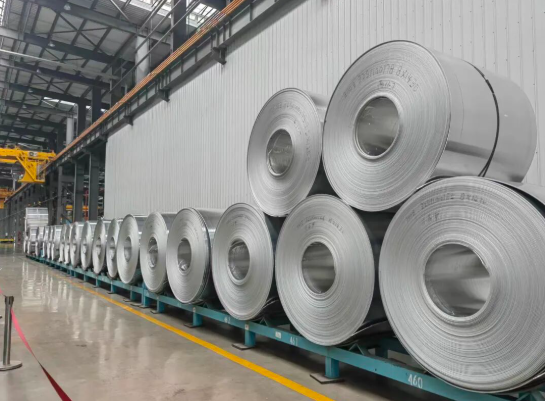
Conversely, buffalo metal fabricating operations serving automotive supply chains typically run high-volume lines where efficiency comes from repetition. These larger operations may struggle with one-off prototypes but excel when producing thousands of identical components.
Full-Service vs. Specialized Fabricators
Beyond size, you'll encounter two fundamentally different business models: full-service shops handling everything under one roof versus specialists focusing on specific processes or industries.
According to Atscott MFG's selection guide, if you want streamlined project management, "choose a fabricator that offers design, engineering, fabrication, assembly, and installation under one roof."
Full-Service Advantages:
- Single point of accountability: One contract, one project manager, one company responsible for results
- Streamlined communication: No coordination required between multiple vendors
- Faster problem resolution: Issues stay in-house rather than bouncing between companies
- Integrated quality control: Consistent standards applied from design through delivery
Full-Service Limitations:
- Jack-of-all-trades risk: Breadth sometimes sacrifices depth in specialized capabilities
- Higher overhead costs: Maintaining diverse capabilities increases operating expenses
- Equipment constraints: One facility can't house every specialized machine
Specialized fabricators take the opposite approach. A company like Brooklyn Custom Metal Fabrication Inc New York might focus exclusively on architectural metalwork, developing deep expertise that generalists can't match. This specialization delivers advantages when your project falls squarely within their wheelhouse.
Specialist Advantages:
- Deep expertise: Years of focused experience solving similar challenges
- Optimized equipment: Investments targeted at specific process excellence
- Industry knowledge: Understanding of sector-specific requirements and best practices
- Competitive pricing: Efficiency gains from process specialization
Specialist Limitations:
- Narrow scope: Projects outside their specialty may require additional vendors
- Coordination complexity: Multi-vendor projects demand more management effort
- Flexibility constraints: Less ability to accommodate unusual requirements
Your Project Requirements Decision Checklist
Before contacting potential partners, work through this evaluation framework to clarify your needs:
- Production volume assessment: How many pieces do you need initially? What about ongoing production? Match volume expectations to appropriate partner size
- Prototype vs. production clarity: Are you developing new designs requiring iteration, or producing proven components? Prototyping demands flexibility; production rewards efficiency
- Service scope definition: Do you need design assistance, or are you providing complete manufacturing drawings? Full-service partners offer DFM support; specialists expect production-ready specifications
- Equipment requirements: What processes does your project require? Verify the fabricator owns—not just claims access to—necessary machinery. According to manufacturing selection experts, ask "what will they do themselves—and what they will outsource"
- Timeline sensitivity: How critical are your deadlines? Smaller shops may offer faster turnaround for custom metal NYC projects; larger operations provide reliable scheduling for volume work
- Budget structure: Can you absorb higher per-unit costs for low volumes, or does your business case require volume pricing? Your answer guides partner selection
- Relationship expectations: Do you need a long-term manufacturing partner or a one-time vendor? As noted by industry advisors, "when you select a contract manufacturer, you are, in many ways, beginning a partnership"
Remember: the lowest quote rarely represents the best value. A fabricator perfectly matched to your project requirements delivers efficiency that translates into reliable quality, predictable timelines, and ultimately lower total costs.
With your project requirements clearly defined and matched to appropriate partner profiles, you're ready to navigate the formal quoting process—where the right preparation separates informed buyers from those destined for costly surprises.
Navigating the RFQ Process with Industrial Sheet Metal Companies
You've identified the right type of fabrication partner, verified certifications, and matched your project scale to appropriate company capabilities. Now comes the moment of truth: requesting quotes that actually reflect your project's true requirements. Here's where many buyers unknowingly sabotage themselves.
According to Approved Sheet Metal's RFQ guidance, fabricators love discussing function, key features, lead times, and finishing requirements with customers—but they can only provide accurate quotes when they receive complete information upfront. Incomplete RFQs lead to padded estimates, unexpected change orders, and frustrating back-and-forth that delays your project before it even begins.
Let's walk through exactly what you need to prepare and what realistic timeline expectations look like when working with sheet metal NYC providers and fabricators nationwide.
Preparing Your Request for Quote Package
Think of your RFQ package as a conversation starter. The more clearly you communicate your needs, the more accurately fabricators can respond—and the easier it becomes to compare quotes on equal footing.
According to AMG Industries, requesting a quote is "like planning a road trip—you can't just start driving without a plan." Here's your step-by-step preparation guide:
- Compile complete CAD files or detailed drawings: Digital files remain the gold standard for New York sheet metal fabrication quotes. Include a top-level assembly model showing all hardware and component relationships. If CAD isn't available, provide detailed hand sketches or annotated PDFs with clear dimensions, noting that some fabricators charge a small fee to create CAD models from drawings.
- Specify material type and grade: Don't just say "aluminum"—identify the specific alloy (6061-T6, 5052-H32, etc.), thickness, and any certification requirements. As LTJ Industrial's 2026 fabrication guide notes, material selection "directly determines your fabrication quote" since prices fluctuate based on global supply conditions.
- Define finishing requirements: Powder coating, silk screening, wet paint, anodizing, chromating—each finish adds different costs and lead times. Specify color, texture, and any performance requirements like corrosion resistance or UV stability.
- Include tolerance specifications: According to Approved Sheet Metal, "specifying clear and appropriate tolerances is critical—not just for accuracy, but also for cost control." Call out critical dimensions requiring tight control, include functional datum references for aligned features, and apply realistic tolerancing—over-tolerancing unnecessarily increases costs.
- Document welding instructions: Specify whether parts are internal or external, identify weld type preferences (MIG, TIG), note cosmetic requirements for visible welds, and indicate any structural or load-bearing considerations.
- Provide tapped hole callouts: Include diameter, thread pitch, and depth specifications. Missing this information forces fabricators to make assumptions—or request clarification, delaying your quote.
- State quantity and delivery requirements: Provide exact quantities needed, desired delivery dates, shipping destination, and whether you need staged deliveries or a single shipment. Remember: larger batches typically reduce per-unit costs through economies of scale.
- Identify special requirements: Certifications needed (IATF 16949, AS9100), inspection documentation requirements, traceability needs, and any regulatory compliance considerations specific to your industry.
Here's what experienced metal sheets NYC fabricators generate internally once they receive your complete package:
- All outside dimensions print with verified specifications
- A flat pattern with hole size chart for hardware verification
- Bill of materials (BOM) with component labels
- Welding instructions (generated if not provided)
- Sheet metal bend gains or deductions calculations
- Mating part tolerance adjustments for material bowing
- Grinding and finishing instructions based on your requirements
Pro tip: A fabricator once shared this advice—"I'd rather you explain too much than leave me guessing." Over-communication beats assumption every time.
What to Expect in Quote Turnaround Times
How long should you wait for a quote? The answer depends on project complexity, fabricator workload, and how complete your RFQ package is. Setting realistic expectations prevents frustration and helps you plan project timelines accurately.
According to industry research, approximately 35% of all fabrication quotes are now processed through online platforms, enabling faster turnaround for straightforward projects. However, complex custom work still requires human engineering review.
Typical quote turnaround expectations:
| Project Complexity | Typical Quote Turnaround | Factors Affecting Timeline |
|---|---|---|
| Simple parts with complete drawings | 24-48 hours | Standard materials, minimal finishing, clear specifications |
| Moderate complexity assemblies | 3-5 business days | Multiple processes, custom finishing, some engineering review needed |
| Complex custom fabrication | 5-10 business days | Detailed engineering analysis, specialty materials, certification requirements |
| Large production quotes | 1-2 weeks | Capacity planning, supplier pricing verification, tooling cost assessment |
What slows down the quoting process? Missing information tops the list. Every clarification request adds days to your timeline as fabricators wait for responses. Other delays include:
- Incomplete drawings: Missing dimensions, unclear tolerances, or ambiguous specifications require engineering interpretation
- Unusual materials: Non-stock materials need supplier pricing verification
- Complex finishing: Multi-step finishing processes or specialty coatings require subcontractor quotes
- Certification requirements: Projects requiring specific quality documentation need additional review
Evaluating Quotes Effectively
When quotes arrive, resist the temptation to jump straight to the bottom line. According to fabrication industry experts, always compare quotes on a like-for-like basis and look for detailed line item breakdowns including:
- Material costs: Verify quoted materials match your specifications
- Labor and processing: Understand what operations are included
- Finishing costs: Confirm finishing specifications align with your requirements
- Setup and tooling charges: Especially important for production runs
- Quality assurance: Inspection and documentation costs should be transparent
- Shipping and handling: Confirm delivery terms and costs
If something seems unclear or missing, reach out for clarification. Don't hesitate to ask about differences in pricing or approach between vendors. This due diligence ensures you select a partner whose quote actually reflects what you'll pay—not a lowball estimate designed to win your business before change orders inflate the final cost.
With your RFQ process mastered, you're ready to evaluate perhaps the most critical factor in vendor selection: production timelines and capacity—where realistic expectations separate successful projects from costly delays.
Production Timelines and Capacity Factors That Impact Your Project
You've submitted your RFQ, received competitive quotes, and narrowed down your shortlist. But here's a red flag many buyers miss until it's too late: the quoted price means nothing if your fabricator can't deliver when you need parts. Production timelines and capacity constraints separate reliable partners from vendors who promise the world—then leave you scrambling when deadlines approach.
According to Protolis manufacturing research, production timelines vary dramatically based on technology, complexity, and company capabilities. Understanding these factors before you commit prevents the costly surprises that derail projects and damage supplier relationships.
Let's examine what actually drives lead times—and how to identify fabricators capable of meeting your deadlines.
Understanding Production Lead Times
When industrial sheet metal companies quote lead times, what's actually included? Most buyers assume the number represents start-to-finish production time. In reality, lead times encompass multiple phases—and understanding each helps you set realistic expectations.
According to industry timeline research, production methods dramatically affect setup and manufacturing windows:
- Setup time for sheet metal forming: 5 to 10 working days before production even begins—this includes tooling preparation, machine programming, and first-article inspection
- Part production time: A few hours to 1 day for most sheet metal components, depending on complexity
- Finishing operations: Surface treatments like anodizing or powder coating add 2-4 additional days; cosmetic finishing requires 1-2 days
What does this mean practically? A "2-week lead time" quote for metal fabrication Buffalo NY or metal fabrication Rochester NY projects might actually break down as:
- Engineering review and DFM feedback: 1-2 days
- Material procurement (if not in stock): 2-5 days
- Setup and programming: 2-3 days
- Production: 1-2 days
- Finishing: 2-4 days
- Quality inspection and packaging: 1 day
Suddenly that two-week estimate makes sense—and you understand why rushing any phase creates quality risks.
How Company Size Affects Turnaround
Here's something counterintuitive: bigger isn't always faster. Company size influences lead times in complex ways that savvy buyers learn to navigate.
Smaller fabrication shops often deliver faster turnaround for custom and prototype work because:
- Shorter approval chains mean quicker decision-making
- Flexible scheduling accommodates rush orders more easily
- Direct communication with production staff eliminates middlemen
- Less bureaucracy speeds engineering review and DFM feedback
Larger manufacturing operations excel at predictable, high-volume production because:
- Dedicated production lines maintain consistent output
- Material inventory depth reduces procurement delays
- Multiple shifts enable 24/7 production capacity
- Redundant equipment prevents single-point failures
For steel Rochester NY applications or metal fabrication Syracuse NY projects, matching your timeline requirements to appropriate partner size prevents frustration. Prototype development? A nimble custom shop might quote 5-7 days. High-volume production of proven components? A larger manufacturer's 3-4 week timeline delivers better value through efficiency.
How Automation Impacts Delivery Speed
Automation represents the great equalizer in sheet metal fabrication. According to Metal Recruiters' industry analysis, companies adopting automated systems report "20-50% reductions in production cycle times" alongside improved consistency and quality.
Why does automation accelerate production so dramatically?
- 24/7 operation capability: Automated laser cutters and CNC punch presses run continuously without shift changes or fatigue
- Reduced setup times: CNC programming enables rapid changeover between jobs—minutes instead of hours
- Consistent quality: Automated systems eliminate human variation, reducing rework and rejection rates
- Parallel processing: Multiple operations run simultaneously rather than sequentially
According to MakerVerse's 2025 fabrication trends analysis, "adopting 24/7 automated production lines means faster turnaround times and increased capacity, enabling companies to respond quickly to customer demands and market changes."
What should you look for when evaluating automation capabilities? Ask potential partners about:
- Laser cutting technology: Fiber lasers cut faster and more precisely than older CO2 systems
- Robotic bending: Automated press brakes maintain consistency across thousands of parts
- Integrated quality monitoring: AI-driven inspection catches defects before they propagate
- Lights-out manufacturing: Capability to run unmanned shifts dramatically increases capacity
Rapid Prototyping: The Speed Benchmark
When timeline pressure intensifies, rapid prototyping capabilities separate leading fabricators from the pack. While traditional sheet metal forming requires 5-10 days of setup time alone, advanced manufacturers have compressed this dramatically.
Consider what leading-edge capabilities look like in practice: Shaoyi (Ningbo) Metal Technology delivers 5-day rapid prototyping with 12-hour quote turnaround for automotive stamping applications. This IATF 16949-certified manufacturer demonstrates how automation and streamlined processes can accelerate timelines that once seemed impossible.
For buyers seeking rapid steel NY or similar fast-turnaround solutions, these benchmarks help calibrate expectations. When a fabricator claims "fast delivery," you now have concrete standards for comparison. Five-day prototyping with same-day quoting represents the capability frontier—if your potential partner can't approach these timelines, understand why before committing.
Realistic Timeline Expectations by Project Type
Setting appropriate expectations prevents disappointment and enables accurate project planning. Based on industry research and manufacturing realities, here's what you should anticipate:
| Project Type | Typical Lead Time | Rush Capability | Key Timeline Drivers |
|---|---|---|---|
| Simple prototypes (1-5 pieces) | 5-10 business days | 3-5 days possible | Material availability, engineering review, finishing requirements |
| Complex prototypes with tooling | 2-4 weeks | 1-2 weeks with premium | Tooling fabrication, iteration cycles, inspection requirements |
| Small production runs (50-500 pieces) | 2-3 weeks | 1-2 weeks possible | Setup amortization, material procurement, quality documentation |
| Medium volume (500-5,000 pieces) | 3-5 weeks | 2-3 weeks with planning | Production scheduling, capacity availability, finishing volume |
| High volume (5,000+ pieces) | 4-8 weeks | Varies by capacity | Tooling investment, material orders, production line dedication |
Red Flags in Timeline Discussions
Watch for these warning signs when discussing production schedules:
- Vague timeline commitments: "We'll get it done as fast as possible" lacks accountability
- No discussion of capacity constraints: Every fabricator has limits—those who don't mention them may be overcommitting
- Unrealistic promises: If a timeline seems too good to be true compared to industry standards, it probably is
- No contingency acknowledgment: Professional partners discuss what happens if delays occur
- Resistance to written delivery commitments: Reliable fabricators document timeline expectations in contracts
According to Protolis, professional fabricators "provide regular updates on your project's status and are always available to answer any questions regarding the progress." This transparency represents the communication standard you should expect.
Understanding production timelines and capacity factors positions you to make informed decisions—and to hold your fabrication partners accountable for realistic commitments. With this knowledge, you're ready for the final step: synthesizing everything you've learned into an actionable evaluation framework for selecting the right industrial sheet metal company.
Taking Action and Partnering with the Right Sheet Metal Company
You've made it through the essential knowledge every buyer needs before engaging industrial sheet metal companies. Now comes the critical moment—turning insight into action. Whether you're sourcing components from sheet metal NY providers or evaluating steel fabricators New York operations, applying what you've learned systematically separates successful partnerships from costly mistakes.
Let's consolidate everything into an actionable framework you can use immediately.
Your Evaluation Checklist Summary
Before requesting your first quote, work through this comprehensive vendor evaluation checklist. According to York Sheet Metal's supplier evaluation research, quality should be at the top of your list—"if you can't count on quality parts coming in from your sheet metal supplier, it's time to find a new one."
- Company type alignment: Have you identified whether you need a manufacturer, custom fabricator, or job shop based on your volume and customization requirements?
- Process capability verification: Does the fabricator own the equipment necessary for your project—laser cutting, CNC punching, precision bending, welding—or will they outsource critical operations?
- Industry certification confirmation: Have you verified current certifications matching your sector requirements (ISO 9001 for general work, AS9100 for aerospace, IATF 16949 for automotive, ITAR for defense)?
- Geographic considerations evaluated: Have you weighed shipping costs, lead time impacts, and communication convenience against capability requirements?
- Scale matching completed: Is your project volume appropriate for the fabricator's size—neither overwhelming their capacity nor lost among larger accounts?
- RFQ package prepared: Have you compiled complete CAD files, material specifications, tolerance callouts, finishing requirements, and quantity details?
- Timeline expectations set: Do you understand realistic lead times for your project type, and has the fabricator committed to specific delivery dates in writing?
- Communication responsiveness tested: According to TMCO's fabrication partner guidance, transparent communication prevents costly surprises—have you evaluated how quickly and thoroughly potential partners respond?
- Quality systems documented: Does the fabricator describe their inspection processes, first-article procedures, and quality documentation capabilities?
- References available: Can they provide customer references or case studies demonstrating experience with projects similar to yours?
Taking the Next Step with Confidence
With your evaluation framework in place, you're ready to engage potential partners strategically. Here's your path forward:
Start with three to five qualified candidates. Use the criteria above to create a shortlist of fabricators matching your specific requirements. For NY sheet metal projects or metal fabrication Albany NY needs, regional specialists often provide the responsiveness and expertise that distant competitors can't match.
Submit identical RFQ packages. Consistent information enables true apples-to-apples comparison. As noted by ReNEW Manufacturing Solutions, engaging partners early and providing complete information improves both quality and production speed.
Evaluate responses beyond price. The lowest quote rarely represents best value. Consider engineering support, communication quality, timeline commitments, and capability alignment when making your final decision.
For automotive and precision metal stamping applications specifically, manufacturers with comprehensive DFM support and IATF 16949 certification deserve priority consideration. Shaoyi (Ningbo) Metal Technology exemplifies this combination—offering 5-day rapid prototyping, 12-hour quote turnaround, and specialized expertise in chassis, suspension, and structural components that automotive supply chains demand.
Build partnerships, not transactions. According to industry research, accountability is the foundation of trust, and trust underpins every strong supplier-customer relationship. Choose fabricators who demonstrate commitment to your success—not just your current order.
You now possess the knowledge to avoid the red flags that cost buyers thousands. Apply these evaluation criteria consistently, and you'll build fabrication partnerships that deliver quality, reliability, and value for years to come.
Frequently Asked Questions About Industrial Sheet Metal Companies
1. What are the 5 sheet metal operations?
The five primary sheet metal operations include shearing (cutting straight lines), blanking (cutting specific shapes from sheets), punching (creating holes using dies), bending (forming angles using press brakes), and drawing (shaping metal into three-dimensional forms). Industrial sheet metal companies may also perform piercing, trimming, embossing, and welding operations depending on project requirements and their specialized capabilities.
2. Who is the largest steel fabricator in the US?
Nucor is recognized as North America's largest steel manufacturer and recycler. However, when selecting industrial sheet metal companies, size isn't always the determining factor. Smaller fabricators often excel at custom work and rapid prototyping, while larger manufacturers like Nucor provide cost advantages for high-volume production runs. Match your project scale to the appropriate partner size for optimal results.
3. What certifications should I look for in an industrial sheet metal company?
Essential certifications depend on your industry. ISO 9001 provides baseline quality assurance for general commercial work. AS9100 is mandatory for aerospace applications, while IATF 16949 certification is required for automotive supply chains. Defense projects require ITAR registration. Medical device components need ISO 13485 compliance. Always verify current certification status and expiration dates before committing to a fabrication partner.
4. How long does sheet metal fabrication typically take?
Lead times vary significantly by project complexity. Simple prototypes with complete drawings typically require 5-10 business days. Small production runs of 50-500 pieces take 2-3 weeks. Medium volume orders need 3-5 weeks, while high-volume production may require 4-8 weeks. Advanced manufacturers with automation capabilities can offer accelerated timelines, including 5-day rapid prototyping for urgent automotive applications.
5. Should I choose a local or national sheet metal fabricator?
Local fabricators offer reduced shipping costs, faster turnaround, and easier face-to-face collaboration for problem resolution. National suppliers provide access to specialized capabilities and certifications that may not exist locally. Consider total cost including freight, travel for inspections, and communication overhead. For complex projects requiring frequent interaction, proximity often proves more valuable than marginal per-unit savings from distant suppliers.