 Small batches, high standards. Our rapid prototyping service makes validation faster and easier —
  EN
EN


Управљање резањем остатка који зауставља џем пре него што почне
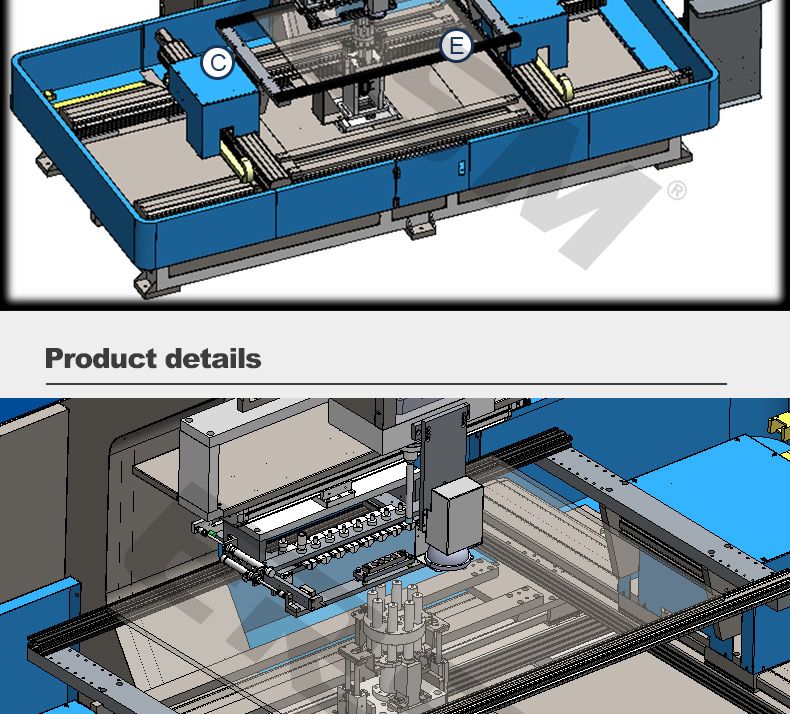
Шта покрива управљање скрапом за резање
Звучи сложено? Много је лакше када сви тимови користе исти језик. У једноставним речима, управљање остатком за резање је контрола струје отпада настале када резање или сродни алат за резање уклоне материјал који део више не треба. То укључује и да се штап правилно именује, да се одвојува од добрих делова и да се осигура да не изађе из подручја алата без стварања заглављења.
Управљање скрапом за резање је планирање и контрола скрапа који се ствара када се вишак материјала одсече из делова.
Шта значи уређивање остатка
Ако сте питали шта је резање, кратак одговор је овај: то је инструмент за убоду и резање који се користи у резању да би се уклонио нежељени материјал након претходне операције. У Металформинг терминологије, резање уклања материјал који је потребан за претходно корак, као што је цртање или растезање, али више није део готове компоненте.
Основни термини као што су Трим, Матрикс, Скелет, Слаг и Веб
- Пребрисање : рез који уклања вишак материјала са готово завршеног делова.
- Матрица или скелет : преостале рамке, или сјечњаца, око цветног или резаног облика.
- Слиз : остаци произведени перформацијом.
- WEB : материјал између отвора или ивица, а у неким индустријама и танки материјал који се пробова.
- Скрап : одбацивани обрез, крвни сухољци, скелет, мреже или луковице које је створио алат.
Зашто је то важно? Зато што се лабава пуза, широк скелет и уска мрежа не понашају на исти начин. Када оператери, техничари и инжењери користе погрешан термин, често бирају погрешан начин уклањања или испитују погрешну тачку повреде.
Како се штампање, претварање и лијечење разликује
У штампању листова, резање уклања вишак метала из формираног или празног делова листова. У сечењу или конверзији на основу траке, тимови се често баве танким материјалним тракама и околним матричним отпадом. У лијепу се растворени метал убризгава у лијеп, хлади, избацује се и затим се режу да би се избацио вишак материјала из ливеног делова. Ови процеси су повезани, али не стварају идентичне потоке скрапа. Та разлика је важна, јер понашање скрапа почиње на линији за резање, а не на кутији за прикупљање.
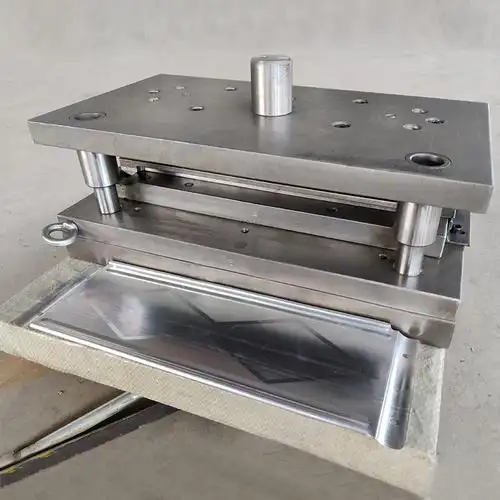
Дизајн за резање за боље проток скрапа
То је та линија где почети већина проблема са проток. У јаком дизајн резања , лом се третира као део процеса, а не само остатак отпада за касније. Звучи једноставно? У пракси се многи заглављања почињу јер се матрица може резати материјалом, али алат не може поуздано да га очисти.
Како се производи скрап у трим-машини
Свака акција резања ствара другачији тип струје скрапа. Одразање ивица може да произведе дуге, уско делове. Носачи и мреже могу оставити повезане секције које се окрећу док подршка нестаје. Убојање ствара слигаве, а неправилне контуре могу створити закривљене, Z-облике, L-облике или U-облике који се окрећу или стоје исправно током пада. Упутства у дизајн за обраду скрапа уколико се не буде било више пута наглашавало да се избацује комад по комад, јер је више вероватно да ће се наклапани или преврнути остаци заглавити у комад.
Ово је важно да ли прегледате ушипљење резања или веће резање алата и марирање распоред. Ослобођени остатак који остане у алату може се лепнути за ударе, падиве и стриптизе. Током монтаже и рада, произвођач напомиње да не уклањање лабавог скрапа може довести до двоструке дебелине хране и озбиљних оштећења штампе.
Направити излаз пре него што се штампари почну бавити
Гравитација помаже, али само када је рута дизајнирана. И инжењерски парашут управља брзином, оријентацијом и конзистенцијом протока, уместо да једноставно пушта материјал да падне. Зато се евакуација лома мора планирати на три нивоа одједном: отварање штампе, маса за штампање или рупа за лома и точка прикупљања на нивоу пода.
Уобичајено вођење штампања чини да су ове стазе довољно стрме да би се избегло оклевање. Исти извор горе описује 30 степени као честа минимална за многе слајдове, са 45 до 50 степени пожељних у условима теже или мањег скрапа. Ширина и дијагонални прозор су такође важни, јер се дуг или асиметричан комад може окретати, ухватити ивицу и започети се понављајући циклус заглавања.
Шта би оператери, техничари и инжењери требали да провере
- Отворите коцку и тражите остатке који висију на ударима, падинама, стриптисерима и резачким ивицама.
- Следите пут пада од тачке резања до фуније или падуша, пазите на кораке, оштре прелазе и тачке за зачицање.
- Проверите угао, ширину и прозор да би се скрап могао пасти један по један.
- Потврдите да остаје одвојен од добрих делова, сензора и зоне приступа оператору.
- Проверите у месту прикупљања ризик од преливања, безбедан приступ и лако посматрање током производње.
Видећете модел овде: лош проток скрапа је ретко само проблем чишћења. То повећава ручну интервенцију, повећава шансу за оштећење алата и дестабилизује време рада. Точна метода која најбоље функционише зависи у великој мери од тога из чега је материјал направљен и како се тај материјал понаша у покрету.
Избор правог метода уклањања остатака
Када пратите ток отпада из штампе, брзо се појављује једно практично питање: шта би заправо требало да помера лом? Вакуум, гравитација, механички пренос, сечење, повратна напетост и ручно управљање могу све да раде, али не и за исти облик лома или распоред биљке. Зато избор методе треба да остане неутралан према произвођачу. Најјачи одговарајући обично зависи од врсте материјала, гамара, геометрије лома, оддалечености транспорта и онога што точка прикупљања може безбедно прихватити. Исту логику "прво апликација" наглашава ротативно управљање конверзијом .
Када је пнеуматичко и вакуумско уклањање разумно
Звучи једноставно? Пневматичне и вакуумске методе су често прве опције које тимови разматрају јер уклањају остатке близу реза. У апликацијама за конверзију, системи избацања ваздуха се користе за душење луковица чисте од шупљине, док се вакуумски трансфер користи када се остаци морају ухватити и однети у бољу тачку испуштања. Веома брзо ћете приметити да је то компромис. Воздух је праг и компактен, али може да се бори када је скрап превише тежак, превише велики или лоше усмерен. Вакуум побољшава сачување и рутинговање, али порности и тешки отпад који се састоји од лепила можда неће добро реаговати, а систем ради само ако се усисавање одржи конзистентно.
Где се конвејзори, хеликоптери, матрица и падионица најбоље уклапају
Механичке методе постају привлачније када је ток скрапа превише дуг, претежан или преобладан за само ваздух. Конвејвери помажу када се шраф мора одвести даље од штампе. Шоппери помажу када се треба смањити дуга крајеви или остаци траке пре него што се поправи. У операцијама резања, Делта Стил Технолошиес примећује да валдерс може одговарати ради са умереним размерима са ограниченим простором , док се хеликоптери често воле где је приоритет непрестано, брже производње. Матрице ревинд одговара преображавању мреже јер повезани отпад може да остане под контролисаним напетом уместо да се распадне. Подношење на основу падужа остаје корисно када гравитација може да пренесе остатак чисте од мате до контејнера. Ручно уклањање још увек има место за пробне, кратке трке или нестабилне процесе, али треба га третирати као привремену контролу, а не као невидљив поуздан.
| Метода | Најбоља примена | Материјално понашање | Осетљивост брзине линије | Потребе за површином на поду | Jačine | Ограничења | Уобичајене грешке | Импликације одржавања |
|---|---|---|---|---|---|---|---|---|
| Пневматичко уклањање | Мале, дискретне луковице уклоњене у близини тачке резања | Боље ради са крутим, нелепким комадима него са тежим или липилим скрапом | Може подржати брзу радњу ако време и испорука ваздуха остану стабилни | Ниско на коцкању, али треба снабдевање ваздухом и улазак у траку | Кокампатан, једноставан за додавање, брз одговор | Ограничена контрола силе и правца на тешком скрапу | Слаби притисак ваздуха, заткнути пролази, лоше циљање, нестанчан избацивање | Проверите воздушне цеви, вентили, буране пролазе и квалитет ваздуха |
| Извајање или пренос вакуума | Скрап који се мора ухватити и одвести од тесног подручја алата | Најбоље са малим, чистим комадима; мање поуздано са поромним или лепим остацима | Перформансе брзо опадају када цурење или накупљање смањују усисавање | Ниски близу алата, умерен за пумпу, рутинге шланга и раздвајања | Чишће садржење, флексибилно рутирање, мање лабавог штрипа око штампе | Потребно је адекватно вакуумско извора и добро запечатање | Излаз, затклавање црева, оптерећење филтера, накупљање лепила | Чишћење филтера, проверке пломби, инспекција црева, сервис пумпе |
| Конвејер | Дуже оддалеченост превоза или места за прикупљање далеко од штампе | Ручи грубији или мешани остатак ако је контролу точка падања | Најбоље ради са стабилним храниоце уместо изненадног пораста | Умерено до високо | Контролисани пренос и боље одвојеност од подручја оператера | Користи простор и додаје комплексност чувања и рутинга | Проливање, проблеми са праћењем појаса, бочна акумулација, преоптерећење | Преносне колаче, инспекција површина знојања, чист поврат, сервисне вожње |
| Хеликоптер | Непрекидна ребра, штрип од траке или трака који би се иначе намотавали или заплетени | Најбоље са континуираним потоцима остатака, а не са лабавим, неправилним комадима | Често изабран када је непрестано производње важније од једноставне прикупљања | Умерено | Смањује оптерећење и може побољшати руковођење биндом и проток рециклирања | Потребно је конзистентна храна и није идеална за сваки облик лома | Заглављено хранило, тупи лопати, преоптерећење, лоше испуштање | Проверке знојања ножева, подешавање пролаза, подешавање хране, кућно чишћење |
| Матрица завртања | Матрица или скелет одпада у преображавању павуча | Ради када отпад остане довољно нетакнут да остане под контролисаним напетом | Стабилан на брзини ако је контрола напетости стабилна; преломке веб-а заустављају линију | Ниско до умерено | Чисто, организовано прикупљање са снажном контролом континуираног отпада | Зависи од чврстоће траке, контроле напетости и грађевине ролле | Полошање траке, телескопске ролле, неисправност напетања, дефекти намотања | Мониторинг напрезања за повраћање, ваљка, језгра и контаминације лепила |
| Руковање на основу парашута | Кратки гравитациони пада од штампања у комору или сепаратор | Најбоље за остатке који се слободно падају и не се липе, не преврставају или превише не треперају | Мање осетљив на брзину него на геометрију и конзистенцију комада | Ниско | Једноставна, нискосложна и нискоенергетска опција | Зависи у великој мери од угла пада, ширине и путења пада | Мостови, вешања, преливање ѓубре, мешани скрап и делови | Чишћење зграде, инспекција линера, провера излагања и дозвола |
| Ручно уклањање | Уређивања, проби, кратке трке и нестабилни или мењајући обрасци скрапа | Флексибилан на многим облицима скрапа јер се оператери прилагођавају у реалном времену | Врло осетљива, јер радница брзо постаје уплитно грло | Мало простора опреме, али потребно је сигуран приступ оператора | Ниски трошкови капитала и лако започиње | Највећи оптерећење радом, више варијација, већа изложеност пропуштеном скрапу | Одложено чишћење, лоше одвођење, понављају се прекиди | Понуђује стандардни посао, приступ, обуку и дисциплину у домаћинству |
Како упоредити методу са распоредом, брзином и обликом шрапа
- Ако је остатак мали и дискретан, прво упоредите пневматичне и вакуумске опције.
- Ако остатак остаје повезан као мрежа или скелет, матрично превртање или контролисано сечење обично заслужује рано прегледање.
- Ако је превозна удаљеност дуга, конвејвери или методе удаљеног прикупљања често имају више смисла него покушавање да се све реши на чеки.
- Ако је простор на поду скуп, управљање на основу падужа или компактно уклањање нивоа штампе може победити већу механичку опрему.
- Ако место прикупљања не може да прихвати дуге намотаче или заплете траке, процени резање пре него што одмериш коцке и проток рециклирања.
- Ако процес и даље зависи од ручног чишћења да би се наставило са радњем, то третирајте као упозорење, а не као доказ да је метода довољно добра.
Исти логике скрининга помаже када сте преглед обраду скрап око прес за резање на лимбање , а штампач за резање на лијечење , или за резање матрице за лијечење матрице - Да ли је то истина? Почни са тим како изгледа штап, колико далеко мора да путује и где мора да заврши. Једна метода може изгледати ефикасно на папиру и ипак не успети у производњи ако се материјал савија, крене, праши, заглави или пренесе топлоту на начин на који се пут уклањања није очекивао.
Како се врста материјала мења правила за руковање ломицом
Замислите да изаберете метод уклањања који ради на челични траци, а затим гледате како пропаде чим се на линију уђе покривена материја, отпад од матрице или обрада од ливења топлим ливцем. Опрема може бити иста, али поток скрапа није. Повођење материјала мења како се скрап савија, одскаче, пади, праши и слета, због чега управљање скрапом не може третирати сваки одступач као разменив.
Како се челик и алуминијумски остаци понашају другачије
У штампаним деловима, челик често служи као база која се очекује од многих тимова. Алуминијум може брзо да уништи ту претпоставку. Произвођач напомиње да се алуминијум не понаша као челик, не истеже се на исти начин и има више повратних способности од меког челика квалитета за повлачење. Исто извор даје и једно корисно поређење: типичан челик са дубоким вуком може да има продуженост око 45 посто, док је 3003-О алуминијум ближи 30 посто. На терену се та разлика може појавити као шрам који се после сечења куца, окреће или мења оријентацију уместо да пада на предвидивом путу.
И стање на ивици је важно. У истом чланку се наводи да алуминијум формира алуминијум оксид, белу прашинску супстанцу која је абразивна. То значи да штампани алуминијумски остатак може увести фине остатке који повећавају зношење и додају проблеме са чишћењем око облога, падобрана и подручја за резање.
Зашто су премазани, лепи, тешки и лагани материјали потребни посебан третман
Звучи једноставно? У стању површине често је важно колико и облик. Масно или прекривено скрап може се клизнути брже него што се очекивало. Тргеве које су тешке залепљиваче могу се лепити на водиче, ролле или пролазе. Филмови, пене, ламинати и линери посебно су осетљиви јер су лагани, лако се преклапају и више се привлаче или трепећу уместо да се чисто падају као метал. Тешки скрап доводи до супротног проблема. То има тенденцију да пада са већом снагом, удара јаче на прелазе и преоптерећује кутије или сепараторе ако се величина комада не контролише.
| Материјална група | Главни стражари | Мод вероватног неуспеха | Примена за руковање |
|---|---|---|---|
| Скрап од челика | Оштре ивице, преношење уља, дуги ребн секције | Вешање на уским прелазима, заплета ребра | Контролишете дужину комада и заштитите површине са великим контактом |
| Алуминијумски листови | Више пролетних, коврчастих, остатака абразивног оксида | Ротирајући делови, запљачкање парашута, акумулирање остатака | Користите глатке путеве падања и често прегледајте тачке знојања |
| Плочице и плочице | Слизанство, натпрева на површини, пренос слоја за ослобађање | За превртење, залепљање, за прљављење ваљка или филтера | Проверите интеракцију површине током испита, а не након лансирања |
| Филмови, пена, ламинати, линери | Мала маса, трепање, статичка осетљивост | Лоша ухваћања, преклапања, мешани скрап и добри делови | Смањити неконтролисан проток ваздуха и неподржан пут |
| Тешки делови за обнову | Сила удара, оптерећење, неугодни облици | Кваљице, оштећење парашута, преоптерећено прикупљање | Проверите прелазе, ограничења за бин и пади енергије |
Које се промене у окружењу за резање литке
Промена материјала је још очигледнија у резању ливења. У водичу за лијечење штампањем се избачен удар описује као део плус тркачи, капи и блиц, који се сви морају уклонити током обрисања. Такође објашњава да се алуминијум обично користи у лепући калу у хладној комори због своје вишке тачке топљења, док се легуре са нижим топом топљења као што је цинк често погодне за системе у топлим коморима. За резање делова ливења на штампу, то значи да ток скрапа може укључивати грубо повезан резач, крхко блешање, топлу металу и фине настале касније шлифовањем или дефлаширањем. У ћелији за резање лијечених метала, ти услови захтевају више пажње на топлоту, контролу фрагмената и одвајање делова од скрапа него типичан пут пада листа-метала.
Када се једна породица материјала заглави, а друга ради чисто кроз исти хардвер, материјал вам обично даје први траг. Прашина, статичка материја, лепило и метални фини остављају различите трагове, а ови трагови чине решавање проблема ефикасним уместо понављајућим.
Решавање проблема са упључкањем, прашином и заглављењем
Када се исте престанке стално враћају, проблем се обично креће са потоком скрапа. У резање у случају да се не буде успело да се извуче из радног места, гужва може се појавити на паду, месту прикупљања, раздвајачу или смећу, али прави узрок често почиње горе по потоци са оријентацијом, акумулацијом, слабим ухватом или лошим раздвајањем. Ви ћете брже стићи до коренског узрока када оператери, одржавање и инжењерство прво дијагностикују по симптому, а затим провере први физички индикатор уместо да мењају неколико подешавања одједном.
Зашто се повратак и заткрцање враћају
Поновљени уши ретко долазе од једног лошег дела. Уски пролаз може да се провали само након што прашина наплати филтер. Сачење може изгледати неконзистентно када је прави проблем цурење, заткривање црева или повећање отпора сепаратора. У обрађивању листова метала и касирање на резање ћелије, понављање заглављења је често видљив резултат система који је изгубио стабилност негде између зоне резања и тачке прикупљања.
Зато би прво преиспитивање требало да прати потпуни пут. У затвореном радном подручју, industrijski sbirnici prašine се користе за улазак честица у ваздуху. За сепараторе и сличну опрему, структурирани програми инспекције траже абнормални шум, погорљену температуру, видљиве пропусте, вибрације и повећање притисак диференцијала јер се ови знаци често појављују пре потпуног заустављања.
| Симптом | Вероватно узроци | Шта прво прегледати | Одмахна акција за ограничење | Дужи рок коригирајуће акције |
|---|---|---|---|---|
| Упљућивање на паду или падају | Скрап ротирајући, прелазак или прихватање накупљања и чврсти прелази | Излаз из коцке, улаз у падуж, тачке за зачицање и висећи скрап | Очистите заткљутак безбедно и смањите храну ако је потребно | Отворите ограничење, глатко прелазак, и стабилизирају оријентацију скрап на испуштању |
| Неконзистентно сисање | Пролази црева, блокиран пријем, наполњени медији филтера, проблеми са сепаратором | Точка прикупљања, интегритет црева, стање филтера, пад притиска | Чистите подручје за прикупљање и обновите пут проток ваздуха | Поставите границе инспекције филтера, пломби и црева и документујте промене тренда |
| Превише прашине | Фине честице на местима резања, преноса, конвејера или испуштања | Где се прашина преноси ваздухом и да ли је улазак локалан или општи | Одржите простор и сачувајте тачке ослобађања | Користи локализовану прскавицу или магла на отвореним подручјима, или прихватљиву прикупљање прашине, у зависности од распореда |
| Статичко накупљање или причвршћење | Лаган остатак који се лепља на површине, неконтролисано кретање ваздуха, слабо ослобађање | Докази о прилепљивању на заштитне уређаје, облоге, шланге и површине за испуштање | Уклоните прилепљиве остатке и успорите извор узнемиравања | Прегледајте обраду материјала, заземљавање и контролу проток ваздуха у зонама за узимање и одлазак |
| Накупљање лепила | Останци липица на ваљкама, линерима, шланцима, филтрима или пријемним станицама | Контактне површине најближе улазима за резање и транспортовање | Чистите прљаве површине пре него што се натрупање оштри | Додајте рутинске интервале за чишћење и потврдите материјале према одабраном методу превоза |
| Загљени метали | Дечице зноја алата, абразија или слаби заплен железни у подножју | Огранке резања, области зноја, стање сепаратора, ефикасност магнетног уласка | Изолирајте контаминисани остатак и проверите зношење алата | Тренд износ остатака, обновити чврстоћу уласка и решити извор зноја пре него што се контаминација шири |
| Слаба сепарација скрапа и добрих делова | Мешани путеви падања, одскок при испуштању, преоптерећена точка прикупљања | Део-скрап-сплит на цреву и крајњу област за прикупљање | Одвојени комори и проверите сензор или заштитну функцију | Препроектирајте тачку поделе и контролне трајекторије пре него што материјал стигне до пода |
| Поновљени загрубоци након чишћења | Само симптом је уклоњен, а не изазовач. | Регистри одржавања, понављање локације и услови рада када се заглави | Покренете контролисан рестарт и погледајте прву тачку неуспеха | Стандардизирајте преглед коренског узрока са оператерима, одржавањем и инжењерством |
Како дијагностиковати прашину, статику, налепљење и гвожђе
Звучи сложено? Држите наредбу за инспекцију једноставном и понављајућом.
- Затварите опрему и почните са тачним тачком где се појављује симптом.
- Проследите назад до отвора за рошење, тражећи висећи скрап, акумулацију или промену облика скрапа.
- Проверите проток ваздуха, вакуумске линије, филтере и стање сепаратора на проливање, оптерећење, абнормалну буку, топлоту или вибрације.
- Проверите контактне површине да ли се не појављују преношење лепила, улоге прашине или гњежђе које указују на зношење или преношење контаминације.
- Потврдите да се точка прикупљања не прелива, меша струје или присиљава скрап назад у пут.
Корективне мере које штите време и алате
Најбезбеднија краткорочна акција није увек најбоља дугорочна решења. Ручно чишћење може поново покренути линију, али поновљена интервенција повећава шансу за оштећење алата, мешани скрап и пропуштене упозоравајуће знаке. У резање алата лијечење на штампу околине, тај ризик може да се повећа још више када се топлоти, блиц и фина скупљају око радне зоне.
Корисне корективне мере имају два слоја. Прво, сачувајте тренутни догађај чишћењем препреке, враћањем заробљавања и заштитом коцке. Затим уклоните стање које је изазвало поновљење замка, било да је то наплаћивање филтера, лош прелаз пада, неисправна прибирања или слаба контрола раздвајања. Када се исти симптом врати чак и након доброг одржавања, проблем често указује на више од решавања проблема и на капацитет система, удаљеност транспорта или распоред прикупљања.
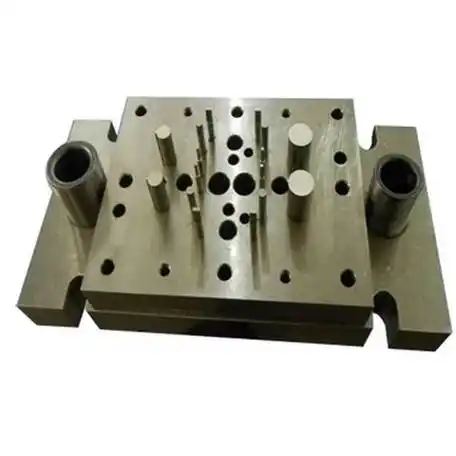
Размерно обрађивање скрапа за резање мотрица пре инсталације
Када се заглављење почисти и поново се појави, проблем је често већи од самог заглављења. Путеви за уклањање могу бити мањи, точка за прикупљање може се пребрзо напунити или распоред може приморати неугодан приступ сервису. Зато добро димензирање почиње пре куповине, а не након инсталације. Уређење које изгледа прихватљиво у кратком пробивању још увек може пропасти током дугих тркања, промена штампе или замене пуне кутије око активних штампа.
Пременљиве које контролишу капацитет обраде скрапа
Почни са целим потоком. Тимови морају да документују количину лома, густину материјала, ширину траке или пауке, брзину линије, одстанку транспорта, учесталост прикупљања и физичка ограничења коначног контејнера или сепаратора. У вођење резање , избор опреме је везан за производе који се покрећу, учесталост промена монтажа и расположиву радну снагу. Исту дисциплину се односи на штампање и резање. А дизајн за зачињење ремп производња компактних комада ствара сасвим другачији оптерећење од алата који се баца дуги рез, повезан скелет или групави сухољек.
Потреба за рециклирање такође утиче на димензионирање. Системи сортирања као што су магнетни сепаратори за железни остатак и сепаратори за струју вихре за нежелезни материјал најбоље раде када су планирани у проток, а не додати након што се мешани остатак почне скупљати.
Како удаљеност, густина, ширина и брзина линије утичу на величину
Звучи сложено? Користите једноставну сочу. Даље путовање значи више шанси да се остатак скрапа скрене, премости или изгуби оријентацију. Виша густина значи теже оптерећење на тањирима, санданима и тачкама за испустити. Већа ширина траке може створити шире стазе за скрап или веће повезане делове. Брже брзина линије смањује време које је доступно за покупање, трансфер и сигурну интервенцију.
У референцама се показује зашто је облик важан као и обим. Произвођач напомиње да ломачни балери требају прилично велику јаму за акумулацију, виндерски ваљају ломац под напетом током вожње линије, а хеликоптери седе директно иза главе резача са прилагођеним цевицама или парашутима. А МеталФорминг случај додаје још једну лекцију о величини: компактни пневматични конвејтери су били вредни тамо где је простор у пролазу ограничен и тим је још увек требао приступ за сервис и промену.
- Погледајте ток скрапа на излазу из штампе током нормалне производње и најгори очекивани мешавину делова.
- Запишите величину комада, облик лома, процениту количину и колико често треба мењати контејнере.
- На мапи маршрута до тачке прикупљања, укључујући удаљеност, окрете, промене надморске висине и заједнички простор на поду.
- Проверите локацију сепаратора, капацитет кутије, рутин за рециклирање или одлагање и да ли промена прекида производњу.
- Проверите комуналне услуге, заштиту, досег одржавања и промену матрице пре закључавања распореда.
Конфликти у распореду који треба ухватити пре инсталације
Многи неуспехи почињу изван коцке. вођење места прикупљања наглашава да би станице требало да буду доступне без мешања у рад. И овде се исти правило примењује. Држите путеве за хођење оператера отвореним, остављајте простор за размену бинса, заштитите пролаз из кочија и осигурајте да се филтери, подножје и делови за носили могу доћи без несигурних прелаза. Ако систем блокира приступ сервису, чак и конвејдер или падуб велике величине може постати извор запада.
- Операције : Run Mix, време за промену коша, оператерске тачке додир, и очекивања за рестарт.
- Одржавање : тачке инспекције, уклањање посуда, предмети за ношење, резервни приступ и потребе за закључавањем.
- Инжењеринг : претпоставке пролазности, избор сепаратора, рутирање комуналних услуга и будући сукоби са променом.
- ЕХС : контроле заштите, уређења, проток саобраћаја, означења и рециклирања или одлагања.
Мали распоредни пропусти ретко изгледају скупо током инсталације. У производњи, они се претварају у додатни рад, касни поновно покретање, и теже опоравак од скрапа, што је управо када техничка одлука о руковању почиње да утиче на трошкове радног времена.
Процена трошкова у току рада и утицаја на повраћај
Када уклопите руководњу остатком у било који простор који је преостао, стварна цена се обично појављује касније. Појављује се као кратки заустављања, чишћење, мешани делови и превентивни ризик од алата. У пословном смислу, питање није да ли је метод уклањања јефтин за инсталирање. Боље питање је шта тренутна стаза за отпад кошта линију у погледу времена рада, рада и опоравка. Добро управљано уклањање индустријског отпада такође утиче на простору на поду, радни ток и колико материјала може бити чисто упућено на рециклирање.
Како руковање скрап-а утиче на ОЕЕ и време рада
У конверзији, шрап може смањити ОЕЕ оштећујући алате, стварајући лоше делове, повећавајући време чишћења и приморавајући више ручног сортирања, као што је наведено у овим Утицаји на ОЕЕ - Да ли је то истина? Исти узор се појављује у операцијама штампања и резања. Свака заглавица смањује доступност. Свако опрезно успоравање или рестартирање утиче на перформансе. Сваки помешан или оштећен део утиче на квалитет.
Видећете да су неки губици индиректни, али и даље скупи. Блокирани парашут може одложити проверу поновног покретања. Опуштена огранка може да досегне сензоре или контактне површине. Преливање сандака може да украде простор у пролазу и додаје додатне шетње, подизање и кућне послове који се никада не појављују на понуди опреме.
Категорије трошкова које треба прегледати пре изградње пословног случаја
- Поједице за контакт са радом : ручно чишћење, сортирање делова, промена кошница, додатна инспекција и чишћење.
- Појаве у време одступања : мали заустављања, кашњења у поновном покретању, мешања у прелазак и блокирани приступ.
- Заштита алата : оштећење оштрице, износ, погрешно постављање и контаминација у близини матрице.
- Ризик од дефекта : нерезани делови, мешани токови, козметичка оштећења и пропуштене несагласности.
- Покупачки оптерећење : контрола прашине, уклањање остатака, реаговање на разлије и чишћење подручја.
- Коришћење простора : кутије, конвејвери, сервисна дозвола и изгубљени приступ пролазу.
- Достатак од рециклирања : квалитет сегрегације, контаминација и рутин за рекуперацију.
- Напори за одржавање : филтери, шланге, линери, делови за носилиште и време за решавање проблема.
Најјефтиније методе уклањања могу створити највише укупне трошкове ако повећавају заустављања, контаминацију или оштећење алата.
Како упоредити рад, време одмора, одржавање и опоравак
Практичан пословни случај најбоље функционише када следи широк Рамковање ТЦО - Да ли је то истина? То значи да се рачунају и прикупљање, рад, рад, одржавање и утисрање, плус скривени трошкови као што су проблеми са компатибилношћу или празнине у подршци. Почни записујући тренутне губитке: где оператери додирну струју скрапа, где се линија заустави, шта треба очистити и шта се оштети или понизи. Затим дефинишите мерељиву промену коју очекујете, као што је мање ручног чишћења, чишћење делова, краћи прозор за чишћење или боље раздвајање скрапа. У поређењу треба да се фокусира на рекурдиран оптерећење пре и после побољшања, а не само на куповну цену.
Ово је такође место где тимови тежину унутрашњих поправка против спољашњих инжењерство за резање ,услуге за производњу резача , или услуге за дизајн реминг-маре - Да ли је то истина? Ако се понављајући губитак почиње са обликом лома, лошем геометријом испуштања или неисправношћу алата са распоредом, најбоље уштеде могу се налазити горе по терену у самом дизајну, а не само у кутији за прикупљање.
Када инжењерска подршка побољшава проток скрапа
Када стално поправите кутију, паду или вакуумну тачку и линија се и даље зауставља, стварни проблем може бити у самом алату. Спољашња инжењерска подршка добија своју подршку када је облик скрапа, секвенца за резање, пролет или раздвајање делова на скрап још увек нестабилан пре лансирања. Једна брза напомена: претраге као што су дилон Трим ,рЦБ-ови резачи , и редење резања обично указују на алате за пренабављање кертриџа, а не на аутомобилску опрему.
Када се подршка за инжењерство за резање кутије исплати
Узимите партнера за алате рано када посао укључује сложене штампање челика или алуминијума, вишестепено обликување и резање, чврсте распореде штампања или понављајуће пробно мењање. Симулација ЦАЕ може моделирати формирање, резање, проток материјала, варијацију дебљине и повратак пре резања челика. ТАС Вијетнам напомиње да програми под вођством симулације често смањују обиле итерације за 30 до 50 посто. То је важно овде јер касне промене геометрије могу такође да промене како се скрап излази, окреће или одваја од готовог делова.
Шта треба тражити од партнера за производњу аутомобилских алата
- Доказан искуство у штампању аутомобила са сличним материјалима и сложеношћу делова.
- Формални преглед пројекта за проток скрапа током изводљивости, а не након прве гужве.
- Способност ЦАЕ за формирање, резање и валидацију пролаза.
- Дисциплина система квалитета усклађена са документацијом ОЕМ-а и захтевима за лансирање.
- Реаспонсивно прототипирање или подршка софт-тоул-а за брзо учење током раних испитивања.
- Јасно власништво за промене у инжењерству, резултате инспекција и производњу.
Како рана симулација смањује ризик од руковања са ломаном
Замислите да пре него што почнете са обрадом, прегледате линије за резање, распоред ленте и вероватно тешке зоне. То је место где спољашња подршка може победити гашење пожара на страни постројења. У аутомобилском раду, документација је такође важна. Преглед Нет-Инспекта Уговорни стандарди наглашава значај захтева специфичних за купце и основних алата као што су АПКП, ППАП, ФМЕА, МСА и СПЦ. Добавитељ који може да повеже резултате симулације са тим резултатима обично ствара мање изненађења на лансирању.
Као један практичан пример, Шаои представља неколико маркера које купци често желе да провере: осигурање квалитета сертификовано од стране ИАТФ 16949-а, развој штампе засноване на CAE-у, брзо прототипирање за само 5 радних дана и пријављена стопа одобрења узорка за први пролаз изнад 93 одсто. Ове тачке не замењују техничку ревизију, али показују врсту подршке засноване на симулацији, освјештена ОЕМ-у која може раније решити ризик од потока скрапа. Избор партнера је важан, али резултати и даље зависе од тога како фабрика дефинише критеријуме испитивања, власништво и стандардни рад током изласка.
Изградња практичног плана за управљање ломицом
Када је дизајн алата чврст, преостао ризик је извршење. Практичан план за управљање остатком од резања претвара један добар тест у стабилан свакодневни процес. Звучи сложено? Постаје управљано када сваки тим зна шта треба проверити, ко је власник и колико често се дрифтирање прегледа.
Како направити практичан план за управљање отпадом
- Проверите тренутно стање. Прошетите цео пут од отварања штампе до завршне прикупљање и запишите гужве, ручне додирнице, мешане потоке и проблеме са приступом.
- Поправите терминологију. Уверите се да оператери, тимови за одржавање, инжењерство и рециклирање користе исте термине за обрез, слигум, мрежу, матрицу и скелет.
- Изаберите методу и нацртајте пут. Уверите се како се остаци избацују из штампе, како се превозе и где се одвоје, чувају или искоришћавају.
- Поставите критеријуме испитивања. Дефинишите како успех изгледа пре лансирања, као што су стабилан испуштање, чиста раздвајање делова, сигурно бин промене, и нема понављања заглавља кроз репрезентативни трчање.
- Придајте власништво над одржавањем. Назовите ко прегледа филтере, падобране, облоге, сензоре и тачке знојања и повежите сваку ставку са рутином.
- Оператори возова. Стандардизирајте проверке за покретање, реакцију на замрзавање, правила за рестартовање и кораке за ескалацију.
- Лоцирајте проток рециклирања. Одлучите како се скрап сортира, означава, прелази и испоручује без контаминације добрих делова или блокирања пролаза.
- Поставите рецензу. Користите кратке проверке места употребе сваке смете, дубље недељне прегледа и месечно узорке управљања.
Ефикасна контрола скрапа почиње на штампи и завршава се само када се скрап сакупља, одваја и преводи на кориштење.
Шта стандардизирати након избора методе
Видећете да нестабилни системи обично пропадају на познате начине. Зато је фазе након селекције потребна контролисана контролна листа, а не меморија. Проверени список алата помаже да се избегне пропуштање основних ствари током пројектовања, монтаже и одржавања. За наставну дисциплину, Упутства за ЛПА користан је зато што описује кратке, потапане проверке, често од 5 до 10 минута, које обављају оператери, супервизори, инжењери и менаџери како би ухватили дрифт пре него што постане скрап или време простора.
- Позиције инспекције и прихватљиви услови.
- Честота чишћења за липи, прашни или абразивни ток остатака.
- Поново покретање критеријума након промјене заглављености или бин.
- Присуство доказа, ескалација и затварање корективних мера.
Где аутомобилским тимовима може бити потребна специјална помоћ у опремивању
Замислите лансирање у коме се облик резања, пролаз и геометрија излаза одлома мењају заједно. Решења са стране постројења можда неће довољно рано решити то. У тим случајевима, аутомобилски тимови обично имају користи од добављача који комбинују искуство штампања, подршку ЦАЕ-а, дисциплину система квалитета и отклик на прототип. За читаоце којима је потребна помоћ извне у усклађивању дизајна штампе са протоклом скрапа, Шаои је један пример који вреди прегледати јер његов програм аутомобилских штампа наглашава сертификацију ИАТФ 16949, развој штампа под руководством ЦАЕ-а и подршку прототипирања до производње. Таква врста партнера је најкориснија када циљ није само да се очисти од скрапа, већ да се спречи да се џем уопште дизајнира.
Употреба и коришћење материјала
1. у вези са Шта је управљање шратом?
Управљање остатком за резање је контрола отпада насталог када резање резање одсече вишак материјала из делова. То укључује тачно идентификовање врсте ломаза, водио га из алата, држао га одвојен од добрих делова и кретање на прикупљање без узроковања заустављања. Основна идеја се примењује на штампање, конвертовање павута и резање ливцем, али се најбоља метода руковања мења са процесом и обликом лома.
2. Уколико је потребно. Зашто се то траје?
Поновни заглављања обично значи да је блокада очишћена, али извор нестабилности остао на месту. Уобичајени изазови укључују ротацију скрапа након сечења, уско или грубо прелазак у клису, слабо засјечење, прљави филтери, лепљиви остатак, пушиво наношење и кутије за прикупљање који враћају материјал у пут. Поуздана прегледа почиње на првом видљивом месту заглављења, а затим проверава уназад до отварања штампе и напред до места прикупљања.
3. Уколико је потребно. Како изабрати прави начин уклањања остатака за резање?
Почни са струјом скрапа, а не са омиљеним типом машине. Мале лужице могу одговарати пневматичком или вакуумском прикупљању, повезани матрични отпад може одговарати за повраћање или сечење, а дуге транспортне удаљености често фаворизују конвејтере или добро дизајнирано гравитационо руковођење. Такође треба да упоредите чврстоћу материјала, стање површине, брзину линије, удаљеност путовања, простор на подову, приступ одржавању и начин на који ће се остаци сакупљати или рециклирати.
4. Уколико је потребно. Како врста материјала утиче на управљање остацима за резање?
Повођење материјала мења начин на који се скрап савија, пада, заглађује, праши и одваја. Челични остаци могу се више предвиђати, алуминијум може се закрчати или оставити абразивни остатак, лагани филмови могу се трепати или причвршћивати са статичним, мрежом која се подржава лепком може се опећи ваљци или филтери, а облоге одливљене Зато се уређај који добро користи један материјал може тешко суочити када следећи посао користи другачији материјал или површину.
5. Појам Када би аутомобилски тимови требали да доведу инжењерску подршку за спољашње опреме?
Спољашња подршка је најкориснија када проблеми са протоком скрапа почињу пре лансирања, враћају се након више пута поправљања на страни биљке или су повезани са секвенцом резања, геометријом делова или распоредом штампе. Комплексне аутомобилске штампаже често имају користи од ране симулације, учења прототипа и формалног прегледа дизајна за проток скрапа пре него што се финализује штампање. Када упоређујете добављаче, тражите искуство у области аутомобила, способност ЦАЕ-а, дисциплину система квалитета и ОЕМ-претну документацију. Као један пример, Шаои наглашава сертификацију ИАТФ 16949, развој штампе под руководством ЦАЕ-а и брзо прототипирање за програме штампања где дизајн штампе и проток скрапа морају бити усклађени од самог почетка.